ToolMage
Sign in

Best 3,703 Business AI tools

Popular Business AI tools include DefinedCrowd, Shopify, Google Workspace, Dropbox, Slack, DeepL, Salesforce, Zoom, Box, and Trello, helping you work more efficiently.

nlsql
Freemium

nlsql

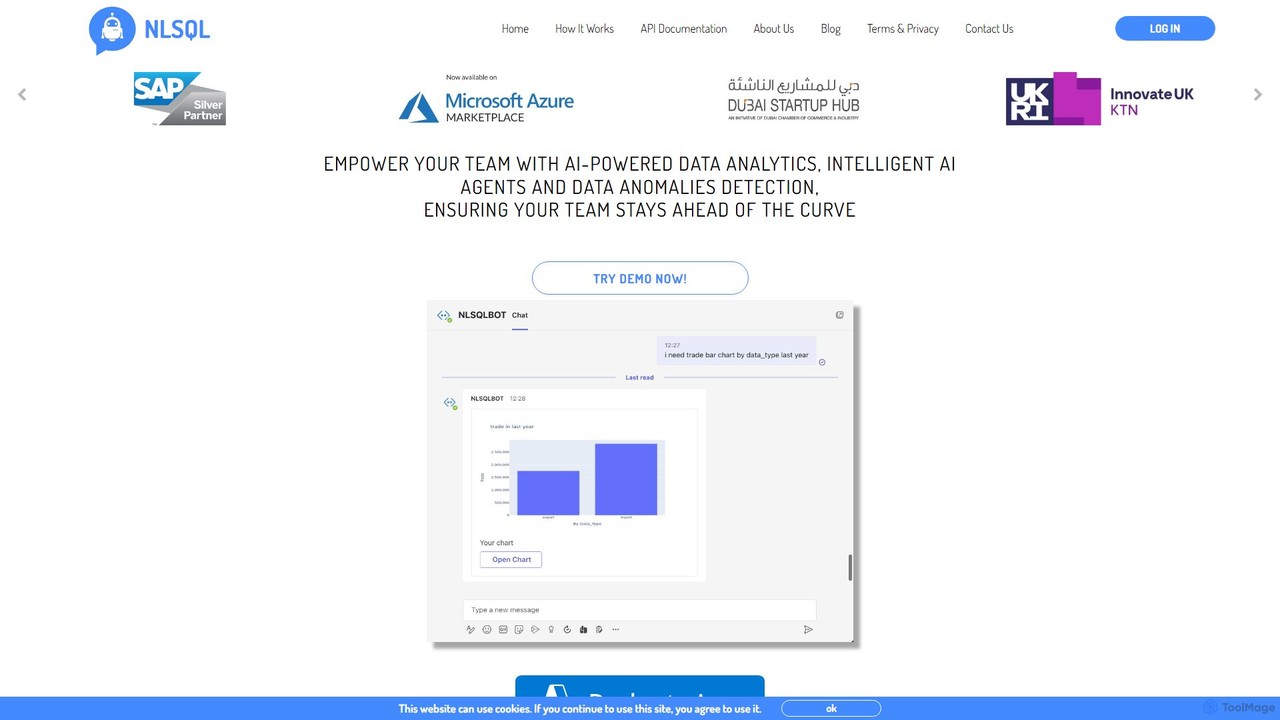
nlsql is a B2B AI platform that empowers teams with self-service data analytics. It translates natural language questions into SQL queries, enabling non-technical users to interact with databases seamlessly. It also features intelligent AI agents and proactive data anomaly detection to drive faster, data-driven business decisions.

Business Intelligence
Visits 7.7KFavorites 111Likes 114
ontezo
Freemium

ontezo

ontezo is an all-in-one, AI-powered business solution designed to streamline workflows and enhance team collaboration. It integrates project management, CRM, finance, and employee management into a single platform. Featuring the Flowra AI assistant, ontezo automates tasks like standups, code generation, and sprint planning, helping teams save time and boost productivity across various industries.

Crm
Visits 5.9KFavorites 137Likes 123
Talentpair
Freemium

Talentpair

Talentpair is an AI-powered, all-in-one hiring platform designed for tech companies and startups. It automates the entire recruitment process, from sourcing and vetting candidates to interview scheduling, significantly reducing hiring time and costs. By combining AI with human expertise, Talentpair provides access to a vast talent pool and streamlines collaboration for hiring teams, eliminating the need for traditional recruiters or multiple disparate systems.

Talent Management
Visits 6.3KFavorites 142Likes 141
Meet Lars
Freemium

Meet Lars

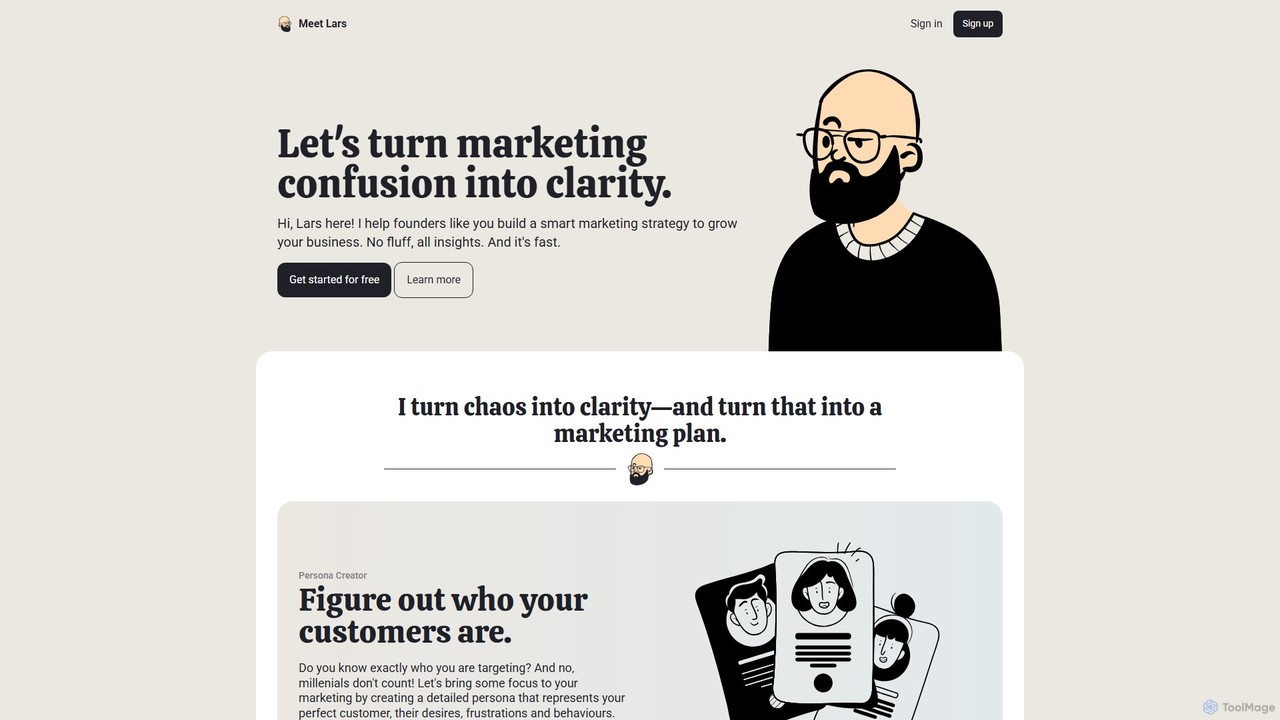
Meet Lars is an AI-powered marketing strategist designed for founders and small businesses. It transforms marketing confusion into clarity by helping you create detailed customer personas, build a strong brand position, and generate actionable, budget-friendly marketing plans. Get started for free to turn insights into growth.

Startups
Visits 6KFavorites 133Likes 130
CollabAI
Freemium

CollabAI

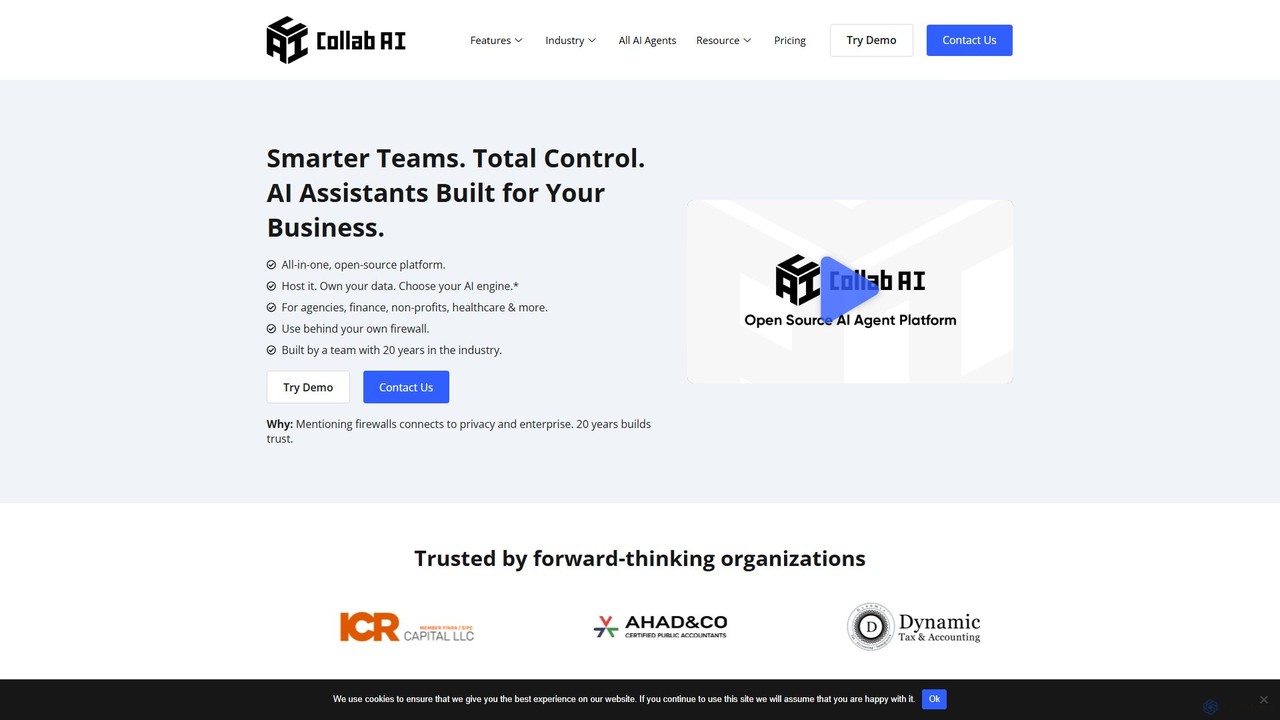
CollabAI is a secure, open-source AI platform for businesses, enabling teams to build custom AI assistants. It offers both self-hosted and cloud options, providing total data control and privacy. Integrate with top AI models like GPT-4, Gemini, and Claude, connect to your existing tools (CRM, Gmail, Slack), and automate workflows to boost productivity and collaboration securely.

Ai Platform
Visits 6.8KFavorites 139Likes 153
Covariant
Paid

Covariant

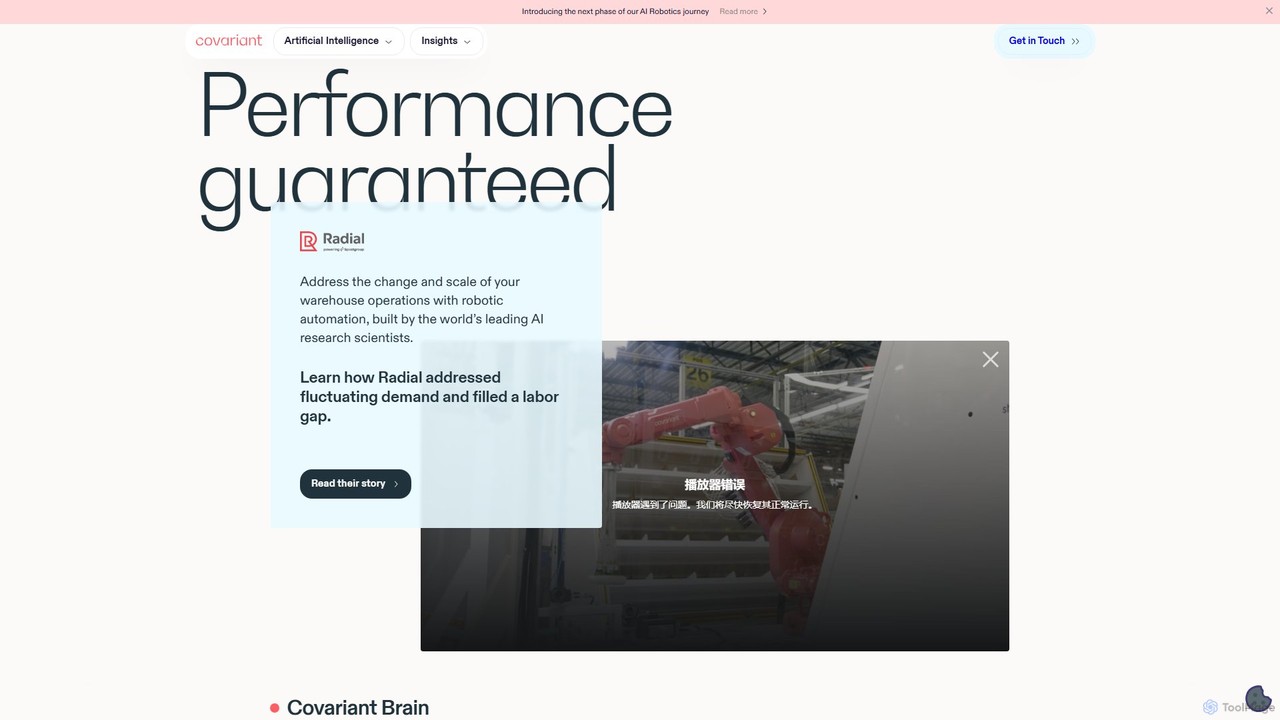
Covariant provides an advanced AI robotics platform, the Covariant Brain, designed to automate warehouse operations. Powered by Robotics Foundation Models (RFM-1), it enables robots to perform complex pick-and-place tasks with human-level autonomy. The platform is versatile, handling virtually any item from day one, and continuously improves through fleet learning. It's a solution for e-commerce, logistics, and manufacturing companies looking to address labor shortages, manage fluctuating demand, and scale their automation efforts efficiently.

Logistics Automation
Visits 22.5KFavorites 149Likes 149
EMPRESS
Paid

EMPRESS

EMPRESS is an AI-driven managed service platform that orchestrates an ecosystem of specialized providers to accelerate business growth. It simplifies complexity by offering a unified strategy, streamlined management, and a central platform for real-time insights and performance tracking, empowering businesses to achieve transformative growth and strategic impact.

Management Consulting
Visits 7KFavorites 134Likes 115
Assign AI
Freemium

Assign AI

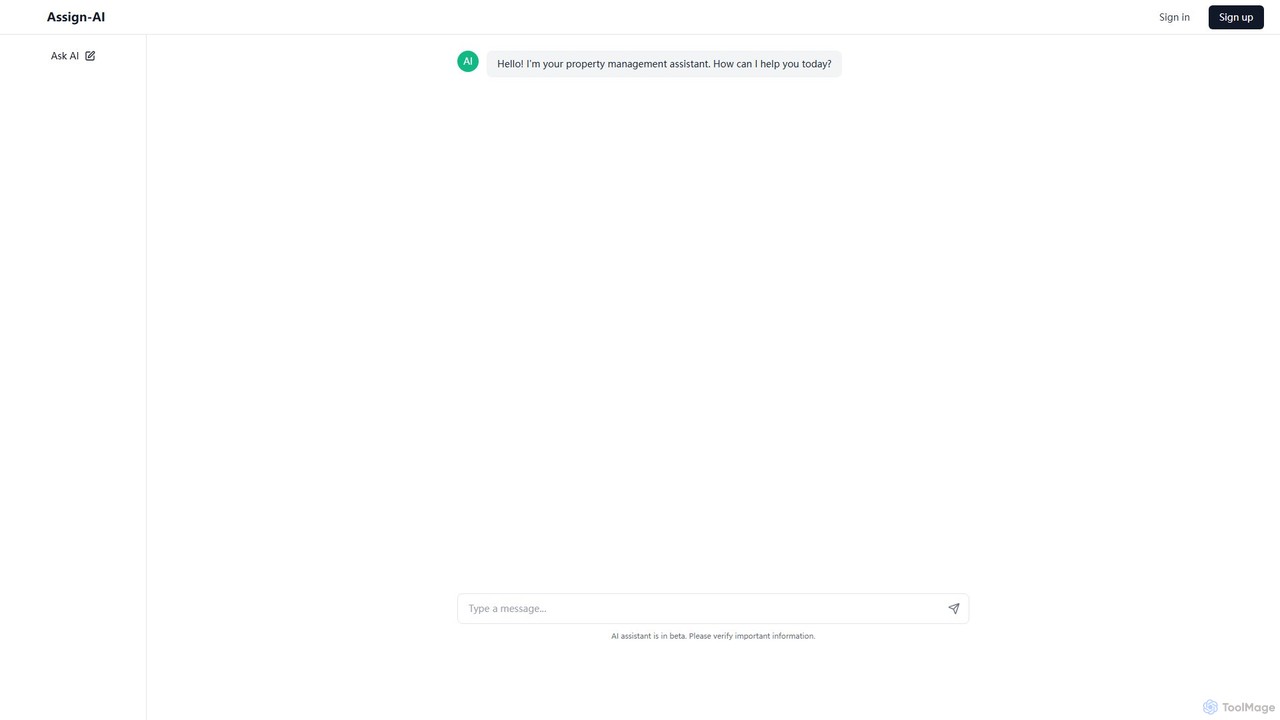
Assign AI is an intelligent assistant designed for property management. It automates tenant communication, handles maintenance requests, and streamlines administrative tasks, allowing property managers to focus on high-value activities. Operating 24/7, it enhances tenant satisfaction and operational efficiency.

Automation
Visits 6.9KFavorites 148Likes 144
Albato
Freemium

Albato

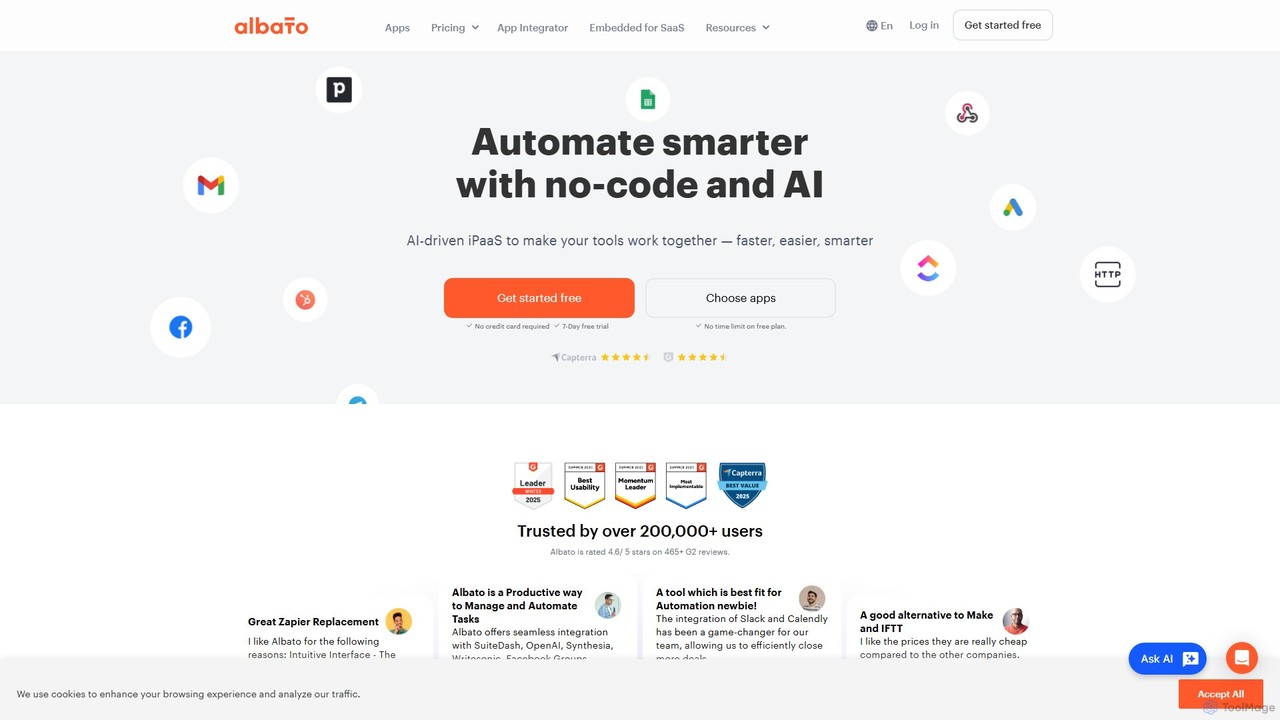
Albato is an AI-driven, no-code integration platform (iPaaS) that empowers users to connect over 800 applications and automate complex workflows effortlessly. It serves as a powerful alternative to Zapier and Make, offering an intuitive interface, extensive app library, and the ability to build custom integrations. Ideal for businesses of all sizes, Albato simplifies data synchronization, task automation, and process management, enhancing productivity and efficiency without requiring any coding knowledge.

Workflow Management
Visits 185.2KFavorites 146Likes 154
Linkup
Freemium

Linkup

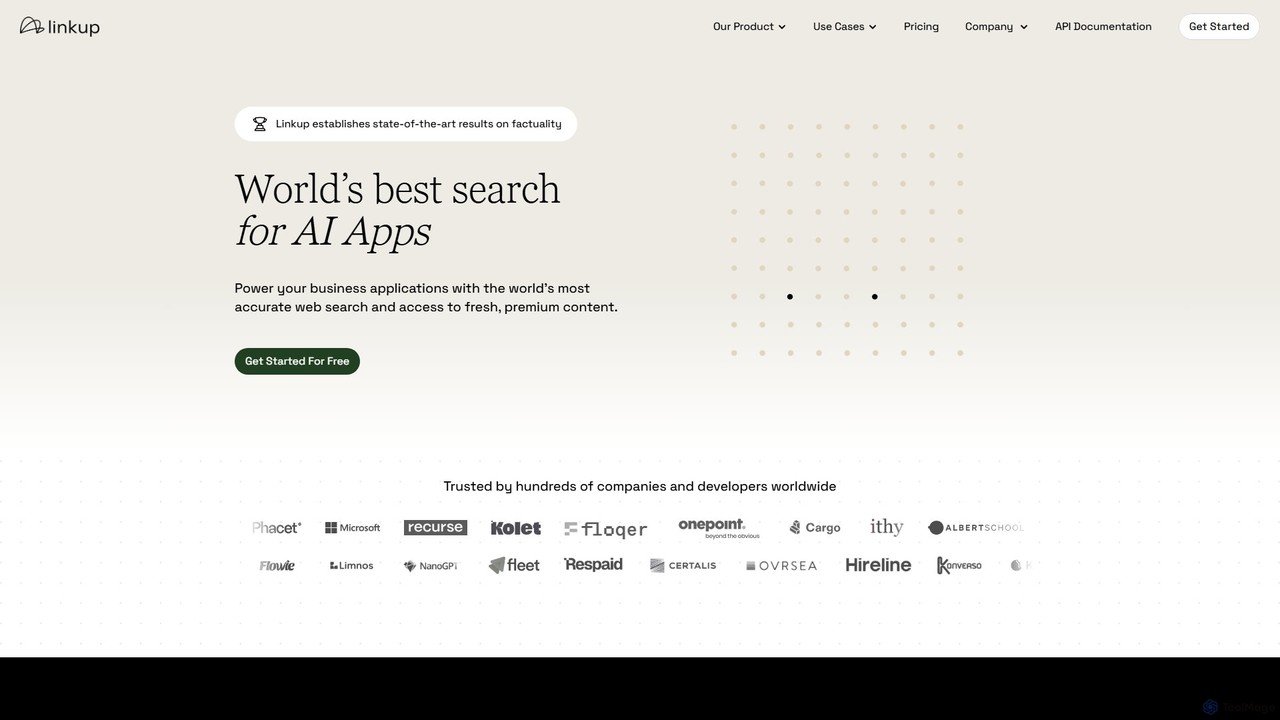
Linkup is an advanced AI-powered search API designed to provide AI applications, agents, and LLMs with accurate, verifiable, and real-time data from trusted web sources. It enhances AI factuality and performance for various business and research use cases.

Sales
Visits 85.2KFavorites 123Likes 135
Graphite Note
Freemium

Graphite Note

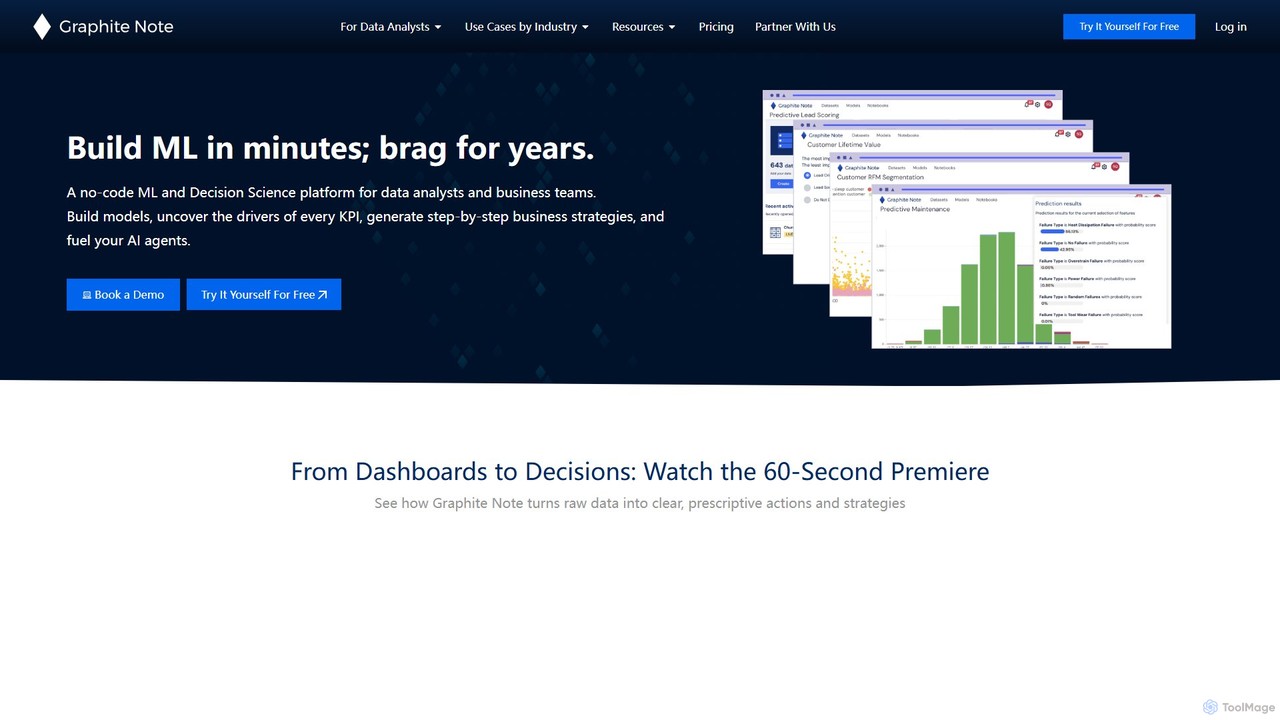
Graphite Note is a no-code AI platform designed for data analysts and business users to build, deploy, and manage predictive analytics models. It simplifies machine learning, enabling users to gain actionable insights from their data, optimize marketing campaigns, and make data-driven decisions without any coding expertise. The platform supports various data sources and automates model selection to deliver fast and accurate results.

Business Intelligence
Visits 21.1KFavorites 141Likes 147
perspective_gpt
Freemium

perspective_gpt

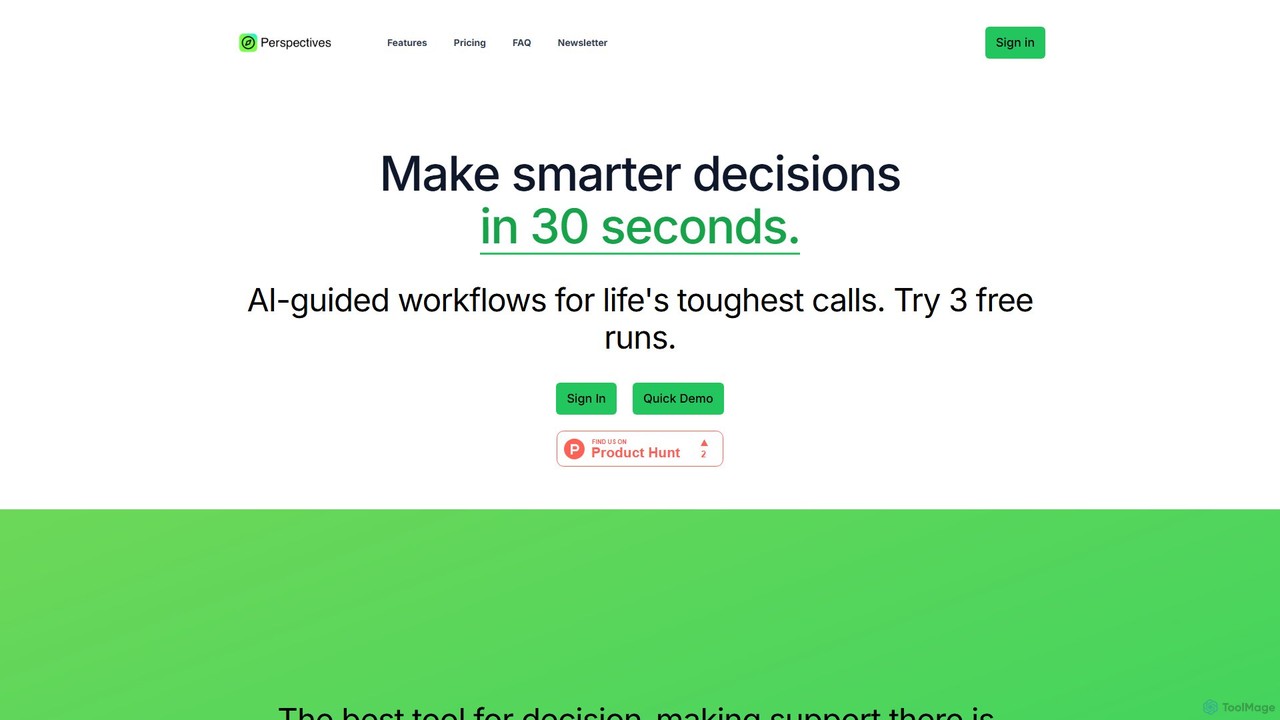
An AI-powered decision support tool that provides structured workflows and multi-faceted perspectives to help you make smarter personal and professional choices in just 30 seconds. It guides you through defining a problem, exploring options, and generates a detailed report to bring clarity to complex decisions.

Strategy
Visits 5.9KFavorites 101Likes 116
Humata
Freemium

Humata

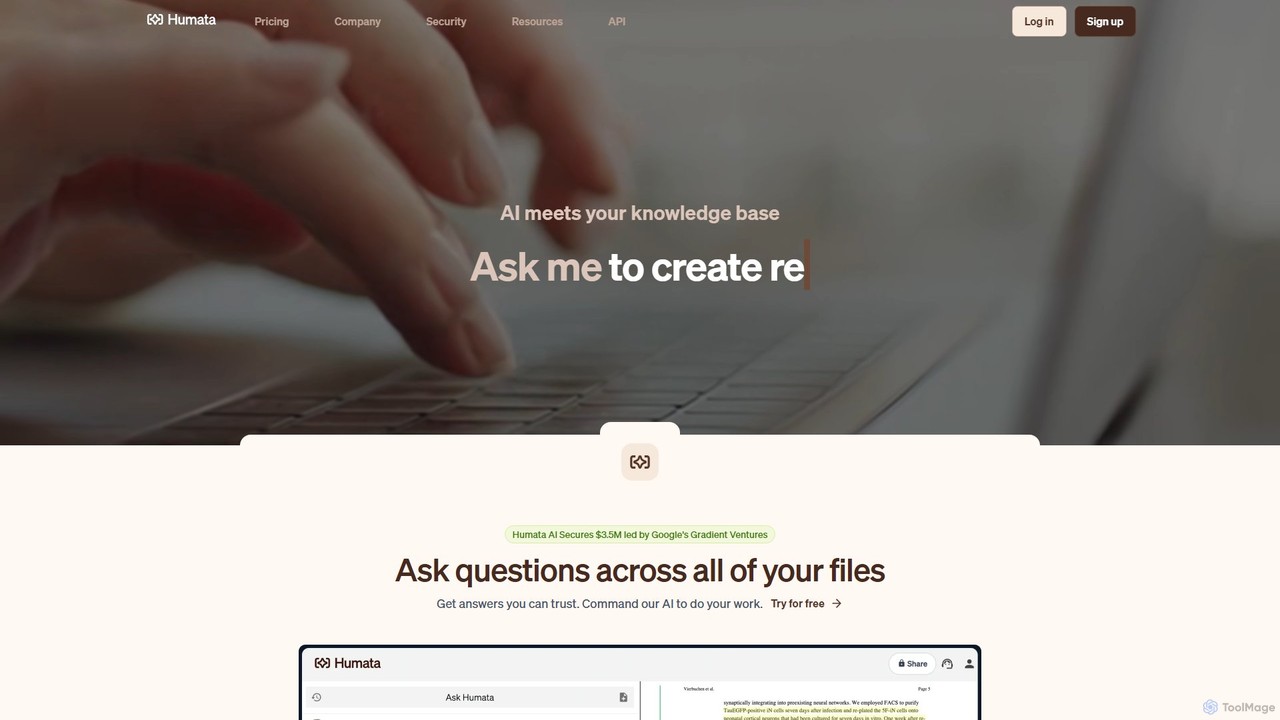
Humata is an AI platform that acts like ChatGPT for your files. Upload any document, such as PDFs, research papers, or legal contracts, and ask questions to get instant, accurate answers. The AI summarizes, synthesizes, and extracts valuable information, providing citations from your source documents to ensure trustworthiness. It's designed to accelerate research, analysis, and knowledge discovery for students, professionals, and teams.

Data Analysis
Visits 229.3KFavorites 161Likes 152
Zimyo
Paid

Zimyo

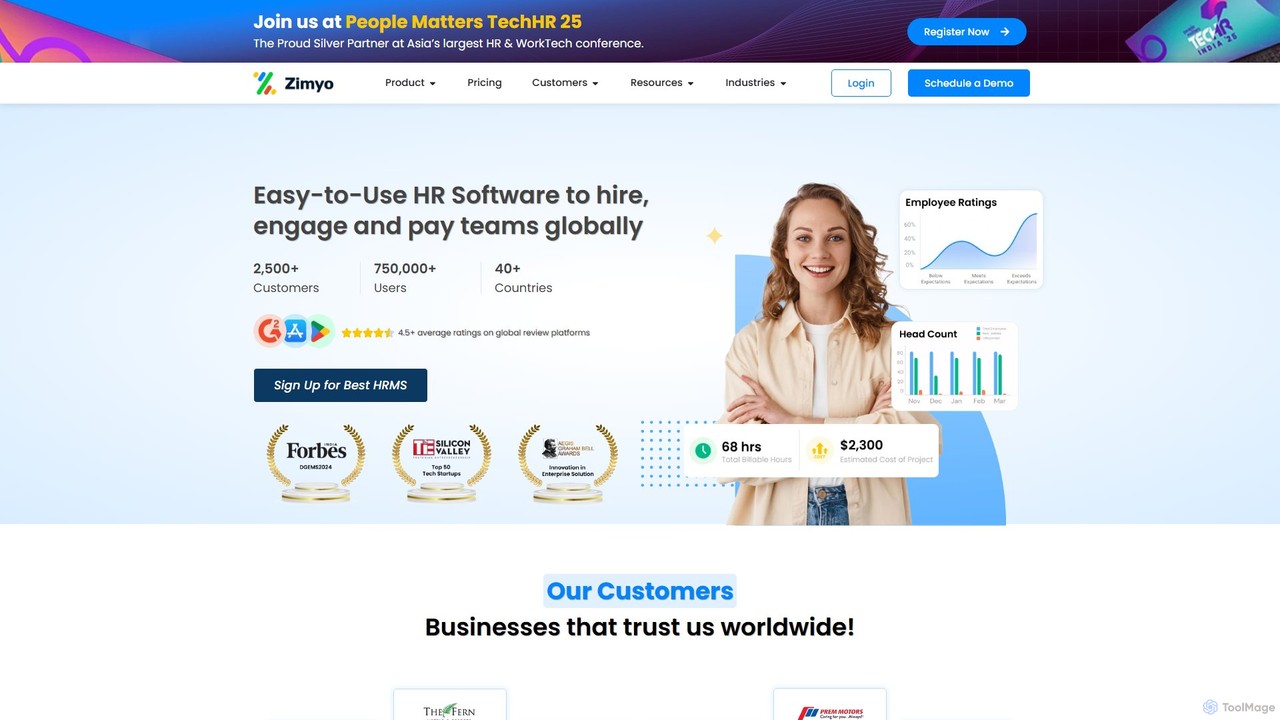
Zimyo is a unified, AI-powered HRMS platform designed to streamline the entire employee lifecycle. It offers a comprehensive suite of tools for recruitment, onboarding, payroll, performance management, and employee engagement, catering to businesses of all sizes across 40+ countries.

Payroll
Visits 43.2KFavorites 153Likes 132
GoLinks
Freemium

GoLinks

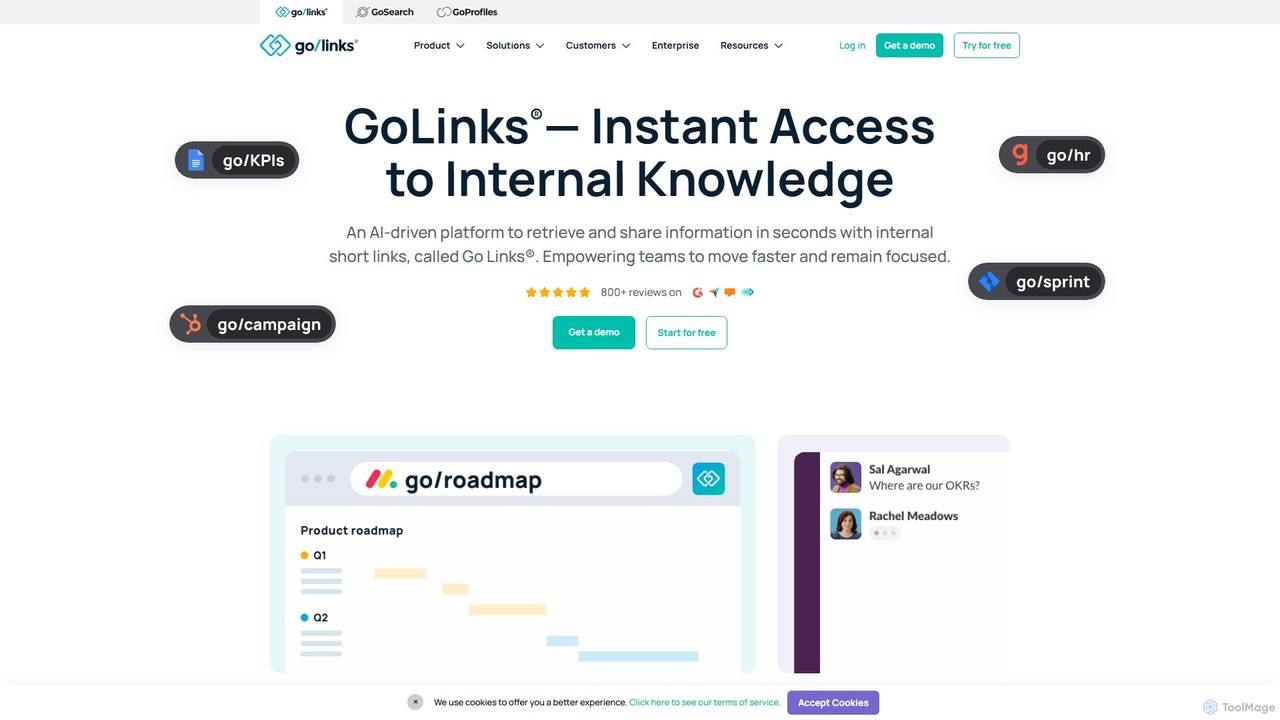
GoLinks is an AI-powered knowledge discovery and link management platform designed for businesses. It helps teams find and share information instantly using intuitive short links (go links) and a generative AI assistant, GoAI. It centralizes company resources, boosts productivity, and enhances security across all integrated applications.

Enterprise Search
Visits 58.3KFavorites 141Likes 144
GRID
Freemium

GRID

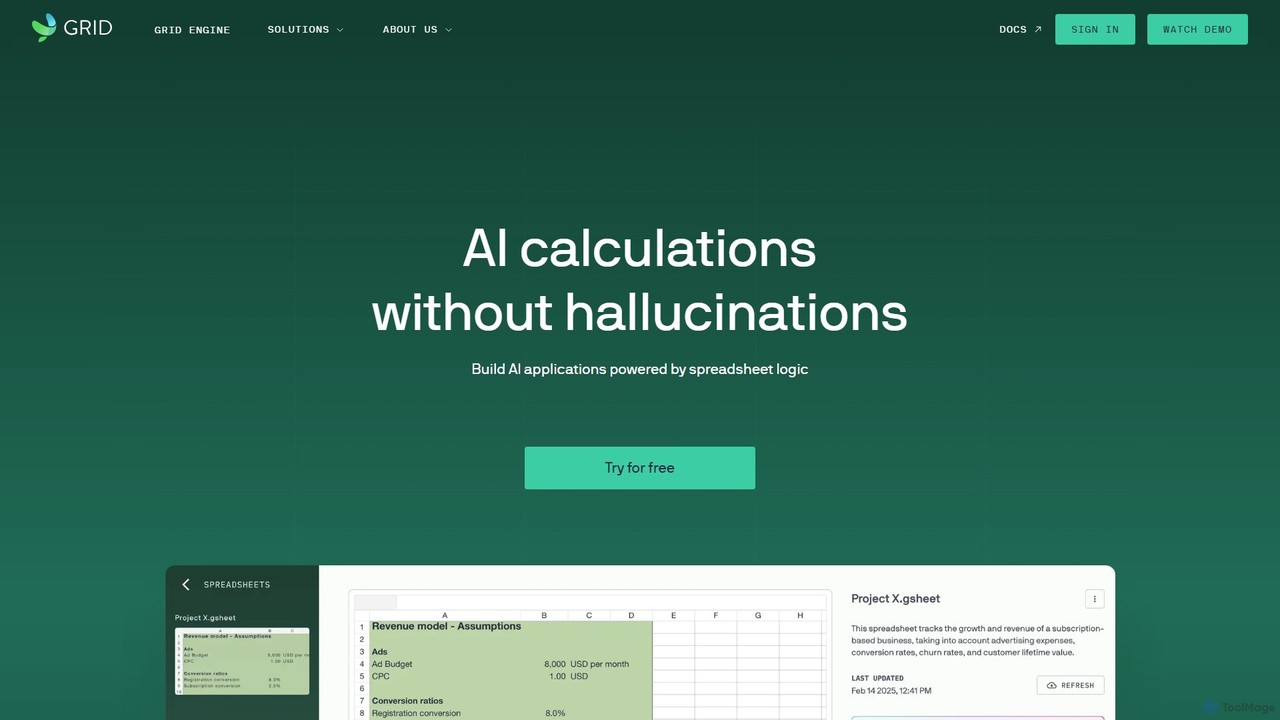
GRID is an AI-first platform that transforms your existing spreadsheets into powerful, interactive web applications and AI-driven tools. It leverages the logic and data within your Excel and Google Sheets files to build reliable calculators, dashboards, and models that can be queried using natural language, eliminating AI hallucinations.

Business Intelligence
Visits 34.2KFavorites 147Likes 132
magnetictax
Paid

magnetictax

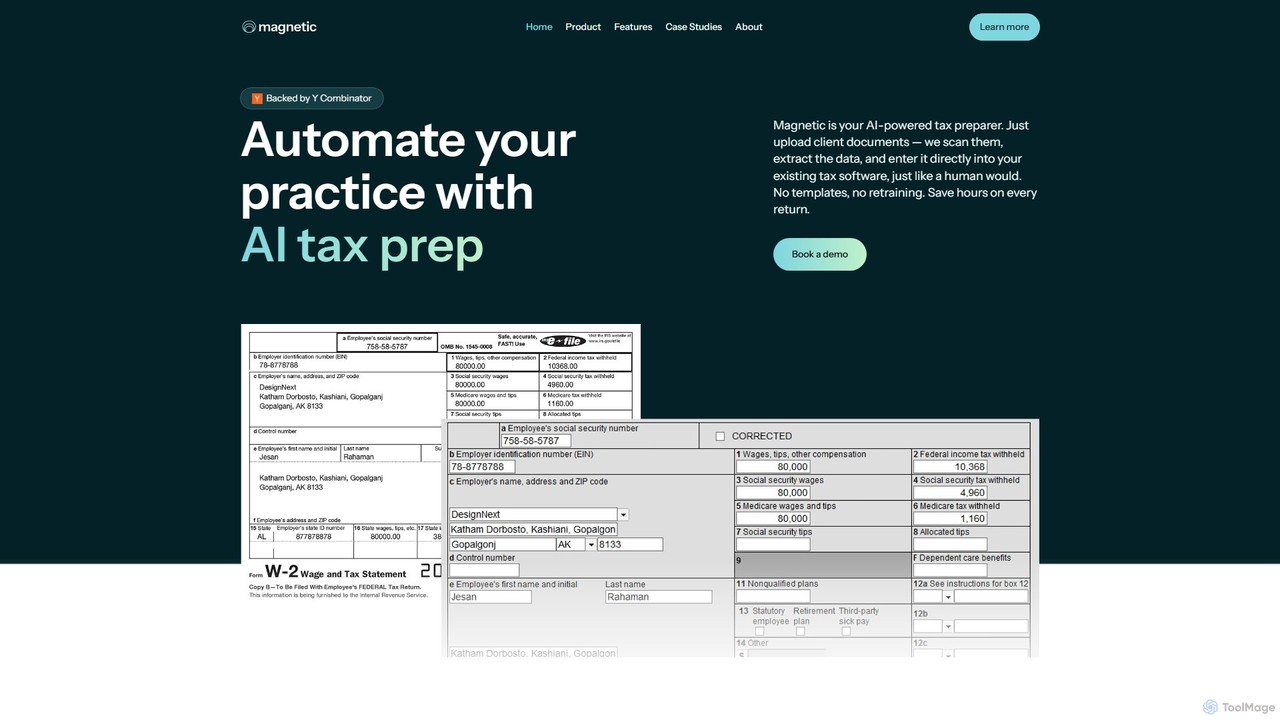
Magnetic is an AI-powered tax preparation platform designed for tax professionals. It automates the entire data entry process by scanning client documents, extracting data with 99.8% accuracy, and inputting it directly into your existing tax software. This saves hours on every return, allowing firms to scale and focus on high-value client services.

Data Extraction
Visits 8.4KFavorites 140Likes 144
TrendRocket
Freemium

TrendRocket

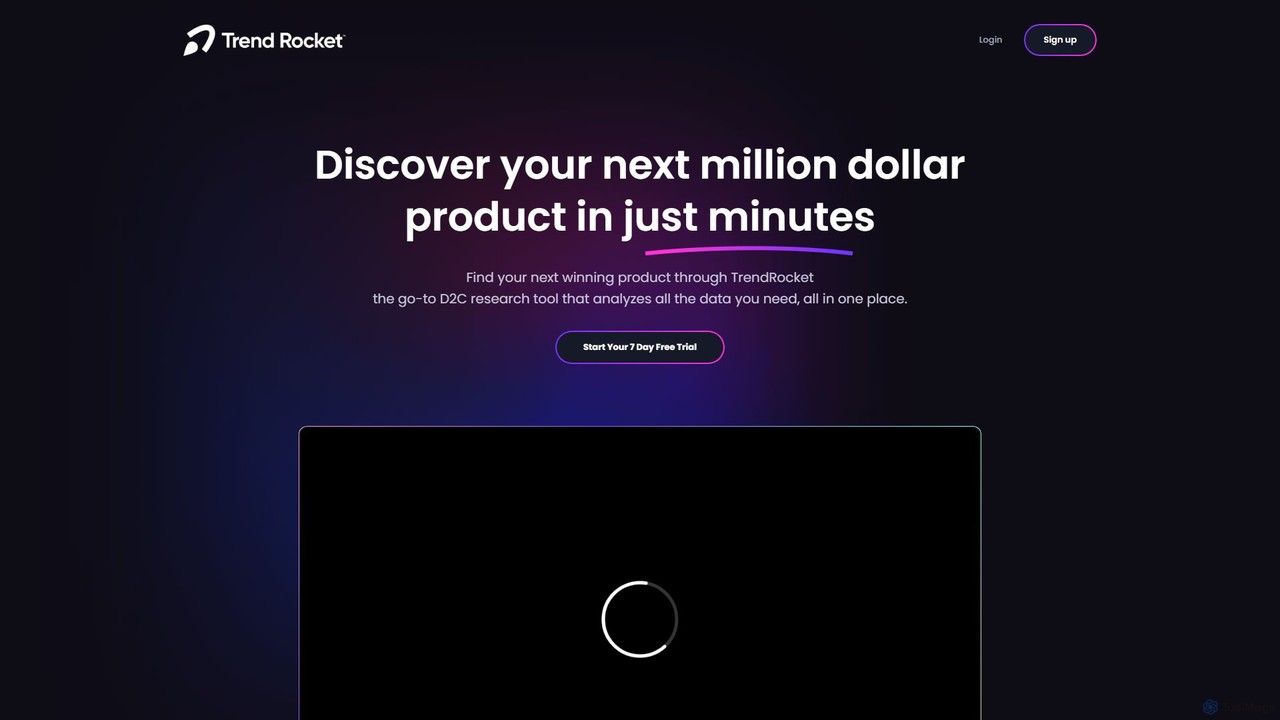
TrendRocket is a D2C research platform designed for e-commerce businesses. It helps users discover winning products and trending brands by analyzing vast amounts of data, including brand growth, social media advertising, store traffic, and customer reviews. The tool centralizes competitor intelligence and market insights, enabling users to make data-driven decisions for product sourcing and marketing strategies.

Market Intelligence
Visits 22.2KFavorites 131Likes 141
Slacksift
Paid

Slacksift

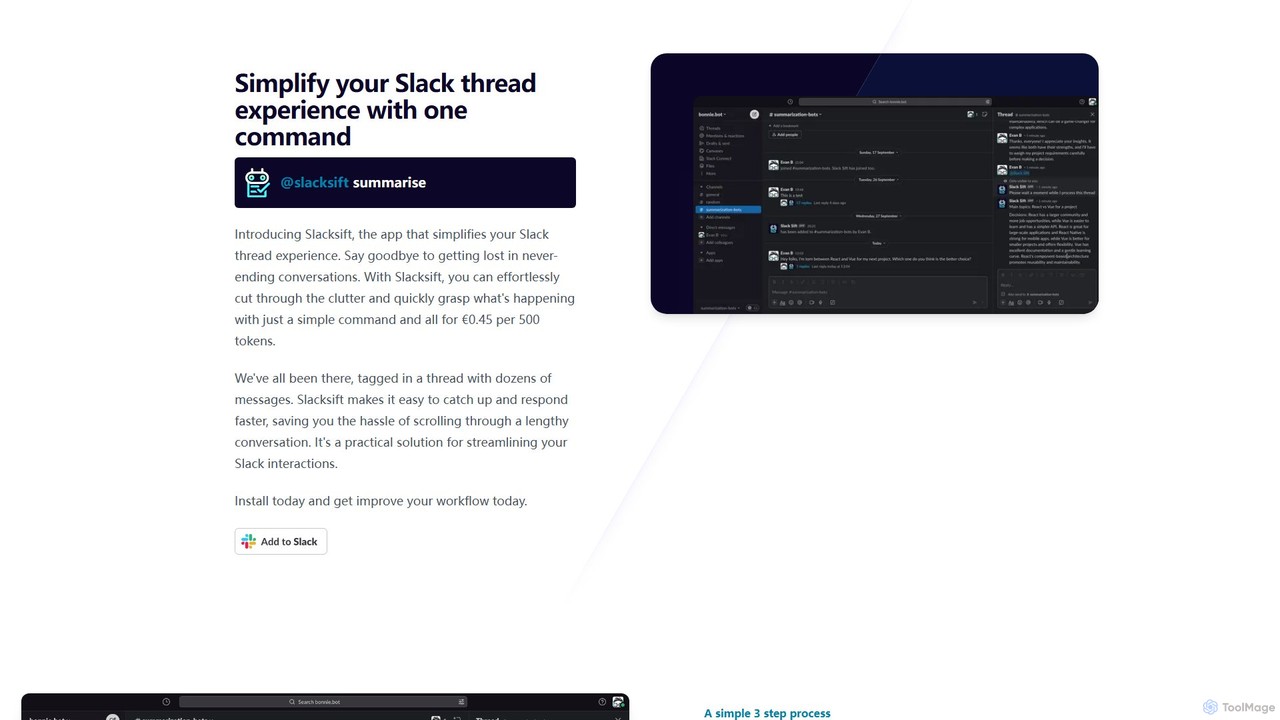
Slacksift is an AI-powered Slack application that simplifies your team's communication by summarizing long and complex threads. With a single command, it condenses conversations into concise, easy-to-digest summaries, helping you save time, catch up quickly, and respond faster. It operates on a simple pay-as-you-go model, eliminating the need for fixed subscriptions.

Workflow Automation
Visits 5.9KFavorites 135Likes 129
Product Roaster
Paid

Product Roaster

Product Roaster is an AI-powered platform for entrepreneurs to validate business ideas. It provides rapid market research, AI-driven idea "roasting" for critical feedback, automated SWOT analysis, and insights from Google Trends. This helps users test concepts, identify weaknesses, and make data-driven decisions affordably.

Market Research
Visits 5.9KFavorites 133Likes 126
Accubits
Paid

Accubits

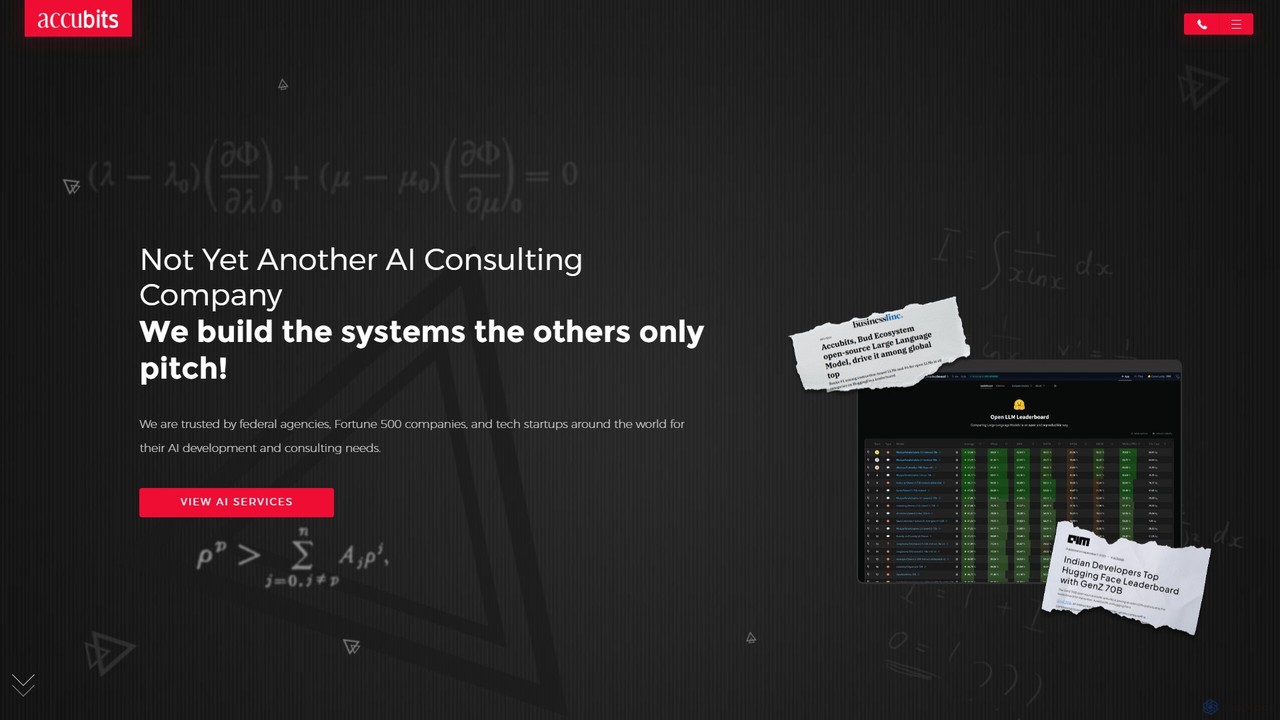
Accubits is a leading technology enabler specializing in custom AI, Blockchain, Web3, and Metaverse development. They provide full-service product development, technology consulting, and enterprise solutions for federal agencies, Fortune 500 companies, and startups worldwide.

Consulting
Visits 14.2KFavorites 179Likes 193
Kyber
Paid

Kyber

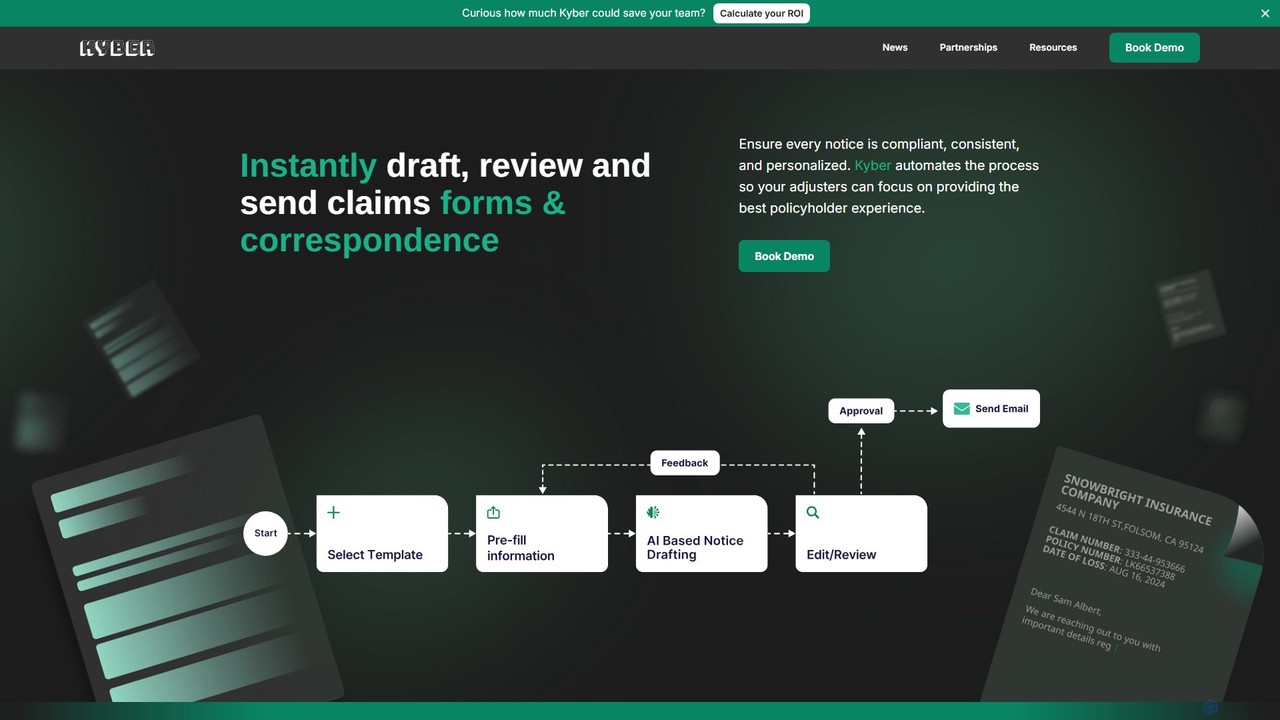
Kyber is an AI-powered platform designed for the insurance industry to automate and streamline claims correspondence. It helps P&C carriers, TPAs, and MGAs generate compliant, personalized, and accurate claims forms and letters, significantly reducing drafting time and compliance risks while integrating with existing systems.

Enterprise
Visits 10.6KFavorites 141Likes 139
whocodes
Paid

whocodes

whocodes is an AI-powered development service that transforms your website and mobile app ideas into reality. It offers fast, reliable, and full-cycle development, from initial concept and AI-assisted planning to coding, testing, and deployment, ideal for startups and businesses.

Startup Tools
Visits 6.8KFavorites 159Likes 142
inotherword
Freemium

inotherword

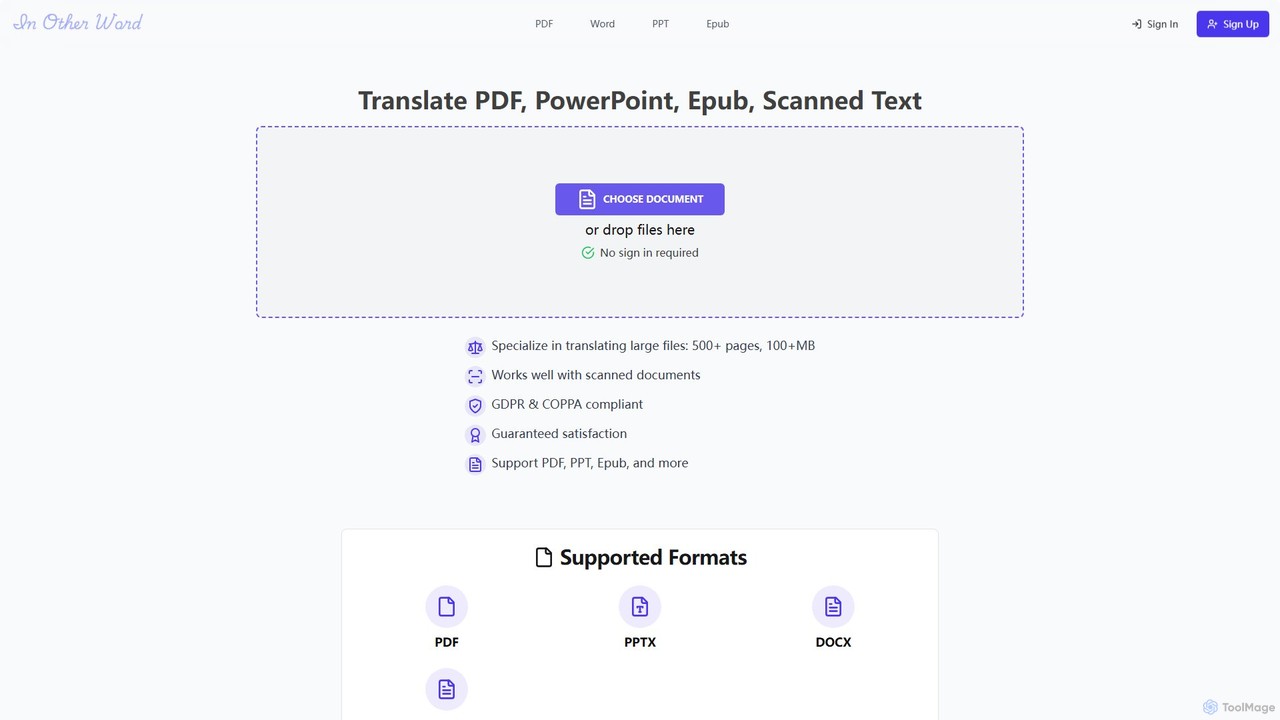
An AI-powered document translation tool that accurately translates various file formats like PDF, EPUB, PowerPoint, and scanned documents into over 100 languages. It specializes in handling large files while preserving the original layout and formatting, making it ideal for books, business presentations, and academic papers.

Document Management
Visits 19.1KFavorites 138Likes 129

About Business

Business AI tools are a class of software that leverages artificial intelligence to automate processes, analyze data, and enhance decision-making across various business functions. They utilize technologies like machine learning, natural language processing (NLP), and predictive analytics to handle tasks from customer support to financial forecasting. These tools help organizations improve efficiency, gain deeper market insights, personalize customer experiences, and optimize operational workflows. By integrating AI, businesses can shift from reactive problem-solving to proactive strategy development, creating a significant competitive advantage.

Core Features

  • Process Automation: Automates repetitive tasks such as data entry, scheduling, customer follow-ups, and report generation.
  • Data Analysis & Insights: Processes large datasets to identify trends, predict outcomes, and generate actionable business intelligence reports.
  • Enhanced Customer Relationship Management (CRM): Improves customer interactions through AI-powered chatbots, personalized marketing, and sentiment analysis.
  • Financial Management: Assists with fraud detection, automated invoicing, expense tracking, and financial forecasting.
  • Human Resources Optimization: Streamlines recruitment by screening resumes, analyzing candidate suitability, and automating initial communications.

Use Cases

Business AI tools are applicable across nearly all sectors, including e-commerce, finance, healthcare, and manufacturing. They are used by marketing managers to optimize campaigns, financial analysts to assess risk, HR specialists to accelerate hiring, and operations directors to refine supply chains. For example, a retail company might use AI to predict inventory needs, while a financial firm uses it to detect fraudulent transactions in real-time.

How to Choose

When selecting a business AI tool, first assess its functional specificity—does it solve a niche problem or offer a broad platform? Evaluate its integration capabilities with your existing systems like CRM or ERP. Consider the tool's scalability and pricing model to ensure it aligns with your growth plans and budget. Finally, examine the user interface's ease of use and the quality of customer support provided, as these factors heavily influence adoption and long-term value.

Featured tool rankings

Business use cases

1

Automate 24/7 Customer Support with AI Chatbots

A customer service manager for an e-commerce brand implements an AI chatbot on their website and social media channels. The chatbot is trained on the company's product information, FAQs, and return policies. It instantly handles over 70% of incoming customer queries, such as order status checks, product questions, and shipping information, around the clock. This frees up human agents to focus on complex, high-value interactions like handling disputes or providing detailed product recommendations. The result is a 40% reduction in response time and a significant increase in customer satisfaction scores.

2

Enhance Sales Forecasting with Predictive Analytics

A sales director at a B2B software company uses an AI-powered forecasting tool to improve accuracy. The tool analyzes historical sales data, CRM activity, market trends, and even macroeconomic indicators. It generates dynamic, data-driven sales forecasts that are significantly more reliable than manual spreadsheets. The sales team uses these insights to prioritize high-potential leads, allocate resources more effectively, and set realistic sales targets. This leads to a 15% increase in forecast accuracy, better inventory management, and more strategic planning for upcoming quarters.

3

Streamline Recruitment with AI-Powered Resume Screening

An HR department at a fast-growing tech company is overwhelmed with thousands of applications for each open position. They adopt an AI tool that automatically screens and ranks resumes based on predefined criteria like skills, experience, and qualifications. The system can process hundreds of resumes in minutes, identifying the top 10% of candidates who are the best fit. This reduces the time-to-hire by 50% and allows recruiters to spend more time interviewing qualified candidates rather than manually sifting through applications. It also helps reduce unconscious bias in the initial screening phase.

4

Optimize Marketing Campaigns with AI-Driven Insights

A marketing team for a consumer goods company uses an AI platform to analyze customer data from various sources, including social media, purchase history, and website behavior. The AI identifies distinct customer segments and predicts which marketing messages and channels will be most effective for each group. The team uses these insights to launch highly targeted advertising campaigns, resulting in a 30% increase in click-through rates and a 20% higher conversion rate compared to previous, broader campaigns. The tool also provides real-time performance feedback, allowing for on-the-fly campaign adjustments.

5

Automate Financial Reconciliation and Reporting

The finance team in a mid-sized corporation uses an AI-powered accounting tool to automate its month-end closing process. The tool automatically ingests data from bank statements, invoices, and expense reports, matching transactions and identifying discrepancies in real-time. It flags potential errors for human review, drastically reducing manual data entry and reconciliation time. The system then generates comprehensive financial reports, including profit and loss statements and balance sheets, in a fraction of the time it previously took. This allows the finance team to focus on strategic analysis rather than tedious data processing.

6

Optimize Supply Chain with AI-Powered Demand Forecasting

An operations manager for a large retail chain uses an AI platform to optimize inventory and logistics. The tool analyzes historical sales data, seasonality, promotional events, and external factors like weather patterns to generate highly accurate demand forecasts for thousands of products across hundreds of stores. Based on these forecasts, the system recommends optimal inventory levels and automates purchase orders to prevent stockouts and reduce overstocking. This leads to a 25% reduction in carrying costs and a significant improvement in product availability, directly boosting sales and customer satisfaction.

Business FAQ

What are AI Business tools?

AI Business tools are software applications that use artificial intelligence technologies like machine learning and natural language processing to automate tasks, analyze data, and support decision-making. They are designed to improve efficiency and provide insights across various business functions, including marketing, sales, finance, and human resources. Unlike general AI models, these tools are often purpose-built for specific business processes, such as managing customer relationships (CRM), automating accounting, or optimizing supply chains.

How to choose the right AI tool for my business?

To choose the right AI tool, follow these steps:

  • Identify a Specific Problem: Clearly define the business challenge you want to solve, such as inefficient customer support or inaccurate sales forecasting.
  • Evaluate Functionality: Ensure the tool's features directly address your problem. Check for essential capabilities like automation, analytics, and reporting.
  • Check Integration Capabilities: Verify that the tool can seamlessly connect with your existing software stack (e.g., CRM, ERP, email marketing platform).
  • Consider Scalability and Cost: Choose a tool with a pricing model that fits your budget and can scale as your business grows.
  • Assess Ease of Use: Select a tool with an intuitive interface that your team can adopt without extensive technical training.
What is the difference between general AI and business AI tools?

The main difference lies in their application and design. General AI tools, like large language models, are versatile and can perform a wide range of tasks but often require significant customization and prompt engineering to be effective for business use. Business AI tools, on the other hand, are purpose-built to solve specific commercial problems. They come with pre-built workflows, integrations for common business software (like Salesforce or QuickBooks), and user interfaces designed for non-technical users in roles like marketing, finance, or HR.

What key business functions can be improved with AI?

AI can significantly enhance nearly every business function. Key areas include:

  • Marketing: Personalizing campaigns, automating social media management, and analyzing customer sentiment.
  • Sales: Forecasting sales, qualifying leads, and automating CRM data entry.
  • Customer Service: Providing 24/7 support with chatbots and analyzing customer feedback to improve service.
  • Finance: Automating invoicing, detecting fraud, and managing expenses.
  • Human Resources: Screening resumes, automating onboarding processes, and analyzing employee performance data.
  • Operations: Optimizing supply chains, managing inventory, and predicting maintenance needs.
Is it difficult to implement AI tools in a small business?

It is becoming increasingly easier. Many modern AI business tools are delivered as Software-as-a-Service (SaaS), which means they are cloud-based, require no complex installation, and are managed by the provider. They often feature user-friendly interfaces that don't require coding or data science expertise. Furthermore, many providers offer scalable pricing models, such as monthly subscriptions based on usage or number of users, making powerful AI capabilities accessible and affordable even for small businesses and startups.