Freemium
Mozart
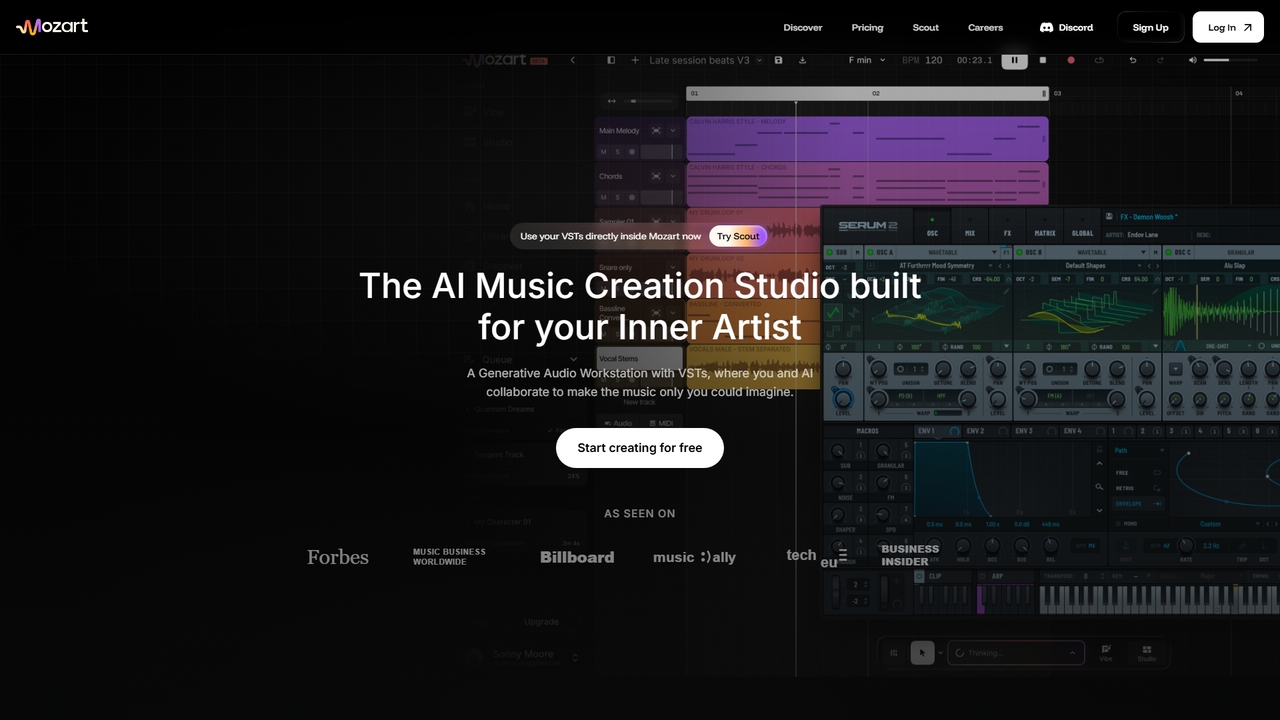
Mozart is an AI-powered music creation studio that lets you generate songs, use VSTs, and collaborate with AI to produce studio-quality music.
Ai Music GeneratorVisits 182.2KFavorites 12Likes 9
Popular Creative AI tools include Suno, labs.google/fx, Google AI, miniapps.ai, Seedance 2, OpenAI Sora, Udio, Sudowrite, Setapp, and Cara, helping you work more efficiently.
Mozart is an AI-powered music creation studio that lets you generate songs, use VSTs, and collaborate with AI to produce studio-quality music.
Ai Music Generator
Conceptuel is a Swiss creative agency founded by Robbie Conceptuel, specializing in augmented reality (AR) development using Spark AR and Lens Studio, digital product design, and premium literary publications. It bridges technology and culture by creating innovative AR filters and experiences that have garnered billions of impressions, alongside curated philosophical and literary works.
Ar Development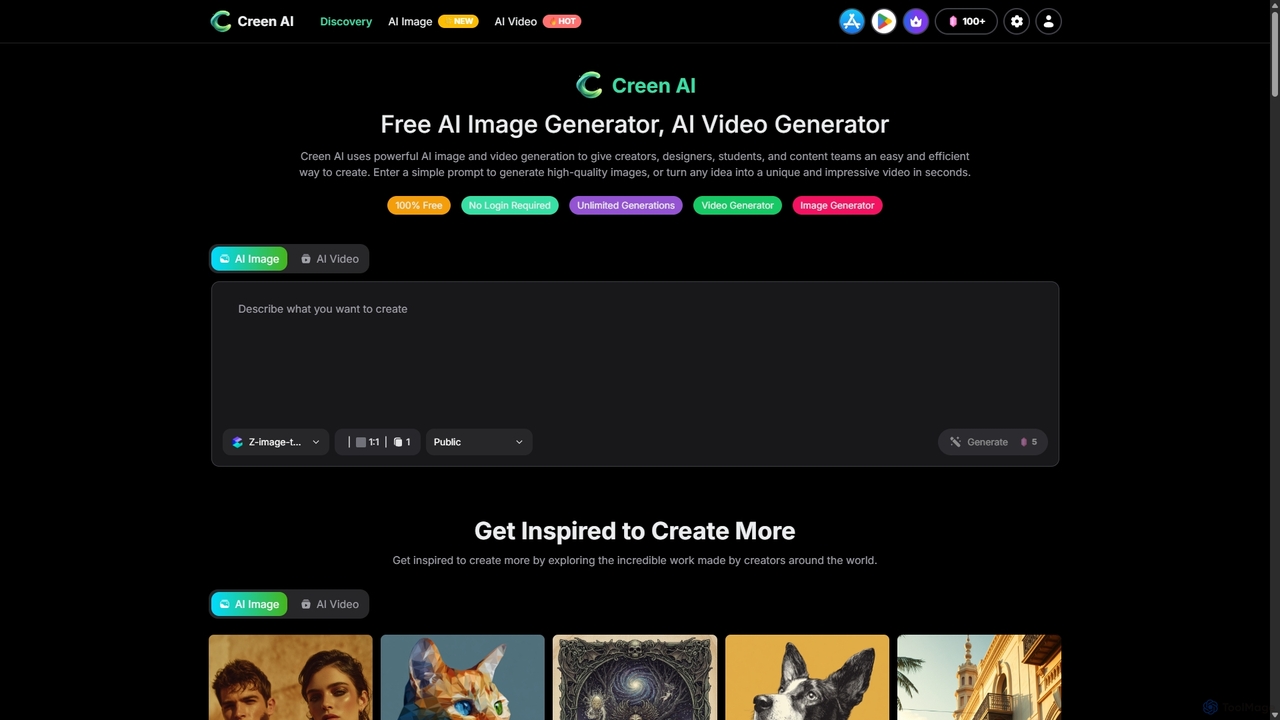
Creen is an advanced AI-driven creation platform that empowers users to generate high-quality images and videos instantly. With a focus on accessibility, it offers unlimited generations for its core features, requiring no sign-up or login for immediate creative work.
Image Generation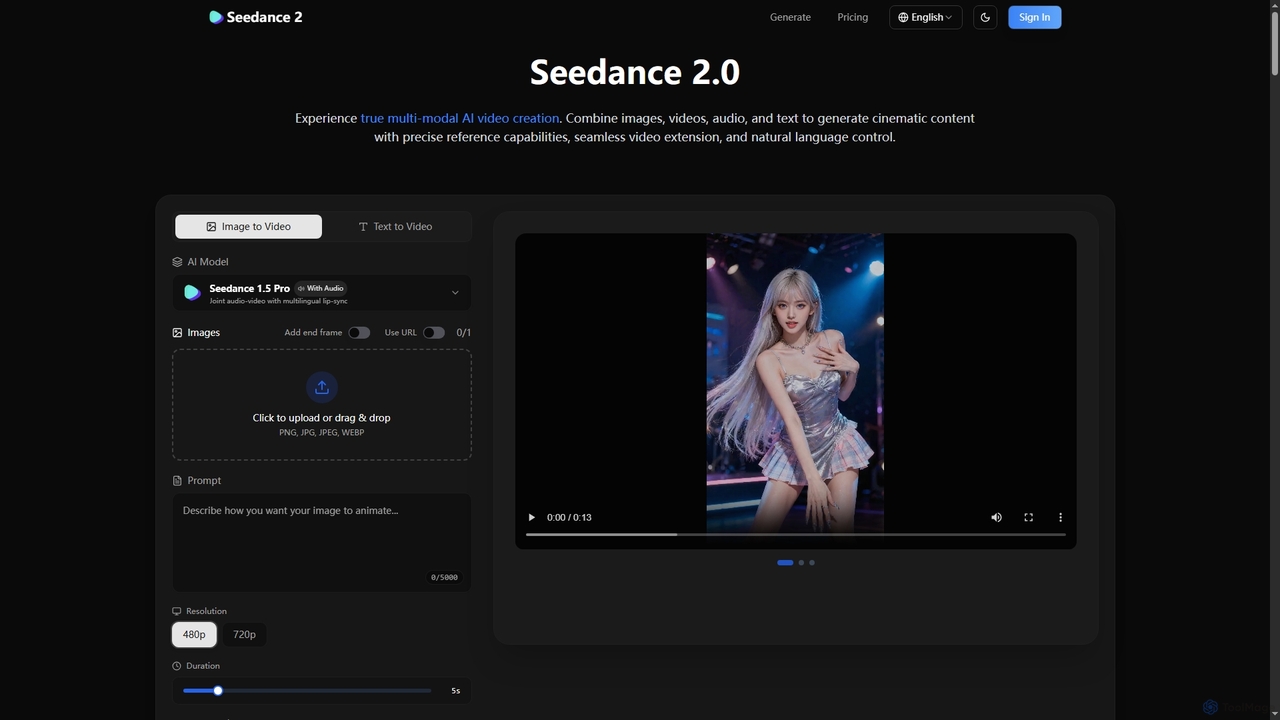
Break free from generic AI video. Seedance 2 offers unparalleled multi-modal control, allowing creators to precisely reference motion, styles, and characters from their own assets, ensuring cinematic consistency and targeted editing capabilities.
Content Creation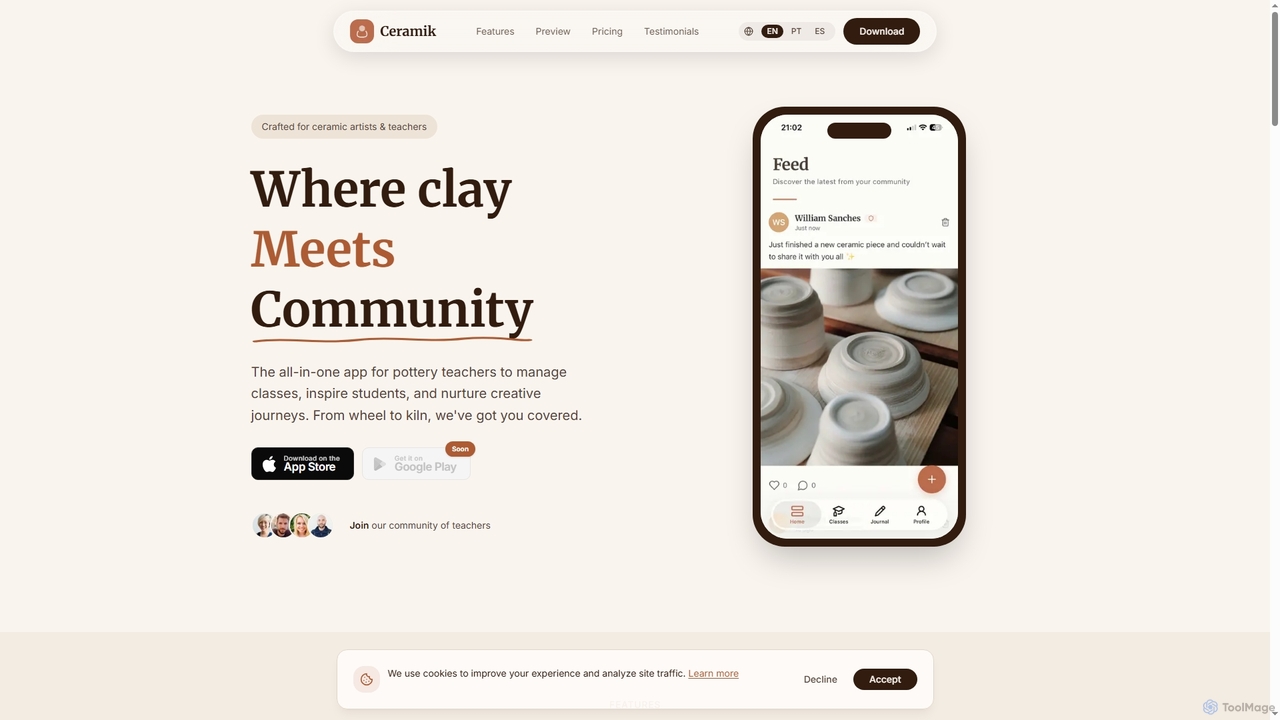
Ceramik is an all-in-one mobile application designed specifically for pottery teachers and studio owners to simplify class management. It helps organize schedules, track student progress, foster community engagement, and gain insights into studio performance, allowing educators to focus more on teaching and inspiring creativity in ceramic arts.
Scheduling
LanHive is an all-in-one AI filmmaking platform that integrates top generative AI models for video, image, and audio creation. It empowers creators to rapidly produce high-quality visual and auditory content, streamlining workflows and significantly reducing production costs for various creative and marketing needs.
3D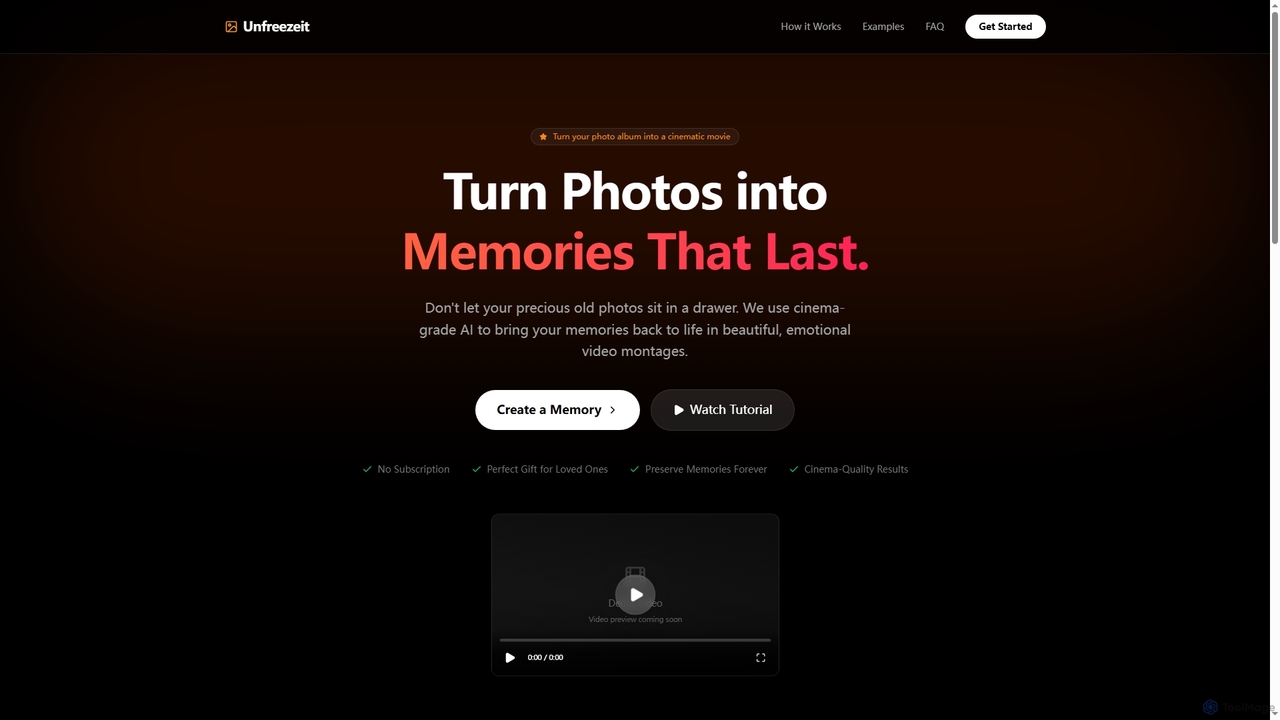
Unfreezeit is an AI-powered tool that transforms your cherished photo albums into cinematic, emotional video montages. Utilizing cinema-grade AI, it brings memories to life with one-time pricing, perfect for gifts or preserving family history.
Video Generation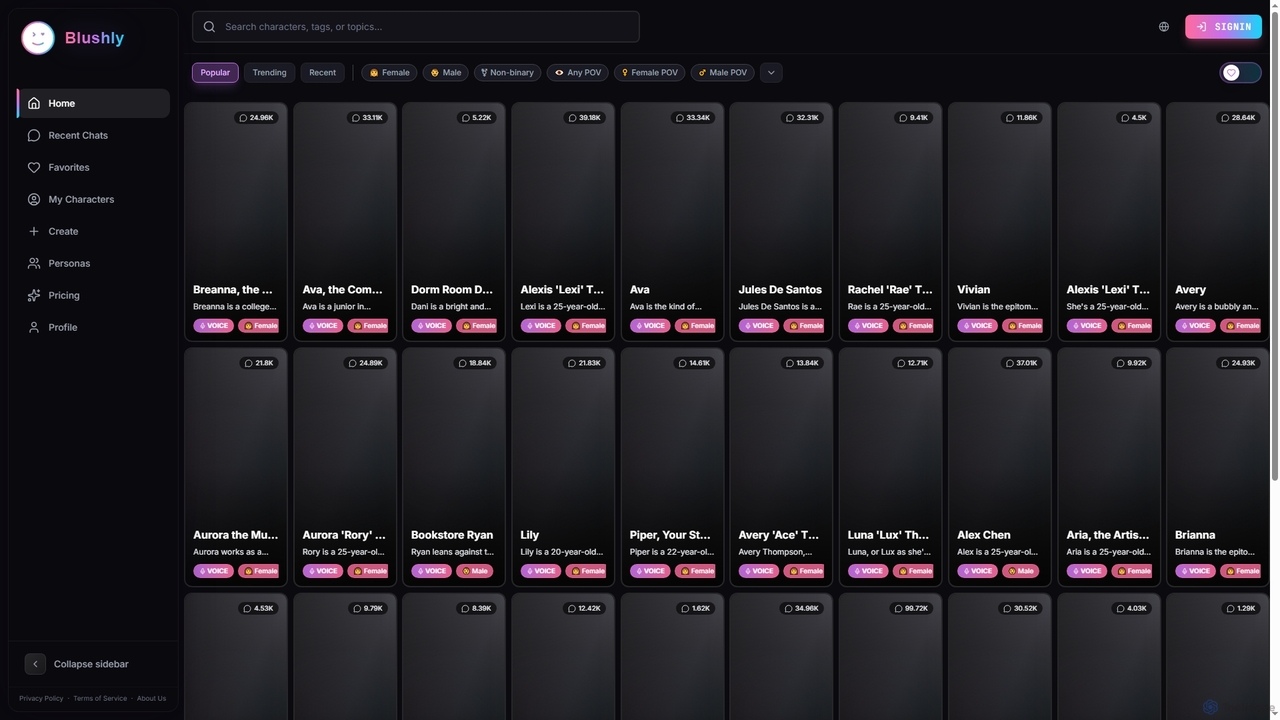
Blushly is an innovative AI platform where users can engage in voice-powered conversations and interactive text chats with a diverse array of AI characters. It offers extensive customization options for character traits, genres, and scenarios, bringing virtual companions to life for immersive storytelling and entertainment.
Chatbot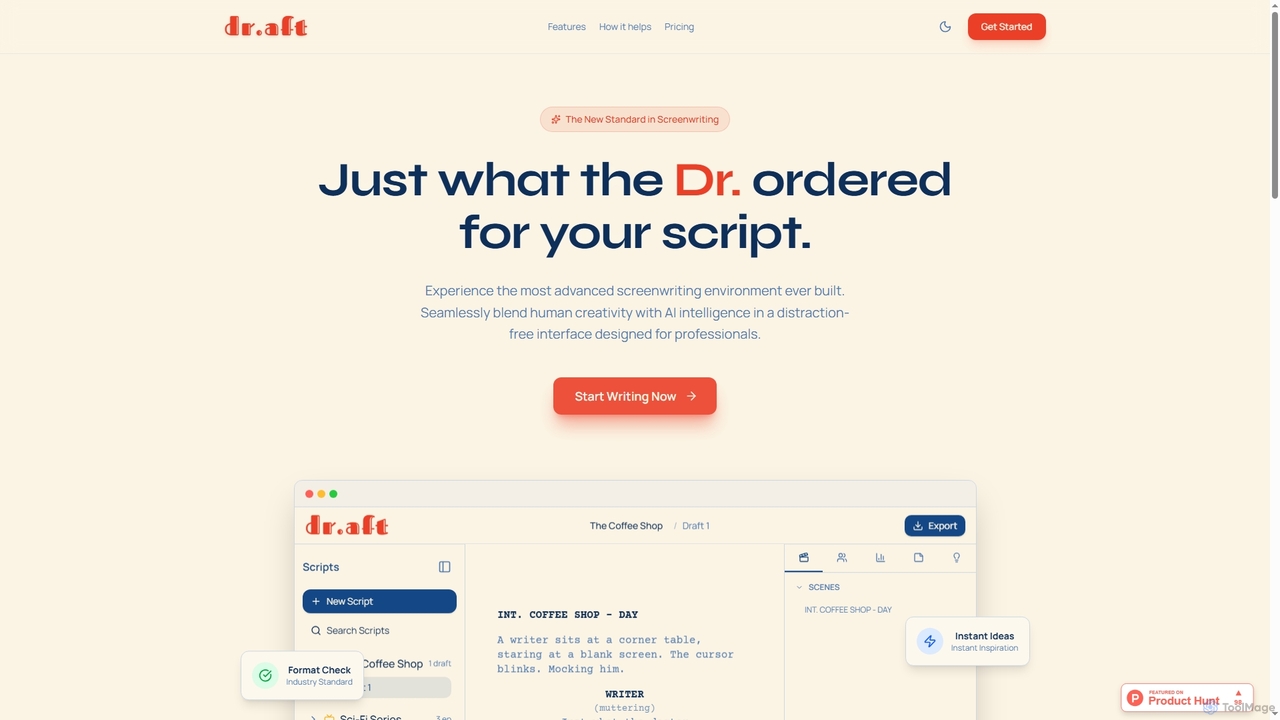
Dr Aft is an advanced AI-powered screenwriting environment designed for professionals. It combines a distraction-free interface with intelligent, context-aware AI to assist in outlining, drafting, and polishing scripts. The tool offers industry-standard formatting, portable exports, and flexible AI usage, streamlining the entire screenwriting process from concept to final draft.
Storytelling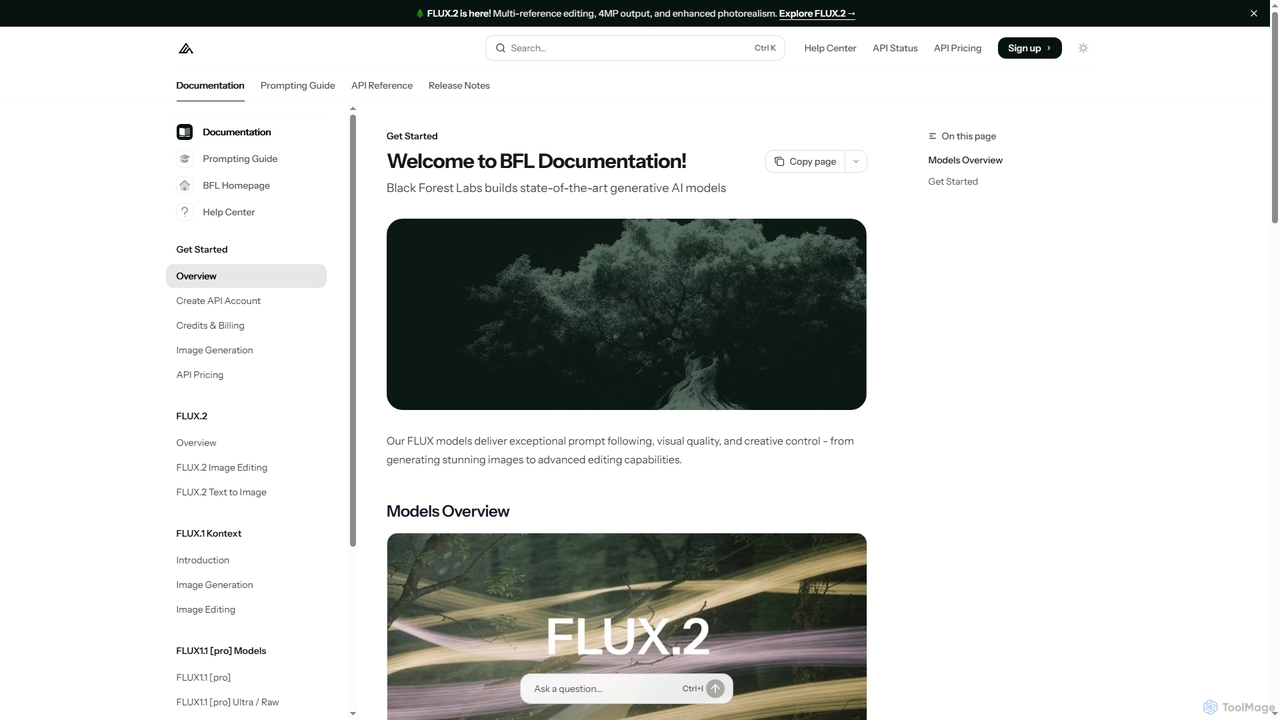
FLUX by Black Forest Labs offers advanced AI models for photorealistic image generation and multi-reference editing. It provides precise control over visual elements, supports high-resolution output, and integrates via API for production workflows.
Image Editing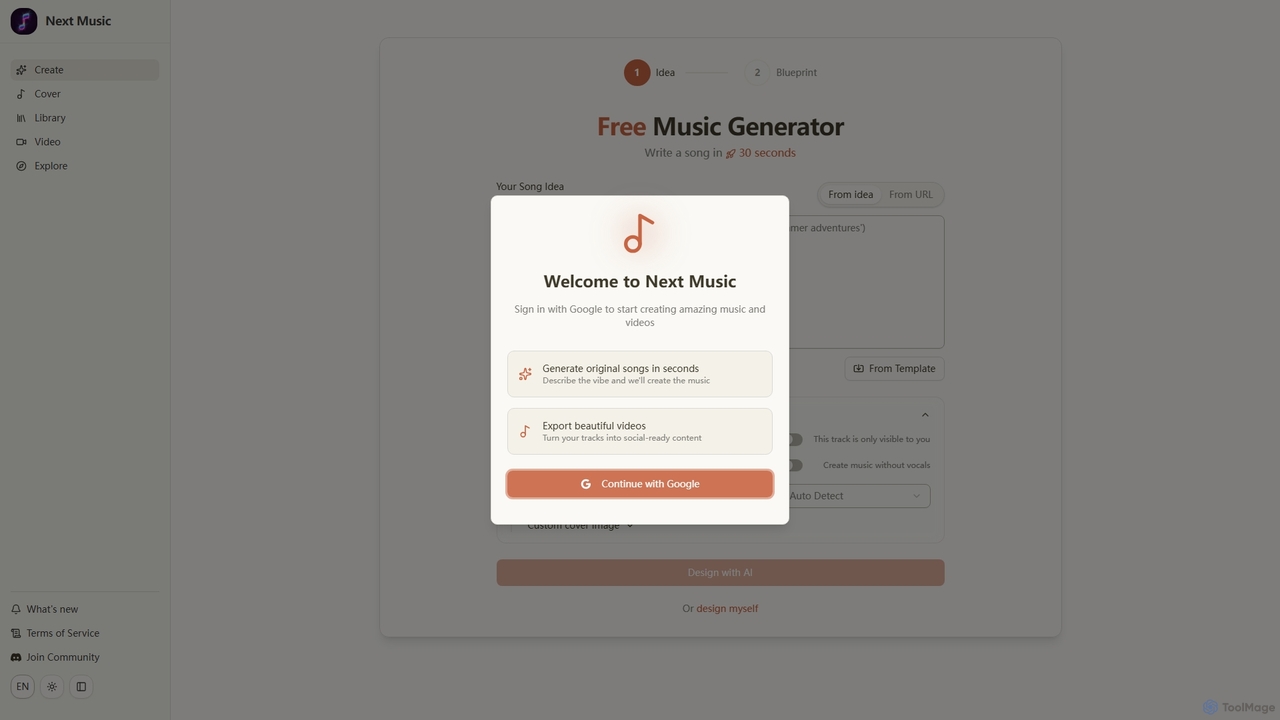
Next Music is a free AI-powered platform that allows users to generate original songs and videos in seconds. Describe your musical idea, choose options like instrumental tracks or custom covers, and transform your creations into social-ready video content. It's designed for quick, creative music production.
Music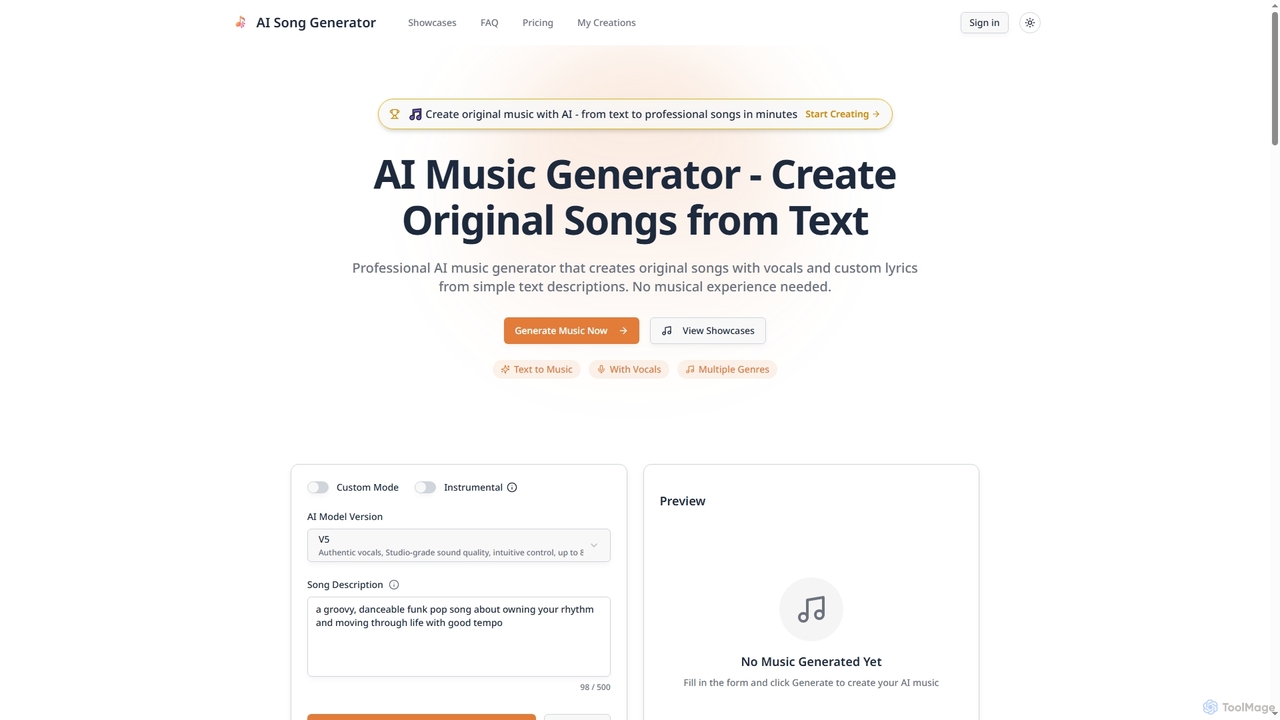
Songgeneratorai is an AI-powered music generator that creates original, professional-quality songs from simple text descriptions. It supports multiple genres, custom lyrics, and both male and female AI vocals. No musical experience is required, and all generated music includes commercial usage rights.
Music Generation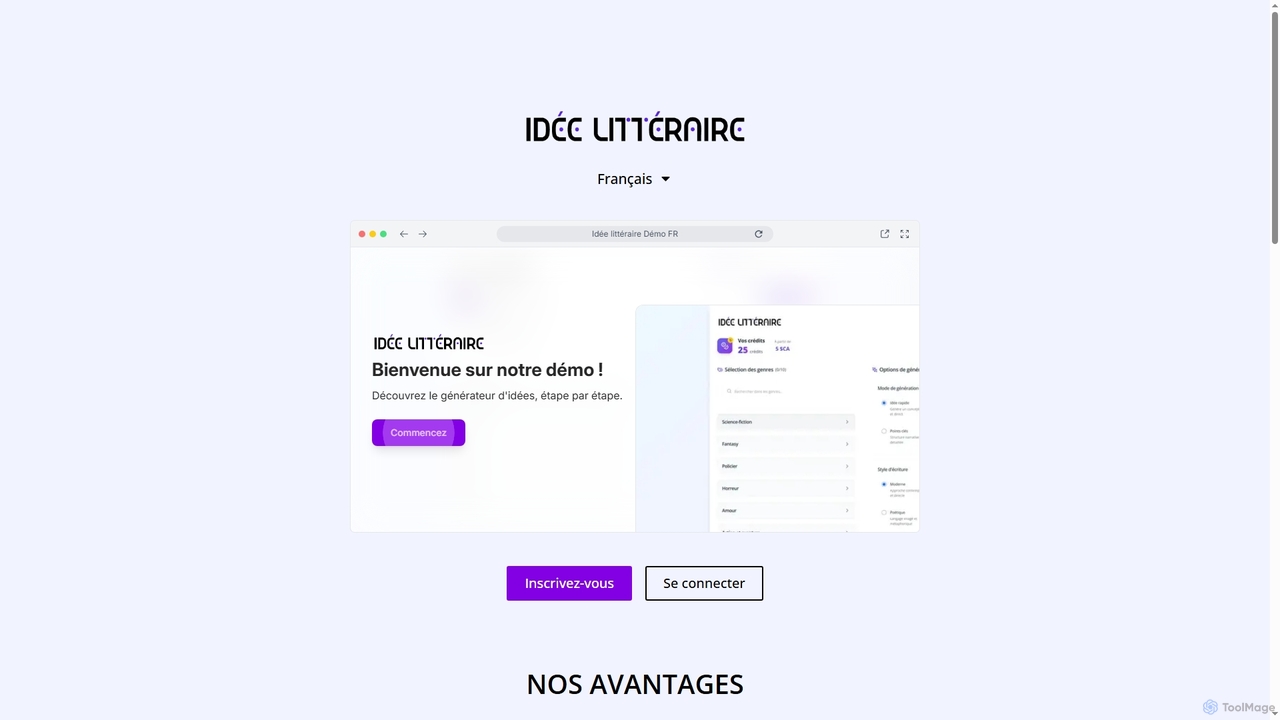
Ideelitteraire is an AI-powered idea generator designed for authors and writers. It helps overcome writer's block by providing unique story concepts. Users can select and combine up to ten genres from a library of over 750, and utilize four distinct generation modes—quick idea, random genre, key points, and detailed—to find the perfect inspiration. All generated ideas are saved in a history for easy access.
Storytelling
Soniq is an AI-powered music production suite that acts as a collaborative co-producer, enabling artists and teams to create and release complete songs. It integrates songwriting, AI vocals, arrangement, cover art generation, and mix review into a single, seamless workflow, transforming musical ideas into polished tracks efficiently.
Audio Generation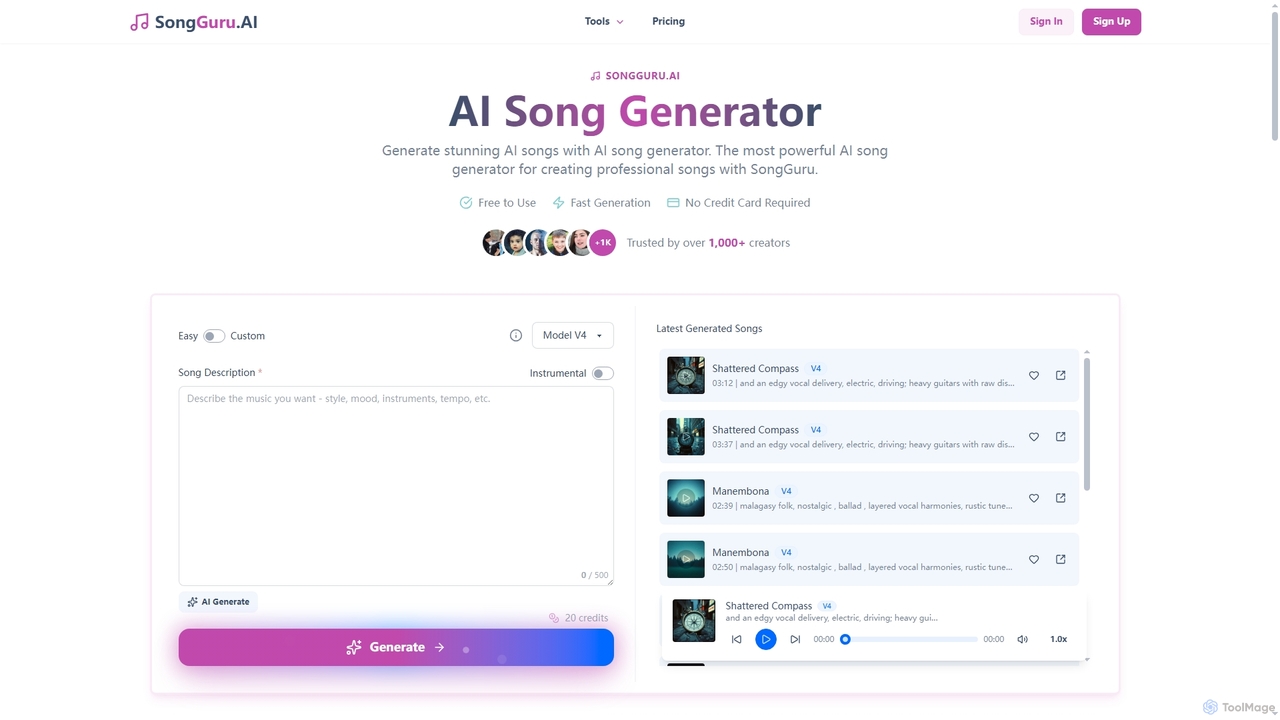
SongGuru is an AI-powered platform that enables users to generate complete songs, including music, vocals, and lyrics, from simple text descriptions or custom lyrics. It offers fast, high-quality output across various genres, making music creation accessible for everyone from hobbyists to professionals.
Composition
VeeSpark is an all-in-one AI creative studio designed for visual storytelling, enabling users to transform ideas and scripts into dynamic storyboards, high-quality images, and consistent videos. It integrates multiple advanced AI models like Sora 2, Google Veo 3, and Nano Banana, offering a streamlined workflow for filmmakers, marketers, and content creators to produce compelling visual narratives efficiently.
Storyboarding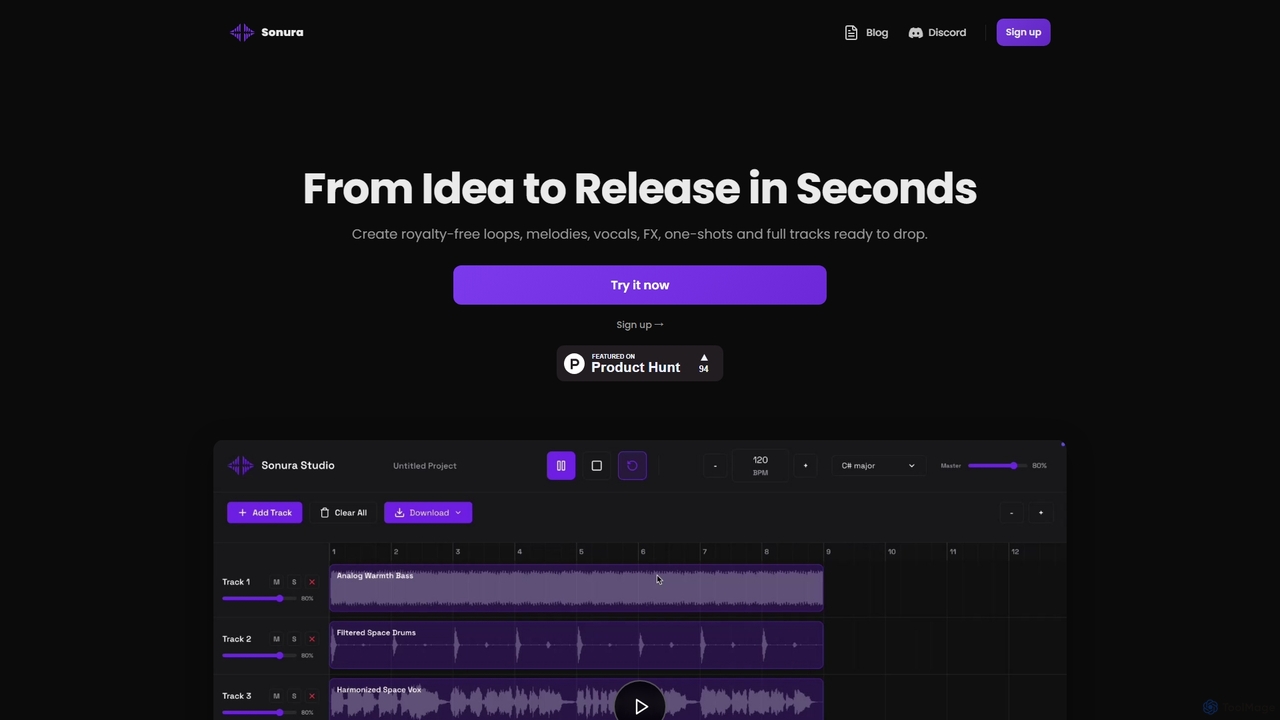
Sonura is an AI music creation studio that generates professional-quality, royalty-free music in seconds. From text prompts, users can create unique loops, melodies, vocals, full tracks, and export individual stems for any project, suitable for beginners and producers alike.
Music Generation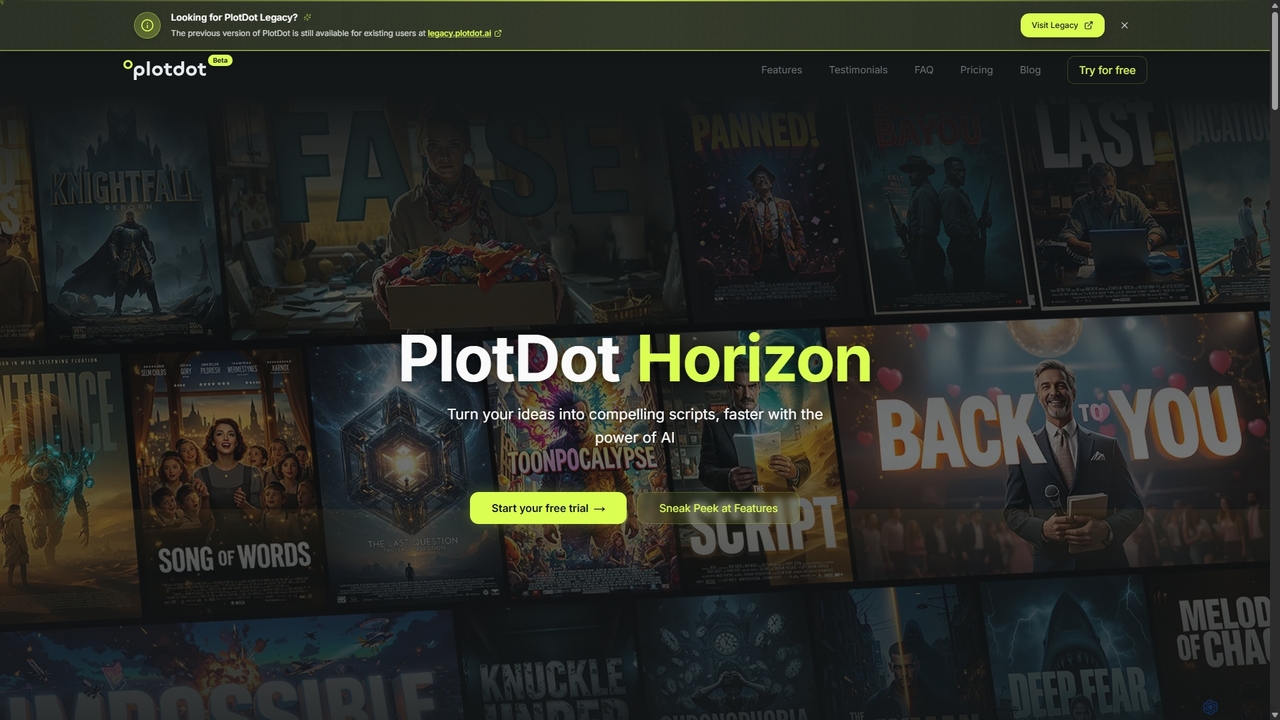
Plotdot is an AI-powered screenwriting companion that transforms your ideas into compelling, studio-ready scripts. It streamlines the entire writing process, from generating story structures and developing deep characters to creating authentic dialogue, helping you write faster and overcome creative blocks.
Storytelling
Storywiz is an AI-powered narrative creation platform designed for writers, marketers, and game developers. It helps generate compelling story ideas, develop complex characters, build intricate plots, and write engaging dialogue, streamlining the entire creative writing process from concept to completion.
Storytelling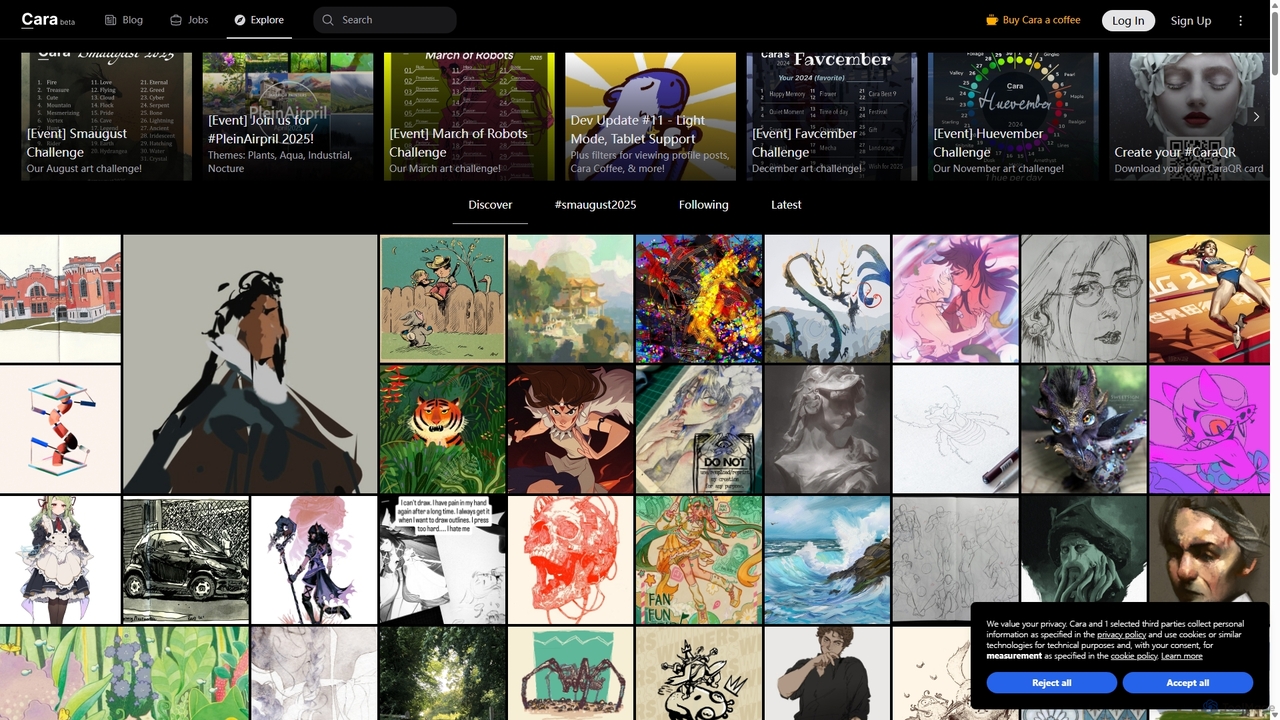
Cara is a social and portfolio platform for artists and art enthusiasts, designed as a response to the rise of generative AI. It prioritizes human-made art by actively filtering out AI-generated images. It offers a customizable social feed, professional portfolio tools, a jobs board, and features like Cara Glaze integration to protect artists' work. It's a community-focused space for creatives to connect, share their work, and find opportunities in a supportive, AI-free environment.
Illustration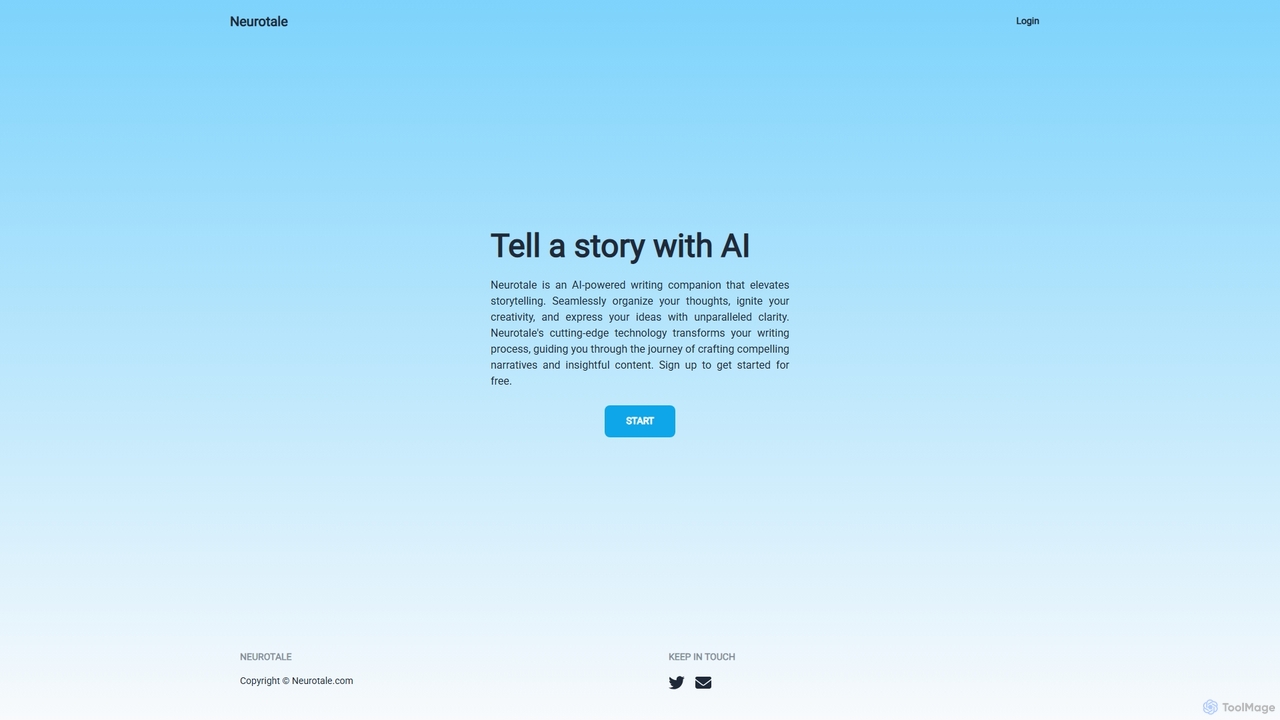
Neurotale is an AI-powered writing companion designed to elevate storytelling. It helps writers organize thoughts, ignite creativity, and craft compelling narratives with unparalleled clarity. Ideal for authors, screenwriters, and content creators looking to overcome writer's block and streamline their creative process.
Storytelling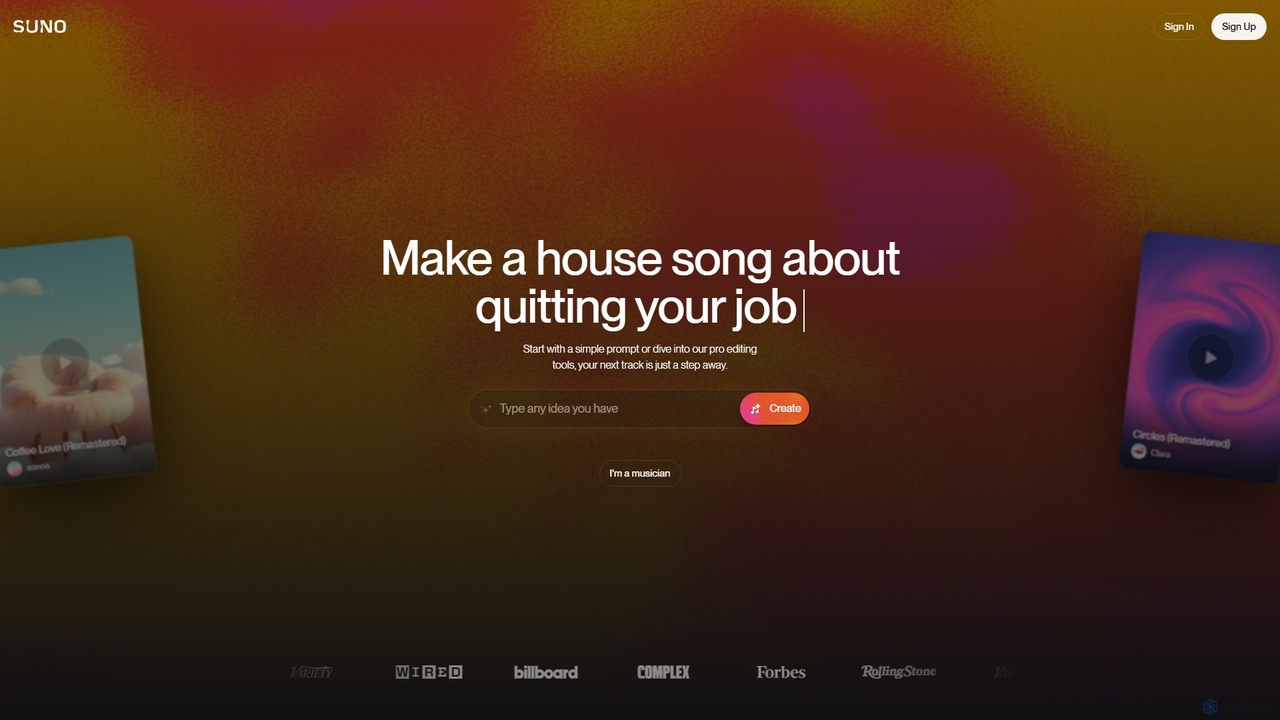
Suno is a revolutionary AI music generator that creates high-quality, full-length songs from simple text prompts. It empowers users, from beginners to professional musicians, to produce unique music with vocals, lyrics, and instruments across various genres in seconds.
Music Generation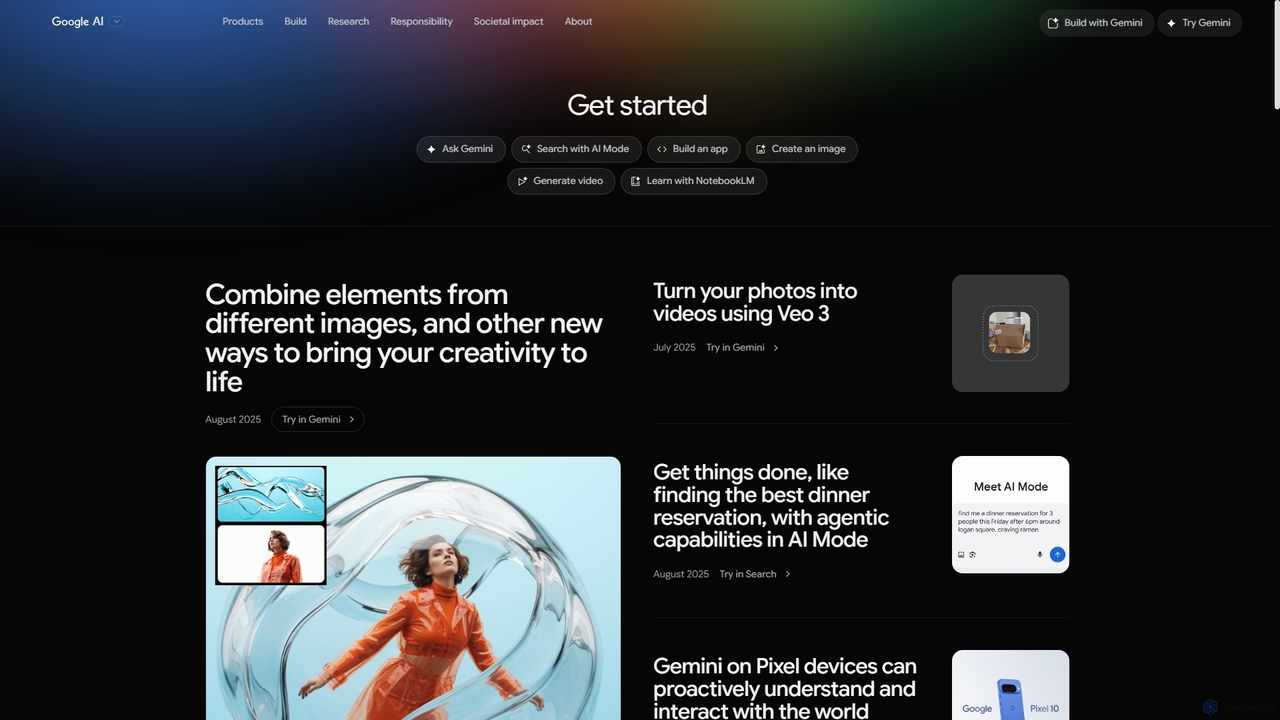
Google AI is a comprehensive ecosystem of advanced artificial intelligence models, tools, and research initiatives. It encompasses the powerful Gemini family of models, developer platforms like Vertex AI, and applications across creativity, productivity, and scientific discovery, all built with a commitment to safety and responsibility.
Large Language Models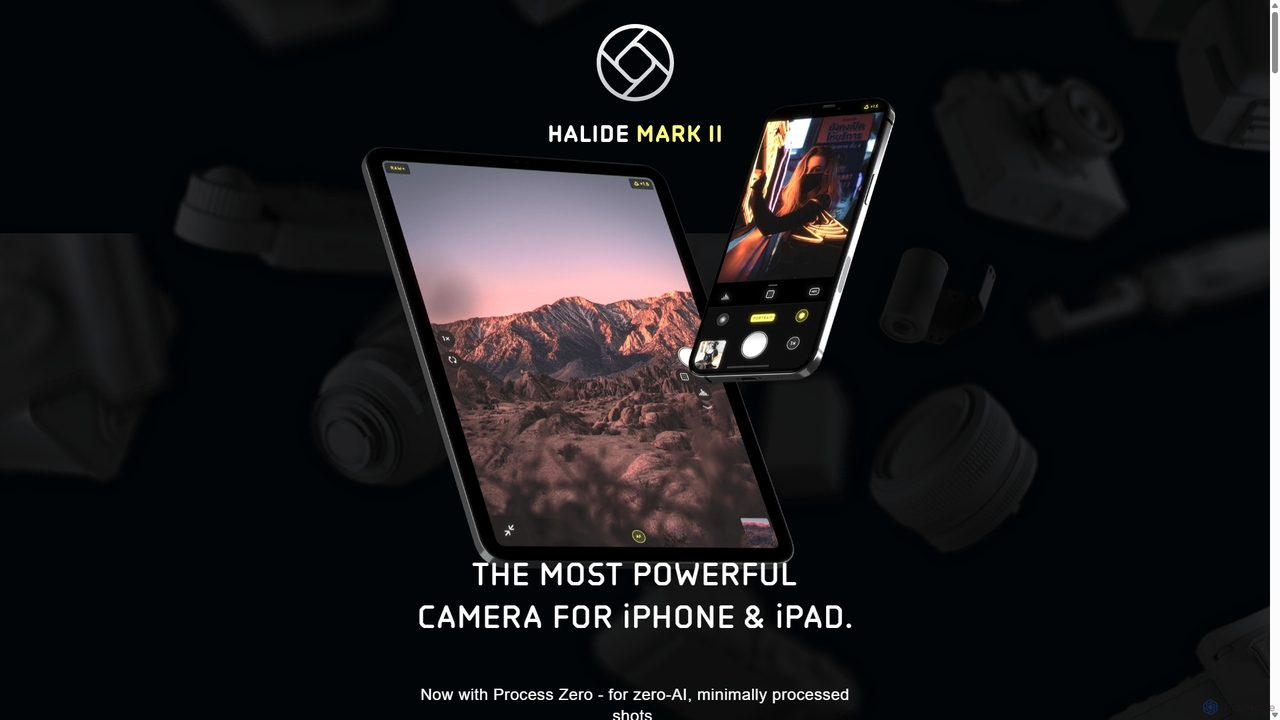
Halide is an award-winning professional camera app for iPhone and iPad, offering powerful manual controls, RAW capture, and advanced computational photography tools. It's designed for photographers who want to unlock the full potential of their device's camera, providing a tactile, intuitive interface inspired by classic film cameras.
PhotographyCreative AI tools are a class of software that leverage artificial intelligence, particularly generative models, to produce, augment, or inspire artistic and design content. They operate on advanced algorithms to transform user inputs like text prompts, sketches, or existing media into new outputs such as images, music, text, and videos. These tools empower creators of all skill levels to rapidly prototype ideas, overcome creative blocks, and generate high-quality assets at scale. Their key advantage lies in automating complex creative tasks and exploring novel artistic directions that would be time-consuming to achieve manually.
Creative AI tools are widely used across various industries. Marketing teams use them to generate ad copy and visuals for campaigns. Game developers and filmmakers employ them for creating concept art, textures, and storyboards. Musicians and podcasters can compose unique, royalty-free background scores, while writers and content creators use them to draft articles and scripts.
When selecting a Creative AI tool, first identify your primary medium (e.g., image, video, text, audio). Evaluate the tool's level of control and customization options. Check for integration capabilities, such as API access or plugins for existing software like Photoshop or Figma. Finally, carefully review the usage rights and licensing terms to ensure the generated content can be used for your intended commercial or personal purposes.
A social media manager needs to create a series of engaging, on-brand images for a new product launch. Instead of organizing a costly photoshoot, they use an AI image generator. By inputting text prompts describing the product, target audience, and desired aesthetic (e.g., 'vibrant, minimalist photo of a skincare bottle on a marble surface with morning light'), the tool produces dozens of unique visual variations in minutes. This process allows for rapid A/B testing of different creative concepts and reduces content creation time by over 80%, enabling a more agile and cost-effective marketing strategy.
A concept artist for a game studio needs to quickly explore different visual styles for a new fantasy character. Using an AI art tool, they input detailed character descriptions like 'elven warrior with glowing tattoos, silver armor, in a dark forest.' They can then iterate rapidly by modifying prompts to change armor style, lighting, and mood. This allows them to produce a wide range of high-fidelity concept art to present to the art director, accelerating the initial design phase and facilitating clearer creative alignment across the team before committing significant resources to manual illustration.
A video creator for YouTube needs suitable background music for a 10-minute documentary-style video without risking copyright strikes. Instead of spending hours searching stock music libraries, they use an AI music generator. They specify the desired mood ('uplifting, cinematic, orchestral'), genre, and an exact duration of 10 minutes. The tool composes a unique, royalty-free track that fits the video's pacing and emotional tone perfectly. This provides a custom-fit soundtrack in minutes, ensuring full commercial usage rights and eliminating recurring licensing fees.
A content writer is tasked with creating a long-form article on a complex technical topic and is facing writer's block. To get started, they use an AI writing assistant. They provide the tool with a target keyword and a brief topic description. The AI then generates multiple potential titles, a detailed outline with H2 and H3 headings, and several introductory paragraph options. This provides a solid foundation for the article in under five minutes, allowing the writer to focus their expertise on adding unique insights, data, and refining the content, rather than struggling with the initial structure and wording.
A film director needs to visualize a complex action scene from a script before production begins to align the crew. They use an AI image or video generation tool to create a storyboard. By inputting key descriptions from the script for each shot—such as 'wide shot, two characters dueling on a rainy rooftop at night'—they can generate a sequence of images representing key camera angles and character positions. This rapidly assembled visual storyboard helps the entire production team understand the director's vision, identify potential logistical issues early, and streamline the pre-production process, saving valuable time and budget.
A UI/UX designer is developing a new mobile application and needs a cohesive set of icons. To accelerate the process, they use an AI icon generator. They provide prompts specifying the desired style, such as 'flat design, blue and white, icon for user profile,' for each required icon. The tool generates dozens of variations for each prompt in a consistent style. The designer can then select the best options and perform minor refinements in a traditional design tool. This approach saves significant time compared to creating each icon from scratch, ensuring brand consistency and allowing more time for strategic design tasks.
Creative AI tools are applications that use artificial intelligence to generate or manipulate creative content. They function as collaborative partners, transforming user inputs like text prompts into original images, music, videos, or written text. These tools are powered by complex generative models, such as GANs and diffusion models, which have been trained on vast datasets of existing creative works. Common applications include generating marketing assets, creating concept art, composing music, and drafting articles, making advanced creative capabilities accessible to a wider audience.
Choosing the right Creative AI tool depends on your specific needs. Consider these key factors:
The core difference lies in the creation process. Traditional creative software, like Adobe Photoshop or a digital audio workstation, provides tools for direct manual manipulation. The user is the sole creator, using digital brushes or timelines to build content piece by piece. In contrast, generative AI acts as a creative partner. The user provides a high-level prompt or instruction, and the AI generates the content based on its training. Generative AI excels at rapid ideation and creating novel content from scratch, while traditional software is superior for precise control, refinement, and editing of existing assets.
The ability to use AI-generated content commercially depends entirely on the terms of service of the specific AI tool you use. Many platforms, especially those with paid subscription plans, grant users a commercial license to the content they create. However, some free or beta tools may restrict commercial use. The legal landscape regarding copyright and ownership of AI-generated works is still evolving globally. It is crucial to always read and understand the licensing agreement of your chosen tool before using its output for any business-related purpose to avoid potential legal issues.
A wide range of users can benefit from Creative AI tools. This includes: