ToolMage
Sign in

Best 178 Data Analysis AI tools

Popular Data Analysis AI tools include Realtor.com, Fantasy Football Hub, GeoSpy, PricePerToken, Zigpoll, InsightJini, getthematic, Superads, hellodata, and deepsense.ai, helping you work more efficiently.

ListenUp
Freemium

ListenUp

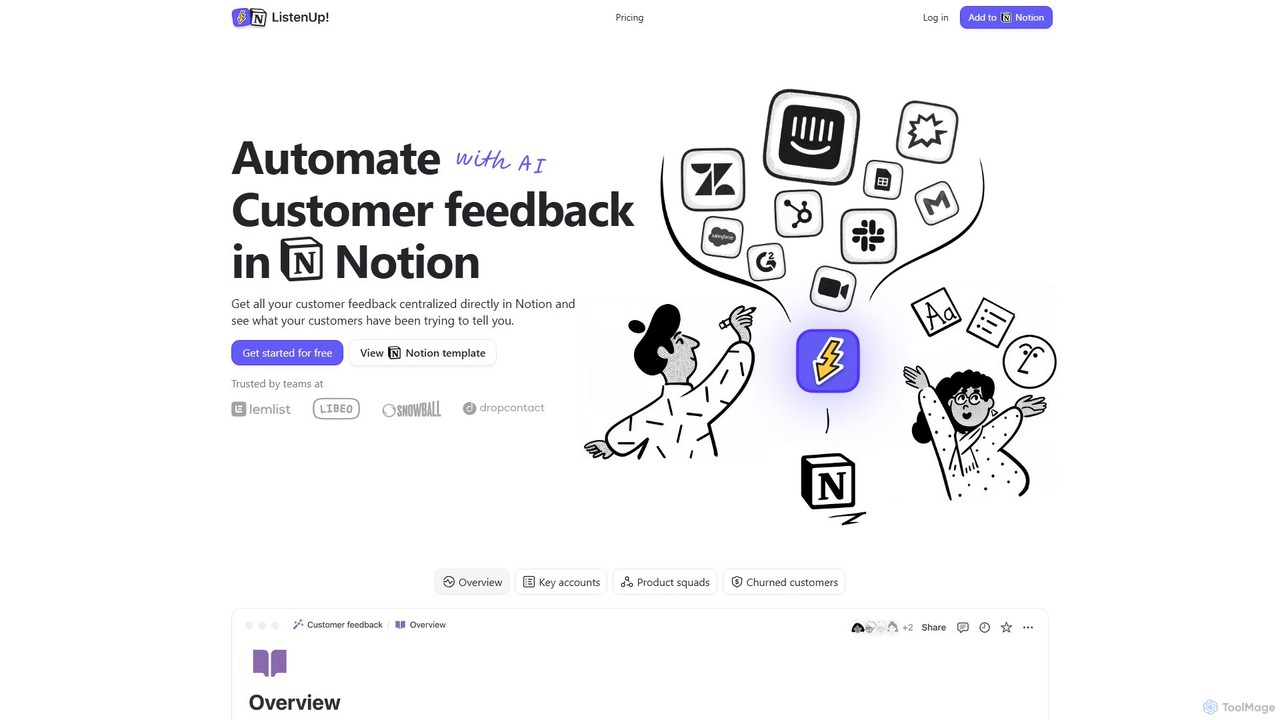
ListenUp is an AI-powered platform that automates customer feedback management by centralizing it directly within Notion. It connects to various sources like sales and support tools, transcribes video feedback, and uses AI to extract, classify, and group insights. This helps product teams save time, uncover hidden patterns, and make data-driven decisions to build features customers truly want, all within their existing Notion workspace.

Voice Of The Customer
Visits 5.2KFavorites 155Likes 139
Ogt.ai
Freemium

Ogt.ai

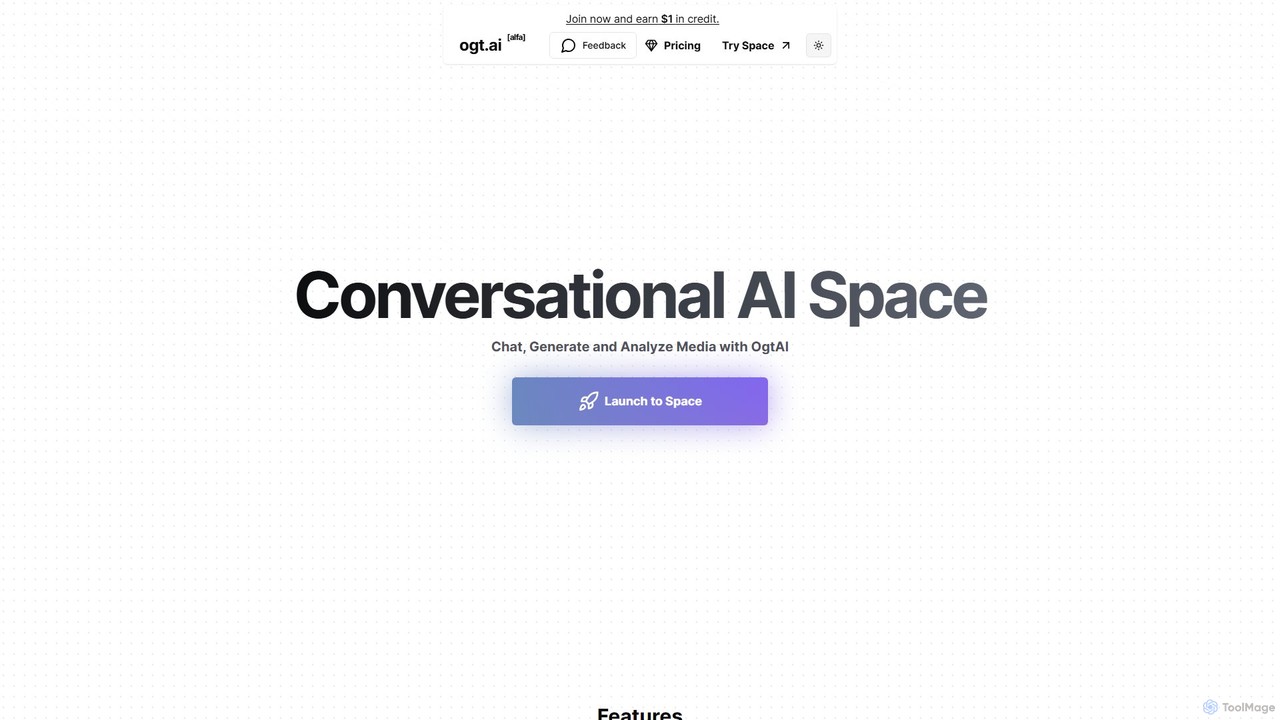
Ogt.ai is an all-in-one conversational AI platform that allows you to chat, generate, and analyze various media formats. Interact with YouTube videos, webpages, documents (PDF, DOCX), and audio/video files. It also features a powerful AI image generator and a browser extension for real-time data access, making it a versatile tool for research, content creation, and data analysis.

Research Assistant
Visits 6.6KFavorites 117Likes 109
Reflexivity
Paid

Reflexivity

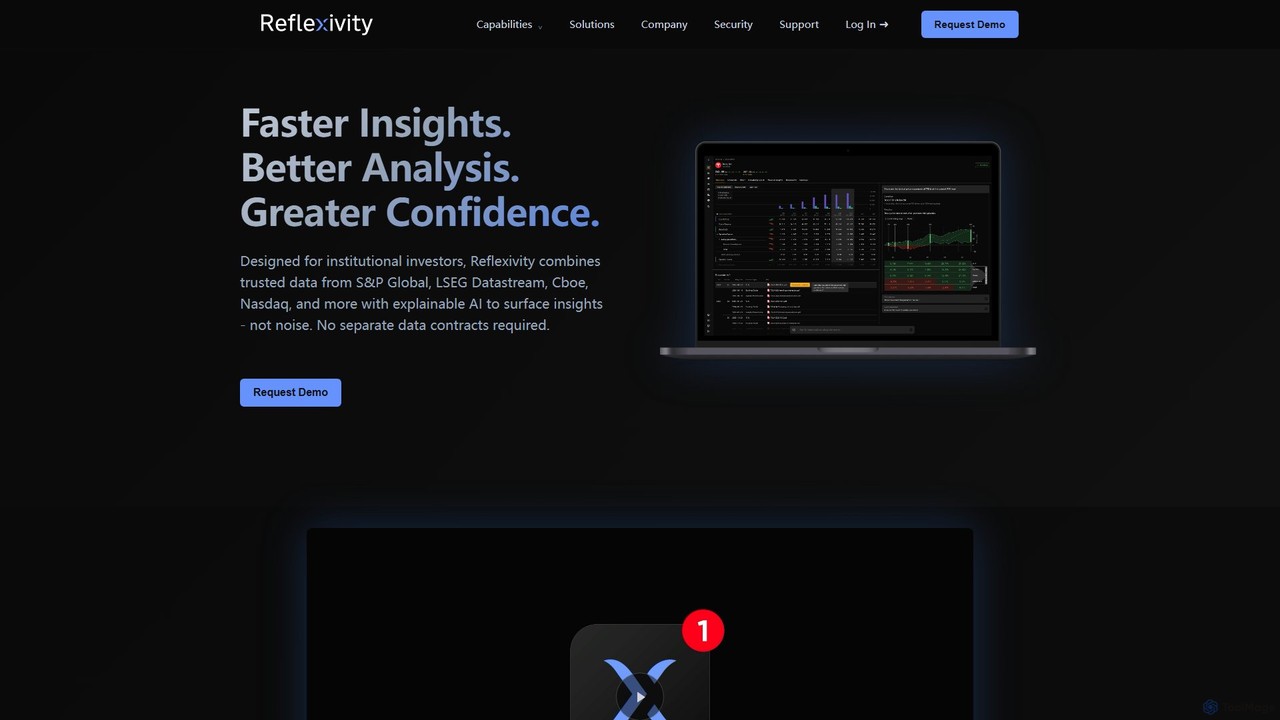
Reflexivity is an institutional-grade AI platform for finance professionals. It integrates high-quality data from sources like S&P Global and LSEG to deliver faster insights and better analysis. The platform offers autonomous research, document intelligence, real-time portfolio analysis, advanced market simulations, and smart screening to uncover investment opportunities and build greater confidence in decisions.

Business Intelligence
Visits 28.6KFavorites 132Likes 141
Top Themes
Freemium

Top Themes

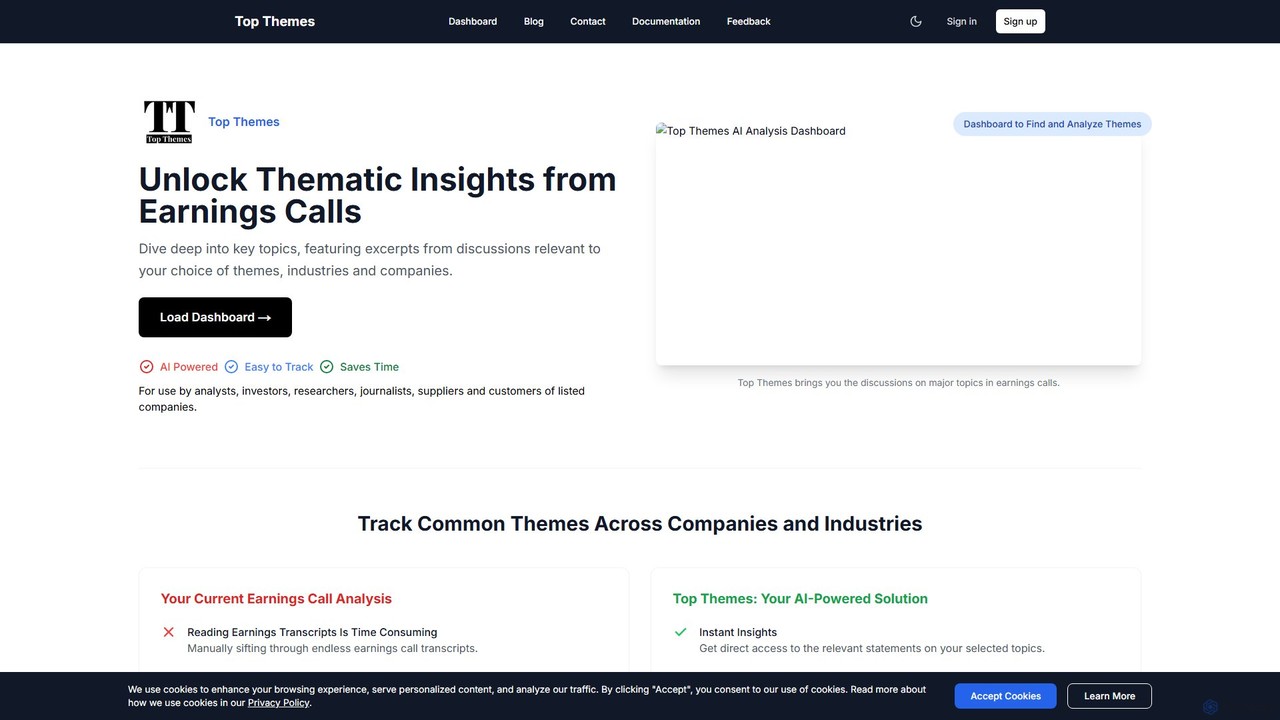
Top Themes is an AI-powered platform that accelerates thematic research by analyzing earnings call transcripts. It provides analysts, investors, and researchers with instant insights, AI-generated summaries, and direct excerpts on key topics, helping them track market trends and make faster, data-driven decisions.

Text Analysis
Visits 5KFavorites 135Likes 135
Text2SQL.ai
Freemium

Text2SQL.ai

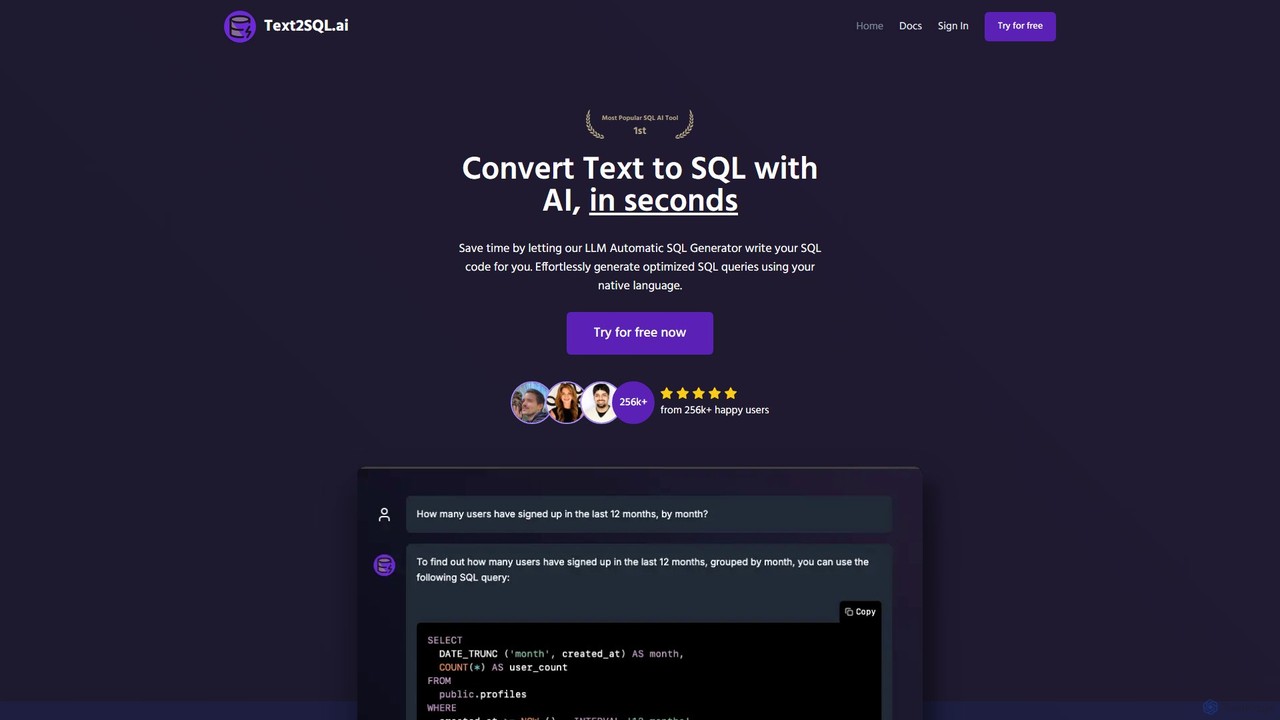
Text2SQL.ai is an AI-powered tool that instantly converts natural language text into complex SQL queries and Regex patterns. It supports over 12 SQL and NoSQL databases, allows schema integration for higher accuracy, and functions as a comprehensive AI assistant for explaining, fixing, and optimizing code. Designed for developers, data analysts, and beginners, it saves time, reduces errors, and makes database interaction more accessible. It also offers a public API for custom integrations.

Querying
Visits 25.2KFavorites 124Likes 129
BeeBee.AI
Freemium

BeeBee.AI

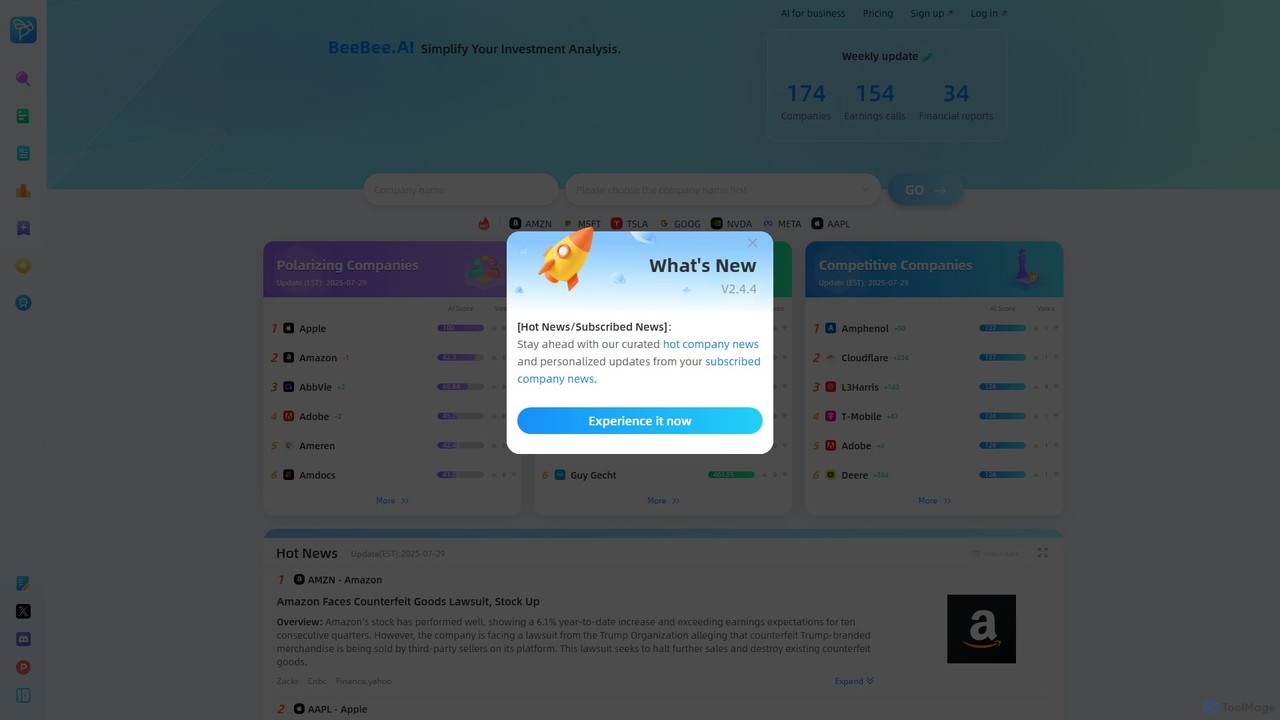
BeeBee.AI is an AI-powered investment analysis tool for the US stock market. It simplifies complex financial data by providing AI-driven summaries and in-depth analysis of earnings calls, 10-K/10-Q reports, and other financial documents. The platform tracks over 3000 companies, offering structured insights, sentiment analysis, and interactive Q&A to help investors make informed decisions quickly and efficiently.

Financial Data
Visits 5.7KFavorites 101Likes 108
GeoSpy
Paid

GeoSpy

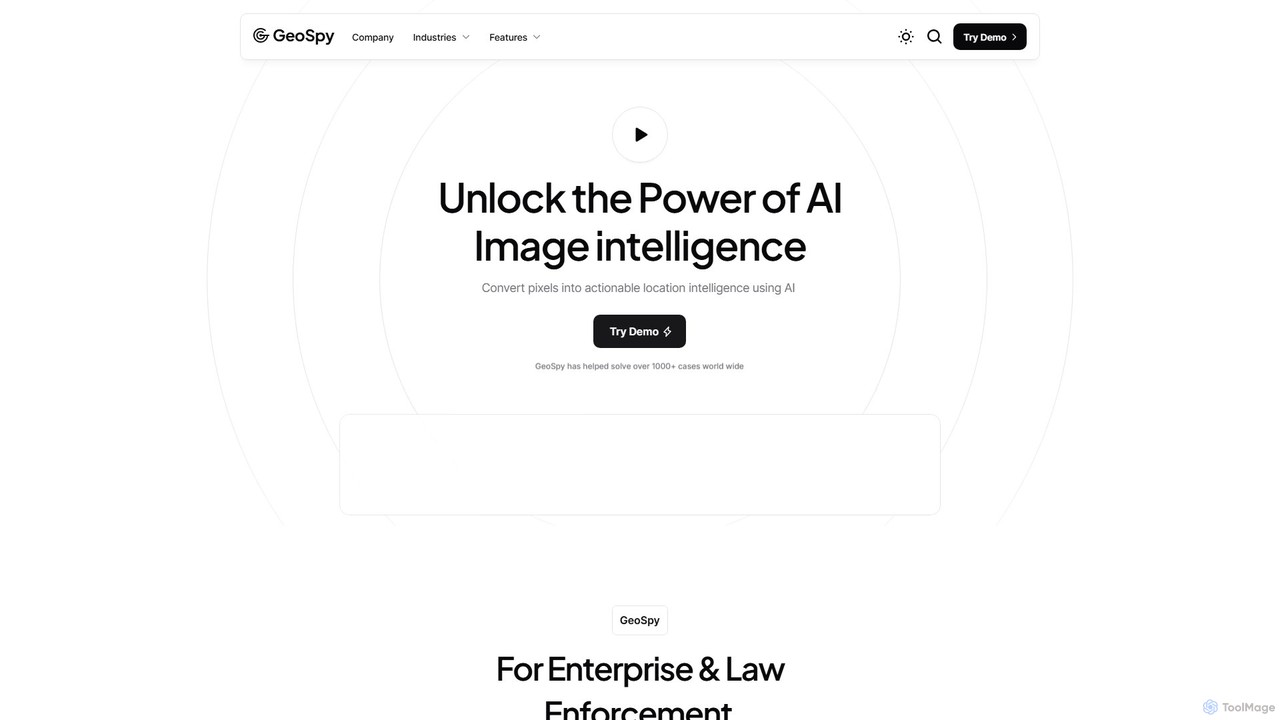
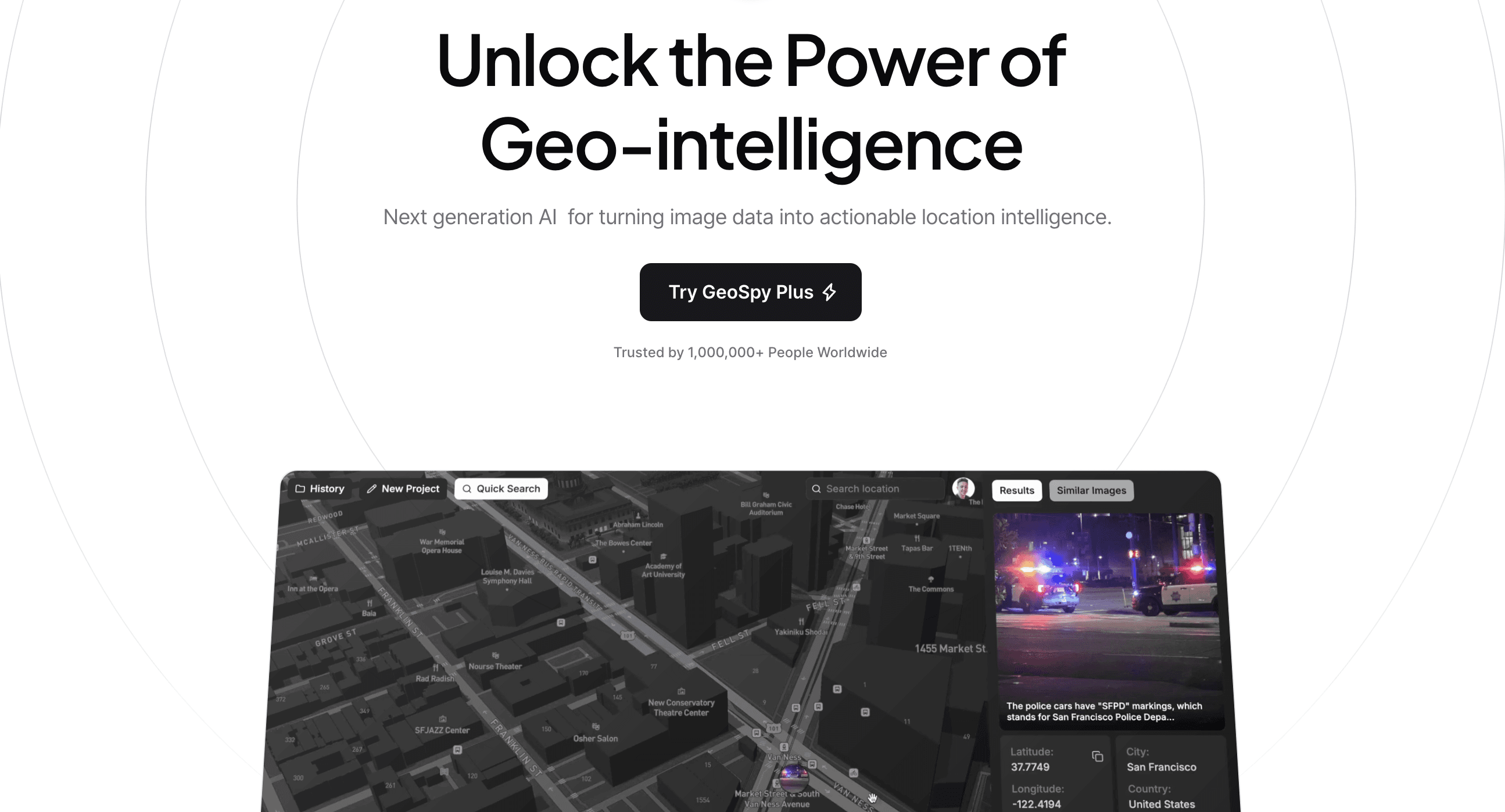
GeoSpy is an advanced AI platform that transforms images into precise, actionable location intelligence. Designed for law enforcement, government agencies, and enterprise organizations, it utilizes state-of-the-art computer vision models to determine geographic locations from images with meter-level accuracy, helping solve cases and gather critical intelligence in seconds.

Geolocation
Visits 510.1KFavorites 154Likes 154
Superflows
Freemium

Superflows

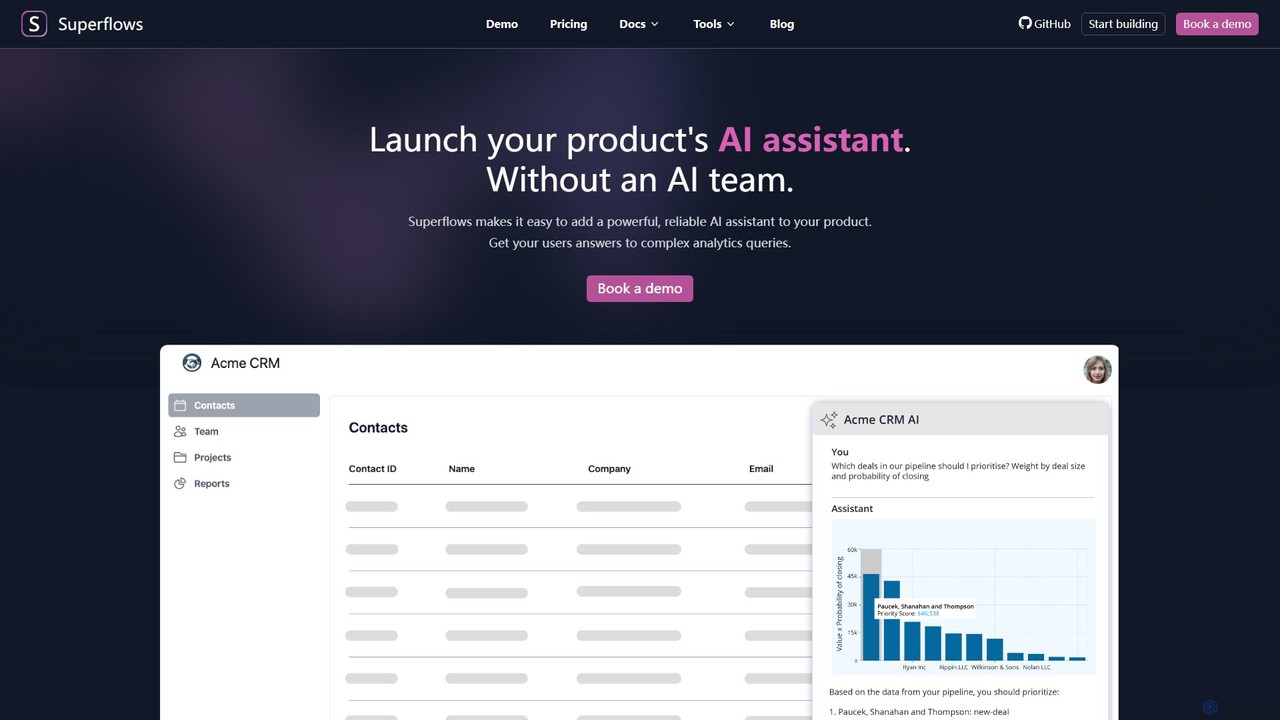
Superflows allows SaaS companies to easily embed a powerful, reliable AI assistant into their product. This AI copilot can handle complex analytics, perform actions, and provide documentation support, all without requiring an in-house AI team.

Chatbot
Visits 8.1KFavorites 131Likes 127
Auto Market Scanner
Paid

Auto Market Scanner

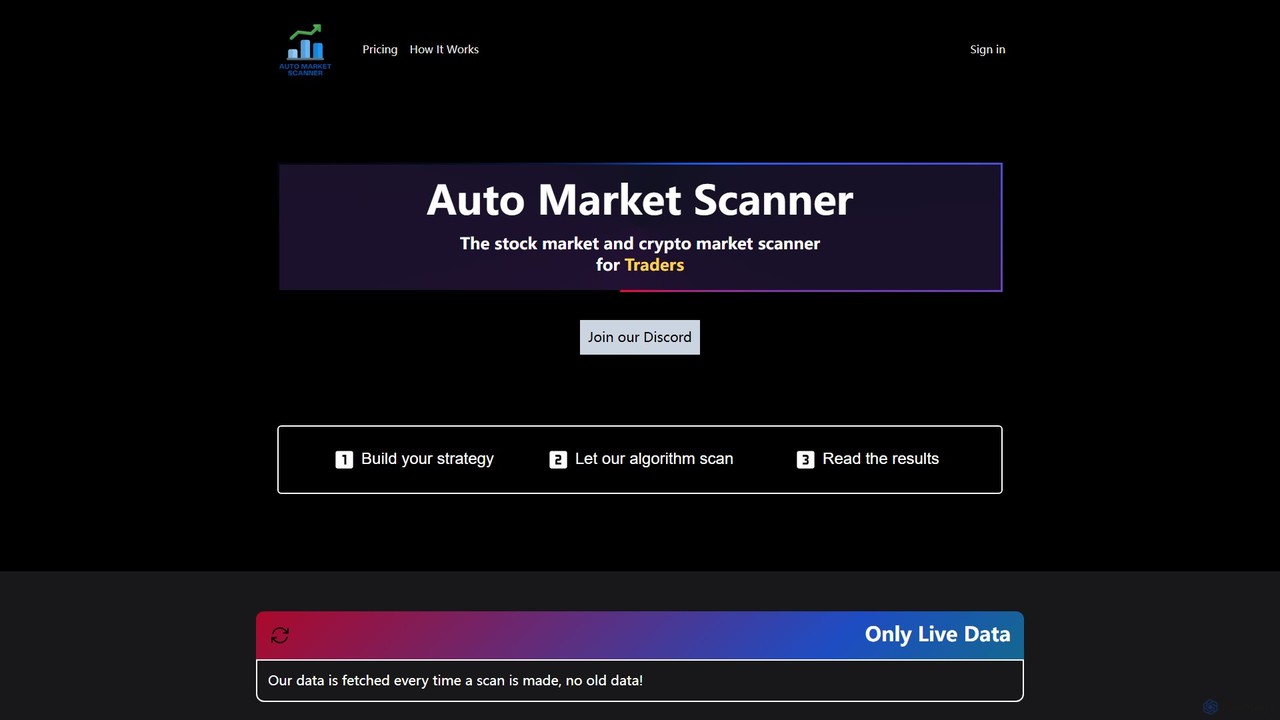
Auto Market Scanner is an AI-powered tool for stock and crypto traders. It allows users to build custom trading strategies based on technical indicators like OHLC data and chart patterns. The platform automatically scans the market with live data, providing actionable results to help traders identify opportunities without constant manual monitoring. It's designed for both casual day traders and institutional investors.

Market Research
Visits 5.1KFavorites 139Likes 140
Cogram
Paid

Cogram

Cogram is an AI-powered platform specifically designed for the Architecture, Engineering, and Construction (AEC) industry. It acts as a central knowledge base, allowing architects, builders, and engineers to instantly find answers from vast project documentation, automate reporting, and analyze complex data. By connecting to all project files, Cogram helps teams reduce time spent on information retrieval, mitigate risks, and improve project outcomes.

Document Analysis
Visits 9KFavorites 90Likes 113

About Data Analysis

Data Analysis AI tools are AI-powered solutions designed to process, interpret, and visualize complex datasets to uncover valuable insights. These tools leverage machine learning algorithms, natural language processing, and advanced statistical models to automate data preparation, identify patterns, predict future trends, and support informed decision-making. They transform raw data into actionable intelligence, enabling businesses and individuals to gain a competitive edge and optimize operations.

Core Features

  • Automated Data Cleaning: Automatically identifies and corrects errors, inconsistencies, and missing values in datasets.
  • Predictive Modeling: Builds models to forecast future outcomes, trends, and behaviors based on historical data.
  • Anomaly Detection: Pinpoints unusual patterns or outliers in data that may indicate critical issues or opportunities.
  • Natural Language Query: Allows users to ask data-related questions in plain language and receive instant, insightful answers.
  • Interactive Visualization: Generates dynamic charts, graphs, and dashboards for clear and intuitive data exploration.

Use Cases

These tools are indispensable across various sectors, from finance and marketing to healthcare and logistics. Businesses utilize them for market trend analysis, customer segmentation, and operational optimization. Researchers apply them for complex scientific data interpretation, while financial institutions rely on them for risk assessment and fraud detection.

How to Choose

When selecting a Data Analysis AI tool, consider its compatibility with your existing data sources and formats, the depth of its analytical capabilities (e.g., predictive, prescriptive), its ease of use and visualization features, and its integration potential with other business intelligence platforms. Scalability, security, and pricing models are also crucial factors to ensure it meets your long-term needs.

Featured tool rankings

Data Analysis use cases

1

Predictive Sales Forecasting

Sales teams utilize AI data analysis tools to forecast future sales volumes and revenue with high accuracy. By analyzing historical sales data, market trends, seasonal patterns, and external economic indicators, these tools provide actionable insights, helping managers optimize inventory, allocate resources effectively, and set realistic sales targets, leading to improved revenue generation and reduced stockouts.

2

Customer Behavior Segmentation

Marketing professionals employ AI to segment customer bases into distinct groups based on purchasing habits, demographics, and online interactions. This allows for highly personalized marketing campaigns, product recommendations, and customer service strategies. Understanding these segments enables businesses to tailor their offerings, increase customer engagement, and maximize conversion rates.

3

Financial Fraud Detection

Financial institutions deploy AI data analysis to identify and flag suspicious transactions in real-time. By continuously monitoring vast amounts of transaction data, AI algorithms can detect subtle anomalies and patterns indicative of fraudulent activity that human analysts might miss. This proactive approach significantly reduces financial losses and enhances security for customers.

4

Optimizing Supply Chain Logistics

Logistics and operations managers leverage AI to analyze complex supply chain data, including inventory levels, shipping routes, supplier performance, and demand fluctuations. AI tools identify inefficiencies, predict potential disruptions, and recommend optimal strategies for inventory management, route planning, and warehouse operations, leading to cost savings and improved delivery times.

5

Healthcare Patient Outcome Prediction

Medical professionals use AI data analysis to interpret patient data, including medical images, lab results, and electronic health records. AI algorithms can assist in identifying disease patterns, predicting patient risks, and suggesting personalized treatment plans. This enhances diagnostic accuracy, supports clinical decision-making, and ultimately improves patient outcomes.

6

Automated Market Trend Analysis

Business strategists and market researchers utilize AI to continuously scan and analyze vast amounts of unstructured data from news, social media, and industry reports. These tools automatically identify emerging market trends, competitive shifts, and consumer sentiment, providing timely intelligence that informs strategic planning, product development, and competitive positioning.

Data Analysis FAQ

What are AI Data Analysis tools?

AI Data Analysis tools are software solutions that use artificial intelligence, primarily machine learning and natural language processing, to automate and enhance the process of examining raw data. They are designed to uncover hidden patterns, correlations, trends, and insights that might be difficult or impossible for humans to detect manually, transforming complex data into understandable and actionable information for better decision-making.

How do AI Data Analysis tools differ from traditional data analysis methods?

AI Data Analysis tools differ from traditional methods primarily in their automation, scale, and predictive capabilities. Traditional analysis often relies on manual processes and predefined statistical models, requiring significant human input. AI tools, conversely, can automatically process massive, diverse datasets, learn from data to identify complex patterns, and generate predictive models with minimal human intervention, offering deeper, faster, and more forward-looking insights.

What are the main benefits of using AI for data analysis?

The main benefits of using AI for data analysis include significantly increased speed and efficiency in processing large datasets, enhanced accuracy in identifying complex patterns and anomalies, and superior predictive capabilities for forecasting future trends. AI also automates repetitive tasks like data cleaning and preparation, freeing up human analysts to focus on strategic interpretation and decision-making, leading to more robust and timely insights.

Who can benefit most from using AI Data Analysis tools?

A wide range of professionals and organizations can benefit from AI Data Analysis tools. This includes business intelligence analysts, marketing teams seeking customer insights, financial institutions for fraud detection and risk assessment, healthcare providers for diagnostic support, and supply chain managers for optimization. Essentially, any entity dealing with large volumes of data and needing to extract actionable intelligence quickly and accurately will find these tools invaluable.

What should I consider when choosing an AI Data Analysis tool?

When choosing an AI Data Analysis tool, consider several key factors. Evaluate its compatibility with your existing data sources and formats, the breadth and depth of its analytical features (e.g., predictive modeling, natural language processing), and its ease of use and visualization capabilities. Also, assess its scalability to handle growing data volumes, integration options with your current systems, security protocols, and the overall cost-effectiveness, including subscription models and support.