ToolMage
Sign in

Best 657 Api AI tools for Developer Tools

Popular Api AI tools in Developer Tools include vocode, Telegram Messenger, OctoAI, ElevenLabs, Grok, Baidu Translate, Turnitin, Venice, DeepAI, and Poe, helping you work more efficiently.

AstraSQL
Paid

AstraSQL

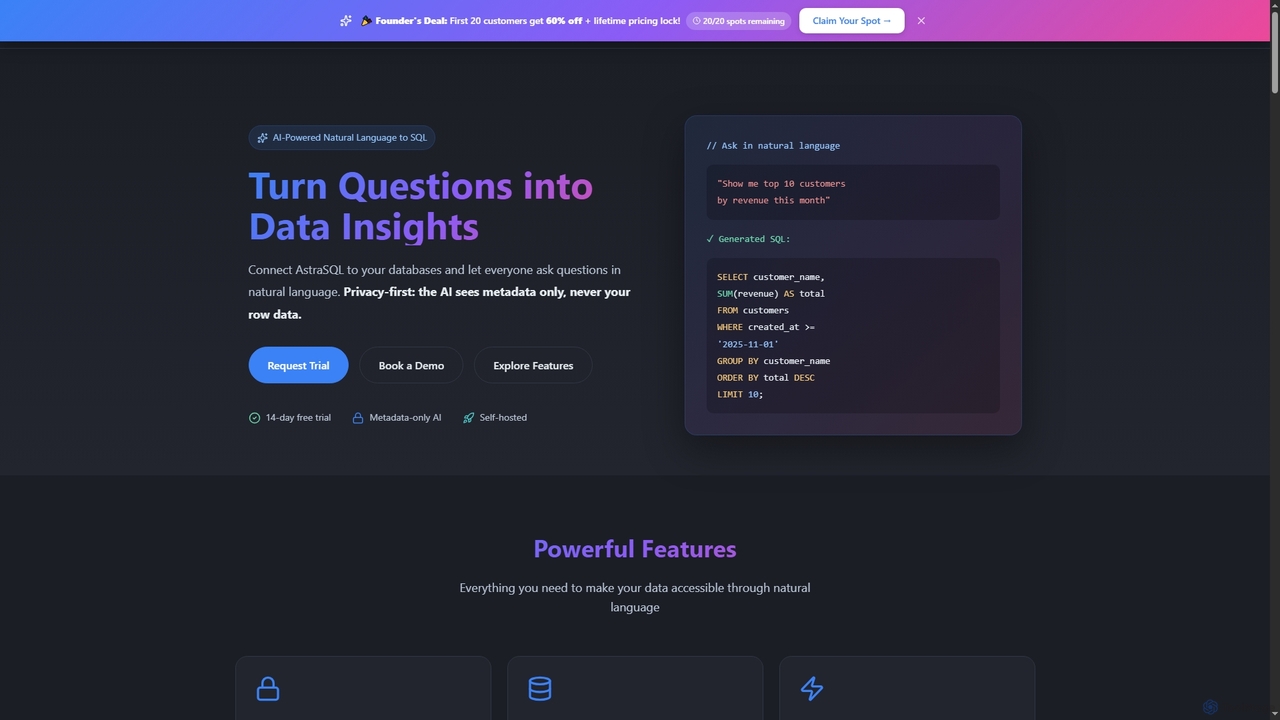
AstraSQL is an AI-powered agent that transforms natural language queries into complex, correct SQL, enabling privacy-first database analytics. It supports multiple databases, offers interactive dashboards, and ensures enterprise-grade security, making data accessible to non-technical users.

3D
Visits 4KFavorites 145Likes 150
Datun
Freemium

Datun

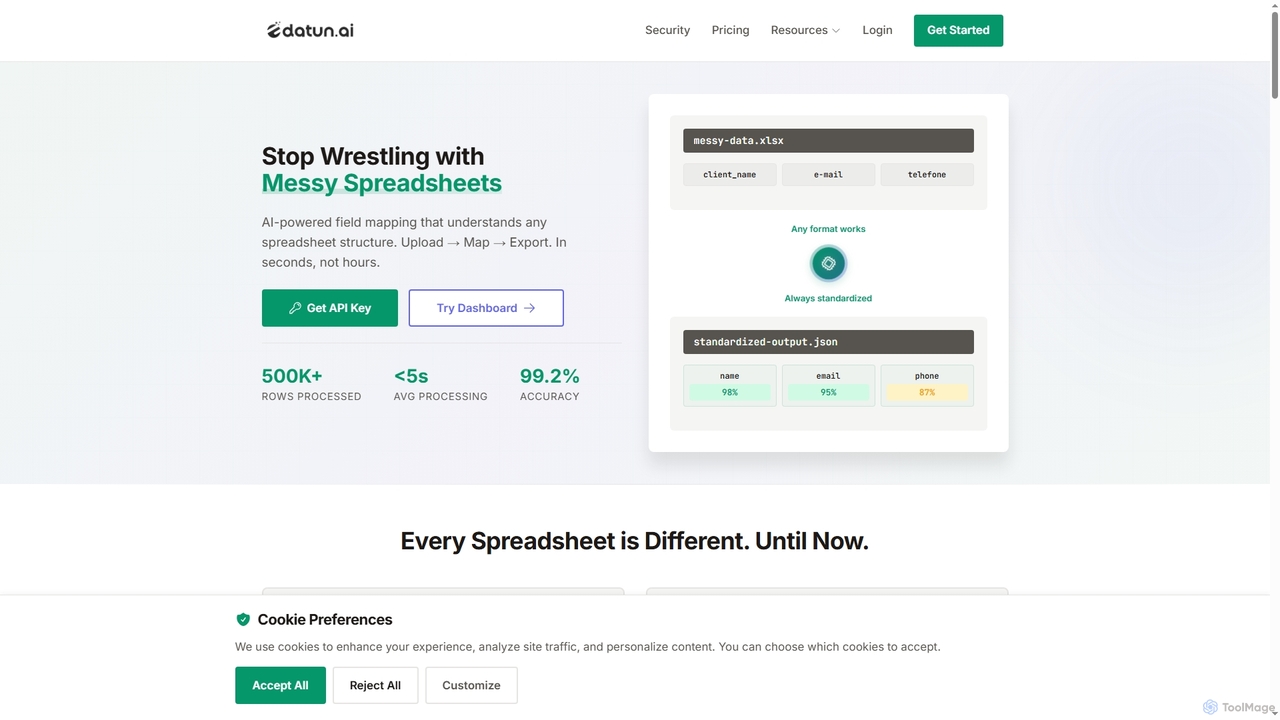
Datun is an AI-powered platform that automates the processing of messy spreadsheets. It intelligently maps fields from any spreadsheet structure, format, or language, standardizing data in seconds for developers and data teams.

Automation
Visits 6.5KFavorites 142Likes 139
Moonshot

Moonshot

Moonshot is an AI company developing advanced large language models. Its flagship product, Kimi, is an intelligent assistant for online search, deep thinking, multi-modal reasoning, and ultra-long text conversations. Moonshot also offers an open platform with flexible API access for developers.

Api
Visits 951.9KFavorites 115Likes 106
Huminloop
Paid

Huminloop

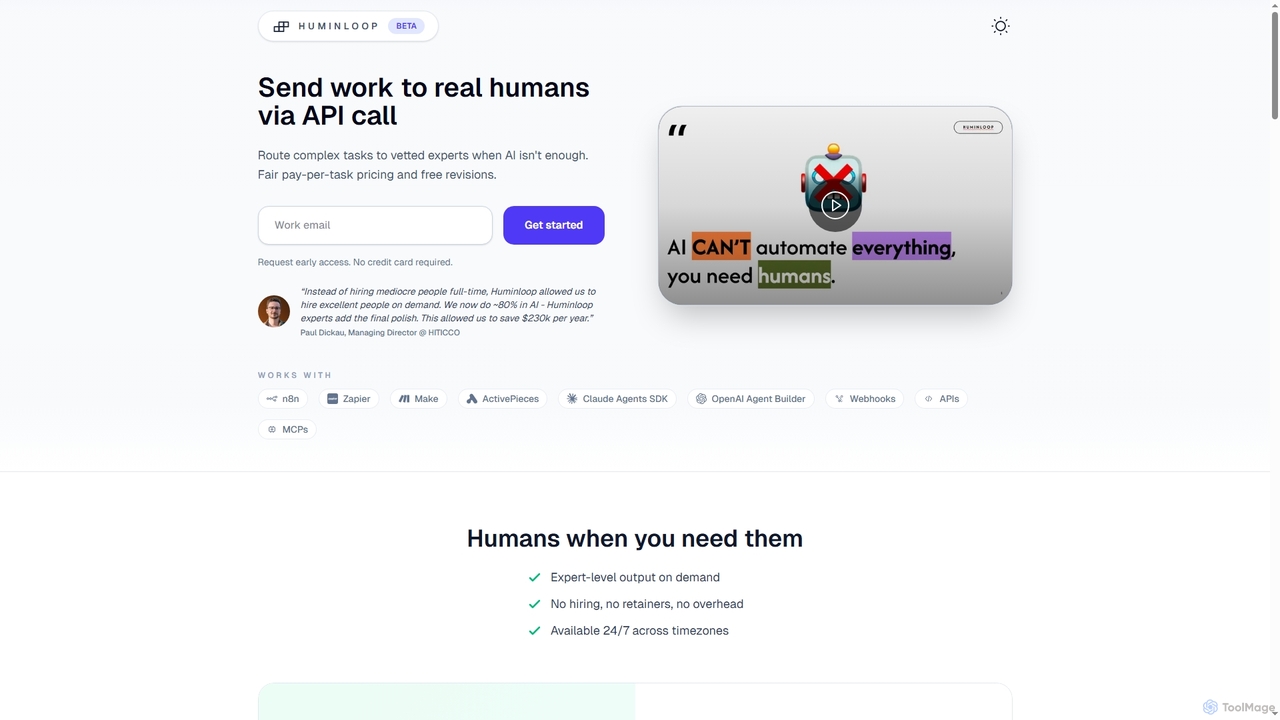
Huminloop is an API-driven platform that integrates vetted human experts into automated workflows. It allows businesses to route complex tasks that AI cannot handle to specialists on-demand, operating on a pay-per-task model without the need for hiring or retainers.

3D
Visits 4KFavorites 106Likes 99
Signalsloop
Freemium

Signalsloop

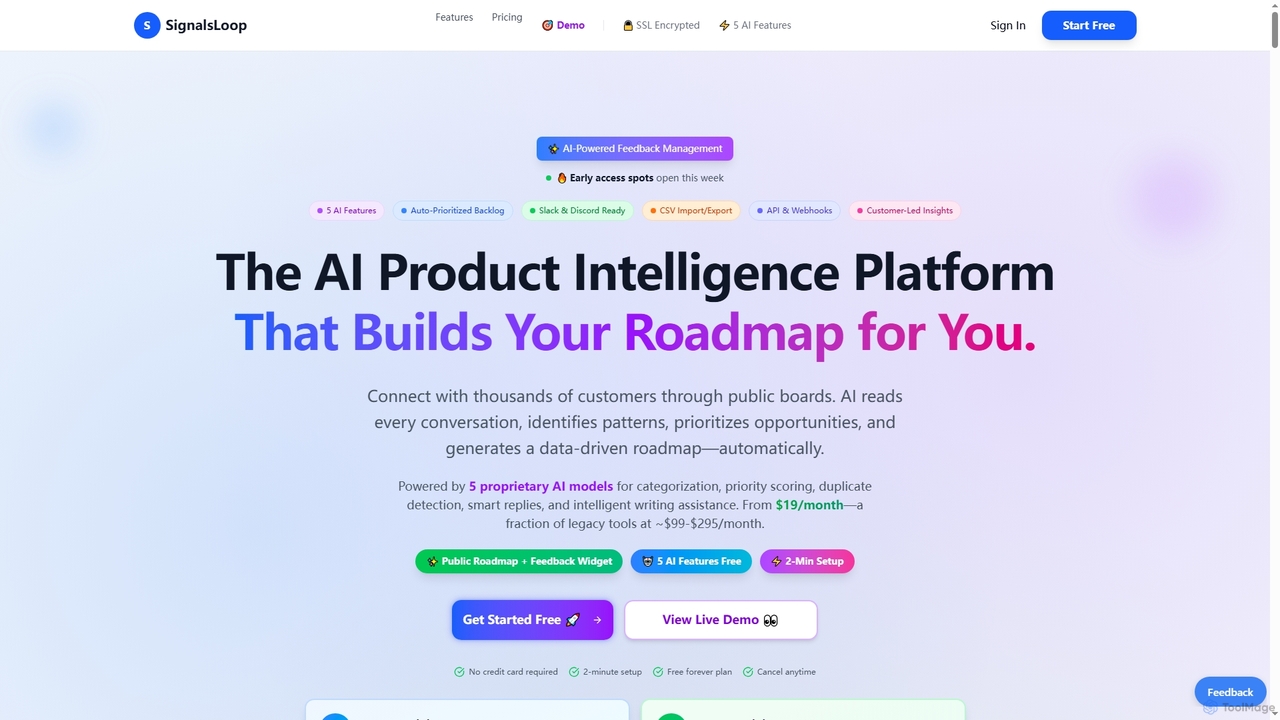
SignalsLoop is an AI-powered feedback management platform that automatically categorizes, prioritizes, and detects duplicate user feedback. It helps product teams build data-driven roadmaps by transforming scattered feedback from various channels into actionable insights, designed for startups and indie makers.

Roadmapping
Visits 4.8KFavorites 122Likes 121
PromptValar
Freemium

PromptValar

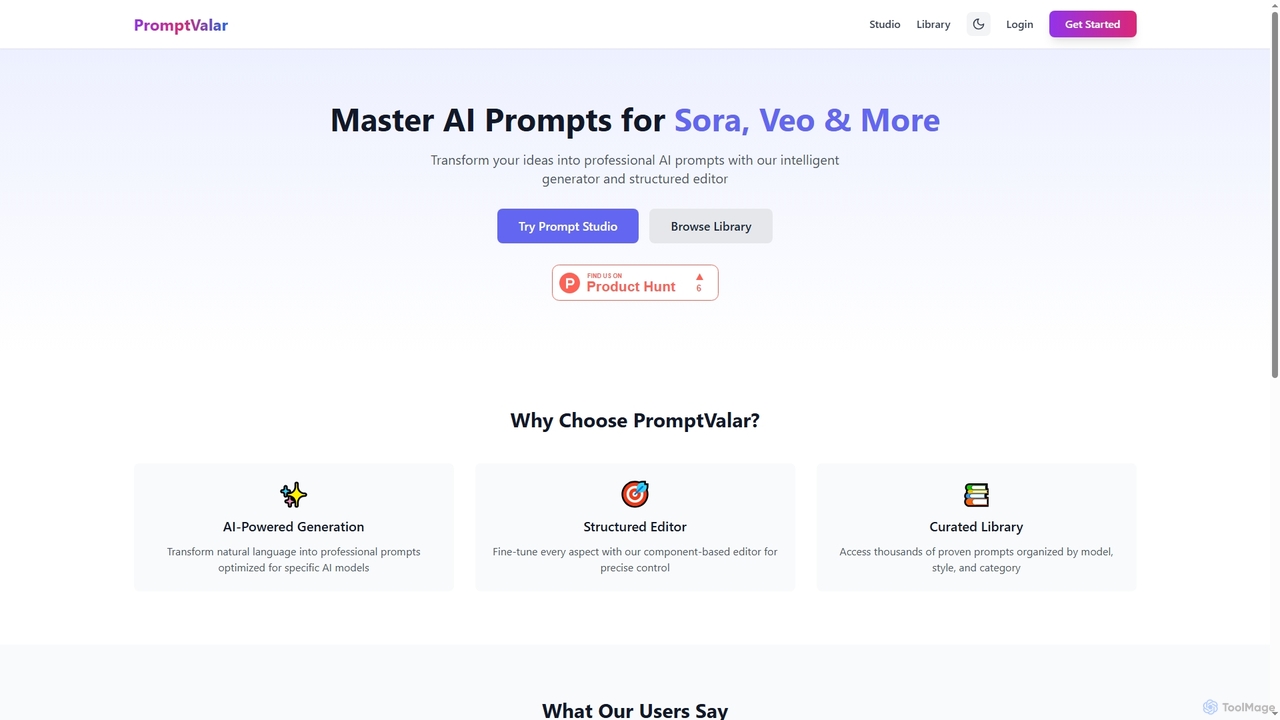
PromptValar is an AI-powered platform for creating, optimizing, and managing professional prompts for generative AI models like Sora, Veo, and Midjourney. It features an intelligent generator, a structured editor for precise control, and a vast library of proven prompts to streamline the creative workflow.

Image Generator
Visits 4KFavorites 97Likes 97
Faim

Faim

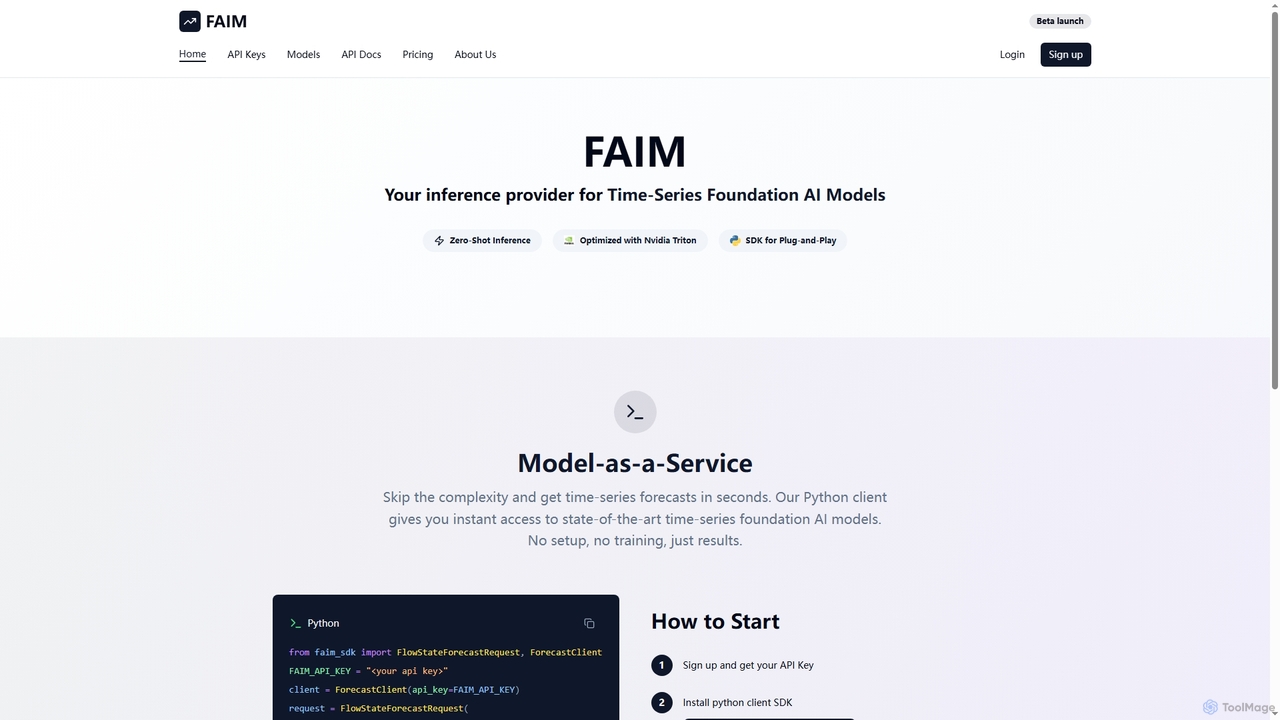
Faim is a Model-as-a-Service platform providing zero-shot inference for time-series forecasting. It offers instant access to state-of-the-art AI models like Chronos2, TiRex, and FlowState via a simple Python SDK, eliminating the need for complex setup or model training.

Machine Learning
Visits 4.8KFavorites 98Likes 92
Context Link
Paid

Context Link

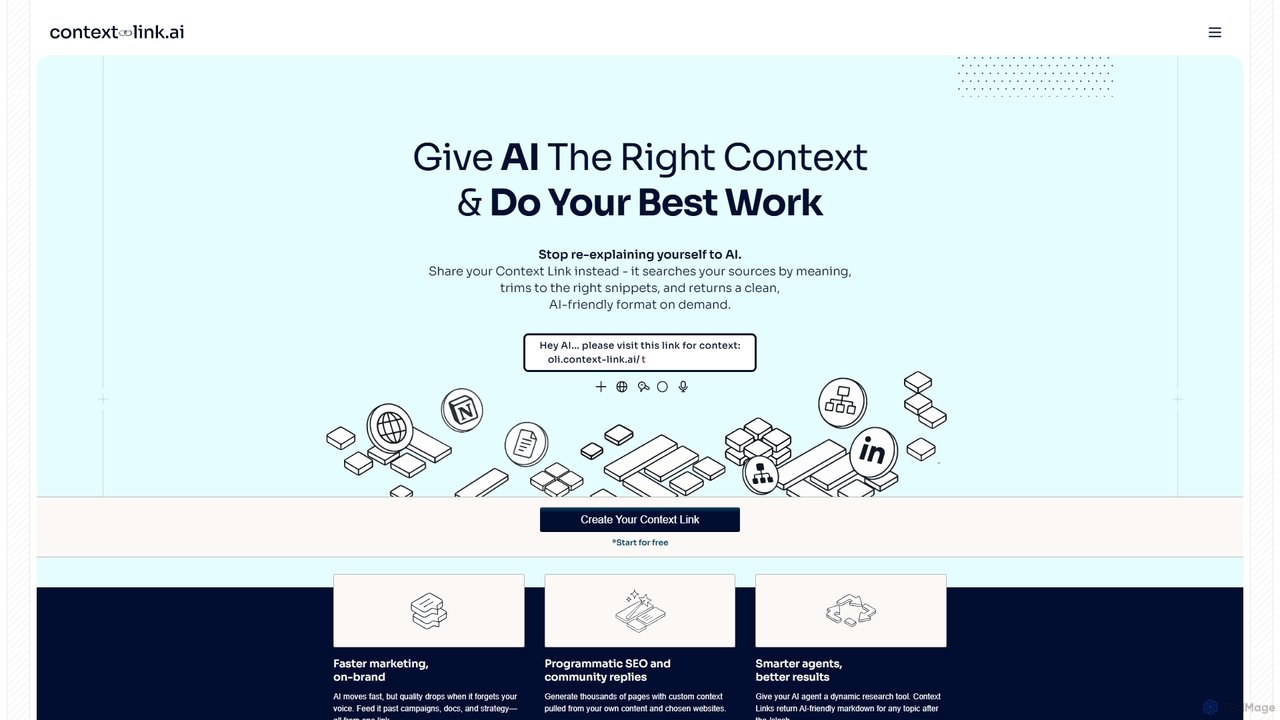
Context Link provides AI tools with persistent context from your sources like Google Docs, Notion, and websites. Share a single link to stop re-explaining yourself and ensure AI-generated content is accurate, on-brand, and based on your own knowledge base. It uses semantic search to deliver relevant snippets in an AI-friendly format.

Api
Visits 23.2KFavorites 138Likes 134
Searchagora
Freemium

Searchagora

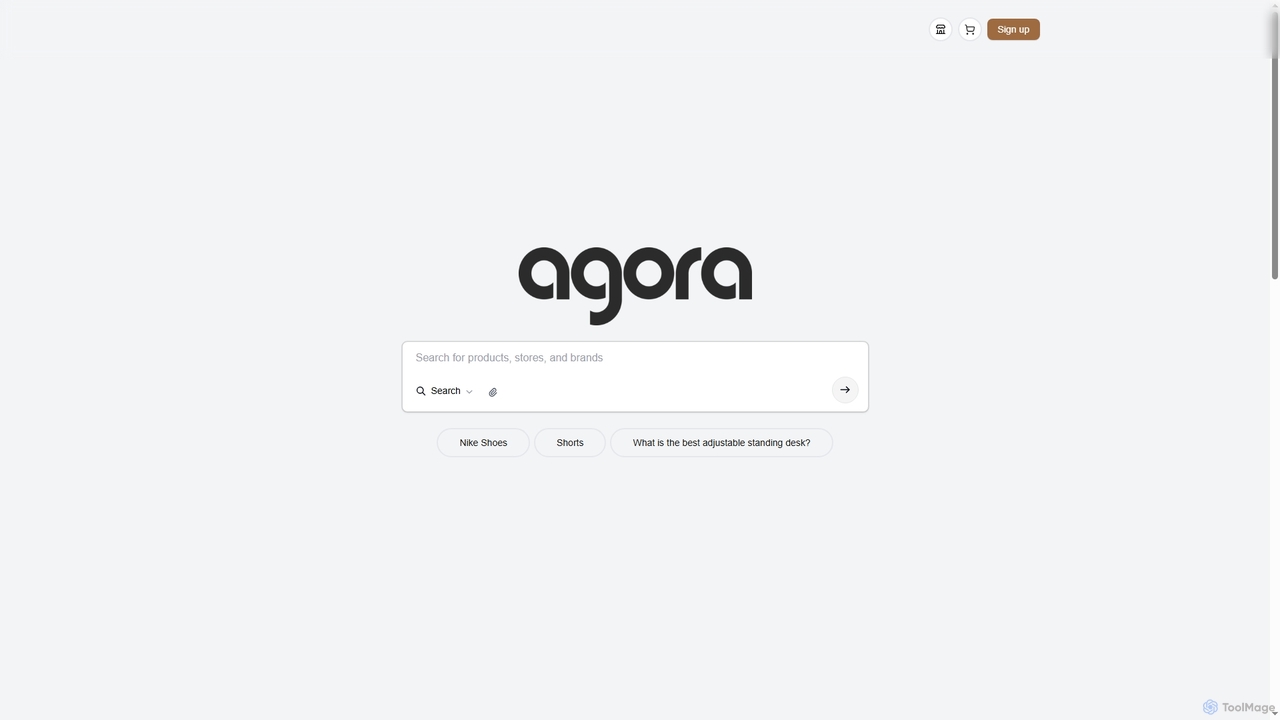
Searchagora is an all-in-one e-commerce platform that combines a powerful product search engine with an AI-powered store builder. It enables users to discover and compare products from over 100,000 stores, manage purchases with a universal cart, and allows entrepreneurs to build online stores in minutes using AI.

Api
Visits 8.5KFavorites 119Likes 122
Foxscrape
Freemium

Foxscrape

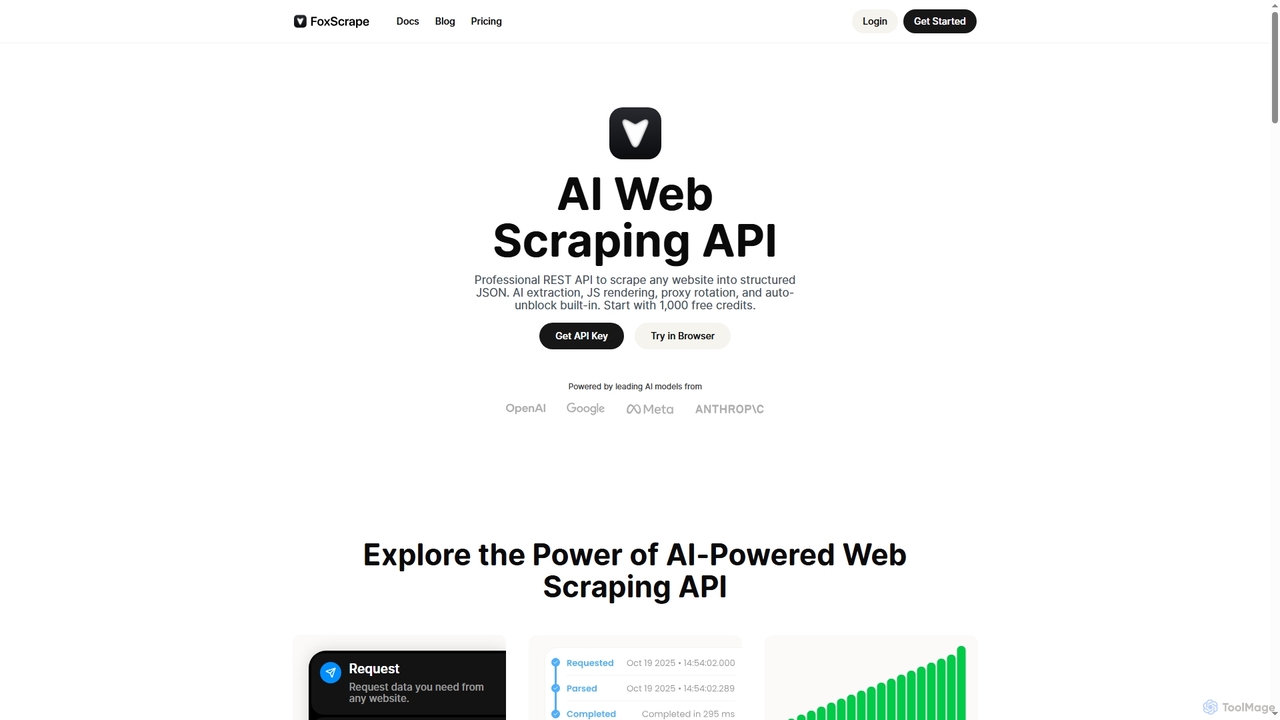
FoxScrape is an AI-powered web scraping REST API for developers. It simplifies data extraction by converting any website into structured JSON data using features like AI-driven parsing from plain English, JavaScript rendering for dynamic sites, and automatic proxy rotation to prevent blocks.

Data Extraction
Visits 5.6KFavorites 126Likes 121
Crawleo
Freemium

Crawleo

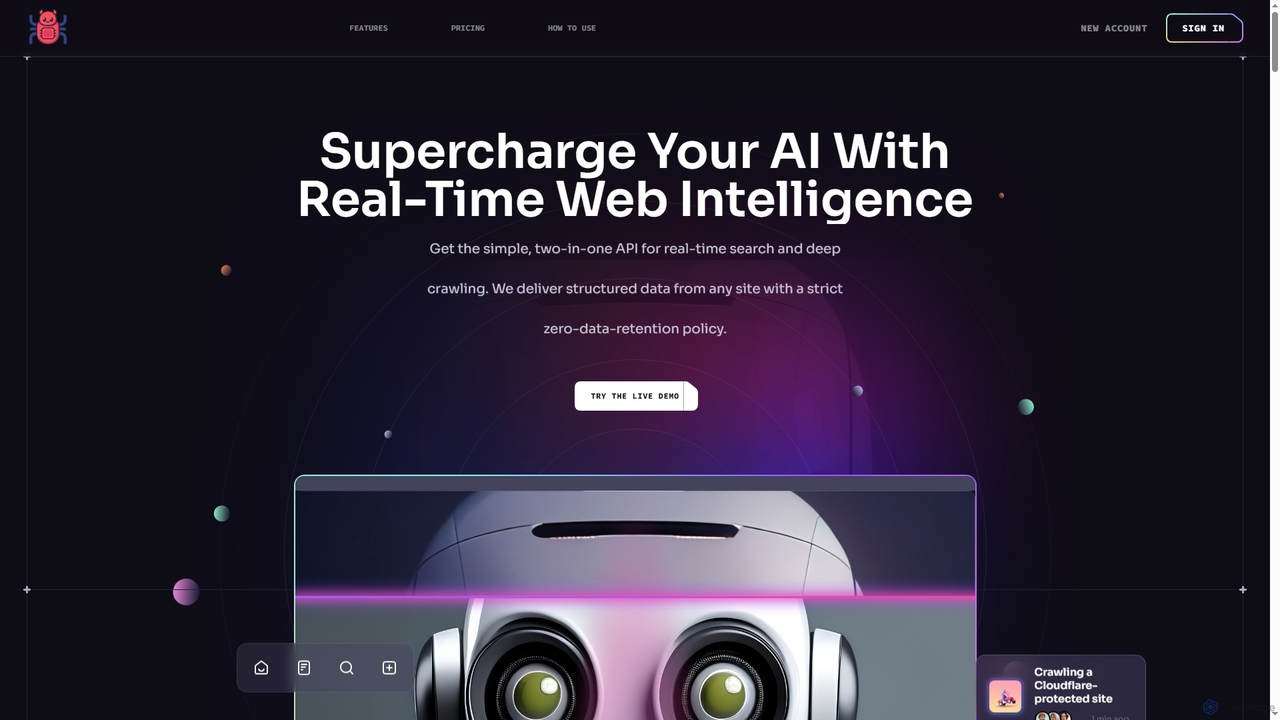
A powerful two-in-one API for AI systems, providing real-time web search and deep crawling. It delivers structured, AI-ready data (JSON, Markdown) from any website, bypassing anti-bot measures while ensuring privacy with a strict zero-data-retention policy. Designed for RAG pipelines, LLMs, and automation workflows.

Data Retrieval
Visits 7.6KFavorites 122Likes 121
Zywrap
Freemium

Zywrap

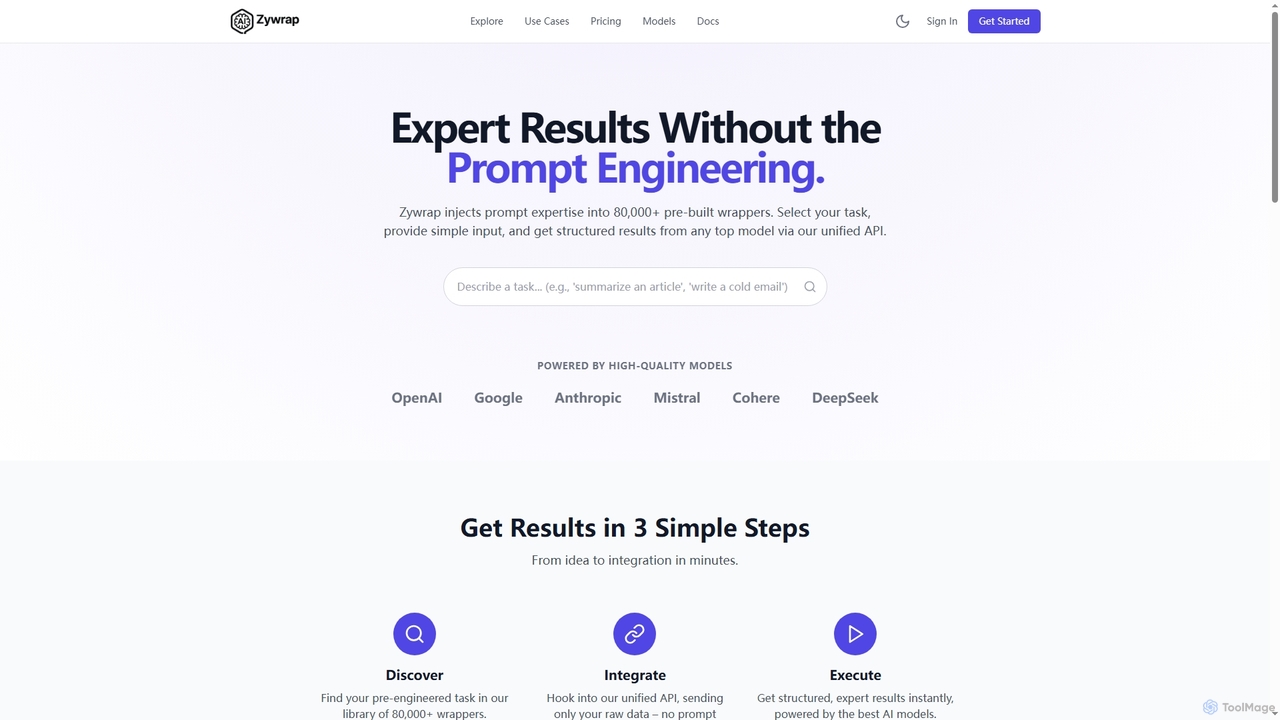
Zywrap is a developer platform that eliminates prompt engineering with over 80,000 pre-built wrappers. It provides a unified API to access top AI models like GPT-4o and Claude, enabling developers to get structured, expert-level results by simply providing raw data for rapid application integration.

Api
Visits 3.9KFavorites 124Likes 126
Lookio
Freemium

Lookio

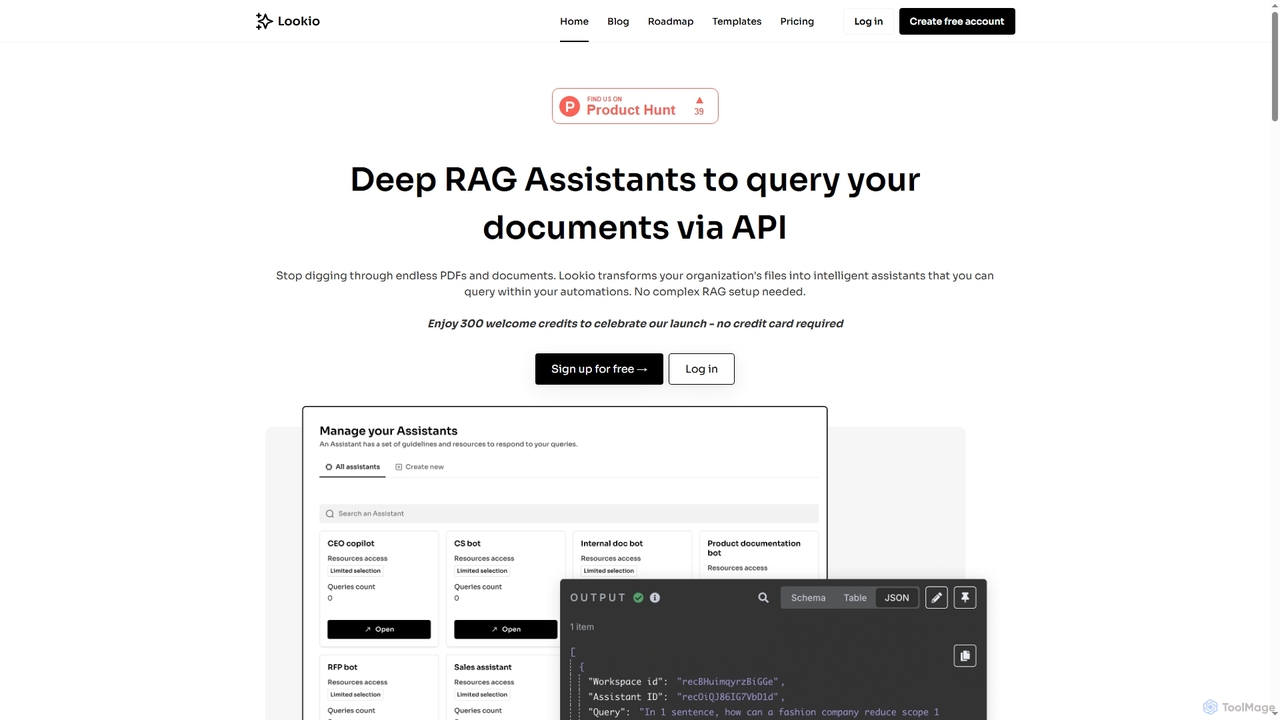
Lookio is an API-first platform that transforms your company documents into intelligent Deep RAG (Retrieval-Augmented Generation) assistants. Securely upload your knowledge base and use the API to automate workflows, power customer support, and generate expert content.

Chatbots
Visits 9.4KFavorites 95Likes 112
NanoBanana API
Freemium

NanoBanana API

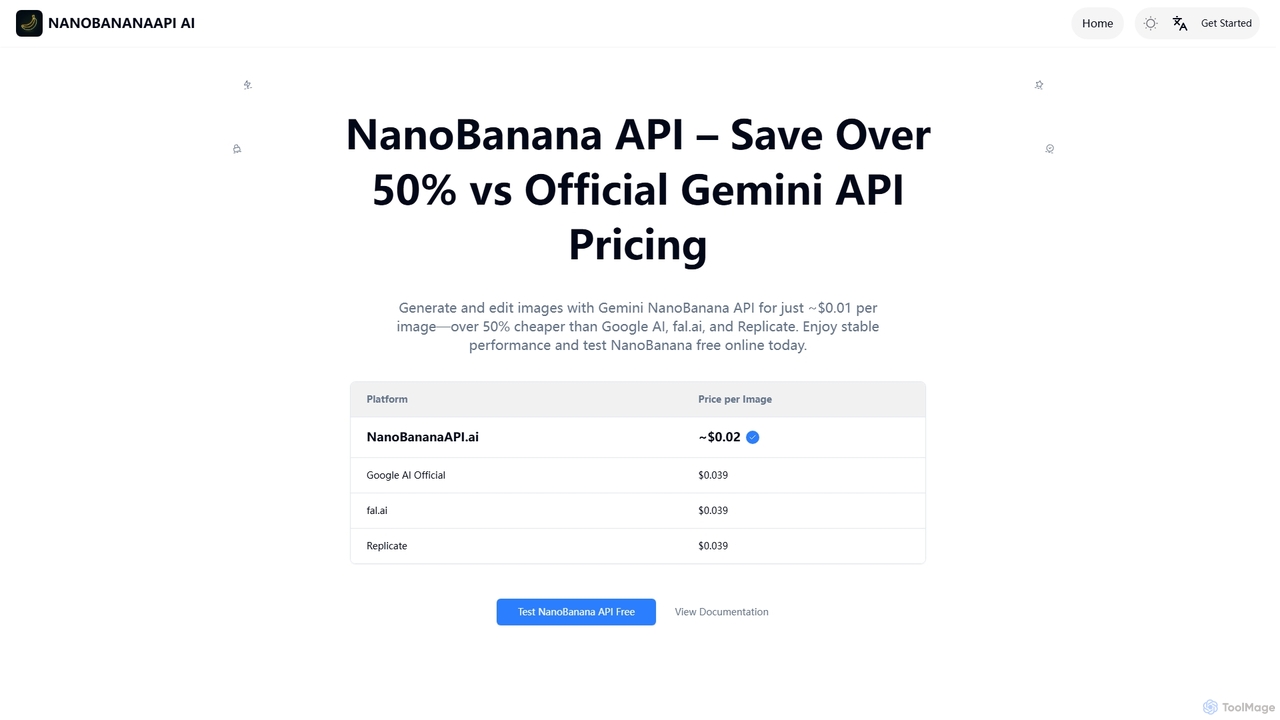
NanoBanana API offers a cost-effective solution for AI image generation and editing, enabling photorealistic outputs, consistent character generation, and complex edits via natural language. It provides over 50% savings compared to official Gemini API pricing, making advanced image manipulation accessible for developers and creators.

Design
Visits 64.6KFavorites 117Likes 120
Serpex
Freemium

Serpex

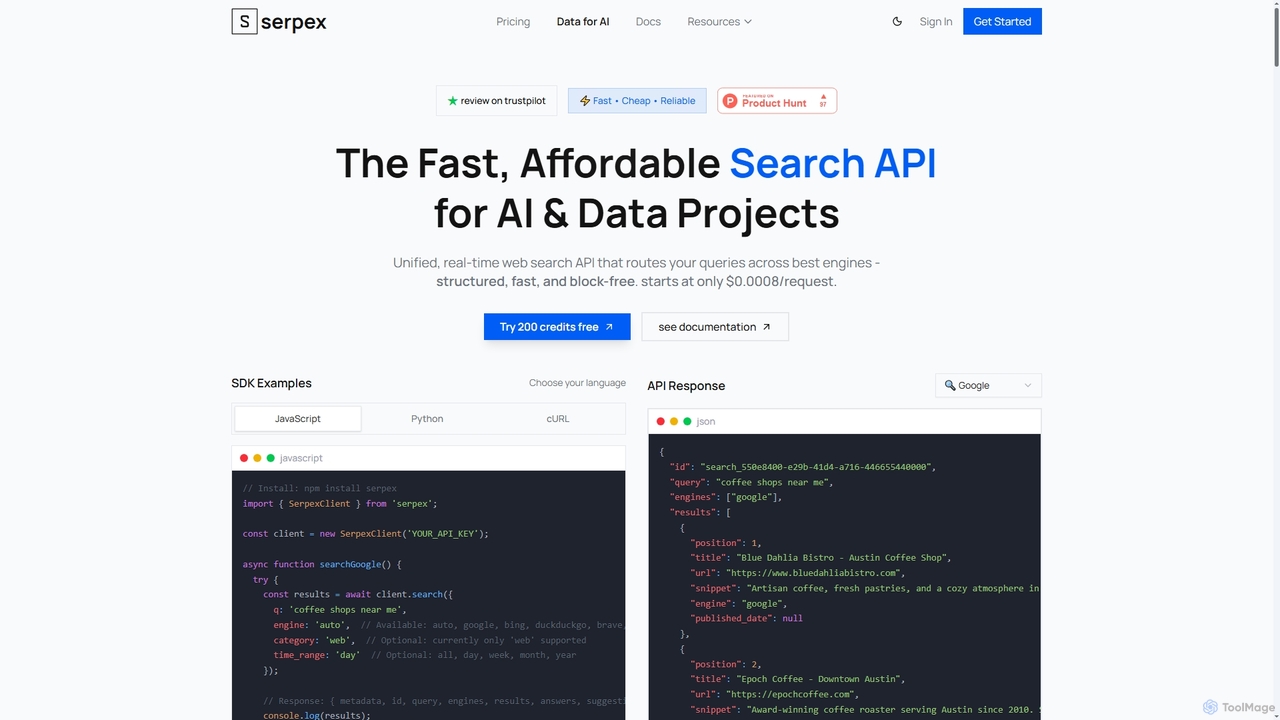
Serpex is a fast, affordable, and reliable search API designed for AI and data projects. It provides real-time, structured web search results from multiple major search engines, overcoming common challenges like CAPTCHAs and geo-blocks.

Data Source
Visits 8.9KFavorites 108Likes 108
Ekinox
Freemium

Ekinox

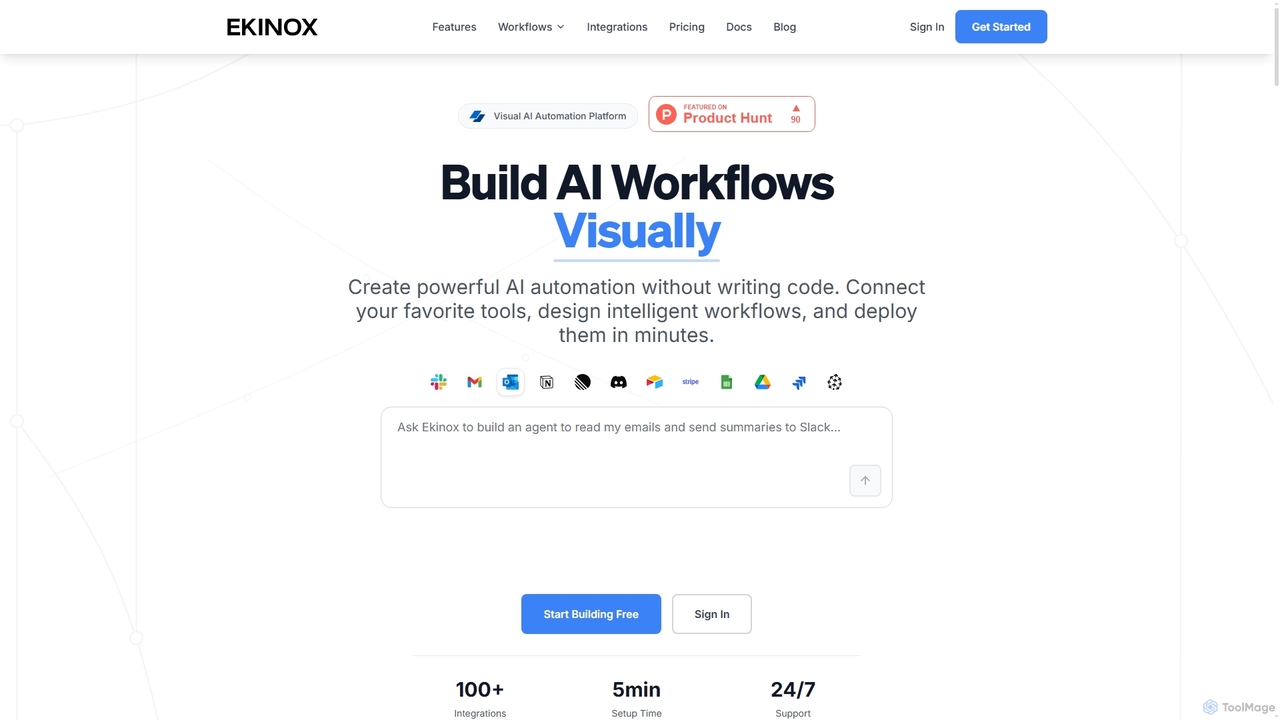
Ekinox is a visual AI automation platform that allows users to build, connect, and deploy complex AI workflows without writing any code. It features a drag-and-drop canvas, integrates with over 100 tools and AI models, and is designed for both simple task automation and sophisticated AI agent orchestration.

Workflow
Visits 4.1KFavorites 127Likes 133
Llms Central
Freemium

Llms Central

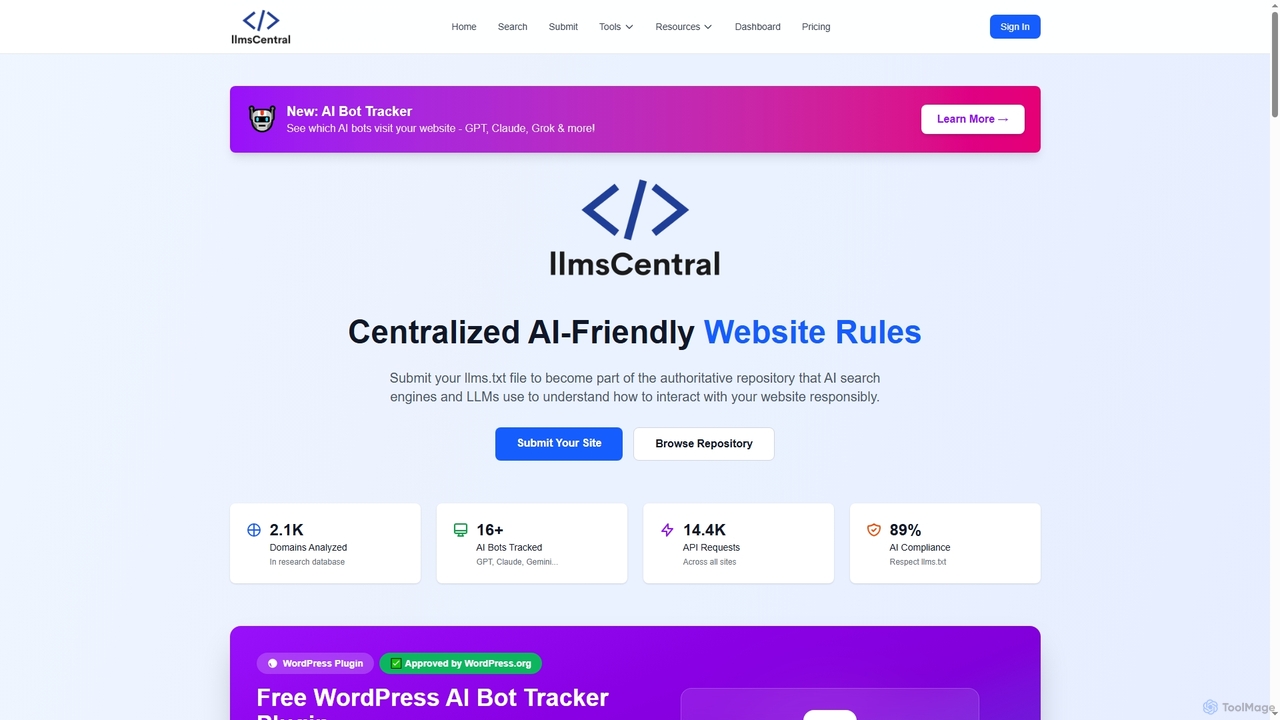
A comprehensive platform for tracking AI bot visits (like GPTBot, Claude) on your website and managing AI training policies through a centralized llms.txt repository. Provides real-time analytics, AI-powered insights, and a free WordPress plugin.

Api
Visits 4.1KFavorites 146Likes 138
Imghippo
Free

Imghippo

Imghippo is a free, all-in-one image utility suite offering unlimited image hosting, URL generation, and a variety of powerful editing tools. It allows users to upload, share, compress, convert, and optimize images without quality loss. Its AI-powered background removal feature and user-friendly interface make it ideal for content creators, marketers, and developers.

Api
Visits 79.1KFavorites 137Likes 117
Heyario
Paid

Heyario

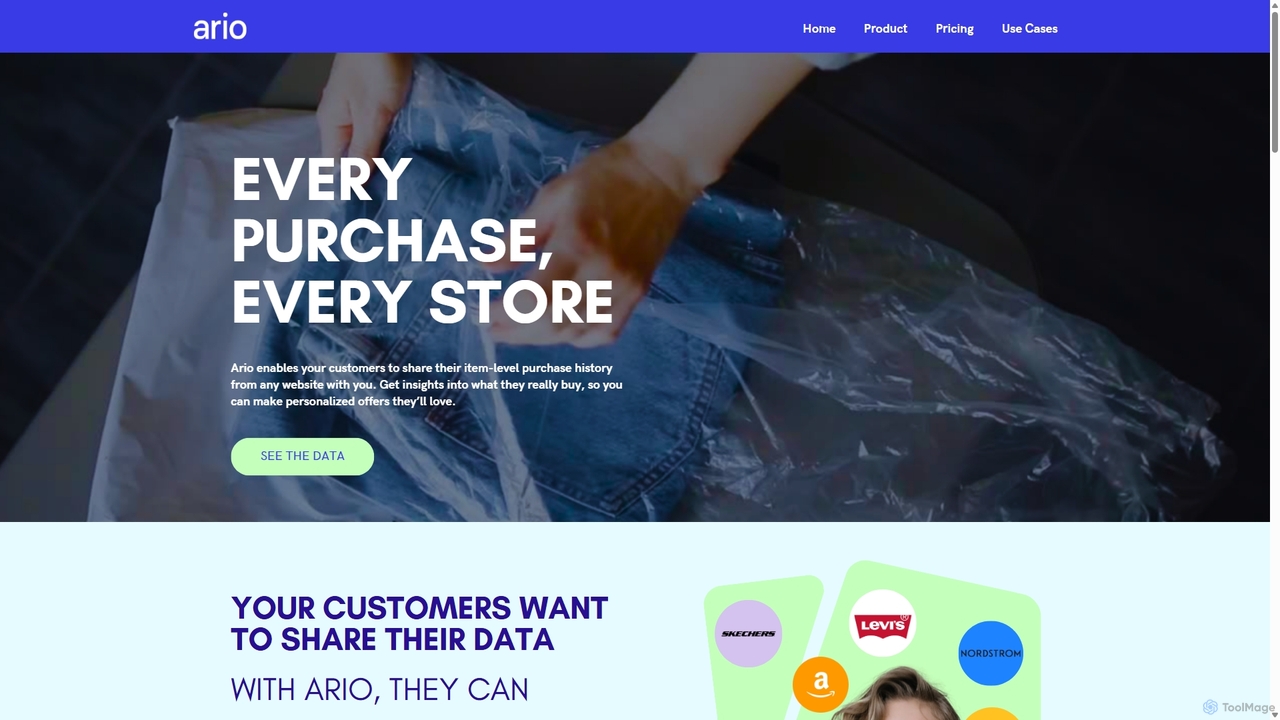
Heyario is an API that enables businesses to access customers' consented, item-level purchase history from any website. It provides deep insights into real buying behavior to power hyper-personalized marketing, reduce returns, and increase customer lifetime value.

Customer Data Platform
Visits 4KFavorites 96Likes 101
Pdfparser
Freemium

Pdfparser

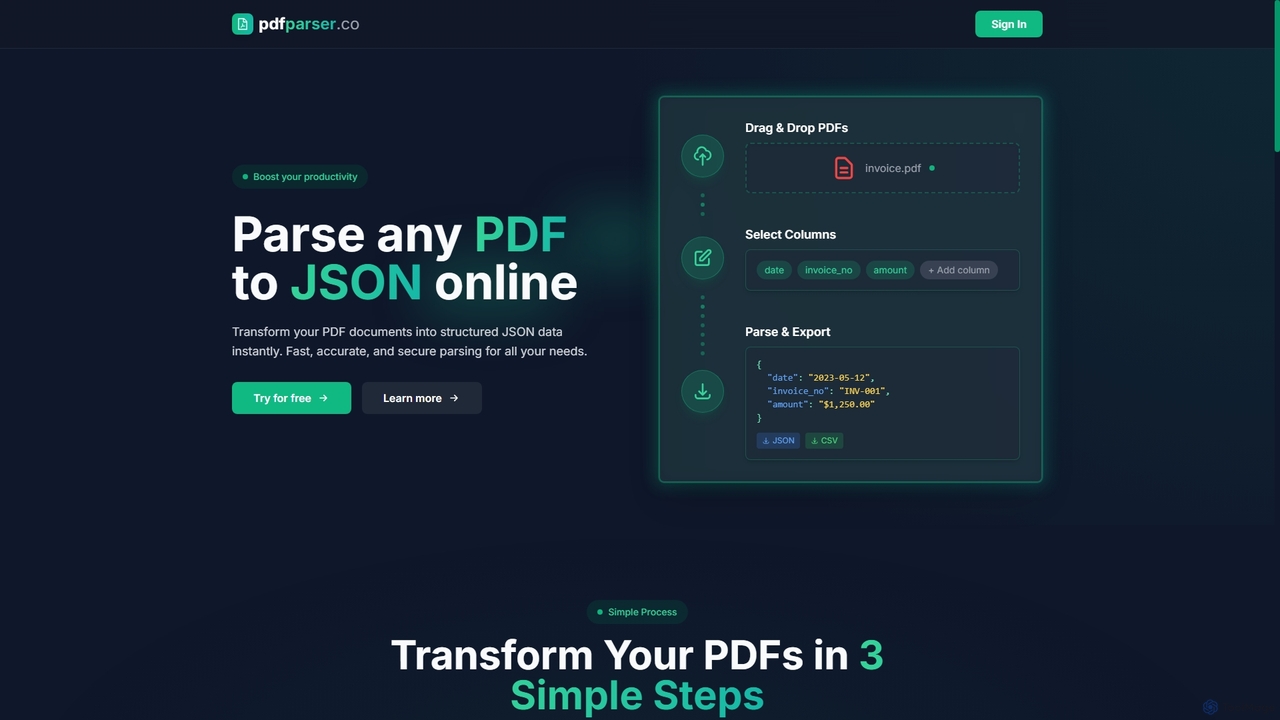
Pdfparser is an AI-powered online tool that effortlessly transforms PDF documents into structured JSON or CSV data. It automates data extraction from various documents like invoices, contracts, and reports, eliminating manual entry. With a simple drag-and-drop interface, users can specify required fields and get accurate, machine-readable data in seconds. It's designed for both non-technical users and developers seeking to streamline their data workflows.

Extraction
Visits 4.6KFavorites 122Likes 126
Vectorizer.AI
Freemium

Vectorizer.AI

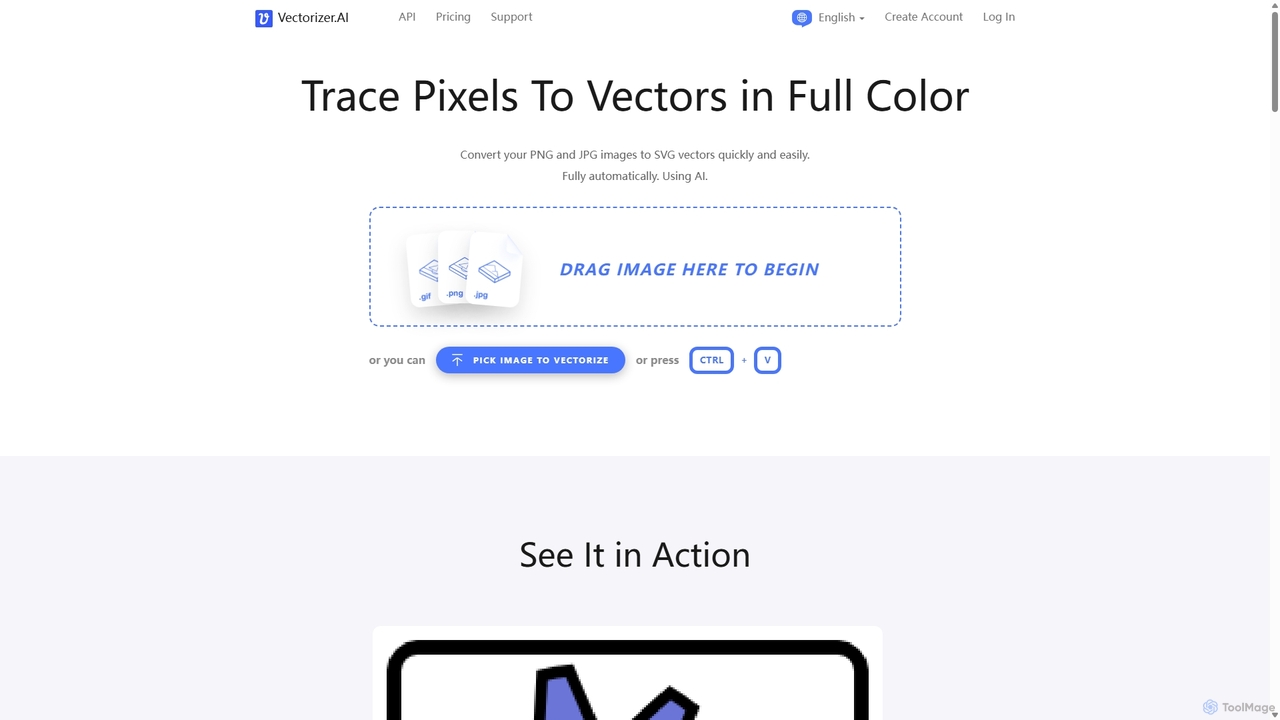
Vectorizer.AI is an advanced online tool that uses deep learning AI to convert raster images (PNG, JPG, GIF) into high-quality, scalable vector graphics (SVG, PDF, EPS, DXF). It excels at capturing fine details missed by traditional methods, making it ideal for designers, printers, and creators who need clean, editable vector files for logos, illustrations, and various printing processes.

Image Editing
Visits 2.1MFavorites 110Likes 112
ZeroBot
Freemium

ZeroBot

ZeroBot is a powerful AI chat platform providing access to a massive collection of cutting-edge LLMs from OpenAI, Google, Anthropic, Meta, and more. Switch between models like GPT-5, Claude 4, and Llama 4, create custom AI assistants with unique personalities and voices, and embed them on your website. It's an all-in-one hub for exploring, comparing, and building with the latest AI technology.

Api
Visits 6.1KFavorites 135Likes 125
PrivateGPT
Freemium

PrivateGPT

PrivateGPT is a privacy layer for ChatGPT, designed to prevent sensitive data and Personally Identifiable Information (PII) from being sent to third-party LLMs. It automatically redacts PII from your prompts, ensuring you can leverage the power of AI while maintaining strict data privacy and compliance with regulations like GDPR and CPRA. It also helps reduce AI bias by removing sensitive personal attributes.

Api
Visits 3.8KFavorites 96Likes 105
Link Shield API
Freemium

Link Shield API

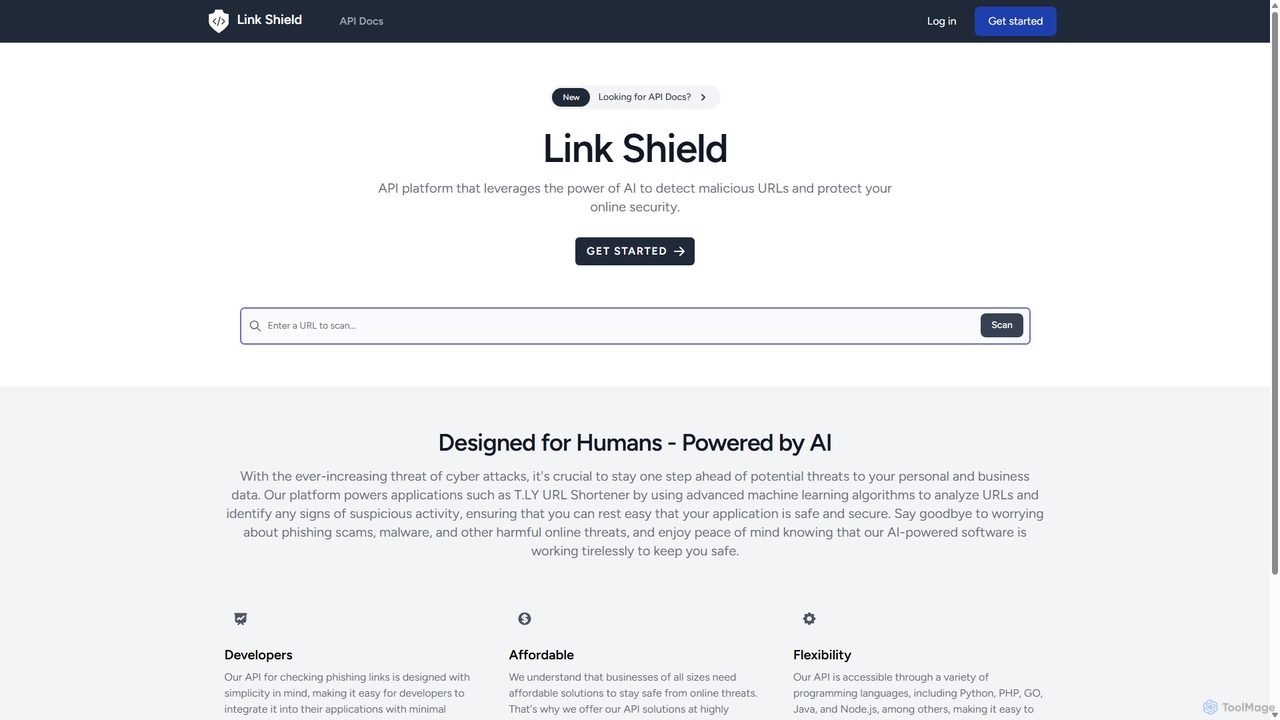
Link Shield API is an AI-powered platform designed for developers to detect malicious URLs in real-time. It uses advanced machine learning to identify phishing, malware, and other online threats, protecting applications and users. With a simple, flexible, and affordable API, it easily integrates into various platforms to ensure online security and build user trust.

Api
Visits 5.2KFavorites 135Likes 134

About Api

AI APIs are application programming interfaces that provide developers with access to pre-trained artificial intelligence models. These tools function as a bridge, allowing applications to leverage complex AI capabilities like natural language processing or computer vision without requiring developers to build and train models from scratch. By integrating an AI API, developers can rapidly implement advanced features, significantly reducing development time and infrastructure costs. This approach enables the creation of smarter, more responsive applications with a fraction of the typical machine learning effort.

Core Features

  • Pre-trained Model Access: Offers ready-to-use access to sophisticated AI models for tasks like text analysis, image recognition, and speech transcription.
  • Scalable Infrastructure: Provides a managed, cloud-based infrastructure that automatically scales to handle varying request volumes.
  • Simplified Integration: Features well-documented RESTful endpoints and SDKs for various programming languages, ensuring easy implementation.
  • Usage-based Pricing: Typically follows a pay-as-you-go model, making it cost-effective for projects of all sizes by charging only for the resources consumed.

Use Cases

AI APIs are widely used by software developers, startups, and enterprises to enhance their products. For instance, a mobile app developer can integrate a computer vision API to enable real-time object detection, while an e-commerce platform can use an NLP API to power a customer service chatbot that understands user intent. They are also crucial for data scientists automating sentiment analysis of customer feedback.

How to Choose

When selecting an AI API, evaluate the model's accuracy and performance on tasks relevant to your project. Assess the quality and completeness of the documentation and the availability of SDKs for your preferred programming language. It's also important to carefully review the pricing structure, usage limits, and data privacy policies to ensure they align with your application's requirements and compliance standards.

Featured tool rankings

Api use cases

1

Integrate an Intelligent Customer Service Chatbot

A developer at an e-commerce company is tasked with reducing customer support response times. Instead of building a complex system from the ground up, they use a Natural Language Processing (NLP) API. By integrating this API into their website's chat widget, they create a chatbot that can understand and answer common customer questions about order status, shipping policies, and product details in real-time. This frees up human agents to handle more complex issues and improves overall customer satisfaction.

2

Automate Content Moderation on a Platform

A community manager for a social media platform needs to ensure a safe user environment by filtering out inappropriate content. They integrate a content moderation API that uses computer vision and text analysis models. This system automatically scans user-generated posts, images, and comments to detect and flag or remove content that violates community guidelines, such as hate speech or graphic imagery. This automation drastically reduces the manual workload for human moderators and allows for faster enforcement of platform policies.

3

Enable Voice Commands in a Mobile App

A mobile app developer wants to add a hands-free control feature to their productivity application. They utilize a Speech-to-Text API to convert spoken user commands into text that the app can process. This allows users to perform actions like "create a new note" or "set a reminder for tomorrow at 9 AM" simply by speaking. The integration provides a more accessible and convenient user experience without the developer needing expertise in audio processing or speech recognition technology.

4

Analyze Customer Feedback with Sentiment Analysis

A product manager needs to understand customer sentiment from thousands of online reviews and survey responses. They use a text analytics API to process this unstructured data. The API automatically classifies each piece of feedback as positive, negative, or neutral and can even identify key topics or themes. This provides actionable insights into customer opinions, helping the team prioritize product improvements and identify areas of concern much faster than manual analysis would allow.

5

Build a Smart Image Search Feature

A developer building a digital asset management (DAM) system for a marketing team needs to make thousands of images easily searchable. They integrate a computer vision API to process every uploaded image. The API automatically generates descriptive tags (e.g., "laptop," "office," "meeting") based on the image content. This automated tagging allows users to find relevant images quickly using keyword searches, saving significant time compared to manual tagging.

6

Personalize Content with a Recommendation API

A developer for an online news portal aims to increase user engagement and time spent on the site. They implement a recommendation API that analyzes a user's reading history and behavior. Based on this data, the API suggests other articles and topics that are likely to be of interest to that specific user. This creates a personalized content feed, improving the user experience and encouraging readers to explore more content on the platform.

Api FAQ

What is an AI API?

An AI API (Application Programming Interface) is a service that allows developers to easily integrate pre-built artificial intelligence and machine learning models into their own applications. Instead of building a model from scratch, a developer can simply send data to the API and receive the model's output, such as a text translation or an image analysis. This approach significantly accelerates development and lowers the barrier to using advanced AI capabilities.

How do I choose the right AI API for my project?

To choose the right AI API, consider these key factors:

  • Model Performance: Does the API's model perform accurately and efficiently for your specific use case? Check benchmarks and test with your own data.
  • Documentation & Support: Is the documentation clear, comprehensive, and supported by helpful SDKs? Good support can save significant development time.
  • Pricing Model: Does the pricing (e.g., per-call, monthly subscription) fit your budget and expected usage? Be aware of any rate limits.
  • Data Privacy: How does the provider handle your data? Ensure their policies comply with relevant regulations like GDPR or CCPA.
What is the difference between using an AI API and building a custom AI model?

The main difference lies in control versus convenience. Using an AI API is fast, cost-effective, and requires no machine learning expertise, making it ideal for standard tasks like general text analysis or object recognition. Building a custom model provides maximum control and can be tailored to highly specific or proprietary data, but it requires significant time, data, expertise, and computational resources to develop, train, and maintain.

What are some common types of AI APIs?

AI APIs are available for a wide range of tasks. Some of the most common types include:

  • Natural Language Processing (NLP) APIs: For tasks like sentiment analysis, text translation, and chatbot interactions.
  • Computer Vision APIs: For image recognition, object detection, and optical character recognition (OCR).
  • Speech APIs: For converting speech-to-text (transcription) and text-to-speech (synthesis).
  • Recommendation APIs: For providing personalized content or product suggestions.
Who are AI APIs best suited for?

AI APIs are best suited for developers, startups, and established businesses that want to add sophisticated AI functionality to their applications without investing in a dedicated machine learning team. They are ideal for teams that need to move quickly, prototype new features, or integrate proven AI capabilities for common problems, such as powering a chatbot, moderating content, or analyzing customer feedback.