ToolMage
Sign in

Best 31 Research Assistant for Education

Popular Research Assistant in Education include Claude, Z.ai, Baidu Wenku AI, ChatGOT, Xiaoyi, Chat01.ai, Memenome, Miaobi, AI-Writer.com, and neus.ai, helping you work more efficiently.

Cluezy

Cluezy

Cluezy is an advanced AI search and answer engine designed to revolutionize information discovery. It leverages AI models, contextual understanding, and real-time search to provide accurate, meaningful, and reliable answers, making knowledge access instant and effortless for users exploring, learning, or researching.

Research Assistant
Visits 5.7KFavorites 155Likes 134
ChatDox

ChatDox

ChatDox is an advanced AI-powered document intelligence platform that transforms how you interact with your files. Upload documents like PDFs, DOCX, and more, and instantly get answers, summaries, and insights through a simple chat interface. It's designed for professionals, researchers, and students to quickly extract information and enhance productivity.

Knowledge Management
Visits 5.7KFavorites 139Likes 132
Baidu Wenku AI
Freemium

Baidu Wenku AI

Baidu Wenku AI is an all-in-one intelligent document productivity platform powered by Baidu's ERNIE LLM. It transforms the traditional document library into a dynamic creation suite, enabling users to instantly generate PPTs, write articles, summarize complex documents, conduct AI-powered web searches, and chat with their files for quick insights. It's designed to streamline workflows for students, professionals, and researchers.

Presentation
Visits 13.1MFavorites 136Likes 139
Z.ai
Freemium

Z.ai

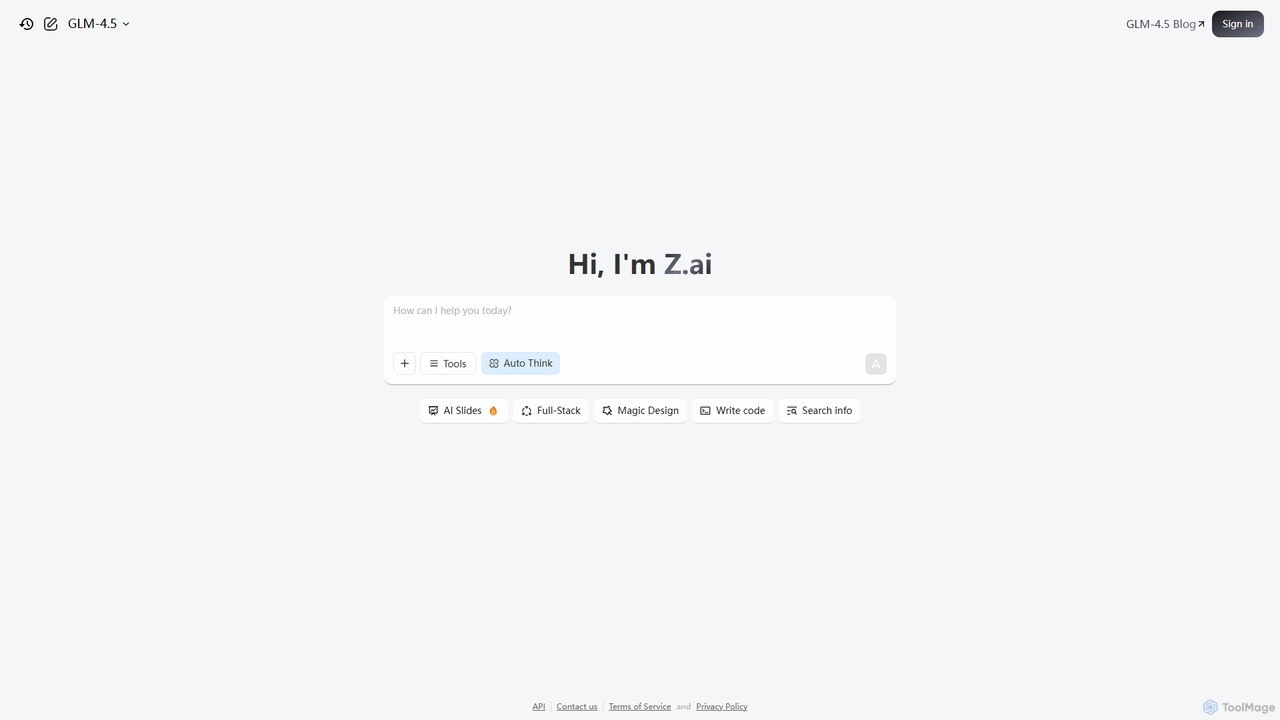
Z.ai is a powerful, free AI assistant powered by the advanced GLM-4.5 model. It's more than just a chatbot, offering a suite of integrated tools for coding, creating presentations, designing, and conducting research. Z.ai aims to be an all-in-one productivity platform, streamlining complex tasks through a simple conversational interface.

Code Assistant
Visits 13.8MFavorites 107Likes 115
XPDF AI
Freemium

XPDF AI

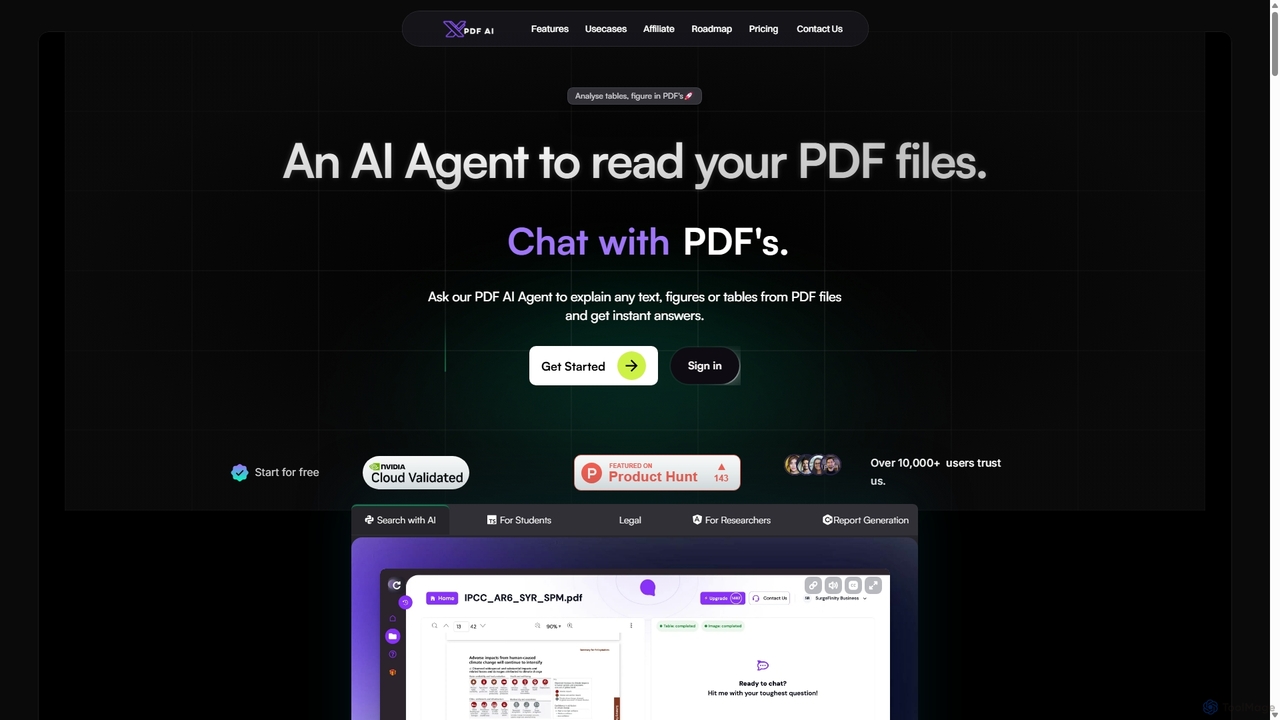
xPDF AI is a personal AI assistant that transforms your interaction with PDF documents. Chat with any PDF, ask questions, and get instant answers from text, tables, and figures. It features multimodal analysis, an AI summarizer, report generation, and a voice-activated interface, making it an essential tool for students, researchers, and professionals to quickly extract insights and boost productivity.

Data Extraction
Visits 5.8KFavorites 121Likes 129
ColossalChat
Free

ColossalChat

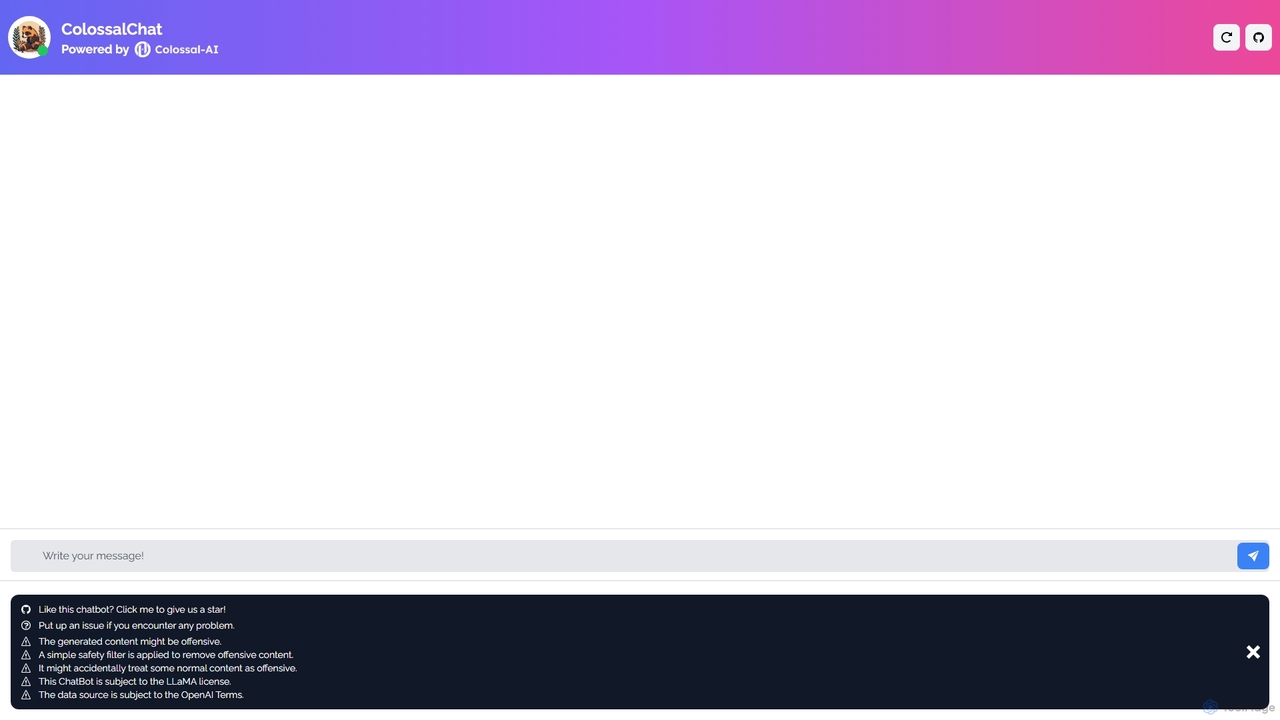
An open-source conversational AI based on the LLaMA model and powered by the Colossal-AI framework. It offers a free, accessible platform for natural language interaction, text generation, and exploring the capabilities of large language models.

Language Models
Visits 5.7KFavorites 155Likes 154
penelope_ai
Freemium

penelope_ai

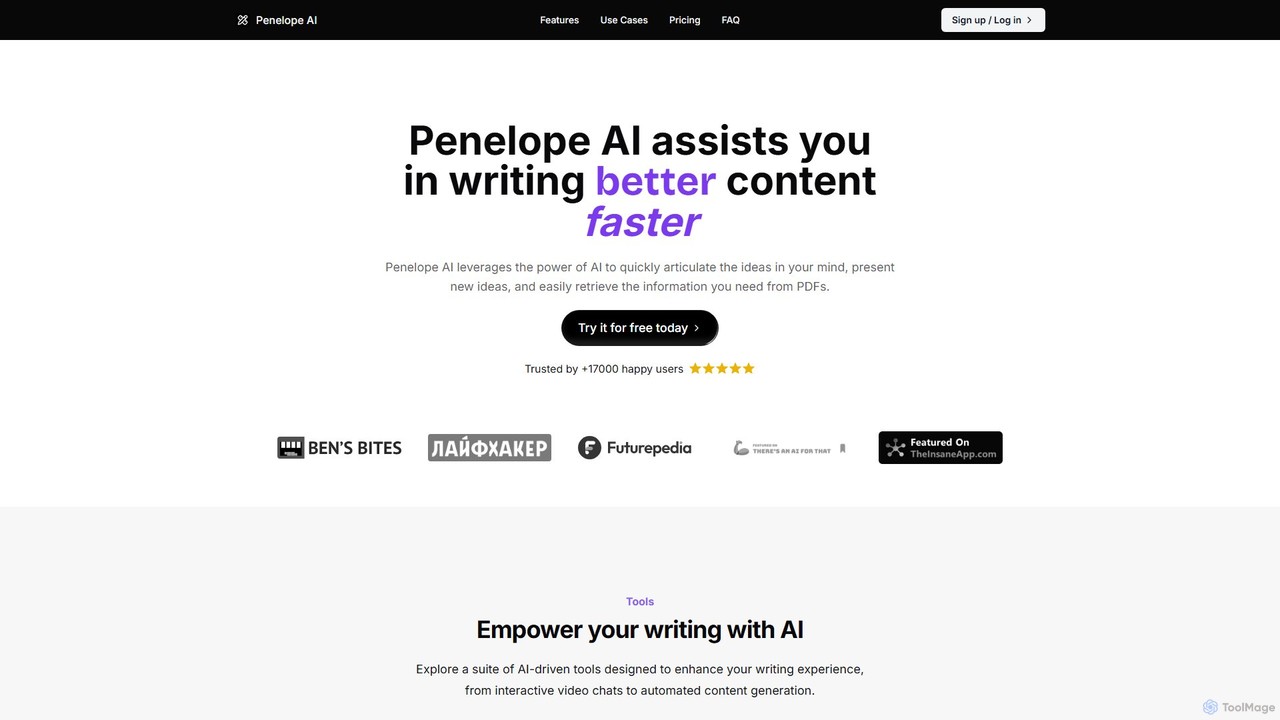
Penelope AI is an advanced AI writing assistant designed to help users create better content faster. It features intelligent autocomplete, PDF chat for information retrieval, powerful paraphrasing and summarizing tools, and supports various writing tasks from essays and blog posts to professional social media updates. It aims to streamline the writing process, enhance clarity, and overcome writer's block.

Text Generation
Visits 5.8KFavorites 114Likes 123
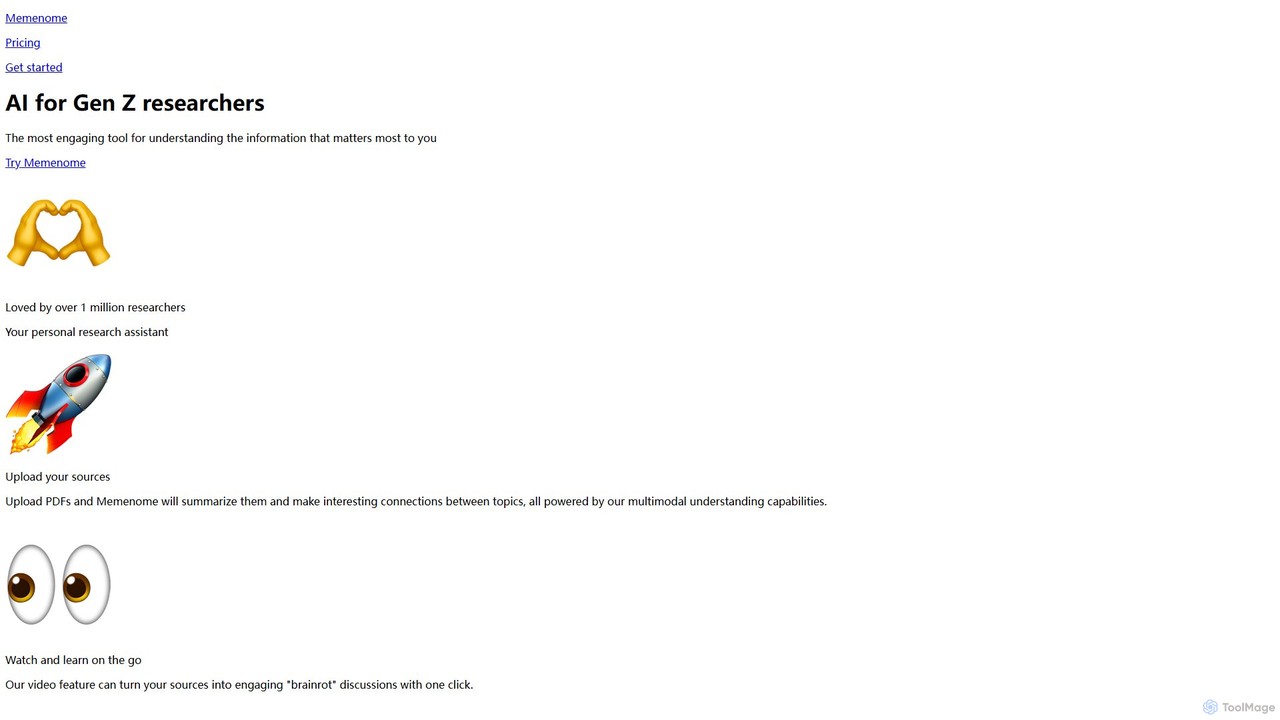
Memenome
Freemium

Memenome

Memenome is an AI research assistant designed for Gen Z. It transforms documents like PDFs into engaging, meme-style video discussions, simplifying complex topics with fun characters and conversational language to make learning and research interactive and enjoyable.

Research Assistant
Visits 53.4KFavorites 150Likes 156
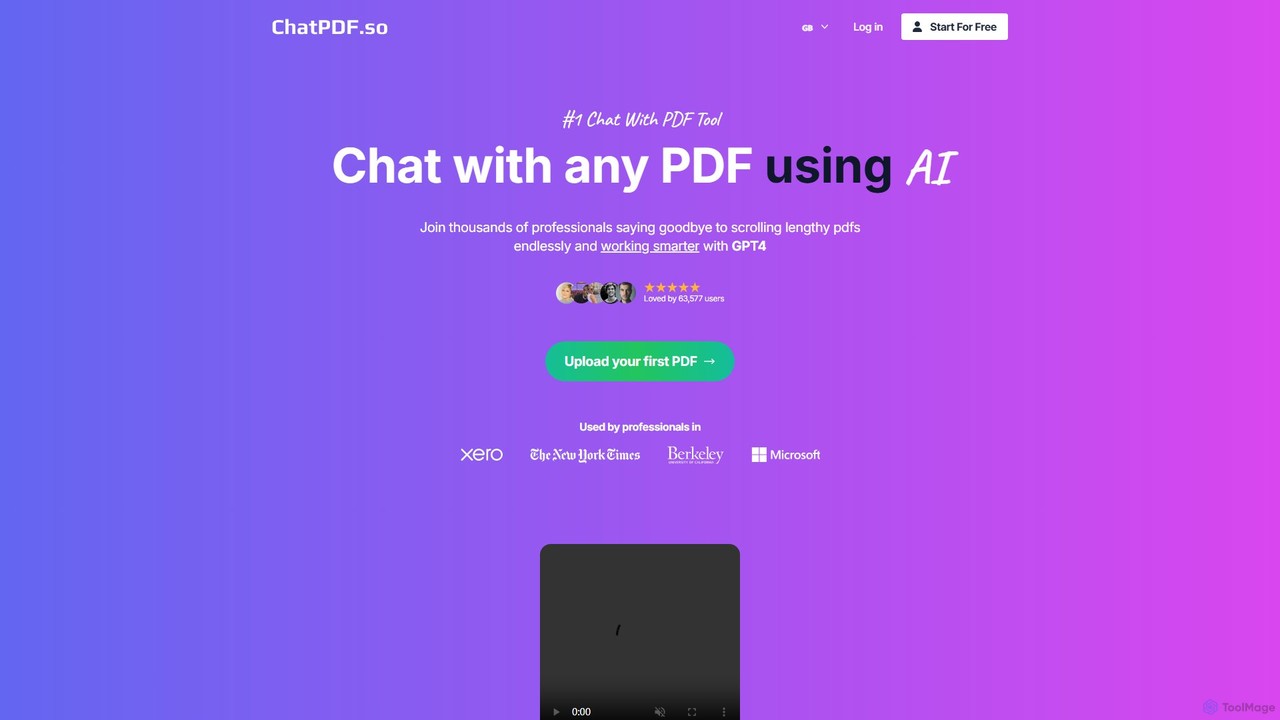
ChatPDF
Freemium

ChatPDF

ChatPDF is an AI-powered tool that allows you to interact with your PDF documents. Simply upload a file and ask questions, get summaries, and extract key information instantly. It's designed for students, researchers, and professionals to enhance productivity and understanding of complex materials.

Contract Analysis
Visits 7.4KFavorites 169Likes 183
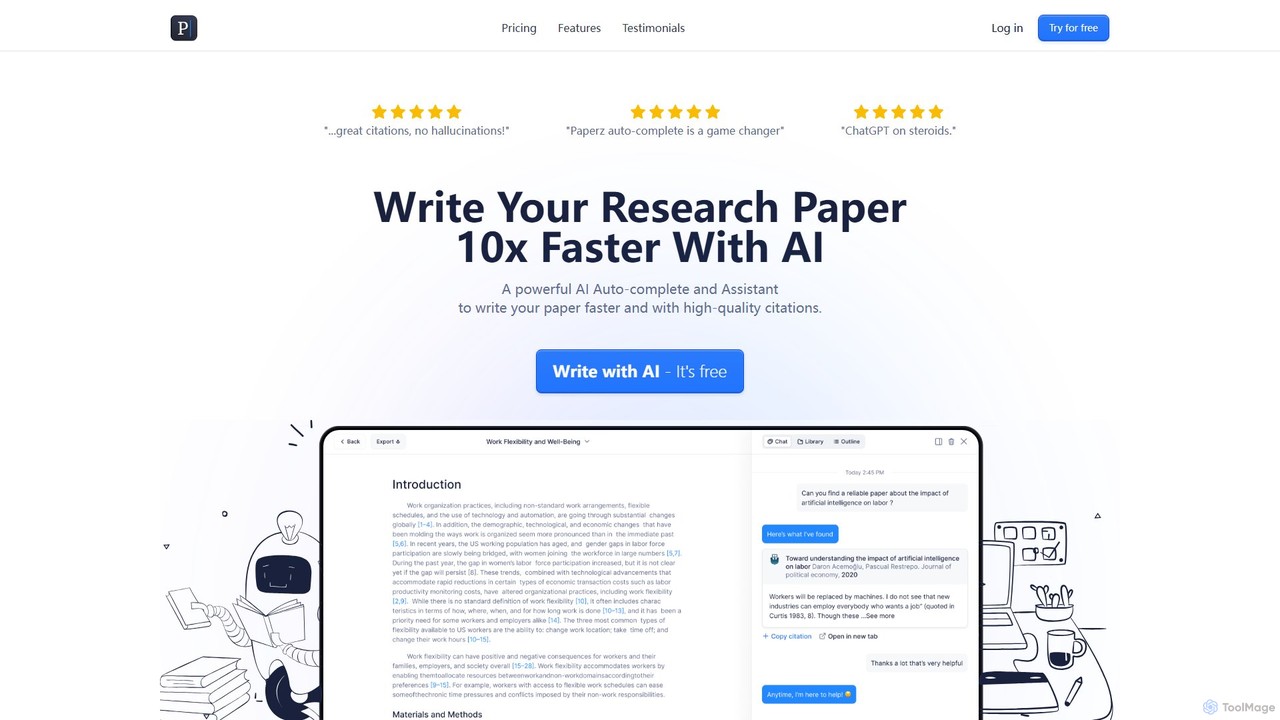
Paperz
Freemium

Paperz

Paperz is an AI-powered writing assistant designed to help students and researchers write academic papers 10x faster. It features intelligent AI autocomplete, one-click citation generation from peer-reviewed sources, and an AI chatbot to overcome writer's block. Paperz streamlines the research and writing process, ensuring high-quality, well-cited work without hallucinations.

Research Assistant
Visits 6.5KFavorites 139Likes 134
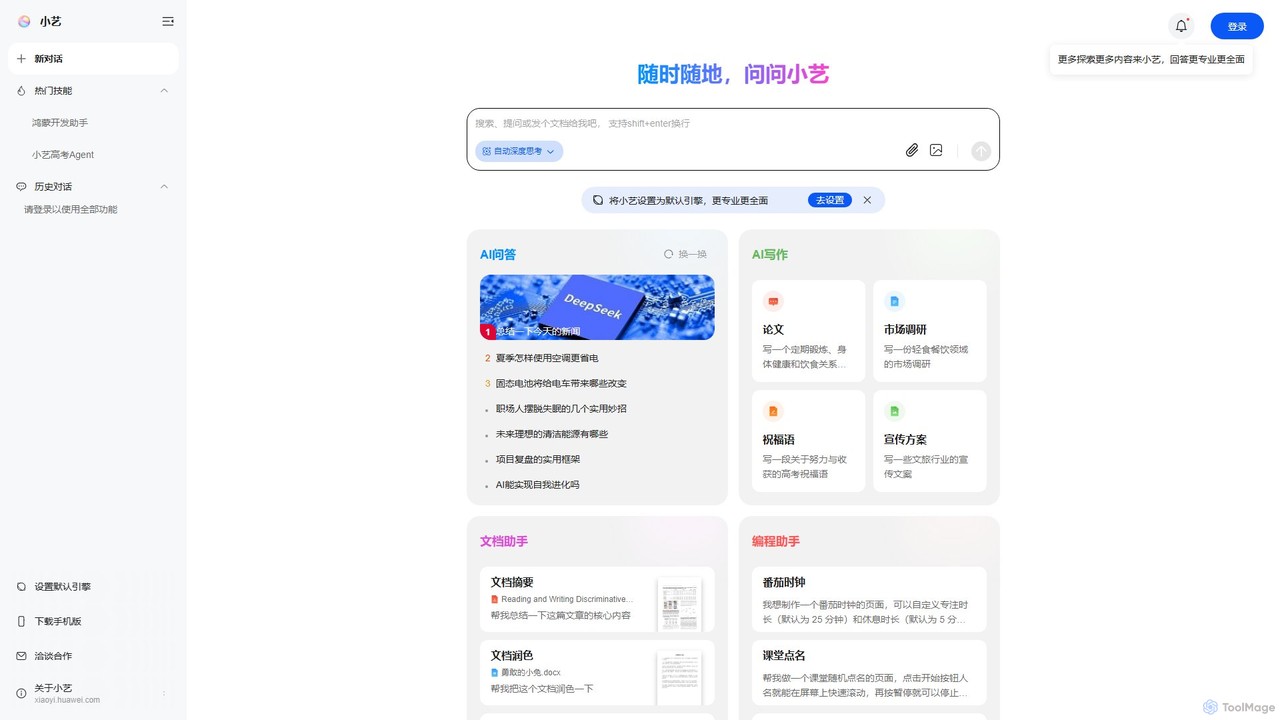
Xiaoyi
Freemium

Xiaoyi

Xiaoyi is a powerful AI assistant from Huawei, powered by the Pangu large model. It offers versatile capabilities including conversational AI, content creation, document analysis, and specialized coding assistance, deeply integrated into the HarmonyOS ecosystem.

Code Assistant
Visits 145.1KFavorites 105Likes 116
Chat01.ai
Freemium

Chat01.ai

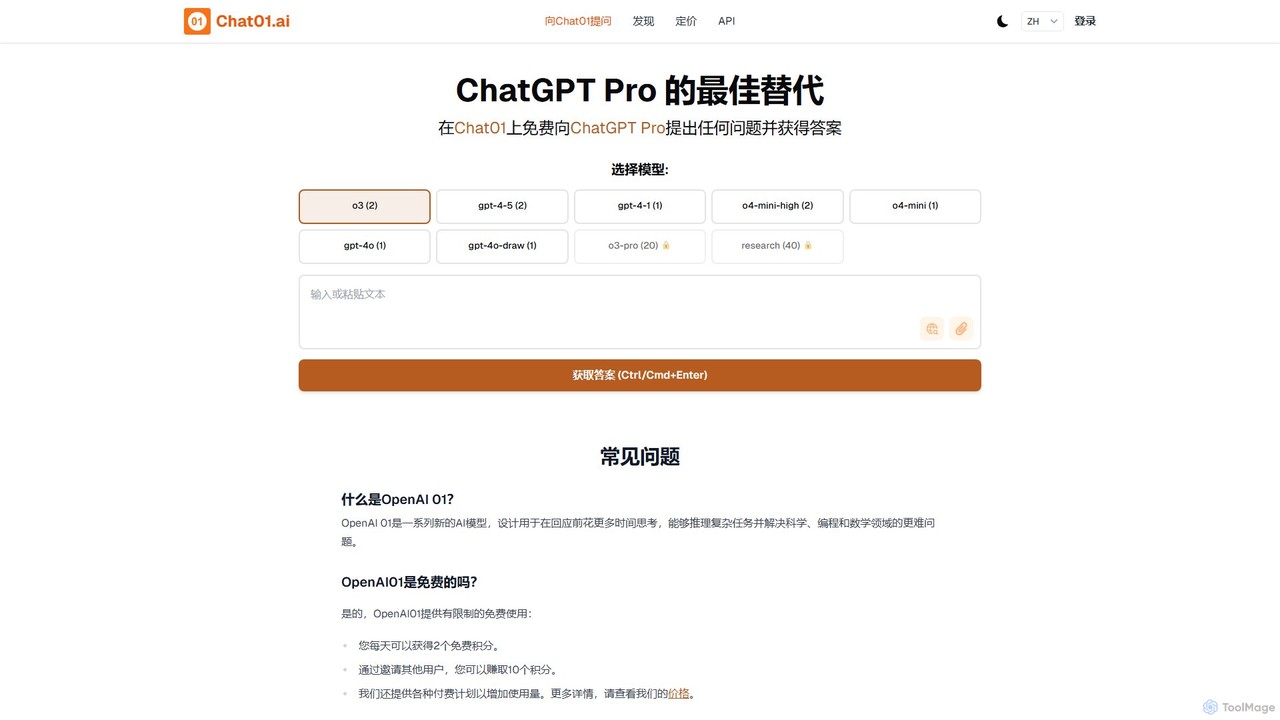
Chat01.ai is an advanced AI chat platform offering access to cutting-edge models like OpenAI's o1 and GPT-4o. Positioned as a superior alternative to ChatGPT Pro, it excels at complex reasoning tasks in science, programming, and mathematics. The platform supports multimodal inputs, including image and file analysis, and provides a freemium model with daily credits, making powerful AI accessible to everyone from developers to researchers.

Writing
Visits 108.7KFavorites 132Likes 142
Reflection 70B
Freemium

Reflection 70B

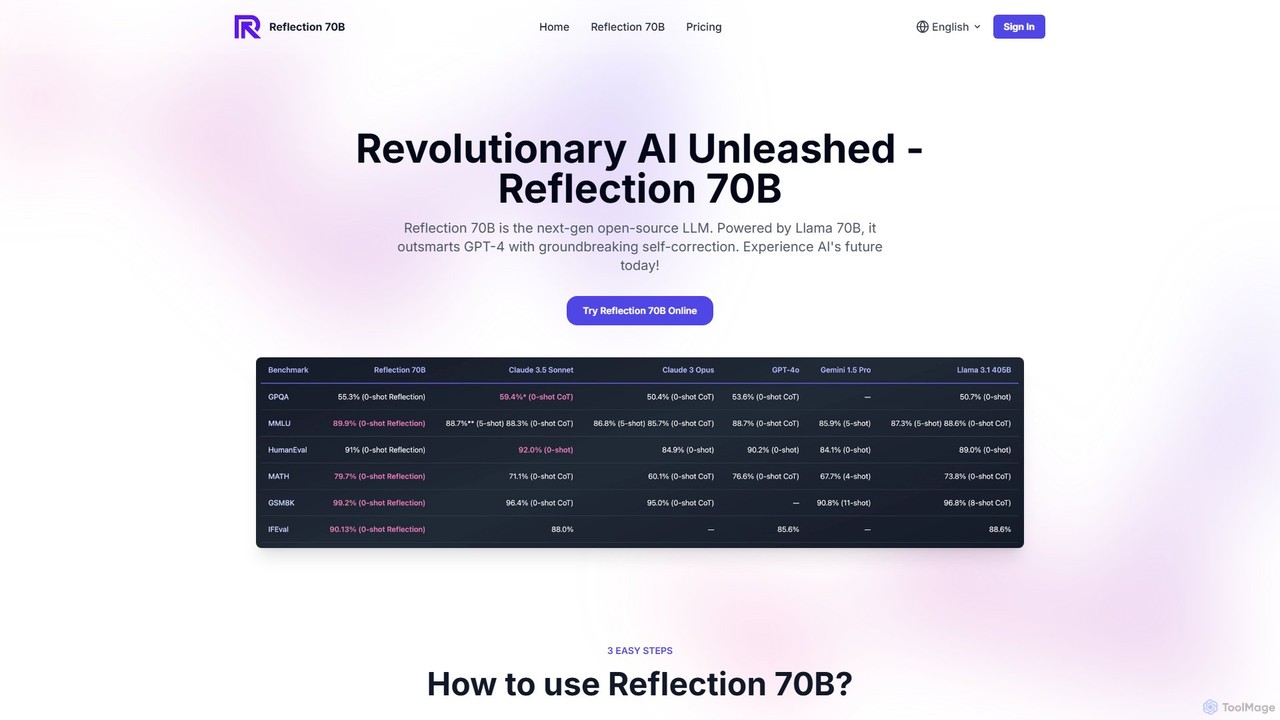
Reflection 70B is an advanced open-source Large Language Model based on Llama 70B. It features a groundbreaking self-correction mechanism that enhances accuracy and reliability, outperforming models like GPT-4 in various benchmarks. It excels at complex tasks, including coding, data analysis, and high-precision problem-solving, accessible via a user-friendly web interface.

Code Assistant
Visits 5.7KFavorites 130Likes 142
Castly
Freemium

Castly

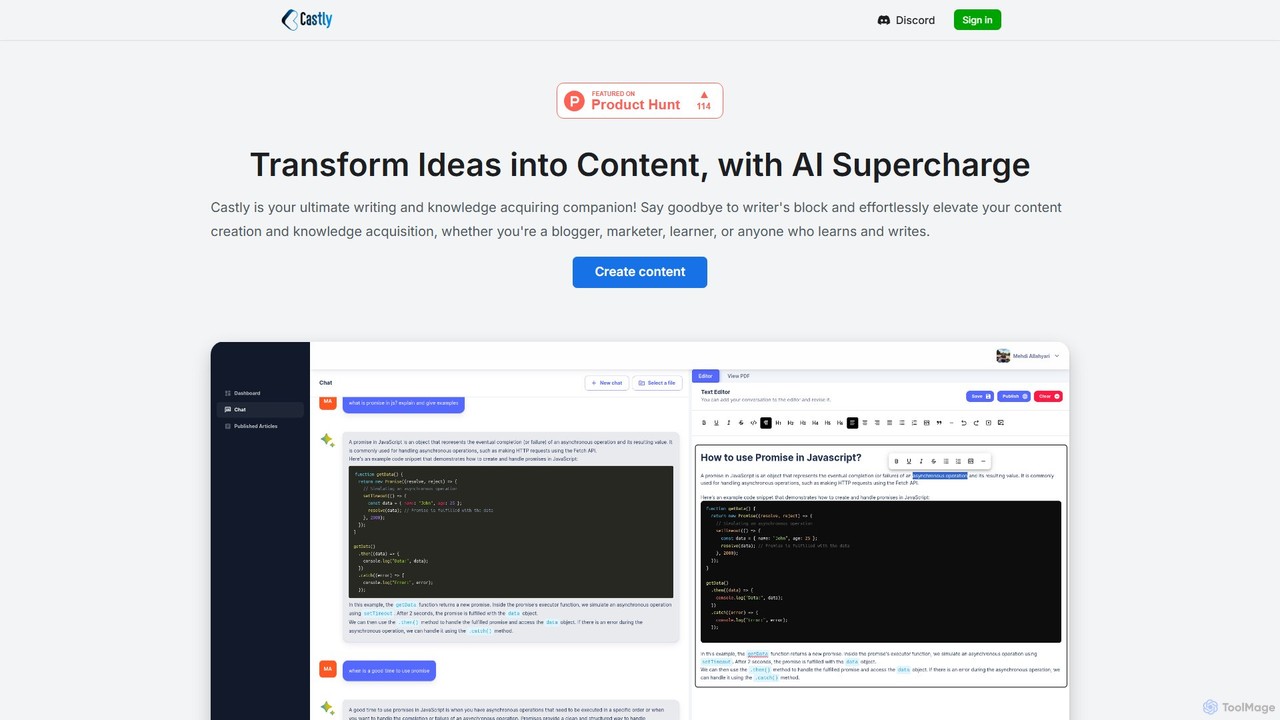
Castly is a conversational AI content creation platform that transforms dialogues into polished, shareable content. Users can chat with the AI, upload documents for analysis, and seamlessly move conversation snippets into a powerful editor. It streamlines the entire process from idea generation to publication, making it ideal for writers, marketers, and students.

Research Assistant
Visits 9.2KFavorites 125Likes 121
Minduck
Freemium

Minduck

Minduck is an AI-powered platform that transforms idea generation and research by using visual mind maps. It allows users to structure their thoughts visually, guiding the AI to produce organized, coherent content and knowledge maps, moving beyond the limitations of traditional chat-based interfaces.

Research Assistant
Visits 5.7KFavorites 139Likes 131
chatgpt_o1
Freemium

chatgpt_o1

chatgpt_o1 is a next-generation AI platform providing access to OpenAI's advanced o1 models. It specializes in solving complex problems with human-like reasoning, excelling in fields like science, mathematics, and programming. Featuring models like the powerful o1-preview and the efficient o1-mini, it offers unparalleled performance for tasks requiring deep thought and analysis. Experience the future of AI conversation and problem-solving.

Code Assistant
Visits 5.6KFavorites 119Likes 113
gptaichat
Free

gptaichat

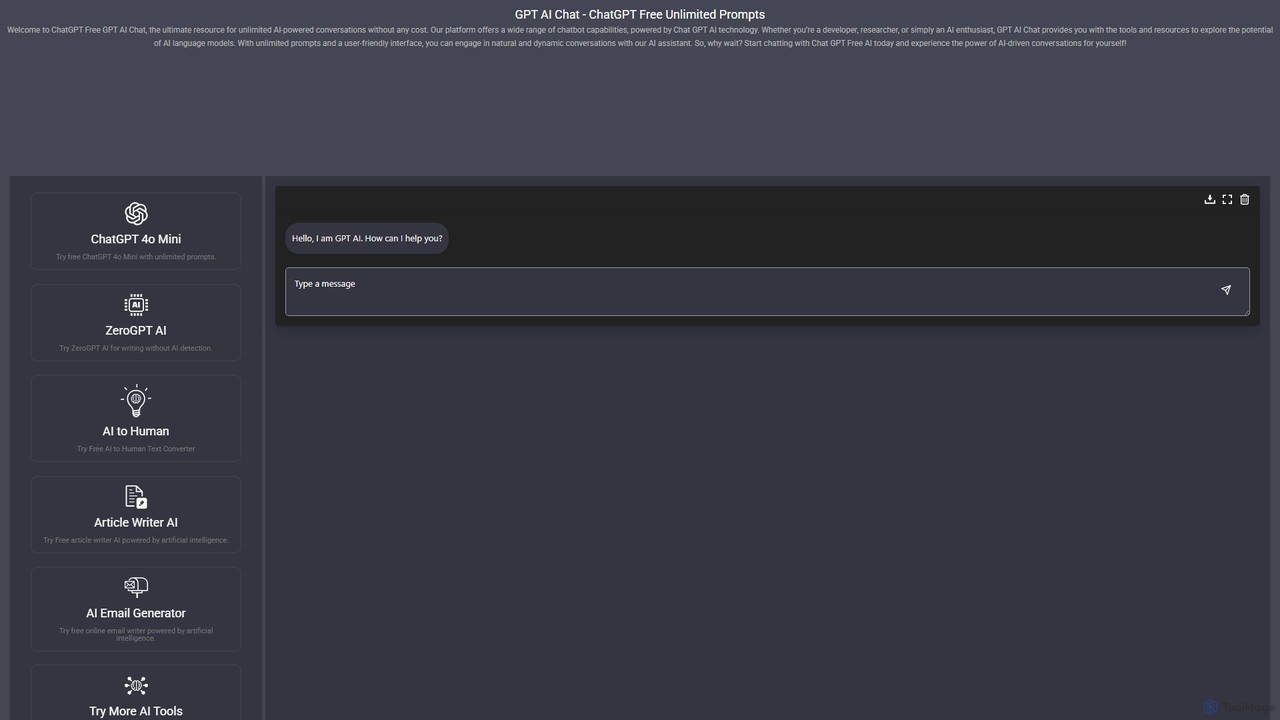
gptaichat is a free, web-based platform offering unlimited access to AI-powered conversations through advanced GPT models. It provides a user-friendly chat interface alongside a suite of AI writing tools, including an article writer and email generator, at no cost.

Ai Chatbot
Visits 5.7KFavorites 129Likes 139
Miaobi
Freemium

Miaobi

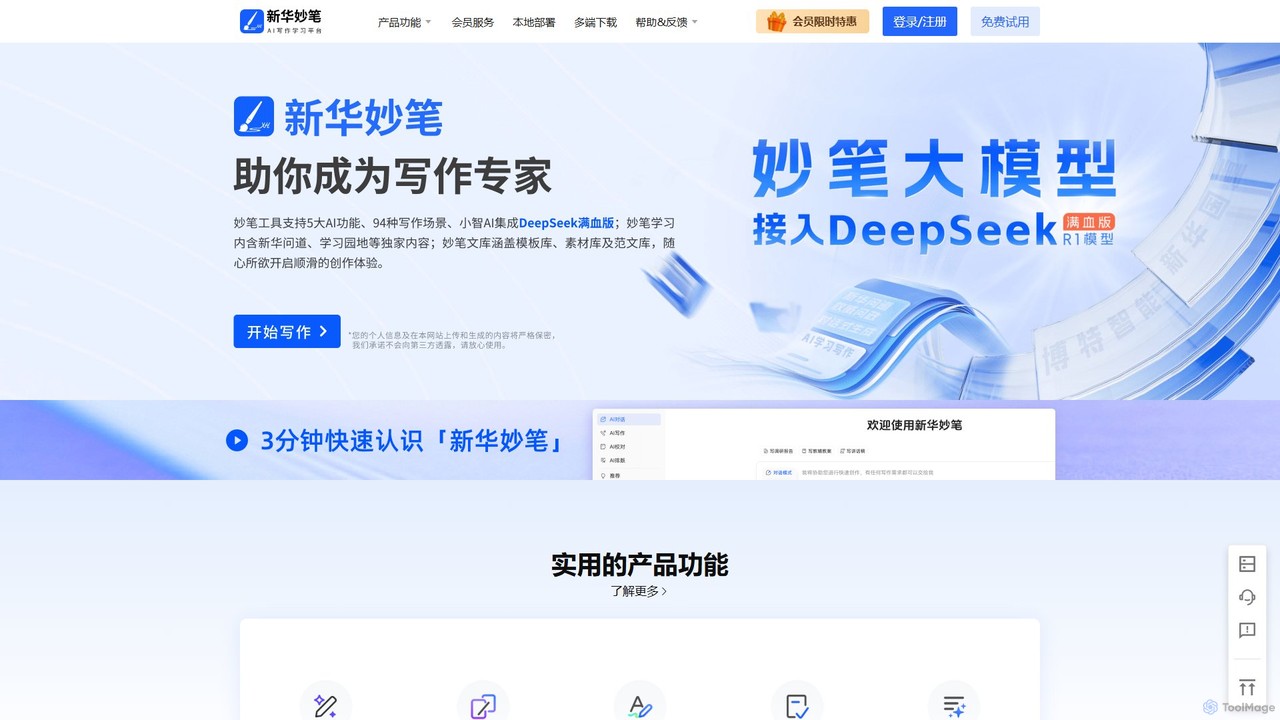
Miaobi is a powerful AI writing and learning platform co-developed by Xinhua News Agency's National Key Laboratory. It specializes in generating secure, compliant, and high-quality content, particularly for official documents, government reports, and enterprise communications. Leveraging authoritative data sources, it offers features like quick writing, proofreading, formatting, and team collaboration, ensuring both efficiency and accuracy.

Document Management
Visits 27.2KFavorites 164Likes 166
brainypdf
Freemium

brainypdf

BrainyPDF is an AI-powered tool that transforms your static PDF documents into interactive sources of knowledge. Chat directly with your files, get instant summaries of lengthy reports, and extract crucial information effortlessly. It's the ultimate productivity booster for students, researchers, and professionals who need to process dense documents quickly and efficiently.

Data Extraction
Visits 5.7KFavorites 125Likes 130
Citrus Search
Free

Citrus Search

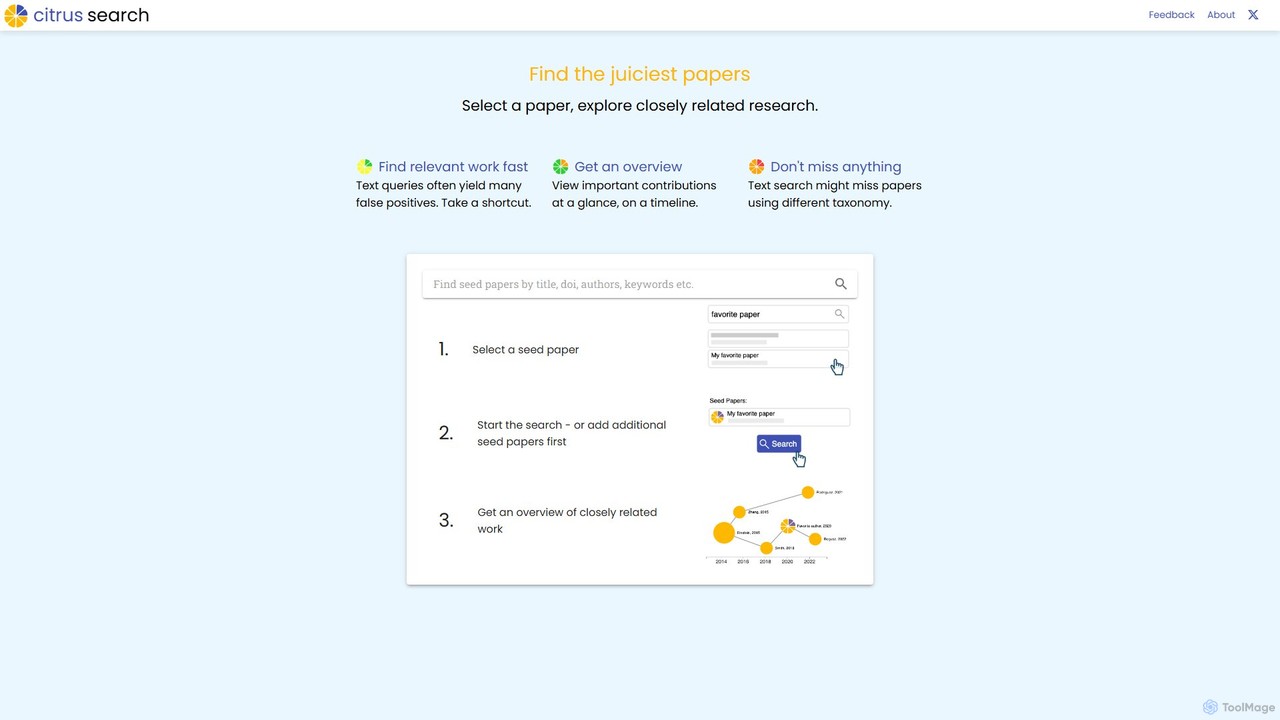
Citrus Search is an AI-powered academic search engine that revolutionizes literature discovery. Instead of keywords, you provide a "seed paper," and it finds closely related publications using advanced similarity metrics like citation networks and semantic content analysis. It's designed to help researchers quickly find relevant work, get a comprehensive overview of a field, and uncover papers that traditional search methods might miss.

Research Assistant
Visits 6.3KFavorites 128Likes 134
Claude
Freemium

Claude

Claude is a next-generation AI assistant from Anthropic, designed to be helpful, harmless, and honest. It excels at a wide range of conversational and text-processing tasks, featuring a large context window for analyzing long documents, advanced vision capabilities, and a strong focus on safety and accuracy.

Chatbot
Visits 22.4MFavorites 125Likes 127
TanyaPDF
Freemium

TanyaPDF

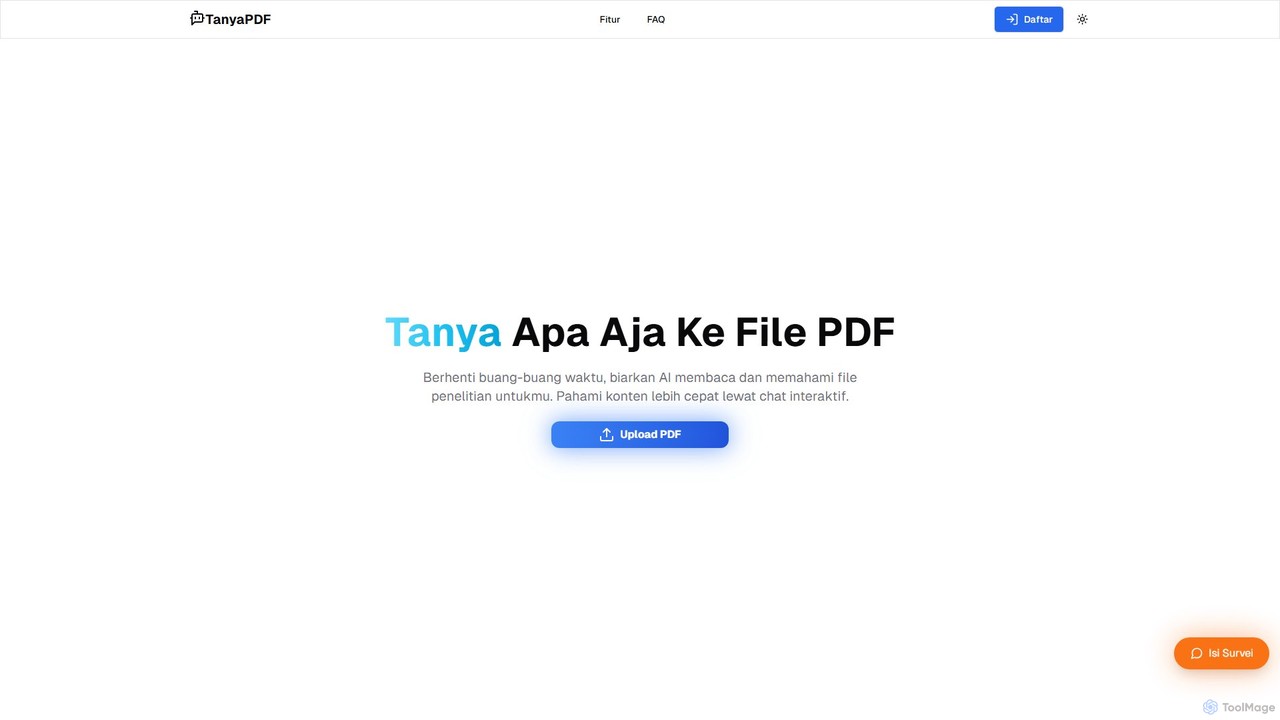
An AI-powered tool that allows you to chat with your PDF documents. Upload a file, ask questions in natural language, and get instant summaries and answers. Designed for students, researchers, and professionals to understand complex documents faster and more efficiently.

Report Analysis
Visits 7KFavorites 113Likes 111
ChatGTP AI
Freemium

ChatGTP AI

ChatGTP AI is a versatile AI-powered platform designed for advanced conversational chat, content creation, and code generation. Leveraging large language models, it assists users in drafting articles, writing code, summarizing text, and answering complex questions, boosting productivity for writers, developers, and marketers.

Text Generation
Visits 5.7KFavorites 133Likes 150
Socratic Lab
Freemium

Socratic Lab

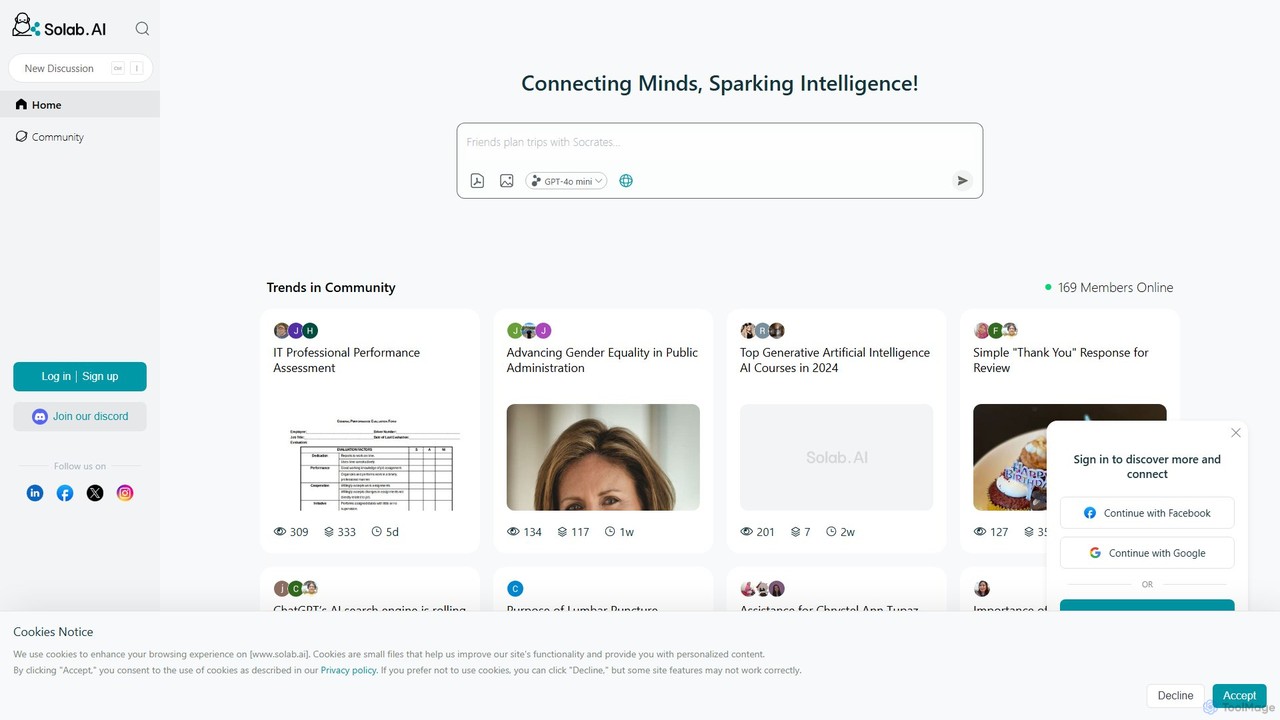
Socratic Lab is an AI-powered collaborative discussion platform designed to connect minds and spark intelligence. It leverages AI assistants like GPT-4o to facilitate structured, Socratic-style dialogues within a vibrant community. Users can explore diverse topics, engage in deep conversations, and collectively build a shared knowledge base, making it ideal for researchers, students, and lifelong learners.

Discussion Platform
Visits 8.2KFavorites 127Likes 138

About Research Assistant

Research Assistant tools are AI-powered platforms designed to streamline and enhance various stages of the research process, making them a vital component within the broader education and professional development landscape. Leveraging advanced natural language processing (NLP) and machine learning algorithms, these tools can efficiently gather, analyze, synthesize, and summarize vast amounts of information from diverse sources. They empower academics, professionals, and students to conduct more thorough, accurate, and efficient research, significantly reducing manual effort, accelerating discovery, and helping to overcome information overload.

Core Features

  • Automated Literature Review: Quickly scans and summarizes academic papers, articles, and reports, identifying key findings, methodologies, and gaps in existing knowledge.
  • Data Synthesis & Analysis: Processes large, unstructured datasets, extracts relevant information, identifies patterns, correlations, and anomalies for deeper insights.
  • Citation & Reference Management: Helps organize research sources, automatically generates citations in various academic styles (e.g., APA, MLA, Chicago), and manages bibliographies.
  • Hypothesis Generation: Analyzes existing data and literature to suggest potential research questions, hypotheses, or avenues for further investigation.
  • Report Drafting & Summarization: Assists in structuring research reports, generating concise summaries of complex texts, and extracting key arguments or conclusions.

Use Cases

These tools are invaluable for anyone engaged in systematic inquiry across various disciplines. Academic researchers utilize them to accelerate literature reviews, identify gaps in existing knowledge, and prepare for thesis writing. Market analysts leverage them to synthesize industry reports, consumer data, and competitive intelligence for strategic insights and business planning. Legal professionals employ them to quickly sift through vast amounts of case law, statutes, and legal documents to find precedents and relevant clauses. Scientific researchers use them to process experimental data, identify patterns, and generate new hypotheses, making the research process more robust, efficient, and comprehensive.

How to Choose

When selecting an AI Research Assistant, prioritize tools based on their accuracy in information retrieval, summarization, and the reliability of their source verification mechanisms. Consider their integration capabilities with existing academic or professional workflows, such as popular reference managers (e.g., Zotero, Mendeley) or data analysis software. Evaluate the range of supported document types (e.g., PDFs, web pages, databases) and research methodologies. Crucially, assess data privacy and security features, especially when handling sensitive information. Finally, examine the tool's customization options and user interface to ensure it aligns with your specific research needs and disciplinary requirements.

Featured tool rankings

Research Assistant use cases

1

Academic Literature Review Acceleration

For university students and academic researchers, AI Research Assistants significantly speed up the literature review process. Users can upload numerous research papers or provide topics, and the AI will quickly summarize key findings, identify methodologies, highlight relevant citations, and pinpoint gaps in existing knowledge, enabling more focused and efficient thesis or dissertation writing.

2

Market Trend & Competitive Analysis

Business analysts and strategists leverage these tools to rapidly synthesize vast amounts of market data, industry reports, and competitor intelligence. The AI can identify emerging trends, analyze competitive landscapes, and extract critical insights from unstructured text, providing a comprehensive overview for strategic decision-making and product development.

3

Scientific Data Synthesis & Hypothesis Generation

Scientists and R&D teams use AI Research Assistants to process complex experimental data, scientific articles, and clinical trials. The tools can identify subtle patterns, correlations, and anomalies across diverse datasets, helping researchers generate novel hypotheses, validate findings, and accelerate the discovery process in fields like medicine or material science.

4

Legal Document Review & Case Preparation

Legal professionals, including lawyers and paralegals, employ these AI tools to efficiently review extensive legal documents, case law, statutes, and contracts. The AI can quickly identify relevant precedents, extract key clauses, and summarize complex legal arguments, drastically reducing the time spent on manual document review and enhancing accuracy in case preparation.

5

Fact-Checking & Source Verification for Content Creation

Content creators, journalists, and editors utilize AI Research Assistants to ensure the accuracy and credibility of their work. The tools can cross-reference facts, statistics, and claims against multiple reputable sources, verify information, and highlight potential inaccuracies or biases, thereby enhancing the trustworthiness and authority of published content.

6

Grant Proposal & Funding Application Support

Researchers and non-profit organizations use AI Research Assistants to compile comprehensive background information and supporting evidence for grant proposals and funding applications. The AI can quickly gather relevant statistics, previous research findings, and impact data, helping to build a stronger, evidence-based case for funding and increasing success rates.


Research Assistant FAQ

What are AI Research Assistants?

AI Research Assistants are specialized software tools that use artificial intelligence, particularly natural language processing and machine learning, to automate and enhance various aspects of the research workflow. Unlike general AI tools, they are specifically designed to help users gather, analyze, synthesize, and manage information from diverse sources, making the research process more efficient, accurate, and comprehensive for academic, professional, and personal inquiries.

What specific tasks can AI Research Assistants perform?

AI Research Assistants can perform a wide range of tasks. Key functionalities include automated literature reviews, where they summarize academic papers and identify key themes; data synthesis and analysis, processing large datasets to find patterns; citation and reference management, organizing sources and generating bibliographies; and even hypothesis generation, suggesting new research questions. They also assist with report drafting and summarization of complex texts.

How do AI Research Assistants benefit researchers?

Researchers benefit significantly from AI Research Assistants by saving substantial time on tedious tasks like manual literature review and data extraction. These tools enhance accuracy by processing information systematically and reduce the risk of human error. They also help overcome information overload by quickly synthesizing vast amounts of data, allowing researchers to focus on critical thinking, analysis, and interpretation, ultimately accelerating discovery and improving research quality.

How do I choose the best AI Research Assistant for my needs?

To choose the best AI Research Assistant, consider several factors. First, evaluate its accuracy in information retrieval and summarization, and its ability to verify sources. Second, check for integration with your existing tools, such as reference managers or data analysis software. Third, assess the types of documents and research methodologies it supports. Finally, prioritize tools with robust data privacy and security features, and a user interface that aligns with your specific research workflow and technical comfort level.

How do AI Research Assistants differ from general AI writing tools?

While both use AI, Research Assistants focus on verifiable information, source management, and analytical tasks crucial for academic and professional inquiry. They prioritize accuracy, data synthesis, and citation integrity. General AI writing tools, conversely, are often geared towards creative content generation, drafting essays, marketing copy, or code, with less emphasis on factual verification or structured academic referencing. Research Assistants are about finding and analyzing information, while writing tools are about generating text.