ToolMage
Sign in

Best 41 Cloud Computing AI tools for Infrastructure

Popular Cloud Computing AI tools in Infrastructure include Cloudflare, Google Cloud, OctoAI, DigitalOcean, Runpod, Vast.ai, Unsloth, Cerebras, Nebius, and Salad, helping you work more efficiently.

Hopsworks
Freemium

Hopsworks

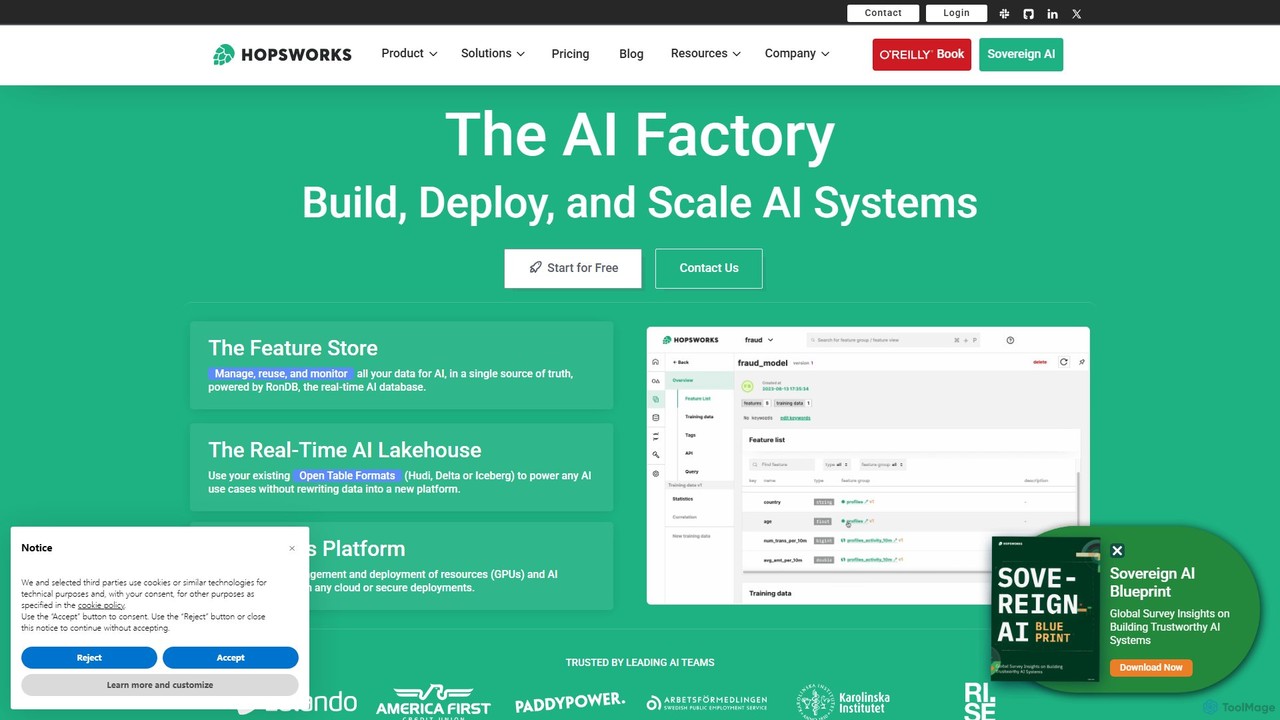
Hopsworks is a real-time AI Lakehouse and the industry's most advanced Feature Store. It's designed for MLOps, unifying data and compute to build and operate reliable, real-time AI systems. It supports any framework, cloud, or on-premises environment, enabling faster model development and significant cost reduction.

Database
Visits 42KFavorites 153Likes 148
HIVE Digital Technologies
Paid

HIVE Digital Technologies

HIVE Digital Technologies is a global leader in building and operating cutting-edge, green energy-powered data centers. It provides high-performance computing (HPC) and GPU cloud infrastructure for AI solutions, alongside its large-scale Bitcoin mining operations, focusing on sustainability and data sovereignty.

Hpc
Visits 35.4KFavorites 115Likes 126
Eventual
Freemium

Eventual

Eventual is building the future of data infrastructure with Daft, a high-performance, open-source query engine for multimodal data. It enables engineers to process petabyte-scale images, video, audio, and text with the simplicity of SQL, drastically accelerating AI and ML workflows without the need for deep distributed systems expertise.

Machine Learning
Visits 12.4KFavorites 132Likes 140
OctoAI
Freemium

OctoAI

OctoAI is a high-performance compute platform for developers to run, tune, and scale generative AI models efficiently. It offers optimized, production-ready API endpoints for popular open-source models like Llama, Mixtral, and Stable Diffusion. By focusing on deep system optimizations, OctoAI provides faster inference speeds and lower costs, enabling businesses to build and deploy scalable AI applications without managing complex infrastructure.

Api
Visits 39MFavorites 154Likes 146
Fluidstack
Paid

Fluidstack

Fluidstack is a leading AI cloud platform providing high-performance, dedicated GPU clusters for training and serving frontier AI models. It offers rapid deployment of thousands of GPUs, fully managed services with 24/7 expert support, and transparent pricing with zero egress fees, empowering AI teams to scale without infrastructure friction.

Enterprise Solutions
Visits 107.4KFavorites 113Likes 111
GreenNode
Paid

GreenNode

GreenNode is a one-stop AI cloud infrastructure provider, offering high-performance NVIDIA GPU solutions for startups and enterprises. It provides instant access to cutting-edge resources like H100 GPUs, scalable infrastructure, and expert AI Lab support. Focused on cost-effectiveness and performance, GreenNode helps accelerate model training, fine-tuning, and inference, with a strong presence in Southeast Asia.

Model Training
Visits 23.3KFavorites 105Likes 134
Cerebras
Freemium

Cerebras

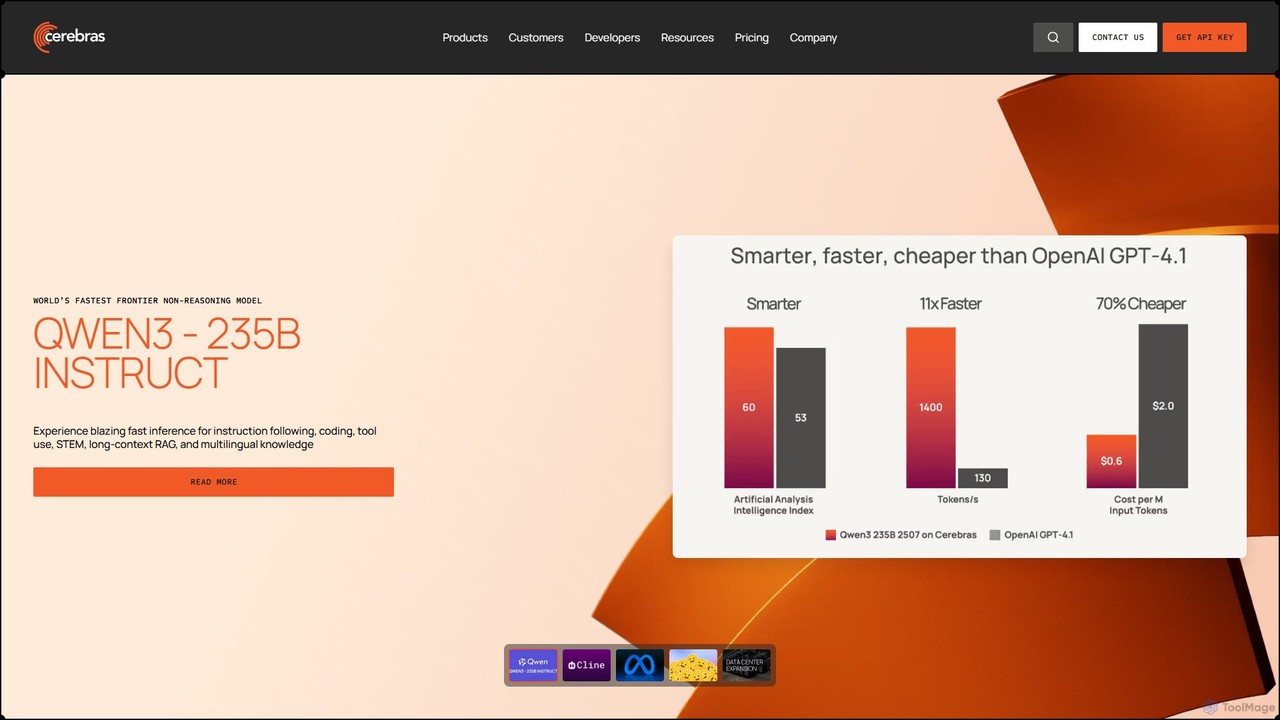
Cerebras provides the world's fastest AI inference and training platform, powered by its revolutionary Wafer Scale Engine (WSE). It offers unparalleled speed and low latency for the latest large language models like Llama 4 and Qwen3, enabling real-time AI applications for developers and enterprises through flexible cloud API and on-premises deployments.

Large Language Models
Visits 822.5KFavorites 116Likes 123
Unsloth
Freemium

Unsloth

Unsloth is a high-performance open-source library designed to dramatically accelerate the fine-tuning of Large Language Models (LLMs). It enables training up to 30x faster while using up to 90% less memory, making advanced AI model customization accessible on standard hardware.

Machine Learning
Visits 1.1MFavorites 102Likes 126
GPUX
Paid

GPUX

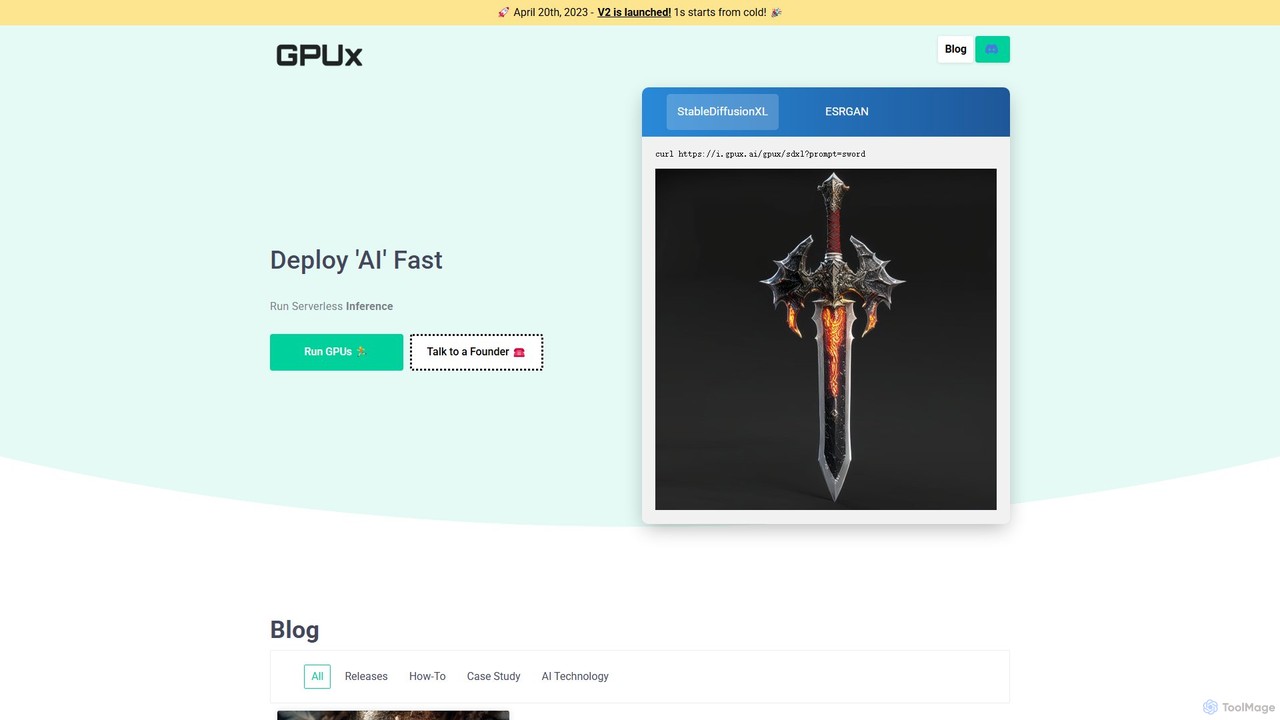
GPUX is a serverless, decentralized GPU cloud platform for fast and affordable AI model inference. It allows developers to run models via API and enables GPU owners to earn money by contributing their hardware to a P2P network.

Model Deployment
Visits 6.2KFavorites 127Likes 124
Runpod
Paid

Runpod

Runpod is a cloud platform designed for AI and machine learning, offering scalable GPU compute for deploying, training, and running AI models. It provides serverless GPUs, pre-built templates, and cost-effective pricing to simplify the entire AI development workflow, from idea to production.

Machine Learning
Visits 2.3MFavorites 107Likes 118
denvrdata
Freemium

denvrdata

Denvr Dataworks offers a high-performance AI cloud platform for training, inference, and data science. It provides vertically integrated infrastructure with on-demand and dedicated GPU compute services. Tailored for developers and startups, it features the Ascend Program, offering significant compute credits to accelerate AI innovation.

Model Training
Visits 6.7KFavorites 116Likes 101
Nebius
Paid

Nebius

Nebius is a high-performance cloud platform specifically engineered for AI and machine learning. It provides access to the latest NVIDIA GPUs, scalable clusters with InfiniBand networking, and fully managed services like Kubernetes and Slurm, enabling seamless AI model training, fine-tuning, and inference at any scale.

Machine Learning
Visits 682.9KFavorites 105Likes 108
Cloudflare
Freemium

Cloudflare

Cloudflare is a global connectivity cloud platform offering a comprehensive suite of services for security, performance, and reliability. It protects websites and applications from online threats with its WAF and DDoS mitigation, accelerates content delivery via its global CDN, and provides a serverless platform for developers to build and deploy applications, including AI-powered services at the edge.

Serverless
Visits 53.4MFavorites 110Likes 112
Awan LLM
Freemium

Awan LLM

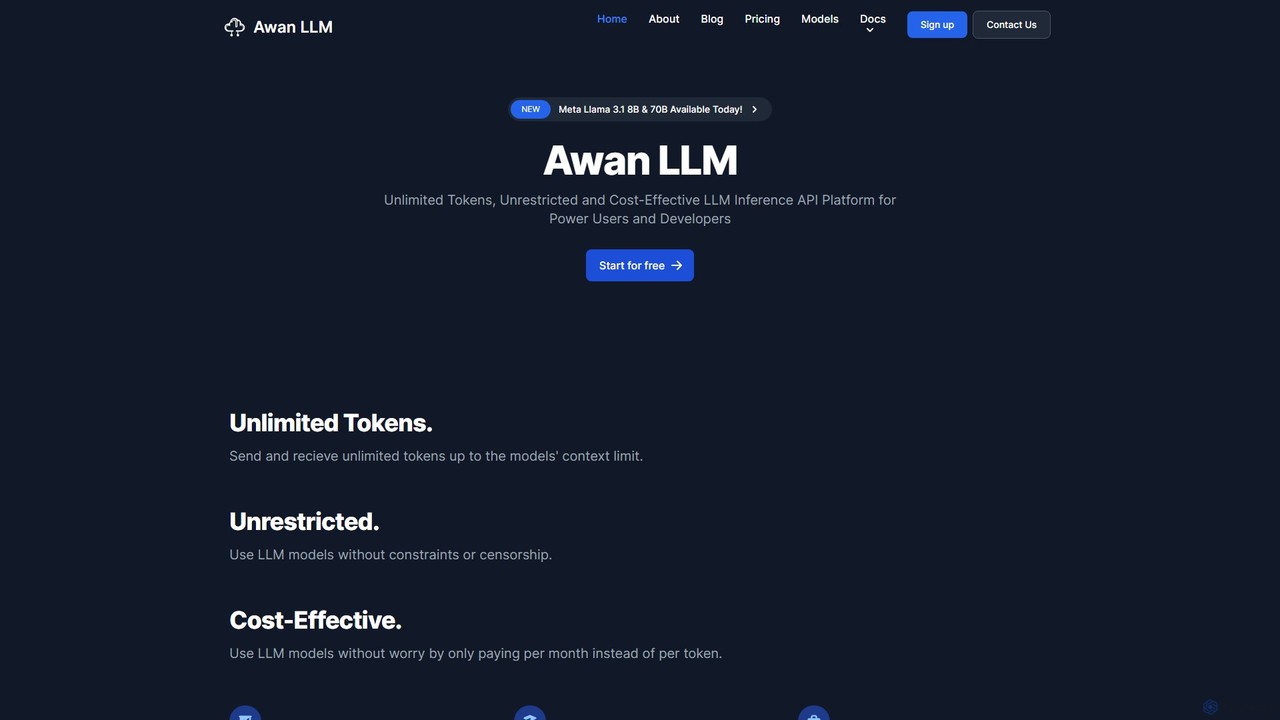
Awan LLM is a cost-effective and unrestricted LLM inference API platform for developers and power users. It offers unlimited token generation for a flat monthly fee, eliminating per-token costs. The platform provides access to popular models like Meta Llama 3.1 without censorship, running on high-performance, self-owned hardware.

Api Platform
Visits 8.4KFavorites 112Likes 116
Banana
Paid

Banana

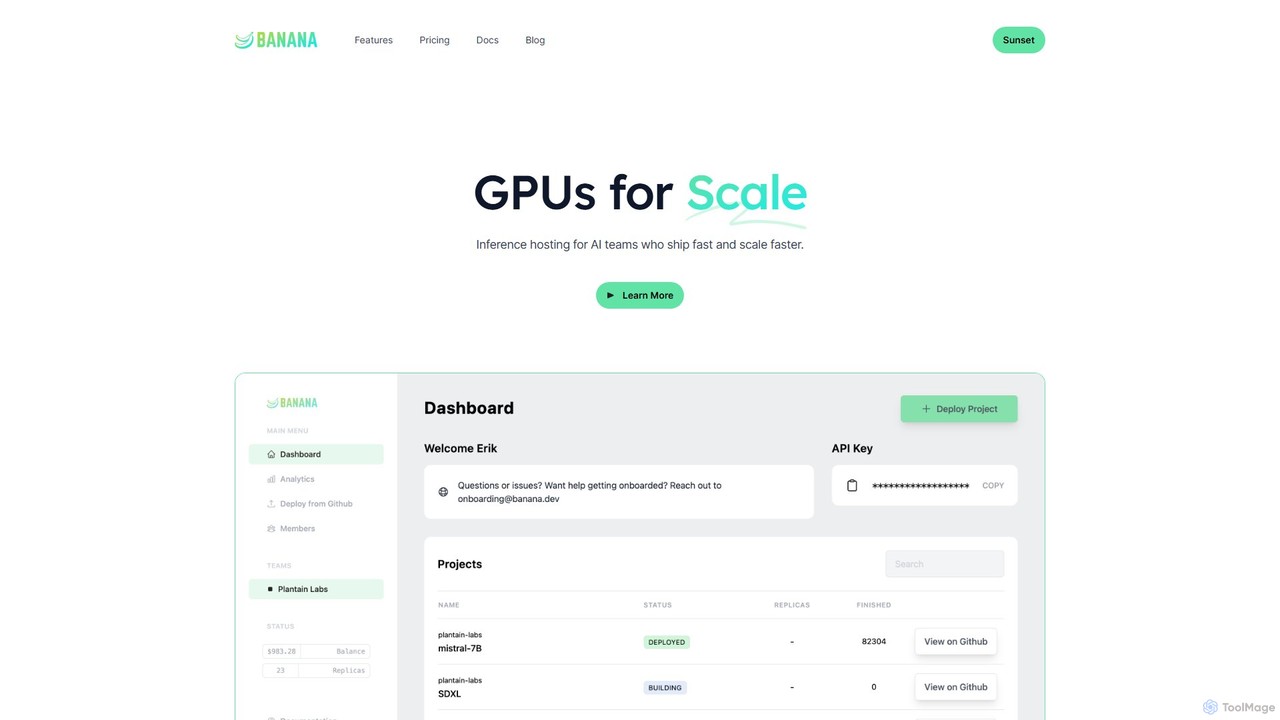
Banana was a serverless GPU platform designed for AI developers to deploy and scale machine learning models for inference. It offered features like autoscaling GPUs, at-cost compute pricing, and a full suite of DevOps tools. Please note: The Banana platform was officially sunsetted on March 31, 2024, and is no longer operational.

Machine Learning
Visits 9KFavorites 140Likes 155
Paperspace
Freemium

Paperspace

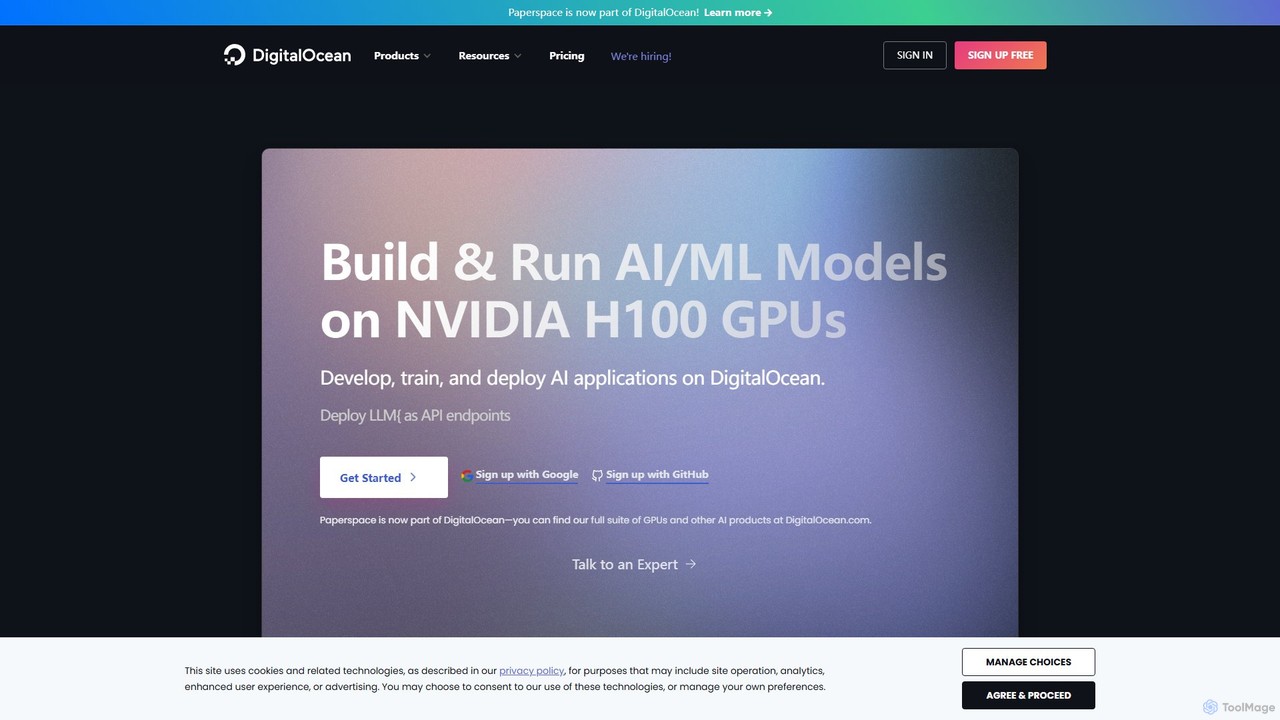
Paperspace is a high-performance cloud computing platform designed for AI and Machine Learning. It provides effortless access to powerful cloud GPUs, managed Jupyter notebooks, and a complete MLOps platform (Gradient) to build, train, and deploy models. Ideal for developers, data scientists, and enterprises looking to accelerate their AI workflows without the complexity of managing infrastructure.

Machine Learning
Visits 287.6KFavorites 188Likes 177
Float16.cloud
Freemium

Float16.cloud

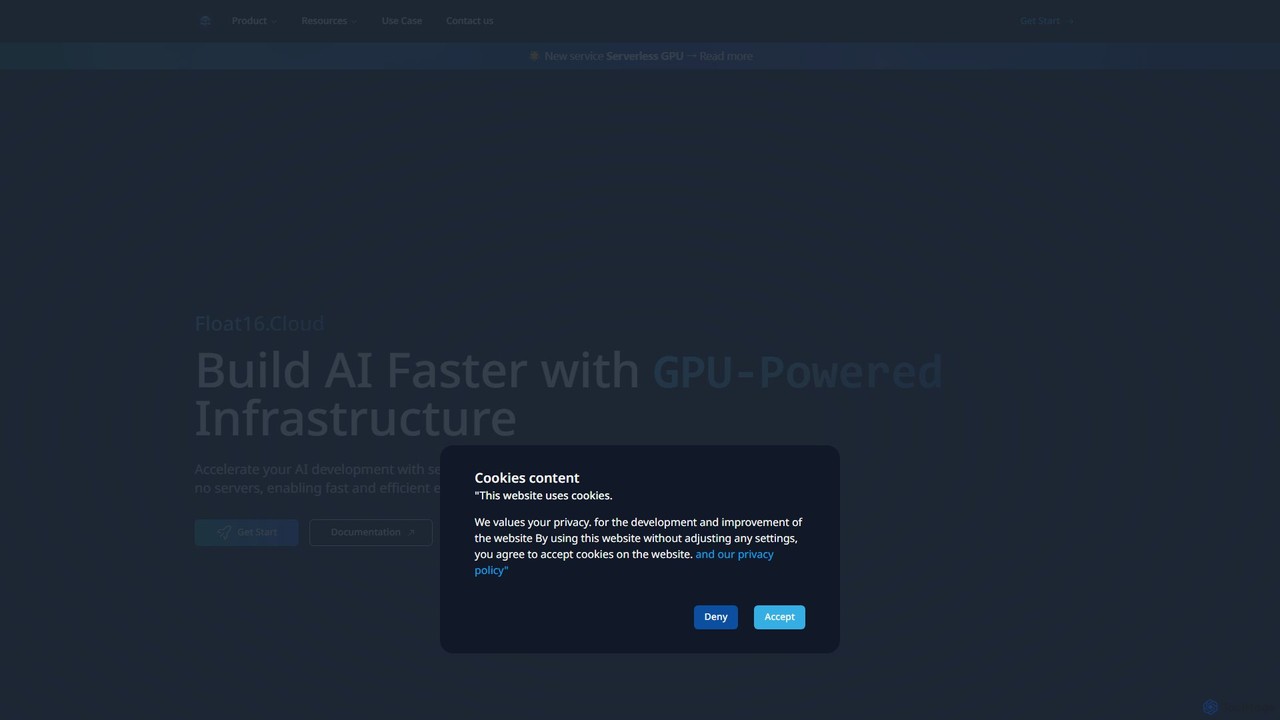
Float16.cloud is a serverless GPU platform designed to accelerate AI development. It provides instant access to high-performance H100 GPUs with per-second billing, zero setup, and no cold starts. Developers can deploy open-source LLMs, train models, and run AI workloads directly from Python scripts without managing infrastructure.

Platform As A Service (Paas)
Visits 19.1KFavorites 139Likes 142

About Cloud Computing

AI Cloud Computing tools are platforms that leverage machine learning to automate the management and optimization of cloud infrastructure. These tools analyze vast amounts of operational data, such as metrics, logs, and cost reports, to identify patterns and predict future needs. They provide intelligent recommendations for cost savings, performance improvements, and security enhancements, significantly reducing the manual effort required to maintain complex cloud environments. This proactive approach helps organizations improve reliability, control spending, and strengthen their security posture on platforms like AWS, Azure, and GCP.

Core Features

  • AI-Powered Cost Optimization: Automatically identifies idle resources, suggests instance right-sizing, and forecasts spending to optimize budgets.
  • Intelligent Performance Monitoring: Uses anomaly detection to proactively flag performance bottlenecks and potential failures before they impact users.
  • Automated Security & Compliance: Employs machine learning to detect unusual activity, identify vulnerabilities, and continuously check for compliance with standards like GDPR or SOC 2.
  • Predictive Autoscaling: Forecasts traffic patterns to scale resources up or down more efficiently than traditional rule-based methods, balancing performance and cost.
  • Intelligent Asset Management: Provides smart dashboards and recommendations for organizing, tagging, and managing cloud resources across multiple accounts or providers.

Use Cases

These tools are primarily used by DevOps engineers, Site Reliability Engineers (SREs), FinOps professionals, and IT administrators. They are particularly valuable for organizations with large-scale, dynamic, or multi-cloud deployments where manual oversight is impractical. Common scenarios include managing Kubernetes clusters, optimizing serverless function costs, and securing cloud-native applications.

How to Choose

When selecting an AI Cloud Computing tool, consider its compatibility with your cloud providers (e.g., AWS, Azure, Google Cloud). Evaluate the depth of its AI-driven analysis across cost, performance, and security. Assess its automation capabilities, integration with your existing toolchain (like Slack or Jira), and the clarity of its reporting and user interface. Finally, consider the pricing model and whether it aligns with your operational scale.

Featured tool rankings

Cloud Computing use cases

1

Automating Cloud Cost Control for Startups

A fast-growing SaaS startup's FinOps team is tasked with controlling a rapidly increasing AWS bill without slowing down development. They deploy an AI cloud computing tool that continuously scans their environment. The tool's AI model identifies underutilized EC2 instances and recommends downsizing them. It also automatically terminates untagged, orphaned resources left over from development tests. Within the first month, the tool's automated actions and actionable recommendations help the startup reduce its cloud spend by over 20%, providing crucial budget relief while maintaining performance.

2

Proactive Anomaly Detection for E-commerce Platforms

An e-commerce site's SRE team uses an AI monitoring tool to prevent outages during peak shopping seasons. The tool learns the normal performance baseline of their application, including CPU usage, memory, and API response times. During a flash sale, the AI detects an unusual memory leak pattern in a specific microservice that traditional threshold-based alerts would have missed. The team is notified immediately via Slack, allowing them to deploy a fix before the issue escalates into a site-wide crash, thus protecting revenue and customer experience.

3

Enhancing Cloud Security for Financial Services

A fintech company must maintain a stringent security posture to comply with regulations. They use an AI-powered cloud security tool that analyzes user activity logs and network traffic in real-time. The AI model identifies a developer's credentials being used from an unusual geographic location and attempting to access sensitive production data. This anomalous behavior triggers a high-priority alert. The security team is able to quickly investigate, confirm a compromised account, and revoke access, preventing a potential data breach before any sensitive information is exfiltrated.

4

Optimizing Kubernetes Cluster Resources

A software development team runs their microservices on a Google Kubernetes Engine (GKE) cluster, but struggles with resource allocation, leading to either wasted resources or performance issues. They integrate an AI cloud tool that analyzes workload patterns over time. The tool provides specific recommendations to adjust CPU and memory requests and limits for each pod. By applying these AI-driven suggestions, the team reduces their cluster's overall resource consumption by 30% while simultaneously eliminating CPU throttling issues that were impacting application latency.

5

Streamlining Multi-Cloud Compliance Audits

A global enterprise operates workloads on both Azure and GCP, making compliance audits for standards like SOC 2 a complex and time-consuming process. They adopt an AI cloud platform to automate compliance monitoring. The tool continuously scans configurations, access policies, and data storage settings against pre-built SOC 2 control frameworks. It uses AI to flag potential violations and generates detailed, audit-ready reports automatically. This reduces the manual effort for audit preparation from weeks to a few days and provides the security team with a continuous, real-time view of their compliance posture.

6

Predictive Scaling for Media Streaming Services

A video streaming service needs to handle unpredictable traffic spikes during live events without over-provisioning resources and incurring excessive costs. They implement an AI cloud tool with predictive autoscaling. The tool analyzes historical viewing data and real-time trends to forecast demand for an upcoming major sports final. Based on its prediction, it automatically begins scaling up server capacity an hour before the event starts, ensuring a smooth, buffer-free experience for all users. After the peak, it scales down resources more intelligently than rule-based scalers, saving costs.

Cloud Computing FAQ

What are AI Cloud Computing tools?

AI Cloud Computing tools are specialized software platforms that use machine learning and artificial intelligence to automate and optimize the management of cloud infrastructure. Instead of relying on manual configurations or static rules, they analyze real-time and historical data to make intelligent decisions. Key functions include proactively identifying cost-saving opportunities, detecting performance anomalies before they cause outages, and strengthening security by spotting unusual behavior. They act as an intelligent layer on top of cloud services like AWS, Azure, or GCP to improve efficiency, reliability, and security.

How do I choose the right AI Cloud Computing tool?

Choosing the right tool depends on your specific needs. Consider these factors:

  • Cloud Provider Support: Ensure the tool fully supports your primary cloud platforms (e.g., AWS, Azure, GCP, or multi-cloud).
  • Core Focus: Determine your main goal. Is it cost optimization (FinOps), performance monitoring (APM), or security and compliance (CSPM)? Some tools specialize, while others offer a broader platform.
  • Level of Automation: Decide if you need a tool for recommendations only, or one that can take automated actions like terminating idle resources.
  • Integration Capabilities: Check if it integrates with your existing DevOps toolchain, such as Slack for alerts, Jira for ticketing, or Terraform for infrastructure as code.
  • Usability and Reporting: Evaluate the clarity of the dashboard and the quality of the reports. The insights should be actionable and easy for your team to understand.
What's the difference between AI Cloud Computing tools and traditional cloud management platforms?

The primary difference lies in their approach. Traditional cloud management platforms are often reactive and rule-based. They rely on manually set thresholds (e.g., 'alert when CPU is over 80%') and provide dashboards for manual analysis. AI Cloud Computing tools are proactive and predictive. They use machine learning to learn the 'normal' behavior of a system and can detect subtle anomalies that don't cross a fixed threshold. Instead of just presenting data, they provide context-aware recommendations and can automate complex optimization tasks, effectively acting as an automated SRE or FinOps analyst for your team.

Who benefits most from using AI Cloud Computing tools?

While any organization using the cloud can benefit, these tools provide the most value to teams managing complex, large-scale, or dynamic environments. Key beneficiaries include:

  • DevOps and SRE Teams: They gain proactive insights into performance and reliability, helping them prevent outages and resolve issues faster.
  • FinOps Professionals: These tools automate the tedious work of finding cost savings, providing clear recommendations to control cloud spend without impacting performance.
  • Security Teams: They get an intelligent monitoring system that can detect subtle threats and compliance drifts that might be missed by human analysts.
  • Enterprises with Multi-Cloud Strategies: AI tools can provide a unified view of cost, performance, and security across different cloud providers, simplifying management complexity.
How do these tools optimize cloud costs?

AI tools optimize cloud costs through several intelligent methods rather than just simple reporting. They typically perform actions like:

  • Identifying Waste: They automatically detect idle or unattached resources like unused disks, old snapshots, and orphaned IP addresses that incur costs without providing value.
  • Right-Sizing Recommendations: By analyzing actual usage metrics over time, they recommend changing instance types to ones that better match the workload's real needs, preventing over-provisioning.
  • Optimizing Storage Tiers: They can analyze data access patterns and recommend moving infrequently accessed data to cheaper storage tiers (e.g., from S3 Standard to S3 Glacier).
  • Managing Reserved Instances/Savings Plans: AI models can forecast future usage to provide precise recommendations on purchasing or modifying commitments to maximize savings.