It Best in category 10 results Devops AI Tool

Popular AI tools in the Devops field of It include Factory、Rootly、drdroid、Autonoma AI、Brainboard、ChatWithCloud、unSkript、Text2Cron、AppSec Assistant、0ptikube, etc., helping you quickly improve efficiency.

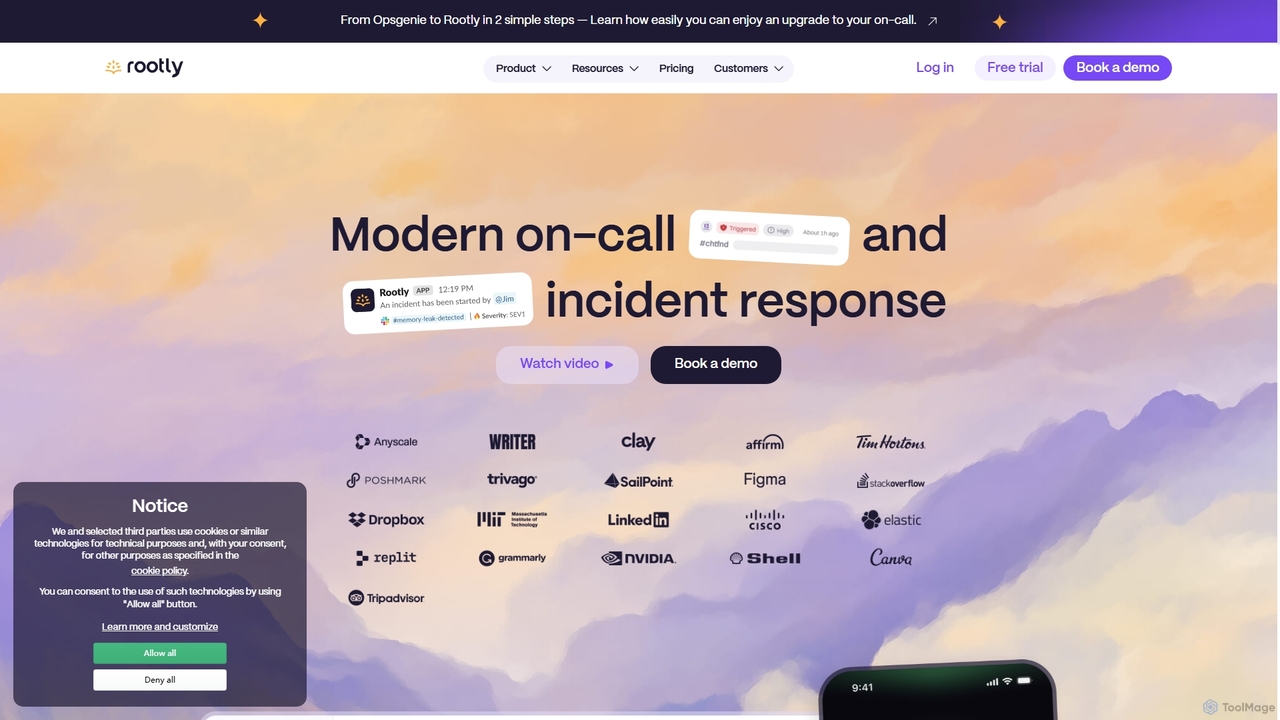
Rootly

Rootly

Rootly is an AI-powered, end-to-end incident management platform designed for engineering and SRE teams. It automates the entire …

174.5K
0ptikube

0ptikube

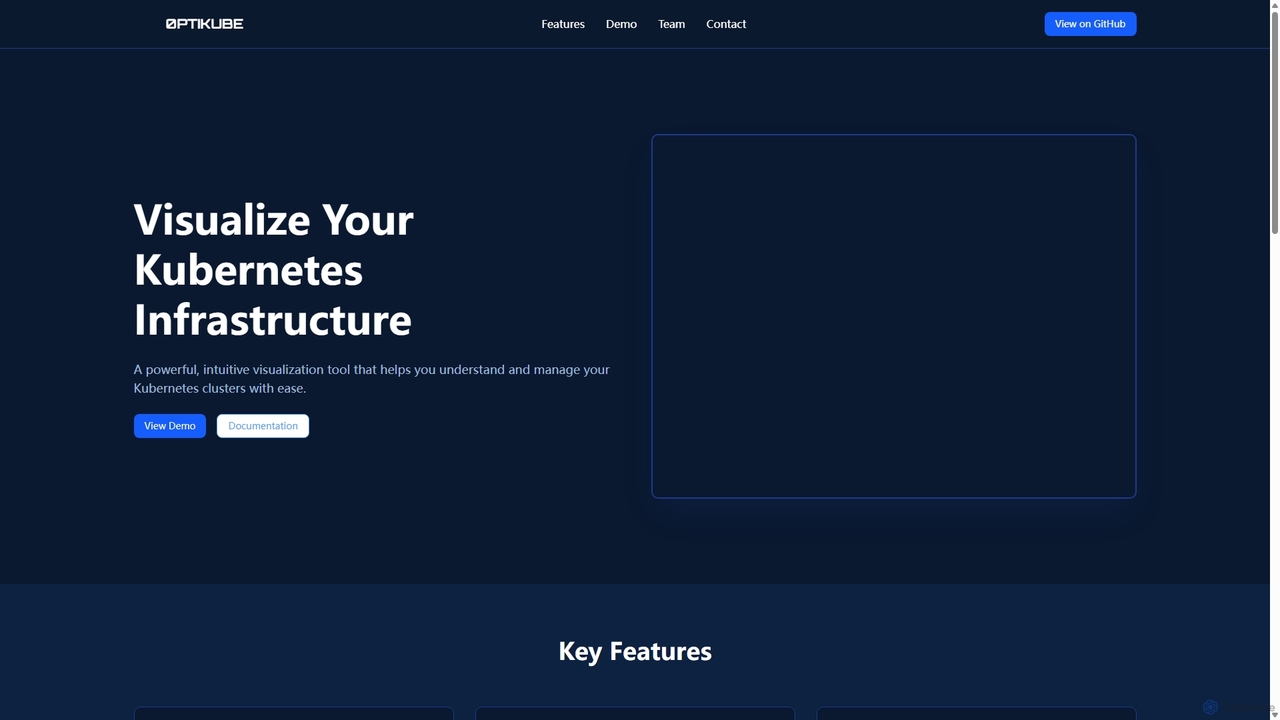
0ptikube is an AI-powered visualization and optimization tool for Kubernetes. It provides real-time monitoring and an intuitive dashboard …

2.2K
drdroid

drdroid

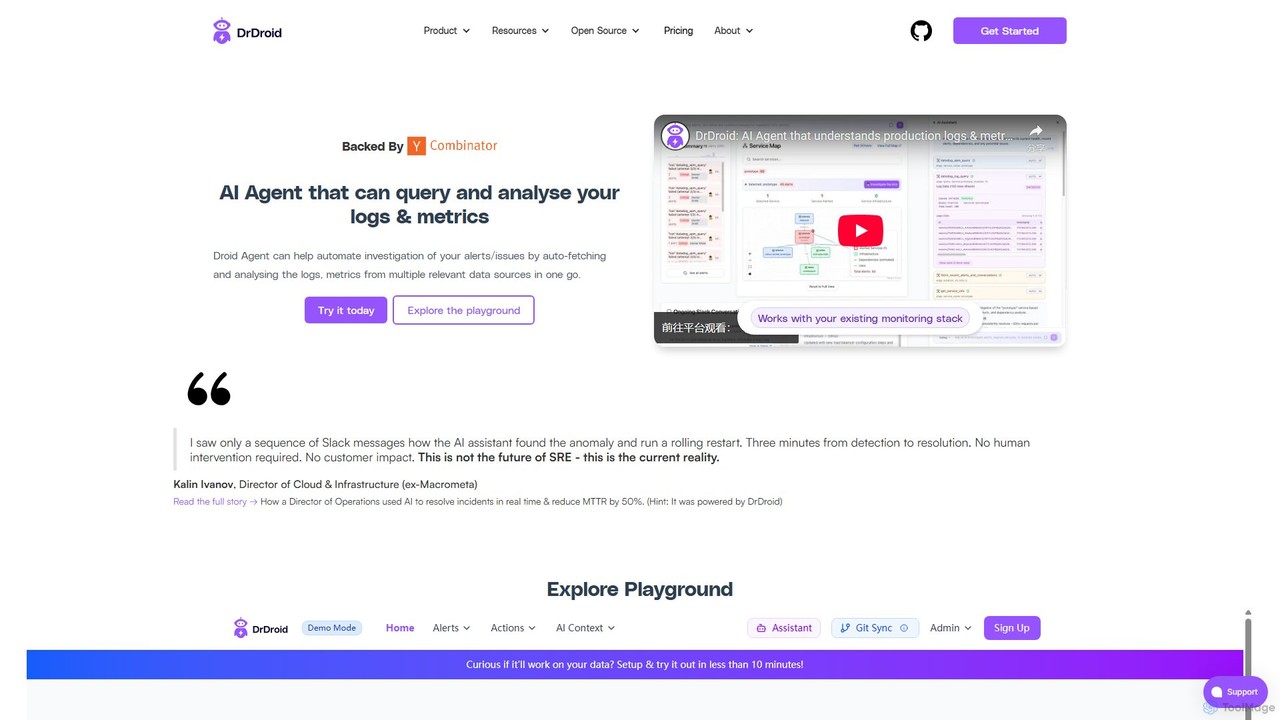
drdroid is an AI-powered agent for observability and production monitoring, designed for SRE and DevOps teams. It automates …

126.6K
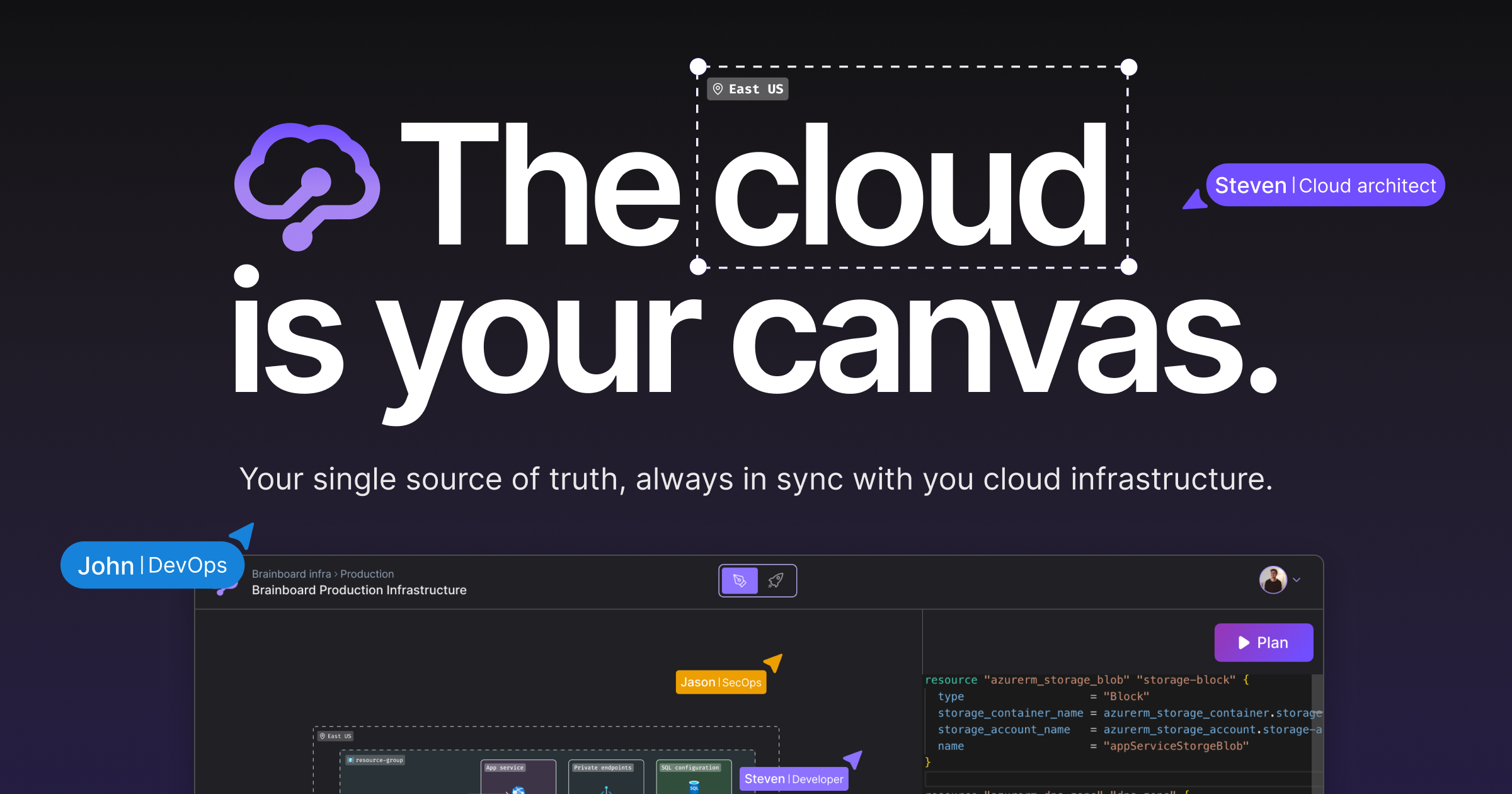
Brainboard

Brainboard

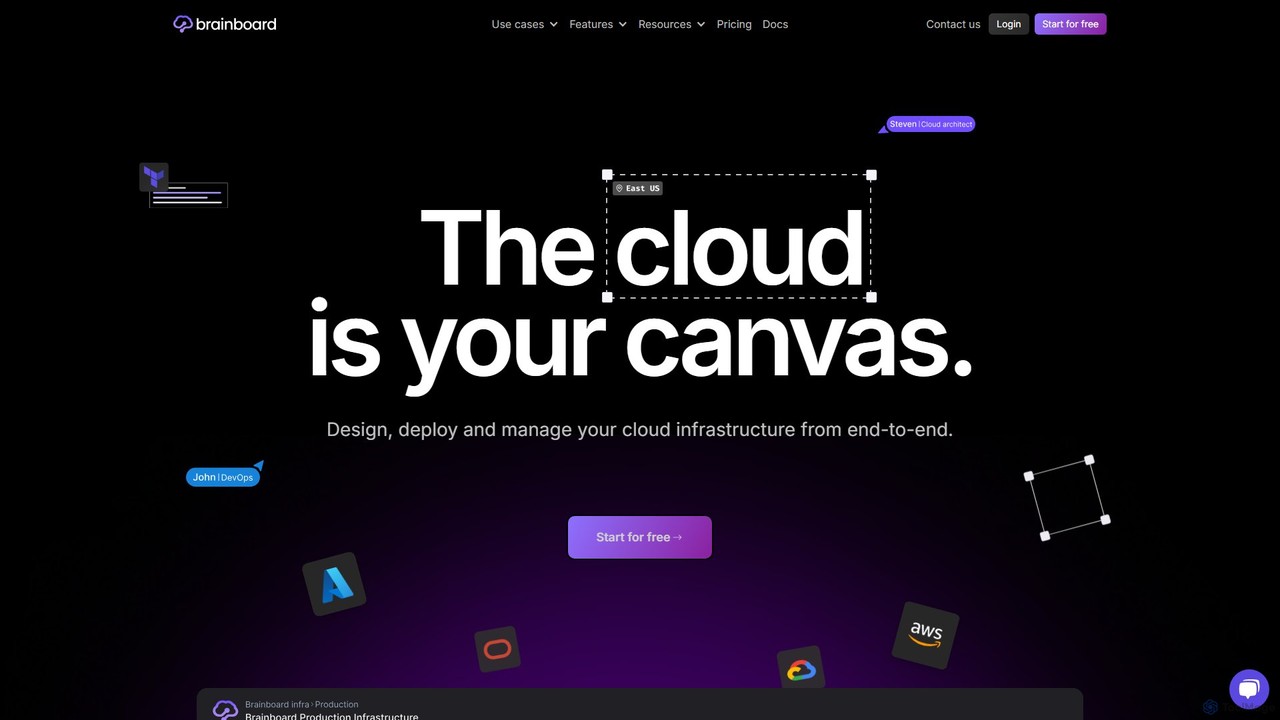
Brainboard is an AI-powered collaborative platform for visually designing, deploying, and managing cloud infrastructure. It automatically generates Infrastructure …

13.2K
Factory

Factory

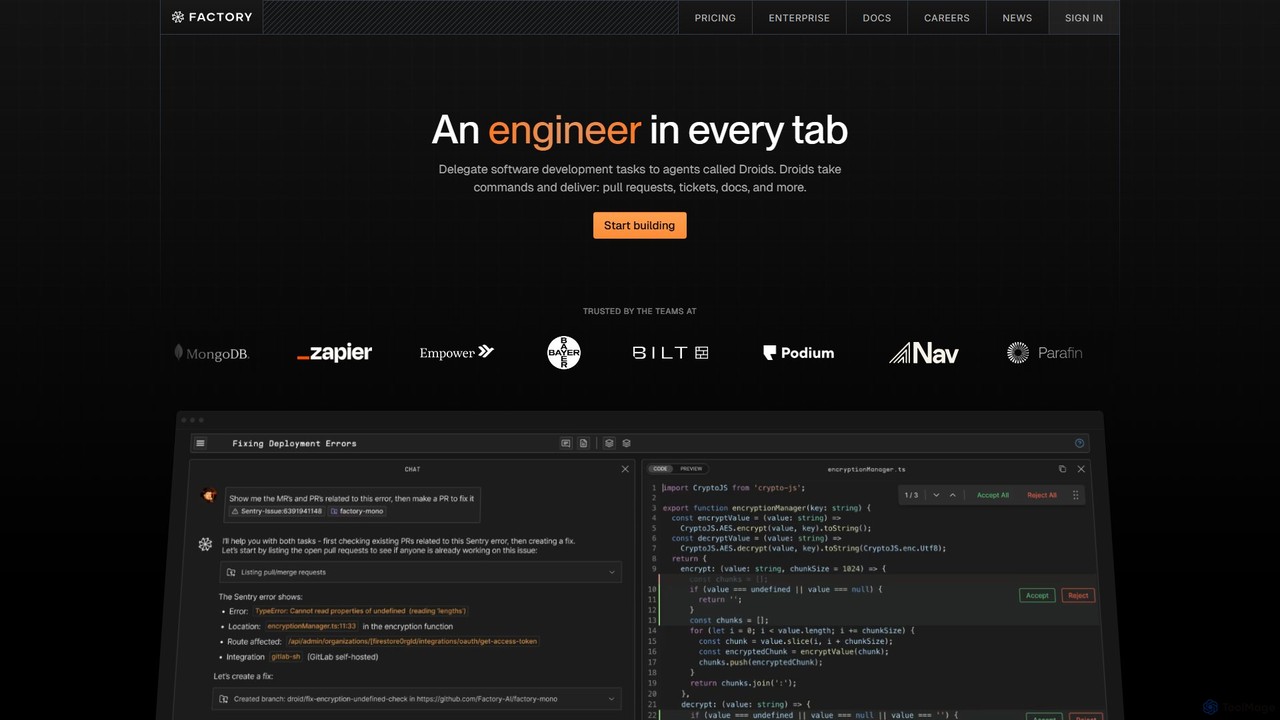
Factory is an AI-powered software development platform that uses autonomous agents called 'Droids' to automate the entire Software …

440.1K
ChatWithCloud

ChatWithCloud

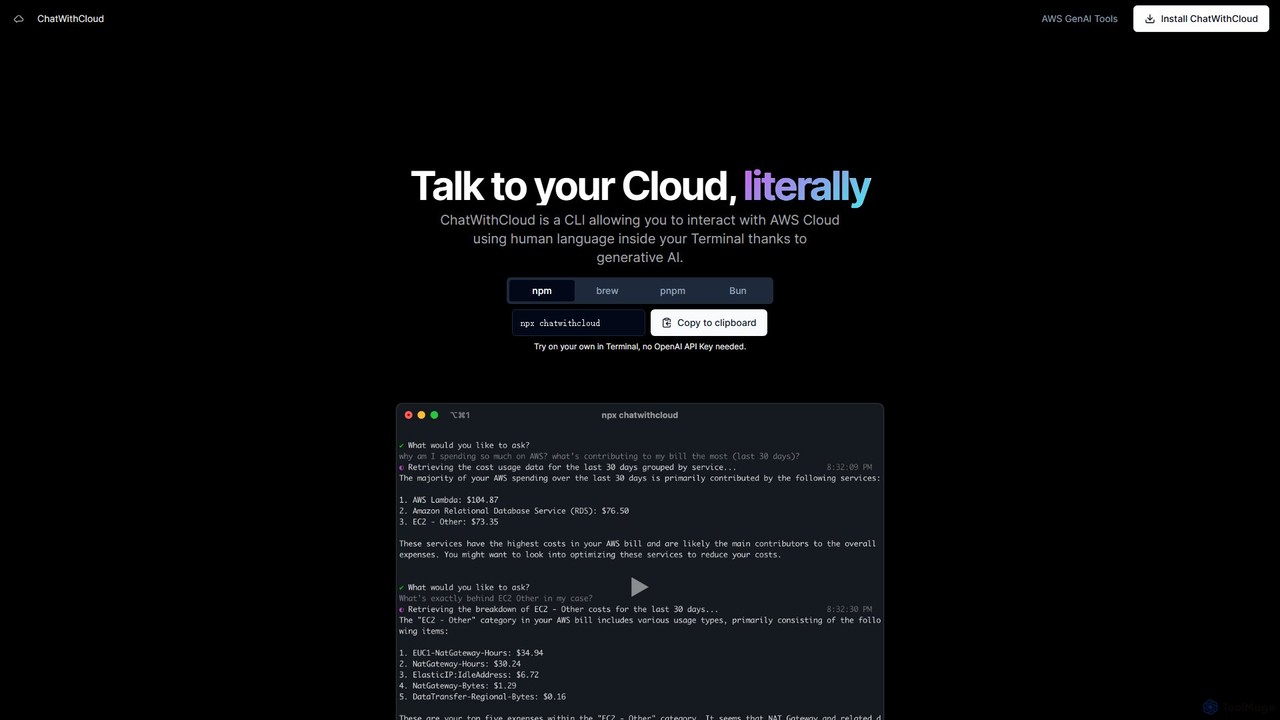
ChatWithCloud is a powerful CLI tool that enables developers and DevOps engineers to manage their AWS cloud infrastructure …

4.2K
unSkript

unSkript

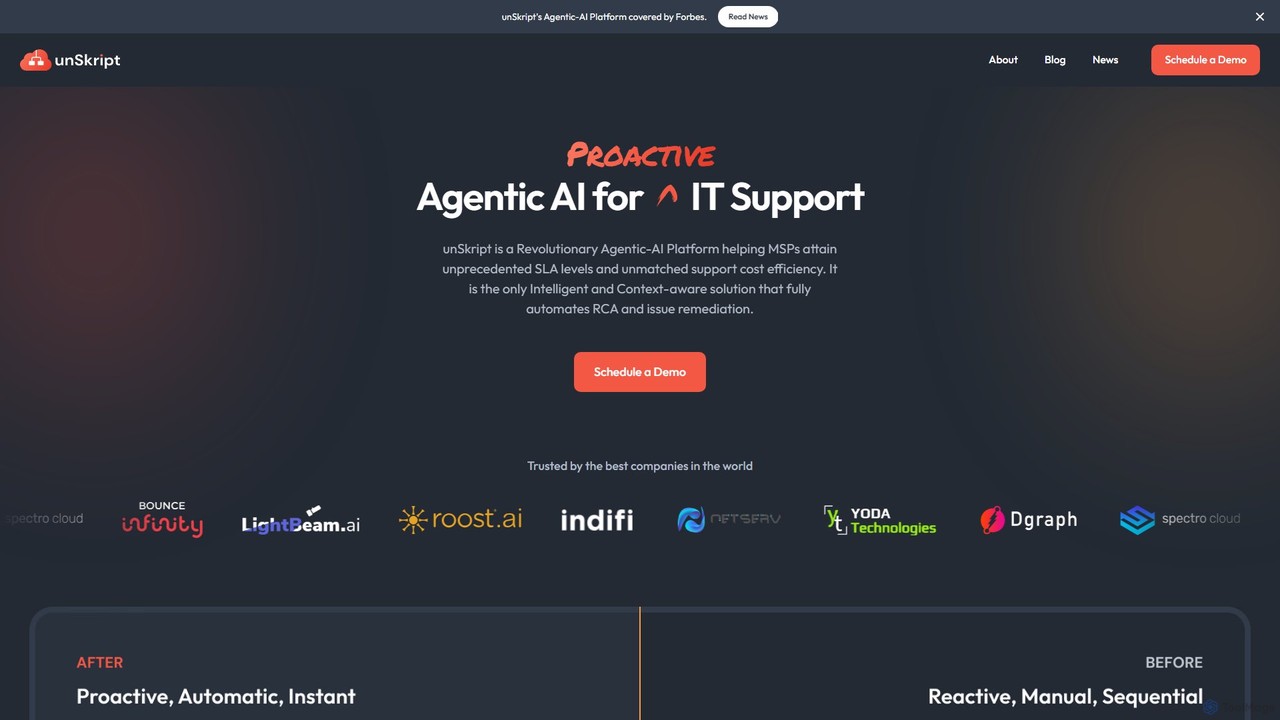
unSkript is a proactive agentic AI platform for IT support, designed to automate root cause analysis (RCA) and …

2.6K
AppSec Assistant

AppSec Assistant

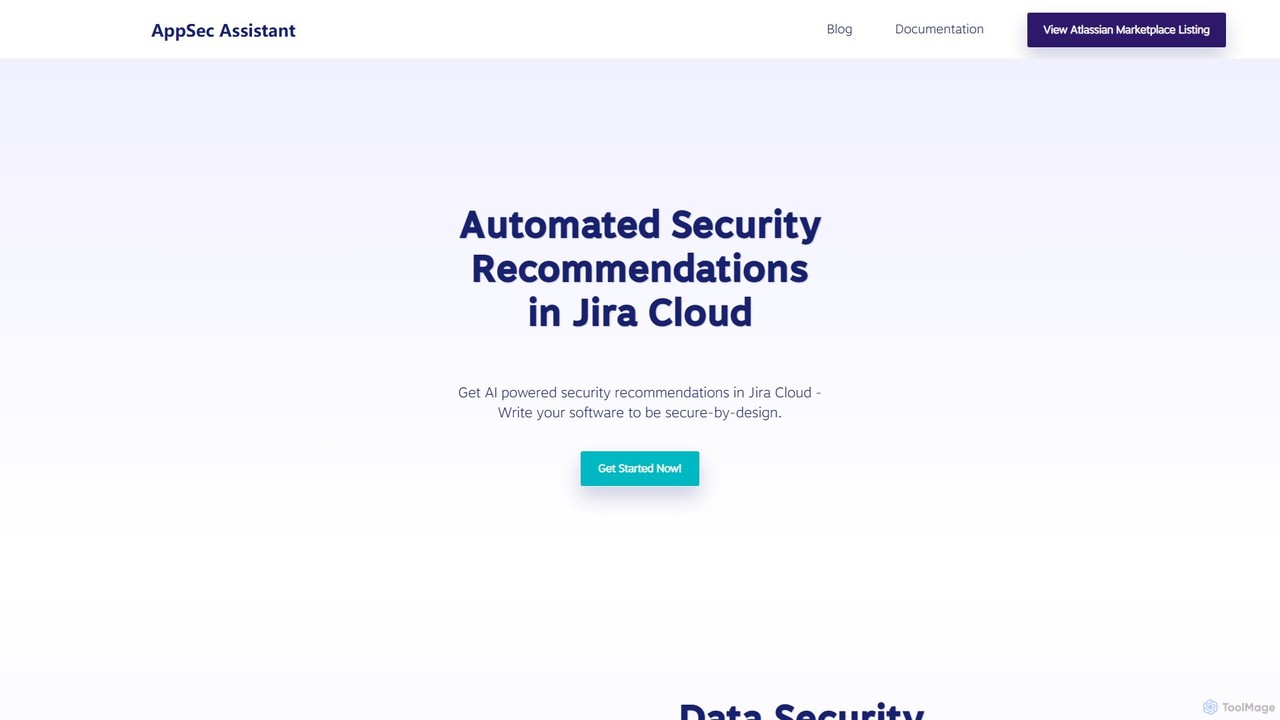
An AI-powered assistant integrated into Jira Cloud that provides automated security recommendations for software development. It helps developers …

2.3K
Text2Cron

Text2Cron

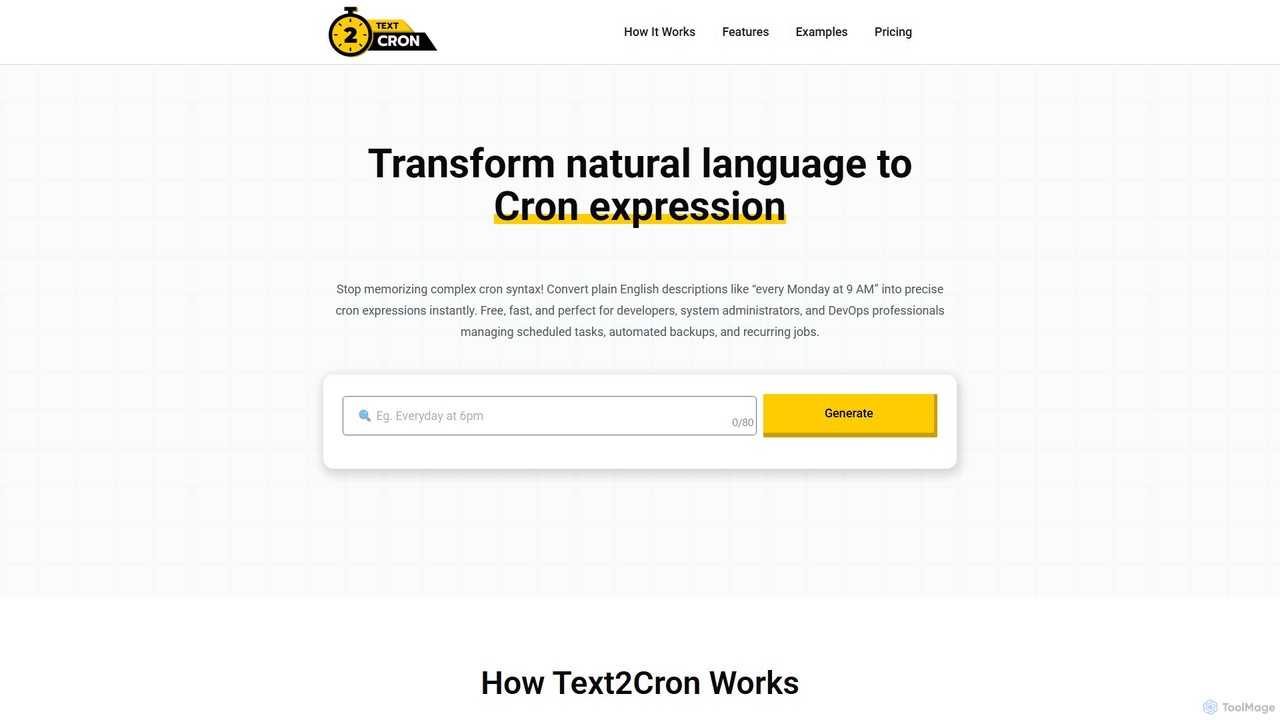
Text2Cron is an AI-powered tool that instantly converts natural language descriptions into precise cron expressions. Ideal for developers, …

2.5K
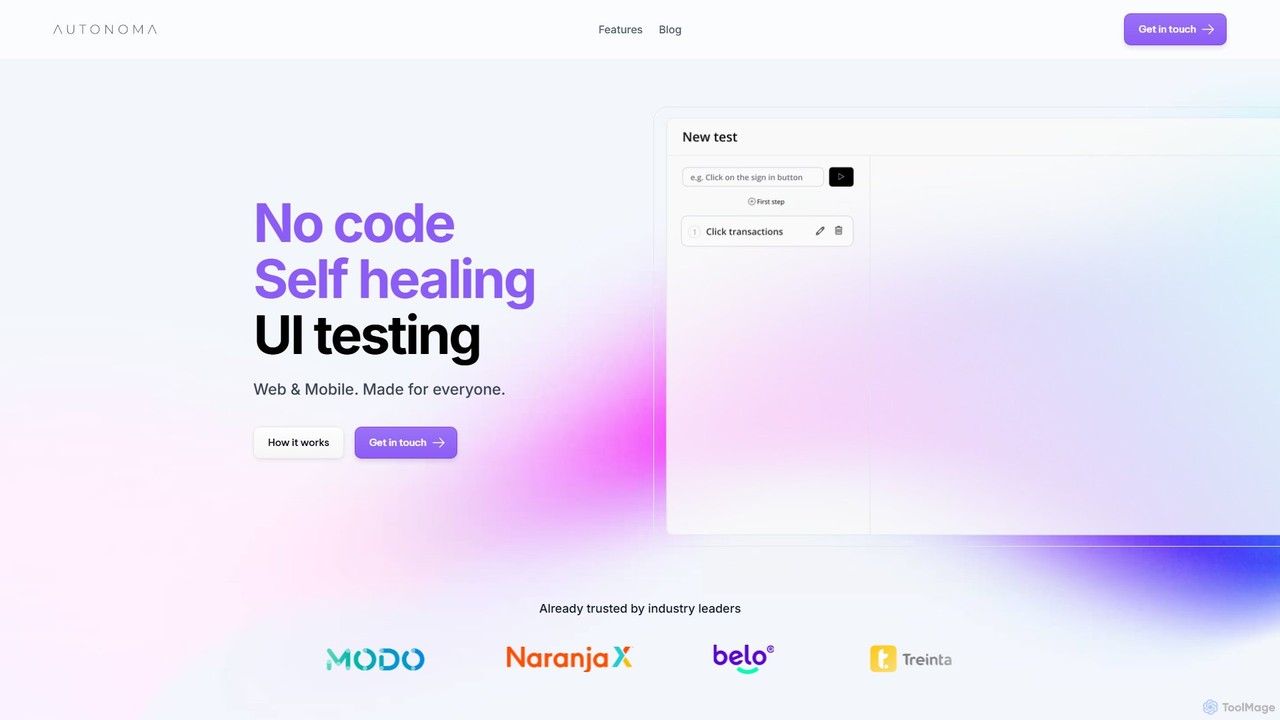
Autonoma AI

Autonoma AI

Autonoma AI is a no-code, self-healing UI testing platform for web and mobile applications. It uses AI to …

71.5K

About Devops

DevOps AI tools are specialized solutions that integrate artificial intelligence into the software development and operations lifecycle. These tools leverage machine learning, natural language processing, and predictive analytics to automate, optimize, and enhance various stages from code development to deployment and monitoring. They aim to improve collaboration, accelerate delivery, and ensure the stability and security of applications. By providing data-driven insights, AI in DevOps helps teams make informed decisions and proactively address potential issues.

Core Features

  • AI-Powered Code Analysis: Automatically identifies bugs, security vulnerabilities, and performance bottlenecks in code.
  • Intelligent CI/CD Optimization: Predicts optimal build times, automates pipeline adjustments, and suggests efficient resource allocation.
  • Predictive Incident Management: Analyzes logs and metrics to foresee and prevent system failures or performance degradation.
  • Automated Testing & Quality Assurance: Generates test cases, executes tests, and identifies critical defects with minimal human intervention.
  • Resource & Cost Optimization: Recommends optimal infrastructure scaling and identifies cost-saving opportunities based on usage patterns.

Applicable Scenarios

DevOps AI tools are crucial for organizations seeking to accelerate their software delivery while maintaining high quality and reliability. They are widely adopted by software development teams, SREs (Site Reliability Engineers), and IT operations personnel in industries like cloud computing, e-commerce, and fintech. These tools streamline complex workflows, reduce manual errors, and enable faster iteration cycles, making them indispensable for modern agile and cloud-native environments.

How to Choose

Selecting the right DevOps AI tool requires evaluating several factors. Consider its integration capabilities with your existing CI/CD pipelines, version control systems, and monitoring tools. Assess the accuracy and explainability of its AI models, ensuring they provide actionable insights rather than just data. Look for scalability to handle growing workloads, robust security features, and comprehensive reporting. Finally, evaluate the vendor's support, community, and pricing model to ensure it aligns with your team's needs and budget.

DevopsUse Cases

1

Automated Code Review and Quality Assurance

Software development teams can leverage AI DevOps tools to automatically scan code for potential bugs, security vulnerabilities, and adherence to coding standards. The AI provides instant feedback, suggests fixes, and prioritizes issues based on severity, significantly reducing manual review time and improving code quality before it even reaches the CI/CD pipeline. This proactive approach helps catch defects early, ensuring a more robust and secure codebase.

2

Predictive Incident Detection and Resolution

Site Reliability Engineers (SREs) and operations teams can use AI DevOps tools to monitor system logs, metrics, and application performance data in real-time. The AI identifies anomalous patterns that indicate impending issues, such as unusual traffic spikes or resource exhaustion, before they escalate into full-blown incidents. This enables proactive intervention, reducing downtime and minimizing the impact on end-users by suggesting root causes and automated remediation steps.

3

Optimizing CI/CD Pipeline Performance

DevOps engineers can utilize AI to analyze historical CI/CD pipeline data, identifying bottlenecks, inefficient stages, and potential points of failure. The AI can then suggest optimizations, such as reordering build steps, parallelizing tasks, or allocating more resources to specific stages, leading to faster build times and more reliable deployments. This continuous optimization ensures that software delivery remains agile and efficient, adapting to changing project requirements.

4

Intelligent Resource Scaling and Cost Management

Cloud architects and financial operations (FinOps) teams can leverage AI DevOps tools to predict future resource needs based on historical usage, traffic patterns, and upcoming events. The AI can then automatically scale infrastructure up or down, ensuring optimal performance while minimizing cloud costs. This intelligent scaling prevents over-provisioning and under-provisioning, leading to significant cost savings and improved resource utilization across various cloud environments.

5

Automated Security Compliance and Vulnerability Management

Security teams and compliance officers can integrate AI DevOps tools to continuously monitor infrastructure and applications for security misconfigurations, policy violations, and emerging vulnerabilities. The AI can automatically scan for compliance with industry standards (e.g., GDPR, HIPAA) and identify deviations, providing real-time alerts and suggesting automated remediation actions. This ensures a strong security posture throughout the entire development and operations lifecycle, reducing the risk of breaches.

6

Enhanced Collaboration and Communication

Development and operations teams can use AI-powered communication tools within a DevOps framework to streamline information flow. AI can summarize lengthy chat threads, prioritize notifications based on urgency, and even suggest relevant documentation or expert contacts for specific issues. This reduces information overload, ensures critical updates are not missed, and fosters more efficient collaboration, especially in distributed or large-scale teams, leading to faster problem-solving and decision-making.

DevopsFrequently Asked Questions