Best of the Year 17 results Mobile Apps AI Tools

Popular AI tools in the Mobile Apps field include Freeletics、Mewing App、Treads、Glowy AI、Mindwell AI、Cloudfit、Auribus Labs、FitMate AI、Petalife、BodyFatAI, etc., helping you quickly improve efficiency.

BodyFatAI

BodyFatAI

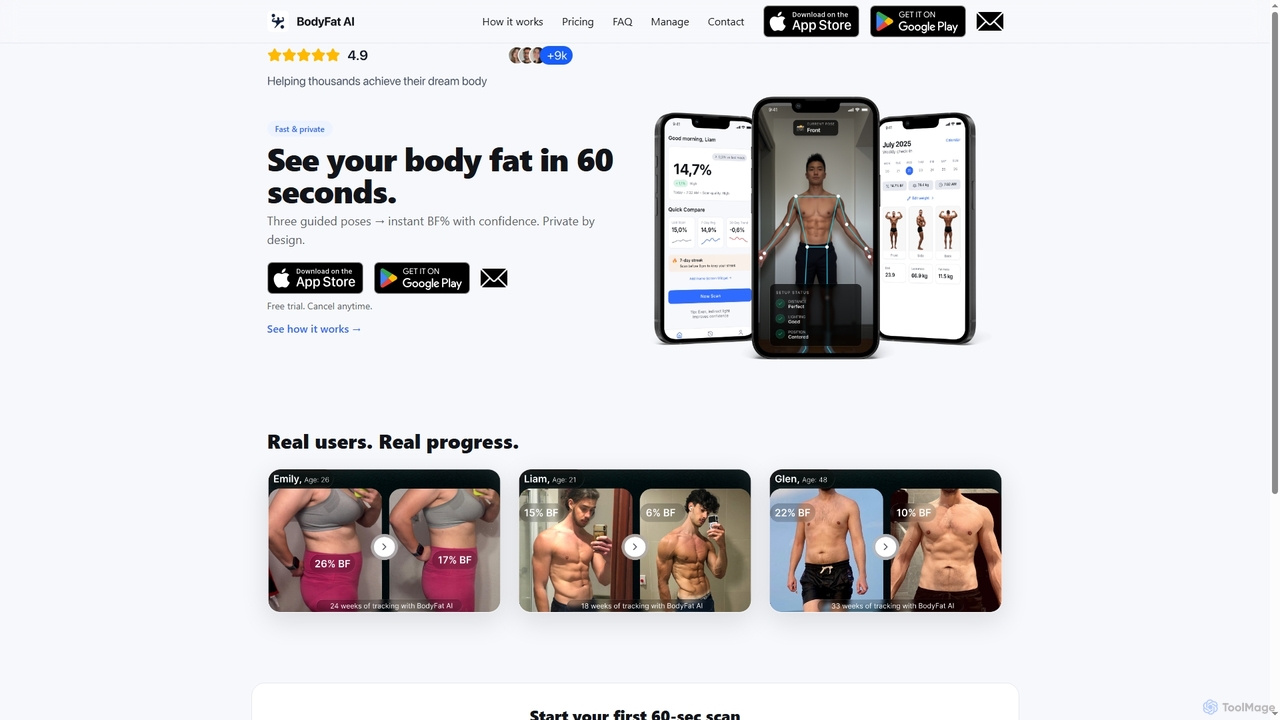
BodyFatAI is an AI-powered mobile app that estimates your body fat percentage in 60 seconds using your smartphone …

2.4K
Livespace

Livespace

Livespace is an AI-powered platform connecting interior designers with homeowners. Designers can monetize their work by uploading designs, …

2.3K
Free
ConvoLive

ConvoLive

ConvoLive is an AI-powered language learning app designed for experiential conversation practice. It helps users achieve fluency by …

2.3K
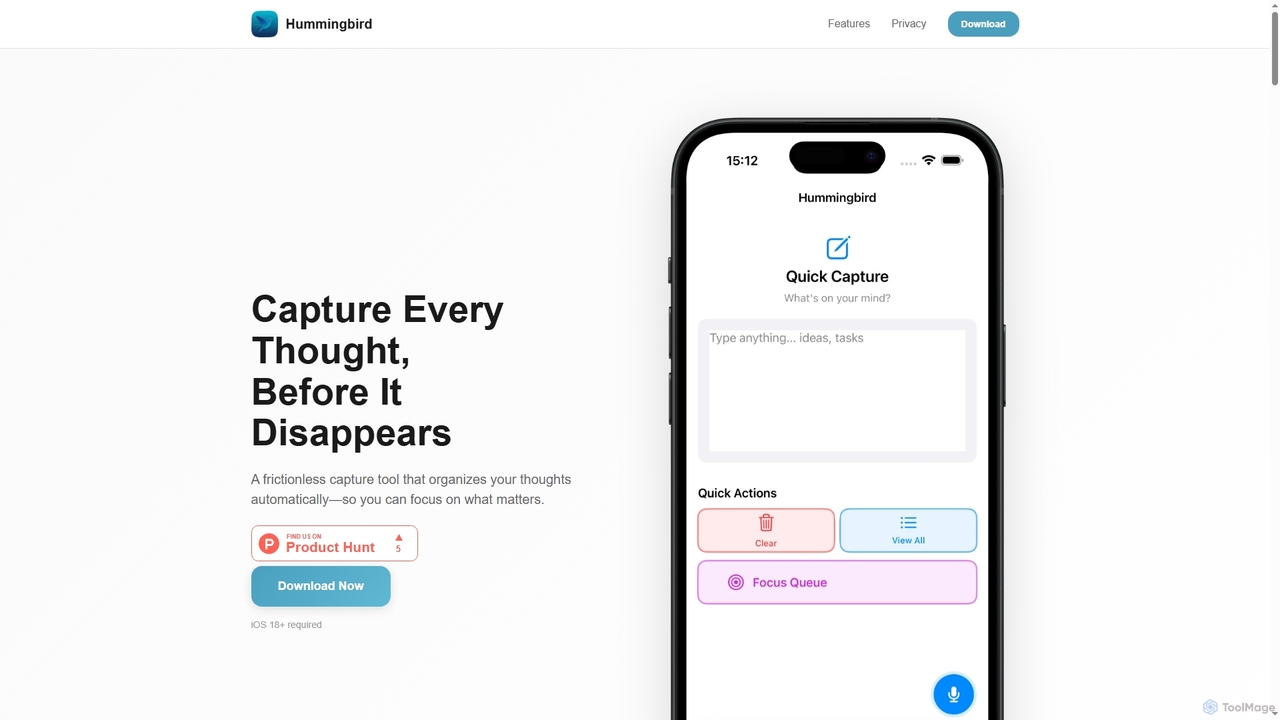
Hummingbird

Hummingbird

Hummingbird is a privacy-first iOS app designed for instant thought capture and AI-powered organization. It allows users to …

2.3K
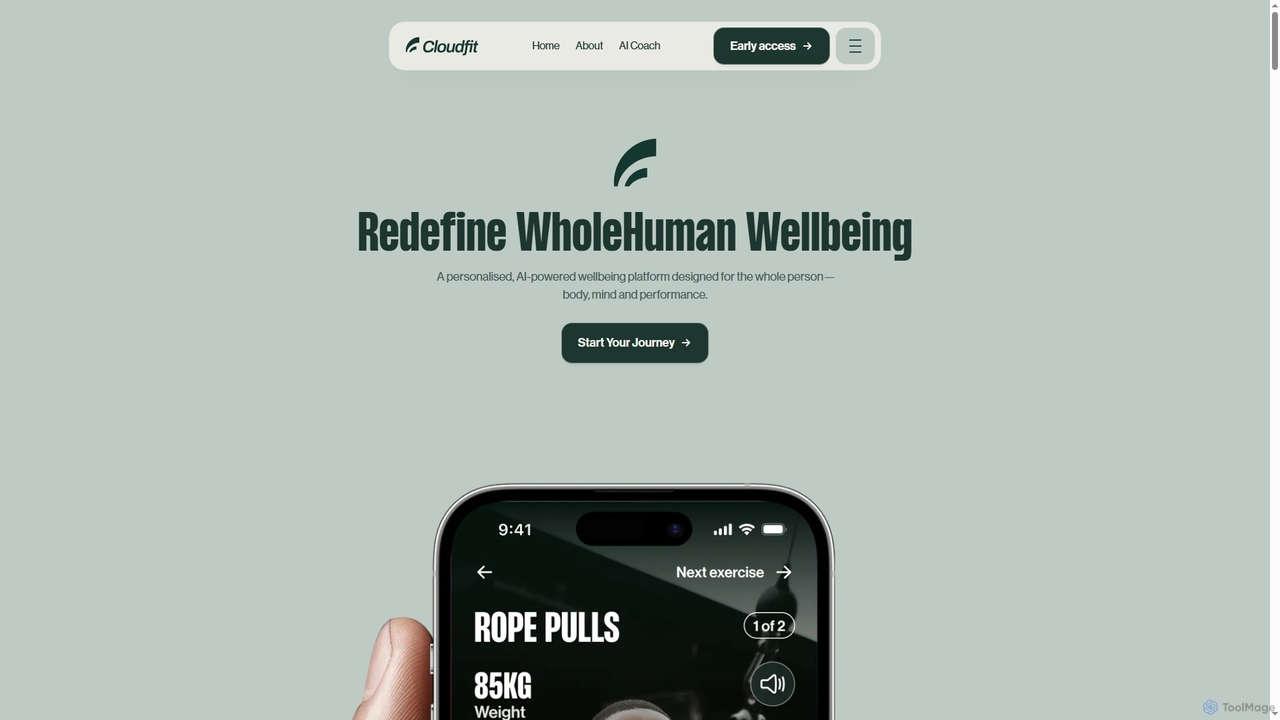
Cloudfit

Cloudfit

Cloudfit is an AI-powered wellbeing platform for holistic health, covering body, mind, and performance. It combines a 24/7 …

3.1K
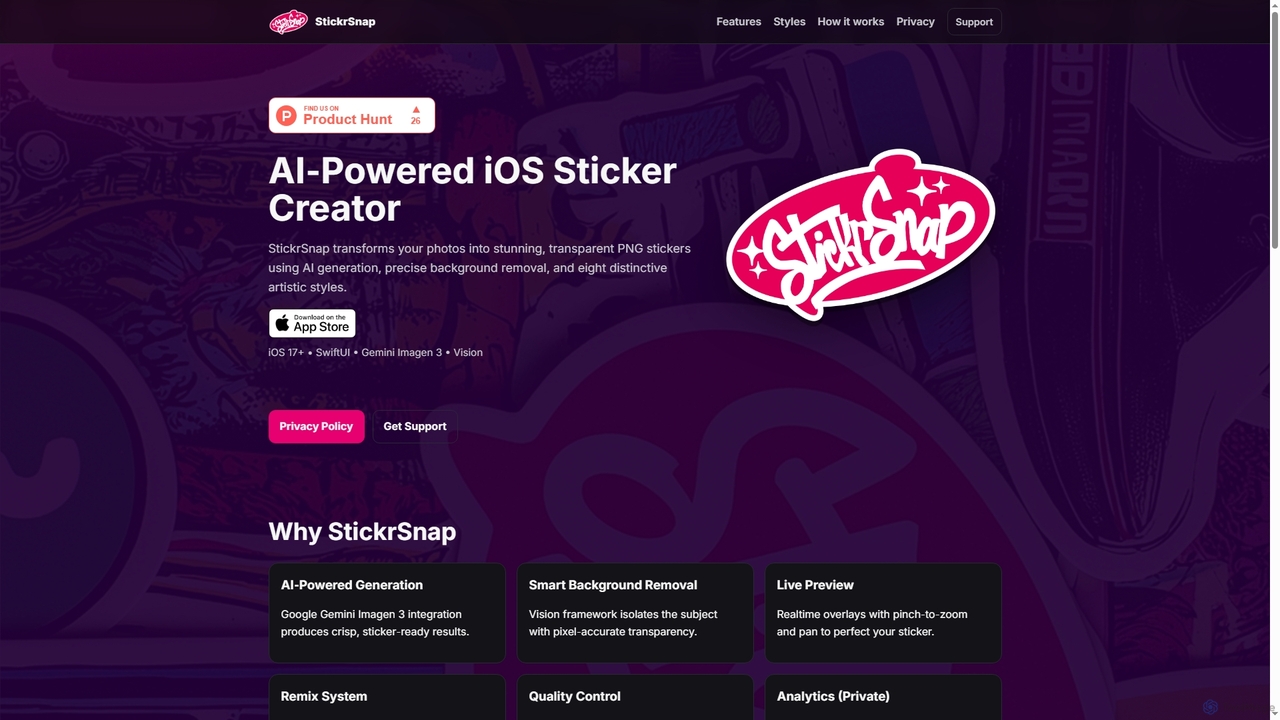
StickrSnap

StickrSnap

StickrSnap is an AI-powered iOS app that effortlessly transforms your photos into unique, transparent PNG stickers. Leveraging Google …

2.3K
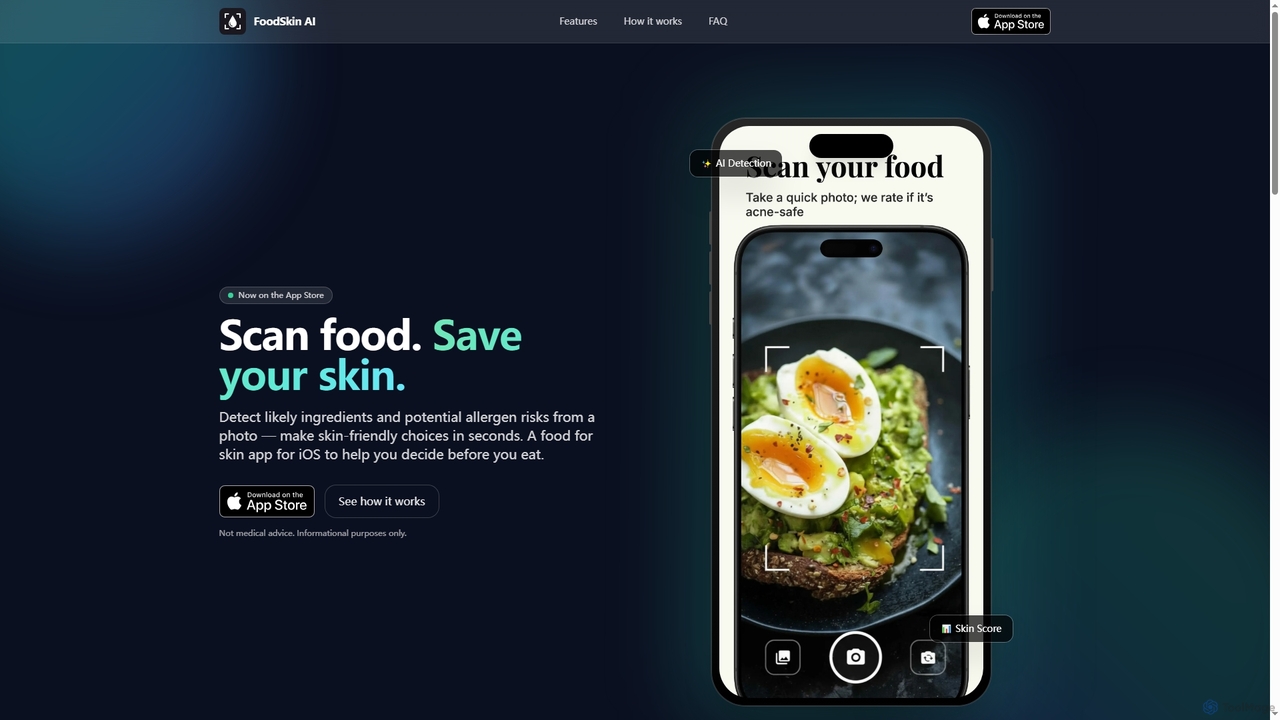
FoodSkin AI

FoodSkin AI

FoodSkin AI is an iOS app that uses AI to scan meal photos, identify likely ingredients and potential …

2.3K
Free
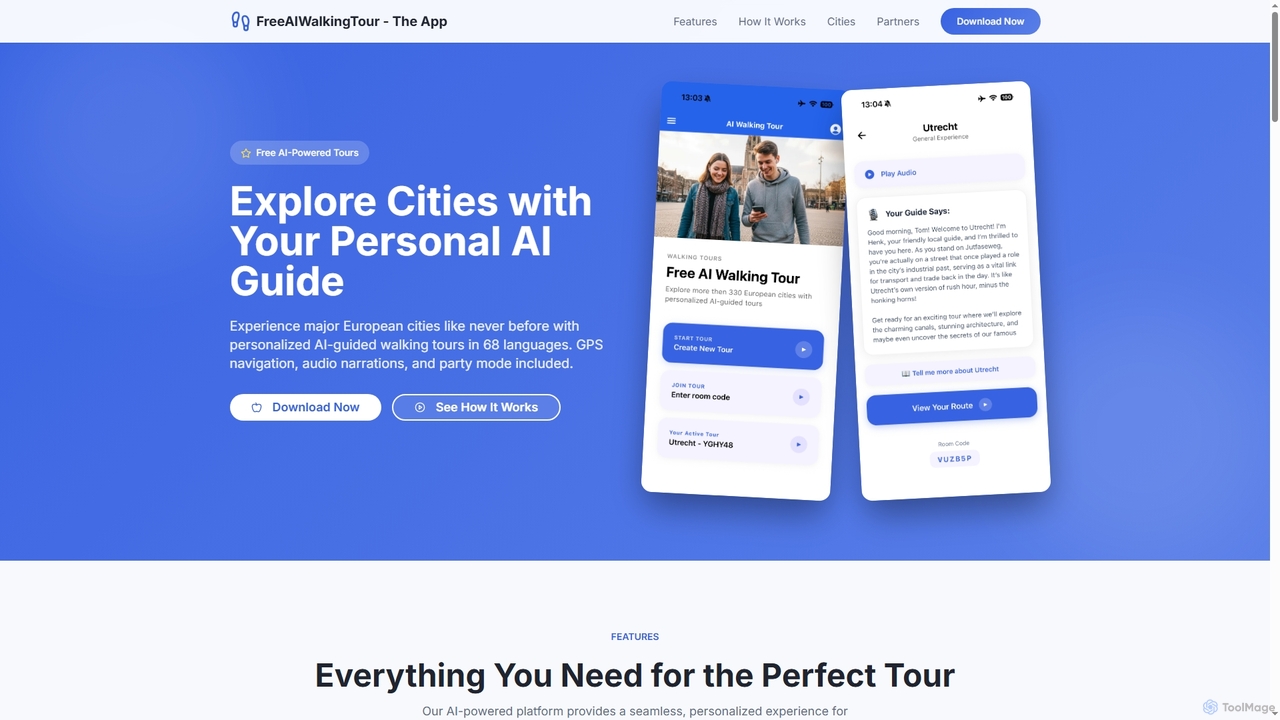
Freeaiwalkingtour

Freeaiwalkingtour

An AI-powered mobile application that creates personalized, free walking tours in major European cities. It features GPS navigation, …

2.2K
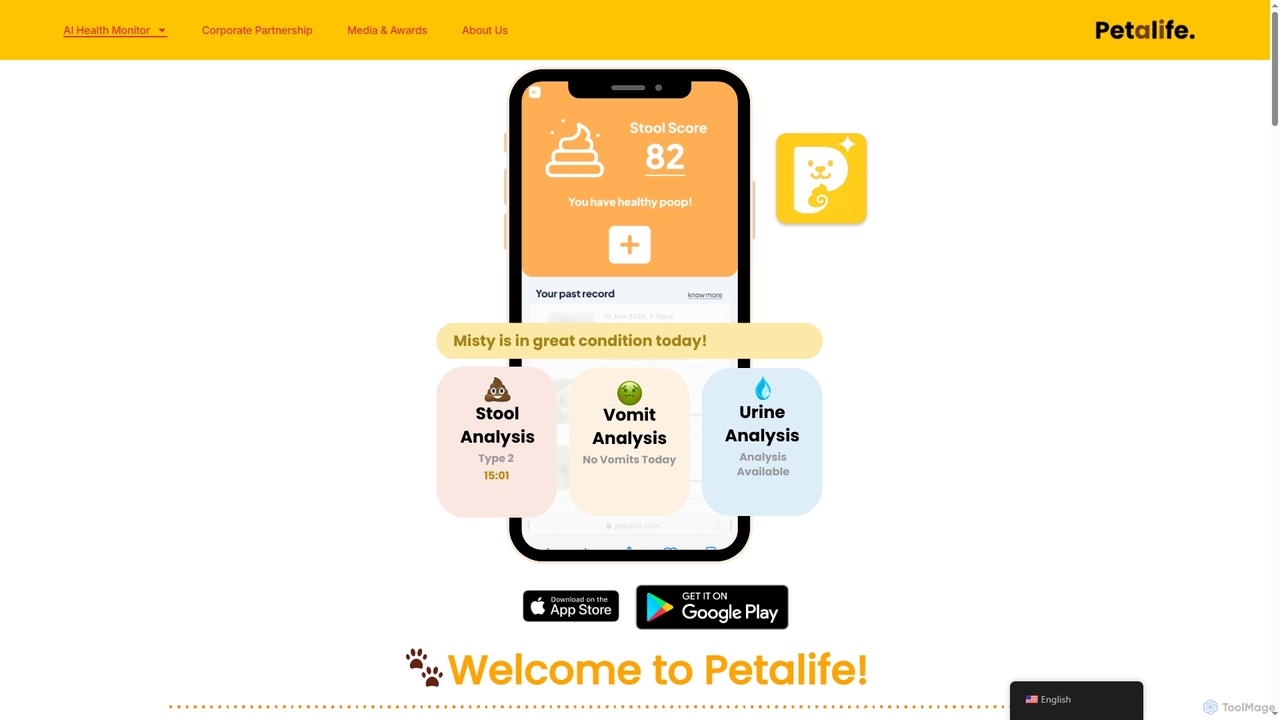
Petalife

Petalife

An AI-powered pet health monitoring system that uses your phone's camera to analyze stool, urine, and vomit. It …

2.5K
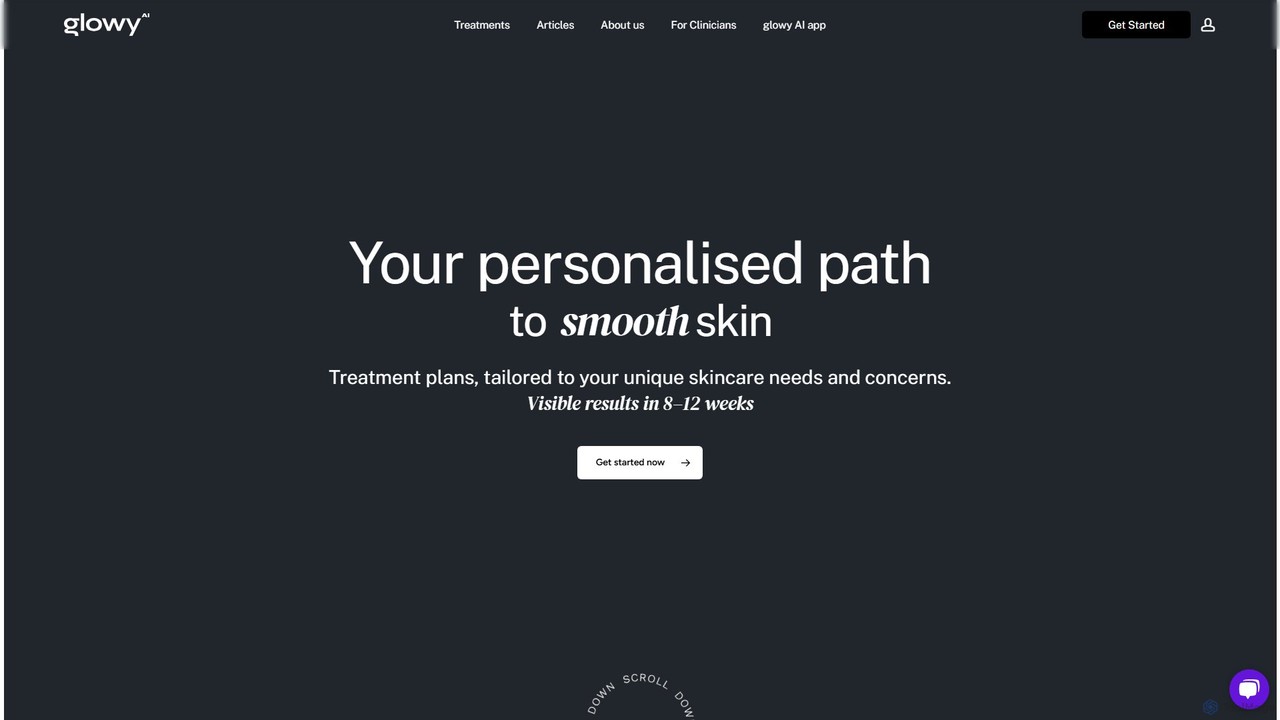
Glowy AI

Glowy AI

Glowy AI is an AI-powered skincare platform that delivers personalized treatment plans crafted by dermatologists. By analyzing your …

7.3K
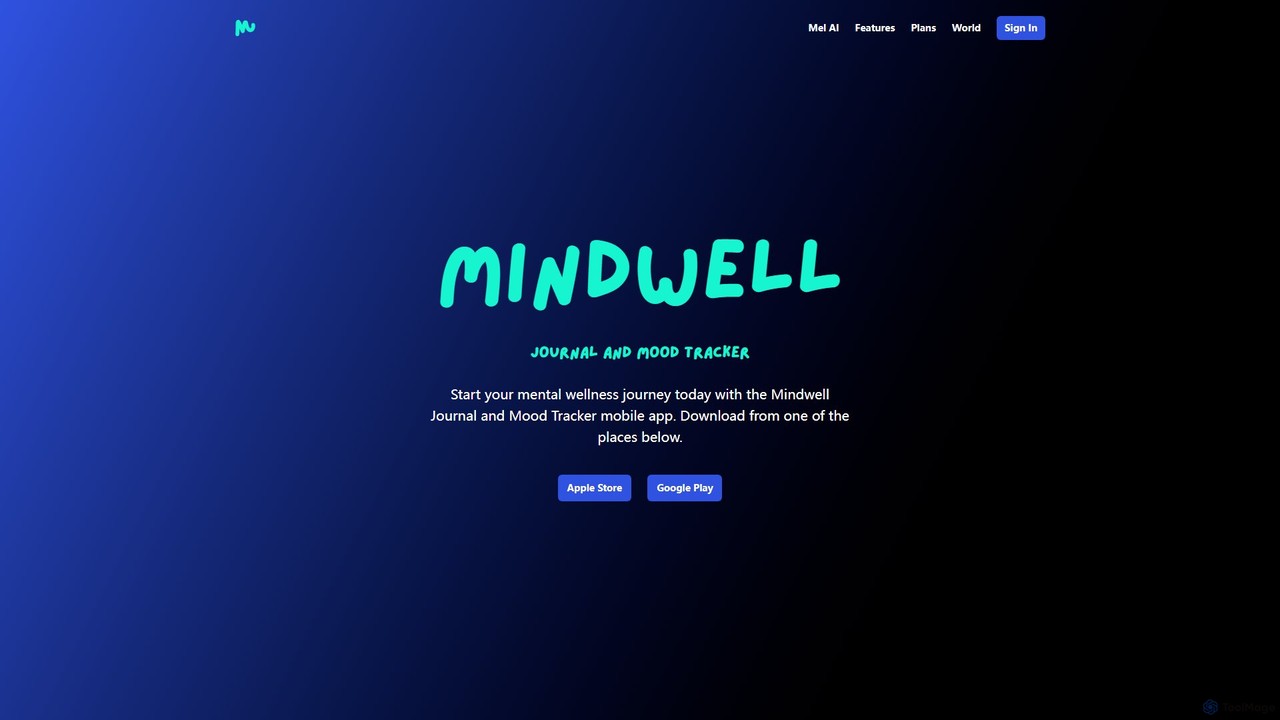
Mindwell AI

Mindwell AI

Mindwell AI is a mental wellness mobile app featuring a guided journal and mood tracker. It's designed to …

3.8K
Treads

Treads

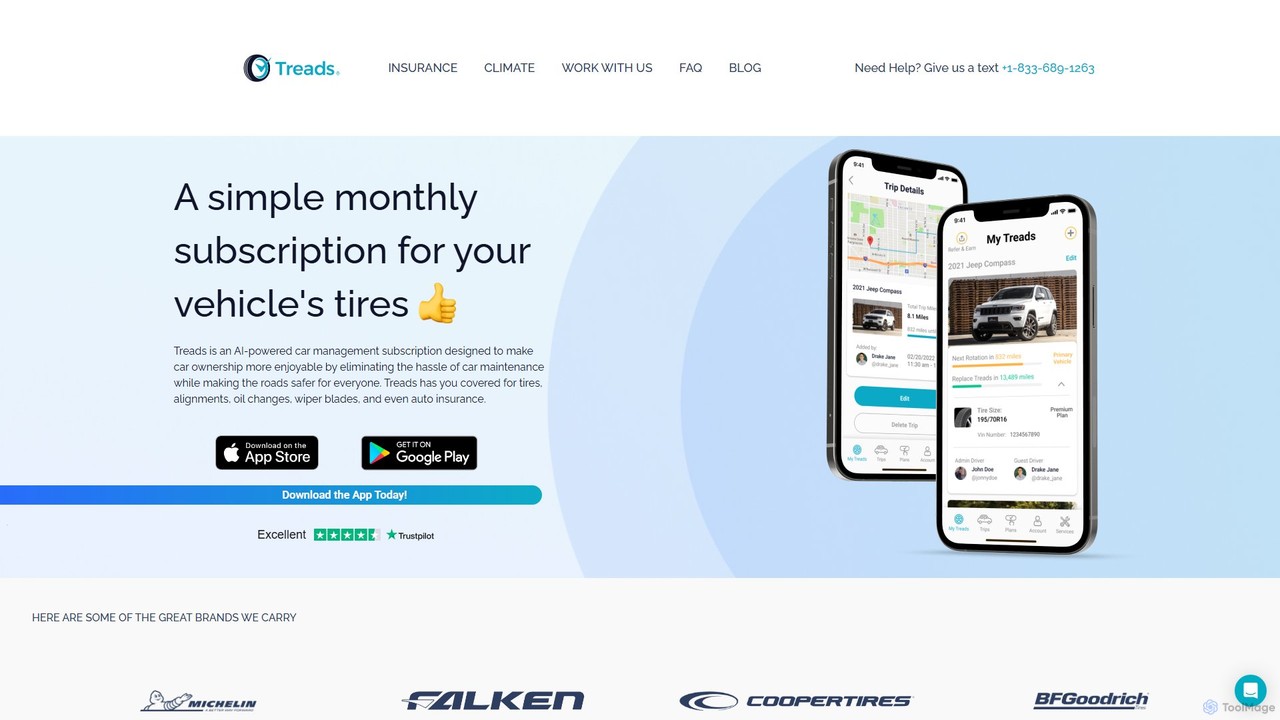
Treads is an AI-powered car management subscription that simplifies vehicle ownership. For a fixed monthly fee, it provides …

8.4K
Mewing App

Mewing App

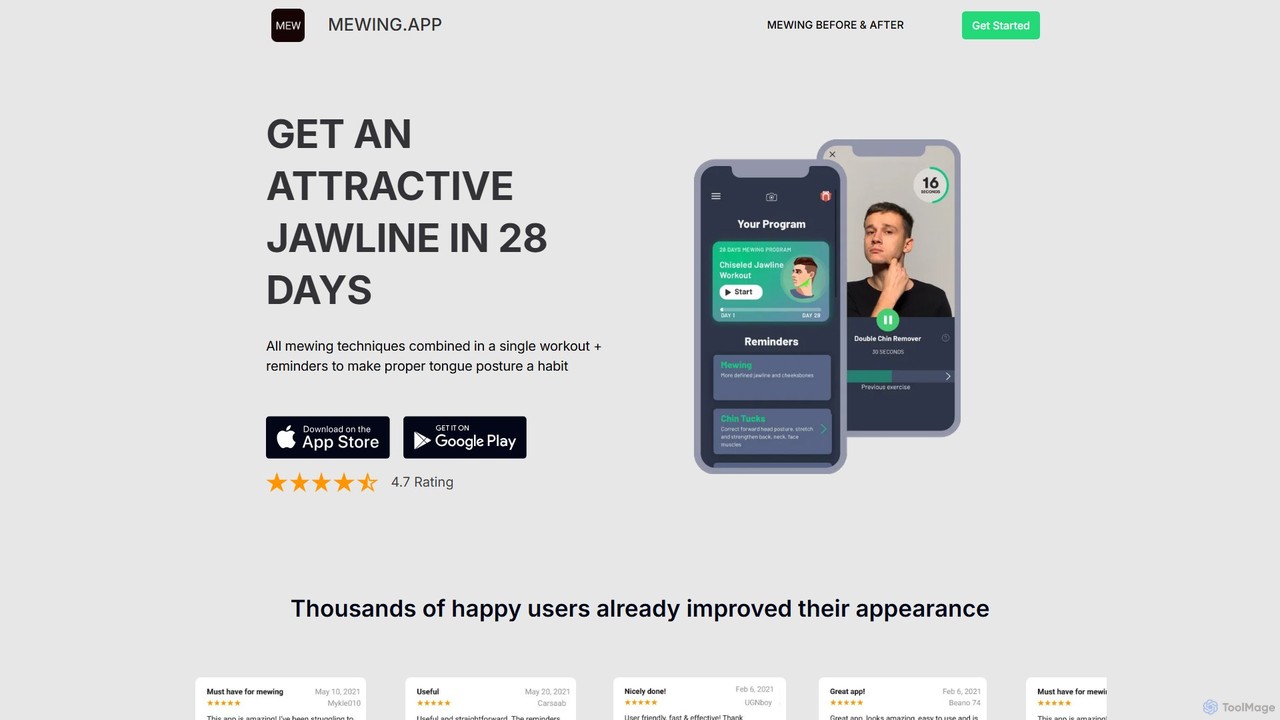
Mewing App is your personal AI-powered mewing coach, designed to help you achieve a better jawline, improve facial …

72.3K
Auribus Labs

Auribus Labs

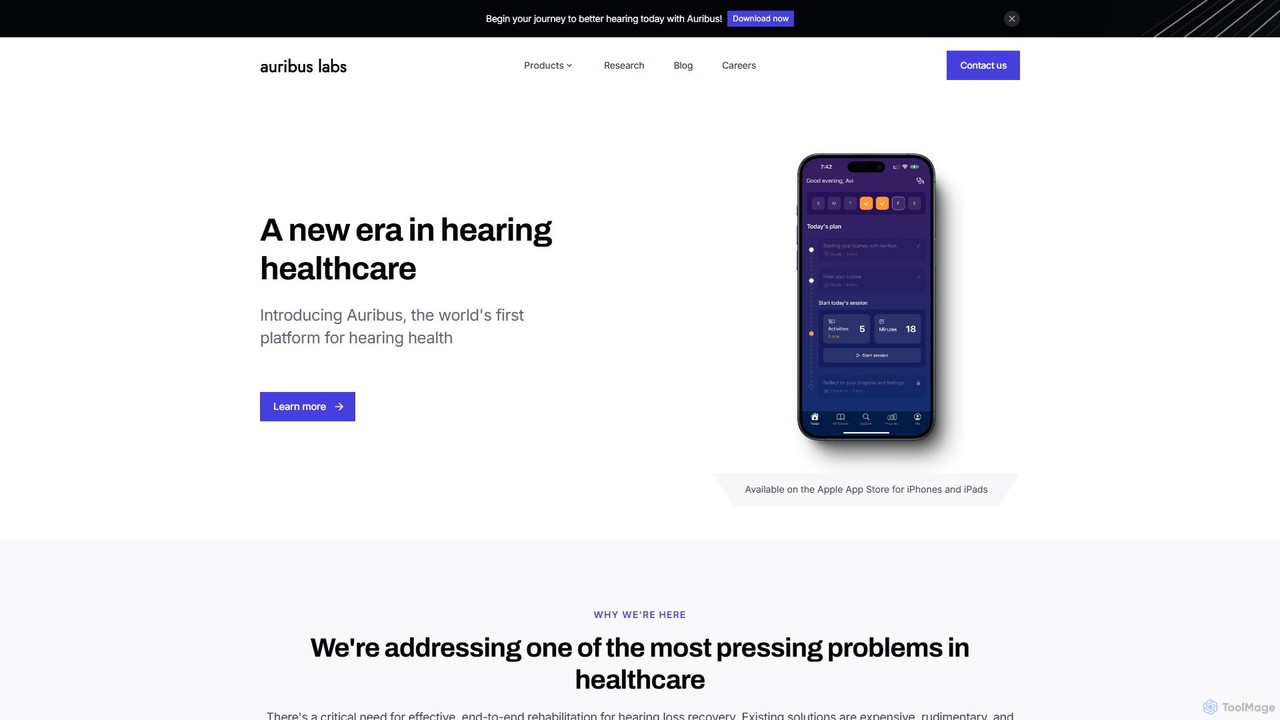
Auribus Labs offers a pioneering digital platform for hearing health, providing science-backed auditory training and aural rehabilitation. Designed …

2.9K
Lune

Lune

Lune is an AI-powered language learning app that creates dynamic, personalized courses based on your progress. It offers …

2.3K
Freeletics

Freeletics

Freeletics is a leading fitness application powered by an advanced AI Coach. It delivers hyper-personalized training and nutrition …

668.1K
Free
FitMate AI

FitMate AI

FitMate AI is a free, privacy-focused fitness application that uses artificial intelligence to generate personalized workout routines. It …

2.8K

About Mobile Apps

AI Mobile Apps are applications for smartphones and tablets that integrate artificial intelligence to deliver intelligent, personalized, and predictive experiences. They leverage on-device or cloud-based machine learning models to perform tasks like natural language understanding, image recognition, and data analysis directly from a mobile device. This enables users to automate daily tasks, generate creative content on the go, and interact with digital services in a more intuitive way. Unlike traditional apps, AI mobile apps can learn from user behavior to provide proactive and context-aware assistance.

Core Features

  • Intelligent Personalization: Adapts content, recommendations, and UI based on individual user behavior and preferences.
  • On-the-Go Content Creation: Generates text, images, or audio directly on a mobile device using generative AI models.
  • Real-World Interaction: Utilizes the camera and microphone for tasks like object recognition, real-time translation, and voice commands.
  • Predictive Assistance: Proactively offers information, schedules reminders, or suggests actions based on user context and past activities.

Use Cases

AI Mobile Apps are used across various domains. Professionals use them for quick content drafting and task management, students for language learning and research assistance, and content creators for editing photos and videos with AI-powered effects. They are also integral to health and fitness apps for personalized coaching and in e-commerce for tailored product recommendations.

How to Choose

When selecting an AI Mobile App, consider its platform compatibility (iOS/Android) and core functionality alignment with your needs. Evaluate its privacy policy, especially how it handles personal data. Also, consider whether it relies on on-device processing (faster, more private) or cloud-based AI (more powerful, requires internet), and choose based on your usage patterns and privacy requirements.

Mobile AppsUse Cases

1

Instant Language Translation While Traveling

An international traveler navigating a country with a language barrier uses an AI mobile app's camera translation feature. By pointing their phone's camera at a restaurant menu, street sign, or information board, the app utilizes optical character recognition (OCR) and machine translation to overlay the translated text in real-time on the screen. This process eliminates the need for manual typing or language dictionaries, providing immediate comprehension. The result is seamless communication and understanding, making travel safer, more independent, and enjoyable by breaking down language barriers instantly.

2

AI-Powered Photo Editing for Social Media

A social media manager needs to quickly create engaging visual content while away from their desktop. Using an AI mobile app, they can perform complex edits with a single tap. For instance, they can automatically remove the background from a product photo, apply stylistic filters that adapt to the image's content, or use AI to enhance lighting and color balance. Some apps can even generate relevant captions or hashtags. This streamlines the content creation workflow, reducing editing time from minutes to seconds and allowing for high-quality, consistent posting directly from a mobile device.

3

Smart Personal Assistant for Task Management

A busy professional uses an AI assistant app to manage their schedule and to-do lists. Instead of manually typing entries, they use voice commands like, "Schedule a meeting with the marketing team for Tuesday at 10 AM" or "Remind me to submit my expense report on Friday." The AI parses this natural language, creates the calendar event or reminder, and can even check for scheduling conflicts. This voice-first interaction saves time and allows for hands-free organization, whether driving or walking. The result is a more streamlined and less error-prone approach to personal productivity.

4

Personalized Fitness and Nutrition Coaching

A health-conscious individual uses an AI mobile app for a tailored workout and meal plan. The user logs their meals, often by simply taking a photo, and the app's AI identifies the food and estimates nutritional information. It also tracks workout performance via phone sensors or connected wearables. Based on this continuous data stream, the AI adjusts the user's daily workout recommendations and nutritional targets to optimize for their goals, such as weight loss or muscle gain. This creates an adaptive, data-driven coaching experience that is more affordable and accessible than a human personal trainer.

5

On-the-Go Document Scanning and Summarization

A student or researcher uses an AI mobile app to digitize physical documents like book pages or academic papers. Using the phone's camera, the app automatically detects page borders, corrects for perspective, and enhances text clarity to create a high-quality scan. The integrated AI can then perform Optical Character Recognition (OCR) to make the text searchable and editable. Furthermore, a summarization feature can analyze the scanned text and generate a concise summary of the key points, saving significant time in research and study. This turns a smartphone into a powerful portable scanner and research assistant.

6

Interactive Learning and Homework Assistance

A student struggling with a complex math problem uses an AI learning app. They take a photo of the problem, and the app's AI not only provides the final answer but also breaks down the solution into clear, step-by-step instructions. For subjects like history or science, the student can ask the AI conversational questions to get simplified explanations, analogies, or summaries of complex topics. This provides instant, personalized tutoring on demand, helping to build foundational understanding rather than just supplying answers. It makes learning more accessible and engaging outside the classroom.

Mobile AppsFrequently Asked Questions