SeeReviews
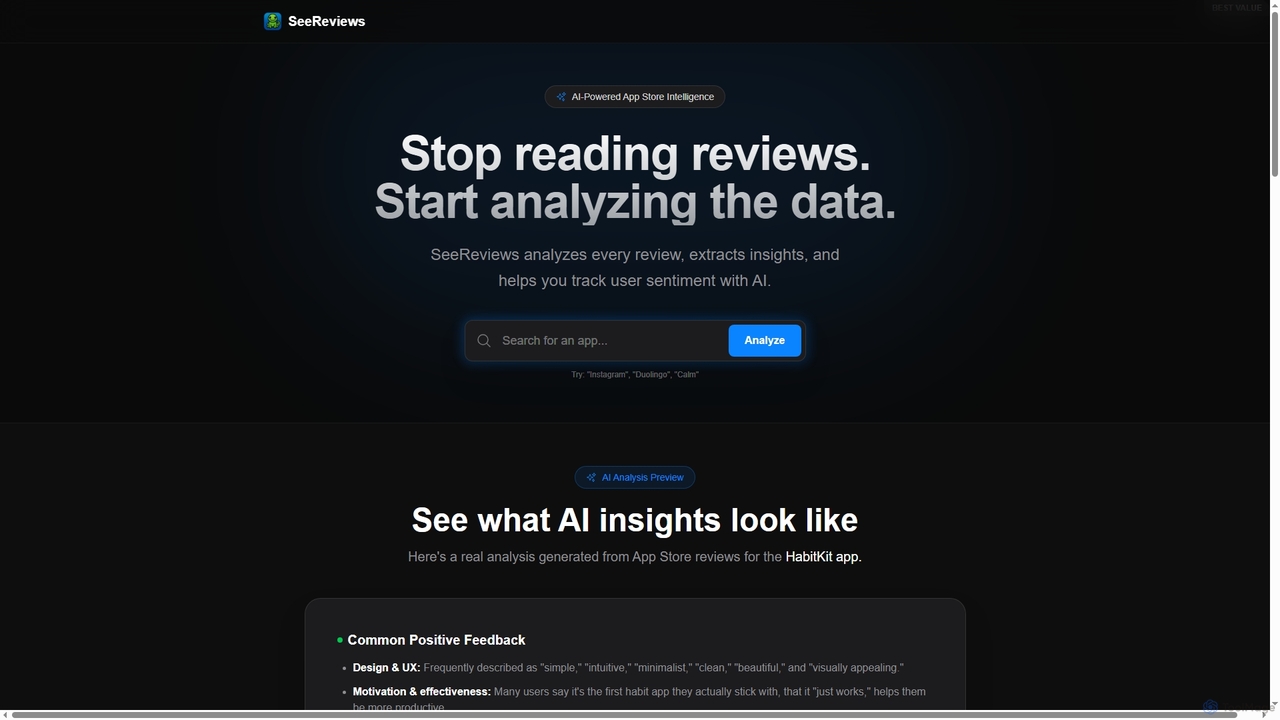
SeeReviews is an AI-powered tool that analyzes App Store reviews to provide actionable insights. It automatically summarizes user …
SeeReviews is an AI-powered tool that analyzes App Store reviews to provide actionable insights. It automatically summarizes user feedback, tracks sentiment trends, extracts keywords for ASO, and helps developers, product managers, and marketers build better apps by understanding user needs.
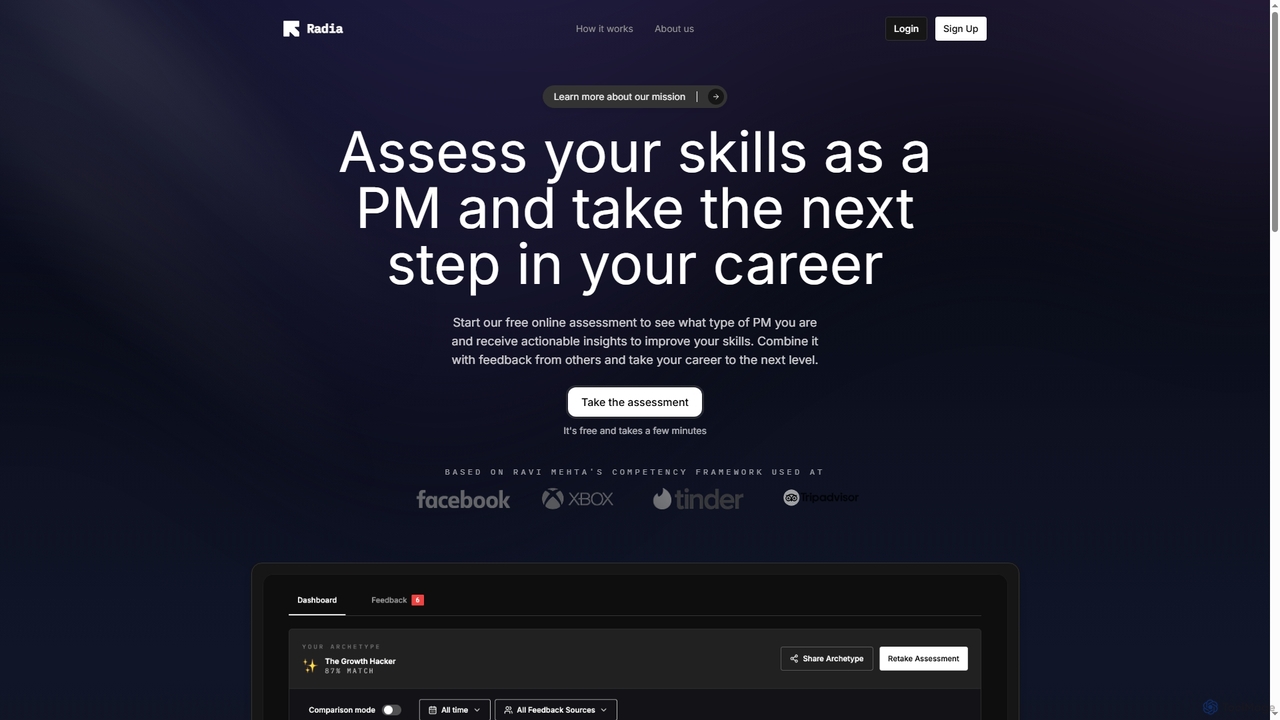
Radia
A career development tool for Product Managers to assess their skills, gather 360-degree feedback, and plan their professional …
A career development tool for Product Managers to assess their skills, gather 360-degree feedback, and plan their professional growth using Ravi Mehta's competency framework.
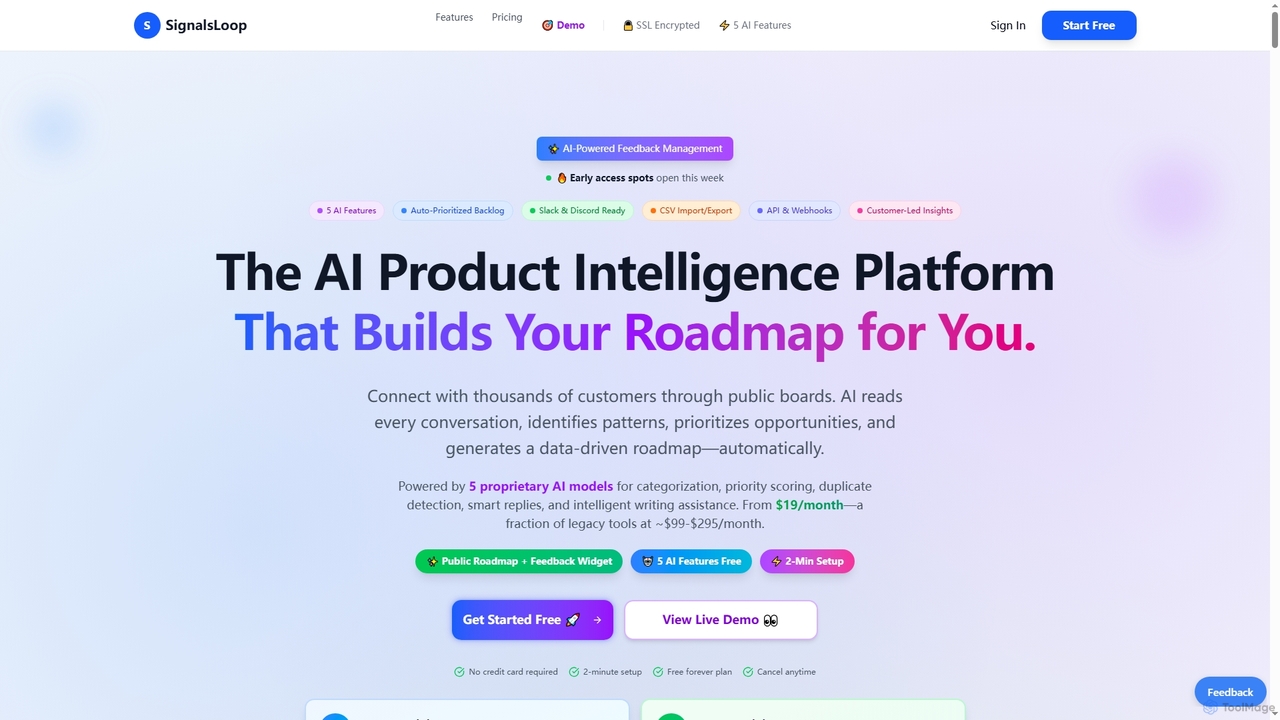
Signalsloop
SignalsLoop is an AI-powered feedback management platform that automatically categorizes, prioritizes, and detects duplicate user feedback. It helps …
SignalsLoop is an AI-powered feedback management platform that automatically categorizes, prioritizes, and detects duplicate user feedback. It helps product teams build data-driven roadmaps by transforming scattered feedback from various channels into actionable insights, designed for startups and indie makers.
Cacoon
Cacoon is an AI-powered product management platform designed to help teams collect, organize, and act on user feedback …
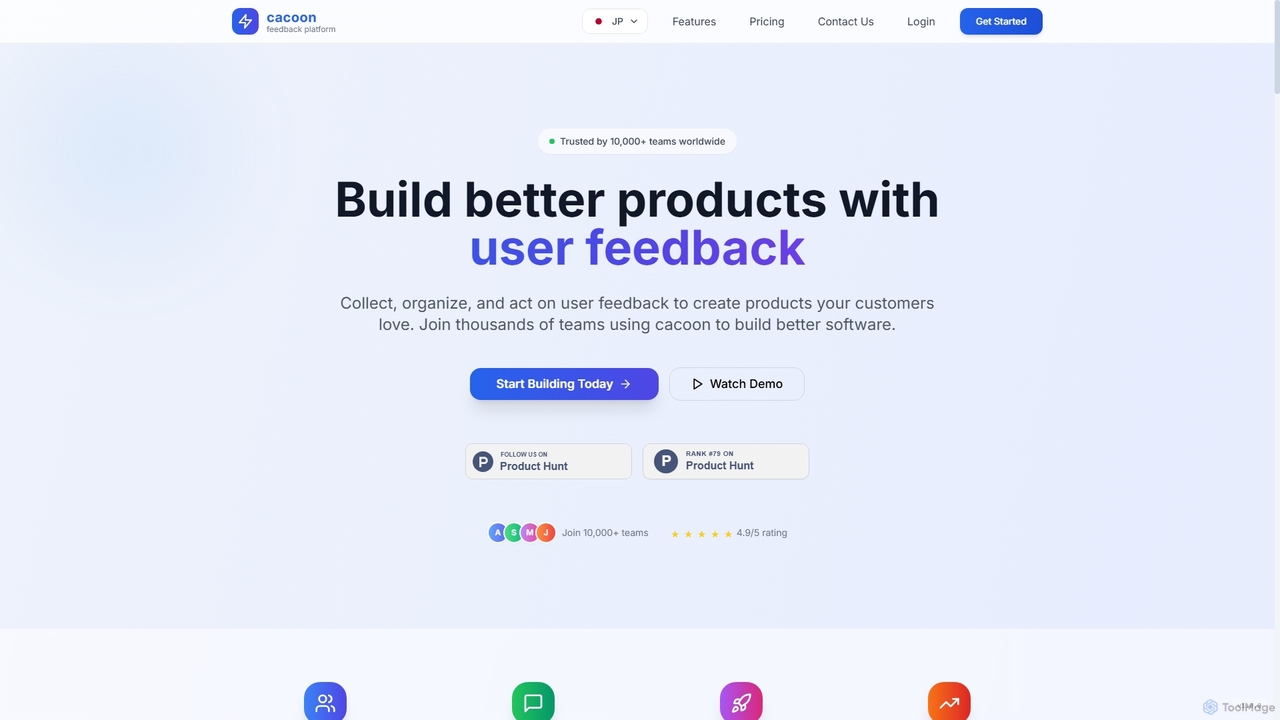
Cacoon is an AI-powered product management platform designed to help teams collect, organize, and act on user feedback efficiently. It transforms raw feedback into actionable insights and strategic roadmaps, fostering better product development and customer satisfaction.
Olvy
Olvy is an AI-powered platform that centralizes and analyzes user feedback from multiple channels. It transforms qualitative data …
Olvy is an AI-powered platform that centralizes and analyzes user feedback from multiple channels. It transforms qualitative data from surveys, reviews, support tickets, and calls into actionable insights, helping product teams make smarter, data-driven decisions and build better products.
Canny
Canny is an AI-powered customer feedback management platform that helps businesses collect, analyze, and prioritize user feedback to …
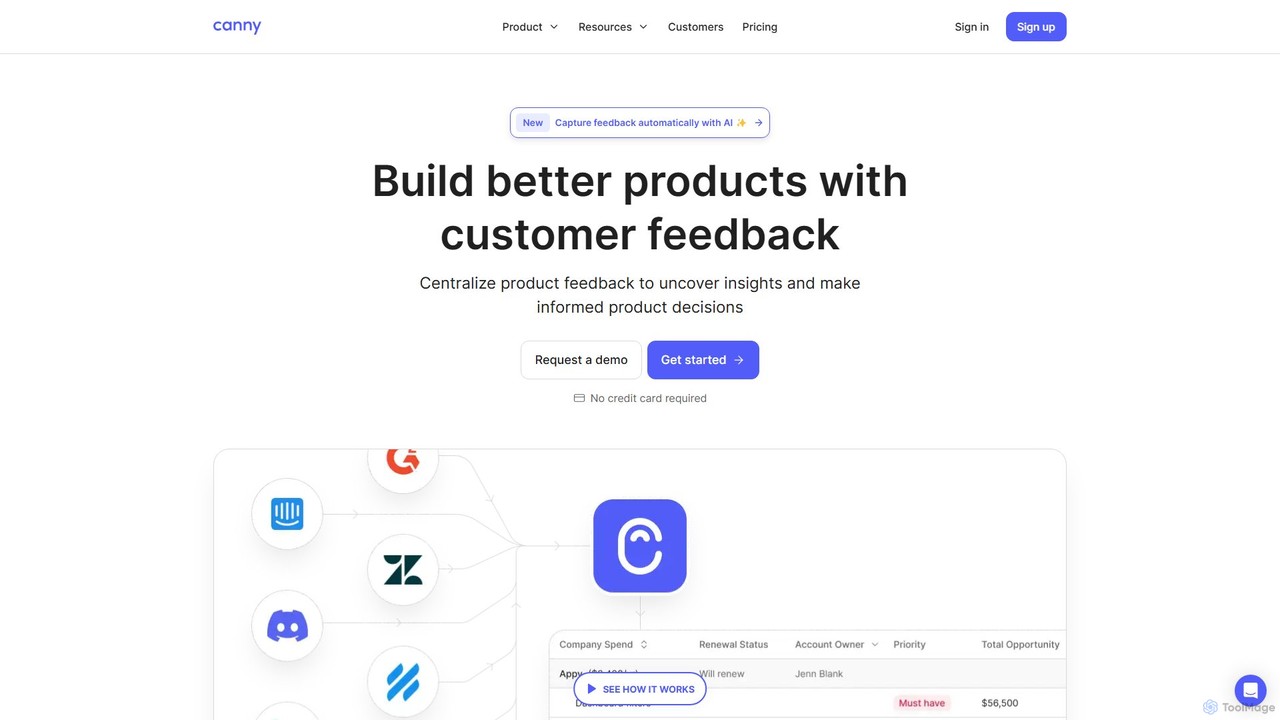
Canny is an AI-powered customer feedback management platform that helps businesses collect, analyze, and prioritize user feedback to build better products. It centralizes feedback, creates product roadmaps, and keeps users engaged with a public changelog.
finalview.io
finalview.io is an AI-powered design review and collaboration platform that streamlines the feedback and approval process for creative …
finalview.io is an AI-powered design review and collaboration platform that streamlines the feedback and approval process for creative projects. It helps teams centralize feedback, track changes, and get final sign-offs faster, eliminating chaotic email threads and miscommunications.
ThumbsUp
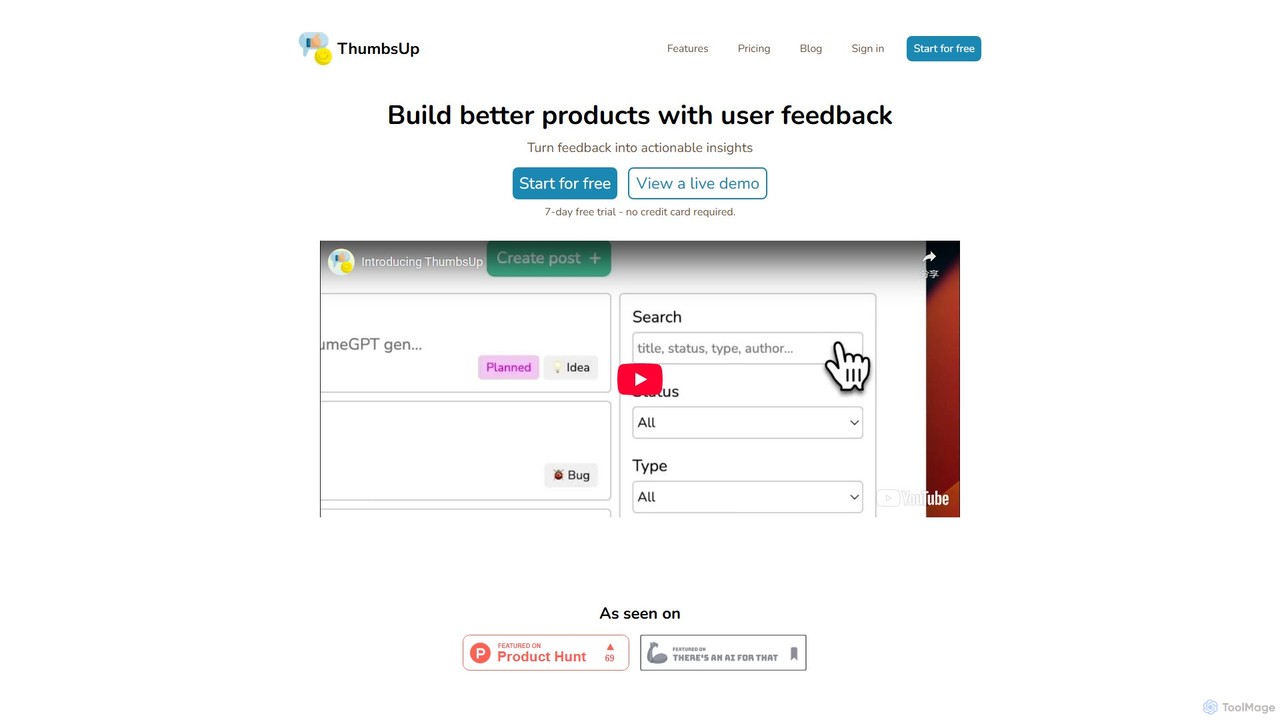
ThumbsUp is an AI-powered user feedback platform that helps businesses collect, analyze, and act on customer insights. It …
ThumbsUp is an AI-powered user feedback platform that helps businesses collect, analyze, and act on customer insights. It provides centralized feedback boards, AI-driven sentiment analysis, keyword trend tracking, and actionable suggestions to improve products and user satisfaction. Ideal for startups and growing teams.
happyteam
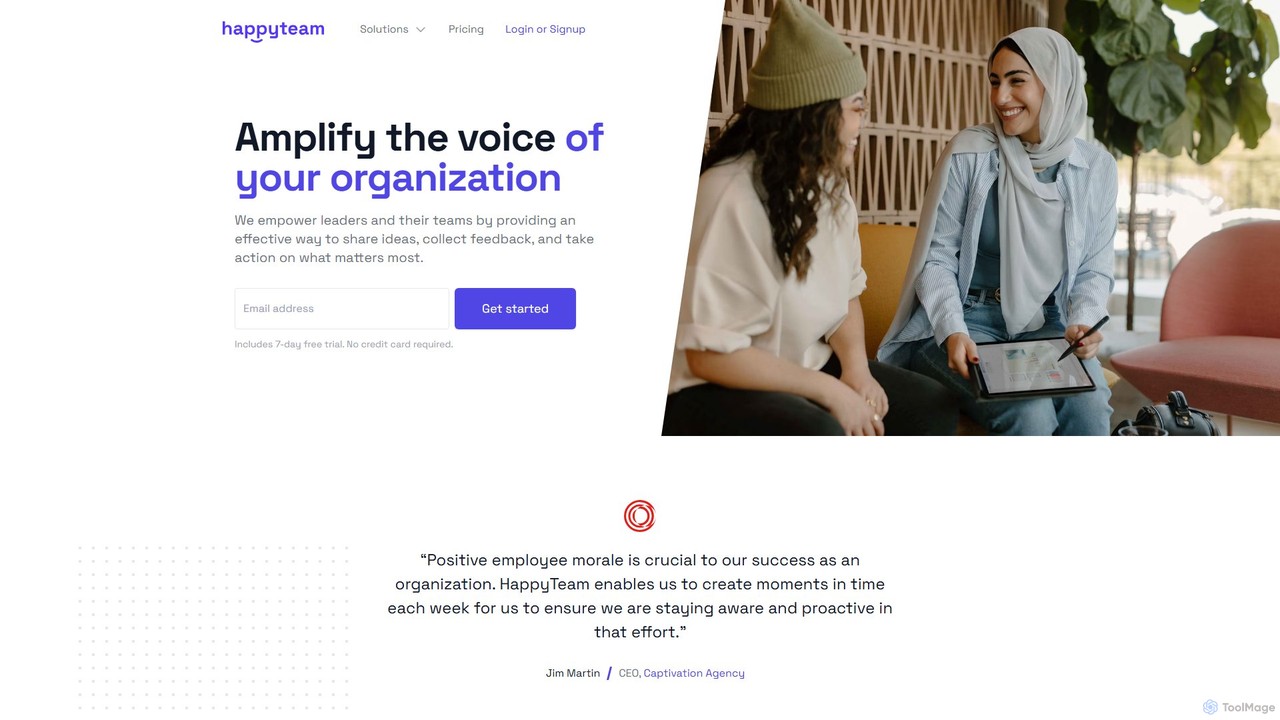
HappyTeam is an AI-powered employee engagement platform that helps leaders and HR teams analyze feedback, understand team morale, …
HappyTeam is an AI-powered employee engagement platform that helps leaders and HR teams analyze feedback, understand team morale, and take meaningful action. It automates the analysis of survey responses, identifies key themes and sentiments, and includes a rewards system to boost participation.
ListenUp
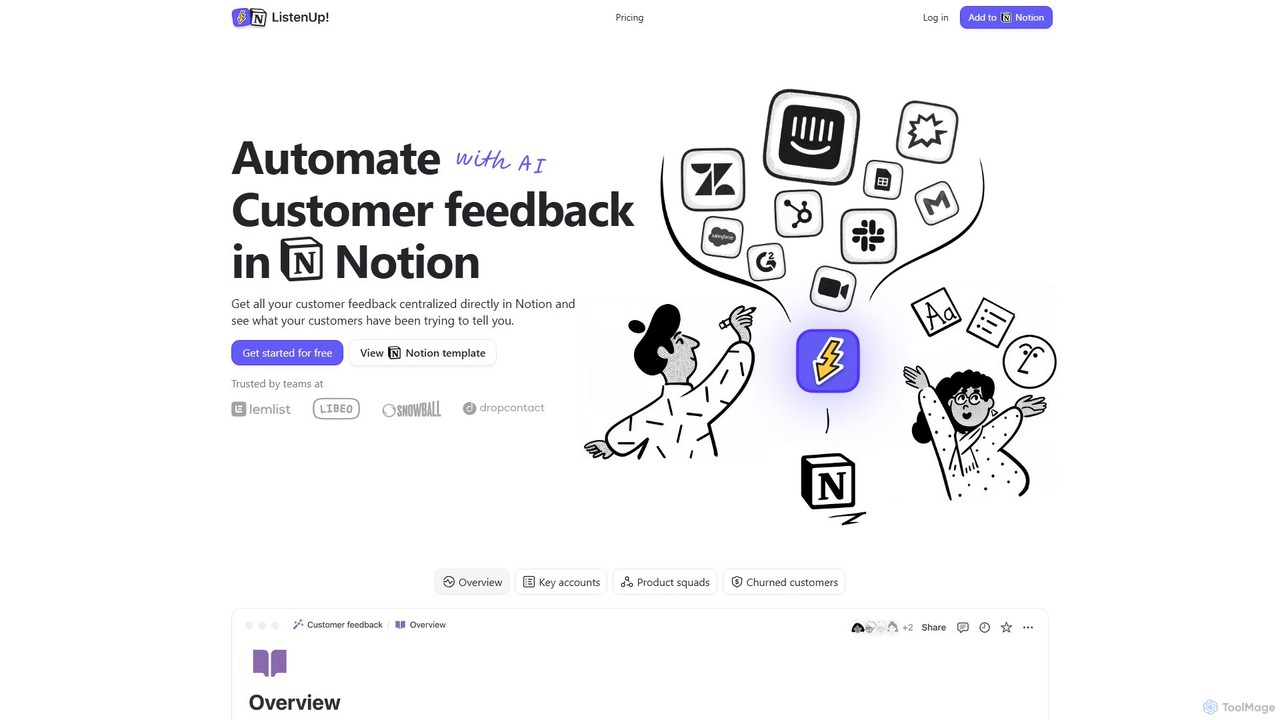
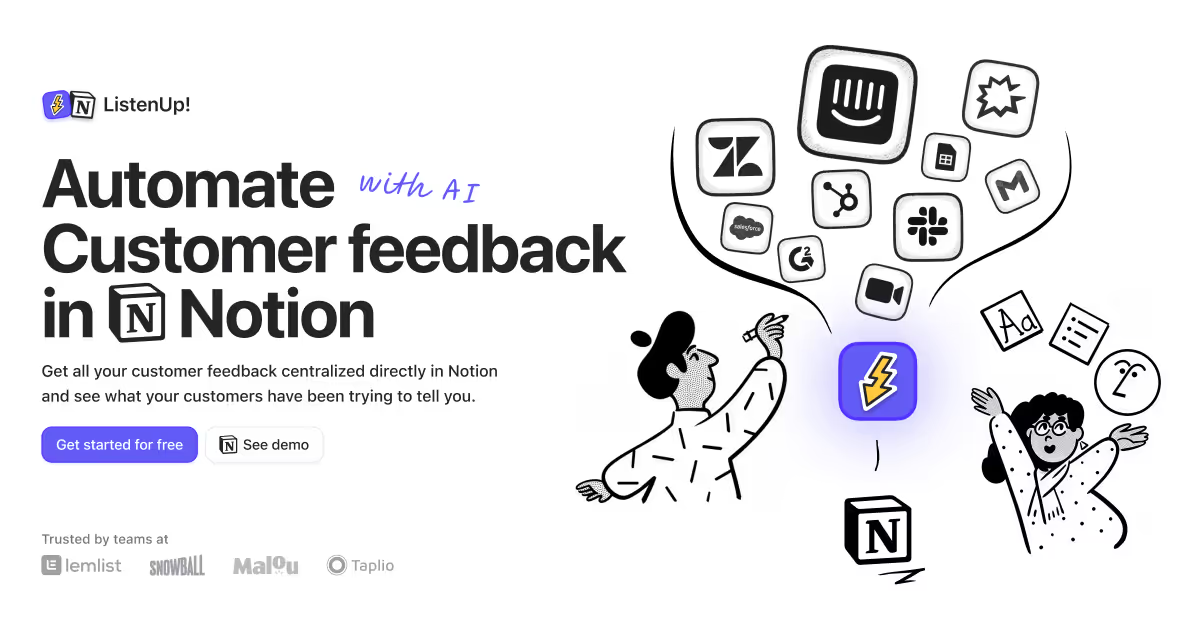
ListenUp is an AI-powered platform that automates customer feedback management by centralizing it directly within Notion. It connects …
ListenUp is an AI-powered platform that automates customer feedback management by centralizing it directly within Notion. It connects to various sources like sales and support tools, transcribes video feedback, and uses AI to extract, classify, and group insights. This helps product teams save time, uncover hidden patterns, and make data-driven decisions to build features customers truly want, all within their existing Notion workspace.
About Feedback Management
Feedback Management tools are AI-powered platforms designed to systematically collect, organize, analyze, and act upon input from customers, employees, and users. These tools leverage artificial intelligence to automate the processing of large volumes of qualitative and quantitative data, transforming raw feedback into actionable insights. By streamlining the entire feedback loop, they enable organizations to make data-driven decisions, enhance product development, and improve overall service delivery. This specialized approach to productivity ensures continuous improvement and stronger stakeholder relationships.
Core Features
- Automated Collection: Gathers feedback from diverse channels like surveys, in-app widgets, and social media, often using AI to filter spam.
- AI-driven Analysis: Employs natural language processing (NLP) and sentiment analysis to automatically categorize feedback and identify key themes.
- Insight Prioritization: Uses machine learning to highlight critical issues and emerging trends, helping teams focus on the most impactful improvements.
- Workflow Integration: Connects with project management, CRM, and customer support systems to automate task creation and follow-up based on feedback.
- Customizable Reporting: Generates dynamic dashboards and reports with visual data representations, allowing for easy tracking of feedback trends and resolution rates.
Use Cases
Product teams use Feedback Management tools to gather user suggestions and bug reports, informing feature roadmaps and prioritizing development efforts. Customer service departments leverage them to track common issues and improve support processes. HR teams utilize these platforms for employee engagement surveys and performance feedback, fostering a better workplace environment.
How to Choose
When selecting a Feedback Management tool, consider its integration capabilities with your existing tech stack (CRM, project management). Evaluate the depth of its AI-powered analytics, including sentiment analysis and topic clustering. Assess its scalability to handle growing volumes of feedback and the flexibility of its customization options for surveys and reporting. Finally, review the user interface for ease of use and the level of support provided.
Feedback ManagementUse Cases
Enhancing Product Development with User Insights
Product managers and development teams utilize AI-powered feedback management tools to systematically collect and analyze user suggestions, feature requests, and bug reports from various channels like in-app forms, forums, and social media. The AI automatically categorizes feedback, identifies recurring themes, and performs sentiment analysis, providing a clear, data-driven overview of user needs and pain points. This enables teams to prioritize features, refine product roadmaps, and make informed decisions that directly address user expectations, leading to more successful product iterations and higher user satisfaction.
Improving Customer Service Efficiency
Customer support teams deploy feedback management platforms to capture and process customer complaints, queries, and satisfaction ratings from support tickets, live chats, and post-interaction surveys. AI algorithms automatically tag and route critical feedback to the relevant departments, identify common issues, and even suggest automated responses for frequently asked questions. This streamlines the resolution process, reduces response times, and provides agents with a comprehensive view of customer sentiment, ultimately enhancing service quality and operational efficiency.
Boosting Employee Engagement and Retention
HR departments and team leaders use feedback management tools to conduct anonymous employee surveys, gather performance reviews, and facilitate continuous feedback loops. AI can analyze open-ended responses to detect sentiment trends, identify areas of concern (e.g., burnout, lack of resources), and highlight positive contributions. This allows organizations to proactively address employee needs, foster a culture of open communication, and implement targeted initiatives to improve workplace satisfaction, morale, and ultimately, employee retention.
Optimizing Marketing Campaigns and Content
Marketing teams leverage feedback management tools to collect audience reactions to campaigns, content, and brand messaging across social media, email, and website interactions. AI-driven sentiment analysis and topic modeling help marketers understand what resonates with their target audience, identify areas for improvement, and track brand perception in real-time. This enables agile adjustments to campaign strategies, optimization of content for better engagement, and more effective communication that aligns with audience preferences.
Streamlining Website and Application Usability
UX/UI designers and web developers integrate feedback management tools directly into websites and mobile applications to gather real-time user experience data. Users can submit bug reports, suggest improvements, or rate their experience through in-app widgets and pop-up surveys. AI helps to quickly identify usability issues, navigation difficulties, and performance bottlenecks by analyzing user comments and behavior patterns. This direct feedback loop allows for rapid iteration and improvement of digital interfaces, leading to a more intuitive and satisfying user journey.
Facilitating Academic and Research Data Collection
Researchers and educators utilize feedback management platforms to collect and analyze responses from surveys, questionnaires, and peer reviews. For large-scale studies, AI can assist in categorizing qualitative data, identifying thematic patterns across numerous responses, and even performing basic statistical analysis on quantitative data. This significantly reduces the manual effort involved in data processing, ensures consistency in analysis, and accelerates the extraction of meaningful insights for academic papers, course improvements, or research findings.