Productivity Best in category 15 results Workforce Management AI Tool

Popular AI tools in the Workforce Management field of Productivity include BambooHR、Firstwork、TimeChamp、Zimyo、we360.ai、meramonitor、Worktivity、Soon、INOP.AI、Timely, etc., helping you quickly improve efficiency.

Keplerco

Keplerco

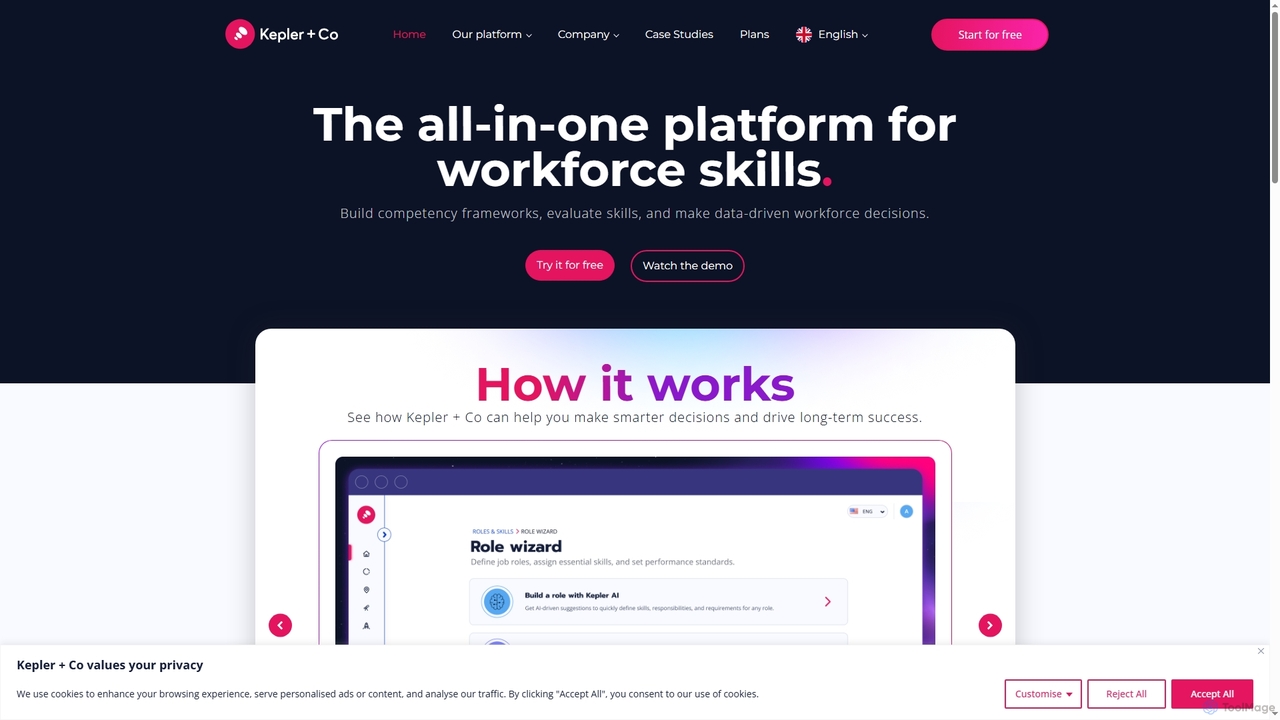
Keplerco is an all-in-one platform for workforce skills management. It empowers businesses to assess, manage, and enhance employee …

3.4K
Timely

Timely

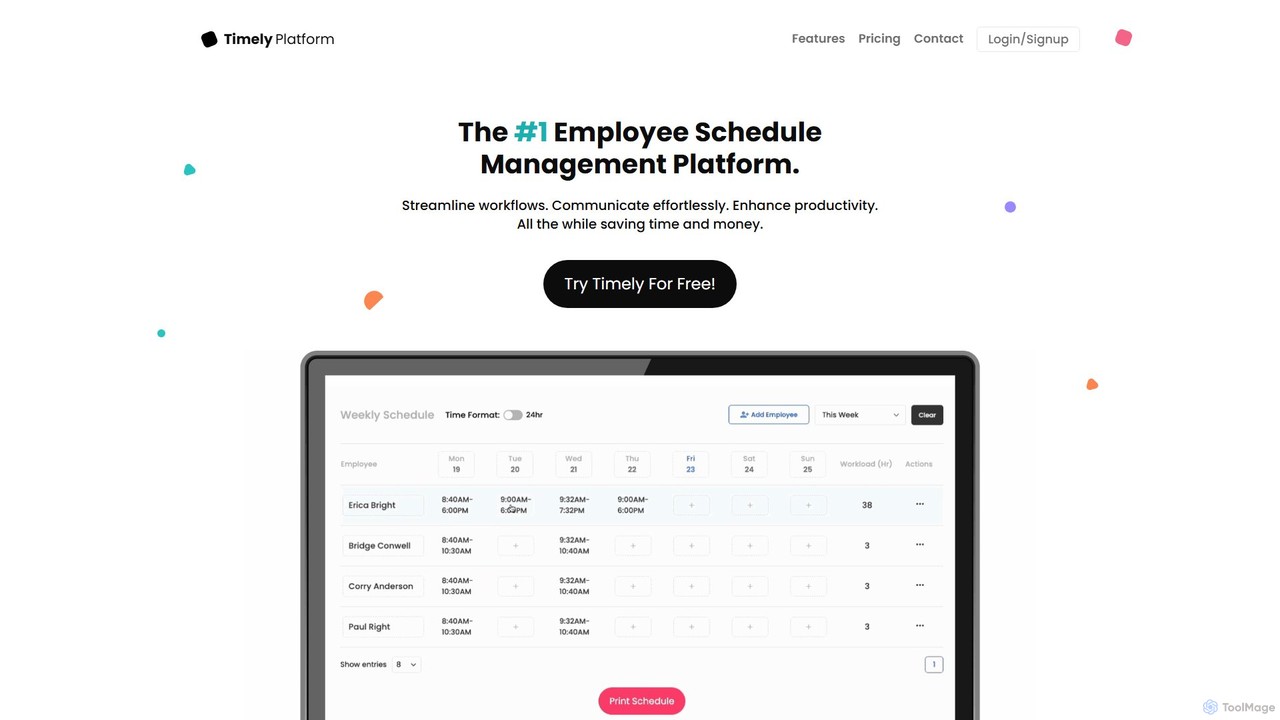
Timely is an AI-powered employee scheduling and workforce management platform designed to streamline operations for businesses of all …

4.5K
Worktivity

Worktivity

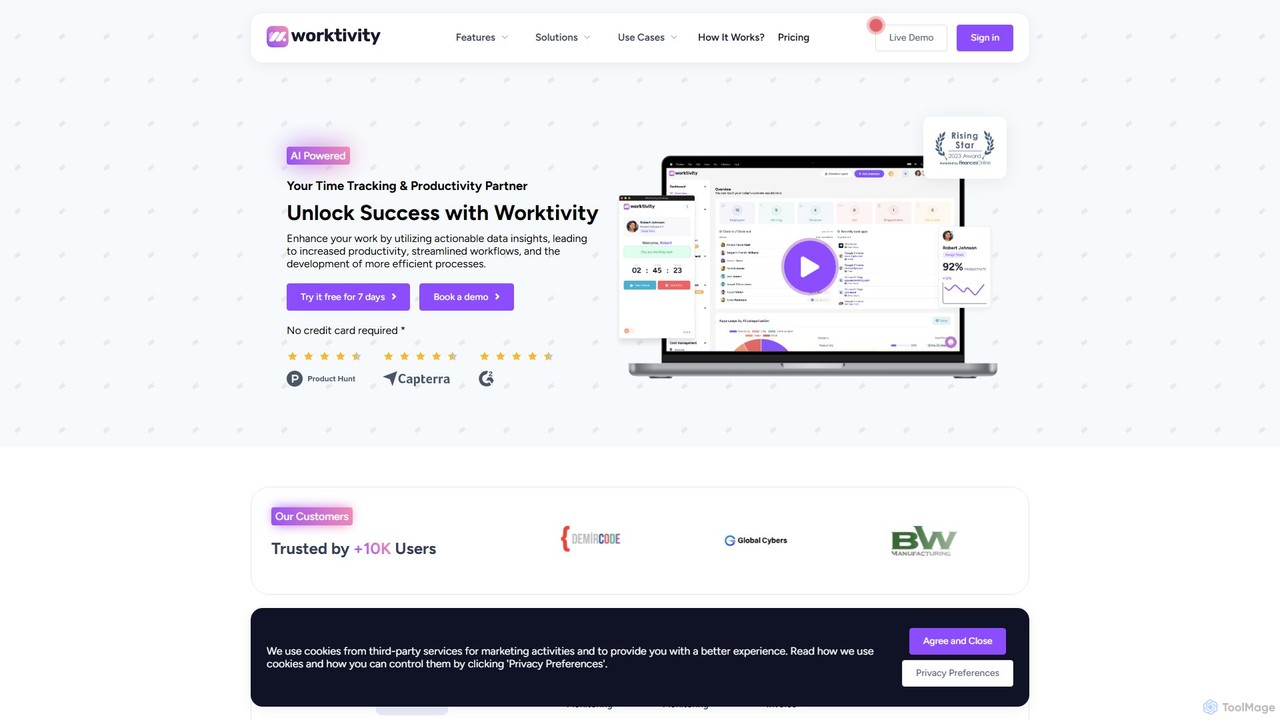
Worktivity is an AI-powered employee monitoring and productivity software designed to enhance team efficiency. It offers comprehensive features …

20.9K
BambooHR

BambooHR

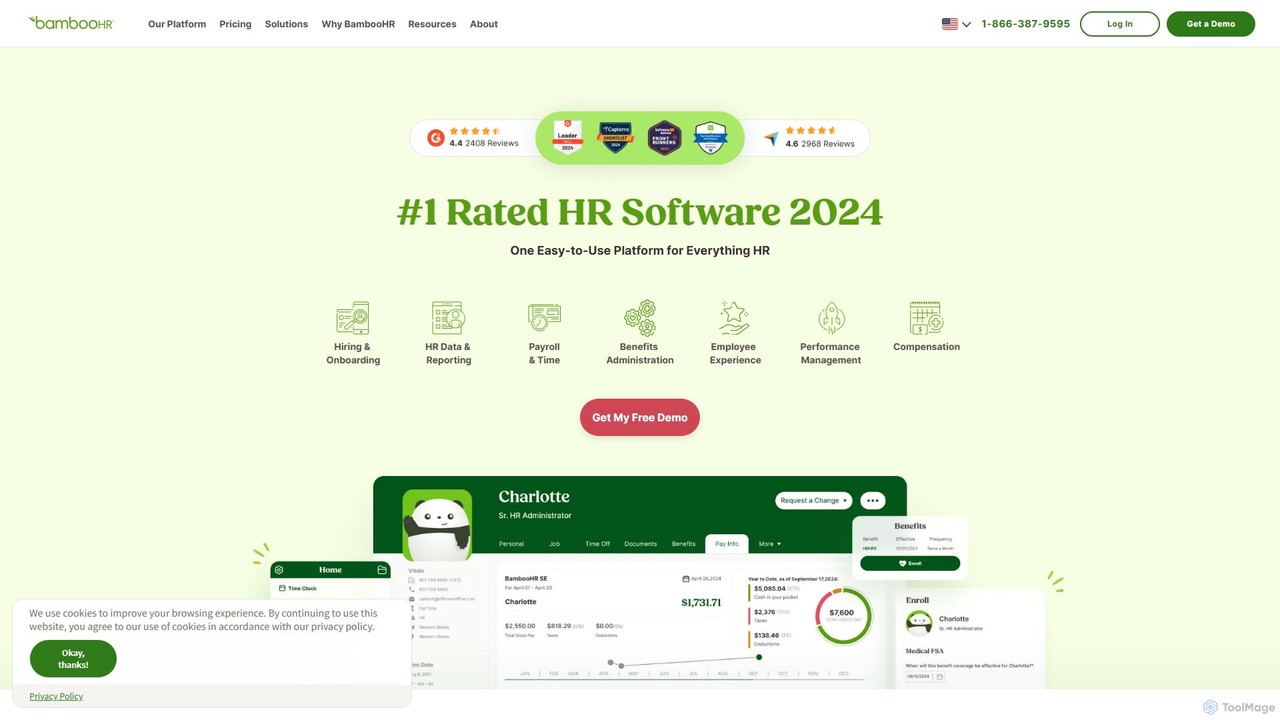
BambooHR is an all-in-one, cloud-based HR software for small and medium-sized businesses. It centralizes all employee, payroll, time, …

16.0M
Sistem Expert

Sistem Expert

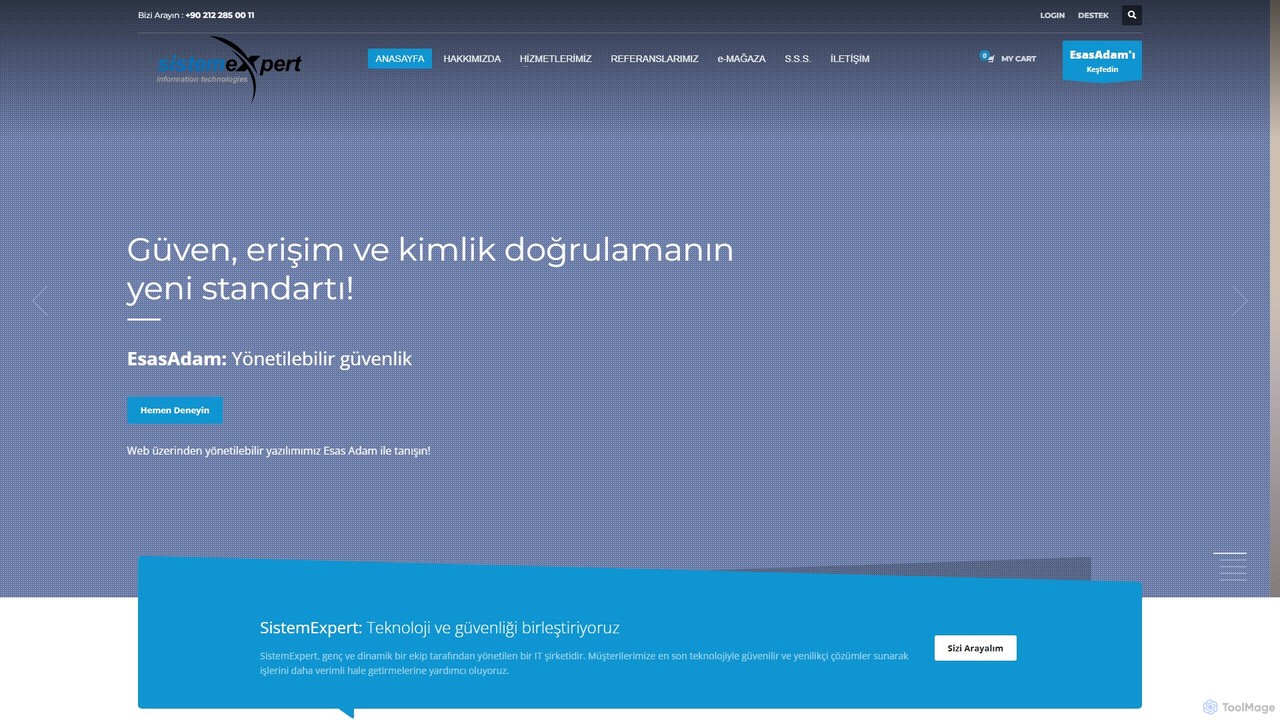
Sistem Expert provides integrated IT and security solutions, specializing in AI-powered biometric access control. They offer comprehensive systems …

2.7K
Soon

Soon

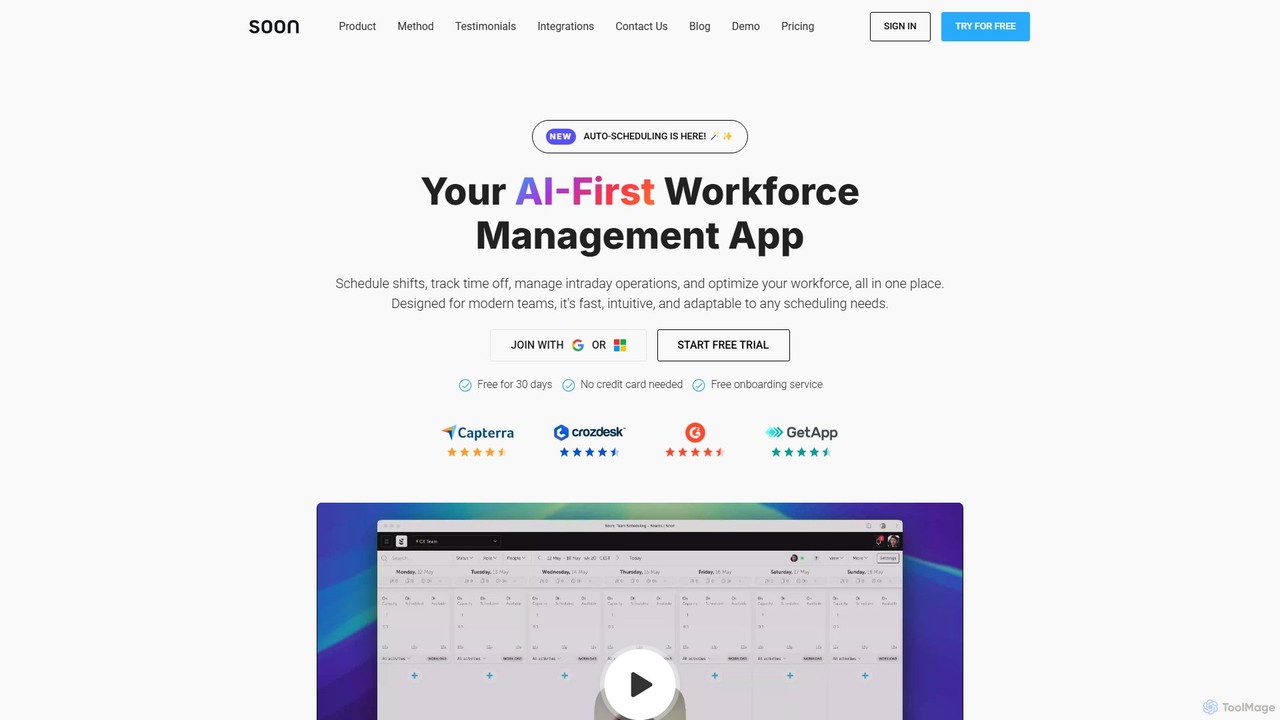
Soon is an AI-first workforce management platform designed to automate and optimize team operations. It simplifies shift scheduling, …

13.9K
impact360

impact360

impact360 is an AI-powered customer engagement analytics platform designed for contact centers and enterprises. It captures and analyzes …

2.7K
we360.ai

we360.ai

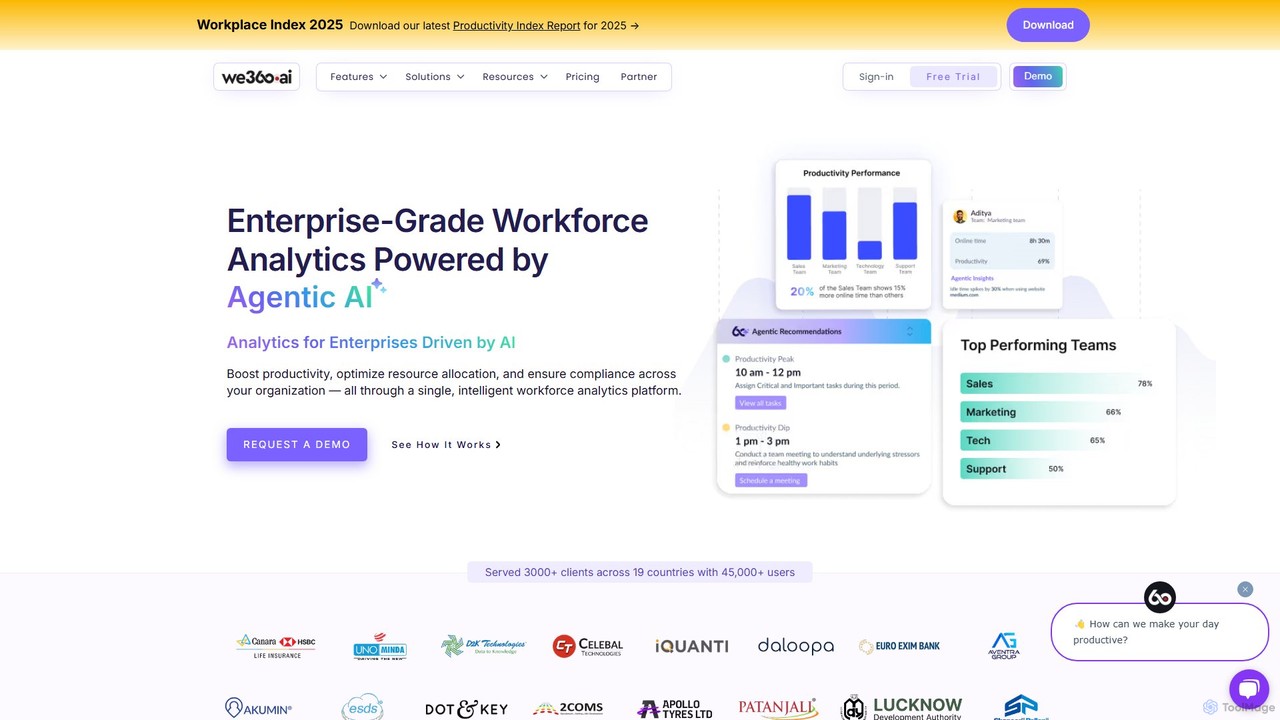
we360.ai is an enterprise-grade workforce analytics platform powered by Agentic AI. It provides deep insights into team productivity, …

54.4K
Zimyo

Zimyo

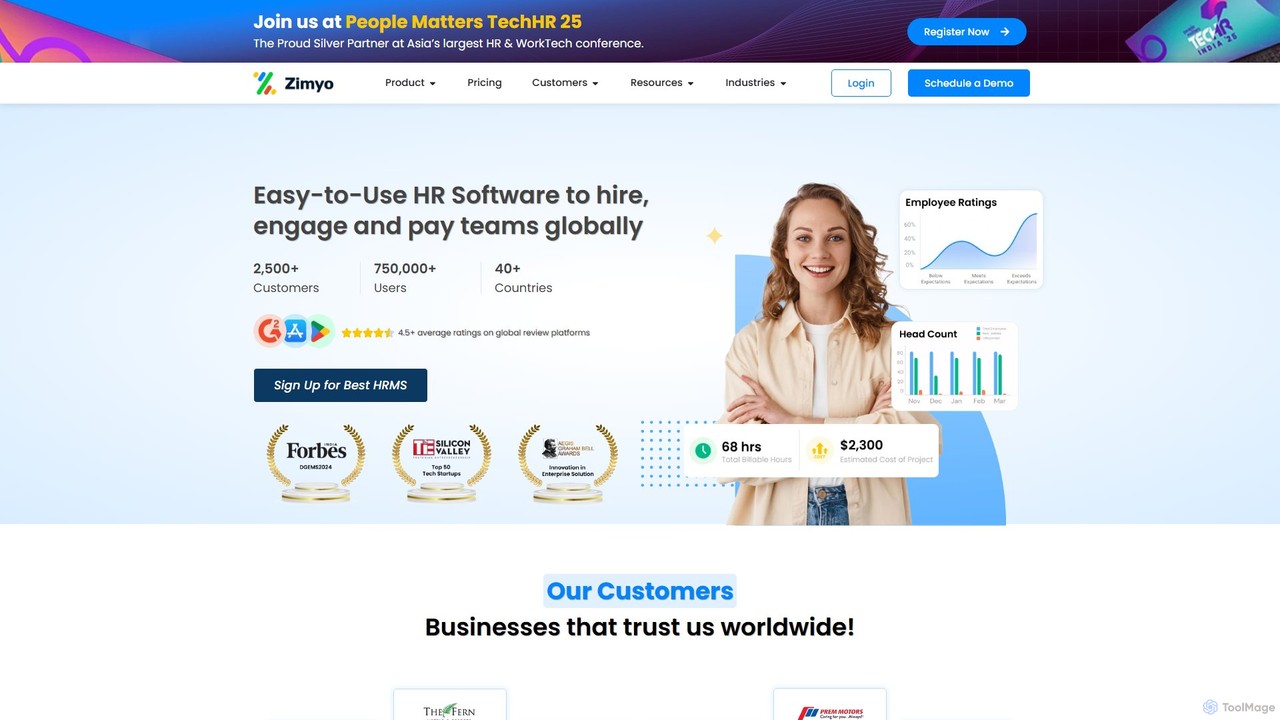
Zimyo is a unified, AI-powered HRMS platform designed to streamline the entire employee lifecycle. It offers a comprehensive …

58.3K
INOP.AI

INOP.AI

INOP.AI is an AI-powered workforce intelligence platform for strategic planning, talent screening, and compensation analytics. It helps businesses …

5.9K
wakeycalls

wakeycalls

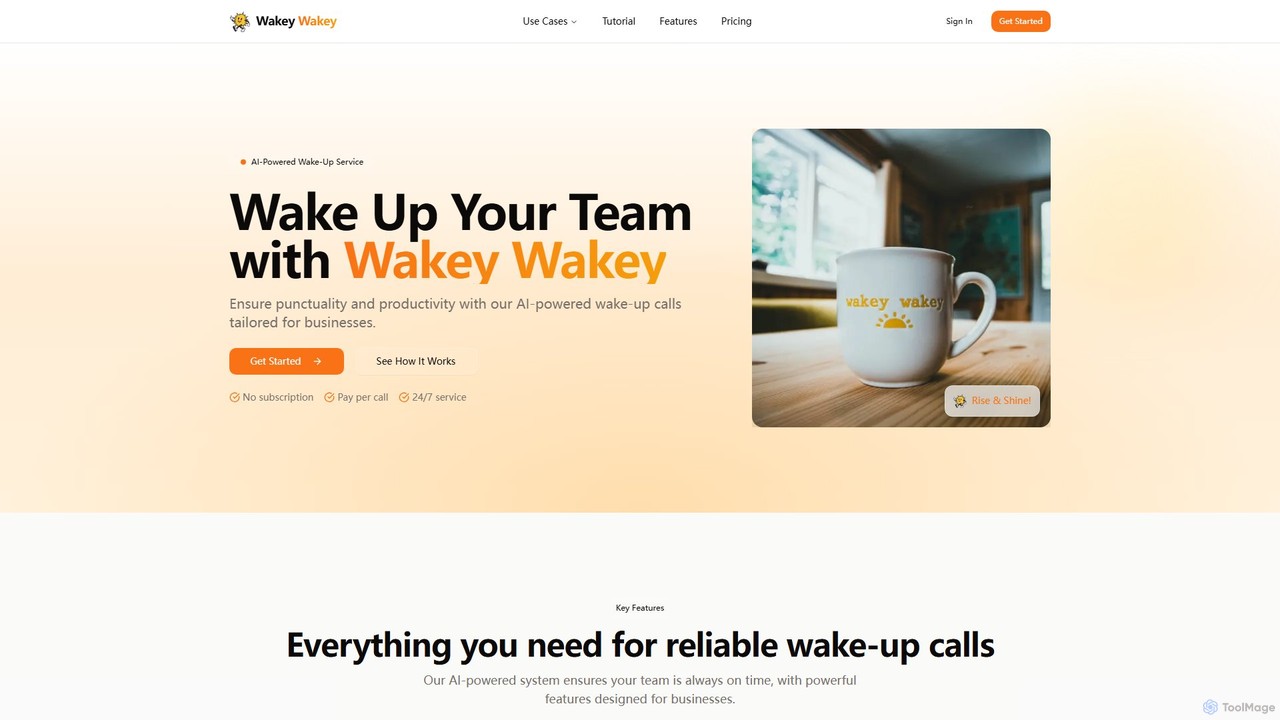
Wakeycalls is an AI-powered wake-up call service designed for businesses to enhance team punctuality and productivity. It automates …

3.6K
360facevision

360facevision

360facevision is an advanced AI-powered facial recognition system designed for comprehensive attendance tracking, access control, and HR management. …

2.6K
meramonitor

meramonitor

meramonitor is an AI-powered workforce analytics and employee monitoring platform designed to enhance productivity for remote, hybrid, and …

25.7K
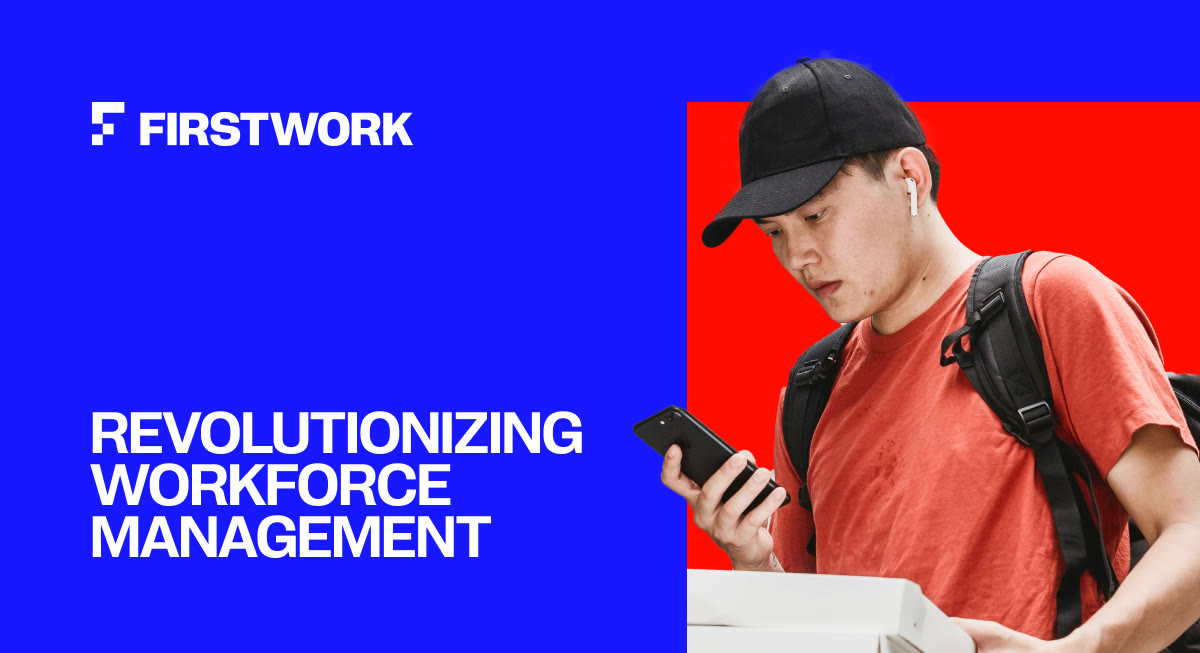
Firstwork

Firstwork

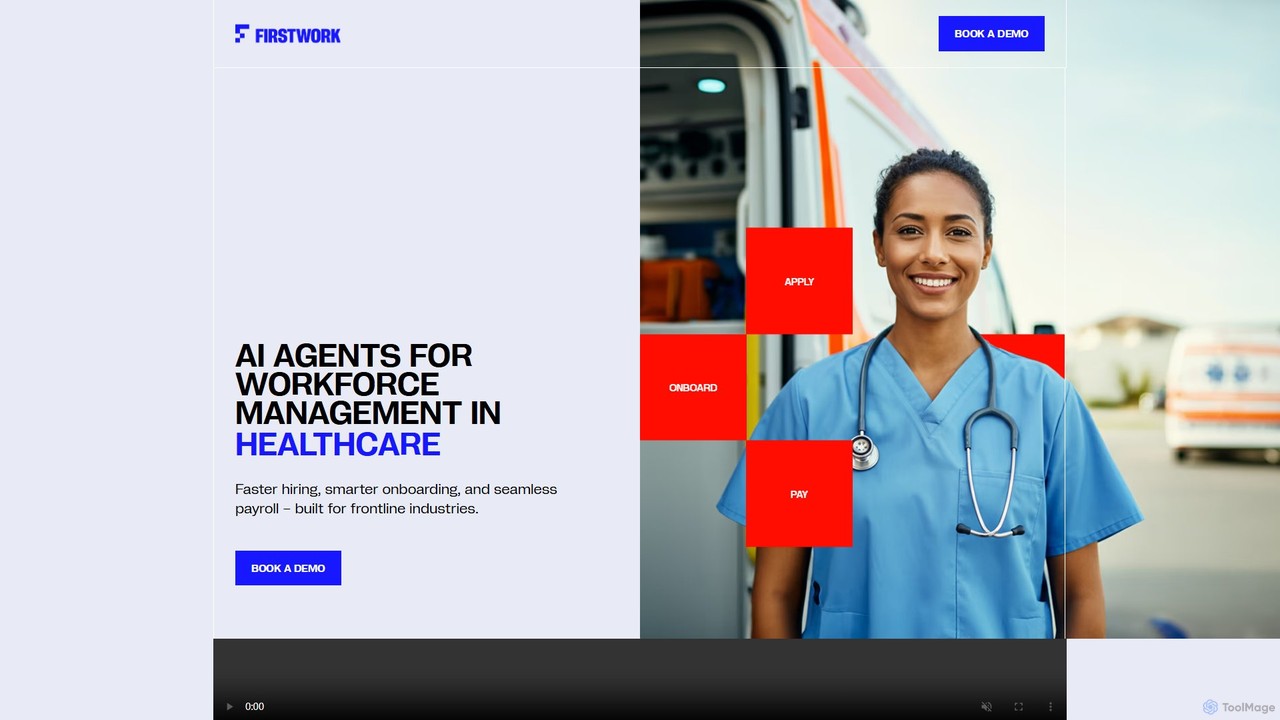
Firstwork is an AI-powered platform designed to revolutionize frontline workforce management. It integrates AI agents to accelerate hiring, …

222.1K
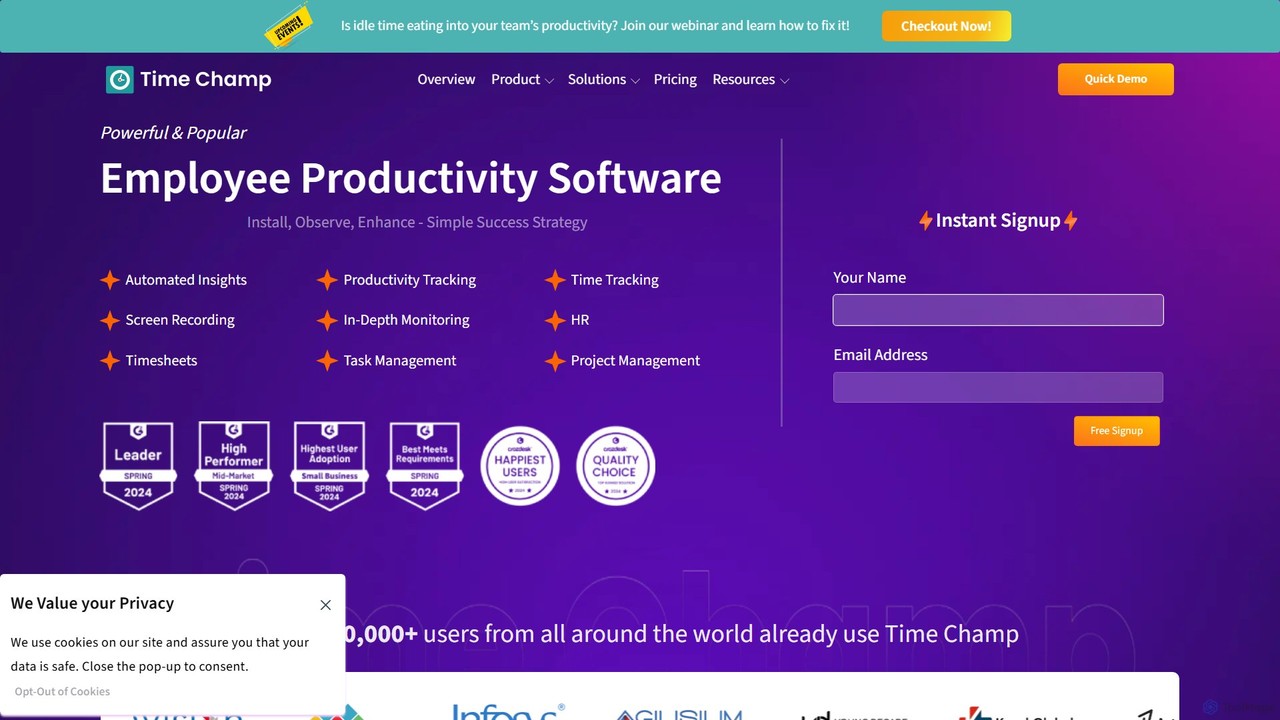
TimeChamp

TimeChamp

TimeChamp is an AI-powered employee productivity tracking and workforce analytics platform. It helps businesses monitor computer activities, track …

151.9K

About Workforce Management

Workforce Management (WFM) AI tools are sophisticated solutions that leverage artificial intelligence to optimize the planning, scheduling, and management of an organization's human resources. These tools utilize predictive analytics, machine learning, and optimization algorithms to accurately forecast demand, automate complex scheduling, track employee performance, and ensure regulatory compliance. By intelligently allocating the right people with the right skills to the right tasks at the right time, WFM AI tools significantly enhance operational efficiency, reduce labor costs, and contribute directly to overall organizational productivity within the broader scope of productivity solutions.

Core Features

  • AI-driven Scheduling: Automatically generates optimal shift schedules based on demand forecasts, employee availability, skills, and labor laws.
  • Demand Forecasting: Uses historical data and external factors to predict future staffing needs with high accuracy.
  • Performance Analytics: Provides insights into employee productivity, adherence to schedules, and operational bottlenecks.
  • Skill-based Task Matching: Identifies and assigns employees to tasks or projects based on their specific skills and certifications.
  • Compliance Monitoring: Automatically flags potential violations of labor laws, union rules, or company policies in real-time.

Applicable Scenarios

Workforce Management AI tools are crucial for industries with dynamic staffing needs and complex operational requirements. Retail businesses use them to optimize store staffing during peak hours, ensuring customer service while controlling labor costs. Healthcare providers deploy these tools to manage nurse and doctor schedules, balancing patient care needs with staff availability and regulatory requirements. Call centers leverage AI WFM to forecast call volumes and schedule agents efficiently, minimizing wait times and improving customer satisfaction.

How to Choose

When selecting an AI Workforce Management solution, consider its integration capabilities with existing HR, payroll, and ERP systems to ensure seamless data flow. Evaluate the depth of its AI capabilities, such as the accuracy of demand forecasting and the flexibility of its scheduling algorithms. Assess its scalability to accommodate your organization's growth and its customization options for industry-specific rules and workflows. Finally, prioritize user-friendliness for both managers and employees, alongside robust reporting and analytics features for informed decision-making.

Workforce ManagementUse Cases

1

Optimizing Retail Staffing for Peak Hours

Retail store managers can utilize AI Workforce Management tools to precisely forecast customer traffic and sales volumes for different times of the day and week. The AI then automatically generates optimal staff schedules, ensuring adequate coverage during peak hours while minimizing overstaffing during quieter periods. This leads to reduced labor costs, improved customer service, and better employee utilization, directly impacting store profitability and operational efficiency.

2

Dynamic Nurse Scheduling in Hospitals

Hospital administrators and nursing managers face complex challenges in scheduling. AI WFM tools can analyze patient acuity levels, historical data, and nurse skill sets to create dynamic schedules that ensure optimal patient care and compliance with staffing ratios. The system can quickly adapt to unexpected changes, such as sudden patient influxes or staff absences, automatically suggesting reassignments to maintain critical coverage and prevent burnout.

3

Enhancing Call Center Agent Allocation

Call centers can deploy AI Workforce Management to predict incoming call volumes, chat requests, and email inquiries with high accuracy. Based on these forecasts, the AI schedules agents with appropriate skills to handle specific types of interactions, minimizing customer wait times and improving first-call resolution rates. This proactive approach ensures service level agreements are met, boosts customer satisfaction, and optimizes agent productivity by reducing idle time.

4

Efficient Field Service Technician Dispatch

For organizations with field service teams, AI WFM tools can optimize dispatching and routing. By considering technician locations, skill sets, current workload, and job urgency, the AI automatically assigns the most suitable technician to each service request. This reduces travel time, increases the number of service calls completed per day, and improves customer response times, leading to higher operational efficiency and client satisfaction.

5

Strategic Resource Allocation for Project Teams

Project managers can leverage AI Workforce Management to strategically allocate team members to tasks based on their skills, availability, and project deadlines. The AI can identify potential resource conflicts or bottlenecks before they occur, suggesting optimal reassignments or training needs. This ensures projects stay on track, resources are utilized effectively, and team members are engaged in tasks that align with their expertise, enhancing overall project success.

6

Balancing Production Lines in Manufacturing

In manufacturing environments, AI Workforce Management tools can optimize worker assignments across different production stations or assembly lines. By analyzing production targets, machine uptime, and worker certifications, the AI ensures that each station is adequately staffed to maintain continuous flow and maximize throughput. This helps in identifying and resolving bottlenecks, reducing idle time, and improving overall production efficiency and output quality.

Workforce ManagementFrequently Asked Questions