Research Best in category 16 results Search Engine AI Tool

Popular AI tools in the Search Engine field of Research include Perplexity、Kimi、Genspark、Tiangong、MediSearch、Khoj AI、Sigmabrowser、Globe Explorer、Open Operator、Ipauthor, etc., helping you quickly improve efficiency.

Ipauthor

Ipauthor

Ipauthor is an AI-powered legal tech platform designed for patent attorneys and corporate IP groups. It automates and …

5.0K
Genspark

Genspark

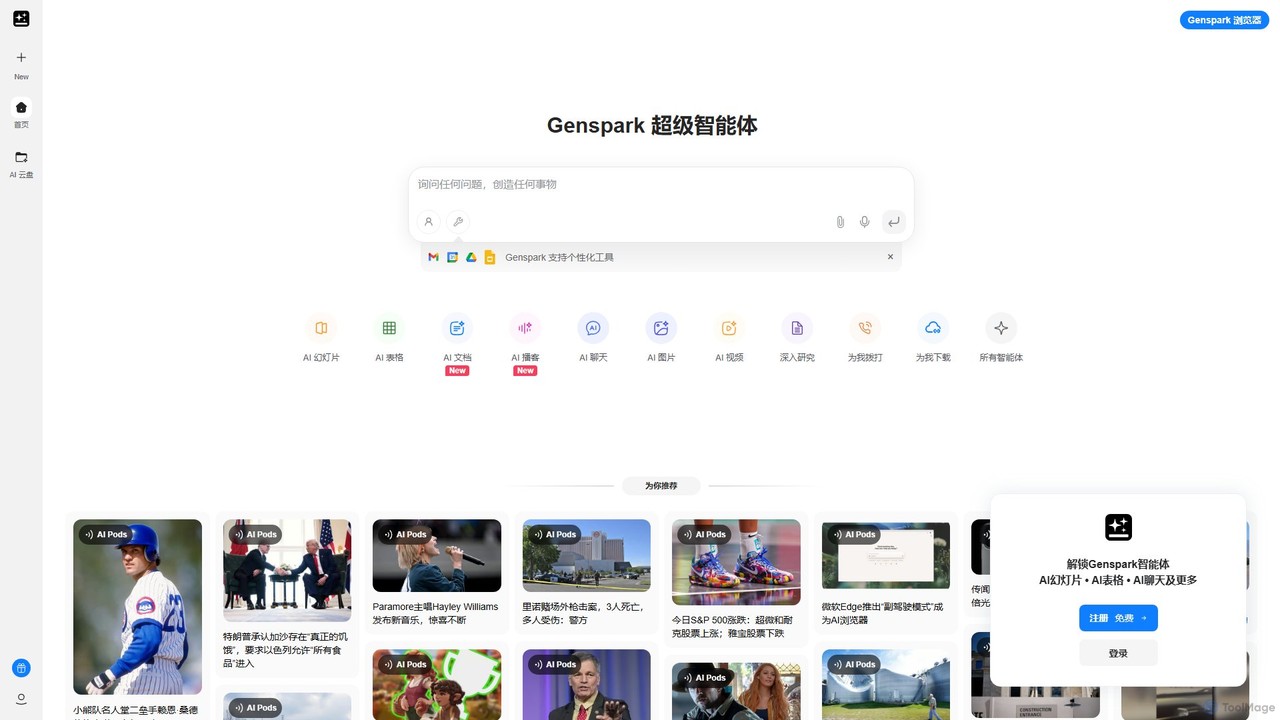
Genspark is an all-in-one AI workspace that integrates a next-generation search engine with a suite of content creation …

20.2M
Kimi

Kimi

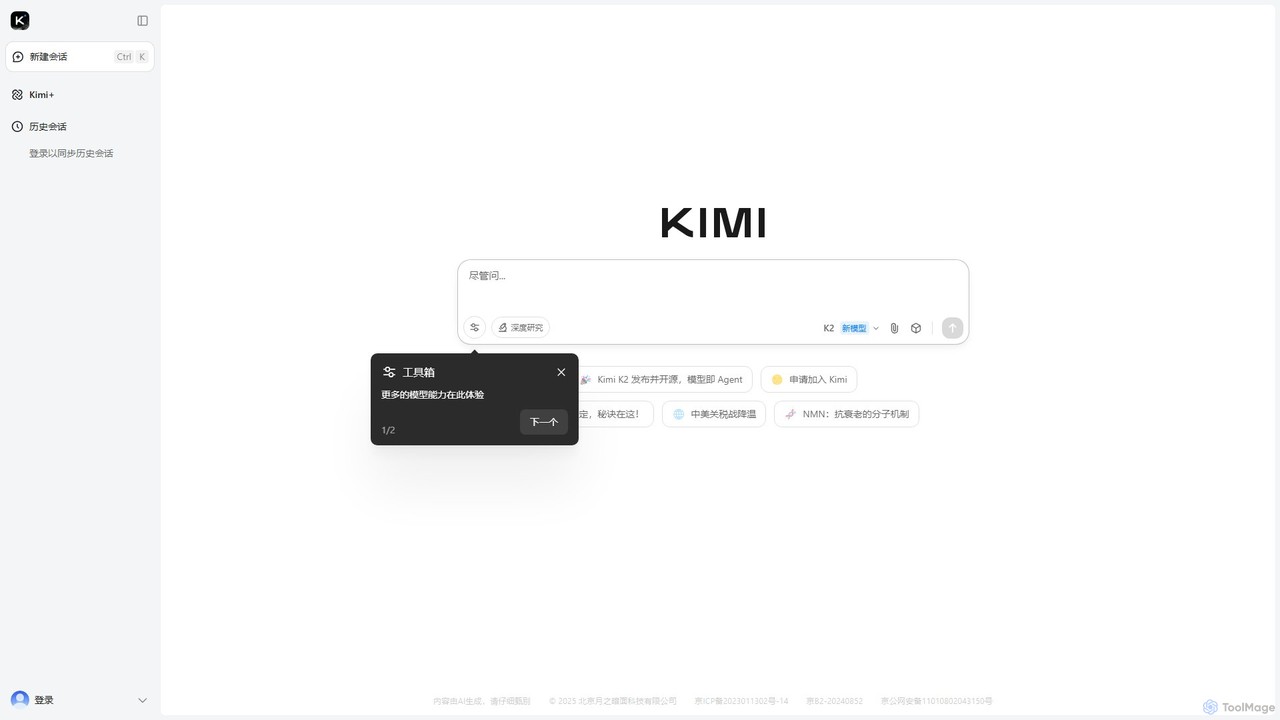
Kimi is a powerful AI assistant from Moonshot AI, specializing in long-context understanding. It integrates web search, document …

43.0M
Keymate.AI

Keymate.AI

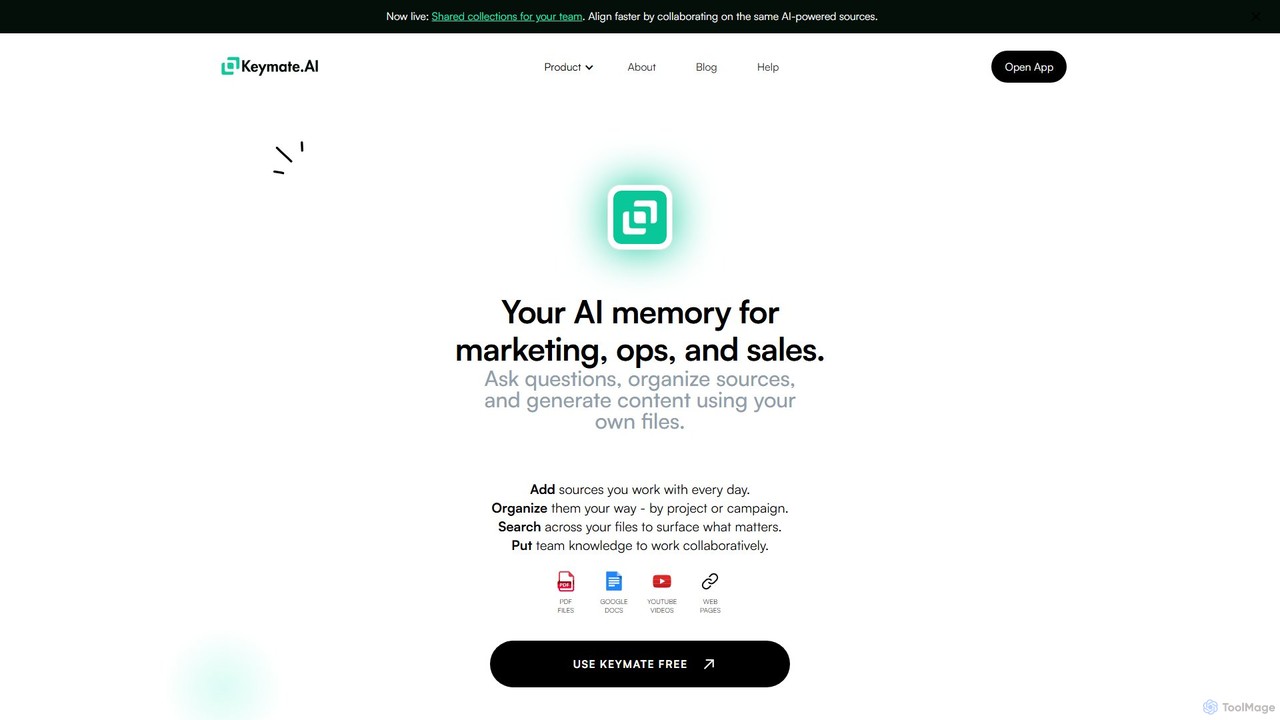
Keymate.AI is an AI-powered workspace that acts as your personal and team memory. It allows you to upload, …

4.1K
Tylo

Tylo

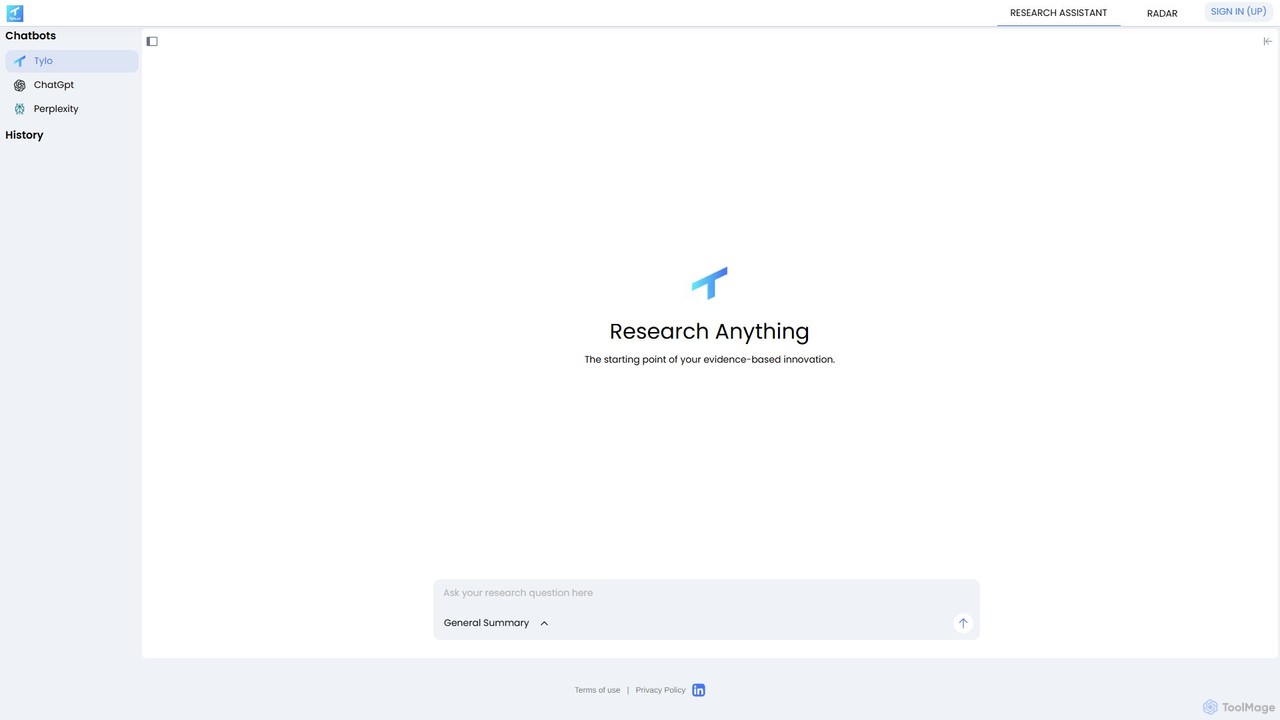
Tylo is an AI-powered research assistant designed for evidence-based innovation. It uses a conversational interface to help users …

2.6K
Tiangong

Tiangong

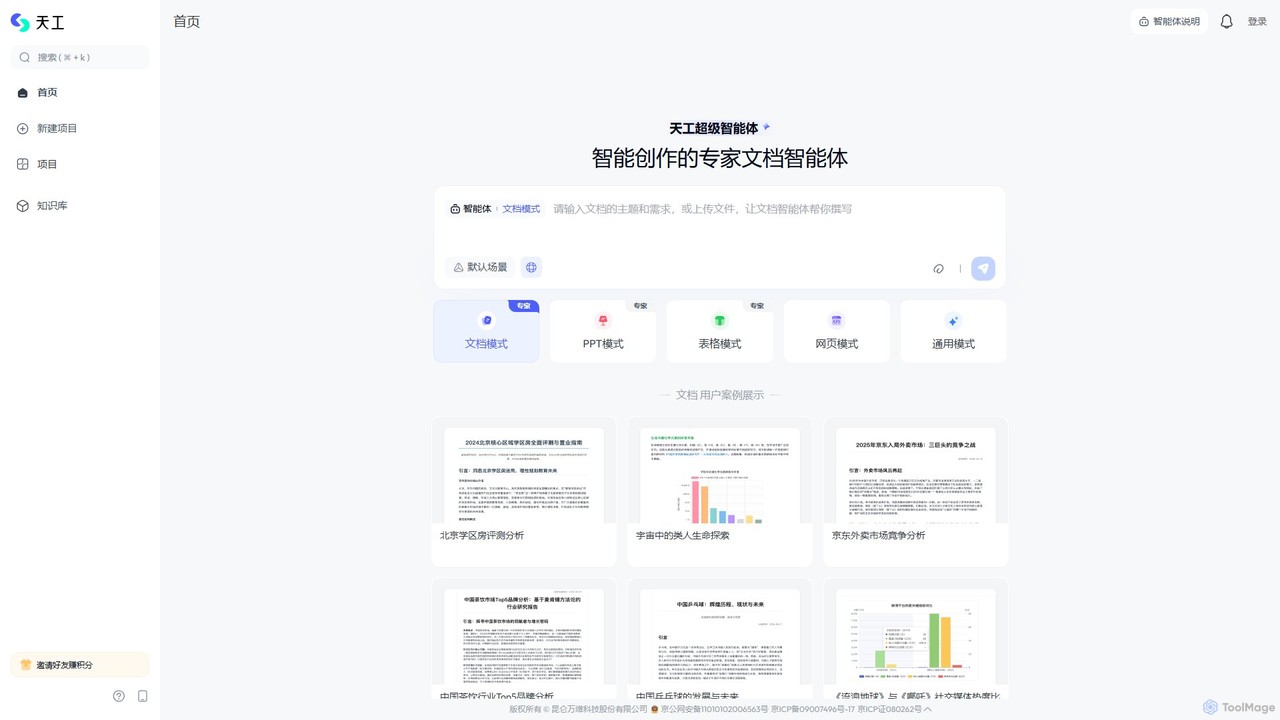
Tiangong is a powerful all-in-one AI assistant featuring a large language model, intelligent search, document analysis, and text-to-image …

785.1K
Globe Explorer

Globe Explorer

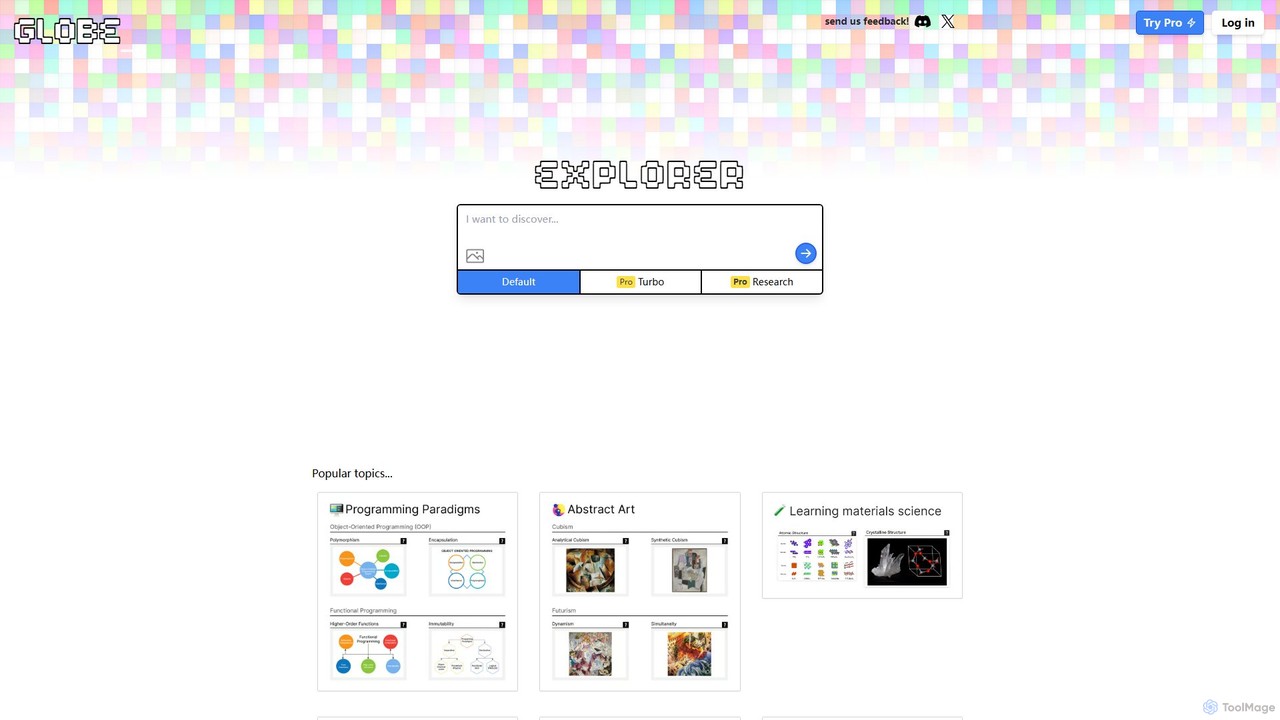
Globe Explorer is an AI-powered research engine designed to streamline information discovery and synthesis. It transforms complex questions …

39.1K
Khoj AI

Khoj AI

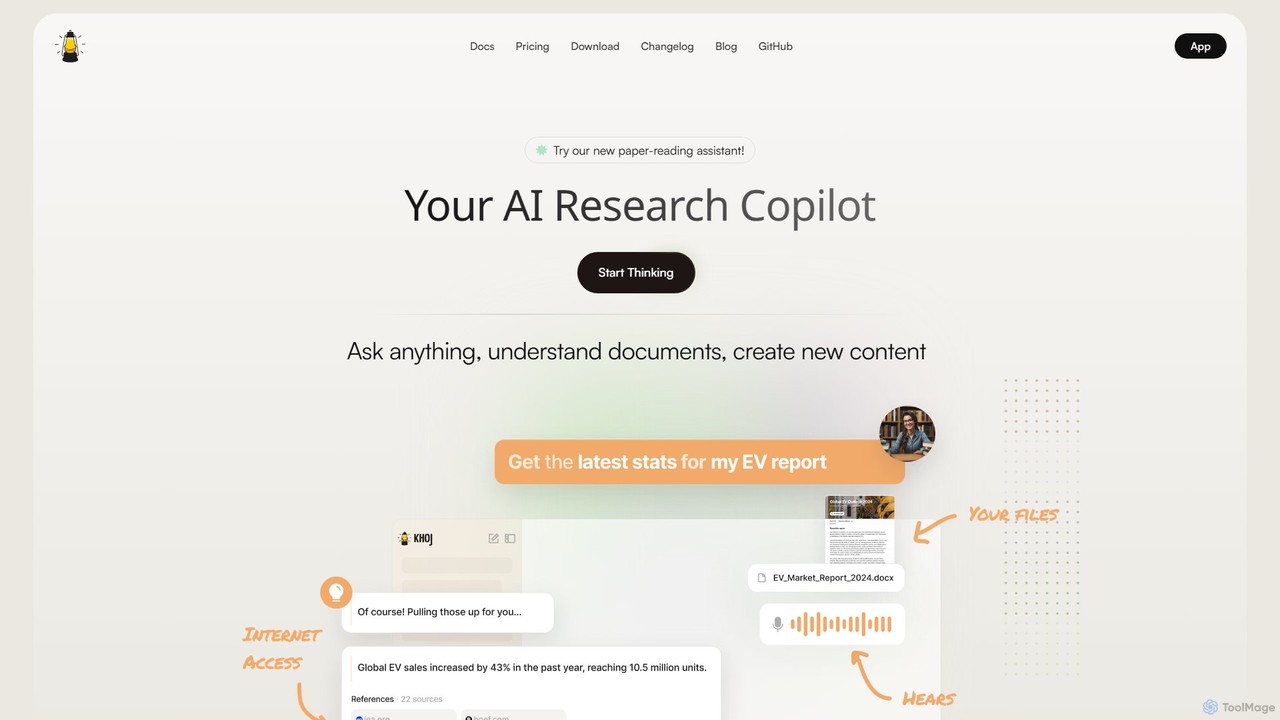
Khoj AI is your personal AI research copilot, acting as a second brain. It integrates with your documents …

131.4K
p_valyou

p_valyou

p_valyou is an advanced AI analyst platform for organizations, enhancing productivity by unifying data from documents, tables, apps, …

2.5K
Unifie

Unifie

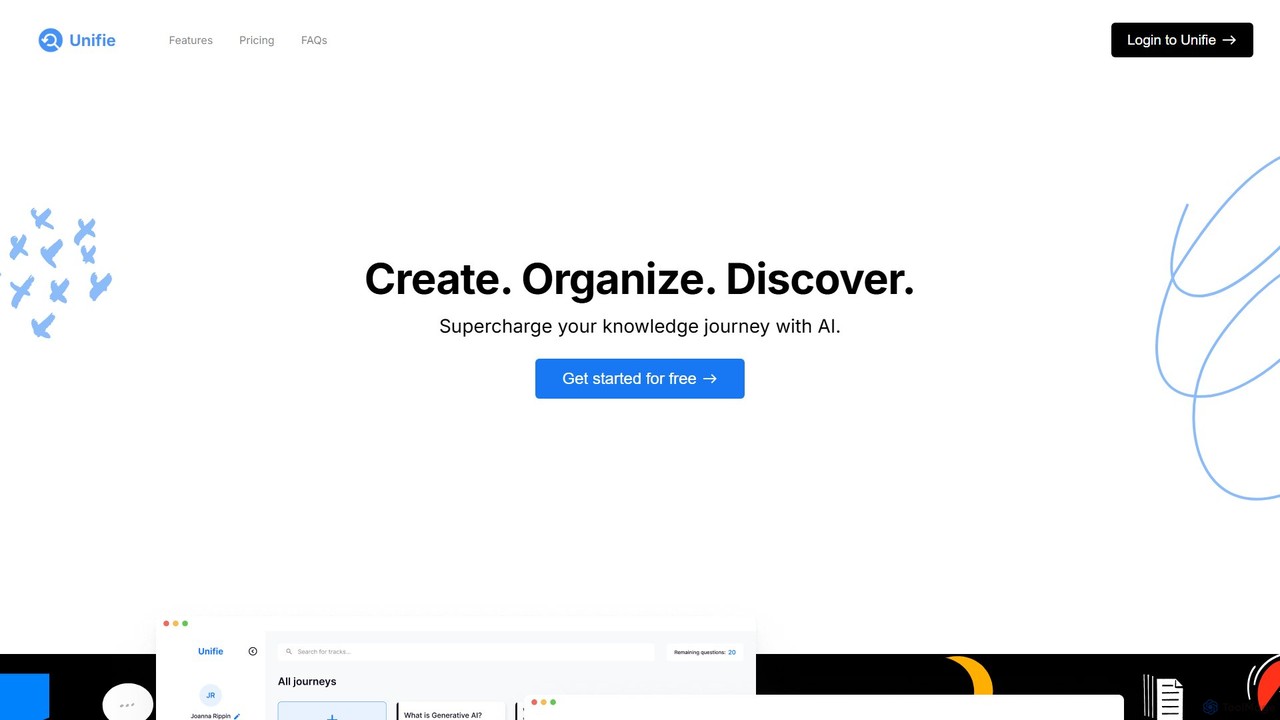
Unifie is an AI-powered knowledge companion designed to streamline your research, learning, and creation process. It helps you …

2.5K
Free
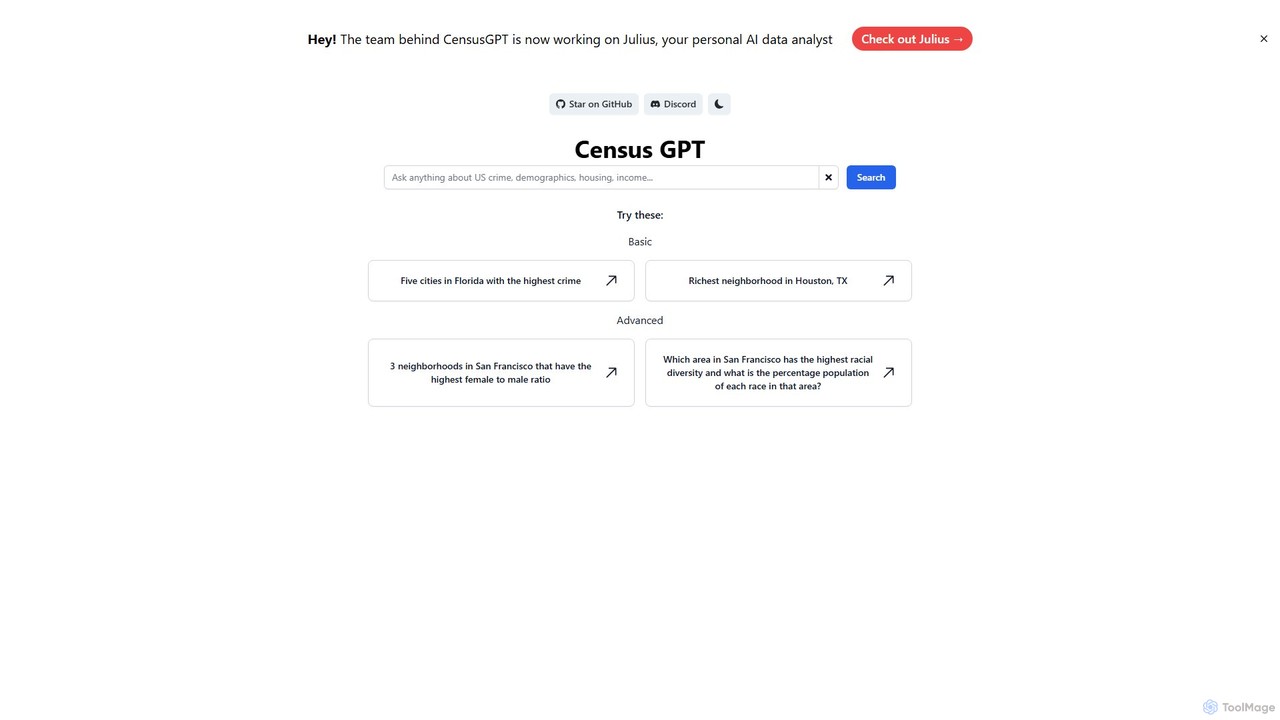
Census GPT

Census GPT

Census GPT is an AI-powered search engine that simplifies access to U.S. census and crime data. Ask complex …

4.6K
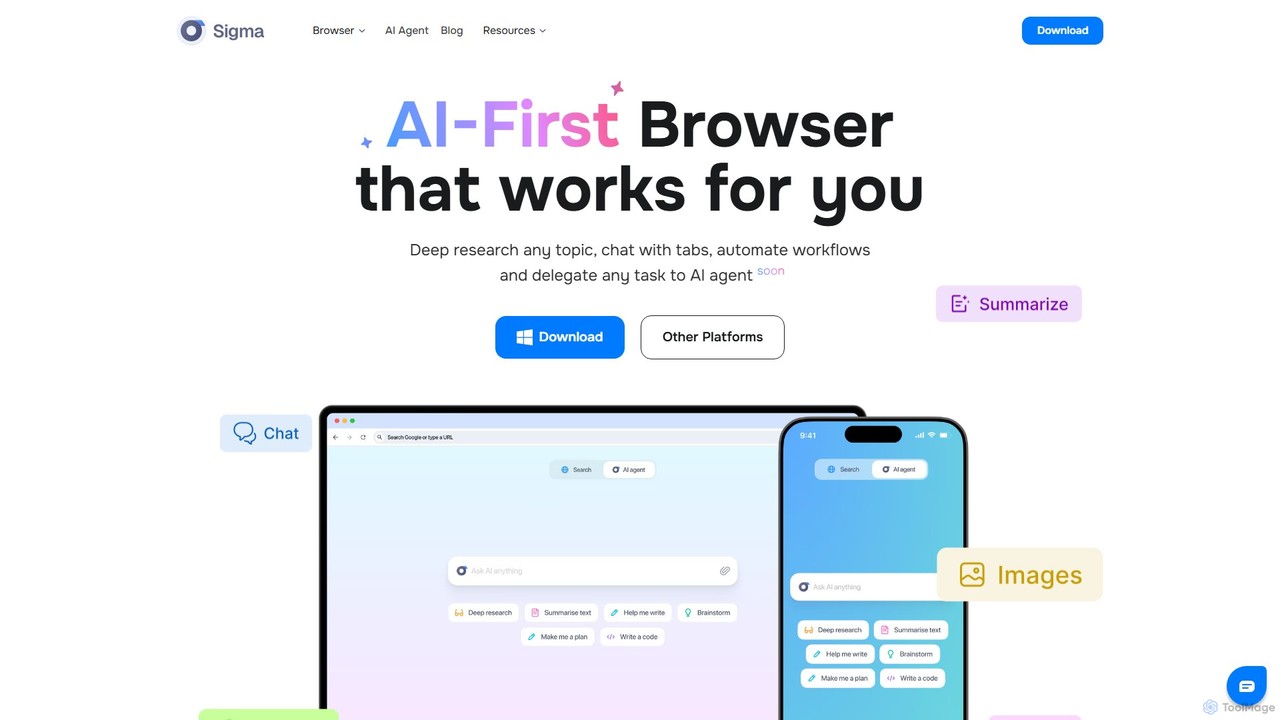
Sigmabrowser

Sigmabrowser

Sigmabrowser is an AI-first browser built on Chromium, designed to automate workflows and enhance productivity. It features an …

102.4K
Perplexity

Perplexity

Perplexity is a conversational AI answer engine that provides direct, accurate, and cited answers to complex questions. It …

154.9M
MediSearch

MediSearch

MediSearch is an AI-powered search engine that provides direct, science-based answers to medical questions. It synthesizes information from …

192.9K
delilegal

delilegal

delilegal is an AI-powered, one-stop legal service platform designed for legal professionals, businesses, and individuals. Leveraging a specialized …

2.9K
Free
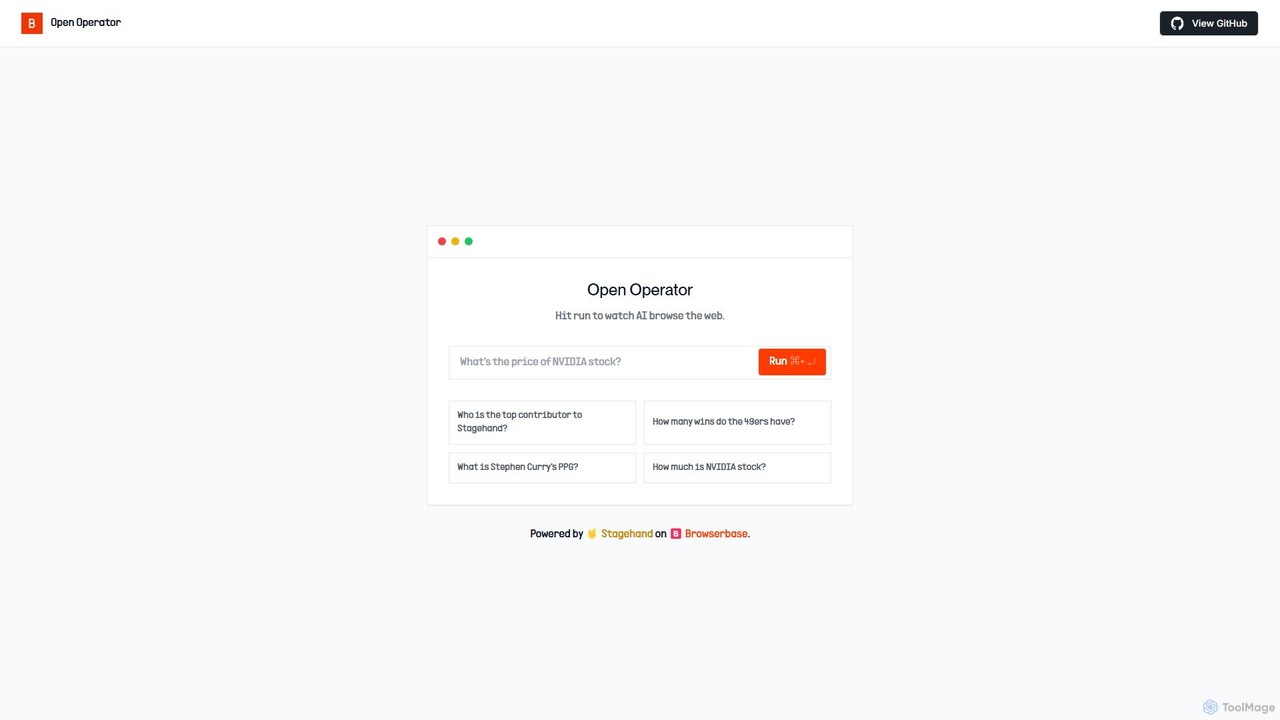
Open Operator

Open Operator

Open Operator is an AI-powered web agent that autonomously browses the internet to answer your questions and complete …

8.6K

About Search Engine

AI Search Engines are advanced tools that provide direct, synthesized answers to user queries using large language models (LLMs). Unlike traditional search engines that return a list of links, these tools process and consolidate information from multiple web sources to deliver a coherent, summary-style response. This approach transforms information discovery by offering conversational interactions and immediate insights with cited sources. They are a key component of modern research, designed to accelerate understanding and reduce the time spent sifting through raw search results.

Core Features

  • Synthesized Answers: Consolidates information from various sources into a single, easy-to-digest summary, directly answering the user's question.
  • Conversational Interface: Allows users to ask questions in natural language and engage in follow-up queries to refine or expand the search.
  • Source Citation: Provides direct links to the original web pages used to generate the answer, ensuring transparency and enabling fact-checking.
  • Multi-modal Queries: Supports various input types beyond text, such as images or voice, for more flexible searching.

Applicable Scenarios

AI Search Engines are valuable for professionals and students in fields requiring rapid information synthesis. For instance, market analysts use them to quickly gather competitive intelligence, while academic researchers leverage them to get summaries of existing literature. Developers also use them for troubleshooting complex code issues by getting consolidated solutions from forums and documentation.

Selection Criteria

When choosing an AI Search Engine, evaluate the accuracy and reliability of its answers. Check the quality and relevance of the cited sources it provides. Consider the user interface and the fluidity of the conversational experience. Finally, assess any specialized features, such as privacy controls, integration capabilities, or a focus on specific domains like scientific or academic content.

Search EngineUse Cases

1

Accelerating Academic Literature Reviews

A graduate student working on a thesis needs to quickly understand the current state of research in their field. Instead of manually searching databases and reading dozens of papers, they use an AI Search Engine. They ask, 'What are the latest findings on quantum computing's impact on cryptography?' The tool synthesizes information from recent academic journals, pre-print archives, and conference proceedings, providing a comprehensive summary with direct links to the key papers. This reduces the initial research time from days to a matter of hours, allowing the student to focus on deeper analysis.

2

Conducting Market and Competitor Analysis

A marketing manager is tasked with creating a competitive landscape report. They use an AI Search Engine to ask, 'Summarize the main product strategies of Competitor X and Competitor Y in the last 12 months.' The engine scans news articles, press releases, and financial reports to generate a concise brief. It highlights key product launches, marketing campaigns, and customer feedback trends. The manager can then ask follow-up questions like 'What is the market sentiment towards Competitor X's new feature?' to get deeper, synthesized insights instantly, streamlining the analysis process.

3

Efficient Technical Problem-Solving for Developers

A software developer encounters a cryptic error message while working on a complex codebase. Instead of opening multiple tabs for documentation, forums, and blogs, they paste the error into an AI Search Engine. The tool analyzes the query and provides a synthesized answer that combines the official documentation's explanation, a popular solution from a Stack Overflow thread with code snippets, and a warning about a common pitfall mentioned in a blog post. This consolidated response, with links to all sources, helps the developer understand and fix the bug in minutes rather than hours.

4

Quick Fact-Checking for Content Creators

A journalist writing an article on a tight deadline needs to verify a specific statistic about renewable energy growth. They use an AI Search Engine and ask, 'What was the percentage increase in global solar power capacity in 2023 according to the IEA?' The tool quickly scans reports from the International Energy Agency (IEA) and other reputable sources, providing the exact figure along with a direct quote and a link to the source report. This allows the journalist to confidently include the data in their article and cite the source accurately, ensuring journalistic integrity without losing valuable time.

5

Planning Complex Travel Itineraries

A family is planning a 10-day trip to Japan and feels overwhelmed by the options. Using an AI Search Engine, they ask, 'Create a 10-day family-friendly itinerary for Tokyo and Kyoto, focusing on cultural experiences and good food.' The engine synthesizes information from travel blogs, official tourism sites, and restaurant reviews. It generates a day-by-day plan including suggested activities, travel times between locations, and restaurant recommendations with links to reviews. They can then refine the plan with follow-up questions like 'Suggest a rainy-day activity for kids in Kyoto,' making travel planning interactive and efficient.

6

Learning a New Skill or Hobby

An individual wants to learn how to bake sourdough bread. They start by asking an AI Search Engine, 'What are the basic steps to make a sourdough starter?' The engine provides a synthesized, step-by-step guide compiled from reliable baking websites and forums. As they progress, they can ask more specific questions like, 'Why isn't my sourdough starter bubbling?' or 'Show me a beginner-friendly sourdough loaf recipe.' The conversational nature of the tool acts like a patient mentor, providing curated information and troubleshooting advice from trusted sources, which helps accelerate the learning curve for a new hobby.

Search EngineFrequently Asked Questions