Science Best in category 10 results Research AI Tool

Popular AI tools in the Research field of Science include Google DeepMind、PMcardio、InternAI (Shusheng)、Rejuve.AI、Ohm、The Good Face Project、Skills、colorizethis、mikopharm、Photonium, etc., helping you quickly improve efficiency.

Skills

Skills

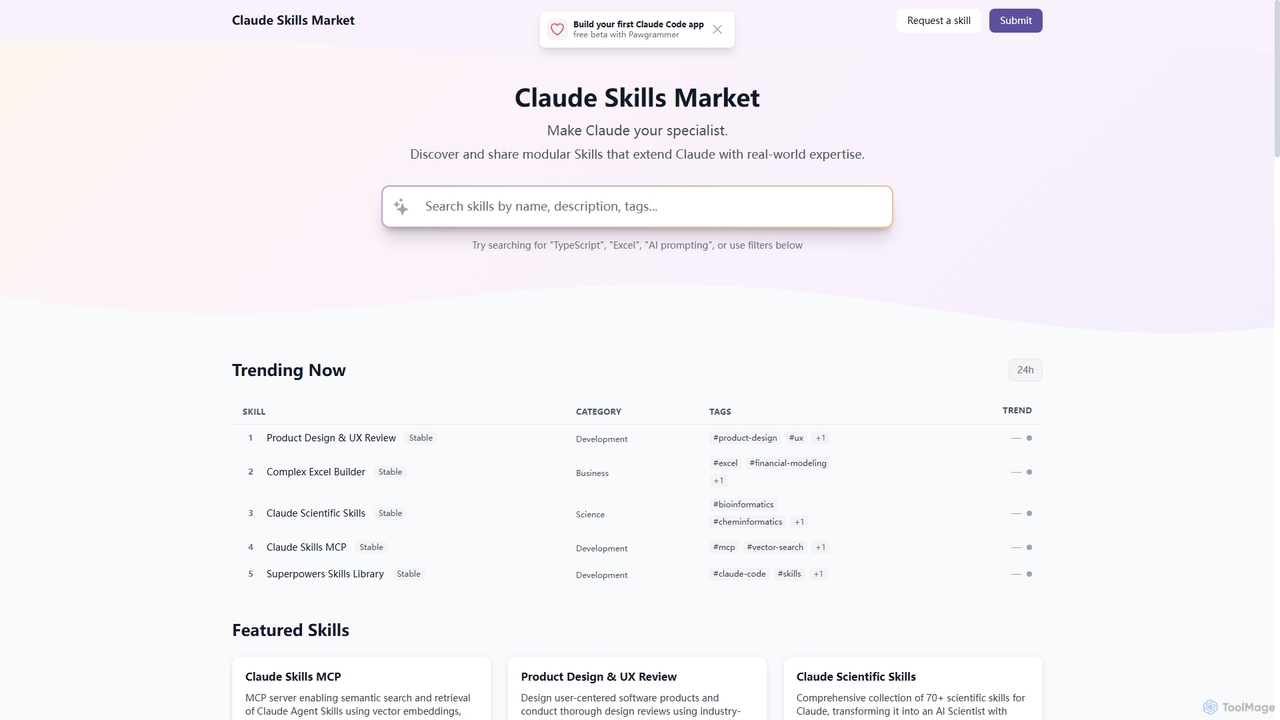
Skills is a dynamic marketplace designed to extend Claude's capabilities with specialized, real-world expertise. It offers a diverse …

8.7K
Rejuve.AI

Rejuve.AI

Rejuve.AI is a decentralized, AI-powered network dedicated to longevity research. Through its Longevity App, users contribute health data, …

22.0K
PMcardio

PMcardio

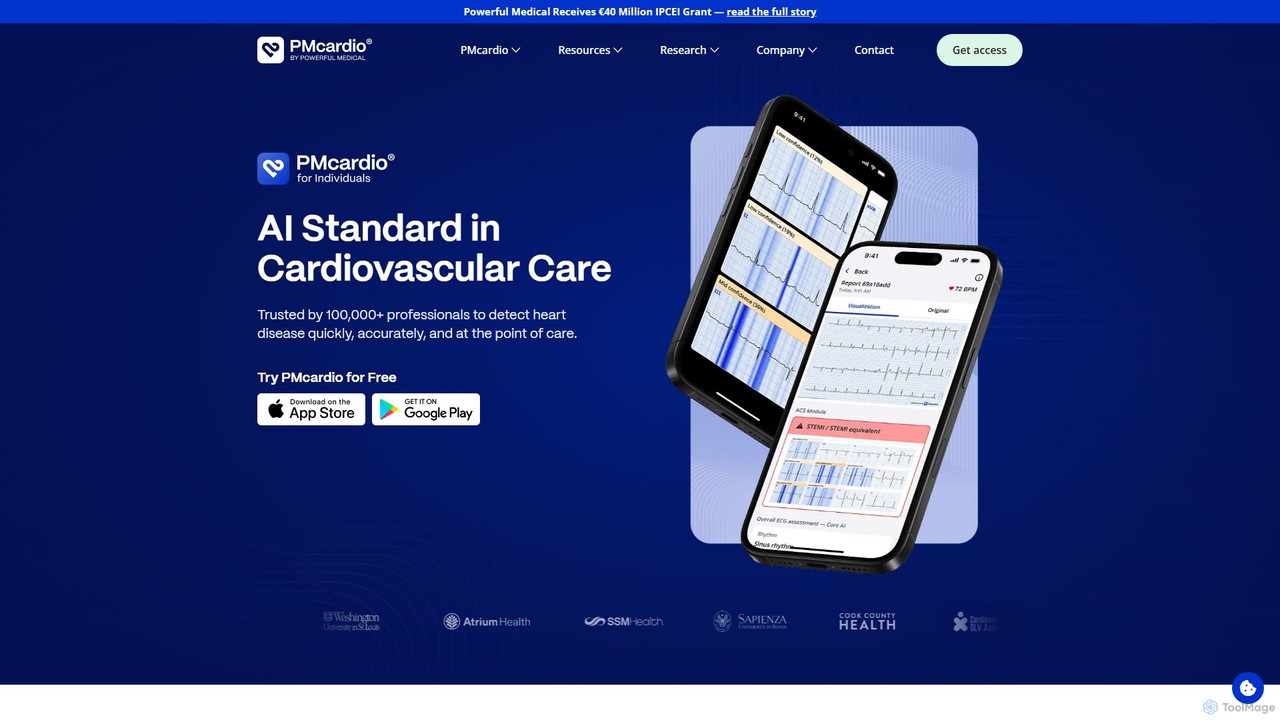
PMcardio is a CE-certified, AI-powered medical device that provides instant, accurate interpretation of any 12-lead ECG. Trusted by …

99.3K
Ohm

Ohm

Ohm is a specialized AI agent designed for battery R&D and engineering teams. It provides instant, trusted answers …

13.7K
colorizethis

colorizethis

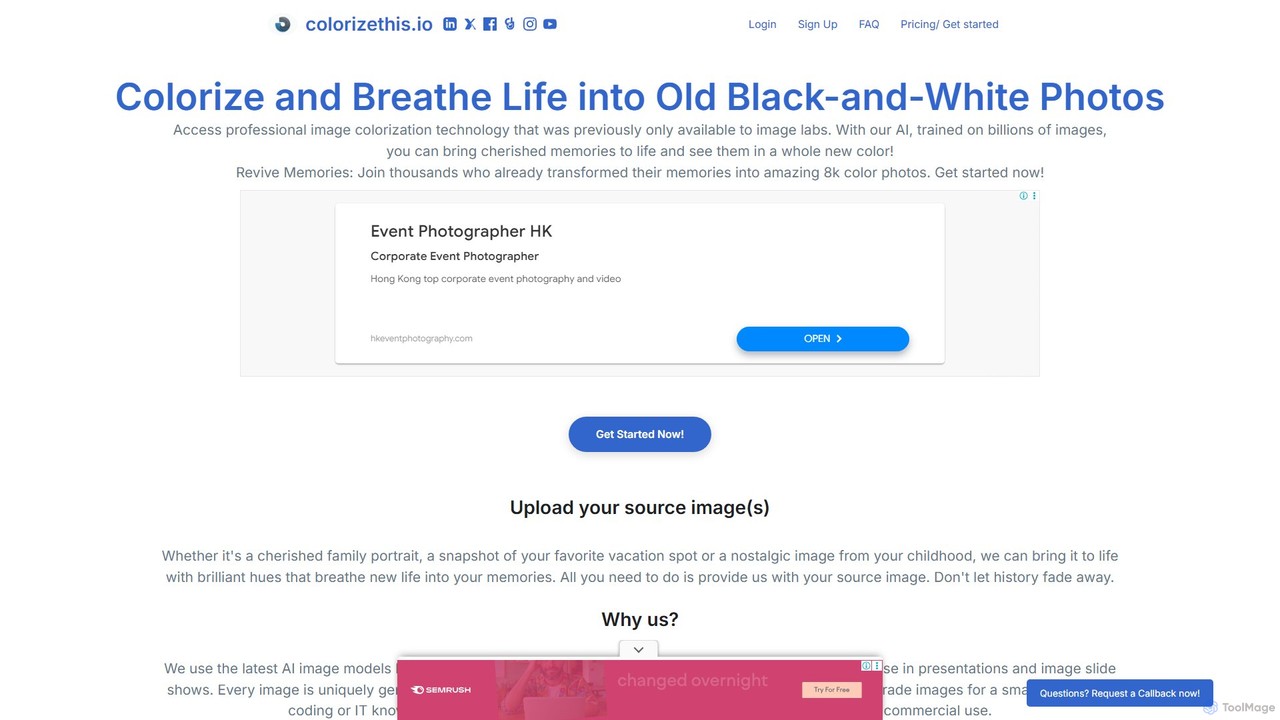
An advanced AI tool that breathes new life into black-and-white photos by colorizing them into stunning 8K resolution …

5.1K
The Good Face Project

The Good Face Project

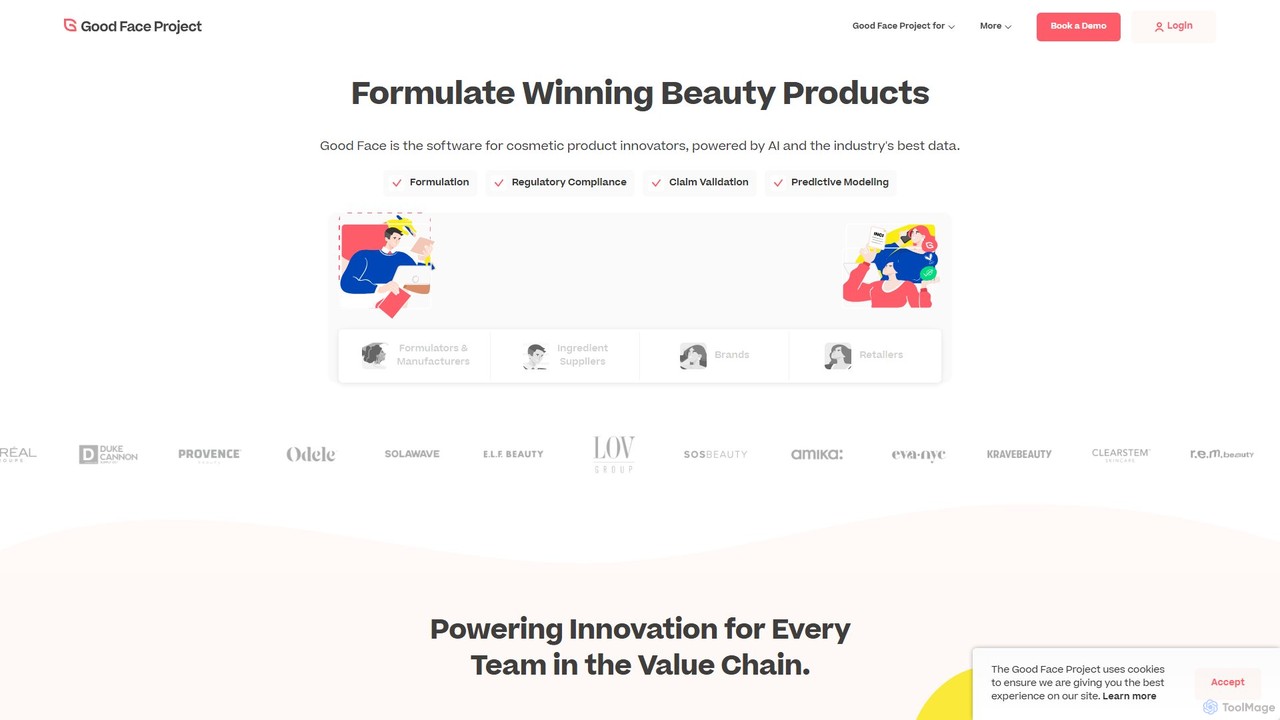
An AI-powered software platform for the cosmetics industry, designed to streamline product formulation, ensure regulatory compliance, and validate …

13.6K
Google DeepMind

Google DeepMind

Google DeepMind is a world-leading AI research lab and product unit, developing advanced AI models like Gemini, Imagen, …

6.7M
mikopharm

mikopharm

mikopharm is an AI-powered platform designed to accelerate pharmaceutical research and drug discovery. It leverages machine learning to …

2.7K
InternAI (Shusheng)

InternAI (Shusheng)

InternAI (Shusheng) is a comprehensive suite of open-source, high-performance foundation models developed by Shanghai AI Laboratory. It covers …

25.0K
Photonium

Photonium

Photonium is an AI-powered platform that revolutionizes optical system design by automating the optomechanical workflow. It enables engineers …

2.5K

About Research

Research AI tools are specialized applications that leverage artificial intelligence to streamline and enhance various stages of the research process, from initial literature review to advanced data analysis and hypothesis generation. These tools employ advanced algorithms, including natural language processing, machine learning, and computer vision, to automate tedious tasks, identify patterns, and generate insights. They significantly accelerate scientific discovery, academic inquiry, and market analysis by improving efficiency, accuracy, and the scope of investigation. This allows researchers to focus on critical thinking and interpretation rather than manual data handling.

Core Features

  • Automated Literature Review: Quickly scan, summarize, and extract key information from vast academic databases and publications.
  • Data Analysis & Visualization: Process complex datasets, identify trends, perform statistical analysis, and generate interactive visualizations.
  • Hypothesis Generation: Suggest novel research questions or hypotheses based on existing data and scientific literature.
  • Experiment Design Assistance: Aid in designing experiments, optimizing parameters, and predicting outcomes.
  • Scientific Writing Support: Assist in drafting research papers, checking for plagiarism, and ensuring adherence to academic standards.

Use Cases

These tools are invaluable for academics, scientists, market researchers, and R&D professionals. They are used to quickly synthesize findings from thousands of papers, analyze complex genomic data, or identify emerging trends in consumer behavior.

How to Choose

When selecting Research AI tools, consider the specific research phase you need assistance with, such as literature search, data processing, or writing. Evaluate the tool's compatibility with your existing data formats and research methodologies. Assess the accuracy and transparency of its AI models, especially for critical analysis. Finally, compare pricing models and the level of technical support offered.

ResearchUse Cases

1

Accelerating Literature Reviews

Academic researchers and PhD students often spend hundreds of hours manually sifting through scientific papers. AI research tools can rapidly scan thousands of articles, identify relevant studies based on keywords or concepts, summarize key findings, and extract methodologies, significantly reducing the time spent on initial literature synthesis and ensuring comprehensive coverage.

2

Automating Data Analysis for Scientific Experiments

Biologists and chemists frequently generate large volumes of experimental data, such as genomic sequences or spectroscopy results. AI tools can process these complex datasets, identify subtle patterns, perform statistical analyses, and generate interactive visualizations, enabling faster interpretation of results and discovery of new insights that might be missed by manual review.

3

Generating Novel Hypotheses in Drug Discovery

Pharmaceutical researchers face the challenge of identifying promising drug candidates and mechanisms. AI research platforms can analyze vast databases of chemical compounds, biological pathways, and disease profiles to suggest novel hypotheses for drug targets or repurposing existing drugs, accelerating the early stages of drug discovery and development.

4

Market Trend Identification for Business Strategy

Market analysts and business strategists need to understand evolving consumer preferences and industry shifts. AI research tools can monitor and analyze massive amounts of unstructured data from social media, news articles, and market reports to identify emerging trends, predict market shifts, and inform strategic decision-making with data-driven insights.

5

Enhancing Grant Proposal and Paper Writing

Scientists and academics dedicate substantial time to writing grant proposals and research papers. AI writing assistants integrated into research tools can help structure arguments, refine language for clarity and conciseness, check for grammatical errors, and ensure proper citation formatting, improving the quality and efficiency of scientific communication.

6

Optimizing Experimental Design in Engineering

Engineers and material scientists often conduct numerous experiments to optimize product performance or material properties. AI research tools can simulate various experimental conditions, predict optimal parameters, and suggest efficient experimental designs, reducing the number of physical trials needed and accelerating the development cycle for new technologies.

ResearchFrequently Asked Questions