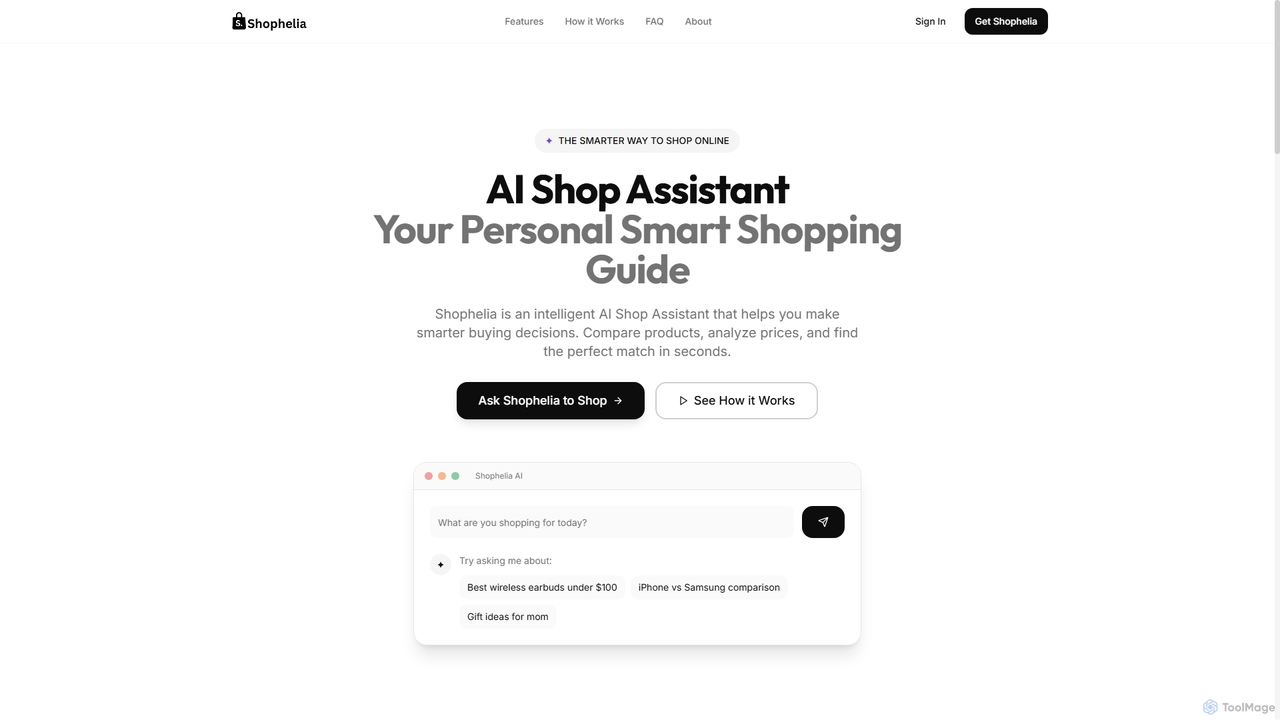
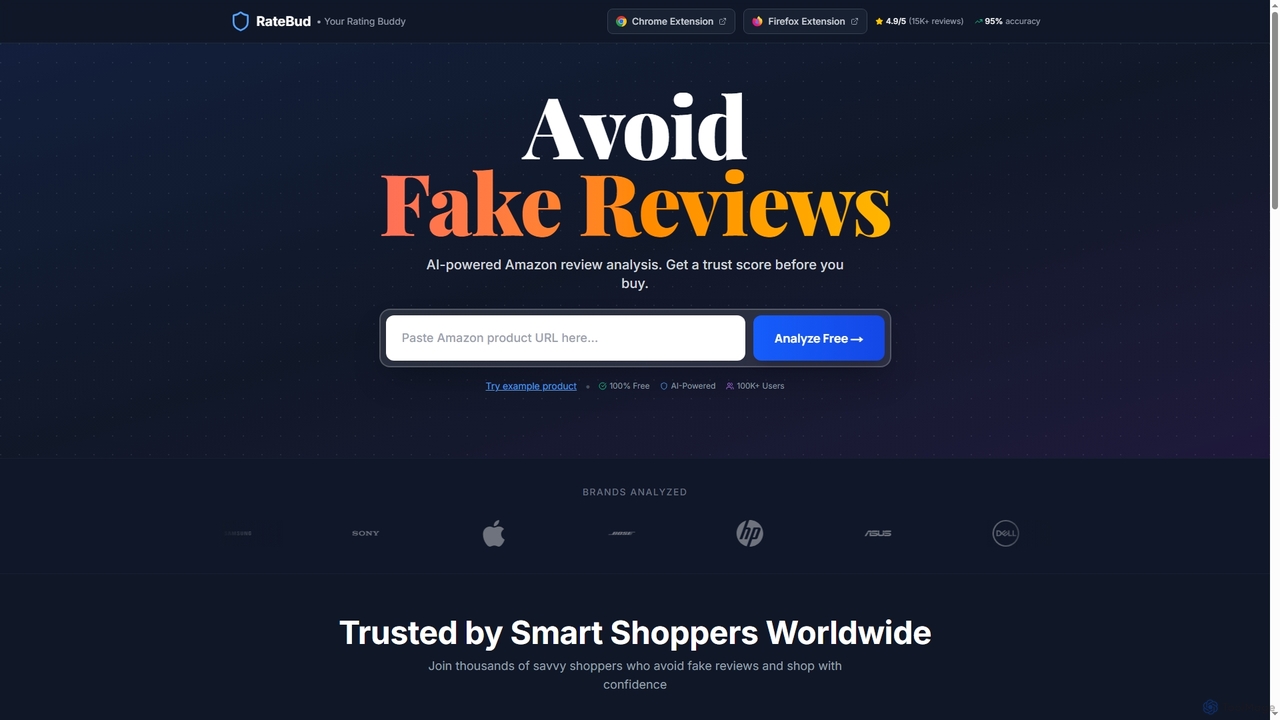
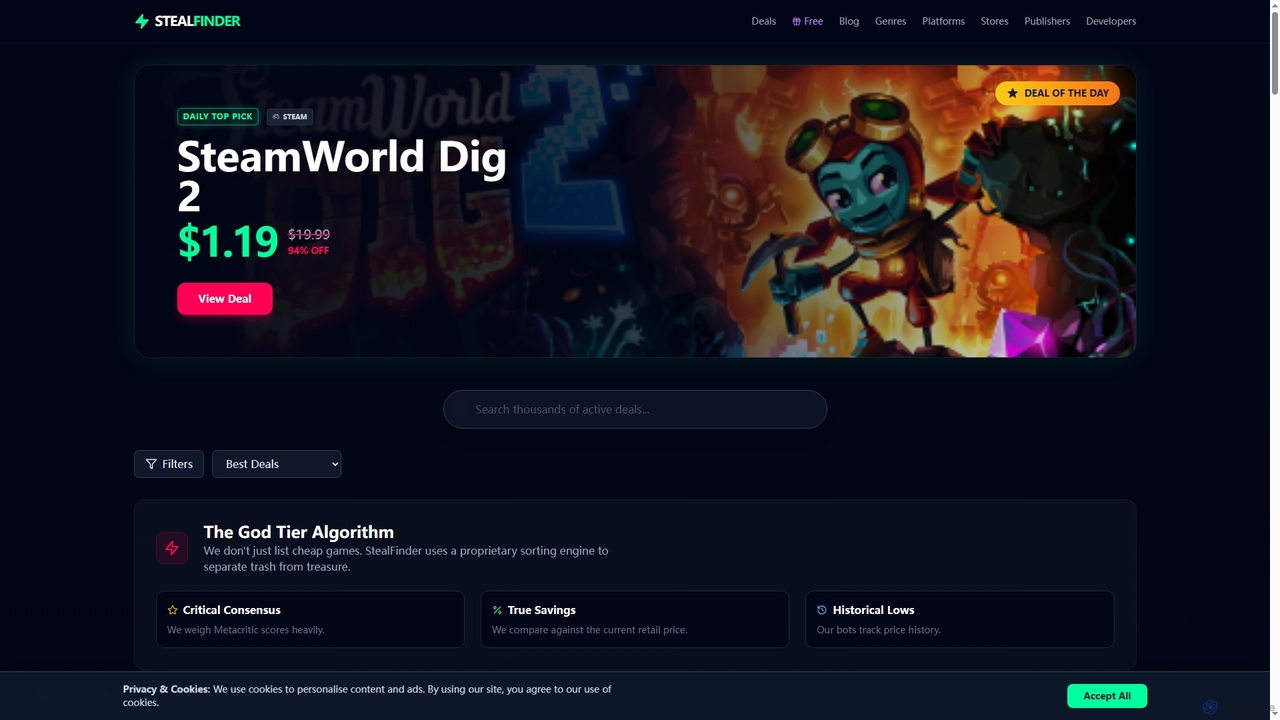
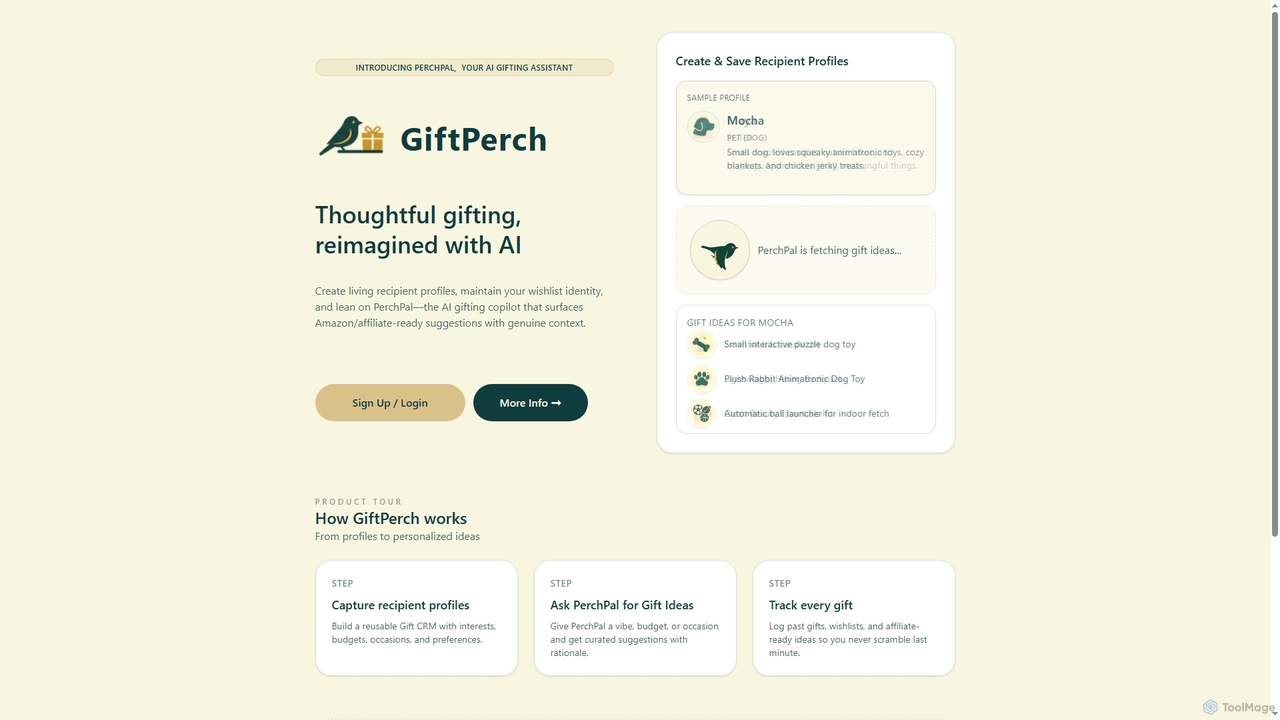
Shopping AI tools are a category of artificial intelligence-powered applications designed to enhance and automate various aspects of the retail and e-commerce experience. These innovative tools leverage advanced machine learning, natural language processing, and computer vision to personalize product recommendations, streamline operational workflows, and significantly improve customer engagement across all touchpoints. They provide substantial value by optimizing everything from intelligent product discovery and informed purchase decisions for consumers to efficient inventory management, dynamic pricing, and responsive customer service for businesses, ultimately driving sales and customer satisfaction.
Core Features
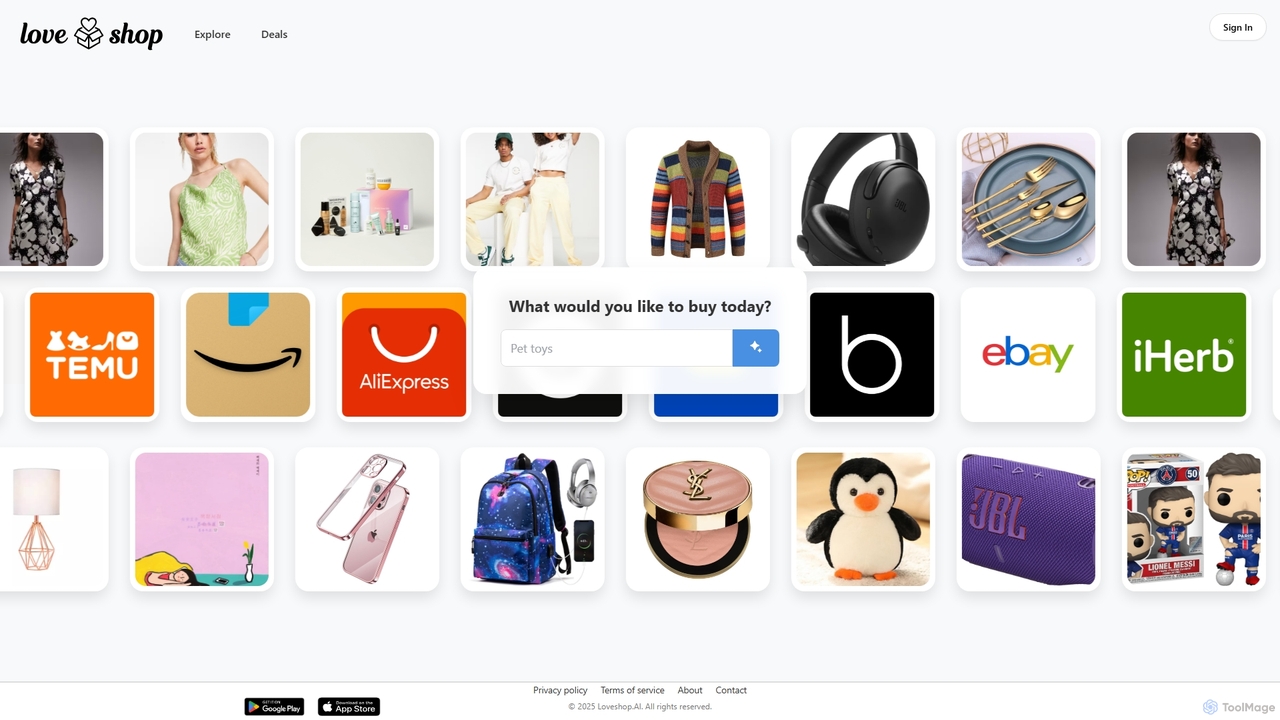
- Personalized Product Recommendations: Analyzes individual user behavior, purchase history, and browsing patterns to suggest highly relevant products, significantly increasing conversion rates and average order value.
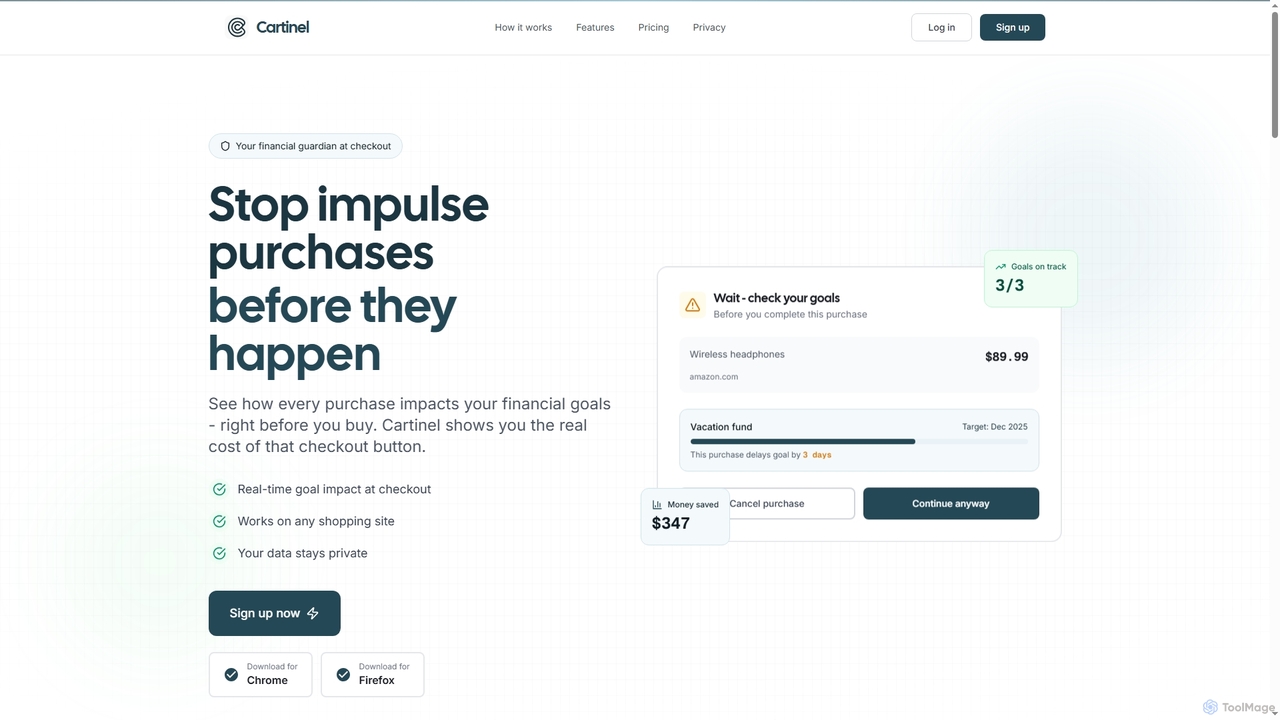
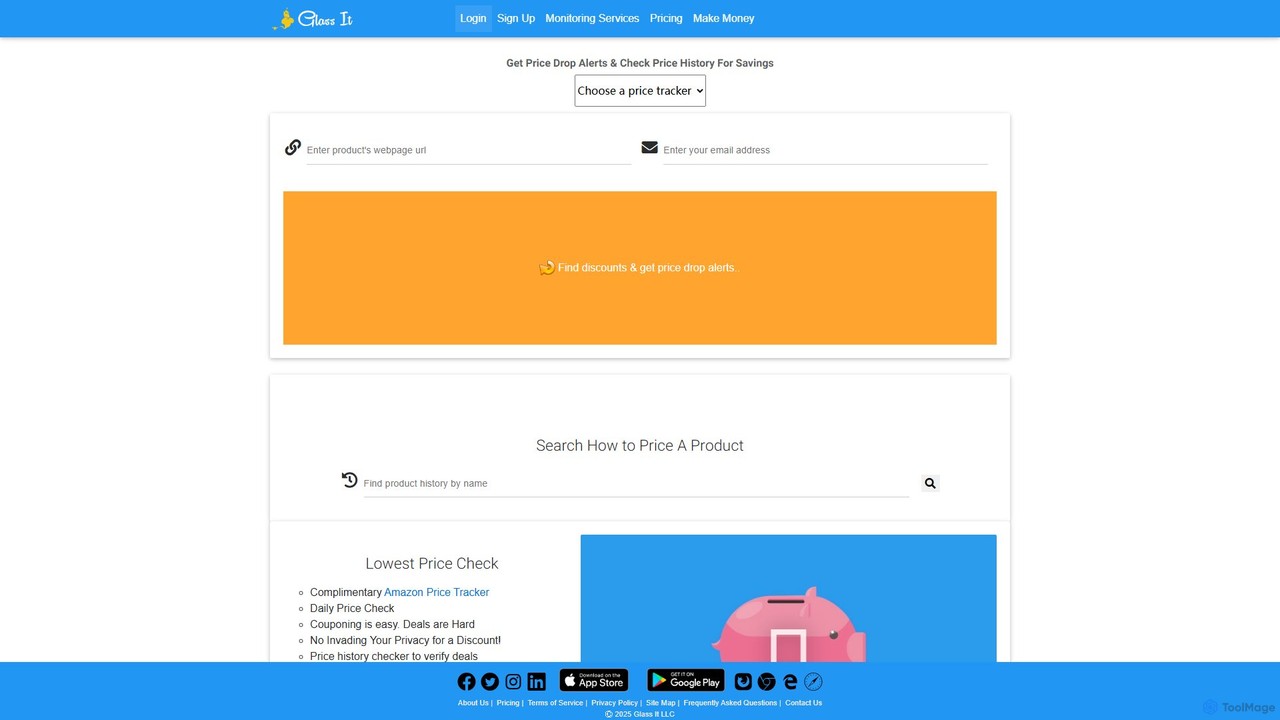
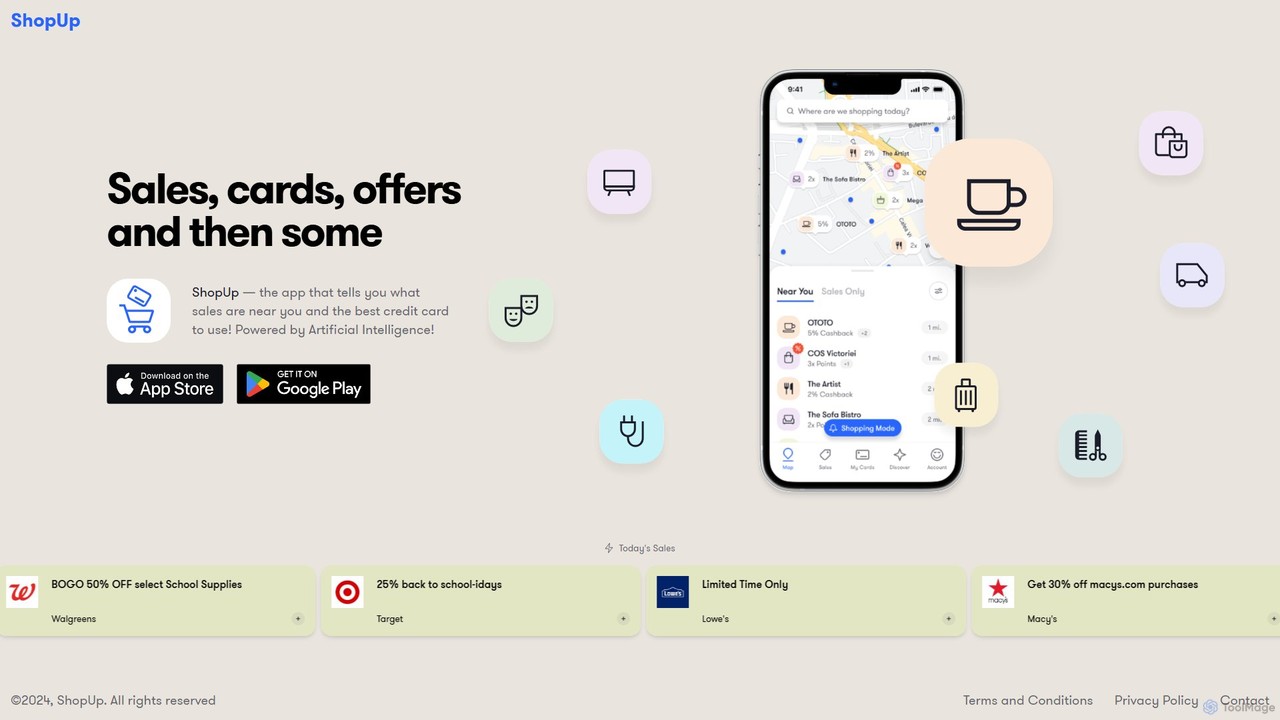
- Dynamic Price Tracking & Comparison: Continuously monitors product prices across numerous online retailers, alerting users to the best deals and ensuring businesses maintain competitive pricing strategies in real-time.
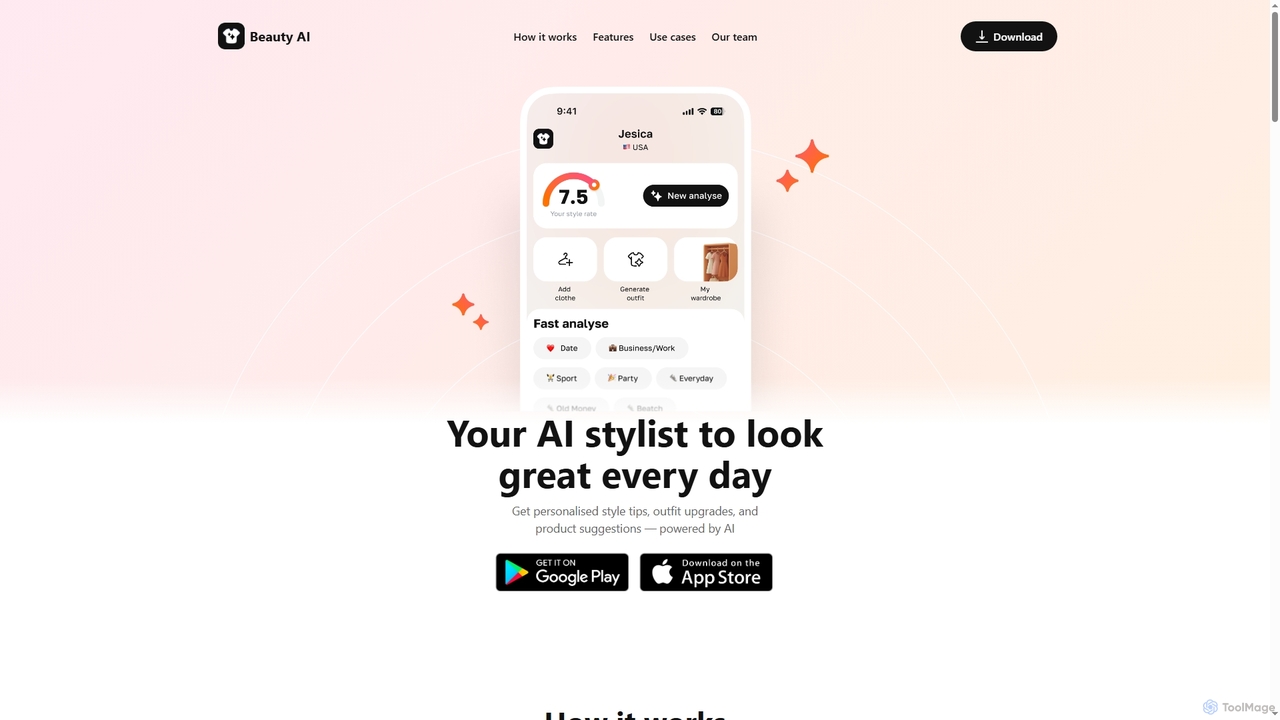
- Virtual Try-On & Augmented Reality: Utilizes advanced computer vision and AR technology to allow customers to virtually try on clothing, accessories, makeup, or even visualize furniture in their homes before purchase.
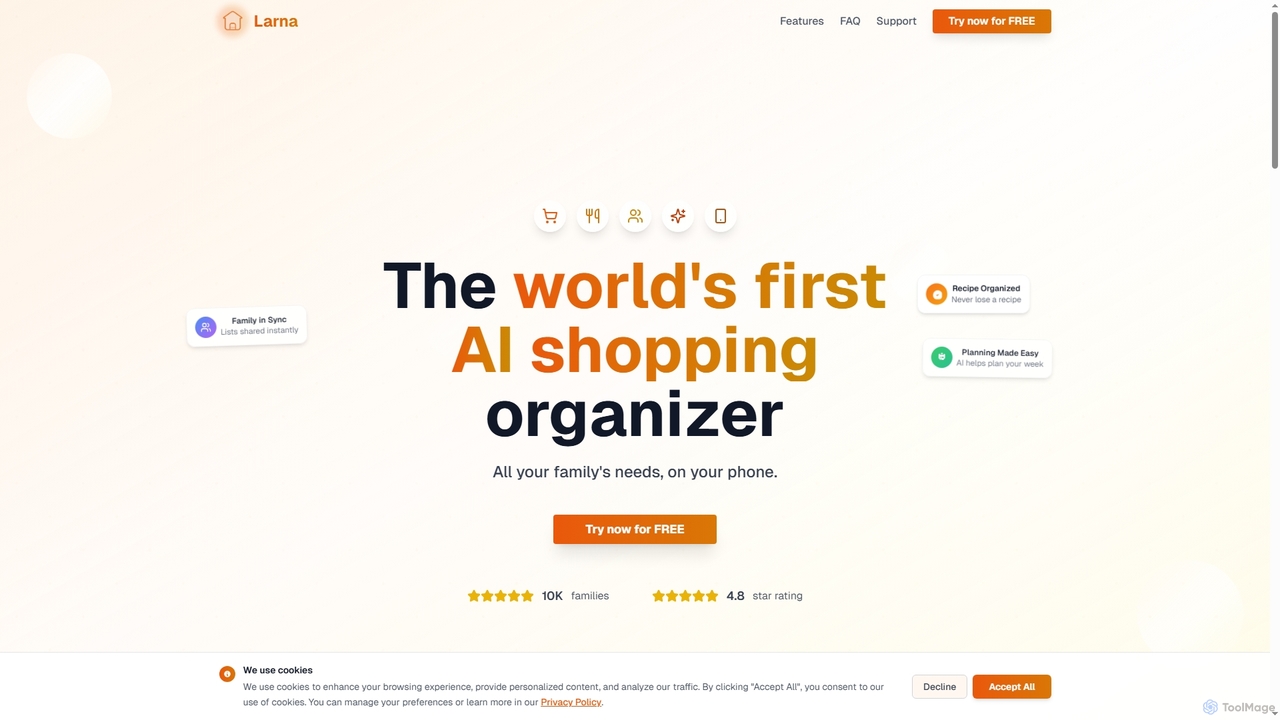
- Automated Customer Support & Chatbots: AI-powered chatbots and virtual assistants efficiently handle customer inquiries, provide instant product information, resolve common issues, and guide shoppers through the purchasing process 24/7.
- Intelligent Inventory Optimization: Employs predictive analytics to forecast demand accurately, manage stock levels effectively, and automate reordering processes, preventing both overstocking and stockouts to improve supply chain efficiency.
Applicable Scenarios
AI shopping tools are indispensable for modern e-commerce platforms, traditional brick-and-mortar retailers, and savvy individual consumers. E-commerce businesses deploy these tools to gain a significant competitive edge, enhance operational efficiency, and deliver highly personalized shopping journeys. Retailers use AI for demand forecasting and optimizing in-store experiences. Individual shoppers benefit from more informed purchasing decisions, substantial time savings, and access to exclusive deals. Furthermore, marketing and sales teams leverage AI for targeted advertising campaigns, personalized content generation, and lead qualification.
How to Choose
When selecting an AI shopping tool, it is crucial to consider its seamless integration capabilities with your existing e-commerce platform, CRM, and inventory management systems. Evaluate the accuracy, sophistication, and adaptability of its underlying AI models, particularly for personalization, predictive analytics, and natural language understanding. Assess the level of customization offered to align with your brand's unique needs, the scalability to handle growing data volumes and customer traffic, and the vendor's reputation for support and continuous innovation. Finally, carefully compare pricing models, feature sets, and ensure the tool directly addresses your specific business challenges and objectives within your budget.