Writing Best in category 13 results Assistant AI Tool

Popular AI tools in the Assistant field of Writing include Sigmabrowser、Quickfiling、readwonders、AppGen、Mynx、QPNOTES、DeckAssistant、networkwitharnold、Paper Pilot、Quillow, etc., helping you quickly improve efficiency.

Mynx

Mynx

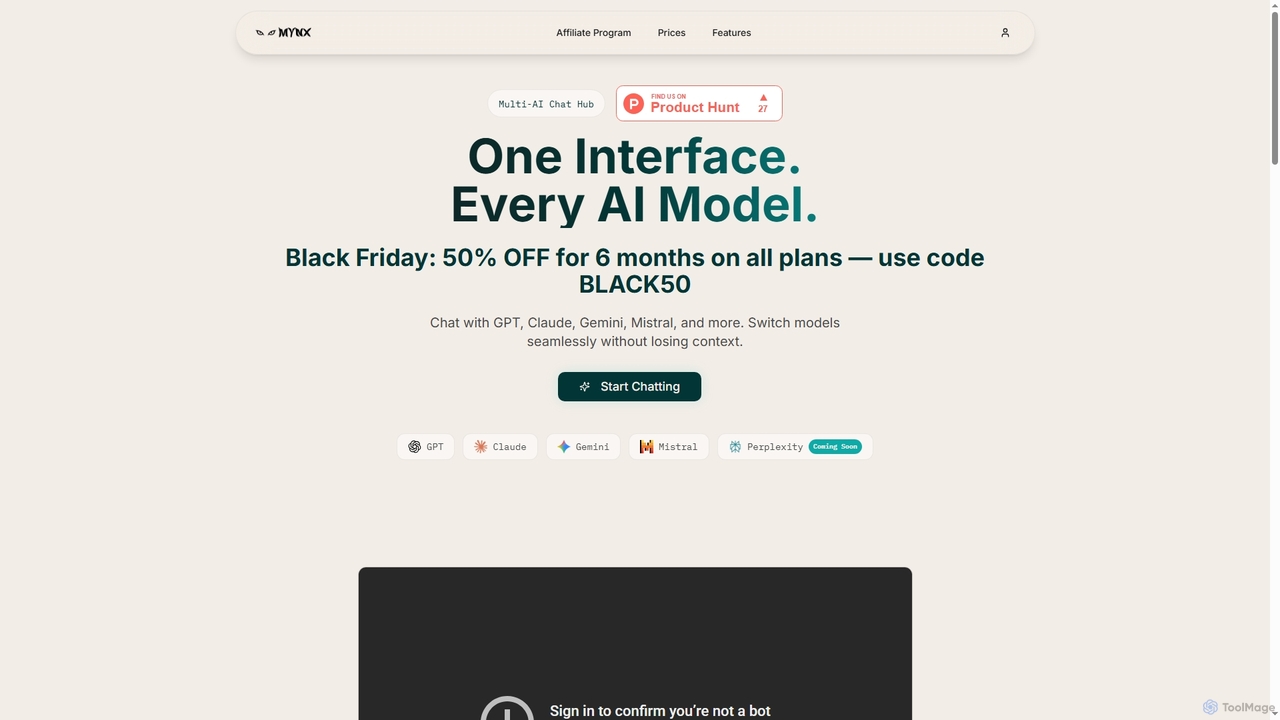
Mynx is a multi-AI chat hub that provides a unified interface to access leading AI models like GPT, …

4.5K
PostIdentity

PostIdentity

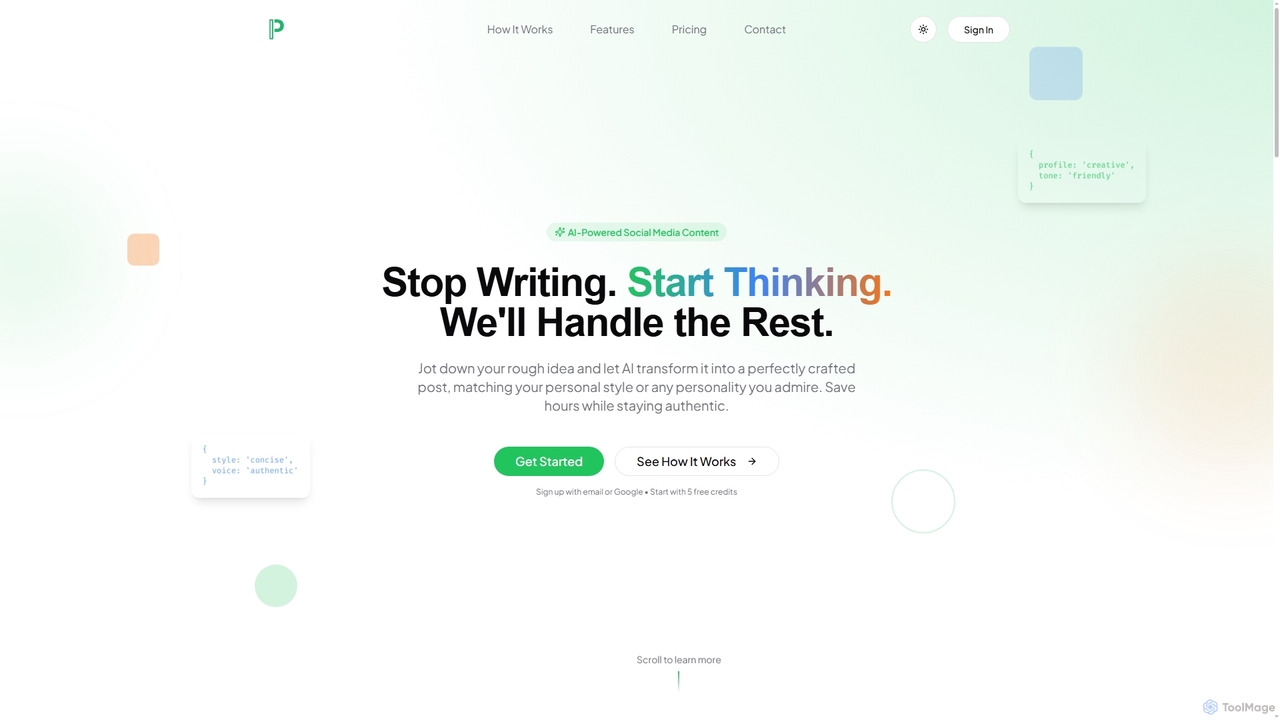
PostIdentity is an AI-powered social media content generator that transforms your rough ideas into polished posts, perfectly matching …

2.4K
Quickfiling

Quickfiling

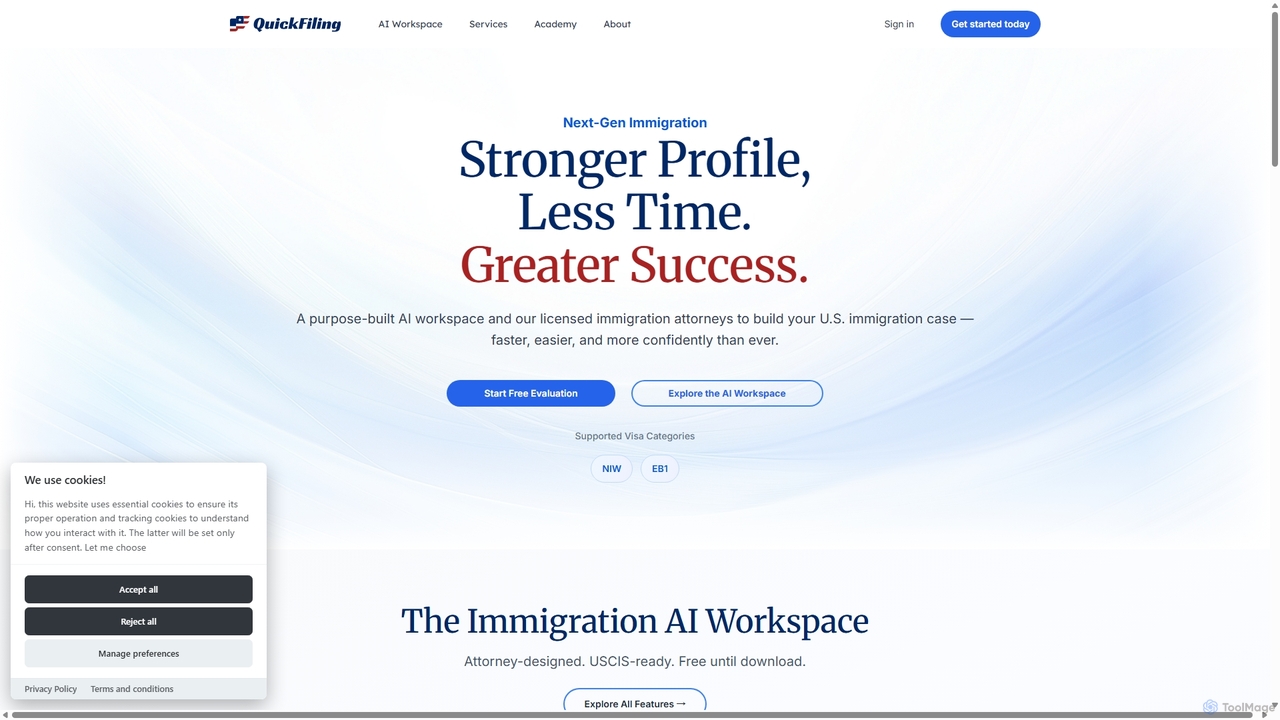
Quickfiling is an AI-powered workspace designed to simplify and accelerate U.S. immigration petition preparation. It combines intelligent tools …

18.0K
AppGen

AppGen

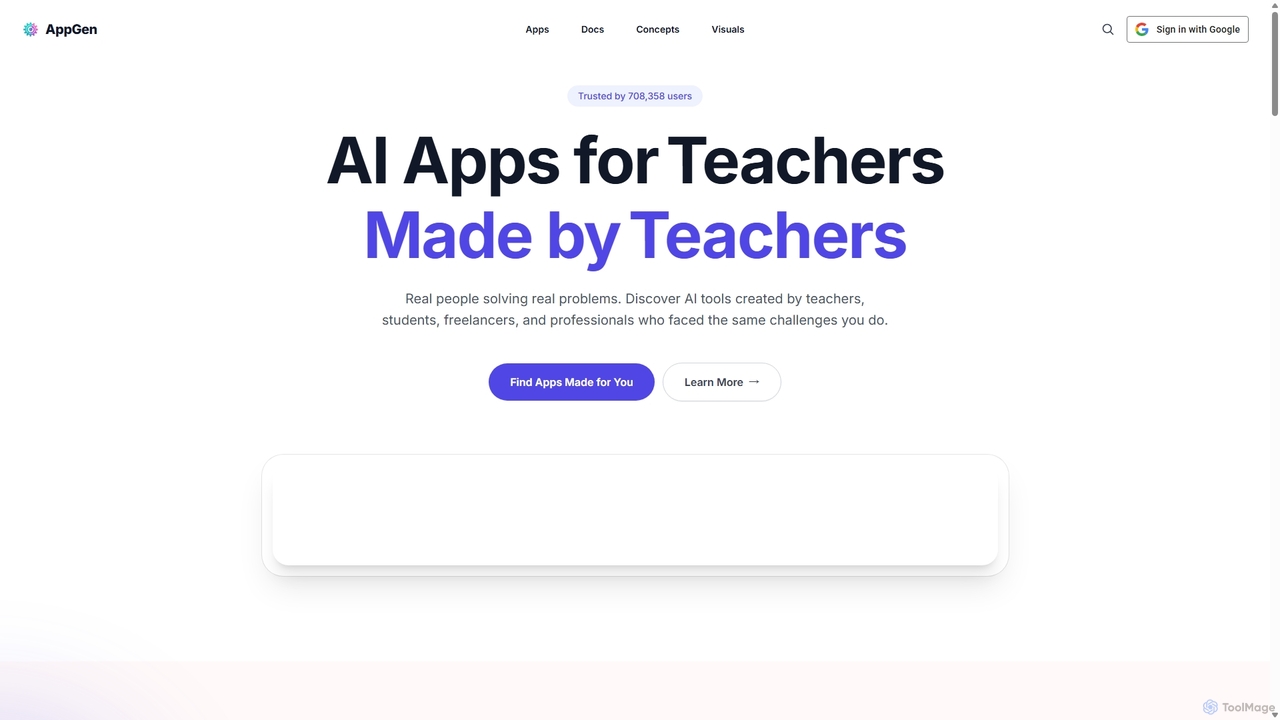
AppGen is a no-code AI platform empowering users, especially educators and students, to build and use custom AI …

6.2K
QPNOTES

QPNOTES

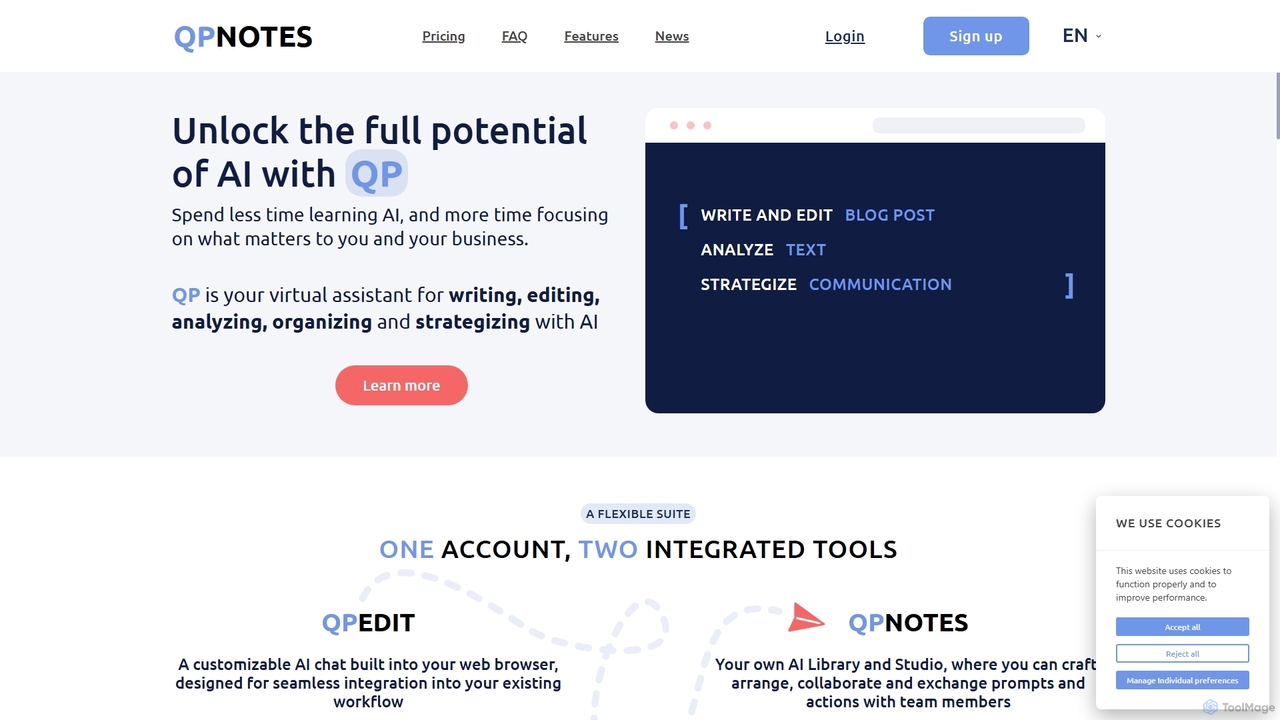
QPNOTES is an all-in-one AI prompt management platform designed to save, organize, and share your AI prompts. It …

2.7K
Paper Pilot

Paper Pilot

Paper Pilot is an AI-powered research productivity platform designed for researchers, students, and academics. It streamlines the research …

2.6K
DeckAssistant

DeckAssistant

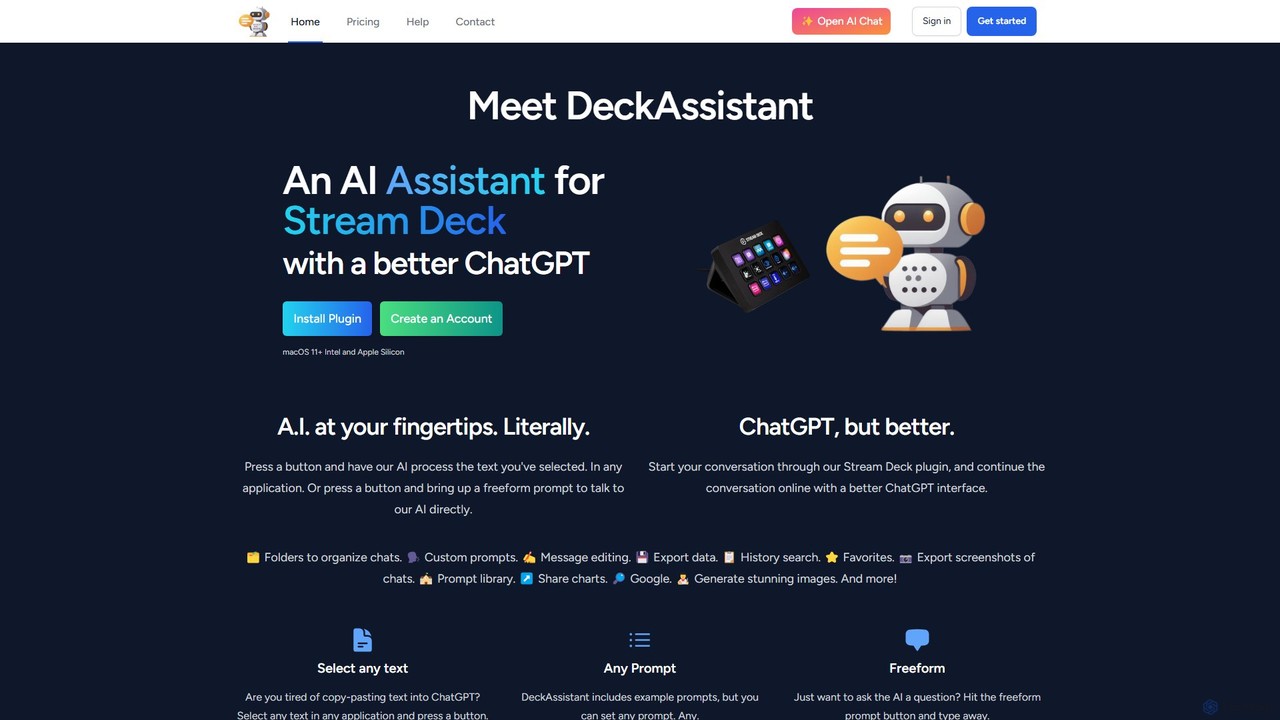
DeckAssistant is a powerful AI assistant that integrates directly with your Elgato Stream Deck. It allows you to …

2.7K
ChatOne

ChatOne

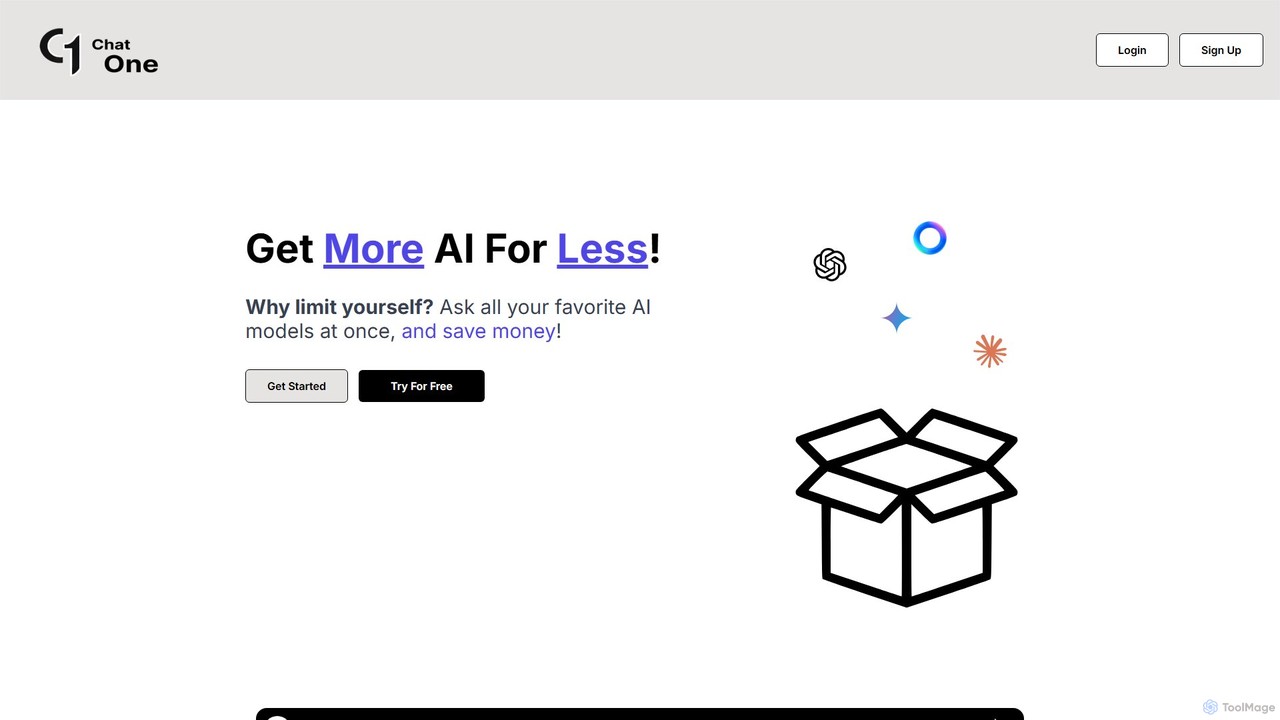
ChatOne is an AI chatbot aggregator that allows you to query multiple leading AI models like ChatGPT, Claude …

2.5K
readwonders

readwonders

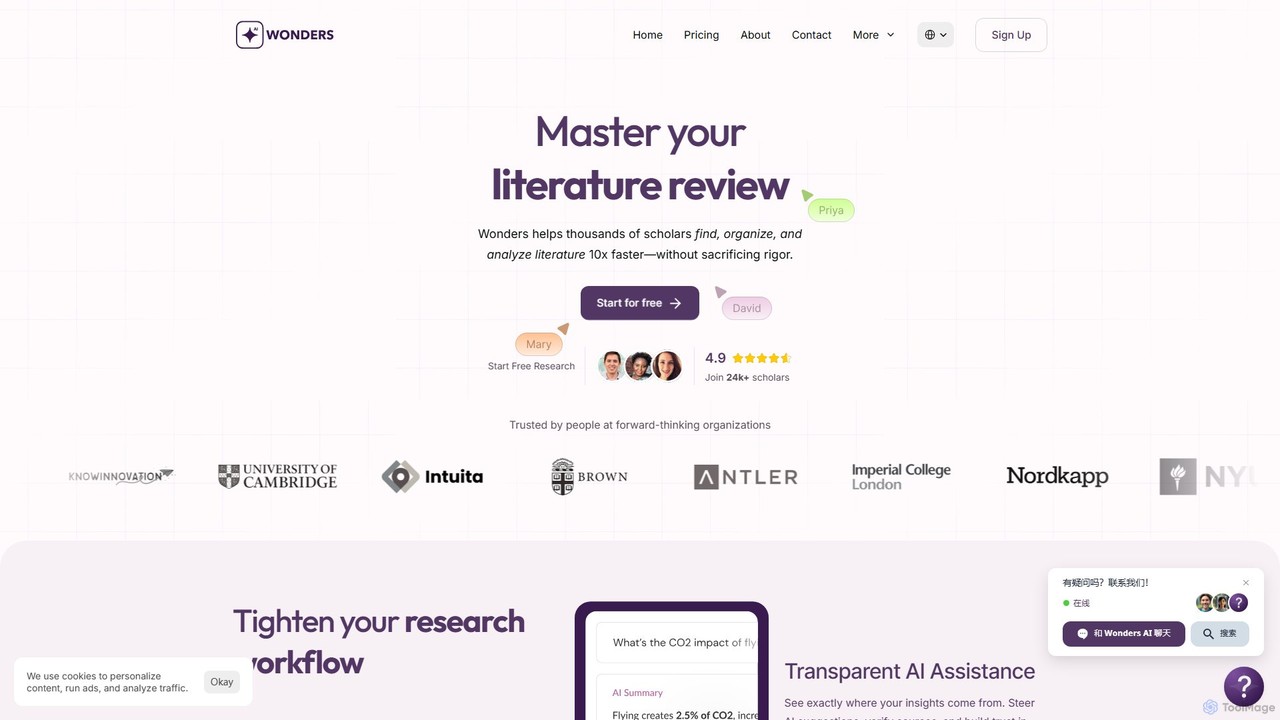
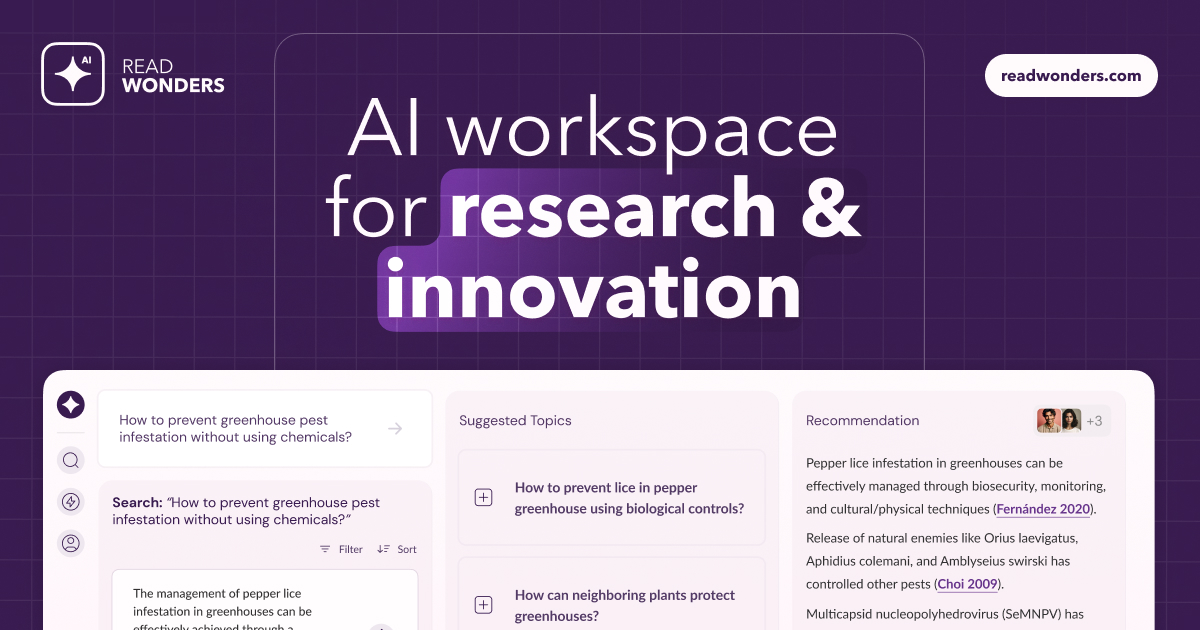
readwonders is an AI-powered research workspace designed to streamline the entire research workflow. It integrates advanced search across …

15.3K
Clack

Clack

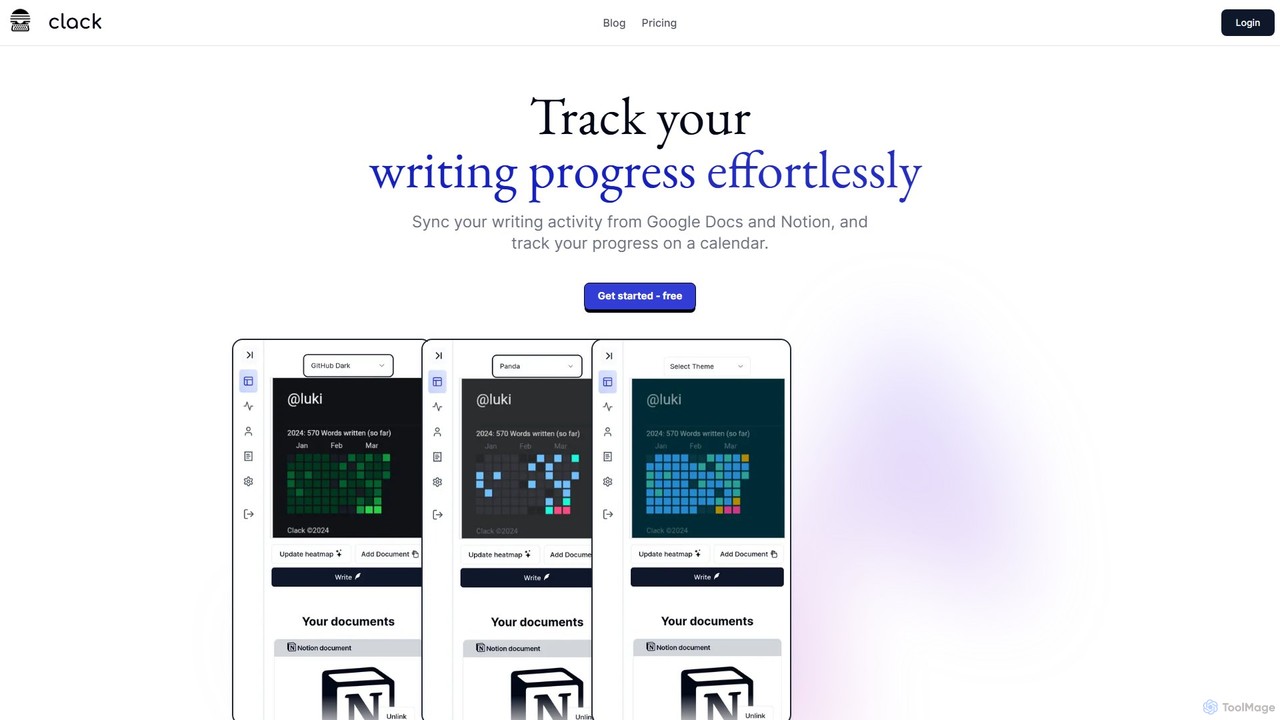
Clack is an AI-powered writing productivity tool that effortlessly tracks your writing progress from Google Docs and Notion. …

2.5K
networkwitharnold

networkwitharnold

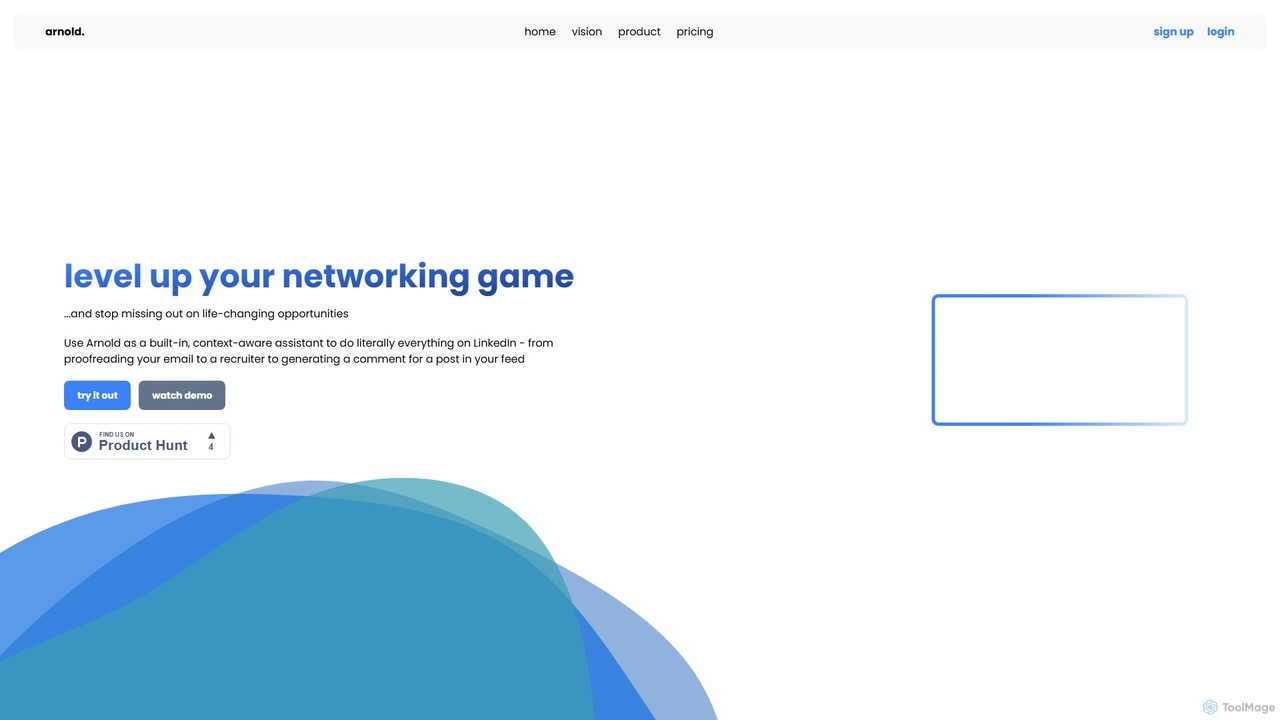
Arnold is an AI-powered networking assistant for LinkedIn, designed as a Chrome extension. It helps users enhance their …

2.7K
Sigmabrowser

Sigmabrowser

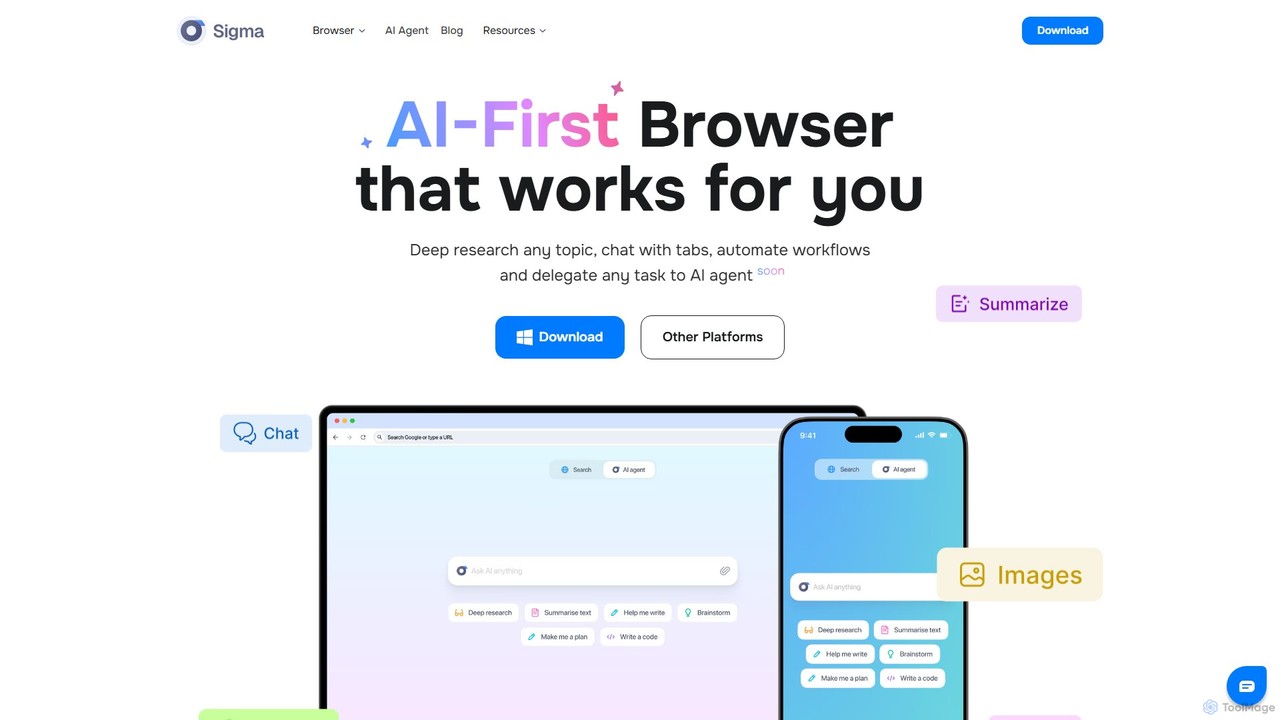
Sigmabrowser is an AI-first browser built on Chromium, designed to automate workflows and enhance productivity. It features an …

102.3K
Quillow

Quillow

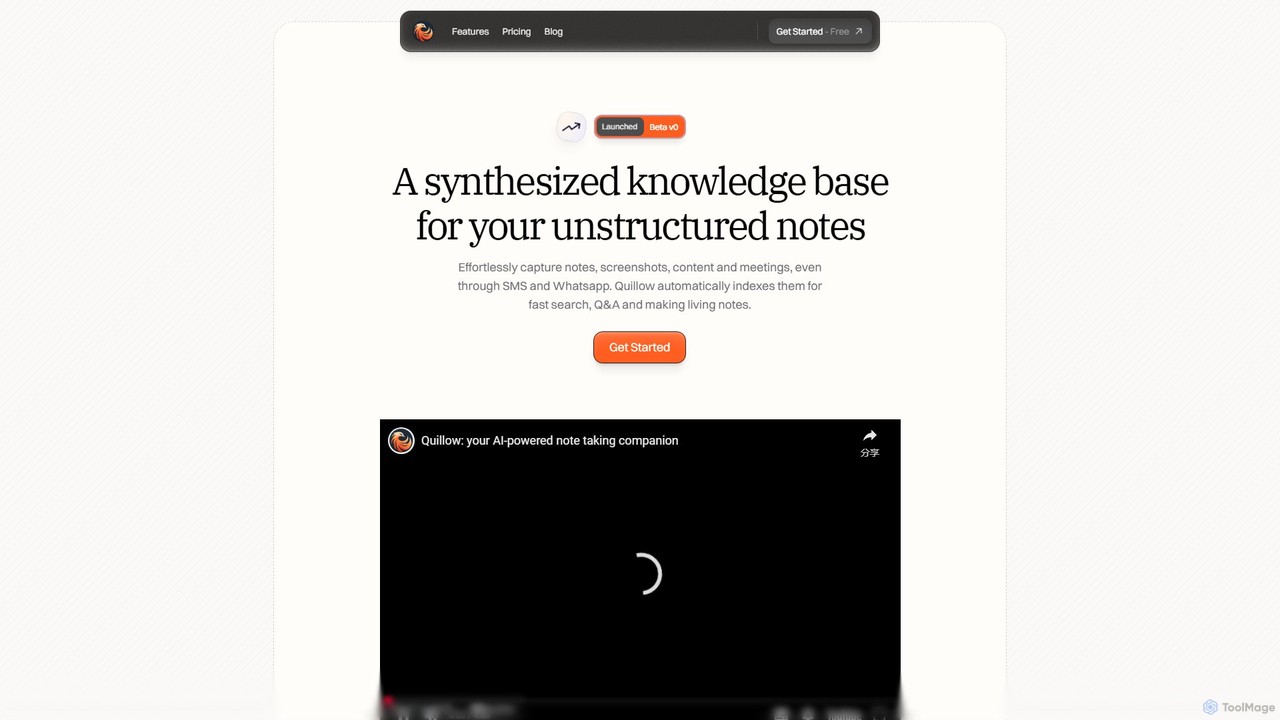
Quillow is an AI-powered note-taking app that functions as your second brain. It effortlessly captures unstructured notes, screenshots, …

2.6K

About Assistant

AI writing assistants are intelligent tools that leverage artificial intelligence to support and enhance various stages of the writing process. Unlike general AI writers that generate content from scratch, these assistants utilize natural language processing (NLP) and machine learning to offer real-time feedback, suggestions, and automated tasks for existing text. They help writers improve clarity, grammar, style, and overall content quality, making the writing workflow more efficient and effective by augmenting human capabilities.

Core Features

  • Grammar & Spelling Correction: Identifies and corrects grammatical errors, punctuation mistakes, and spelling inaccuracies.
  • Style & Tone Suggestions: Provides recommendations to refine writing style, adjust tone (e.g., formal, casual), and improve sentence structure.
  • Rephrasing & Paraphrasing: Offers alternative ways to express ideas, helping to improve clarity, conciseness, or avoid repetition.
  • Content Optimization: Analyzes text for readability, engagement, and SEO potential, suggesting improvements for better audience reach.
  • Summarization: Condenses long texts into concise summaries, extracting key information efficiently.

Use Cases

AI writing assistants are invaluable for anyone looking to refine their written communication. Content creators use them to polish blog posts and articles, ensuring high quality and SEO readiness. Marketing professionals leverage them to craft compelling ad copy and social media posts. Students benefit from enhanced proofreading and style checks for academic papers, while business professionals use them to improve the clarity and impact of emails and reports.

How to Choose

When selecting an AI writing assistant, consider its core functionalities, such as grammar, style, and content optimization capabilities, and ensure they align with your primary needs. Evaluate its integration with your existing writing platforms (e.g., Google Docs, Microsoft Word). Assess the accuracy and relevance of its suggestions, and check for language support if you write in multiple languages. Finally, compare pricing models and customization options to find a tool that fits your budget and specific workflow requirements.

AssistantUse Cases

1

Optimizing Blog Posts for Readability and SEO

A content creator uses an AI writing assistant to review a blog post draft. The assistant identifies grammatical errors, suggests improvements for sentence flow and vocabulary, and provides recommendations to enhance readability and SEO keyword integration. This process ensures the post is engaging, error-free, and optimized for search engines, ultimately increasing audience reach and engagement.

2

Refining Marketing Copy for Higher Conversion

A marketing specialist leverages an AI writing assistant to craft compelling ad headlines and body copy for a new campaign. The assistant generates multiple variations, analyzes the tone to match the target audience, and ensures conciseness and impact. This helps the specialist quickly iterate on copy, leading to more effective advertisements and improved conversion rates.

3

Enhancing Academic Essays for Clarity and Cohesion

A university student utilizes an AI writing assistant to proofread their research paper. The assistant corrects grammatical inaccuracies, identifies awkward phrasing, and suggests improvements for academic tone and structural cohesion. This support helps the student submit a well-polished, professional-sounding essay that clearly conveys their research findings and arguments.

4

Polishing Professional Emails and Reports

A business professional employs an AI writing assistant to review critical emails and reports before sending. The assistant ensures clarity, conciseness, and a consistent professional tone, while also checking for any potential misinterpretations. This helps the professional communicate more effectively, build stronger relationships, and avoid misunderstandings in their daily correspondence.

5

Simplifying Complex Technical Documentation

A technical writer uses an AI writing assistant to simplify complex user manuals and guides. The assistant helps rephrase technical jargon into more accessible language, checks for consistency in terminology, and improves overall readability. This ensures that end-users can easily understand and follow instructions, reducing support queries and enhancing user satisfaction.

6

Improving Non-Native English Writing Fluency

A non-native English speaker uses an AI writing assistant to refine their written English. The assistant corrects grammatical errors, suggests more natural and idiomatic phrasing, and helps expand vocabulary. This enables the writer to produce more fluent, professional, and confident written content, whether for academic, business, or personal purposes.

AssistantFrequently Asked Questions