ToolMage
Sign in

Best 372 Writing Assistant for Writing

Popular Writing Assistant in Writing include Google Gemini, doubao, Microsoft Copilot, Quark, Kimi, Qwen, Genspark, Yuanbao, Gauth, and NoteGPT, helping you work more efficiently.

myninja.ai
Freemium

myninja.ai

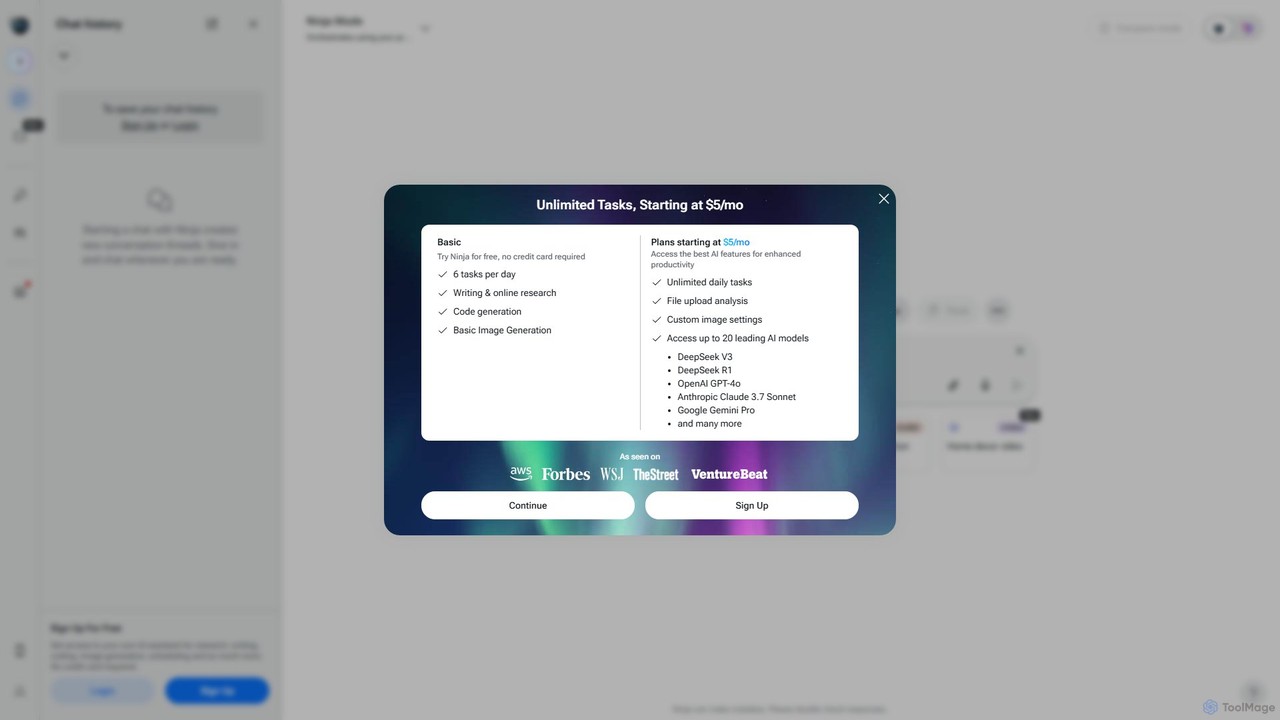
myninja.ai is an all-in-one AI agent designed to boost productivity. It integrates over 20 leading AI models like GPT-4o, Claude 3.7, and Gemini Pro into a single platform. Users can perform deep research, write code, generate images, analyze files, and schedule meetings, all from one intuitive chat interface. It offers a free plan and affordable premium options starting at $5/mo.

Code Assistant
Visits 232.8KFavorites 115Likes 115
aichatting
Freemium

aichatting

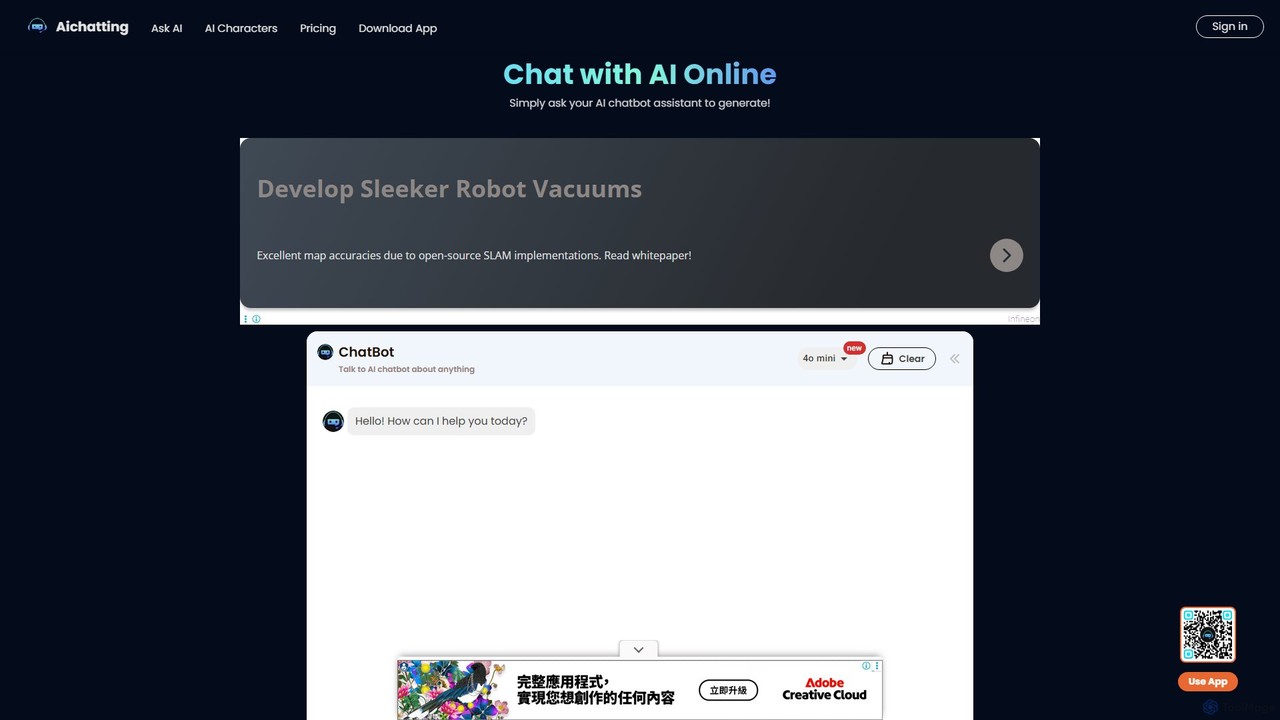
aichatting is a versatile AI chatbot platform powered by advanced GPT models. Engage in natural conversations, ask any question, or interact with specialized AI characters for expert advice. It also functions as a powerful writing assistant, helping you generate emails, articles, and creative content 10x faster. Available online and via a mobile app, it's a free and user-friendly tool for productivity, learning, and creativity.

Learning
Visits 306.9KFavorites 153Likes 165
iimagine

iimagine

iimagine is an AI-powered platform designed for experts, educators, and creators to transform their knowledge into monetizable digital products. It automates the creation of courses, e-books, and presentations by generating structured content and compelling visuals, streamlining the path from idea to revenue.

Course Creation
Visits 5.8KFavorites 131Likes 131
ChatTab
Freemium

ChatTab

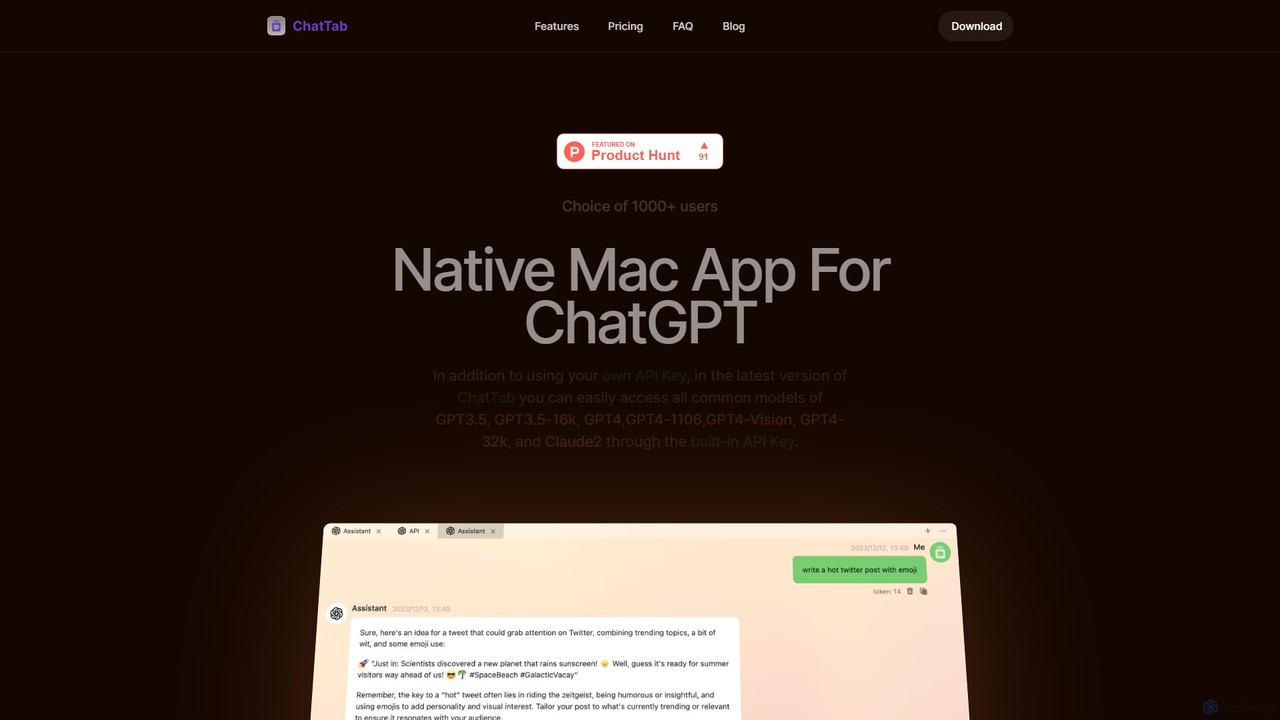
ChatTab is a native macOS desktop application designed to enhance the ChatGPT experience. It offers a fast, lightweight interface with features like multi-tab conversations, shortcut key access, iCloud prompt synchronization, and support for various models including GPT-4 Vision and Claude 2. Users can leverage their own API key or use the built-in one, ensuring a secure and private interaction with advanced AI models directly from their desktop.

Code Assistant
Visits 5.9KFavorites 134Likes 133
eLBot
Free

eLBot

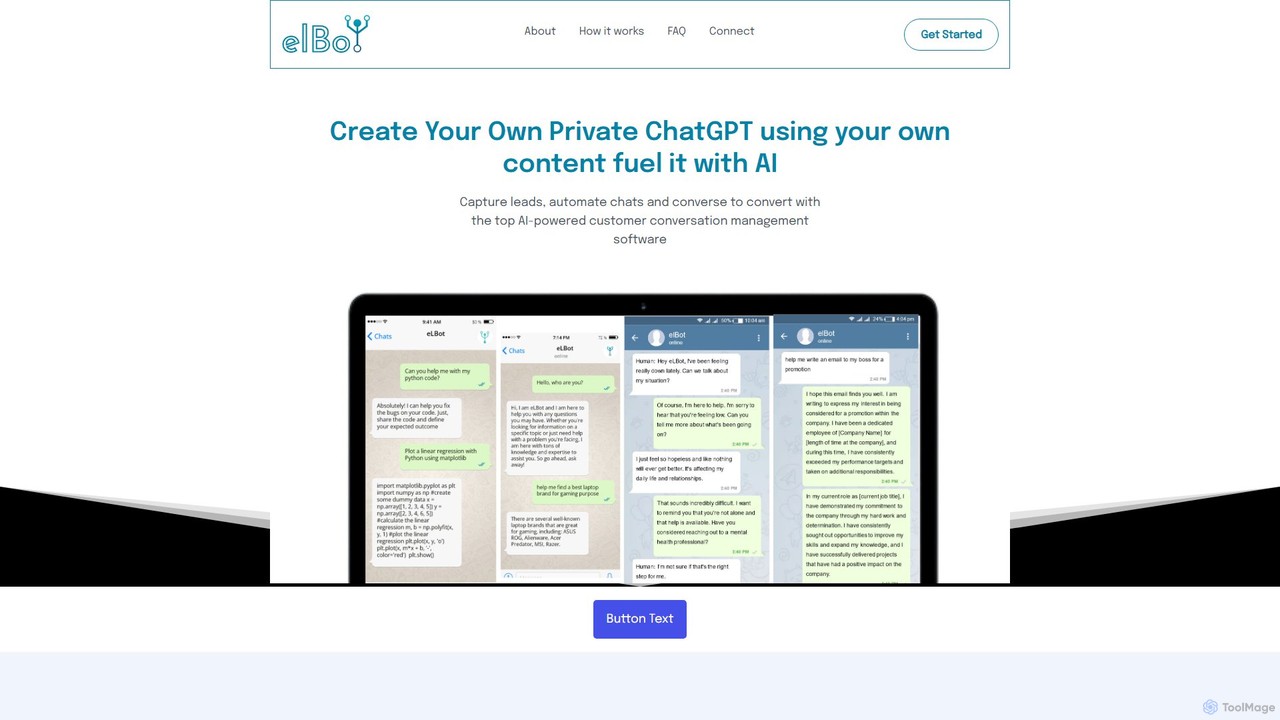
eLBot is a next-generation AI chatbot designed for education and research. It offers a personalized, private, and completely free conversational experience. Powered by sophisticated neural networks and OpenAI modules, eLBot provides unique, human-like responses while ensuring user data remains 100% safe and confidential.

Research Assistant
Visits 5.9KFavorites 131Likes 129
QuickyAI
Paid

QuickyAI

QuickyAI is a browser extension that seamlessly integrates ChatGPT into any website. It allows you to chat with webpages, summarize content in one click, and use custom prompts to boost your productivity. Access the power of GPT-4o and other models directly within your workflow without switching tabs.

Summarizer
Visits 6.2KFavorites 137Likes 135
chrome_ai
Freemium

chrome_ai

An all-in-one AI assistant integrated into your Chrome browser. Summarize web pages and YouTube videos, enhance your writing, explain complex topics, and chat with advanced AI models without leaving your current tab. Boost your productivity with seamless AI power.

Chrome Extensions
Visits 6KFavorites 120Likes 125
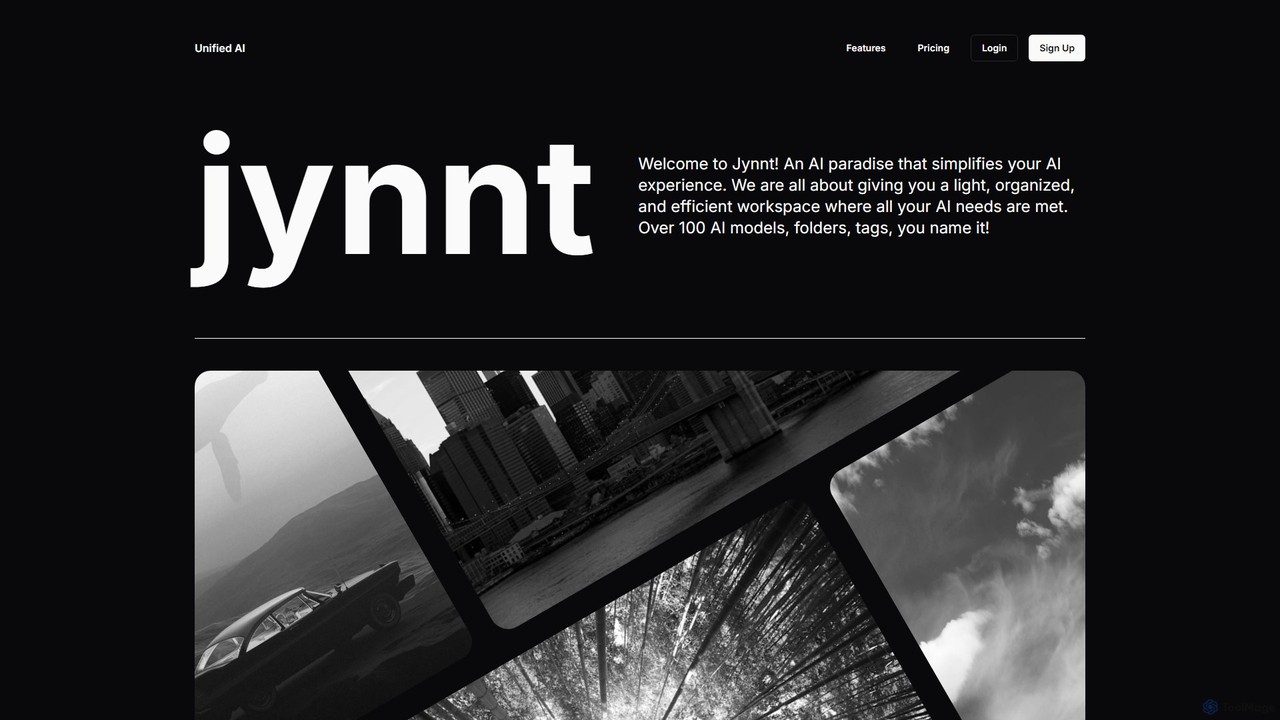
jynnt
Paid

jynnt

jynnt is an all-in-one AI workspace that provides access to over 100 AI models through a single, streamlined interface. It's designed to simplify your AI experience with powerful organizational tools like folders, spaces, and tags for managing chats. This platform offers a lightweight, efficient, and clutter-free environment, allowing users to focus on innovation and productivity without limitations on chats or messages.

Code Assistant
Visits 5.9KFavorites 168Likes 189
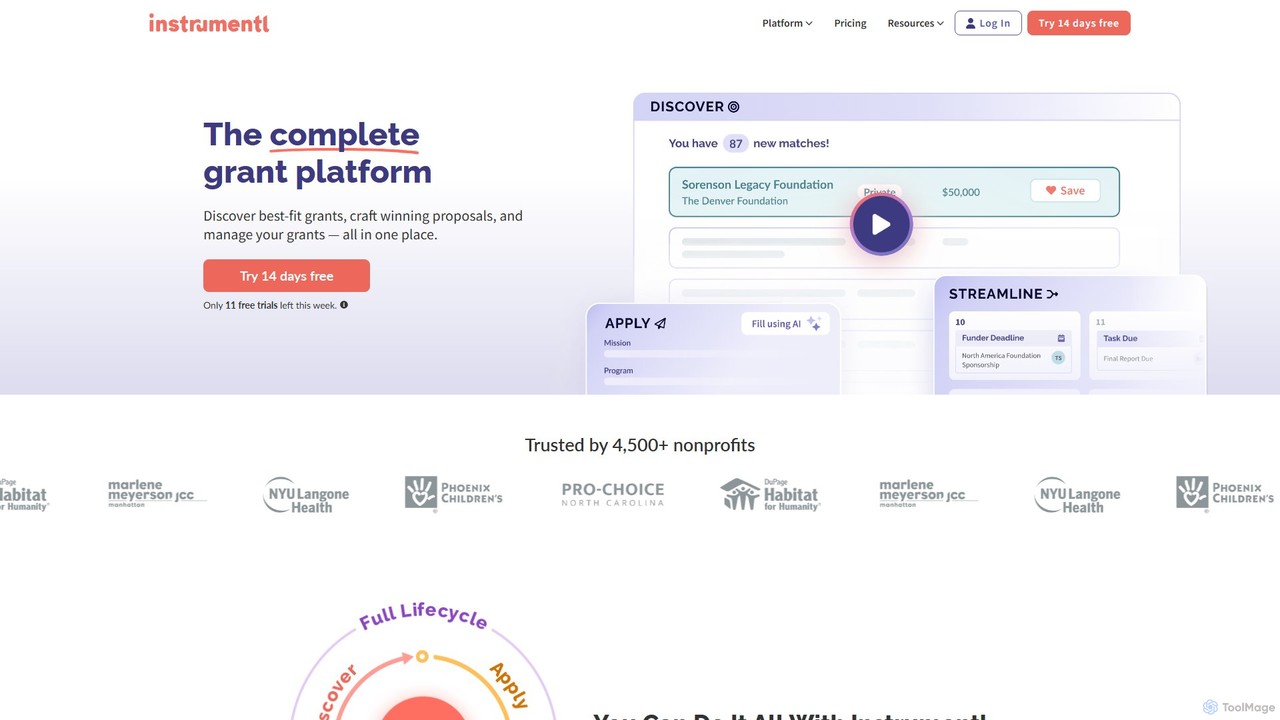
Instrumentl
Freemium

Instrumentl

Instrumentl is an all-in-one AI-powered grant platform for nonprofits. It helps organizations discover best-fit funders, craft winning proposals, and manage the entire grant lifecycle in a single, streamlined workspace. It combines a comprehensive database with intelligent automation to boost fundraising efficiency and success.

Project Management
Visits 332.4KFavorites 130Likes 126
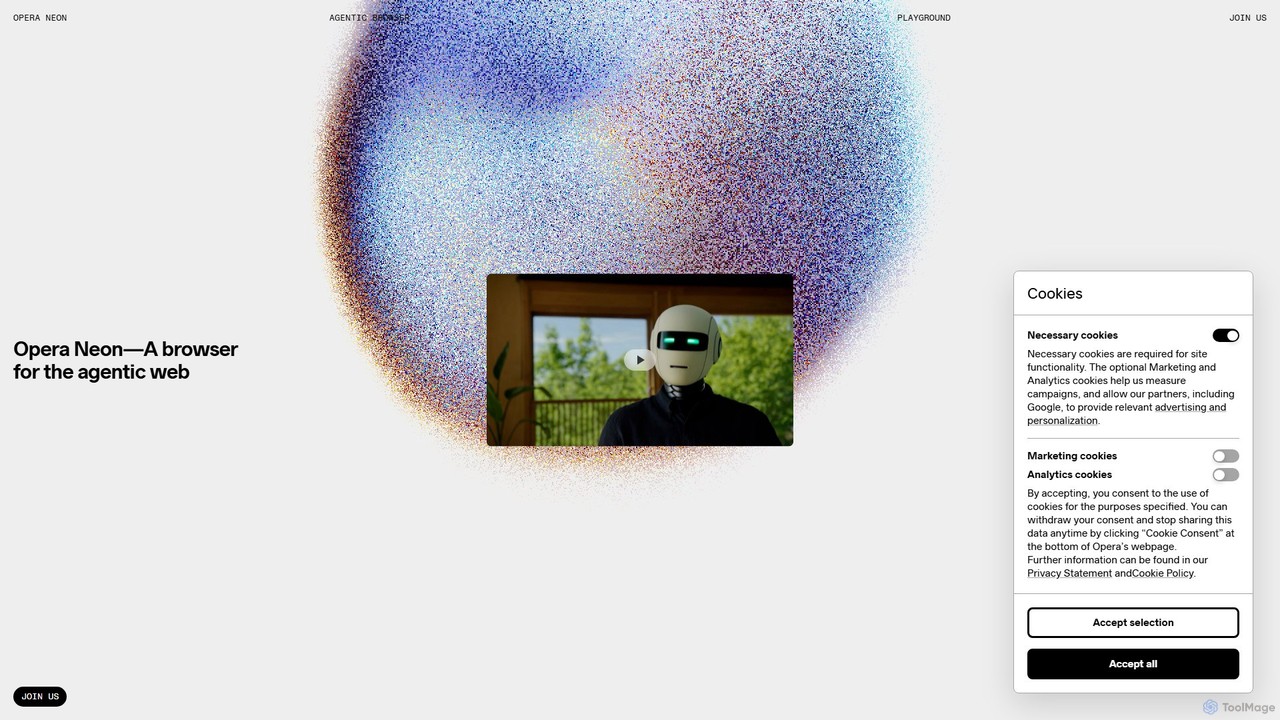
Opera Neon
Paid

Opera Neon

Opera Neon is a next-generation agentic AI browser designed to understand user intent, automate complex tasks, and create digital content. It integrates AI chat, task automation, and creative generation into a single, seamless browsing experience, acting as a proactive digital assistant.

Low Code No Code
Visits 298.2KFavorites 110Likes 111
aigptfree
Free

aigptfree

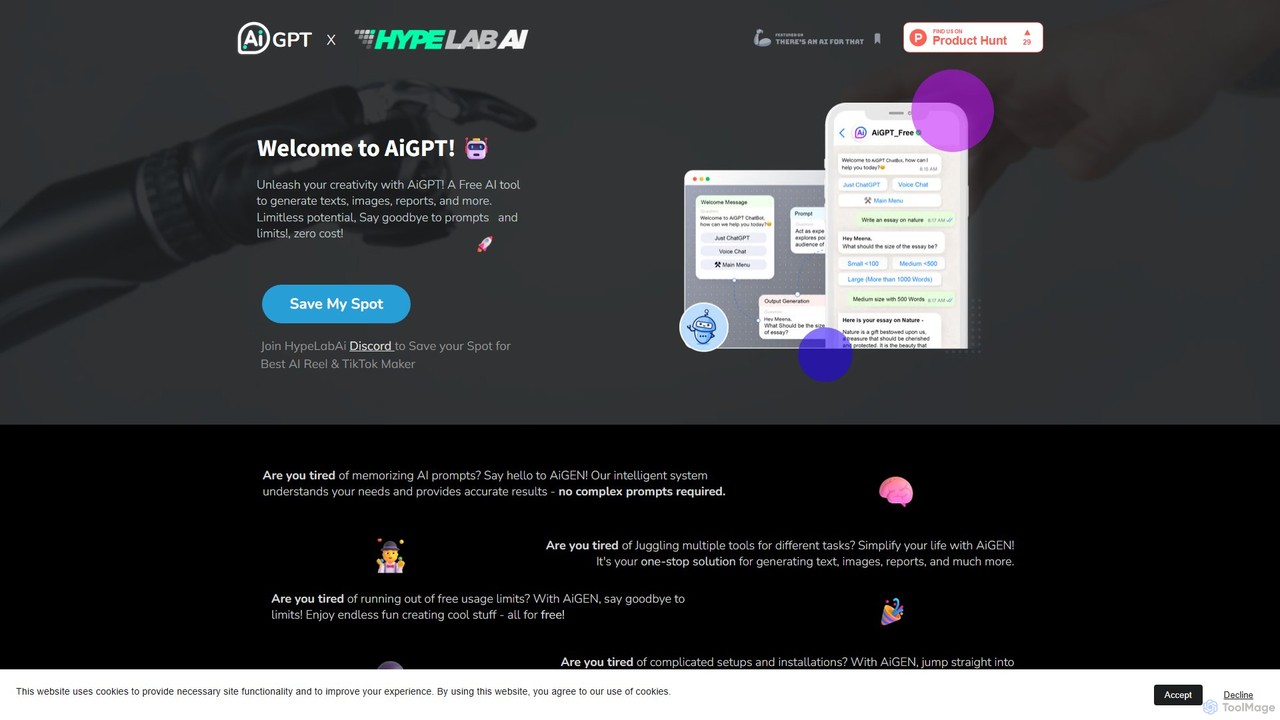
aigptfree is a completely free, all-in-one AI assistant that operates via Telegram. It offers unlimited text generation, image creation using DALL-E 2 and Stable Diffusion, voice chat, PDF interaction, and more. Designed for everyone, it simplifies complex AI tasks into easy conversations, requiring no technical skills or prompt engineering.

Personal Assistant
Visits 8.4KFavorites 119Likes 129
Redmo
Freemium

Redmo

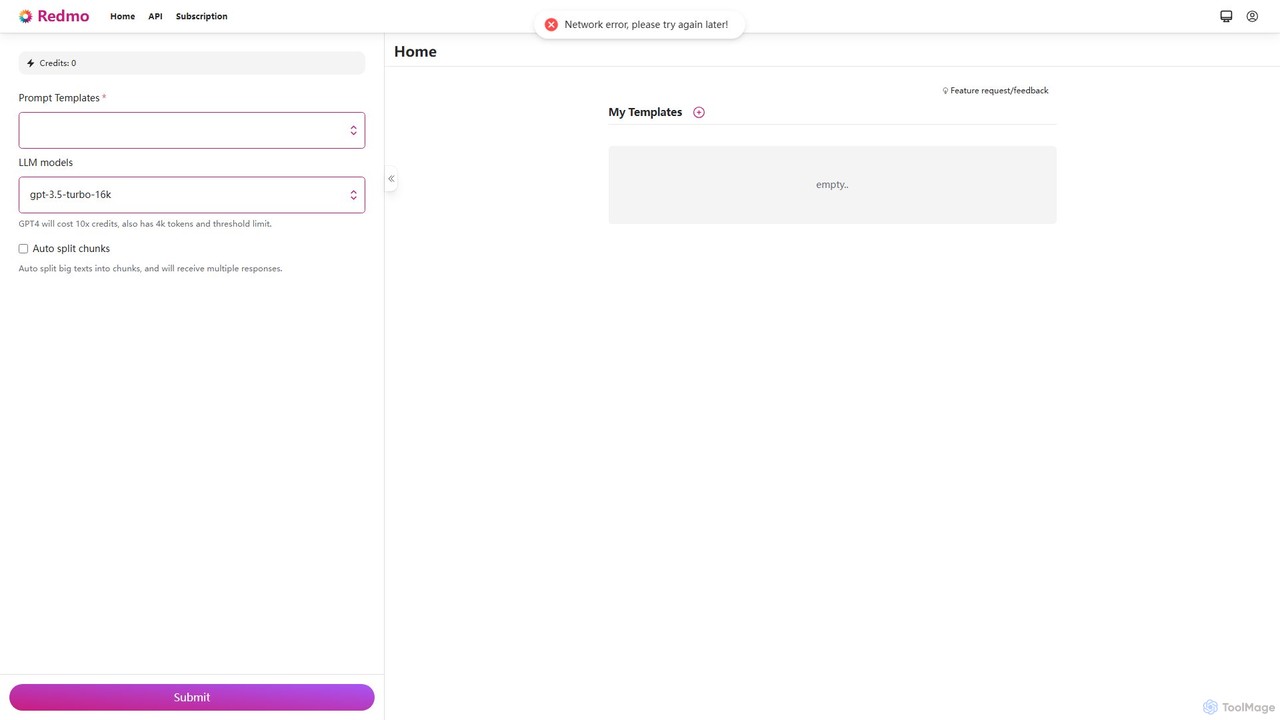
Redmo is a powerful prompt engineering platform that enables users to create, manage, and execute dynamic prompt templates with variables. It offers API support for seamless integration and features multi-LLM compatibility, including GPT-4, to streamline and scale automated content generation and workflows.

Api Management
Visits 6KFavorites 105Likes 84

About Writing Assistant

Writing Assistants are AI-powered tools designed to enhance the quality, clarity, and style of existing text. They utilize Natural Language Processing (NLP) to analyze sentences, identifying errors in grammar, spelling, punctuation, and syntax. Beyond simple proofreading, these assistants provide suggestions for improving sentence structure, adjusting tone, and increasing readability. This helps users communicate more effectively and professionally in any context, from business emails to academic papers.

Core Features

  • Advanced Grammar & Punctuation Check: Identifies and corrects complex grammatical errors, not just basic typos.
  • Style & Tone Adjustment: Offers suggestions to rephrase sentences to be more formal, confident, friendly, or concise.
  • Clarity & Readability Analysis: Simplifies complex sentences, removes jargon, and improves the overall flow of the text.
  • Sentence Rephrasing & Completion: Provides alternative ways to phrase ideas and helps overcome writer's block.
  • Plagiarism Detection: Scans text against online sources to ensure originality.

Use Cases

Writing Assistants are widely used by professionals for crafting error-free emails and reports, students for proofreading academic essays, and marketers for refining ad copy and social media posts. Non-native speakers also rely on these tools to improve their fluency and sound more natural in their writing.

How to Choose

When selecting a Writing Assistant, consider its integration capabilities (e.g., browser extensions, desktop apps), the range of languages it supports, and the depth of its stylistic suggestions. Also, evaluate the user interface for ease of use and compare pricing models, as some offer free basic checks while others provide advanced team features via subscription.

Featured tool rankings

Writing Assistant use cases

1

Polishing Business Communication

A project manager needs to send a critical project update to stakeholders. They use a Writing Assistant to review their draft. The tool corrects a few subtle grammatical errors, suggests rephrasing a complex sentence for better clarity, and adjusts the tone to be more confident and professional. The final email is clear, concise, and error-free, ensuring the message is received positively and without misunderstanding, strengthening professional credibility.

2

Proofreading Academic Papers

A university student is finalizing their thesis. Before submission, they run the entire document through a Writing Assistant. The tool helps identify inconsistent terminology, flags sentences that are too long and complex, and checks for potential unintentional plagiarism. It also ensures the paper adheres to a formal academic tone. This process significantly improves the paper's quality, allowing the student to submit their work with confidence.

3

Optimizing Marketing & Blog Content

A content marketer drafts a new blog post. Using a Writing Assistant integrated into their editor, they check the text for readability. The assistant suggests breaking up long paragraphs, replacing passive voice with active voice for a more engaging tone, and simplifying industry jargon for a broader audience. This ensures the final content is not only grammatically correct but also optimized for reader engagement and SEO performance.

4

Assisting Non-Native English Speakers

An employee whose first language is not English needs to write a proposal for an international client. They use a Writing Assistant to check for common grammatical mistakes and awkward phrasing. The tool suggests more natural-sounding idioms and sentence structures, helping them convey their ideas clearly and professionally. This boosts their confidence and ensures their writing accurately reflects their expertise, free from language barriers.

5

Maintaining Brand Voice Consistency

A marketing team uses a Writing Assistant with a built-in style guide feature. This ensures that all content produced by different team members—from website copy to press releases—adheres to the company's specific terminology, tone, and formatting rules. The assistant automatically flags non-compliant language and suggests approved alternatives, streamlining the editing process and ensuring a consistent and professional brand identity across all channels.

6

Streamlining Personal Writing Tasks

An individual is drafting a cover letter for a job application. They use a Writing Assistant browser extension to quickly check for typos and grammatical errors. The tool also suggests stronger action verbs to replace weaker ones, making their experience sound more impactful. In just a few minutes, the cover letter is transformed from a simple draft into a polished, professional document that makes a strong first impression on recruiters.

Writing Assistant FAQ

What is an AI Writing Assistant?

An AI Writing Assistant is a software tool that uses artificial intelligence to help users improve their writing in real-time. Unlike tools that generate content from scratch, an assistant focuses on enhancing existing text by correcting grammar, improving style and tone, increasing clarity, and checking for plagiarism. They act as an intelligent proofreader and style coach, accessible directly within your browser or text editor.

How is a Writing Assistant different from an AI Content Generator?

The key difference lies in their primary function. A Writing Assistant enhances and refines text that a human has already written, focusing on correctness, clarity, and style. An AI Content Generator creates new, original text from a user's prompt or keywords. Think of an assistant as an editor, while a generator is an author. You use an assistant to polish your own work, and a generator to create a first draft or new ideas.

What are the key features to look for in a Writing Assistant?

When choosing a Writing Assistant, look for these essential features:

  • Comprehensive Corrections: It should go beyond basic spell-checking to catch complex grammar, punctuation, and syntax errors.
  • Style and Tone Suggestions: The ability to suggest rephrasing for different contexts (e.g., formal, casual, confident) is highly valuable.
  • Integration: Look for seamless integration with your workflow, such as browser extensions, Microsoft Word add-ins, or desktop apps.
  • Multi-language Support: If you write in more than one language, ensure the tool provides robust support for them.
  • Plagiarism Checker: A built-in plagiarism detector is crucial for academic and professional writing.
Who can benefit from using a Writing Assistant?

A wide range of individuals can benefit from a Writing Assistant. Students can use it to proofread essays and avoid plagiarism. Professionals can ensure their emails, reports, and presentations are clear and error-free. Content creators and marketers can refine their copy for better engagement. Non-native speakers can improve their fluency and confidence. Essentially, anyone who writes regularly can use these tools to enhance the quality and impact of their communication.

Do Writing Assistants replace human editors?

Writing Assistants are powerful tools, but they do not fully replace human editors. They excel at identifying objective errors in grammar, spelling, and syntax, and can offer excellent stylistic suggestions based on algorithms. However, a human editor provides nuanced understanding of context, audience, and creative intent that AI may miss. Assistants are best used as a first line of defense to catch errors and improve drafts, while human editors are invaluable for final, high-stakes polishing.