Fast.ai is a research institute dedicated to making deep learning accessible to everyone. It offers free courses, an open-source software library (fastai), cutting-edge research, and a vibrant community, empowering coders of all backgrounds to become deep learning practitioners.

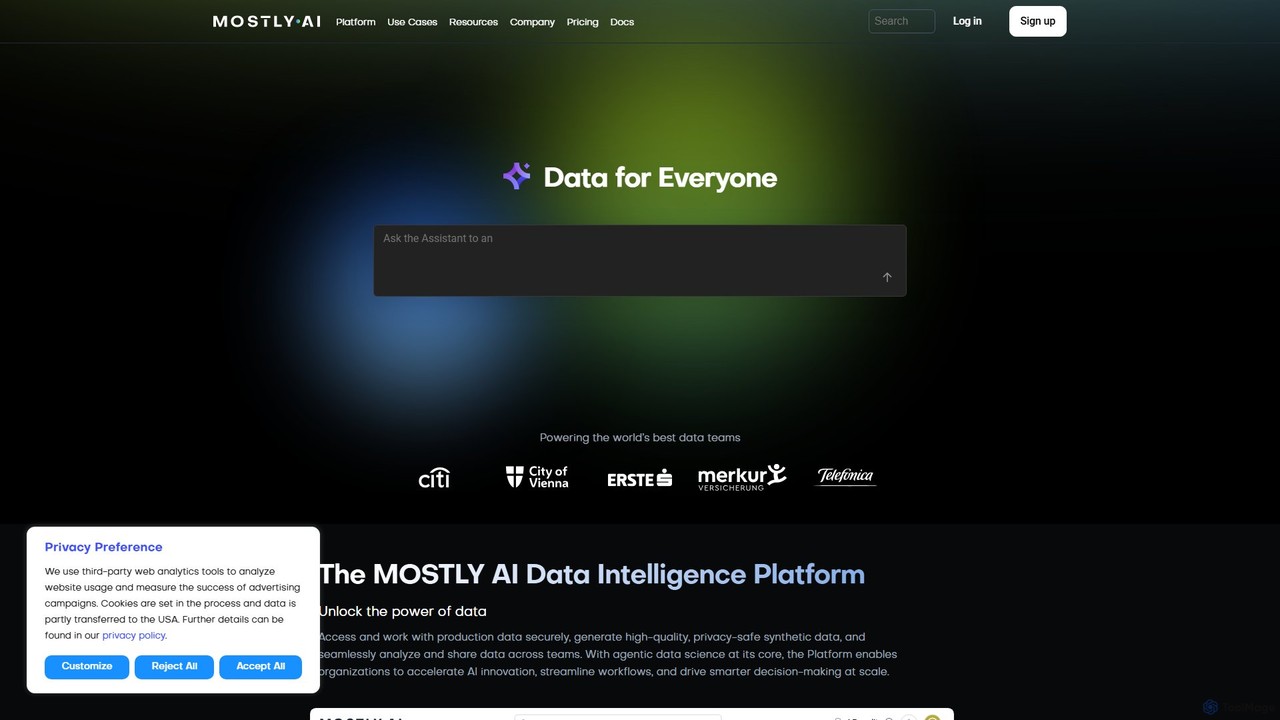
MOSTLY AI is a Data Intelligence Platform that specializes in generating high-quality, privacy-safe synthetic data. It enables organizations to securely access, analyze, and share data, accelerating AI innovation and streamlining workflows while ensuring full compliance with privacy regulations.
Product overview
Fast.ai Product overview
Fast.ai is a research institute dedicated to making deep learning accessible to everyone. It offers free courses, an open-source software library (fastai), cutting-edge research, and a vibrant community, empowering coders of all backgrounds to become deep learning practitioners.

MOSTLY AI Product overview
MOSTLY AI is a Data Intelligence Platform that specializes in generating high-quality, privacy-safe synthetic data. It enables organizations to securely access, analyze, and share data, accelerating AI innovation and streamlining workflows while ensuring full compliance with privacy regulations.
Detailed feature comparison
| Feature | Fast.ai | MOSTLY AI |
|---|---|---|
| Primary category | Machine Learning | Machine Learning |
| Added | 2025-09-18 | 2025-08-15 |
| Pricing | Free | Freemium |
| Official website | fast.ai | mostly.ai |
| Product type | Website | Website |
| Performance data | ||
| User rating | Not verified | Not verified |
| Comments | 0 | 0 |
| Monthly visits | 415K | 67.3K |
| Monthly growth | 3.8% | 18.7% |
| Favorites | 154 | 141 |
| Details | View details | View details |
Fast.ai vs MOSTLY AI monthly traffic
Compare Fast.ai and MOSTLY AI by monthly reach, traffic trend, visit depth, top regions, and acquisition sources.
How to interpret the traffic data
In the Fast.ai vs MOSTLY AI monthly traffic comparison, Fast.ai currently shows 415K visits and MOSTLY AI shows 67.3K; Fast.ai has about 6.2 times the visible traffic of MOSTLY AI, an absolute difference of about 347.7K visits. This reflects visible reach, not feature quality or paid users.
Both tools provide verified traffic details, so monthly trends, visit depth, regions, and acquisition sources can be compared on the same basis.
Fast.ai monthly traffic:
Latest traffic
Monthly traffic trend
- 2025/9: 428.4K Monthly visits
- 2026/1: 417K Monthly visits
- 2026/2: 396K Monthly visits
- 2026/3: 428.7K Monthly visits
- 2026/4: 400K Monthly visits
- 2026/5: 415K Monthly visits
Top regions
Top 5 countries/regions
| Country/region | Percentage | Traffic |
|---|---|---|
| 🇺🇸United States | 47.6% | 197.6K |
| 🇮🇳India | 33.84% | 140.4K |
| 🇬🇧United Kingdom | 6.74% | 28K |
| 🇻🇳Vietnam | 6.4% | 26.6K |
| 🇨🇳China | 5.42% | 22.5K |
Traffic sources
| Source type | Percentage | Traffic |
|---|---|---|
| Direct | 82.3% | 341.6K |
| Referral | 13.27% | 55.1K |
| 4.43% | 18.4K |
Search keywords
MOSTLY AI monthly traffic:
Latest traffic
Monthly traffic trend
- 2025/9: 72.5K Monthly visits
- 2026/1: 87.8K Monthly visits
- 2026/2: 67.7K Monthly visits
- 2026/3: 61.8K Monthly visits
- 2026/4: 56.7K Monthly visits
- 2026/5: 67.3K Monthly visits
Top regions
Top 5 countries/regions
| Country/region | Percentage | Traffic |
|---|---|---|
| 🇺🇸United States | 29.66% | 20K |
| 🇳🇬Nigeria | 21.15% | 14.2K |
| 🇮🇳India | 18.46% | 12.4K |
| 🇻🇳Vietnam | 18.33% | 12.3K |
| 🇬🇧United Kingdom | 12.4% | 8.3K |
Search keywords
Usage comparison
Compare the core capabilities of Fast.ai and MOSTLY AI
Fast.ai Core features
MOSTLY AI Core features
Use cases
Fast.ai Use cases
MOSTLY AI Use cases
Best suited roles
Fast.ai Best suited roles
MOSTLY AI Best suited roles
Fast.ai vs MOSTLY AI:In-depth comparison and selection guidance
First decide whether the products solve the same kind of need
This in-depth Fast.ai vs MOSTLY AI comparison uses only the product records, taxonomy, audience, traffic, and community signals available on this page. Fast.ai is primarily listed under “Machine Learning”, while MOSTLY AI is primarily listed under “Machine Learning”, so the first decision is whether your actual task matches their recorded scope.
The structured fields currently show these decision-relevant differences: Pricing (Fast.ai: Free; MOSTLY AI: Freemium); Monthly visits (Fast.ai: 415K; MOSTLY AI: 67.3K); Monthly growth (Fast.ai: 3.8%; MOSTLY AI: 18.7%); Favorites (Fast.ai: 154; MOSTLY AI: 141); Website (Fast.ai: fast.ai; MOSTLY AI: mostly.ai). These facts are more useful for selection than brand visibility alone.
What market visibility and monthly traffic mean
In the Fast.ai vs MOSTLY AI monthly traffic comparison, Fast.ai currently shows 415K visits and MOSTLY AI shows 67.3K; Fast.ai has about 6.2 times the visible traffic of MOSTLY AI, an absolute difference of about 347.7K visits. This reflects visible reach, not feature quality or paid users.
Both tools provide verified traffic details, so monthly trends, visit depth, regions, and acquisition sources can be compared on the same basis.
If public market visibility is an important first-pass criterion, investigate Fast.ai first. The final choice should still follow taxonomy, use case, and a real trial because higher traffic does not prove broader capabilities or better workflow fit.
Product positioning, use cases, and roles
Fast.ai and MOSTLY AI currently overlap in shared categories: Machine Learning; shared tags: data science, developer tools, machine learning, open source, and python. This can place both on the same shortlist, but it does not prove equal implementation, depth, or cost.
Fast.ai's unique categories/tags are Libraries & Frameworks, Programming, computer vision, deep learning, education, free courses, neural networks, and NLP; MOSTLY AI's are Data Generation, Data Analysis, data anonymization, data generation, data privacy, GDPR, and synthetic data. These unique fields are the strongest differentiators: validate the product whose recorded scope matches the task instead of following traffic alone.
What ratings, comments, and favorites can tell you
Fast.ai has no verified rating, 0 comments, 154 favorites, and 138 likes;MOSTLY AI has no verified rating, 0 comments, 141 favorites, and 139 likes。
Neither product has enough rating or comment samples for a credible reputation ranking.
Selection guidance by actual need
When to evaluate Fast.ai first
Put Fast.ai on the priority trial list when the task aligns with “Machine Learning” and especially Libraries & Frameworks, Programming, computer vision, deep learning, education, and free courses, or the users include AI Developer, Data Analyst, Data Scientist, and Machine Learning Engineer. This follows recorded positioning and does not imply unlisted capabilities are absent.
Fast.ai also currently records: pricing is free, product type is website, 415K verified monthly visits, no verified user rating. Verify any hard requirement around price, platform, or reach before trial, and do not let sparse review data substitute for testing.
When to evaluate MOSTLY AI first
Put MOSTLY AI on the priority trial list when the task aligns with “Machine Learning” and especially Data Generation, Data Analysis, data anonymization, data generation, data privacy, and GDPR. This follows recorded positioning and does not imply unlisted capabilities are absent.
MOSTLY AI also currently records: pricing is freemium, product type is website, 67.3K verified monthly visits, no verified user rating. Verify any hard requirement around price, platform, or reach before trial, and do not let sparse review data substitute for testing.
How to validate the recommendation before deciding
The available data describes positioning, public visibility, and community signals, but it cannot prove output quality, speed, integration effort, privacy, or long-term cost in your workflow. Before deciding, run the same representative tasks in Fast.ai and MOSTLY AI, then record completion time, accuracy, manual corrections, and the real paid threshold. A like-for-like trial turns this comparison into a defensible adoption decision.
Comparison FAQ
How should I choose between Fast.ai and MOSTLY AI?
Where does this comparison data come from?
What do unknown fields mean?
Related AI tools

Py
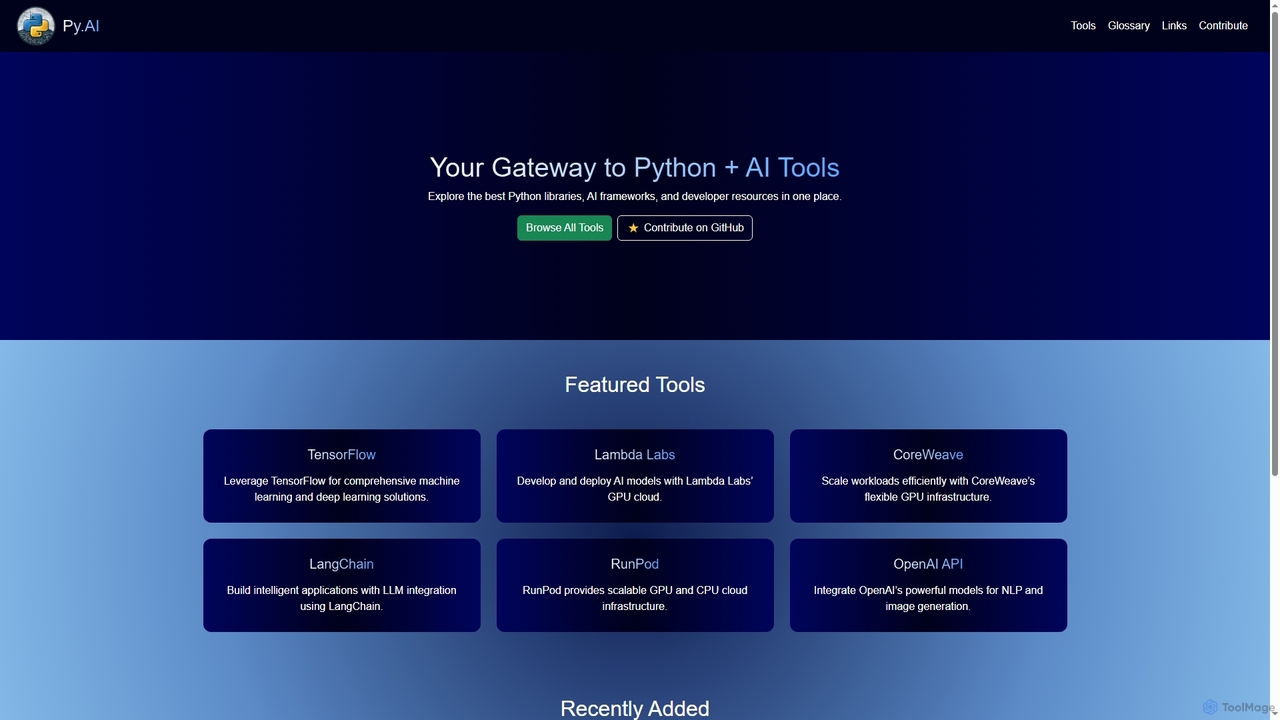
Py is a curated online directory serving as a comprehensive gateway to the best Python libraries, AI frameworks, and developer resources. It helps users explore, discover, and find tools to enhance their machine learning and AI projects.
Tool Discovery
TensorFlow
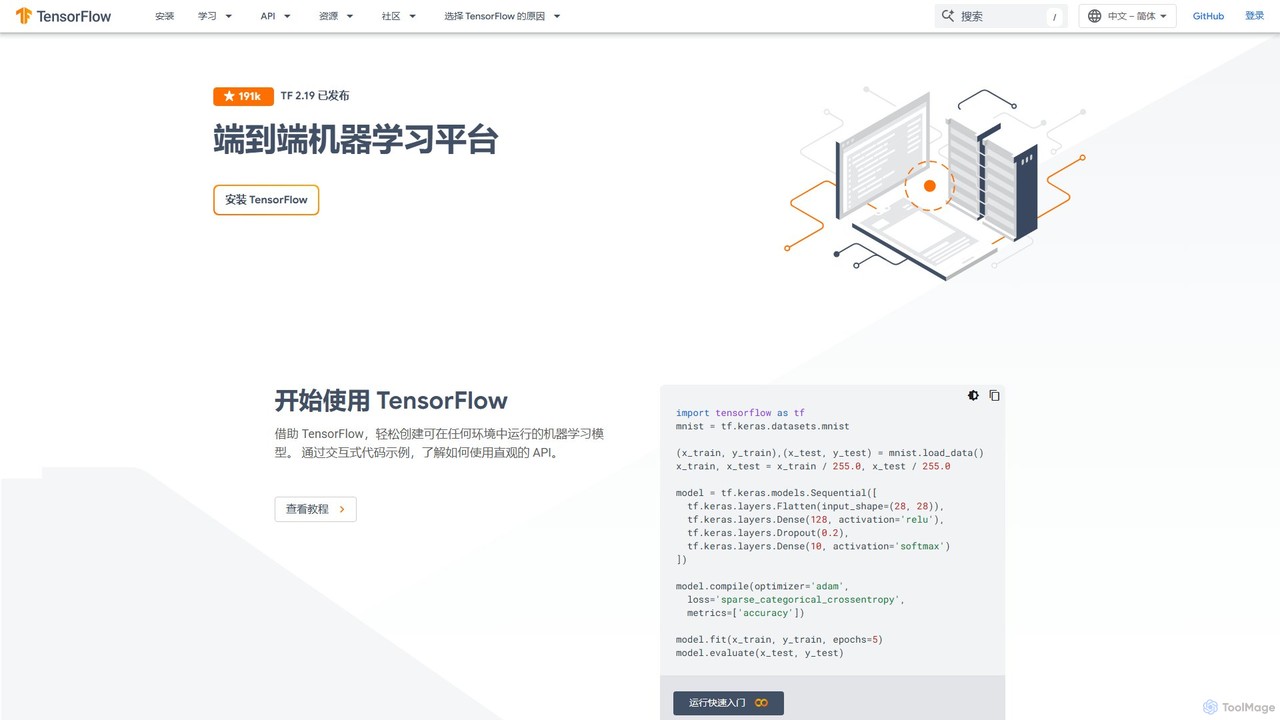
TensorFlow is an end-to-end open-source platform for machine learning developed by Google. It provides a comprehensive, flexible ecosystem of tools, libraries, and community resources that lets researchers and developers build and deploy ML-powered applications. From beginners to experts, TensorFlow offers intuitive high-level APIs for easy model building and powerful low-level APIs for advanced research, enabling deployment across servers, edge devices, and browsers.
Frameworks
Kaggle
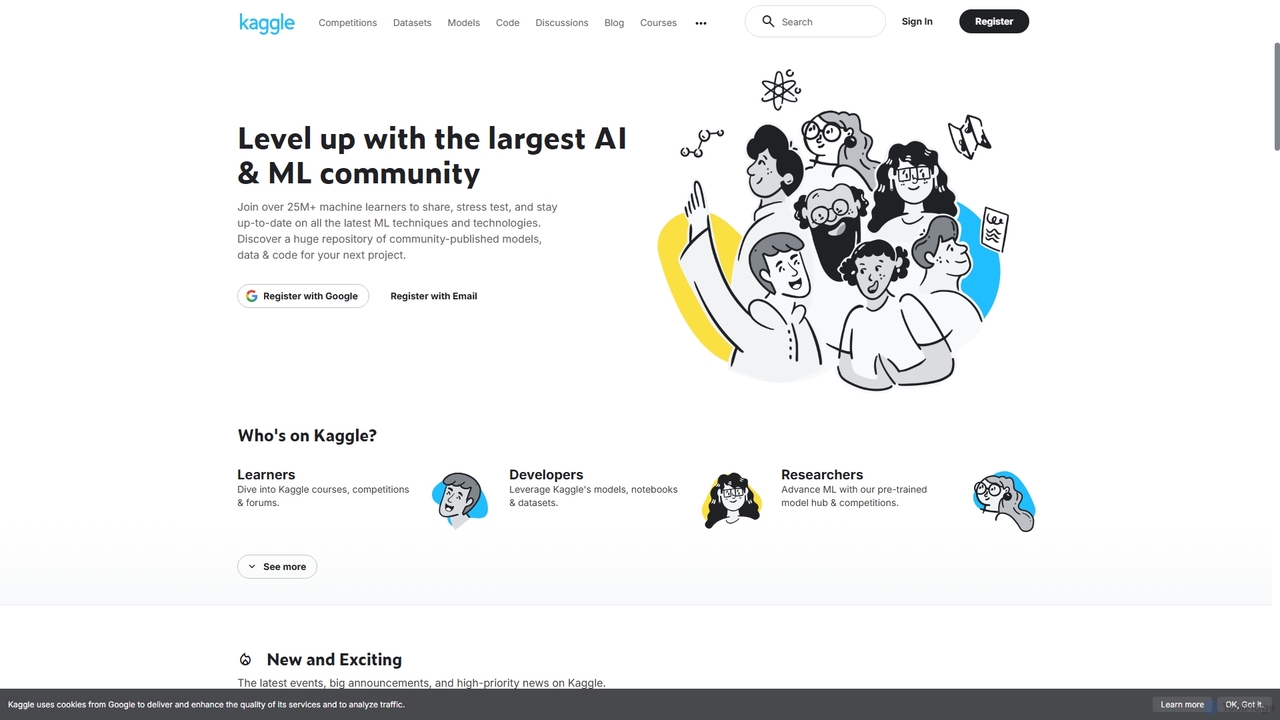
Kaggle is the world's largest online community for data scientists and machine learning practitioners. Owned by Google, it provides a platform to explore datasets, build models in a web-based environment, compete in machine learning challenges, and access educational resources. It offers free access to powerful computational resources, including GPUs and TPUs, making it an essential tool for anyone from beginners to seasoned experts in the AI and data science fields.
Datasets
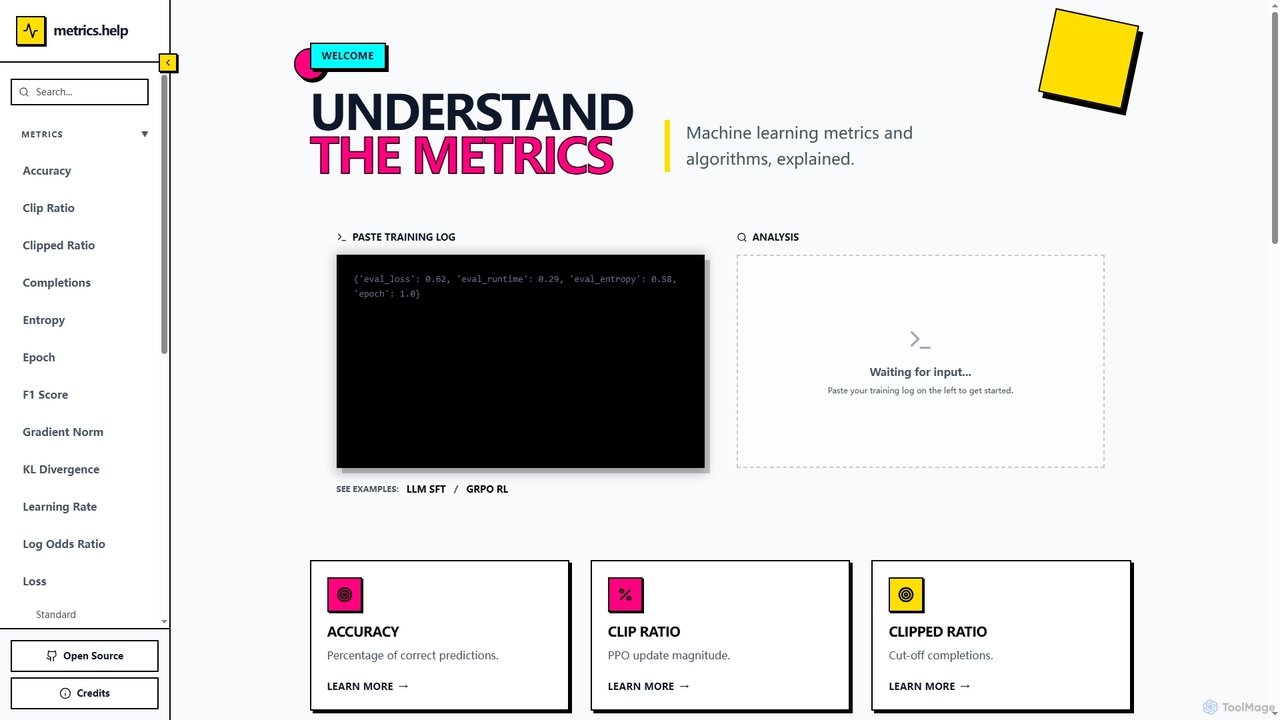
Metrics Help
Metrics Help is an open-source web tool for machine learning practitioners. It functions as a comprehensive guide and an interactive analyzer for ML training metrics. Users can paste training logs to get instant explanations for key metrics like accuracy, loss, and perplexity, aiding in model performance analysis and debugging.
Model Training
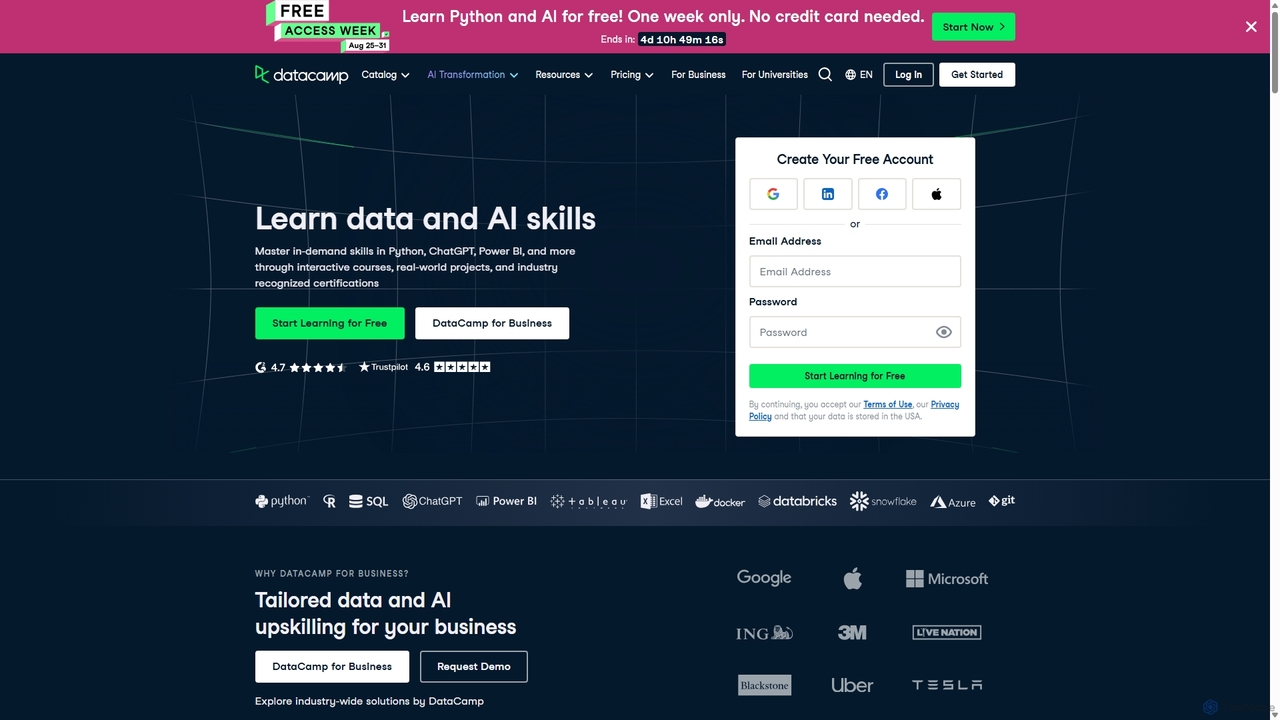
DataCamp
DataCamp is an interactive online learning platform for data science and AI. It offers hands-on courses in Python, R, SQL, Power BI, and more. Through a 'learn-by-doing' approach with in-browser coding, real-world projects, and career tracks, it empowers individuals and businesses to build job-ready data skills, from beginner to expert level.
Data Science
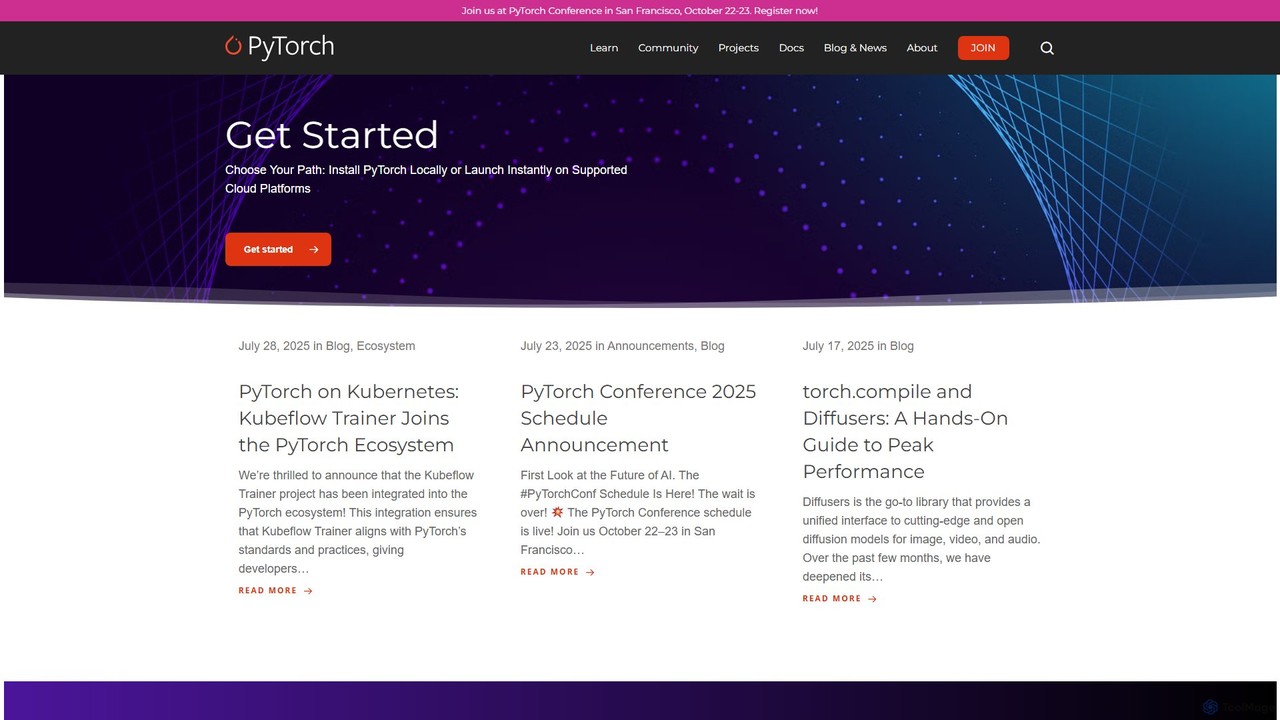
PyTorch
PyTorch is an open-source machine learning framework based on the Torch library, used for applications such as computer vision and natural language processing. It offers a flexible, Python-first environment that accelerates the path from research prototyping to production deployment.
Deep Learning
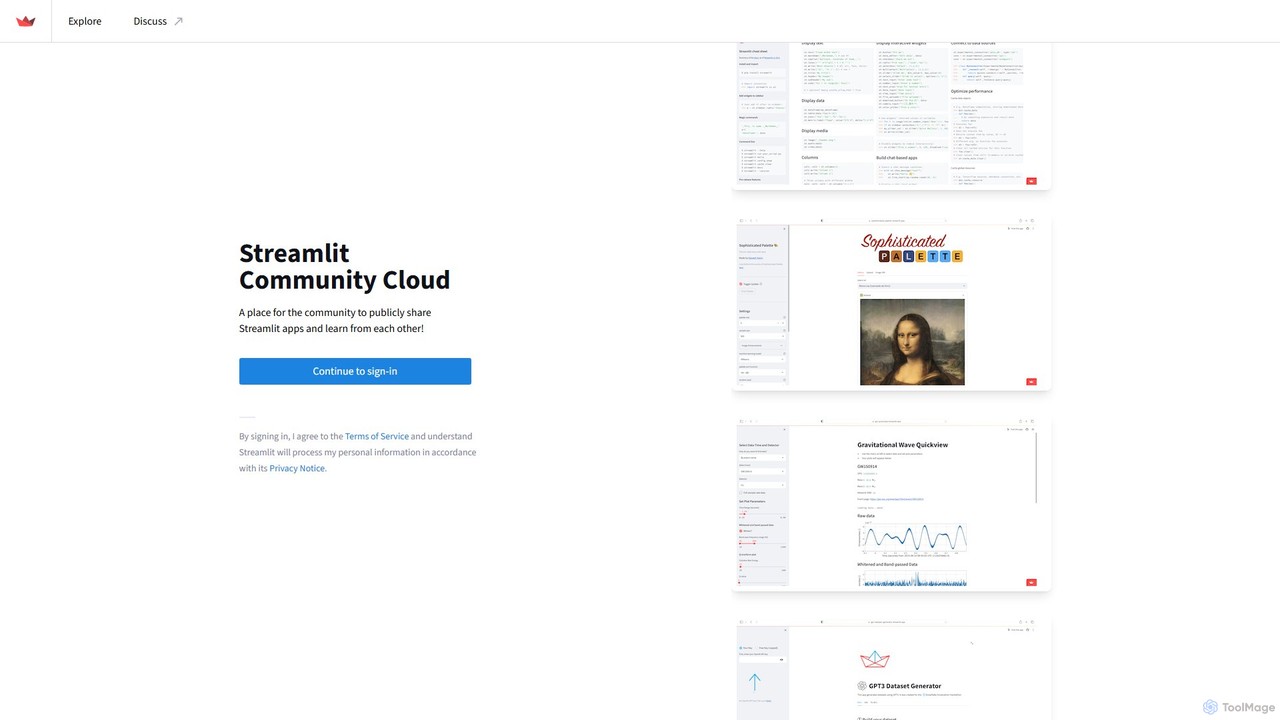
Streamlit
Streamlit is an open-source Python framework that enables developers and data scientists to build and share beautiful, custom web apps for machine learning and data science in minutes. The Streamlit Community Cloud provides a free platform to deploy, manage, and share these public applications with the world, fostering a collaborative environment for innovation.
Data Visualization
marimo
marimo is an open-source reactive Python notebook for modern data science and AI. It offers a reproducible, Git-friendly, and interactive environment where notebooks are pure Python scripts. Features include built-in AI assistance, SQL cells, and the ability to share notebooks as web apps, streamlining the workflow from experiment to production.
Data Visualization
PyBrain
PyBrain is a modular and flexible open-source Machine Learning Library for Python. It provides powerful, easy-to-use algorithms for machine learning tasks, with a particular focus on neural networks, reinforcement learning, and unsupervised learning. It is designed to be accessible for beginners while remaining powerful enough for research purposes.
Libraries & Frameworks
dataset.gold
A curated directory of high-quality, open-source datasets for AI and machine learning. Discover the gold standard of data for training your models in computer vision, NLP, and more.
Datasets
hyperficient
hyperficient is an open-source AI tool for developers and ML engineers that automates the search for the most efficient fine-tuning strategies for neural networks. It significantly reduces computational costs, GPU time, and manual effort, enabling optimal model performance on limited resources.
Libraries
Neosync
Neosync is an open-source platform for data anonymization and synthetic data generation. It helps developers and data scientists create safe, privacy-compliant, and realistic datasets for testing, development, and AI model training, ensuring referential integrity across databases.
Data Generation
EnergeticAI
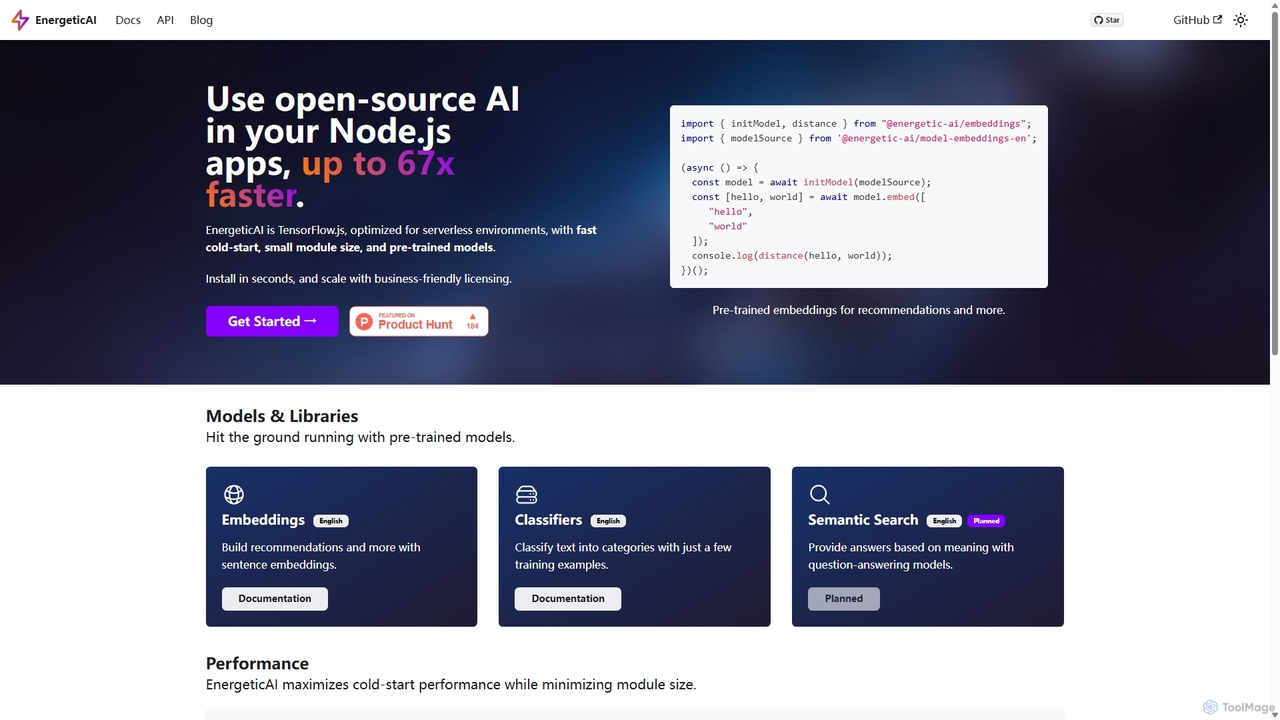
EnergeticAI is an open-source Node.js library for integrating AI models into applications, specifically optimized for serverless environments. It provides a high-performance, low-latency alternative to standard TensorFlow.js, featuring a minimal module size and rapid cold-start times. With pre-trained models for embeddings and few-shot text classification, developers can easily build features like semantic search, recommendations, and content categorization without relying on third-party APIs, ensuring data privacy and cost control.
Libraries & Frameworks
Gretel
Gretel is an advanced synthetic data platform designed for AI development. It enables developers and data scientists to generate high-fidelity, privacy-preserving artificial datasets that mimic real-world data. This allows for robust AI model training, testing, and data sharing without compromising sensitive information or violating privacy regulations like GDPR and CCPA.
Synthetic Data
Experiments with Google
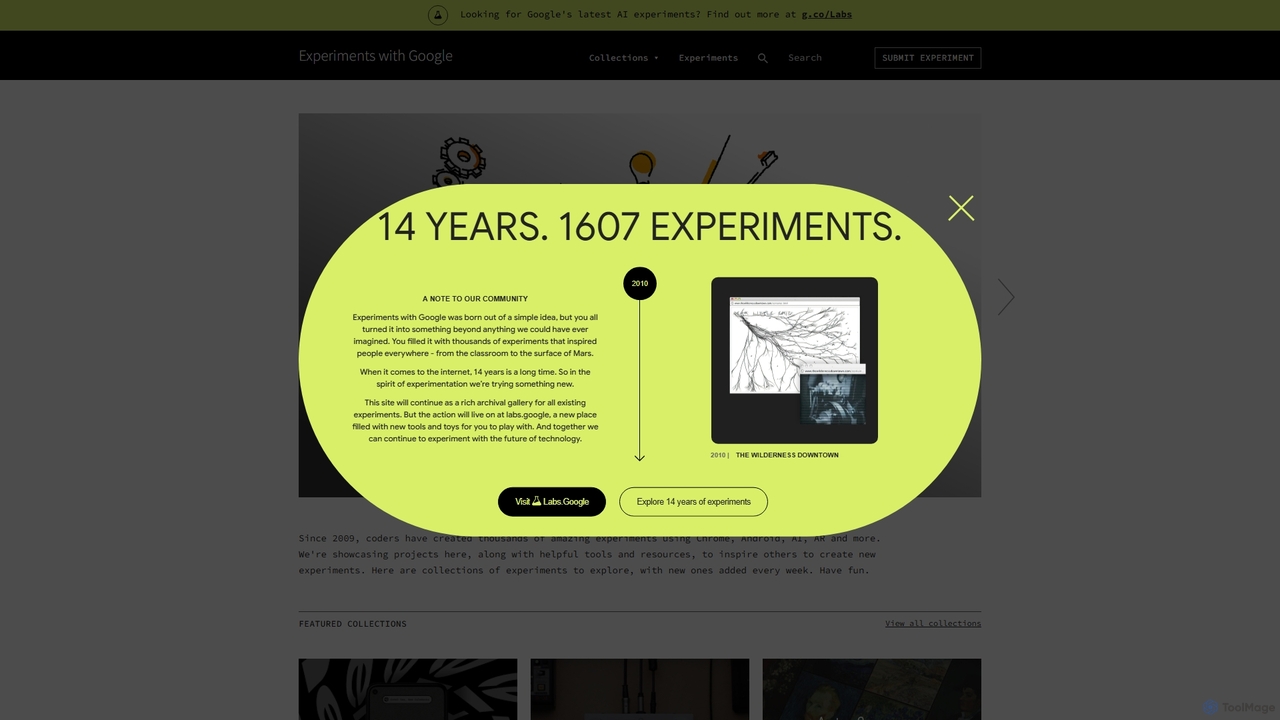
A curated online gallery showcasing thousands of creative and innovative experiments built with Google technologies since 2009. It serves as an inspiration hub for developers, designers, and creators, exploring the intersection of technology, art, and culture through AI, AR, WebXR, and more.
Generative Art