
GitHub Next Overview
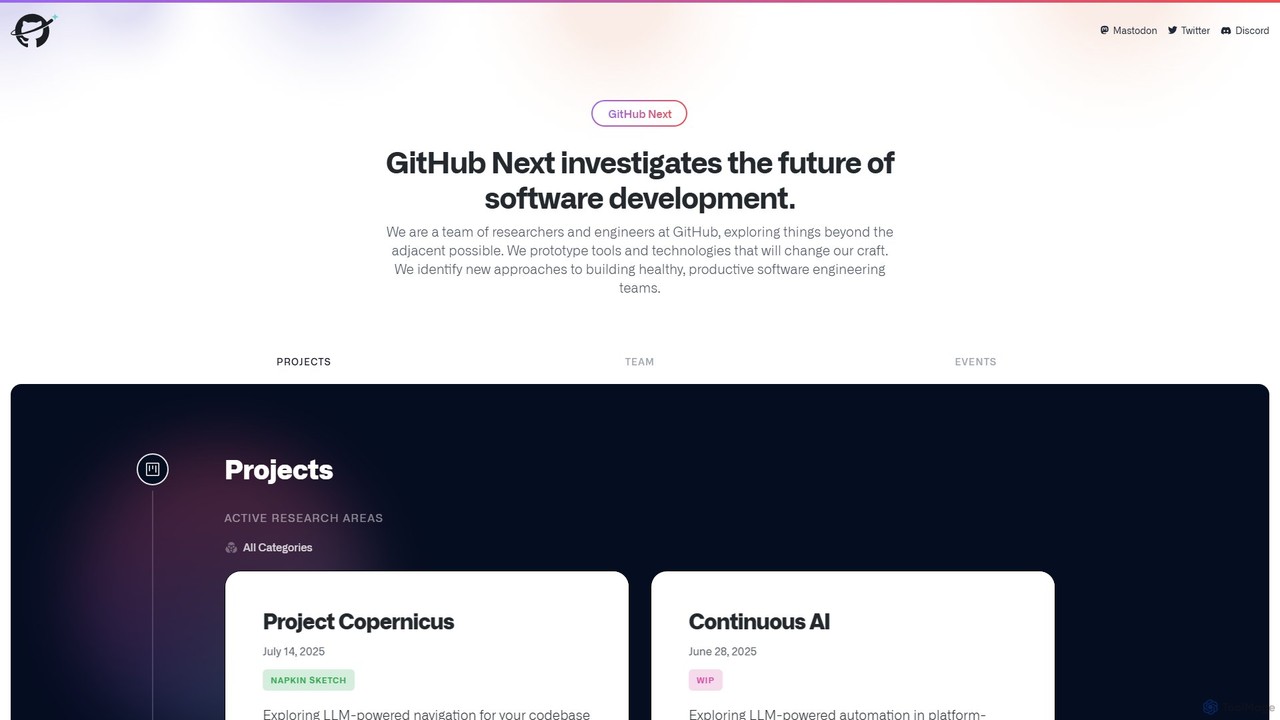
GitHub Next serves as the forward-thinking research and engineering arm of GitHub. Its primary mission is to investigate and shape the future of software development by exploring concepts beyond the immediate horizon. The team, composed of researchers and engineers, prototypes groundbreaking tools and technologies that aim to redefine the craft of coding. They focus on identifying new approaches to building healthy, productive, and efficient software engineering teams, with a significant emphasis on leveraging artificial intelligence.
The output of GitHub Next is not a single product but a portfolio of influential projects, research prototypes, open-source tools, and eventually, fully-fledged products integrated into the GitHub ecosystem. Their work spans across critical areas like AI for code, data visualization, and direct integrations with popular editors like Visual Studio Code.
How to use GitHub Next
Engaging with GitHub Next involves interacting with its various projects and outputs rather than using a single application. Developers can:
- Use Released Products: Leverage powerful tools that have graduated from research, such as GitHub Copilot for AI-powered code completion, or install Monaspace, a font family designed for code.
- Experiment with Prototypes: Try out experimental Visual Studio Code extensions and research prototypes like Copilot Workspace to get a glimpse of future development environments.
- Contribute to Open Source: Participate in their open-sourced projects like TestPilot, which helps in generating unit tests.
- Stay Informed: Follow their official website and publications to learn about the latest research, active experiments, and insights into the future of software engineering.
Core Features of GitHub Next
The 'features' of GitHub Next are the capabilities and innovations emerging from its research projects:
- AI-Powered Code Assistance: The famous GitHub Copilot family (including variants for CLI, Pull Requests, and Voice) provides intelligent code suggestions, autocompletion, and natural language interaction.
- Agentic Development Environments: Projects like Copilot Workspace explore AI agents that can take a task from specification to implementation with minimal human intervention.
- Advanced Code Navigation & Understanding: Tools like Copilot Radar and Code Atlas aim to make understanding complex codebases easier through intelligent navigation and visualization.
- Natural Language Programming: Research into concepts like SpecLang explores the possibility of developing software entirely through natural language descriptions.
- Automated Testing & Security: Projects like TestPilot and Incremental CodeQL focus on using AI to automate the creation of tests and provide faster security feedback.
- Enhanced Developer Aesthetics: The Monaspace project delivers an innovative superfamily of fonts specifically engineered to improve code readability and expressiveness.
- Rich, Interactive Documentation: Innovations like Copilot for Docs and GitHub Blocks transform static documentation into interactive, queryable resources.
Use Cases for GitHub Next
The work from GitHub Next empowers various development scenarios:
- Accelerated Development: Developers use GitHub Copilot to write boilerplate code, learn new libraries, and solve programming problems faster.
- Improved Code Quality: Copilot for Pull Requests helps teams write clearer PR descriptions and review changes more effectively. TestPilot assists in increasing test coverage.
- Streamlined DevOps: Copilot for CLI simplifies command-line operations by translating natural language into shell commands.
- Enhanced Accessibility: Copilot Voice enables developers to code using their voice, providing a crucial alternative to keyboard-based input.
- Onboarding and Learning: New team members can use AI-powered documentation and code navigation tools to get up to speed on a new codebase more quickly.
Advantages of GitHub Next
The primary advantage of GitHub Next is its role as an engine for industry-wide innovation:
- Pioneering Research: It operates at the cutting edge of AI's application in software development, defining future trends.
- Seamless Ecosystem Integration: Its successful projects are deeply integrated into the tools developers use daily, including GitHub, VS Code, and the terminal.
- Developer-Centric Focus: All projects are fundamentally aimed at solving real-world developer problems, improving productivity, and making development more enjoyable.
- Backed by GitHub & Microsoft: With strong institutional support, it has the resources to conduct long-term, ambitious research and transition successful ideas into robust products.
- Community Engagement: Through prototypes and open-source releases, it actively involves the developer community in shaping the future of their tools.
Pricing and Plans
GitHub Next itself is a research initiative and not a service with a direct pricing plan. However, the projects it produces have different licensing and pricing models:
- Commercial Products: The most prominent example is GitHub Copilot, which is available through a paid subscription for individuals and businesses, often with a free trial period.
- Free Tools & Fonts: Projects like the Monaspace font family are released for free for the community to use.
- Open Source Projects: Some tools, like TestPilot, are open-sourced, allowing for free use, modification, and contribution.
- Research Prototypes: Most prototypes are available for free for experimental use, allowing developers to test cutting-edge ideas.
Traffic
Latest traffic
Status
Monthly traffic trend
- 2025-9: 203.6K
- 2026-1: 215.9K
- 2026-2: 177.8K
- 2026-3: 172.9K
- 2026-4: 162.8K
- 2026-5: 188.1K
Geography
Top 5 countries / regions
- 🇺🇸United States28.9%
- 🇮🇳India19.8%
- 🇻🇳Vietnam19.5%
- 🇷🇺Russia16.5%
- 🇩🇪Germany15.4%
Traffic sources
| Source type | Percentage |
|---|---|
Direct | 71.7% |
Referral | 27.5% |
Email | 0.8% |
Top keywords
| Keyword | Cost per click |
|---|---|
| git hub | $1.40 |
| github | $1.34 |
| github copilot | $1.68 |
| github copilot workspace | $2.01 |
| monaspace | $0.00 |
GitHub Next Videos on YouTube


GitHub Next Alternatives

All Hands AI (OpenHands)
All Hands AI (OpenHands) is a leading open-source AI coding agent designed to automate software development. It helps engineers with tasks like code reviews, refactoring, bug fixing, and test generation. Available as a flexible SaaS, self-hosted, or open-source solution, it integrates with tools like GitHub and GitLab to accelerate development cycles and improve code quality.
Code Generation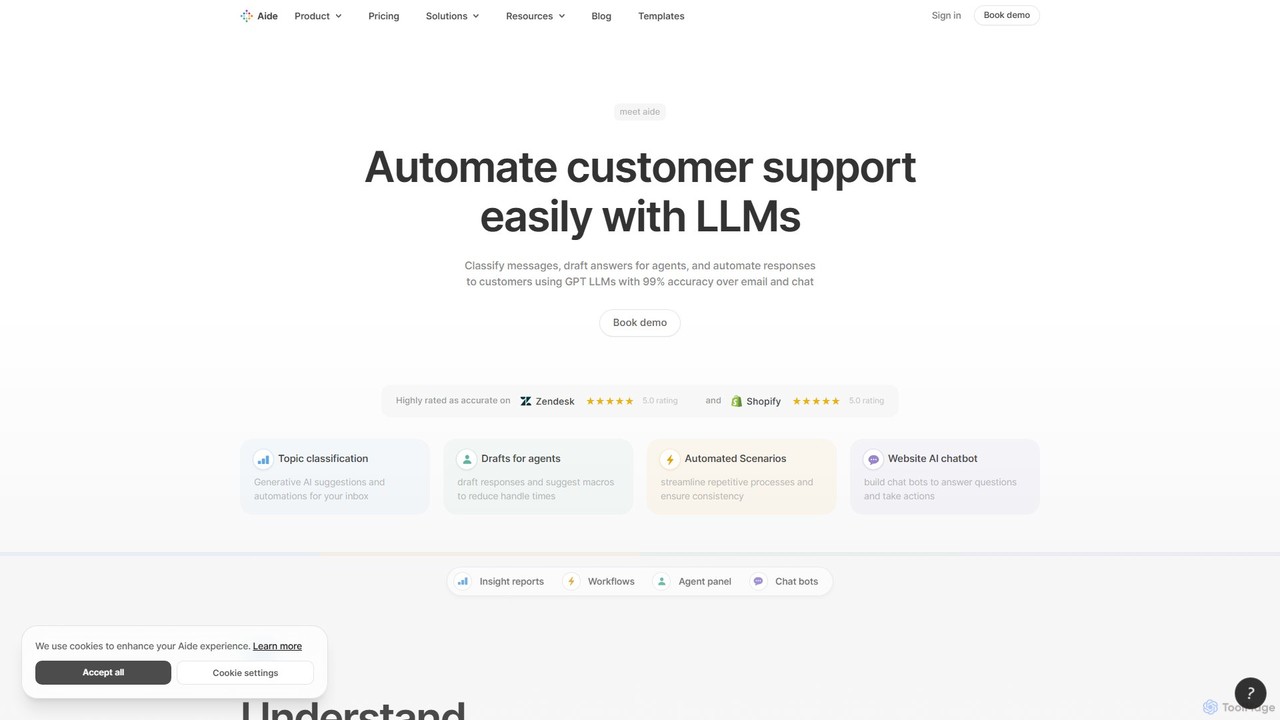
Aide
Aide is an AI-powered multi-agent coding assistant that automates software development directly within your GitHub workflow. It interprets GitHub issues, autonomously generates code, creates pull requests, and iterates based on your feedback, effectively acting as a team of AI engineers on your codebase.
Code Generation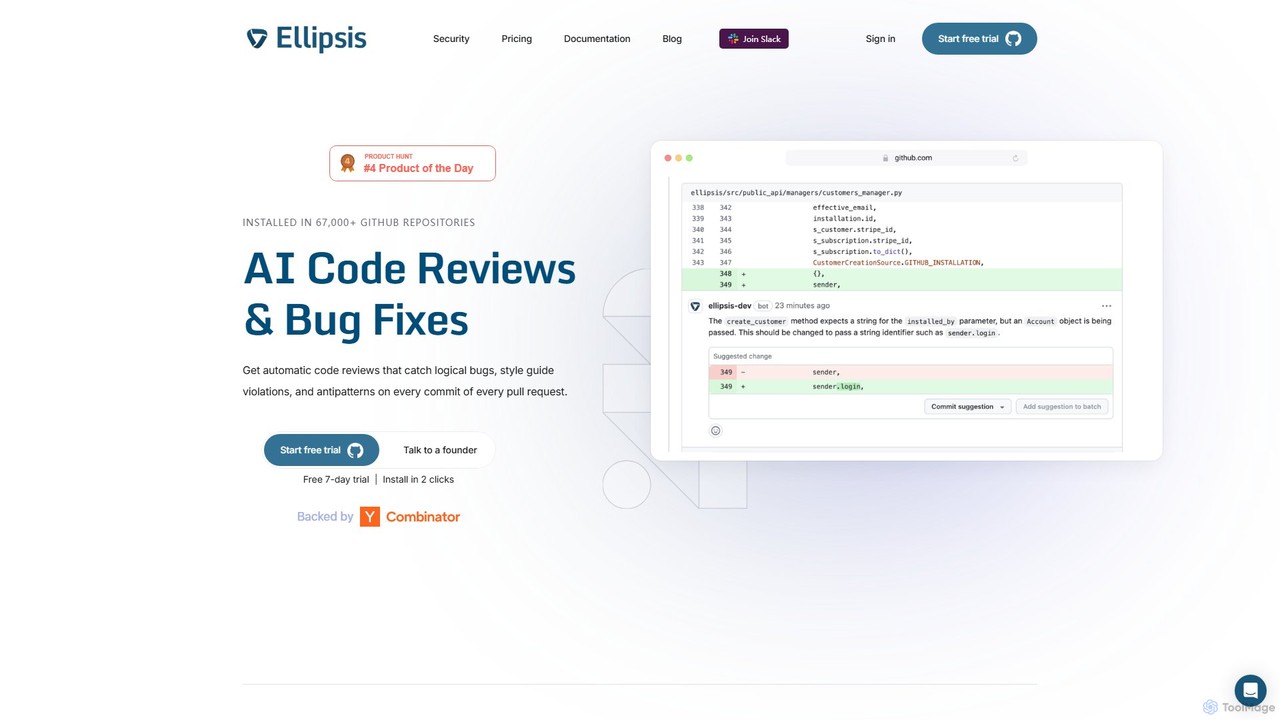
Ellipsis
Ellipsis is an AI-powered engineering teammate that automates code reviews on GitHub. It intelligently catches logical bugs, style violations, and anti-patterns in every pull request, helping teams ship code faster while maintaining high quality and security standards.
Code Review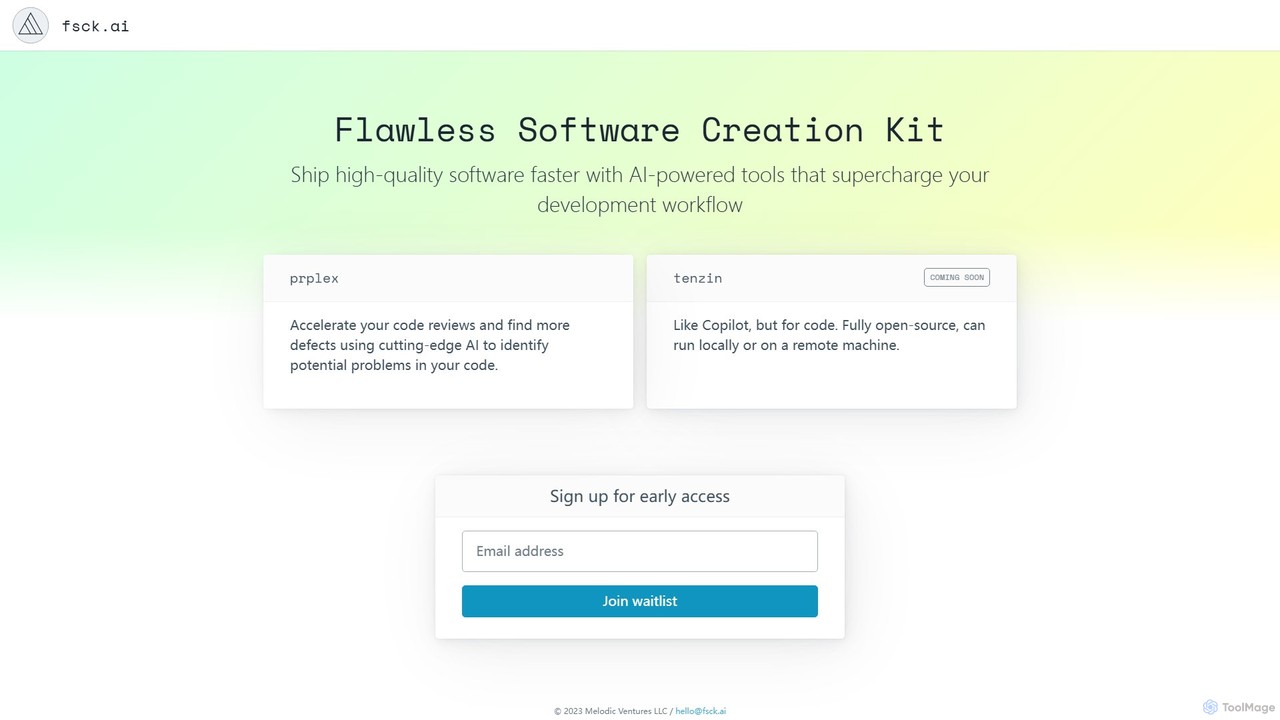
fsck.ai
fsck.ai is an open-source AI-powered code review assistant designed to accelerate development workflows. It automatically analyzes pull requests, identifies potential defects and bugs, and provides direct feedback within GitHub, much like a Copilot for code quality.
Code Assistant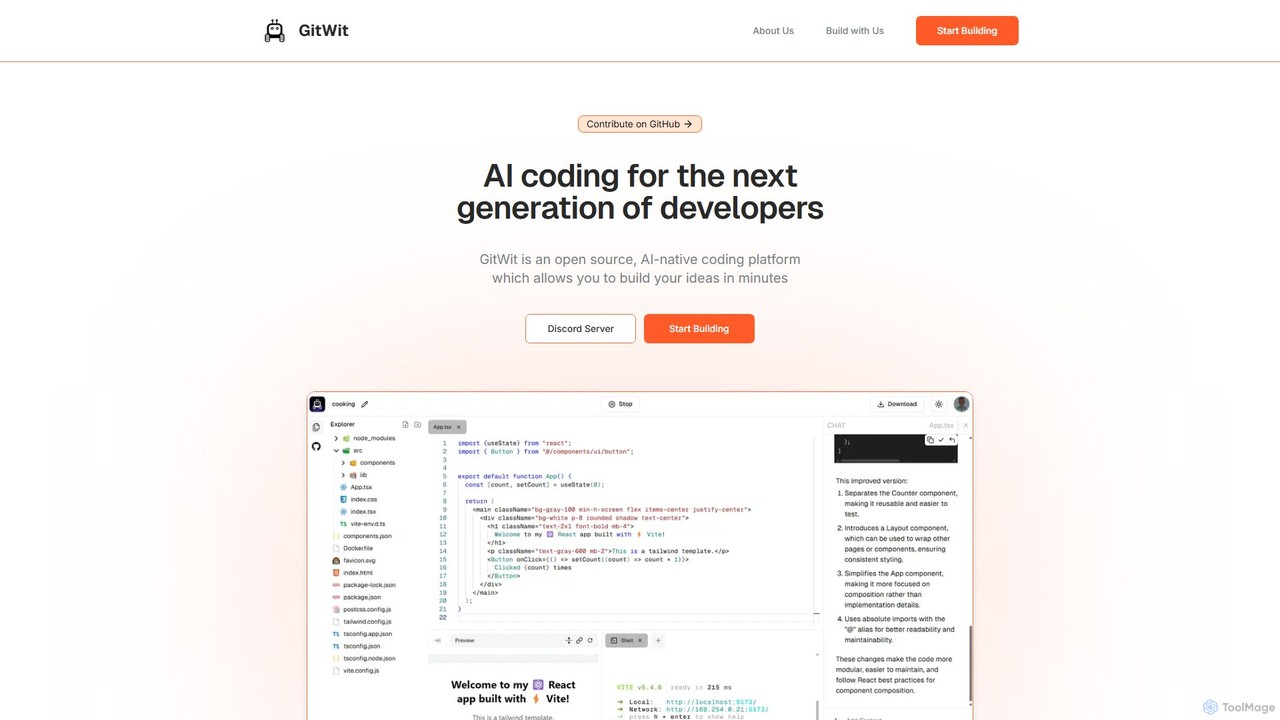
GitWit
GitWit is an open-source, AI-powered coding assistant designed for the next generation of developers. It accelerates the development workflow by generating, refactoring, and explaining code. With a strong community focus, GitWit is built collaboratively through live streams and public meetings, offering both a powerful tool and a learning platform.
Code AssistantGitHub Next Categories
GitHub Next Embed Widget
Copy this embed code to place the badge on your blog, article, or product site and send readers directly to this ToolMage detail page.

Related AI tools
GitScope
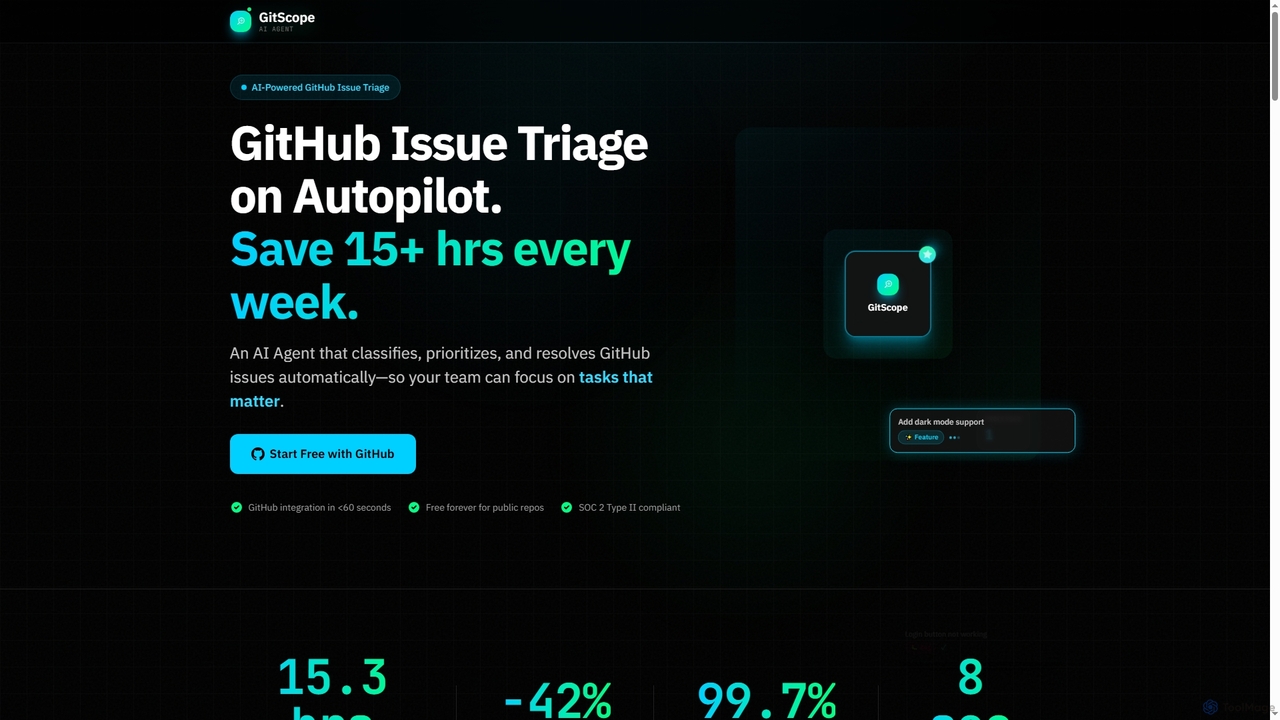
GitScope is an AI-powered GitHub issue triage agent designed to automate the classification, prioritization, and resolution of issues. It helps engineering teams save significant time, reduce backlogs, and improve consistency by leveraging GPT-4 for intelligent analysis, duplicate detection, and configurable automation workflows. Free for public repositories, GitScope integrates seamlessly with GitHub to enhance team productivity and maintainer well-being.
Github ToolsAll Hands AI (OpenHands)
All Hands AI (OpenHands) is a leading open-source AI coding agent designed to automate software development. It helps engineers with tasks like code reviews, refactoring, bug fixing, and test generation. Available as a flexible SaaS, self-hosted, or open-source solution, it integrates with tools like GitHub and GitLab to accelerate development cycles and improve code quality.
Code GenerationAide
Aide is an AI-powered multi-agent coding assistant that automates software development directly within your GitHub workflow. It interprets GitHub issues, autonomously generates code, creates pull requests, and iterates based on your feedback, effectively acting as a team of AI engineers on your codebase.
Code GenerationEllipsis
Ellipsis is an AI-powered engineering teammate that automates code reviews on GitHub. It intelligently catches logical bugs, style violations, and anti-patterns in every pull request, helping teams ship code faster while maintaining high quality and security standards.
Code Reviewfsck.ai
fsck.ai is an open-source AI-powered code review assistant designed to accelerate development workflows. It automatically analyzes pull requests, identifies potential defects and bugs, and provides direct feedback within GitHub, much like a Copilot for code quality.
Code AssistantGitWit
GitWit is an open-source, AI-powered coding assistant designed for the next generation of developers. It accelerates the development workflow by generating, refactoring, and explaining code. With a strong community focus, GitWit is built collaboratively through live streams and public meetings, offering both a powerful tool and a learning platform.
Code Assistant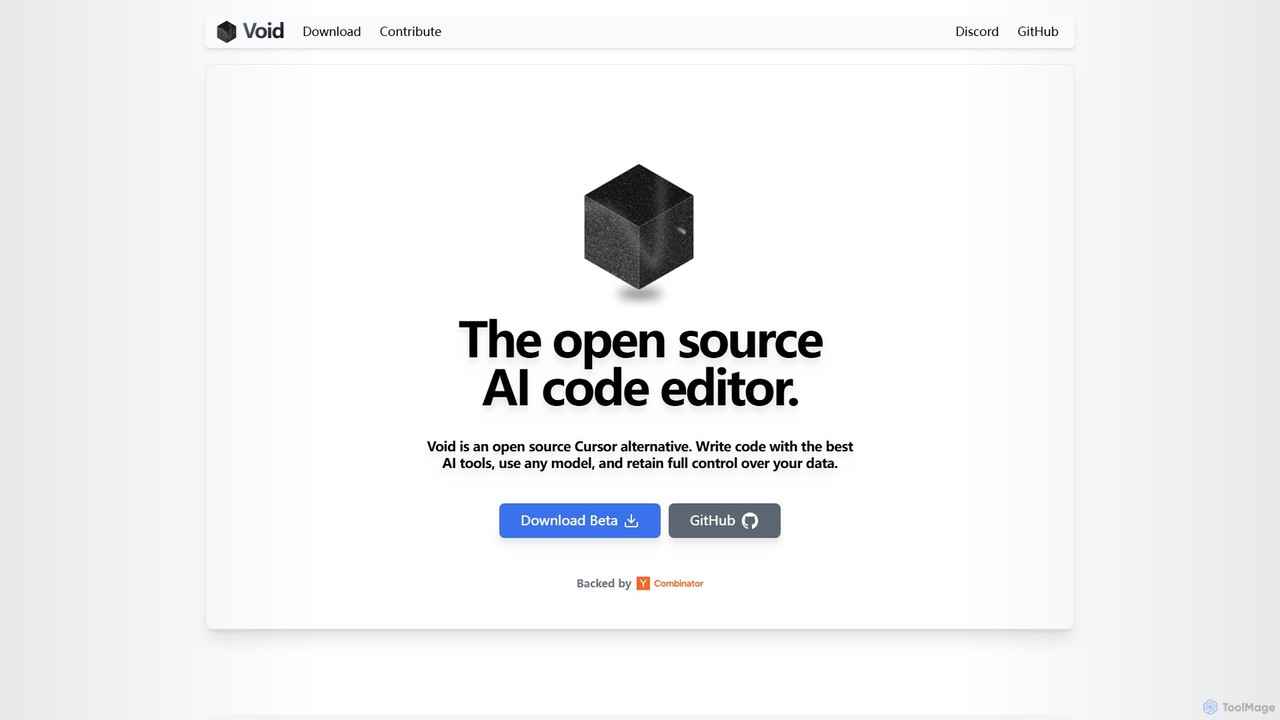
voideditor
Voideditor is a free, open-source AI code editor built as a fork of VS Code. It empowers developers with full control over their data and choice of AI models, supporting direct connections to any cloud or locally hosted LLM. It offers advanced features like AI chat, autocompletion, and agentic workflows to accelerate development while prioritizing privacy and flexibility.
Code Generation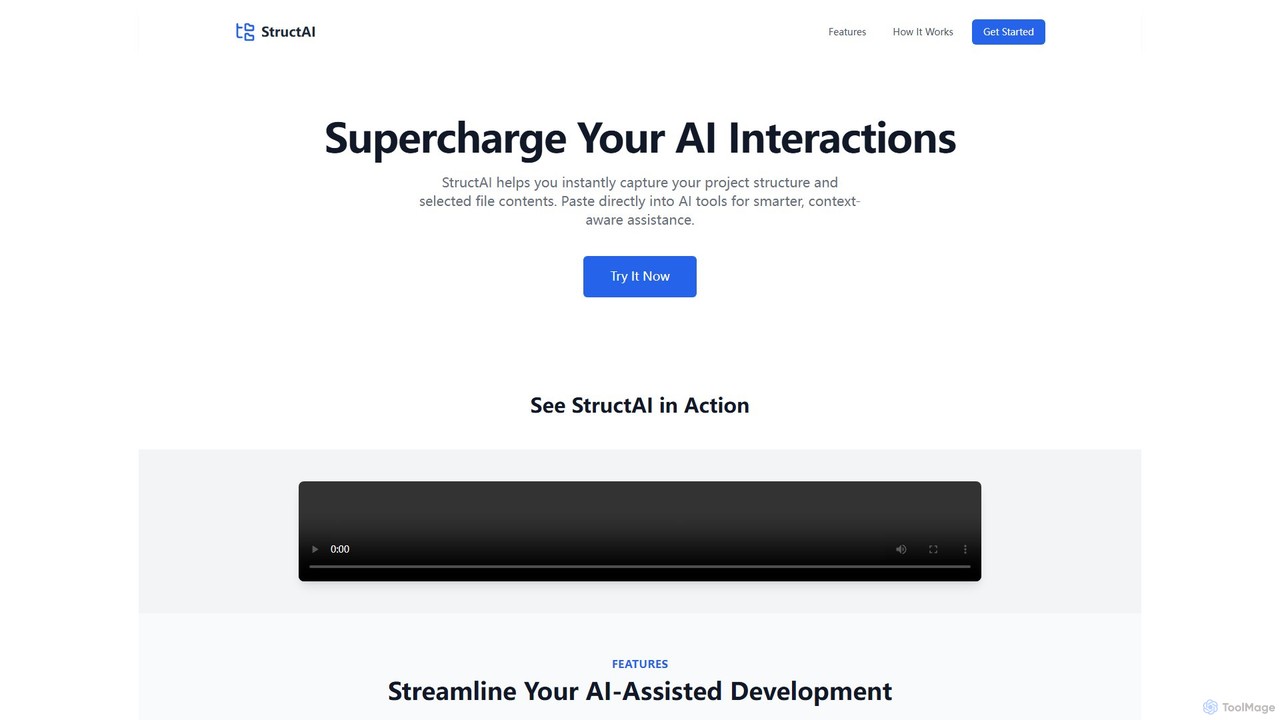
StructAI
StructAI is a developer tool that instantly captures your project's folder structure and selected file contents. It generates a context-rich, AI-ready output that you can paste into any AI assistant (like ChatGPT, Claude) for smarter, more accurate code generation, debugging, and analysis.
Prompt Engineering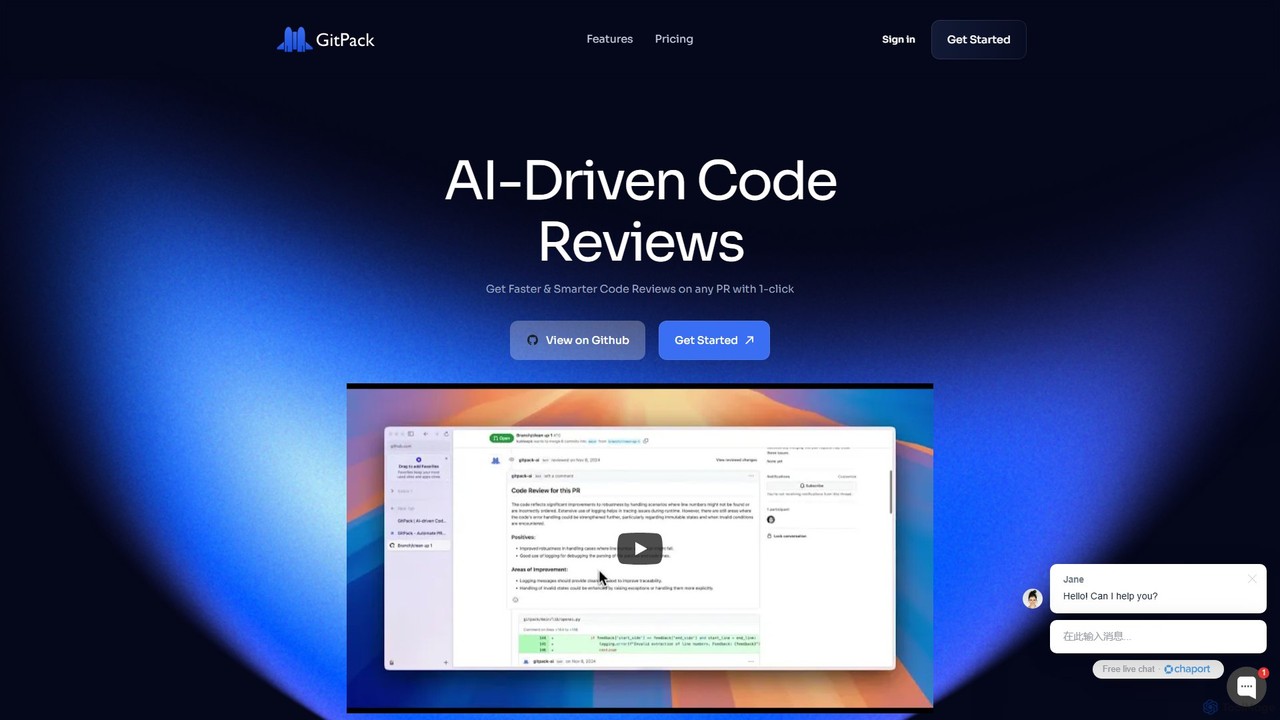
GitPack
GitPack is an AI-driven tool that automates code reviews on GitHub. It analyzes pull requests, provides context-aware feedback, and helps improve code quality, allowing developers to save time and streamline their workflow.
Code Assistant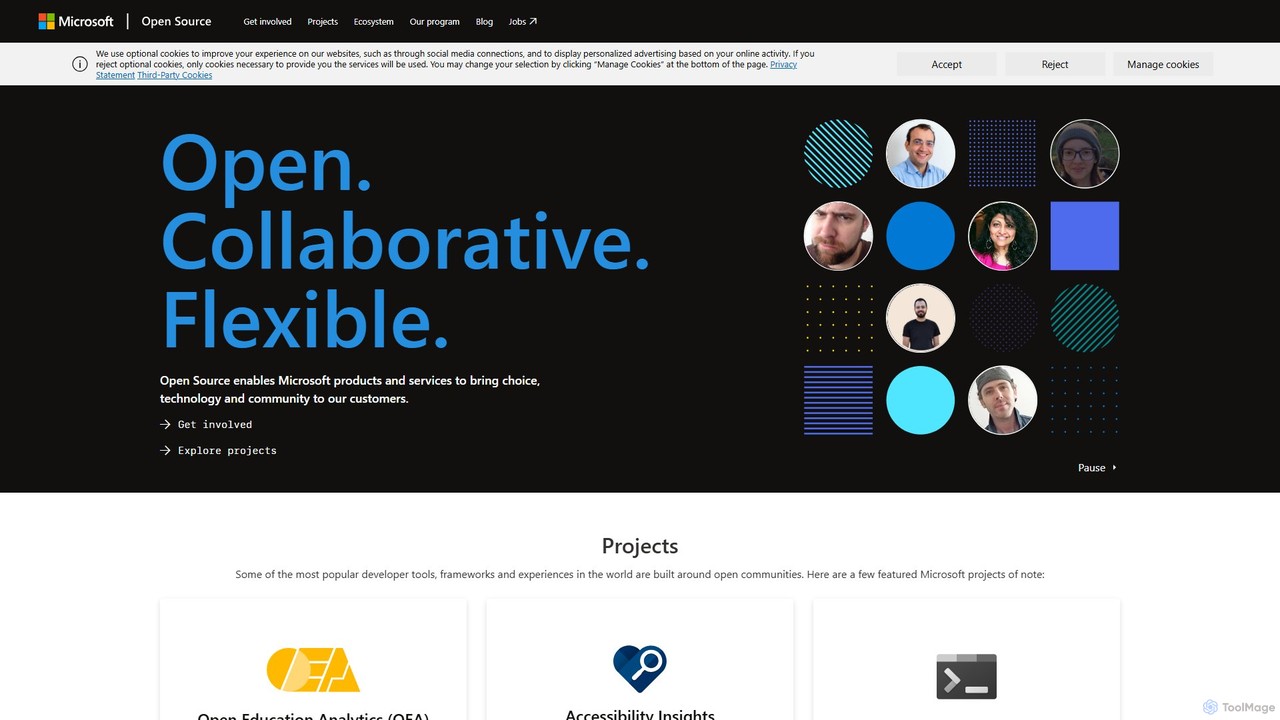
Microsoft Open Source
Microsoft's central hub for discovering, using, and contributing to a vast portfolio of open-source projects. It offers developers access to powerful tools, frameworks, and AI/ML libraries, fostering collaboration and innovation within a global community.
Platform
Jyek
Jyek is an AI agent platform that understands objectives, creates execution plans, uses tools, and delivers verifiable results for complex, multi-step tasks.
Automation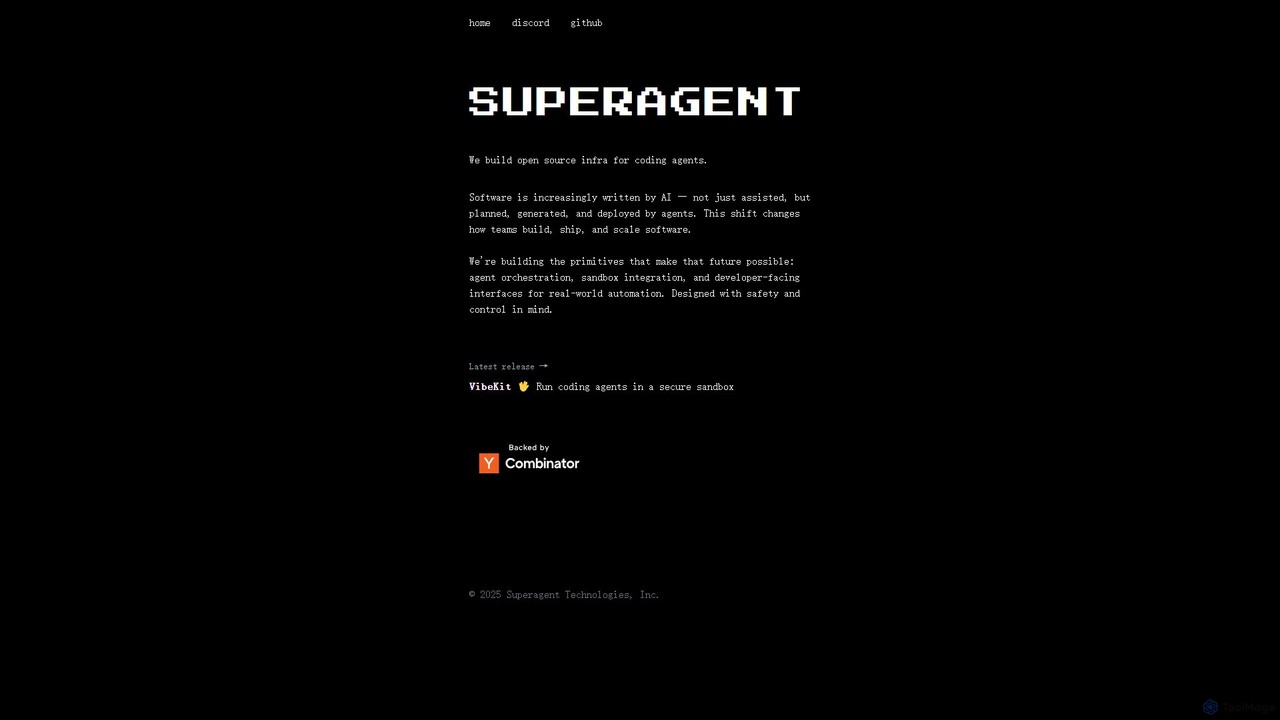
Superagent
Superagent is an open-source infrastructure for building, managing, and deploying autonomous AI coding agents. Designed for developers, it provides the essential primitives like agent orchestration, secure sandbox integration (VibeKit), and developer-friendly interfaces. This framework empowers teams to automate complex software development tasks, from feature generation and bug fixing to CI/CD management, shifting software creation into a new, AI-driven era with a strong emphasis on safety and control.
Orchestration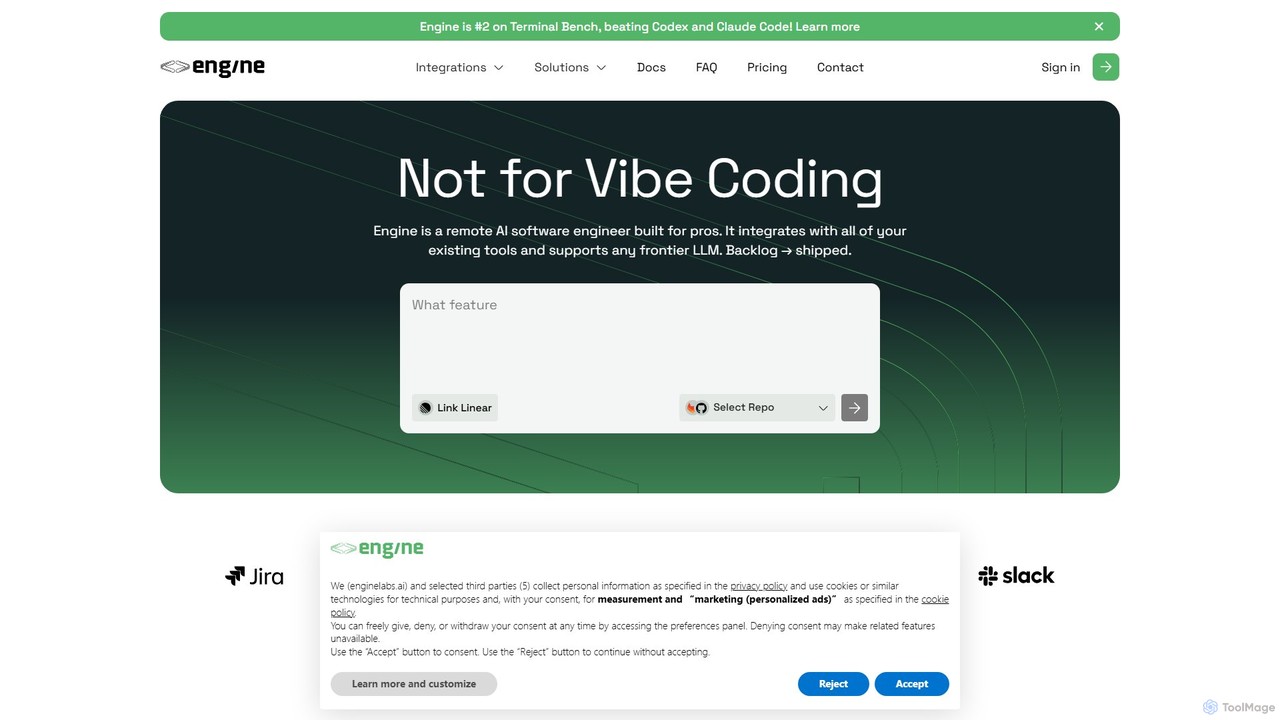
Engine
Engine is an AI software engineer designed for professional development teams. It integrates with your existing tools like GitHub and Linear to autonomously fix bugs, ship features, and clear your backlog by creating and managing pull requests, effectively acting as a remote AI team member.
Version Control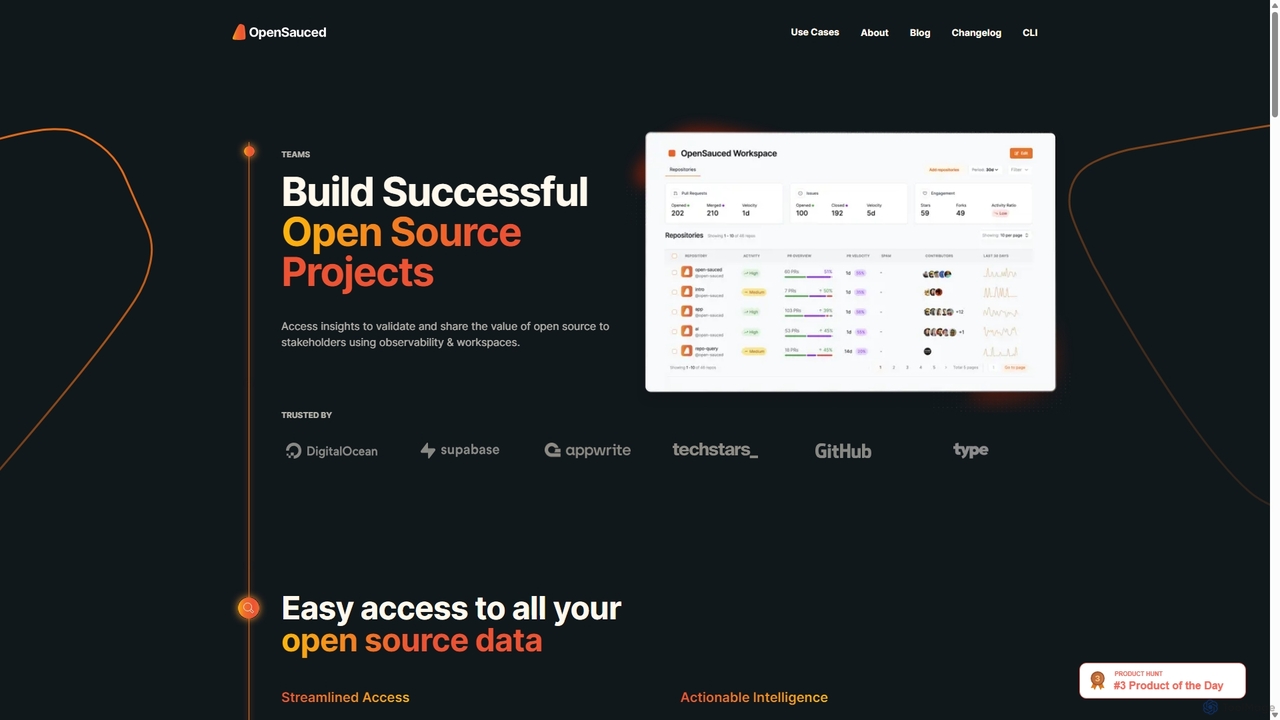
OpenSauced
OpenSauced is an AI-powered analytics and collaboration platform for open source projects. It provides deep insights into GitHub repositories and contributors, helping teams and maintainers understand project health, track contributions beyond code, and make data-driven decisions. With features like collaborative Workspaces, AI-driven StarSearch, and detailed Insight Pages, it empowers the open source community to build successful and sustainable projects.
Code Collaboration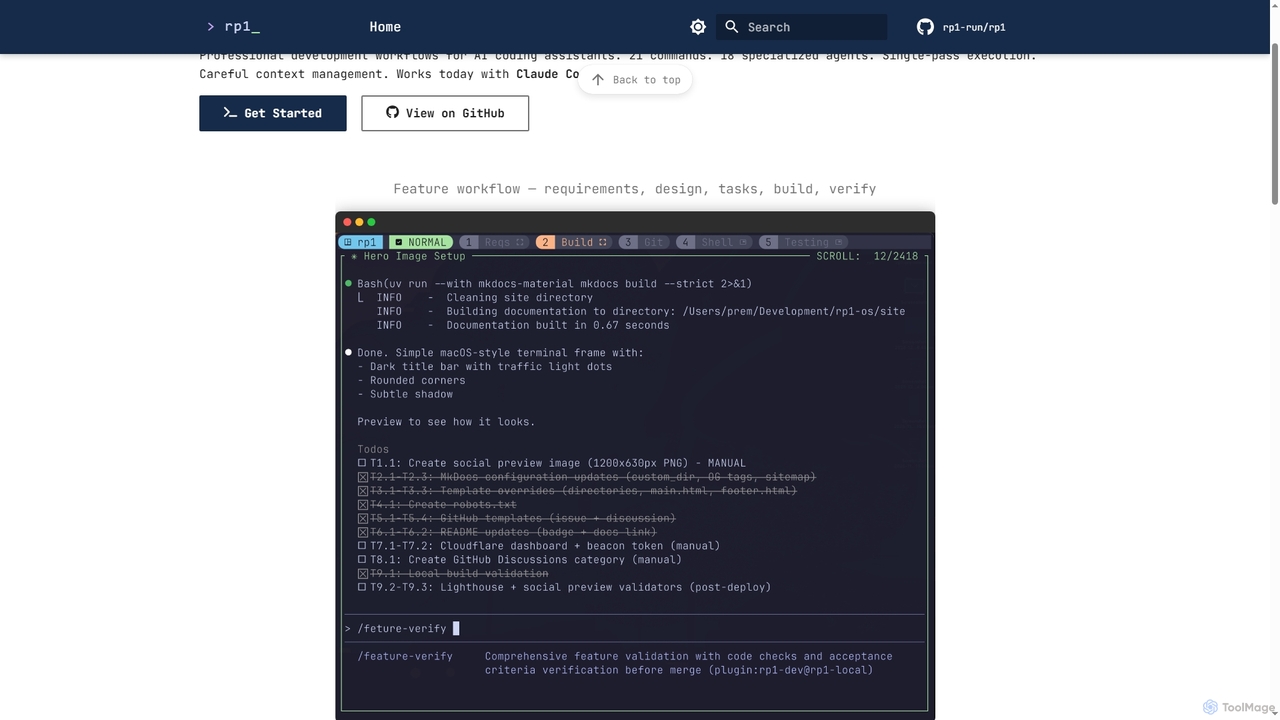
Rp1
Rp1 is a professional development workflow tool for AI coding assistants, designed to streamline software creation from requirements to deployment. It offers 21 commands and 18 specialized agents for efficient, single-pass execution of complex coding tasks, ensuring structured outputs and deep codebase awareness.
Ai Assistant
GitHub Next Comments (0)
Sign in to comment.
Sign inNo comments yet.