Free
Popular 3D AI tools include Tripo3D, Meshy, VSCO, Picsart, Adobe Podcast, Cutout.Pro, Fotor, experiments, Oura Ring, and WHOOP, helping you work more efficiently.
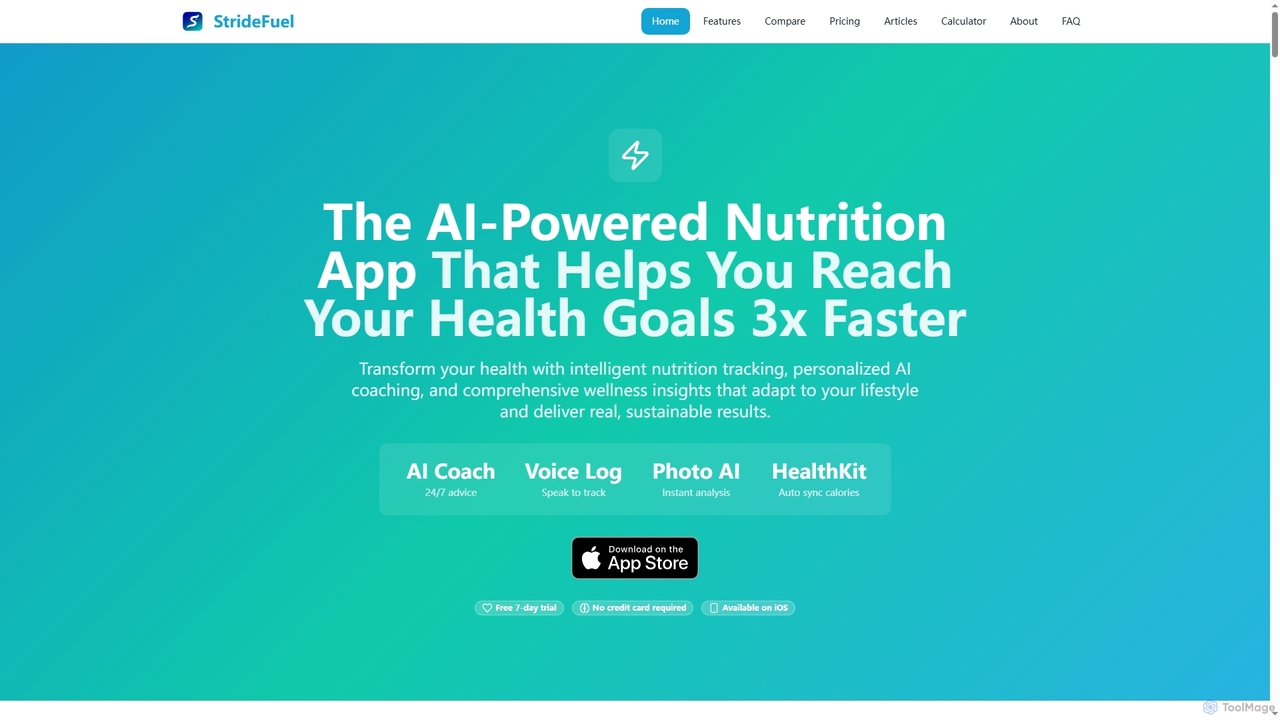
StrideFuel is an AI-powered nutrition and calorie tracking app for iOS designed to help users reach health goals 3x faster. It features 24/7 AI coaching, voice and photo food logging, seamless Apple HealthKit integration, and comprehensive wellness tracking for macros, sleep, HRV, and more.
3D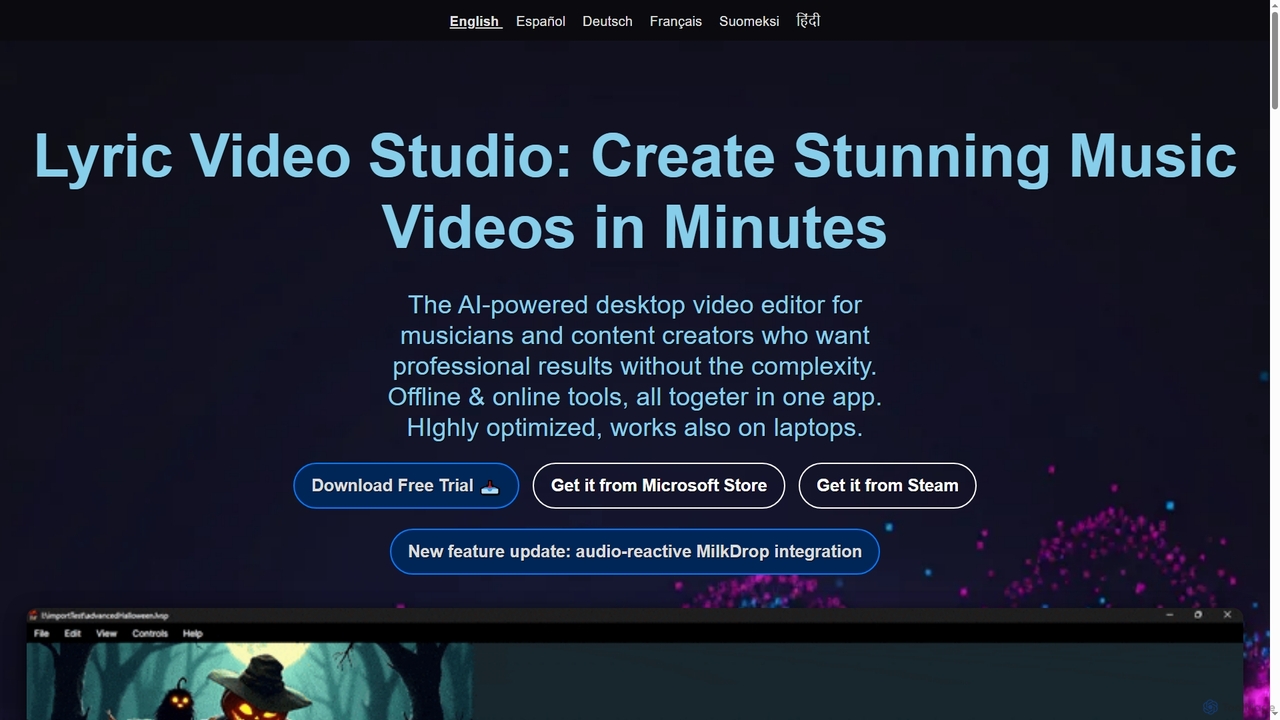
Lyric Video Studio is an AI-powered desktop video editor for musicians and content creators to produce stunning music videos and lyric videos quickly. It offers effortless editing, AI-driven visual generation, automatic subtitle creation, and 4K export, combining offline and online tools for professional results without complexity.
3D
Wakao is an AI-powered social activity platform designed to help individuals, creators, and businesses discover, create, and manage real-world experiences. It leverages smart AI to plan detailed itineraries, budgets, and task lists, fostering genuine human connections through shared activities. With features like Dice Mode discovery, multilingual support, and secure collaboration tools, Wakao makes organizing and joining events effortless across web and mobile platforms.
3D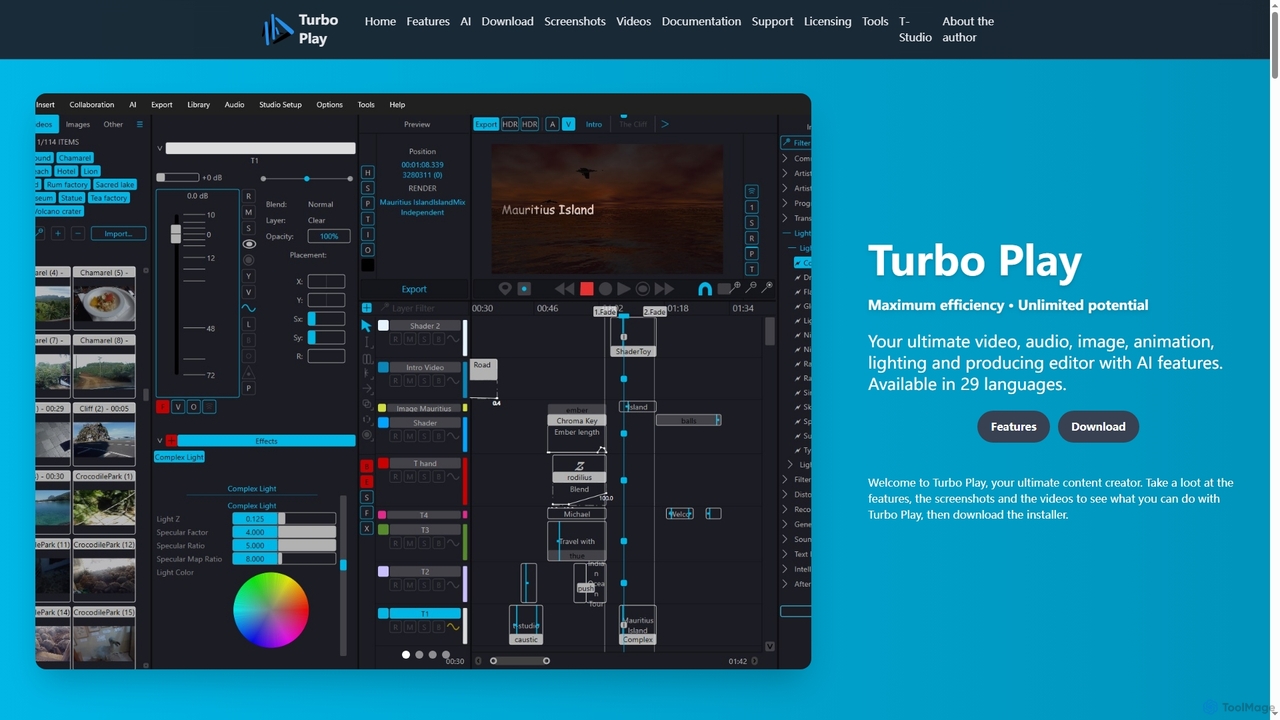
Turbo Play is an all-in-one AI-powered video, audio, image, and animation editor designed for maximum efficiency and unlimited creative potential. It offers a comprehensive suite of tools for content creation, including advanced AI features for background removal, face swapping, speech separation, and text-to-image generation, catering to both casual and professional users across 29 languages.
3D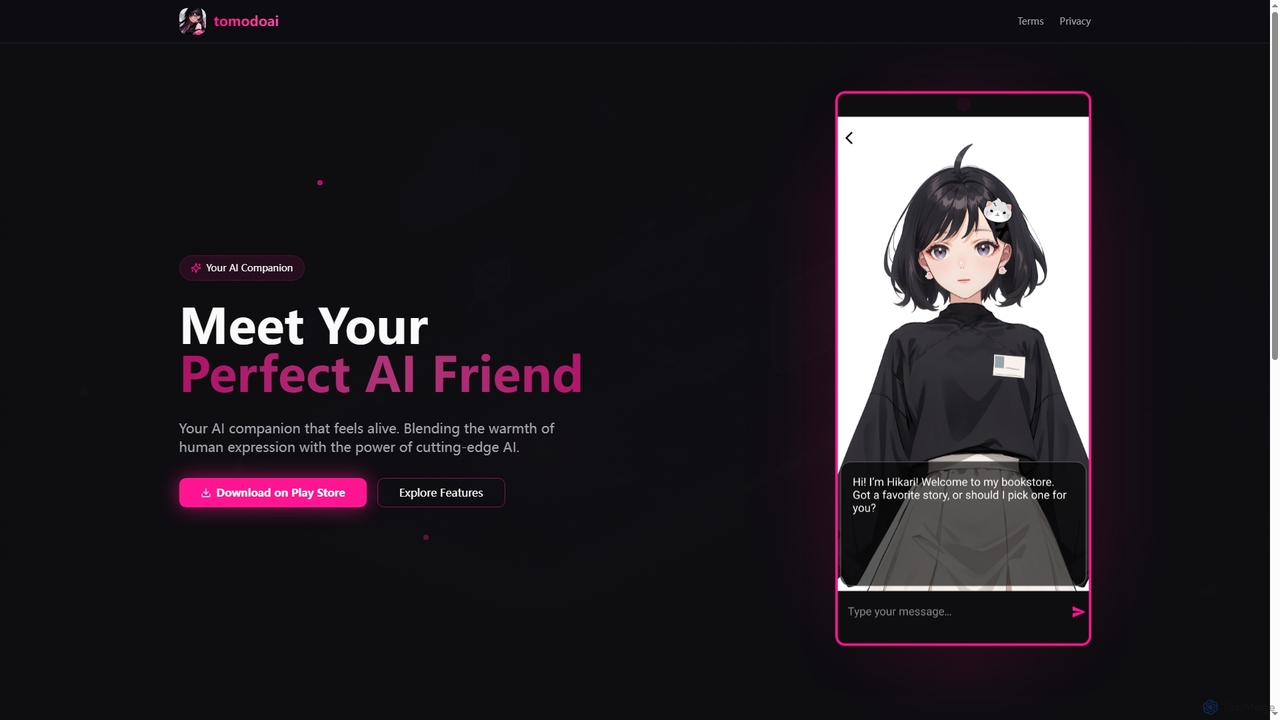
Tomodoai is an advanced AI companion designed to offer human-like conversations and emotional expressions through animated characters. It provides a personalized, private, and always-available experience, adapting to your preferences and offering diverse personalities.
3D
Goveliro is an AI-powered desktop application designed for creating high-quality subtitles offline. It offers automatic language detection and transcription, extensive customization options for subtitle styling, and seamless editing capabilities. Users maintain full control over their content without cloud uploads or subscriptions, ensuring privacy and efficient workflow with GPU acceleration.
3D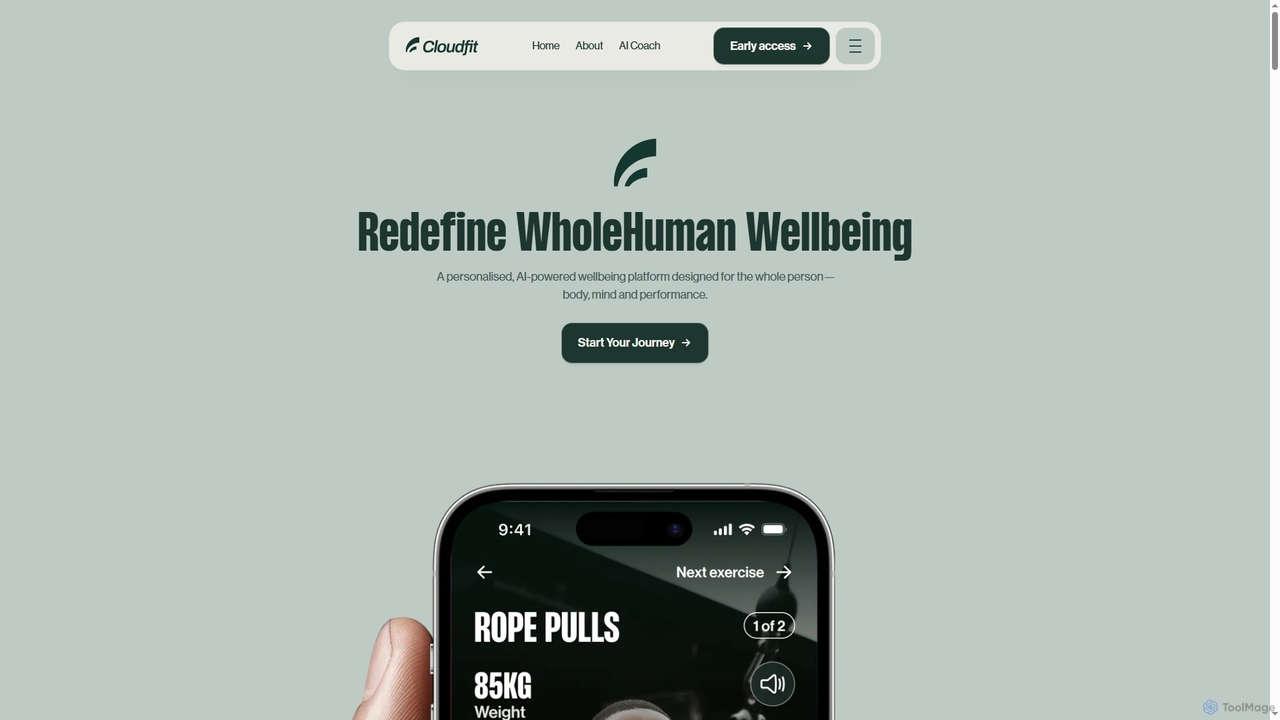
Cloudfit is an AI-powered wellbeing platform for holistic health, covering body, mind, and performance. It combines a 24/7 AI coach with certified human experts to deliver personalized fitness, nutrition, and wellness plans that adapt to your goals, progress, and daily life. Track trends, get data-driven insights, and receive real-time support to unlock your full potential.
3D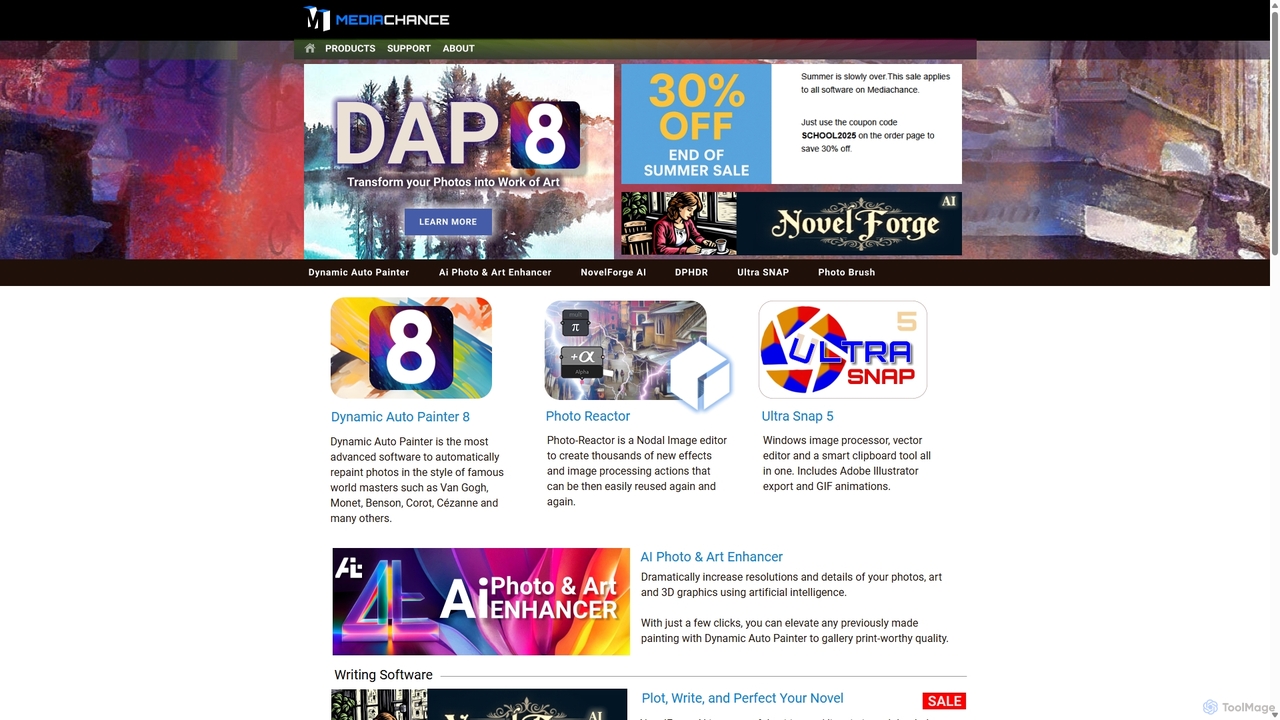
Mediachance offers a comprehensive suite of innovative graphics, video, and multimedia software for Windows. Since 1998, they have developed powerful tools for digital artists, photographers, and writers, including AI-powered applications like Dynamic Auto Painter for artistic photo conversion, AI Photo & Art Enhancer for upscaling, and NovelForge AI for creative writing assistance.
3D
DailyBless is an AI-powered wellness companion designed to enhance your mental and spiritual well-being. It delivers personalized daily blessings, affirmations, guided meditations, and insightful journal prompts to help you cultivate a positive mindset, practice gratitude, and achieve personal growth.
3D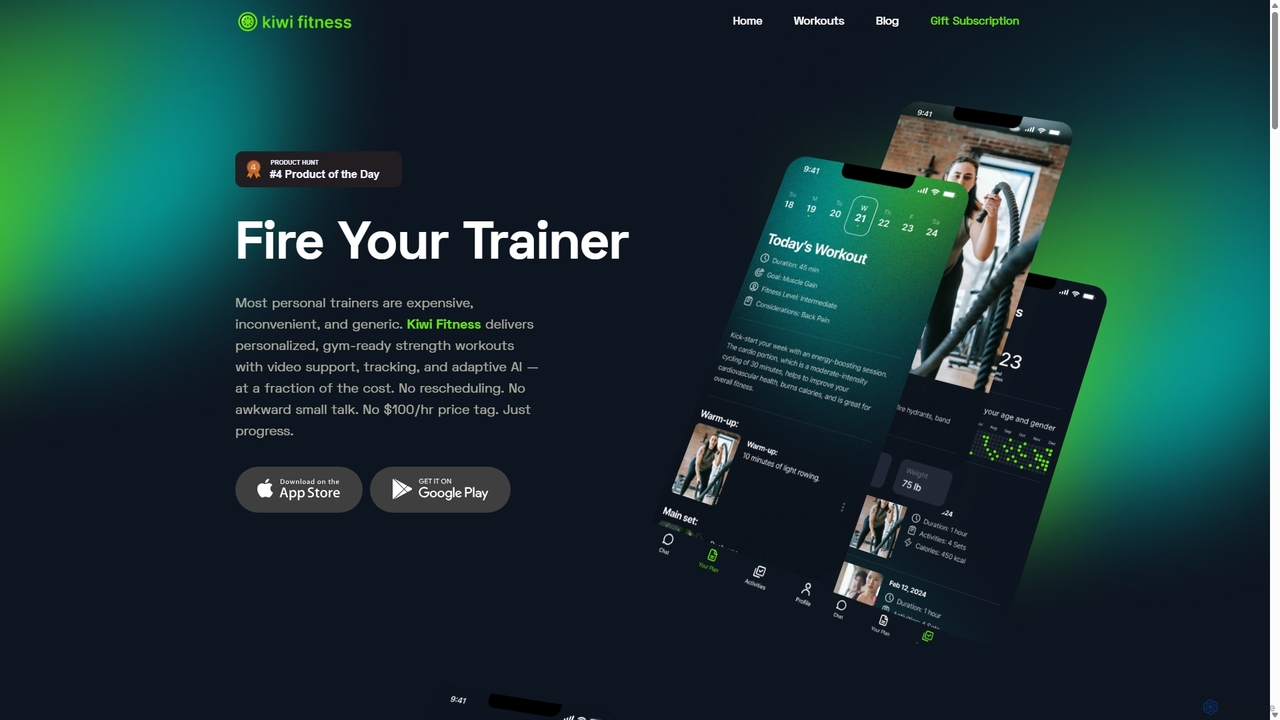
Trainwithkiwi is an AI-powered fitness coach and social network designed for strength training. It creates personalized, science-backed workout plans and uses gamification and community features to keep you motivated. Log workouts hands-free with speech-to-text and track your progress seamlessly. Ideal for various goals, from muscle building and rehabilitation to postpartum fitness.
3D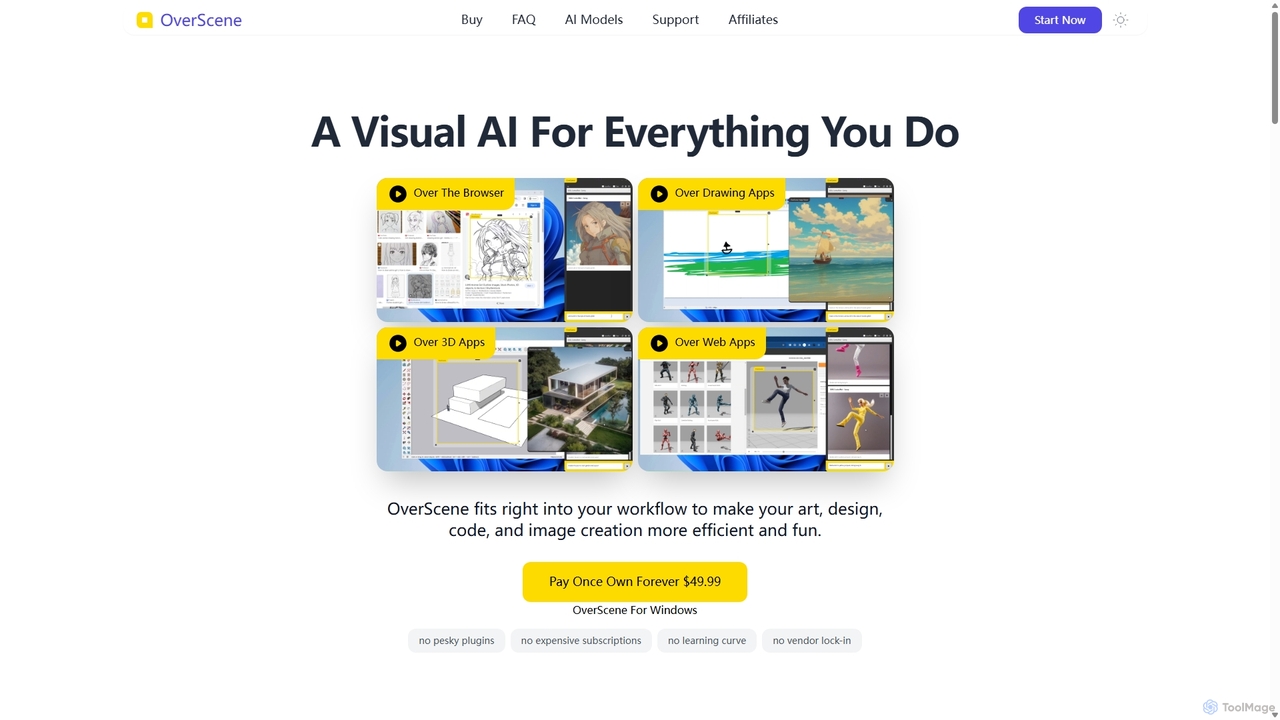
OverScene is a revolutionary Windows application that acts as a visual AI layer over any desktop software. It allows users to apply powerful AI models for image generation, code creation, 3D rendering, and more, directly onto their existing workflow via a simple drag-and-drop frame. With a one-time purchase model, it eliminates subscriptions and complex plugins, making advanced AI accessible to artists, designers, and developers.
Rendering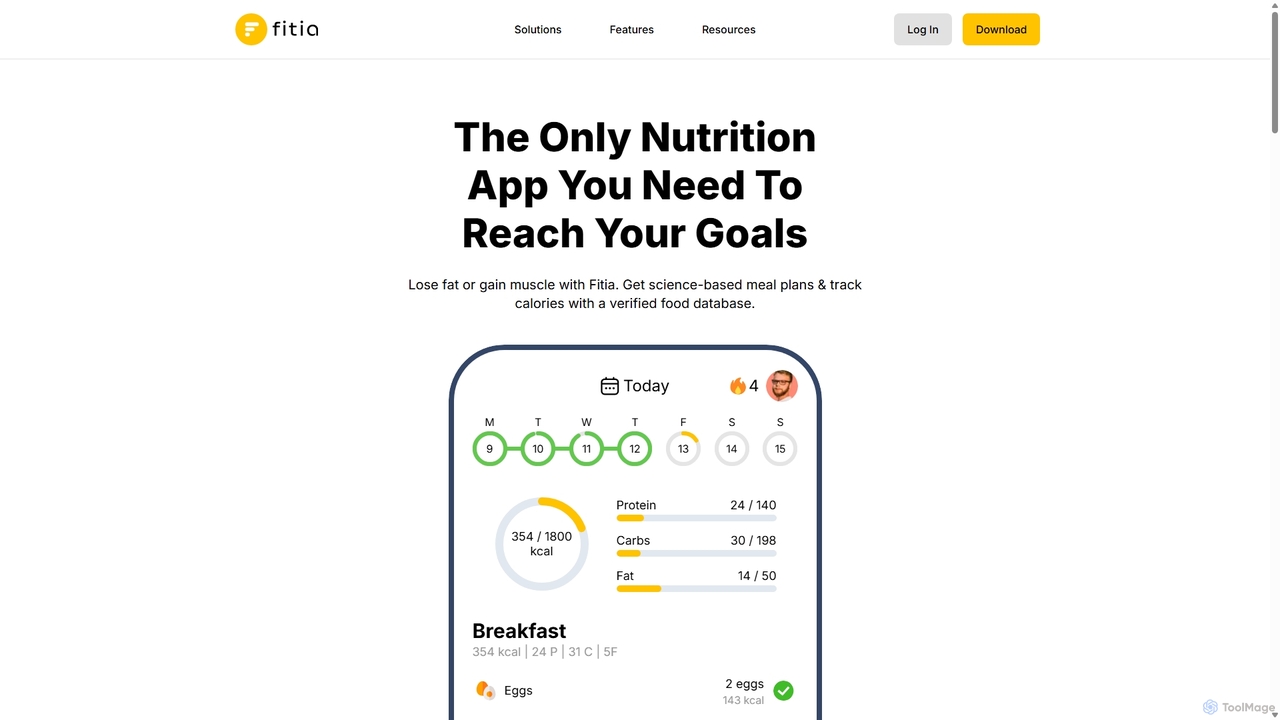
Fitia is an AI-powered nutrition app that creates science-based meal plans and tracks calories to help you lose fat or gain muscle. It features a verified food database, personalized macro targets, progress tracking, and automated shopping lists for a comprehensive approach to achieving your fitness goals.
3D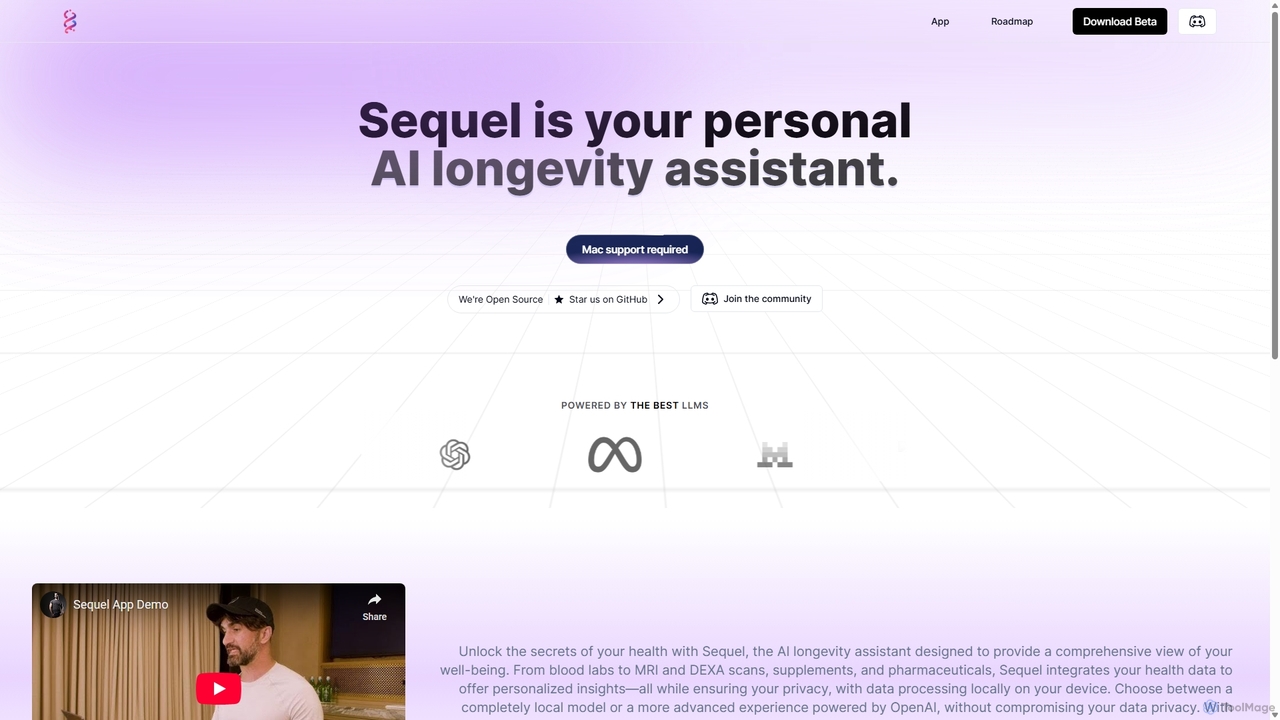
Withsequel is a privacy-focused, open-source AI longevity assistant for Mac. It integrates your health data from lab reports, wearables, and scans to provide personalized insights. Track supplements, analyze biomarkers, and take control of your well-being with local or cloud-based AI models.
3D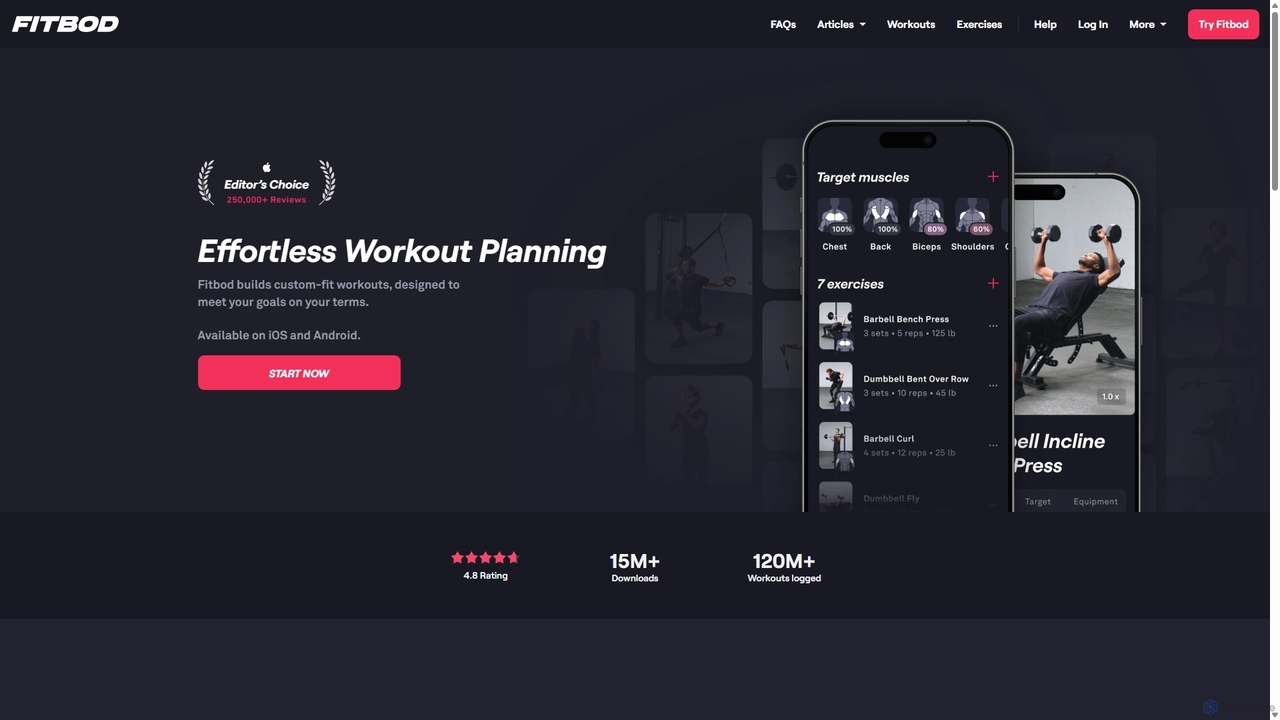
Fitbod is an AI-powered personal training app that creates customized strength training workouts. It adapts to your goals, available equipment, and performance, using a science-backed algorithm to optimize muscle recovery and apply progressive overload for maximum gains.
3D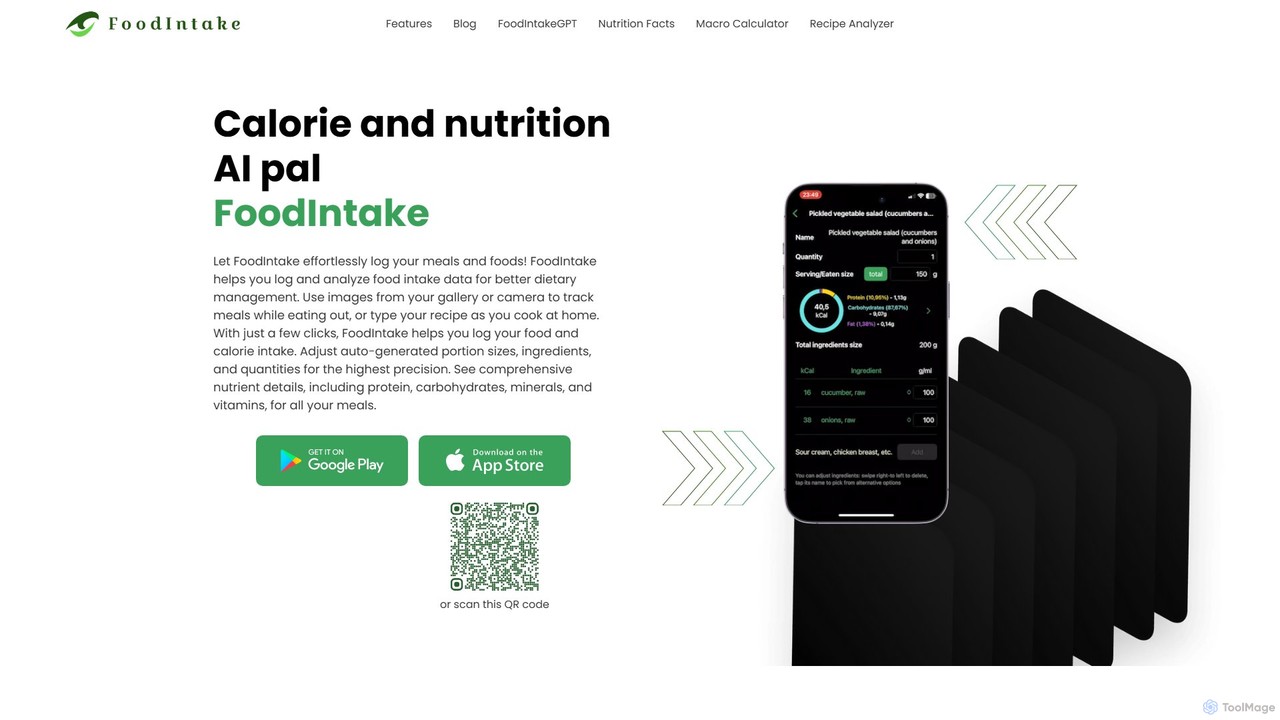
FoodIntake is an AI-powered app that simplifies food tracking. Log meals via text, barcode, or photo, and get detailed analysis of calories, macros, and nutrients. It connects to a vast food database, provides personalized health goals, and integrates with Apple Health to help you achieve your diet and fitness objectives.
3D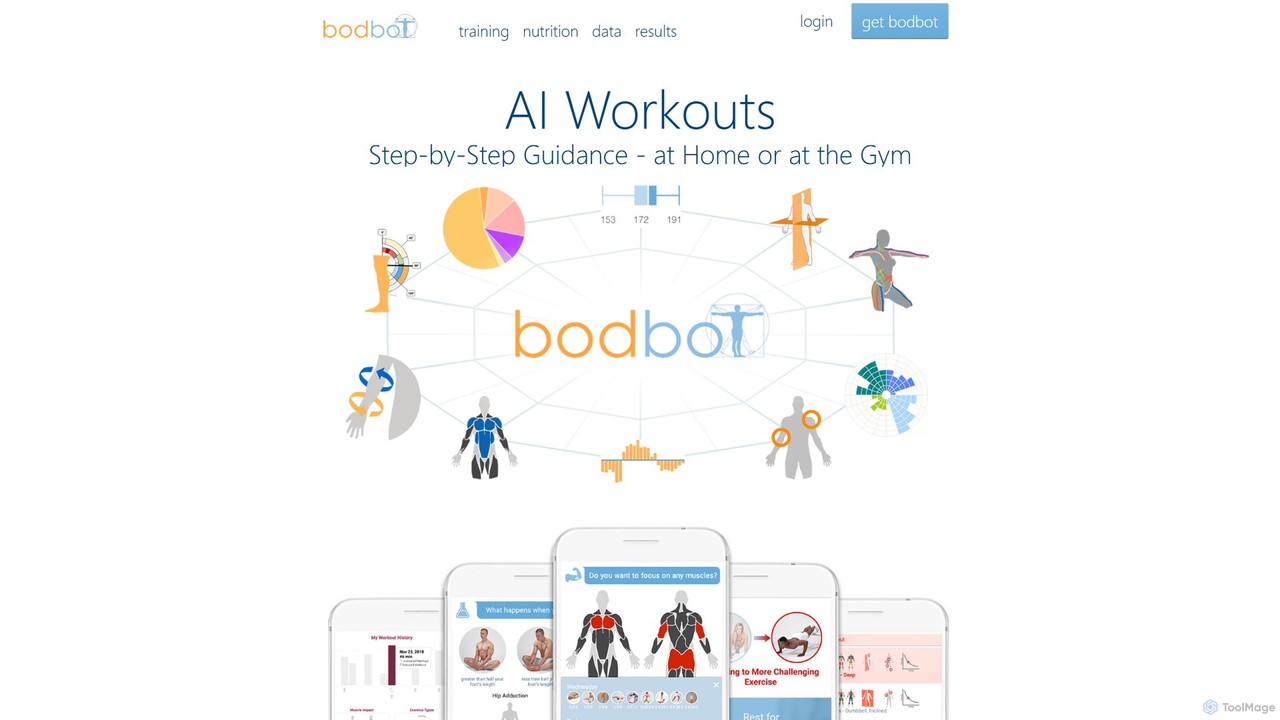
Bodbot is an AI-powered digital personal trainer and nutritionist that creates hyper-personalized workout and nutrition plans. It adapts to your goals, body, available equipment, and even daily factors like sleep and soreness, offering a holistic and data-driven approach to fitness for home or gym.
3D
GymPact is an AI-powered athletic trainer designed to elevate sports performance. It delivers hyper-personalized fitness programs that adapt to your specific sport, position, equipment, and seasonal goals. By focusing on key athletic pillars like explosiveness, durability, and speed, GymPact helps athletes bridge the gap between practice skills and game-day dominance. The app provides structured resistance, speed, and conditioning workouts, all accessible through a user-friendly mobile interface, completely free of charge.
3D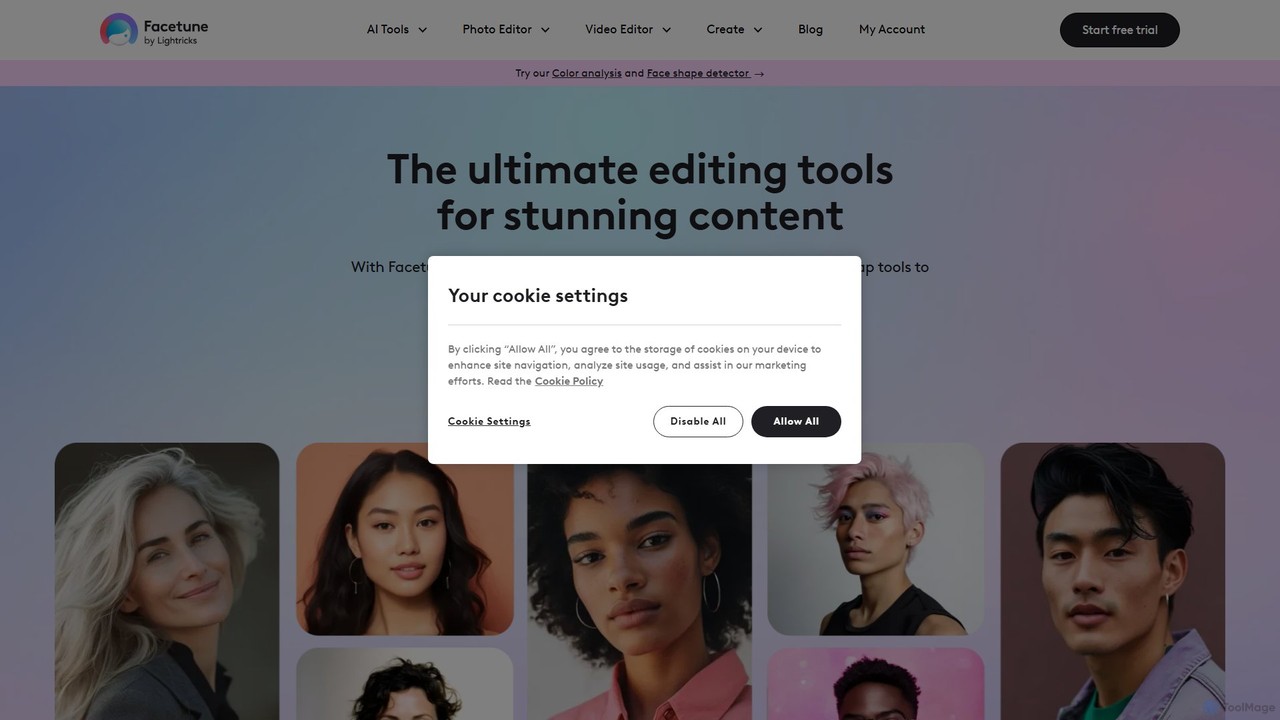
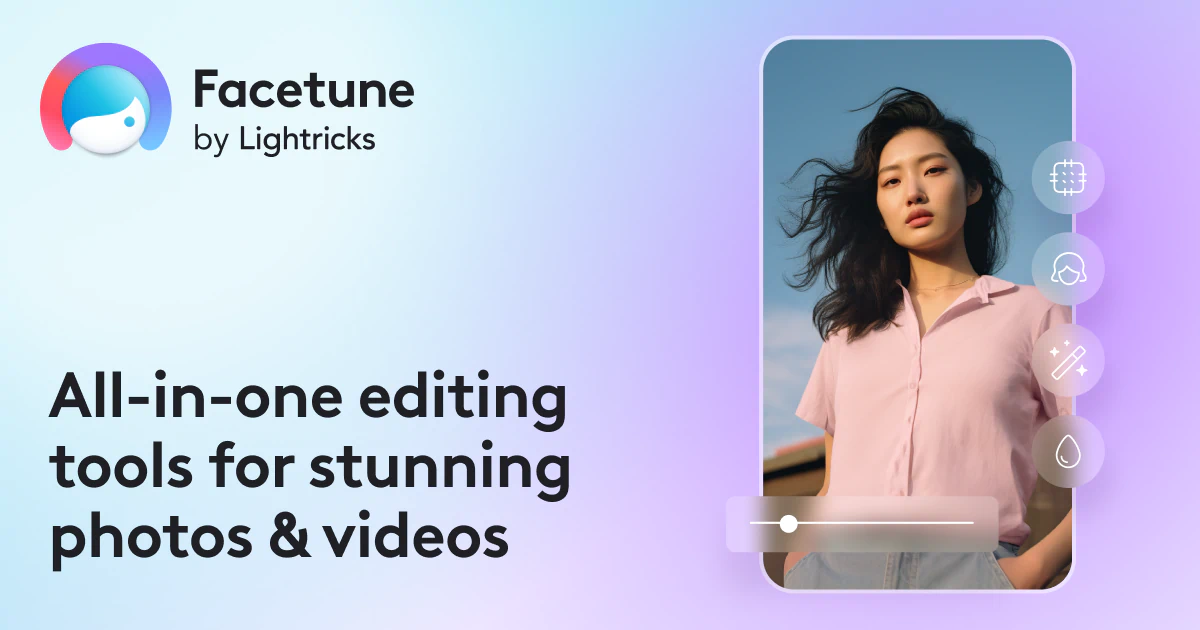
Facetune is a premier AI-powered photo and selfie editor app. It offers a vast suite of tools for retouching, face and body reshaping, virtual makeup and hairstyle try-ons, and AI-generated content like professional headshots and creative avatars. It's designed for both casual users and social media creators to effortlessly enhance their photos.
3D
MyTrainer is an AI-powered personal trainer and nutrition coach available as a mobile app. It delivers hyper-personalized fitness and meal plans based on your goals and fitness level. Get 24/7 guidance from an AI coach, track your progress with interactive features, and access a library of guided video workouts.
3D
Oura Ring is an AI-powered smart ring that tracks sleep, activity, stress, and overall health. It provides personalized insights by monitoring over 20 biometrics from your finger, offering a holistic view of your well-being. Its AI features, like Oura Advisor, deliver actionable guidance to help you improve your daily habits and live a healthier life.
3D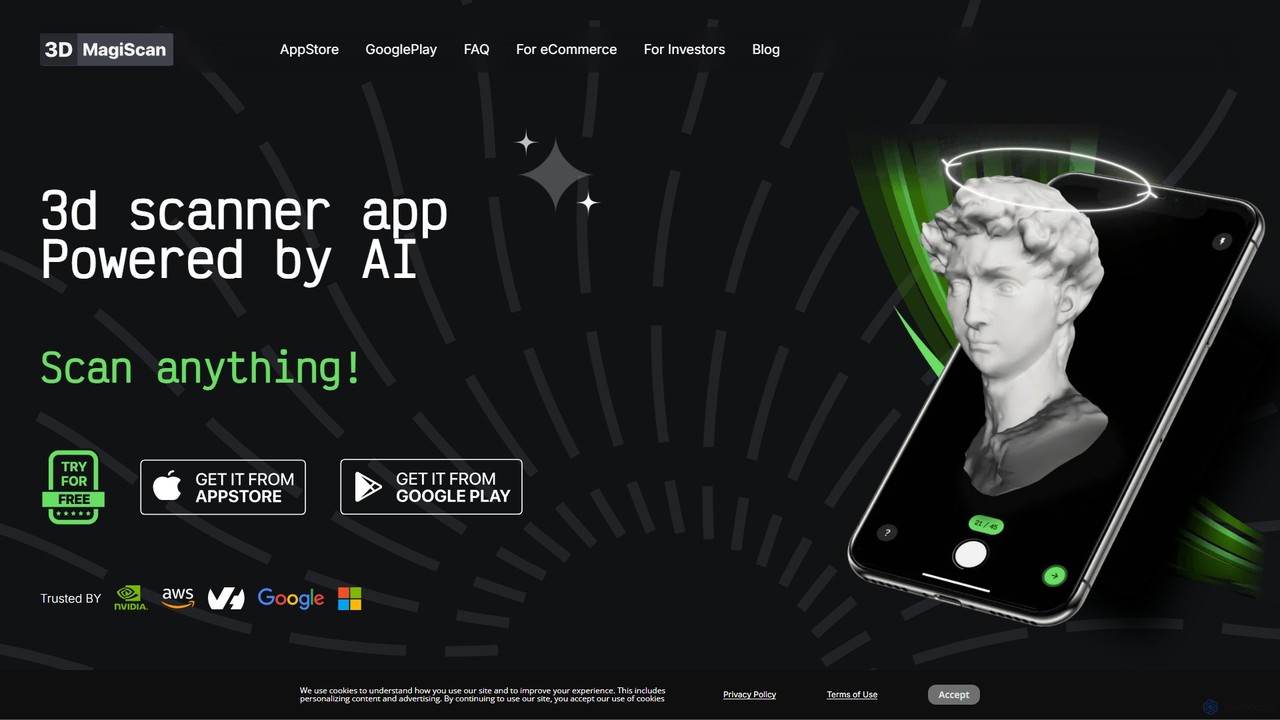
Magiscan is an AI-powered 3D scanner app for iOS and Android that transforms photos of real-world objects into high-quality 3D models. It offers multiple scanning modes, including photogrammetry and Lidar point cloud capture. With support for numerous export formats (GLB, OBJ, STL, etc.) and direct integration with NVIDIA Omniverse, it's a versatile tool for eCommerce, game development, AR/VR, and 3D artists. A free tier is available, with a premium subscription for advanced features and higher limits.
3D Scanning
FilterPixel is an AI-powered software designed for photographers to automate and accelerate photo culling and editing. It intelligently selects the best images from large batches by filtering out blurry, out-of-focus, or poorly composed shots. The AI can also learn your unique editing style to apply consistent enhancements across entire galleries, saving you hours of post-production work and helping you deliver stunning results faster.
3D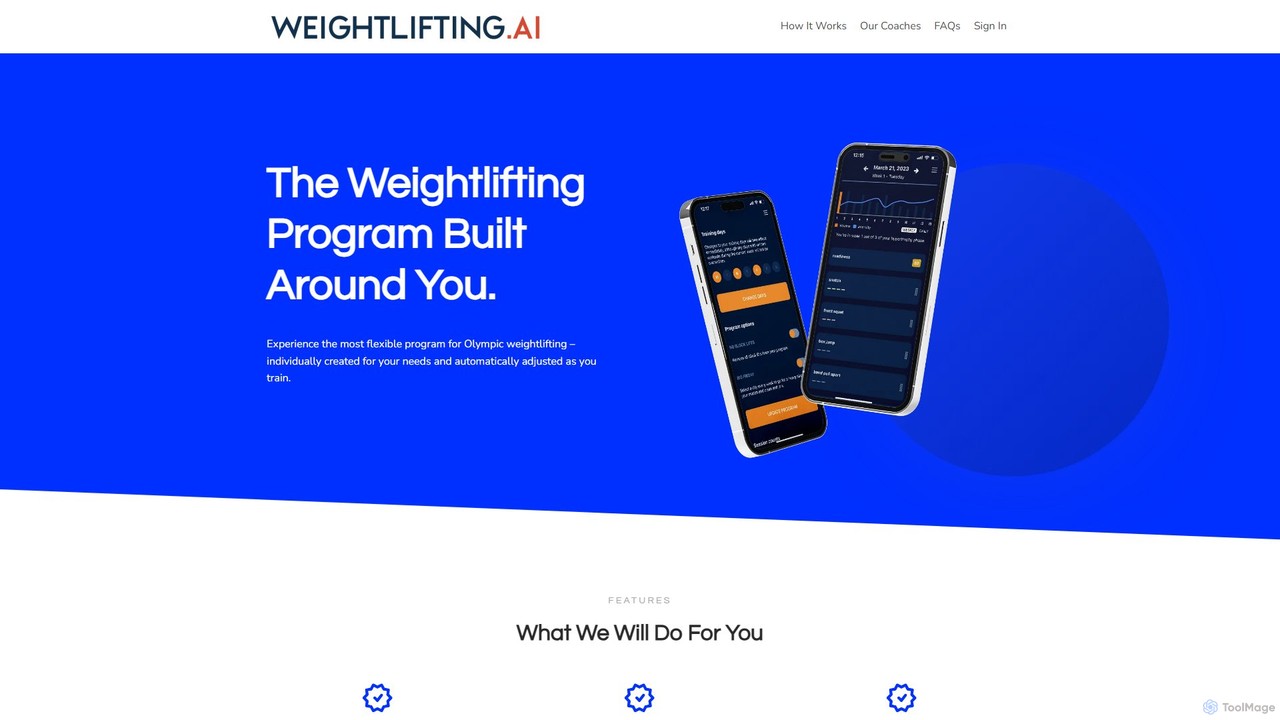
Weightlifting.ai is an AI-powered coaching app that creates personalized, adaptive training programs for Olympic weightlifters. It tailors workouts to your specific needs, adjusts in real-time based on your performance and feedback, and helps you peak for competitions. Suitable for all levels, from beginners to experienced athletes, it offers flexibility, fatigue management, and a supportive community to help you achieve your strength goals.
3DAI 3D tools are a class of software that leverage artificial intelligence to generate, modify, and optimize three-dimensional models and scenes. These tools often utilize advanced models like NeRF (Neural Radiance Fields), GANs, and diffusion models to interpret text prompts, 2D images, or video footage and transform them into complex 3D assets. They significantly accelerate workflows in game development, architecture, product design, and virtual reality, enabling creators to produce high-quality 3D content with greater speed and less manual effort. This technology lowers the barrier to entry for 3D creation, making it accessible to a broader range of users.
AI 3D tools are widely used in industries like game development for rapid asset prototyping, in film and VFX for pre-visualization, and in architecture for creating concept models. E-commerce businesses use them to generate 3D product visuals for websites and AR experiences, while designers and artists leverage them for creative exploration and digital art.
When selecting an AI 3D tool, consider the input method (text, image, video) that best suits your workflow. Evaluate the output quality, level of detail, and artistic style. Check for compatibility with your existing software by confirming supported export formats like FBX, OBJ, or glTF. Finally, consider the tool's learning curve and whether it's designed for beginners or professionals requiring advanced controls.
A solo game developer needs to create numerous props for a fantasy-themed level, such as chests, barrels, and furniture. Instead of manually modeling each item, which could take days, they use a text-to-3D tool. By inputting prompts like 'ornate wooden treasure chest with iron fittings' or 'weathered oak barrel,' they generate dozens of unique 3D model variations in minutes. This allows for rapid iteration on the level's design and visual style, significantly accelerating the prototyping phase.
An online furniture store wants to provide an interactive 360-degree view of its products. They use an image-to-3D tool, uploading a series of photos of a chair taken from different angles. The AI processes these images and generates a detailed, textured 3D model. This model is then embedded on the product page, allowing customers to rotate and inspect the chair from all sides. It can also be used in an AR application, enabling shoppers to visualize the furniture in their own homes before purchasing.
An architect needs to quickly visualize a building concept for a client presentation. Instead of spending hours on detailed modeling, they use an AI 3D tool. They can either upload a 2D floor plan sketch for conversion into a basic 3D massing model or use text prompts like 'modernist two-story house with large glass windows and a flat roof.' The AI generates several design variations, which can be refined and used to create compelling visualizations, helping the client better understand the project's vision early on.
A VFX supervisor needs to plan a complex action sequence involving a car chase in a futuristic city. Using an AI 3D tool, they generate a rough 3D model of the city environment with the prompt 'cyberpunk city street at night, raining.' They then populate the scene with basic 3D models of cars and characters. This allows the director and cinematographer to experiment with camera angles, shot composition, and timing in a low-cost 3D environment before committing to expensive on-set filming or detailed CGI work.
An engineering firm monitors a large construction site using drones. They upload the captured video footage to an AI 3D tool that uses NeRF (Neural Radiance Fields) technology. The AI analyzes the footage from multiple viewpoints and reconstructs a highly detailed, photorealistic 3D model of the entire site. This 'digital twin' can be explored virtually, allowing engineers to track progress, measure distances, identify potential issues, and plan logistics without needing to be physically present on site, improving safety and efficiency.
A user wants a unique avatar for a virtual reality platform that truly represents them. They upload a single selfie to an AI avatar creator. The tool analyzes their facial features and generates a base 3D avatar that captures their likeness. The user can then refine the avatar using text prompts, such as 'give me cyberpunk-style glasses,' 'add long, flowing silver hair,' or 'wear a medieval knight's armor.' This process combines personalization with creative freedom, allowing anyone to create a detailed, custom 3D avatar without any modeling skills.
AI 3D tools are software applications that use artificial intelligence to automate or assist in the creation of three-dimensional models, scenes, and textures. They can generate 3D assets from various inputs like text descriptions (text-to-3D), 2D images, or video footage. These tools are designed to speed up the 3D creation process, making it more accessible to both professionals and beginners by reducing the need for complex manual modeling skills.
To choose the right AI 3D tool, consider these factors:
The primary difference is the creation process. Traditional 3D modeling (e.g., in Blender, Maya) is a manual, skill-intensive process where artists build models polygon by polygon. It offers precise control but requires significant time and expertise. AI 3D generation automates this process, creating models from simple inputs like text or images. It is much faster and ideal for rapid prototyping, concept art, and accessibility for non-artists, though it may currently offer less fine-grained control than manual methods.
AI 3D tools work by using complex machine learning models trained on vast datasets of 3D shapes, images, and text descriptions. For text-to-3D, a model like a diffusion model learns the relationship between words and 3D geometry, allowing it to generate a shape that matches a text prompt. For image-to-3D, technologies like Photogrammetry or Neural Radiance Fields (NeRF) analyze multiple images of an object to infer its 3D structure and appearance, creating a detailed model or scene.
A wide range of users can benefit from AI 3D tools. Professionals like game developers, architects, and product designers use them to accelerate prototyping and ideation. VFX artists and animators use them for pre-visualization. E-commerce businesses use them for creating product showcases. Additionally, hobbyists, students, and content creators who lack traditional 3D modeling skills can now create complex 3D assets easily, opening up new creative possibilities for everyone.