ToolMage
Sign in

Best 3,703 Business AI tools

Popular Business AI tools include DefinedCrowd, Shopify, Google Workspace, Dropbox, Slack, DeepL, Salesforce, Zoom, Box, and Trello, helping you work more efficiently.

Thrivesparrow
Paid

Thrivesparrow

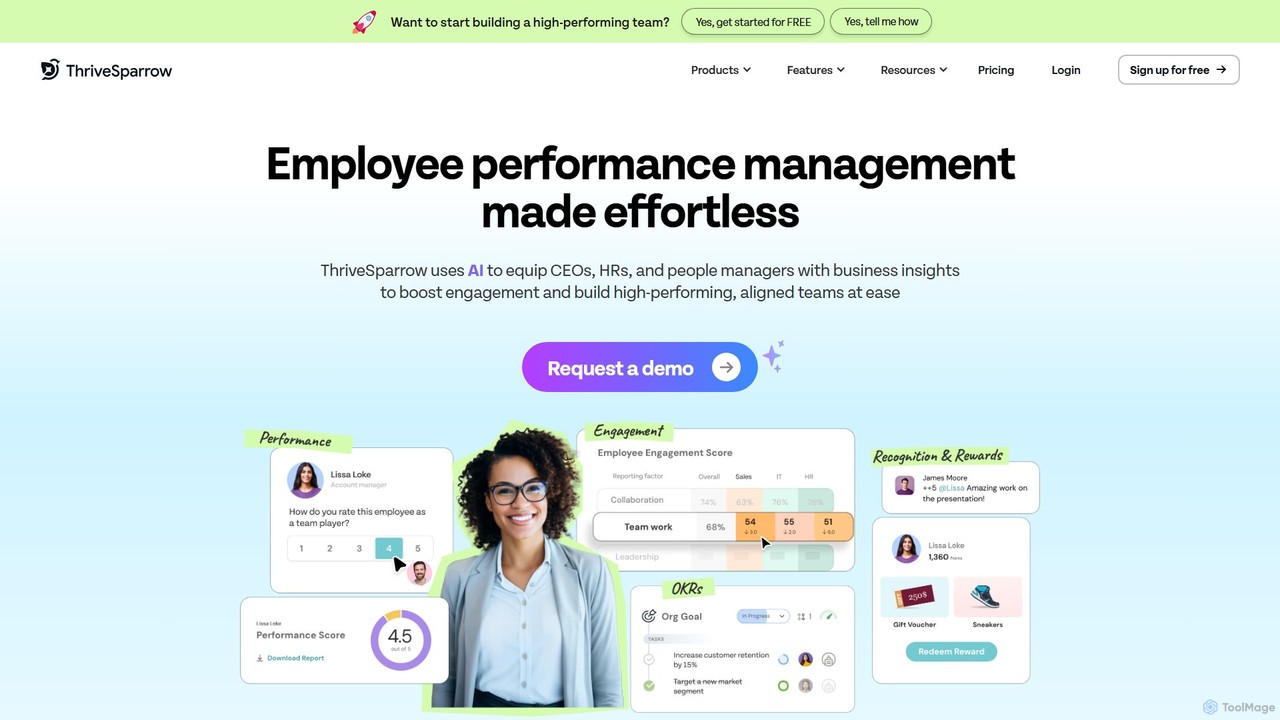
Thrivesparrow is an AI-powered employee success platform designed for CEOs, HR professionals, and managers. It streamlines performance management, boosts employee engagement through AI-driven insights, facilitates goal alignment with OKRs, and fosters a positive culture with recognition and rewards. It's an all-in-one solution for building high-performing, aligned teams.

Analytics
Visits 30KFavorites 141Likes 139
BuildKeeper
Freemium

BuildKeeper

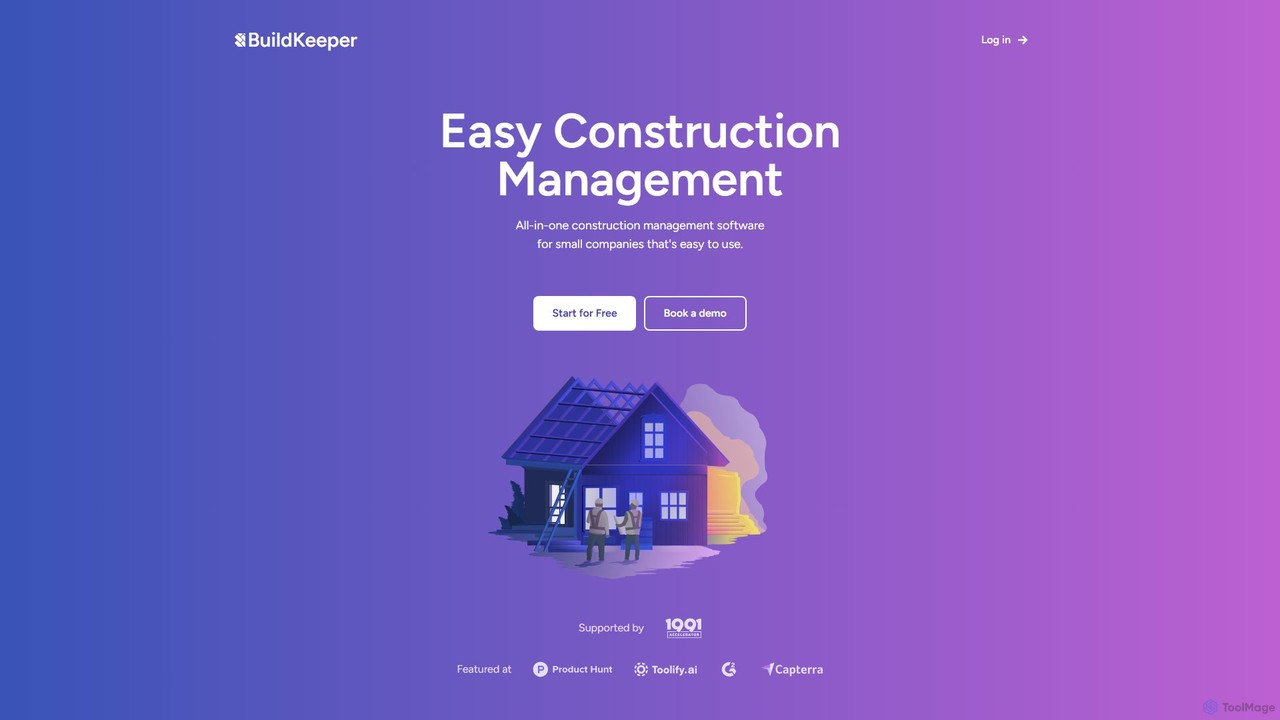
BuildKeeper is an all-in-one, user-friendly construction management software designed for small to medium-sized companies. It simplifies project workflows with integrated tools for budgeting, invoicing, expense tracking, and job scheduling, helping teams stay organized, on time, and within budget.

Construction Management
Visits 5.9KFavorites 148Likes 137
Pontus
Paid

Pontus

Pontus is an AI-powered enterprise automation platform designed to transform manual business operations into efficient, end-to-end automated workflows. It enables businesses to build and deploy custom automations for finance, legal, and data intelligence without costly system overhauls, driving tangible business outcomes and improving data reliability.

Workflow Automation
Visits 5.9KFavorites 118Likes 121
Cloodo
Freemium

Cloodo

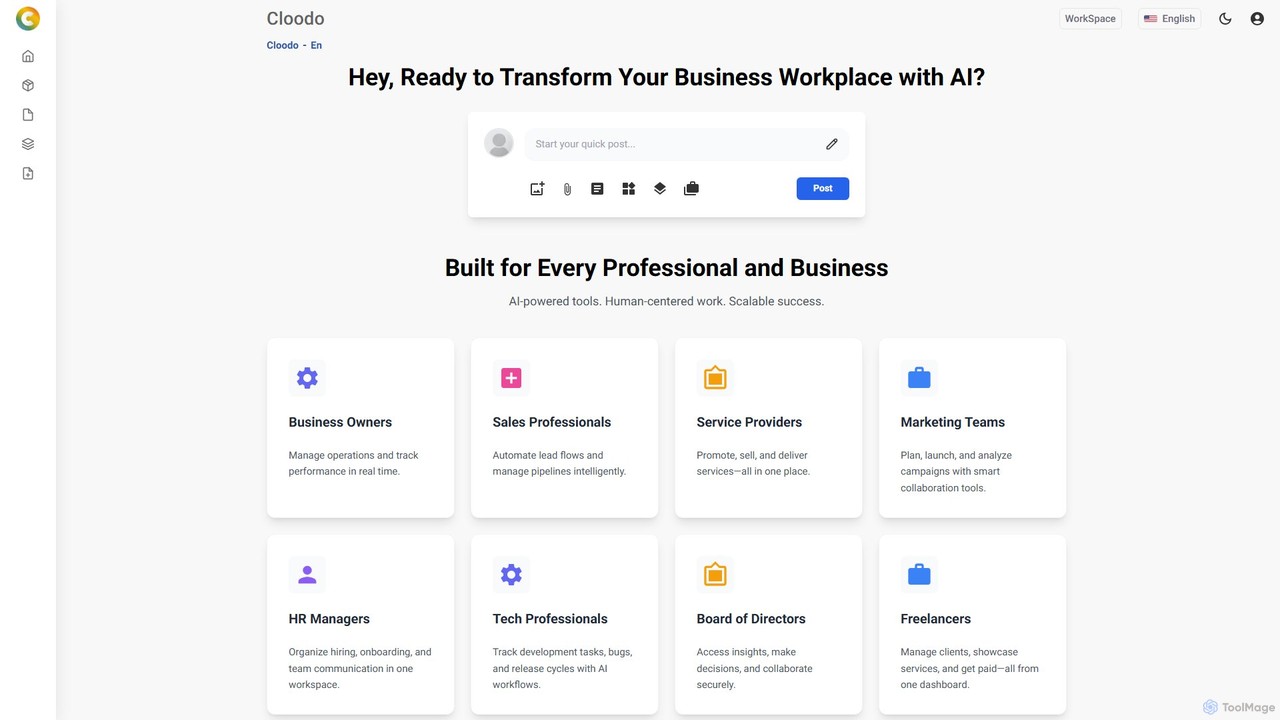
Cloodo is an AI-powered digital workplace designed to unify project management, service delivery, and team collaboration. It helps professionals and businesses streamline operations, enhance visibility, and scale success through intelligent automation and a centralized platform for all work-related activities.

Crm
Visits 7.2KFavorites 137Likes 135
Risotto
Paid

Risotto

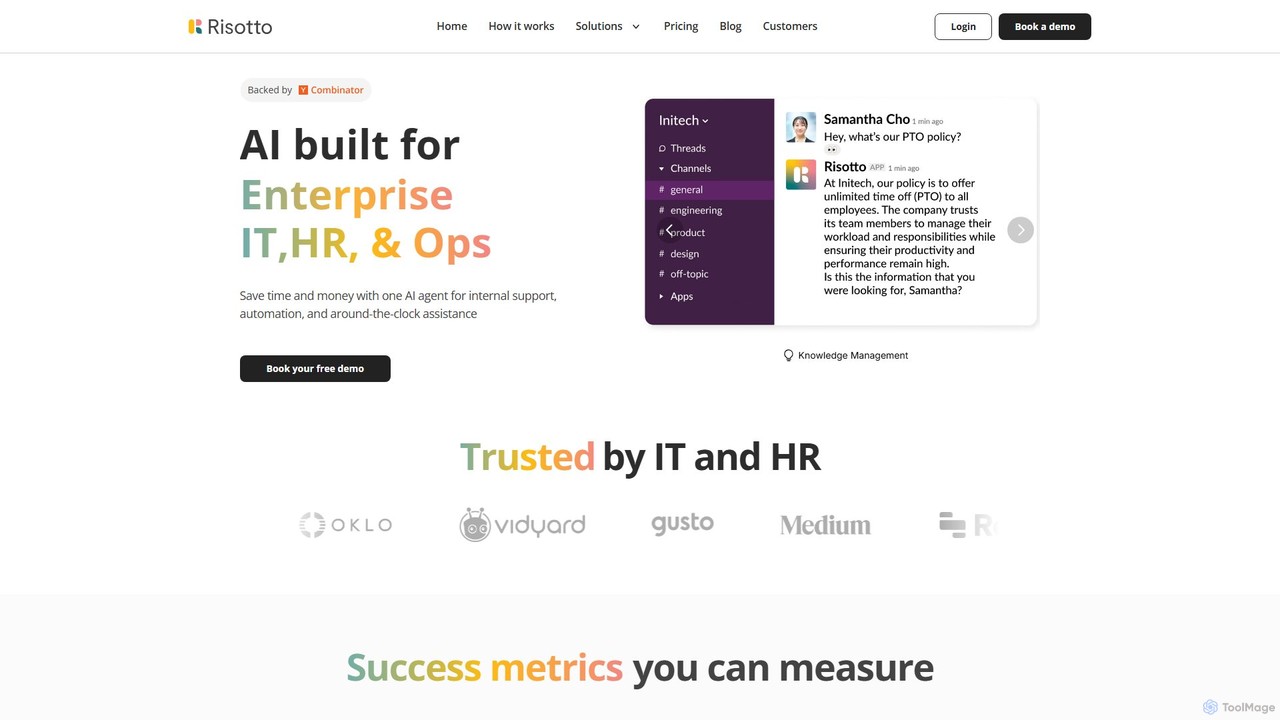
Risotto is an AI-powered IT help desk automation platform built for Slack. It unifies support operations, automates Tier 1 ticket resolution, and streamlines identity and access management (IAM). By leveraging AI to learn from your knowledge base and past tickets, Risotto deflects common requests, provides 24/7 support, and accelerates employee onboarding, all within your existing Slack workspace.

Customer Support
Visits 12.7KFavorites 145Likes 150
Narrative BI
Freemium

Narrative BI

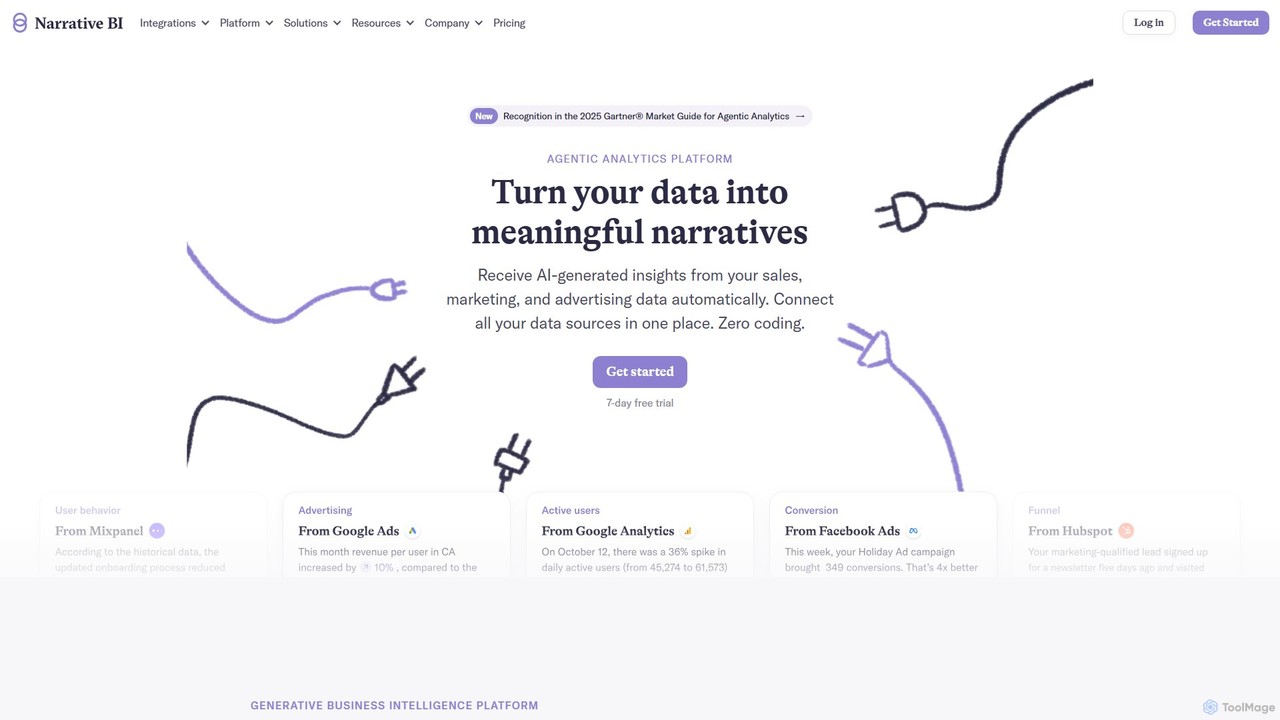
Narrative BI is an AI-powered business intelligence platform that automates data analysis. It connects to various data sources like Google Analytics and Facebook Ads, transforming complex data into easy-to-understand narrative reports and actionable insights. It's designed for teams to make faster, data-driven decisions without needing technical expertise.

Business Intelligence
Visits 6KFavorites 138Likes 124
OneSchema
Paid

OneSchema

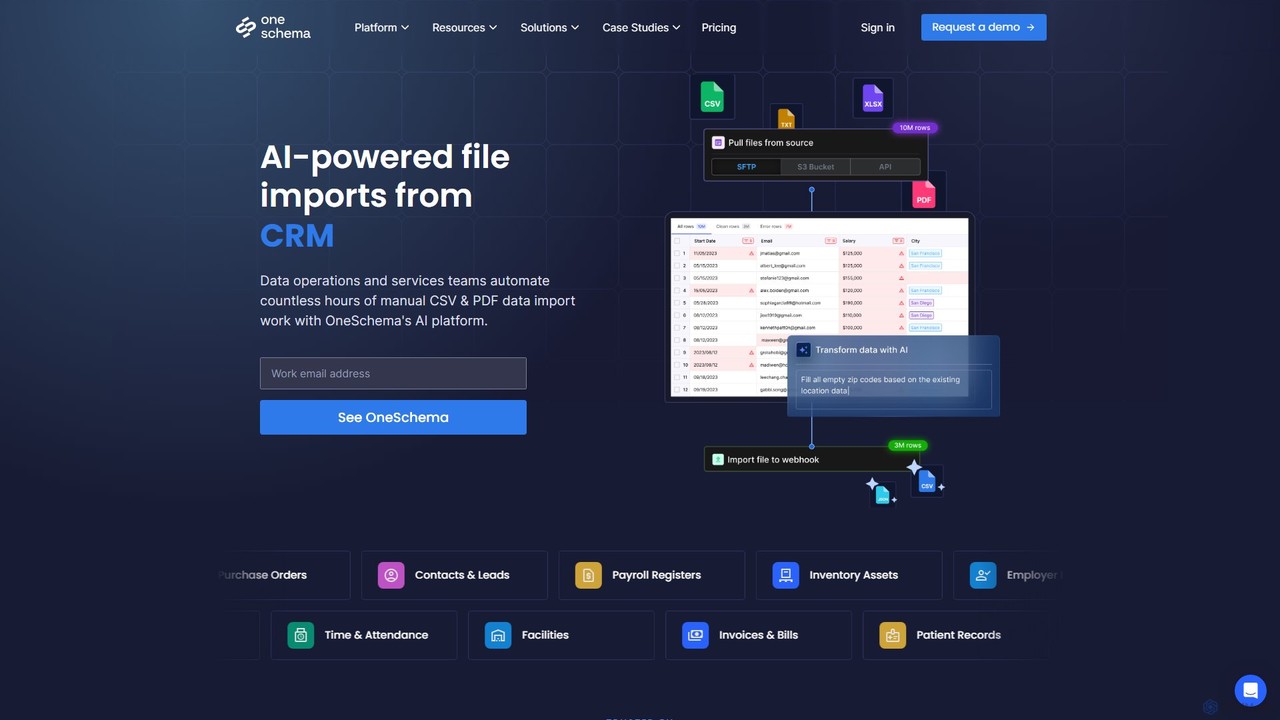
OneSchema is an AI-powered platform designed to automate the import of unstructured data from CSVs and PDFs. It empowers operations and services teams to effortlessly extract, structure, validate, and clean data from any source, streamlining complex business processes and eliminating tedious manual data wrangling.

Operations
Visits 22.9KFavorites 156Likes 156
myframework
Freemium

myframework

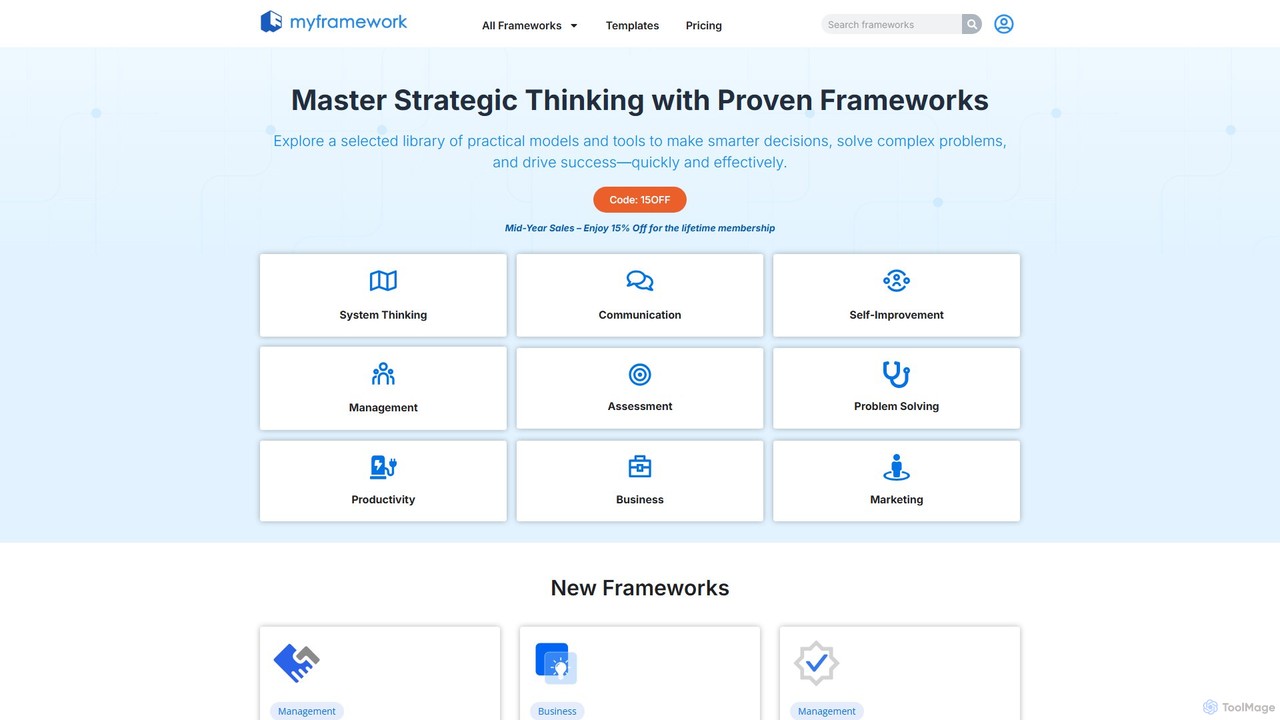
Myframework is a curated digital library of proven thinking frameworks and mental models. It helps users make smarter decisions, solve complex problems, and enhance productivity across business, marketing, and self-improvement. The platform offers practical tools, templates, and AI-powered prompts to turn theory into action.

Strategic Planning
Visits 7.2KFavorites 150Likes 169
Syntetica
Freemium

Syntetica

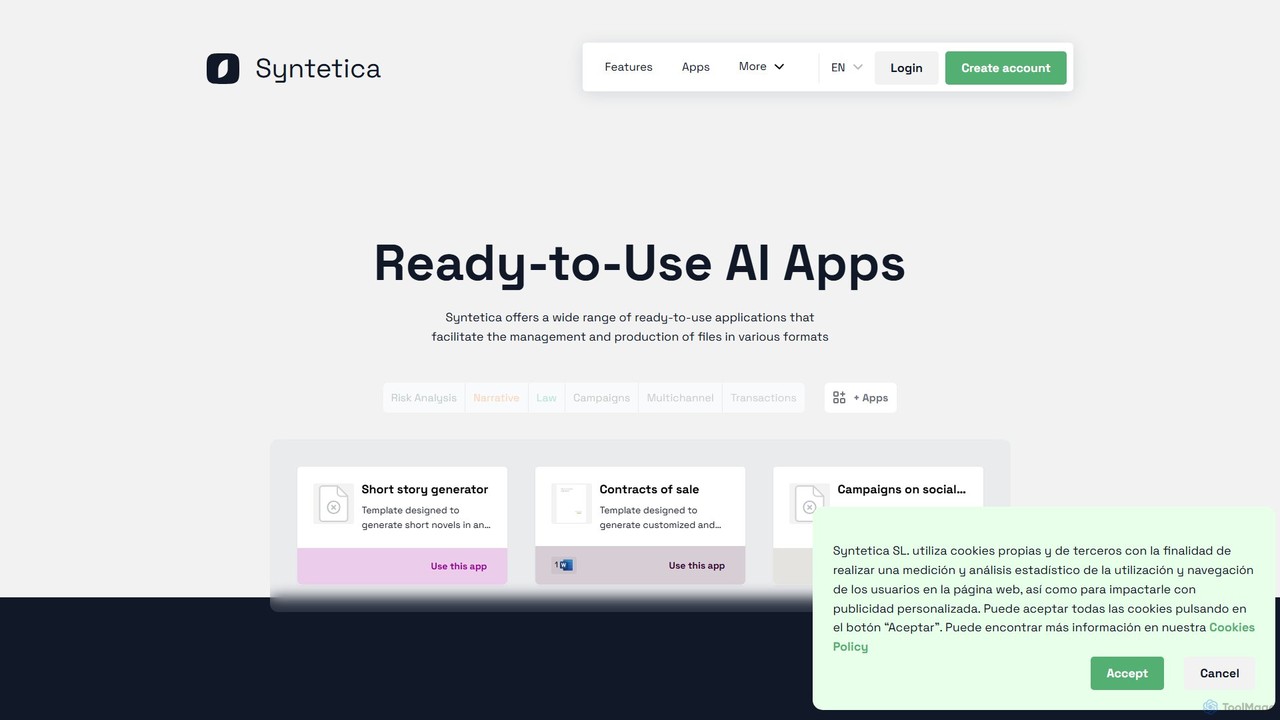
Syntetica is a no-code AI platform that empowers users to build custom applications and automate complex content generation workflows. It allows you to create repeatable processes using various file formats as input, collaborate with teams in real-time, and generate outputs like documents, reports, and interactive content without any coding knowledge.

Document Management
Visits 7KFavorites 147Likes 156
Apriora
Paid

Apriora

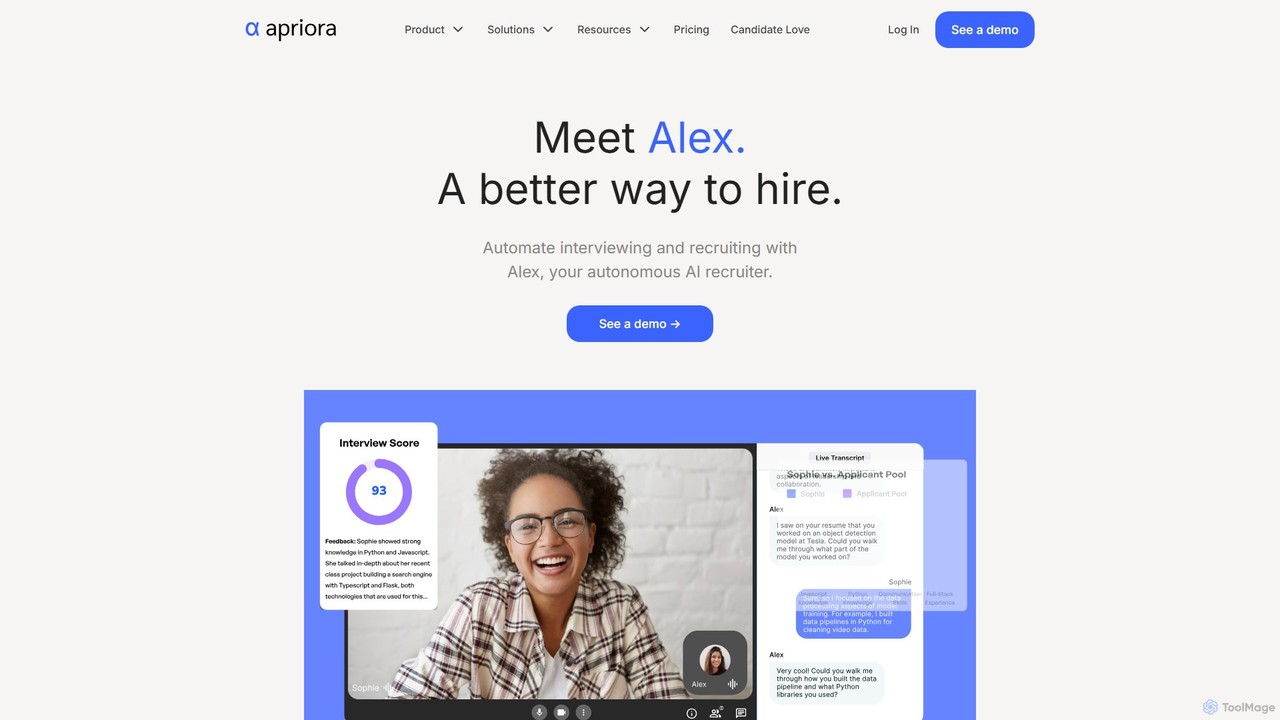
Apriora is an AI-powered recruiting platform featuring 'Alex,' an autonomous AI recruiter. It automates candidate screening through live, two-way phone and video interviews, available 24/7. Apriora streamlines top-of-funnel hiring, increases recruiter productivity, and provides in-depth, data-driven insights to help companies hire higher-quality candidates faster.

Talent Management
Visits 6KFavorites 132Likes 140
Afterquote
Paid

Afterquote

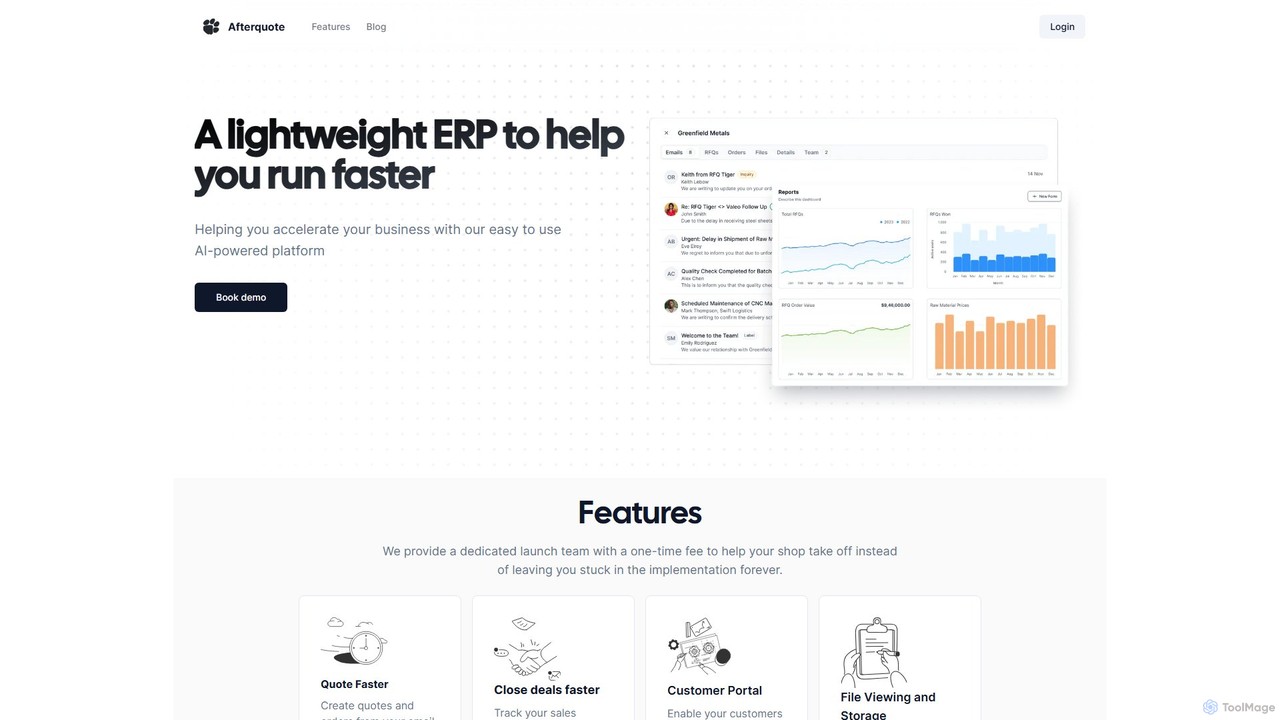
Afterquote is a lightweight, AI-powered ERP platform designed for manufacturing businesses, particularly in metal fabrication. It streamlines operations by automating quoting from emails, managing sales pipelines, and providing a real-time customer portal for order tracking.

Erp
Visits 5.9KFavorites 110Likes 102
Sense
Freemium

Sense

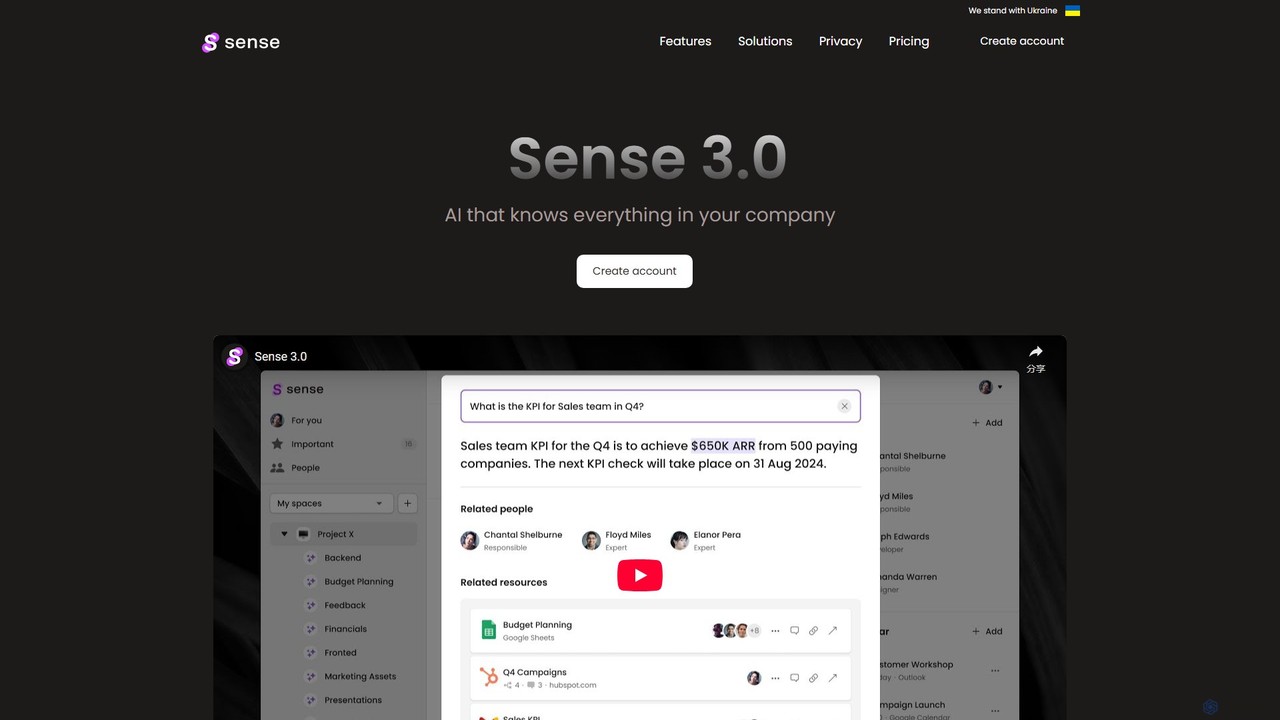
Sense is an AI-powered knowledge hub that integrates with all your company's applications to create a single, searchable source of truth. It automatically organizes data, provides intelligent answers to your questions, and delivers personalized updates to enhance team productivity and collaboration.

Collaboration
Visits 5.9KFavorites 136Likes 140
verbee
Freemium

verbee

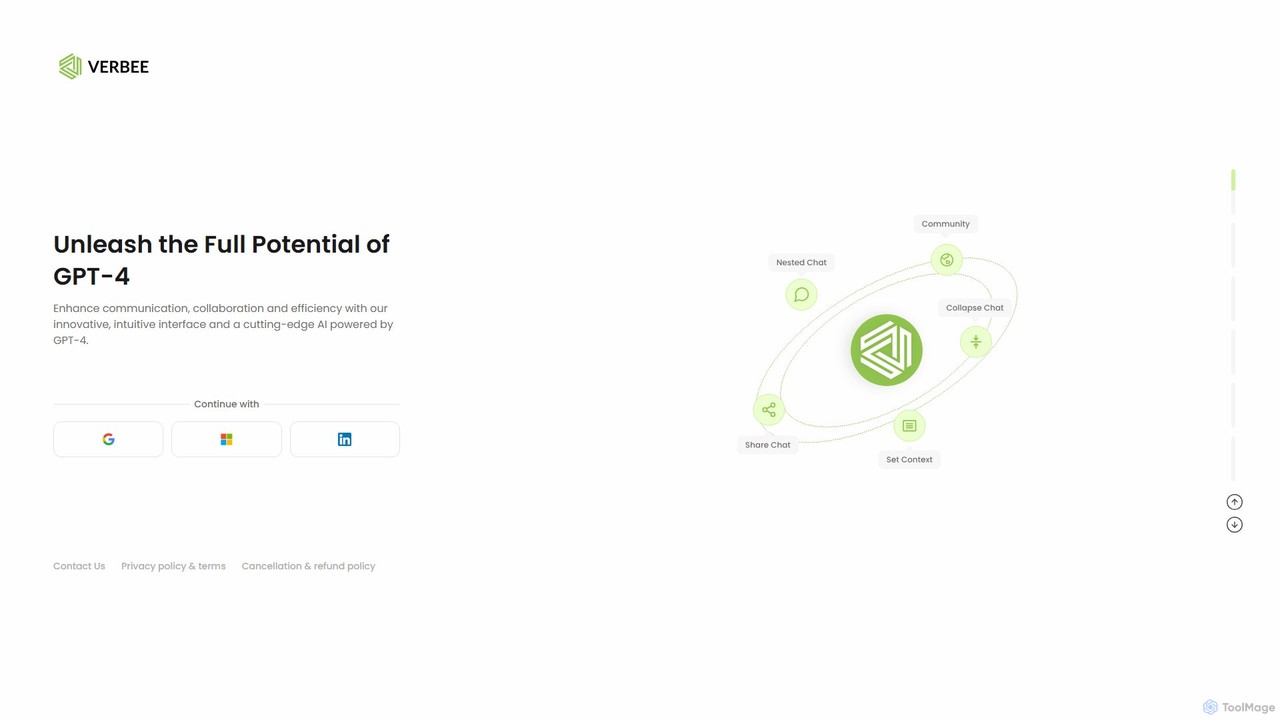
verbee is a collaborative AI platform designed for teams, powered by GPT-4. It enhances communication and efficiency by providing a shared, real-time chat interface. Key features include nested questions for deep dives, context setting, and a flexible usage-based pricing model, making advanced AI accessible and cost-effective for any organization.

Ai Chatbot
Visits 7.1KFavorites 160Likes 146
TeamifAI

TeamifAI

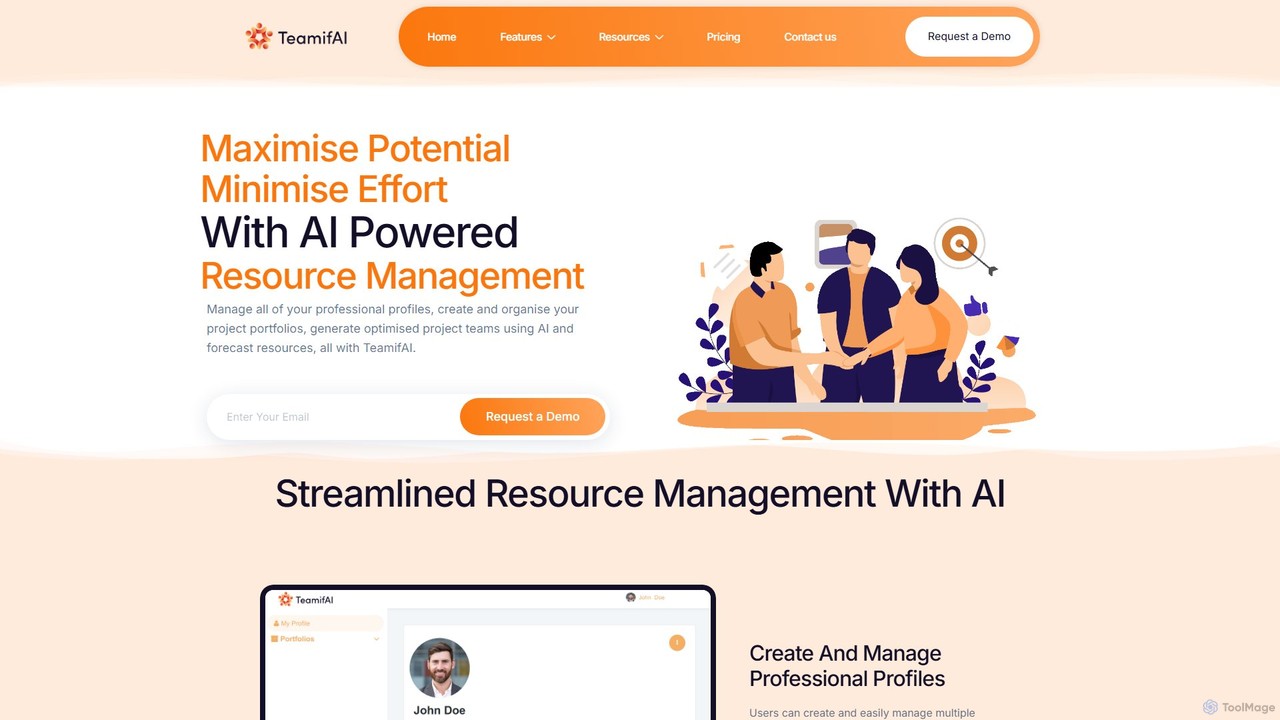
TeamifAI is an AI-powered resource management platform designed to optimize team creation and project staffing. It enables businesses to create and manage professional profiles, generate ideal project teams using AI, forecast resource allocation, and track utilization in real-time, maximizing potential while minimizing effort.

Resource Planning
Visits 6.1KFavorites 112Likes 111
Kanaries
Freemium

Kanaries

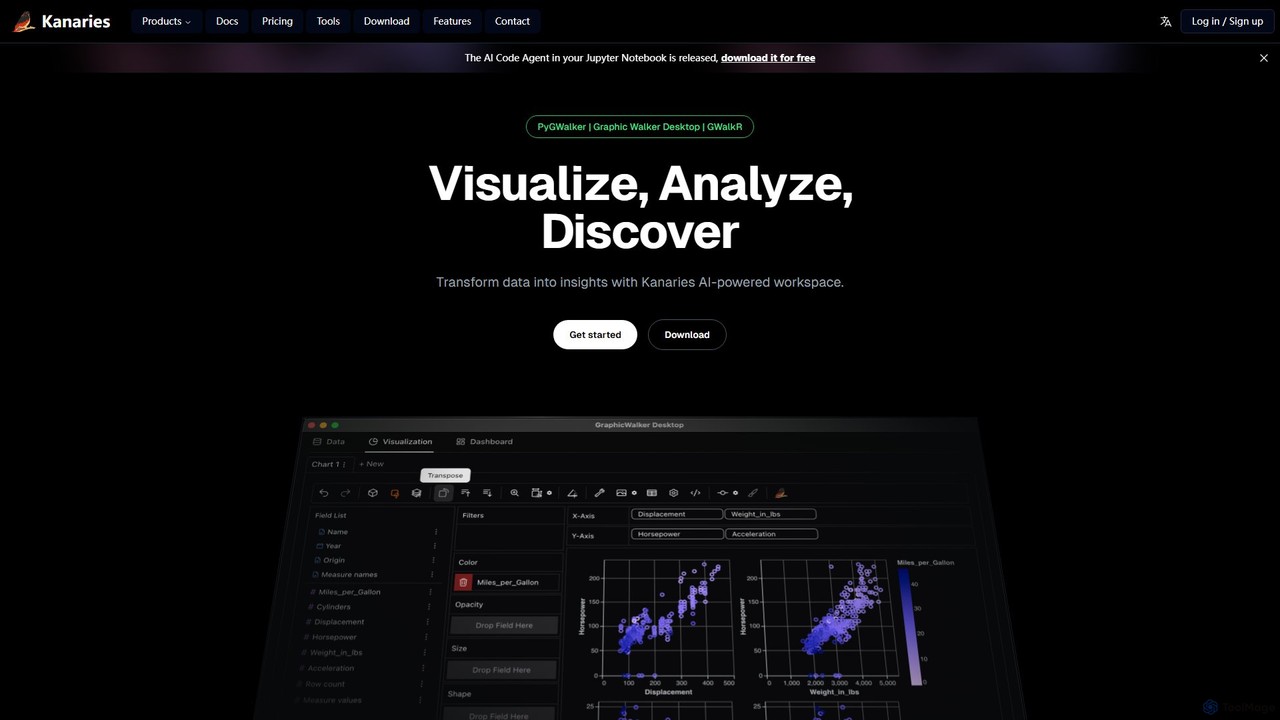
Kanaries is an AI-powered workspace designed for exploratory data analysis (EDA) and visualization. It offers a suite of tools, including PyGWalker for Python and GWalkR for R, that transform dataframes into interactive visual analytics applications with a single line of code. It features a drag-and-drop interface, AI-powered chat for data querying, and collaborative features, streamlining the entire data-to-insight workflow for analysts, data scientists, and developers.

3D
Visits 161KFavorites 162Likes 166
TeamPal
Freemium

TeamPal

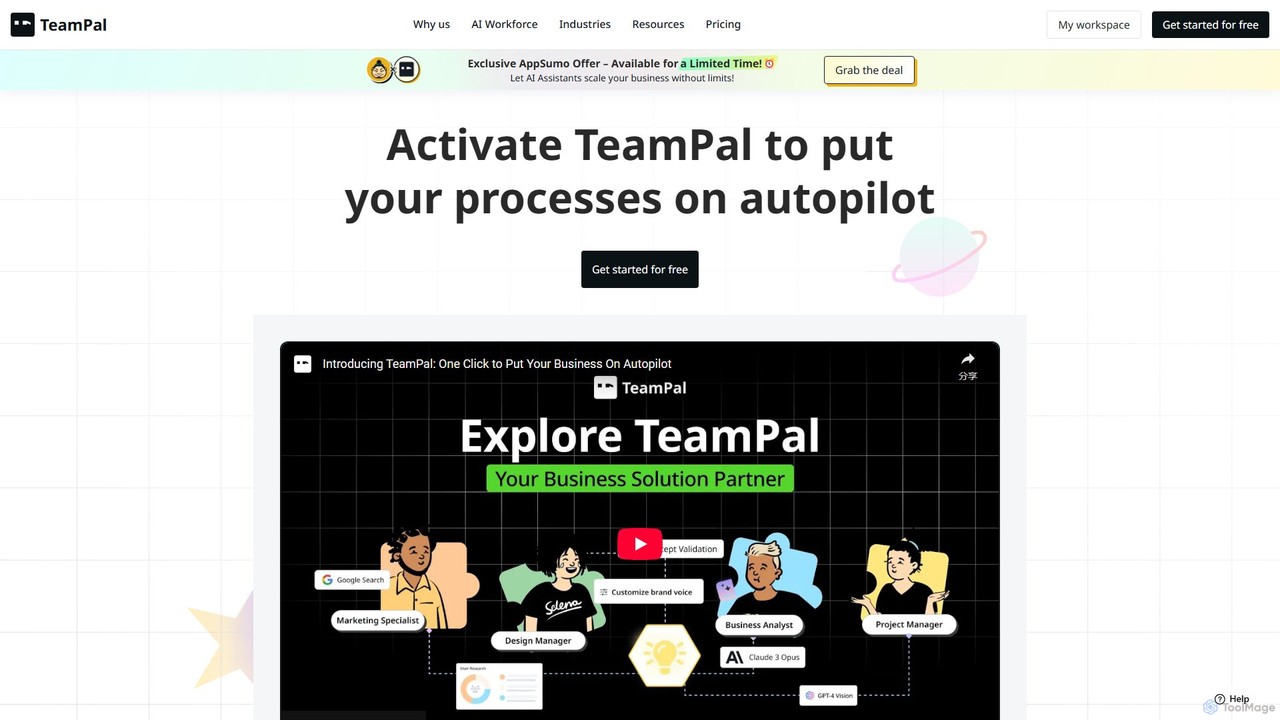
TeamPal is a no-code platform that empowers businesses to build, customize, and deploy an AI workforce. Create specialized AI agents from over 80 templates for roles in marketing, sales, HR, and more. Automate workflows, integrate custom knowledge, and collaborate with your team to enhance productivity and reduce operational costs, all without writing a single line of code.

Team Collaboration
Visits 21.6KFavorites 152Likes 165
Supranalyst
Freemium

Supranalyst

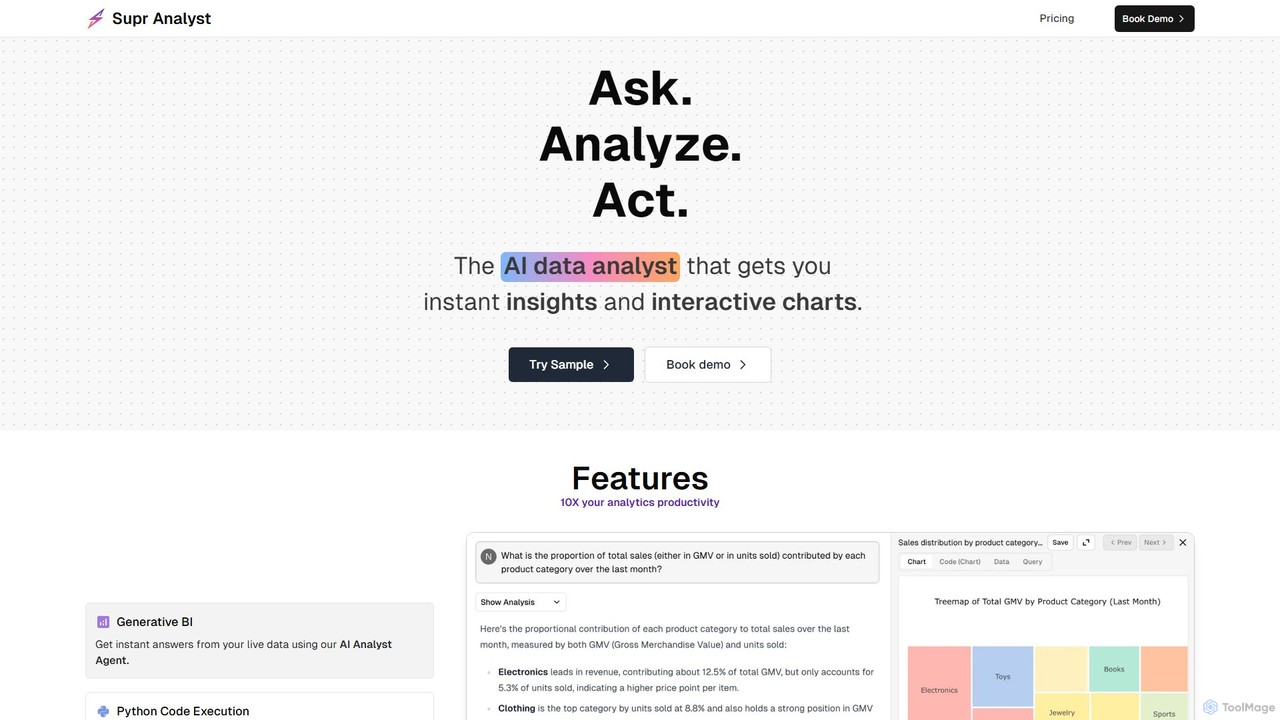
Supranalyst is an AI-powered data analyst that lets you chat with your data directly in Slack. Connect to various data sources like PostgreSQL, Snowflake, and Google Sheets, ask questions in plain English, and receive instant insights and interactive charts. It streamlines data analysis for both technical and non-technical teams, boosting productivity by 10x.

Business Intelligence
Visits 5.9KFavorites 133Likes 143
Coflow
Free

Coflow

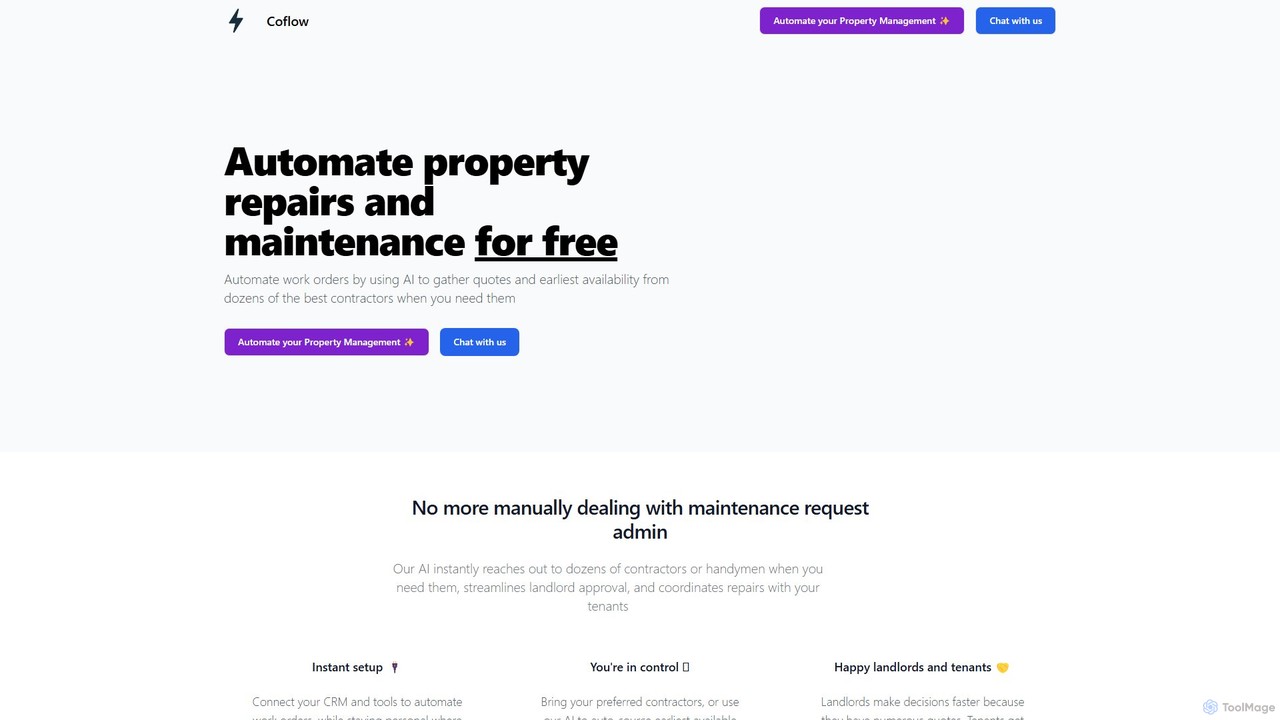
Coflow is an AI-powered platform that automates property repair and maintenance workflows for property managers. It streamlines the entire process, from tenant requests to job completion, by automatically sourcing quotes from contractors, facilitating landlord approvals, and coordinating schedules. This free service saves time, reduces administrative overhead, and ensures faster repairs.

Operations Management
Visits 6KFavorites 148Likes 158
Podcut
Freemium

Podcut

Podcut is an AI-powered analytics and prediction platform designed for the sports and gaming entertainment industry. It leverages advanced machine learning models to deliver real-time insights, predictive analytics for game outcomes, and personalized content recommendations. Podcut empowers both operators and enthusiasts to make data-driven decisions, optimize strategies, and enhance user engagement through powerful, automated intelligence.

Predictive Modeling
Visits 6.5KFavorites 139Likes 128
Greenbot
Freemium

Greenbot

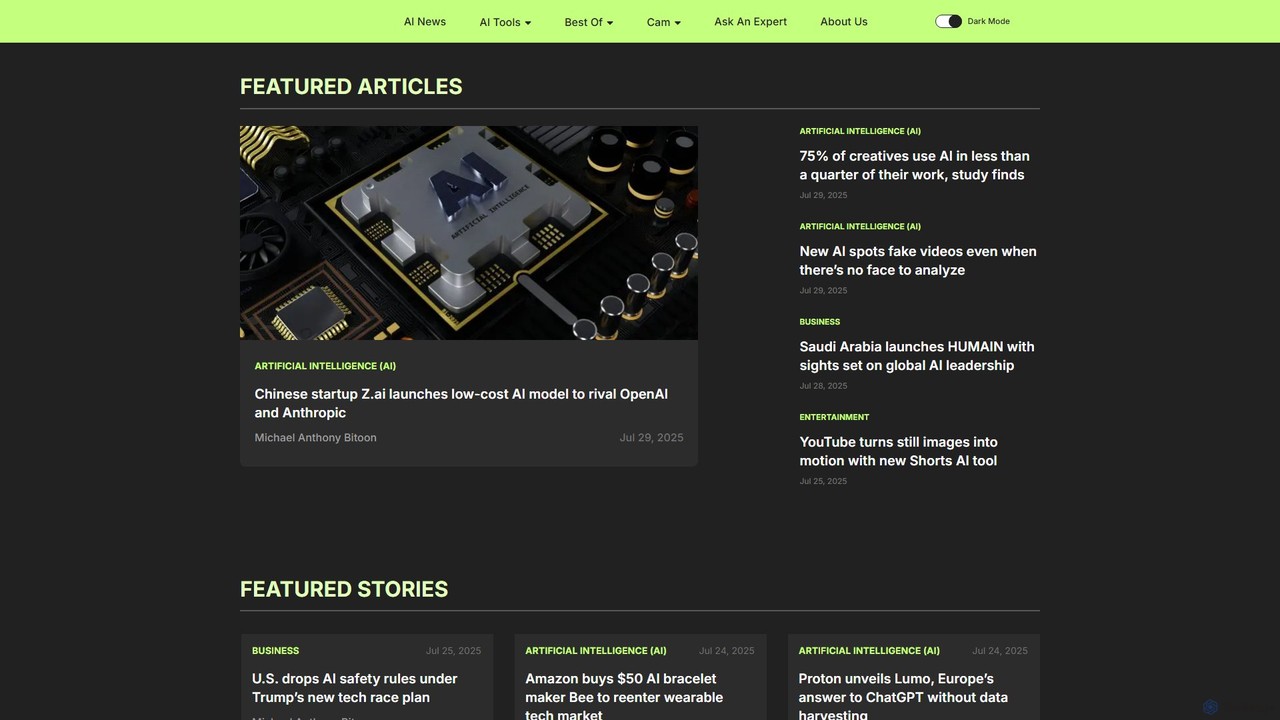
Greenbot is an AI-powered market intelligence and news aggregation platform. It scans thousands of global sources in real-time to deliver curated insights, trend analysis, and concise summaries on technology, AI, and business. Stay ahead of the curve with personalized feeds and in-depth reports.

Competitive Intelligence
Visits 75.4KFavorites 135Likes 140
Impactor
Freemium

Impactor

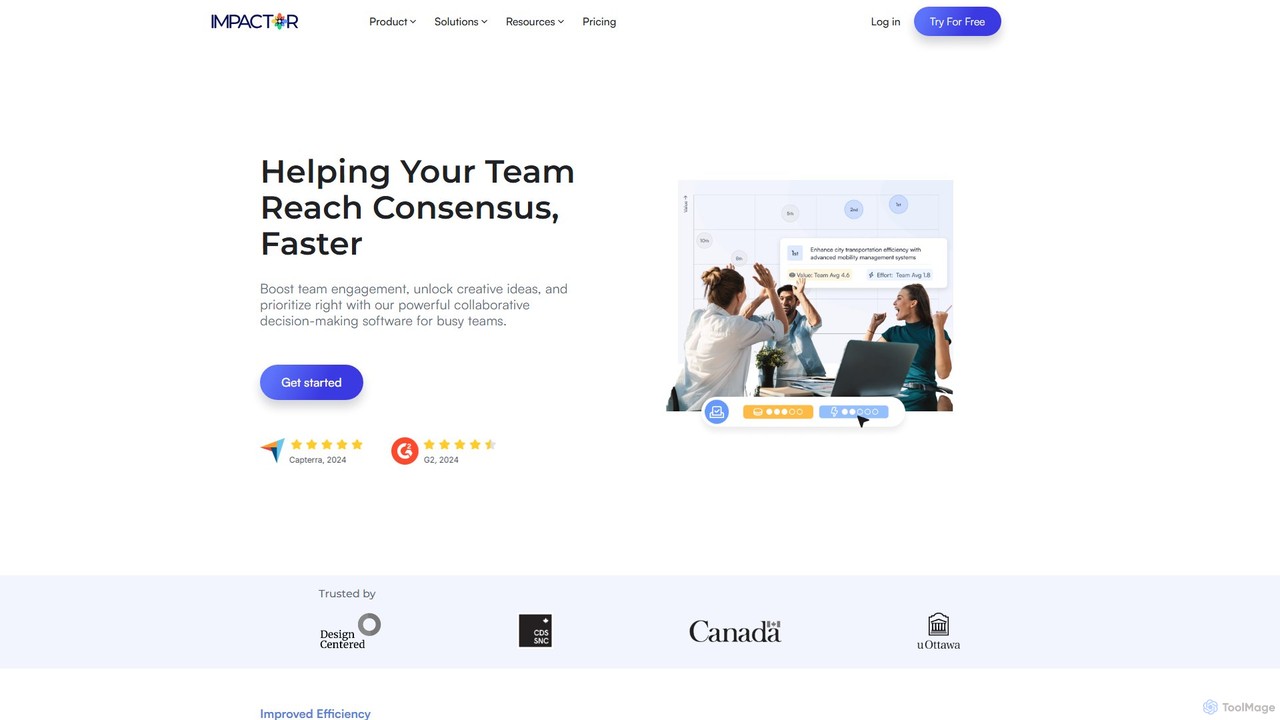
Impactor is an AI-powered collaborative decision-making software designed for teams. It facilitates faster consensus by streamlining brainstorming, idea prioritization, and strategic alignment. Features like anonymous ideation and an AI assistant help boost engagement and overcome creative blocks, ensuring teams focus on high-impact tasks.

Decision Making
Visits 7.7KFavorites 181Likes 187
ribbo
Freemium

ribbo

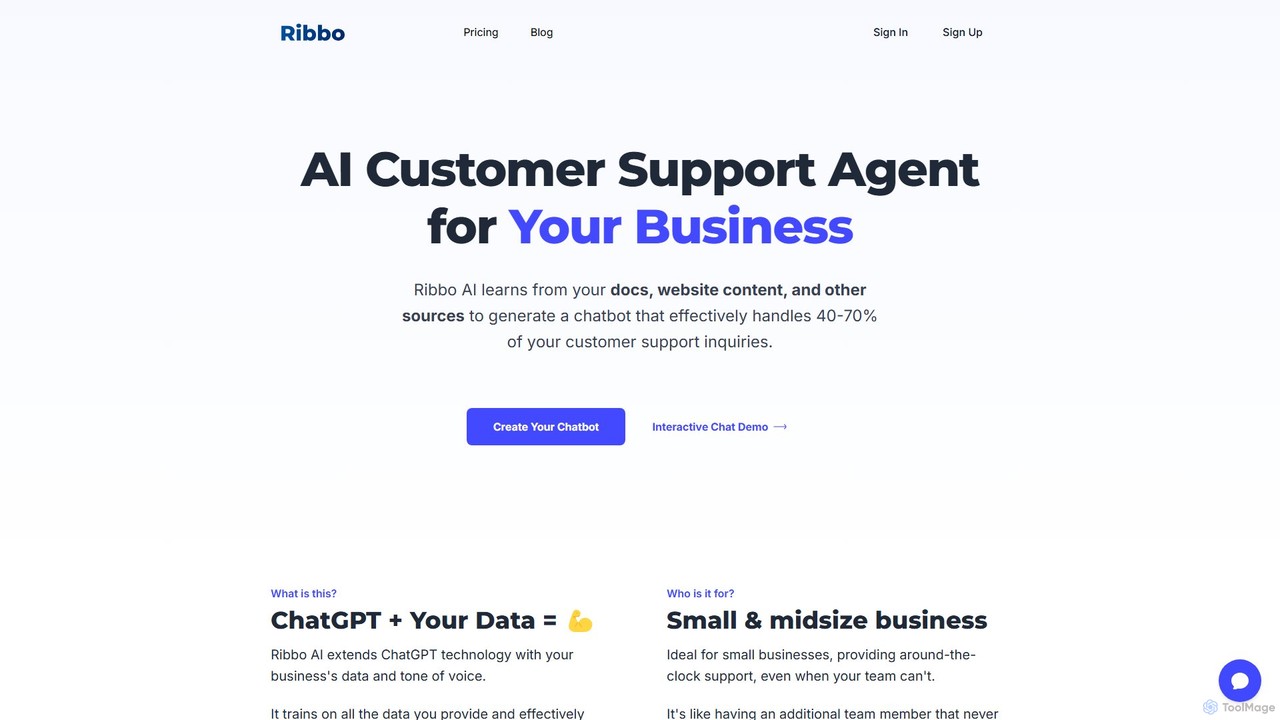
Ribbo is an AI-powered customer support agent that creates custom chatbots for your business. By training on your website content, documents, and other data, Ribbo's chatbot can instantly answer 40-70% of customer inquiries, 24/7. It offers deep customization, multilingual support, and seamless integration with your website, helping you reduce support costs and improve customer satisfaction.

Lead Generation
Visits 5.9KFavorites 133Likes 135
New Dialogue
Freemium

New Dialogue

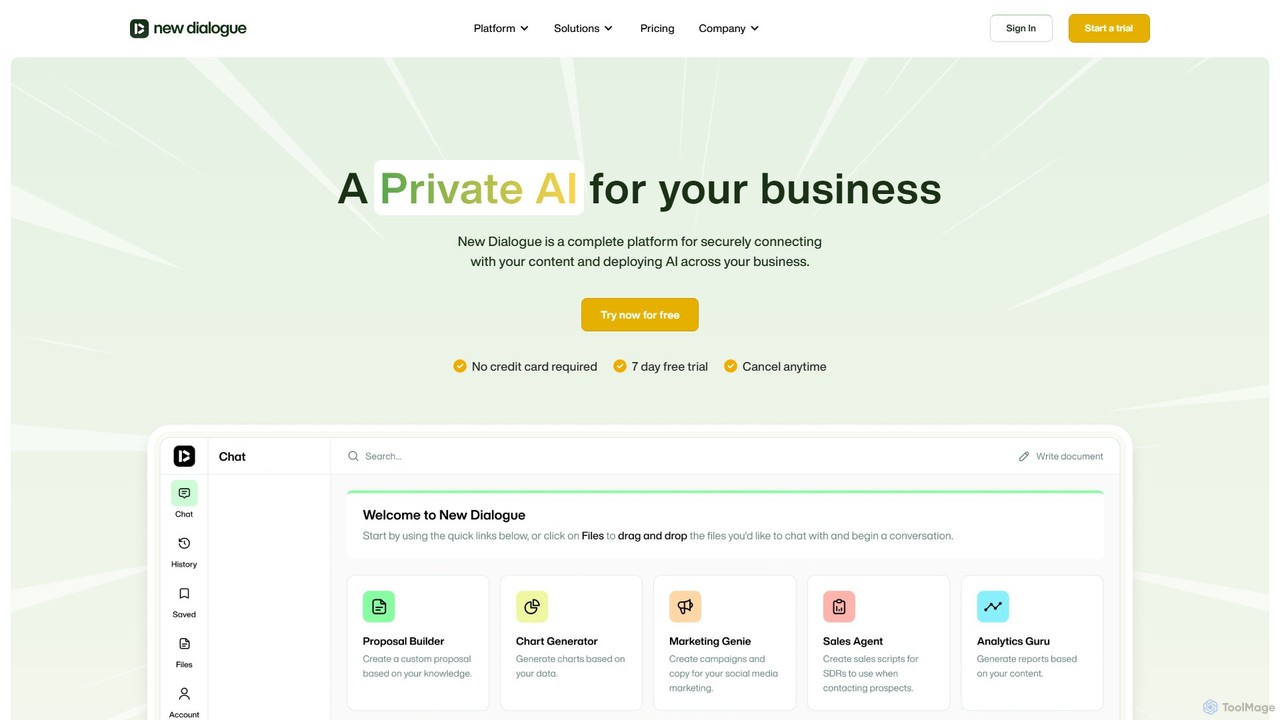
New Dialogue is a private AI platform for businesses to transform internal knowledge into actionable results. It allows teams to securely chat with documents, build custom AI tools like proposal generators, and deploy chatbots for internal use or customer support.

Data Analysis
Visits 8.4KFavorites 147Likes 124
KudasAI
Freemium

KudasAI

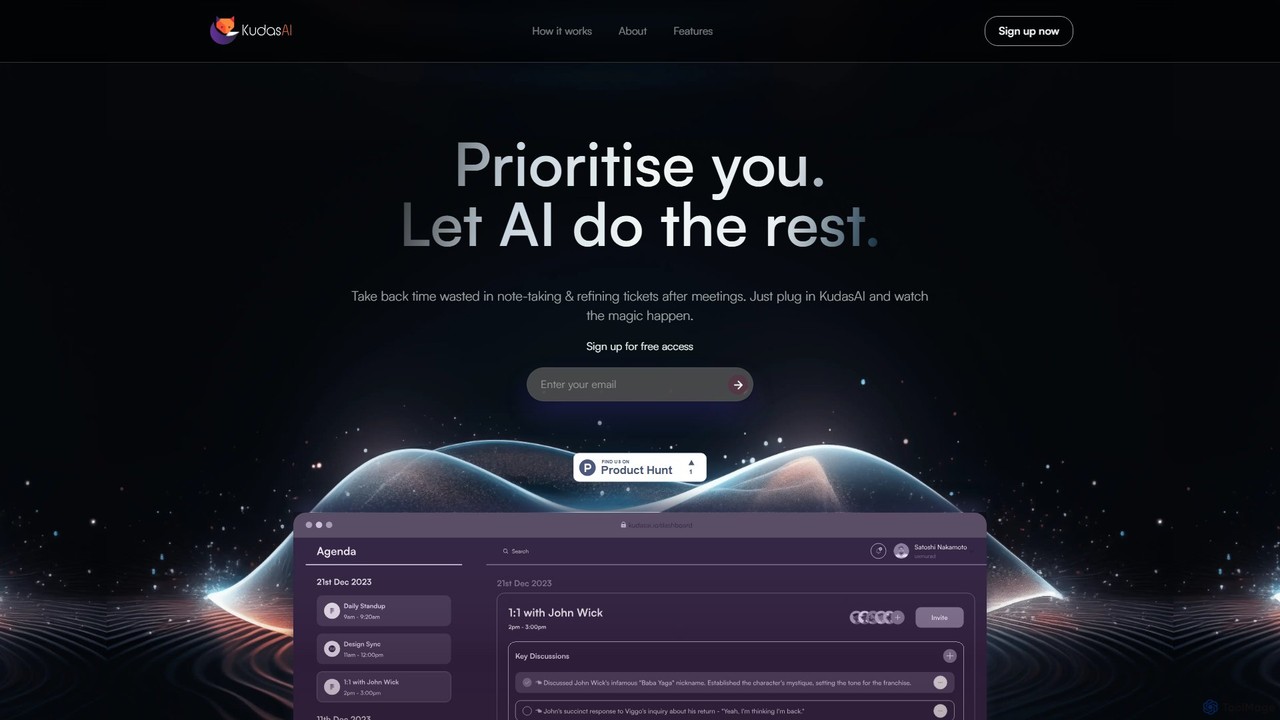
KudasAI is an AI-powered sidekick designed to supercharge your agile meetings. It joins your calls on platforms like Zoom, Google Meet, and Teams to automatically transcribe, summarize, and identify key takeaways and action items. This allows your team to focus on the discussion, not on note-taking, ensuring every important detail is captured accurately and objectively.

Transcription
Visits 6KFavorites 123Likes 124

About Business

Business AI tools are a class of software that leverages artificial intelligence to automate processes, analyze data, and enhance decision-making across various business functions. They utilize technologies like machine learning, natural language processing (NLP), and predictive analytics to handle tasks from customer support to financial forecasting. These tools help organizations improve efficiency, gain deeper market insights, personalize customer experiences, and optimize operational workflows. By integrating AI, businesses can shift from reactive problem-solving to proactive strategy development, creating a significant competitive advantage.

Core Features

  • Process Automation: Automates repetitive tasks such as data entry, scheduling, customer follow-ups, and report generation.
  • Data Analysis & Insights: Processes large datasets to identify trends, predict outcomes, and generate actionable business intelligence reports.
  • Enhanced Customer Relationship Management (CRM): Improves customer interactions through AI-powered chatbots, personalized marketing, and sentiment analysis.
  • Financial Management: Assists with fraud detection, automated invoicing, expense tracking, and financial forecasting.
  • Human Resources Optimization: Streamlines recruitment by screening resumes, analyzing candidate suitability, and automating initial communications.

Use Cases

Business AI tools are applicable across nearly all sectors, including e-commerce, finance, healthcare, and manufacturing. They are used by marketing managers to optimize campaigns, financial analysts to assess risk, HR specialists to accelerate hiring, and operations directors to refine supply chains. For example, a retail company might use AI to predict inventory needs, while a financial firm uses it to detect fraudulent transactions in real-time.

How to Choose

When selecting a business AI tool, first assess its functional specificity—does it solve a niche problem or offer a broad platform? Evaluate its integration capabilities with your existing systems like CRM or ERP. Consider the tool's scalability and pricing model to ensure it aligns with your growth plans and budget. Finally, examine the user interface's ease of use and the quality of customer support provided, as these factors heavily influence adoption and long-term value.

Featured tool rankings

Business use cases

1

Automate 24/7 Customer Support with AI Chatbots

A customer service manager for an e-commerce brand implements an AI chatbot on their website and social media channels. The chatbot is trained on the company's product information, FAQs, and return policies. It instantly handles over 70% of incoming customer queries, such as order status checks, product questions, and shipping information, around the clock. This frees up human agents to focus on complex, high-value interactions like handling disputes or providing detailed product recommendations. The result is a 40% reduction in response time and a significant increase in customer satisfaction scores.

2

Enhance Sales Forecasting with Predictive Analytics

A sales director at a B2B software company uses an AI-powered forecasting tool to improve accuracy. The tool analyzes historical sales data, CRM activity, market trends, and even macroeconomic indicators. It generates dynamic, data-driven sales forecasts that are significantly more reliable than manual spreadsheets. The sales team uses these insights to prioritize high-potential leads, allocate resources more effectively, and set realistic sales targets. This leads to a 15% increase in forecast accuracy, better inventory management, and more strategic planning for upcoming quarters.

3

Streamline Recruitment with AI-Powered Resume Screening

An HR department at a fast-growing tech company is overwhelmed with thousands of applications for each open position. They adopt an AI tool that automatically screens and ranks resumes based on predefined criteria like skills, experience, and qualifications. The system can process hundreds of resumes in minutes, identifying the top 10% of candidates who are the best fit. This reduces the time-to-hire by 50% and allows recruiters to spend more time interviewing qualified candidates rather than manually sifting through applications. It also helps reduce unconscious bias in the initial screening phase.

4

Optimize Marketing Campaigns with AI-Driven Insights

A marketing team for a consumer goods company uses an AI platform to analyze customer data from various sources, including social media, purchase history, and website behavior. The AI identifies distinct customer segments and predicts which marketing messages and channels will be most effective for each group. The team uses these insights to launch highly targeted advertising campaigns, resulting in a 30% increase in click-through rates and a 20% higher conversion rate compared to previous, broader campaigns. The tool also provides real-time performance feedback, allowing for on-the-fly campaign adjustments.

5

Automate Financial Reconciliation and Reporting

The finance team in a mid-sized corporation uses an AI-powered accounting tool to automate its month-end closing process. The tool automatically ingests data from bank statements, invoices, and expense reports, matching transactions and identifying discrepancies in real-time. It flags potential errors for human review, drastically reducing manual data entry and reconciliation time. The system then generates comprehensive financial reports, including profit and loss statements and balance sheets, in a fraction of the time it previously took. This allows the finance team to focus on strategic analysis rather than tedious data processing.

6

Optimize Supply Chain with AI-Powered Demand Forecasting

An operations manager for a large retail chain uses an AI platform to optimize inventory and logistics. The tool analyzes historical sales data, seasonality, promotional events, and external factors like weather patterns to generate highly accurate demand forecasts for thousands of products across hundreds of stores. Based on these forecasts, the system recommends optimal inventory levels and automates purchase orders to prevent stockouts and reduce overstocking. This leads to a 25% reduction in carrying costs and a significant improvement in product availability, directly boosting sales and customer satisfaction.

Business FAQ

What are AI Business tools?

AI Business tools are software applications that use artificial intelligence technologies like machine learning and natural language processing to automate tasks, analyze data, and support decision-making. They are designed to improve efficiency and provide insights across various business functions, including marketing, sales, finance, and human resources. Unlike general AI models, these tools are often purpose-built for specific business processes, such as managing customer relationships (CRM), automating accounting, or optimizing supply chains.

How to choose the right AI tool for my business?

To choose the right AI tool, follow these steps:

  • Identify a Specific Problem: Clearly define the business challenge you want to solve, such as inefficient customer support or inaccurate sales forecasting.
  • Evaluate Functionality: Ensure the tool's features directly address your problem. Check for essential capabilities like automation, analytics, and reporting.
  • Check Integration Capabilities: Verify that the tool can seamlessly connect with your existing software stack (e.g., CRM, ERP, email marketing platform).
  • Consider Scalability and Cost: Choose a tool with a pricing model that fits your budget and can scale as your business grows.
  • Assess Ease of Use: Select a tool with an intuitive interface that your team can adopt without extensive technical training.
What is the difference between general AI and business AI tools?

The main difference lies in their application and design. General AI tools, like large language models, are versatile and can perform a wide range of tasks but often require significant customization and prompt engineering to be effective for business use. Business AI tools, on the other hand, are purpose-built to solve specific commercial problems. They come with pre-built workflows, integrations for common business software (like Salesforce or QuickBooks), and user interfaces designed for non-technical users in roles like marketing, finance, or HR.

What key business functions can be improved with AI?

AI can significantly enhance nearly every business function. Key areas include:

  • Marketing: Personalizing campaigns, automating social media management, and analyzing customer sentiment.
  • Sales: Forecasting sales, qualifying leads, and automating CRM data entry.
  • Customer Service: Providing 24/7 support with chatbots and analyzing customer feedback to improve service.
  • Finance: Automating invoicing, detecting fraud, and managing expenses.
  • Human Resources: Screening resumes, automating onboarding processes, and analyzing employee performance data.
  • Operations: Optimizing supply chains, managing inventory, and predicting maintenance needs.
Is it difficult to implement AI tools in a small business?

It is becoming increasingly easier. Many modern AI business tools are delivered as Software-as-a-Service (SaaS), which means they are cloud-based, require no complex installation, and are managed by the provider. They often feature user-friendly interfaces that don't require coding or data science expertise. Furthermore, many providers offer scalable pricing models, such as monthly subscriptions based on usage or number of users, making powerful AI capabilities accessible and affordable even for small businesses and startups.