ToolMage
Sign in

Best 3,703 Business AI tools

Popular Business AI tools include DefinedCrowd, Shopify, Google Workspace, Dropbox, Slack, DeepL, Salesforce, Zoom, Box, and Trello, helping you work more efficiently.

Wayfaster
Paid

Wayfaster

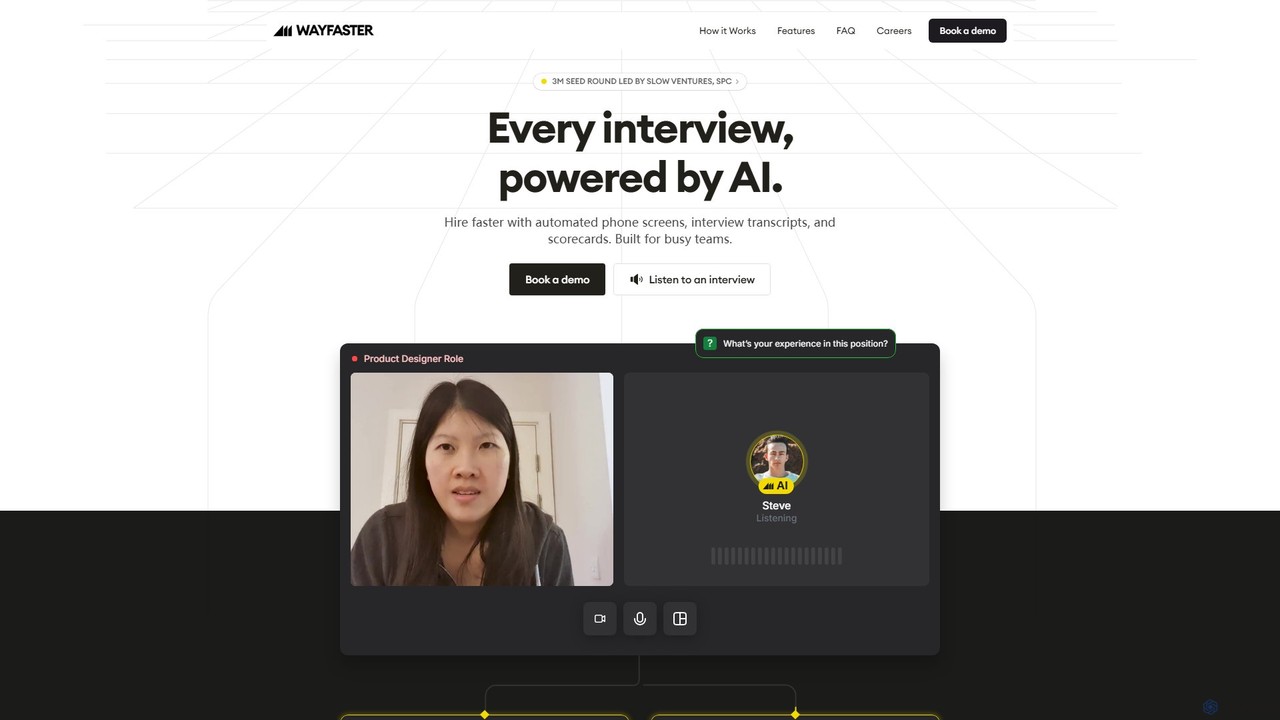
Wayfaster is an AI-powered hiring platform that automates initial candidate screening. It conducts AI-driven phone interviews, generates transcripts, and provides detailed scorecards to help recruiters identify top talent faster. By leveraging AI to ask role-specific questions and analyze responses, Wayfaster saves significant time and resources for busy hiring teams, ensuring a fair, standardized, and efficient evaluation of all applicants.

Talent Management
Visits 6KFavorites 151Likes 141
Beetle Labs
Paid

Beetle Labs

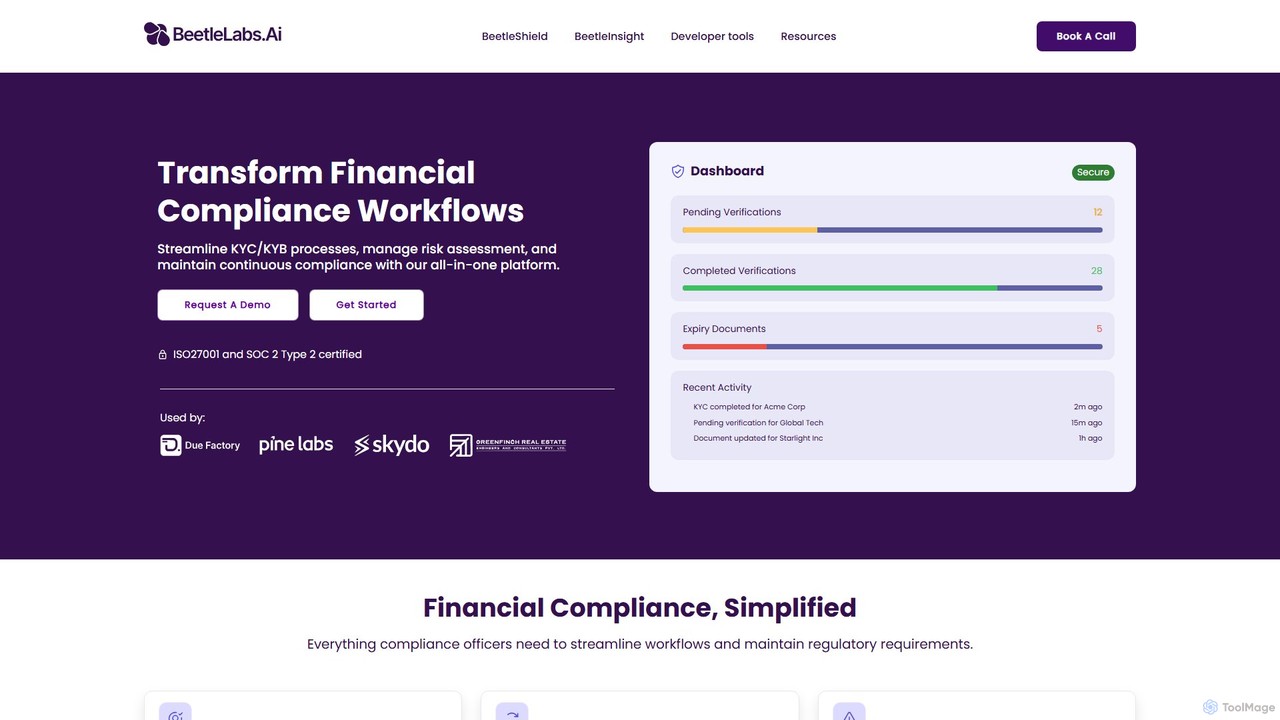
Beetle Labs provides AI-powered solutions to automate and enhance customer support and financial compliance. Its platform offers AI agents for 24/7, multi-language customer engagement and lead generation, alongside a comprehensive suite for streamlining KYC/KYB, risk management, and regulatory monitoring.

Lead Generation
Visits 8KFavorites 133Likes 114
pdfai.io
Freemium

pdfai.io

pdfai.io is an AI-powered document assistant that lets you chat with your PDF files. Instantly summarize complex documents, ask questions, and extract key information effortlessly. It's designed to boost productivity for students, researchers, and professionals by turning static PDFs into interactive knowledge bases.

Data Extraction
Visits 1.7MFavorites 118Likes 131
Ora
Paid

Ora

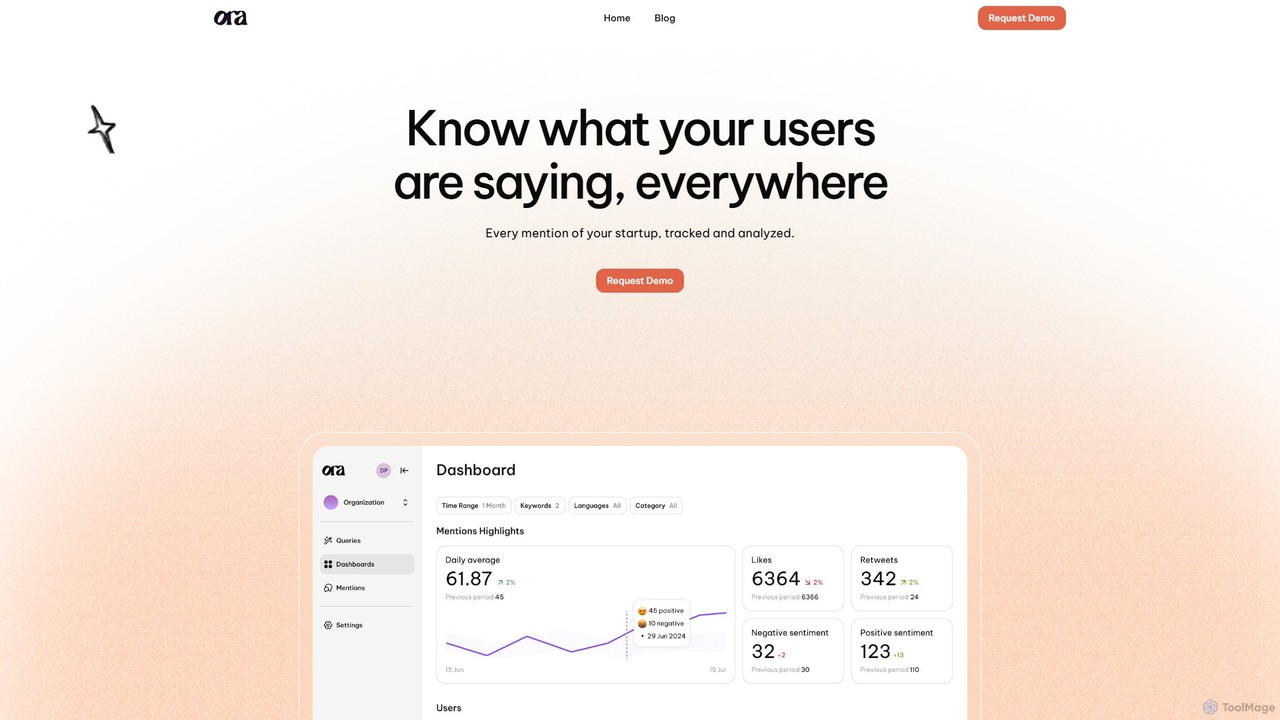
Ora is an AI-powered customer intelligence platform that provides real-time tracking and analysis of brand mentions across social media and online communities. It helps startups monitor discussions, aggregate user feedback, and identify competitor weaknesses to gain actionable insights and engage potential customers proactively.

Customer Intelligence
Visits 31.6KFavorites 132Likes 129
Hemut
Paid

Hemut

Hemut is an AI-powered Transport Management System (TMS) designed for modern logistics. It automates and optimizes fleet operations, from intelligent load scheduling and real-time tracking to automated invoicing and accounting integration. By leveraging AI agents, Hemut helps logistics companies reduce manual work, minimize errors, improve fleet utilization, and accelerate cash flow, transforming their entire operational workflow.

Logistics
Visits 9.1KFavorites 154Likes 148
Slidebean
Freemium

Slidebean

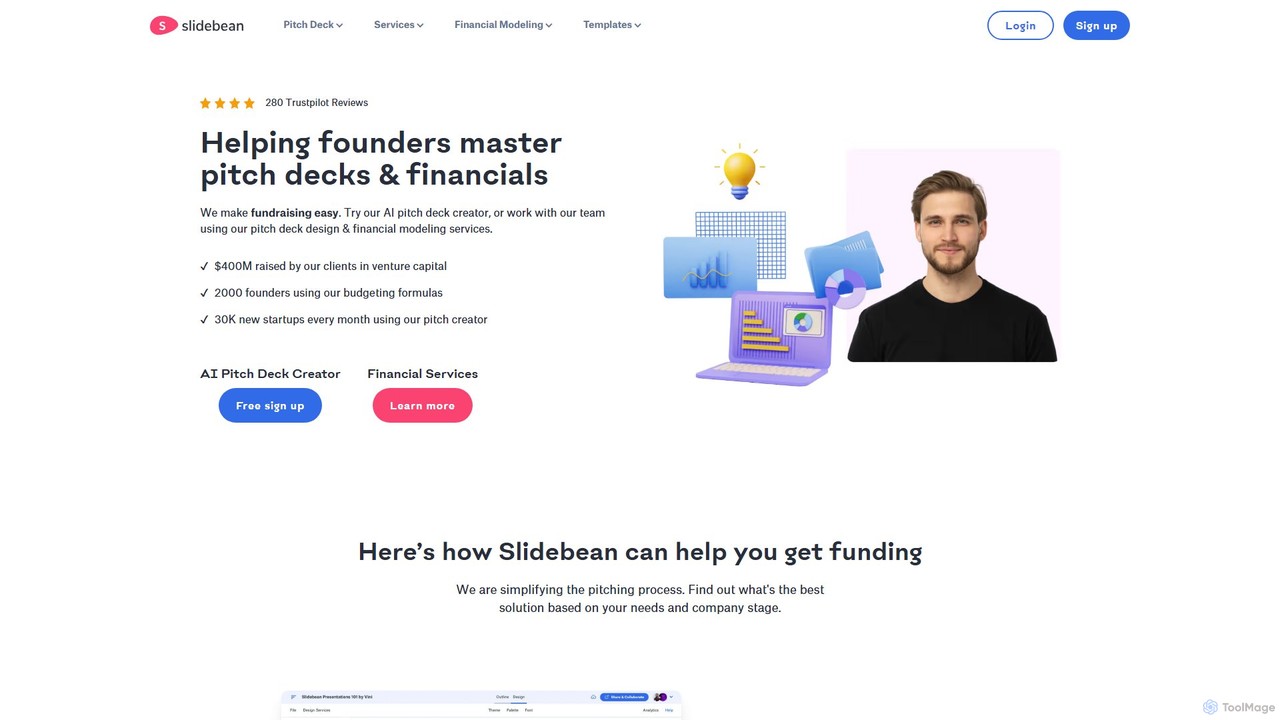
Slidebean is an AI-powered platform designed for startups to create professional pitch decks and financial models. It combines an intuitive presentation builder with expert consulting services, offering templates, AI-driven content generation, financial planning tools, and direct access to fundraising experts to help founders secure investment.

Startups
Visits 243.5KFavorites 135Likes 130
Vert
Freemium

Vert

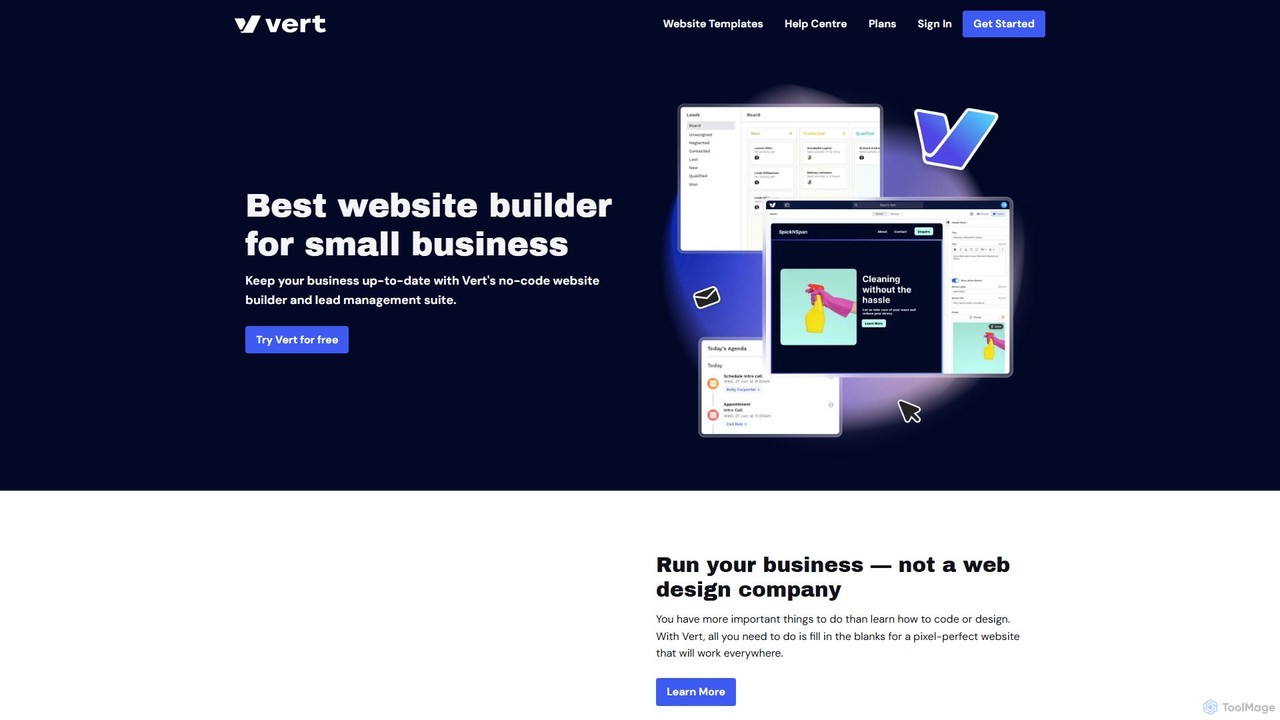
Vert is an all-in-one, no-code website builder designed for small businesses. It combines a user-friendly, responsive website creator with an integrated lead management suite (CRM), task and appointment scheduling, and built-in AI tools to help you craft professional content and pages effortlessly. Build, manage, and grow your online presence from a single platform.

Crm
Visits 5.9KFavorites 119Likes 115
Snapdocs
Paid

Snapdocs

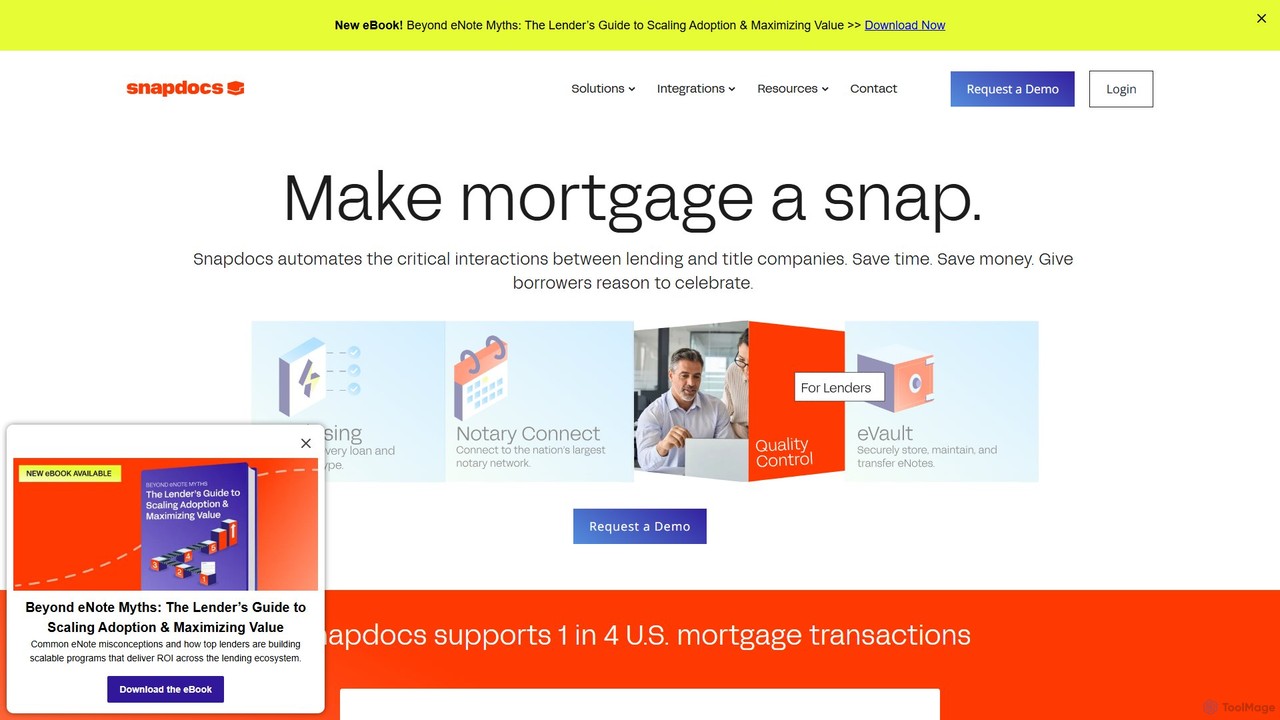
Snapdocs is the mortgage industry's leading eClosing platform, automating the entire closing process. It connects lenders, title companies, and borrowers to facilitate faster, more secure, and error-free digital mortgage closings, featuring solutions like eVault, Notary Connect, and AI-powered quality control.

Real Estate
Visits 1MFavorites 150Likes 122
juucy
Paid

juucy

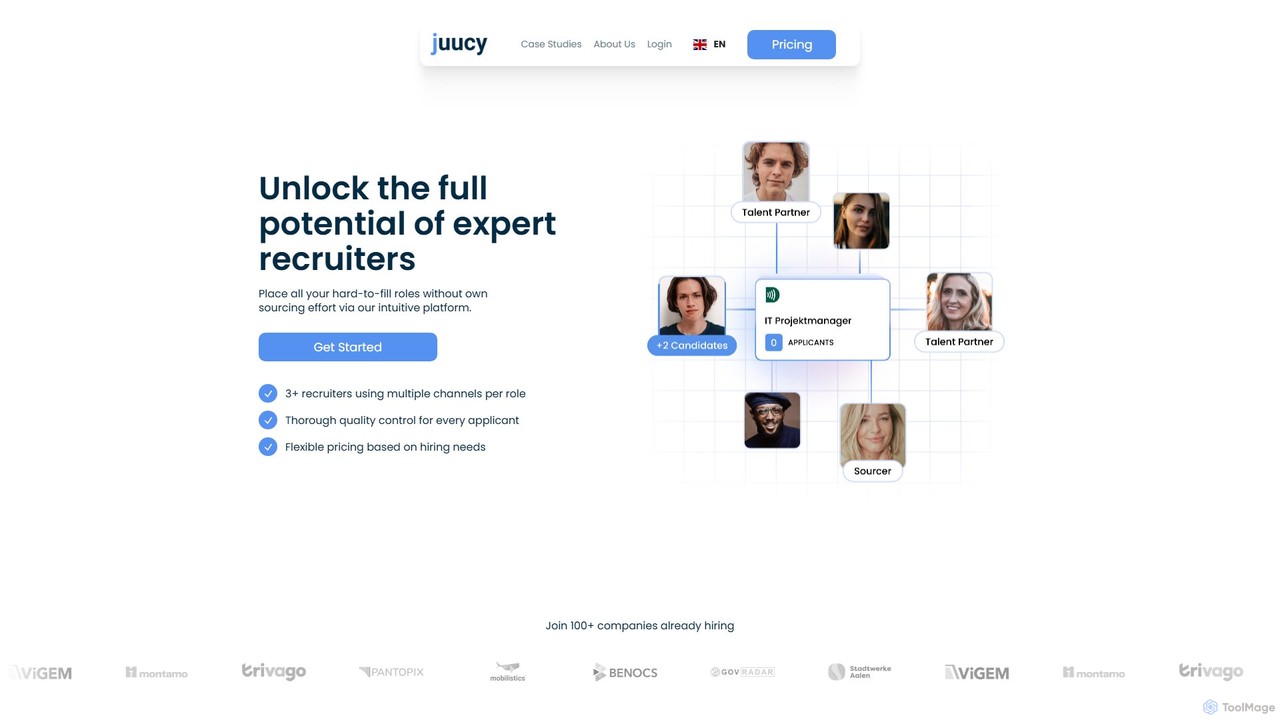
juucy is a tech-enabled recruitment platform that connects companies with a curated network of over 500 independent freelance recruiters. It streamlines the hiring process by leveraging multiple specialized recruiters for each role, ensuring faster access to high-quality, pre-vetted candidates, especially for hard-to-fill tech and commercial positions. Often called the "Uber for recruiting," it combines human expertise with a transparent, efficient platform.

Freelance Platforms
Visits 20.9KFavorites 126Likes 113
Excel Bot
Freemium

Excel Bot

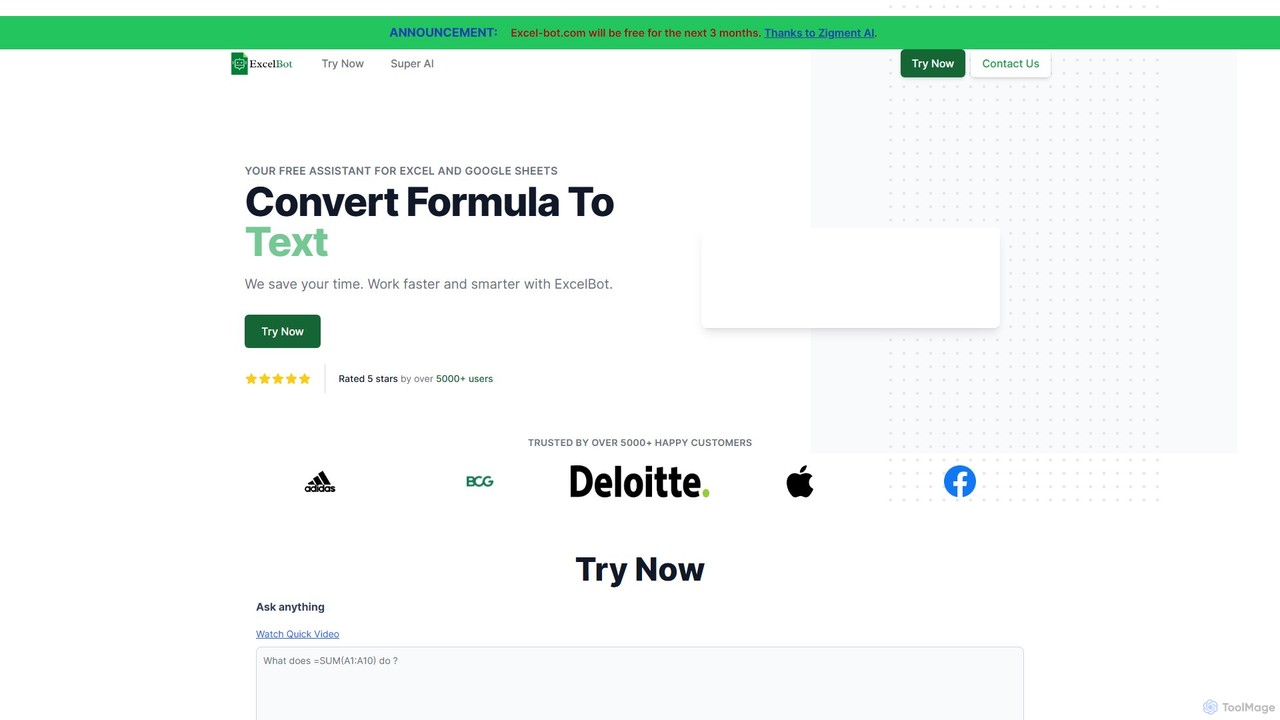
Excel Bot is an AI-powered assistant for Microsoft Excel and Google Sheets. It converts your plain text instructions into complex formulas instantly, saving you time and reducing errors. Simply describe what you need, and the AI generates the correct formula for you.

Finance
Visits 6KFavorites 146Likes 130
Tanka
Freemium

Tanka

Tanka is an AI co-founder and team messenger with a persistent, brain-like memory. It learns from your conversations and connected apps to provide context-aware replies, summarize tasks, and offer proactive suggestions. By creating a shared knowledge base, Tanka helps teams collaborate more effectively, retain institutional knowledge, and stay agile.

Knowledge Management
Visits 42.2KFavorites 119Likes 104
IdeaBuddy
Freemium

IdeaBuddy

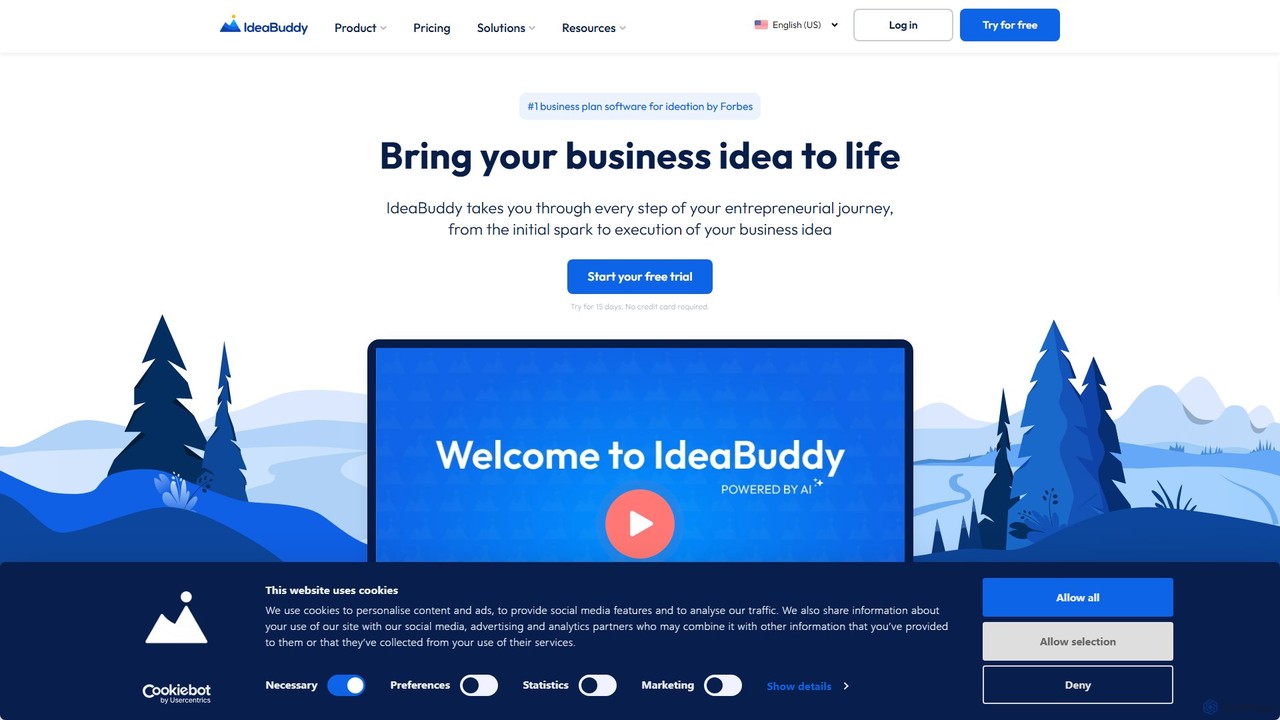
IdeaBuddy is an all-in-one, AI-powered business planning software designed for entrepreneurs and startups. It guides users through the entire process of developing a business idea, from initial concept to a comprehensive, investor-ready business plan. The platform simplifies market research, financial forecasting, and strategic planning, making it easier to build a solid foundation for a new venture.

Startup Tools
Visits 43.7KFavorites 141Likes 145
antuit.ai
Paid

antuit.ai

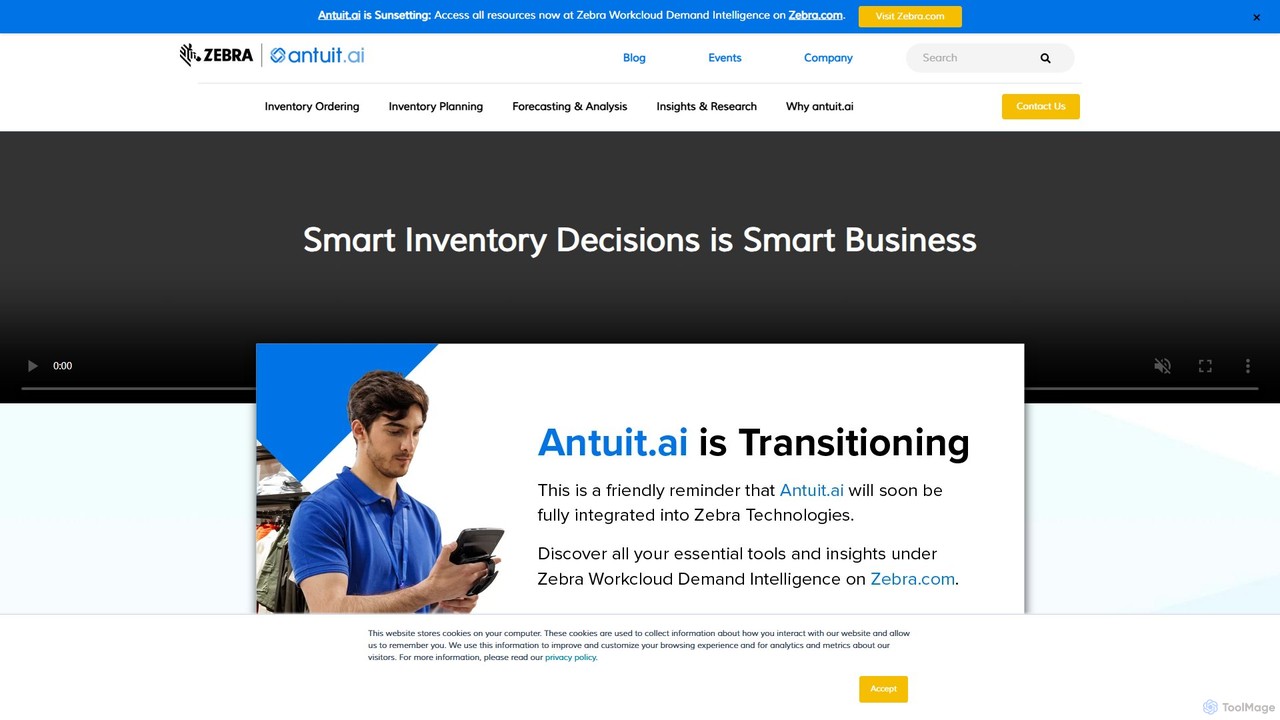
Antuit.ai, a Zebra Technologies company, is an AI-powered SaaS platform for the retail and CPG industries. It delivers highly accurate demand forecasting, inventory optimization, and pricing solutions. By leveraging advanced analytics and machine learning, Antuit.ai helps businesses improve forecast accuracy, optimize supply chains, and increase profitability through data-driven decisions.

Retail Analytics
Visits 54.9KFavorites 108Likes 94
LeadsOnTrees
Paid

LeadsOnTrees

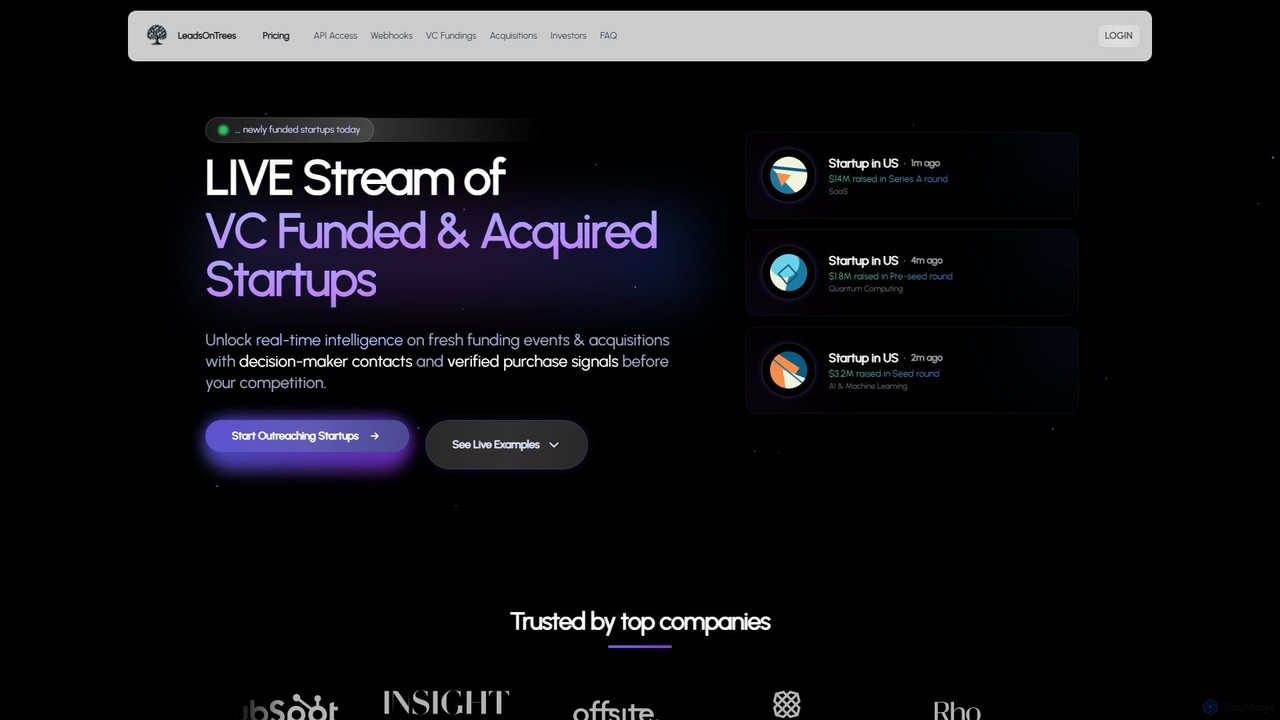
LeadsOnTrees is an AI-powered intelligence platform providing real-time data on VC funding and M&A activities. It helps sales teams, investors, and businesses discover newly funded startups and acquisition targets instantly. The platform offers a comprehensive database of over 40,000 companies, 100,000 decision-maker contacts, and detailed investor profiles. With features like real-time alerts, API access, and AI-driven insights, users can gain a competitive edge by reaching out to promising companies first.

Market Intelligence
Visits 7.1KFavorites 126Likes 126
Soverin
Free

Soverin

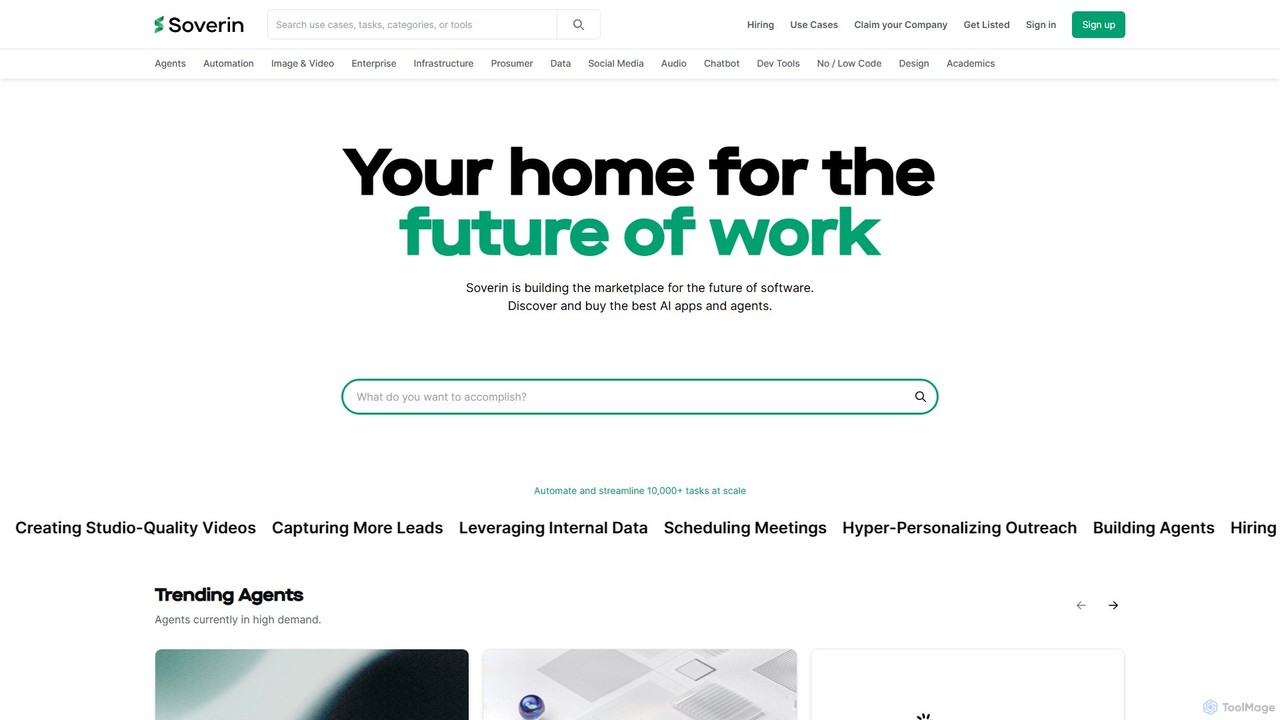
Soverin is a comprehensive marketplace and directory designed to help users discover, compare, and acquire the best AI applications and agents. It simplifies the search for AI solutions across 10,000+ tasks, from business automation to creative content generation, using curated lists, advanced categories, and intuitive natural language search.

Marketplace
Visits 72.9KFavorites 145Likes 128
oppenheimer.app
Freemium

oppenheimer.app

Oppenheimer.app is an AI-powered strategic planning and decision intelligence platform. It helps teams manage complex projects, simulate future scenarios, and make data-driven decisions. By synthesizing data from multiple sources, it provides predictive risk analysis and intelligent resource allocation, transforming complex challenges into strategic successes.

Strategic Planning
Visits 5.8KFavorites 111Likes 100
WorkGPT
Freemium

WorkGPT

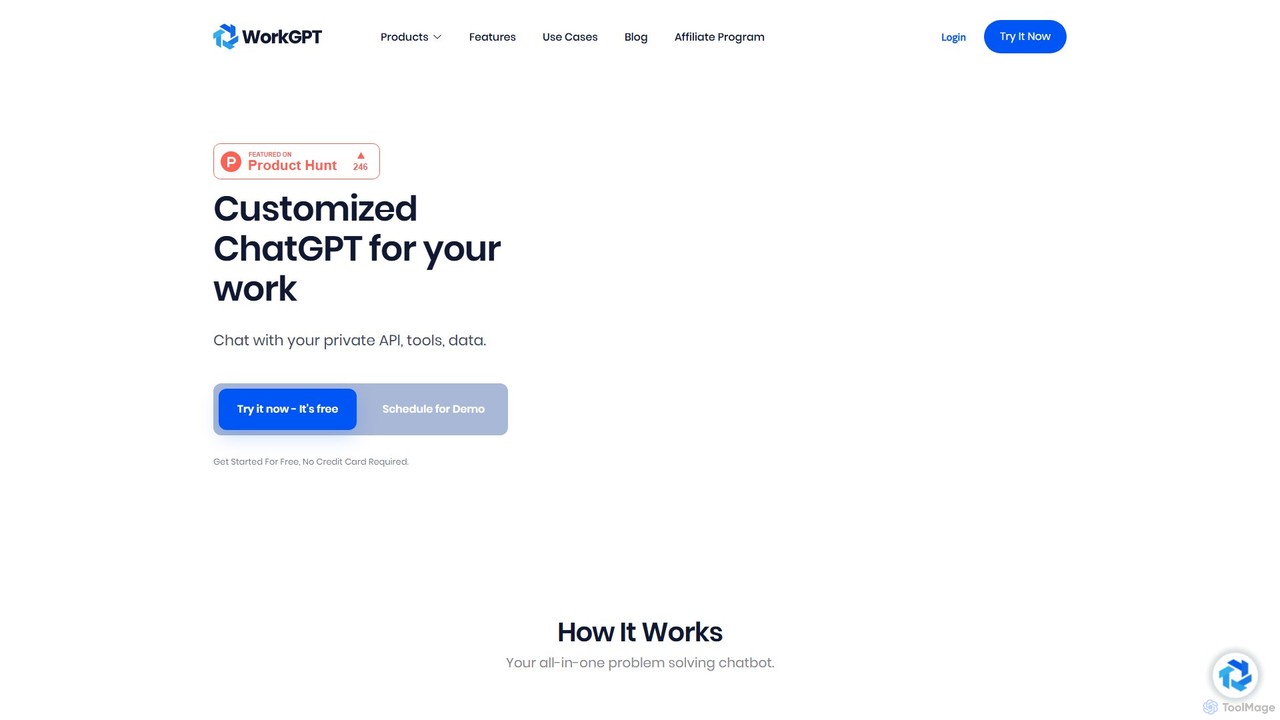
WorkGPT is a powerful AI platform that allows you to build custom ChatGPT-like agents and chatbots tailored for your work. It functions as an all-in-one problem-solving tool, enabling you to automate tasks, analyze data, and enhance productivity by creating AI assistants trained on your specific knowledge base.

Automation
Visits 7.5KFavorites 122Likes 125
Goodspeed
Paid

Goodspeed

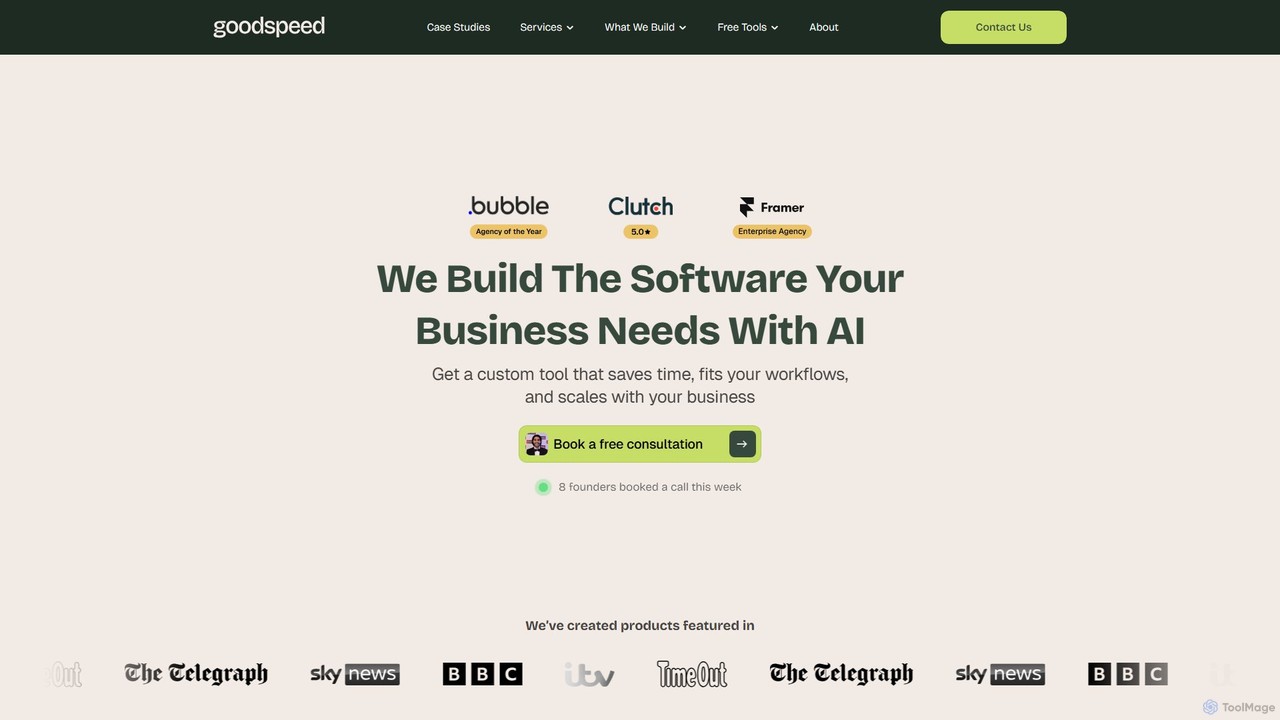
Goodspeed is a no-code and AI development agency that builds custom software, internal tools, and automated workflows for businesses. They transform inefficient processes into streamlined, custom-fit solutions, delivering high-quality products like dashboards, mobile apps, and client portals in weeks, not months, to save time and boost productivity.

Consulting
Visits 33.4KFavorites 132Likes 115
ChartX
Paid

ChartX

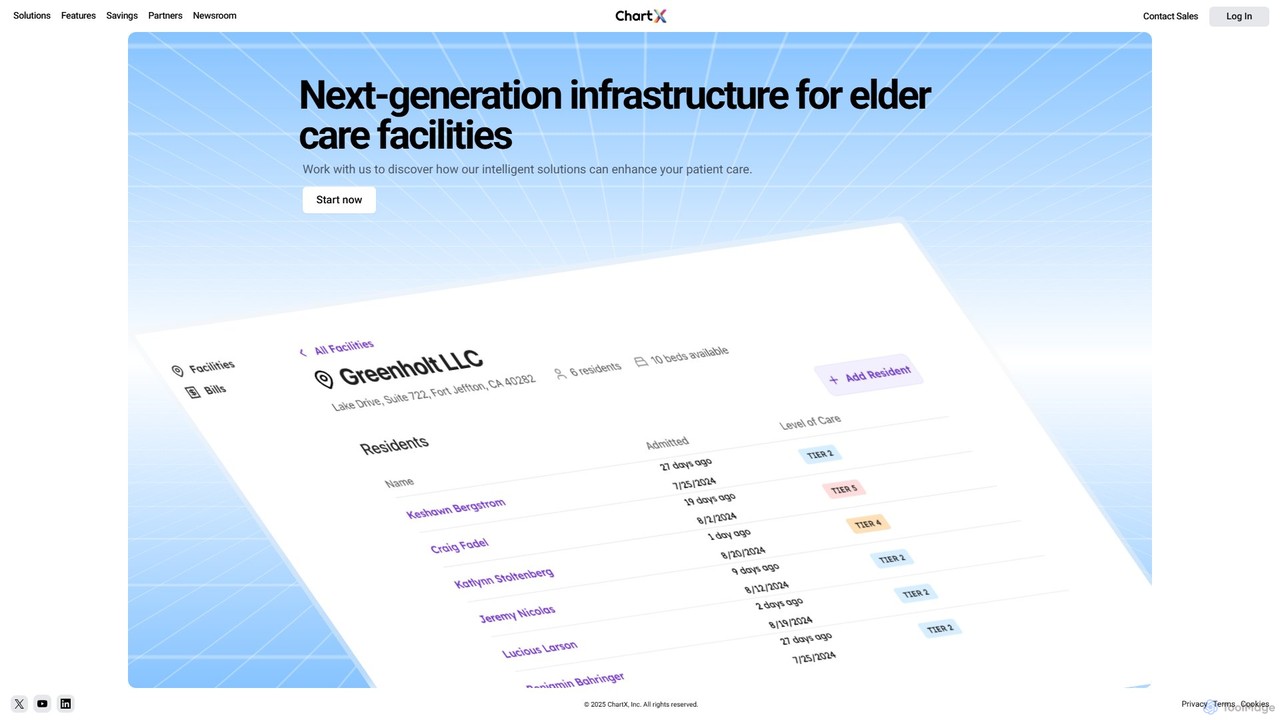
ChartX is a next-generation AI-powered infrastructure designed for elder care facilities. It streamlines operations by automating billing, patient onboarding, and financial management. The platform is HIPAA-compliant, ensuring data security while helping facilities enhance patient care, reduce administrative overhead, and improve revenue cycle management.

Operations
Visits 6KFavorites 125Likes 129
Hubflo
Freemium

Hubflo

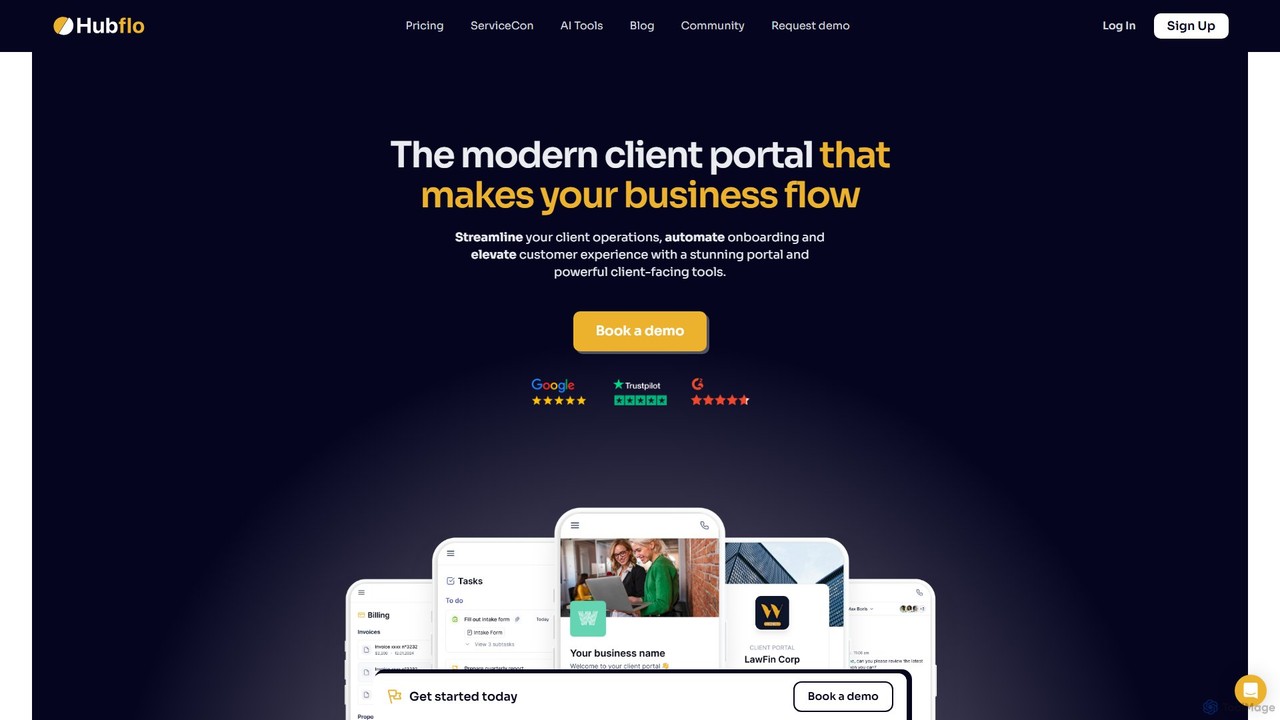
Hubflo is an all-in-one, AI-powered client portal designed for professional service businesses. It streamlines client operations, automates onboarding, and enhances customer experience through a single, branded platform. Features include secure messaging, file sharing, contracts, billing, and AI assistants to manage workflows and communications, helping businesses improve efficiency and client satisfaction.

Automation
Visits 17.1KFavorites 141Likes 127
Venturefy
Freemium

Venturefy

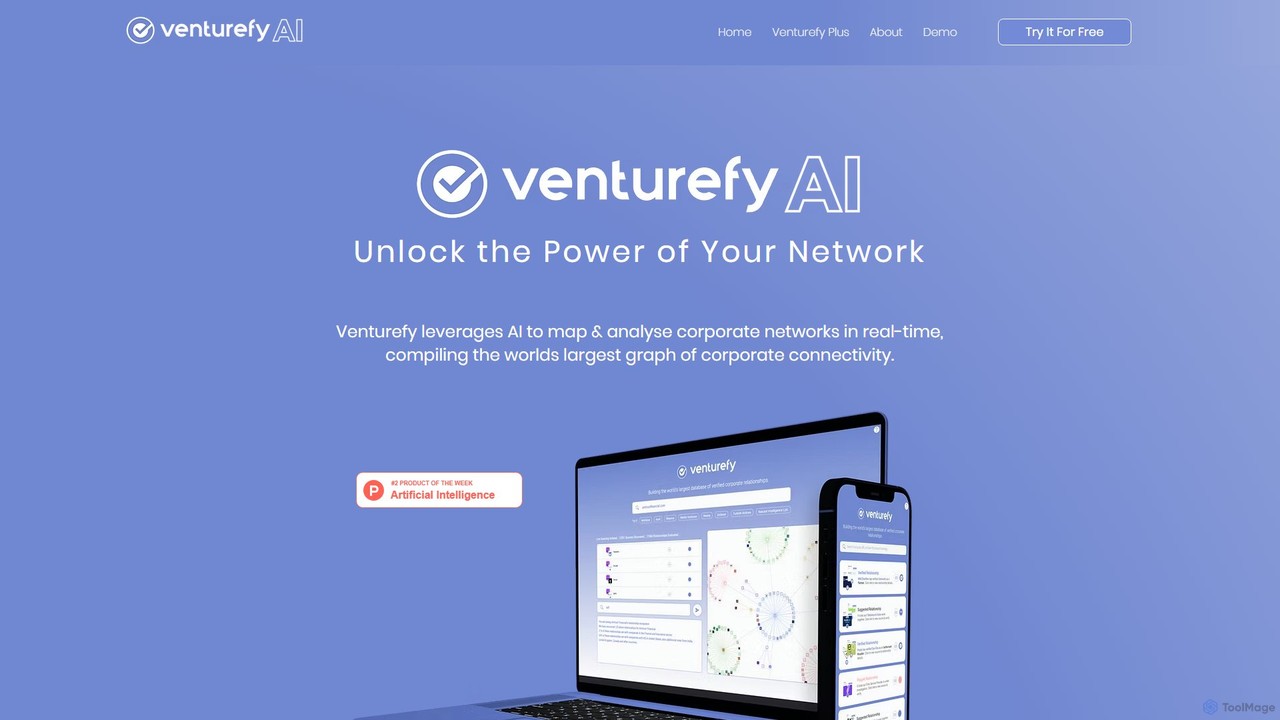
Venturefy is an AI-powered platform that maps and analyzes corporate networks in real-time. It helps sales, business development, and research teams uncover hidden relationships, generate targeted lead lists, and transform cold outreach into warm introductions by leveraging a massive graph of corporate connectivity.

Networking
Visits 5.9KFavorites 145Likes 134
OpenALPR
Freemium

OpenALPR

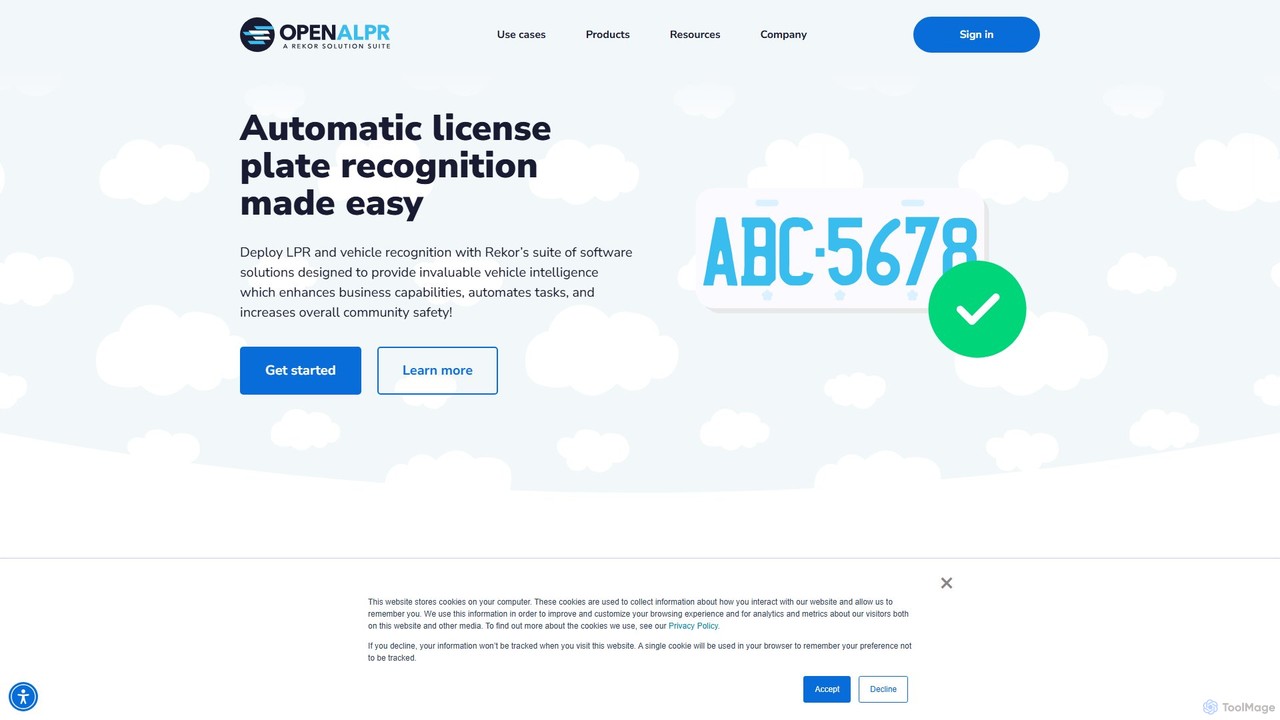
OpenALPR by Rekor is an advanced Automatic License Plate Recognition (ALPR) software that transforms standard IP, traffic, or security cameras into powerful vehicle recognition systems. It provides high-accuracy license plate reading, vehicle make, model, and color identification, and actionable data for security, operations management, and law enforcement.

Operations Management
Visits 28.9KFavorites 131Likes 143
Oosto
Paid

Oosto

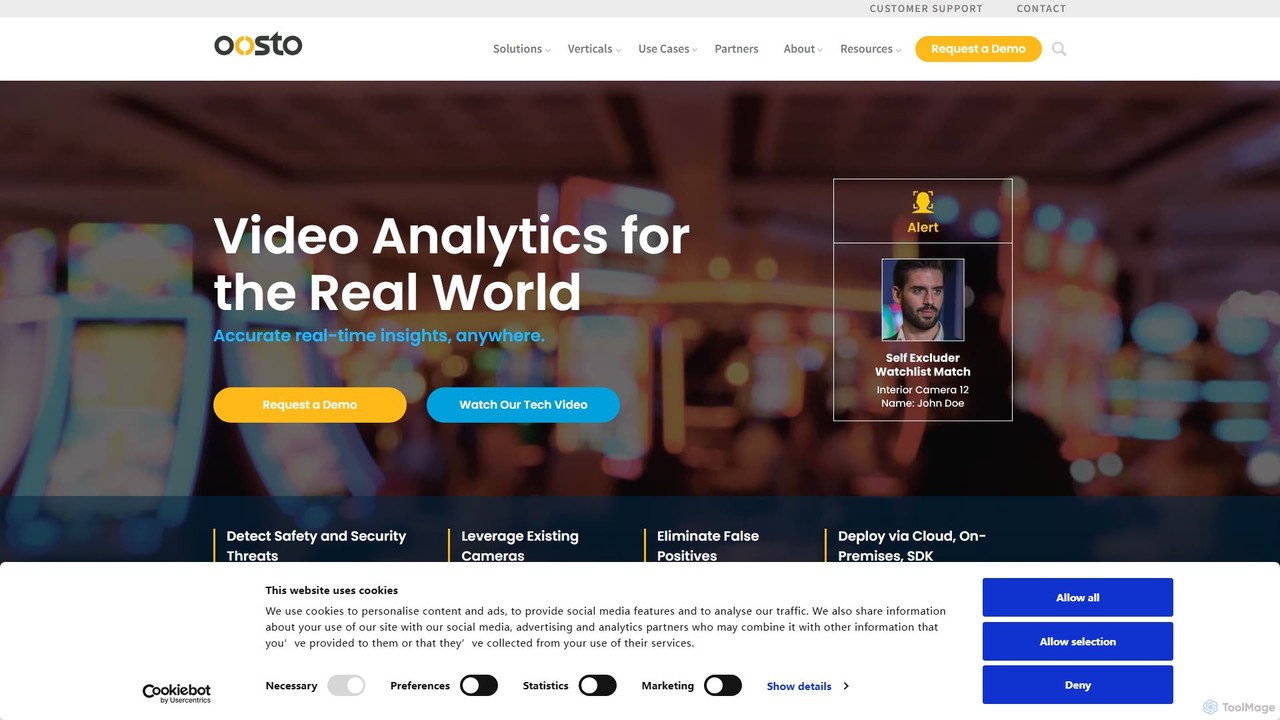
Oosto (formerly AnyVision) is a leading Vision AI platform specializing in real-time facial recognition and video analytics for enterprise security. It enhances physical security by identifying persons of interest, automating access control, and providing actionable operational intelligence from existing video streams.

Vision Ai
Visits 9.7KFavorites 133Likes 137
snapdiagram
Freemium

snapdiagram

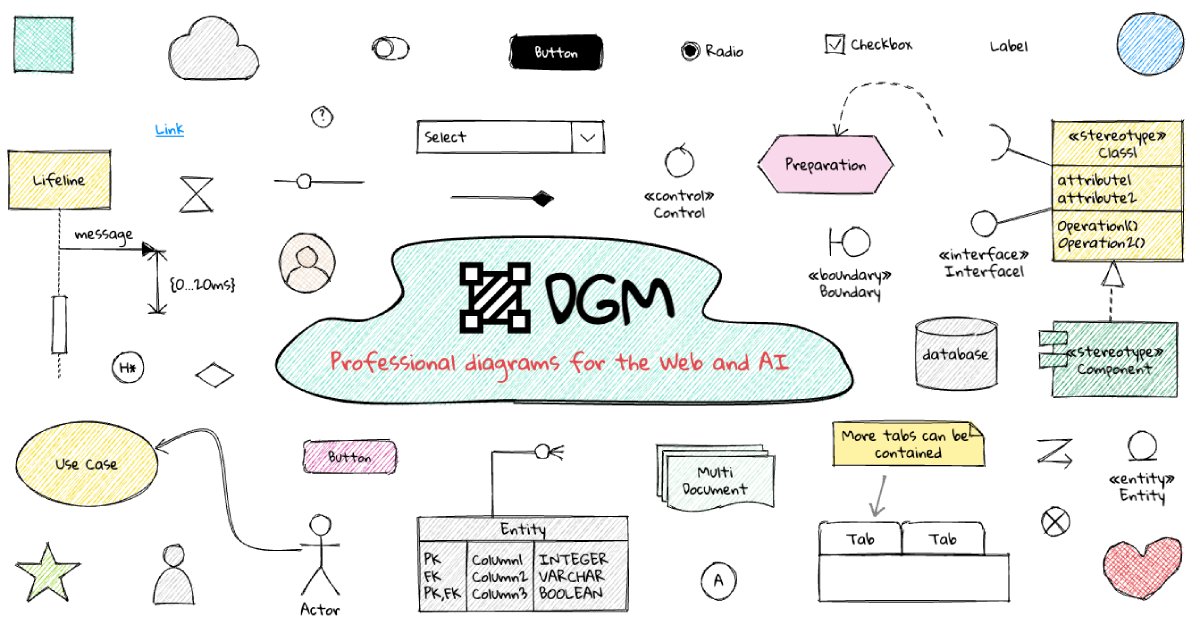
SnapDiagram is an AI-powered tool that instantly transforms text descriptions into professional diagrams. Generate flowcharts, sequence diagrams, UML models, mind maps, and more with simple natural language prompts. It's designed to accelerate workflows for developers, business analysts, and project managers by automating the diagramming process.

Workflow Management
Visits 5.9KFavorites 138Likes 128

About Business

Business AI tools are a class of software that leverages artificial intelligence to automate processes, analyze data, and enhance decision-making across various business functions. They utilize technologies like machine learning, natural language processing (NLP), and predictive analytics to handle tasks from customer support to financial forecasting. These tools help organizations improve efficiency, gain deeper market insights, personalize customer experiences, and optimize operational workflows. By integrating AI, businesses can shift from reactive problem-solving to proactive strategy development, creating a significant competitive advantage.

Core Features

  • Process Automation: Automates repetitive tasks such as data entry, scheduling, customer follow-ups, and report generation.
  • Data Analysis & Insights: Processes large datasets to identify trends, predict outcomes, and generate actionable business intelligence reports.
  • Enhanced Customer Relationship Management (CRM): Improves customer interactions through AI-powered chatbots, personalized marketing, and sentiment analysis.
  • Financial Management: Assists with fraud detection, automated invoicing, expense tracking, and financial forecasting.
  • Human Resources Optimization: Streamlines recruitment by screening resumes, analyzing candidate suitability, and automating initial communications.

Use Cases

Business AI tools are applicable across nearly all sectors, including e-commerce, finance, healthcare, and manufacturing. They are used by marketing managers to optimize campaigns, financial analysts to assess risk, HR specialists to accelerate hiring, and operations directors to refine supply chains. For example, a retail company might use AI to predict inventory needs, while a financial firm uses it to detect fraudulent transactions in real-time.

How to Choose

When selecting a business AI tool, first assess its functional specificity—does it solve a niche problem or offer a broad platform? Evaluate its integration capabilities with your existing systems like CRM or ERP. Consider the tool's scalability and pricing model to ensure it aligns with your growth plans and budget. Finally, examine the user interface's ease of use and the quality of customer support provided, as these factors heavily influence adoption and long-term value.

Featured tool rankings

Business use cases

1

Automate 24/7 Customer Support with AI Chatbots

A customer service manager for an e-commerce brand implements an AI chatbot on their website and social media channels. The chatbot is trained on the company's product information, FAQs, and return policies. It instantly handles over 70% of incoming customer queries, such as order status checks, product questions, and shipping information, around the clock. This frees up human agents to focus on complex, high-value interactions like handling disputes or providing detailed product recommendations. The result is a 40% reduction in response time and a significant increase in customer satisfaction scores.

2

Enhance Sales Forecasting with Predictive Analytics

A sales director at a B2B software company uses an AI-powered forecasting tool to improve accuracy. The tool analyzes historical sales data, CRM activity, market trends, and even macroeconomic indicators. It generates dynamic, data-driven sales forecasts that are significantly more reliable than manual spreadsheets. The sales team uses these insights to prioritize high-potential leads, allocate resources more effectively, and set realistic sales targets. This leads to a 15% increase in forecast accuracy, better inventory management, and more strategic planning for upcoming quarters.

3

Streamline Recruitment with AI-Powered Resume Screening

An HR department at a fast-growing tech company is overwhelmed with thousands of applications for each open position. They adopt an AI tool that automatically screens and ranks resumes based on predefined criteria like skills, experience, and qualifications. The system can process hundreds of resumes in minutes, identifying the top 10% of candidates who are the best fit. This reduces the time-to-hire by 50% and allows recruiters to spend more time interviewing qualified candidates rather than manually sifting through applications. It also helps reduce unconscious bias in the initial screening phase.

4

Optimize Marketing Campaigns with AI-Driven Insights

A marketing team for a consumer goods company uses an AI platform to analyze customer data from various sources, including social media, purchase history, and website behavior. The AI identifies distinct customer segments and predicts which marketing messages and channels will be most effective for each group. The team uses these insights to launch highly targeted advertising campaigns, resulting in a 30% increase in click-through rates and a 20% higher conversion rate compared to previous, broader campaigns. The tool also provides real-time performance feedback, allowing for on-the-fly campaign adjustments.

5

Automate Financial Reconciliation and Reporting

The finance team in a mid-sized corporation uses an AI-powered accounting tool to automate its month-end closing process. The tool automatically ingests data from bank statements, invoices, and expense reports, matching transactions and identifying discrepancies in real-time. It flags potential errors for human review, drastically reducing manual data entry and reconciliation time. The system then generates comprehensive financial reports, including profit and loss statements and balance sheets, in a fraction of the time it previously took. This allows the finance team to focus on strategic analysis rather than tedious data processing.

6

Optimize Supply Chain with AI-Powered Demand Forecasting

An operations manager for a large retail chain uses an AI platform to optimize inventory and logistics. The tool analyzes historical sales data, seasonality, promotional events, and external factors like weather patterns to generate highly accurate demand forecasts for thousands of products across hundreds of stores. Based on these forecasts, the system recommends optimal inventory levels and automates purchase orders to prevent stockouts and reduce overstocking. This leads to a 25% reduction in carrying costs and a significant improvement in product availability, directly boosting sales and customer satisfaction.

Business FAQ

What are AI Business tools?

AI Business tools are software applications that use artificial intelligence technologies like machine learning and natural language processing to automate tasks, analyze data, and support decision-making. They are designed to improve efficiency and provide insights across various business functions, including marketing, sales, finance, and human resources. Unlike general AI models, these tools are often purpose-built for specific business processes, such as managing customer relationships (CRM), automating accounting, or optimizing supply chains.

How to choose the right AI tool for my business?

To choose the right AI tool, follow these steps:

  • Identify a Specific Problem: Clearly define the business challenge you want to solve, such as inefficient customer support or inaccurate sales forecasting.
  • Evaluate Functionality: Ensure the tool's features directly address your problem. Check for essential capabilities like automation, analytics, and reporting.
  • Check Integration Capabilities: Verify that the tool can seamlessly connect with your existing software stack (e.g., CRM, ERP, email marketing platform).
  • Consider Scalability and Cost: Choose a tool with a pricing model that fits your budget and can scale as your business grows.
  • Assess Ease of Use: Select a tool with an intuitive interface that your team can adopt without extensive technical training.
What is the difference between general AI and business AI tools?

The main difference lies in their application and design. General AI tools, like large language models, are versatile and can perform a wide range of tasks but often require significant customization and prompt engineering to be effective for business use. Business AI tools, on the other hand, are purpose-built to solve specific commercial problems. They come with pre-built workflows, integrations for common business software (like Salesforce or QuickBooks), and user interfaces designed for non-technical users in roles like marketing, finance, or HR.

What key business functions can be improved with AI?

AI can significantly enhance nearly every business function. Key areas include:

  • Marketing: Personalizing campaigns, automating social media management, and analyzing customer sentiment.
  • Sales: Forecasting sales, qualifying leads, and automating CRM data entry.
  • Customer Service: Providing 24/7 support with chatbots and analyzing customer feedback to improve service.
  • Finance: Automating invoicing, detecting fraud, and managing expenses.
  • Human Resources: Screening resumes, automating onboarding processes, and analyzing employee performance data.
  • Operations: Optimizing supply chains, managing inventory, and predicting maintenance needs.
Is it difficult to implement AI tools in a small business?

It is becoming increasingly easier. Many modern AI business tools are delivered as Software-as-a-Service (SaaS), which means they are cloud-based, require no complex installation, and are managed by the provider. They often feature user-friendly interfaces that don't require coding or data science expertise. Furthermore, many providers offer scalable pricing models, such as monthly subscriptions based on usage or number of users, making powerful AI capabilities accessible and affordable even for small businesses and startups.