Best of the Year 17 results Construction AI Tools

Popular AI tools in the Construction field include UpCodes、Kreo、autarc、Parspec、ibeam、viact、Merlin AI、InspectMind、AIM Intelligent Machines、Quensus, etc., helping you quickly improve efficiency.

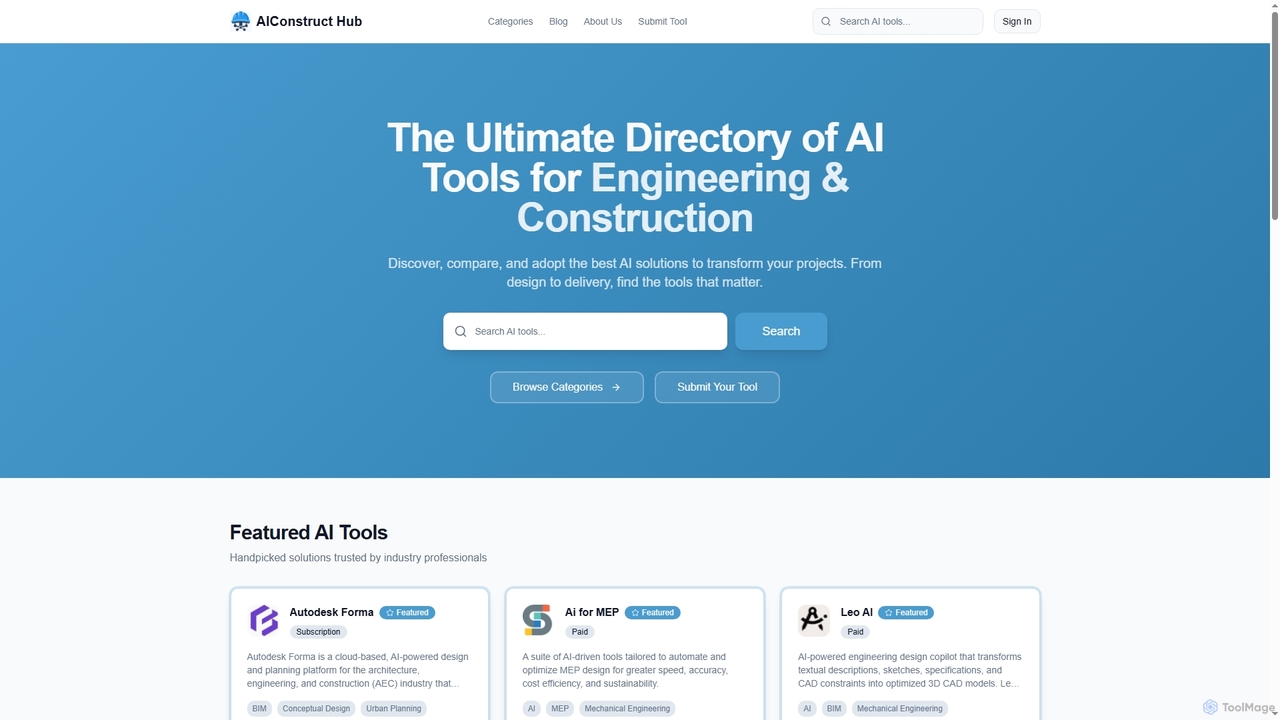
AIConstruct Hub

AIConstruct Hub

AIConstruct Hub is the ultimate directory for discovering, comparing, and adopting the best AI tools and platforms transforming …

2.1K
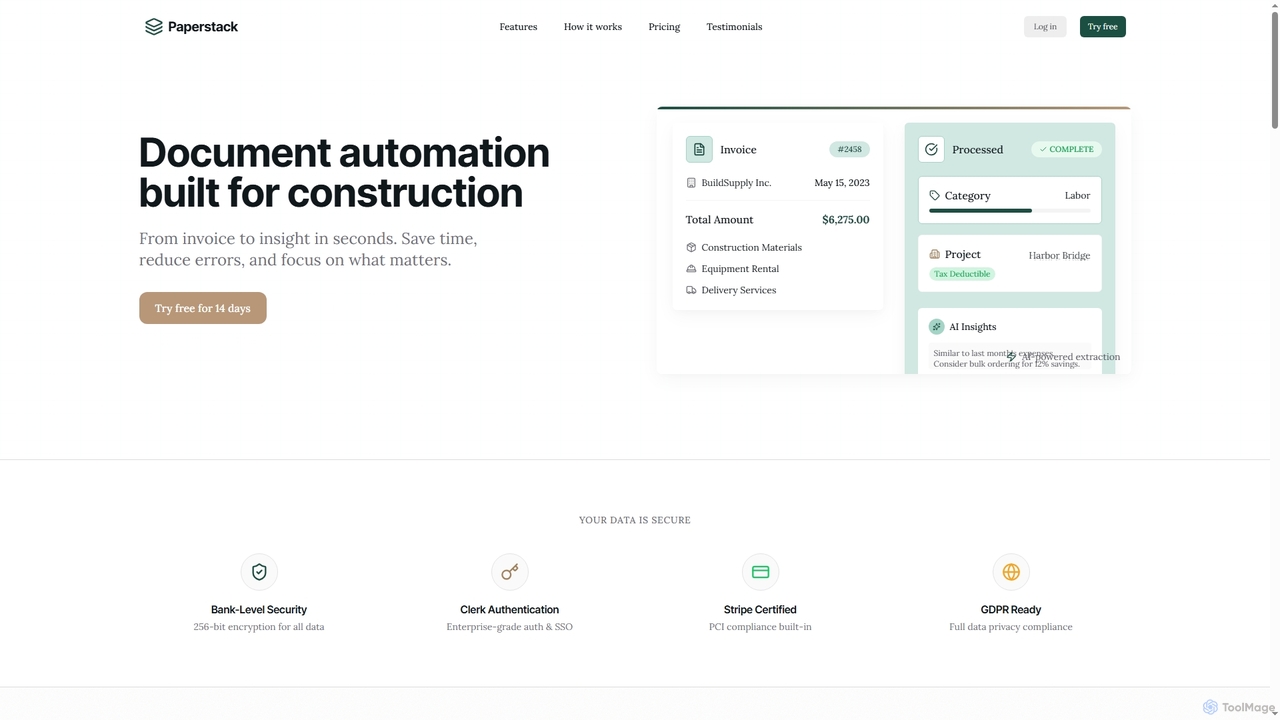
Paperstack

Paperstack

Paperstack is an AI-powered document automation platform specifically designed for the construction industry. It automates data extraction from …

2.5K
BuildSync

BuildSync

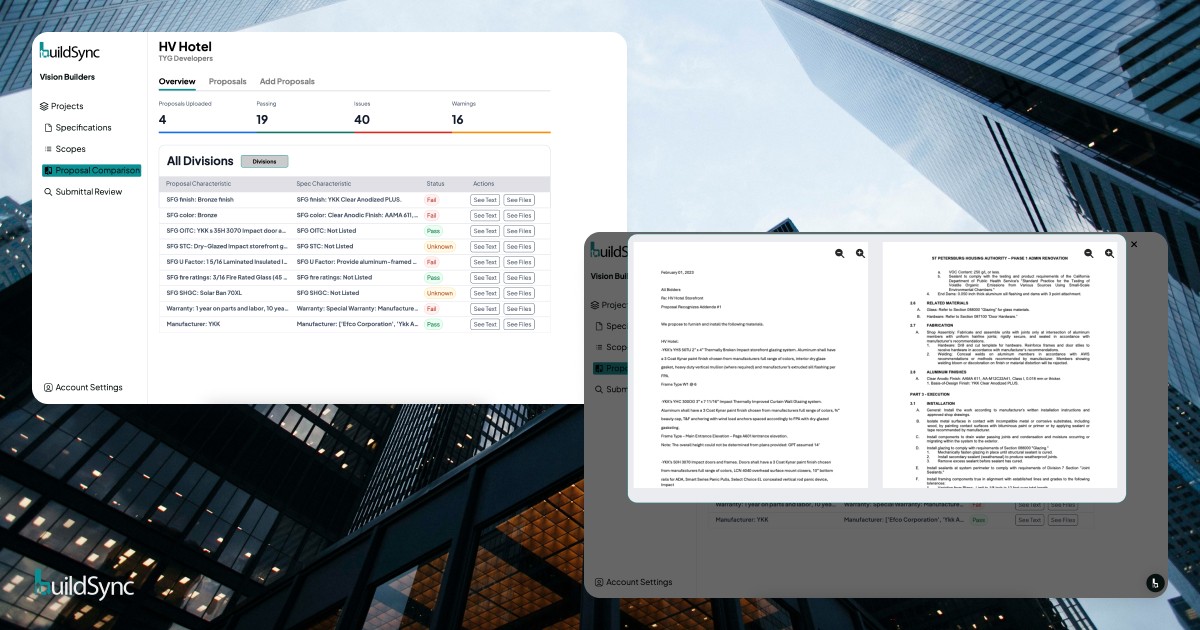
BuildSync is an AI-powered construction submittal review software designed to automate the verification of project compliance and generation …

4.7K
Free
Unigo

Unigo

Unigo is an AI-powered platform that simplifies the process of obtaining and comparing construction and renovation quotes. It …

2.3K
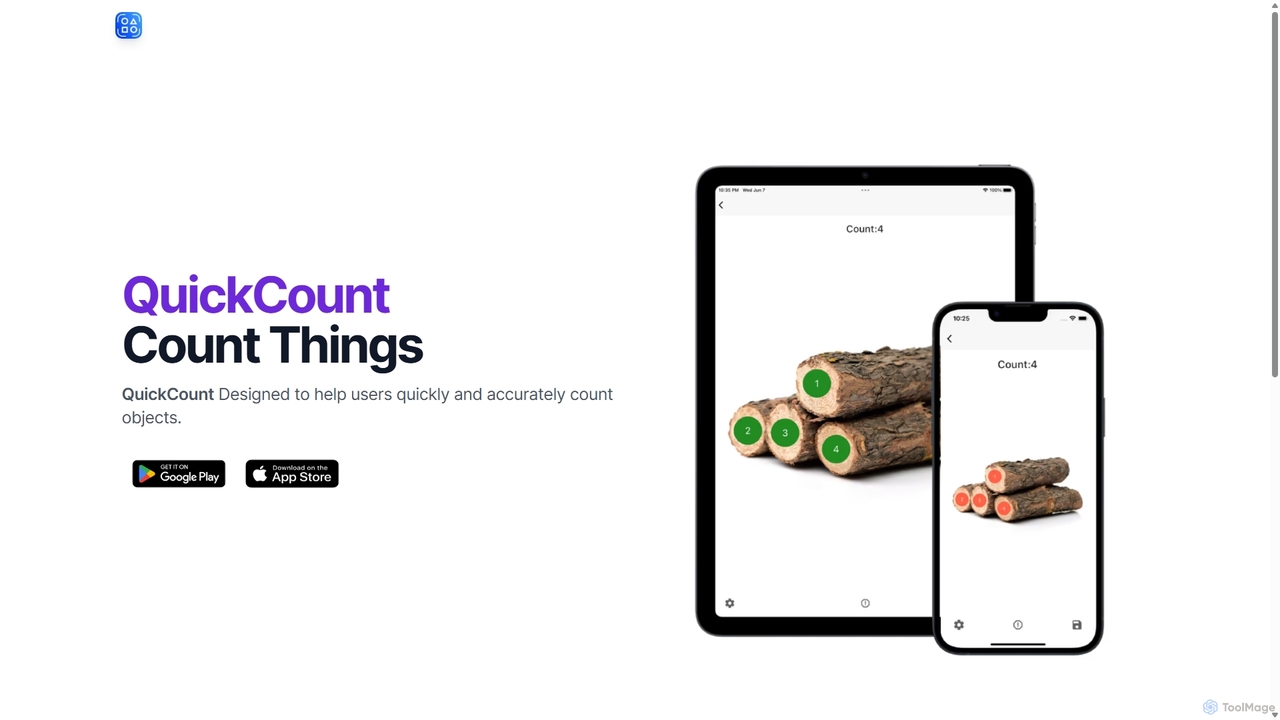
QuickCount

QuickCount

An AI-powered computer vision tool designed for instantly and accurately counting various objects from images. Ideal for inventory, …

3.7K
Quensus

Quensus

Quensus is an AI-powered intelligent water management and leak prevention system for commercial and residential properties. It combines …

8.1K
autarc

autarc

autarc is an all-in-one B2B software for renewable energy professionals, streamlining the planning of heat pumps, PV systems, …

76.9K
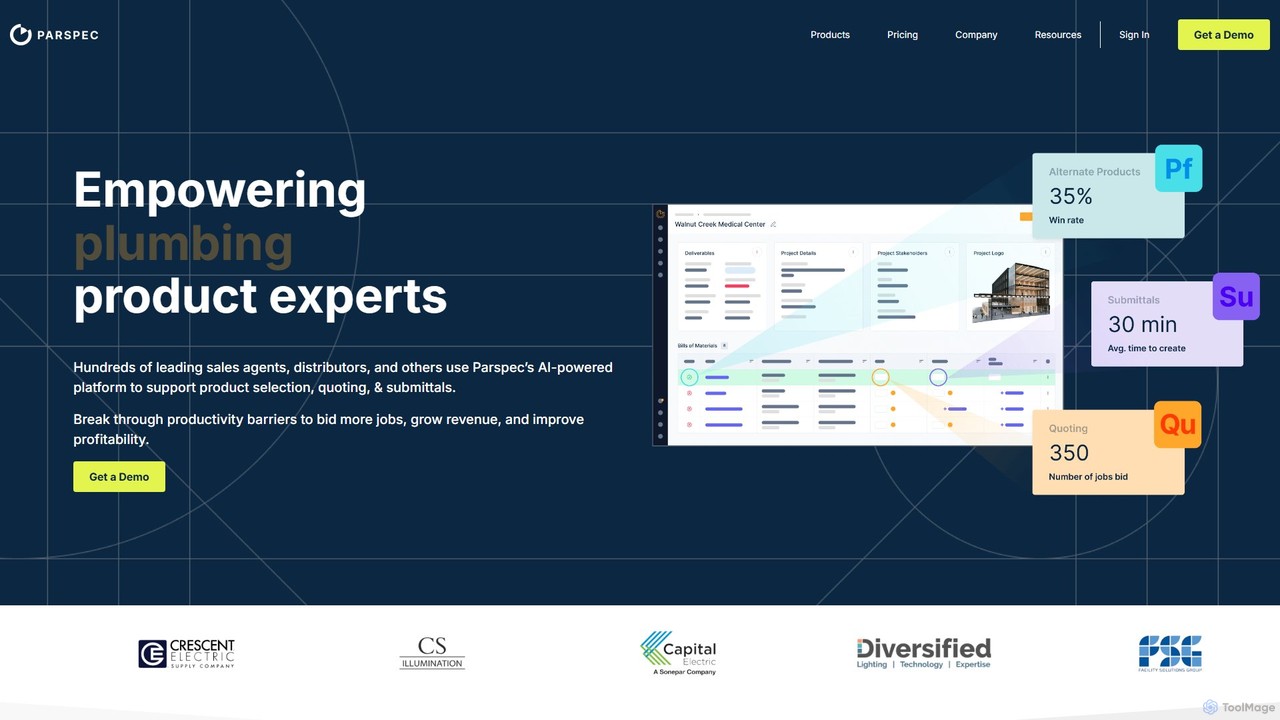
Parspec

Parspec

Parspec is an AI-powered platform designed for mechanical and electrical product experts, such as sales agents and distributors. …

69.3K
InspectMind

InspectMind

InspectMind is an AI-powered application designed for the construction, engineering, and real estate industries. It streamlines field reporting …

18.8K
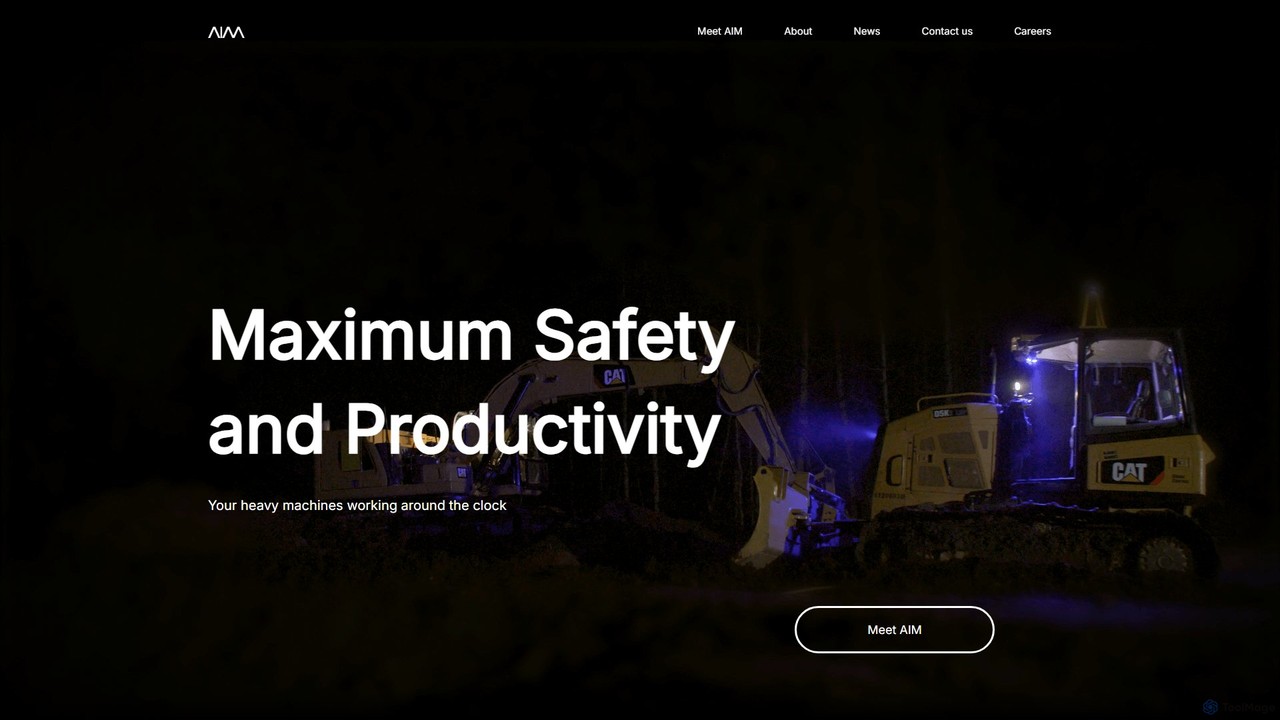
AIM Intelligent Machines

AIM Intelligent Machines

AIM Intelligent Machines provides an AI-powered technology platform that retrofits heavy equipment for autonomous operation in mining and …

10.3K
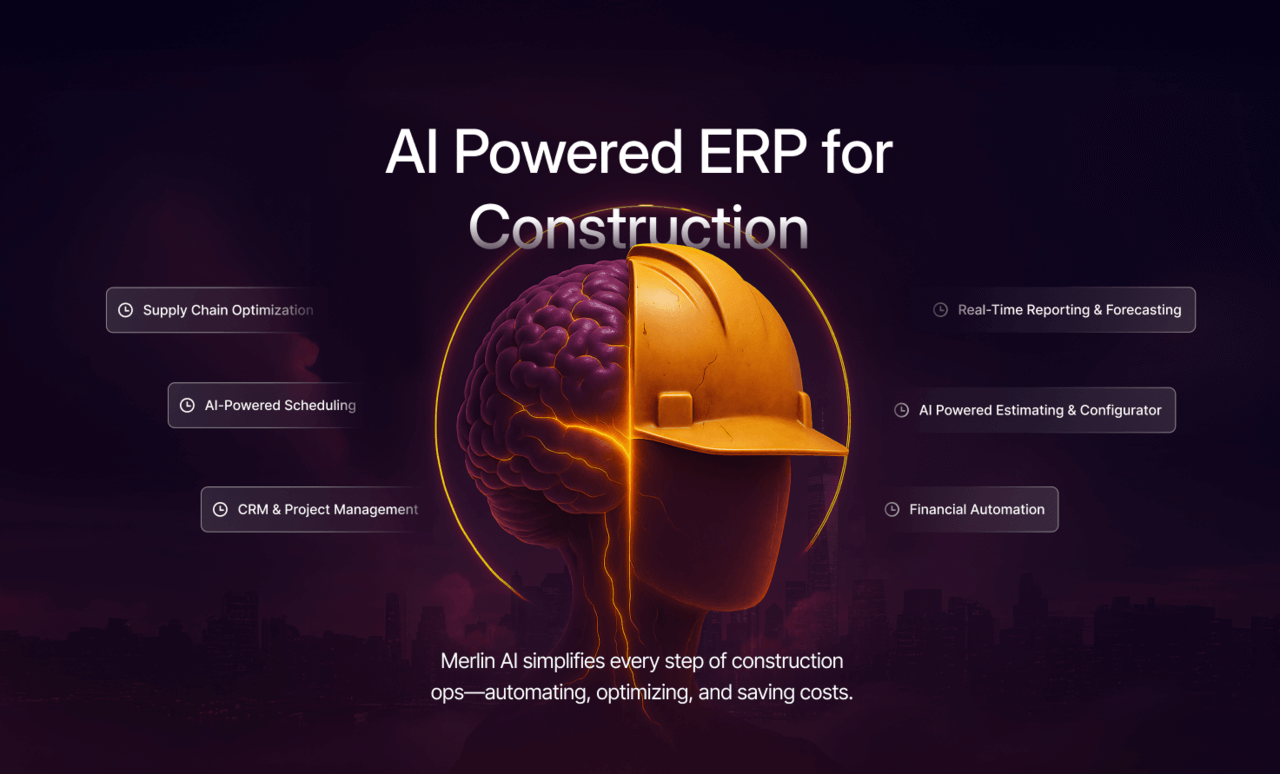
Merlin AI

Merlin AI

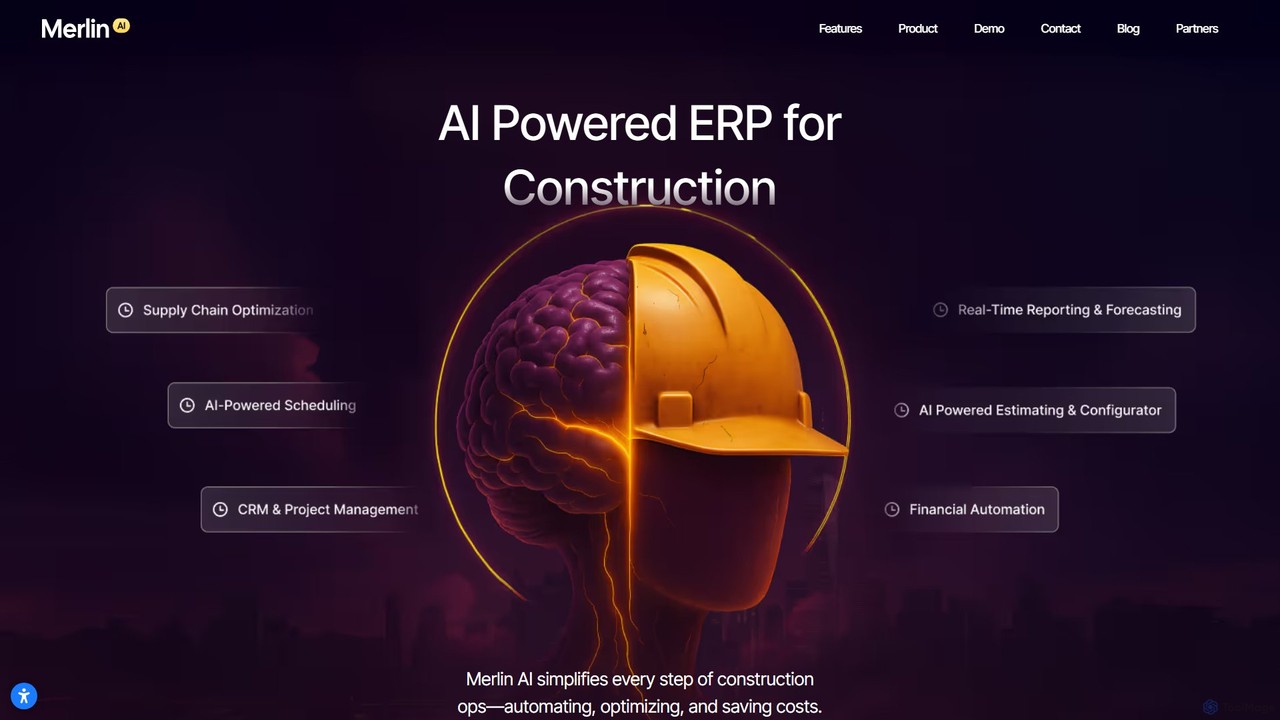
Merlin AI is an AI-powered, all-in-one Enterprise Resource Planning (ERP) platform specifically designed for the construction industry. It …

19.5K
kabeltec

kabeltec

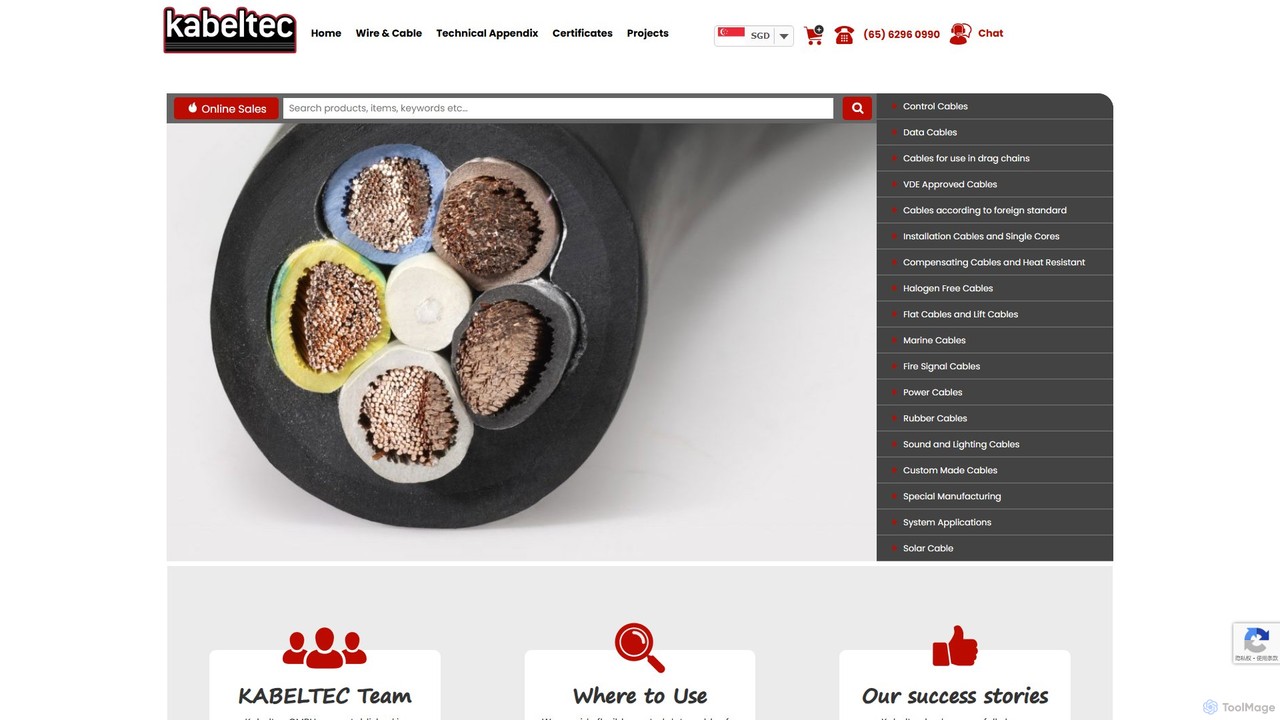
Kabeltec is a global manufacturer and supplier of specialized industrial and electrical cables. Originating from Germany, it provides …

3.7K
ibeam

ibeam

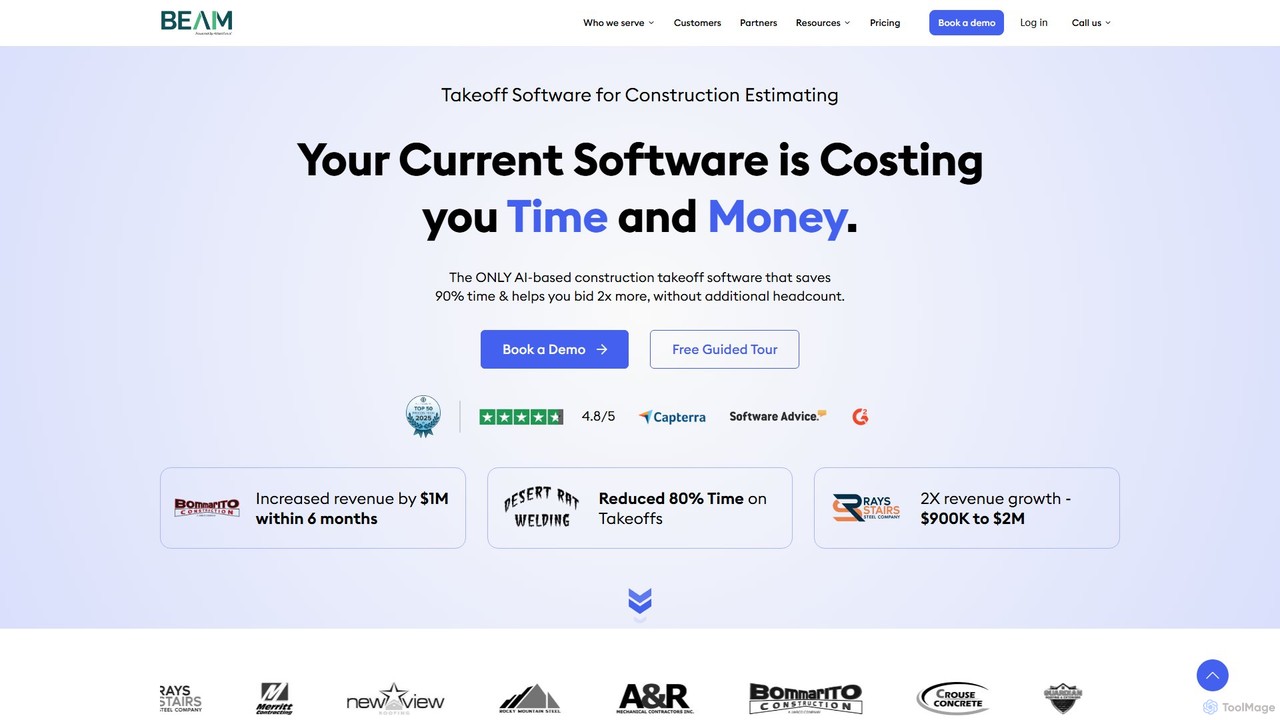
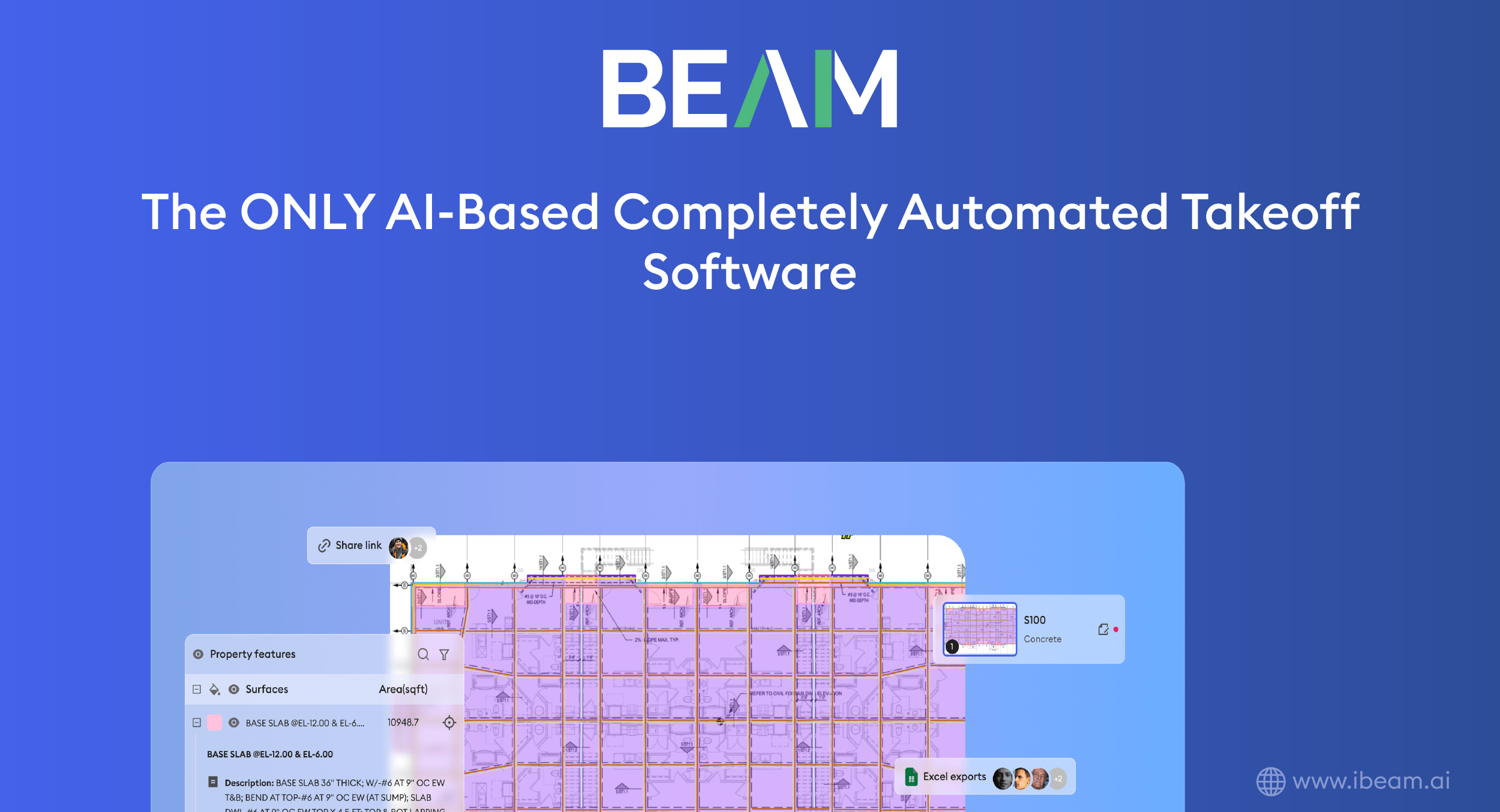
ibeam is an AI-powered construction takeoff software that automates quantity takeoffs from PDF plans. It saves estimators up …

60.3K
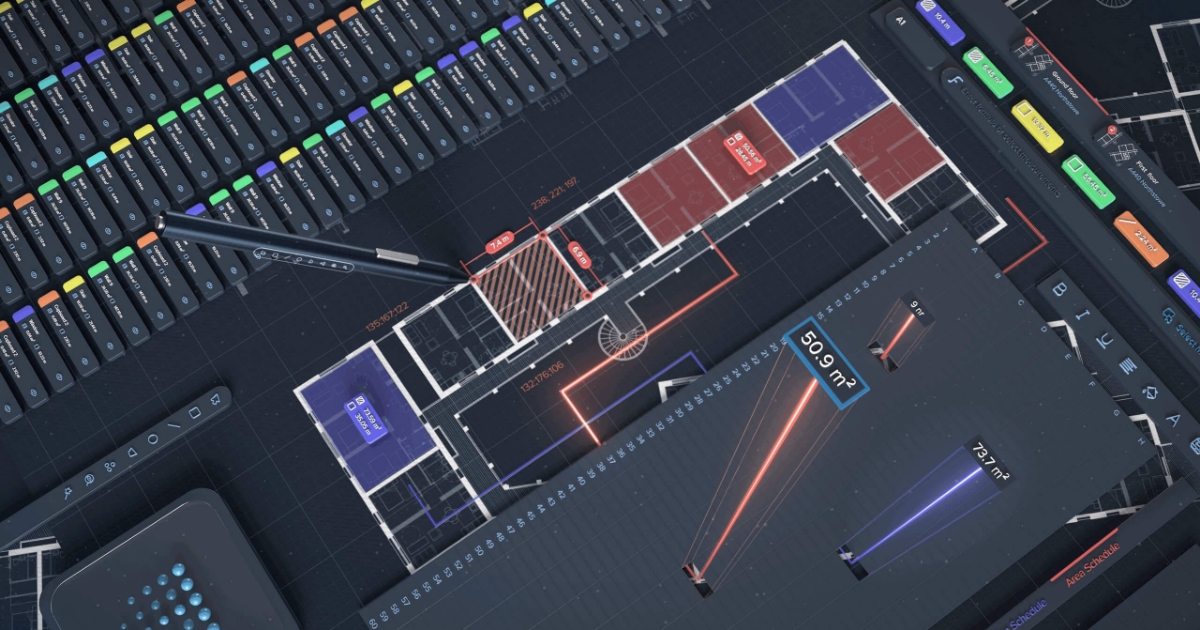
Kreo

Kreo

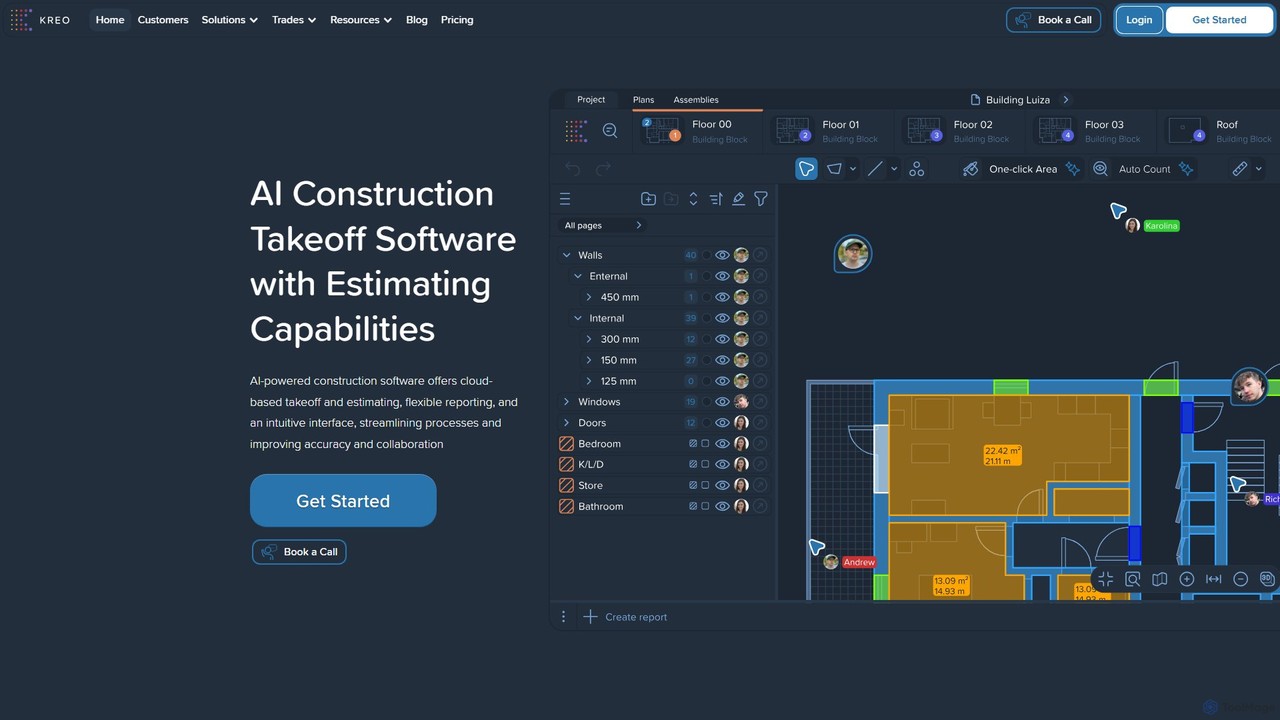
Kreo is an AI-powered cloud platform for the construction industry, designed to automate and streamline quantity takeoffs, cost …

115.2K
UpCodes

UpCodes

UpCodes is an AI-powered platform providing a searchable, up-to-date database of building codes and standards. It helps architects, …

1.2M
Blanc AI

Blanc AI

Blanc AI is an AI-powered platform for the construction industry, enabling builders and contractors to generate accurate, professional …

2.2K
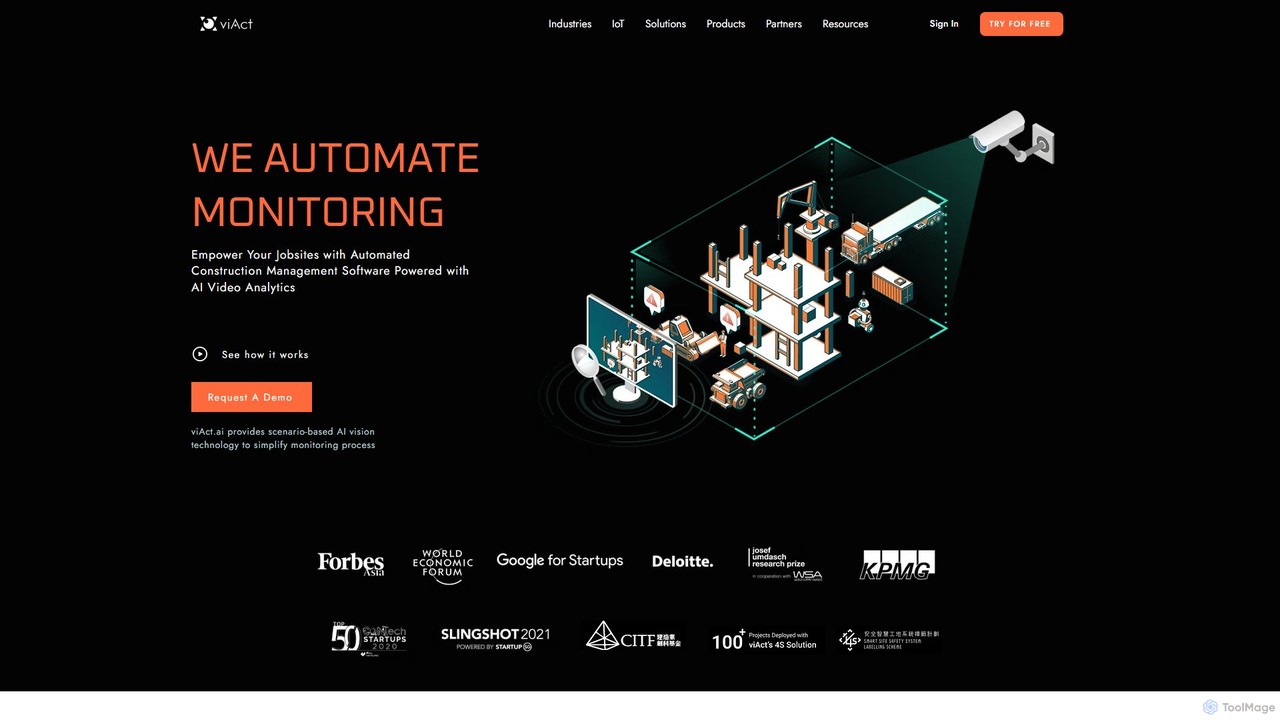
viact

viact

viAct is an AI-powered video analytics platform designed for the construction industry. It automates worksite monitoring to enhance …

37.1K

About Construction

Construction AI tools are AI-powered solutions designed to optimize and automate various processes across the building lifecycle. These tools leverage machine learning, computer vision, and data analytics to enhance efficiency, safety, and decision-making in construction projects. From initial design and planning to on-site execution and facility management, AI in construction offers transformative capabilities for stakeholders. They provide intelligent insights and automation to tackle complex challenges in the industry.

Core Features

  • Predictive Analytics: Forecasting project timelines, costs, and potential risks based on historical data and real-time inputs.
  • Automated Design & Planning: Generating optimized architectural layouts, structural designs, and construction schedules.
  • Site Monitoring & Safety: Using computer vision and IoT data to detect hazards, track progress, and ensure compliance.
  • Resource Optimization: Intelligently allocating labor, materials, and equipment to minimize waste and maximize productivity.
  • Quality Control: Identifying defects and deviations from design specifications through automated inspections.

Use Cases

Construction AI tools are widely adopted by general contractors, architects, engineers, and project managers. They are used for tasks such as optimizing building designs for energy efficiency, monitoring construction sites for safety violations, and predicting equipment maintenance needs to prevent costly downtime. These applications streamline complex workflows and improve overall project outcomes.

How to Choose

When selecting Construction AI tools, consider the specific project phase you aim to optimize, such as design, planning, or execution. Evaluate the tool's integration capabilities with existing software (BIM, ERP), its data processing power for large datasets, and the level of technical expertise required for implementation. Also, assess the vendor's support and the tool's scalability to meet future project demands.

ConstructionUse Cases

1

Optimizing Building Design for Efficiency

Architects and engineers can utilize AI tools to generate and evaluate numerous design iterations, optimizing for factors like structural integrity, energy consumption, and material usage. By inputting design constraints and performance goals, AI can rapidly identify the most efficient and sustainable building configurations, significantly reducing design time and improving project outcomes.

2

Predictive Project Scheduling & Risk Management

Project managers leverage AI to analyze vast amounts of historical project data, weather patterns, and resource availability to create highly accurate project schedules. The AI can identify potential bottlenecks, forecast delays, and recommend proactive mitigation strategies, enabling better resource allocation and minimizing cost overruns.

3

Automated Construction Site Monitoring

Site supervisors deploy AI-powered cameras and drones to continuously monitor construction sites. These tools use computer vision to detect safety hazards, track worker movements, identify unauthorized access, and monitor equipment usage in real-time. This enhances site safety, ensures compliance with regulations, and provides valuable data for progress tracking.

4

Quality Control and Defect Detection

Quality assurance teams use AI to perform automated inspections of completed work. By comparing as-built conditions with BIM models and design specifications, AI can quickly identify deviations, structural defects, or material inconsistencies. This reduces the need for manual inspections, improves accuracy, and ensures higher construction quality.

5

Equipment Maintenance Prediction

Construction companies utilize AI to predict when heavy machinery and equipment will require maintenance. By analyzing sensor data from vehicles, AI algorithms can identify patterns indicative of impending failures. This allows for proactive scheduling of maintenance, reducing unexpected breakdowns, extending equipment lifespan, and minimizing project downtime.

6

Supply Chain and Material Management

Procurement managers employ AI to optimize the construction supply chain. AI tools can forecast material demand, identify the most cost-effective suppliers, and track deliveries in real-time. This minimizes material waste, prevents shortages, and ensures that necessary resources are available precisely when needed, streamlining logistics and reducing costs.

ConstructionFrequently Asked Questions