ToolMage
Sign in

Best 17 Construction AI tools

Popular Construction AI tools include UpCodes, Kreo, Parspec, autarc, ibeam, viact, InspectMind, Merlin AI, AIM Intelligent Machines, and Quensus, helping you work more efficiently.

AIConstruct Hub

AIConstruct Hub

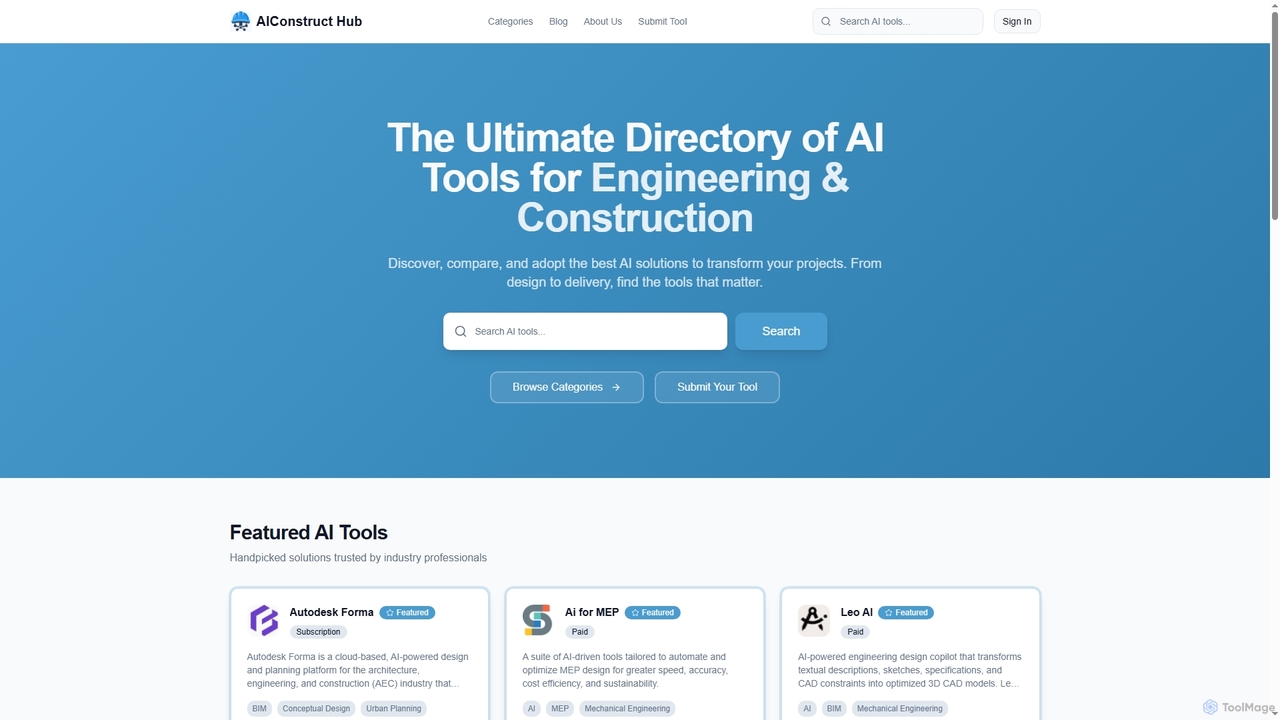
AIConstruct Hub is the ultimate directory for discovering, comparing, and adopting the best AI tools and platforms transforming the engineering, construction, and energy industries. It helps professionals find innovative solutions to streamline workflows and enhance project efficiency from design to delivery.

Ai Solutions
Visits 4.7KFavorites 26Likes 30
Paperstack
Paid

Paperstack

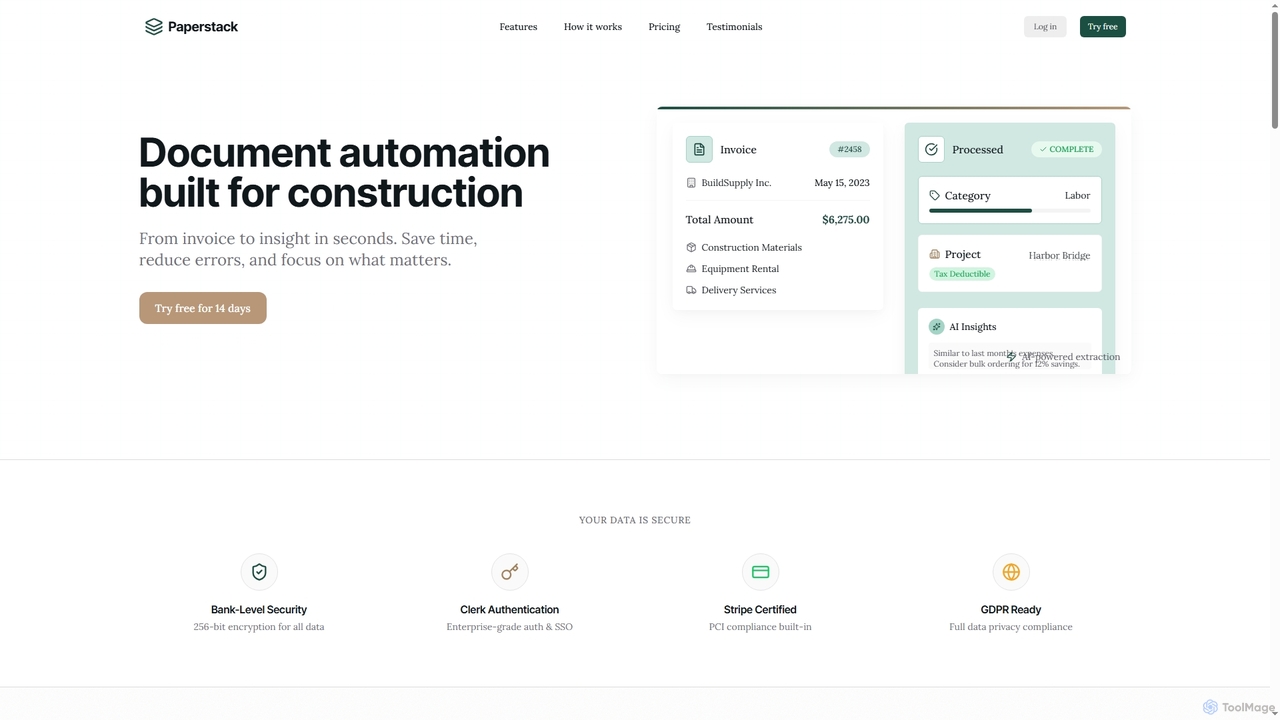
Paperstack is an AI-powered document automation platform specifically designed for the construction industry. It automates data extraction from invoices and other documents with 99.8% accuracy, saving up to 85% of processing time. The tool helps businesses reduce errors, gain financial insights, and focus on core construction operations.

Real Estate
Visits 4.7KFavorites 149Likes 157
BuildSync

BuildSync

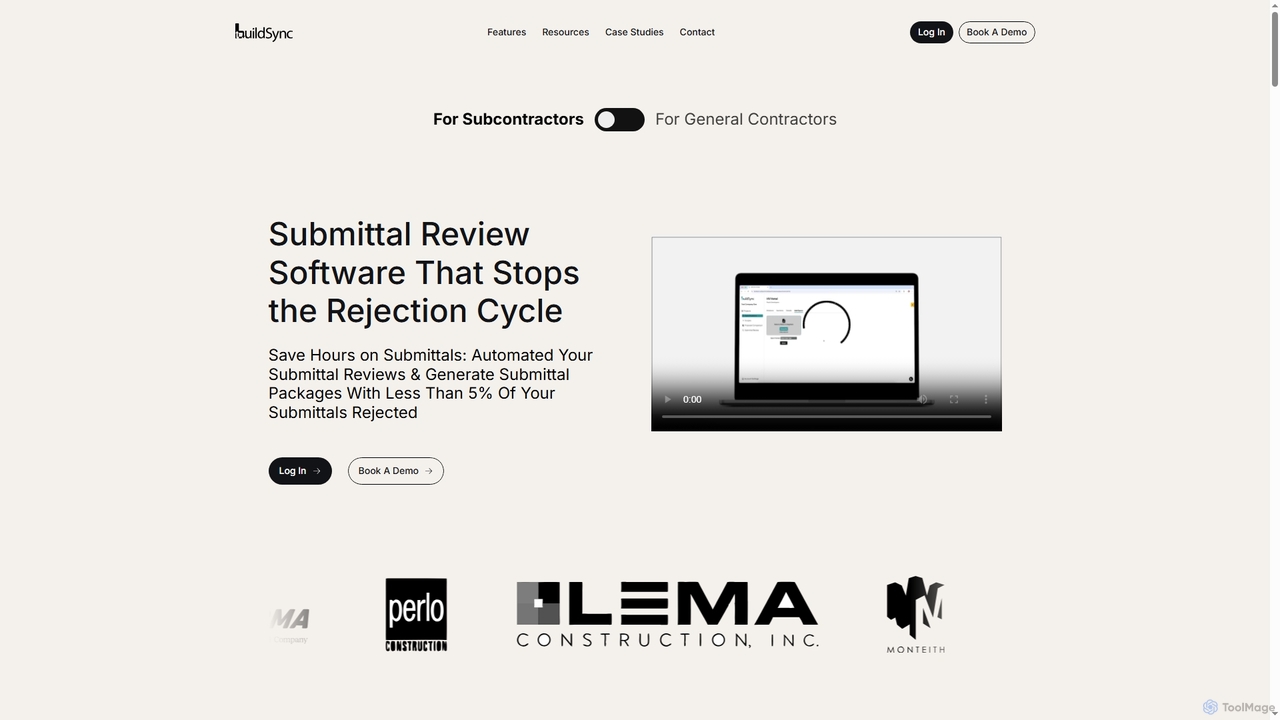
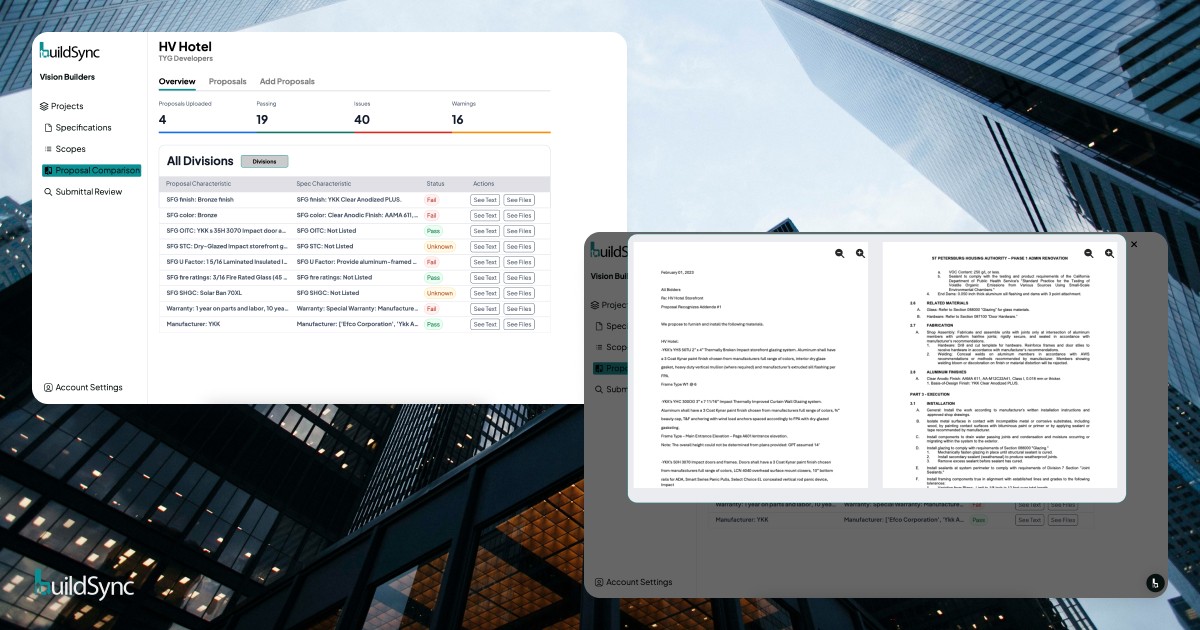
BuildSync is an AI-powered construction submittal review software designed to automate the verification of project compliance and generation of submittal packages. It helps general contractors and subcontractors drastically reduce submittal rejection rates, save hours on manual reviews, and accelerate project timelines.

Document Analysis
Visits 7KFavorites 129Likes 126
Unigo
Free

Unigo

Unigo is an AI-powered platform that simplifies the process of obtaining and comparing construction and renovation quotes. It transforms your project description into standardized technical specifications (bill of quantities), ensuring all contractors bid on the same detailed document for transparent and easy comparison.

Quoting Tools
Visits 4.7KFavorites 147Likes 160
QuickCount
Freemium

QuickCount

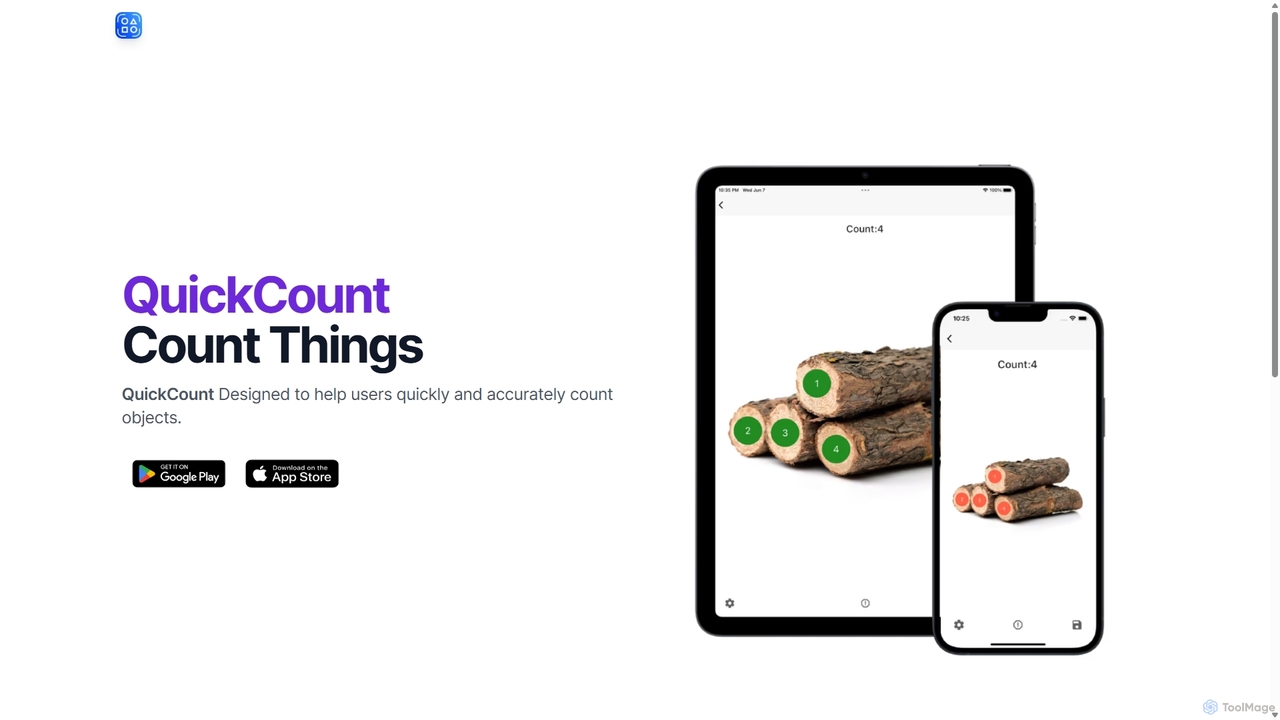
An AI-powered computer vision tool designed for instantly and accurately counting various objects from images. Ideal for inventory, construction, agriculture, and research, it saves time and eliminates manual counting errors.

Inventory Management
Visits 6.6KFavorites 99Likes 91
Quensus
Paid

Quensus

Quensus is an AI-powered intelligent water management and leak prevention system for commercial and residential properties. It combines smart hardware with machine learning software to monitor water usage in real-time, detect leaks and anomalies, and automatically shut off the water supply to prevent costly damage. The system helps reduce water bills, ensure regulatory compliance (BREEAM, JCoP), and promote sustainability.

Site Management
Visits 8.3KFavorites 138Likes 129
autarc
Paid

autarc

autarc is an all-in-one B2B software for renewable energy professionals, streamlining the planning of heat pumps, PV systems, and storage. It uses AI and LiDAR scanning to enable fully digital, compliant, and efficient project management from lead qualification to final proposal.

Energy Management
Visits 60.8KFavorites 116Likes 94
Parspec
Paid

Parspec

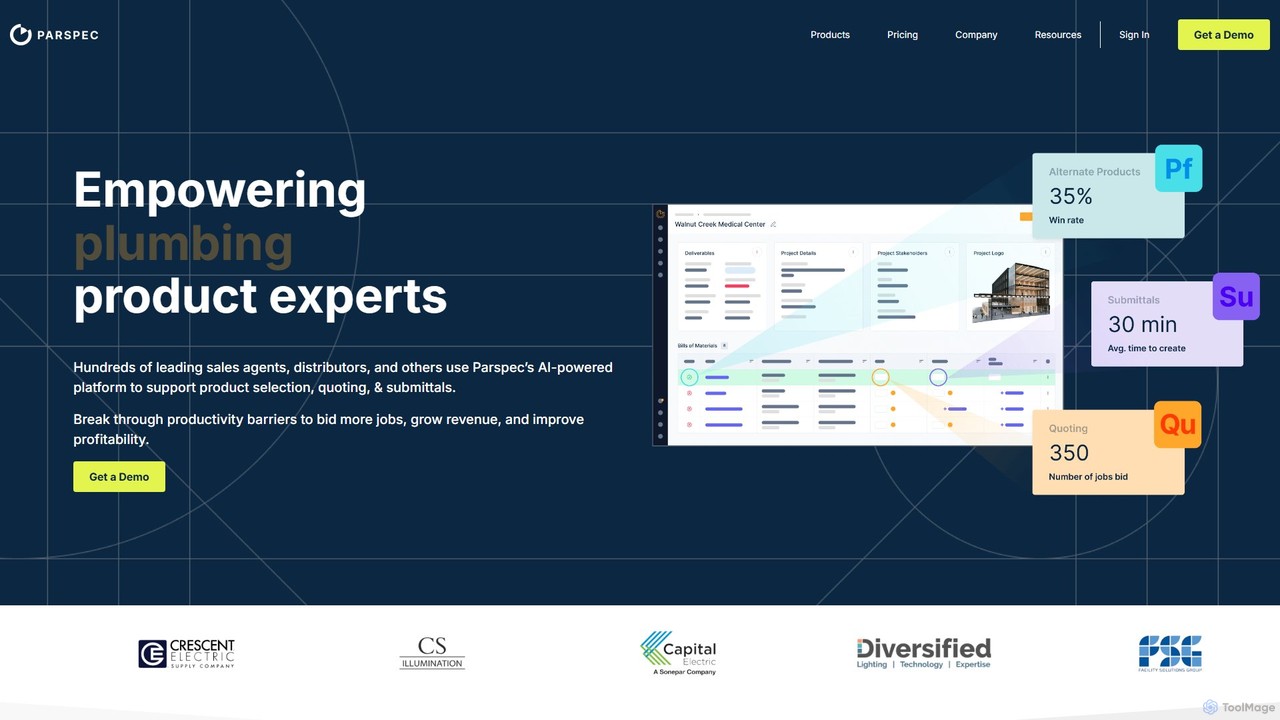
Parspec is an AI-powered platform designed for mechanical and electrical product experts, such as sales agents and distributors. It streamlines product selection, quoting, and submittal processes, helping businesses increase bid volume, improve win rates, and boost profitability by automating complex workflows.

Procurement
Visits 79.6KFavorites 82Likes 82
InspectMind
Freemium

InspectMind

InspectMind is an AI-powered application designed for the construction, engineering, and real estate industries. It streamlines field reporting by converting photos and voice notes into detailed, professional reports in minutes. This tool reduces report writing time by up to 80%, improves accuracy, and supports real-time team collaboration, available on iOS, Android, and Web.

Project Management
Visits 23KFavorites 112Likes 123
AIM Intelligent Machines
Paid

AIM Intelligent Machines

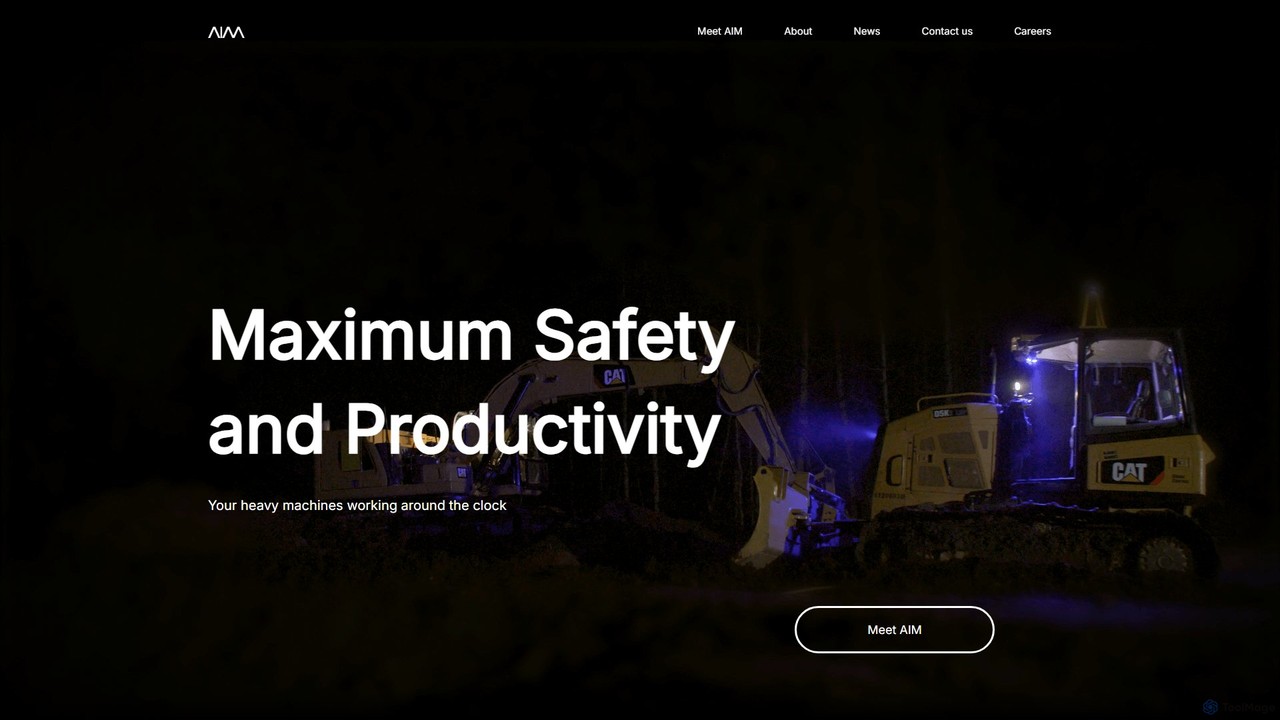
AIM Intelligent Machines provides an AI-powered technology platform that retrofits heavy equipment for autonomous operation in mining and construction. It enhances safety by creating zero-entry sites and boosts productivity through continuous, optimized performance.

Robotics
Visits 9.2KFavorites 100Likes 108
Merlin AI
Paid

Merlin AI

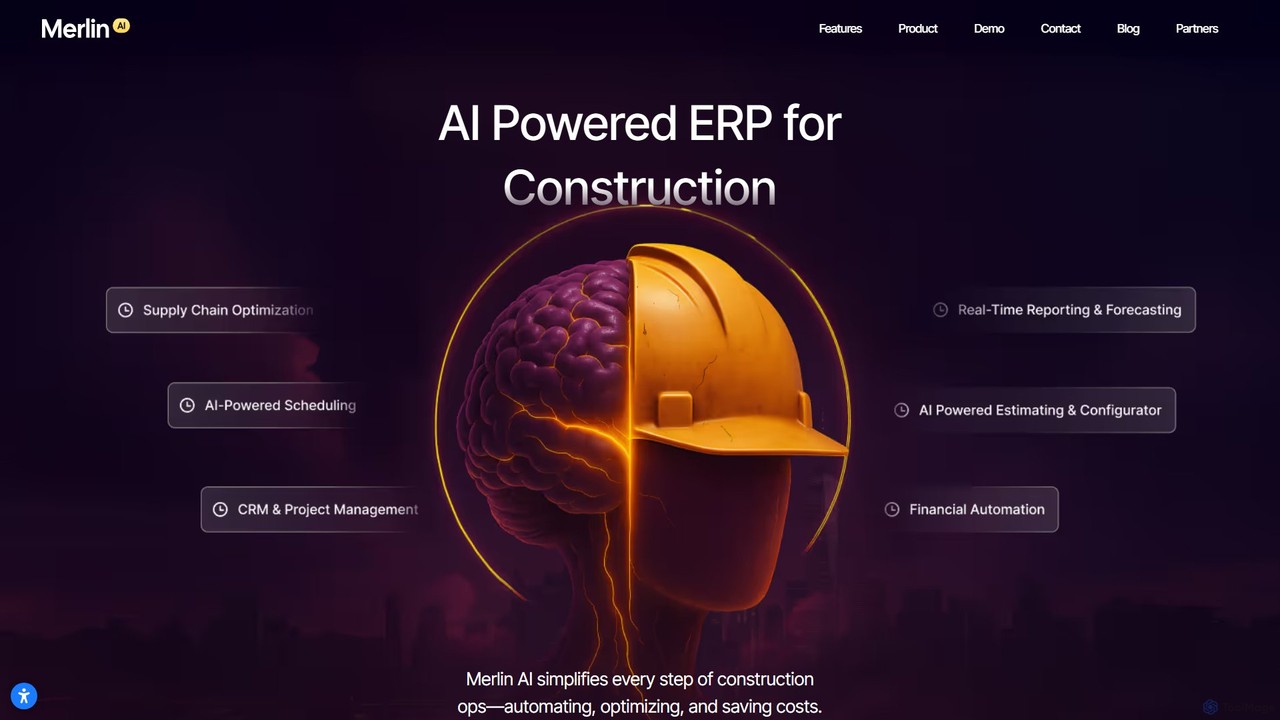
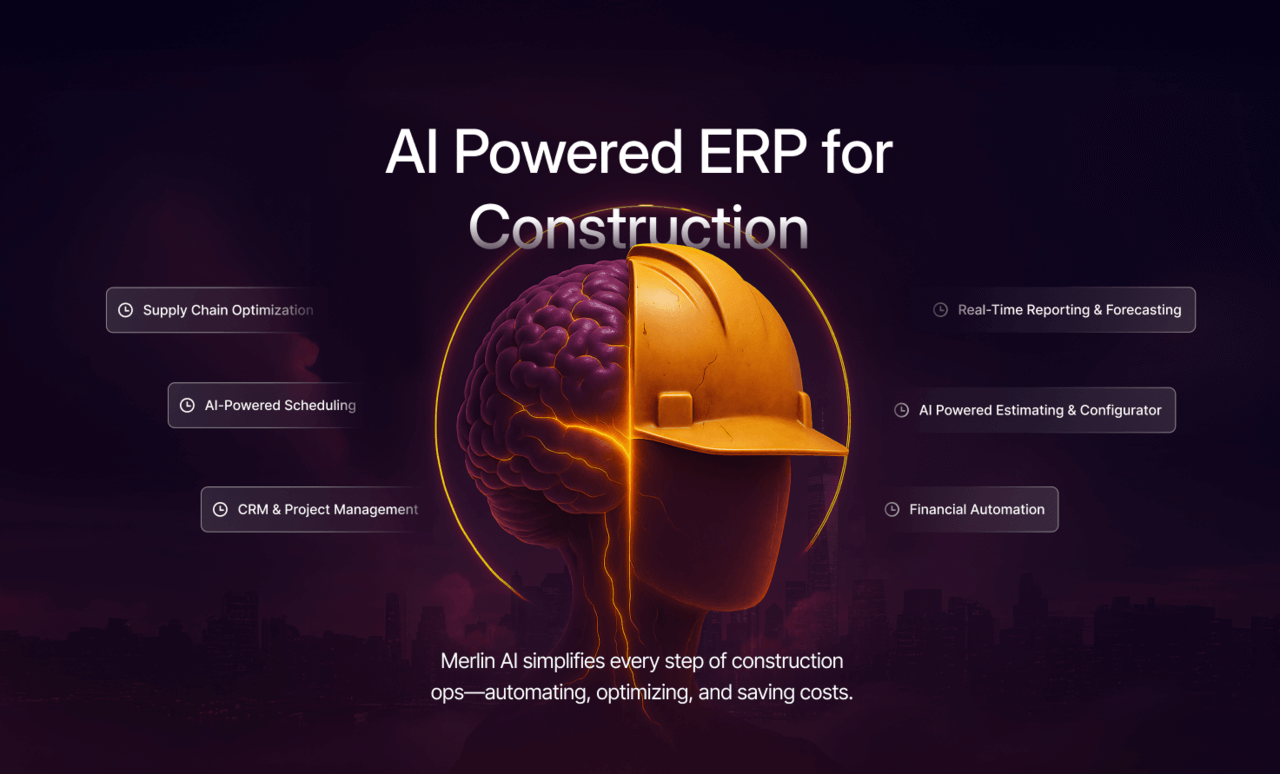
Merlin AI is an AI-powered, all-in-one Enterprise Resource Planning (ERP) platform specifically designed for the construction industry. It automates and streamlines every operational step, from estimating and bidding to project management, supply chain, and financials. By unifying disparate processes into a single, intuitive system, Merlin AI helps construction companies reduce costs, accelerate project timelines, and make smarter, data-driven decisions.

Erp
Visits 18.7KFavorites 126Likes 129
kabeltec

kabeltec

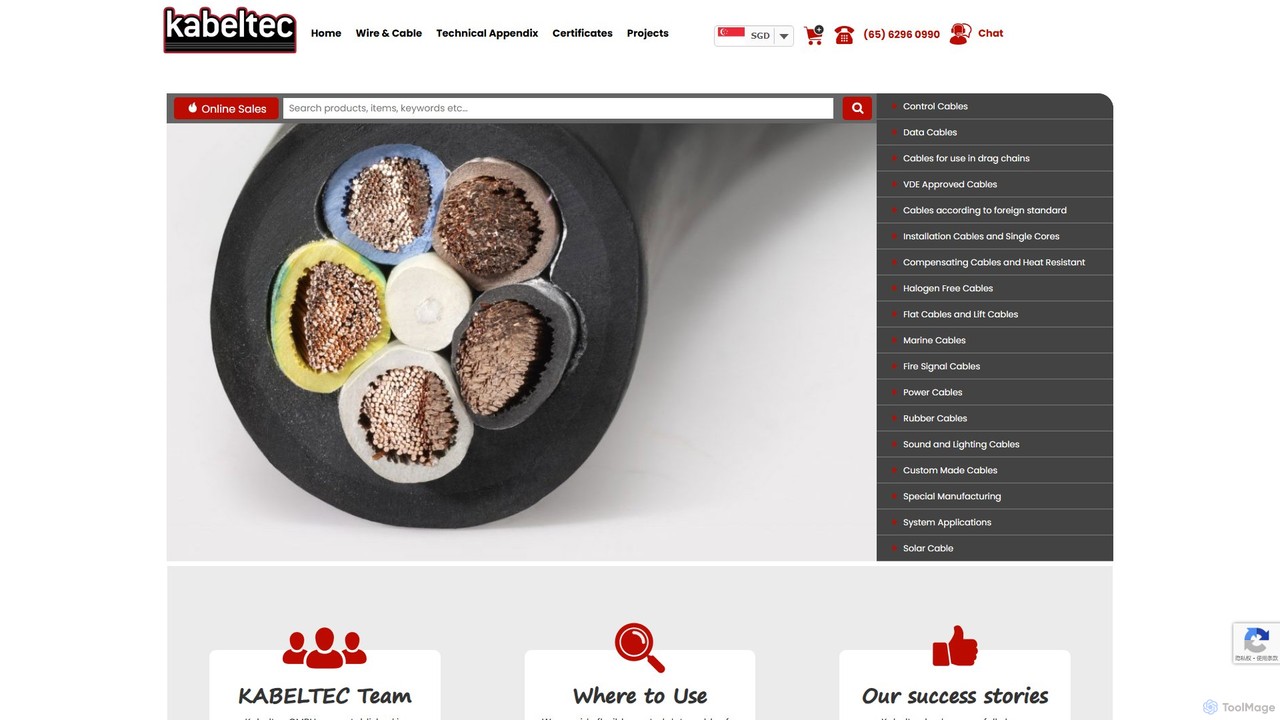
Kabeltec is a global manufacturer and supplier of specialized industrial and electrical cables. Originating from Germany, it provides a comprehensive range of high-performance cables, custom manufacturing, and end-to-end project management services for demanding sectors like marine, industrial automation, renewable energy, and construction.

Manufacturing
Visits 5.8KFavorites 107Likes 97
ibeam
Paid

ibeam

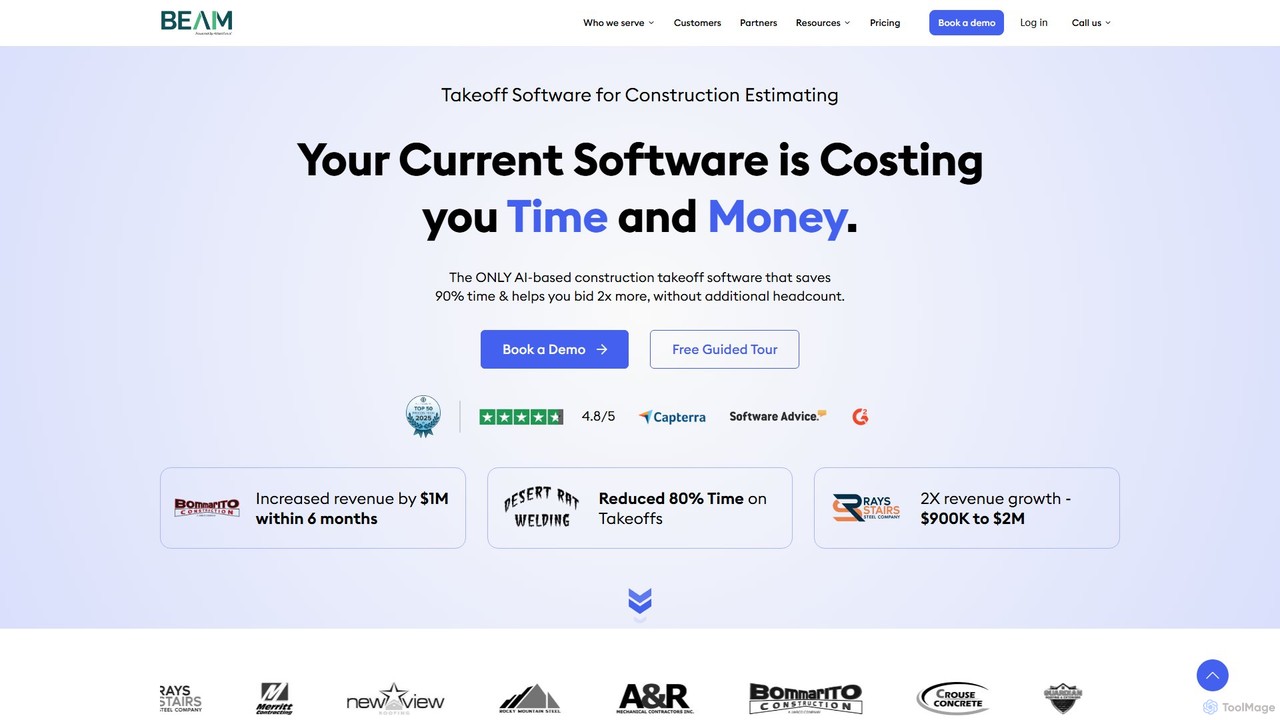
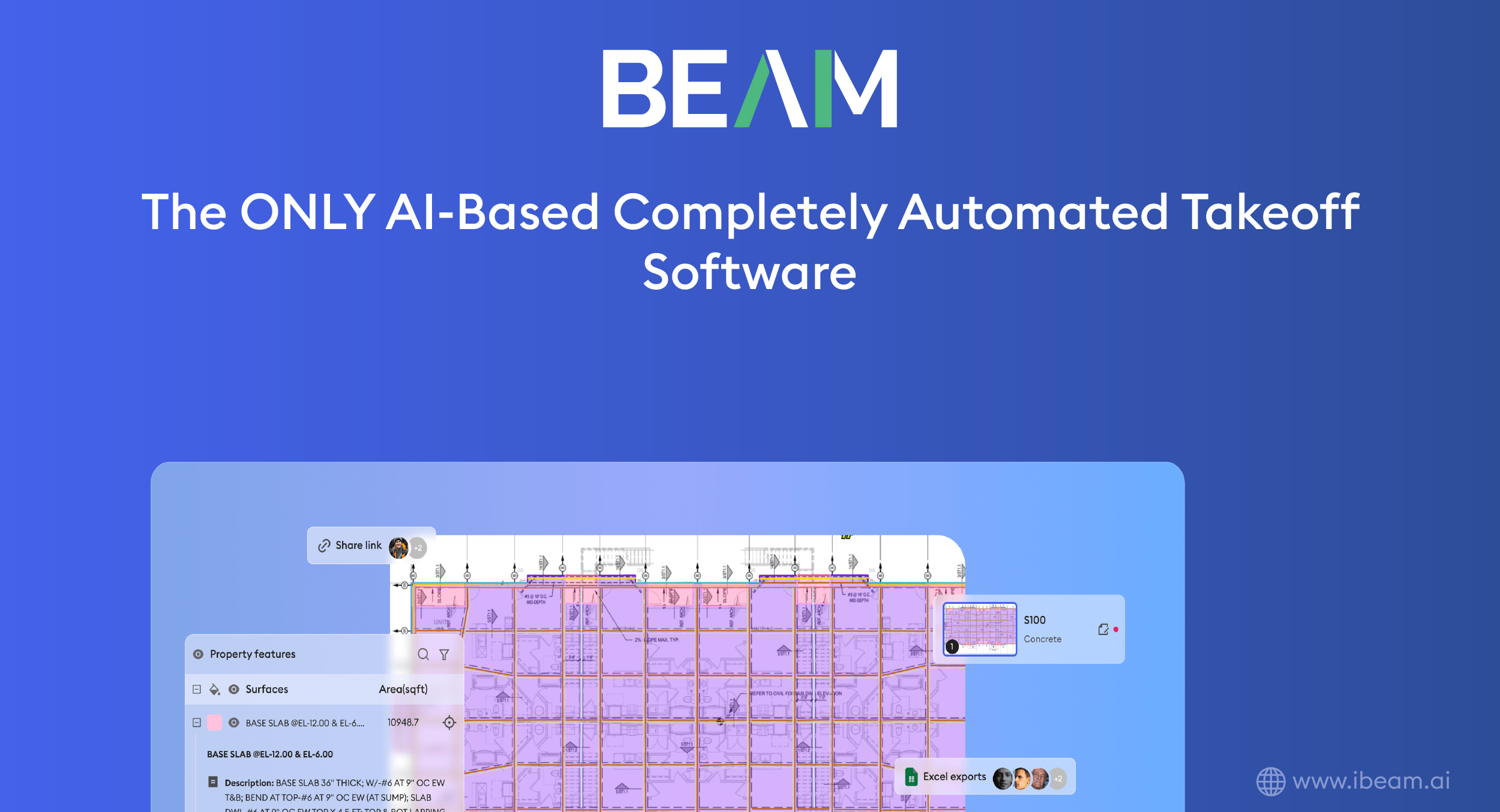
ibeam is an AI-powered construction takeoff software that automates quantity takeoffs from PDF plans. It saves estimators up to 90% of their time, enabling them to double their bidding capacity without increasing headcount. The platform combines AI automation with a human quality assurance review to deliver accurate, estimate-ready outputs for over 15 trades within 24-72 hours, streamlining the preconstruction process for contractors and suppliers.

Project Management
Visits 55.1KFavorites 90Likes 87
Kreo
Freemium

Kreo

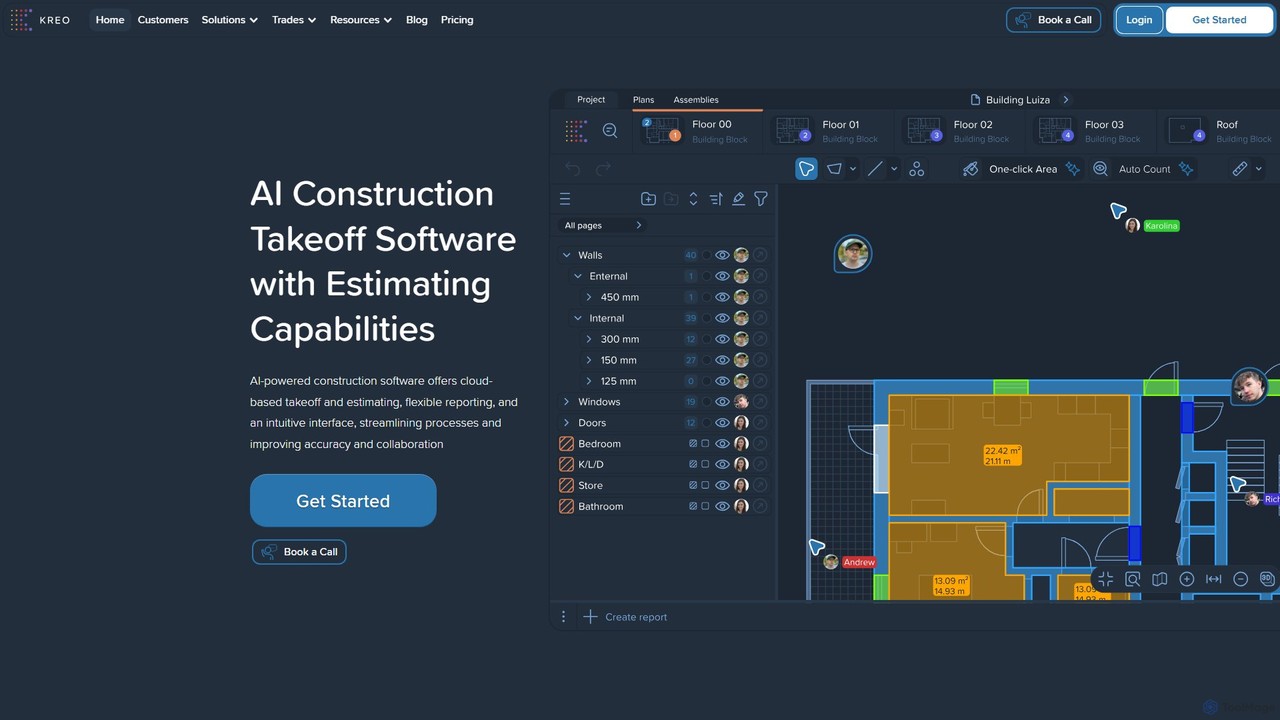
Kreo is an AI-powered cloud platform for the construction industry, designed to automate and streamline quantity takeoffs, cost estimation, and bid preparation. It uses machine learning to analyze 2D plans and BIM models, drastically reducing manual work for quantity surveyors, estimators, and contractors, leading to faster and more accurate pre-construction workflows.

Cost Estimation
Visits 105.9KFavorites 125Likes 131
UpCodes
Freemium

UpCodes

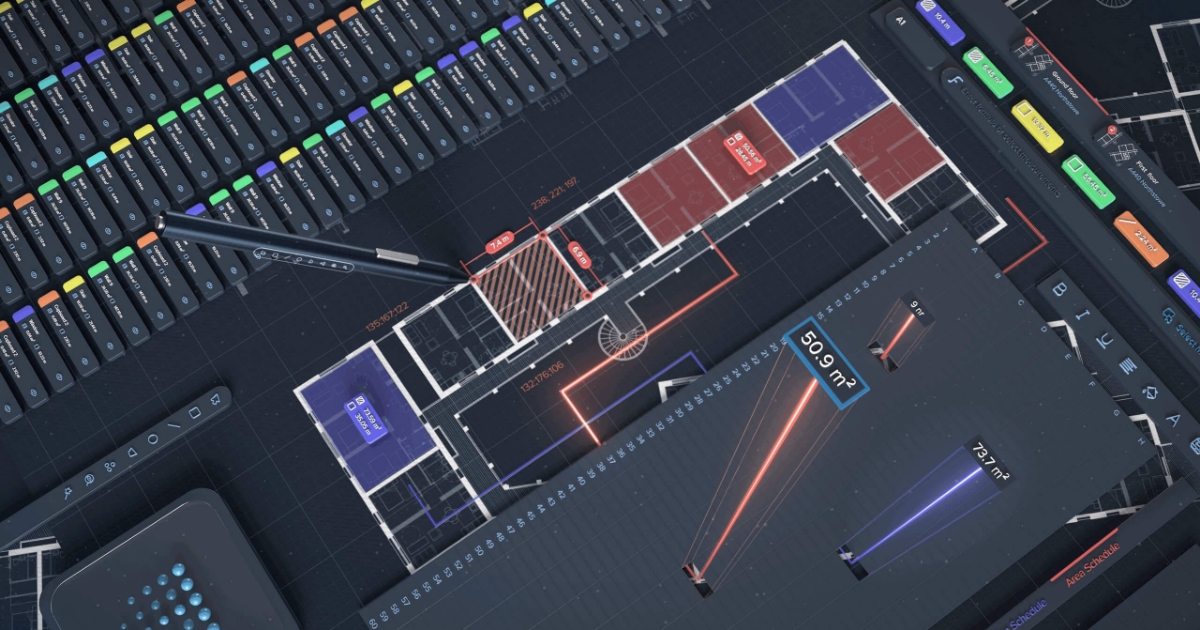
UpCodes is an AI-powered platform providing a searchable, up-to-date database of building codes and standards. It helps architects, engineers, and construction professionals quickly find, interpret, and collaborate on code requirements, streamlining the design and compliance process.

Architecture
Visits 992.1KFavorites 110Likes 116
Blanc AI
Freemium

Blanc AI

Blanc AI is an AI-powered platform for the construction industry, enabling builders and contractors to generate accurate, professional project quotes and estimates in minutes. It leverages real-time pricing data and intelligent cost calculations to streamline the bidding process, saving time and improving accuracy.

Finance
Visits 4.7KFavorites 110Likes 115
viact
Paid

viact

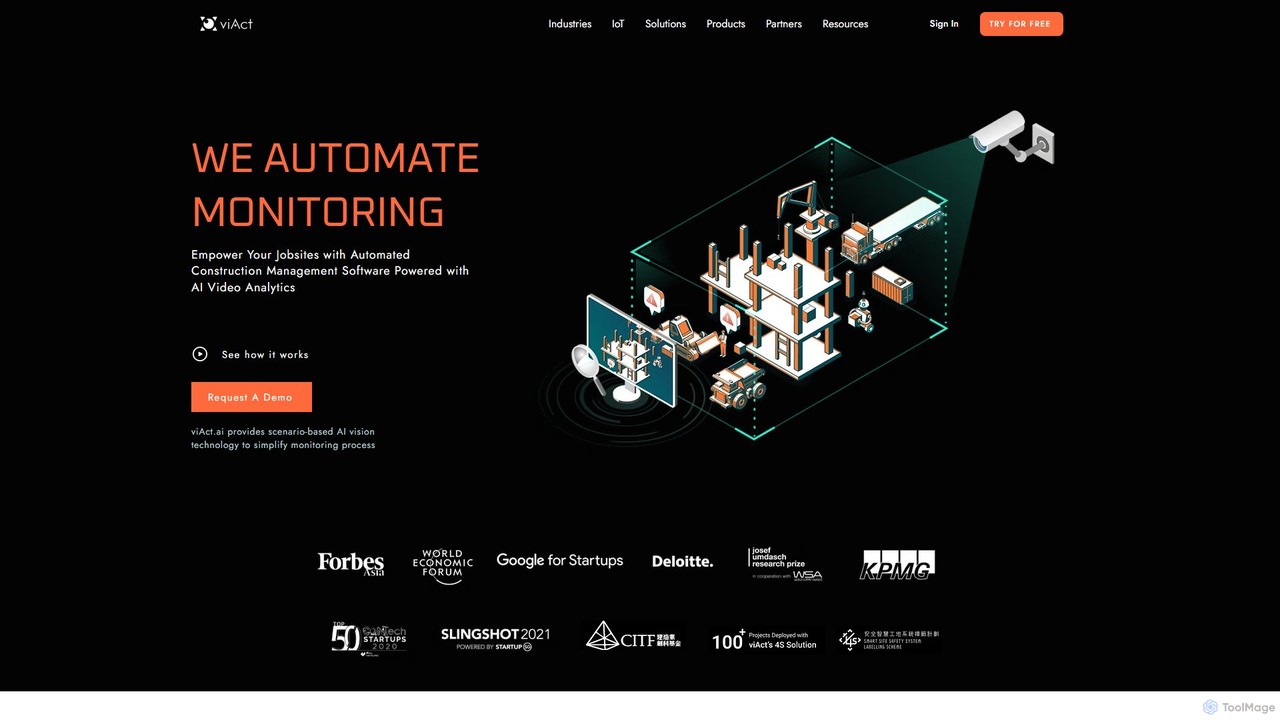
viAct is an AI-powered video analytics platform designed for the construction industry. It automates worksite monitoring to enhance safety, productivity, and compliance. By leveraging existing CCTV cameras, viAct's computer vision technology detects safety hazards like PPE non-compliance and danger zone intrusions, providing real-time alerts and data-driven insights through a smart dashboard.

Site Management
Visits 54.4KFavorites 120Likes 106

About Construction

Construction AI tools are AI-powered solutions designed to optimize and automate various processes across the building lifecycle. These tools leverage machine learning, computer vision, and data analytics to enhance efficiency, safety, and decision-making in construction projects. From initial design and planning to on-site execution and facility management, AI in construction offers transformative capabilities for stakeholders. They provide intelligent insights and automation to tackle complex challenges in the industry.

Core Features

  • Predictive Analytics: Forecasting project timelines, costs, and potential risks based on historical data and real-time inputs.
  • Automated Design & Planning: Generating optimized architectural layouts, structural designs, and construction schedules.
  • Site Monitoring & Safety: Using computer vision and IoT data to detect hazards, track progress, and ensure compliance.
  • Resource Optimization: Intelligently allocating labor, materials, and equipment to minimize waste and maximize productivity.
  • Quality Control: Identifying defects and deviations from design specifications through automated inspections.

Use Cases

Construction AI tools are widely adopted by general contractors, architects, engineers, and project managers. They are used for tasks such as optimizing building designs for energy efficiency, monitoring construction sites for safety violations, and predicting equipment maintenance needs to prevent costly downtime. These applications streamline complex workflows and improve overall project outcomes.

How to Choose

When selecting Construction AI tools, consider the specific project phase you aim to optimize, such as design, planning, or execution. Evaluate the tool's integration capabilities with existing software (BIM, ERP), its data processing power for large datasets, and the level of technical expertise required for implementation. Also, assess the vendor's support and the tool's scalability to meet future project demands.

Featured tool rankings

Construction use cases

1

Optimizing Building Design for Efficiency

Architects and engineers can utilize AI tools to generate and evaluate numerous design iterations, optimizing for factors like structural integrity, energy consumption, and material usage. By inputting design constraints and performance goals, AI can rapidly identify the most efficient and sustainable building configurations, significantly reducing design time and improving project outcomes.

2

Predictive Project Scheduling & Risk Management

Project managers leverage AI to analyze vast amounts of historical project data, weather patterns, and resource availability to create highly accurate project schedules. The AI can identify potential bottlenecks, forecast delays, and recommend proactive mitigation strategies, enabling better resource allocation and minimizing cost overruns.

3

Automated Construction Site Monitoring

Site supervisors deploy AI-powered cameras and drones to continuously monitor construction sites. These tools use computer vision to detect safety hazards, track worker movements, identify unauthorized access, and monitor equipment usage in real-time. This enhances site safety, ensures compliance with regulations, and provides valuable data for progress tracking.

4

Quality Control and Defect Detection

Quality assurance teams use AI to perform automated inspections of completed work. By comparing as-built conditions with BIM models and design specifications, AI can quickly identify deviations, structural defects, or material inconsistencies. This reduces the need for manual inspections, improves accuracy, and ensures higher construction quality.

5

Equipment Maintenance Prediction

Construction companies utilize AI to predict when heavy machinery and equipment will require maintenance. By analyzing sensor data from vehicles, AI algorithms can identify patterns indicative of impending failures. This allows for proactive scheduling of maintenance, reducing unexpected breakdowns, extending equipment lifespan, and minimizing project downtime.

6

Supply Chain and Material Management

Procurement managers employ AI to optimize the construction supply chain. AI tools can forecast material demand, identify the most cost-effective suppliers, and track deliveries in real-time. This minimizes material waste, prevents shortages, and ensures that necessary resources are available precisely when needed, streamlining logistics and reducing costs.

Construction FAQ

What are Construction AI tools?

Construction AI tools are software and hardware solutions that apply artificial intelligence technologies like machine learning, computer vision, and natural language processing to various aspects of the construction industry. They are designed to automate tasks, provide data-driven insights, and improve decision-making across project lifecycles. Key applications include design optimization, project management, site monitoring, and quality control.

How do AI tools enhance construction project management?

AI tools enhance construction project management by offering predictive analytics for scheduling and budgeting, automating risk assessment, and optimizing resource allocation. They can analyze complex data to forecast potential delays or cost overruns, suggest proactive solutions, and provide real-time progress tracking, leading to more efficient and predictable project delivery.

What are the main benefits of using AI in construction?

The main benefits of using AI in construction include improved project efficiency through automation, enhanced safety on job sites via real-time monitoring, better quality control through automated inspections, and significant cost savings by optimizing resource use and preventing errors. AI also provides deeper insights for better decision-making and reduces environmental impact through optimized designs.

How do AI tools differ from traditional construction software?

AI tools differ from traditional construction software by their ability to learn, adapt, and make intelligent decisions based on data, rather than just executing predefined rules. Traditional software typically automates repetitive tasks or manages data input; AI can analyze patterns, predict outcomes, and even generate solutions, offering a more dynamic and proactive approach to construction challenges.

Who benefits most from implementing AI in construction?

All stakeholders in the construction ecosystem can benefit from AI. General contractors gain from improved project efficiency and cost control. Architects and engineers benefit from design optimization and faster iteration. Site managers achieve enhanced safety and progress monitoring. Developers see reduced risks and better returns, while clients receive higher quality projects delivered on time and within budget.