ToolMage
Sign in

Best 18 Ai Development AI tools for Developer Tools

Popular Ai Development AI tools in Developer Tools include Genius, Promptacore, PrompTessor, Cogniz, Usedify, Pezzo, Prompt Lyfe, SyntrofAI, Protocol Lattice, and RLAMA, helping you work more efficiently.

PromptMagic
Freemium

PromptMagic

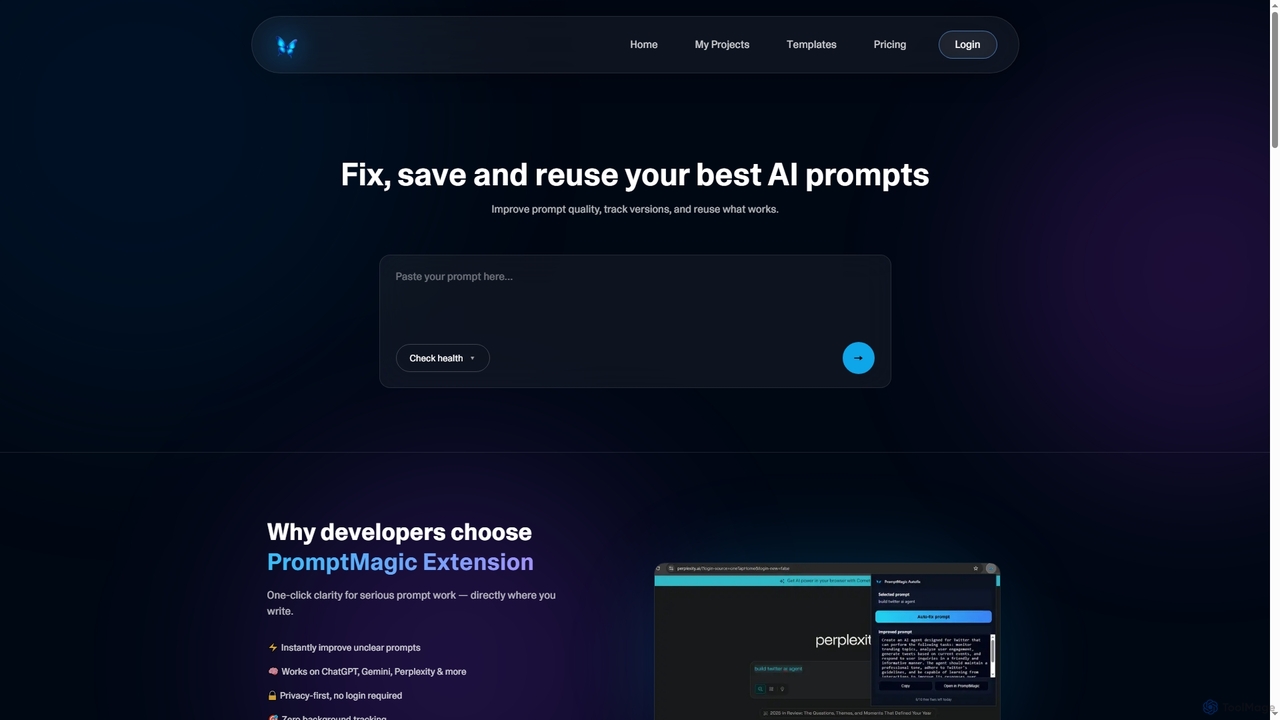
PromptMagic is an AI tool and Chrome extension designed to help users write, optimize, save, and reuse high-quality AI prompts. It enhances clarity, tracks versions, and makes prompt engineering accessible across various AI models like ChatGPT, Gemini, and Claude.

Ai Development
Visits 6.6KFavorites 40Likes 37
SyntrofAI

SyntrofAI

SyntrofAI is heralded as the world's first agentic OS AI system online, offering a personal, organic framework where autonomous AI agents design, execute, and share end-to-end workflows. It learns, evolves, and accumulates persistent memory with full transparency and control, empowering users to unleash intelligence.

Ai Operating System
Visits 7.1KFavorites 68Likes 65
Usedify

Usedify

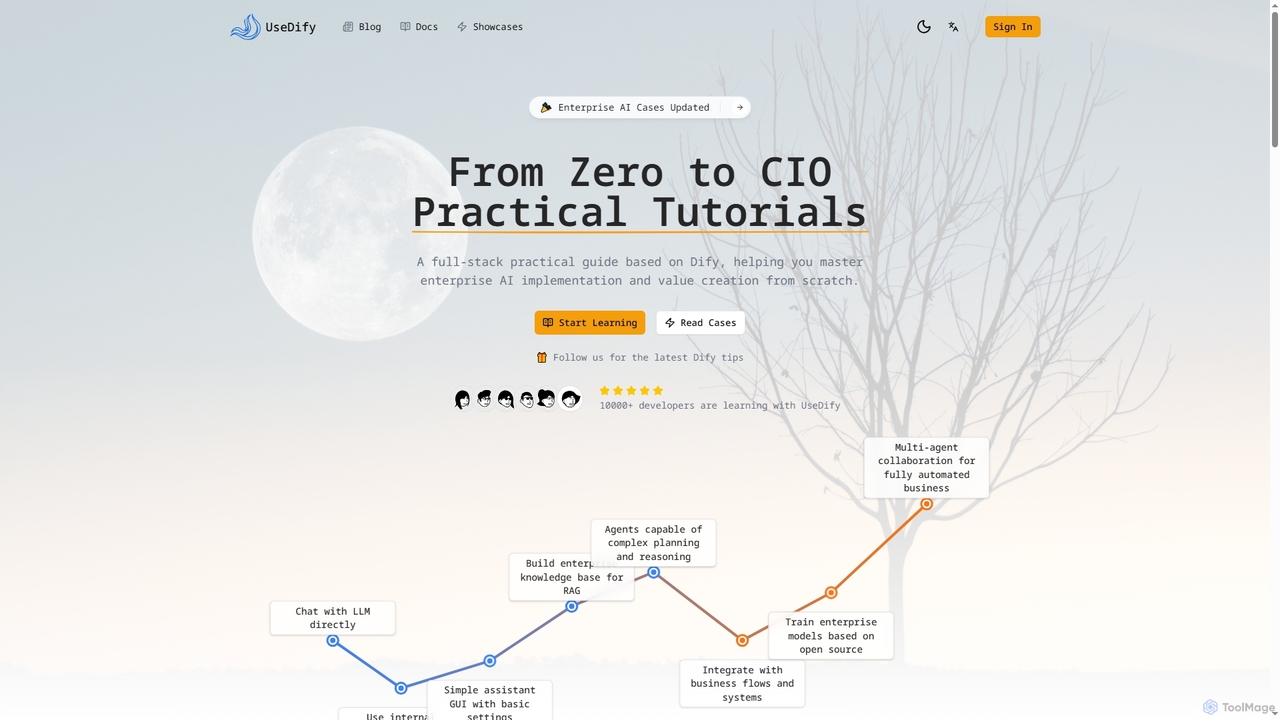
Usedify is a comprehensive learning platform and practical guide for mastering enterprise AI implementation and value creation using the Dify framework. It offers step-by-step tutorials, real-world case studies, and best practices for developers and businesses.

Tutorials
Visits 8.2KFavorites 38Likes 46
Cogniz

Cogniz

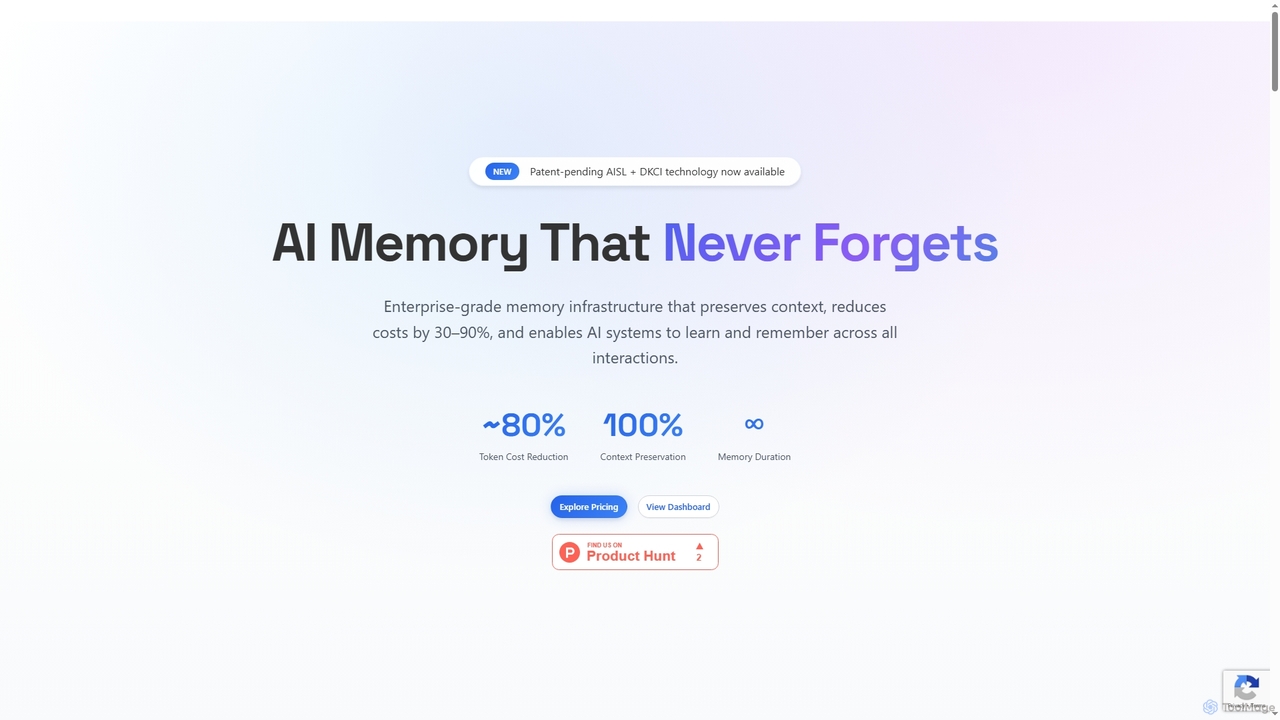
Cogniz is an enterprise-grade AI memory infrastructure featuring patent-pending AISL + DKCI technology. It enables AI systems to learn and remember indefinitely across all interactions, ensuring 100% context preservation and significantly reducing token costs by an average of 80%.

Memory Management
Visits 11.3KFavorites 60Likes 78
Key2Prompt
Freemium

Key2Prompt

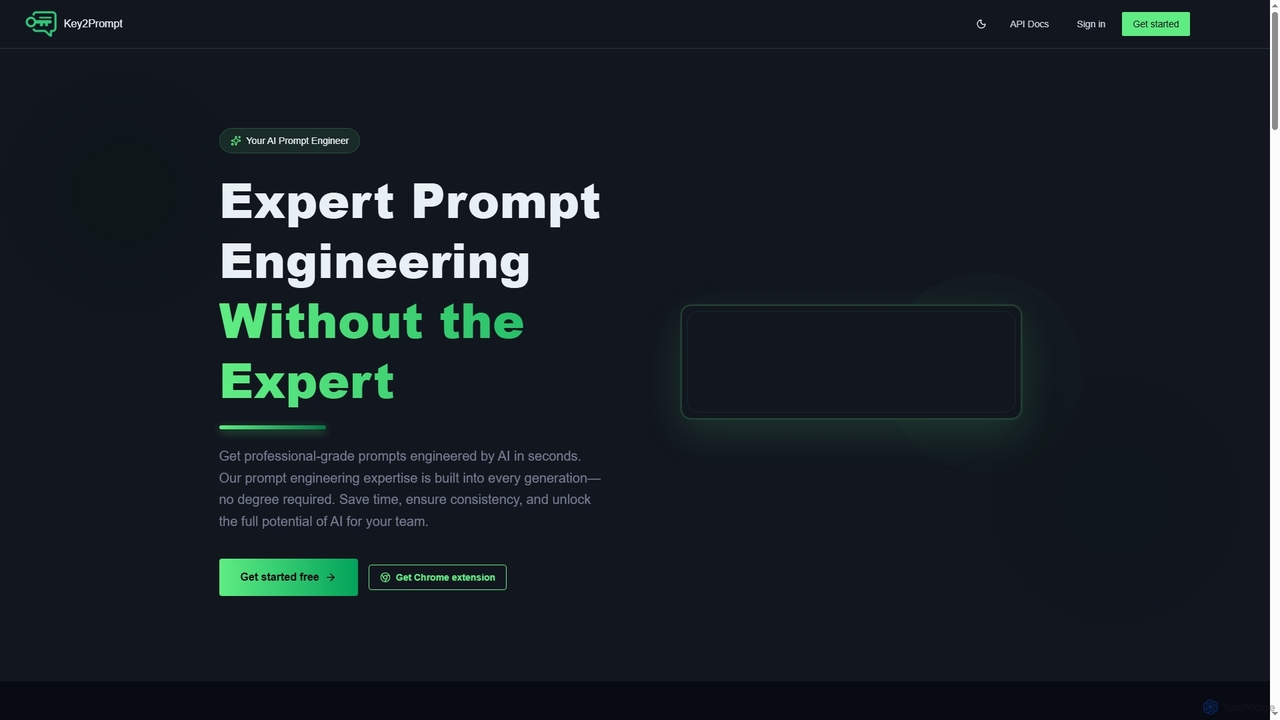
Key2Prompt is an AI-powered prompt engineering tool that transforms simple keywords into professionally structured prompts in seconds, helping teams save time, ensure consistency, and optimize AI performance without requiring expert knowledge.

Automation
Visits 6.5KFavorites 133Likes 115
Khorus
Paid

Khorus

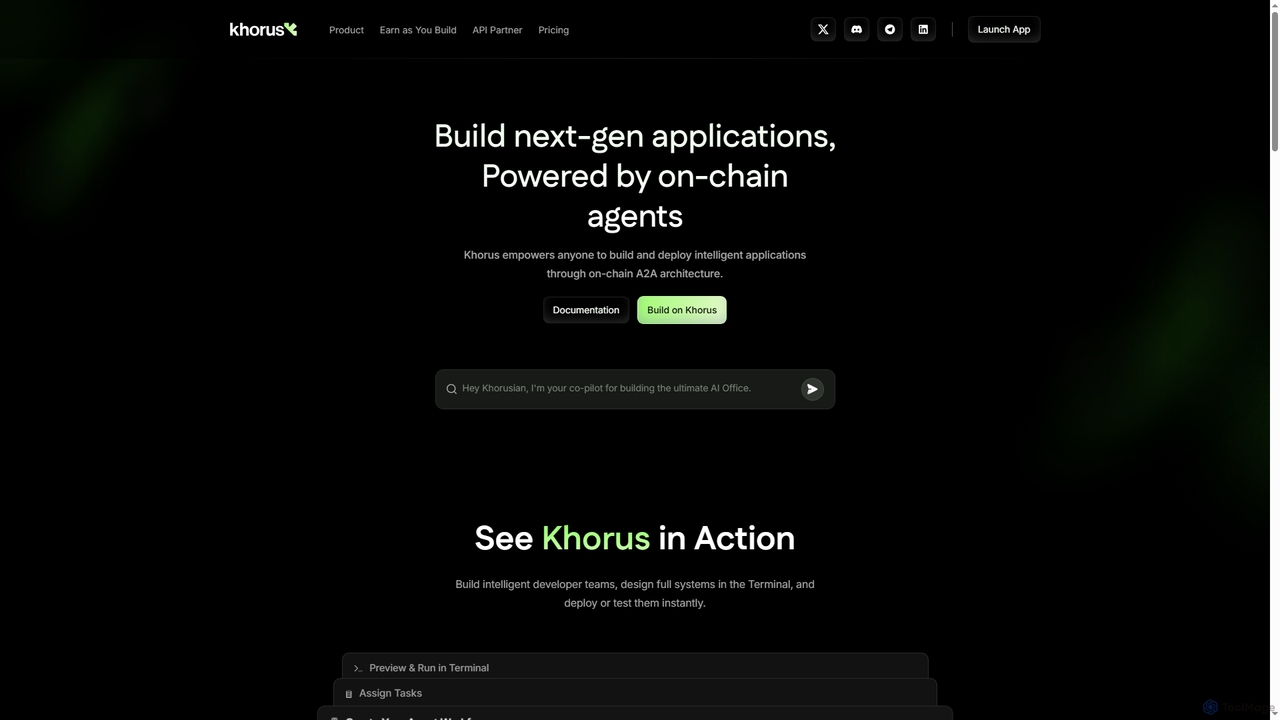
Khorus is a universal communication layer for intelligent systems, empowering developers to build and deploy next-gen AI applications through an on-chain Agent-to-Agent (A2A) architecture. It facilitates real-time collaboration, task delegation, and autonomous execution among AI agents and robotics, fostering a decentralized agent economy and marketplace for scalable modules and workflows.

Agent Orchestration
Visits 6.5KFavorites 129Likes 131
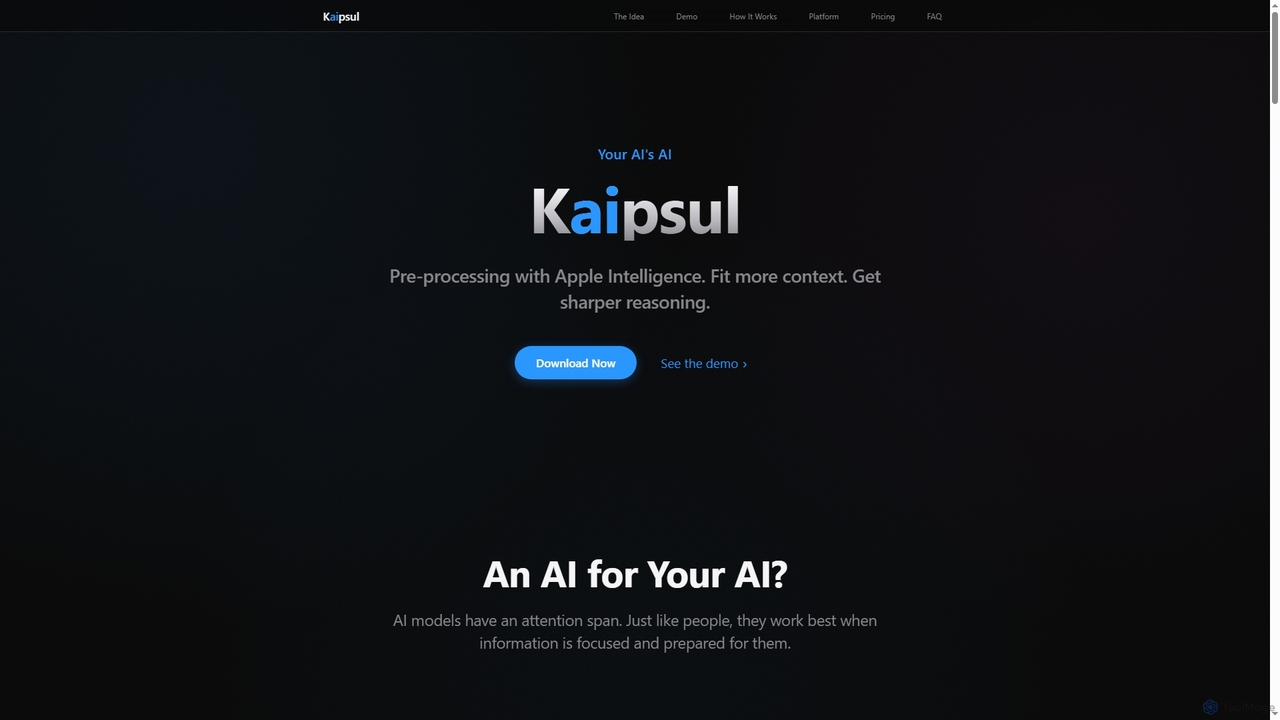
Kaipsul
Paid

Kaipsul

Kaipsul is an innovative macOS application that leverages Apple Intelligence to pre-process large text datasets, compressing them by up to 90% while preserving semantic meaning. It enables AI models to handle more context, overcome "context window exceeded" errors, and achieve sharper reasoning, all through 100% local, on-device processing.

Llm Optimization
Visits 6.5KFavorites 167Likes 147
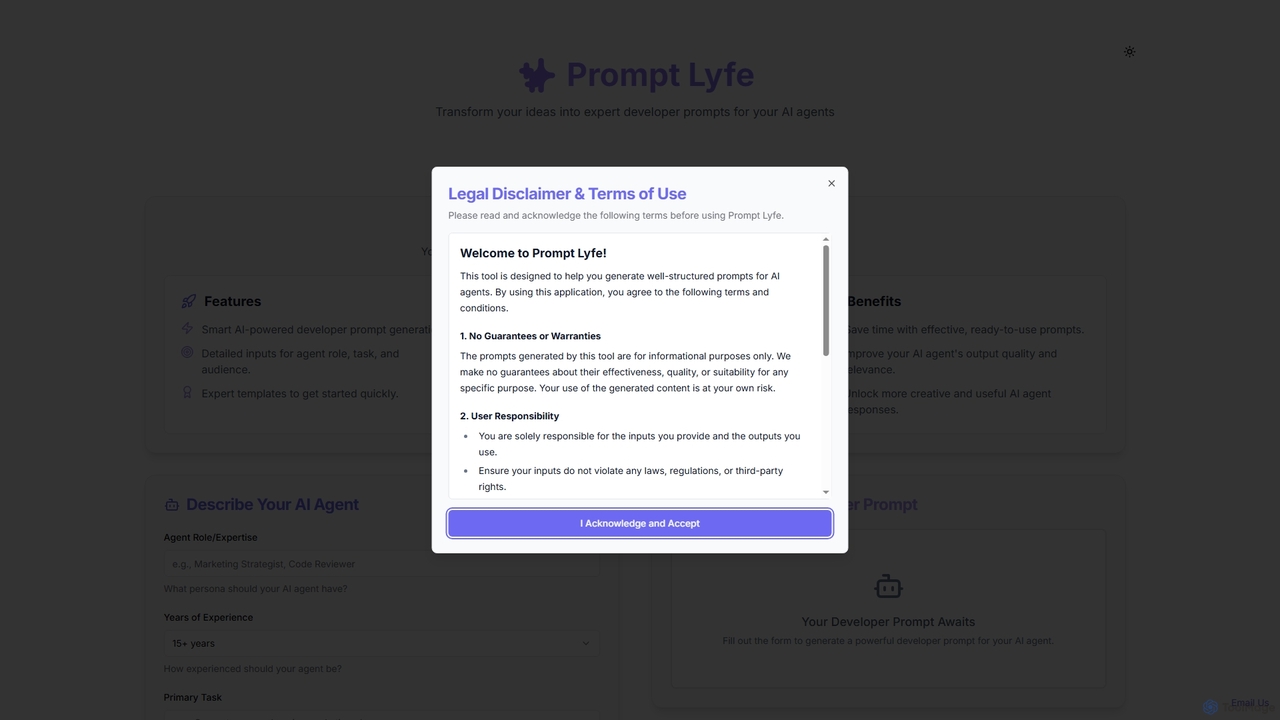
Prompt Lyfe

Prompt Lyfe

Prompt Lyfe is an AI tool designed to assist users in generating well-structured prompts for various AI agents. It streamlines the process of crafting effective inputs, helping developers and users create precise instructions for AI models. The tool emphasizes user responsibility for inputs and outputs, providing a foundational utility for AI interaction.

Prompt Engineering
Visits 7.7KFavorites 117Likes 134
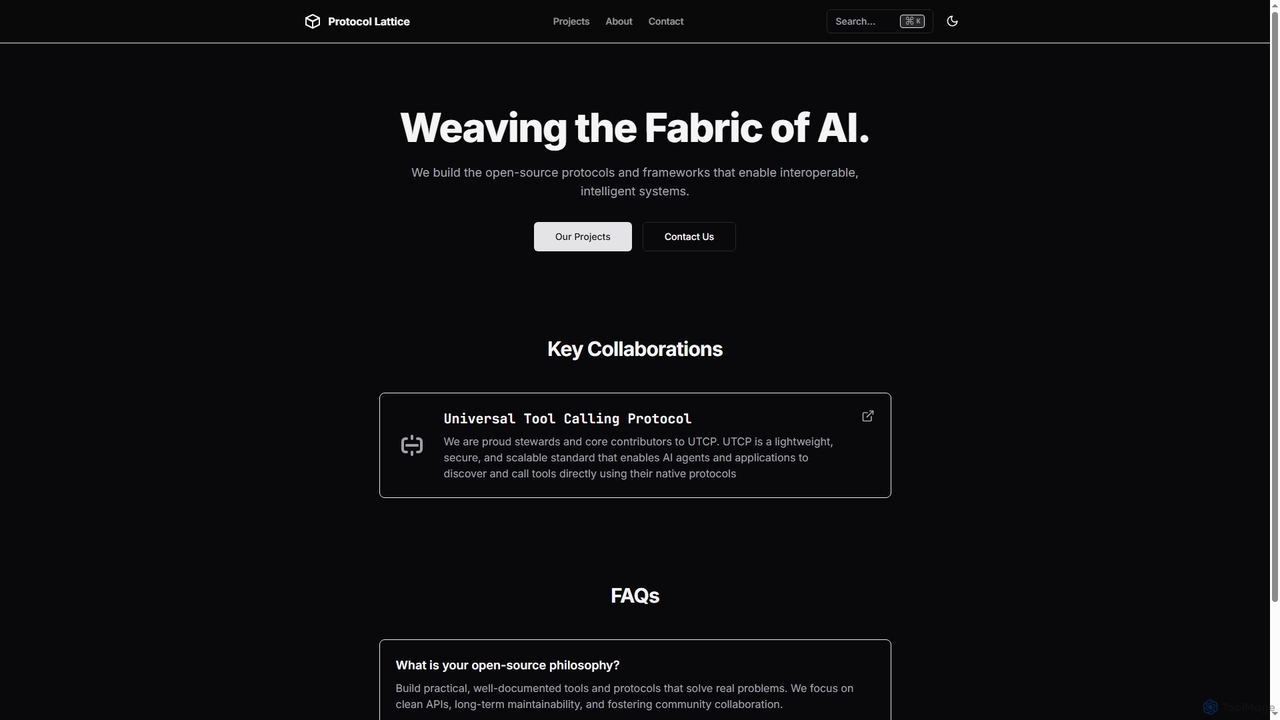
Protocol Lattice

Protocol Lattice

Protocol Lattice is an organization dedicated to building open-source protocols and frameworks that foster interoperable, intelligent AI systems. Their flagship project, the Universal Tool Calling Protocol (UTCP), provides a lightweight, secure, and scalable standard for AI agents and applications to discover and interact with tools using their native protocols. They emphasize practical, well-documented solutions and community collaboration.

Interoperability
Visits 7.1KFavorites 114Likes 153
Promptacore

Promptacore

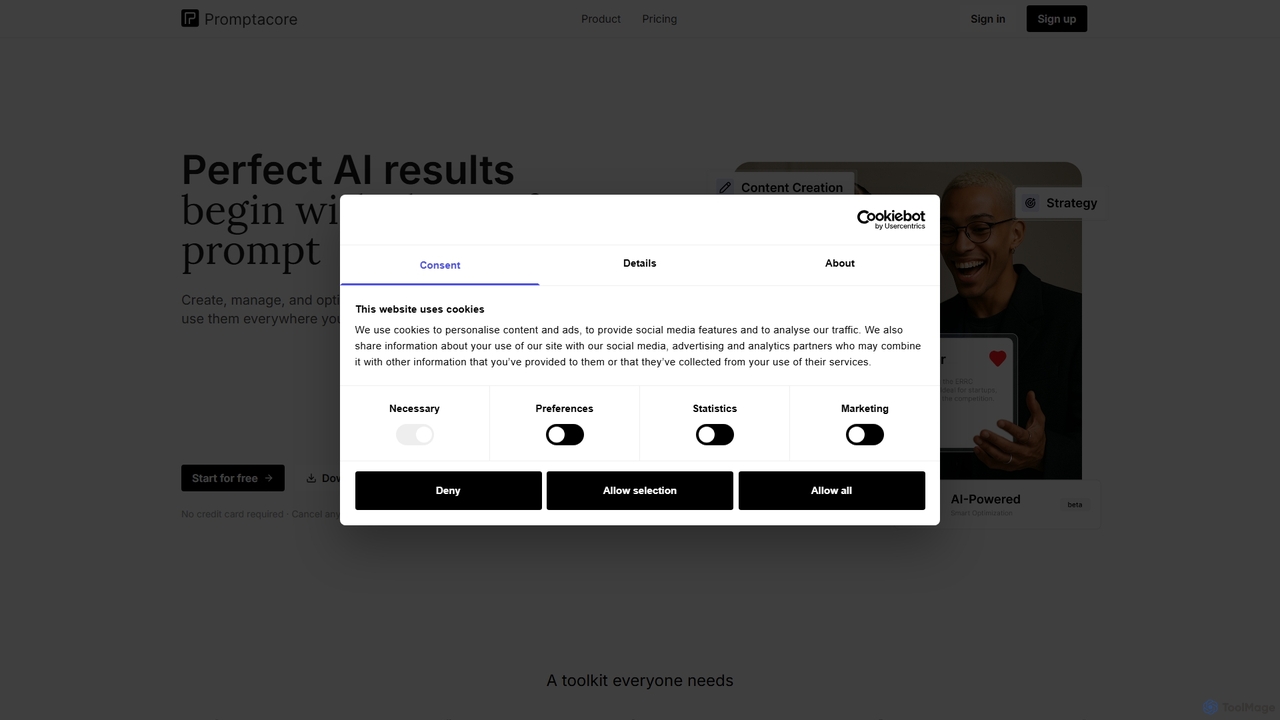
Promptacore is an intelligent AI toolbox designed to help users create and optimize prompts for various AI models. It aims to enhance productivity and improve the quality of AI-generated content by providing a structured approach to prompt engineering and management.

Ai Development
Visits 11.7KFavorites 152Likes 162
XMOX
Paid

XMOX

XMOX is a leading managed AI agents platform that provides enterprise-grade infrastructure and services for deploying, scaling, and managing intelligent agents. It eliminates operational complexity, allowing businesses to harness the power of multi-modal AI agents—including language, code, and voice—with advanced RAG integration, zero-touch operations, and intelligent auto-scaling.

Platform As A Service
Visits 6.5KFavorites 138Likes 110
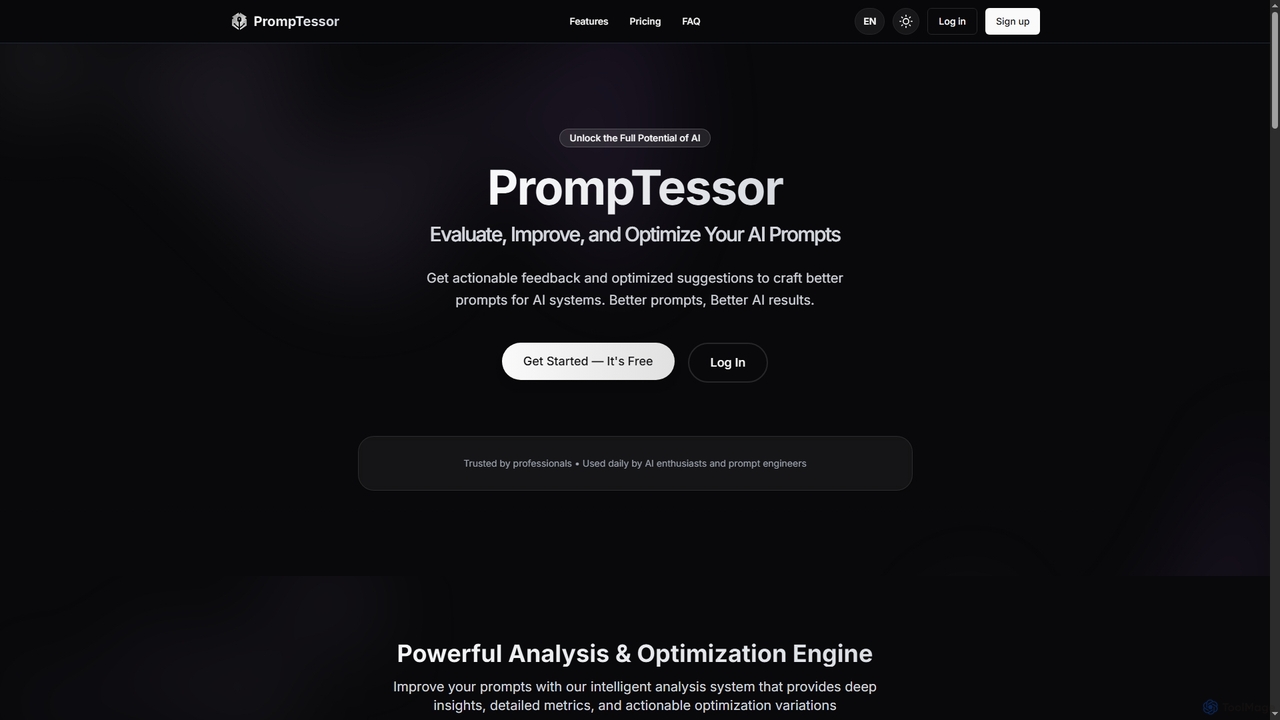
PrompTessor
Freemium

PrompTessor

PrompTessor is an AI-powered tool designed for comprehensive analysis and optimization of AI prompts. It provides actionable feedback, detailed metrics, and optimized variations to help users craft more effective prompts, leading to superior AI results across various systems.

Prompt Optimization
Visits 11.4KFavorites 159Likes 161
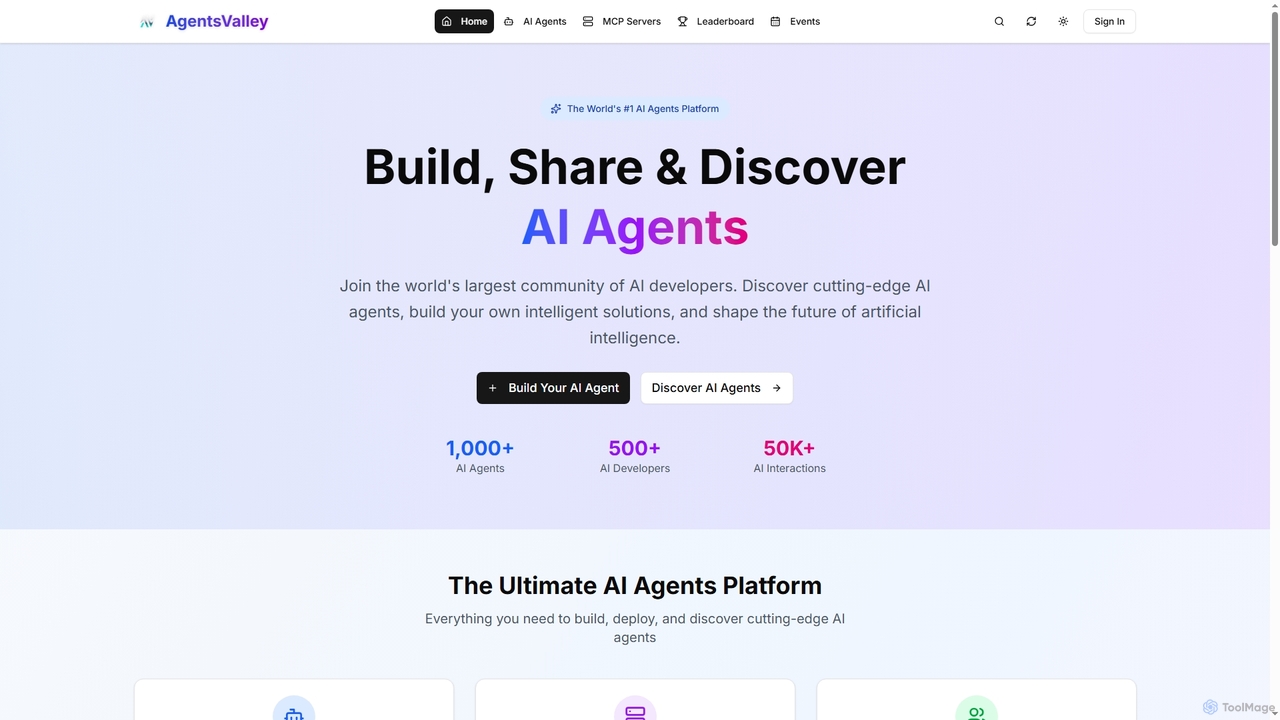
AgentsValley

AgentsValley

A comprehensive platform for AI developers to build, share, discover, and deploy intelligent AI agents. It fosters a global community, providing the infrastructure and tools needed to scale from prototype to production.

Platform
Visits 6.6KFavorites 128Likes 138
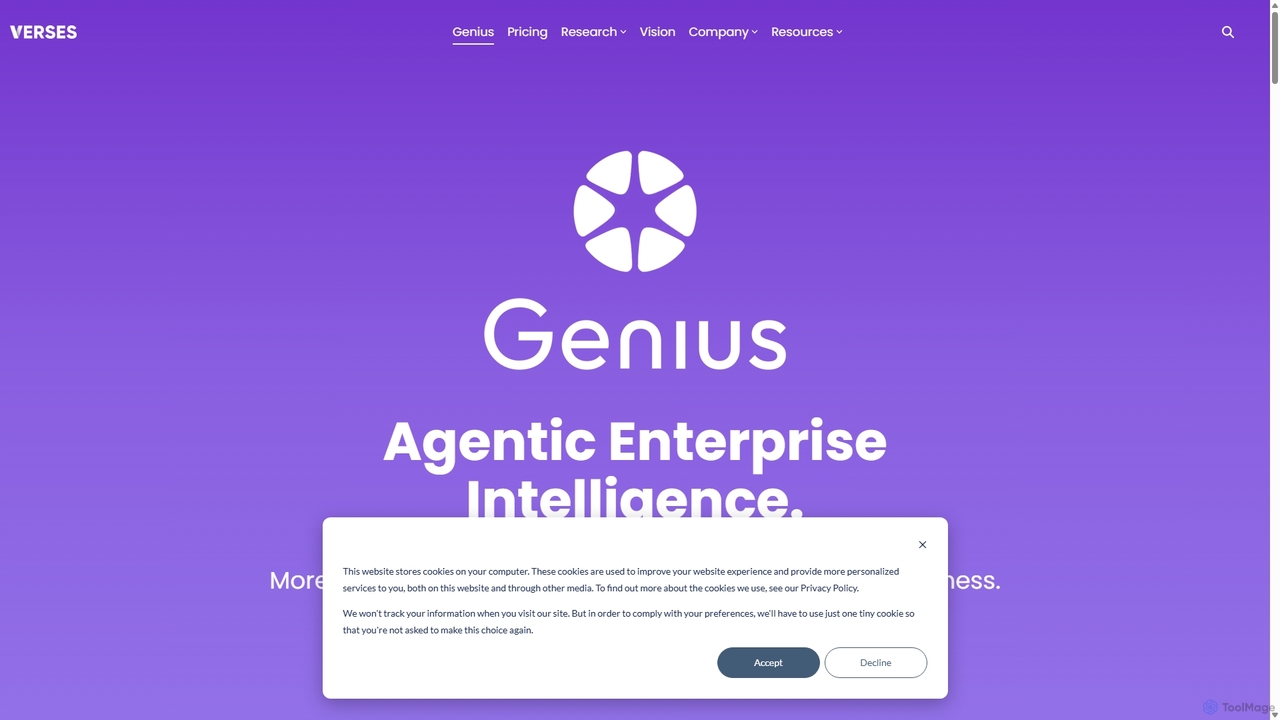
Genius
Freemium

Genius

Genius is an agentic enterprise intelligence platform by VERSES AI, designed for building reliable, domain-specific predictive models. It empowers ML researchers, engineers, and data scientists to tackle complex problems involving uncertainty by using Active Inference and Bayesian methods, delivering explainable, efficient, and adaptable AI solutions.

Predictive Analytics
Visits 25.7KFavorites 144Likes 138
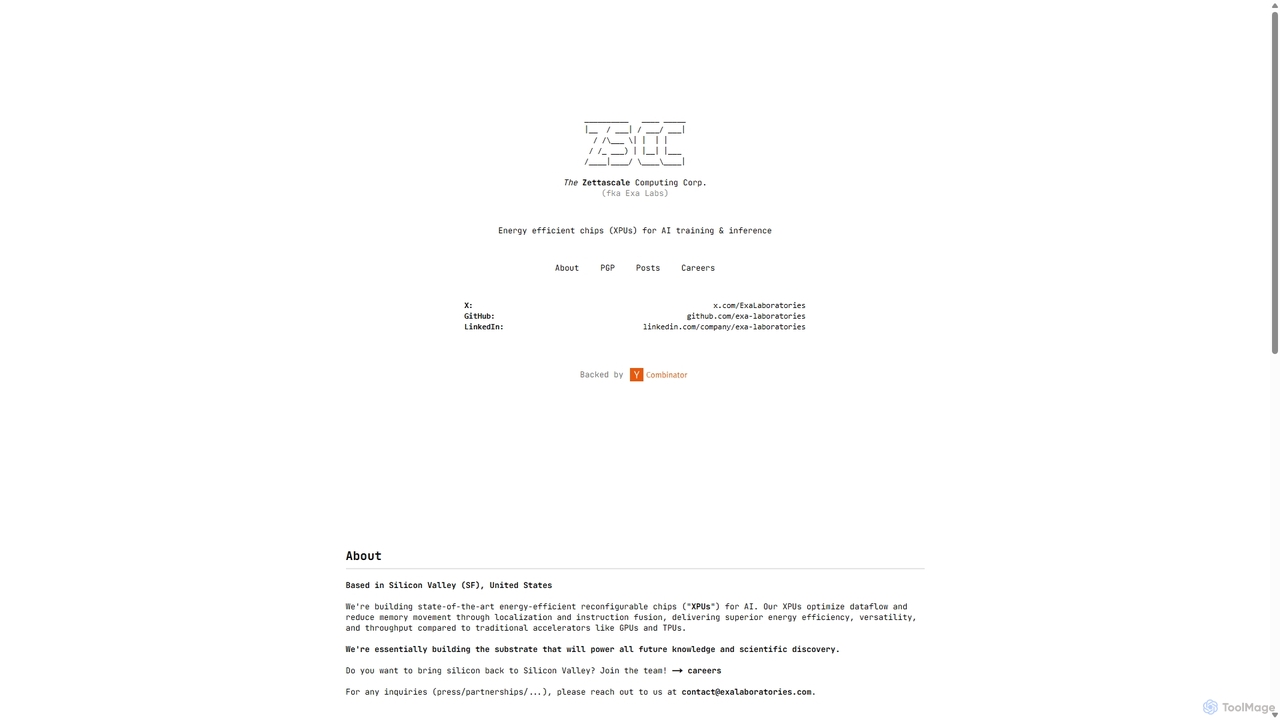
Exa Laboratories

Exa Laboratories

Exa Laboratories (now Zettascale) is a YC-backed Silicon Valley startup developing state-of-the-art, energy-efficient reconfigurable chips (XPUs) for AI. Their polymorphic computing architecture aims to solve the AI energy crisis by offering superior performance, versatility, and efficiency compared to traditional GPUs and TPUs for both training and inference.

Ai Development
Visits 6.5KFavorites 129Likes 134
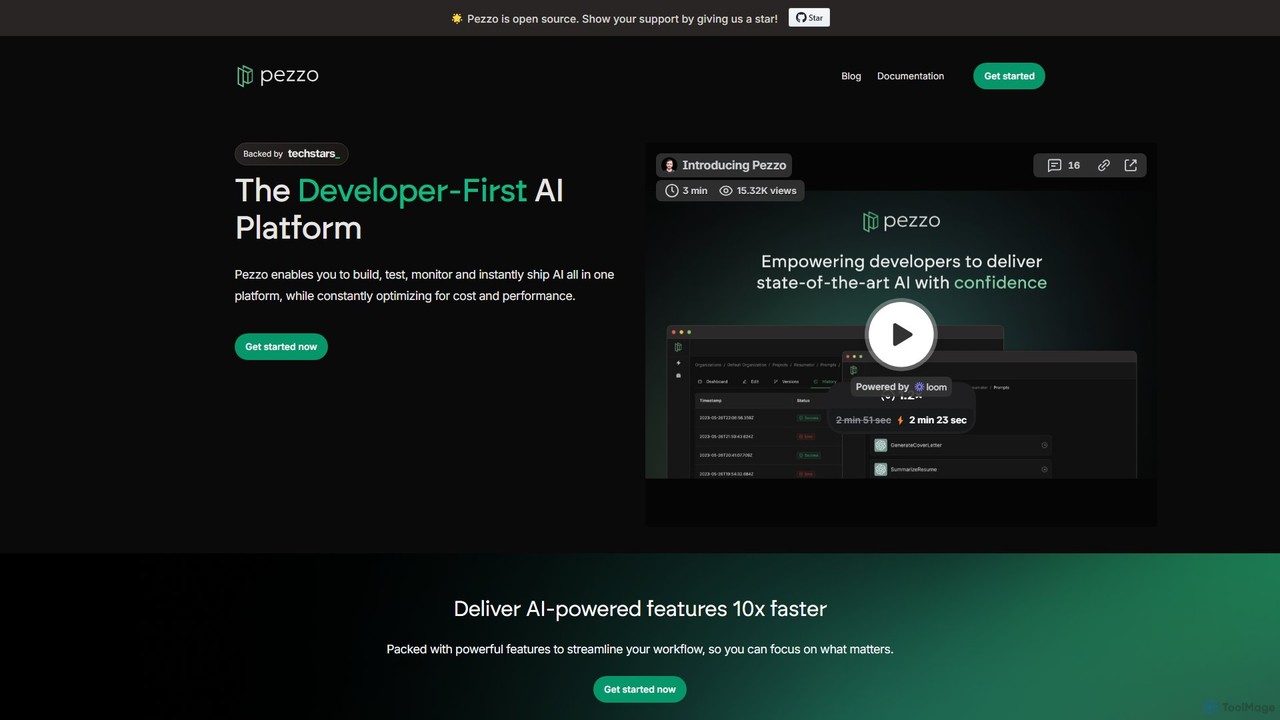
Pezzo
Freemium

Pezzo

Pezzo is an open-source, developer-first AI platform designed to streamline the entire lifecycle of AI feature development. It enables teams to build, test, monitor, and ship AI-powered features up to 10x faster through centralized prompt management, real-time observability, and collaborative tools.

Ai Development
Visits 8.1KFavorites 121Likes 141
RLAMA
Freemium

RLAMA

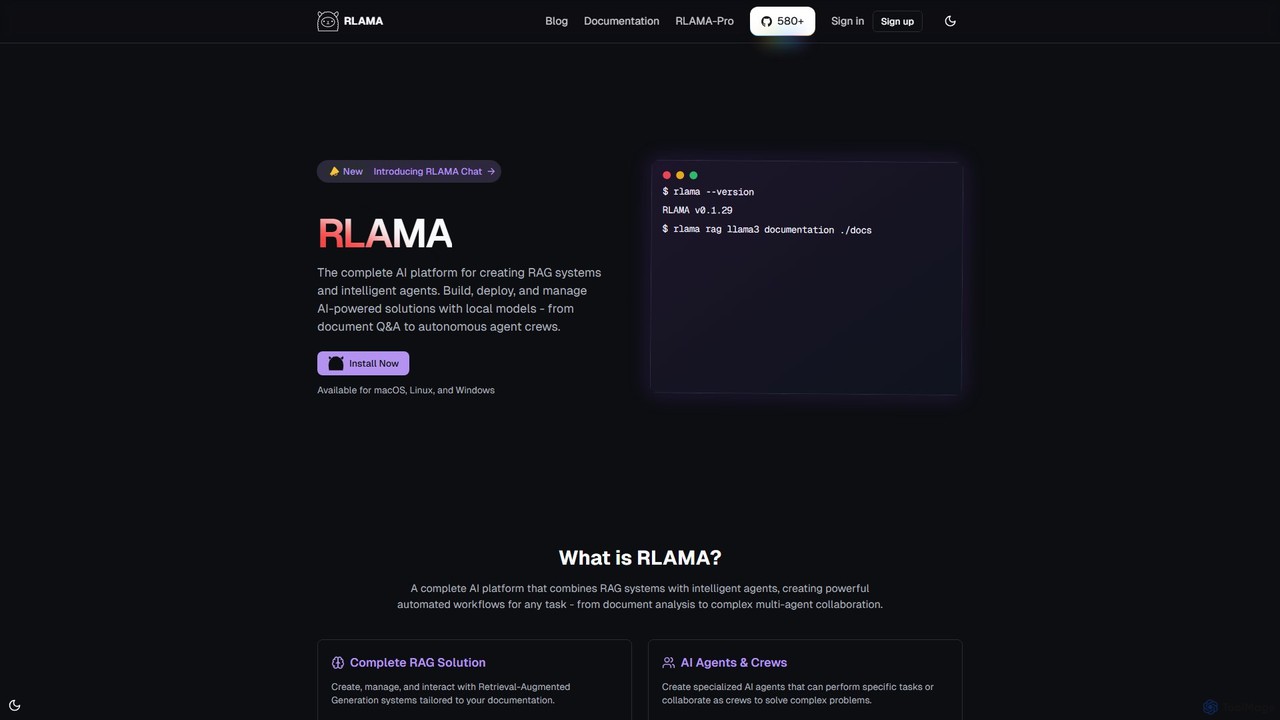
RLAMA is a comprehensive, local-first AI platform for creating Retrieval-Augmented Generation (RAG) systems and intelligent AI agents. It enables users to build, deploy, and manage powerful AI solutions on their own machines, ensuring 100% data privacy. With a robust CLI, a visual builder, and multi-agent orchestration, it's designed for tasks ranging from private document Q&A to complex automated workflows.

Custom Chatbots
Visits 6.6KFavorites 140Likes 147
buzzi.ai
Paid

buzzi.ai

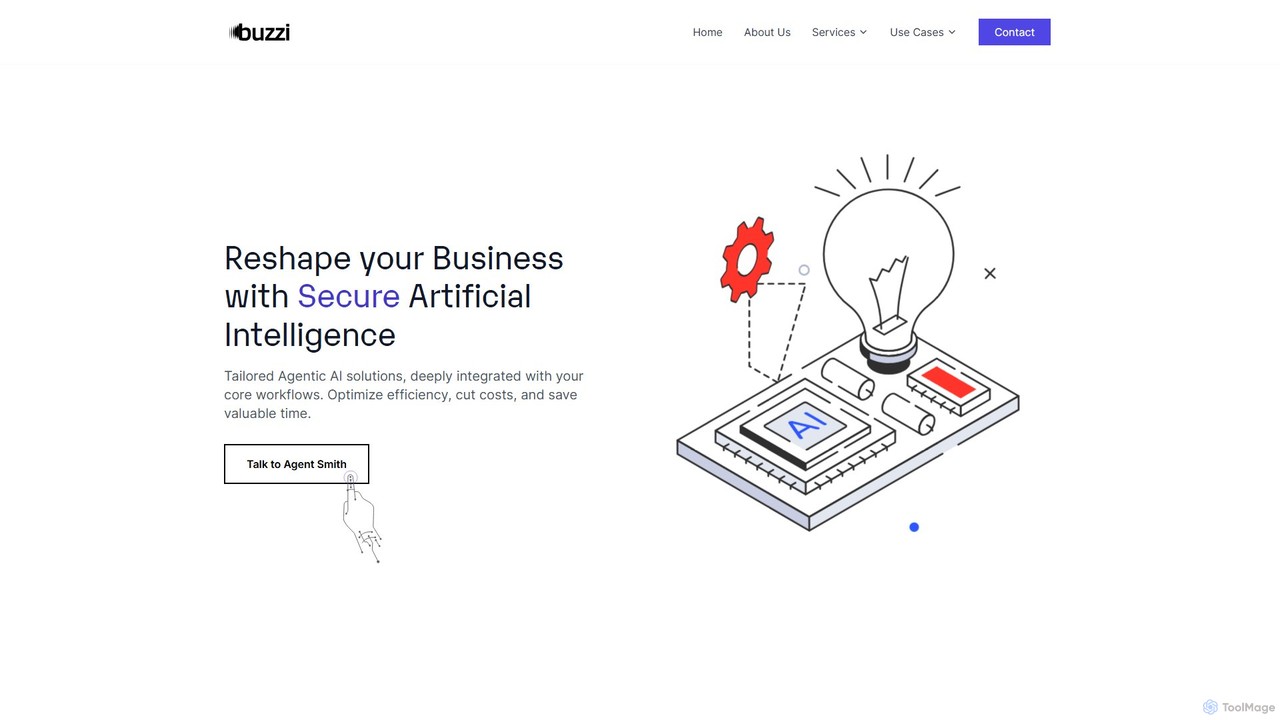
buzzi.ai is an AI agent development company that creates tailored, secure AI solutions to automate business workflows, optimize operations, and enhance efficiency. Leveraging LLMs, RAG, and predictive analytics, they offer end-to-end services from discovery to deployment, with a strong focus on on-premise security and deep integration with existing enterprise systems.

Automation
Visits 6.4KFavorites 146Likes 160

About Ai Development

AI Development tools are a specialized category of software designed to build, train, deploy, and manage artificial intelligence models and applications. These platforms and frameworks provide the essential infrastructure for the entire machine learning lifecycle, from data preparation and model experimentation to production deployment and performance monitoring. They empower developers and data scientists to create sophisticated AI solutions more efficiently by abstracting away complex low-level operations. The core value lies in accelerating the path from a conceptual AI model to a scalable, real-world application.

Core Features

  • Model Training & Tuning: Provides environments and algorithms for training machine learning models and optimizing their performance through hyperparameter tuning.
  • Data Management & Preprocessing: Includes tools for cleaning, labeling, transforming, and versioning large datasets to prepare them for model training.
  • MLOps & Deployment: Offers functionality for packaging models, deploying them as scalable APIs, monitoring their performance in production, and automating retraining pipelines.
  • Integrated Development Environments (IDEs): Features collaborative environments like notebooks or specialized IDEs for writing, testing, and debugging AI-related code.
  • Pre-built Models & APIs: Often includes access to foundational models or pre-trained APIs that can be fine-tuned or integrated directly into applications.

Applicable Scenarios

These tools are essential for data scientists, machine learning engineers, and AI researchers in technology-driven industries. For example, a fintech company uses them to build and continuously update fraud detection models. In healthcare, researchers use these platforms to develop diagnostic models from medical imaging. E-commerce businesses leverage them to create and deploy personalized recommendation engines.

Selection Criteria

When choosing an AI Development tool, consider the supported programming languages and frameworks (e.g., Python, TensorFlow, PyTorch). Evaluate its scalability for handling large datasets and complex computations. Assess the comprehensiveness of its MLOps features for production management. Also, consider the balance between ease of use (low-code vs. code-intensive) and flexibility based on your team's technical expertise.

Featured tool rankings

Ai Development use cases

1

Build a Custom Image Recognition Model

A machine learning engineer at an e-commerce company needs to create a feature that identifies specific clothing items from user-uploaded photos. Using an AI development platform, they can manage the entire workflow: uploading and labeling thousands of product images, choosing a suitable computer vision architecture, and training the model on powerful cloud GPUs. The platform's tools help them track experiments and tune hyperparameters, ultimately producing a highly accurate model that is deployed as a scalable API for the company's mobile app.

2

Deploy and Monitor a NLP Sentiment Analysis API

A developer at a SaaS startup wants to add sentiment analysis to their customer feedback tool. Instead of building a model from scratch, they use an AI development platform to fine-tune a pre-trained language model on their specific dataset. The platform provides tools to easily package the fine-tuned model into a container and deploy it as a REST API with a single command. Crucially, it also offers a monitoring dashboard to track the API's latency, throughput, and model drift, ensuring the service remains reliable and accurate over time.

3

Automate MLOps for a Financial Fraud Detection Model

An MLOps engineer at a bank is responsible for maintaining a critical fraud detection model. Using an AI development platform with strong MLOps capabilities, they build an automated pipeline. This pipeline automatically triggers a retraining process whenever model performance degrades or a new dataset becomes available. After retraining, the new model is automatically tested and, if it passes, is deployed to production with zero downtime. This automation reduces manual intervention, minimizes risk, and ensures the fraud detection system adapts quickly to new fraudulent behaviors.

4

Collaborative Research on a New AI Algorithm

A team of university researchers is developing a novel algorithm for time-series forecasting. They use a collaborative AI development environment that provides hosted notebooks and shared data storage. This allows each team member to access the same datasets, run experiments in parallel, and share their findings instantly. The platform's version control for both code and data ensures reproducibility. This collaborative setup accelerates the research cycle, making it easier to iterate on ideas and collectively author a research paper based on their verified results.

5

Develop a Predictive Maintenance System for Manufacturing

A data scientist in a manufacturing plant is tasked with reducing equipment downtime. They use an AI development platform to ingest sensor data (e.g., temperature, vibration) from factory machinery. The platform provides tools for data cleaning and feature engineering specific to time-series data. They then train a model to predict equipment failures before they happen. After successful testing, the model is deployed to an edge device on the factory floor, providing real-time alerts to maintenance crews and significantly reducing costly unplanned shutdowns.

6

Create a Low-Code AI Chatbot for Customer Service

A marketing manager wants to implement a 24/7 support chatbot on their website without relying on the engineering team. They choose a low-code AI development platform that offers a visual interface for building conversational flows. Using this tool, they can upload FAQ documents, define conversation paths, and train the chatbot's natural language understanding (NLU) engine with simple examples. The platform allows them to test the chatbot in a sandbox environment and deploy it to their website with a simple code snippet, automating responses to common customer queries.

Ai Development FAQ

What are AI Development tools?

AI Development tools are software platforms, libraries, and frameworks designed to streamline the entire lifecycle of creating AI and machine learning models. Unlike general developer tools, they provide specialized functionalities for tasks like data preprocessing, model training, hyperparameter tuning, and MLOps (deployment and monitoring). They essentially serve as the workbench for data scientists and AI engineers to build, test, and launch AI-powered applications efficiently.

How to choose the right AI Development tool?

Choosing the right tool depends on your specific needs. Consider these factors:

  • Technical Skill Level: Are you a seasoned ML engineer needing code-first flexibility (e.g., using libraries in a hosted environment) or do you prefer a low-code/no-code platform with a visual interface?
  • Project Scale: Does the tool support distributed training and can it handle the size of your dataset and the complexity of your model?
  • Ecosystem Integration: Does it integrate well with your existing data sources, cloud provider, and CI/CD pipelines?
  • End-to-End Capabilities: Do you need a comprehensive platform that covers everything from data labeling to production monitoring, or just a specific component like a training environment?
What's the difference between an AI Development Platform and a library like TensorFlow?

A library like TensorFlow or PyTorch provides the fundamental building blocks (e.g., neural network layers, optimizers) to construct models in code. An AI Development Platform is a much broader, end-to-end solution that often incorporates these libraries. A platform provides a complete environment that includes not just the model-building code, but also tools for data management, experiment tracking, automated machine learning (AutoML), one-click deployment, and production monitoring. In short, a library is a tool for a specific task (building a model), while a platform is a complete workshop for the entire AI lifecycle.

Who are the primary users of AI Development tools?

The primary users are typically technical professionals involved in creating AI solutions. This includes:

  • Data Scientists: Who use these tools for data exploration, feature engineering, and model experimentation.
  • Machine Learning Engineers: Who focus on building, training, and deploying scalable and robust models into production.
  • AI Researchers: Who leverage these platforms to develop and test new algorithms and architectures.
  • Application Developers: Who integrate pre-built AI models or APIs from these platforms into their software applications.

With the rise of low-code platforms, non-technical users like business analysts and marketers are also increasingly using these tools for specific tasks.

What is MLOps and why is it important in AI Development tools?

MLOps (Machine Learning Operations) is a set of practices that aims to deploy and maintain machine learning models in production reliably and efficiently. It is crucial because building a model is only one part of the process; making it work in a live, scalable, and maintainable way is a significant challenge. Good AI Development tools incorporate MLOps features to bridge this gap. These features automate tasks like model deployment, performance monitoring (to detect issues like model drift), versioning, and retraining, ensuring that AI applications remain effective and up-to-date long after their initial launch.