ToolMage
Sign in

Best 296 Research AI tools for Education

Popular Research AI tools in Education include DeepSeek, Britannica, Google Books, Yuanbao, Semantic Scholar, JustDone, Chengpian AI, Wikiwand, ModelScope, and Glasp, helping you work more efficiently.

SermonAI
Paid

SermonAI

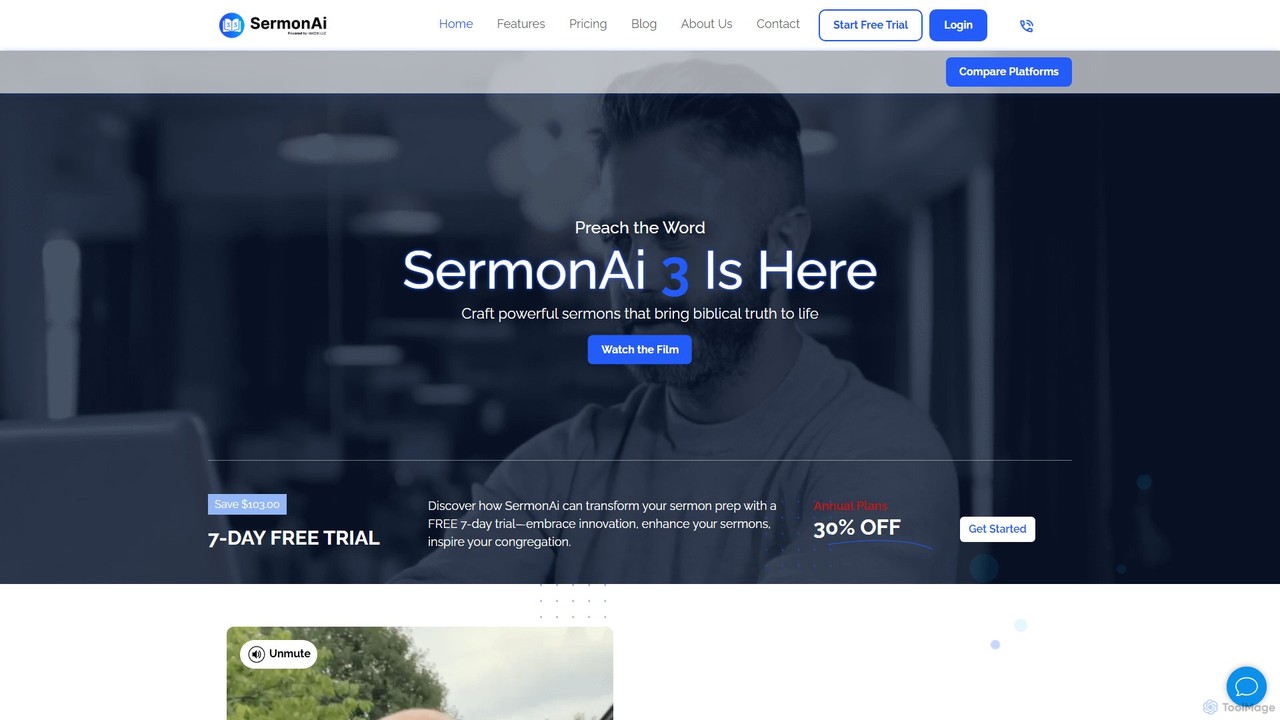
SermonAI is a comprehensive AI-powered suite designed for pastors and ministry leaders to streamline sermon preparation. It integrates advanced research tools, a powerful writing assistant, and creative content generators into a single platform. From deep biblical exegesis with Greek/Hebrew interlinears to crafting engaging sermon manuscripts and repurposing content for social media, SermonAI provides over 50 specialized tools to enhance workflow and create impactful messages efficiently.

Research
Visits 11.5KFavorites 185Likes 172
texti.app
Freemium

texti.app

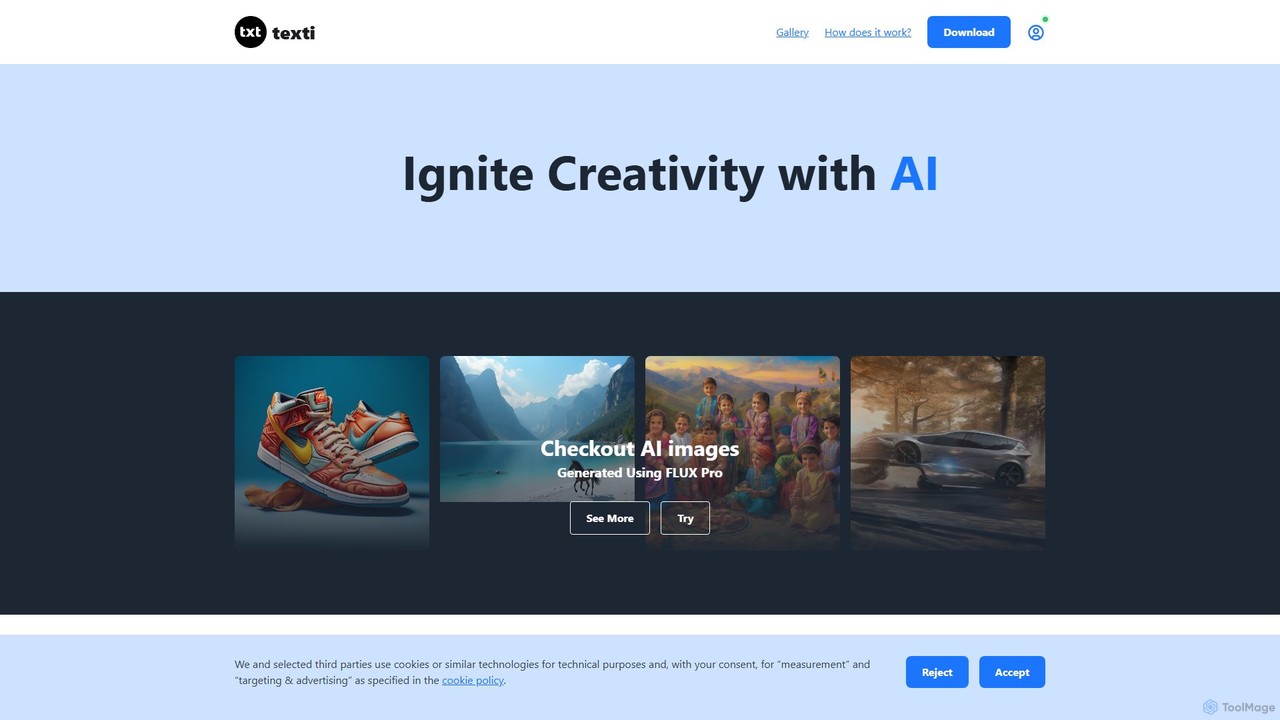
texti.app is a versatile AI assistant designed to enhance creativity and productivity. It functions as a multi-purpose chatbot, capable of generating text, brainstorming ideas, answering questions, correcting emails, and even creating AI images. Accessible via a web browser and a convenient Chrome extension, it serves a global audience with extensive multilingual support.

Research
Visits 6.6KFavorites 119Likes 124
WantRead
Freemium

WantRead

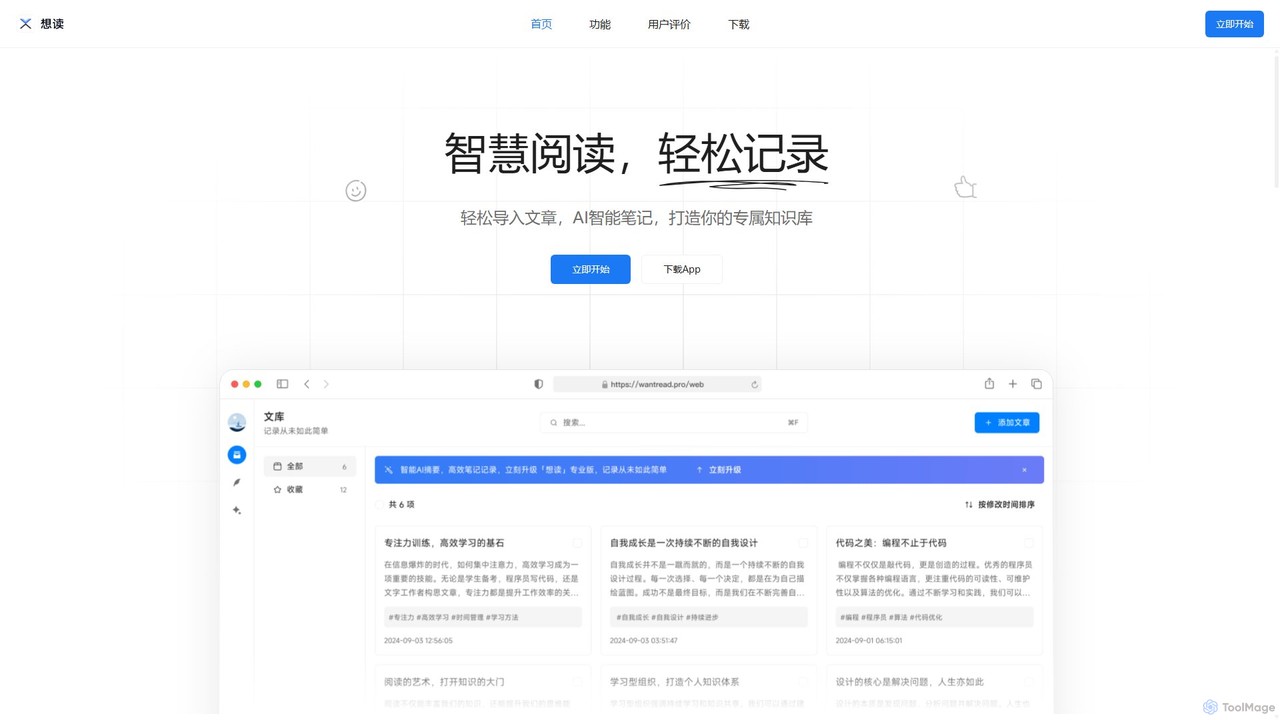
WantRead is an AI-powered reading assistant and knowledge management tool. It helps you import articles, generate intelligent summaries, take notes seamlessly, and build a searchable personal knowledge base. Interact with your content through a specialized AI that provides precise answers based solely on your library.

Research
Visits 6KFavorites 139Likes 128
Jenni AI
Freemium

Jenni AI

Jenni AI is an intelligent research assistant and AI writing partner designed for academics, students, and researchers. It streamlines the writing process with features like AI autocomplete, in-text citations, research summarization from PDFs, and advanced paraphrasing, helping users write essays, research papers, and literature reviews more efficiently.

Citation
Visits 1.6MFavorites 143Likes 128
AskYourPDF
Freemium

AskYourPDF

AskYourPDF is an AI-powered document assistant that allows you to chat with your PDFs and other documents. Instantly get summaries, ask questions, and extract key information to save time and boost productivity. It supports multiple platforms and includes a suite of over 40 free AI writing and content creation tools.

Research
Visits 231.6KFavorites 129Likes 116
Ask AI Questions
Free

Ask AI Questions

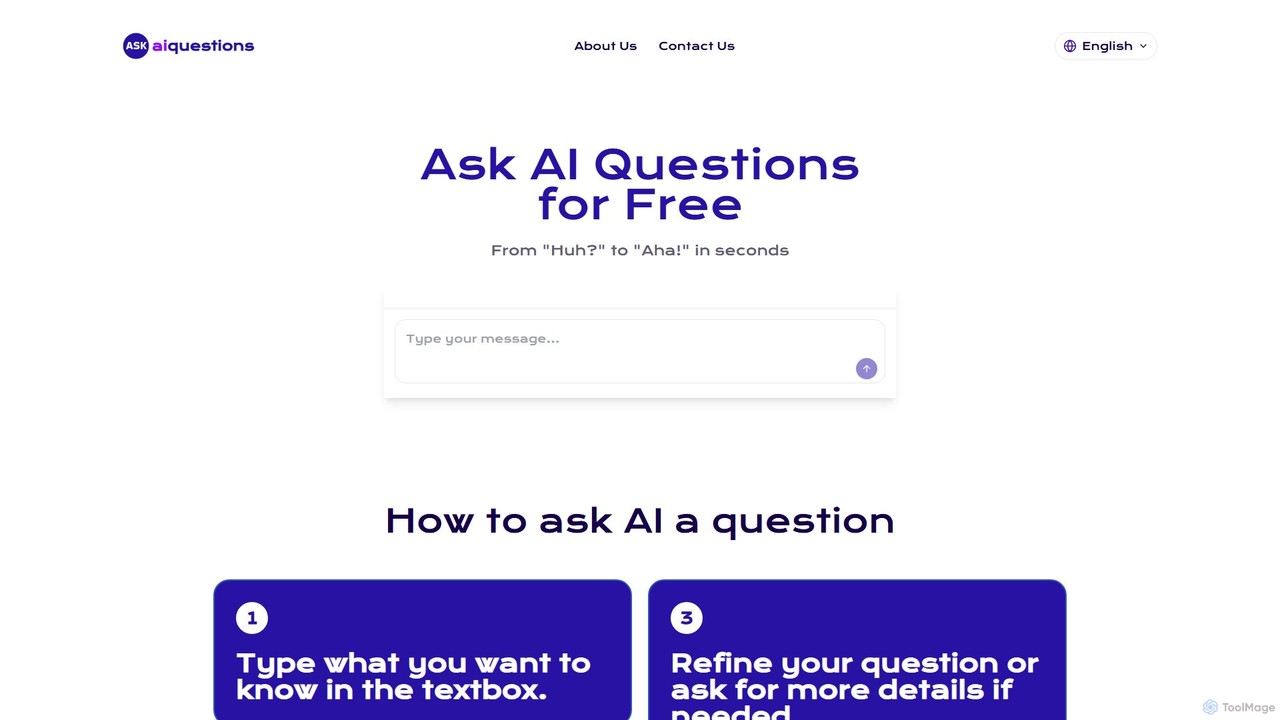
Ask AI Questions is a free, web-based AI tool that provides instant, accurate answers to any question. It supports multiple languages, requires no registration, and ensures user privacy. Ideal for quick fact-checking, in-depth research, and creative brainstorming, it offers a seamless, conversational experience on any device.

Research
Visits 6KFavorites 131Likes 120
SmartaDoc AI
Freemium

SmartaDoc AI

SmartaDoc AI is an intelligent tool that allows you to chat directly with your documents. Upload files like PDF, DOCX, CSV, and PPTX to ask questions, get instant summaries, and extract key information, making it ideal for students, researchers, and professionals to analyze content efficiently.

Data Analysis
Visits 6.5KFavorites 159Likes 162
Human or Not?
Free

Human or Not?

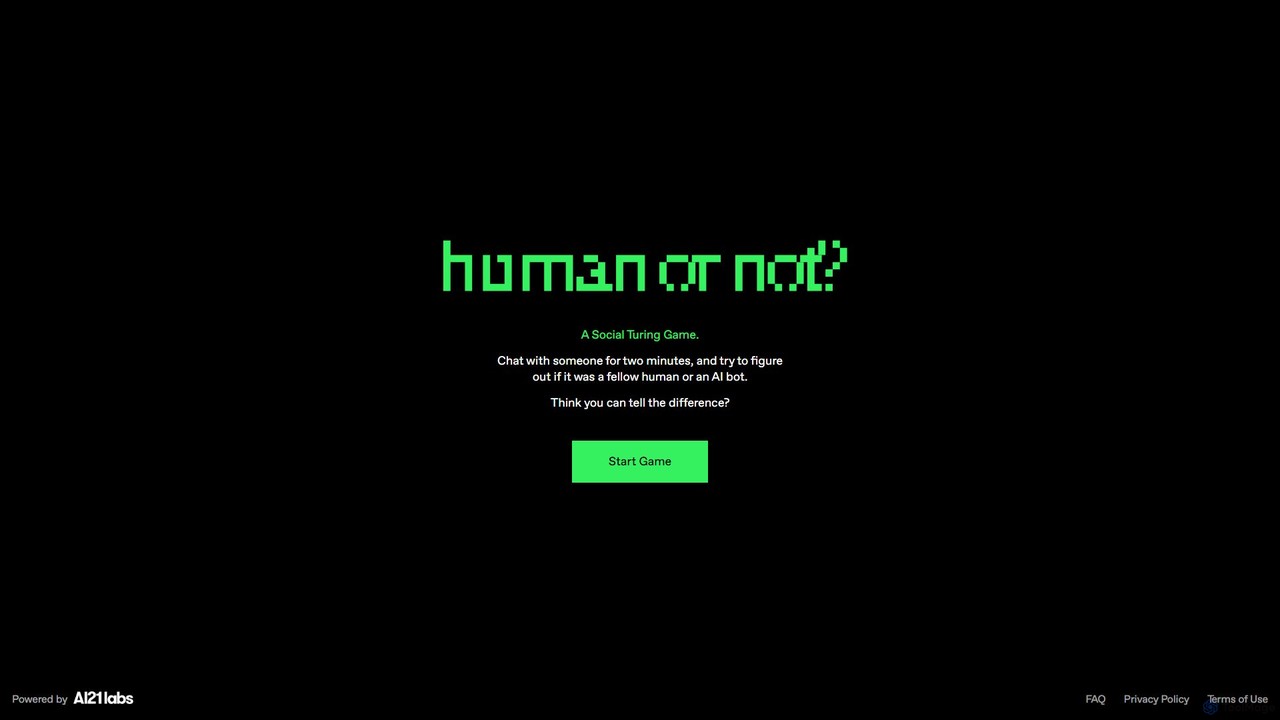
A social Turing game where you chat with a stranger for two minutes and guess if they are a human or an AI. This engaging experiment by AI21 Labs tests your ability to distinguish between human and machine conversation, using advanced AI models like GPT-4 and Claude.

Research
Visits 81.4KFavorites 103Likes 106
kscale
Paid

kscale

kscale by K-Scale Labs is an open-source, full-stack humanoid robot platform, K-Bot, designed for developers and researchers. It aims to accelerate the adoption of general-purpose robots by providing an accessible, modular, and community-driven hardware and software ecosystem for building and deploying embodied AI.

Hardware
Visits 11.9KFavorites 127Likes 133
DocTranslator
Freemium

DocTranslator

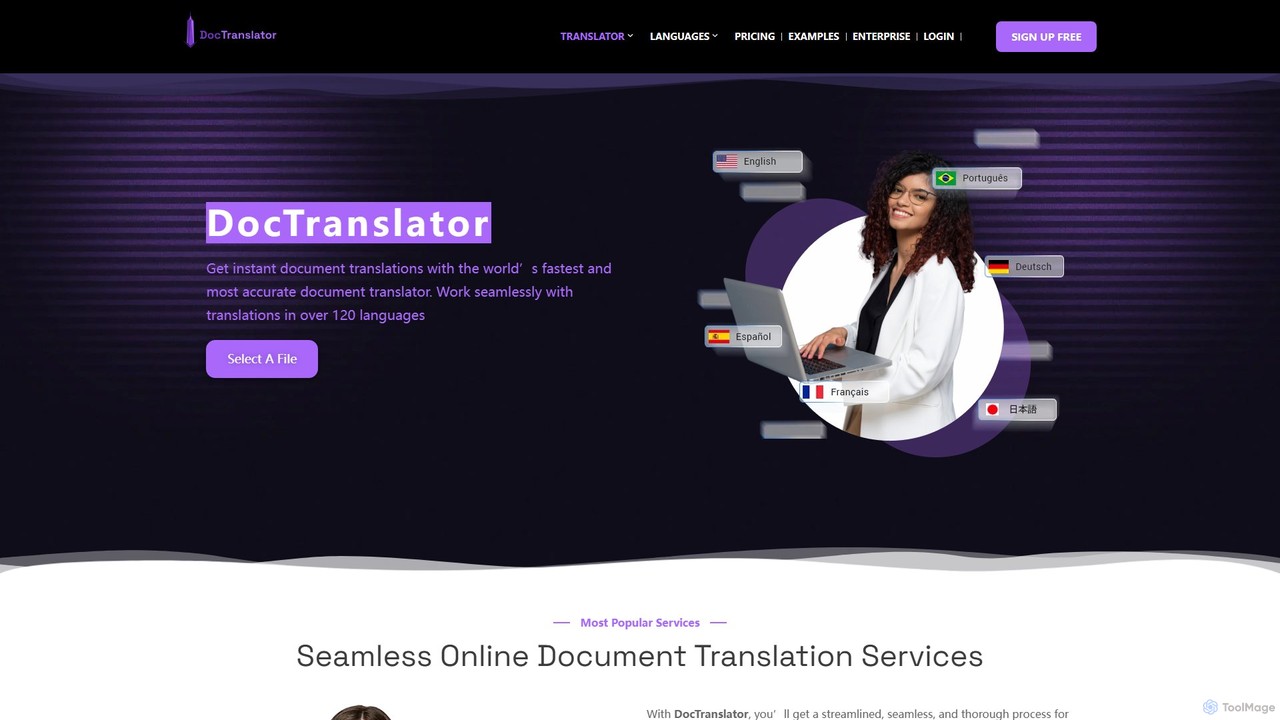
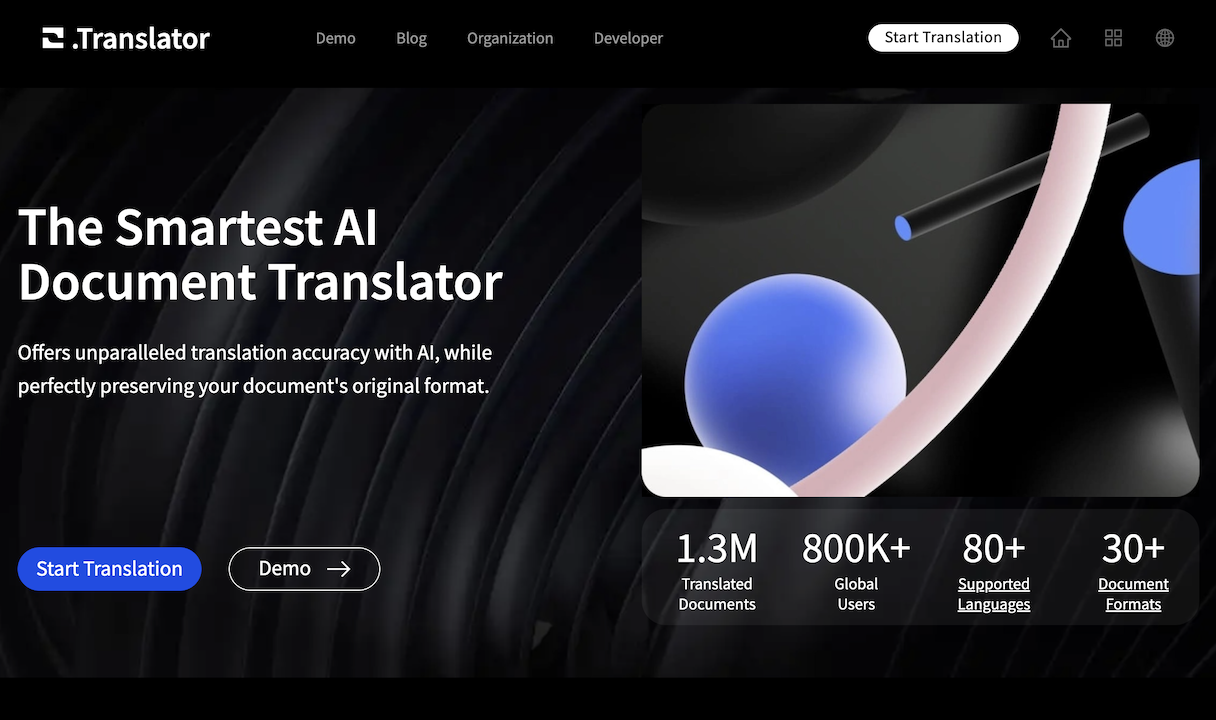
DocTranslator is an AI-powered online tool for instant document translation. It supports over 120 languages and various file formats, including PDF, DOCX, and PPTX, while preserving the original layout and formatting. Ideal for businesses and individuals needing fast, accurate, and secure translations.

Document Management
Visits 180.3KFavorites 116Likes 114
pdf2gpt
Freemium

pdf2gpt

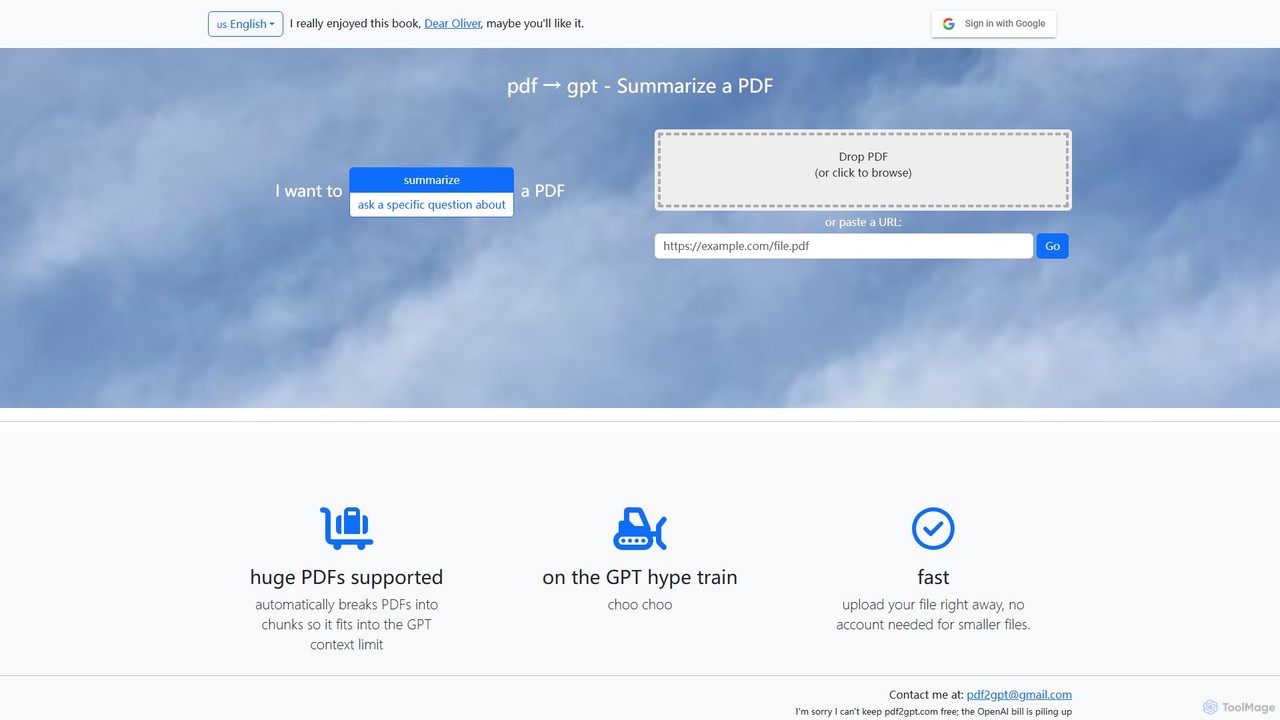
pdf2gpt is an AI-powered tool designed to summarize large PDF documents. It intelligently breaks down huge files into smaller chunks to overcome the context limitations of GPT models, delivering fast and accurate summaries. Ideal for students, researchers, and professionals who need to quickly digest dense information.

Research
Visits 6.8KFavorites 106Likes 97
DotScript
Free

DotScript

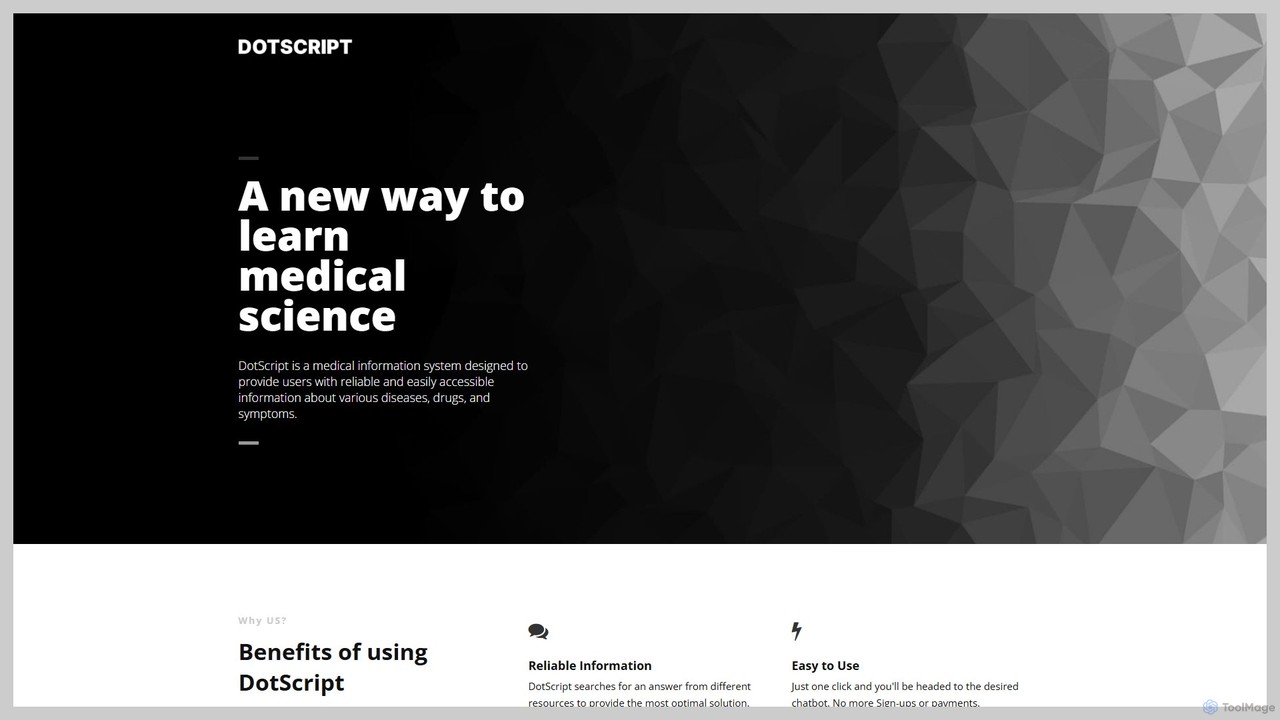
DotScript is a free, specialized AI chatbot designed for medical and genetic inquiries. It features two distinct bots: a Generic Bot for daily health and medicine questions, and a Genetic Bot for advanced queries about diseases, syndromes, and genetics. It's fast, reliable, and requires no sign-ups, offering instant access to medical information across any device.

Research
Visits 6.1KFavorites 114Likes 117
Docu-Chat
Freemium

Docu-Chat

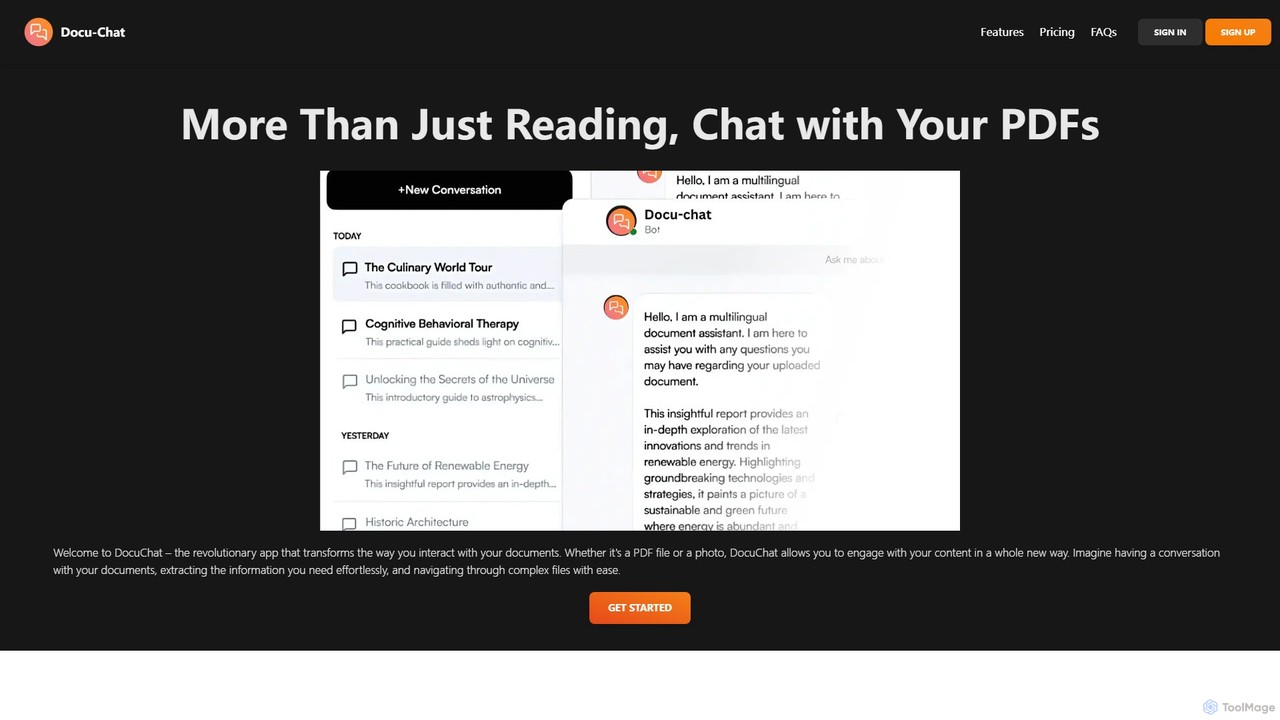
Docu-Chat is an AI-powered tool that transforms your static documents into interactive conversations. Upload PDFs or images and chat with them to get summaries, ask specific questions, and extract key information instantly. Powered by ChatGPT, it makes document analysis fast, efficient, and intuitive.

Data Analysis
Visits 5.9KFavorites 144Likes 150
Glarity
Freemium

Glarity

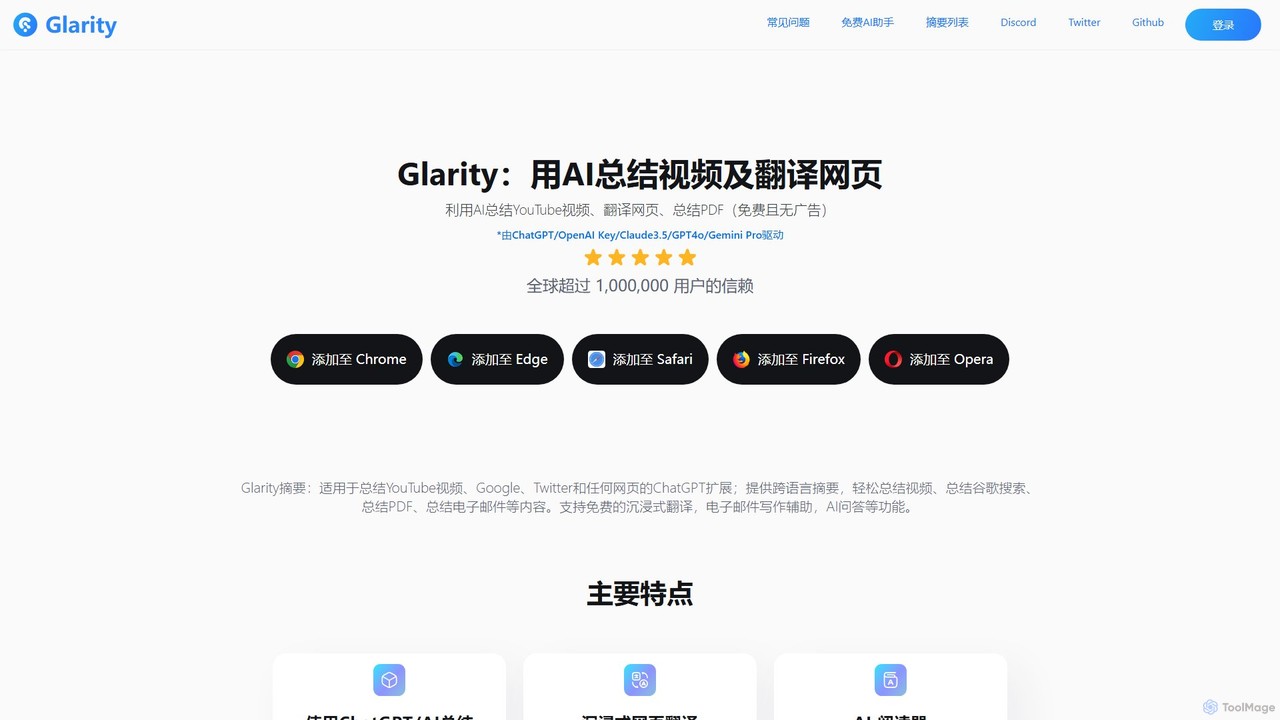
Glarity is a powerful AI browser extension that summarizes YouTube videos, Google searches, webpages, and PDFs. It also offers immersive webpage translation, AI-powered reading and writing assistance, and direct chat with documents. Powered by leading models like ChatGPT, Claude 3.5, and Gemini, it's a comprehensive tool for enhancing productivity and overcoming language barriers.

Research
Visits 382.9KFavorites 131Likes 122
chatgpt-infinity
Free

chatgpt-infinity

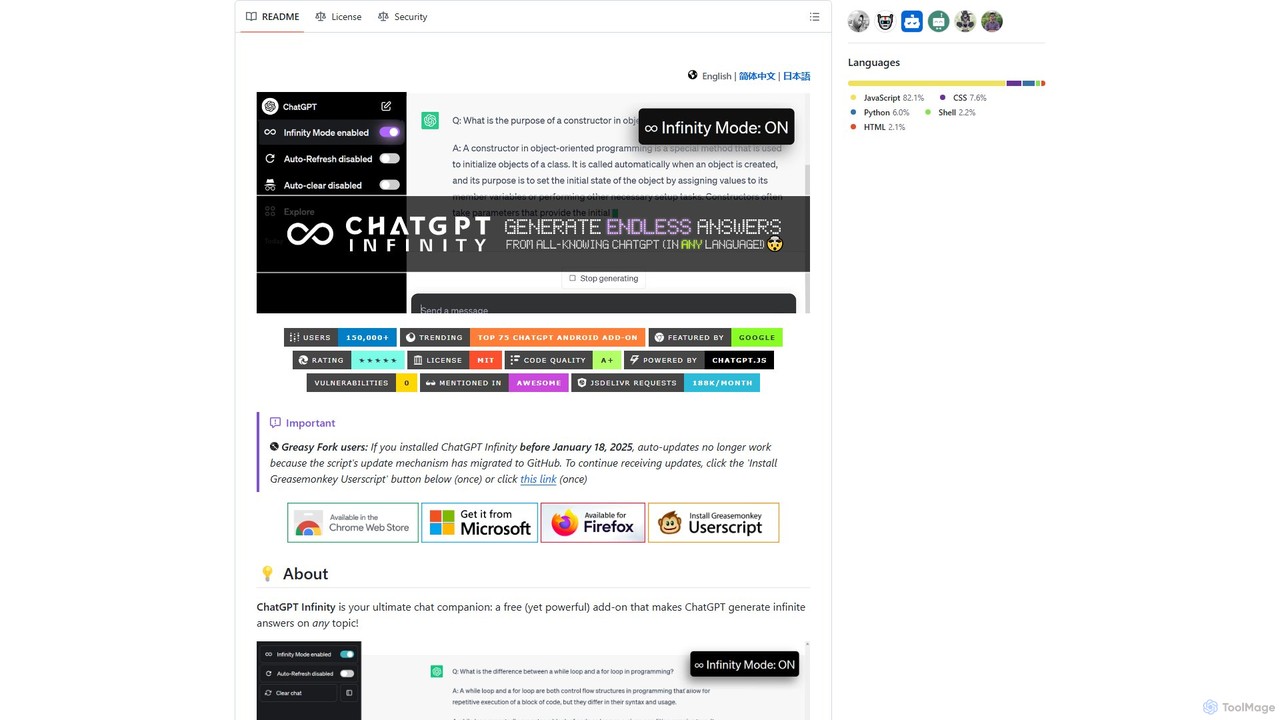
ChatGPT Infinity is a powerful browser extension that enables ChatGPT to generate endless, continuous answers on any topic you choose. It offers features like customizable topics, multilingual output, adjustable response speed, and auto-scrolling for a seamless, in-depth exploration experience. Ideal for researchers, writers, and learners.

Research
Visits 58.4KFavorites 140Likes 145
PyBrain
Free

PyBrain

PyBrain is a modular and flexible open-source Machine Learning Library for Python. It provides powerful, easy-to-use algorithms for machine learning tasks, with a particular focus on neural networks, reinforcement learning, and unsupervised learning. It is designed to be accessible for beginners while remaining powerful enough for research purposes.

Libraries & Frameworks
Visits 6KFavorites 129Likes 127
getmax.ai
Freemium

getmax.ai

getmax.ai is an AI-powered browser extension that acts as your copilot for the web. It seamlessly integrates into your workflow, allowing you to summarize content, write emails, generate articles, and get instant answers from advanced AI models like GPT-4 and Claude, all without leaving your current tab.

Research
Visits 5.8KFavorites 149Likes 147
ThesisAI
Paid

ThesisAI

ThesisAI is an AI-powered research assistant designed to streamline academic writing. It processes up to 100 research papers simultaneously to generate a comprehensive, well-structured scientific document or literature review with accurate inline citations from a single prompt, saving researchers and students hundreds of hours.

Literature Review
Visits 195.3KFavorites 119Likes 135
DeepSeek
Freemium

DeepSeek

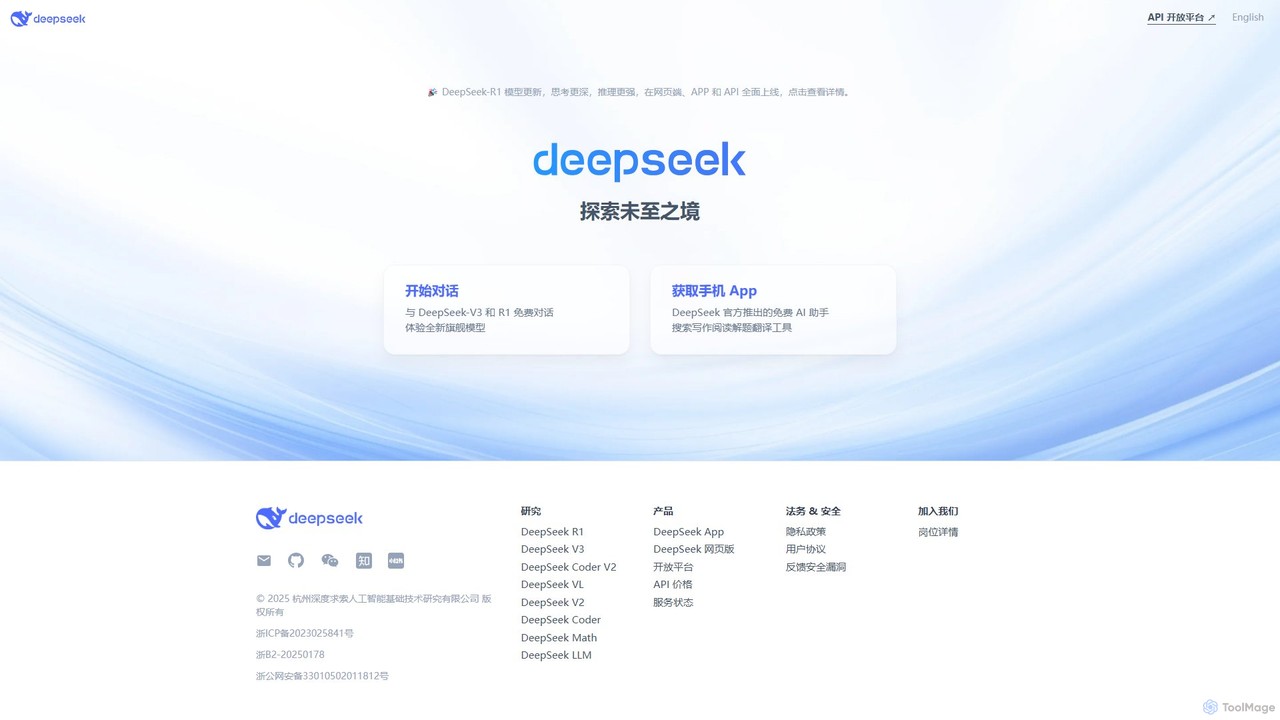
DeepSeek is a suite of advanced large language models developed by DeepSeek AI. It offers a powerful, free-to-use AI chat interface and mobile app, alongside a robust API for developers. It excels in complex reasoning, coding, and mathematical problem-solving, providing a high-performance and cost-effective solution for both general users and professionals.

Personal Assistant
Visits 430.4MFavorites 141Likes 127
AskVideo.ai
Freemium

AskVideo.ai

AskVideo.ai is an AI-powered tool that allows you to chat with any YouTube video. Instantly get summaries, ask specific questions, and extract key insights from lectures, tutorials, and documentaries without watching them in their entirety. It's designed to make video content interactive and accelerate learning and research.

Research
Visits 26.2KFavorites 138Likes 127
Brief.Ai
Free

Brief.Ai

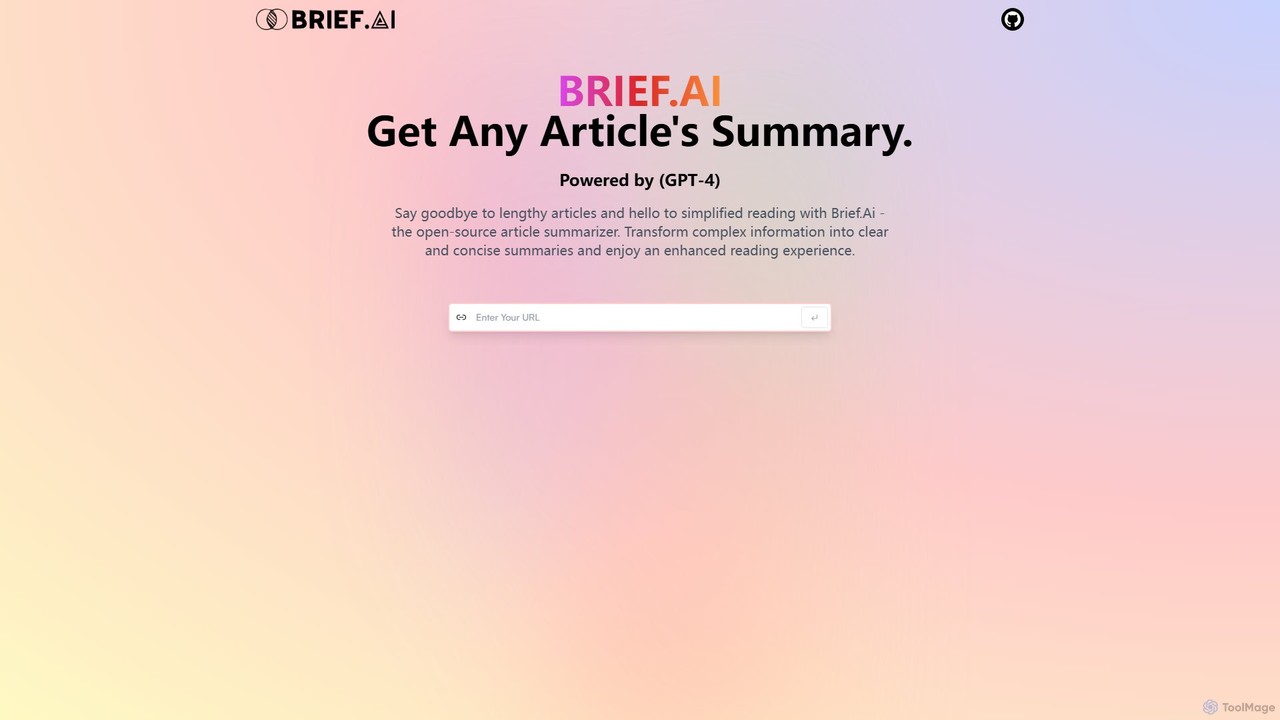
Brief.Ai is a free, open-source article summarizer powered by GPT-4. It transforms lengthy articles and complex information from any URL into clear, concise, and easy-to-digest summaries, helping users save time and enhance their reading experience.

Research
Visits 6KFavorites 143Likes 136
rapidwork
Freemium

rapidwork

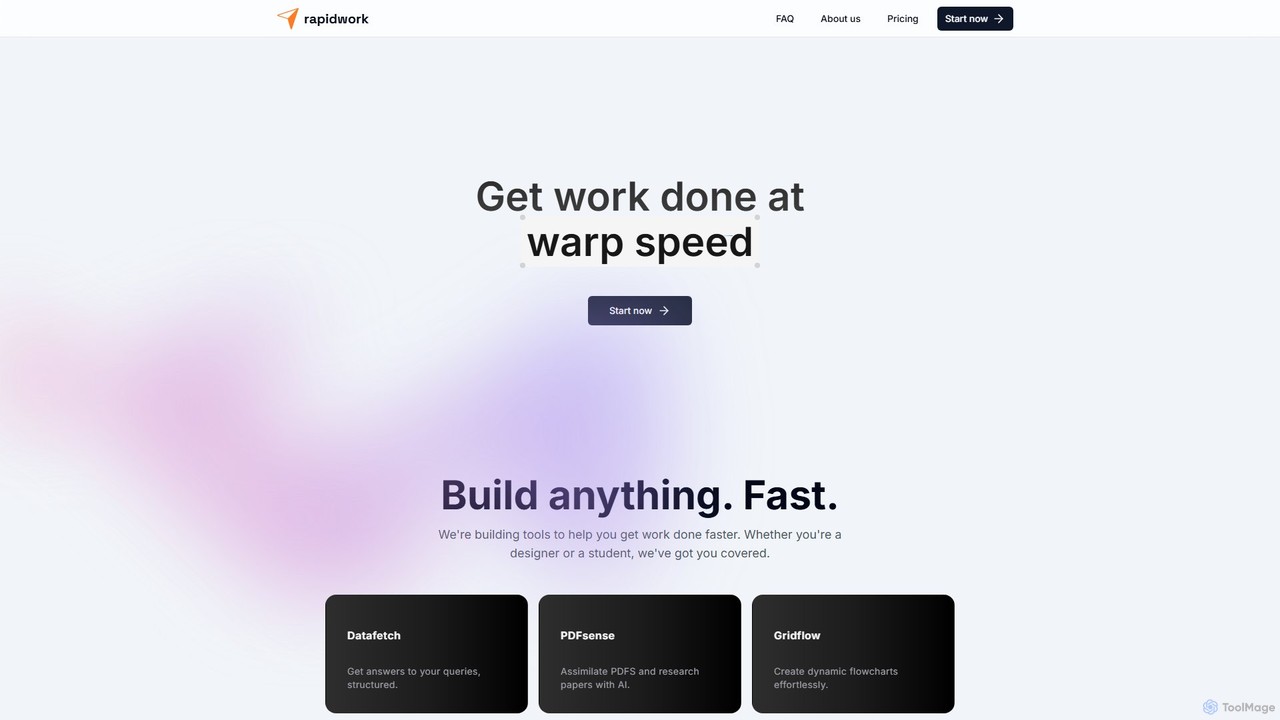
rapidwork is an all-in-one AI-powered productivity suite designed to accelerate your workflow. It integrates multiple tools for data analysis, PDF summarization, flowchart creation, graphic design, and collaborative document editing, catering to students, designers, and professionals.

Graphic Design
Visits 5.8KFavorites 145Likes 123
WisdomRead
Freemium

WisdomRead

WisdomRead is an AI-powered reading assistant designed to help users comprehend complex texts faster. It intelligently summarizes articles, research papers, and documents, extracts key insights, and allows you to ask questions directly to your content. Transform your reading from a passive activity into an active, insightful learning experience.

Research
Visits 5.9KFavorites 153Likes 152
aiwatcher.pro
Freemium

aiwatcher.pro

aiwatcher.pro is a comprehensive platform for discovering, tracking, and comparing the latest AI tools. It serves as a curated directory, helping professionals, developers, and enthusiasts navigate the rapidly growing AI landscape and find the perfect tools for their needs.

Research
Visits 5.8KFavorites 152Likes 158

About Research

Research AI tools are a category of AI-powered applications designed to assist and automate various stages of the research process. These tools leverage advanced algorithms like natural language processing and machine learning to streamline tasks such as literature review, data analysis, and content synthesis. They play a crucial role within the broader education and academic sectors, enabling researchers, students, and professionals to accelerate discovery, enhance accuracy, and generate deeper insights from vast amounts of information.

Core Features

  • Automated Literature Review: Quickly search, summarize, and extract key information from academic papers, reports, and databases.
  • Advanced Data Analysis: Process large datasets, identify patterns, generate visualizations, and assist in statistical interpretation.
  • Hypothesis Generation: Suggest potential research questions, identify knowledge gaps, and aid in experimental design.
  • Academic Writing Assistance: Support the drafting of research proposals, reports, abstracts, and refine academic language for clarity and coherence.
  • Citation & Reference Management: Automate bibliography creation, citation formatting, and detect potential plagiarism.

Applicable Scenarios

Research AI tools are indispensable for academics conducting scholarly studies, market analysts identifying consumer trends, scientists accelerating experimental data interpretation, and students preparing theses or dissertations. They are also vital for policy analysts synthesizing complex reports to inform evidence-based decision-making.

How to Choose

When selecting a Research AI tool, consider its data handling capabilities, ensuring it supports your specific data types and volumes. Evaluate its integration with existing research platforms and reference managers. Assess the accuracy and transparency of its AI models, especially for critical analysis. Finally, factor in the user interface, ethical considerations like data privacy, and the level of customization offered to meet unique research needs.

Featured tool rankings

Research use cases

1

Accelerating Academic Literature Reviews

Academic researchers often spend countless hours sifting through vast amounts of scholarly articles. Research AI tools can automate this process by quickly scanning, summarizing, and extracting key findings, methodologies, and citations from hundreds of papers. This allows researchers to identify relevant literature, pinpoint knowledge gaps, and synthesize information much faster, significantly reducing the time spent on initial literature review phases and enabling them to focus on deeper analysis and experimentation.

2

Automating Market Trend Analysis

Market analysts need to constantly monitor consumer behavior, industry reports, and social media trends to identify emerging opportunities or threats. Research AI tools can ingest and process massive volumes of unstructured data from various sources, identifying subtle patterns, sentiment shifts, and nascent trends that human analysts might miss. This enables businesses to make data-driven decisions, refine product strategies, and stay ahead of the competition by understanding market dynamics in real-time.

3

Streamlining Scientific Data Interpretation

Scientists often work with complex, high-dimensional datasets generated from experiments, simulations, or observations. Research AI tools can assist in the interpretation of this data by performing advanced statistical analysis, identifying correlations, anomalies, and hidden patterns. They can generate insightful visualizations and even suggest potential hypotheses based on the data, significantly accelerating the discovery process in fields like biology, chemistry, and physics, allowing researchers to move from raw data to actionable insights more efficiently.

4

Drafting Research Proposals & Grants

Securing funding for research often depends on well-structured and compelling proposals. Research AI tools can assist academics and grant writers in drafting these critical documents by providing templates, suggesting relevant literature, and refining the language for clarity, conciseness, and impact. They can help ensure all required sections are covered, improve the logical flow of arguments, and even check for consistency in terminology, increasing the likelihood of successful grant applications and project approvals.

5

Enhancing Student Essay & Thesis Writing

Students, from undergraduates to doctoral candidates, can leverage Research AI tools to improve their academic writing. These tools can assist with topic exploration, outlining, structuring arguments, and even checking for grammatical errors and stylistic inconsistencies. By providing intelligent feedback and suggestions, AI helps students refine their research papers, essays, and theses, ensuring clarity, coherence, and adherence to academic standards, ultimately leading to higher quality submissions and better learning outcomes.

6

Identifying Policy Gaps & Recommendations

Policy analysts are tasked with synthesizing vast amounts of government reports, public data, and expert opinions to formulate effective policies. Research AI tools can significantly aid this process by rapidly analyzing complex policy documents, identifying inconsistencies, gaps in existing regulations, and potential impacts of proposed changes. They can also generate data-driven recommendations, helping analysts to build stronger cases for policy adjustments and contribute to more informed, evidence-based governance.

Research FAQ

What are AI Research Tools?

AI Research Tools are software applications that use artificial intelligence, such as natural language processing and machine learning, to automate and enhance various aspects of the research process. They are designed to assist researchers, students, and professionals in tasks like literature review, data analysis, hypothesis generation, and academic writing. These tools aim to improve efficiency, accuracy, and the depth of insights derived from research, making complex information more manageable and accessible.

How do AI Research Tools differ from traditional research methods?

AI Research Tools primarily differ from traditional methods in their ability to automate and scale tasks. While traditional research relies heavily on manual effort for data collection, analysis, and synthesis, AI tools can process vast datasets, identify patterns, and generate summaries at speeds and scales impossible for humans. This automation leads to significant time savings, increased accuracy in data processing, and the potential to uncover insights from complex data that might otherwise be overlooked, thereby augmenting human research capabilities rather than replacing them.

What are the key benefits of using AI in research?

The key benefits of using AI in research include significantly increased efficiency, enhanced accuracy, and the ability to derive deeper insights. AI tools can automate repetitive tasks like data extraction and summarization, freeing up researchers' time. They reduce human error in data processing and analysis, leading to more reliable results. Furthermore, AI can identify complex patterns and correlations in large datasets that might be invisible to human observation, fostering new discoveries and more comprehensive understanding across various scientific and academic disciplines.

What should I consider when choosing an AI Research Tool?

When choosing an AI Research Tool, several factors are crucial. First, assess its compatibility with your specific research needs, including the types of data you work with and the scale of your projects. Second, evaluate the accuracy and transparency of its AI models, especially for critical analysis. Third, consider its integration capabilities with existing research platforms, reference managers, and data analysis software. Fourth, prioritize data security and privacy features, ensuring compliance with ethical guidelines. Finally, a user-friendly interface and responsive customer support are important for a smooth research workflow.

Can AI Research Tools help with data analysis and interpretation?

Yes, AI Research Tools are highly effective in assisting with data analysis and interpretation. They can process large, complex datasets, identify hidden patterns, correlations, and anomalies that might be missed by manual review. Many tools offer advanced statistical analysis capabilities, generate insightful visualizations, and can even help formulate hypotheses based on the data. This significantly speeds up the process of extracting meaningful insights, allowing researchers to focus on the implications of their findings rather than the mechanics of data crunching.