ToolMage
Sign in

Best 296 Research AI tools for Education

Popular Research AI tools in Education include DeepSeek, Britannica, Google Books, Yuanbao, Semantic Scholar, JustDone, Chengpian AI, Wikiwand, ModelScope, and Glasp, helping you work more efficiently.

Bethge Lab
Free

Bethge Lab

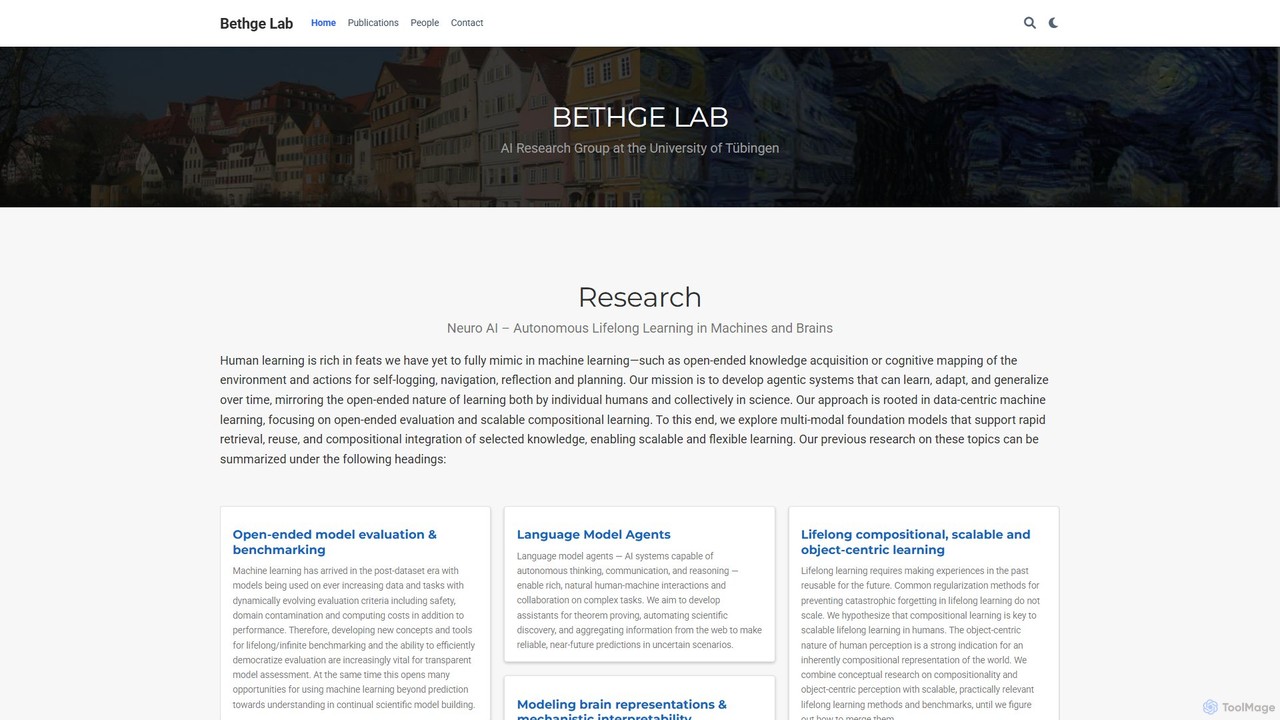
Bethge Lab is a leading AI research group at the University of Tübingen, focusing on the intersection of computational neuroscience and machine learning. It aims to develop agentic AI systems capable of autonomous, lifelong learning by drawing inspiration from the human brain. The lab produces open-source models, datasets, and pioneering research.

Datasets
Visits 9.5KFavorites 131Likes 124
AuthorAI
Freemium

AuthorAI

AuthorAI is an advanced AI-powered writing assistant designed for authors, marketers, and content creators. It helps you overcome writer's block, generate high-quality content, structure narratives, and refine your writing style. From crafting compelling stories to producing effective marketing copy, AuthorAI is your all-in-one partner for creative and professional writing.

Research
Visits 5.9KFavorites 153Likes 167
pdfai.io
Freemium

pdfai.io

pdfai.io is an AI-powered document assistant that lets you chat with your PDF files. Instantly summarize complex documents, ask questions, and extract key information effortlessly. It's designed to boost productivity for students, researchers, and professionals by turning static PDFs into interactive knowledge bases.

Data Extraction
Visits 1.7MFavorites 118Likes 131
Videmak Research AI
Freemium

Videmak Research AI

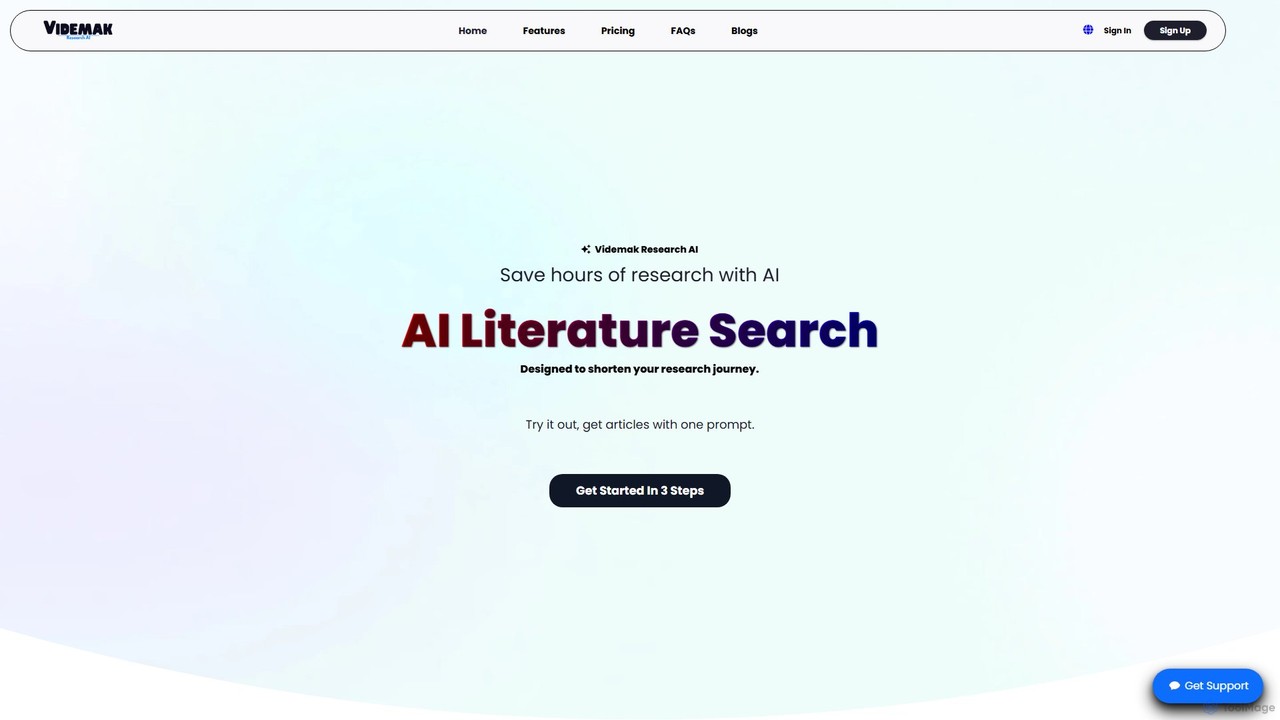
Videmak Research AI is a comprehensive platform designed to accelerate academic research. It leverages AI to assist with literature searches, reviews, proposal generation, article writing, and automatic citations. Ideal for students and researchers, it aims to reduce hours of work to minutes.

Research
Visits 6.1KFavorites 125Likes 136
Logically.app
Freemium

Logically.app

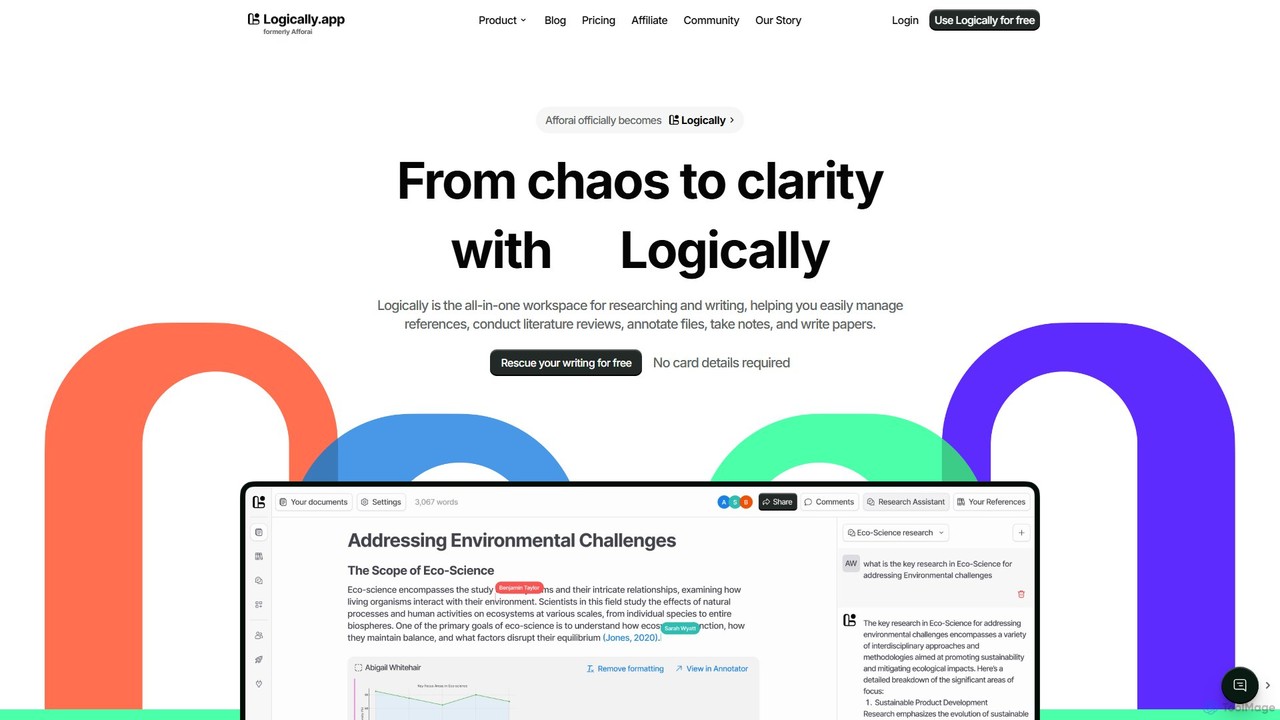
Logically.app (formerly Afforai) is an all-in-one AI workspace for students and researchers. It integrates a reference manager, file annotator, AI research assistant, and a collaborative document writer to streamline the entire academic workflow, from research and analysis to writing and citation.

Research
Visits 8.4KFavorites 146Likes 146
Notable AI
Freemium

Notable AI

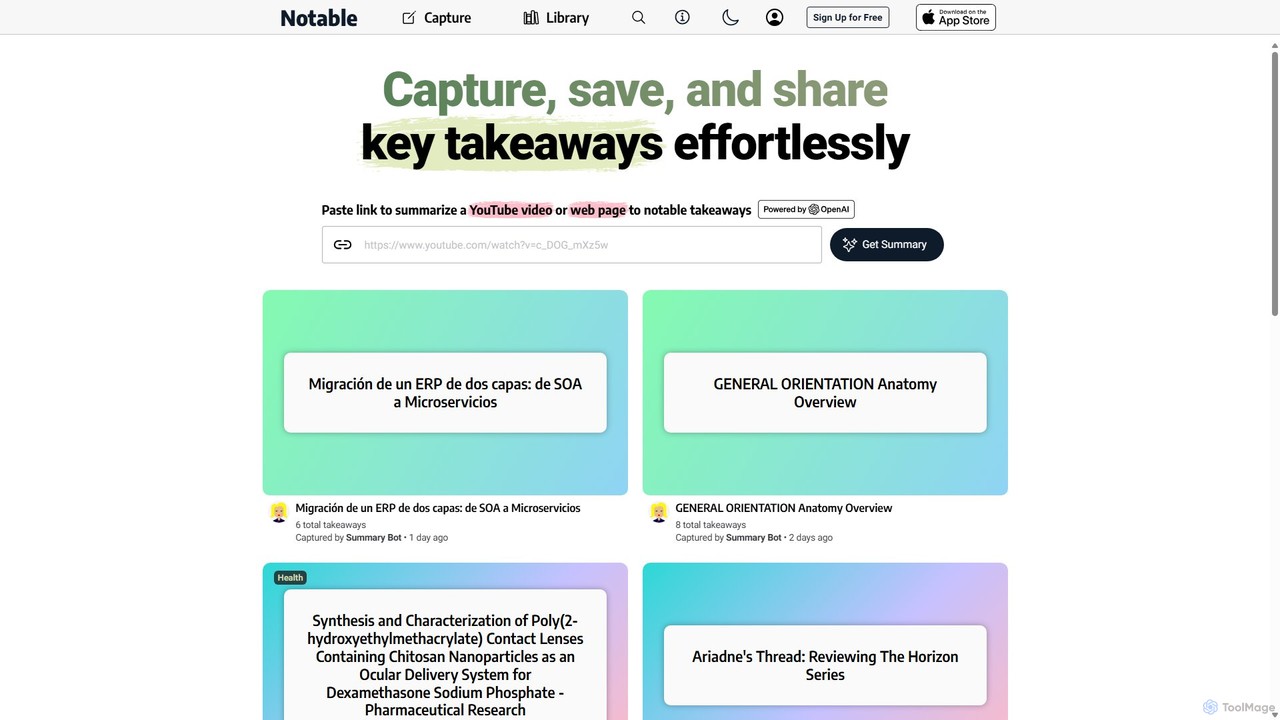
Notable AI is an intelligent tool designed to capture, summarize, and organize key takeaways from web pages and YouTube videos. Simply paste a link, and the AI generates concise summaries, helping you build a personal knowledge library and share insights effortlessly.

Research
Visits 8.2KFavorites 135Likes 148
Lilys AI
Freemium

Lilys AI

Lilys AI is a powerful knowledge assistant that instantly summarizes diverse content formats, including YouTube videos, audio files, PDFs, websites, and Excel sheets. It extracts key insights, creates structured notes, and allows you to build a searchable personal knowledge base. Ideal for students, researchers, and professionals looking to save time and accelerate learning by quickly grasping the core ideas from lengthy materials.

Research
Visits 1.4MFavorites 83Likes 86
Galactica
Free

Galactica

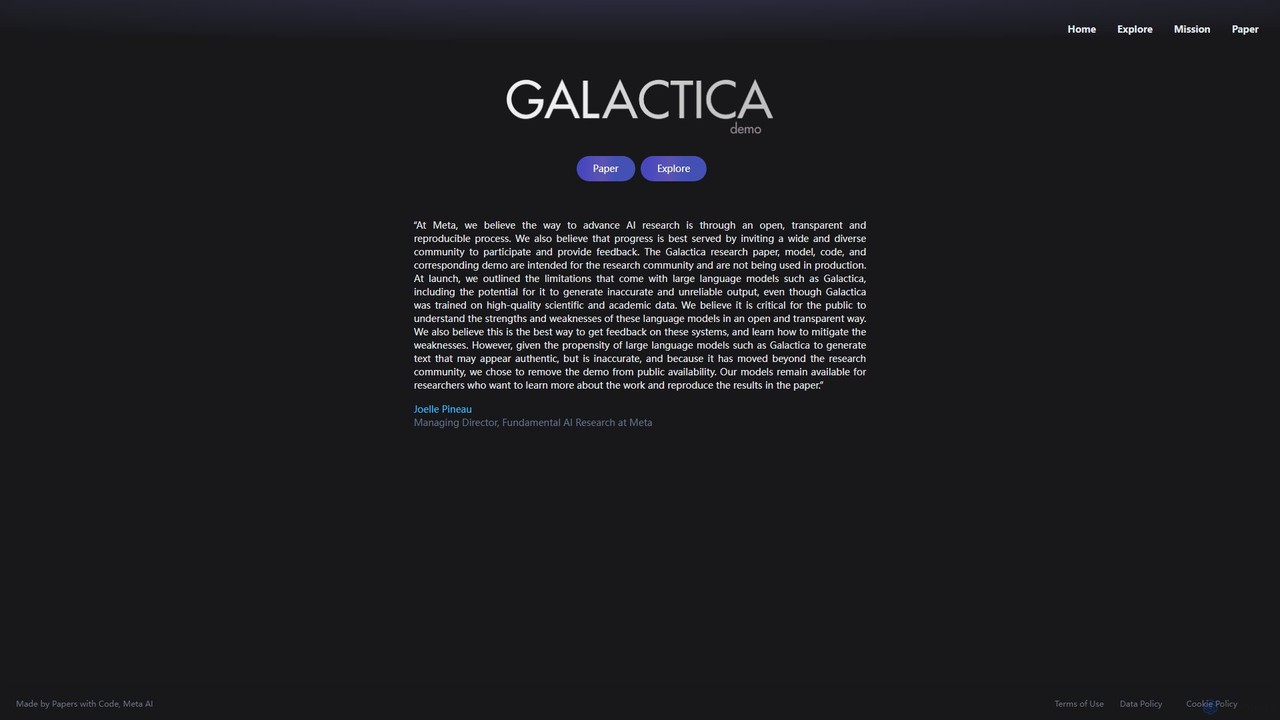
Galactica is a large language model from Meta AI, specifically trained on over 48 million scientific papers, textbooks, and reference materials. It's designed to assist researchers by organizing scientific knowledge, suggesting citations, answering complex questions, writing scientific code, and explaining mathematical formulas. Although its public demo is discontinued, the open-source model remains available for the research community to advance scientific discovery.

Code Assistant
Visits 6KFavorites 138Likes 123
SpeakDocs
Freemium

SpeakDocs

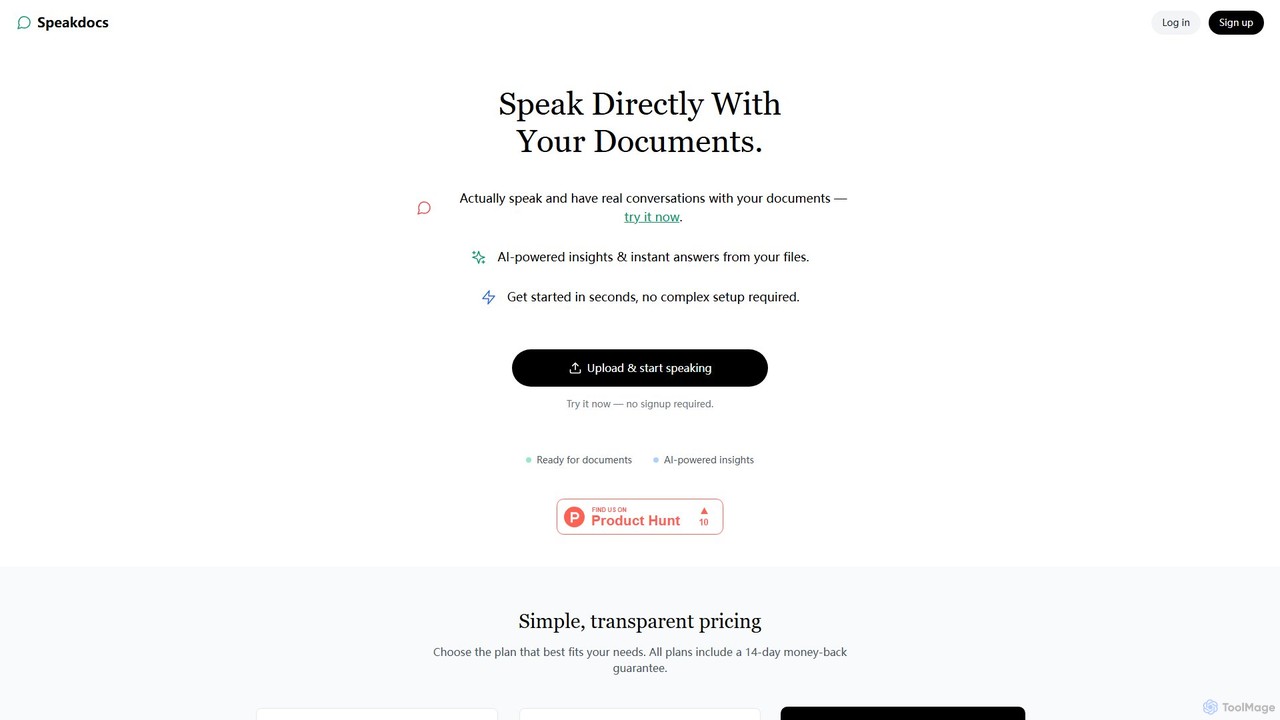
SpeakDocs is an AI-powered tool that transforms your documents into interactive conversational partners. Simply upload a file and ask questions using your voice or text to get instant answers, summaries, and key insights. It saves time by eliminating the need to manually read through lengthy materials, making it ideal for students, researchers, and professionals.

Text To Speech
Visits 5.9KFavorites 120Likes 121
kOS
Freemium

kOS

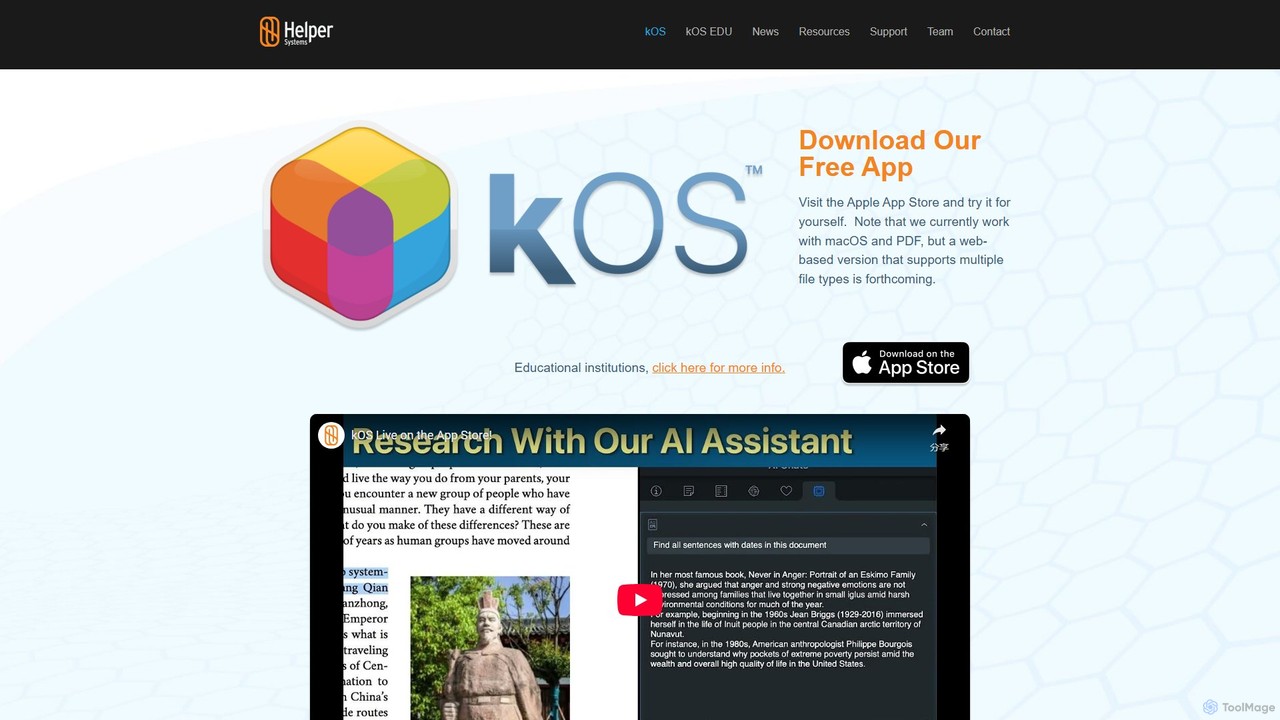
kOS by Helper Systems is an AI-powered research application for macOS designed to enhance PDF analysis, ensure academic integrity, and streamline the research workflow. It allows users to create searchable PDF databases, interact with an AI assistant, and generate a 'proof of work' to validate their research process, bridging the gap between using AI tools and maintaining academic honesty.

Research
Visits 7KFavorites 125Likes 141
Nemo AI
Freemium

Nemo AI

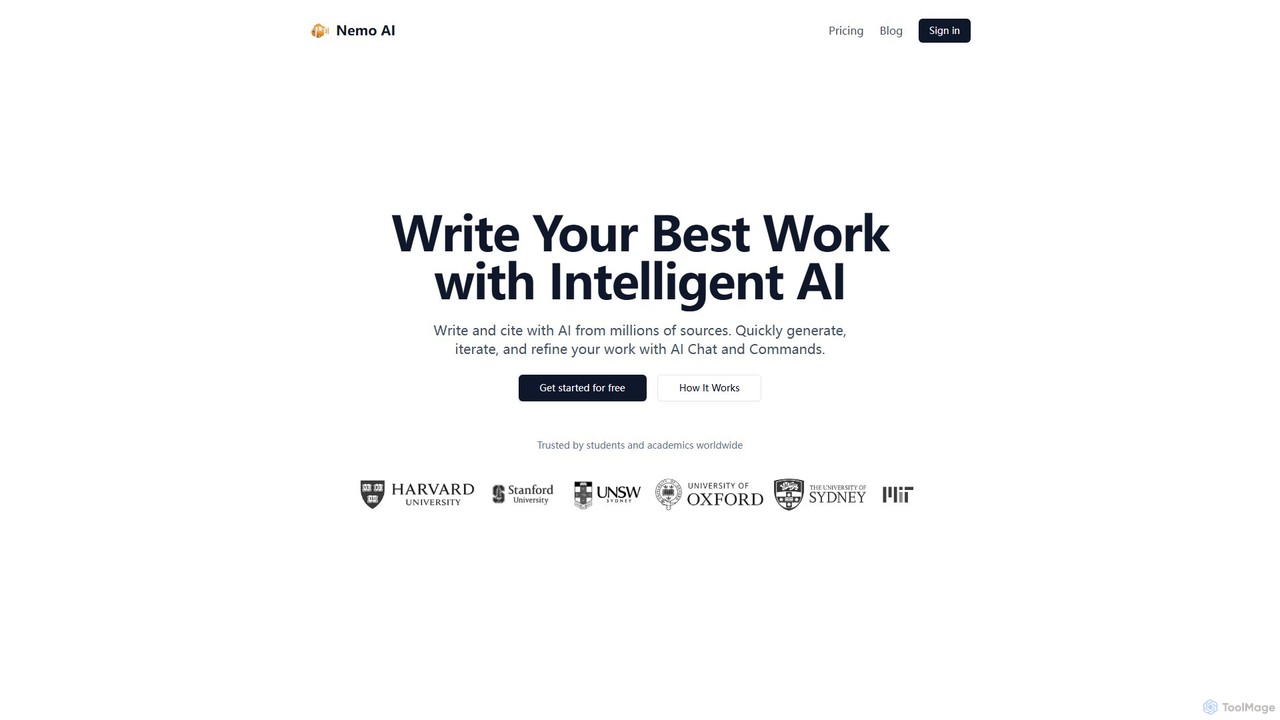
Nemo AI is an intelligent writing and note-taking copilot designed for students and academics. It streamlines the research and writing process by generating essay drafts, finding and citing millions of academic sources, and offering interactive AI chat for refining work, all within an intuitive Notion-like editor.

Research
Visits 11.6KFavorites 115Likes 107
aiPDF
Freemium

aiPDF

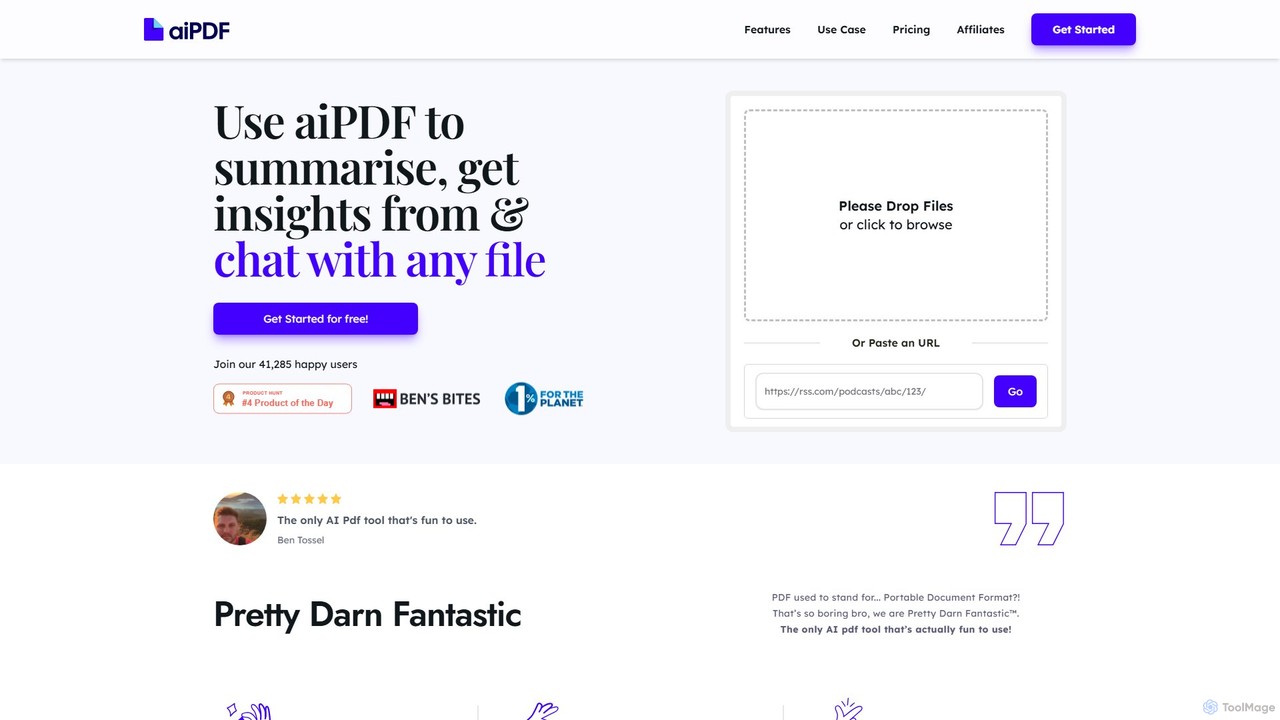
aiPDF is an AI-powered chat application that transforms static PDF documents into interactive conversations. Users can upload files, ask questions, summarize content, and extract key insights instantly. It supports various document types, including reports, essays, and ebooks, and provides source-backed answers for enhanced reliability. With a user-friendly interface and a focus on data privacy, aiPDF makes document analysis efficient and engaging for students, researchers, and professionals.

Data Analysis
Visits 8.5KFavorites 131Likes 143
AFI Explorer
Freemium

AFI Explorer

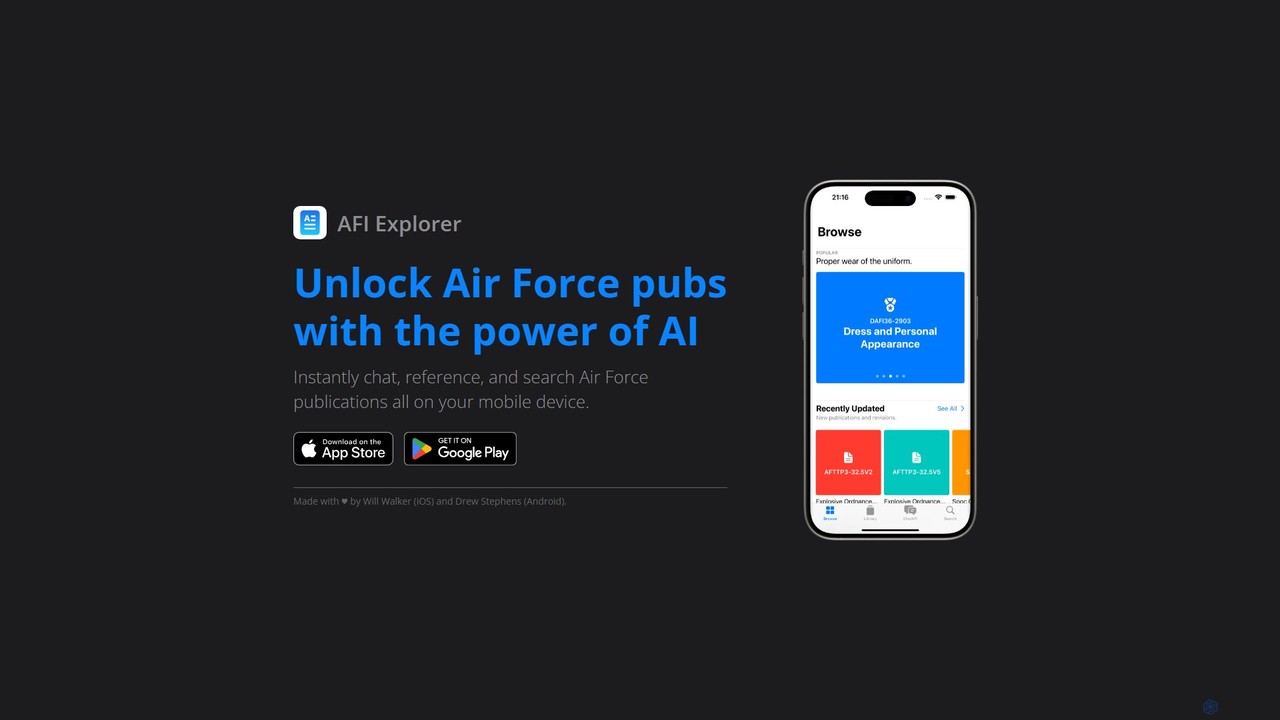
AFI Explorer is an AI-powered mobile application designed for U.S. Air Force personnel. It provides instant chat, search, and reference capabilities for the entire library of Air Force publications, instructions (AFIs), and manuals, turning complex documents into a conversational knowledge base.

Research
Visits 6KFavorites 158Likes 150
Research Topics Generator
Free

Research Topics Generator

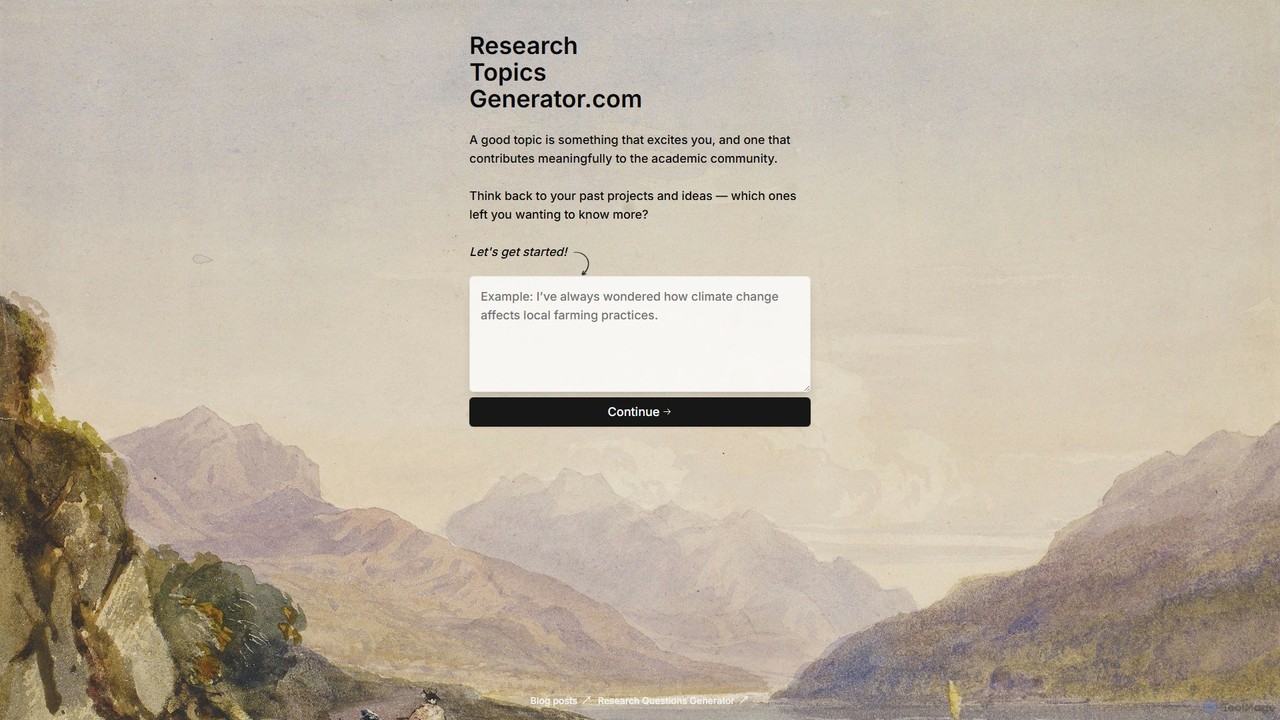
Research Topics Generator is a free AI-powered tool designed to help students and academics overcome writer's block. By inputting a general subject or keywords, users can instantly generate a variety of focused, relevant, and engaging research topics and questions. It's an ideal starting point for essays, term papers, theses, and dissertations, streamlining the initial phase of the research process and providing valuable inspiration.

Research
Visits 13.7KFavorites 137Likes 138
groqsummarizer
Freemium

groqsummarizer

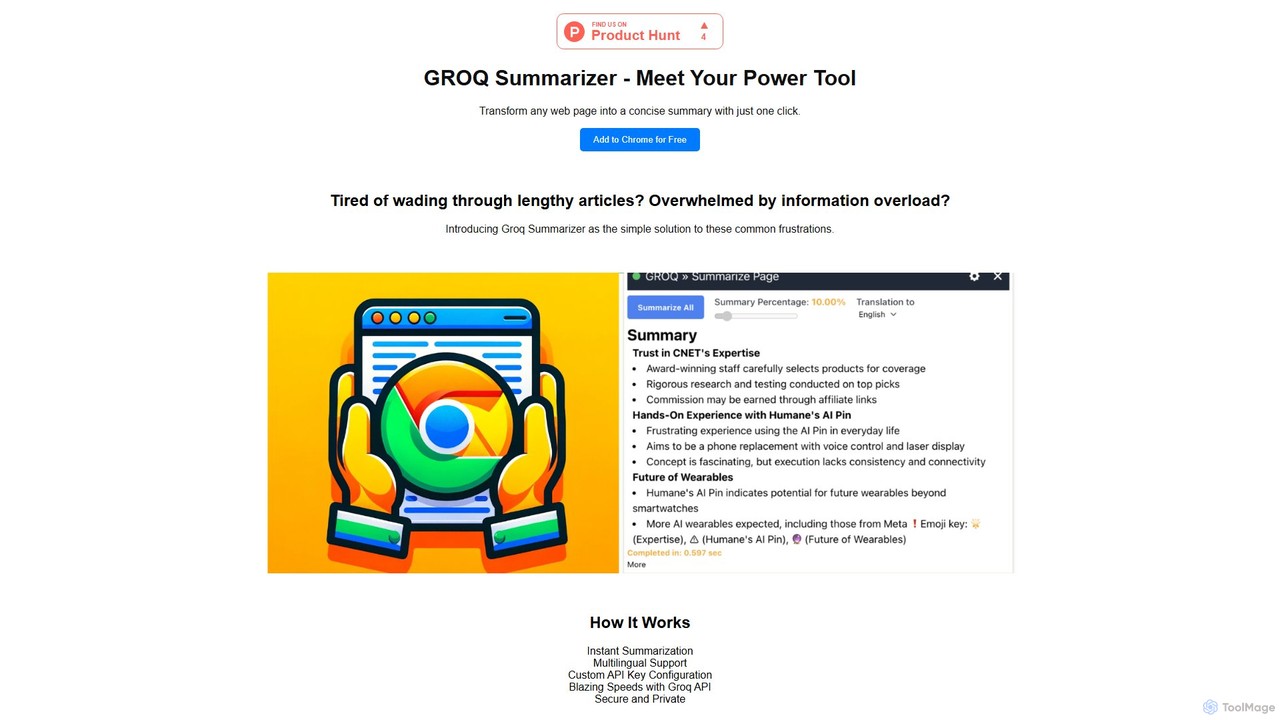
A lightning-fast Chrome extension that summarizes web pages and articles in seconds. Powered by the Groq API, it offers instant, multilingual summaries, allowing you to quickly grasp key information and overcome information overload. It operates on a Bring-Your-Own-Key (BYOK) model for enhanced privacy and control.

Chrome Extensions
Visits 6KFavorites 129Likes 136
AskMyBook
Freemium

AskMyBook

AskMyBook is an AI-powered tool that transforms any book into an interactive chatbot. Upload your book (PDF, EPUB) and ask questions, get summaries, find key insights, and explore content in a conversational way. Ideal for students, researchers, authors, and avid readers.

Research
Visits 783.6KFavorites 166Likes 136
Documator
Free

Documator

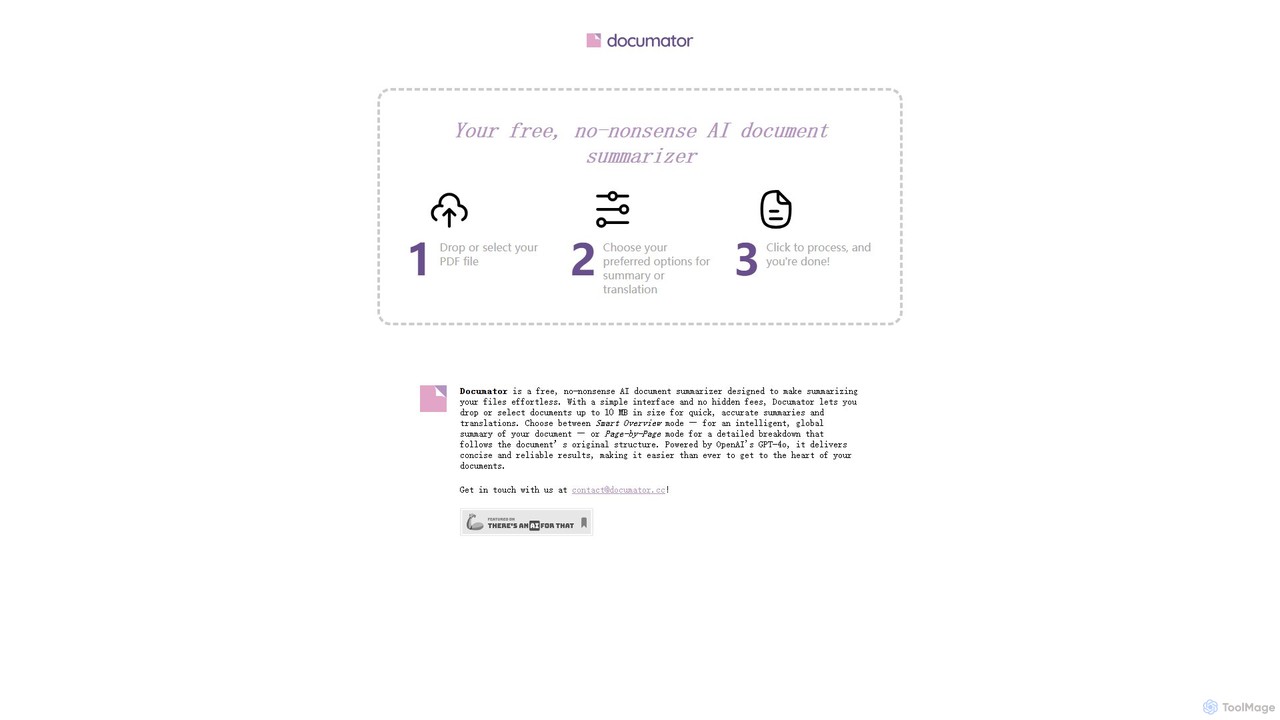
Documator is a free, no-nonsense AI document summarizer and translator powered by GPT-4o. It simplifies understanding long documents by providing quick, accurate summaries in two distinct modes: a global Smart Overview or a detailed Page-by-Page breakdown. With a simple drag-and-drop interface and support for files up to 10 MB, it's the perfect tool for students, researchers, and professionals who need to extract key information effortlessly without any cost or registration.

Document Management
Visits 5.9KFavorites 141Likes 150
Zhida
Freemium

Zhida

Zhida is an AI-powered knowledge engine by Zhihu, China's largest Q&A platform. It provides deep, structured answers by leveraging a vast network of expert-curated Knowledge Repositories, moving beyond generic search to deliver reliable, in-depth insights on a wide range of topics.

Research
Visits 1.2MFavorites 147Likes 137
pdfy.ai
Freemium

pdfy.ai

pdfy.ai is an AI-powered chat assistant that allows you to interact with various content formats, including PDFs, audio files, YouTube videos, and websites. Simply upload or link your source and ask questions in natural language to get instant, accurate answers and summaries, complete with source citations.

Research
Visits 5.9KFavorites 126Likes 124
The42.life
Freemium

The42.life

The42.life is an AI-powered conversational knowledge engine inspired by 'The Hitchhiker's Guide to the Galaxy.' It provides synthesized, in-depth answers to complex questions through a unique terminal-style interface. Designed for researchers, developers, and curious minds, it transforms information seeking into an exploration of interconnected knowledge, helping you find the ultimate answers without the panic.

Search
Visits 5.9KFavorites 156Likes 154
File AI
Freemium

File AI

File AI is an intelligent document assistant that allows you to chat with your files. Instantly read, summarize, and extract key information from various document types like PDFs, DOCX, and more. It's designed to boost productivity for students, researchers, legal professionals, and anyone working with documents.

Research
Visits 8.5KFavorites 143Likes 135
FilePower AI
Freemium

FilePower AI

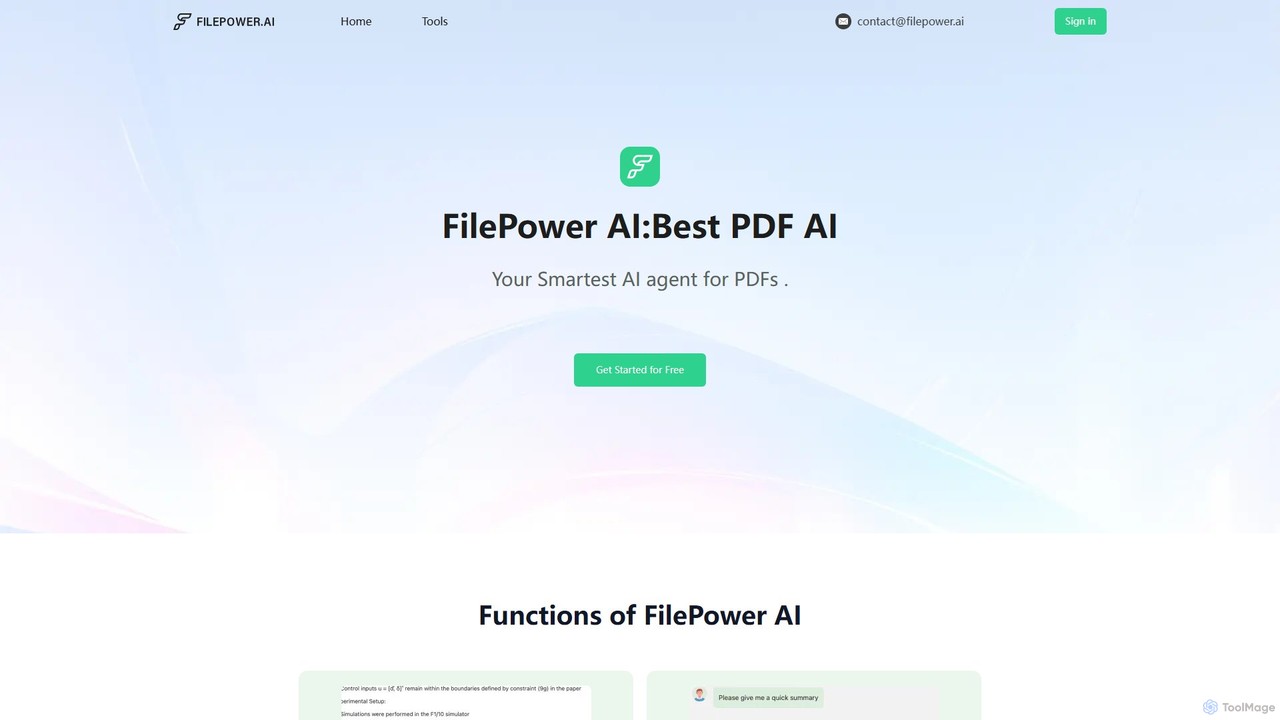
FilePower AI is an intelligent AI agent for documents, specializing in PDF interaction. It allows you to chat with your files, get instant summaries, translate content, and manage your documents efficiently. Powered by advanced LLMs, it offers contextual understanding and supports various file formats, making it ideal for students, researchers, and professionals.

Reporting
Visits 10.5KFavorites 107Likes 119
grafychat
Freemium

grafychat

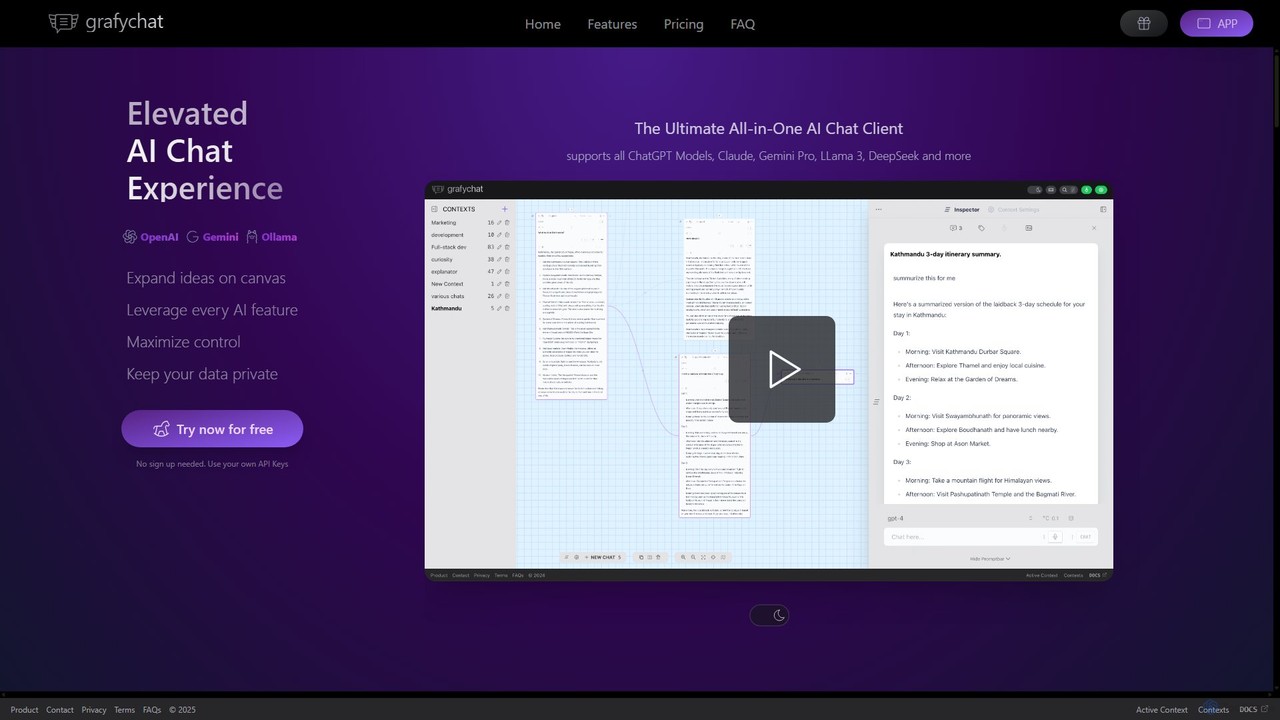
grafychat is a privacy-first, all-in-one AI chat client that offers a unique visual canvas interface. It allows users to connect with major AI models like ChatGPT, Gemini, Claude, and Llama 3 using their own API keys, providing a non-linear, organized, and highly customizable chat experience.

Api Management
Visits 8.4KFavorites 131Likes 104
PaperGen
Freemium

PaperGen

PaperGen is an advanced AI writing and research assistant designed for students, researchers, and professionals. It streamlines the creation of structured, well-cited academic and professional documents like essays, research papers, and reports. Key features include a citation generator, plagiarism checker, and an AI humanizer to ensure content is authentic and undetectable.

Research
Visits 7.3KFavorites 133Likes 134

About Research

Research AI tools are a category of AI-powered applications designed to assist and automate various stages of the research process. These tools leverage advanced algorithms like natural language processing and machine learning to streamline tasks such as literature review, data analysis, and content synthesis. They play a crucial role within the broader education and academic sectors, enabling researchers, students, and professionals to accelerate discovery, enhance accuracy, and generate deeper insights from vast amounts of information.

Core Features

  • Automated Literature Review: Quickly search, summarize, and extract key information from academic papers, reports, and databases.
  • Advanced Data Analysis: Process large datasets, identify patterns, generate visualizations, and assist in statistical interpretation.
  • Hypothesis Generation: Suggest potential research questions, identify knowledge gaps, and aid in experimental design.
  • Academic Writing Assistance: Support the drafting of research proposals, reports, abstracts, and refine academic language for clarity and coherence.
  • Citation & Reference Management: Automate bibliography creation, citation formatting, and detect potential plagiarism.

Applicable Scenarios

Research AI tools are indispensable for academics conducting scholarly studies, market analysts identifying consumer trends, scientists accelerating experimental data interpretation, and students preparing theses or dissertations. They are also vital for policy analysts synthesizing complex reports to inform evidence-based decision-making.

How to Choose

When selecting a Research AI tool, consider its data handling capabilities, ensuring it supports your specific data types and volumes. Evaluate its integration with existing research platforms and reference managers. Assess the accuracy and transparency of its AI models, especially for critical analysis. Finally, factor in the user interface, ethical considerations like data privacy, and the level of customization offered to meet unique research needs.

Featured tool rankings

Research use cases

1

Accelerating Academic Literature Reviews

Academic researchers often spend countless hours sifting through vast amounts of scholarly articles. Research AI tools can automate this process by quickly scanning, summarizing, and extracting key findings, methodologies, and citations from hundreds of papers. This allows researchers to identify relevant literature, pinpoint knowledge gaps, and synthesize information much faster, significantly reducing the time spent on initial literature review phases and enabling them to focus on deeper analysis and experimentation.

2

Automating Market Trend Analysis

Market analysts need to constantly monitor consumer behavior, industry reports, and social media trends to identify emerging opportunities or threats. Research AI tools can ingest and process massive volumes of unstructured data from various sources, identifying subtle patterns, sentiment shifts, and nascent trends that human analysts might miss. This enables businesses to make data-driven decisions, refine product strategies, and stay ahead of the competition by understanding market dynamics in real-time.

3

Streamlining Scientific Data Interpretation

Scientists often work with complex, high-dimensional datasets generated from experiments, simulations, or observations. Research AI tools can assist in the interpretation of this data by performing advanced statistical analysis, identifying correlations, anomalies, and hidden patterns. They can generate insightful visualizations and even suggest potential hypotheses based on the data, significantly accelerating the discovery process in fields like biology, chemistry, and physics, allowing researchers to move from raw data to actionable insights more efficiently.

4

Drafting Research Proposals & Grants

Securing funding for research often depends on well-structured and compelling proposals. Research AI tools can assist academics and grant writers in drafting these critical documents by providing templates, suggesting relevant literature, and refining the language for clarity, conciseness, and impact. They can help ensure all required sections are covered, improve the logical flow of arguments, and even check for consistency in terminology, increasing the likelihood of successful grant applications and project approvals.

5

Enhancing Student Essay & Thesis Writing

Students, from undergraduates to doctoral candidates, can leverage Research AI tools to improve their academic writing. These tools can assist with topic exploration, outlining, structuring arguments, and even checking for grammatical errors and stylistic inconsistencies. By providing intelligent feedback and suggestions, AI helps students refine their research papers, essays, and theses, ensuring clarity, coherence, and adherence to academic standards, ultimately leading to higher quality submissions and better learning outcomes.

6

Identifying Policy Gaps & Recommendations

Policy analysts are tasked with synthesizing vast amounts of government reports, public data, and expert opinions to formulate effective policies. Research AI tools can significantly aid this process by rapidly analyzing complex policy documents, identifying inconsistencies, gaps in existing regulations, and potential impacts of proposed changes. They can also generate data-driven recommendations, helping analysts to build stronger cases for policy adjustments and contribute to more informed, evidence-based governance.

Research FAQ

What are AI Research Tools?

AI Research Tools are software applications that use artificial intelligence, such as natural language processing and machine learning, to automate and enhance various aspects of the research process. They are designed to assist researchers, students, and professionals in tasks like literature review, data analysis, hypothesis generation, and academic writing. These tools aim to improve efficiency, accuracy, and the depth of insights derived from research, making complex information more manageable and accessible.

How do AI Research Tools differ from traditional research methods?

AI Research Tools primarily differ from traditional methods in their ability to automate and scale tasks. While traditional research relies heavily on manual effort for data collection, analysis, and synthesis, AI tools can process vast datasets, identify patterns, and generate summaries at speeds and scales impossible for humans. This automation leads to significant time savings, increased accuracy in data processing, and the potential to uncover insights from complex data that might otherwise be overlooked, thereby augmenting human research capabilities rather than replacing them.

What are the key benefits of using AI in research?

The key benefits of using AI in research include significantly increased efficiency, enhanced accuracy, and the ability to derive deeper insights. AI tools can automate repetitive tasks like data extraction and summarization, freeing up researchers' time. They reduce human error in data processing and analysis, leading to more reliable results. Furthermore, AI can identify complex patterns and correlations in large datasets that might be invisible to human observation, fostering new discoveries and more comprehensive understanding across various scientific and academic disciplines.

What should I consider when choosing an AI Research Tool?

When choosing an AI Research Tool, several factors are crucial. First, assess its compatibility with your specific research needs, including the types of data you work with and the scale of your projects. Second, evaluate the accuracy and transparency of its AI models, especially for critical analysis. Third, consider its integration capabilities with existing research platforms, reference managers, and data analysis software. Fourth, prioritize data security and privacy features, ensuring compliance with ethical guidelines. Finally, a user-friendly interface and responsive customer support are important for a smooth research workflow.

Can AI Research Tools help with data analysis and interpretation?

Yes, AI Research Tools are highly effective in assisting with data analysis and interpretation. They can process large, complex datasets, identify hidden patterns, correlations, and anomalies that might be missed by manual review. Many tools offer advanced statistical analysis capabilities, generate insightful visualizations, and can even help formulate hypotheses based on the data. This significantly speeds up the process of extracting meaningful insights, allowing researchers to focus on the implications of their findings rather than the mechanics of data crunching.