ToolMage
Sign in

Best 222 Healthcare AI tools

Popular Healthcare AI tools include Heidi Health, Benchling, Weave, Freed, Carepatron, Stepful, Neural4D, Upheal, Athelas, and Abridge, helping you work more efficiently.

Dorascribe
Freemium

Dorascribe

Dorascribe is an AI-powered medical scribe designed for healthcare professionals. It records and transcribes patient consultations in real-time, converting conversations into accurate, structured clinical notes like SOAP notes. This streamlines documentation, reduces administrative burden, and allows doctors to focus more on patient care, ultimately helping to combat physician burnout.

Speech To Text
Visits 9.2KFavorites 169Likes 161
SOAPME.AI
Freemium

SOAPME.AI

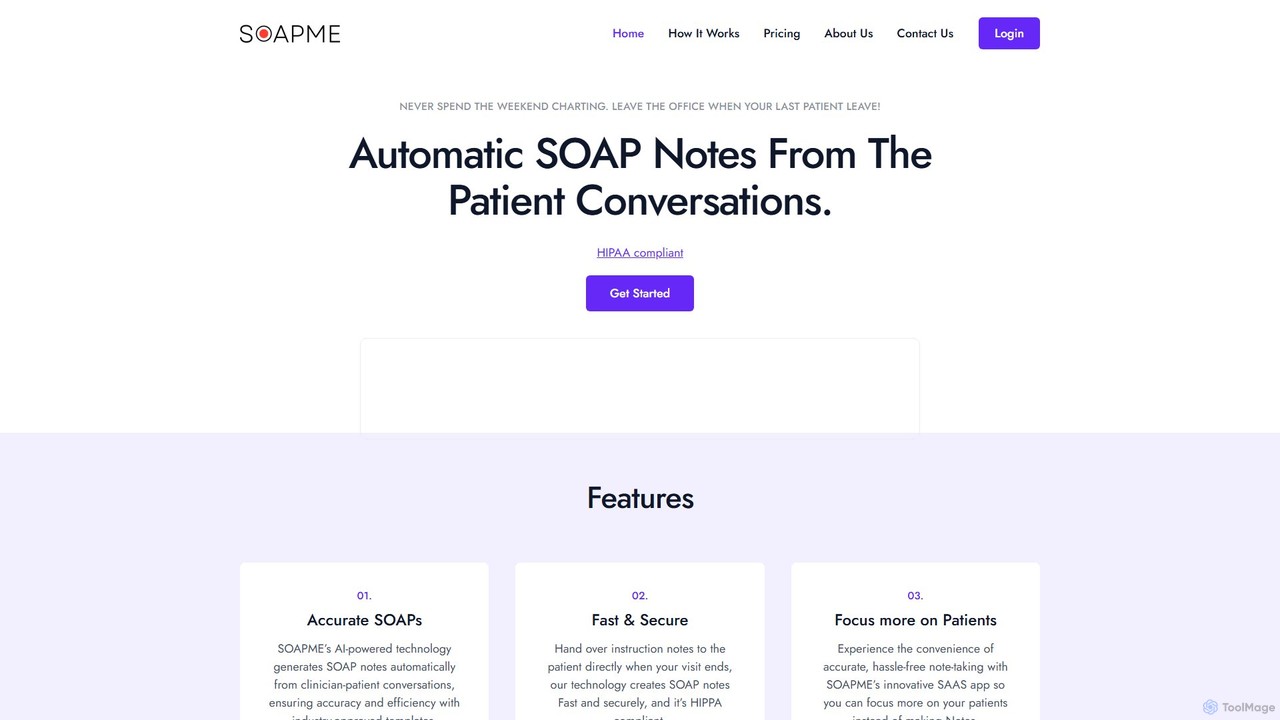
SOAPME.AI is an AI-powered platform designed for clinicians to automatically generate accurate SOAP notes from patient conversations. By simply recording the consultation, the tool transcribes, summarizes, and structures the information into industry-approved templates. This HIPAA-compliant solution saves significant time on documentation, reduces administrative burnout, and allows healthcare professionals to focus more on patient care. It offers a user-friendly web app with voice editing capabilities for seamless integration into any clinical workflow.

Speech To Text
Visits 6KFavorites 135Likes 132
vetzi
Freemium

vetzi

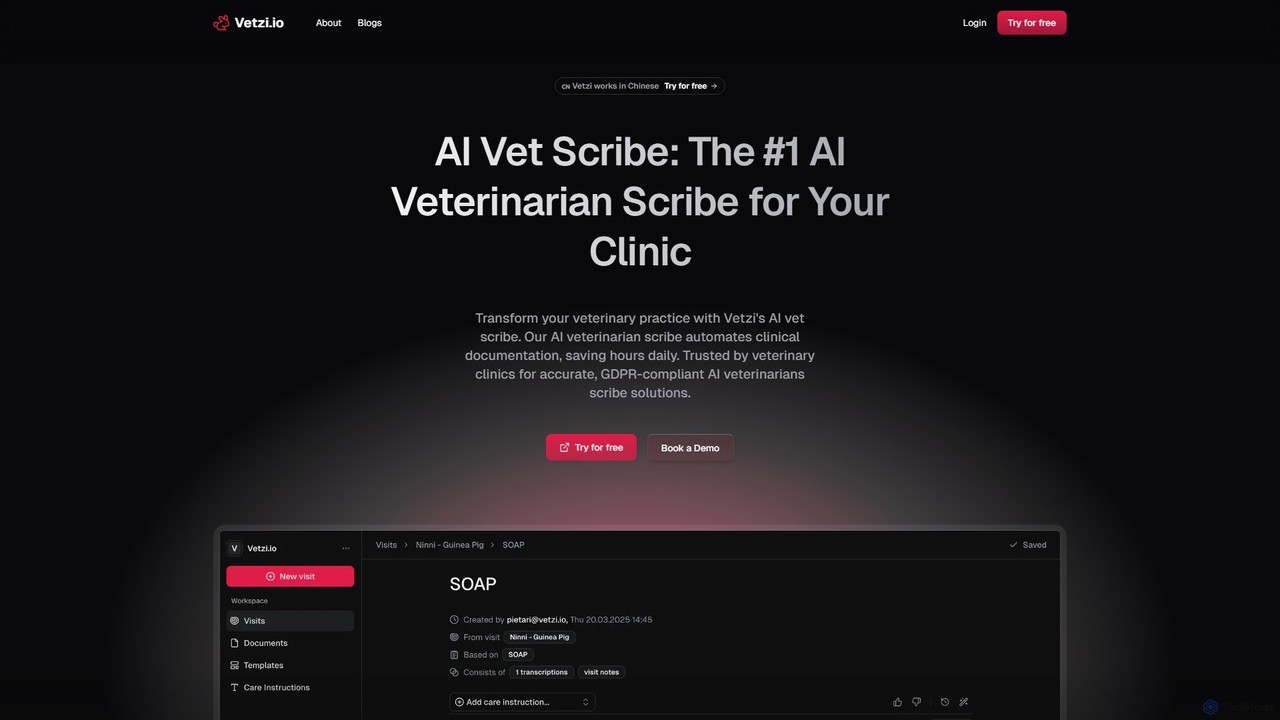
vetzi is an AI-powered veterinarian scribe designed to automate clinical documentation for veterinary practices. It transcribes and structures consultation audio into accurate clinical notes, emails, and other documents, saving veterinarians hours of administrative work daily. With customizable templates and GDPR compliance, vetzi helps streamline workflows and allows vets to focus more on patient care.

Speech To Text
Visits 6.5KFavorites 155Likes 123
MarianaAI
Paid

MarianaAI

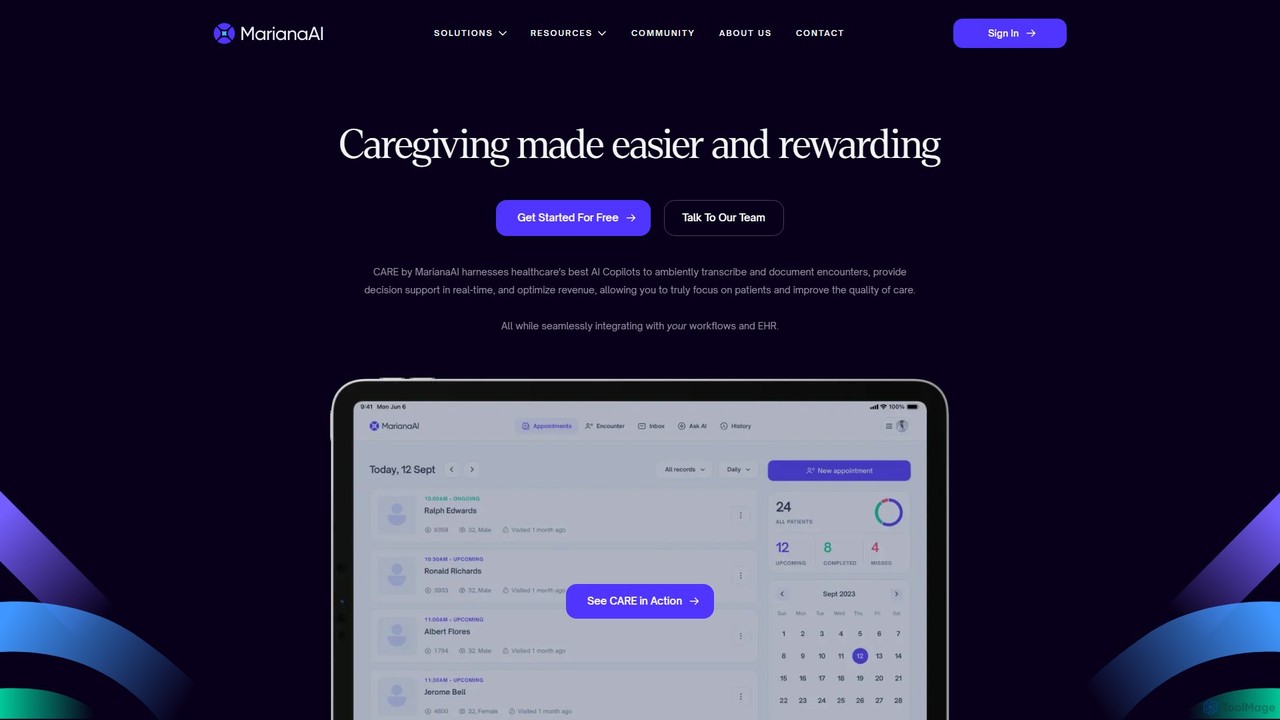
MarianaAI is an all-in-one AI-powered clinical automation platform designed for healthcare providers. It features a multilingual medical scribe, autonomous coding, and clinical decision support to reduce administrative burnout, enhance revenue, and improve patient care by seamlessly integrating with existing EHR systems.

Clinical Documentation
Visits 13.1KFavorites 138Likes 130
PEAR Health Labs
Paid

PEAR Health Labs

PEAR Health Labs offers a B2B AI-powered health and fitness platform for creating personalized coaching experiences. Leveraging 25 years of physiological science, it provides custom-trained AI agents, data-driven insights, and a suite of tools for businesses, healthcare providers, and government agencies to help people move smarter, get healthier, and live happier.

3D
Visits 9.5KFavorites 110Likes 107
Outcall AI
Paid

Outcall AI

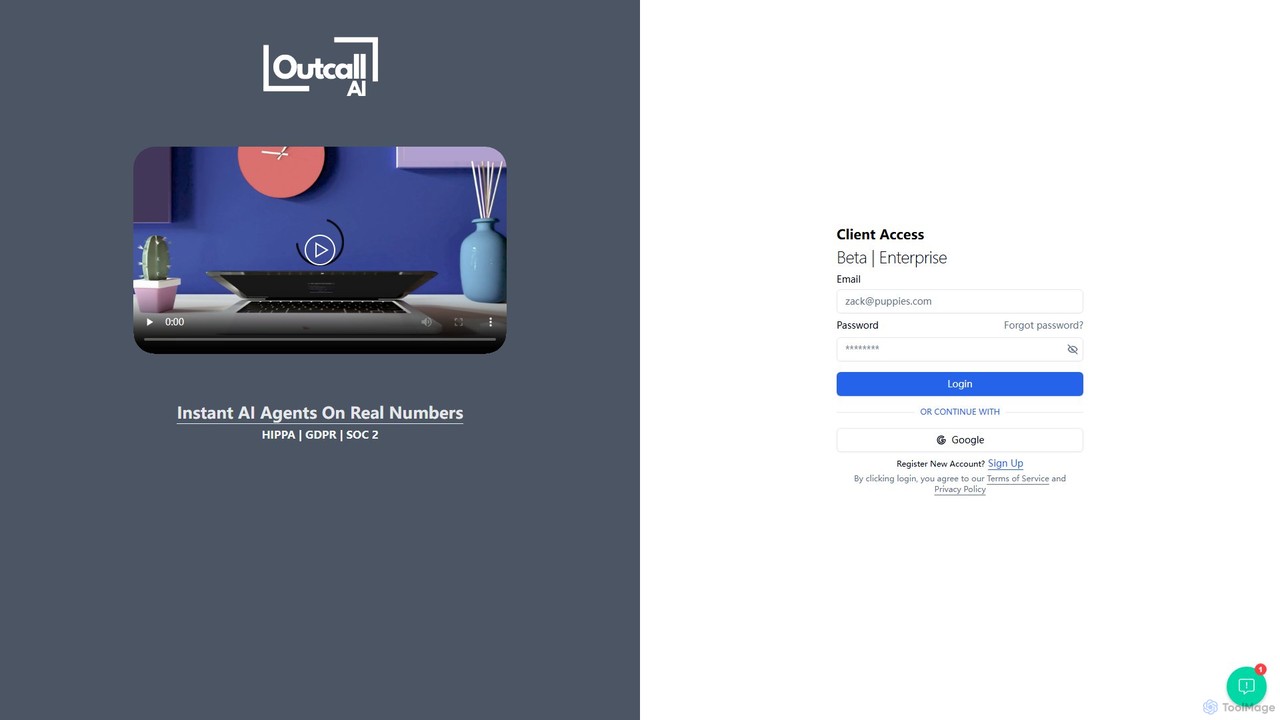
Outcall AI provides indistinguishable AI voice receptionists that operate on real phone numbers, ensuring every call is answered 24/7. It's a secure, scalable solution for businesses to manage front desk operations, offering HIPAA, GDPR, and SOC 2 compliance for enterprise-level needs.

Virtual Assistant
Visits 6KFavorites 134Likes 150
Mentalyc
Freemium

Mentalyc

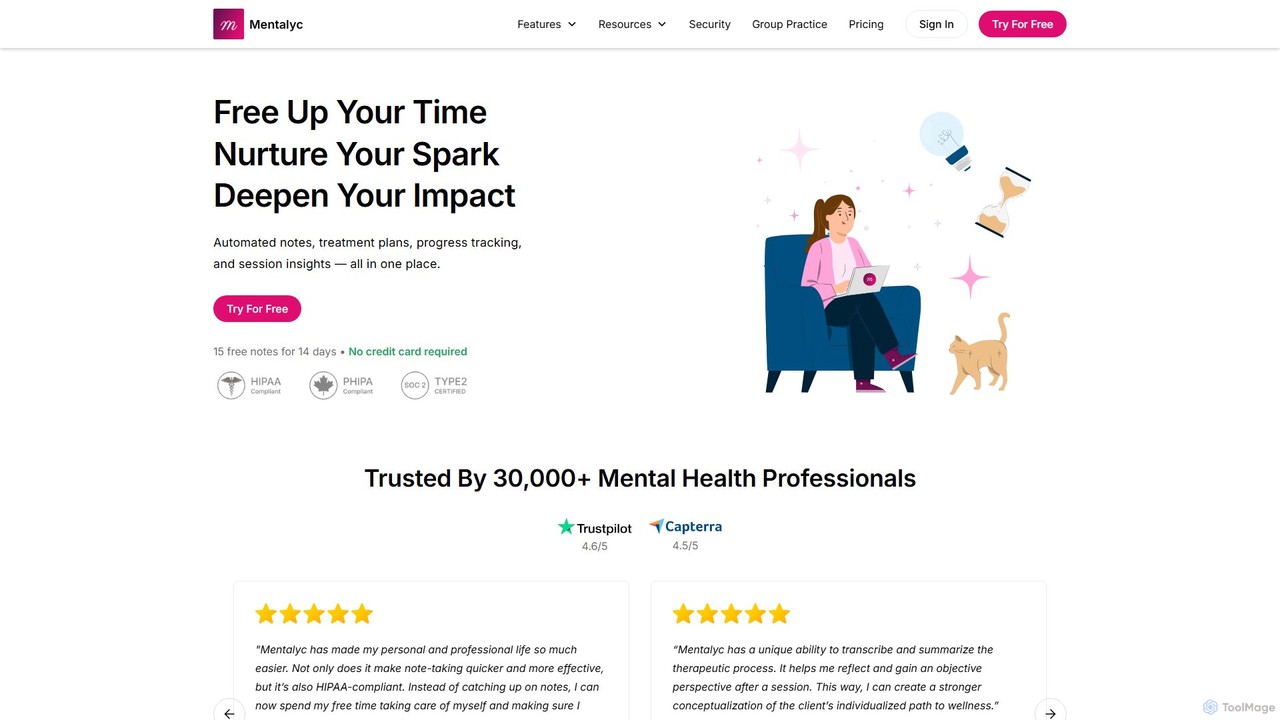
Mentalyc is a HIPAA-compliant AI clinical intelligence platform for mental health professionals. It automates therapy note-taking (SOAP, DAP, etc.), generates smart treatment plans, and provides supervisor-like feedback to reduce administrative burnout. Trusted by over 30,000 clinicians, it helps save time, enhance client presence, and gain deeper therapeutic insights.

Clinical Administration
Visits 210.3KFavorites 115Likes 126
Streamline Verify
Paid

Streamline Verify

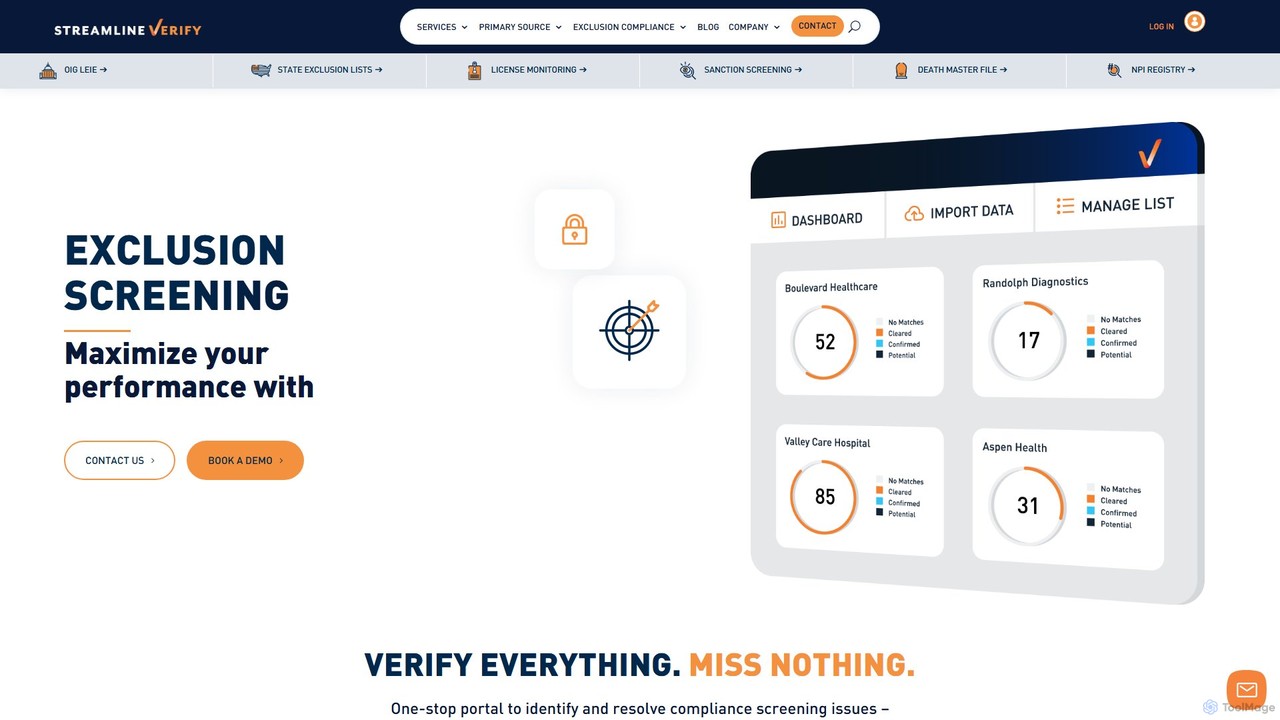
Streamline Verify is an automated exclusion screening platform for the healthcare industry. It continuously monitors federal and state exclusion lists (like OIG LEIE and SAM.gov) to ensure organizations remain compliant, mitigate risks, and avoid costly penalties by not employing sanctioned individuals or entities.

Administration
Visits 16.2KFavorites 151Likes 156
Blaze
Paid

Blaze

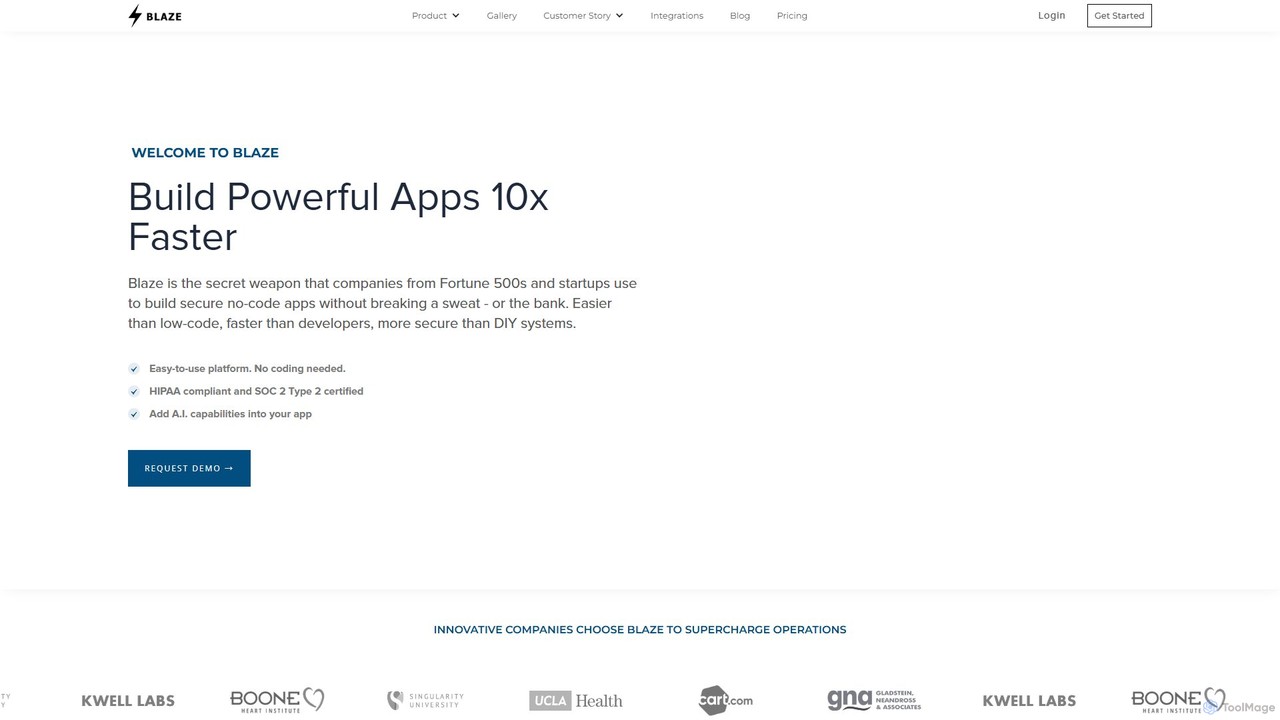
Blaze is a powerful all-in-one no-code platform for building custom web applications, internal tools, and customer portals. It empowers both non-technical and technical users to create complex, secure, and scalable software with a drag-and-drop interface, seamless API integration, and built-in AI capabilities. Blaze is particularly strong in regulated industries like healthcare, offering SOC 2 Type 2 and HIPAA compliance.

Crm
Visits 34.6KFavorites 102Likes 109
mdhub
Freemium

mdhub

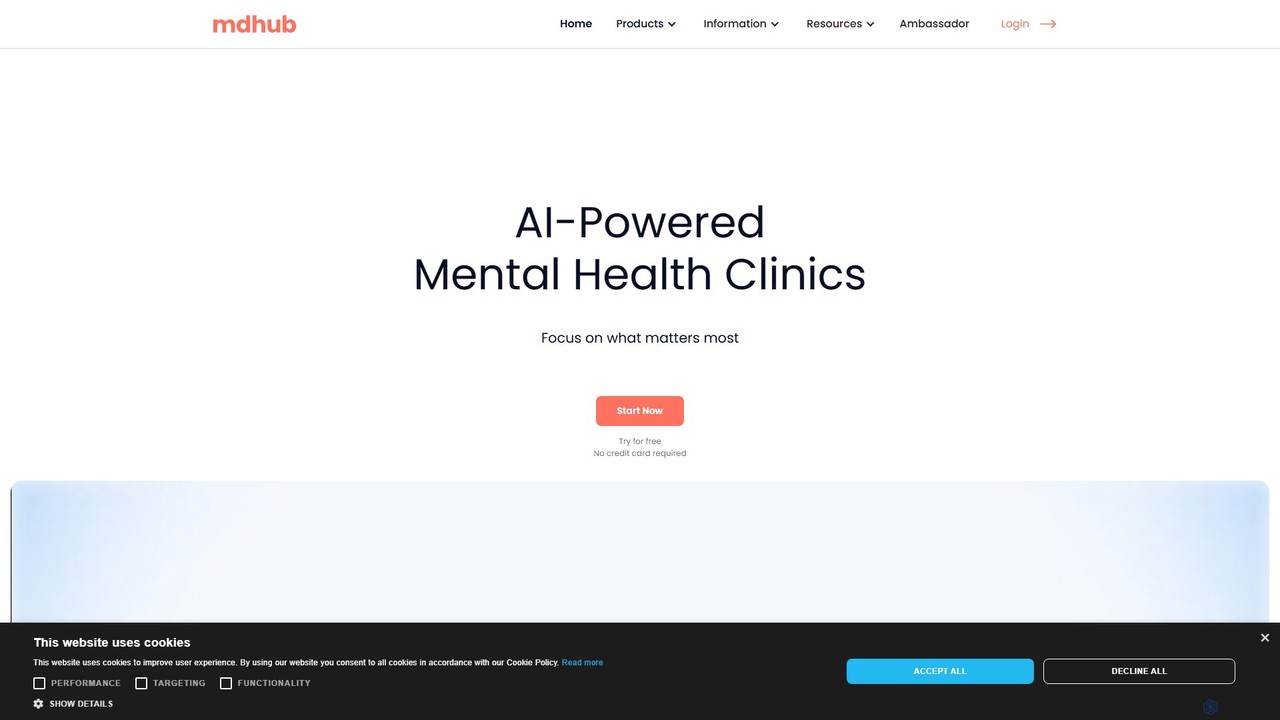
mdhub is a clinical AI assistant designed for behavioral health clinicians. It automates documentation, saving over 2 hours daily. Key features include an AI Scribe for instant clinical notes, an AI Intake Coordinator for streamlining patient onboarding, and tools for creating treatment plans, session handouts, and managing billing codes. It's a HIPAA-compliant solution that integrates with EHRs to reduce administrative burnout and enhance patient care.

Medical Scribe
Visits 38.5KFavorites 152Likes 169
PetsApp
Paid

PetsApp

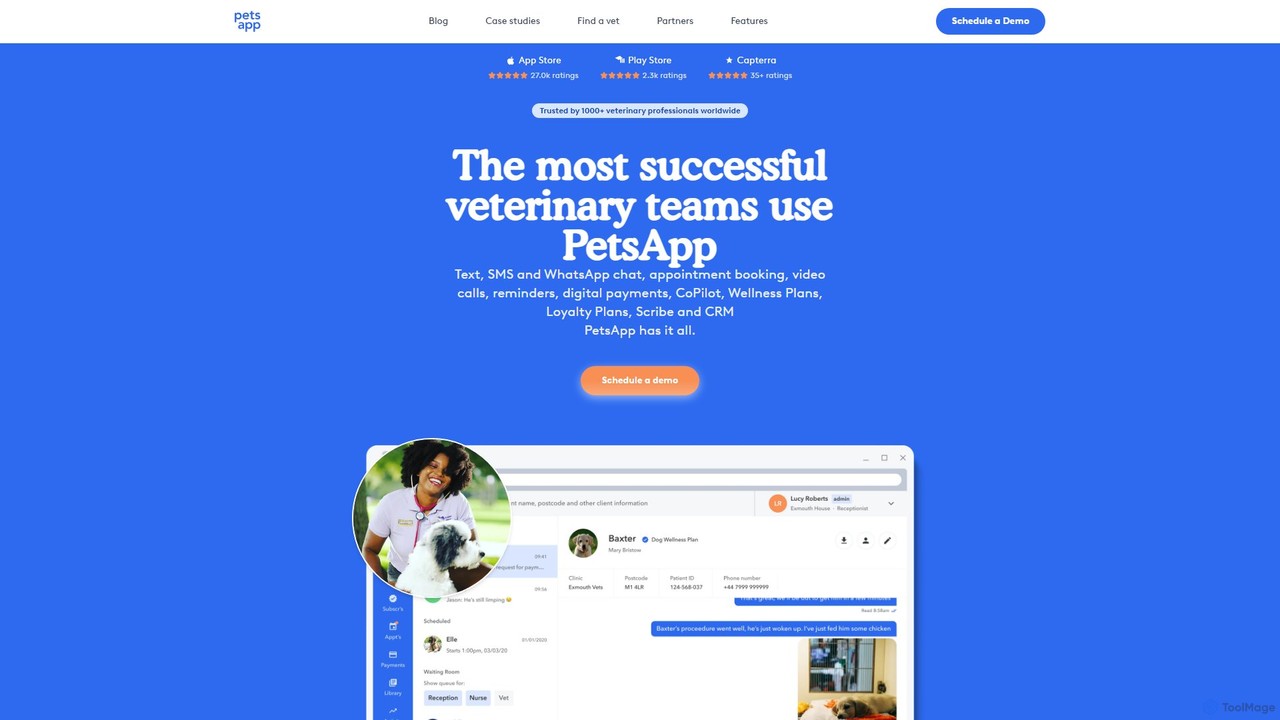
PetsApp is an all-in-one platform for veterinary practices, combining client communication, appointment booking, digital payments, and AI-powered assistants. It helps clinics save time, increase revenue, and enhance client relationships through tools like WhatsApp integration, wellness plans, and AI-driven note-taking.

Transcription
Visits 51.5KFavorites 137Likes 134
npilookup
Free

npilookup

An advanced AI-powered platform for searching and validating National Provider Identifier (NPI) numbers for healthcare providers in the United States. Use natural language queries to instantly find doctors, hospitals, and other medical practitioners from the latest NPPES NPI database, completely free of charge.

Search
Visits 7KFavorites 145Likes 143
Weave
Paid

Weave

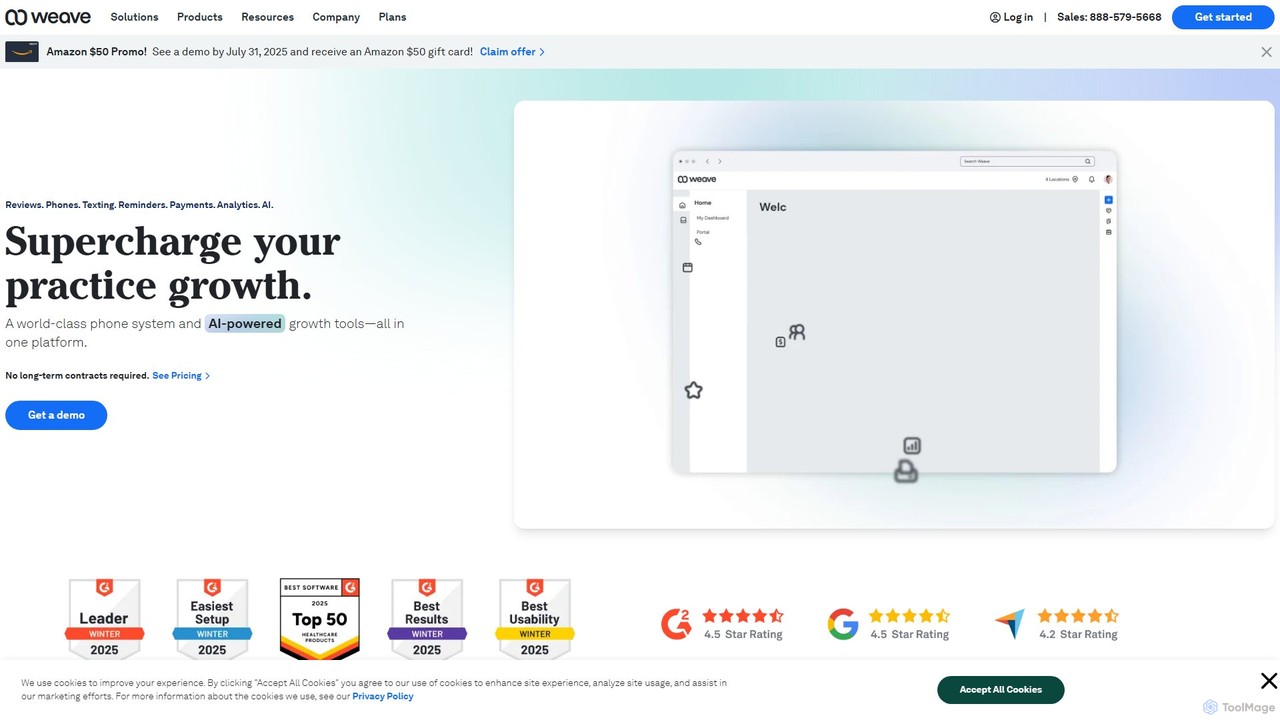
Weave is an AI-powered, all-in-one communication and growth platform for small businesses, primarily in the healthcare sector. It integrates a VoIP phone system, two-way texting, payment processing, and patient engagement tools into a single, unified interface. By leveraging AI, Weave helps practices streamline operations, enhance patient experiences, and accelerate business growth.

Crm
Visits 1.3MFavorites 150Likes 143
NoteMD
Freemium

NoteMD

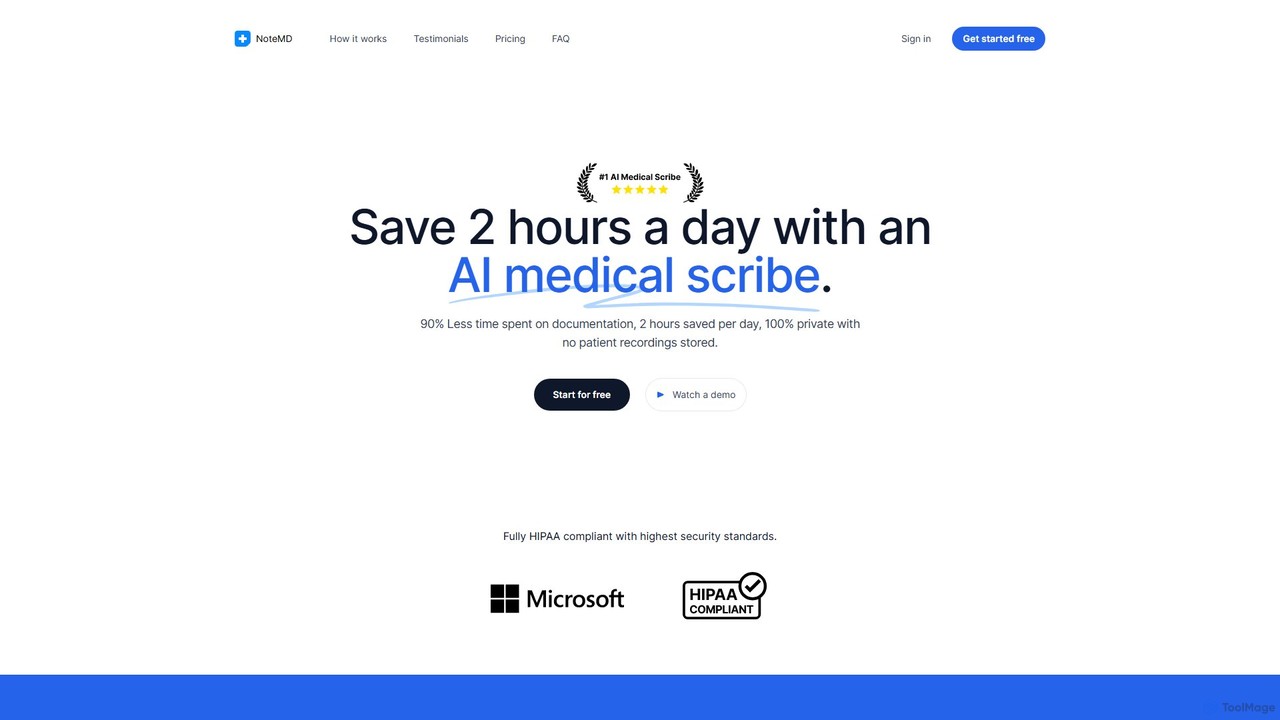
NoteMD is an AI-powered medical scribe designed for clinicians to reduce documentation time significantly. It transcribes patient visits and automatically generates structured SOAP notes, allowing healthcare professionals to save up to 2 hours daily. The platform is fully HIPAA compliant, secure, and accessible on any device, helping doctors focus more on patient care and less on paperwork.

Clinical Assistance
Visits 7.1KFavorites 138Likes 154
RapidAI
Paid

RapidAI

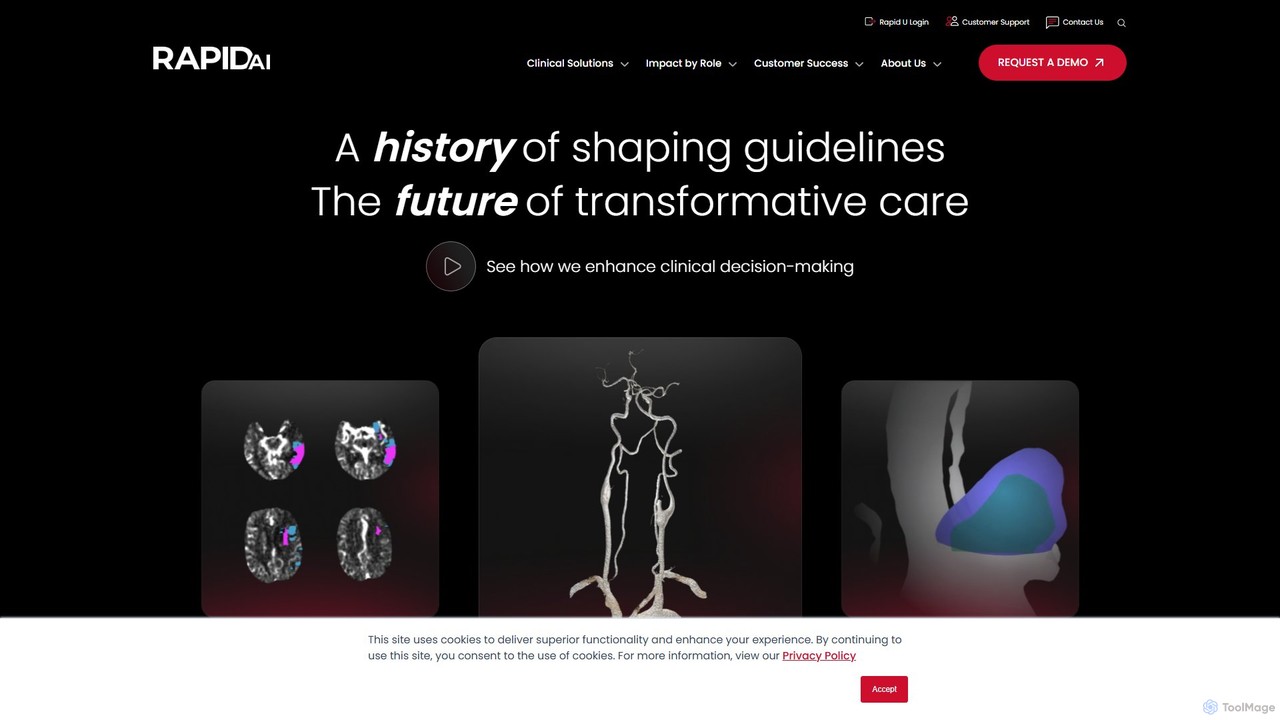
RapidAI is a leading clinical AI platform that enhances medical imaging analysis for life-threatening conditions like stroke and aneurysm. It provides healthcare professionals with real-time, actionable insights to accelerate diagnosis, inform treatment decisions, and improve patient outcomes. The platform is backed by extensive clinical validation and multiple FDA clearances.

Medical Data
Visits 32.2KFavorites 134Likes 132
Tamarind Bio
Freemium

Tamarind Bio

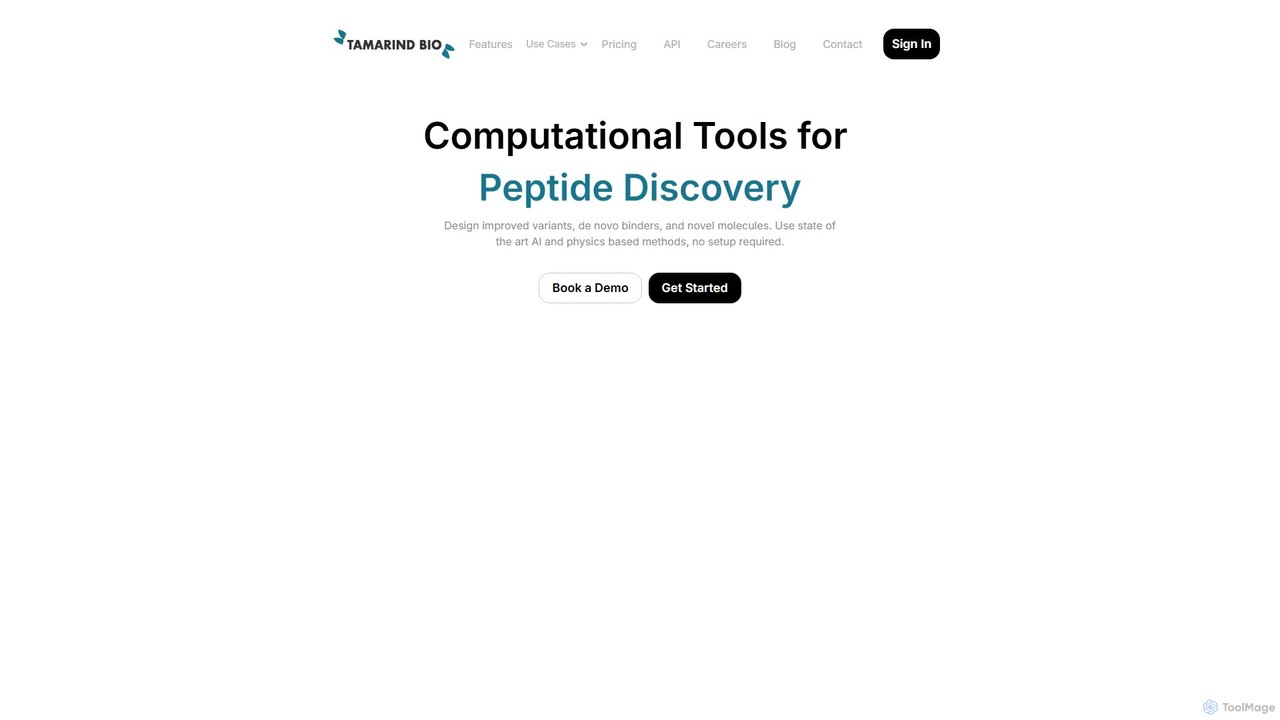
Tamarind Bio is an advanced computational platform that democratizes protein engineering. It provides scientists with a user-friendly interface and a powerful API to access state-of-the-art AI and physics-based tools like AlphaFold and RFdiffusion. The platform streamlines protein design, antibody engineering, and enzyme optimization, handling all high-performance computing and orchestration. This allows researchers to design novel molecules and improve biological variants at a massive scale, accelerating discovery in life sciences without requiring specialized computational expertise.

Api
Visits 69KFavorites 126Likes 133
localposh
Paid

localposh

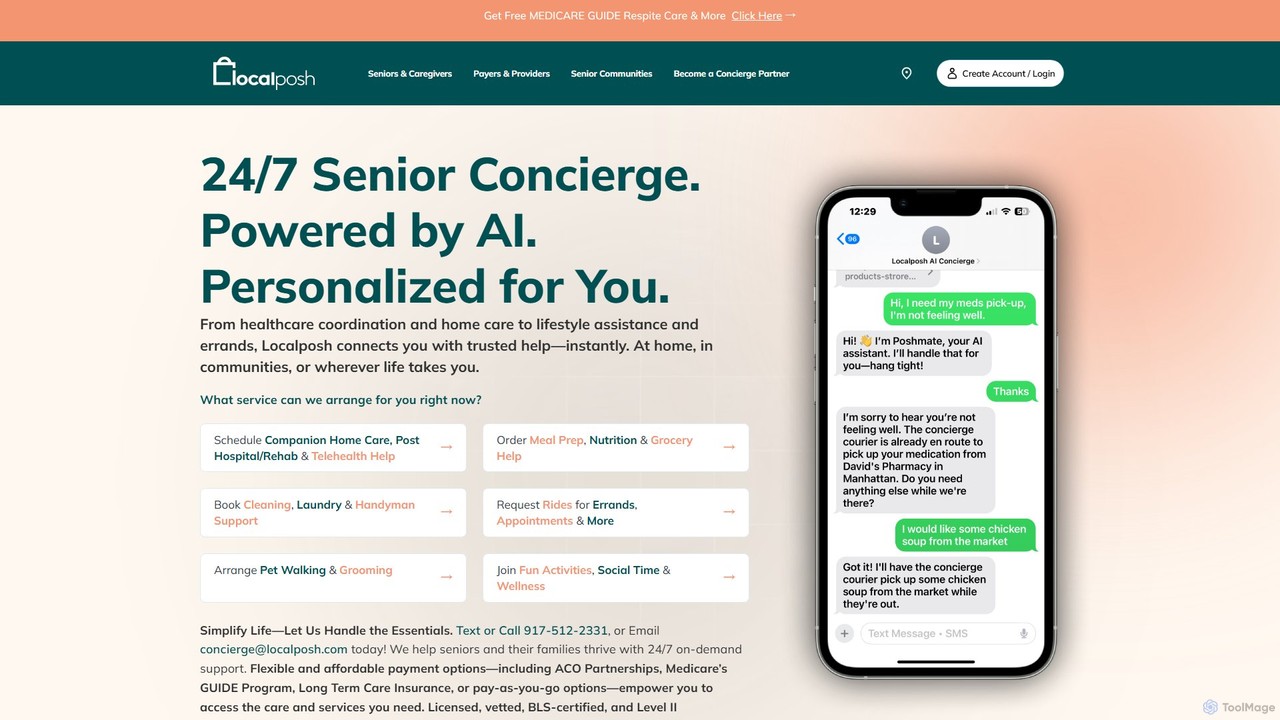
localposh is an AI-powered 24/7 senior concierge service providing personalized, on-demand support for aging in place. It connects seniors with vetted professionals for healthcare coordination, home care, errands, and lifestyle assistance. Accessible via text, call, or email, it offers a flexible, stress-free solution for seniors and their families, with no minimums or long-term contracts.

Elderly Care
Visits 6KFavorites 159Likes 163
Variational AI
Paid

Variational AI

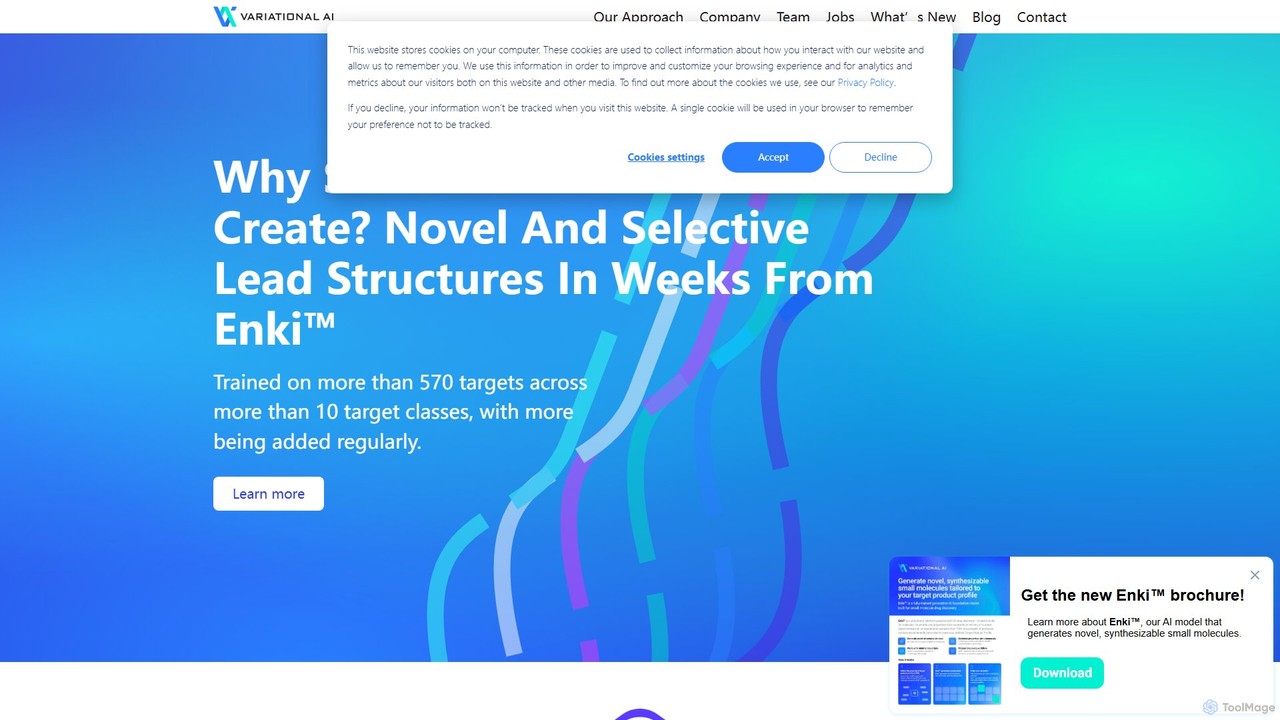
Variational AI leverages a generative AI foundation model, Enki™, to discover novel, drug-like small molecules. It accelerates drug discovery by generating selective lead structures in weeks, enabling biopharmaceutical partners to bypass traditional high-throughput screening and redefine the economics of therapeutic development.

Generative Models
Visits 11.2KFavorites 124Likes 141
Huma.ai
Paid

Huma.ai

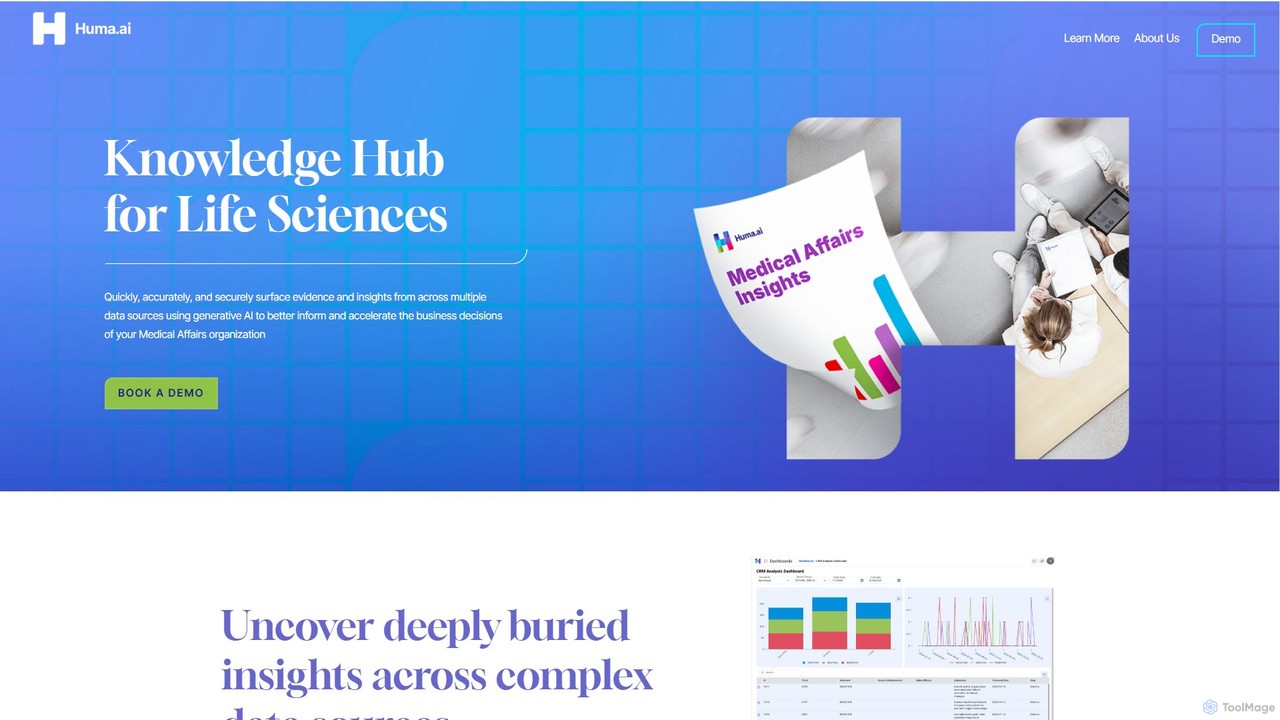
Huma.ai is an AI-powered knowledge hub specifically designed for the life sciences industry. It uses generative AI to securely analyze vast amounts of public and private data, helping medical affairs and healthcare teams to quickly surface evidence, uncover insights, and accelerate data-driven decision-making. The platform automates literature reviews, generates custom reports, and provides real-time analysis.

Business Intelligence
Visits 11.8KFavorites 170Likes 180
ChartX
Paid

ChartX

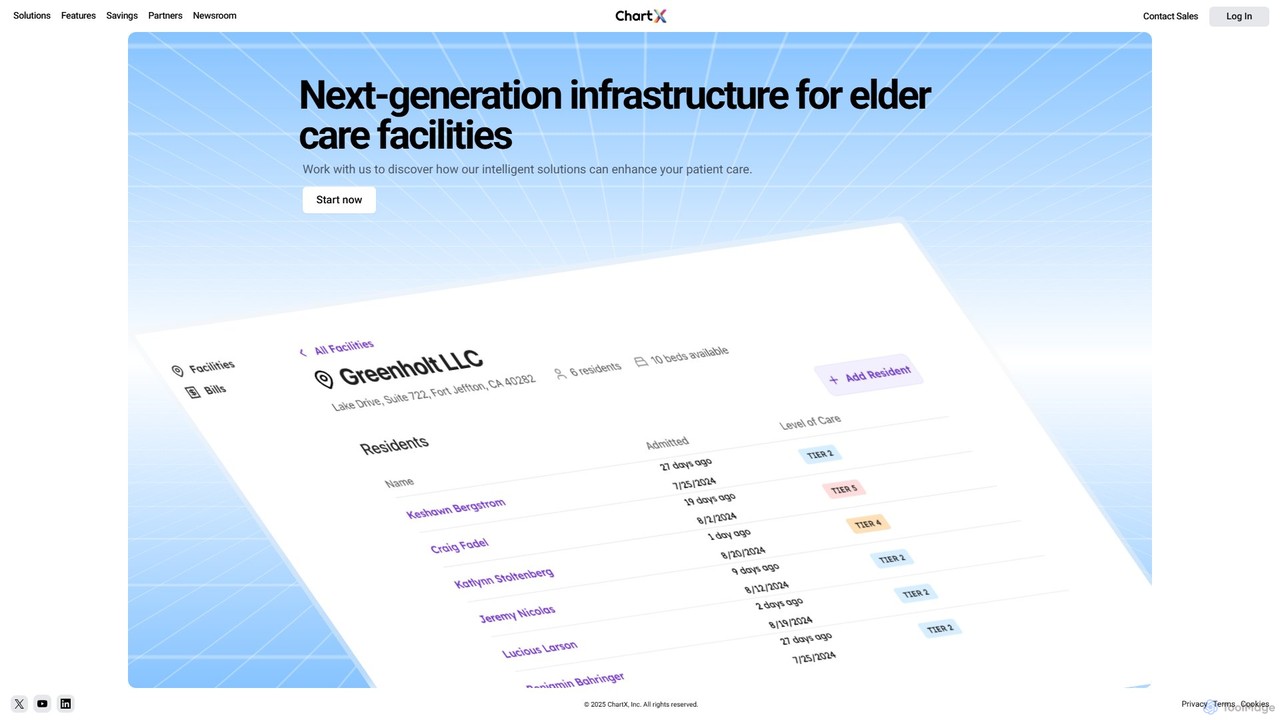
ChartX is a next-generation AI-powered infrastructure designed for elder care facilities. It streamlines operations by automating billing, patient onboarding, and financial management. The platform is HIPAA-compliant, ensuring data security while helping facilities enhance patient care, reduce administrative overhead, and improve revenue cycle management.

Operations
Visits 6KFavorites 125Likes 130
Haut.AI
Paid

Haut.AI

Haut.AI is a science-backed AI SaaS platform for beauty brands and retailers. It offers advanced AI Skin Analysis and generative AI (SkinGPT) to provide hyper-personalized skincare recommendations and realistic virtual try-ons, boosting customer engagement, conversion rates, and sales.

Personalization
Visits 42.3KFavorites 124Likes 124
Physician UX
Freemium

Physician UX

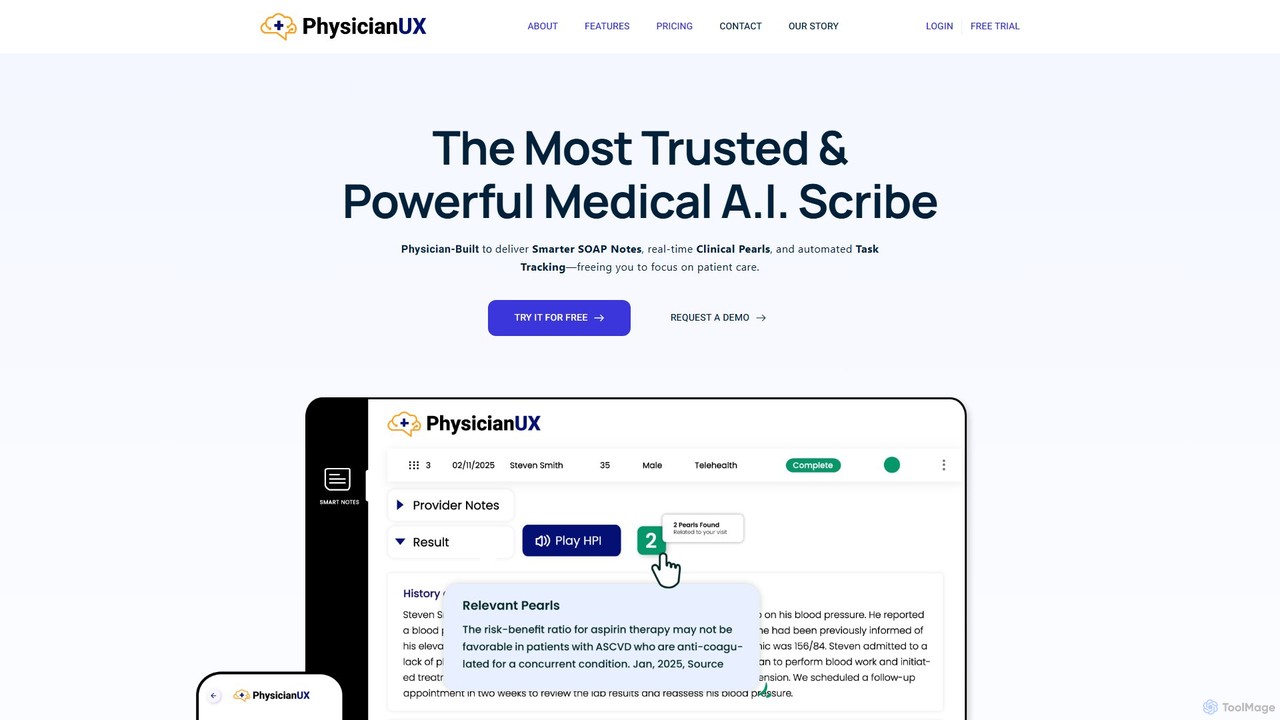
Physician UX is an AI-powered clinical documentation tool designed by a practicing physician to combat burnout. It functions as an intelligent medical scribe, automating SOAP note creation, providing real-time clinical insights, and streamlining workflows. By operating independently of EMRs, it ensures high performance, security, and rapid feature updates, helping clinicians save time and focus on patient care.

Clinical Assistance
Visits 6.4KFavorites 127Likes 109
Arini
Paid

Arini

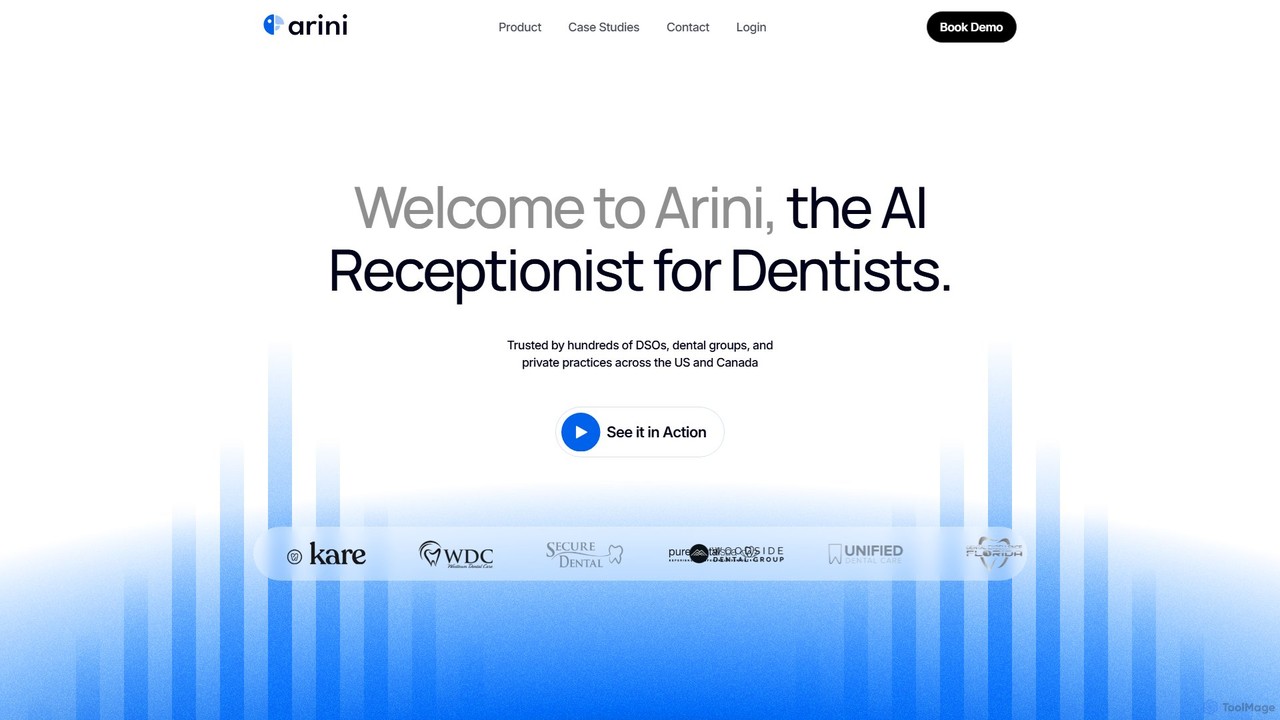
Arini is a leading AI-powered receptionist designed specifically for dental practices. It handles patient communications 24/7 via calls and texts, intelligently scheduling, confirming, and rescheduling appointments. By integrating seamlessly with existing practice management software, Arini reduces missed calls, increases revenue, and frees up front-desk staff to focus on higher-value tasks, ensuring no patient opportunity is lost.

Virtual Assistant
Visits 16.7KFavorites 141Likes 112
Sully.ai
Paid

Sully.ai

Sully.ai provides enterprise-grade AI agentic teams for healthcare organizations. It automates clinical operations, including medical documentation, patient scheduling, and billing codes, by integrating with existing EMR systems. This helps reduce clinician burnout, improve operational efficiency, and enhance patient care.

Virtual Assistant
Visits 46.4KFavorites 119Likes 106

About Healthcare

AI Healthcare tools are a class of software that leverages artificial intelligence, particularly machine learning and natural language processing, to analyze complex medical data. These tools process vast datasets, including medical imaging, electronic health records (EHRs), and genomic sequences, to identify patterns and predict outcomes. They are designed to support clinical decision-making, streamline hospital operations, and accelerate biomedical research. By automating analysis and providing data-driven insights, these tools help improve diagnostic accuracy and personalize patient care.

Core Features

  • Medical Image Analysis: Automatically detects and highlights anomalies in X-rays, CT scans, and MRIs to assist radiologists and pathologists.
  • Predictive Analytics: Forecasts disease outbreaks, patient risk stratification, and potential adverse drug events using historical data.
  • Clinical Workflow Automation: Automates administrative tasks such as medical coding, patient data entry, and appointment scheduling.
  • Drug Discovery Acceleration: Analyzes biological data to identify potential drug candidates and predict their efficacy, shortening research cycles.
  • Personalized Treatment Planning: Recommends tailored treatment protocols based on an individual's genetic profile, lifestyle, and clinical history.

Use Cases

AI Healthcare tools are utilized across various medical settings. Hospitals and clinics use them for diagnostic support and operational efficiency. Pharmaceutical companies and research institutions apply them to accelerate drug discovery and clinical trials. Public health organizations also use predictive analytics for epidemiology and resource allocation.

How to Choose

When selecting an AI Healthcare tool, prioritize solutions with proven clinical validation and regulatory compliance (e.g., HIPAA, GDPR). Assess its integration capabilities with your existing Electronic Health Record (EHR) systems. Evaluate the model's accuracy, transparency, and the quality of the data it was trained on. Finally, ensure the provider offers robust data security measures and technical support.

Featured tool rankings

Healthcare use cases

1

Automated Medical Image Screening

A radiologist in a busy hospital uses an AI-powered diagnostic tool to analyze hundreds of chest X-rays daily. The tool automatically flags images with potential signs of pneumonia or lung nodules, prioritizing them for expert review. This system acts as a second reader, helping to reduce the risk of missed diagnoses due to fatigue and high workload. As a result, the radiology department can improve its diagnostic accuracy and significantly decrease the turnaround time for critical findings, leading to earlier patient treatment.

2

Predicting Patient Readmission Risk

A hospital care management team uses a predictive analytics platform to identify patients at high risk of readmission within 30 days of discharge. The AI model analyzes factors from the patient's electronic health record, such as diagnosis, length of stay, comorbidities, and past admissions. Based on the risk score, the team can allocate resources more effectively, providing high-risk patients with proactive follow-up calls, home health visits, or specialized care coordination to prevent complications and ensure a smoother recovery.

3

AI-Powered Clinical Documentation

A primary care physician uses an ambient clinical intelligence tool during patient consultations. The tool listens to the doctor-patient conversation, automatically transcribes it, and populates the relevant fields in the electronic health record (EHR) in real-time. It can distinguish between speakers, identify medical terms, and structure the notes correctly. This automation frees the physician from extensive note-taking, reducing administrative burden and burnout, and allowing them to focus more on direct patient interaction and care.

4

Accelerating Drug Discovery Research

A team of researchers at a pharmaceutical company uses an AI platform to analyze vast genomic and proteomic datasets. The goal is to identify novel biological targets for a new cancer therapy. The AI model sifts through millions of data points to find correlations that would be impossible for humans to detect, predicting which proteins are most likely to be effective drug targets. This significantly narrows down the number of candidates for laboratory testing, saving months or even years of research time and millions in R&D costs.

5

Personalized Cancer Treatment Planning

An oncologist uses an AI decision support system to create a personalized treatment plan for a patient with a rare form of cancer. The system analyzes the patient's genomic data, pathology reports, and medical history, comparing it against a vast database of clinical trials, research papers, and treatment outcomes from similar cases worldwide. It then suggests a ranked list of potential therapies, including targeted drugs and immunotherapies, that are most likely to be effective for this specific patient, empowering the oncologist to make a more informed decision.

6

Intelligent Triage for Virtual Health Assistants

A large healthcare provider implements an AI-powered chatbot on its patient portal. When a patient reports symptoms, the chatbot engages in a conversational triage process, asking targeted questions to assess the severity and nature of the issue. Based on the responses, it can recommend self-care measures for minor issues, schedule a telehealth appointment with a nurse or doctor for non-urgent cases, or advise immediate emergency care for critical symptoms. This automates the initial patient intake, ensuring patients are directed to the appropriate level of care efficiently.

Healthcare FAQ

What are AI Healthcare tools?

AI Healthcare tools are software applications that use artificial intelligence technologies like machine learning, natural language processing, and computer vision to analyze medical data. Their primary purpose is to assist healthcare professionals in diagnosing diseases, planning treatments, and managing clinical operations. Common examples include AI systems for reading medical scans, predicting patient outcomes, and automating administrative tasks in hospitals.

How do you choose a reliable AI Healthcare tool?

Choosing a reliable AI healthcare tool requires careful consideration of several factors. Look for the following:

  • Regulatory Compliance: Ensure the tool complies with data privacy and security regulations like HIPAA in the US or GDPR in Europe.
  • Clinical Validation: Check for evidence of effectiveness, such as peer-reviewed studies, clinical trial results, or clearance from regulatory bodies like the FDA.
  • Integration Capability: The tool should seamlessly integrate with your existing systems, especially Electronic Health Records (EHR).
  • Data Security: Verify that the provider has robust security protocols to protect sensitive patient information.
Will AI tools replace doctors and nurses?

No, AI tools are not intended to replace healthcare professionals like doctors and nurses. Instead, they are designed to be powerful assistants or augmentation tools. They excel at processing large amounts of data, identifying patterns, and automating repetitive tasks. This frees up clinicians to focus on what humans do best: complex decision-making, patient communication, empathy, and providing hands-on care. The goal is a human-AI collaboration that enhances the quality and efficiency of care.

What are the main benefits of using AI in healthcare?

The primary benefits of using AI in healthcare include:

  • Improved Accuracy: AI can detect subtle patterns in medical images and data that may be missed by the human eye, leading to earlier and more accurate diagnoses.
  • Enhanced Efficiency: Automating administrative and clinical tasks reduces workload, minimizes errors, and allows healthcare providers to see more patients.
  • Personalized Medicine: AI enables the analysis of a patient's unique genetic and clinical data to tailor treatments for better outcomes.
  • Accelerated Research: AI significantly speeds up the process of drug discovery and the analysis of clinical trial data, bringing new treatments to market faster.
What types of data do AI Healthcare tools use?

AI healthcare tools are trained on and analyze a wide variety of data types. These include structured data like lab results and vital signs, as well as unstructured data. Key examples are:

  • Medical Imaging: X-rays, CT scans, MRIs, and pathology slides.
  • Electronic Health Records (EHRs): Patient histories, physician notes, diagnoses, and medications.
  • Genomic Data: DNA and RNA sequences used for personalized medicine.
  • Clinical Trial Data: Information from research studies to find new treatments.
  • Real-world Data: Data from sources like wearable devices and patient registries.