Epismo
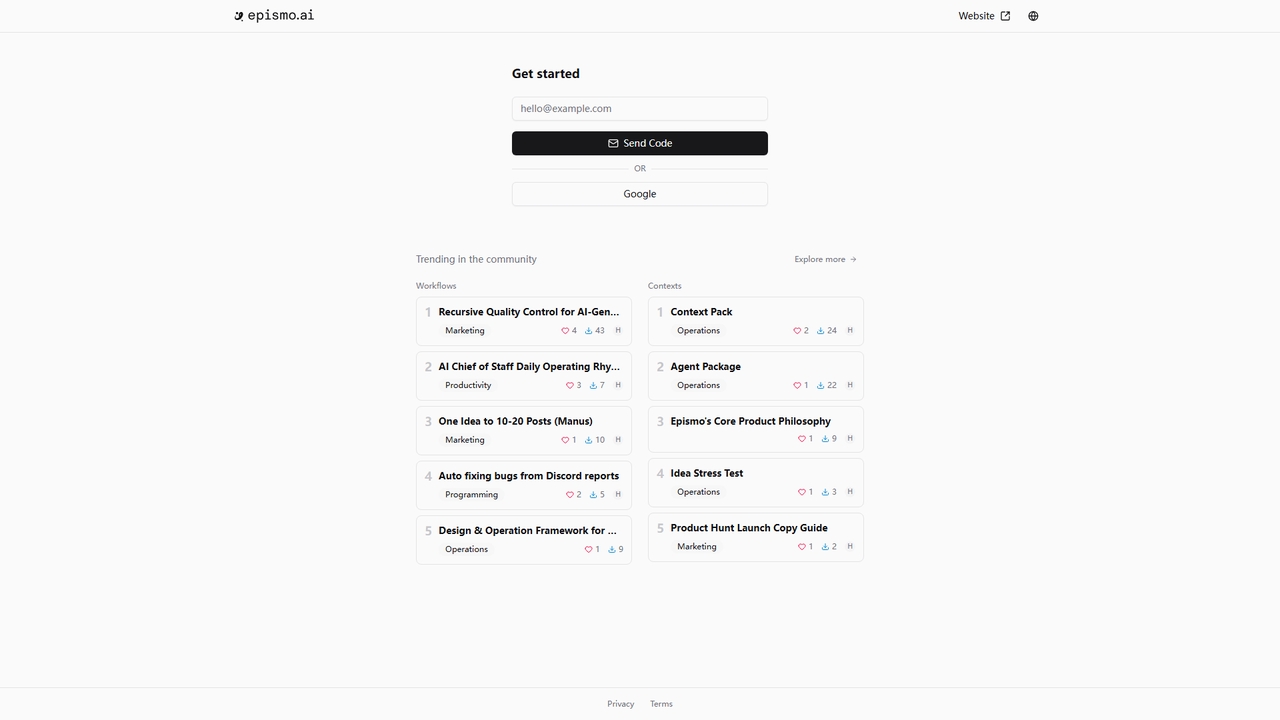
A workflow platform for AI agents, offering ready-to-use templates for marketing, productivity, programming, and operations.
Content GenerationVisits 3.5KFavorites 5Likes 7
Popular Operations AI tools include UpKeep, Focal Systems, Cflow, Smartfoodsafe, Ignite, Phare, WasteAID by Ecorithms, Slingshot, Forescribe, and Ripplica, helping you work more efficiently.
A workflow platform for AI agents, offering ready-to-use templates for marketing, productivity, programming, and operations.
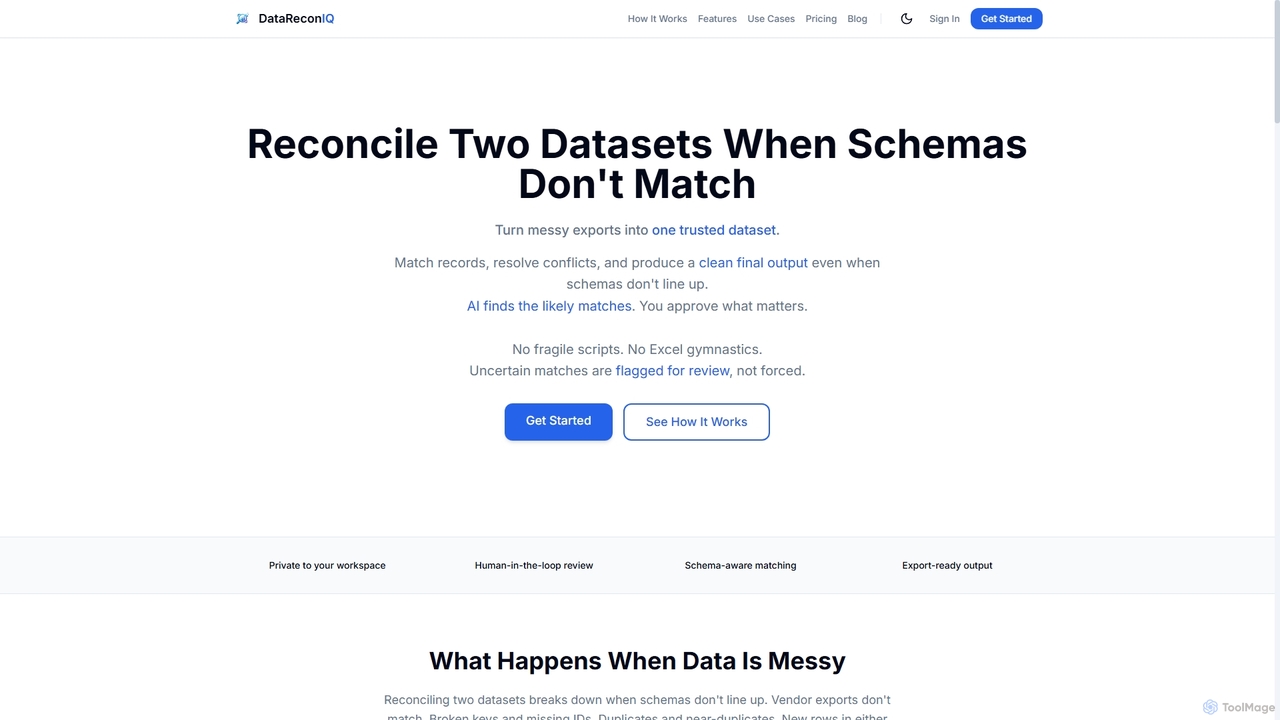
Content GenerationDataReconIQ is an AI-powered data reconciliation software designed to match, merge, and clean two datasets, even when schemas don't align. It intelligently identifies matches, flags conflicts for human review, and produces a trusted, normalized output with a full audit trail.
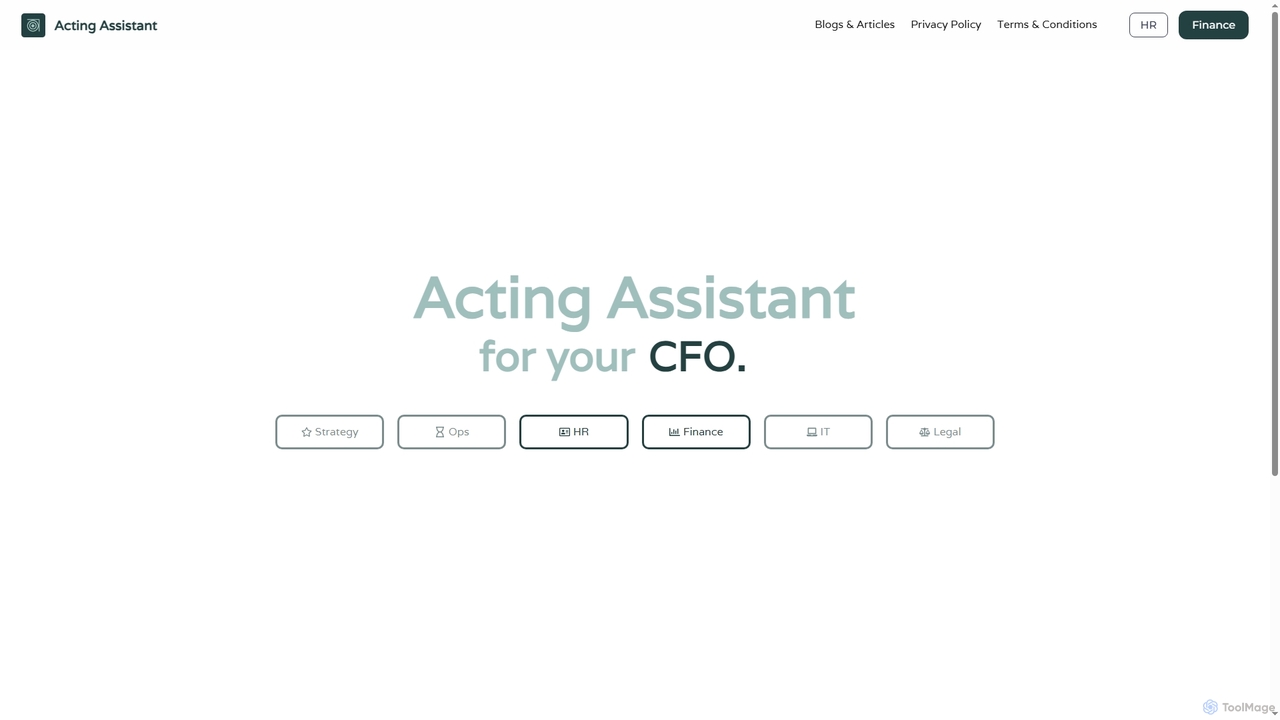
Data ReconciliationActing Assistant is an AI-powered thinking partner designed for CXOs and business leaders. It transforms business systems into a conversational interface, providing real-time insights, automating complex tasks, and executing decisions instantly. Specializing in finance, it helps uncover hidden losses, streamline operations, and enhance strategic decision-making with robust data security and sovereignty.
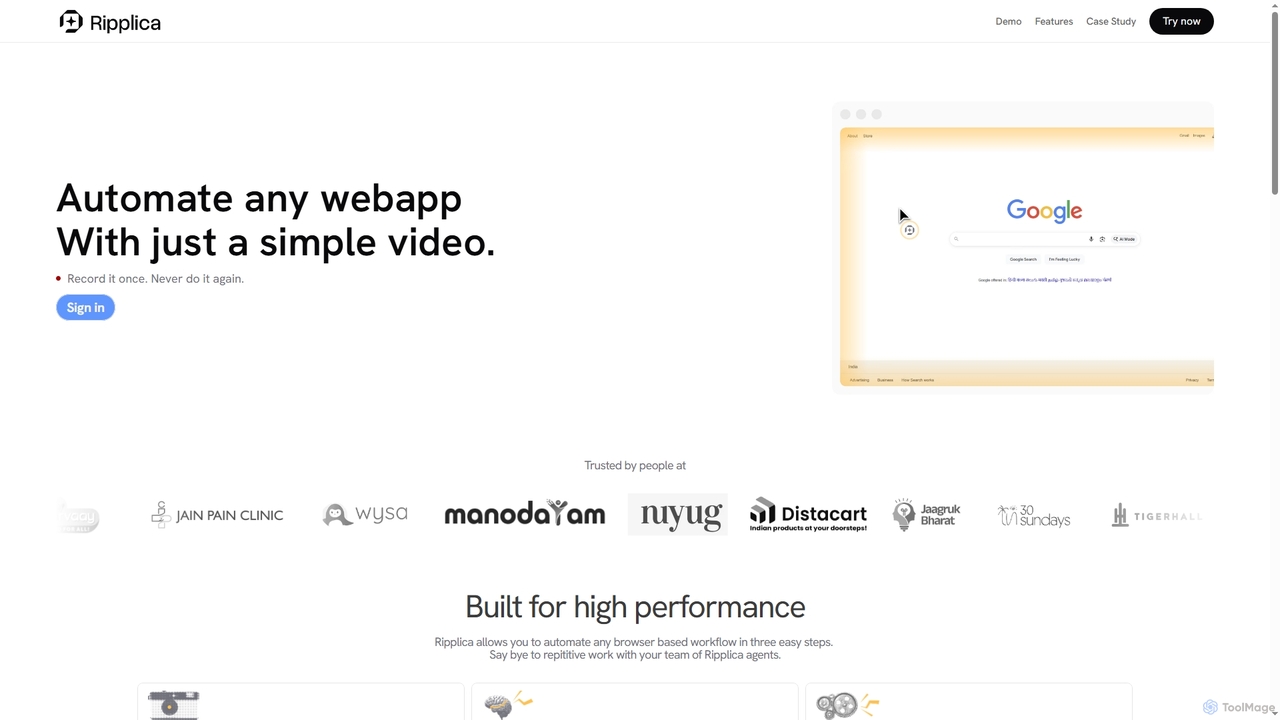
Executive AssistantRipplica is an AI-powered automation platform that turns simple screen recordings into executable workflows. It enables users to automate any browser-based task without needing APIs, compatible with both modern and legacy systems. By intelligently interpreting on-screen context, Ripplica handles repetitive work, allowing teams to boost productivity and focus on high-value activities.
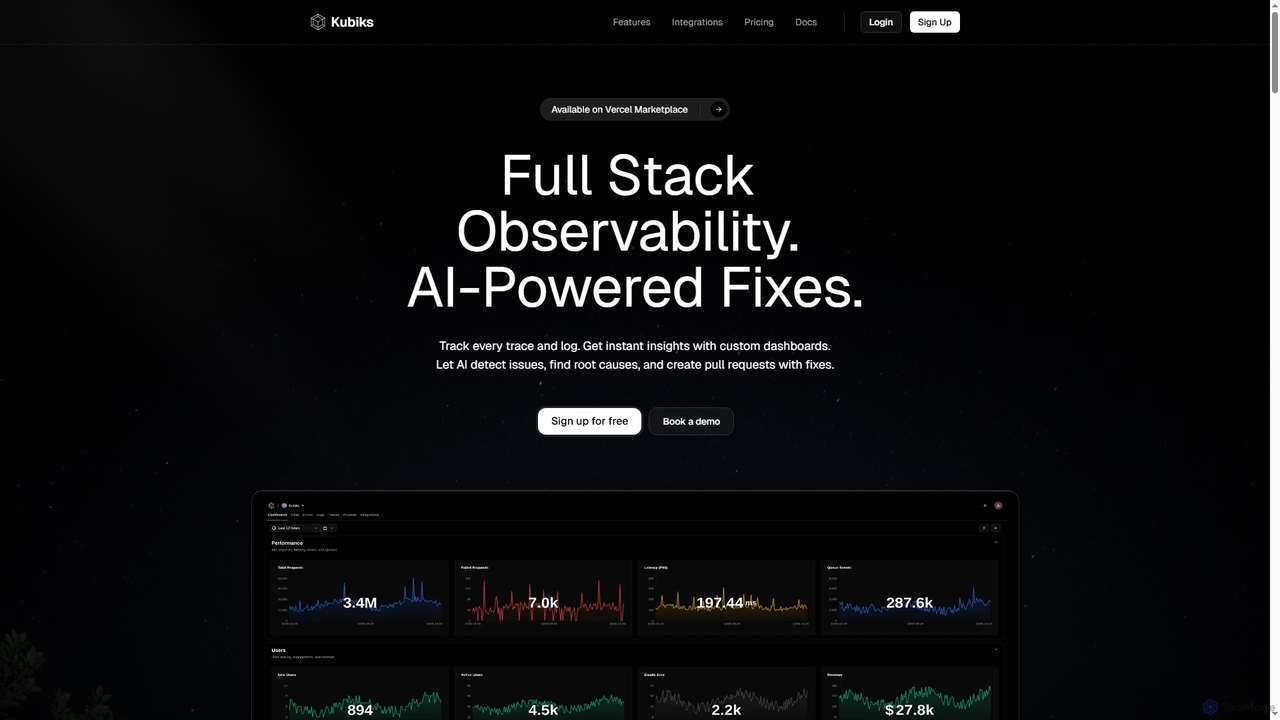
Social Media ManagementKubiks is an AI-powered full-stack observability platform providing distributed tracing, logging, and custom dashboards. It automatically detects issues, identifies root causes, and generates pull requests with fixes, helping engineering teams debug faster and proactively resolve problems.
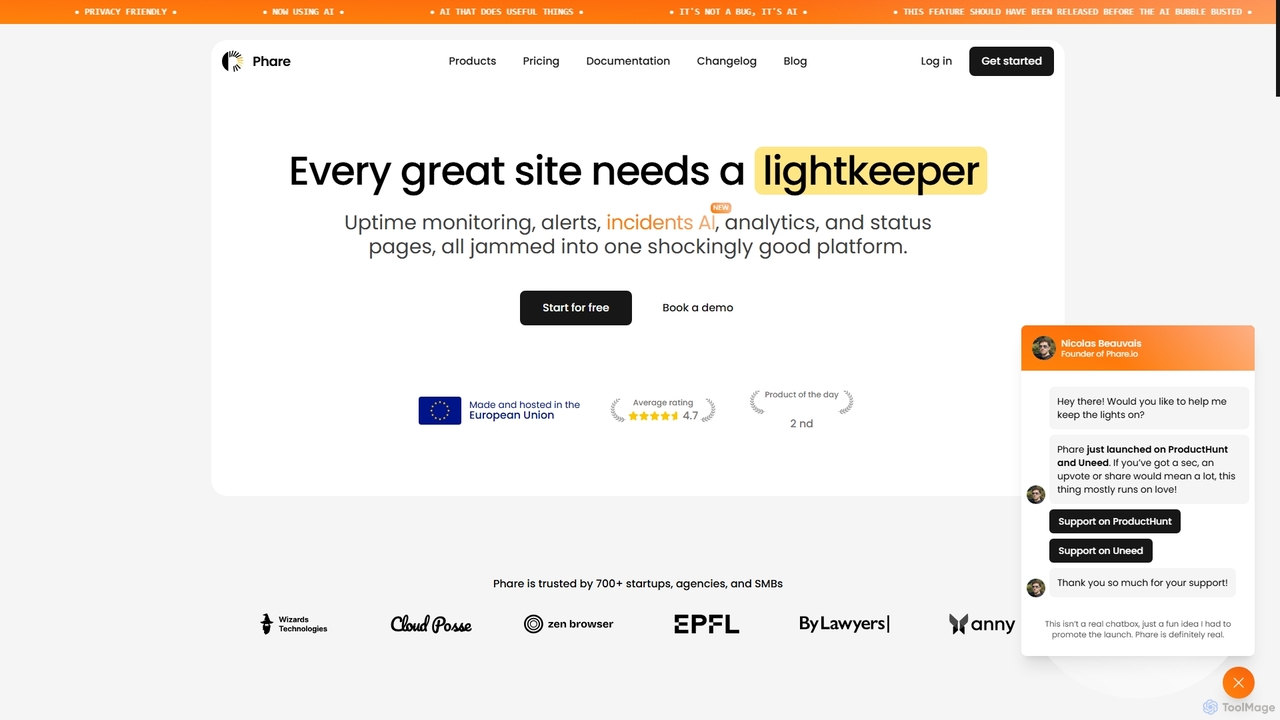
DebuggingPhare is a comprehensive platform for website uptime monitoring, incident management, and custom status pages. It offers real-time alerts, AI-powered incident summaries, and a flexible pricing model to ensure your online services run successfully and reliably.
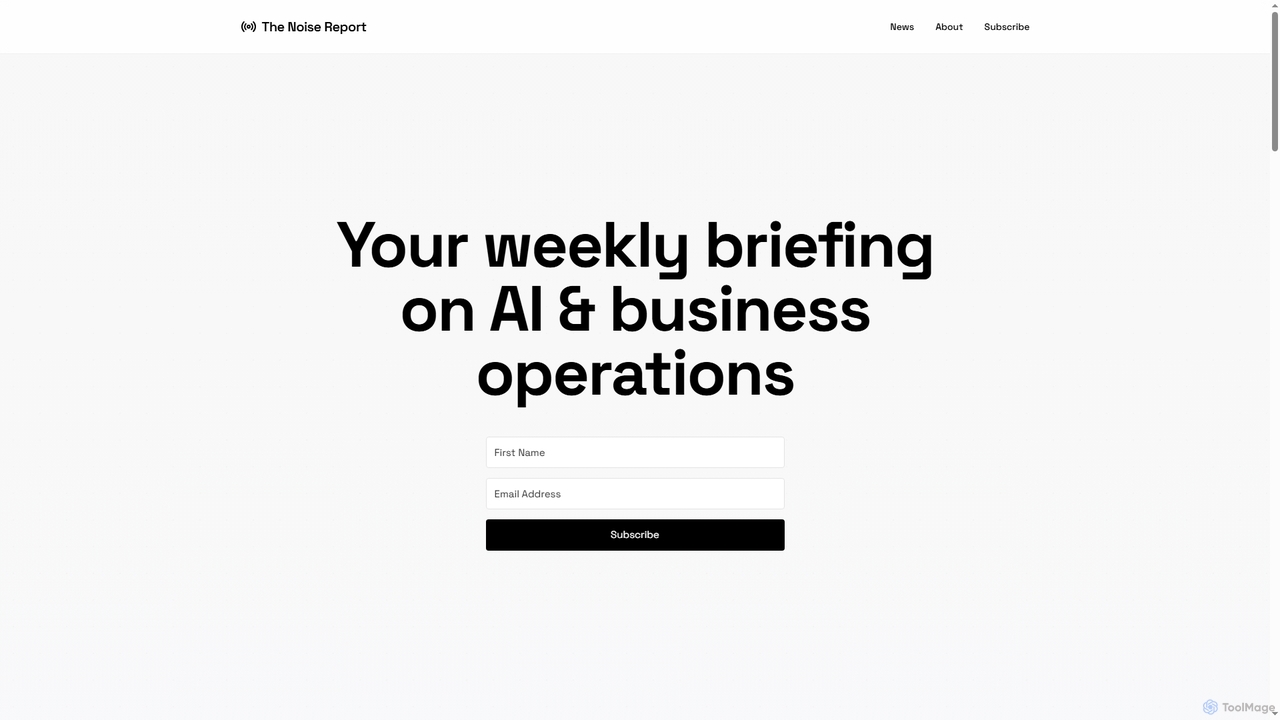
Api MonitoringThe Noise Report is a weekly email briefing that distills complex updates in AI, automation, and business operations into clear, actionable insights. It helps business operators cut through the hype and focus on what truly drives leverage for their online businesses, delivered directly to their inbox.
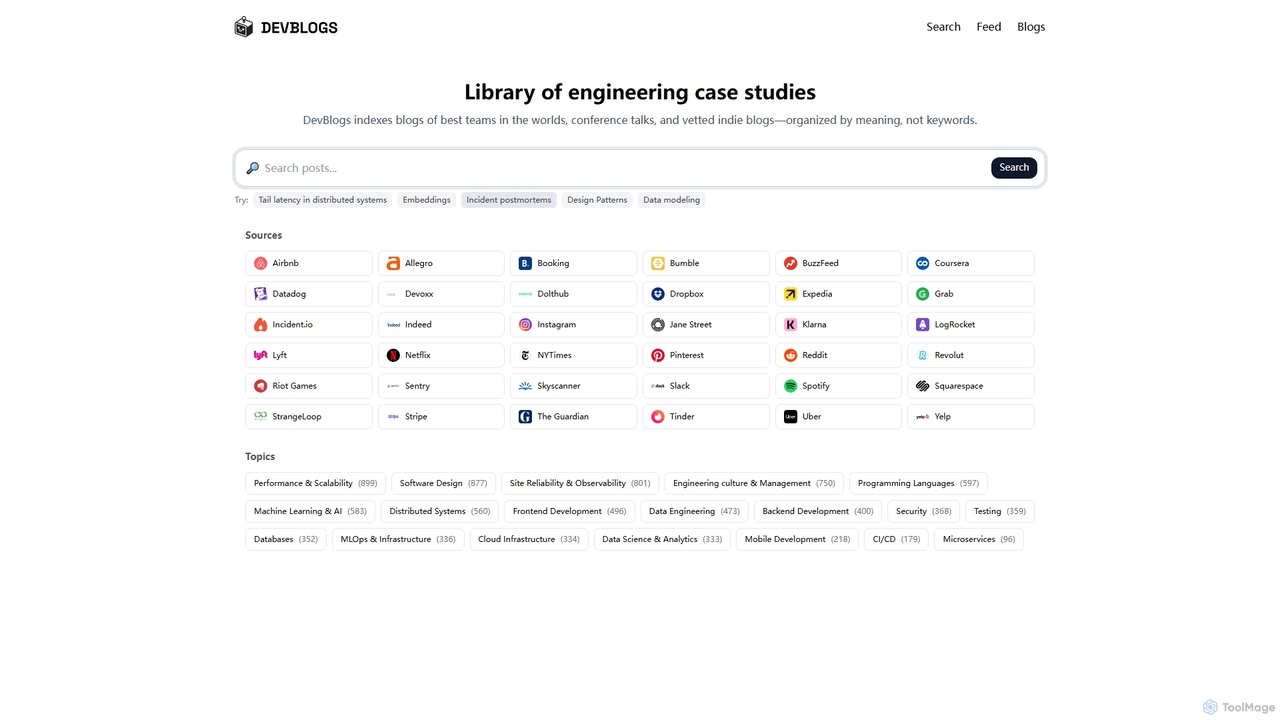
NewsletterDevBlogs is a curated library indexing engineering case studies, tech blogs, and conference talks from leading global teams. It organizes content by meaning and specific technical topics, providing a valuable resource for developers and engineers to discover insights and best practices.
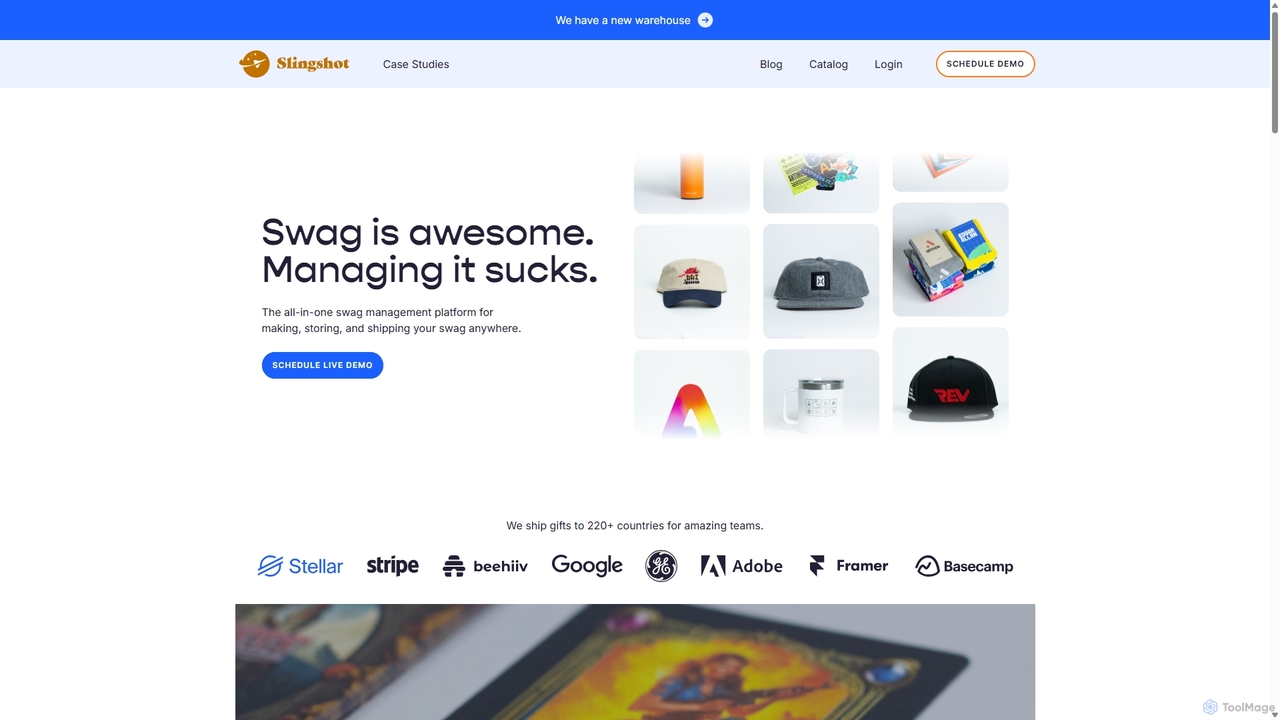
InfrastructureSlingshot is an all-in-one swag management platform that handles the entire lifecycle of branded merchandise. It enables companies to design, store, and ship custom swag to over 220 countries, eliminating logistical headaches. Ideal for marketing campaigns, employee engagement, and event management.
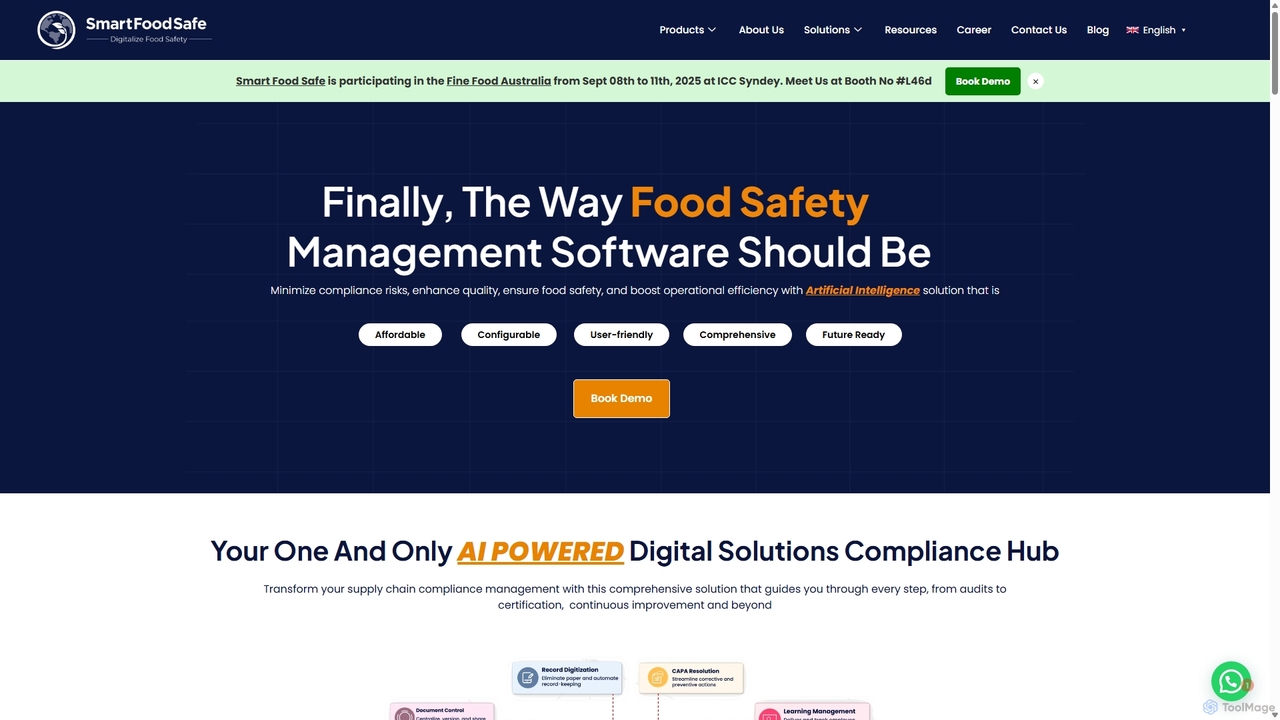
Employee EngagementAn AI-powered food safety and quality management software designed for the food industry. It streamlines compliance, traceability, and regulatory management through a comprehensive suite of modular solutions. The platform helps minimize risks, enhance quality, and boost operational efficiency, offering tools for audits, supplier management, and GFSI certification readiness.
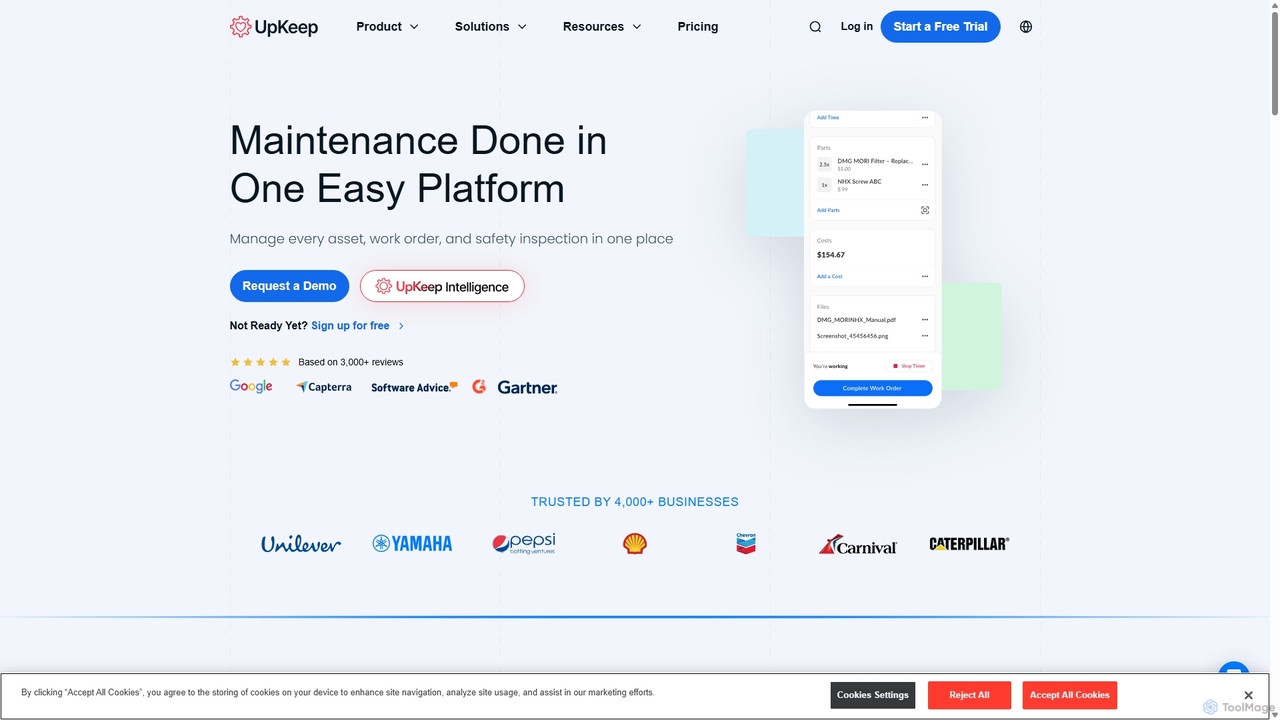
Quality ManagementUpKeep is an AI-powered, mobile-first Asset Operations Management platform. It combines a CMMS, EAM, and IIoT software to help maintenance, reliability, and operations teams manage work orders, assets, and inventory. The platform is designed to streamline operations, reduce downtime, and increase productivity by centralizing data and providing actionable insights.
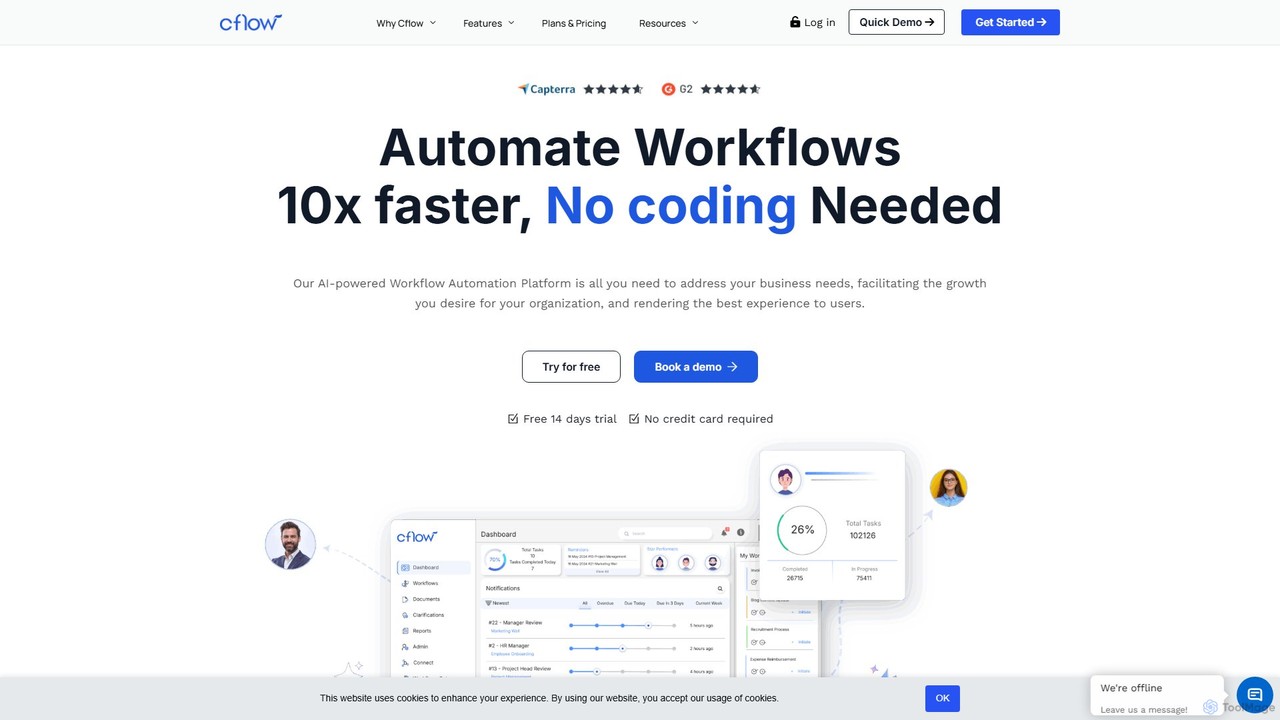
Asset ManagementCflow is an AI-powered, no-code platform for workflow automation and business process management (BPM). It enables businesses to digitize and automate processes across departments like HR, finance, and procurement using a visual builder, OCR, and advanced analytics.
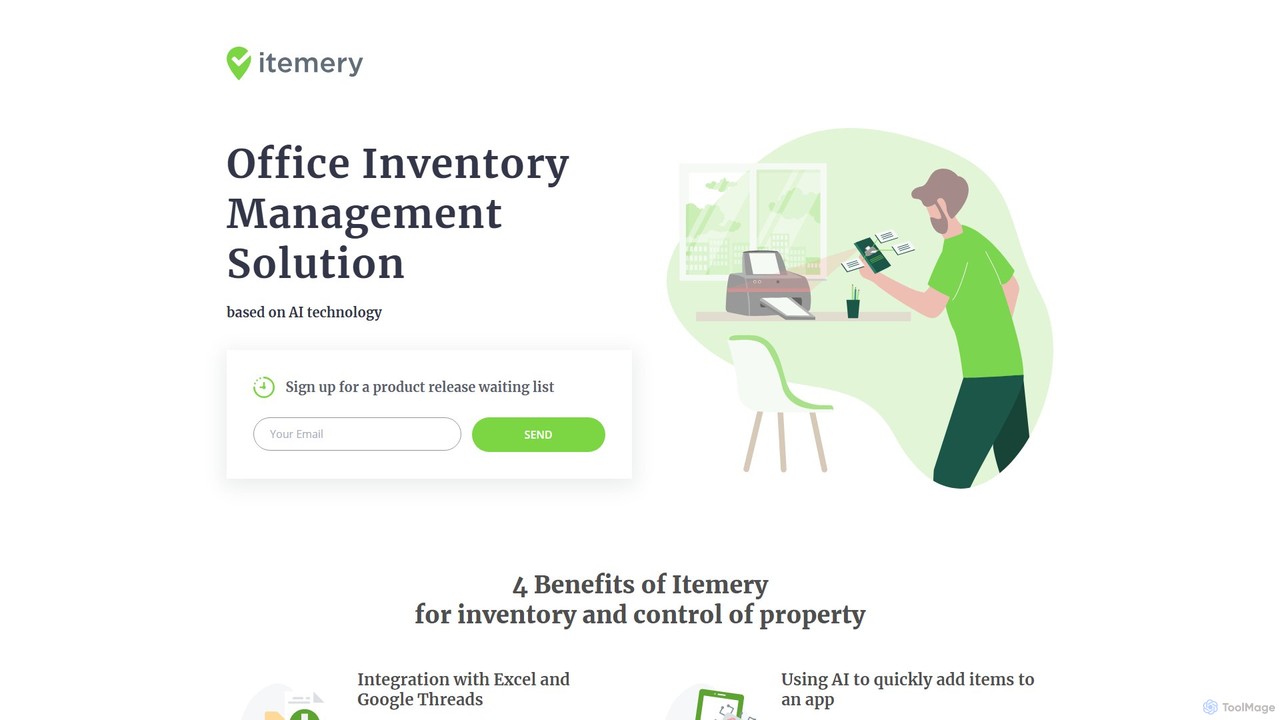
Process ManagementItemery is an AI-powered office inventory management software for small and medium businesses. It simplifies asset tracking with features like AI object recognition via a mobile app, QR/barcode scanning, and seamless data import. Users can easily organize items, manage locations, conduct audits, and monitor company assets through an intuitive dashboard, making inventory control efficient and accessible from anywhere.
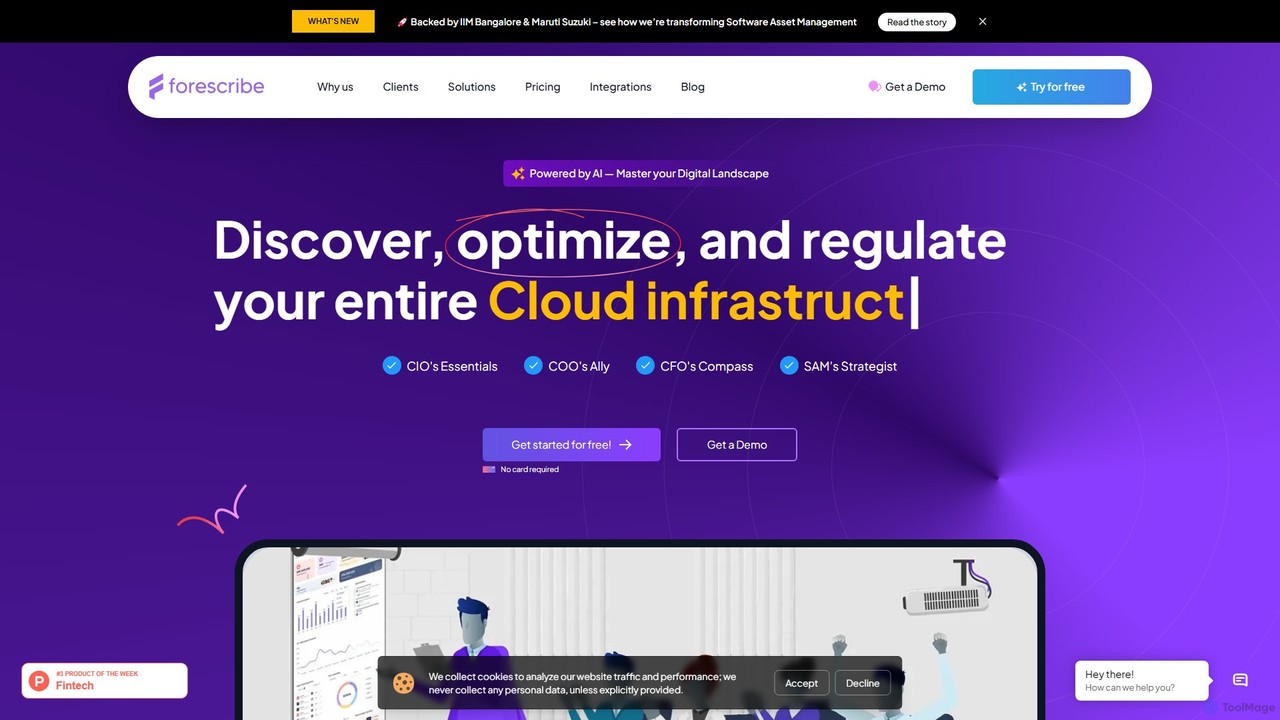
Inventory ManagementForescribe is an AI-powered SaaS Management Platform (SMP) designed to help businesses master their digital landscape. It enables organizations to discover all their SaaS applications, optimize software spending by identifying redundant or underused licenses, and ensure security and compliance. By providing a centralized dashboard with real-time insights, Forescribe empowers IT, Finance, and Operations teams to control costs, mitigate risks, and maximize the value of their software investments.
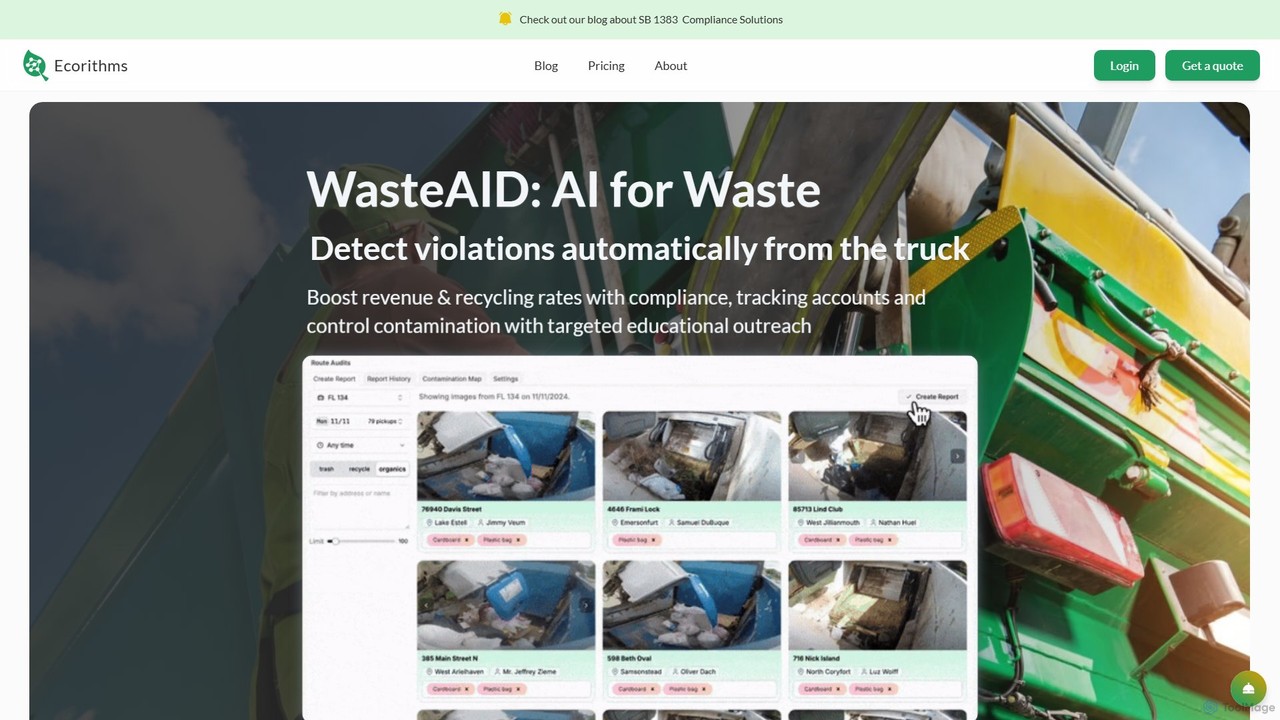
Expense ManagementWasteAID by Ecorithms is an AI-powered waste auditing software that helps waste haulers and municipalities improve recycling rates and ensure regulatory compliance. Using computer vision, it automatically analyzes truck camera footage to detect contamination in waste streams, track non-compliant accounts, and automate educational outreach. This streamlines operations, recovers costs, and supports zero-waste goals without requiring new hardware.
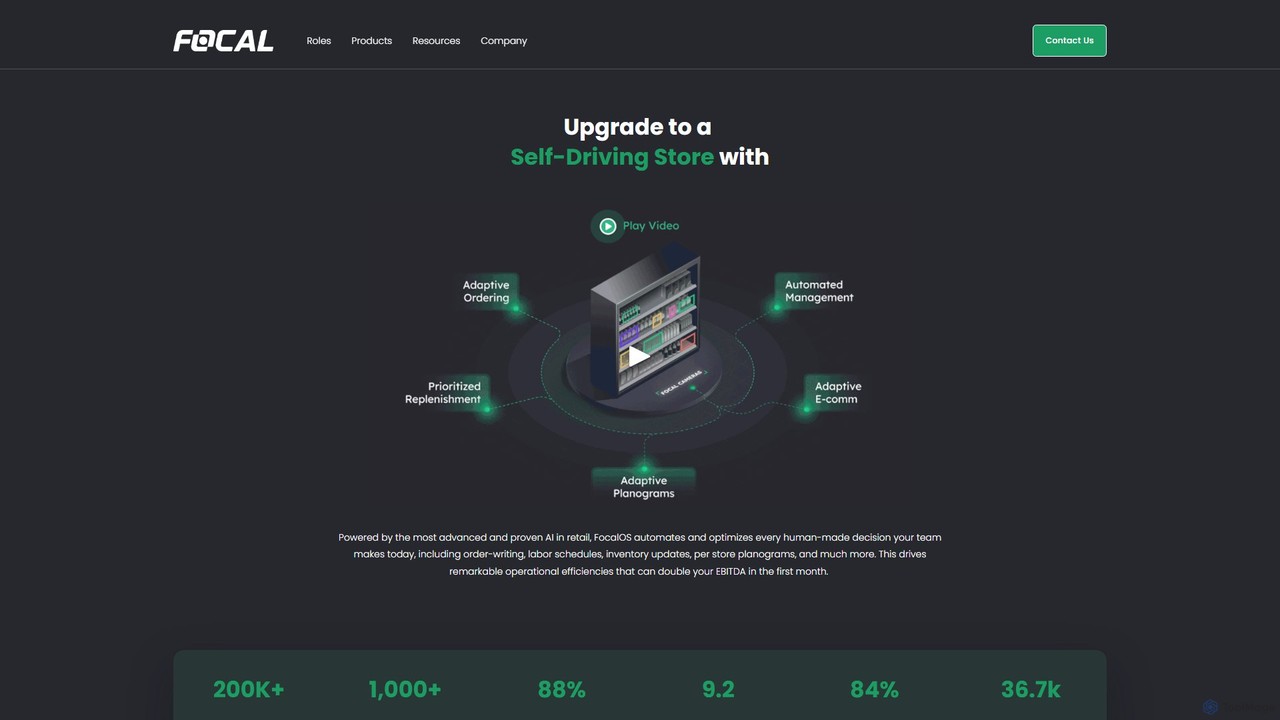
SustainabilityFocal Systems provides FocalOS, an AI-powered operating system that transforms physical retail stores into "Self-Driving Stores." By using computer vision cameras to digitize shelves hourly, it automates and optimizes inventory management, ordering, labor scheduling, and more. This leads to significant increases in operational efficiency, a dramatic reduction in food waste, and a substantial boost in EBITDA for retailers.
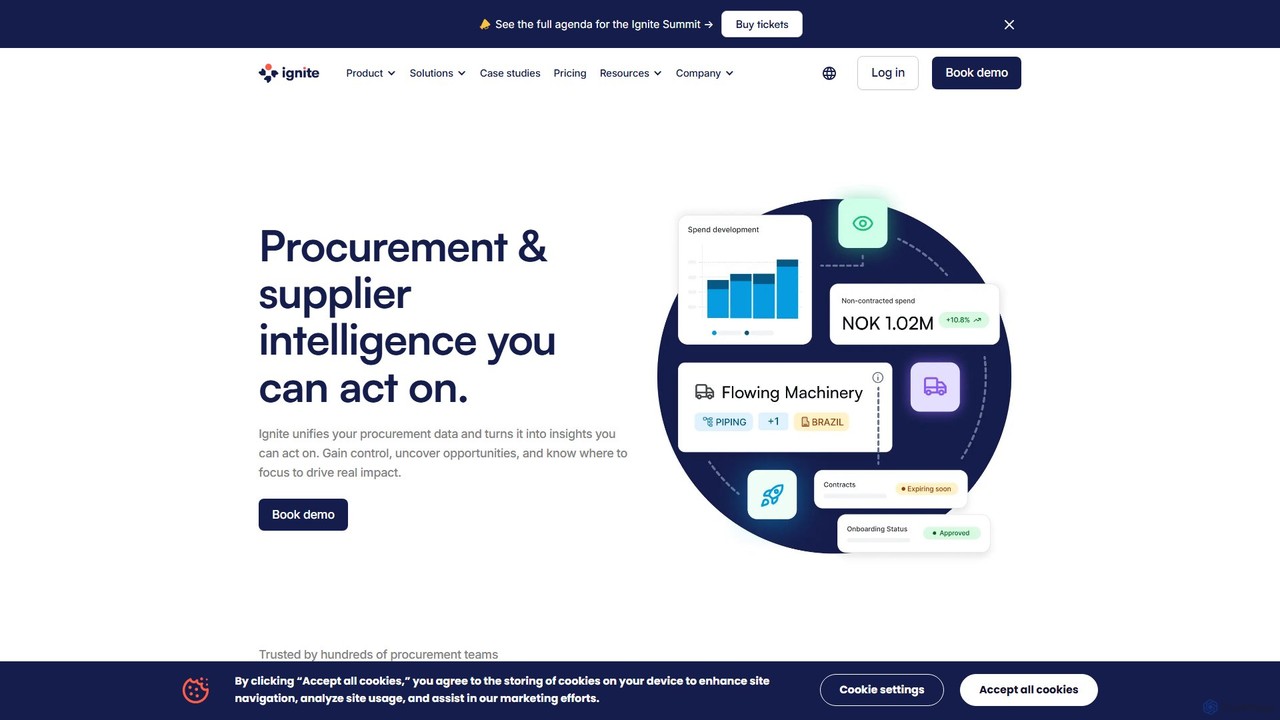
RetailIgnite is an AI-powered platform for procurement and supplier intelligence. It unifies all procurement data into a single hub, providing actionable insights to optimize costs, manage supplier risks, and streamline ESG reporting. Gain full transparency and drive measurable impact within 30 days.
ProcurementOperations AI tools are a class of software that leverage artificial intelligence to streamline, automate, and optimize core business processes. They utilize machine learning, data analytics, and automation to analyze workflows, predict outcomes, and manage resources more effectively. These tools are crucial for enhancing operational efficiency, reducing costs, and enabling data-driven decision-making across departments like logistics, human resources, and project management. By identifying bottlenecks and automating repetitive tasks, they empower organizations to become more agile and resilient.
Operations AI tools are widely adopted in industries such as manufacturing, logistics, retail, and IT. Operations managers use them for supply chain optimization, HR specialists for automating onboarding processes, and IT teams for managing help desk tickets. For example, a logistics company can use these tools for dynamic route planning, while a manufacturer can implement predictive maintenance to reduce equipment downtime.
When selecting an Operations AI tool, consider its integration capabilities with your existing systems like ERP and CRM. Evaluate its scalability to handle growing data volumes and process complexity. Assess the level of customization available to tailor workflows to your specific business needs. Finally, examine the tool's analytics and reporting features to ensure it provides clear, actionable insights for decision-making.
A supply chain manager for a national retail chain uses an AI operations tool to analyze historical sales data, weather patterns, social media trends, and promotional calendars. The platform's machine learning algorithms generate highly accurate demand forecasts for thousands of products across hundreds of stores. This allows the manager to optimize inventory levels, reducing both overstocking costs and the risk of stockouts. As a result, the company improves inventory turnover by 15% and increases customer satisfaction by ensuring product availability.
An HR manager at a fast-growing tech company implements an AI operations platform to streamline new hire onboarding. When a new employee is added to the HR system, the AI tool automatically triggers a workflow. It creates user accounts in necessary software (email, Slack, Jira), enrolls them in orientation sessions, assigns mandatory training modules, and sends a welcome package. A chatbot integrated into the system answers common questions about company policies and benefits, freeing up the HR team's time. This automation reduces the manual onboarding workload by 70% and ensures a consistent, positive experience for every new hire.
A plant manager at a manufacturing facility uses an AI operations tool connected to IoT sensors on critical machinery. The tool continuously analyzes data streams, including vibration, temperature, and pressure. By recognizing patterns that precede equipment failure, the AI predicts when a machine is likely to break down and automatically creates a maintenance work order. This allows the maintenance team to perform repairs during scheduled downtime, preventing costly unplanned production halts. This proactive approach reduces equipment downtime by 40% and extends the lifespan of the machinery.
An IT operations lead for a mid-sized corporation deploys an AI tool to manage their help desk. The tool uses Natural Language Processing (NLP) to analyze the content of incoming support tickets. It automatically categorizes tickets (e.g., 'hardware issue', 'software access', 'password reset'), assigns a priority level, and routes them to the appropriate technician or team. For common requests like password resets, the AI provides an automated resolution directly to the user. This system reduces the average ticket resolution time by 50% and allows IT staff to focus on more complex, high-impact issues.
A logistics coordinator for a regional delivery service uses an AI-powered operations platform to plan daily routes for a fleet of 50 vehicles. The system ingests all delivery addresses, vehicle capacities, driver schedules, and delivery time windows. It then analyzes real-time traffic data, weather conditions, and historical route performance to calculate the most efficient multi-stop routes for each driver. The platform dynamically adjusts routes mid-day if significant traffic delays occur. This optimization reduces total fuel consumption by 20% and increases the number of on-time deliveries by 30%.
A finance team in an e-commerce company uses an AI operations tool to automate the monthly reconciliation process. The tool connects to the company's bank accounts, payment gateways (like Stripe and PayPal), and accounting software. It uses machine learning to automatically match thousands of transactions, invoices, and purchase orders, flagging any discrepancies for human review. This eliminates countless hours of manual data comparison and reduces the risk of human error. The month-end closing process is accelerated from five days to just one, allowing the team to focus on strategic financial analysis rather than tedious data entry.
AI Operations tools are software applications that use artificial intelligence technologies like machine learning and automation to optimize and manage a company's core business processes. Their primary goal is to increase efficiency, reduce costs, and minimize human error. They achieve this by automating repetitive tasks, providing predictive insights for better decision-making, and optimizing the allocation of resources such as staff, inventory, and equipment. Common applications include supply chain management, human resources automation, and IT service management.
Choosing the right AI Operations tool requires evaluating several key factors. First, assess its integration capabilities with your existing software stack (e.g., ERP, CRM, HRIS). Seamless integration is crucial for data flow. Second, consider scalability; the tool should be able to grow with your business and handle increasing data volumes. Third, evaluate the level of customization. A good tool allows you to tailor workflows and rules to your specific operational needs. Finally, look at the analytics and reporting features. The tool should provide clear, actionable insights and customizable dashboards to help you monitor performance and make informed decisions.
The key difference lies in their function and proactivity. Business Intelligence (BI) tools are primarily descriptive and diagnostic; they analyze past data to show you what happened and why it happened through reports and dashboards. AI Operations tools are more proactive and prescriptive. They not only analyze data but also use it to predict what will happen and can often automate an action in response. For example, a BI tool might report that equipment failures increased last quarter, while an AI Operations tool would predict a specific machine is likely to fail next week and automatically schedule maintenance.
AI Operations tools can automate a wide range of tasks across different departments. Common examples include:
While nearly any department can benefit, some see more immediate and significant impacts. Logistics and Supply Chain teams benefit from demand forecasting, inventory optimization, and route planning. Human Resources can automate recruiting, onboarding, and scheduling tasks. IT Operations uses these tools for help desk automation, network monitoring, and cybersecurity threat detection. Finance and Accounting departments streamline invoice processing, expense reporting, and financial reconciliation. Finally, Manufacturing operations leverage AI for predictive maintenance, quality control, and production scheduling to minimize downtime and improve output.