ToolMage
Sign in

Best 29 Privacy AI tools

Popular Privacy AI tools include Duck.ai, Kagi, DeepLiveCam, hey_photo, Voicechanger.im, Flower, PiktID, AnonChatGPT, Baltex, and Enclave AI, helping you work more efficiently.

Kagi
Freemium

Kagi

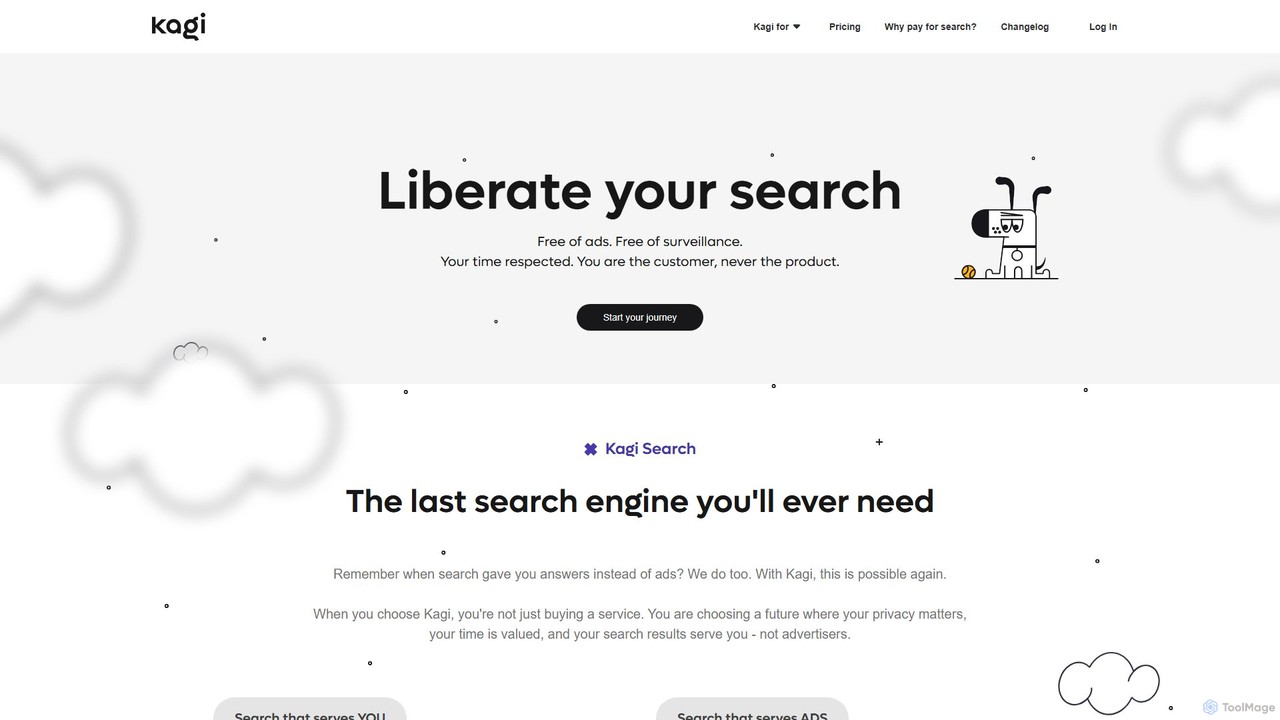
Kagi is a premium, user-funded search engine that provides a 100% ad-free, private, and customizable search experience. It enhances productivity with high-quality, unbiased results and an integrated AI Assistant powered by leading large language models. Kagi puts users in control, allowing them to personalize search results and ensuring their data is never sold or used for advertising.

Ai Assistant
Visits 5.2MFavorites 151Likes 146
Pseudoface
Paid

Pseudoface

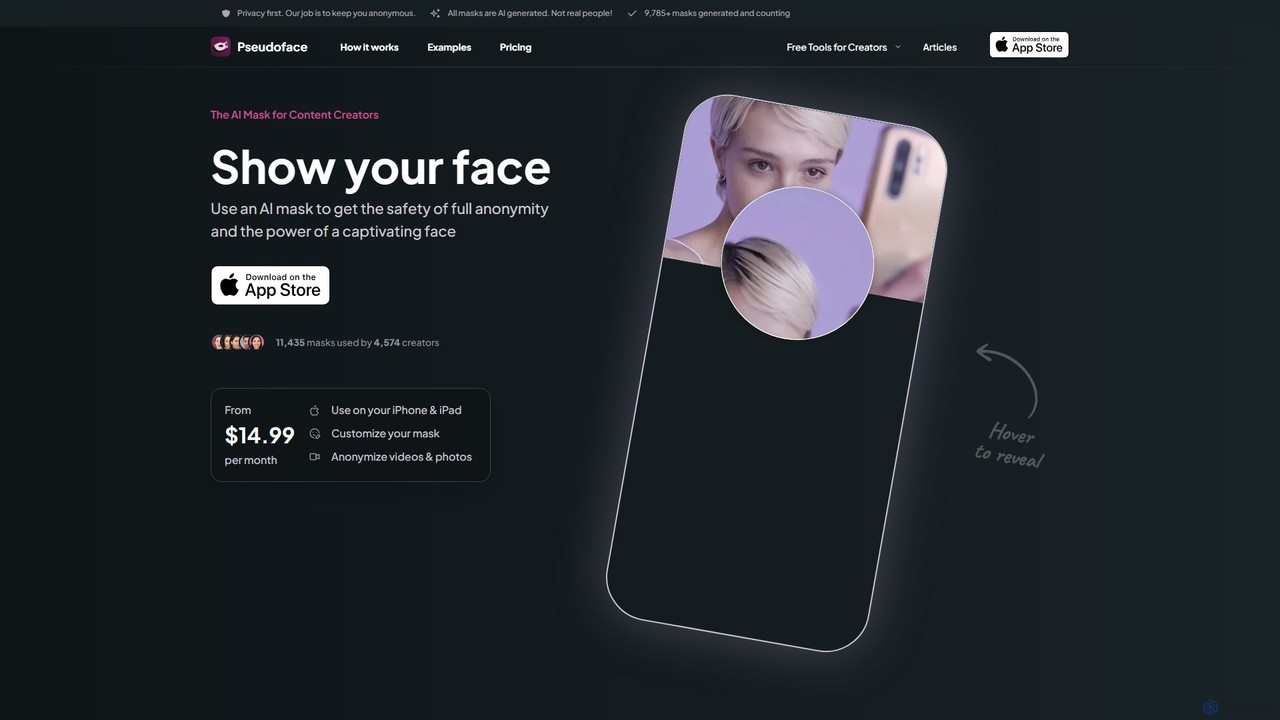
Pseudoface is an AI-powered tool for content creators that replaces their real face with a customizable, photorealistic AI mask. It enables creators to maintain complete anonymity while building a personal connection with their audience, boosting engagement and income without compromising privacy.

Identity
Visits 10.2KFavorites 170Likes 180
Flower
Free

Flower

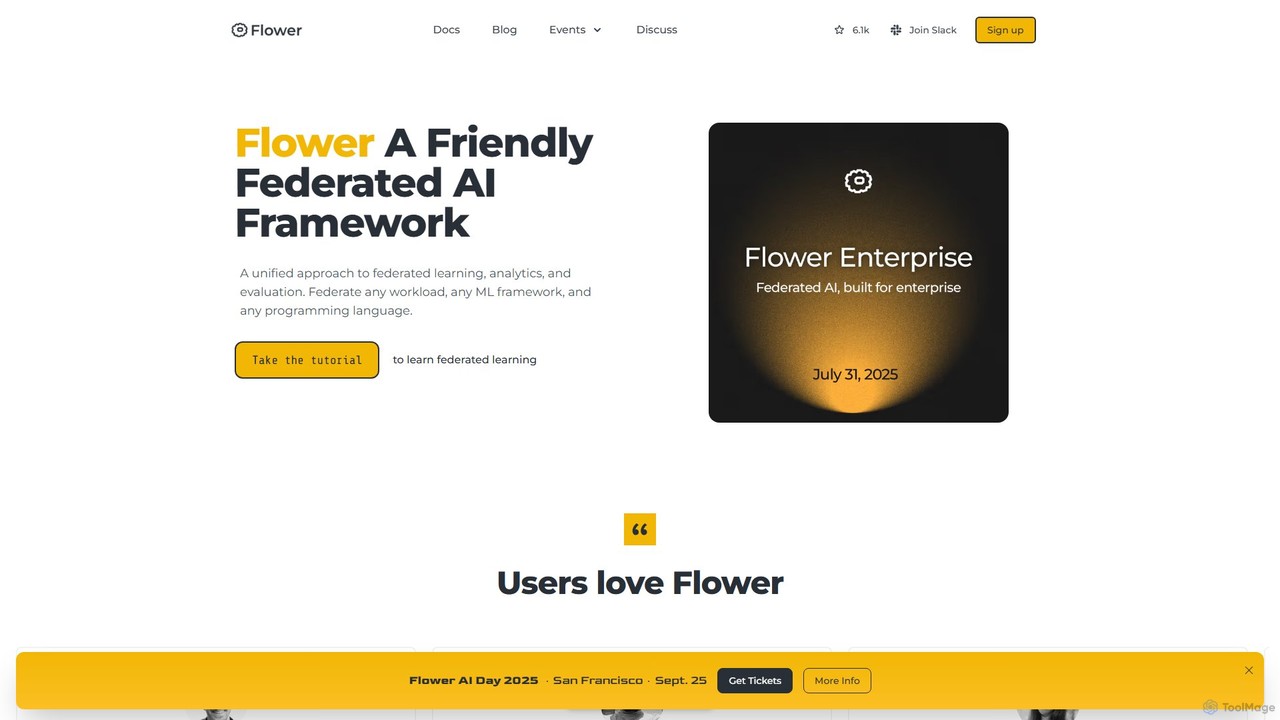
Flower is a friendly, open-source framework for federated learning, analytics, and evaluation. It enables training AI models on decentralized data across various devices and platforms without compromising privacy, supporting numerous ML frameworks like PyTorch, TensorFlow, and Hugging Face.

Frameworks
Visits 84.5KFavorites 128Likes 118
Persys
Paid

Persys

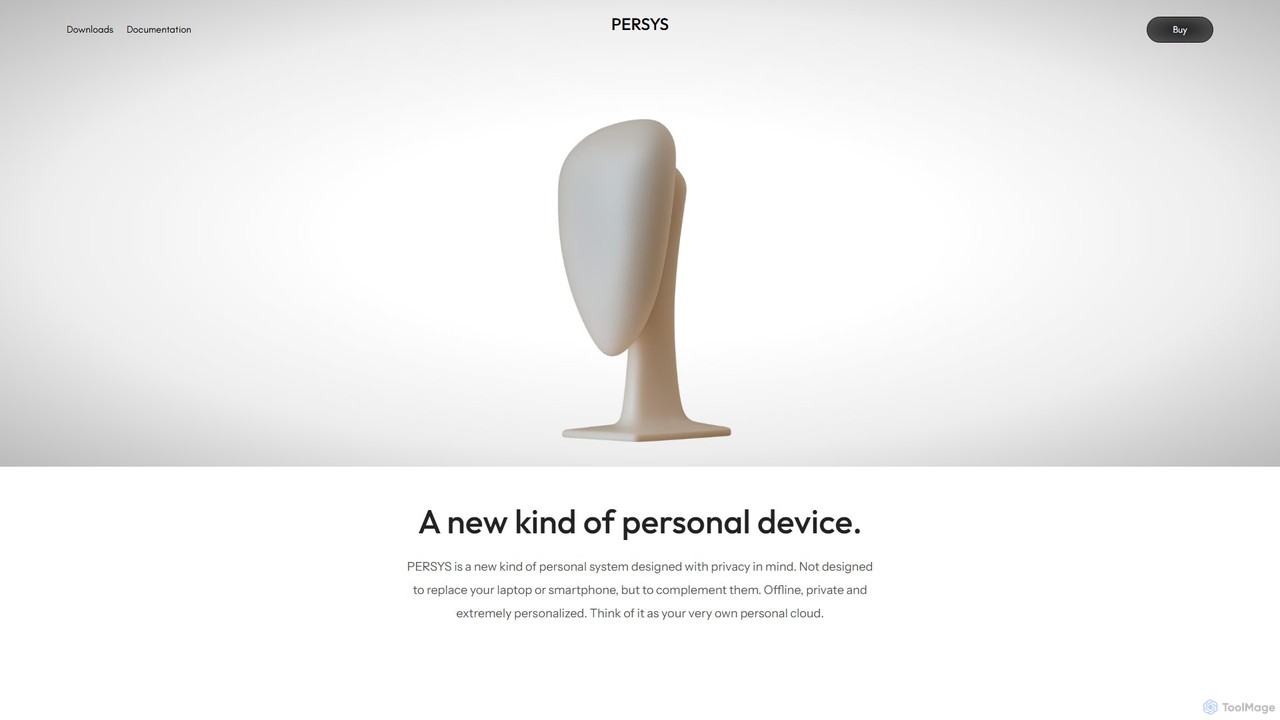
Persys is a private, offline AI console designed as your personal cloud. This hardware device performs all AI inference on-device, ensuring your data and interactions remain completely private. With up to 2TB of storage and a suite of AI-native applications like private chat and deep search, it complements your existing devices by providing a secure, personalized, and offline-accessible intelligent computing environment.

Personal Server
Visits 5.6KFavorites 130Likes 140
Duck.ai
Free

Duck.ai

Duck.ai is a free, private AI chat service from DuckDuckGo. It provides anonymous access to leading AI models like GPT, Claude, Llama, and Mistral without saving your conversations on servers or using them for training. Your privacy is protected through IP anonymization and local-only chat history.

Anonymity
Visits 674.8MFavorites 114Likes 121

About Privacy

Privacy AI tools are AI-powered solutions designed to protect sensitive information, enhance data security, and ensure compliance with privacy regulations. These tools leverage advanced machine learning, natural language processing, and cryptographic techniques to identify, anonymize, and manage personal data effectively. They enable organizations to derive insights from data while safeguarding individual privacy, fostering trust, and mitigating risks associated with data breaches and regulatory penalties.

Core Features

  • Data Anonymization & Pseudonymization: Automatically transforms identifiable data into anonymous or pseudonymized formats, preserving utility while removing direct identifiers.
  • Privacy-Preserving Analytics: Allows for the analysis of sensitive datasets without exposing raw individual data, often using techniques like federated learning or differential privacy.
  • Compliance Automation: Helps organizations automatically identify and manage data subject requests, consent preferences, and ensure adherence to regulations like GDPR, CCPA, and HIPAA.
  • Sensitive Data Discovery & Redaction: Scans vast datasets to locate and automatically redact or mask personally identifiable information (PII) across various document types and databases.
  • Secure Data Sharing: Facilitates the secure exchange of sensitive data between parties, often incorporating homomorphic encryption or secure multi-party computation.

Use Cases

These tools are crucial for industries handling large volumes of sensitive data, such as healthcare, finance, and legal sectors. They assist data scientists in conducting research on anonymized datasets, compliance officers in automating regulatory adherence, and marketing teams in personalizing experiences without compromising user privacy.

How to Choose

When selecting a Privacy AI tool, consider its compatibility with existing data infrastructure, the specific privacy regulations it helps address (e.g., GDPR, CCPA), the types of data it can process (structured, unstructured), and its scalability. Evaluate the robustness of its anonymization techniques, ease of integration, and the vendor's security certifications and track record.

Featured tool rankings

Privacy use cases

1

Anonymizing Customer Data for Market Research

A market research firm needs to analyze vast customer datasets to identify trends and preferences without compromising individual privacy. Privacy AI tools automatically anonymize or pseudonymize customer demographics, purchase histories, and behavioral data, allowing researchers to extract valuable insights while fully complying with data protection regulations like GDPR and CCPA. This enables data-driven decision-making without exposing sensitive personal information.

2

Automating GDPR/CCPA Compliance for Enterprises

Large enterprises face complex challenges in managing data subject access requests (DSARs), consent management, and data retention policies across global operations. Privacy AI tools automate the discovery of personal data, streamline the processing of DSARs, and ensure that data handling practices align with regulatory requirements. This significantly reduces manual effort, minimizes compliance risks, and helps avoid hefty fines.

3

Securely Sharing Medical Research Data

Healthcare institutions and pharmaceutical companies often collaborate on research projects that require sharing sensitive patient data. Privacy AI tools enable secure, privacy-preserving data sharing by anonymizing patient records, clinical trial results, and genetic information. This allows researchers to collaborate effectively, accelerate medical breakthroughs, and conduct large-scale studies without violating patient confidentiality or HIPAA regulations.

4

Redacting PII from Legal Documents and Contracts

Legal departments and law firms frequently handle documents containing sensitive personal information that needs to be redacted before sharing or public disclosure. Privacy AI tools use natural language processing to automatically identify and redact names, addresses, social security numbers, and other PII from contracts, court filings, and discovery documents. This ensures confidentiality, reduces human error, and speeds up document review processes.

5

Developing Privacy-Preserving Machine Learning Models

Data scientists building AI models often require access to sensitive training data, which poses privacy risks. Privacy AI tools facilitate the development of privacy-preserving machine learning (PPML) models through techniques like federated learning or differential privacy. This allows models to be trained on decentralized, sensitive datasets without the raw data ever leaving its source, enabling powerful AI applications while maintaining data privacy.

6

Managing User Consent and Preference Automation

Websites and applications need to effectively manage user consent for data collection, cookies, and personalized advertising. Privacy AI tools provide automated solutions for capturing, storing, and enforcing user consent preferences across various platforms. They ensure that data processing activities respect individual choices, dynamically adjust data collection based on consent, and provide transparent privacy notices, enhancing user trust and regulatory adherence.

Privacy FAQ

What are Privacy AI tools?

Privacy AI tools are artificial intelligence-powered solutions designed to protect sensitive personal and organizational data. They leverage AI techniques like machine learning and natural language processing to identify, classify, anonymize, and manage data in ways that enhance privacy, ensure regulatory compliance, and mitigate security risks. Their core purpose is to enable data utility while safeguarding individual confidentiality.

How do Privacy AI tools work?

Privacy AI tools typically work by first discovering and classifying sensitive data across various sources using AI algorithms. They then apply techniques such as data anonymization (removing identifiers), pseudonymization (replacing identifiers with artificial ones), or differential privacy (adding noise to data) to protect individual privacy. Some tools also automate compliance tasks by monitoring data flows and managing consent based on predefined rules and regulations.

What are the key benefits of using AI for data privacy?

Using AI for data privacy offers several key benefits, including enhanced data protection through automated identification and anonymization of sensitive information, improved compliance with complex regulations like GDPR and CCPA, and reduced manual effort in managing privacy tasks. It also enables organizations to unlock the value of their data for analytics and innovation while maintaining trust and minimizing the risk of data breaches and legal penalties.

How should I choose the right Privacy AI tool for my organization?

When choosing a Privacy AI tool, consider your organization's specific data types and volumes, the privacy regulations you need to comply with (e.g., GDPR, HIPAA, CCPA), and your existing IT infrastructure for integration. Evaluate the tool's core capabilities, such as its anonymization techniques, data discovery accuracy, and automation features for consent and subject access requests. Also, assess the vendor's security posture, scalability, and support.

What is the difference between data anonymization and encryption in privacy?

Data anonymization and encryption are distinct privacy techniques. Anonymization permanently removes or modifies personally identifiable information (PII) so that data subjects cannot be re-identified, making the data suitable for privacy-preserving analytics. Encryption transforms data into an unreadable format using a key, making it secure during transit or storage, but the original data can be restored with the correct key. Both are crucial for data protection, but anonymization focuses on irreversible de-identification for utility, while encryption focuses on secure access control.