ToolMage
Sign in

Best 3,328 Automation AI tools for Productivity

Popular Automation AI tools in Productivity include vocode, codegate, Telegram Messenger, Shopify, boundlessai, remove.bg, Jotform, Breeze Copilot, ClickUp Brain, and Manus 1.5, helping you work more efficiently.

mapleadscraper
Freemium

mapleadscraper

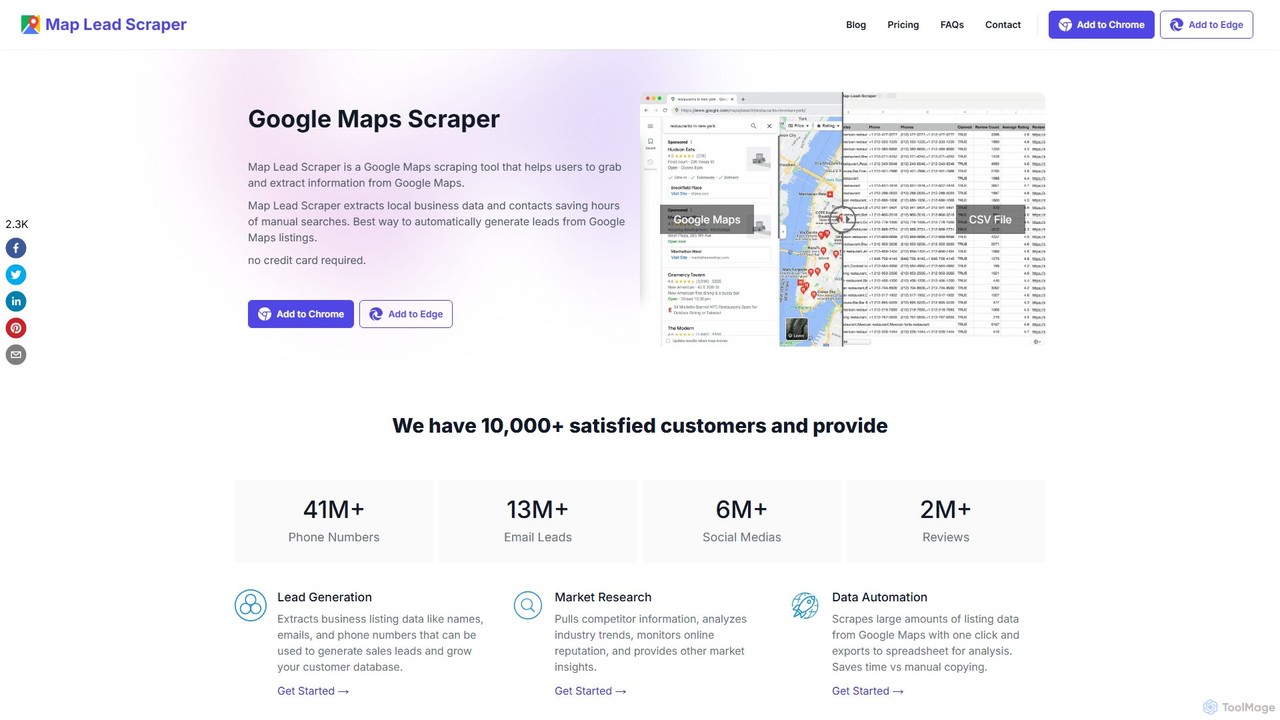
Mapleadscraper is a powerful Google Maps scraper designed for B2B lead generation and market research. As a browser extension for Chrome and Edge, it automates the extraction of business data, including names, emails, phone numbers, and social media profiles. With just one click, users can gather vast amounts of local business information and export it to CSV/XLS files, saving countless hours of manual work.

Scraping
Visits 32.2KFavorites 148Likes 145
Onesellr
Freemium

Onesellr

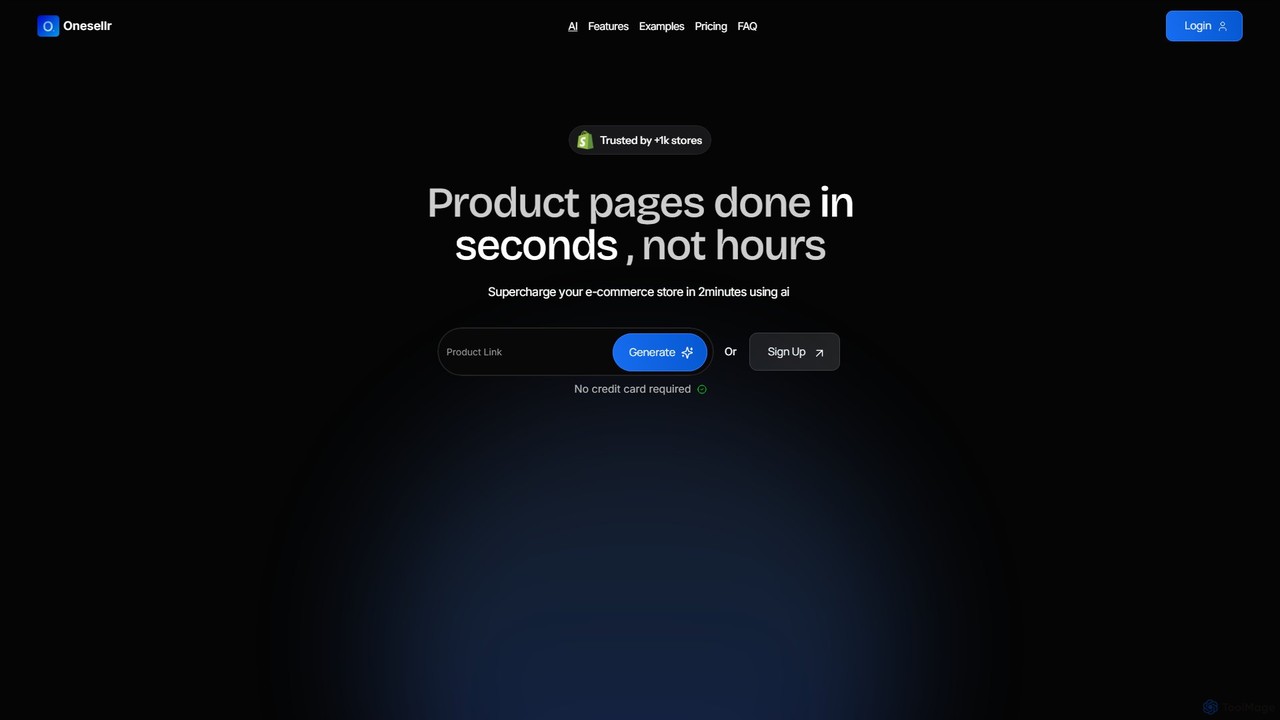
Onesellr is an AI-powered platform for e-commerce, enabling users to create high-converting Shopify product pages in seconds. By pasting a product link from sources like AliExpress, the tool automatically generates optimized layouts, compelling copy, and professional mock-ups. It's designed to accelerate product launches, enhance conversion rates, and eliminate the tedious work of manual page building, making it ideal for dropshippers and online store owners.

Product Descriptions
Visits 6.7KFavorites 140Likes 134
MINMEI
Freemium

MINMEI

MINMEI is an email-based AI assistant that simplifies social media management and content creation. By sending a URL or PDF, users can effortlessly generate engaging LinkedIn posts, summarize articles, create reports, and even revamp their LinkedIn profiles. It requires no app installation, offering a fast, 24/7 service to help maintain a consistent and professional online presence.

Social Media Management
Visits 6KFavorites 145Likes 147
Doogle AI
Freemium

Doogle AI

Doogle AI is a universal AI assistant that interprets your tasks in natural language and routes them to the best service. From creating websites and scraping data to booking physical services, Doogle AI acts as a single entry point to get any job done efficiently by leveraging a network of specialized AI tools and service providers.

Chatbot
Visits 6KFavorites 133Likes 127
MagicReply AI
Paid

MagicReply AI

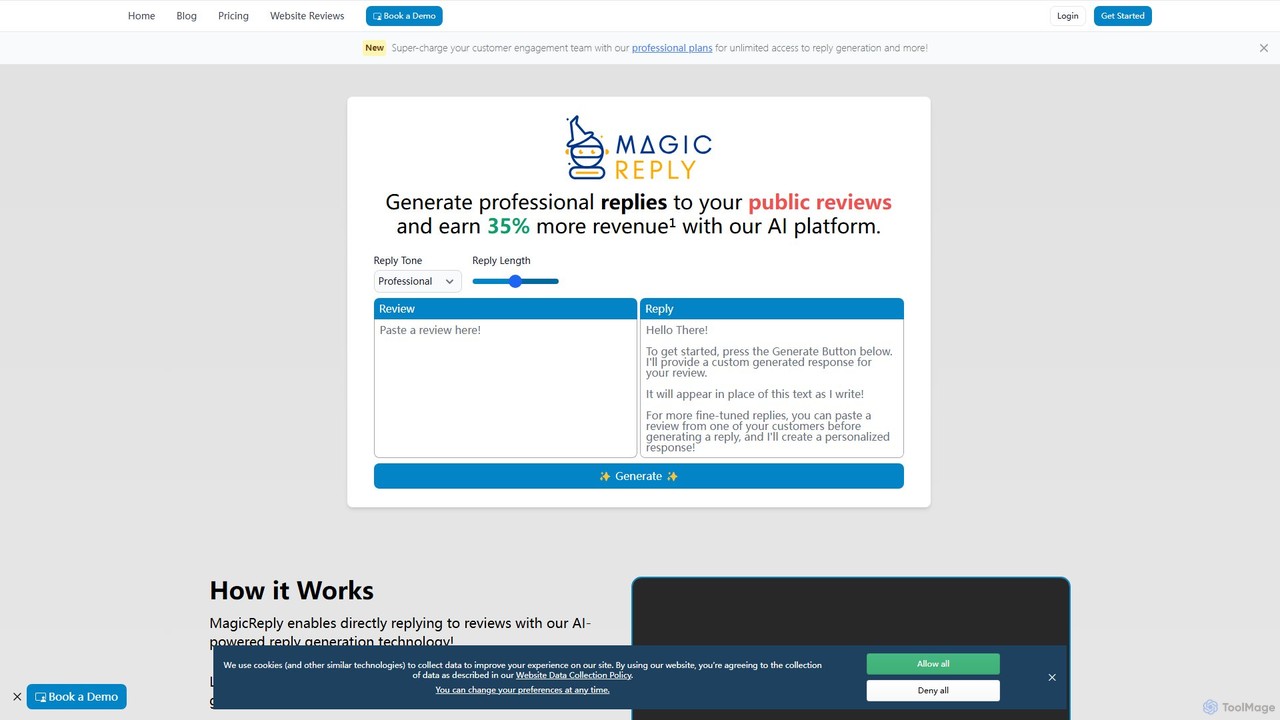
MagicReply AI is an intelligent platform that automates professional responses to customer reviews across multiple platforms. It helps businesses save time, enhance their online reputation, and increase revenue by ensuring timely and on-brand engagement with customer feedback.

Review Management
Visits 5.9KFavorites 138Likes 158
charlielounge
Freemium

charlielounge

charlielounge is an all-in-one AI ecosystem designed to help businesses automate operations, grow their customer base, and create new revenue streams. It integrates CRM, marketing automation, advanced AI content creation tools, and a lucrative affiliate program into a single, seamless platform for entrepreneurs and business owners.

Generative Ai
Visits 6KFavorites 133Likes 137
easyhire.ai
Freemium

easyhire.ai

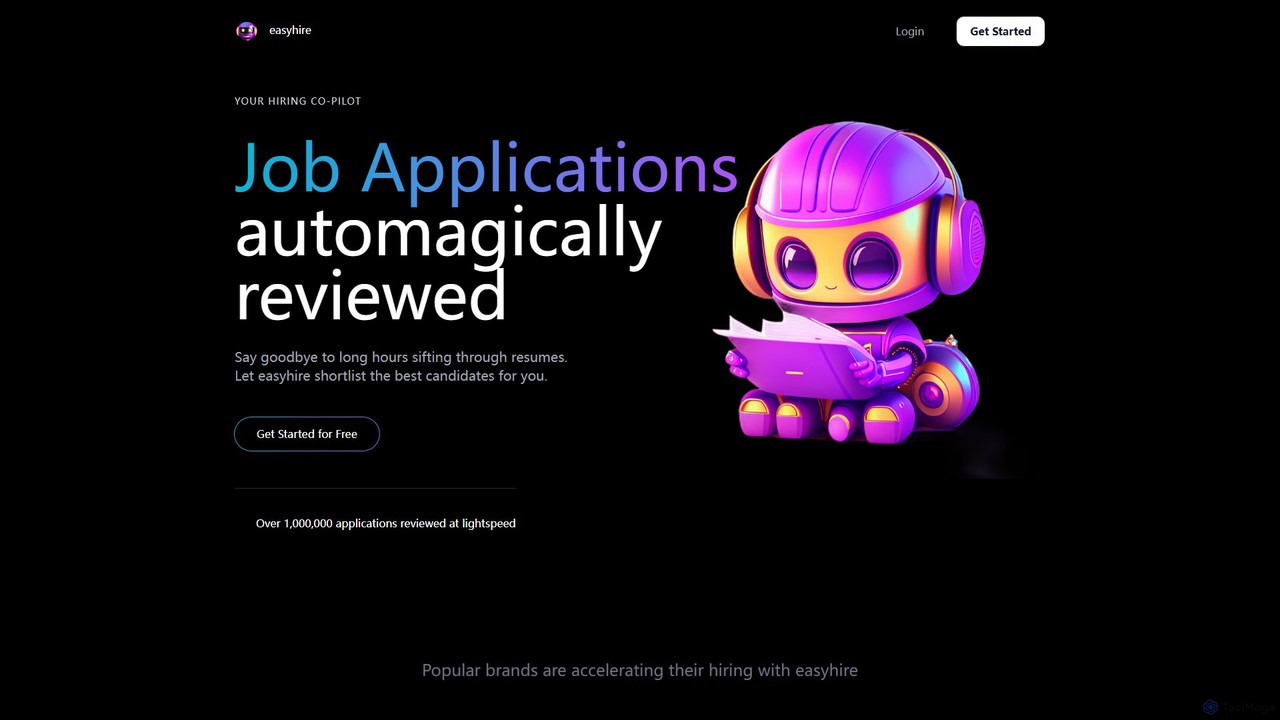
easyhire.ai is an AI-powered hiring co-pilot that automates resume screening and instantly shortlists the best candidates. It integrates seamlessly with your existing workflows via Zapier or API, saving countless hours and helping you focus on interviewing top talent.

Talent Management
Visits 7.8KFavorites 143Likes 160
Sphinx
Paid

Sphinx

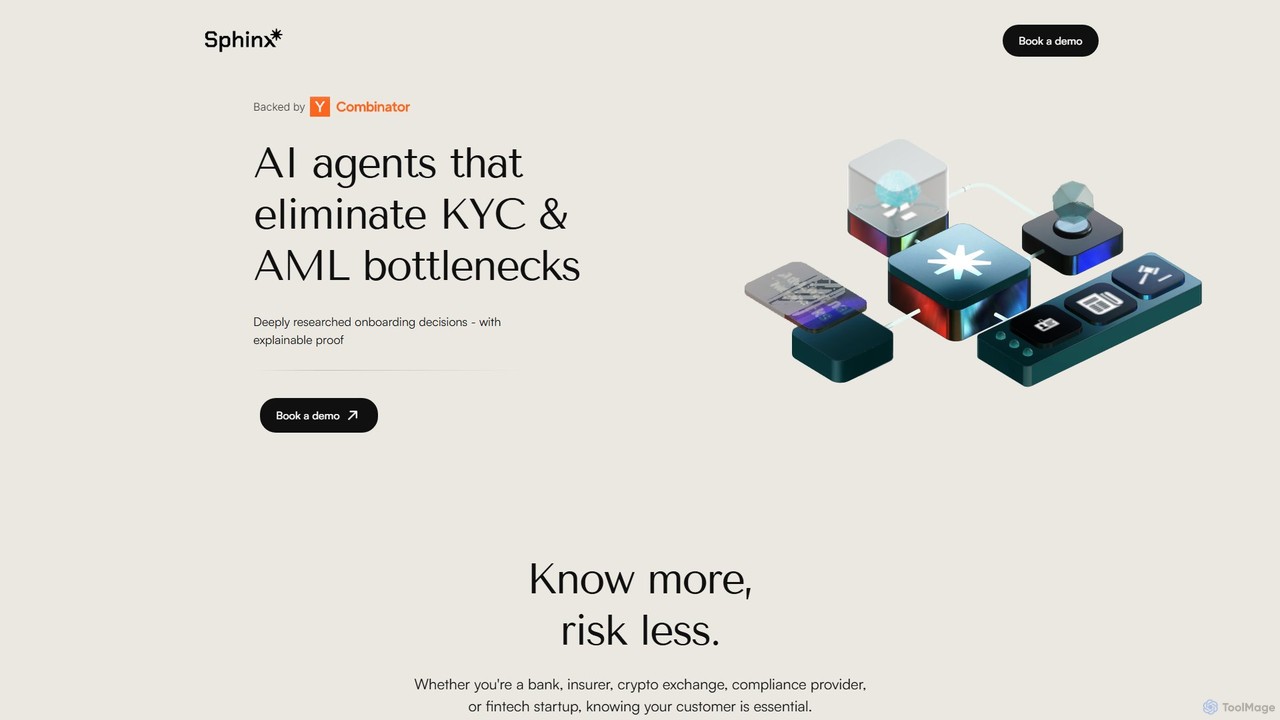
Sphinx is an AI-powered compliance platform designed for financial institutions and fintechs. It automates and streamlines KYC, AML, and fraud detection processes by providing real-time adverse media screening, PEP and sanctions checks, and ultimate beneficial owner (UBO) verification. The platform uses AI agents to eliminate compliance bottlenecks, reduce risk, and ensure regulatory adherence with deep, explainable insights.

Compliance
Visits 6KFavorites 165Likes 170
Metering.ai
Free

Metering.ai

Metering.ai is a free, no-code tool designed for SaaS businesses to automate usage-based billing. It bridges the gap between your product's usage data and billing systems like Stripe, Chargebee, and Zuora. By uploading a CSV and using an Excel-like formula engine, you can eliminate manual calculations, prevent billing errors, and implement flexible pricing models without any engineering effort.

Api Management
Visits 5.9KFavorites 142Likes 144
Prompteus
Paid

Prompteus

Prompteus is an AI orchestration platform for modern teams, designed to build, manage, and scale AI workflows. It bridges Large Language Models (LLMs), human-in-the-loop decisions, and existing business tools, with a strong focus on security, compliance, and collaboration between technical and non-technical users.

Workflow Management
Visits 6KFavorites 109Likes 115
SectorFlow
Paid

SectorFlow

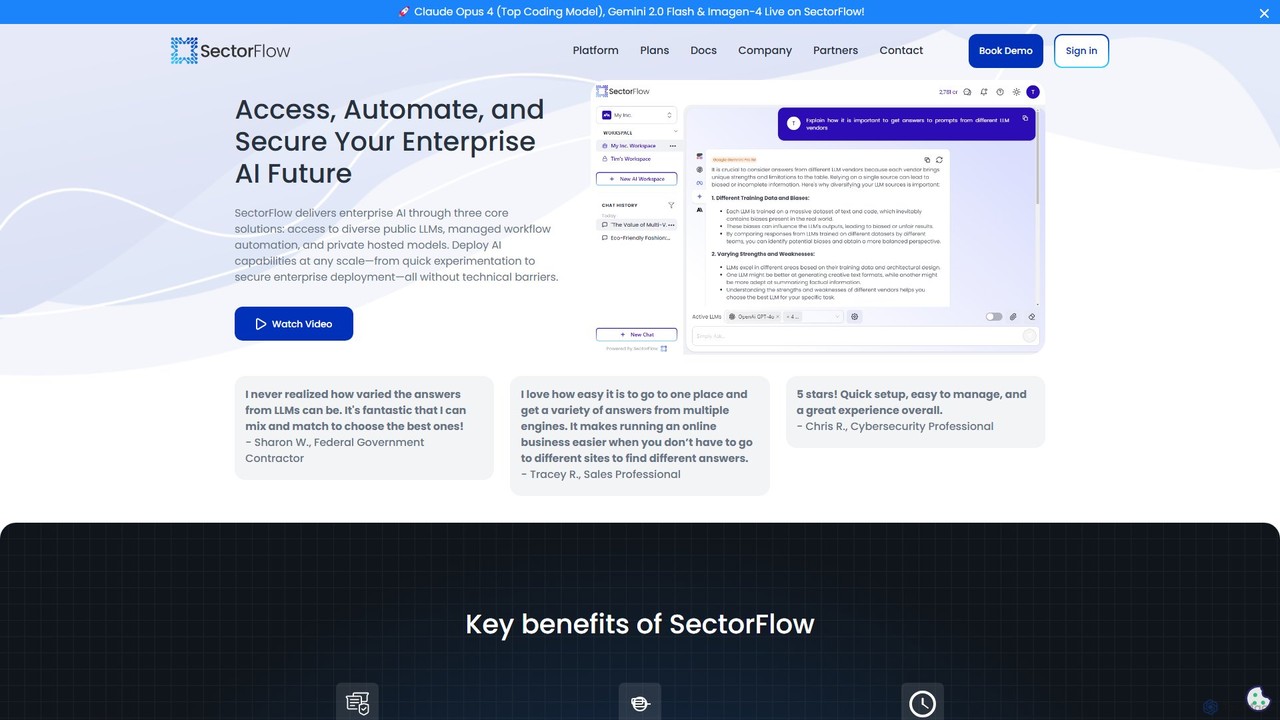
SectorFlow is a secure, enterprise-grade AI platform that provides access to diverse LLMs, managed workflow automation, and private hosted models. It enables businesses to deploy AI capabilities at any scale, from experimentation to secure enterprise deployment, without technical barriers.

Enterprise Solutions
Visits 6.2KFavorites 163Likes 163
Quist AI
Paid

Quist AI

Quist AI is an advanced AI-powered research assistant designed for researchers, analysts, and consultants. It automates time-consuming desk research, synthesizes data, and generates personalized reports, acting as a digital teammate to boost productivity and strategic thinking.

Consulting
Visits 6KFavorites 146Likes 149
String Catalog
Freemium

String Catalog

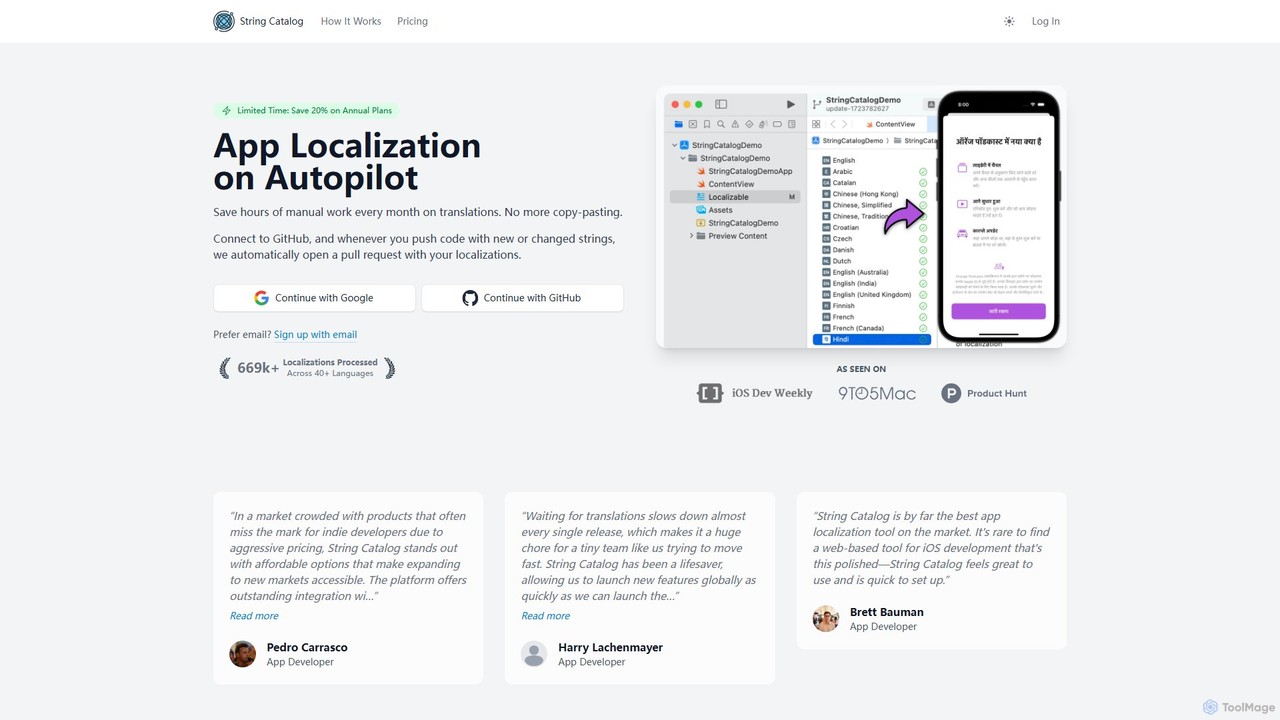
An AI-powered platform that automates iOS and Android app localization. Connect your GitHub repository, and String Catalog will automatically translate new strings and create pull requests, supporting over 40 languages and saving hours of manual work.

Translation
Visits 8.1KFavorites 91Likes 106
OpenFunnel
Paid

OpenFunnel

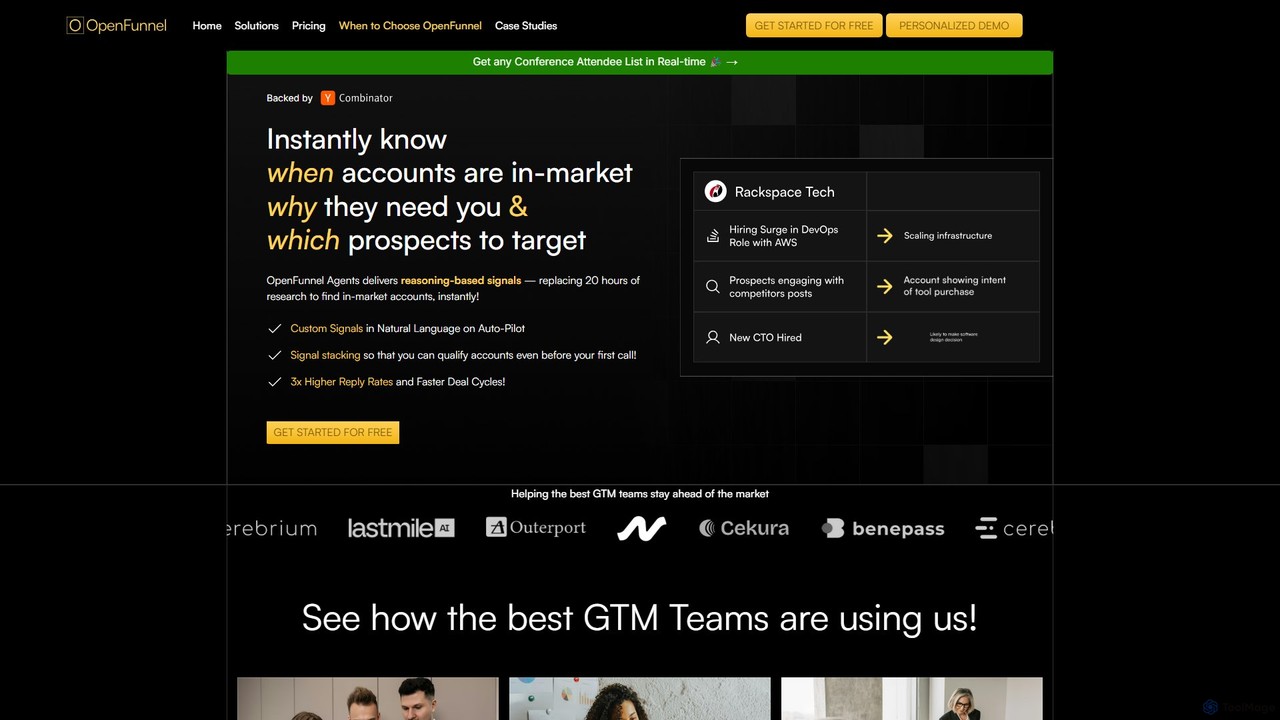
OpenFunnel is an AI-powered GTM intelligence platform that uses autonomous agents to discover and qualify high-intent B2B leads. By defining custom signals in natural language, sales and marketing teams can automate prospecting, identify in-market accounts in real-time, and significantly increase reply rates and accelerate deal cycles.

Account Based Marketing
Visits 9.7KFavorites 172Likes 168
Receiptor AI
Freemium

Receiptor AI

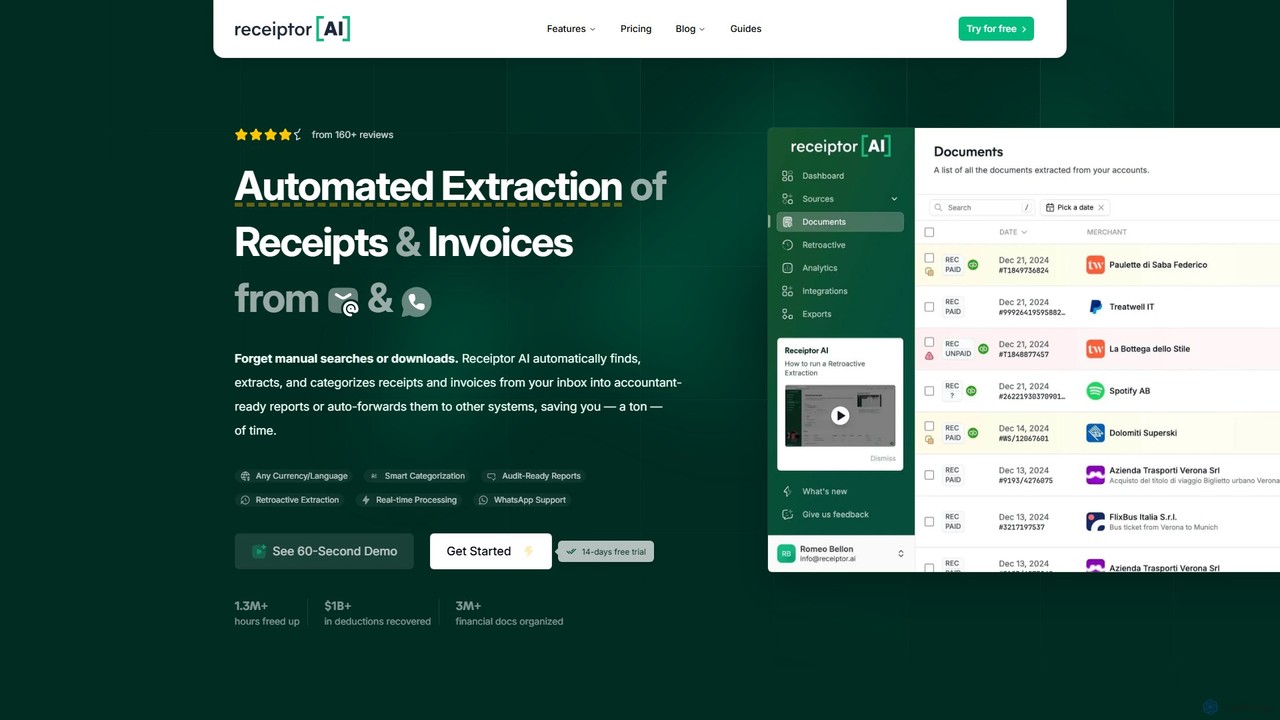
Receiptor AI is an intelligent automation tool that extracts receipts and invoices directly from your emails. It automatically captures, categorizes, and organizes financial documents, syncs with accounting software like Xero and QuickBooks, and provides real-time expense analytics. Ideal for freelancers, startups, and small businesses aiming for effortless expense management and audit readiness.

Accounting
Visits 39.6KFavorites 153Likes 142
Outskill

Outskill

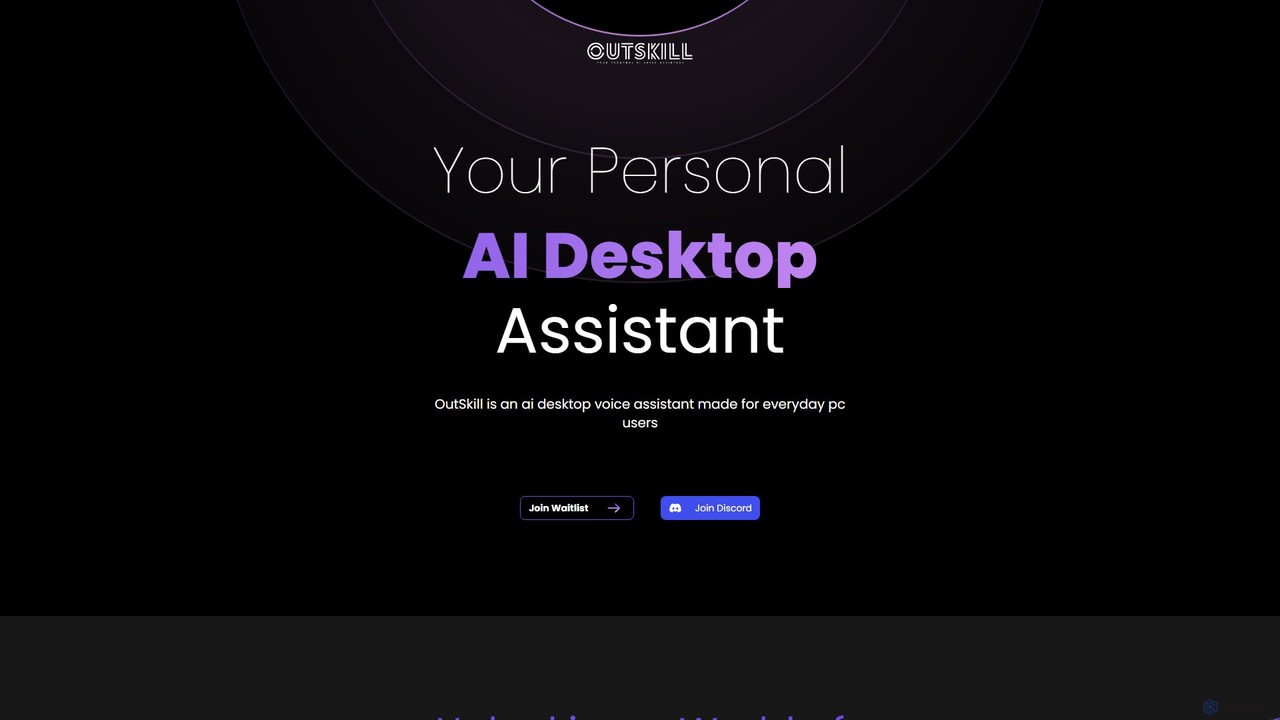
Outskill is a revolutionary AI-powered desktop voice assistant designed for both productivity and gaming. Control your PC, manage applications, automate workflows, and enhance your gaming experience with simple voice commands. It integrates seamlessly with your apps to provide a personalized, hands-free computing experience.

Gameassistant
Visits 7.8KFavorites 102Likes 113
Capalyze
Freemium

Capalyze

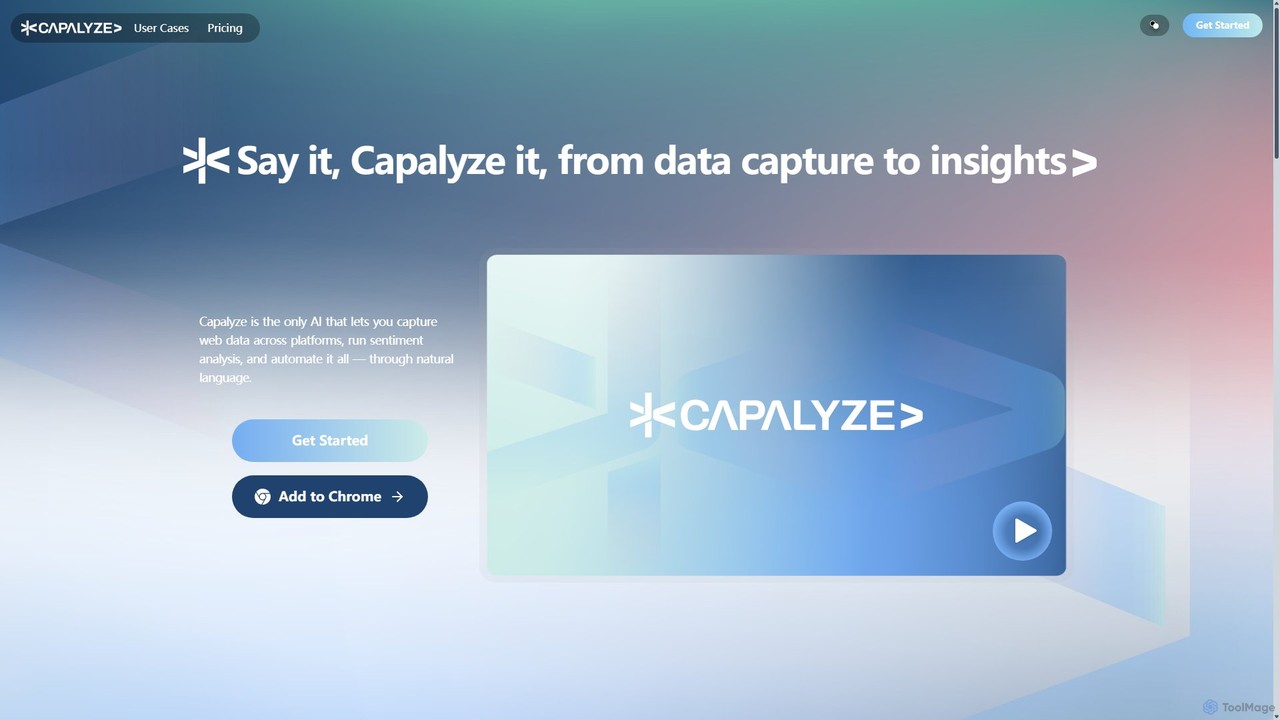
Capalyze is a conversational AI tool that automates web data capture, sentiment analysis, and data interpretation. Using natural language, users can analyze platforms like Amazon, Airbnb, and YouTube, or upload spreadsheets to uncover market trends, product performance, and actionable insights without any coding.

Business Intelligence
Visits 6.2KFavorites 127Likes 126
Conju
Freemium

Conju

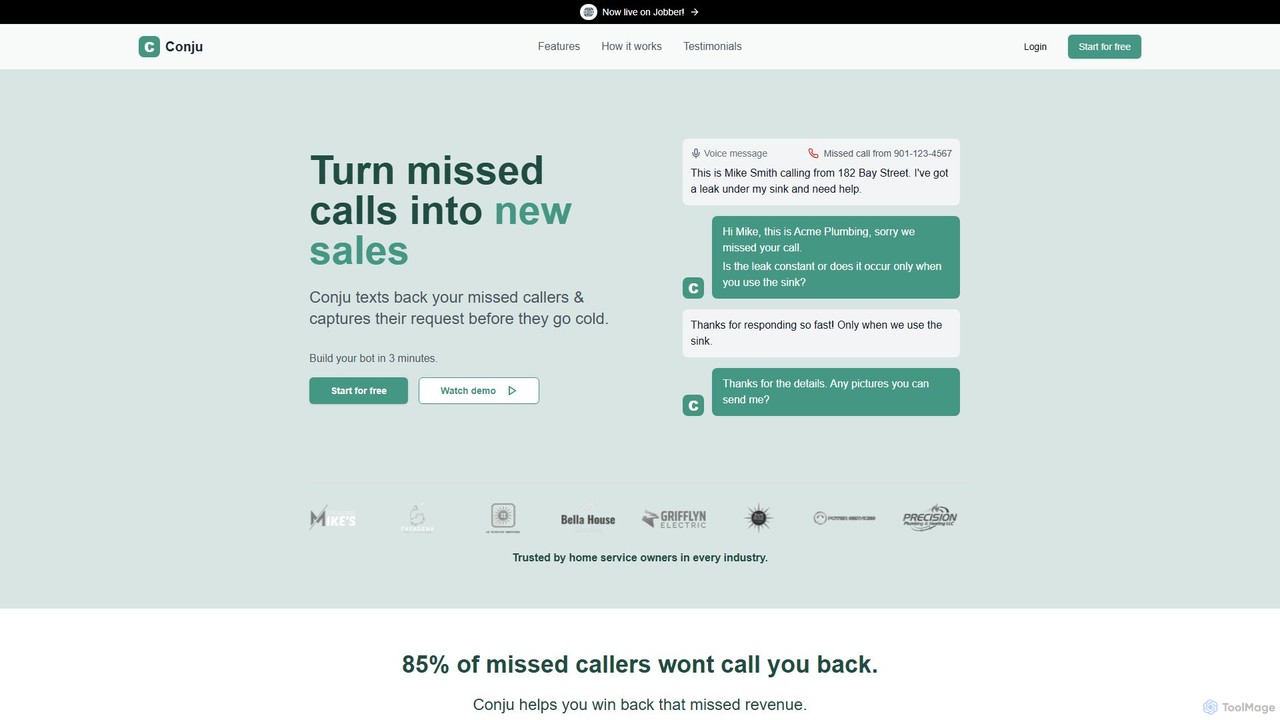
Conju is an AI-powered assistant that converts missed phone calls into sales opportunities. It automatically sends a text message to any missed caller, engaging them in a conversation to understand their needs, qualify them as a lead, and even provide estimates. Designed for home service businesses, Conju ensures you never lose a customer because you couldn't answer the phone, integrating seamlessly with your CRM.

Automated Responses
Visits 6.2KFavorites 137Likes 132
Gainium
Freemium

Gainium

Gainium is an advanced, open-source crypto trading bot platform. It provides a comprehensive suite of tools for automated trading, including smart trading, grid bots, DCA bots, and powerful backtesting capabilities. Designed for both beginners and professional traders, it supports multiple exchanges and fosters a community-driven approach to strategy development and sharing.

Open Source
Visits 67.1KFavorites 107Likes 118
HostyAI
Paid

HostyAI

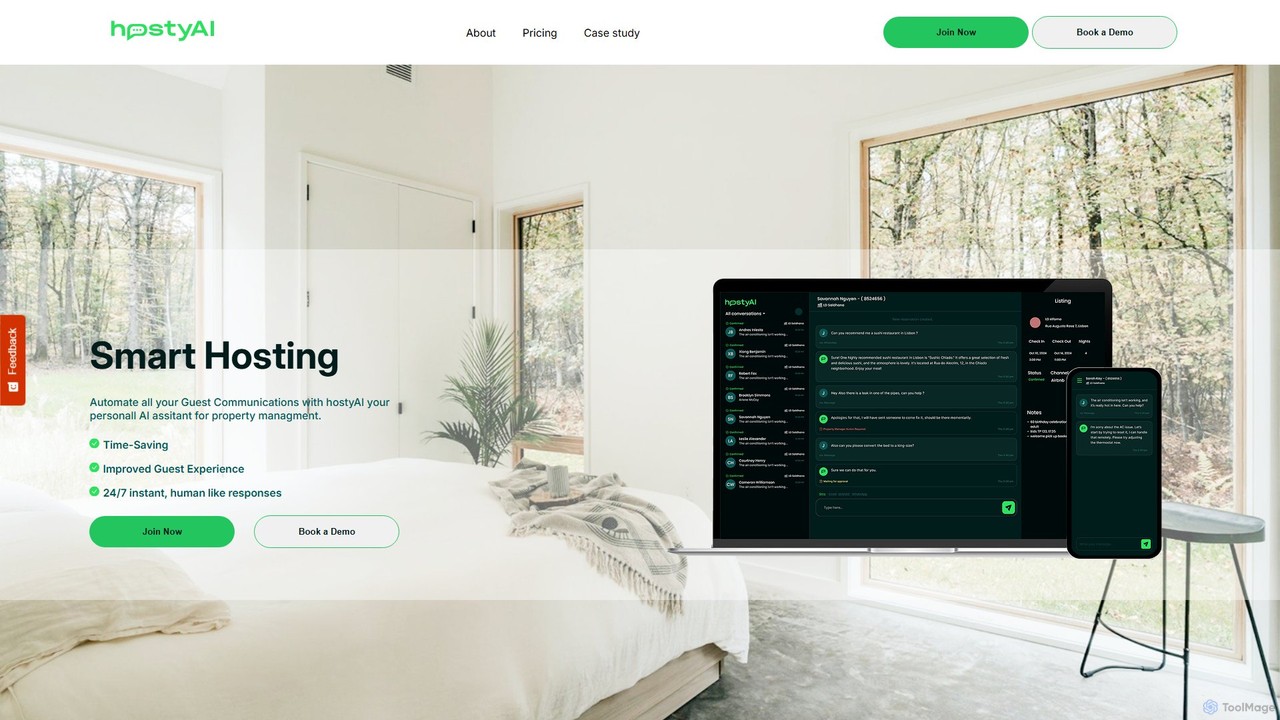
HostyAI is an AI-powered assistant for property managers and short-term rental hosts. It automates guest communications 24/7, providing instant, personalized, and human-like responses. By handling routine inquiries, it saves hosts significant time, improves guest satisfaction, boosts platform rankings, and streamlines overall operations.

Chatbot
Visits 6KFavorites 169Likes 188
usebrainbase
Paid

usebrainbase

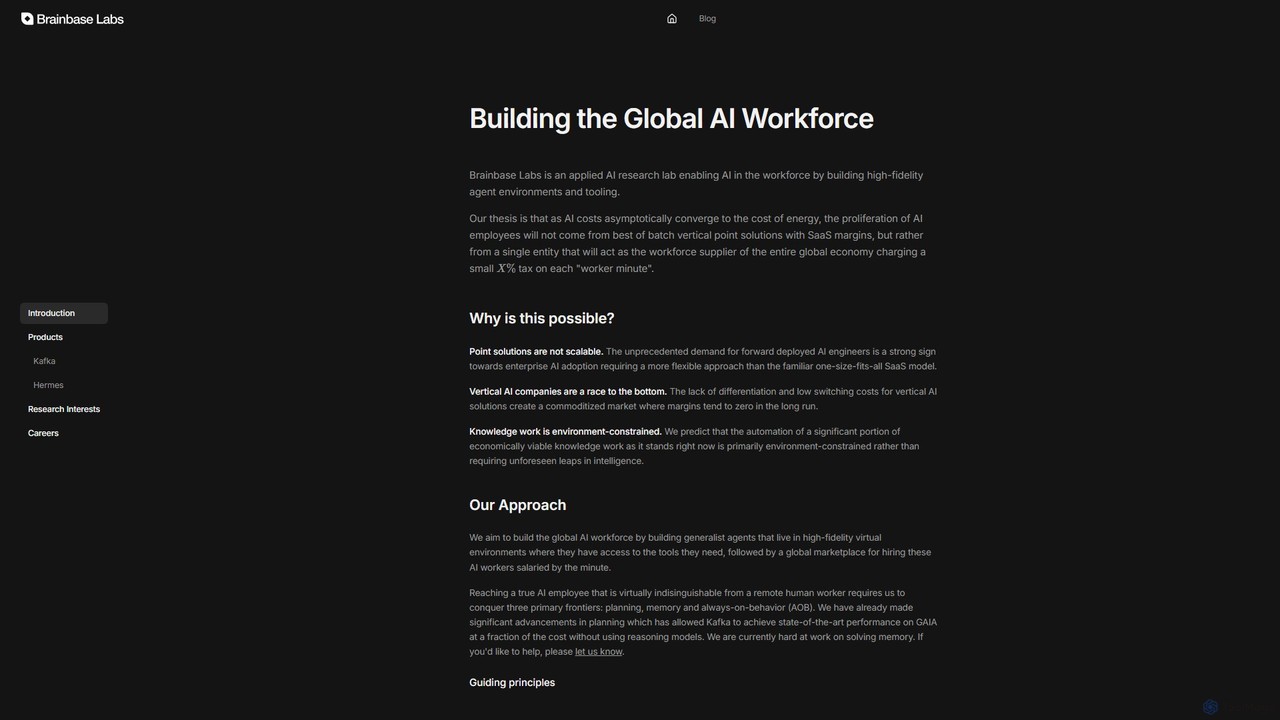
Brainbase Labs is an AI research lab developing a global AI workforce. Its flagship products include Kafka, an 'AI employee' for complex knowledge tasks like coding and research, and Hermes, a specialized conversational agent for high-volume customer interactions. Brainbase provides generalist AI agents that can be hired by the minute, integrating seamlessly into human workflows.

Virtual Assistant
Visits 10.4KFavorites 128Likes 140
Viral Growth
Freemium

Viral Growth

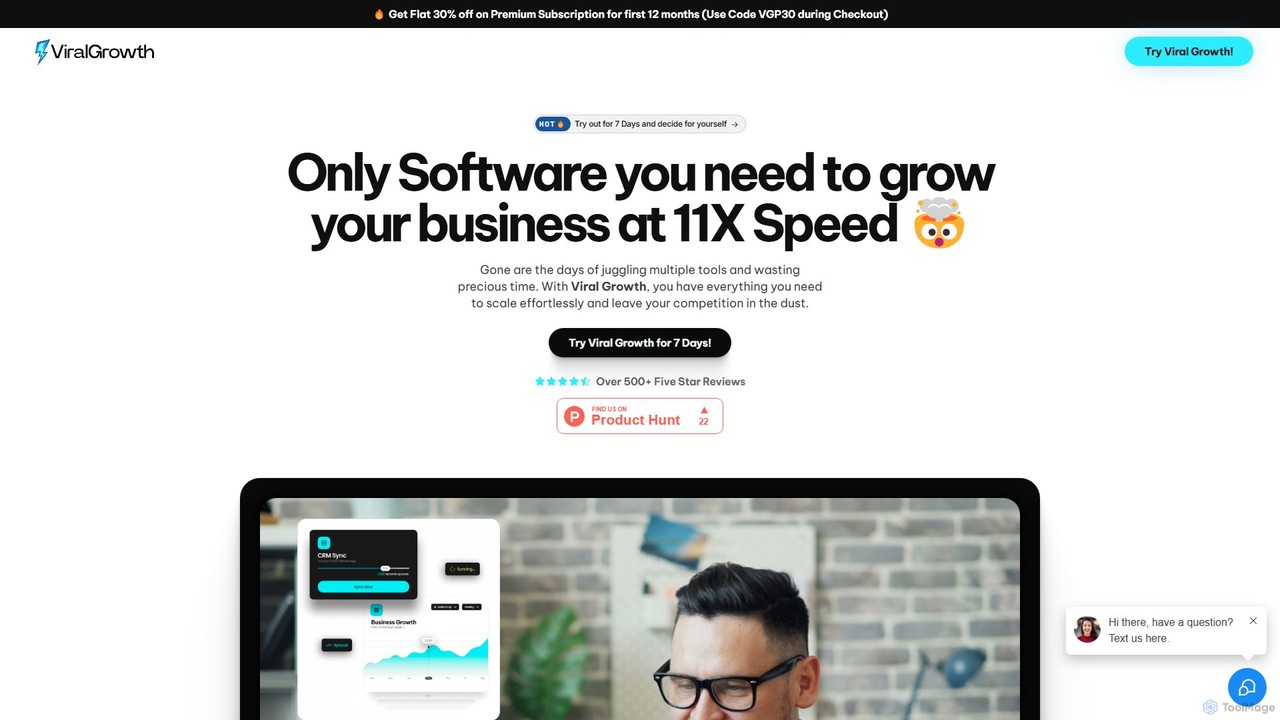
Viral Growth is an all-in-one AI-powered business platform designed to replace multiple tools and accelerate growth. It integrates CRM, sales funnels, marketing automation, social media management, and more into a single, streamlined dashboard. Ideal for businesses looking to enhance efficiency, personalize customer interactions, and scale operations cost-effectively.

Client Management
Visits 6.5KFavorites 145Likes 141
SigmaMind AI
Freemium

SigmaMind AI

SigmaMind AI is a no-code platform for building, testing, and deploying enterprise-grade conversational AI agents. Create human-like voice, chat, and email bots to automate customer support, sales, lead qualification, and more, all from a unified backend without any coding experience.

Chatbot
Visits 11.7KFavorites 147Likes 151
boltic
Freemium

boltic

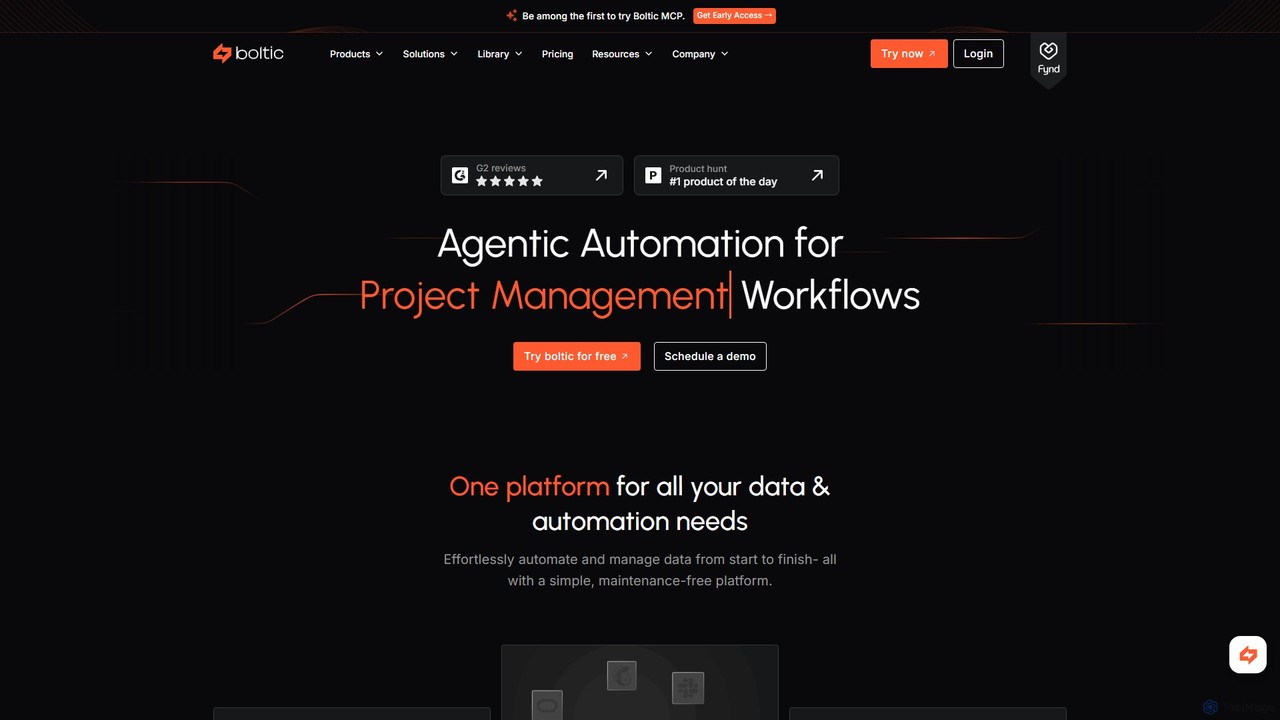
Boltic is an enterprise-grade, no-code data platform that automates workflows and integrates disparate data sources. It empowers businesses to build AI-powered automations by connecting Large Language Models (LLMs) to business tools via its unique Model Context Protocol (MCP), enabling AI agents to perform real-world actions based on live data.

Integration
Visits 15.8KFavorites 166Likes 156

About Automation

AI Automation tools are a class of software that uses artificial intelligence to execute repetitive tasks and streamline complex workflows without direct human intervention. These tools leverage technologies like machine learning (ML) and natural language processing (NLP) to understand data, make decisions, and interact with other digital systems. Their primary purpose is to enhance productivity by reducing manual effort, minimizing errors, and freeing up human teams to focus on strategic initiatives. Unlike traditional automation, AI-powered platforms can handle unstructured data and adapt to variations in processes.

Core Features

  • Workflow Builder: Visually design, build, and manage multi-step automated processes that connect various applications and services.
  • Intelligent Data Processing: Automatically extract, classify, and validate information from documents, emails, and images using AI models.
  • AI-Powered Decision Making: Implement conditional logic and predictive models that allow the system to make autonomous choices within a workflow.
  • Cross-Application Integration: Connect seamlessly with hundreds of third-party apps (SaaS, databases, APIs) to create a unified automated ecosystem.
  • No-Code/Low-Code Interface: Enable users with limited technical skills to create and deploy complex automations through drag-and-drop interfaces.

Use Cases

AI Automation tools are widely used across various departments. Marketing teams automate lead nurturing campaigns and social media posting. Finance departments use them for invoice processing and expense report approvals. In customer support, they are used to route tickets and send automated responses, significantly improving response times and operational efficiency.

How to Choose

When selecting an AI Automation tool, first evaluate its integration library to ensure it supports the apps you use. Consider the complexity of its AI capabilities—do you need simple data extraction or advanced predictive analytics? Assess the user interface; a no-code platform is better for business users, while a low-code option offers more flexibility for developers. Finally, review the scalability and pricing model to ensure it aligns with your business growth.

Featured tool rankings

Automation use cases

1

Automate Social Media Content Publishing

A social media manager for a growing e-commerce brand needs to maintain a consistent posting schedule across multiple platforms like Instagram, Facebook, and Twitter. Instead of manually uploading and scheduling each post, they use an AI automation tool. They set up a workflow that triggers whenever a new product is added to their website's blog. The tool automatically pulls the product image and description, uses an AI writing assistant to generate several engaging caption variations, and then schedules them to be posted at optimal times on each platform over the next week. This saves hours of manual work and ensures a steady stream of content.

2

Streamline Customer Onboarding Process

A SaaS company's customer success team needs to ensure every new user has a smooth onboarding experience. They use an automation platform to connect their payment gateway (e.g., Stripe) with their CRM and email marketing tool. When a new customer subscribes, a workflow is initiated:

  • A new contact is created in the CRM with the 'New Customer' tag.
  • A welcome email is sent immediately with login details and a link to a setup guide.
  • A task is assigned to a customer success manager for a personal follow-up call in three days.
  • The customer is added to an automated 7-day onboarding email sequence that introduces key features.
This automation ensures no new customer is overlooked and provides a consistent, professional welcome.

3

Intelligent Invoice and Receipt Processing

An accounting department processes hundreds of invoices and receipts monthly. This manual data entry is time-consuming and prone to errors. By implementing an AI automation tool with Optical Character Recognition (OCR), the process is transformed. Staff simply scan or email the documents to a designated inbox. The AI tool automatically:

  • Extracts key information like vendor name, invoice number, date, and total amount.
  • Categorizes the expense based on the vendor or line items.
  • Creates a draft entry in the accounting software (e.g., QuickBooks) for review.
  • Flags any discrepancies or missing information for human attention.
This reduces data entry time by over 80% and improves accuracy significantly.

4

Automate Lead Nurturing in Marketing

A marketing team wants to personalize communication with new leads who download an e-book from their website. They set up an automation that triggers upon form submission. The lead's contact information is added to their CRM and they are entered into a specific nurturing sequence. The sequence starts with an email delivering the e-book, followed by a series of emails over two weeks that provide related content, case studies, and finally, an invitation to a product demo. The automation uses conditional logic: if a lead clicks on a specific case study, they are tagged with that interest and might receive more targeted content, making the nurturing process highly relevant and effective.

5

Automate IT Help Desk Ticket Routing

An IT department in a large company receives hundreds of support requests daily via email. Manually reading, categorizing, and assigning these tickets is a bottleneck. They deploy an AI automation tool that monitors the support inbox. Using Natural Language Processing (NLP), the tool analyzes the content of each email to determine the issue's category (e.g., 'Password Reset', 'Hardware Failure', 'Software Access') and urgency. Based on predefined rules, it automatically creates a ticket in their help desk system (like Jira or Zendesk) and assigns it to the appropriate specialist or team. This ensures faster response times and a more balanced workload for the IT staff.

6

Sync Data Across Disparate Business Systems

An operations manager struggles with data inconsistencies between their CRM (Salesforce) and ERP (NetSuite) systems. Sales updates in the CRM don't always reflect in the ERP, leading to billing errors. They implement an automation platform to act as a bridge. A workflow is created to monitor for 'Closed-Won' opportunities in Salesforce. When this occurs, the automation tool instantly retrieves the customer and deal information and uses it to create a corresponding sales order in NetSuite. This two-way sync ensures that both sales and finance teams are always working with the most up-to-date, accurate information, eliminating manual data reconciliation.

Automation FAQ

What are AI Automation tools?

AI Automation tools are software platforms that use artificial intelligence technologies like machine learning (ML) and natural language processing (NLP) to perform tasks and manage workflows that traditionally require human intelligence. Unlike simple rule-based automation, they can interpret unstructured data, adapt to new situations, and make complex decisions. Common applications include automating data entry from documents, routing customer support tickets based on email content, and managing multi-step marketing campaigns.

How do I choose the right AI Automation tool?

To choose the right tool, consider these factors:

  • Integration Capabilities: Ensure the tool connects with the applications you use daily (e.g., CRM, email, project management software). A robust library of pre-built integrations is crucial.
  • Ease of Use: Determine if you need a no-code platform for non-technical users or a low-code/pro-code solution that offers more customization for developers.
  • AI Features: Assess the specific AI functionalities offered. Do you need basic OCR for data extraction, or more advanced NLP for sentiment analysis and decision-making?
  • Scalability and Reliability: Choose a platform that can handle an increasing volume of tasks as your business grows and offers reliable performance.
What's the difference between AI Automation and traditional Robotic Process Automation (RPA)?

The key difference lies in intelligence and adaptability. Traditional RPA is rule-based and excels at automating structured, repetitive tasks by mimicking human actions on a user interface (like clicks and keystrokes). It struggles with variation. AI Automation, often seen as an evolution of RPA, incorporates cognitive abilities. It can process unstructured data (like text in an email), understand context, learn from experience, and make decisions. In essence, RPA automates tasks, while AI Automation automates entire processes that involve judgment and interpretation.

What kind of tasks can be automated with these tools?

AI Automation tools can handle a wide spectrum of tasks, from simple to complex. Examples include:

  • Data Management: Automatically moving and syncing data between applications like spreadsheets, CRMs, and databases.
  • Communication: Sending personalized emails, scheduling social media posts, and routing customer inquiries.
  • Document Processing: Extracting information from invoices, contracts, and receipts using OCR and NLP.
  • Reporting: Aggregating data from multiple sources to generate daily or weekly performance reports.
  • Complex Workflows: Managing entire processes like employee onboarding or lead nurturing, which involve multiple steps, applications, and conditional logic.
Who can benefit from using AI Automation tools?

A wide range of users can benefit from AI Automation. In a business context, roles like marketing operations managers, sales representatives, finance controllers, and IT administrators use these tools to streamline departmental workflows and eliminate repetitive tasks. Small business owners and entrepreneurs can automate core business processes without a large team. Even individuals can use them for personal productivity, such as managing personal finances, organizing files, or automating social media activity, thereby saving time for more important activities.