ToolMage
Sign in

Best 3,328 Automation AI tools for Productivity

Popular Automation AI tools in Productivity include vocode, codegate, Telegram Messenger, Shopify, boundlessai, remove.bg, Jotform, Breeze Copilot, ClickUp Brain, and Manus 1.5, helping you work more efficiently.

Varynex
Freemium

Varynex

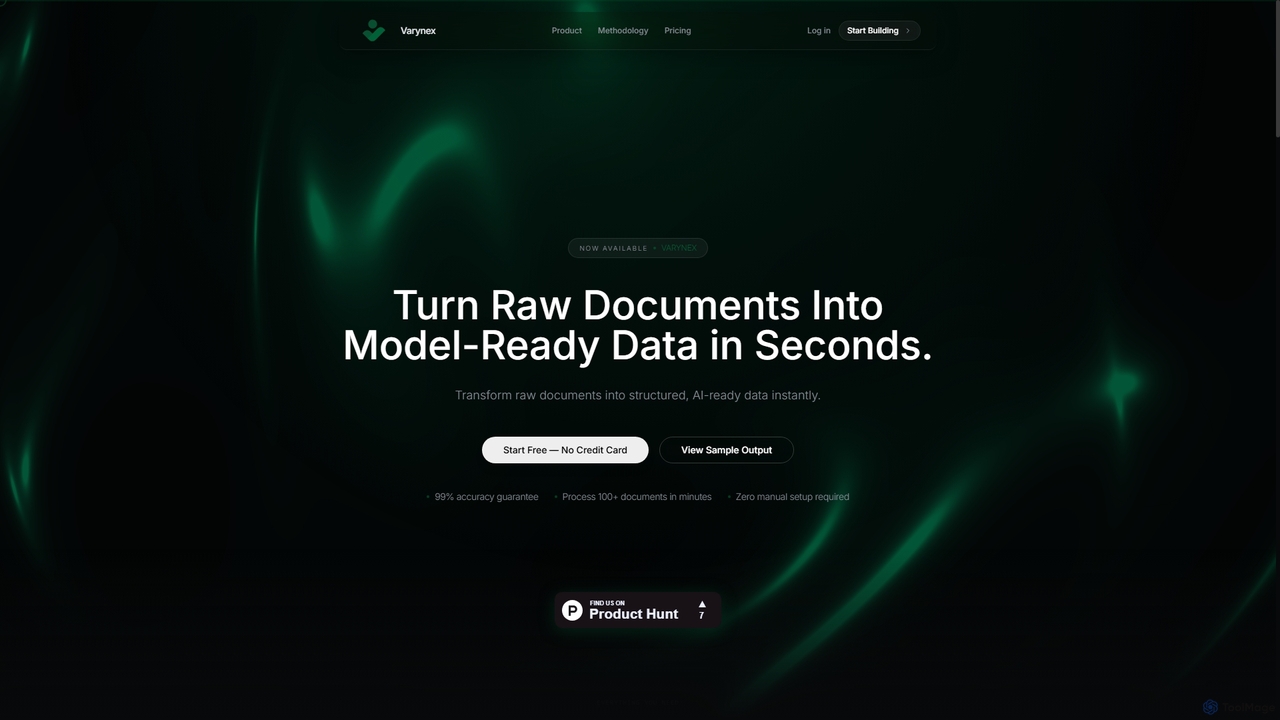
Varynex is an automated data processing platform that transforms raw documents into structured, AI-ready data with 99% accuracy. It instantly extracts entities, generates Q&A pairs, creates knowledge graphs, and redacts PII, eliminating manual data preparation and accelerating AI development.

Extraction
Visits 5.9KFavorites 134Likes 133
Daylit

Daylit

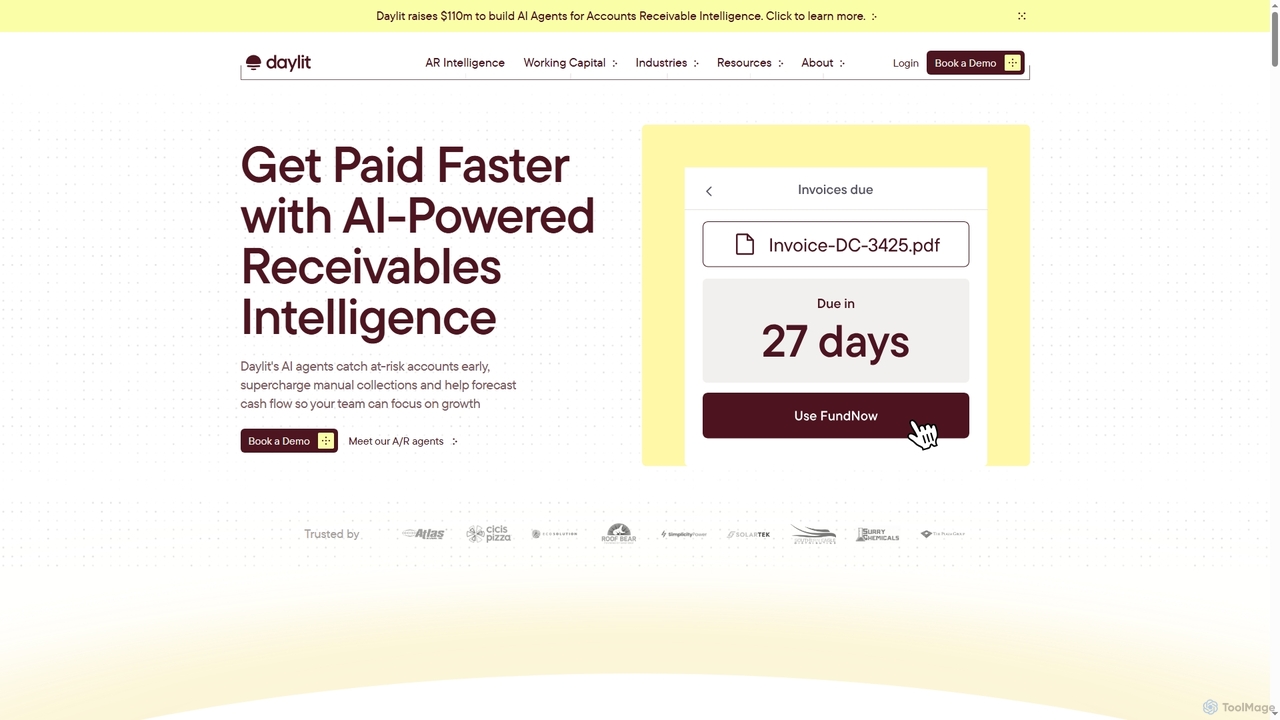
Daylit is an AI-powered platform for accounts receivable intelligence and working capital solutions. It uses AI agents to automate collections, track receivables, forecast cash flow, and identify at-risk accounts, helping businesses get paid faster and optimize financial operations.

Accounting
Visits 13.6KFavorites 140Likes 127
Snakk
Freemium

Snakk

Snakk is an AI-driven platform for companies and developers to build, test, and deploy advanced AI voice agents. It automates customer communication, including support, sales calls, and appointment scheduling, operating 24/7 with seamless system integration.

Voicebot
Visits 8.7KFavorites 148Likes 143
Pitchpal
Paid

Pitchpal

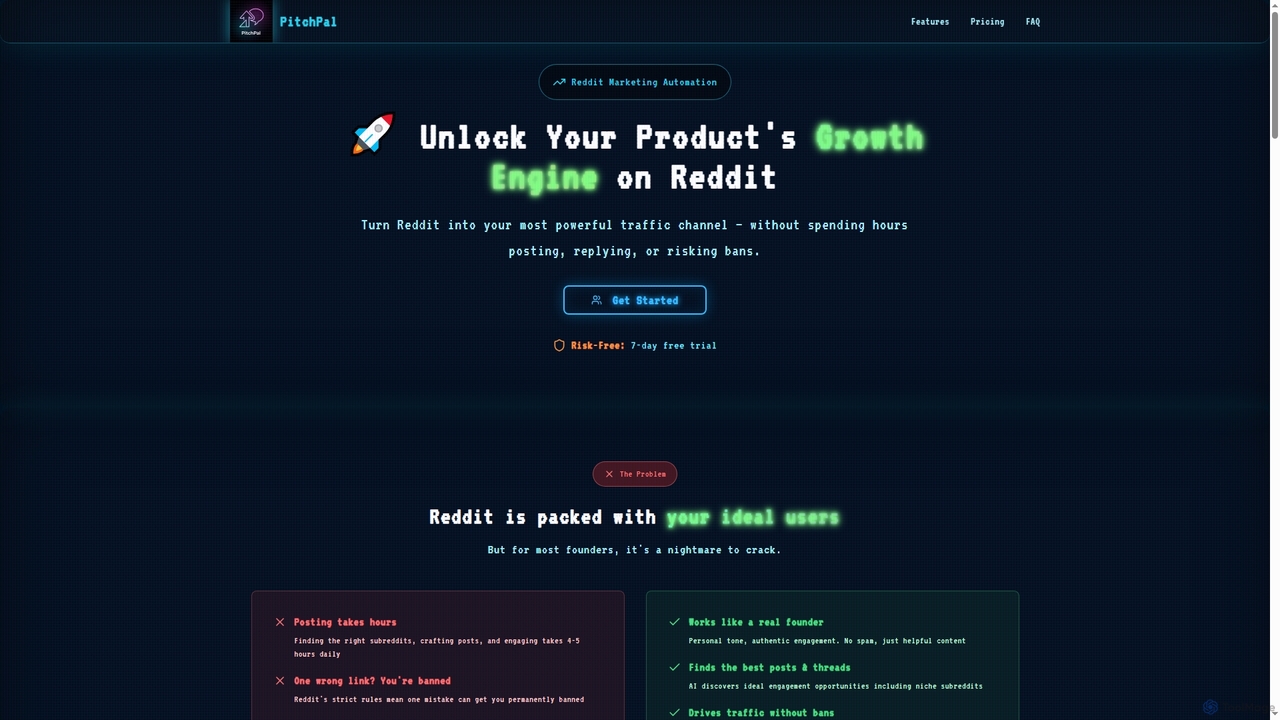
Pitchpal is an AI-powered Reddit marketing automation tool for founders and startups. It automates subreddit discovery, crafts authentic posts and replies, and schedules them for optimal engagement. The platform focuses on safe, compliant growth to drive traffic and signups without the risk of account bans.

Social Media Marketing
Visits 7KFavorites 144Likes 136
Whasalesai
Freemium

Whasalesai

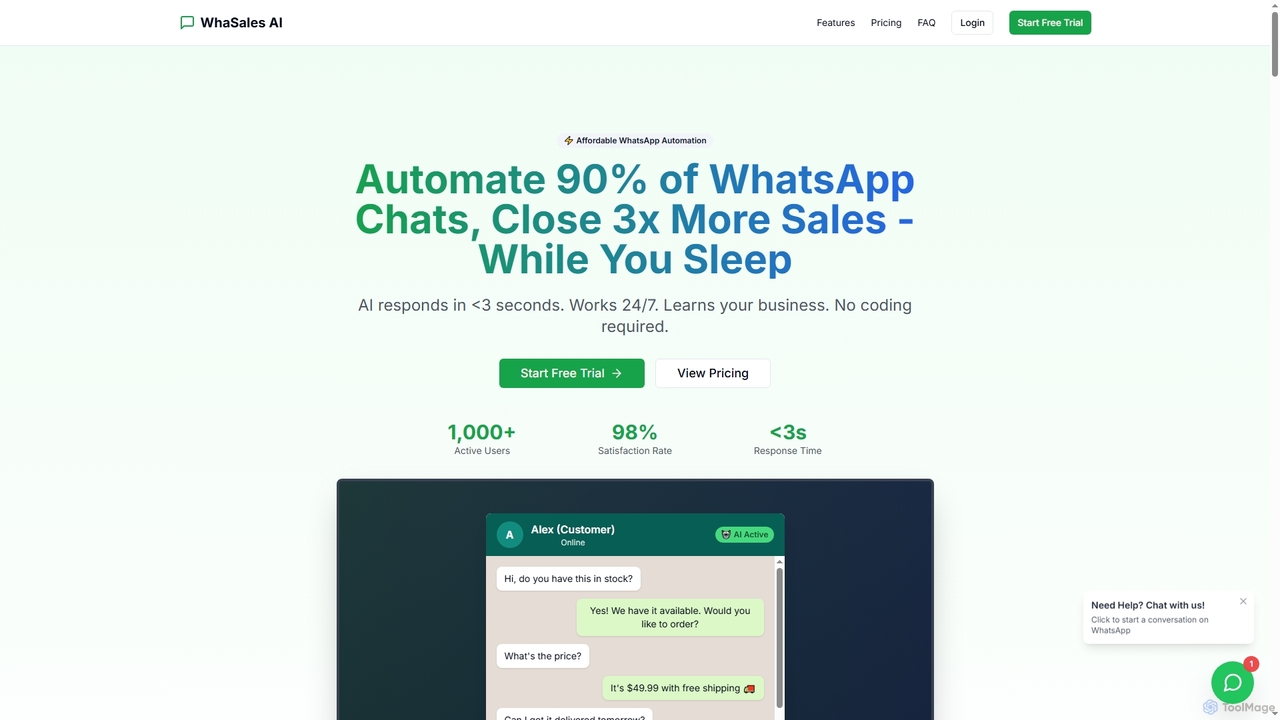
An AI-powered platform designed to automate WhatsApp conversations for sales. It responds to customers 24/7, transcribes voice messages, follows up on leads, and integrates with your business knowledge to triple sales conversions without coding.

Chatbot
Visits 5.9KFavorites 113Likes 110
Lemonvolt
Freemium

Lemonvolt

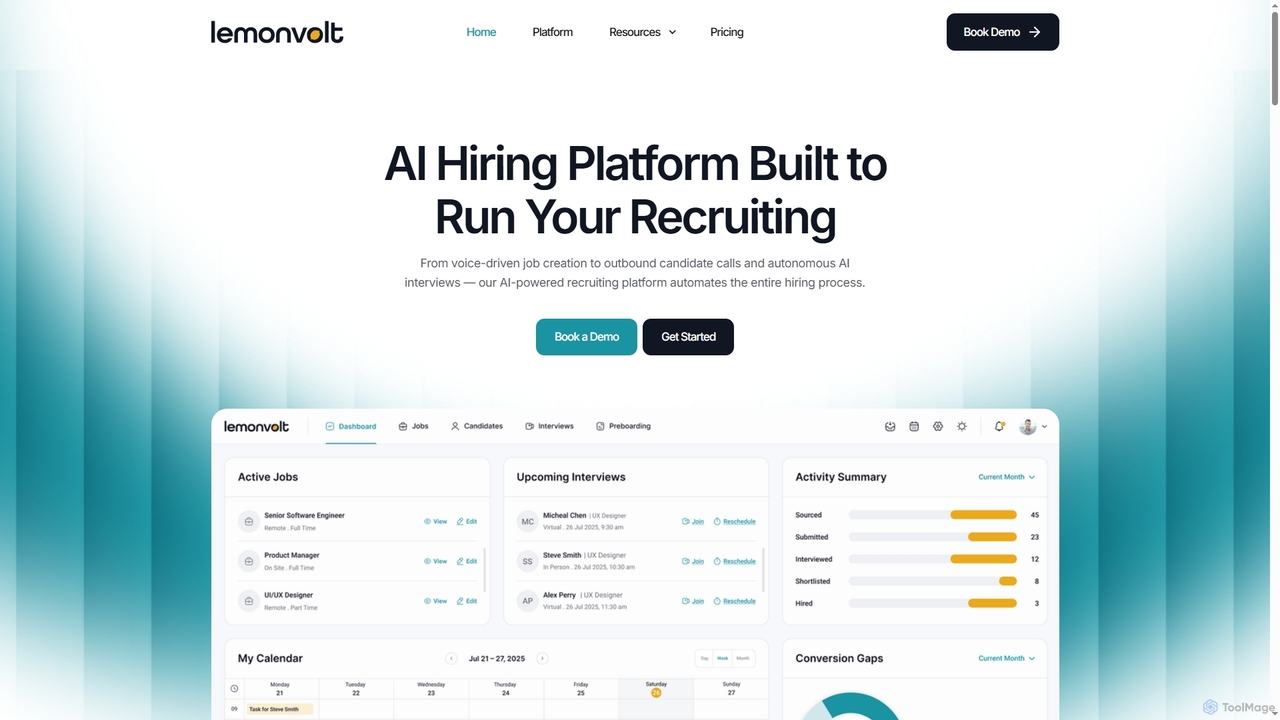
Lemonvolt is an AI hiring platform that utilizes autonomous agents to automate the entire recruitment process. From voice-driven job creation with hiring managers to outbound candidate calls and AI-led interviews, it streamlines workflows, increases recruiter output by 10x, and ensures a constantly moving pipeline, all while maintaining complete human oversight.

Agent
Visits 6.6KFavorites 122Likes 123
Swe Studio

Swe Studio

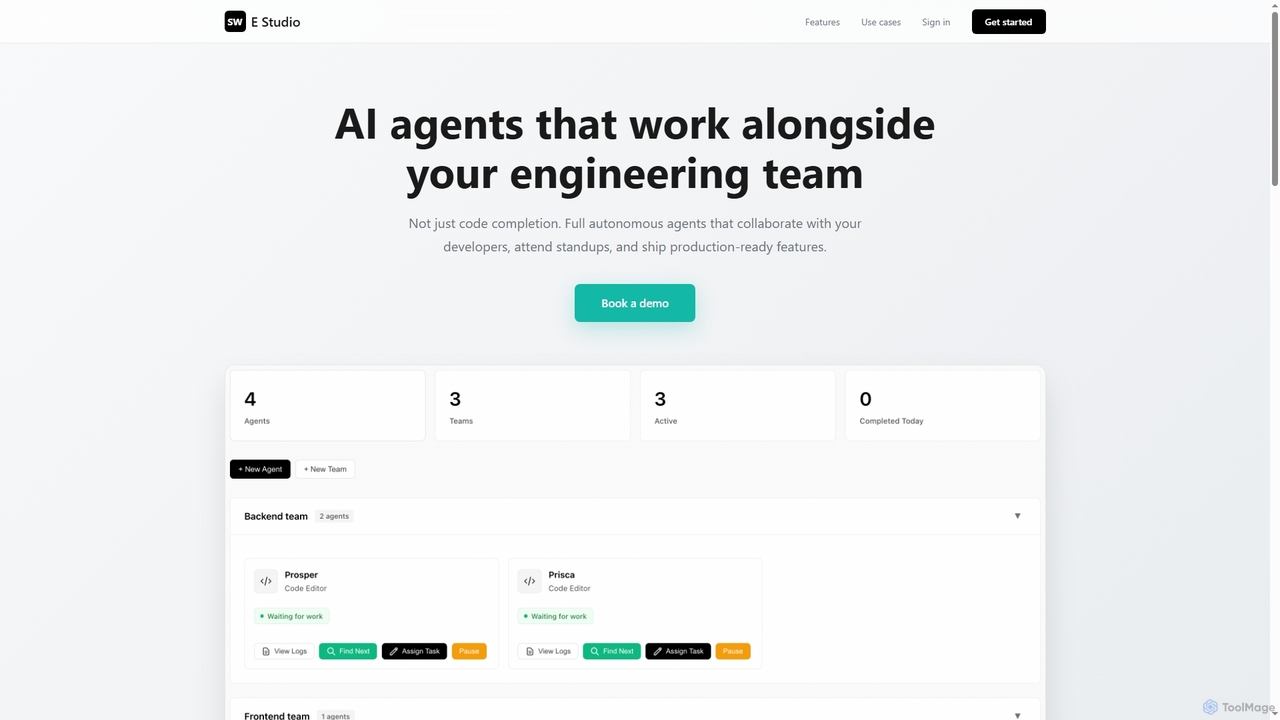
Swe Studio provides autonomous AI agents that function as full members of your engineering team. They independently handle development tasks from Jira tickets to pull requests, collaborating via Slack and GitHub to ship production-ready features.

Code Assistant
Visits 6KFavorites 149Likes 162
Aisparkframe
Paid

Aisparkframe

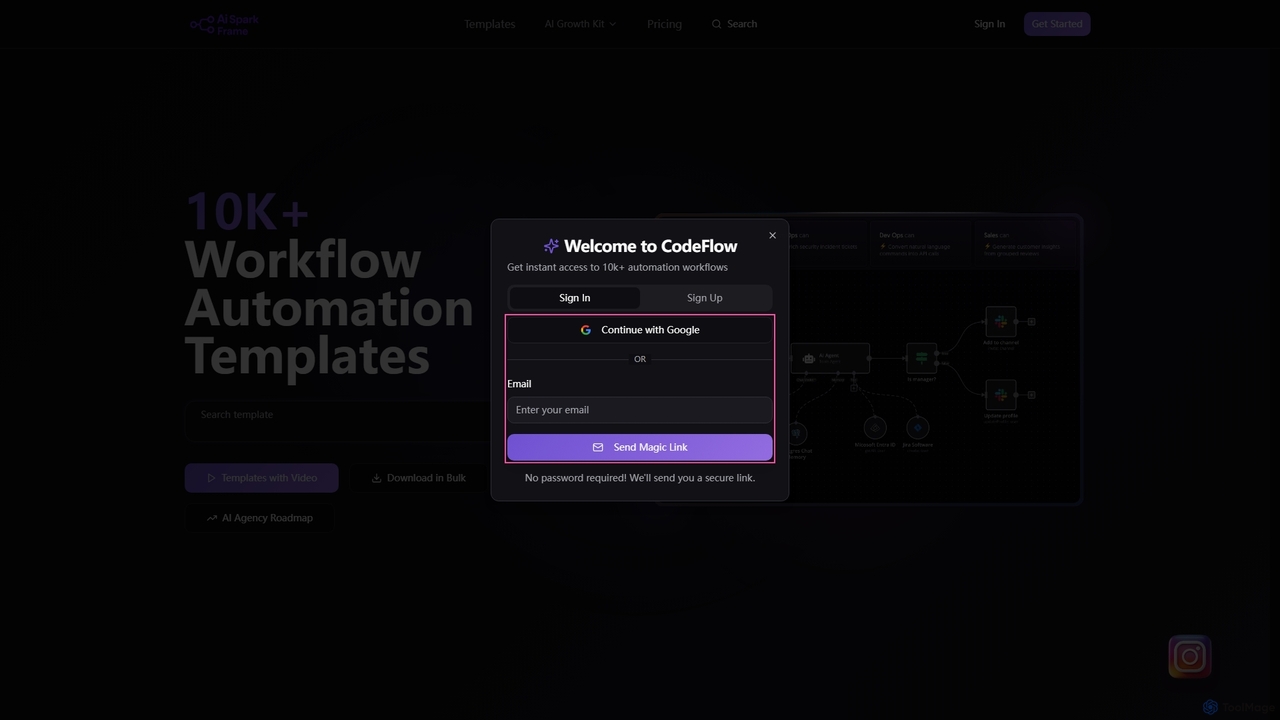
Aisparkframe provides a comprehensive library of over 10,000 pre-built AI workflow automation templates, primarily designed for the n8n platform. These templates enable users to automate complex tasks across marketing, social media, data analysis, and client management by integrating with tools like OpenAI, Google Gemini, and Slack. It's designed for businesses and individuals looking to enhance productivity and efficiency without extensive coding knowledge.

Workflow Management
Visits 5.9KFavorites 152Likes 157
Synapsehire

Synapsehire

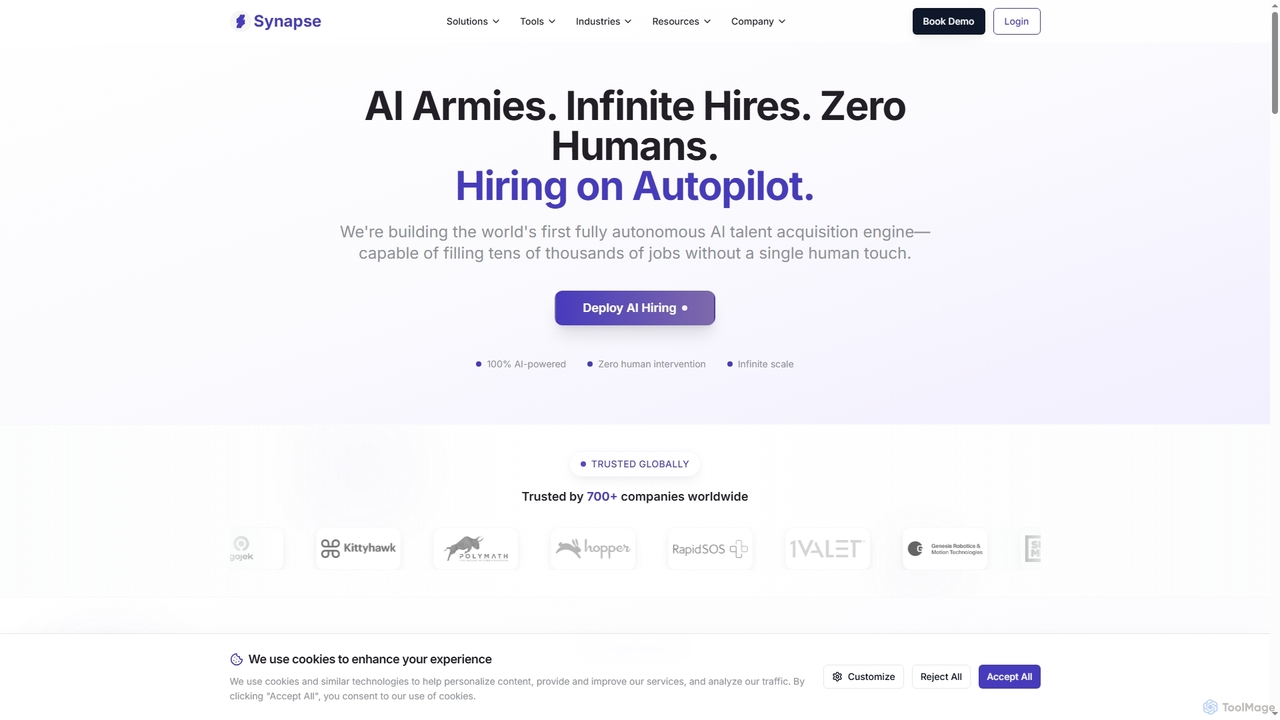
Synapsehire is a fully autonomous AI talent acquisition platform that automates the entire hiring process without human intervention. Using autonomous GPT-4 agents, it handles job analysis, candidate sourcing, vetting, and scheduling to reduce hiring costs by 70%, accelerate time-to-hire by 90%, and achieve over 95% talent-to-job match accuracy.

Talent Acquisition
Visits 7.4KFavorites 97Likes 116
SmartDraftai
Freemium

SmartDraftai

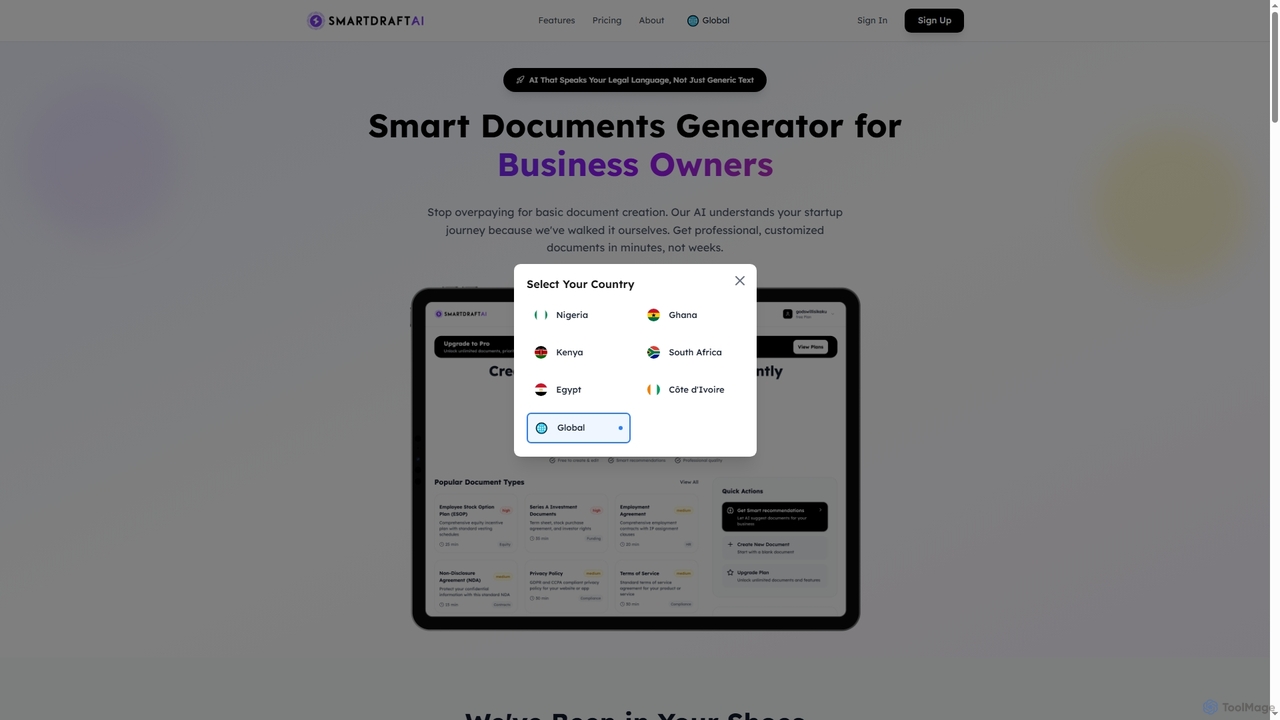
An AI-powered legal documentation platform designed for startups and small businesses. It uses a conversational chat interface to generate accurate, compliant, and customized legal documents like contracts, policies, and agreements in minutes, significantly reducing costs and time.

Startups
Visits 6KFavorites 118Likes 116
Djuix
Freemium

Djuix

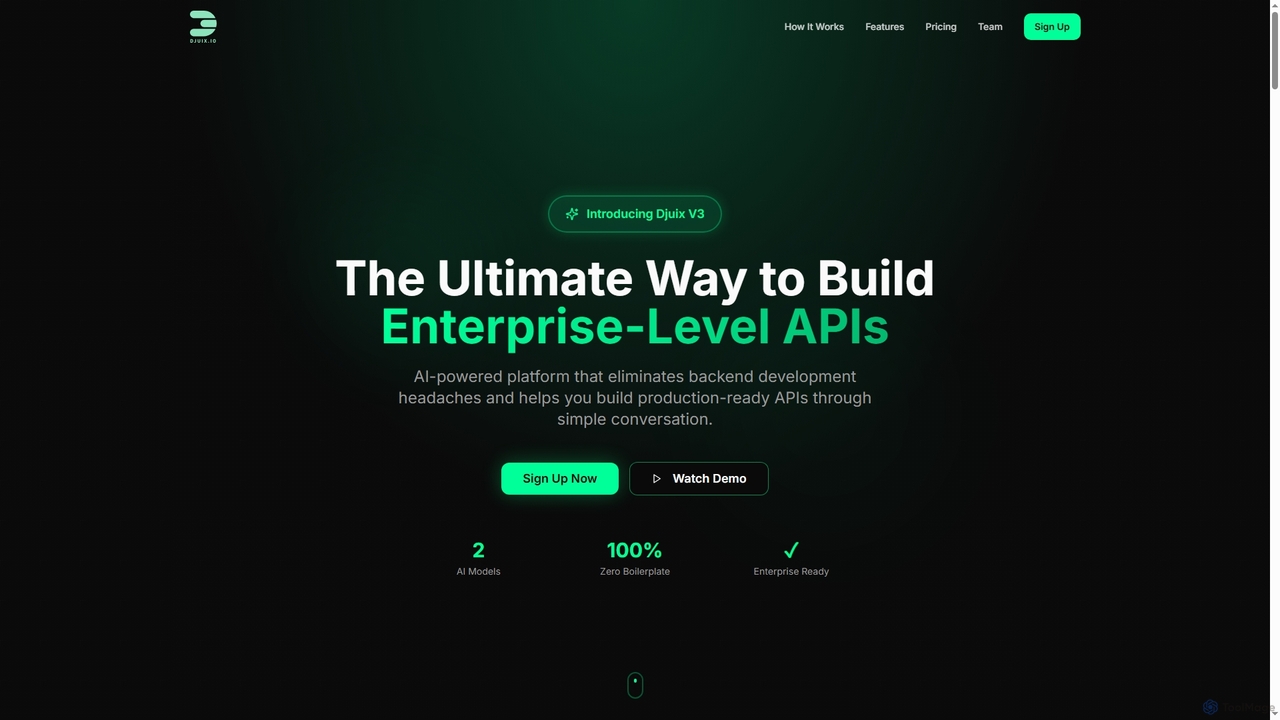
Djuix is an AI-powered platform that enables users to build enterprise-level Django REST APIs through simple, natural language conversations. It automates backend development, eliminating boilerplate code and allowing for rapid prototyping and deployment with full code ownership.

Backend
Visits 5.8KFavorites 109Likes 112
AgentRank

AgentRank

AgentRank is an AI-powered platform designed for developers to build, discover, and share intelligent AI agents. It fosters a community environment for creating functional AI solutions, complete with integration capabilities via MCP servers.

Marketplace
Visits 5.9KFavorites 126Likes 155
Mancia

Mancia

Mancia provides AI-powered automation solutions designed to streamline and optimize business processes, enhancing efficiency and productivity for various operational needs.

Workflow Management
Visits 6.2KFavorites 120Likes 119
Sapiens

Sapiens

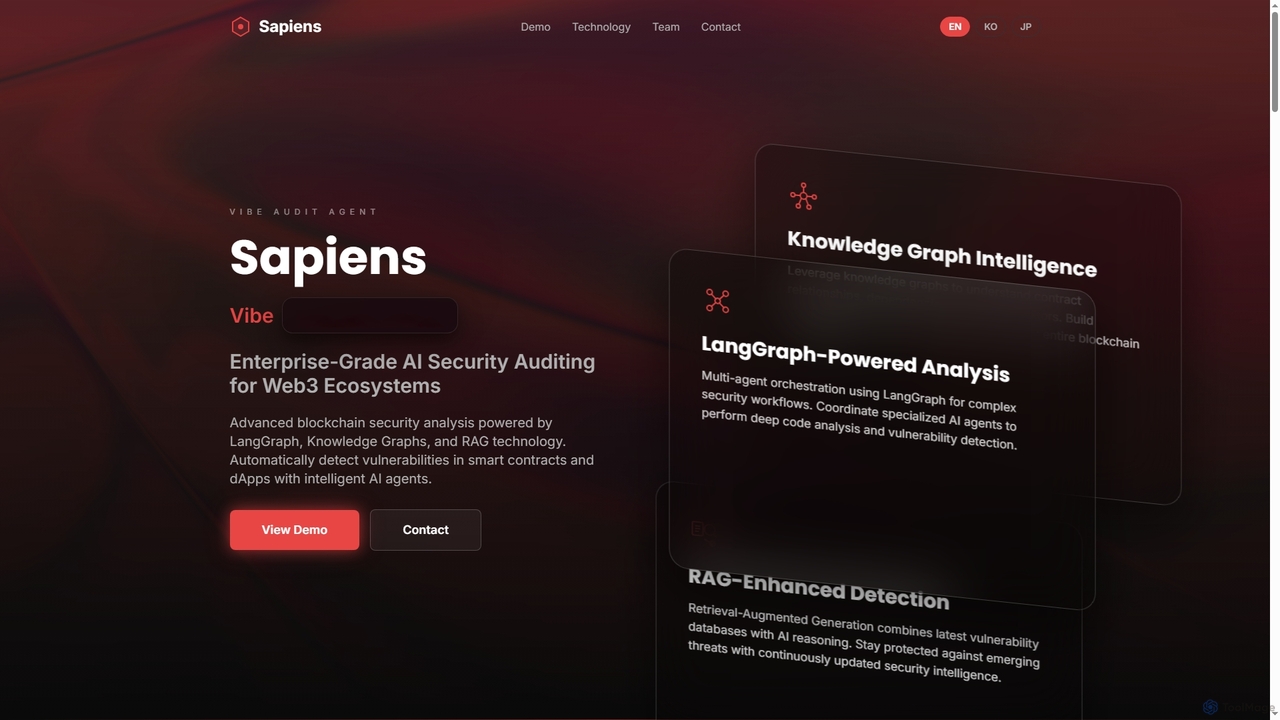
Sapiens is an enterprise-grade AI security auditing platform for Web3 ecosystems. It leverages advanced technologies like LangGraph, Knowledge Graphs, and RAG to automatically detect vulnerabilities in smart contracts and dApps, providing comprehensive analysis and real-time protection.

Code Analysis
Visits 6KFavorites 143Likes 122
Quizitall
Freemium

Quizitall

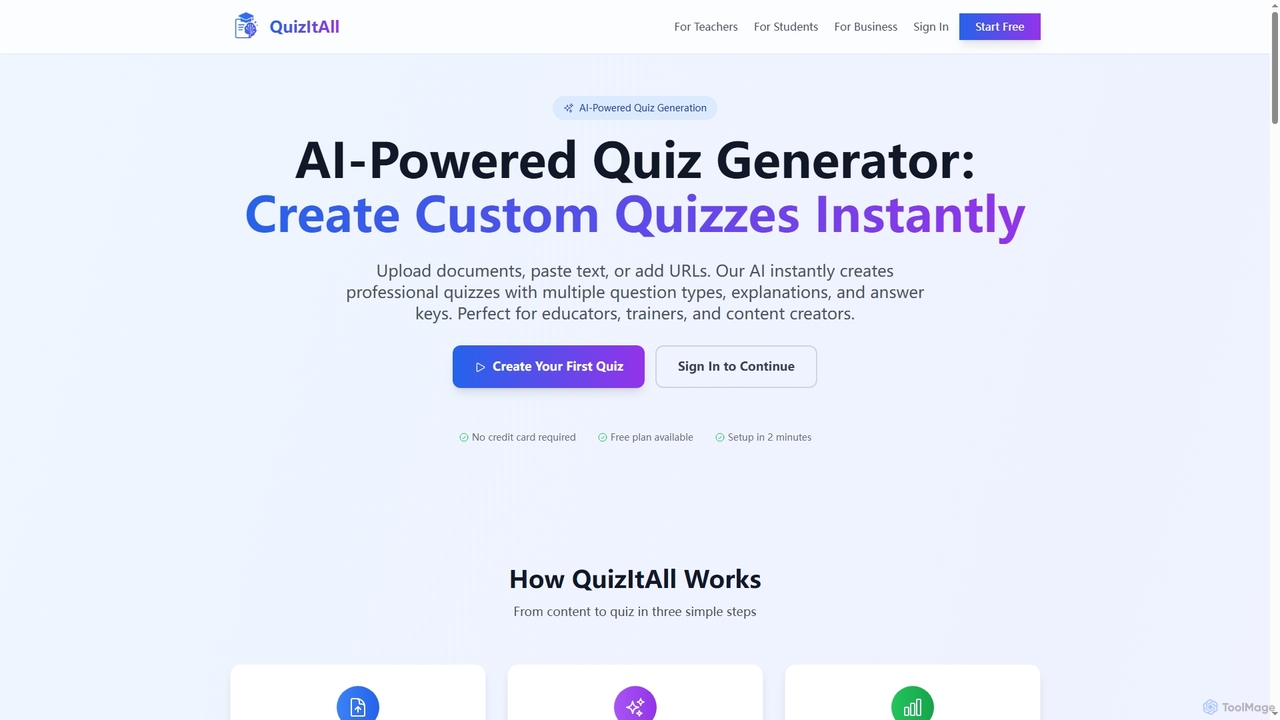
Quizitall is an AI-powered quiz generator that instantly creates custom quizzes from various content formats like documents, text, and URLs. Designed for educators, students, and corporate trainers, it automates assessment creation with multiple question types, saving significant time and enhancing learning.

Assessment
Visits 5.9KFavorites 135Likes 147
Nemovideo
Freemium

Nemovideo

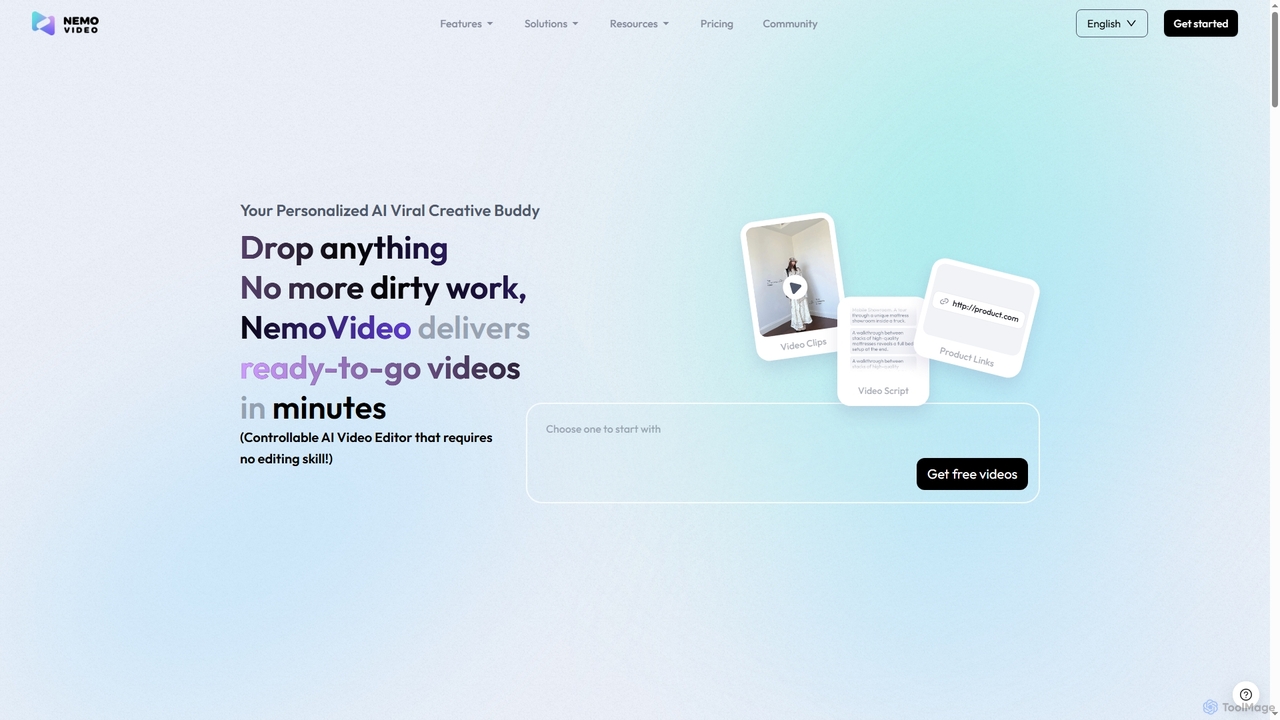
Nemovideo is an AI-powered video editor that transforms your ideas, links, or raw clips into viral-ready marketing videos. It analyzes successful video formulas and automates the entire editing process, from scriptwriting to final cuts, requiring no prior editing skills.

Social Media Marketing
Visits 328.8KFavorites 147Likes 142
Makeskill
Free

Makeskill

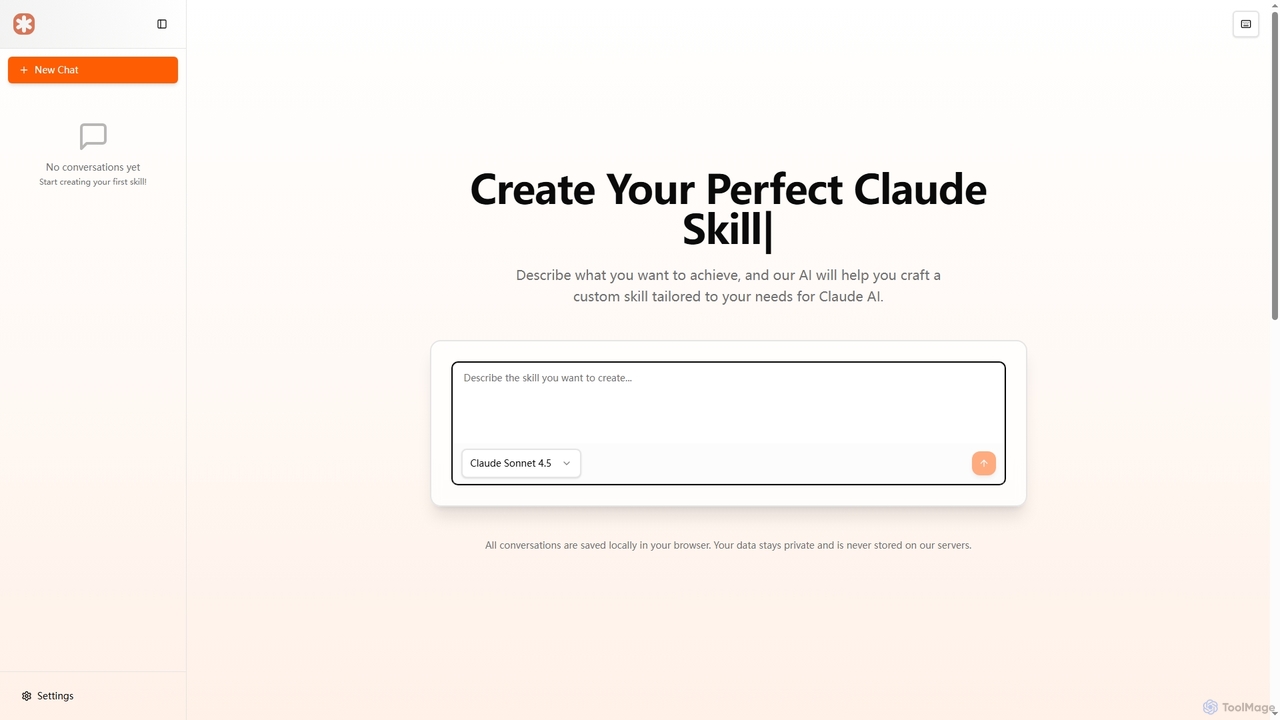
Makeskill is an AI-powered tool for creating custom, modular skills for Claude AI. Describe your goal, and the tool helps craft specialized instructions and workflows to extend Claude's capabilities, automate tasks, and build complex processes, with all data stored locally for privacy.

Prompt Engineering
Visits 9.4KFavorites 113Likes 108
Flowhive
Freemium

Flowhive

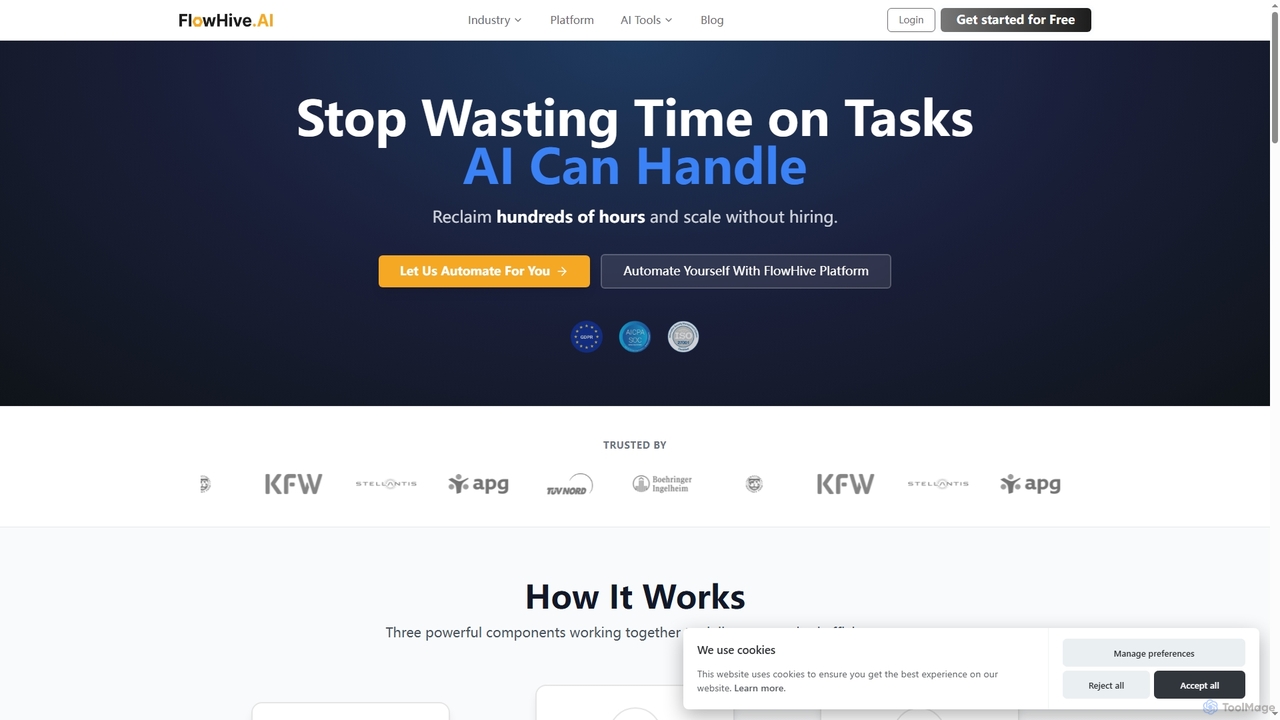
Flowhive is an AI workflow automation platform that integrates multiple AI models like GPT and Gemini, your company's knowledge bases, and existing tools. It allows you to build your own automated workflows or have their expert team build them for you, aiming to increase efficiency by 50% and reduce manual work.

Multi Model Platform
Visits 8.2KFavorites 130Likes 138
Humanize
Freemium

Humanize

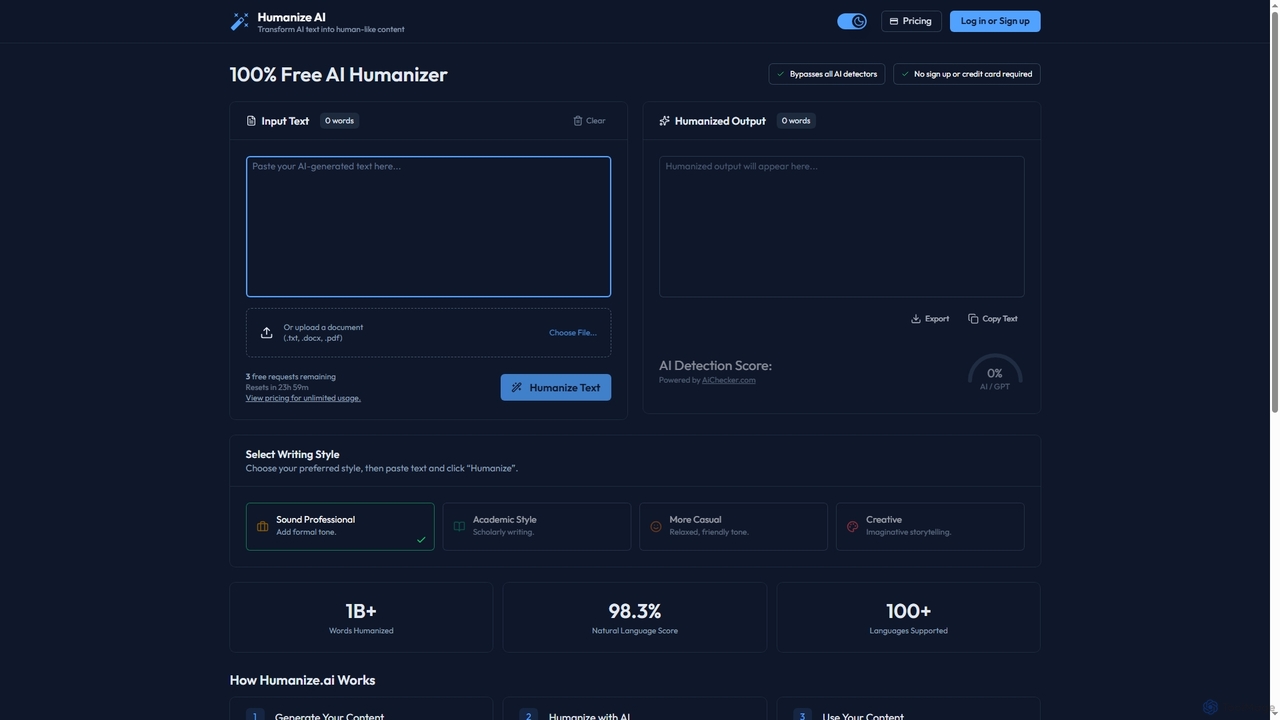
Humanize is an AI-powered text humanizer designed to convert AI-generated content into natural, human-like writing. It helps bypass AI detectors, supports over 100 languages, and offers various writing styles. The tool provides a free daily usage tier and paid plans for unlimited access.

Automation
Visits 311.6KFavorites 118Likes 122
Dharmas
Freemium

Dharmas

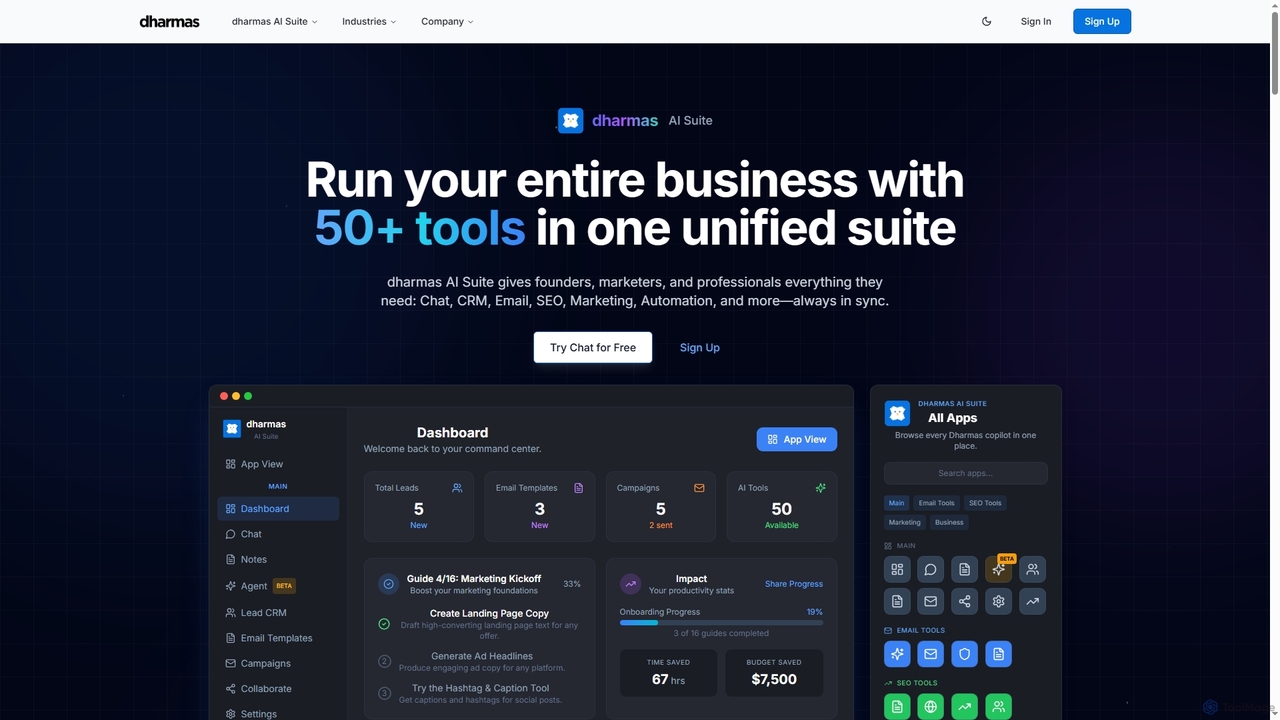
Dharmas is an all-in-one AI suite with over 50 tools for business automation. It integrates Chat, CRM, Email, SEO, and Marketing into a unified platform designed for founders, marketers, and scaling teams to streamline workflows, generate content, and grow revenue.

All In One
Visits 5.9KFavorites 137Likes 141
Onboardly
Paid

Onboardly

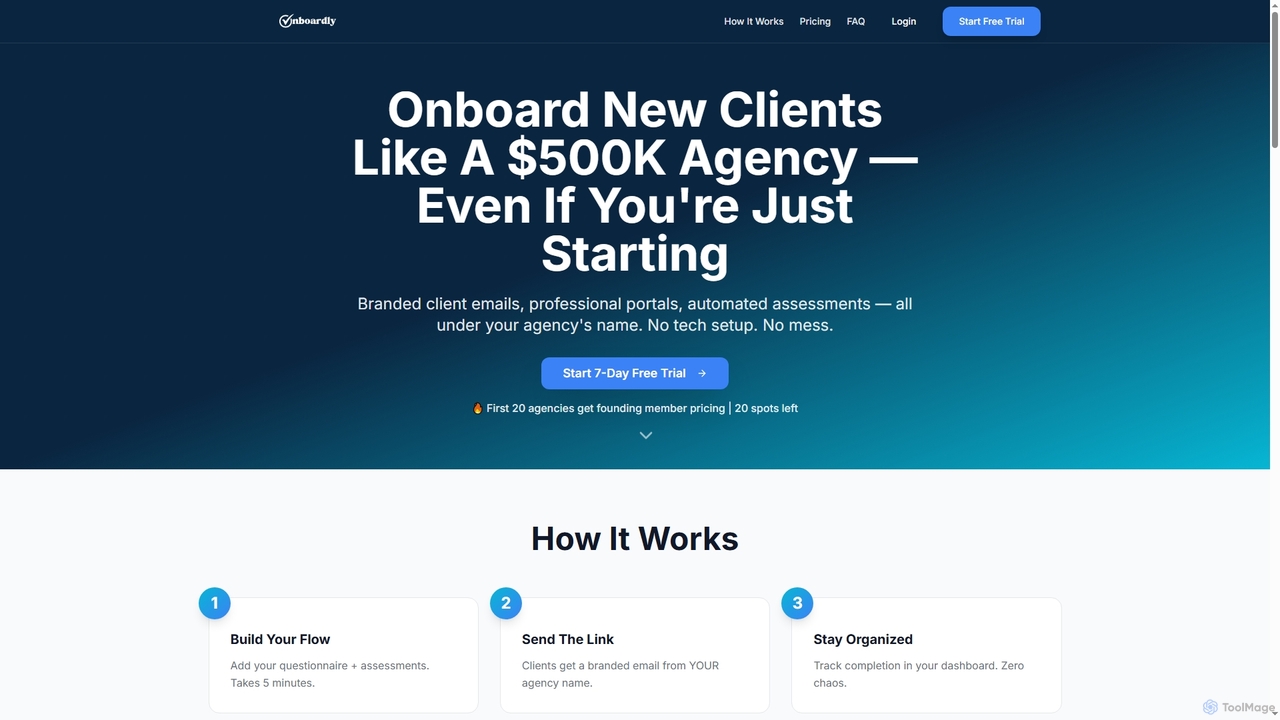
Onboardly is a client onboarding platform designed for agencies to streamline their processes. It enables the creation of branded client portals, automated assessments, and professional reports under the agency's own name, without requiring any technical setup.

Agency Tools
Visits 5.9KFavorites 159Likes 145
UnitHub
Freemium

UnitHub

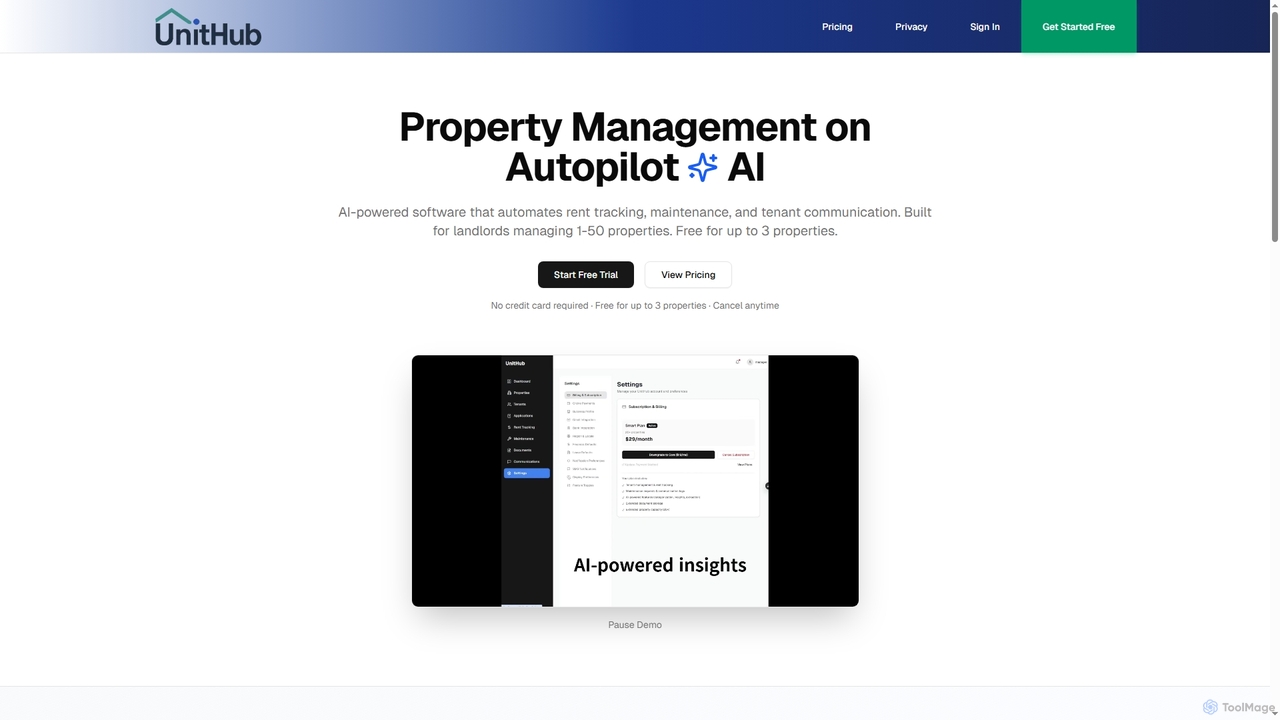
AI-powered property management software designed for landlords with 1-50 properties. It automates rent tracking, maintenance management, and tenant communication to save hours of administrative work weekly. Features include AI lease data extraction, automated expense categorization, and e-signatures.

Accounting
Visits 7.5KFavorites 133Likes 130
Reviewsblender
Freemium

Reviewsblender

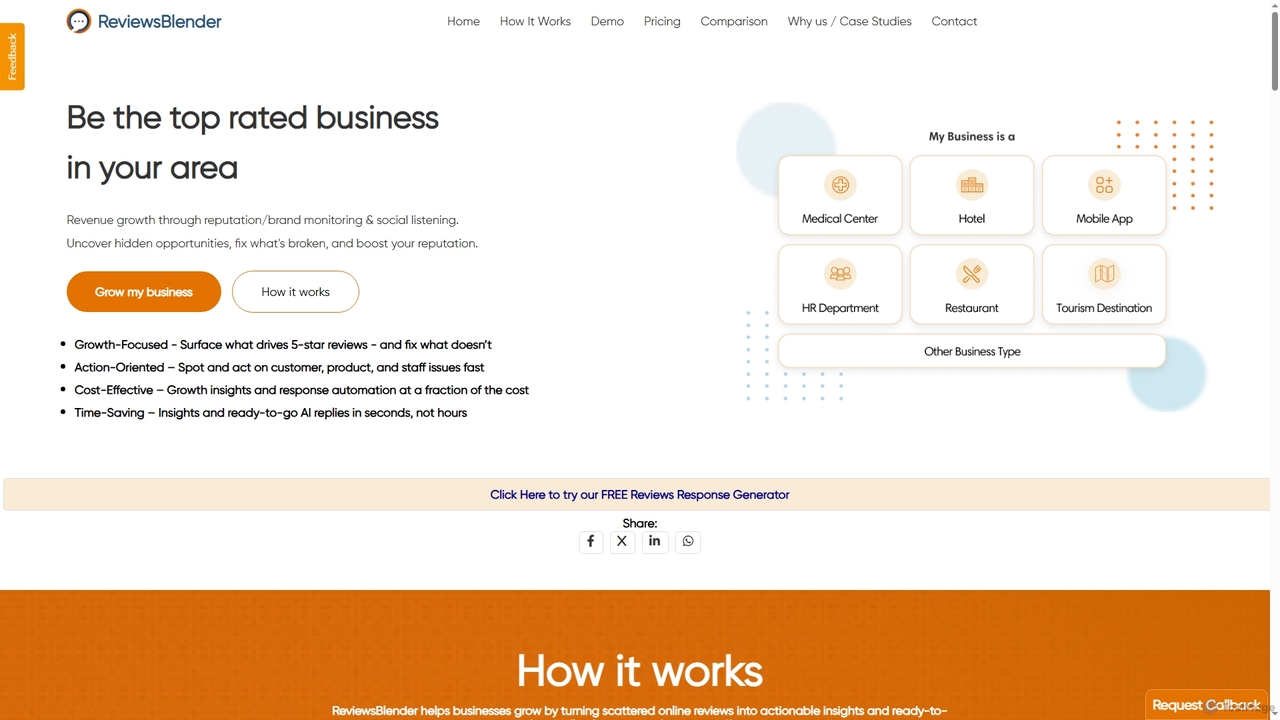
Reviewsblender is an AI-powered reputation management tool that aggregates online reviews from multiple platforms. It provides weekly actionable insights through sentiment analysis and translation, helping businesses improve ratings and customer satisfaction with AI-generated review responses delivered directly via email.

Business Intelligence
Visits 6KFavorites 125Likes 127
TestPlan
Freemium

TestPlan

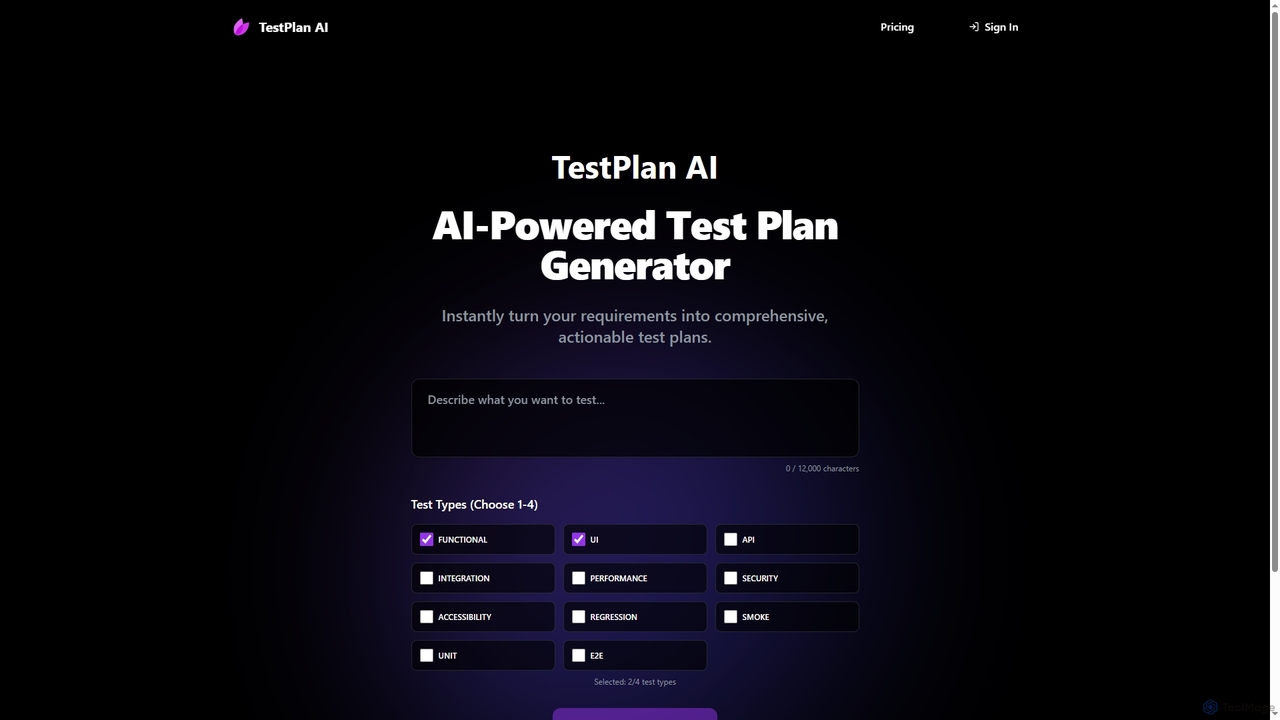
TestPlan is a powerful, AI-powered tool designed to instantly transform project requirements into comprehensive, actionable test plans and detailed test cases. It supports a wide range of test types, from functional to security, making software testing more efficient for development teams.

Automation
Visits 6.6KFavorites 143Likes 139

About Automation

AI Automation tools are a class of software that uses artificial intelligence to execute repetitive tasks and streamline complex workflows without direct human intervention. These tools leverage technologies like machine learning (ML) and natural language processing (NLP) to understand data, make decisions, and interact with other digital systems. Their primary purpose is to enhance productivity by reducing manual effort, minimizing errors, and freeing up human teams to focus on strategic initiatives. Unlike traditional automation, AI-powered platforms can handle unstructured data and adapt to variations in processes.

Core Features

  • Workflow Builder: Visually design, build, and manage multi-step automated processes that connect various applications and services.
  • Intelligent Data Processing: Automatically extract, classify, and validate information from documents, emails, and images using AI models.
  • AI-Powered Decision Making: Implement conditional logic and predictive models that allow the system to make autonomous choices within a workflow.
  • Cross-Application Integration: Connect seamlessly with hundreds of third-party apps (SaaS, databases, APIs) to create a unified automated ecosystem.
  • No-Code/Low-Code Interface: Enable users with limited technical skills to create and deploy complex automations through drag-and-drop interfaces.

Use Cases

AI Automation tools are widely used across various departments. Marketing teams automate lead nurturing campaigns and social media posting. Finance departments use them for invoice processing and expense report approvals. In customer support, they are used to route tickets and send automated responses, significantly improving response times and operational efficiency.

How to Choose

When selecting an AI Automation tool, first evaluate its integration library to ensure it supports the apps you use. Consider the complexity of its AI capabilities—do you need simple data extraction or advanced predictive analytics? Assess the user interface; a no-code platform is better for business users, while a low-code option offers more flexibility for developers. Finally, review the scalability and pricing model to ensure it aligns with your business growth.

Featured tool rankings

Automation use cases

1

Automate Social Media Content Publishing

A social media manager for a growing e-commerce brand needs to maintain a consistent posting schedule across multiple platforms like Instagram, Facebook, and Twitter. Instead of manually uploading and scheduling each post, they use an AI automation tool. They set up a workflow that triggers whenever a new product is added to their website's blog. The tool automatically pulls the product image and description, uses an AI writing assistant to generate several engaging caption variations, and then schedules them to be posted at optimal times on each platform over the next week. This saves hours of manual work and ensures a steady stream of content.

2

Streamline Customer Onboarding Process

A SaaS company's customer success team needs to ensure every new user has a smooth onboarding experience. They use an automation platform to connect their payment gateway (e.g., Stripe) with their CRM and email marketing tool. When a new customer subscribes, a workflow is initiated:

  • A new contact is created in the CRM with the 'New Customer' tag.
  • A welcome email is sent immediately with login details and a link to a setup guide.
  • A task is assigned to a customer success manager for a personal follow-up call in three days.
  • The customer is added to an automated 7-day onboarding email sequence that introduces key features.
This automation ensures no new customer is overlooked and provides a consistent, professional welcome.

3

Intelligent Invoice and Receipt Processing

An accounting department processes hundreds of invoices and receipts monthly. This manual data entry is time-consuming and prone to errors. By implementing an AI automation tool with Optical Character Recognition (OCR), the process is transformed. Staff simply scan or email the documents to a designated inbox. The AI tool automatically:

  • Extracts key information like vendor name, invoice number, date, and total amount.
  • Categorizes the expense based on the vendor or line items.
  • Creates a draft entry in the accounting software (e.g., QuickBooks) for review.
  • Flags any discrepancies or missing information for human attention.
This reduces data entry time by over 80% and improves accuracy significantly.

4

Automate Lead Nurturing in Marketing

A marketing team wants to personalize communication with new leads who download an e-book from their website. They set up an automation that triggers upon form submission. The lead's contact information is added to their CRM and they are entered into a specific nurturing sequence. The sequence starts with an email delivering the e-book, followed by a series of emails over two weeks that provide related content, case studies, and finally, an invitation to a product demo. The automation uses conditional logic: if a lead clicks on a specific case study, they are tagged with that interest and might receive more targeted content, making the nurturing process highly relevant and effective.

5

Automate IT Help Desk Ticket Routing

An IT department in a large company receives hundreds of support requests daily via email. Manually reading, categorizing, and assigning these tickets is a bottleneck. They deploy an AI automation tool that monitors the support inbox. Using Natural Language Processing (NLP), the tool analyzes the content of each email to determine the issue's category (e.g., 'Password Reset', 'Hardware Failure', 'Software Access') and urgency. Based on predefined rules, it automatically creates a ticket in their help desk system (like Jira or Zendesk) and assigns it to the appropriate specialist or team. This ensures faster response times and a more balanced workload for the IT staff.

6

Sync Data Across Disparate Business Systems

An operations manager struggles with data inconsistencies between their CRM (Salesforce) and ERP (NetSuite) systems. Sales updates in the CRM don't always reflect in the ERP, leading to billing errors. They implement an automation platform to act as a bridge. A workflow is created to monitor for 'Closed-Won' opportunities in Salesforce. When this occurs, the automation tool instantly retrieves the customer and deal information and uses it to create a corresponding sales order in NetSuite. This two-way sync ensures that both sales and finance teams are always working with the most up-to-date, accurate information, eliminating manual data reconciliation.

Automation FAQ

What are AI Automation tools?

AI Automation tools are software platforms that use artificial intelligence technologies like machine learning (ML) and natural language processing (NLP) to perform tasks and manage workflows that traditionally require human intelligence. Unlike simple rule-based automation, they can interpret unstructured data, adapt to new situations, and make complex decisions. Common applications include automating data entry from documents, routing customer support tickets based on email content, and managing multi-step marketing campaigns.

How do I choose the right AI Automation tool?

To choose the right tool, consider these factors:

  • Integration Capabilities: Ensure the tool connects with the applications you use daily (e.g., CRM, email, project management software). A robust library of pre-built integrations is crucial.
  • Ease of Use: Determine if you need a no-code platform for non-technical users or a low-code/pro-code solution that offers more customization for developers.
  • AI Features: Assess the specific AI functionalities offered. Do you need basic OCR for data extraction, or more advanced NLP for sentiment analysis and decision-making?
  • Scalability and Reliability: Choose a platform that can handle an increasing volume of tasks as your business grows and offers reliable performance.
What's the difference between AI Automation and traditional Robotic Process Automation (RPA)?

The key difference lies in intelligence and adaptability. Traditional RPA is rule-based and excels at automating structured, repetitive tasks by mimicking human actions on a user interface (like clicks and keystrokes). It struggles with variation. AI Automation, often seen as an evolution of RPA, incorporates cognitive abilities. It can process unstructured data (like text in an email), understand context, learn from experience, and make decisions. In essence, RPA automates tasks, while AI Automation automates entire processes that involve judgment and interpretation.

What kind of tasks can be automated with these tools?

AI Automation tools can handle a wide spectrum of tasks, from simple to complex. Examples include:

  • Data Management: Automatically moving and syncing data between applications like spreadsheets, CRMs, and databases.
  • Communication: Sending personalized emails, scheduling social media posts, and routing customer inquiries.
  • Document Processing: Extracting information from invoices, contracts, and receipts using OCR and NLP.
  • Reporting: Aggregating data from multiple sources to generate daily or weekly performance reports.
  • Complex Workflows: Managing entire processes like employee onboarding or lead nurturing, which involve multiple steps, applications, and conditional logic.
Who can benefit from using AI Automation tools?

A wide range of users can benefit from AI Automation. In a business context, roles like marketing operations managers, sales representatives, finance controllers, and IT administrators use these tools to streamline departmental workflows and eliminate repetitive tasks. Small business owners and entrepreneurs can automate core business processes without a large team. Even individuals can use them for personal productivity, such as managing personal finances, organizing files, or automating social media activity, thereby saving time for more important activities.