ToolMage
Sign in

Best 38 Data Management AI tools for Productivity

Popular Data Management AI tools in Productivity include MongoDB, Benchling, Optery, Muso.AI, Yext, Encord, Label Studio, Navicat, Clearbit, and Starburst, helping you work more efficiently.

Outfindo
Freemium

Outfindo

Outfindo is an AI-powered guided selling platform for e-commerce. It helps online stores increase conversions by providing customers with an interactive, research-driven product selection guide. It automates product data management and offers deep insights into customer behavior, creating a seamless shopping journey from inquiry to purchase.

Customer Experience
Visits 9KFavorites 112Likes 123
Fuzzy Match
Freemium

Fuzzy Match

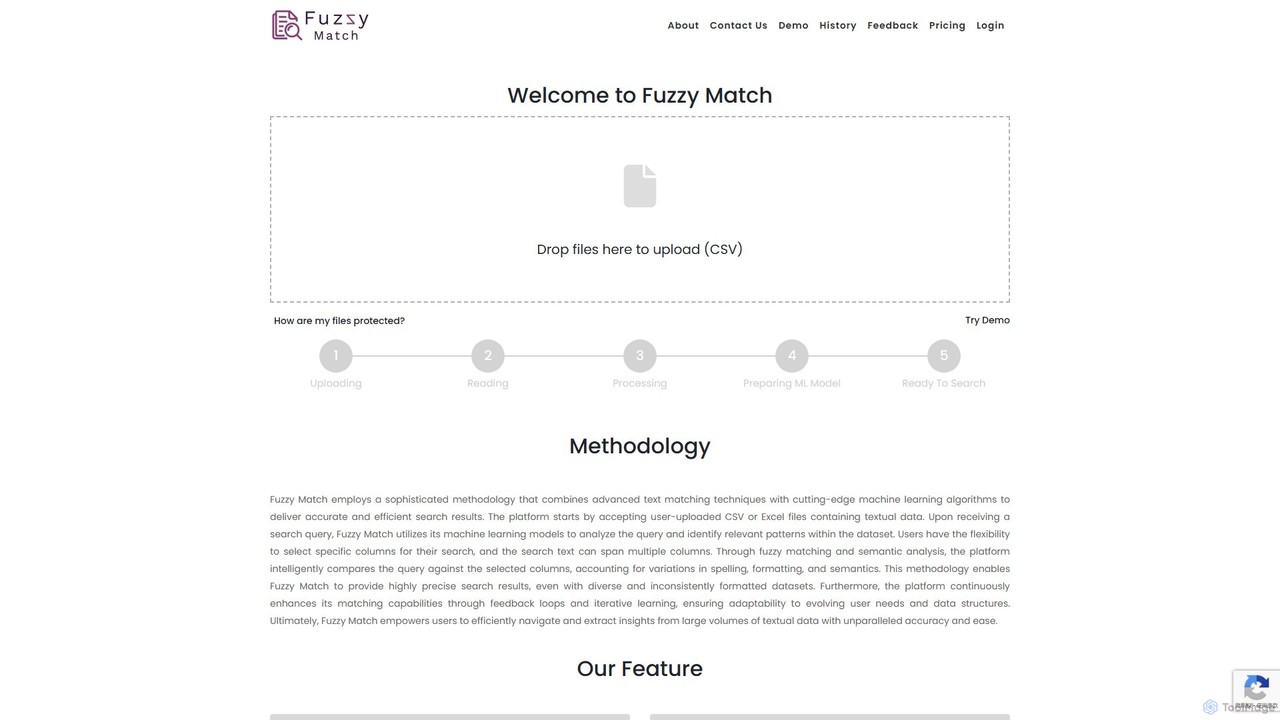
Fuzzy Match is an AI-powered data matching tool designed to clean and standardize datasets. It uses advanced machine learning algorithms to identify and resolve inconsistencies, typos, and spelling variations across multiple columns. Ideal for data analysts, researchers, and businesses, it simplifies data manipulation, enhances data accuracy, and enables more reliable data-driven decisions through its user-friendly web interface.

3D
Visits 5.6KFavorites 152Likes 144
Chonkie
Freemium

Chonkie

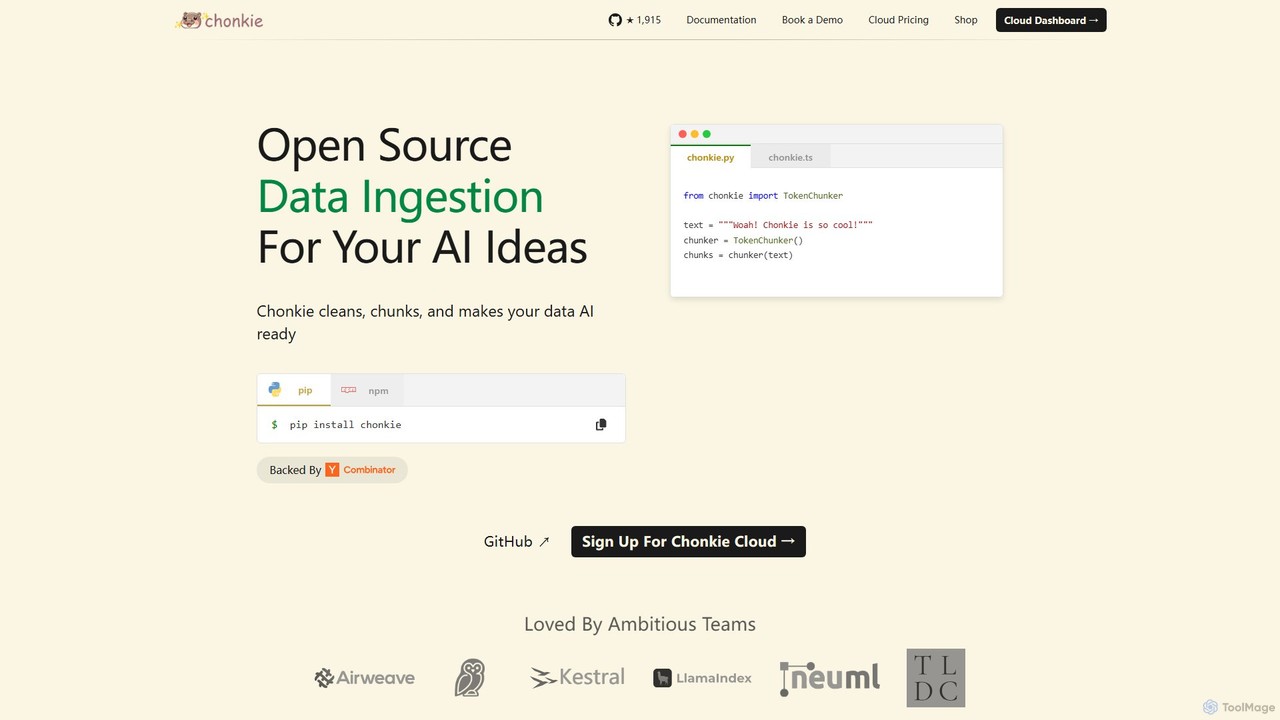
Chonkie is an open-source data ingestion framework designed for AI applications. It efficiently cleans, chunks, and enriches various data sources like PDFs, code, and text, preparing optimized, context-ready data for Large Language Models to improve accuracy, reduce hallucinations, and enhance retrieval-augmented generation (RAG) systems.

Rag
Visits 12.2KFavorites 132Likes 157
MongoDB
Freemium

MongoDB

MongoDB is a developer data platform built on a leading NoSQL document database. Its cloud offering, MongoDB Atlas, provides an integrated suite of services, including powerful Vector Search for generative AI, full-text search, and real-time analytics. It's designed for modern applications, offering flexibility, scalability, and a unified experience for developers to build faster and more efficiently across multiple clouds.

Vector Database
Visits 5.8MFavorites 145Likes 141
unopim
Freemium

unopim

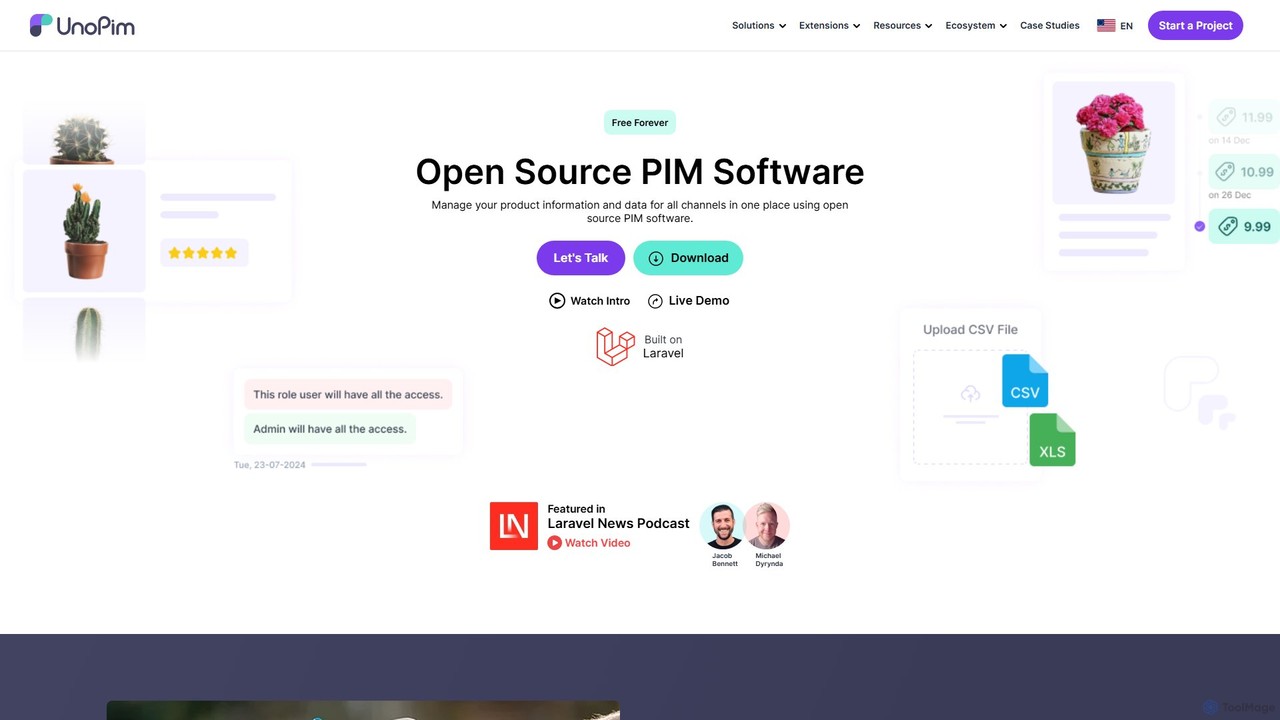
unopim is a powerful open-source Product Information Management (PIM) and Digital Asset Management (DAM) platform designed for e-commerce. It centralizes all product data and digital assets, streamlining workflows and ensuring data consistency across multiple sales channels like Shopify, Magento, and WooCommerce.

Open Source
Visits 16.4KFavorites 128Likes 114
DataChain
Freemium

DataChain

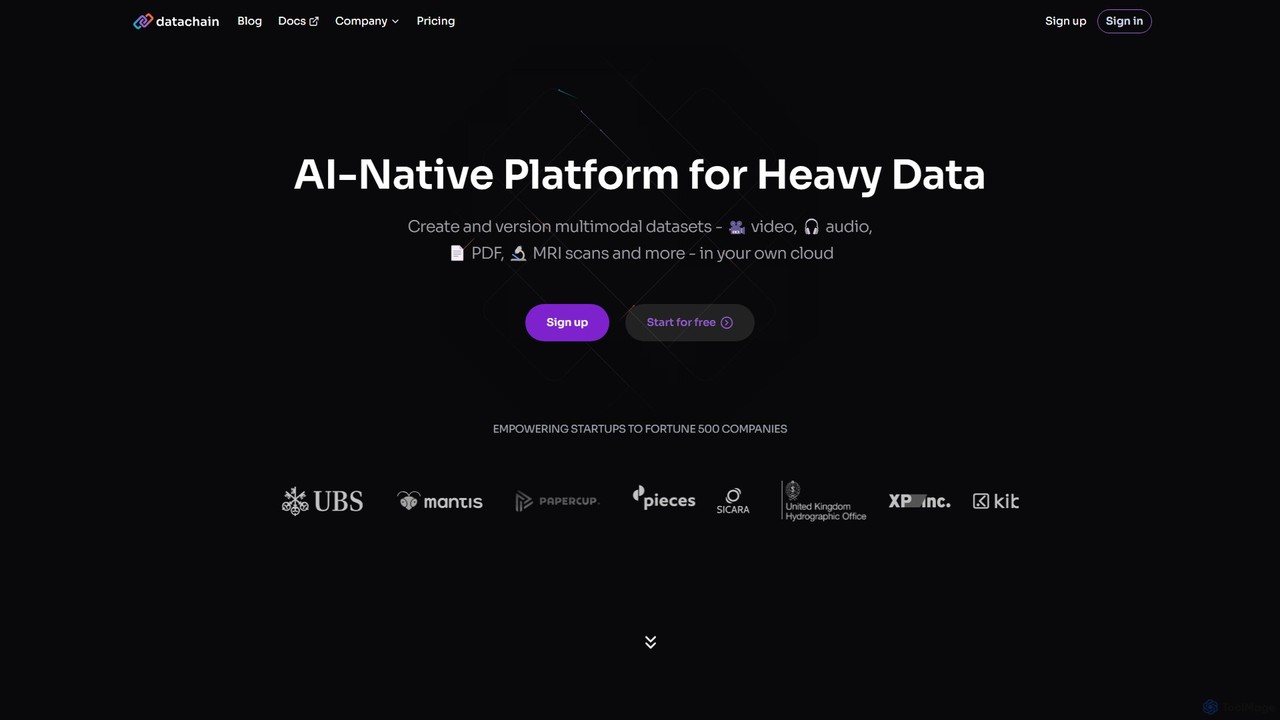
DataChain is a developer-first platform for managing "Heavy Data"—large-scale, unstructured, multimodal datasets. It enables teams to curate, enrich, and version data like videos, images, audio, and PDFs for AI applications, featuring Python-based ETL pipelines, full data lineage, and scalable processing from local IDE to cloud.

Database
Visits 10.1KFavorites 127Likes 123
Starburst
Freemium

Starburst

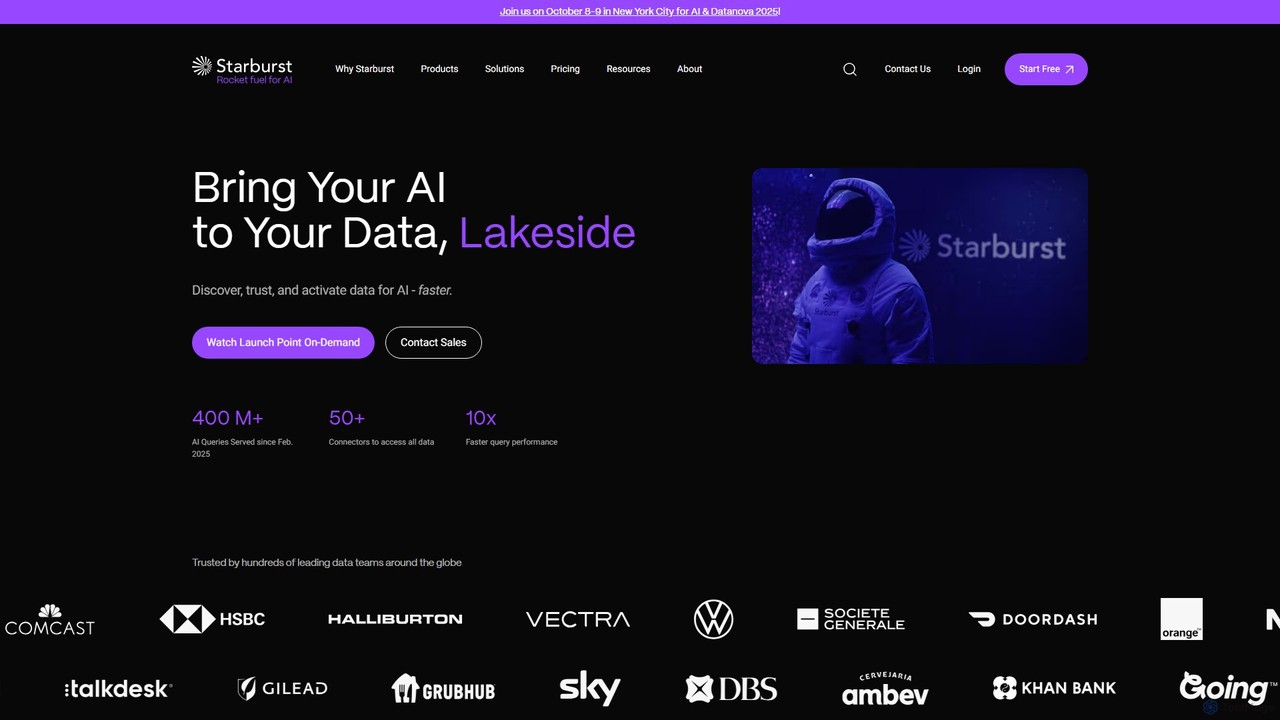
Starburst is a high-performance data analytics platform built on Trino. It enables you to query data anywhere, across clouds, on-premises, or hybrid environments, without moving it. It acts as a single point of access to all your data, accelerating analytics and AI/ML workloads.

Analytics
Visits 105.3KFavorites 145Likes 122
iomete
Freemium

iomete

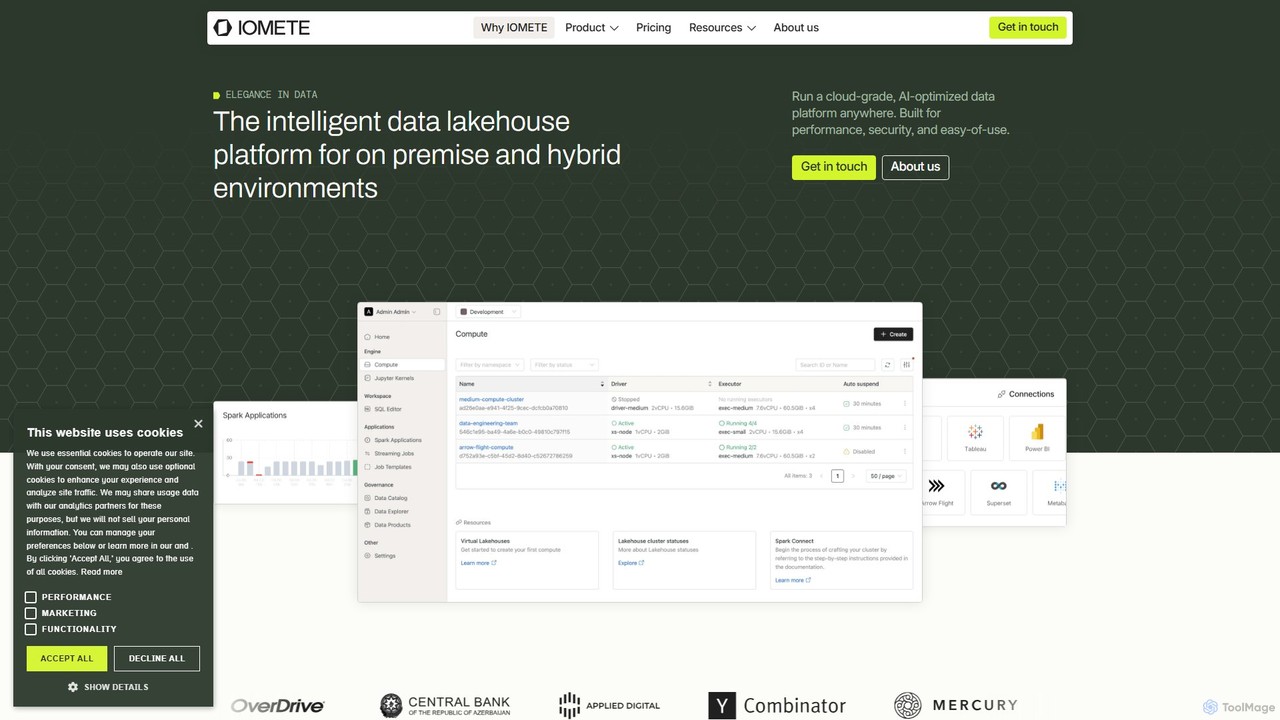
iomete is a self-hosted data lakehouse platform designed for enterprises. It combines the flexibility of data lakes with the performance of data warehouses, giving organizations full control over their data, security, and costs. By deploying on-premises or in your own cloud, iomete eliminates vendor lock-in and provides a cost-effective, scalable solution for managing petabyte-scale datasets, data engineering, and machine learning workflows.

Analytics
Visits 25.1KFavorites 143Likes 128
Muso.AI
Freemium

Muso.AI

Muso.AI is the definitive platform for music professionals to manage, verify, and analyze their credits. It tackles the industry's messy metadata problem by providing a centralized hub to correct errors, claim missing credits, and view comprehensive analytics. For artists, producers, songwriters, and labels, Muso.AI ensures proper recognition and helps track performance across streaming platforms.

Audio Production
Visits 452.1KFavorites 142Likes 148
Encord
Freemium

Encord

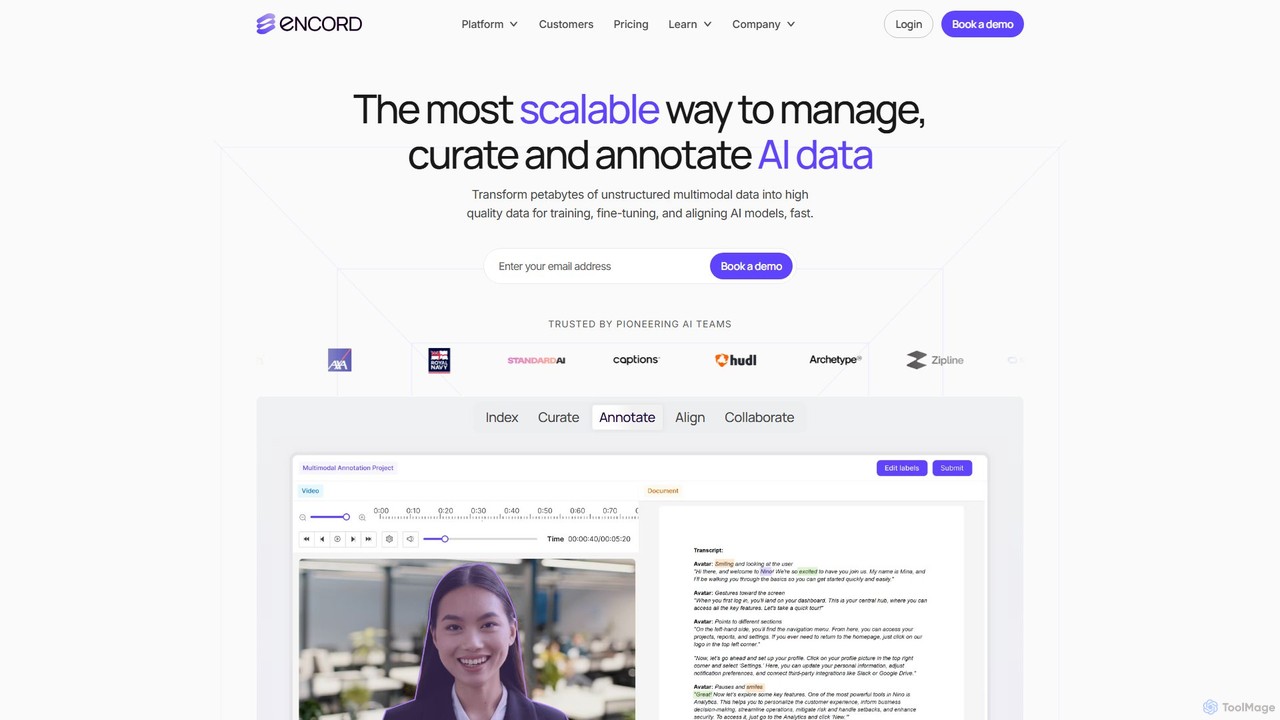
Encord is a comprehensive data development platform for visual and multimodal AI. It provides tools for managing, curating, and annotating large-scale, unstructured data like images, videos, and DICOM files. The platform helps AI teams build high-quality datasets, improve model performance, and accelerate the deployment of production-ready AI applications through advanced labeling, model evaluation, and human-in-the-loop workflows.

Annotation
Visits 272.7KFavorites 144Likes 127
Metriport
Paid

Metriport

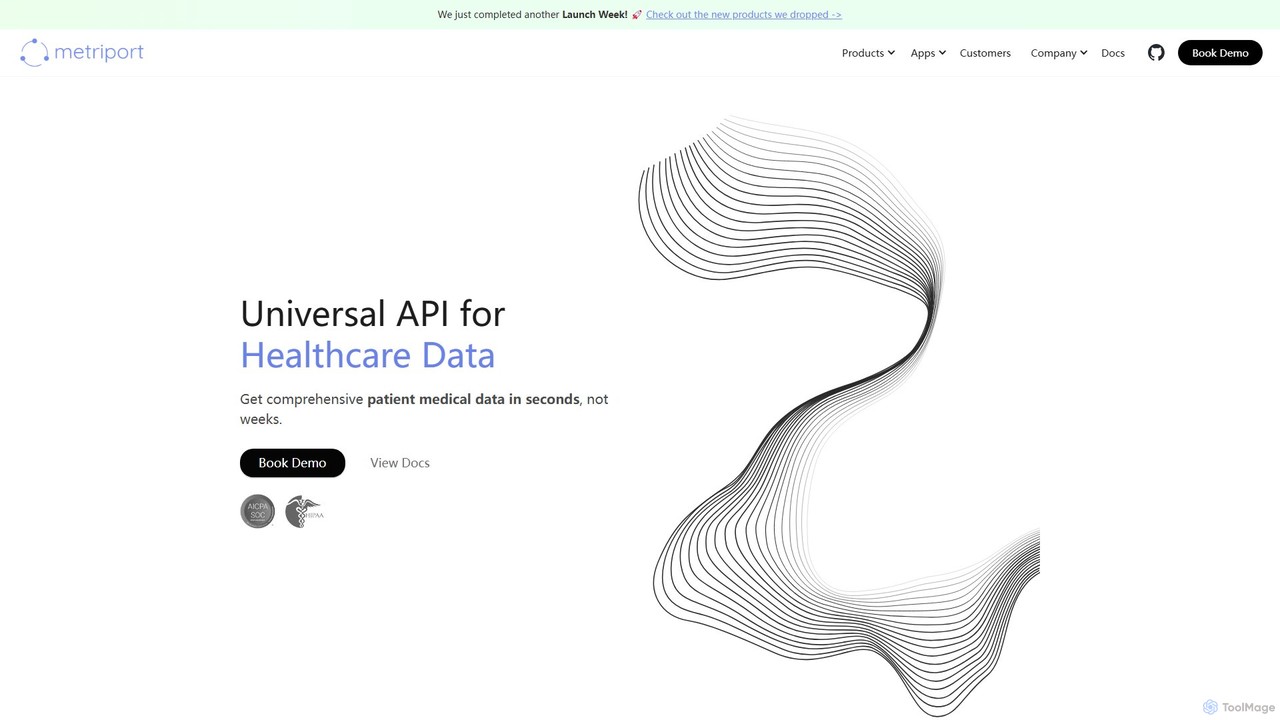
Metriport is an open-source universal API for healthcare data, enabling developers and providers to access comprehensive patient medical records in seconds. It features a no-code dashboard, AI-powered record summaries, and seamless EHR integrations, all built on a secure, HIPAA-compliant, and transparent platform.

Api
Visits 20.6KFavorites 129Likes 116
AI4BD
Paid

AI4BD

AI4BD provides a modular Cognitive Business Robotics (CBR) software platform for enterprises. It automates monotonous tasks through AI-powered solutions for document processing, smart maintenance, and master data management. Designed for seamless integration, it helps businesses of all sizes optimize workflows, increase efficiency, and make data-driven decisions without requiring specialized AI expertise.

Process Automation
Visits 5.7KFavorites 122Likes 134
Simetrik
Paid

Simetrik

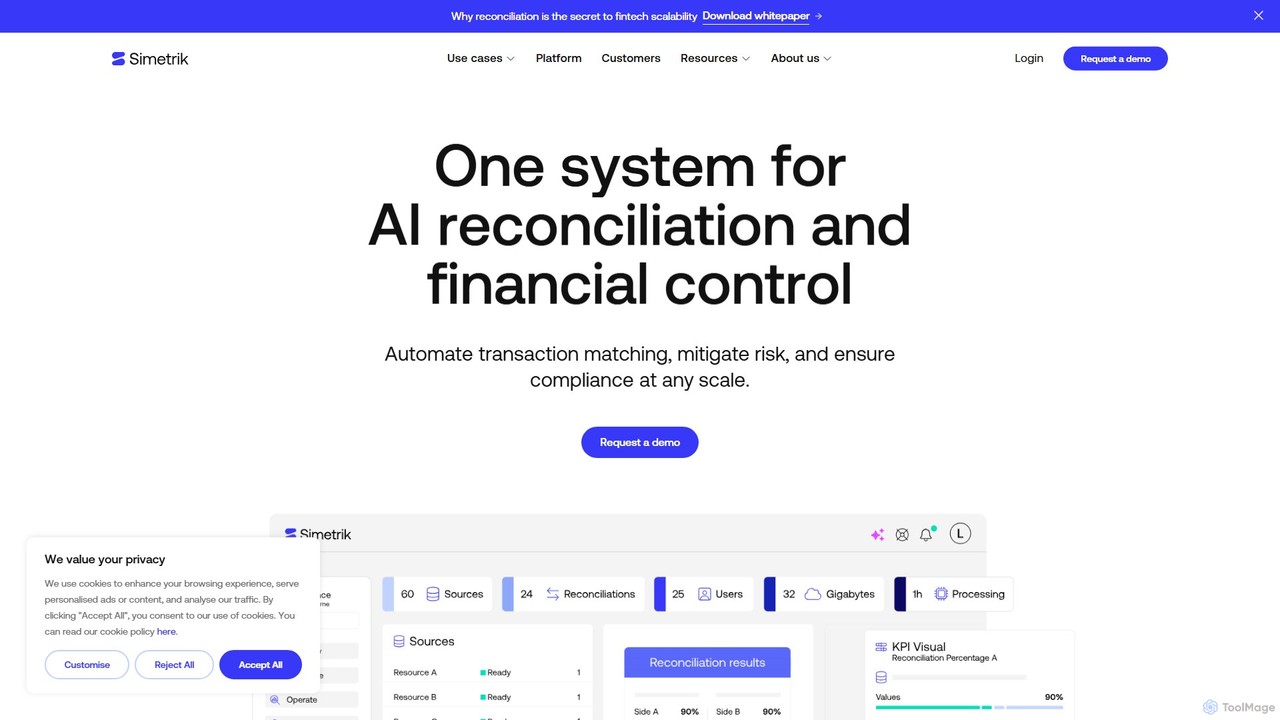
Simetrik is a no-code/low-code platform designed for finance teams to automate complex financial reconciliation and control processes. It centralizes transactional data from multiple sources, enabling real-time visibility, enhanced accuracy, and operational efficiency without requiring extensive IT support.

Automation
Visits 21.7KFavorites 128Likes 111
BounceBan
Freemium

BounceBan

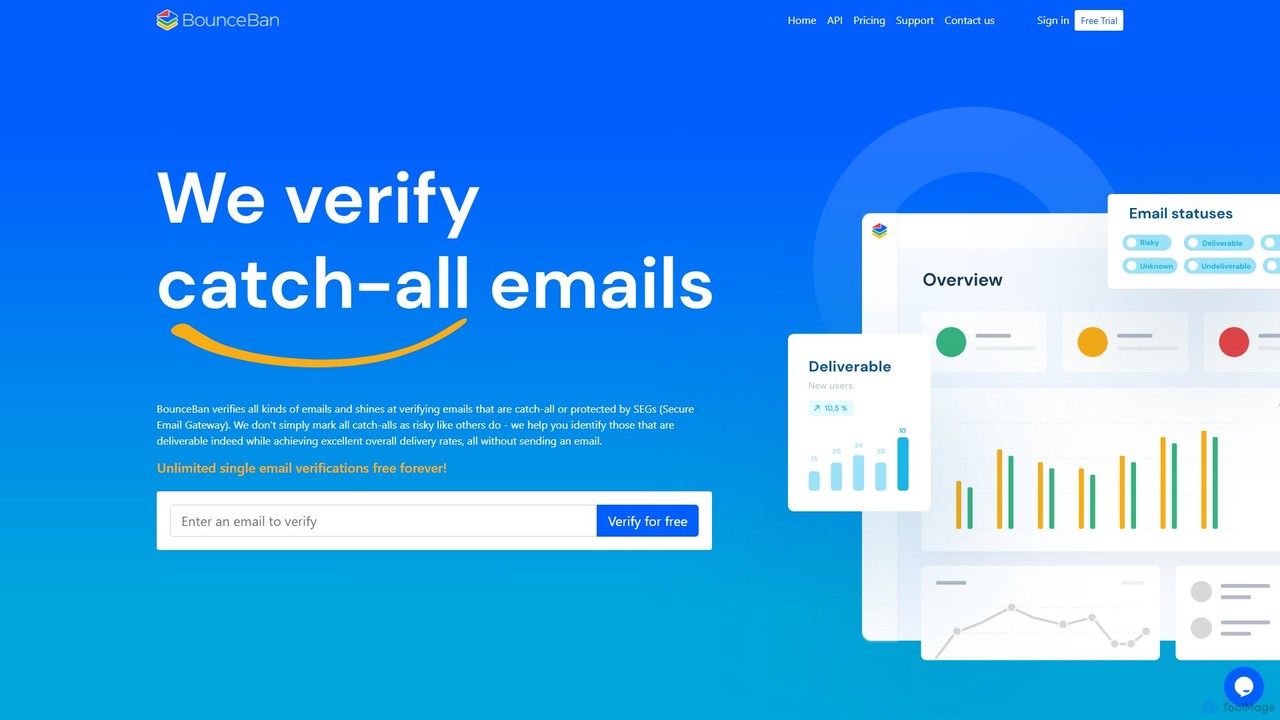
BounceBan is an advanced AI-powered email verification tool specializing in accurately validating hard-to-verify emails, such as catch-all and SEG-protected addresses. It helps businesses dramatically reduce bounce rates, improve sender reputation, and increase email marketing ROI without sending any actual emails.

Api
Visits 31.4KFavorites 139Likes 157

About Data Management

Data Management AI tools are a category of intelligent solutions designed to automate, optimize, and enhance the entire lifecycle of data within an organization. Leveraging advanced machine learning, natural language processing, and predictive analytics, these tools streamline processes from data collection and storage to processing, analysis, and governance. They empower businesses to transform raw data into actionable insights, improve data quality, ensure compliance, and significantly boost operational efficiency, making data a true asset for informed decision-making.

Core Features

  • Automated Data Ingestion & Integration: Automatically collects, cleans, and integrates data from disparate sources, reducing manual effort.
  • Intelligent Data Classification & Tagging: Uses AI to automatically categorize and tag data, improving searchability and organization.
  • Advanced Data Quality & Cleansing: Identifies and corrects errors, inconsistencies, and anomalies in datasets using machine learning algorithms.
  • Predictive Analytics & Reporting: Generates forecasts and insightful reports by analyzing historical data patterns, aiding strategic planning.
  • Automated Data Governance & Compliance: Enforces data policies, manages access controls, and ensures adherence to regulatory standards like GDPR or HIPAA.

Applicable Scenarios

These tools are indispensable for enterprises dealing with vast and complex datasets, data analysts seeking to accelerate insight generation, and organizations committed to maintaining high data quality and regulatory compliance. They are crucial for sectors like finance, healthcare, e-commerce, and manufacturing, where data integrity and rapid processing are paramount.

How to Choose

When selecting an AI data management tool, prioritize scalability to handle growing data volumes, robust integration capabilities with your existing infrastructure, and comprehensive data security features. Evaluate its AI-driven functionalities for automation and predictive insights, user-friendliness, and its ability to ensure compliance with relevant data protection regulations. Consider the total cost of ownership, including implementation and ongoing maintenance.

Featured tool rankings

Data Management use cases

1

Automating Customer Data Unification

A marketing team struggles to consolidate customer data scattered across CRM, email platforms, and social media. An AI data management tool automatically ingests, cleans, and merges this disparate data, creating a unified customer profile. This enables personalized marketing campaigns, improves customer segmentation, and provides a holistic view of customer interactions, significantly boosting campaign effectiveness and reducing manual data preparation time by up to 70%.

2

Intelligent Inventory Optimization for Retail

A large retail chain faces challenges in managing inventory across multiple stores, leading to stockouts or overstocking. AI data management tools analyze historical sales data, seasonal trends, and external factors to predict future demand with high accuracy. This allows for optimized stock levels, automated reordering, and reduced carrying costs, improving supply chain efficiency and minimizing losses from unsold goods.

3

Real-time Fraud Detection in Financial Services

Financial institutions need to quickly identify and prevent fraudulent transactions. AI data management systems continuously monitor transaction streams, detecting unusual patterns or anomalies that deviate from normal behavior. By leveraging machine learning, these tools can flag suspicious activities in real-time, significantly reducing financial losses and enhancing security for customers, while minimizing false positives compared to rule-based systems.

4

Ensuring Data Privacy and Compliance in Healthcare

Healthcare providers must comply with strict regulations like HIPAA, requiring patient data anonymization for research or sharing. AI data management tools can automatically identify sensitive patient information within large datasets and apply de-identification techniques, such as pseudonymization or generalization. This ensures regulatory compliance, protects patient privacy, and facilitates secure data sharing for medical research and public health initiatives.

5

Automated Data Governance for Enterprise

A global enterprise needs to enforce consistent data governance policies across various departments and geographical locations. An AI data management platform automates the discovery, classification, and cataloging of data assets. It applies predefined governance rules, monitors data access, and generates audit trails, ensuring data quality, security, and compliance with internal policies and external regulations like GDPR, reducing manual oversight and risk.

6

Generating Synthetic Data for Software Testing

Software development teams require large volumes of realistic test data, but using real production data poses privacy and security risks. AI data management tools can generate synthetic datasets that mimic the statistical properties and patterns of real data without containing any actual sensitive information. This allows developers to thoroughly test applications, identify bugs, and ensure system robustness in a secure and compliant manner, accelerating development cycles.

Data Management FAQ

What are AI Data Management tools?

AI Data Management tools are software solutions that utilize artificial intelligence, including machine learning and natural language processing, to automate and enhance various aspects of data handling. They streamline processes such as data collection, integration, cleansing, classification, storage, and governance, aiming to improve data quality, accessibility, and the efficiency of deriving insights from large datasets.

What are the main benefits of using AI for data management?

The primary benefits include significant automation of repetitive data tasks, leading to increased operational efficiency and reduced manual errors. AI enhances data quality through intelligent cleansing and anomaly detection, provides deeper insights via advanced analytics, and strengthens data governance by automating compliance checks and access controls. This ultimately enables faster, more accurate decision-making.

How do I choose the right AI data management solution?

To choose the right solution, consider its scalability to accommodate future data growth, its integration capabilities with your existing IT infrastructure, and the robustness of its data security and compliance features. Evaluate the specific AI functionalities offered, such as automated classification or predictive analytics, and assess its user-friendliness, vendor support, and overall cost-effectiveness for your organization's specific needs.

How does AI data management differ from traditional data management?

Traditional data management relies heavily on manual processes, predefined rules, and human oversight for tasks like data entry, cleansing, and integration. AI data management, conversely, automates these tasks using intelligent algorithms that can learn, adapt, and identify patterns autonomously. This leads to greater efficiency, proactive problem-solving (e.g., anomaly detection), and the ability to process and derive insights from much larger and more complex datasets with less human intervention.

What AI technologies are commonly used in data management tools?

Common AI technologies include Machine Learning (ML) for pattern recognition, anomaly detection, and predictive analytics; Natural Language Processing (NLP) for understanding and processing unstructured text data (e.g., customer feedback, documents); and Robotic Process Automation (RPA) for automating repetitive data tasks. Additionally, deep learning models are used for complex data classification and feature extraction, while generative AI can be used for synthetic data creation.