Research Best in category 17 results Data Analysis AI Tool

Popular AI tools in the Data Analysis field of Research include MiniMax Agent、You.com、Epoch AI、Bayuegua、Fellou、InfraNodus、Nouswise、AILYZE、System、Search+, etc., helping you quickly improve efficiency.

Implify AI

Implify AI

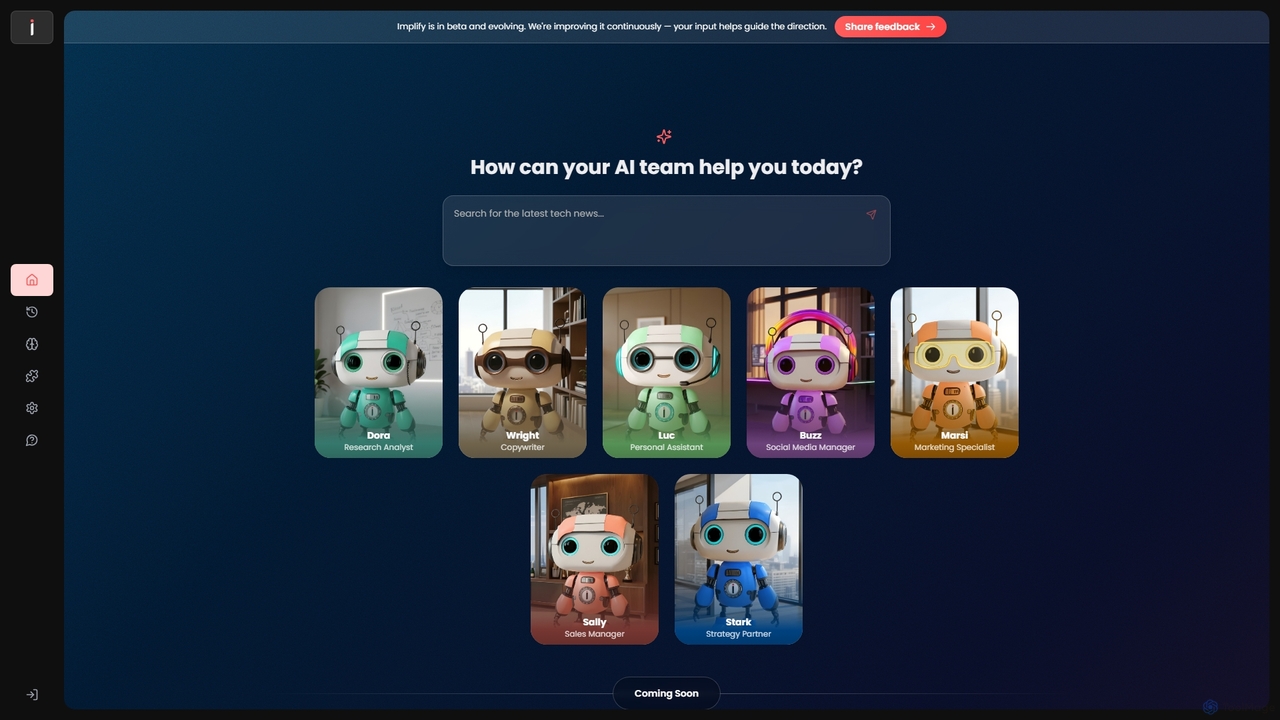
Implify AI provides a 24x7 AI workforce designed to automate and assist across various business functions. Currently in …

2.7K
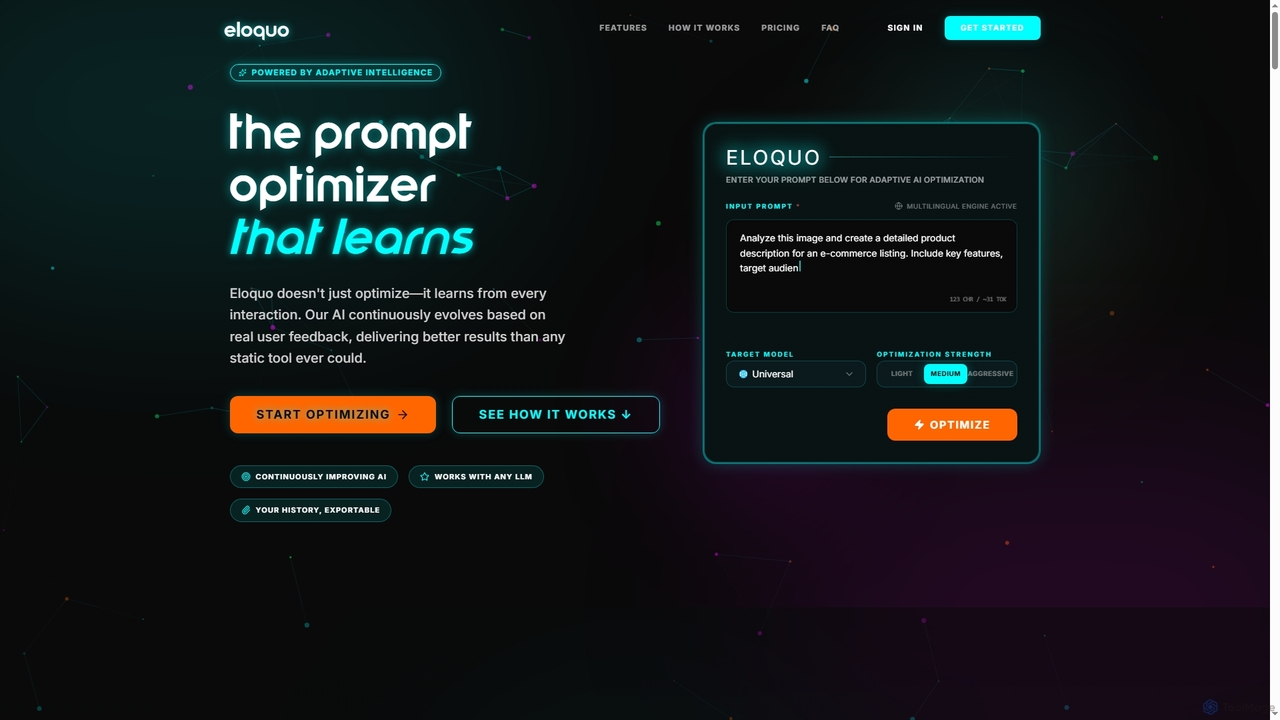
Eloquo

Eloquo

Eloquo is an adaptive AI prompt optimizer that continuously learns from user feedback to generate high-quality, production-ready prompts …

2.6K
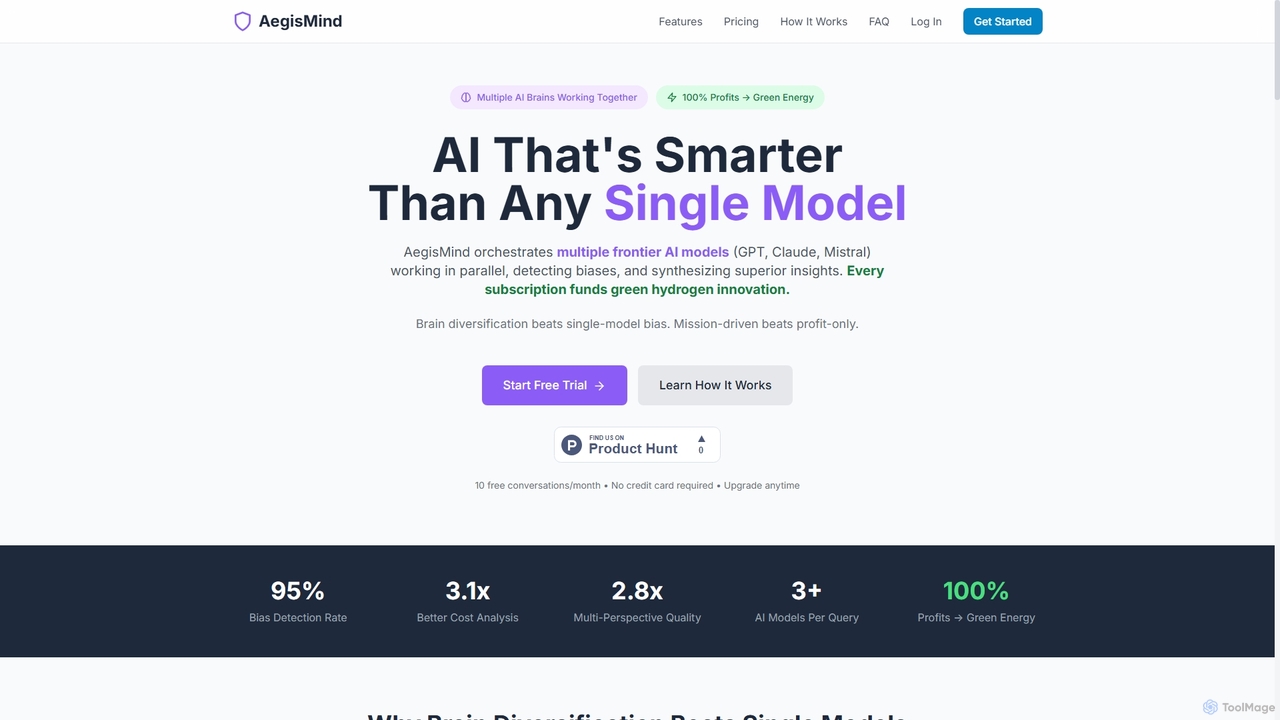
AegisMind

AegisMind

AegisMind is an ensemble AI intelligence system that orchestrates multiple models like GPT, Claude, and Mistral to deliver …

2.7K
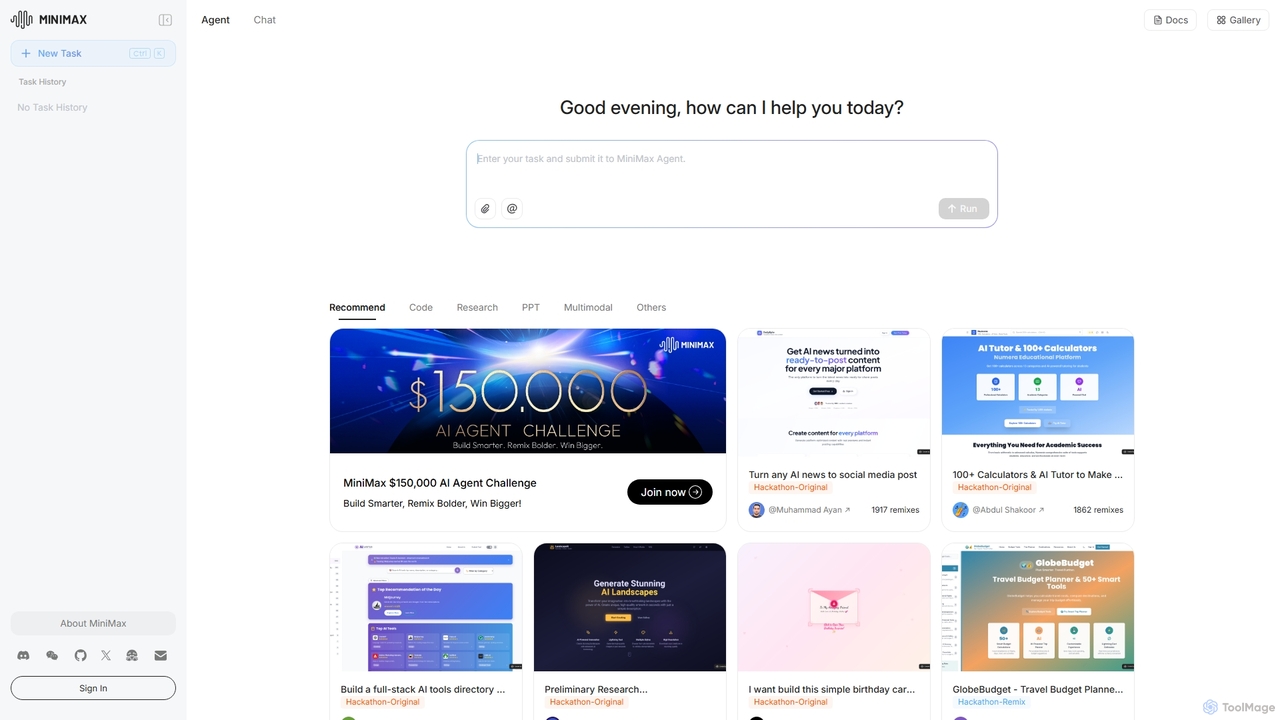
MiniMax Agent

MiniMax Agent

MiniMax Agent is a powerful AI agent platform designed to automate complex tasks, from building full-stack websites and …

1.4M
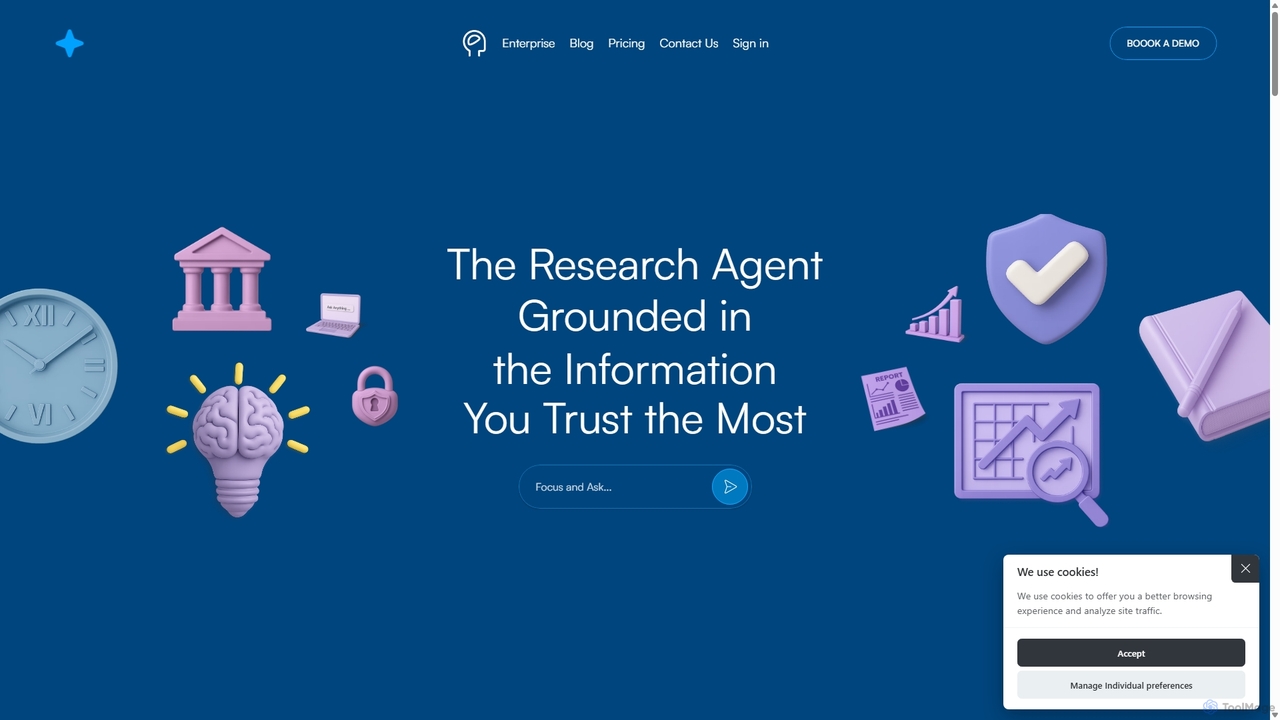
Nouswise

Nouswise

Nouswise is an AI-powered research agent that transforms your trusted documents and data into a verifiable, intelligent answer …

29.8K
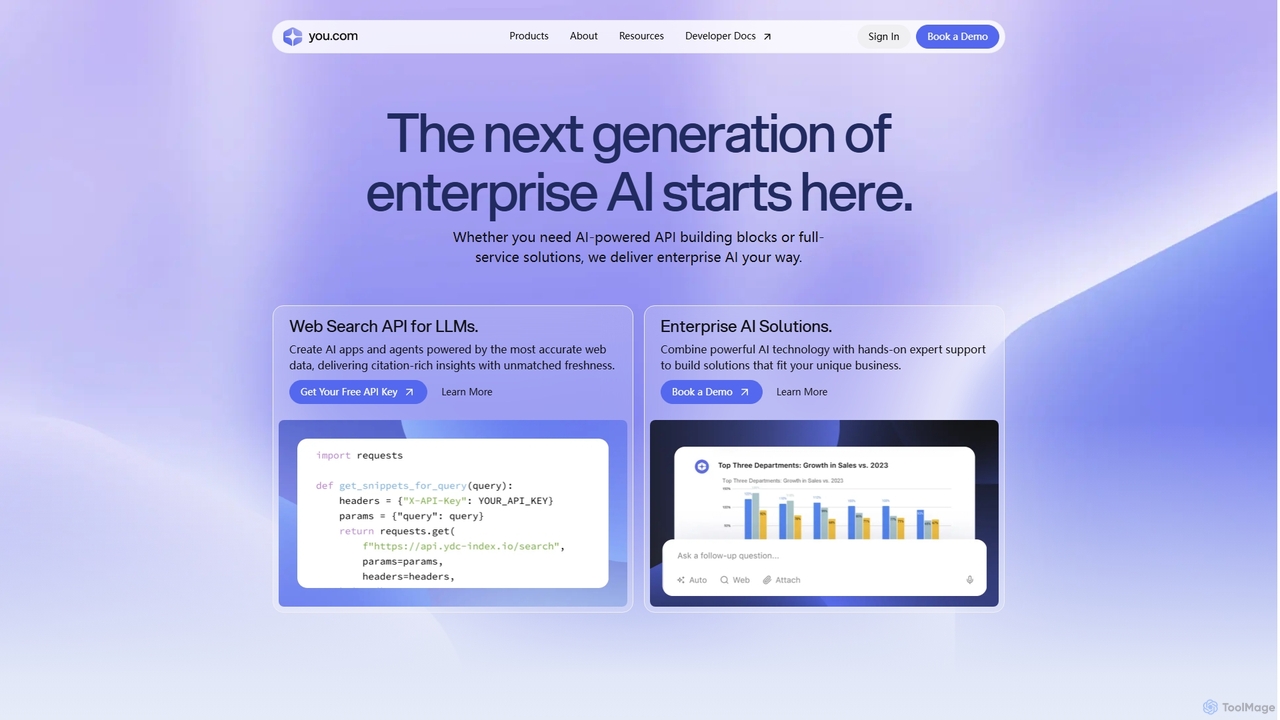
You.com

You.com

You.com is a full-stack enterprise AI platform designed to build secure, accurate, and customizable AI solutions. It offers …

1.4M
System

System

System is an AI-powered platform that creates a quantitative model of the world as an interconnected system. It …

14.1K
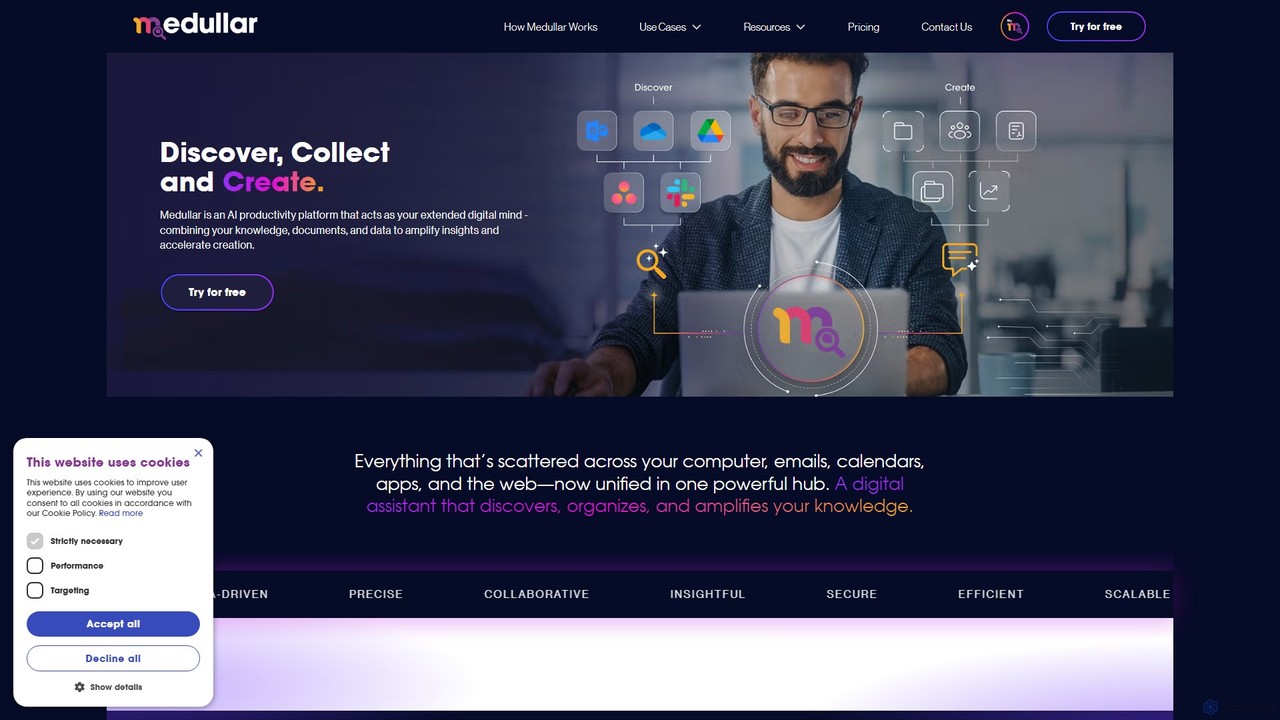
Medullar

Medullar

Medullar is an AI productivity platform that acts as your extended digital mind. It unifies scattered knowledge from …

5.4K
Free
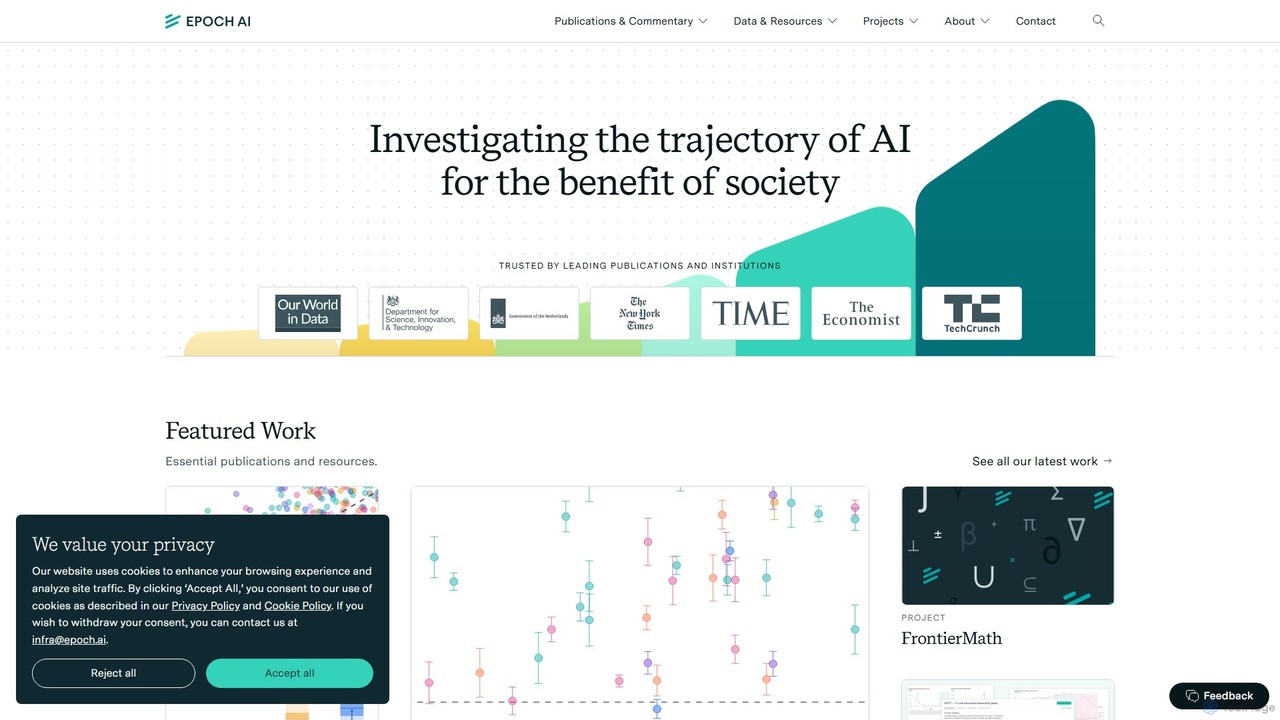
Epoch AI

Epoch AI

Epoch AI is a research institute dedicated to investigating the trajectory of artificial intelligence. It provides data-driven analysis, …

448.2K
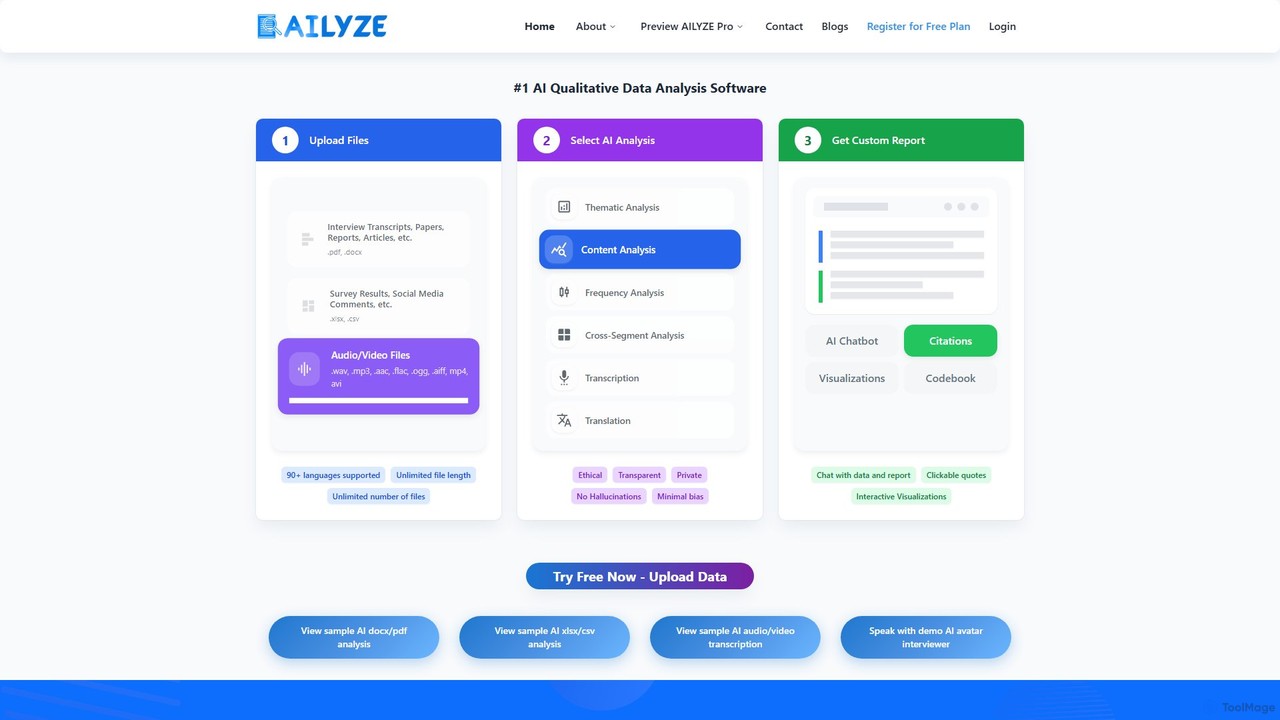
AILYZE

AILYZE

AILYZE is an AI-powered qualitative data analysis (QDA) software designed for researchers, academics, and businesses. It automates thematic …

22.6K
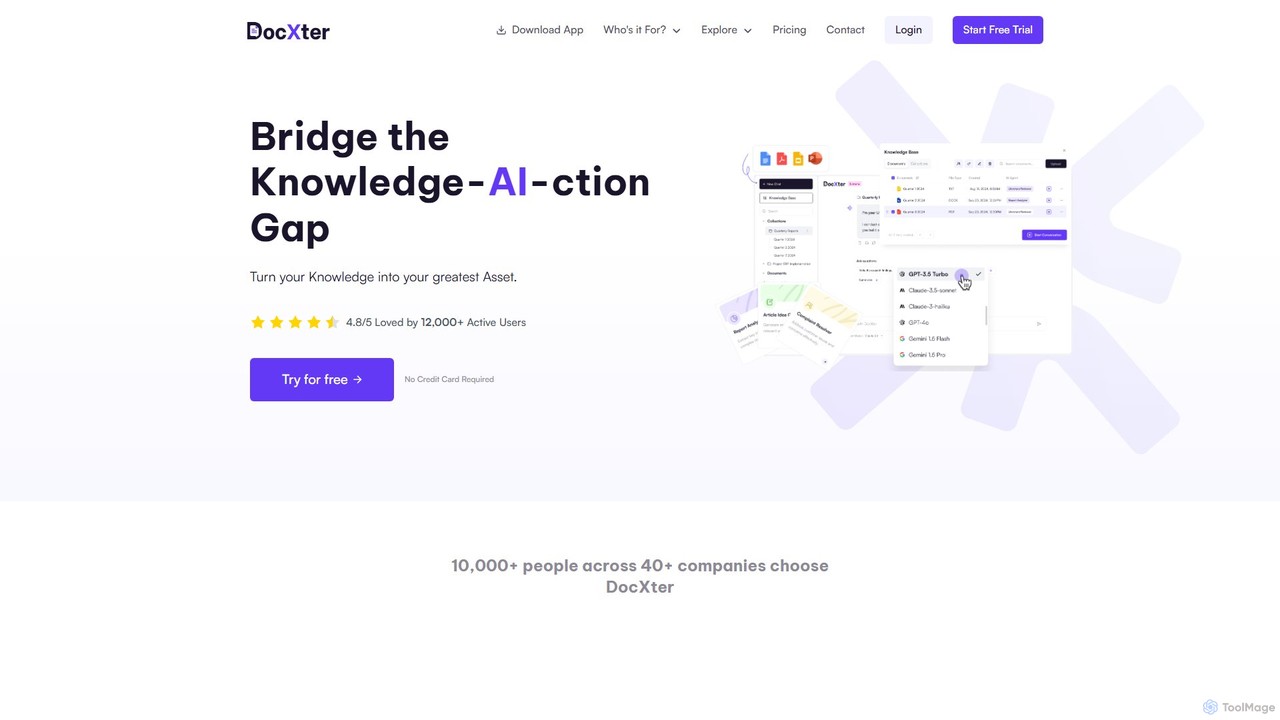
DocXter

DocXter

DocXter is an AI-powered knowledge intelligence platform that allows you to interact with any document. Upload PDFs, DOCX, …

2.6K
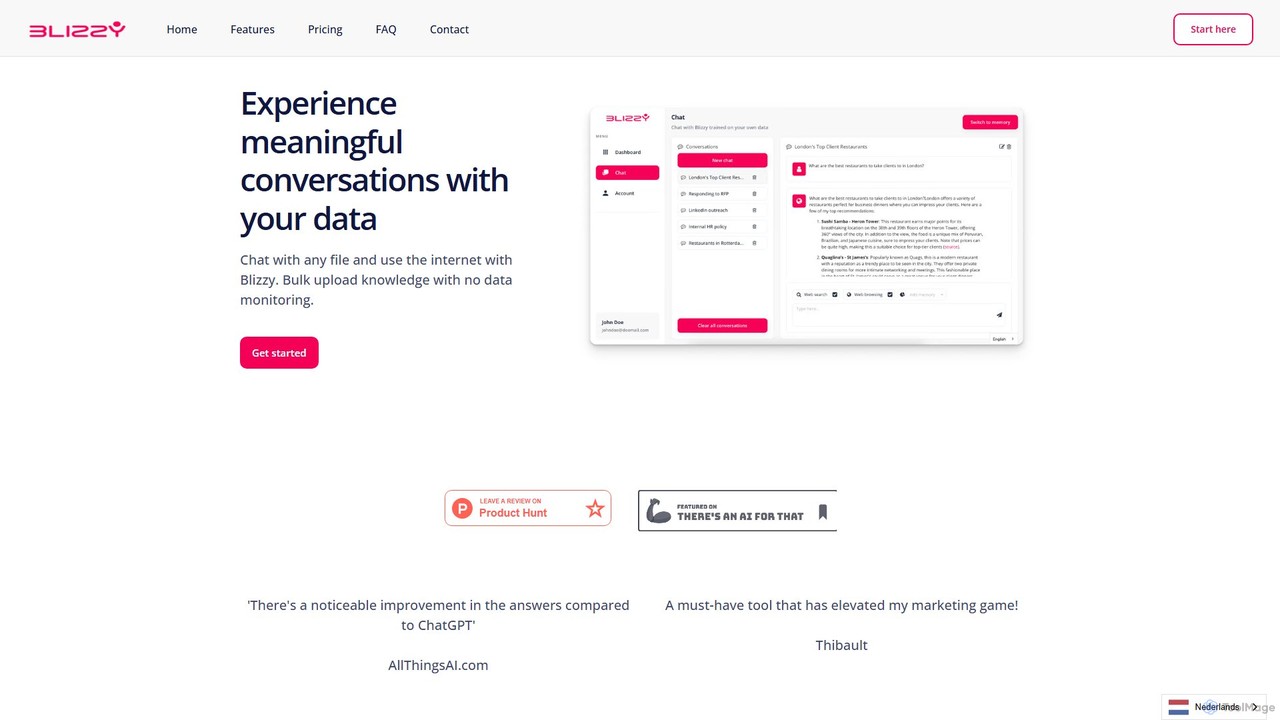
Blizzy

Blizzy

Blizzy is a powerful AI assistant that enables meaningful conversations with your data. Upload documents like PDFs and …

2.7K
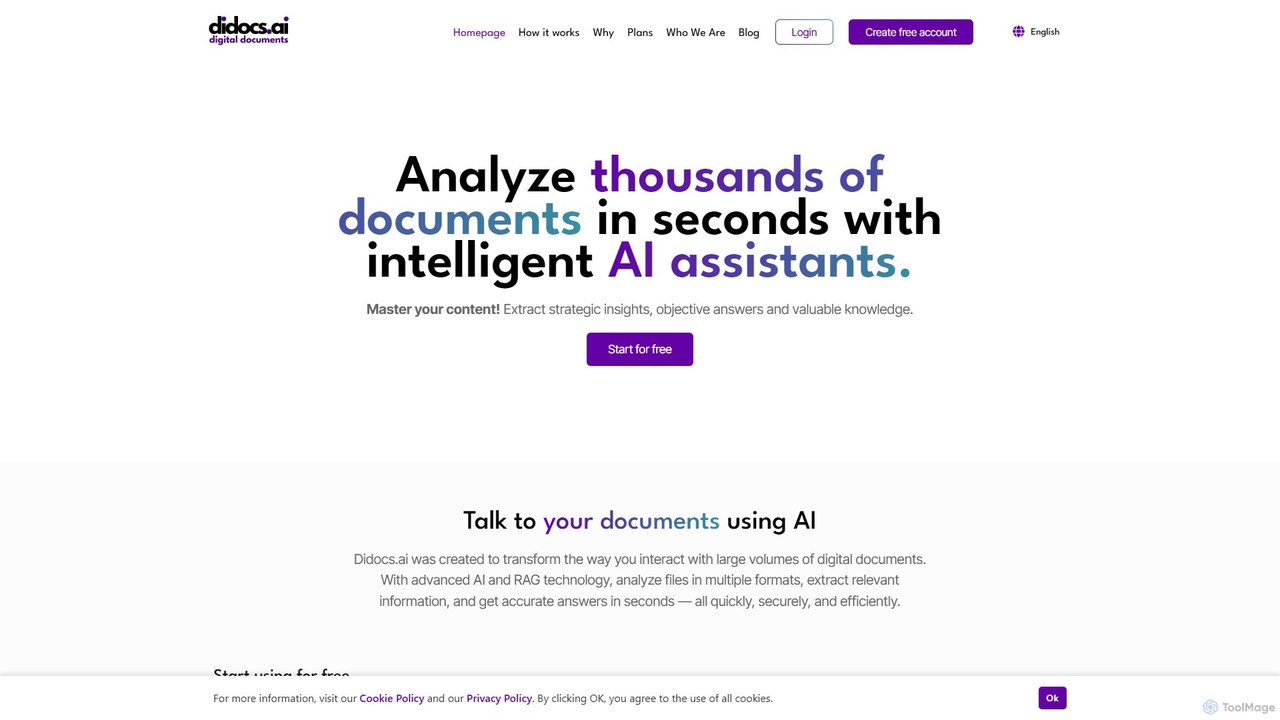
didocs.ai

didocs.ai

didocs.ai is an AI-powered platform that analyzes large volumes of digital documents, extracting relevant information and generating actionable …

2.7K
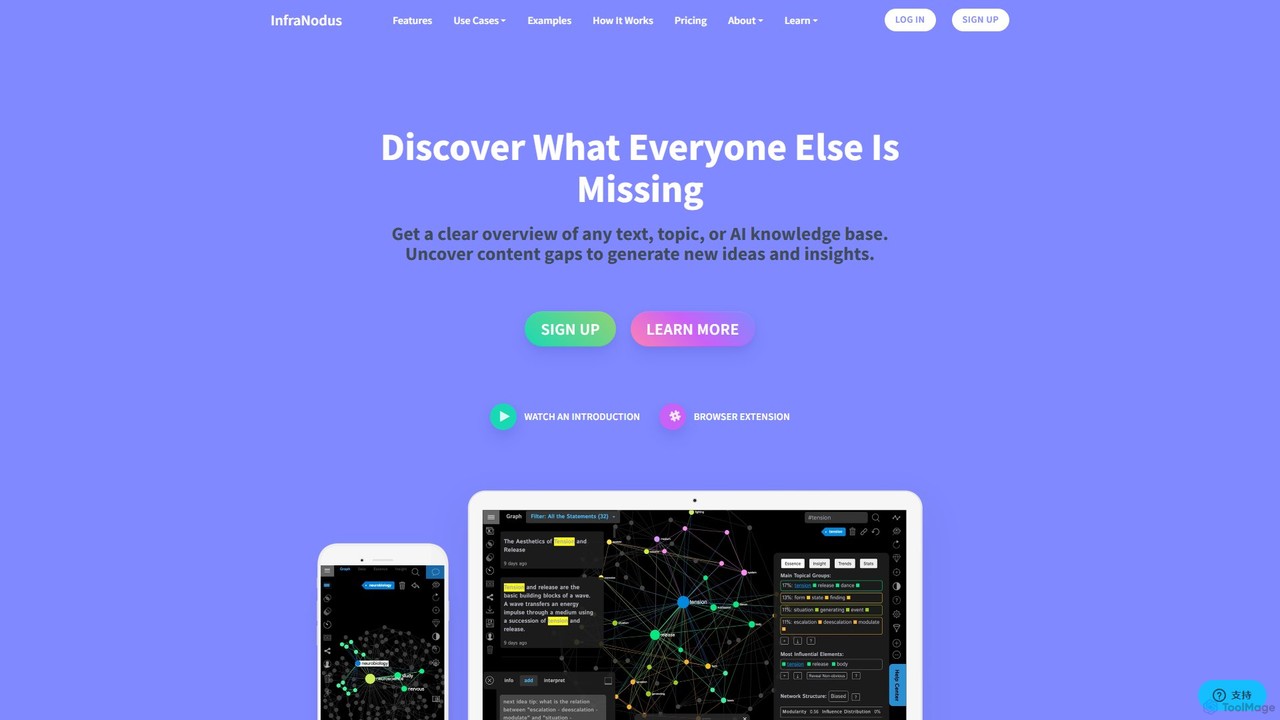
InfraNodus

InfraNodus

InfraNodus is an AI-powered text analysis and visualization tool that transforms any text into an interactive knowledge graph. …

75.2K
Search+

Search+

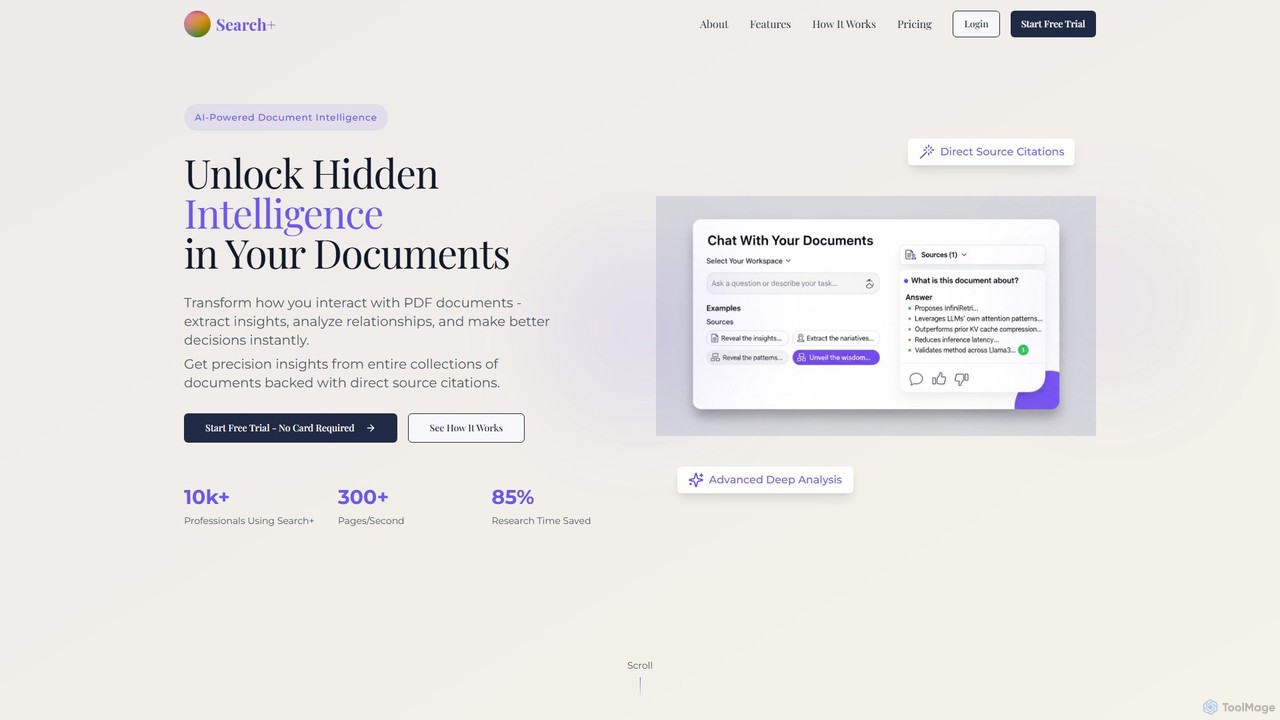
Search+ is an AI-powered document intelligence platform designed for professionals. It allows users to chat with large documents, …

11.7K
Fellou

Fellou

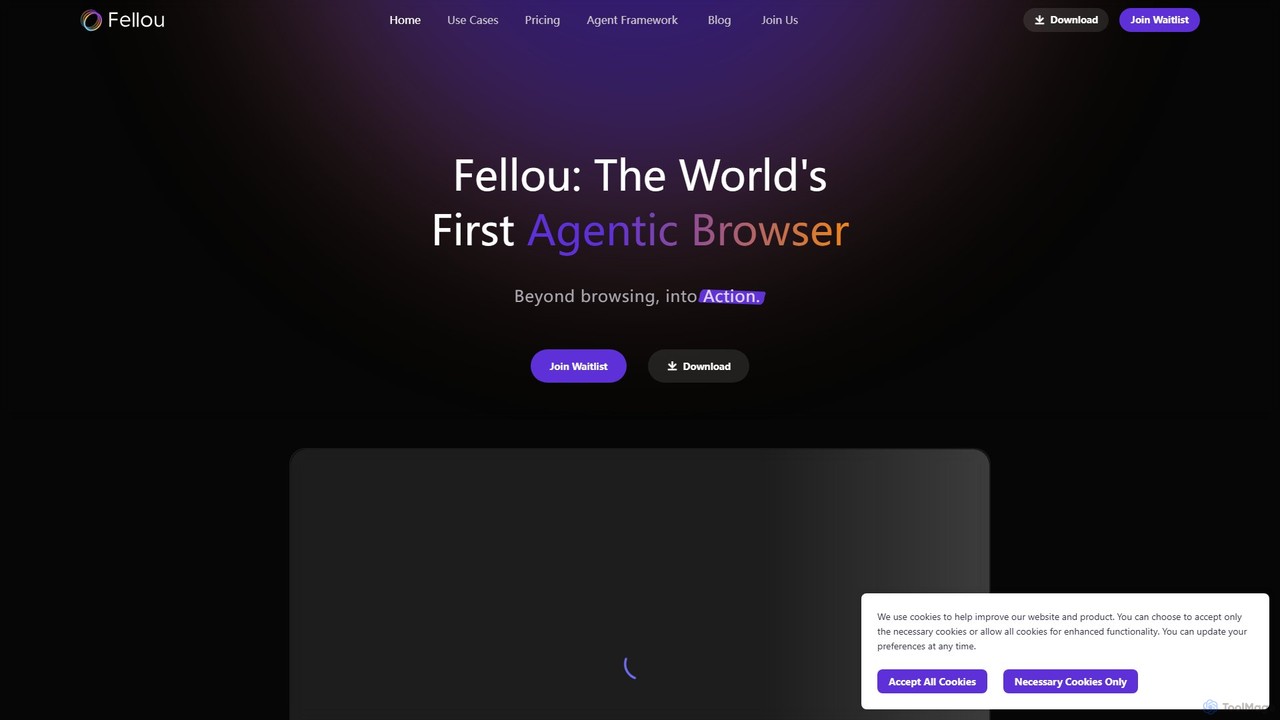
Fellou is the world's first agentic browser, designed to transform browsing into action. It functions as an AI-powered …

87.4K
Bayuegua

Bayuegua

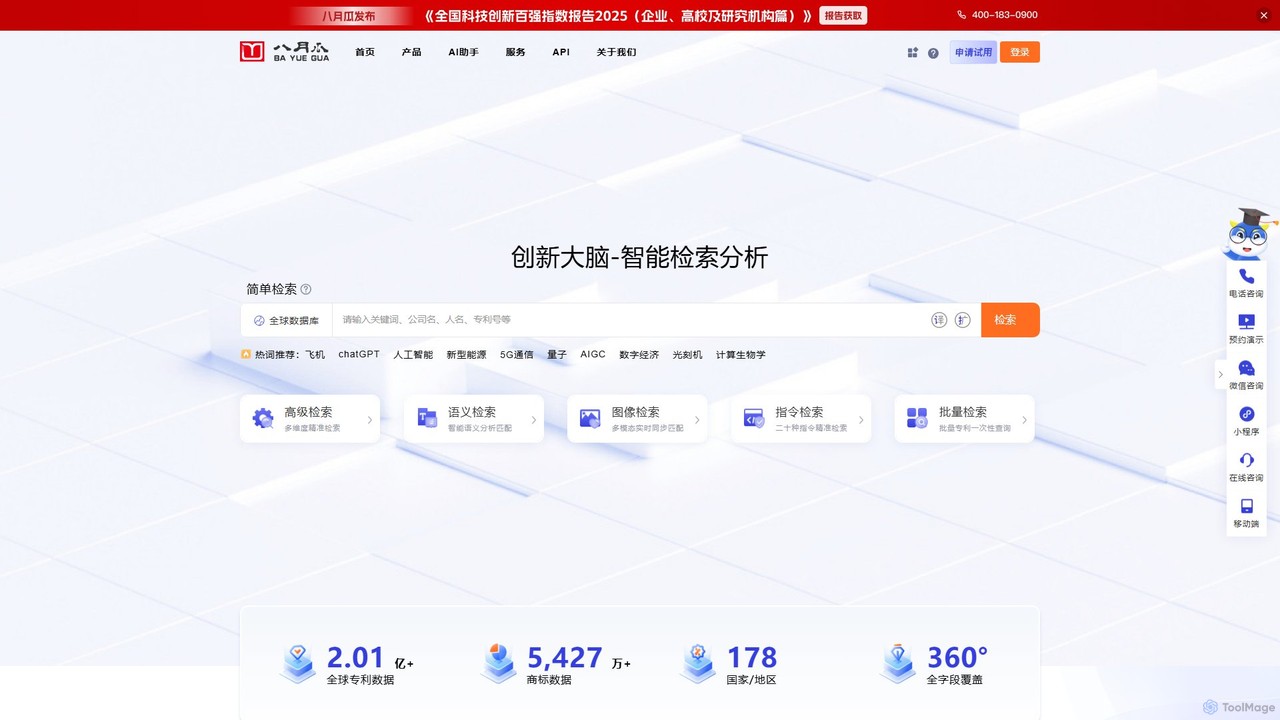
Bayuegua is an AI-powered global patent and intellectual property (IP) analysis platform. It leverages advanced technologies like semantic …

115.3K

About Data Analysis

AI Data Analysis tools are applications that leverage machine learning and natural language processing to automate the exploration, interpretation, and visualization of complex datasets. These tools go beyond traditional spreadsheets by automatically identifying patterns, predicting trends, and generating actionable insights from both structured and unstructured data. This enables businesses and researchers to make faster, data-driven decisions without requiring deep expertise in statistics or coding. As a key component of the Research toolkit, these tools democratize advanced analytics, making it accessible to a wider range of users.

Core Features

  • Automated Insight Generation: Automatically surfaces key trends, correlations, and anomalies in data without manual exploration.
  • Natural Language Querying: Allows users to ask questions about their data in plain language and receive instant answers and visualizations.
  • Predictive Modeling: Builds and deploys models to forecast future outcomes, such as sales demand or customer churn.
  • Interactive Data Visualization: Creates dynamic and easy-to-understand charts, graphs, and dashboards to communicate findings effectively.

Use Cases

These tools are widely used across various industries. Marketing analysts utilize them to understand customer behavior and optimize campaigns. Business intelligence professionals track KPIs and operational metrics in real-time. In finance, they are crucial for detecting fraudulent transactions and assessing credit risk. E-commerce managers also use them for inventory forecasting and sales analysis.

How to Choose

When selecting an AI Data Analysis tool, first consider its data source integration capabilities; ensure it connects seamlessly with your databases, cloud storage, and SaaS applications. Evaluate the ease of use—whether it's a no-code platform for business users or requires scripting knowledge. Also, assess its specific analytical features to confirm it supports the models you need, such as time-series forecasting or classification. Finally, consider its scalability to handle growing data volumes.

Data AnalysisUse Cases

1

Analyze Customer Churn for a SaaS Business

A product manager at a SaaS company needs to understand why users are canceling subscriptions. By uploading user activity data (logins, feature usage, support tickets) into an AI data analysis tool, they can bypass weeks of manual analysis. The tool's automated insight feature processes the data and identifies that users who don't engage with a specific 'collaboration' feature within their first 14 days have an 80% higher churn rate. This provides a clear, actionable insight to improve the user onboarding process and proactively engage at-risk users.

2

Optimize E-commerce Sales with Market Basket Analysis

An e-commerce manager wants to increase the average order value. By connecting their transaction database to an AI analysis tool, they can perform a market basket analysis without needing a data scientist. The tool's predictive model identifies that customers who buy 'Organic Coffee Beans' are highly likely to also purchase 'French Press Makers'. Based on this insight, the manager creates product bundles and targeted 'frequently bought together' recommendations, leading to a 15% increase in cross-sells.

3

Forecast Inventory Demand for a Retail Chain

A supply chain manager for a retail business needs to prevent stockouts and reduce overstocking costs. They input historical sales data, promotional calendars, and seasonality information into an AI analysis tool. The tool's time-series forecasting model generates accurate demand forecasts for each product at each store location for the upcoming quarter. This allows for optimized stock levels, improving inventory turnover and reducing carrying costs by 20%.

4

Extract Insights from Customer Feedback Surveys

A customer experience specialist has thousands of open-ended survey responses to analyze. Manually reading and categorizing them would take weeks. By uploading the unstructured text data to an AI analysis tool, they can leverage its Natural Language Processing (NLP) capabilities. The tool automatically performs sentiment analysis and topic modeling, categorizing feedback into themes like 'pricing issues,' 'slow support,' and 'feature requests.' This provides a clear, quantitative overview of customer pain points in hours, not weeks.

5

Identify Anomalies in Financial Transactions

A financial analyst in a large institution needs to detect potentially fraudulent activities from millions of daily transactions. Manually reviewing this volume of data is impossible. By streaming transaction data into an AI analysis platform, they can use its anomaly detection algorithms. The system automatically flags transactions that deviate from established normal patterns, such as a series of unusual, small-value transfers to a new account. This allows the fraud team to investigate potential money laundering schemes much faster than traditional methods.

6

Create Interactive Business Intelligence Dashboards

A business intelligence (BI) analyst needs to provide the executive team with a real-time overview of key metrics. Instead of building static reports, they connect an AI tool to various data sources (CRM, web analytics). Using the natural language query feature, they ask questions like 'Show me the sales trend by region this year,' and the tool instantly generates visualizations. They arrange these into a self-service dashboard, allowing executives to drill down into the data themselves without requesting custom reports, saving the BI team significant time.

Data AnalysisFrequently Asked Questions