Best of the Year 12 results Research AI Tools

Popular AI tools in the Research field include Sigmabrowser、Deta Surf、Chorus、ZotAI、Qonqur、Merci、Nolimit、SourcePilot、ParallelChat、dotsfy, etc., helping you quickly improve efficiency.

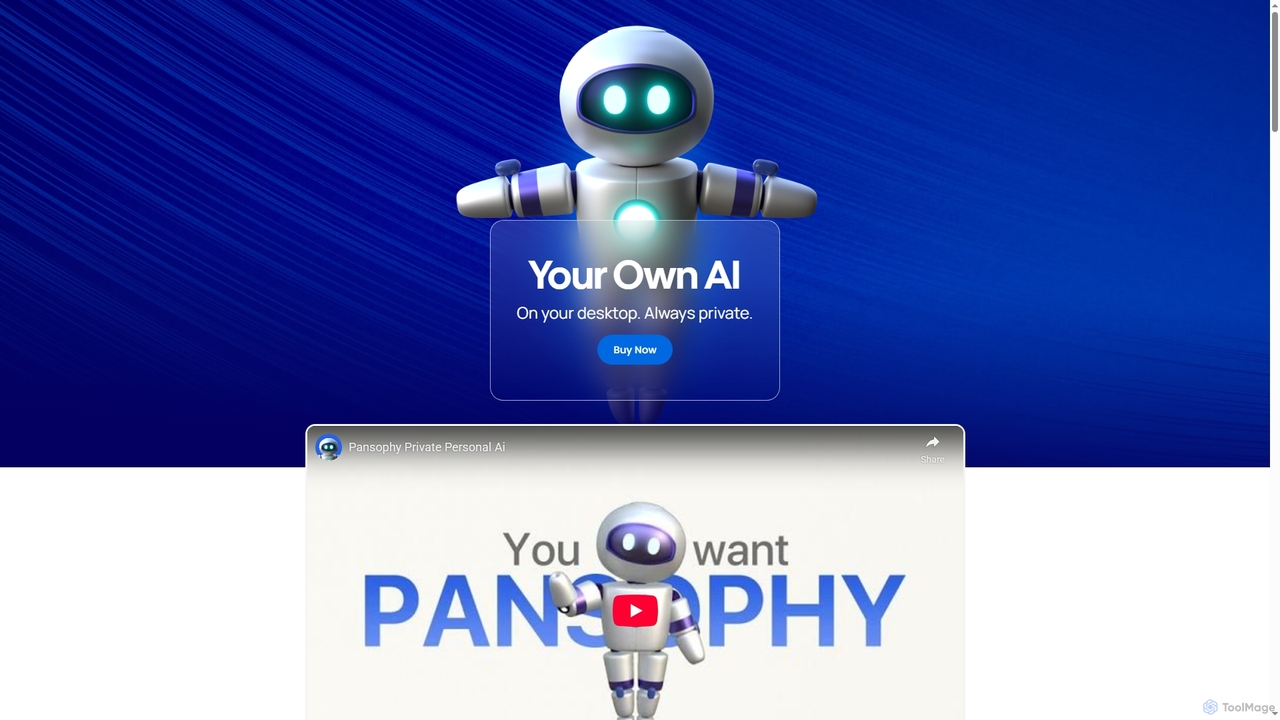
Pansophy

Pansophy

Pansophy is a private desktop AI tool that processes all data locally, offering secure document summarization, text and …

2.8K
ZotAI

ZotAI

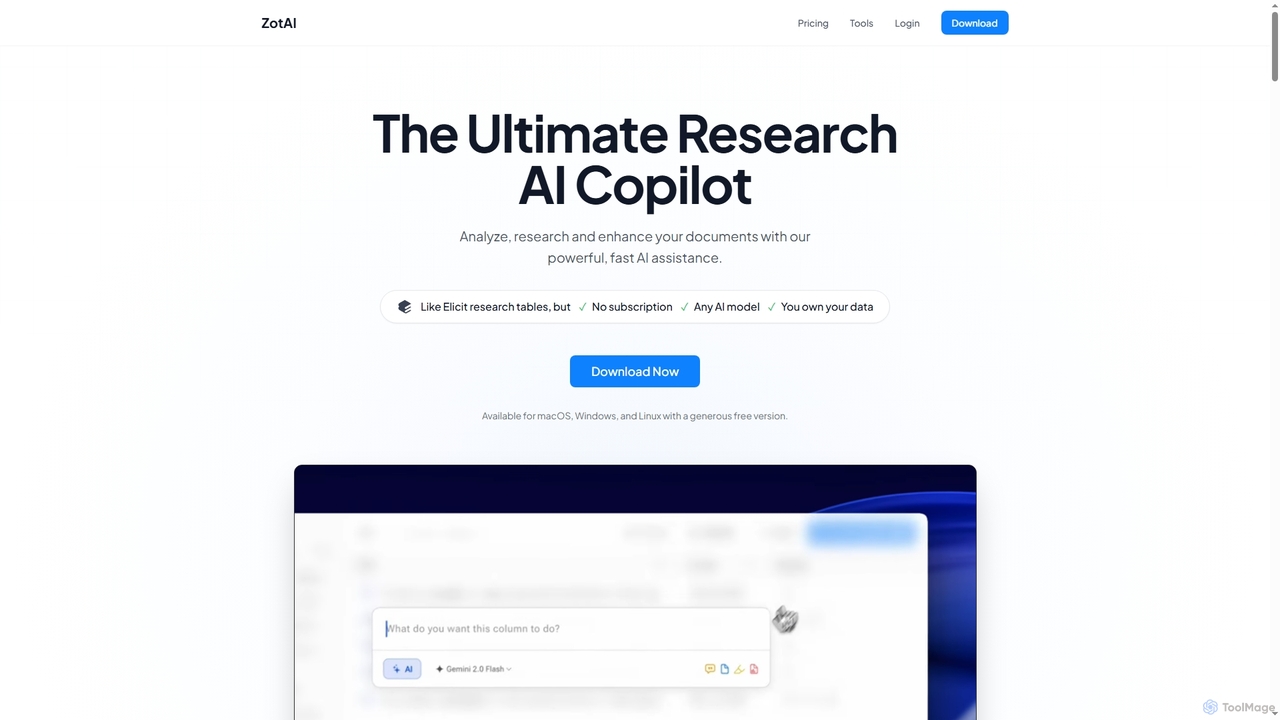
ZotAI is an ultimate AI research assistant designed for academics and researchers. It helps analyze, research, and enhance …

5.6K
Merci

Merci

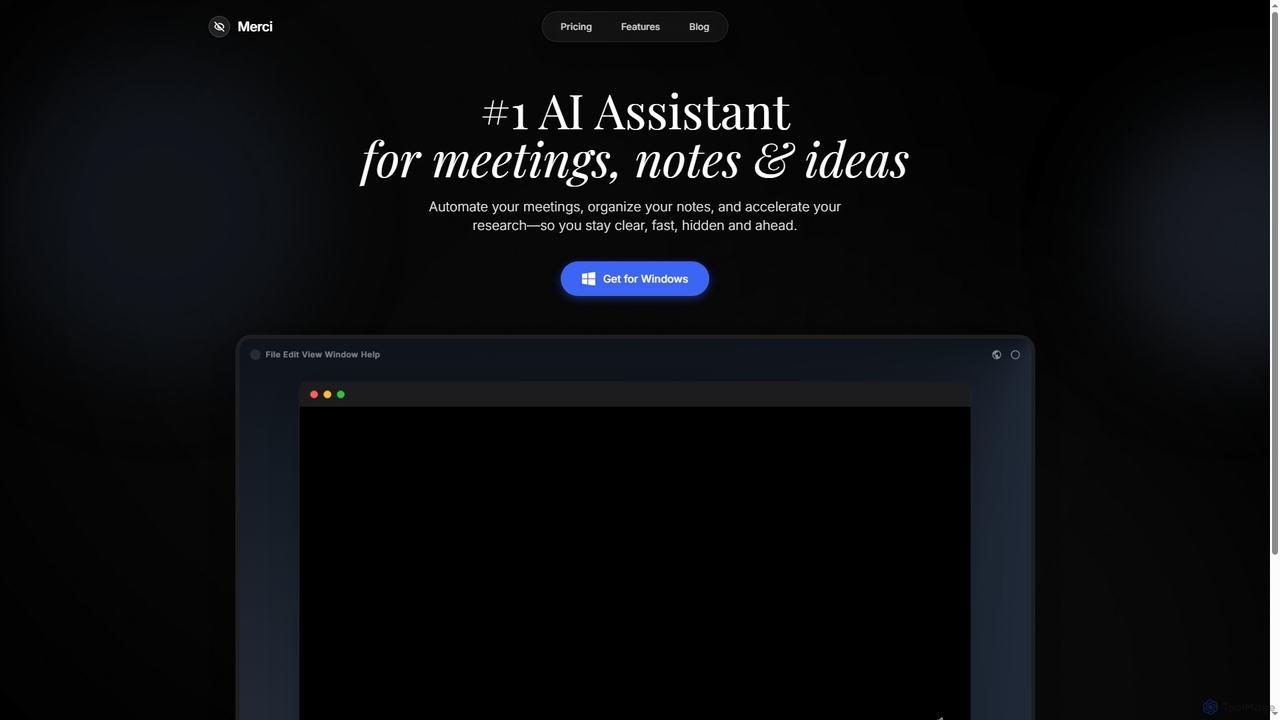
Merci is an advanced AI assistant designed to streamline your professional life by automating meetings, organizing notes, and …

3.1K
Free
ParallelChat

ParallelChat

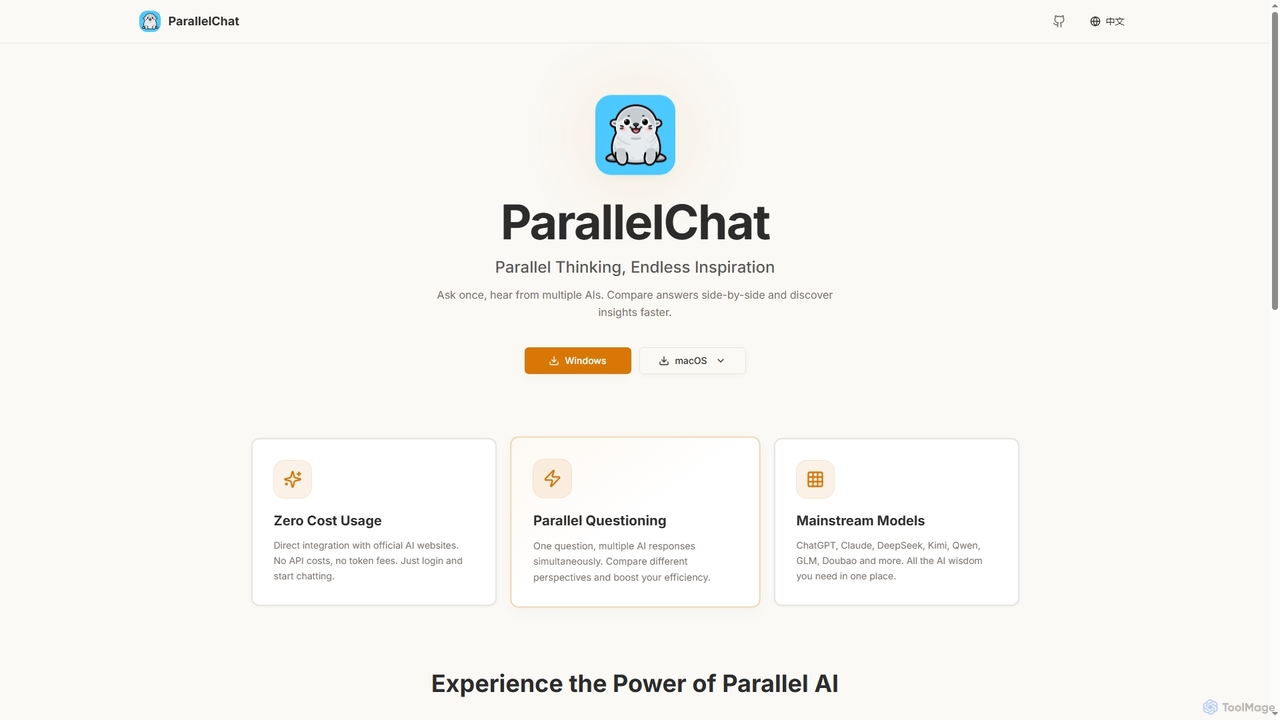
ParallelChat is a desktop application for Windows and macOS that allows users to query multiple AI models simultaneously …

2.9K
SourcePilot

SourcePilot

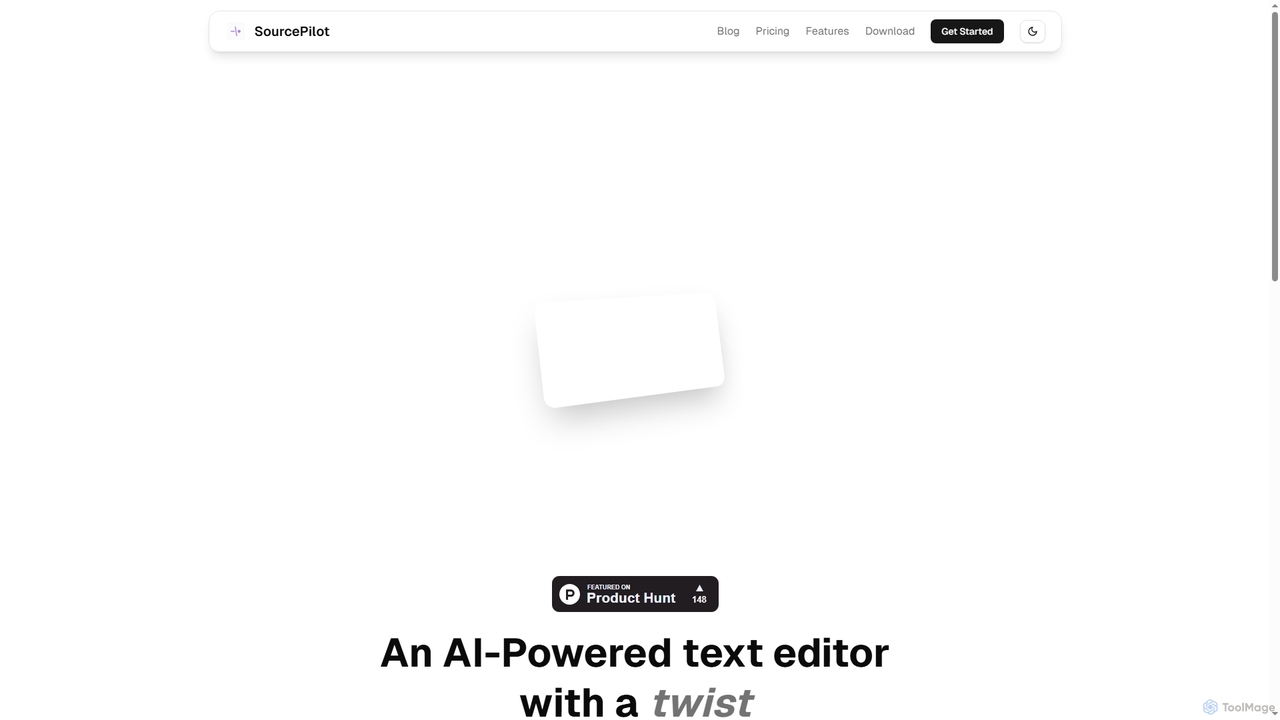
SourcePilot is an AI-powered desktop text editor designed to enhance writing speed, quality, and impact while ensuring complete …

2.9K
Nolimit

Nolimit

Nolimit is an advanced AI platform designed for unrestricted exploration, ultimate privacy, and enterprise-grade performance. It features a …

2.9K
Qonqur

Qonqur

Qonqur is an AI-powered digital canvas for iPad that intelligently understands your handwriting and drawings. It's designed for …

3.9K
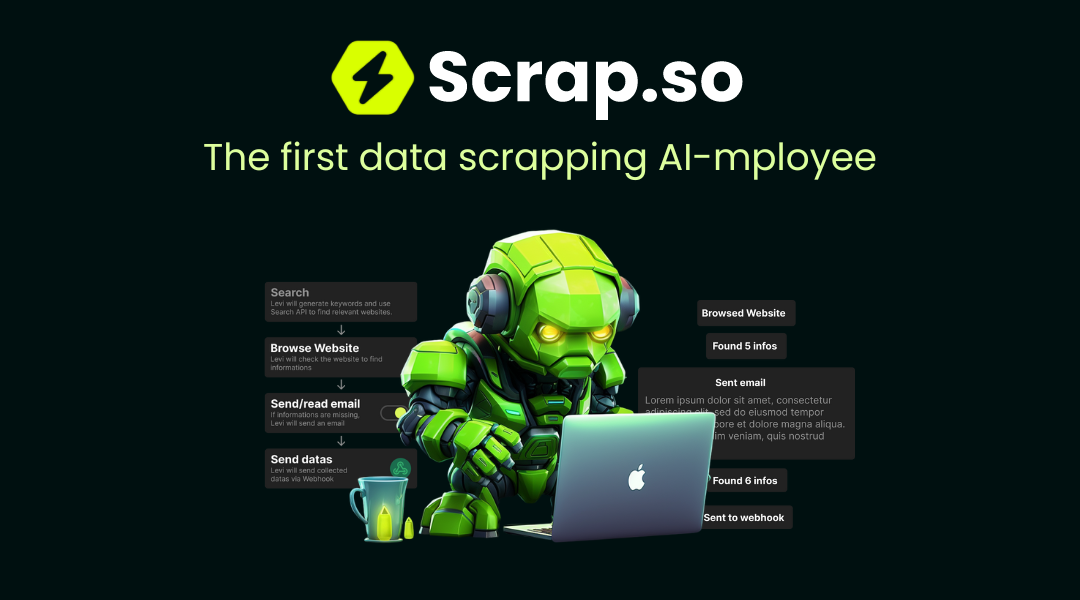
Scrap.so

Scrap.so

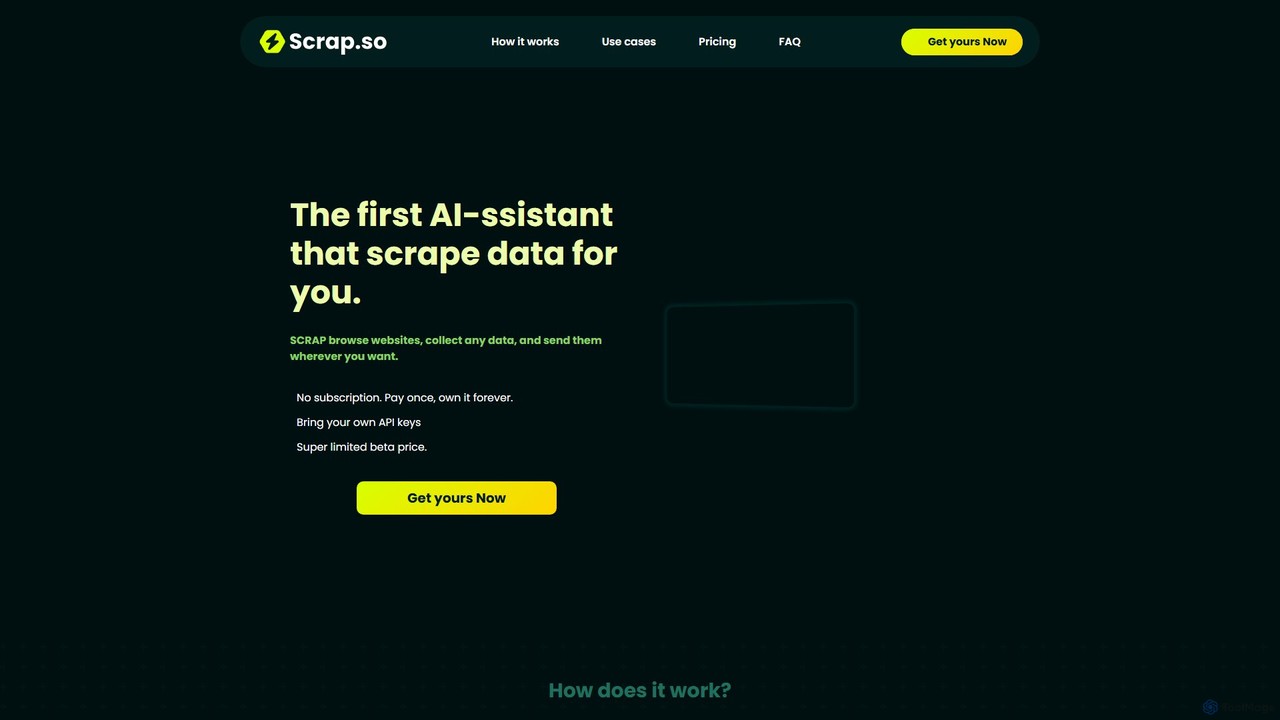
Scrap.so is an AI-powered desktop application designed for automated web scraping and data collection. It acts as a …

2.8K
dotsfy

dotsfy

Dotsfy is an AI agent designed to maximize productivity by automating information processing. It aggregates content from sources …

2.9K
Chorus

Chorus

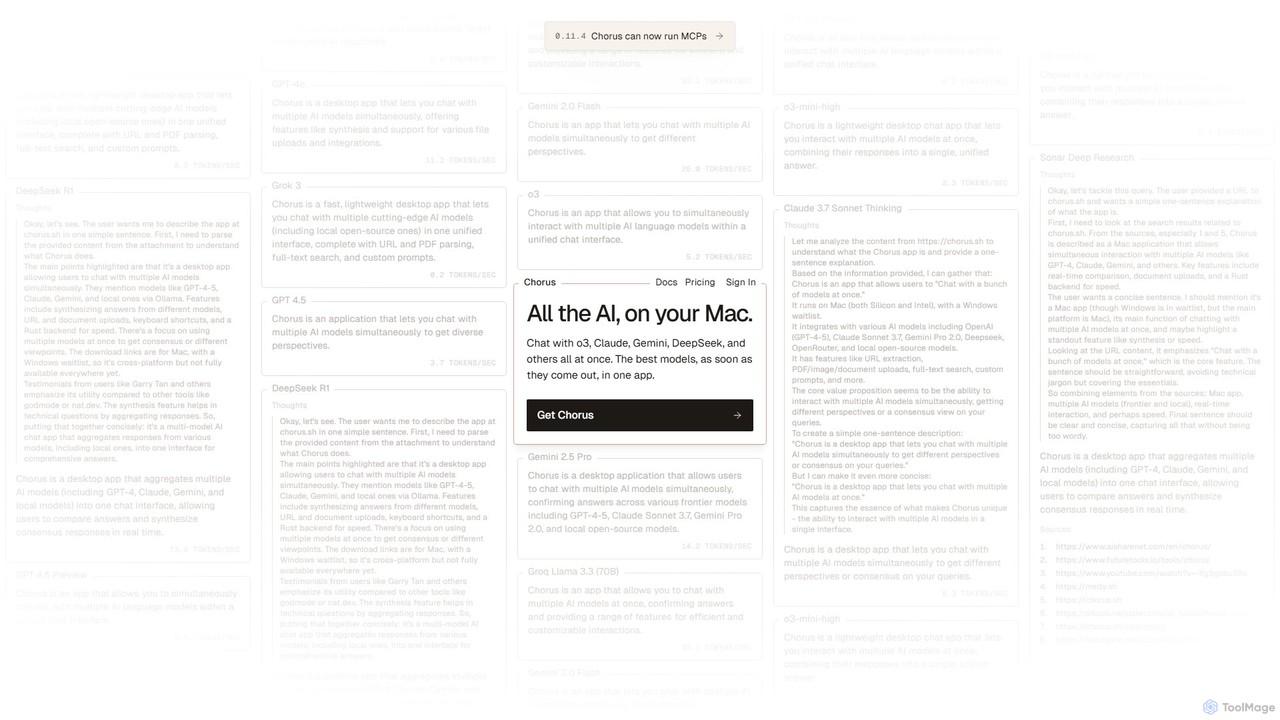
Chorus is a fast, lightweight desktop app for Mac that lets you chat with multiple cutting-edge AI models …

17.6K
Free
Deta Surf

Deta Surf

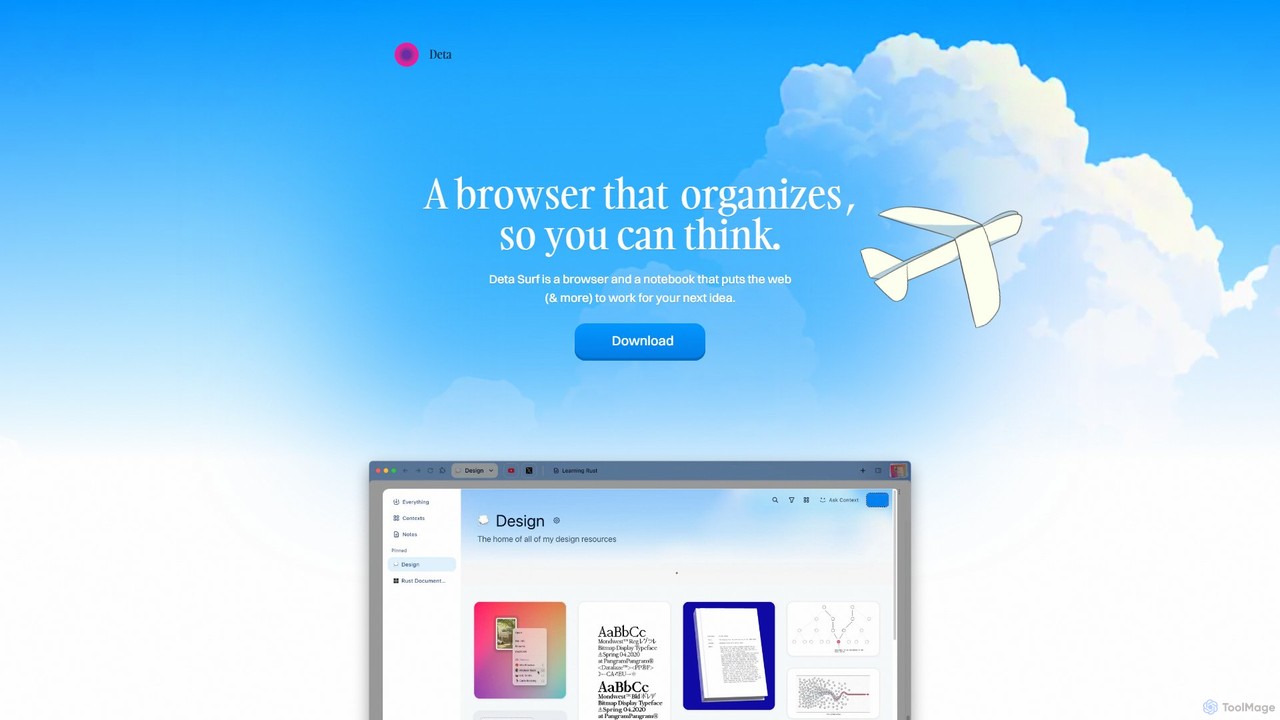
Deta Surf is an intelligent browser and notebook that organizes your web experience. It uses AI to help …

22.1K
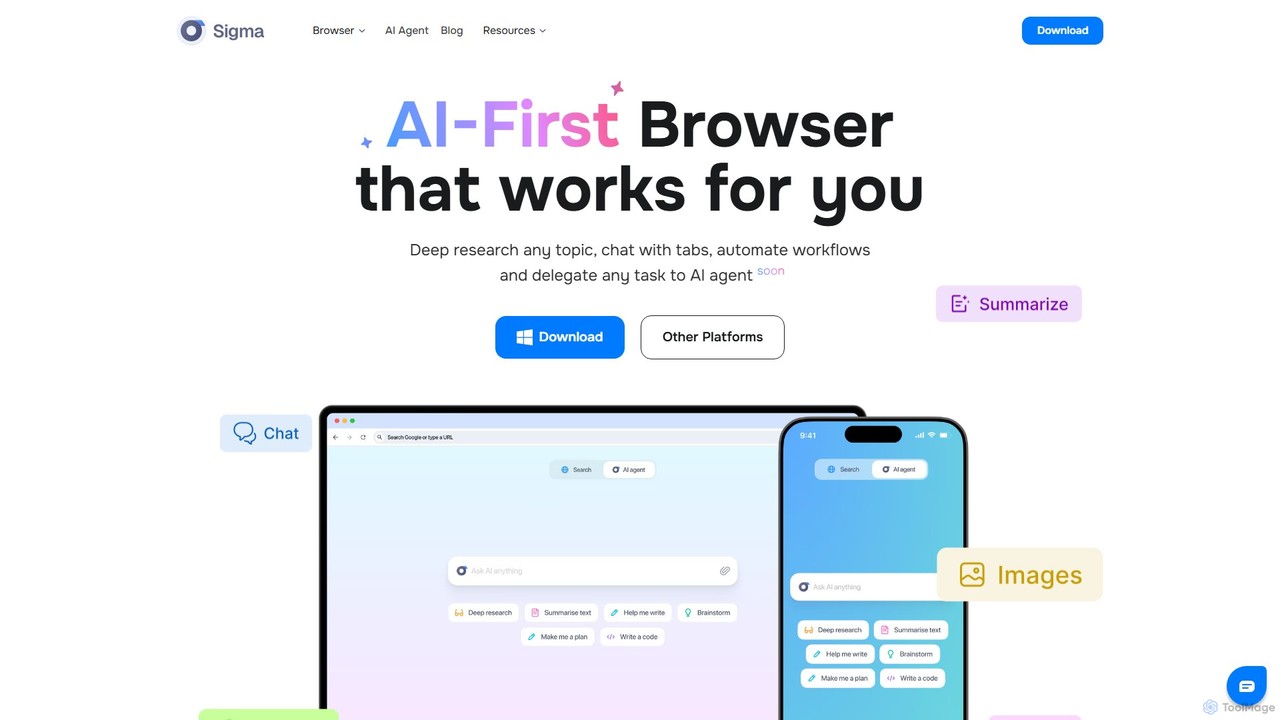
Sigmabrowser

Sigmabrowser

Sigmabrowser is an AI-first browser built on Chromium, designed to automate workflows and enhance productivity. It features an …

102.7K

About Research

AI Research tools are a class of platforms that leverage artificial intelligence to automate and accelerate the process of information discovery, analysis, and synthesis. These tools utilize Natural Language Processing (NLP) and machine learning to scan, understand, and connect vast amounts of text-based data from scientific papers, reports, and web sources. They empower users to quickly identify key insights, uncover trends, and map out knowledge domains. This significantly reduces the time spent on manual data collection and literature reviews, allowing for a deeper focus on interpretation and innovation.

Core Features

  • Automated Literature Search: Systematically discovers relevant articles, papers, and documents across numerous academic and public databases.
  • Intelligent Summarization: Generates concise, coherent summaries of single or multiple documents, extracting key findings and arguments.
  • Trend & Gap Analysis: Identifies emerging topics, research gaps, and influential authors within a specific field of study.
  • Knowledge Synthesis: Connects disparate pieces of information to build conceptual maps and reveal hidden relationships.
  • Data Extraction: Automatically pulls structured data, such as methodologies, results, or metrics, from unstructured text.

Use Cases

These tools are widely used by academic researchers, PhD students, and scientists to conduct comprehensive literature reviews and stay current with new publications. In the corporate world, market analysts and R&D teams use them for competitive intelligence, patent analysis, and identifying technological trends. Legal professionals and policy analysts also leverage them to quickly process case law and regulatory documents.

How to Choose

When selecting an AI Research tool, consider the breadth and depth of its data sources—does it cover the journals and databases relevant to your field? Evaluate its analytical capabilities, such as summarization quality, trend visualization, and data extraction accuracy. Also, assess its integration with reference managers like Zotero or Mendeley and its overall user-friendliness for formulating complex queries and interpreting results.

ResearchUse Cases

1

Accelerating Academic Literature Reviews

A PhD student in biotechnology is starting a new research project. Instead of spending weeks manually searching databases like PubMed and Google Scholar, they use an AI research tool. They input their core research questions and keywords. The tool scans thousands of relevant papers, identifies seminal works, analyzes citation networks, and generates a thematic summary of the current state of research. This process reduces the initial review time from over a month to just a few days, allowing the student to quickly identify a novel research gap and formulate a strong hypothesis.

2

Conducting Market & Competitor Analysis

A market analyst at a tech firm needs to prepare a report on emerging trends in the AI industry. They use an AI research tool to monitor thousands of sources, including industry reports, news articles, company blogs, and financial filings. The tool automatically extracts key information about new product launches, funding rounds, and strategic partnerships. It synthesizes this data into a visual dashboard showing competitor momentum and market shifts. This provides the analyst with real-time, data-driven insights, enabling them to produce a comprehensive competitive landscape analysis in a fraction of the time it would take manually.

3

Patent Landscaping for R&D Strategy

An R&D manager at a pharmaceutical company wants to identify 'white space' for new drug development. They use an AI research tool to analyze tens of thousands of patents in a specific therapeutic area. The tool maps the patent landscape, identifying densely populated areas of innovation and less-explored territories. It also highlights key inventors and assignee companies, revealing potential collaboration partners or acquisition targets. By visualizing complex patent data, the manager can make more informed strategic decisions about where to invest R&D resources to maximize innovation and avoid patent infringement.

4

Automating Systematic Reviews in Medicine

A clinical research team is conducting a systematic review, a process that requires screening thousands of study abstracts against strict inclusion and exclusion criteria. This is traditionally a time-consuming and error-prone task. By using an AI research tool, they can automate the initial screening phase. The AI is trained on the criteria and then rapidly classifies abstracts as 'relevant', 'irrelevant', or 'maybe'. This allows the human researchers to focus their efforts on reviewing the most promising papers, ensuring consistency, reducing bias, and completing the systematic review months ahead of schedule.

5

Generating Novel Research Hypotheses

A researcher in materials science is exploring new avenues for developing sustainable polymers. They feed an AI research tool with a vast dataset comprising existing research papers, chemical property databases, and experimental results. The AI analyzes this multi-modal data to identify non-obvious correlations between different molecular structures and desired properties like biodegradability. Based on these patterns, the tool generates a list of novel, testable hypotheses, suggesting unexplored chemical combinations that could lead to a breakthrough. This augments the researcher's creativity and directs experimental work towards more promising paths.

6

Streamlining Legal and Policy Research

A legal associate is tasked with finding precedents for a complex corporate litigation case. Using an AI research tool specialized in legal documents, they can search across millions of court filings, case laws, and statutes in natural language. The tool not only finds relevant documents but also summarizes key arguments, identifies similar cases, and highlights passages that are most pertinent to their current case. This allows the associate to build a stronger legal strategy in hours instead of days, significantly improving productivity and the quality of their legal groundwork.

ResearchFrequently Asked Questions