ToolMage
Sign in

Best 85 Science AI tools

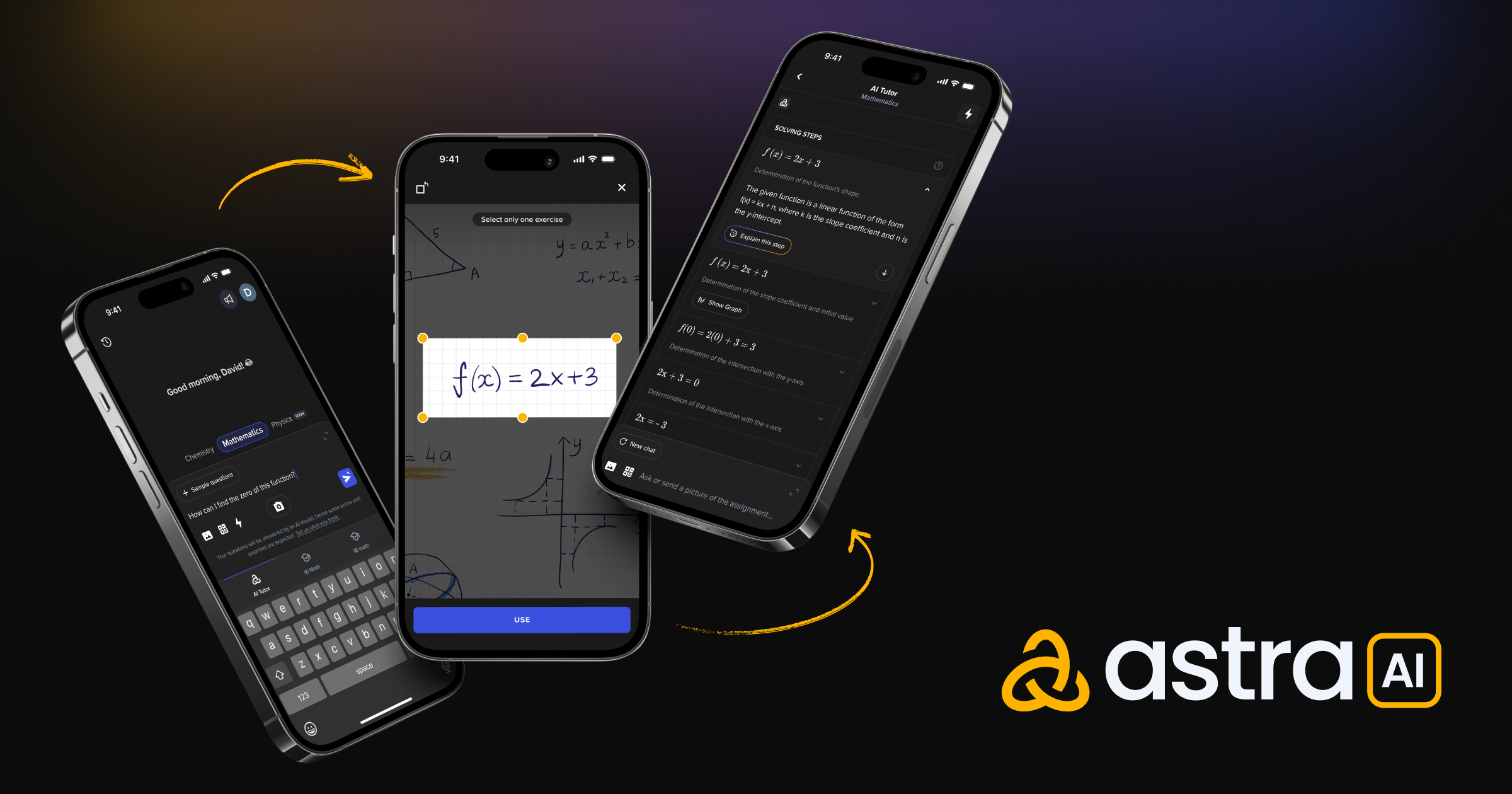
Popular Science AI tools include Google DeepMind, astra_ai, MathGPT, Wolfram|Alpha, Brilliant, BioRender, Benchling, eos, MathGPTPro, and Thetawise, helping you work more efficiently.

Mineflow
Freemium

Mineflow

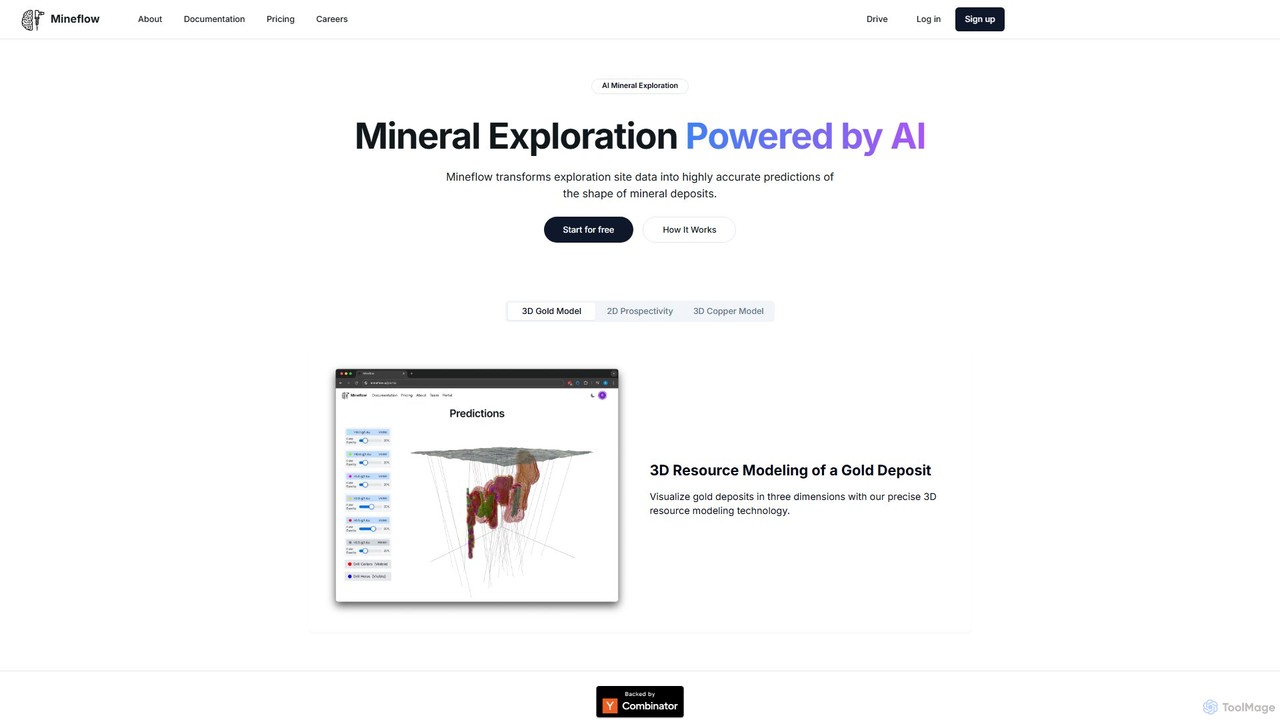
Mineflow is an AI-powered platform for mineral exploration. It transforms complex geological data from various formats into highly accurate 3D models and predictions of mineral deposit shapes and locations, streamlining workflows for geologists and mining companies.

Predictive Modeling
Visits 7.2KFavorites 128Likes 147
intmath
Freemium

intmath

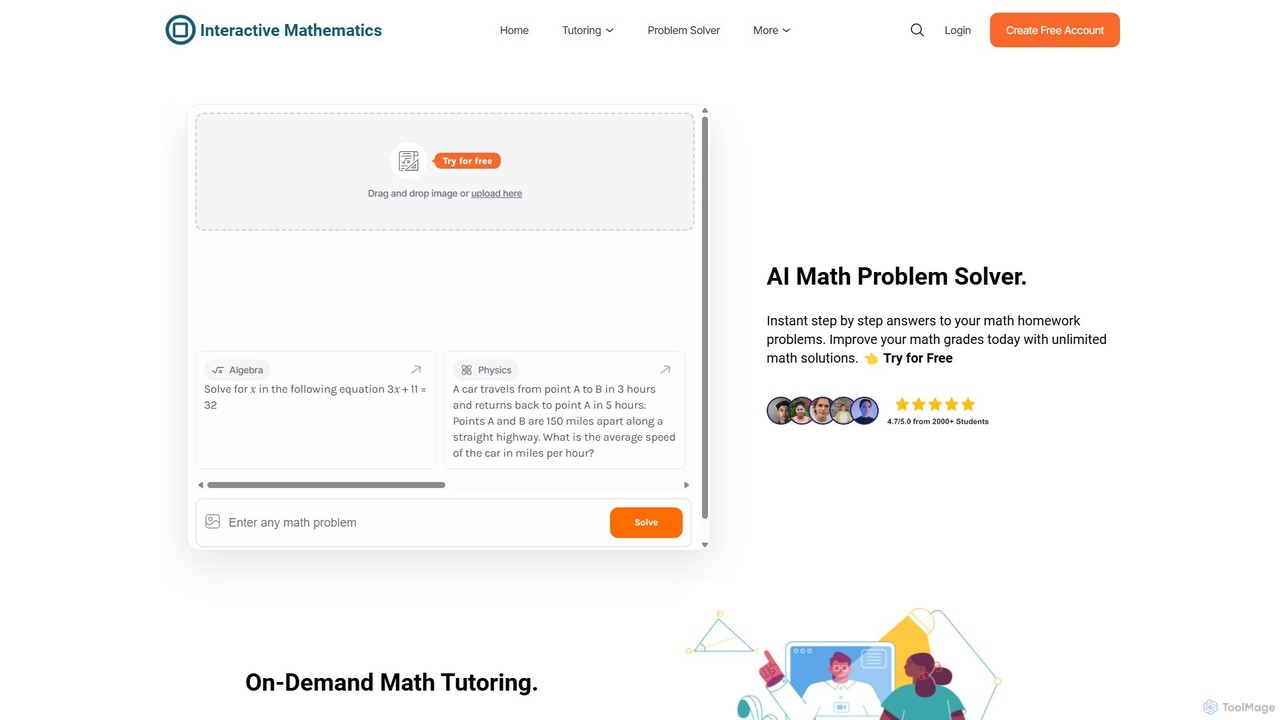
intmath is an AI-powered math problem solver and interactive learning platform. It provides instant, step-by-step solutions to a wide range of math problems, from basic algebra to advanced calculus. With features like photo-based problem submission and 24/7 on-demand tutoring, it's designed to help students improve their grades and deepen their understanding of mathematics.

Homework Helper
Visits 140.1KFavorites 128Likes 131
Google DeepMind
Freemium

Google DeepMind

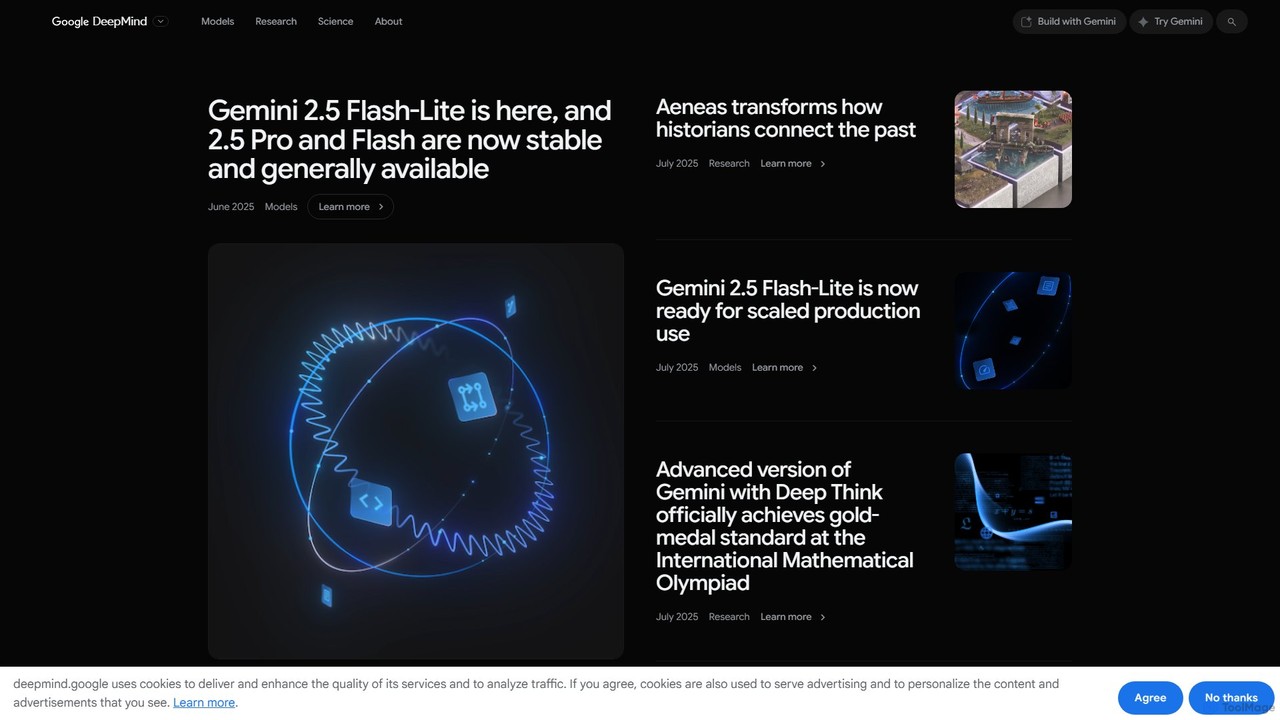
Google DeepMind is a world-leading AI research lab and product unit, developing advanced AI models like Gemini, Imagen, and Veo. It focuses on building responsible AGI to benefit humanity, offering tools for scientific discovery, creative generation, and developer applications through platforms like Google AI Studio and Vertex AI.

Machine Learning
Visits 6.1MFavorites 153Likes 154
Thetawise
Freemium

Thetawise

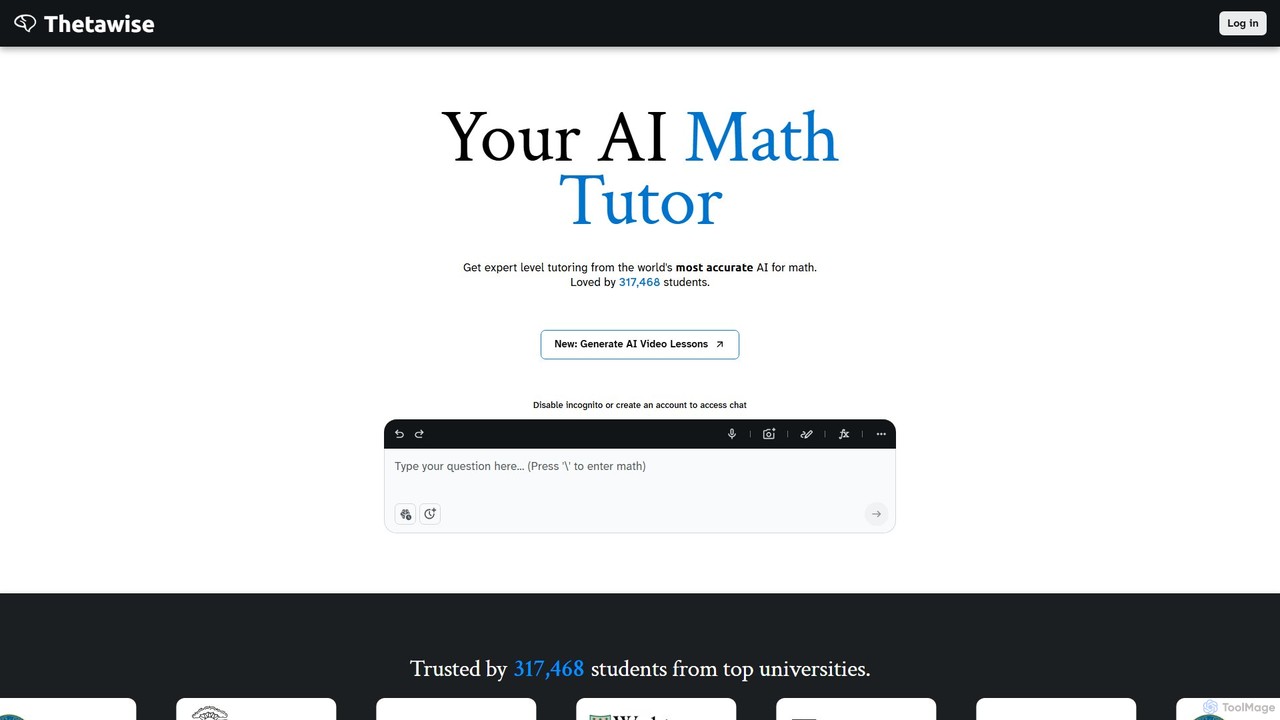
Thetawise is a highly accurate AI math tutor designed to help students master complex mathematical concepts. It provides instant, step-by-step solutions, features an advanced problem solver, and can even generate personalized AI video lessons. With multiple input methods like image uploads, handwriting, and voice-to-text, Thetawise makes learning math accessible, affordable, and available 24/7.

Tutoring
Visits 644.8KFavorites 110Likes 122
mikopharm
Freemium

mikopharm

mikopharm is an AI-powered platform designed to accelerate pharmaceutical research and drug discovery. It leverages machine learning to analyze vast datasets, predict drug efficacy and toxicity, and optimize clinical trial design, helping researchers make faster, data-driven decisions.

Predictive Modeling
Visits 5.5KFavorites 131Likes 136
Ginkgo Bioworks

Ginkgo Bioworks

Ginkgo Bioworks is a leading synthetic biology company that utilizes AI, automation, and a vast biological codebase to program cells. They engineer custom microorganisms for partners in pharmaceuticals, agriculture, and industrial manufacturing, accelerating biological R&D and enabling the sustainable production of novel products.

Sustainable Farming
Visits 75.2KFavorites 123Likes 113
Constellab
Freemium

Constellab

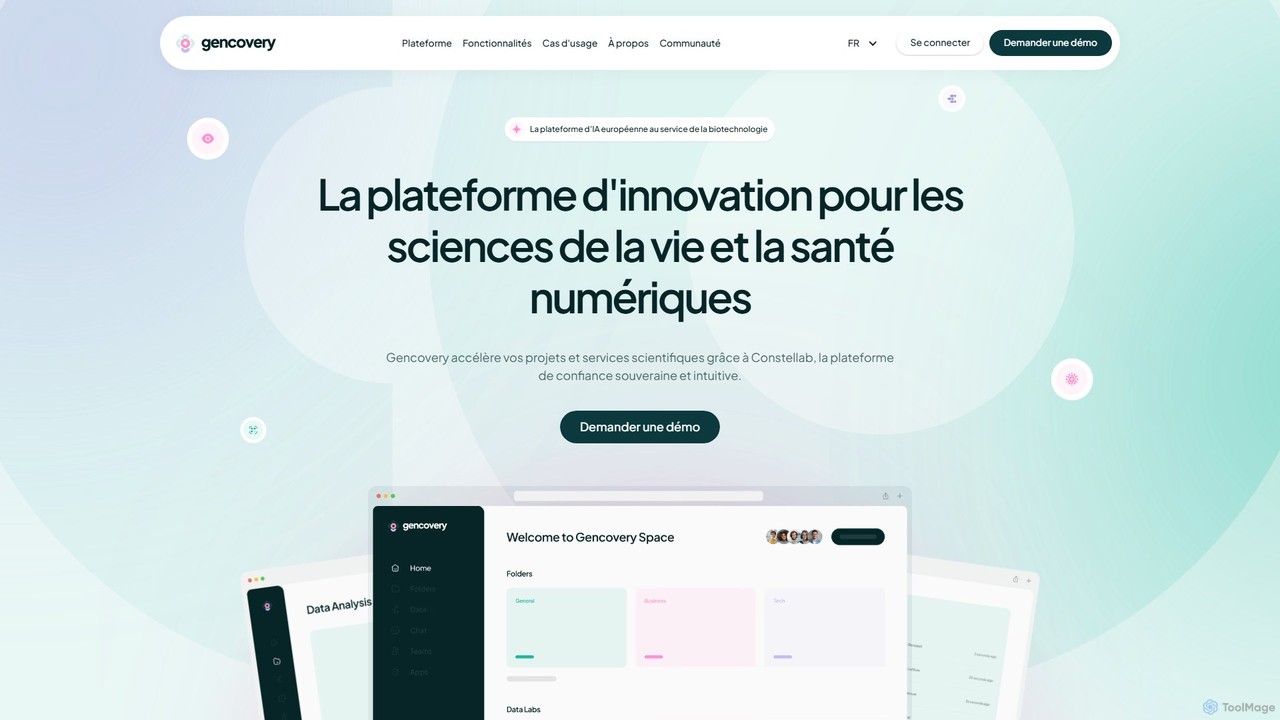
Constellab is a sovereign AI and data science platform designed for the life sciences and biotechnology sectors. It provides a collaborative, no-code environment for data analysis, visualization, and project management, with flexible deployment options (cloud, on-premise) to ensure data security, traceability, and regulatory compliance.

Low Code No Code
Visits 6.3KFavorites 140Likes 154
PatentDrawAI
Paid

PatentDrawAI

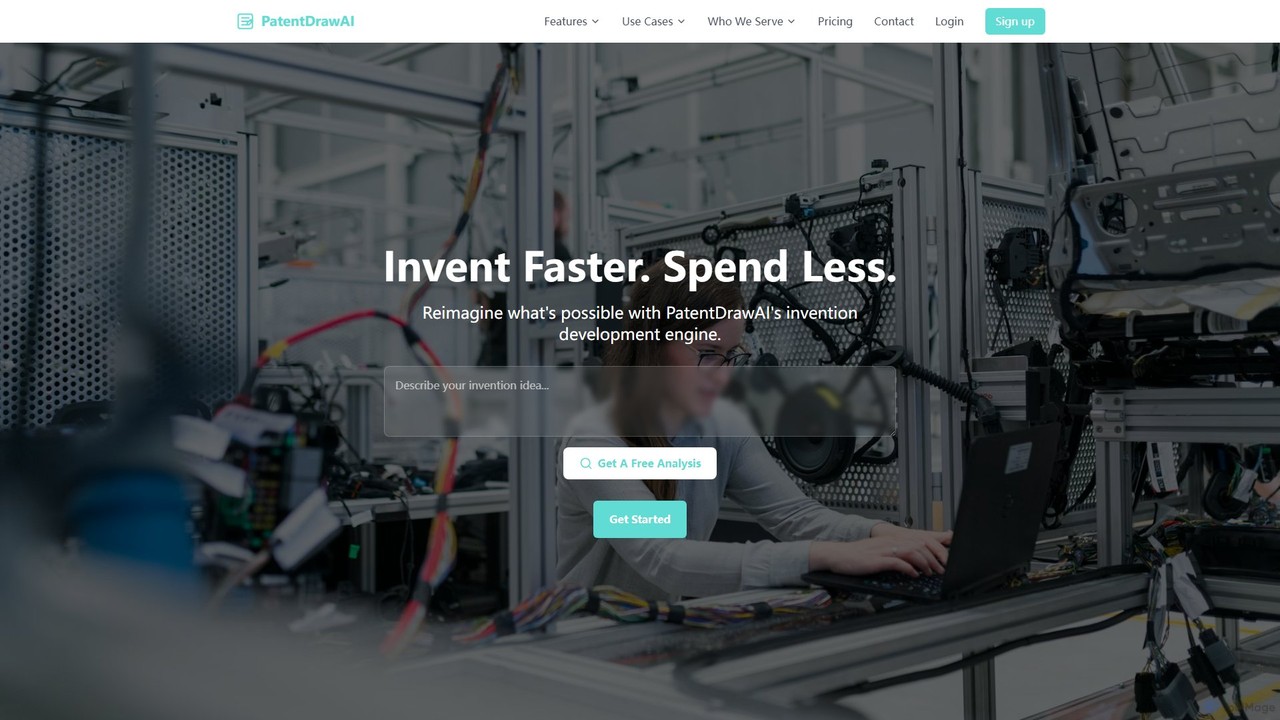
PatentDrawAI is an AI-powered invention development engine designed to streamline the patent application process. It helps inventors, law firms, and enterprises draft high-quality provisional patents, generate technical drawings, and conduct prior art searches faster and more affordably. Specialized modules for software and molecular patents automate the creation of comprehensive documentation, democratizing intellectual property protection for all innovators.

Documentation
Visits 6.1KFavorites 155Likes 146
Ora AI
Freemium

Ora AI

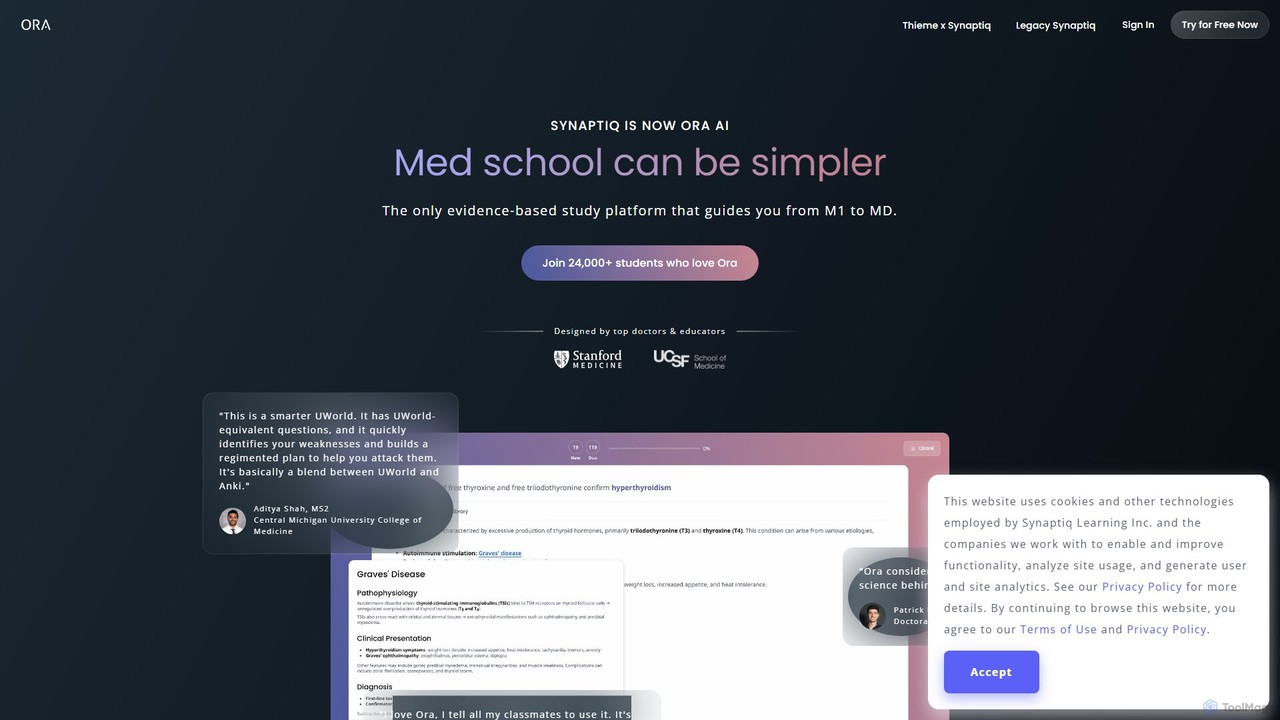
Ora AI (formerly Synaptiq) is an evidence-based, AI-powered study platform for medical students and professionals. It uses adaptive learning, high-quality question banks, and spaced repetition to create personalized study plans, identify weaknesses, and optimize preparation for board exams and medical coursework.

Medical
Visits 8.5KFavorites 88Likes 99
Telborg
Freemium

Telborg

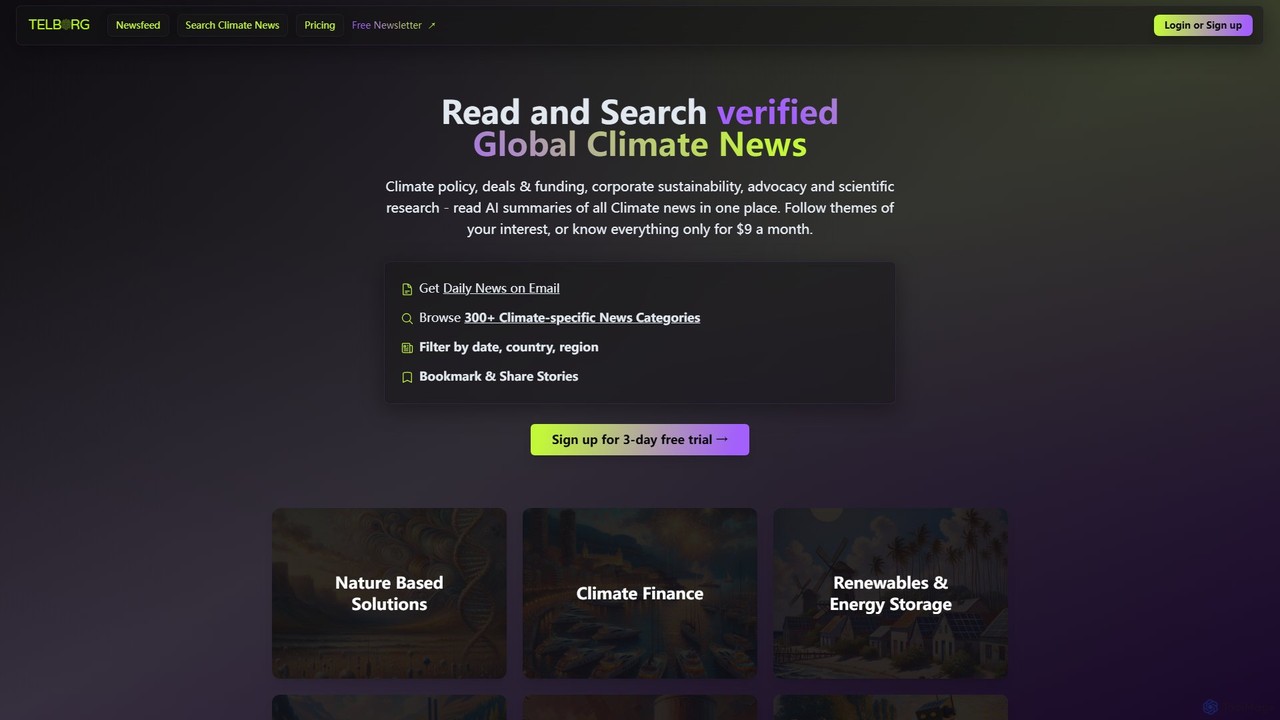
Telborg is an AI-powered news platform delivering concise, verified global climate news. It sources information directly from official bodies like governments, corporations, and research institutions, providing AI-generated summaries across 300+ specific climate categories. It's designed for professionals who need credible, up-to-date insights on climate policy, finance, technology, and sustainability.

Research
Visits 6.7KFavorites 164Likes 168
InternAI (Shusheng)
Freemium

InternAI (Shusheng)

InternAI (Shusheng) is a comprehensive suite of open-source, high-performance foundation models developed by Shanghai AI Laboratory. It covers language, multimodality, weather forecasting, aerospace design, 3D modeling, finance, and scientific research, aiming to empower global innovation.

Foundation Models
Visits 29.1KFavorites 132Likes 126
BioRender
Freemium

BioRender

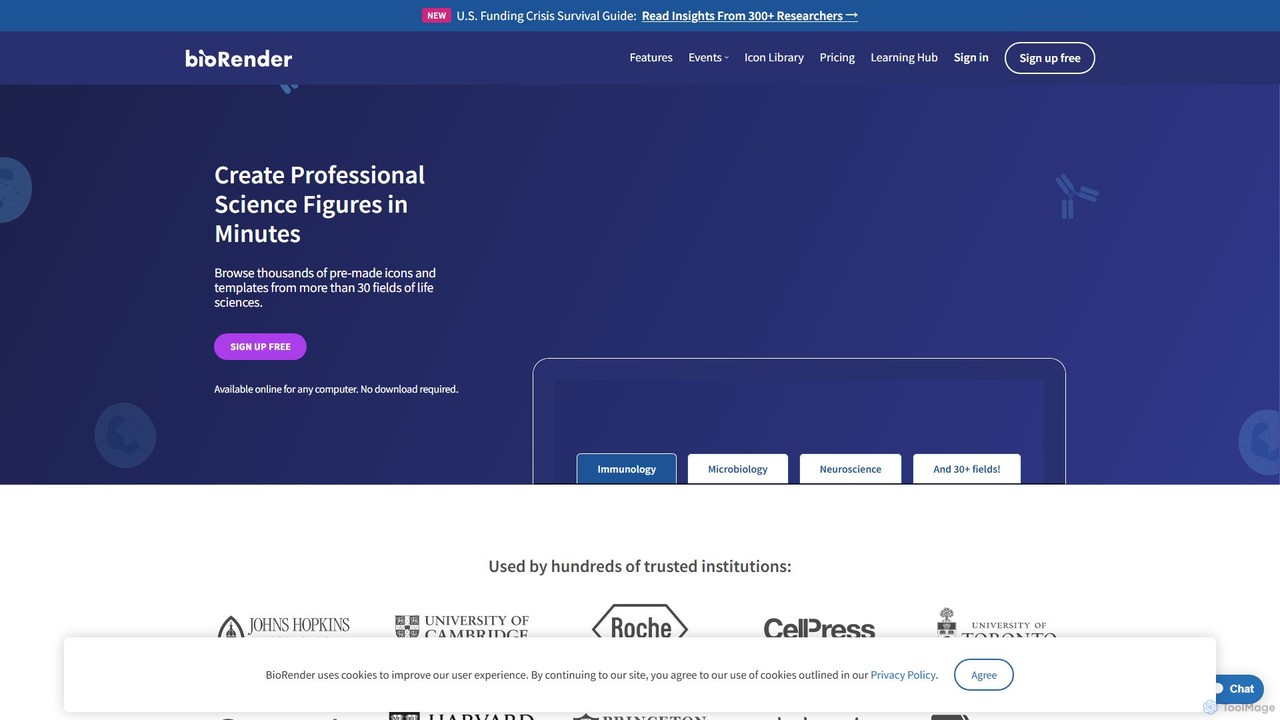
BioRender is a web-based software that empowers scientists to create professional scientific figures, diagrams, and illustrations with ease. Featuring a vast library of over 50,000 scientifically accurate icons and templates, it streamlines the process of visualizing complex biological concepts for publications, presentations, and grants. It's designed by scientists, for scientists, to replace generic tools like PowerPoint for scientific communication.

Illustration
Visits 2.2MFavorites 117Likes 114
Photonium
Paid

Photonium

Photonium is an AI-powered platform that revolutionizes optical system design by automating the optomechanical workflow. It enables engineers to move seamlessly from concept to production-ready designs, integrating intuitive drag-and-drop optical layout with auto-generated 3D mechanical structures. This significantly reduces engineering time and accelerates innovation across various high-tech industries.

Cad
Visits 5.5KFavorites 99Likes 100

About Science

Science AI tools are AI-powered platforms and applications designed to accelerate discovery, enhance analysis, and automate processes across various scientific disciplines. These tools leverage advanced machine learning, deep learning, and computational techniques to process vast datasets, generate hypotheses, and simulate complex phenomena. They empower researchers, academics, and industry professionals to overcome traditional research bottlenecks, leading to faster breakthroughs and more efficient scientific inquiry.

Core Features

  • Advanced Data Analysis: Processes and interprets large, complex scientific datasets, identifying hidden patterns and correlations.
  • Predictive Modeling & Simulation: Creates accurate models to predict outcomes, simulate experiments, and explore theoretical scenarios without physical trials.
  • Automated Hypothesis Generation: Analyzes scientific literature and experimental data to propose novel hypotheses and research directions.
  • Experimental Design Optimization: Recommends optimal parameters and designs for experiments, reducing trial-and-error and resource consumption.
  • Image & Signal Processing: Analyzes scientific images (e.g., microscopy, medical scans, astronomical data) and signals for feature extraction and anomaly detection.

Applicable Scenarios

Science AI tools are indispensable in fields like pharmaceutical research for drug discovery, materials science for novel compound design, and climate modeling for environmental predictions. They assist biologists in genomic data interpretation, chemists in reaction optimization, and physicists in complex simulation analysis, driving innovation across the scientific spectrum.

How to Choose

When selecting Science AI tools, consider their domain specificity (e.g., biology, chemistry), data handling capabilities (volume, type, format), and the interpretability of their models. Evaluate integration with existing lab equipment and software, scalability for future research needs, and the robustness of their validation and reproducibility features to ensure reliable scientific outcomes.

Featured tool rankings

Science use cases

1

Accelerating Drug Discovery & Development

Pharmaceutical researchers utilize Science AI tools to rapidly screen vast libraries of compounds, predict drug-target interactions, and optimize molecular structures. This significantly reduces the time and cost associated with identifying promising drug candidates, moving them faster from concept to clinical trials and ultimately to patients.

2

Designing Novel Materials with Desired Properties

Materials scientists employ AI to predict the properties of hypothetical compounds and design new materials with specific characteristics, such as enhanced strength or conductivity. By simulating molecular interactions and predicting outcomes, AI minimizes the need for extensive physical experimentation, accelerating innovation in fields like aerospace and energy.

3

Enhancing Climate Change Modeling Accuracy

Climatologists leverage Science AI tools to analyze massive environmental datasets, including satellite imagery, sensor readings, and historical weather patterns. AI helps refine complex climate models, improving the accuracy of long-term predictions for temperature changes, sea-level rise, and extreme weather events, which is crucial for policy-making and disaster preparedness.

4

Interpreting Complex Genomic and Proteomic Data

Biologists and geneticists use AI to process and interpret vast amounts of genomic and proteomic data, identifying genetic markers for diseases, understanding gene functions, and discovering new biological pathways. This accelerates personalized medicine, disease diagnosis, and the development of targeted therapies.

5

Optimizing Chemical Reaction Pathways

Chemists apply AI to predict optimal reaction conditions, catalysts, and synthetic routes for complex chemical processes. By analyzing vast databases of chemical reactions and simulating outcomes, AI tools help minimize waste, improve yield, and discover more efficient and sustainable methods for chemical synthesis.

6

Analyzing Astronomical Data for New Discoveries

Astronomers utilize Science AI tools to sift through petabytes of data from telescopes and observatories, identifying subtle patterns, classifying celestial objects, and detecting transient phenomena like supernovae or exoplanets. This automation allows for discoveries that would be impossible with manual analysis, pushing the boundaries of our understanding of the universe.

Science FAQ

What are Science AI tools?

Science AI tools are advanced software and platforms that apply artificial intelligence, particularly machine learning and deep learning, to scientific research and discovery. They are designed to automate data analysis, generate hypotheses, simulate complex systems, and optimize experimental design across various scientific disciplines like biology, chemistry, physics, and materials science. Their core purpose is to accelerate scientific breakthroughs and enhance research efficiency.

How do AI tools accelerate scientific discovery?

AI tools accelerate scientific discovery by automating repetitive tasks, processing and interpreting massive datasets far beyond human capacity, and identifying non-obvious patterns. They can rapidly screen potential drug candidates, predict material properties, and generate novel hypotheses from existing literature, significantly reducing the time and resources traditionally required for research and experimentation.

What are the main benefits of using AI in scientific research?

The main benefits include significantly accelerated research cycles, enhanced accuracy in data analysis and prediction, and the ability to explore complex problems that are intractable with traditional methods. AI helps in discovering new materials, developing personalized medicines, improving climate models, and gaining deeper insights from vast scientific data, ultimately leading to more efficient and impactful scientific advancements.

What challenges are associated with implementing AI in scientific contexts?

Implementing AI in science faces challenges such as the need for high-quality, domain-specific datasets for training, ensuring model interpretability and explainability for scientific validation, and integrating AI tools with existing complex laboratory workflows. Additionally, addressing ethical considerations, data privacy, and the high computational resources required for advanced AI models are ongoing challenges.

How do Science AI tools differ from traditional scientific computing?

While traditional scientific computing relies on explicit programming and predefined algorithms to solve problems, Science AI tools learn from data to identify patterns, make predictions, and adapt to new information without explicit programming for every scenario. AI excels at tasks involving pattern recognition, prediction from incomplete data, and hypothesis generation, offering a more adaptive and discovery-driven approach compared to the rule-based nature of traditional computing.

How to choose the right AI tool for scientific research?

Choosing the right AI tool for scientific research involves several key considerations. First, assess its domain specificity to ensure it aligns with your field (e.g., genomics, materials science). Second, evaluate its data handling capabilities, including the volume, type, and format of data it can process. Third, consider the model's interpretability and explainability, which are crucial for scientific validation. Finally, check its integration with existing laboratory equipment and software, scalability for future needs, and the robustness of its validation and reproducibility features to ensure reliable and trustworthy results.