

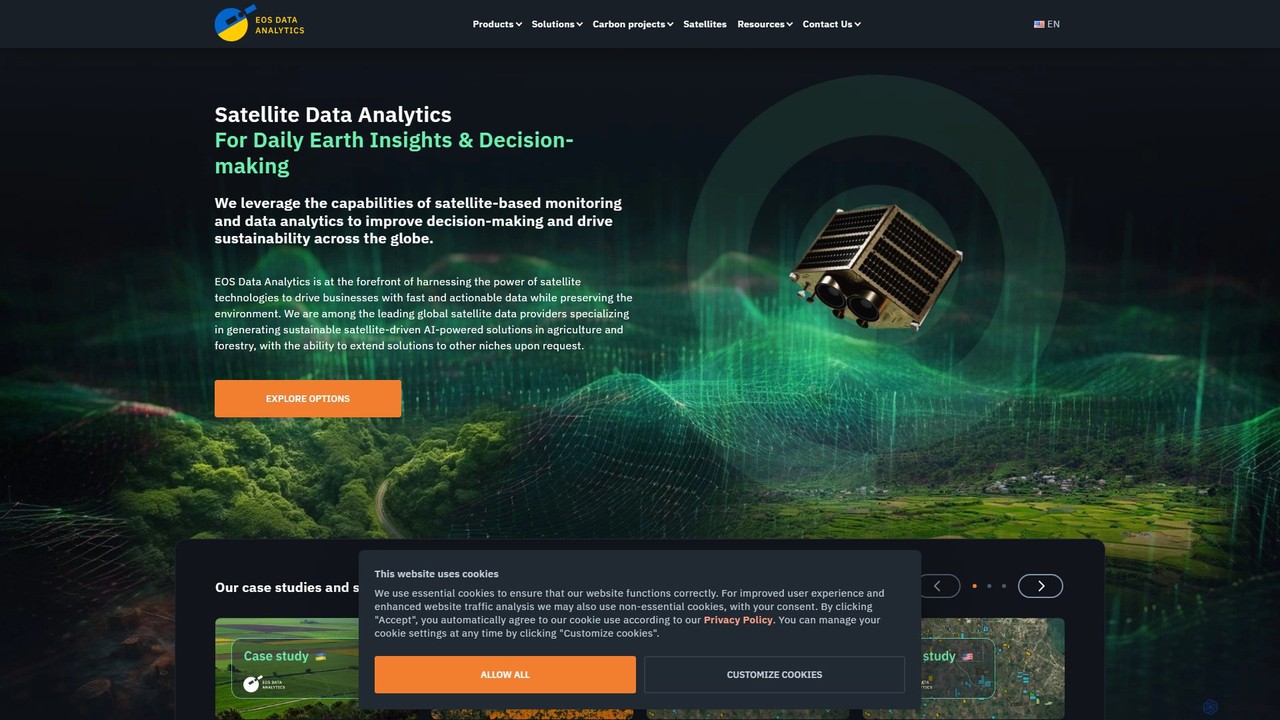
eos Overview
EOS Data Analytics (eos) is a global provider of AI-powered satellite imagery analytics. The company leverages advanced technologies, including machine learning and computer vision, to analyze vast amounts of geospatial data and deliver actionable intelligence to businesses and organizations across multiple sectors. By transforming raw satellite images into meaningful insights, eos empowers users to monitor assets, manage resources effectively, and make informed, strategic decisions. The platform is designed to be a comprehensive solution for anyone needing to understand and react to changes happening on the ground, from a single field to a global scale.
How to use eos
Using the eos platform involves a straightforward workflow designed for both technical and non-technical users.
1. Define Area of Interest (AOI): Users begin by selecting their specific geographical area on an interactive map. This could be a farm, a forest concession, a pipeline route, or an entire region.
2. Select Data and Timeframe: The platform provides access to a wide range of satellite data from various providers (e.g., Sentinel, Landsat, high-resolution commercial satellites). Users can select the desired data type and specify the time range for their analysis, enabling historical tracking and change detection.
3. Apply AI-Powered Analytics: Users can then apply a suite of pre-built analytical tools. This includes calculating vegetation indices (like NDVI for crop health), running change detection algorithms to spot deforestation or construction, or using object detection models to identify specific features.
4. Visualize and Export Insights: The results are presented through intuitive visualizations, such as color-coded maps, interactive charts, and detailed reports. Users can analyze these insights directly on the platform or export the data and reports in various formats (GeoTIFF, SHP, PDF) for integration into their own systems or for further analysis.
Core Features of eos
- Multi-Source Satellite Data: Access to a vast and constantly updated catalog of satellite imagery from leading public and commercial satellite constellations.
- AI-Powered Analytics: Utilizes proprietary AI and machine learning algorithms for tasks like land cover classification, object detection, change detection, and predictive modeling.
- Vegetation Indices: Offers a comprehensive set of vegetation indices (NDVI, EVI, MSAVI, etc.) for detailed monitoring of crop and forest health.
- Cloud-Based Platform: A fully online, scalable platform that requires no software installation, allowing users to perform complex analysis from any web browser.
- API for Integration: Provides a robust API for developers to seamlessly integrate eos data and analytics into their own applications, workflows, and services.
- Historical Data Analysis: Enables users to analyze historical satellite imagery archives to understand long-term trends, assess environmental changes, and build predictive models.
Use Cases for eos
eos provides tailored solutions for a variety of industries:
Agriculture: Farmers and agribusinesses use eos for precision agriculture. This includes monitoring crop health, creating variable-rate application maps for fertilizers, forecasting yields, managing irrigation, and assessing crop damage from weather events.
Forestry: Government agencies and private companies monitor deforestation, detect illegal logging activities, manage forest resources sustainably, and assess fire risk and post-fire damage.
Environmental Monitoring: Researchers and environmental organizations track land use changes, monitor water body health, assess the impact of climate change, and ensure compliance with environmental regulations.
Oil & Gas: Companies monitor pipeline integrity, detect potential leaks or ground displacement, and manage environmental impact assessments for new projects.
Advantages of eos
The primary advantage of eos is its ability to convert complex satellite data into clear, actionable intelligence. This leads to significant benefits, including improved operational efficiency, reduced costs, and enhanced risk management. By providing a scalable way to monitor large and remote areas, eos eliminates the need for expensive and time-consuming manual surveys. The platform's data-driven insights support sustainable practices in agriculture and forestry, help in disaster response, and provide a competitive edge to businesses by enabling proactive rather than reactive decision-making.
Pricing and Plans
EOS Data Analytics primarily offers customized enterprise-level solutions and subscription-based plans. Pricing is typically based on the size of the area to be monitored, the frequency of analysis, the resolution of the satellite imagery required, and the level of API access. The company does not list standard prices on its website, as solutions are tailored to specific client needs. Potential customers are encouraged to contact the eos sales team to discuss their requirements and receive a custom quote.
Traffic
Latest traffic
Status
Monthly traffic trend
- 2025-9: 914.0K
- 2026-1: 875.4K
- 2026-2: 833.8K
- 2026-3: 1.2M
- 2026-4: 1.0M
- 2026-5: 1.0M
Geography
Top 5 countries / regions
- 🇺🇸United States35.5%
- 🇧🇷Brazil34.0%
- 🇩🇪Germany13.1%
- 🇺🇦Ukraine11.4%
- 🇦🇷Argentina5.9%
Traffic sources
| Source type | Percentage |
|---|---|
Direct | 81.6% |
Referral | 9.8% |
Email | 8.5% |
Top keywords
| Keyword | Cost per click |
|---|---|
| eosda landviewer | $0.71 |
| landviewer | $0.43 |
| live satellite view | $0.31 |
| satelite | $0.42 |
| satellite images | $0.56 |
eos Videos on YouTube


Projet Home Studio
eos Alternatives
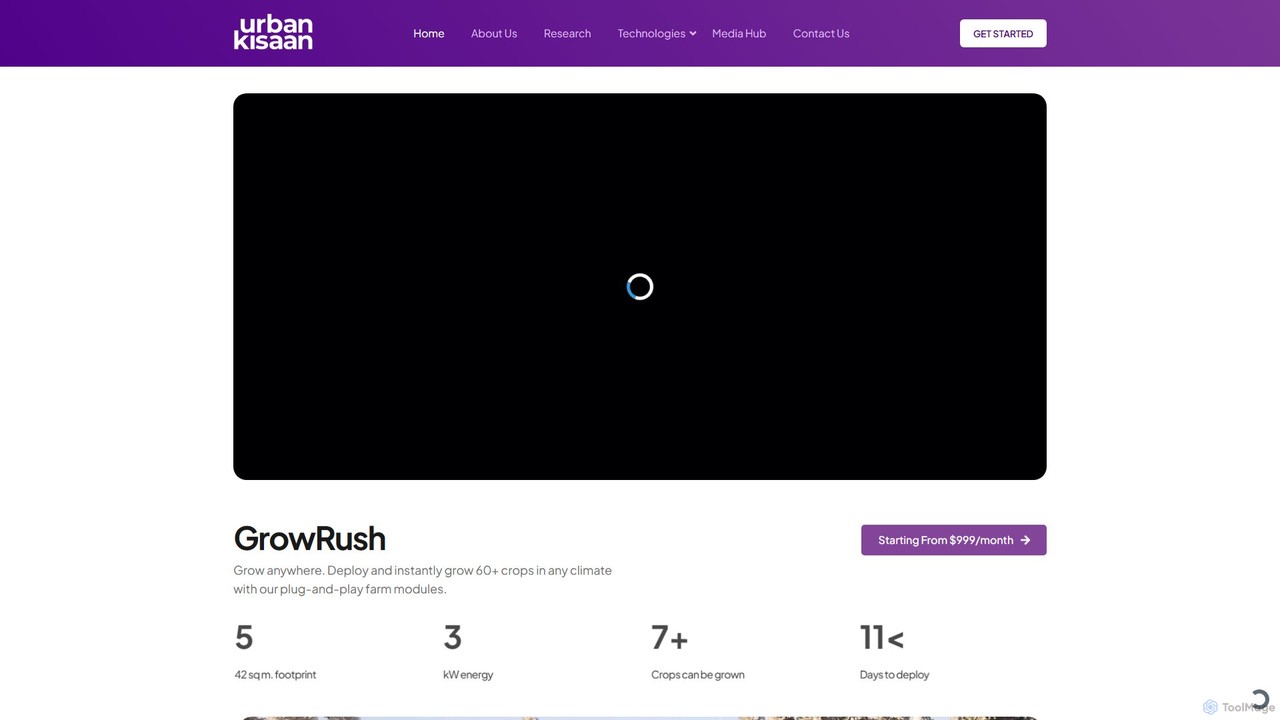
UrbanKisaan
UrbanKisaan is a comprehensive agricultural intelligence platform that leverages AI to create climate-resilient farming solutions. It offers a suite of products including FarmOS.ai for farm management, GeneRush for accelerated seed breeding, and GrowRush for modular vertical farms. By integrating satellite, sensor, and ground-level data, UrbanKisaan provides actionable insights to enhance crop yield, reduce water usage, and promote sustainable agriculture for farmers, researchers, and governments worldwide.
Agriculture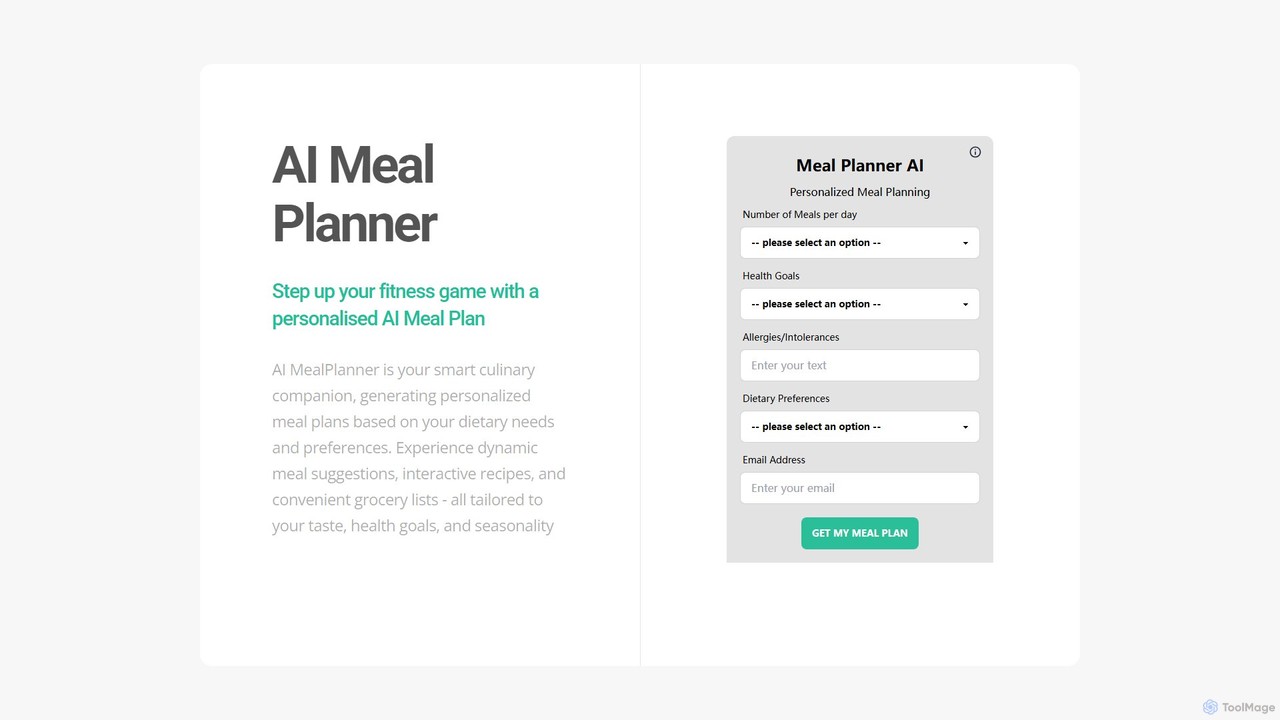
ai_mealplan
An AI-powered meal planner that creates personalized meal plans based on your fitness goals, dietary needs, and food preferences. It provides dynamic meal suggestions, interactive recipes, and automated grocery lists to simplify healthy eating and fitness nutrition.
Nutrition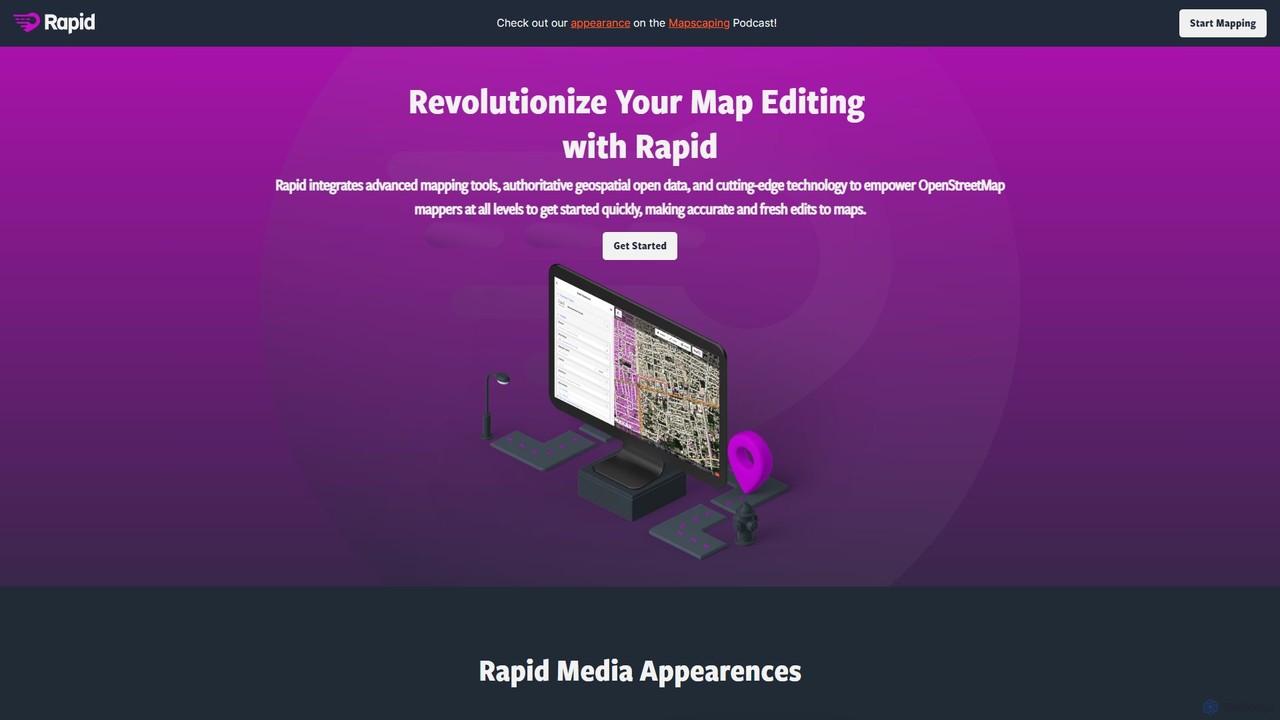
Rapid Editor
Rapid Editor is an AI-enhanced OpenStreetMap (OSM) editor designed to accelerate and simplify the mapping process. By leveraging AI-detected features from satellite imagery and integrating open data, it allows users to quickly add roads, buildings, and other geographical elements. Its intuitive interface makes it ideal for both beginners and experienced mappers, especially for humanitarian and community-driven mapping projects.
Geospatial Analysis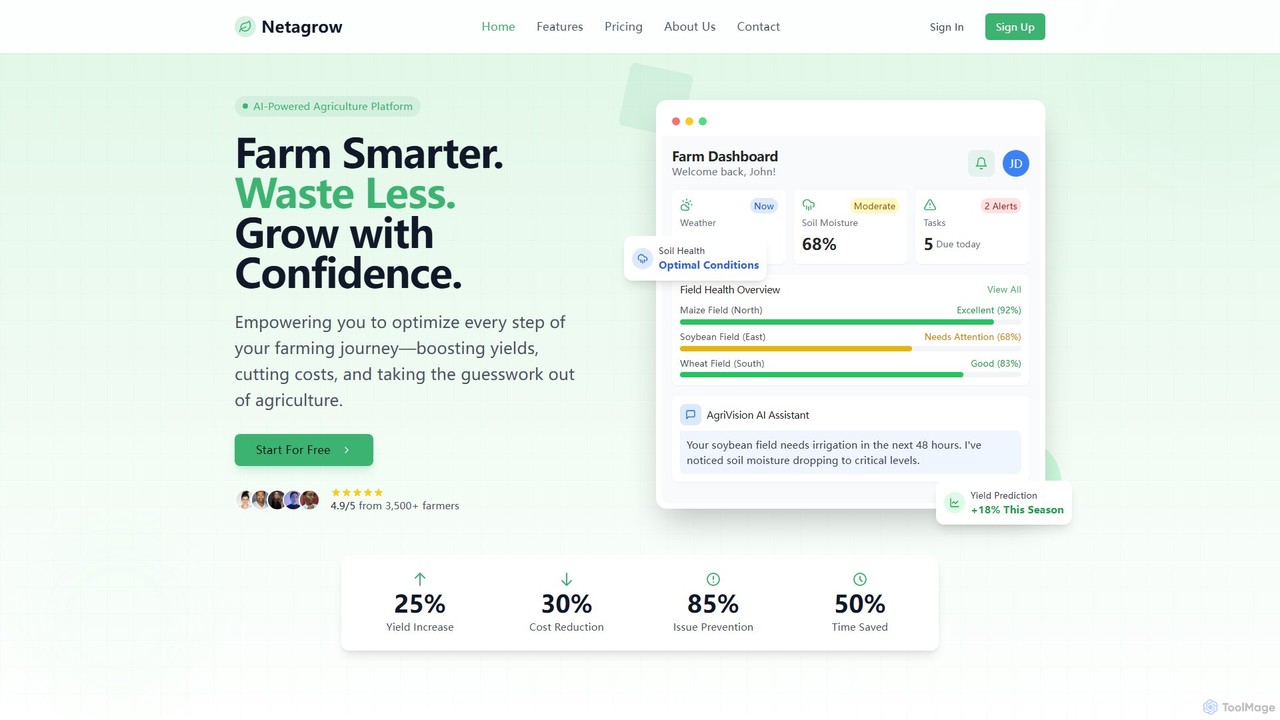
Netagrow
Netagrow is an AI-powered agriculture platform designed to simplify farm management. It empowers farmers to increase yields, reduce costs, and make data-driven decisions by providing tools for soil health monitoring, crop management, weather intelligence, and a 24/7 AI assistant.
Agriculture
mymealplan.ai
mymealplan.ai is an AI-powered platform that generates personalized meal plans based on your dietary goals, preferences, and restrictions. It creates custom recipes, automatically generates shopping lists, and provides detailed nutritional information to help you achieve your health and fitness objectives effortlessly.
Nutritioneos Categories
eos Embed Widget
Copy this embed code to place the badge on your blog, article, or product site and send readers directly to this ToolMage detail page.

Related AI tools
UrbanKisaan
UrbanKisaan is a comprehensive agricultural intelligence platform that leverages AI to create climate-resilient farming solutions. It offers a suite of products including FarmOS.ai for farm management, GeneRush for accelerated seed breeding, and GrowRush for modular vertical farms. By integrating satellite, sensor, and ground-level data, UrbanKisaan provides actionable insights to enhance crop yield, reduce water usage, and promote sustainable agriculture for farmers, researchers, and governments worldwide.
Agriculture
Google Skills
Google Skills is an online learning platform designed to help individuals and teams build and validate in-demand technical skills, particularly in AI and cloud technologies. It offers a range of learning paths, including hands-on labs, courses, skill badges, and industry-recognized certifications from Google experts, enabling users to future-proof their careers and enhance workforce capabilities.
Machine Learning Training
Flypix
Flypix is an end-to-end AI platform for geospatial analysis, enabling users to automatically detect, localize, and segment objects in satellite, aerial, and drone imagery. Train custom AI models with no coding required to analyze complex scenes, saving significant time and resources across industries like agriculture, construction, and environmental monitoring.
3D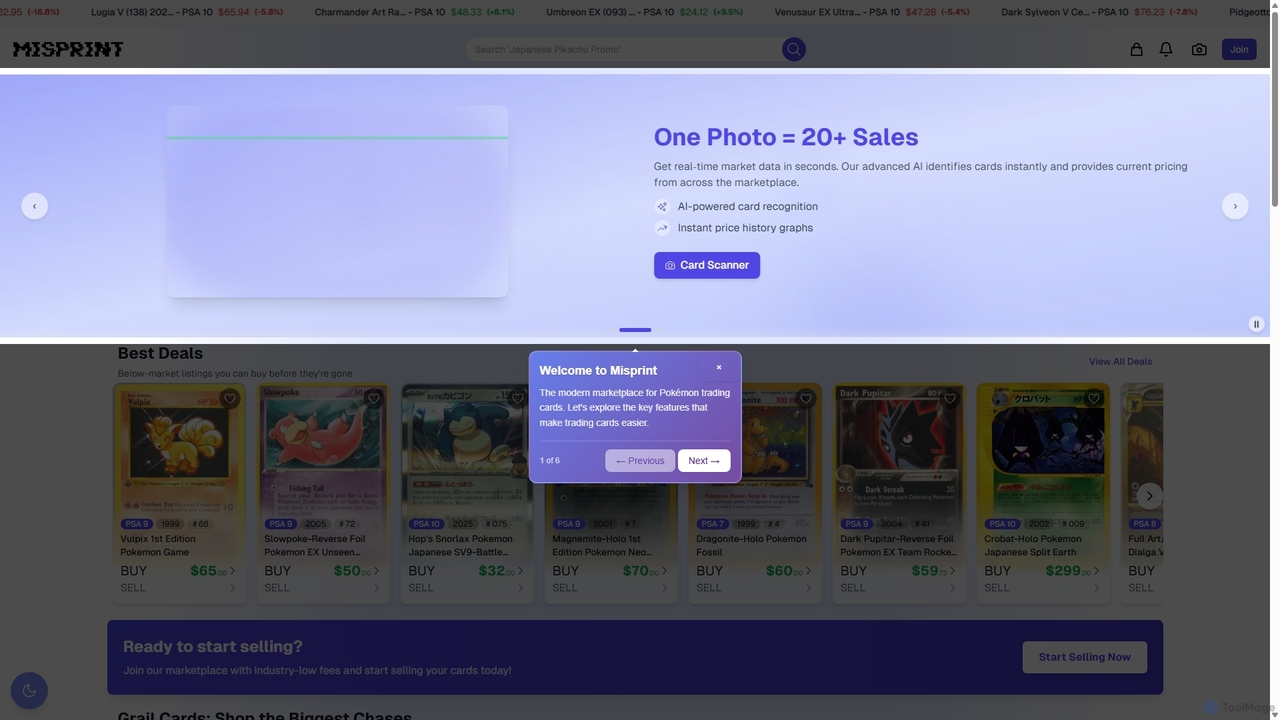
Misprint
Misprint is an AI-powered marketplace for buying and selling graded Pokémon cards and sealed products. It uses machine learning for real-time pricing analytics and a bid/ask system for transparent, efficient trading. Designed for collectors and investors, it offers data-driven insights, a secure platform with vetted sellers, and a community for enthusiasts.
Marketplace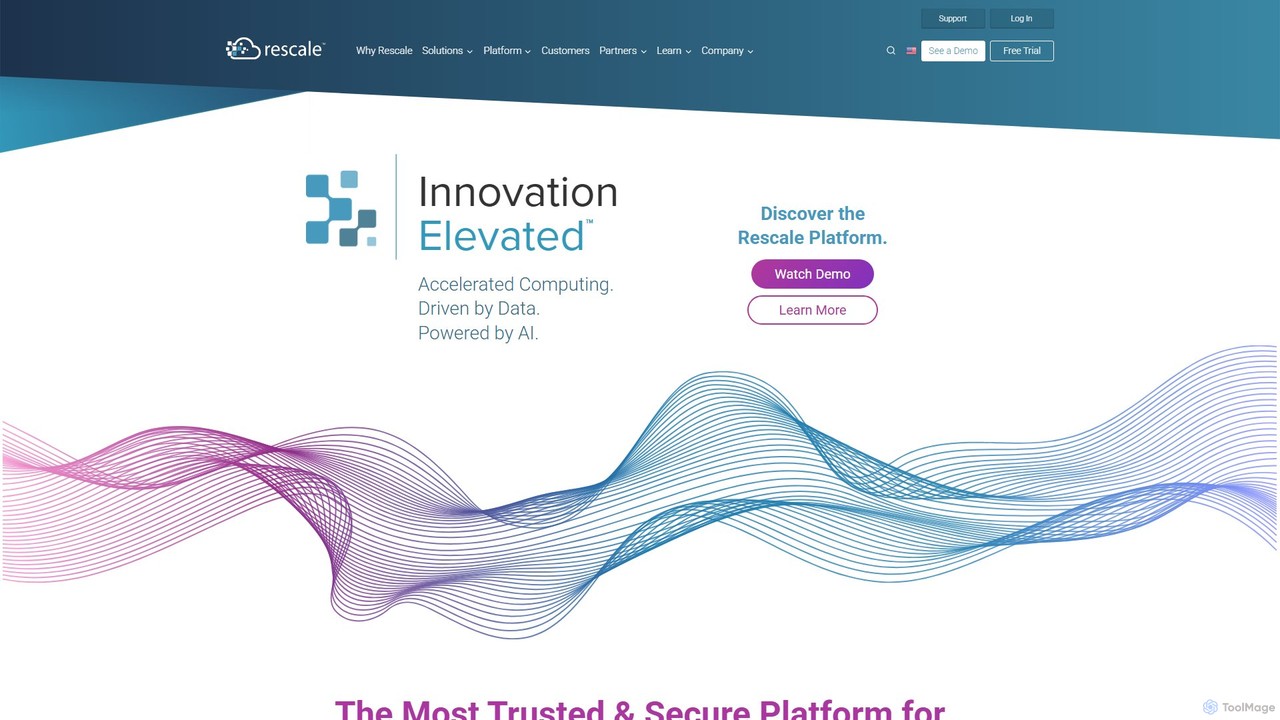
Rescale
Rescale is a cloud-based High Performance Computing (HPC) platform designed to accelerate engineering and scientific R&D. It provides on-demand access to a multi-cloud infrastructure, a vast catalog of simulation and AI software, and a unified environment for managing complex workflows, data, and security. It empowers organizations in aerospace, automotive, life sciences, and more to innovate faster and more efficiently.
High Performance Computing (Hpc)
Lumenore
Lumenore is an AI-powered, no-code business intelligence and data analytics platform designed to transform complex data into actionable insights. It offers a complete analytics workspace with advanced features like Gen AI-powered Natural Language Query (NLQ), automated insights, and data storytelling, enabling businesses to make faster, informed decisions without requiring deep technical expertise.
3D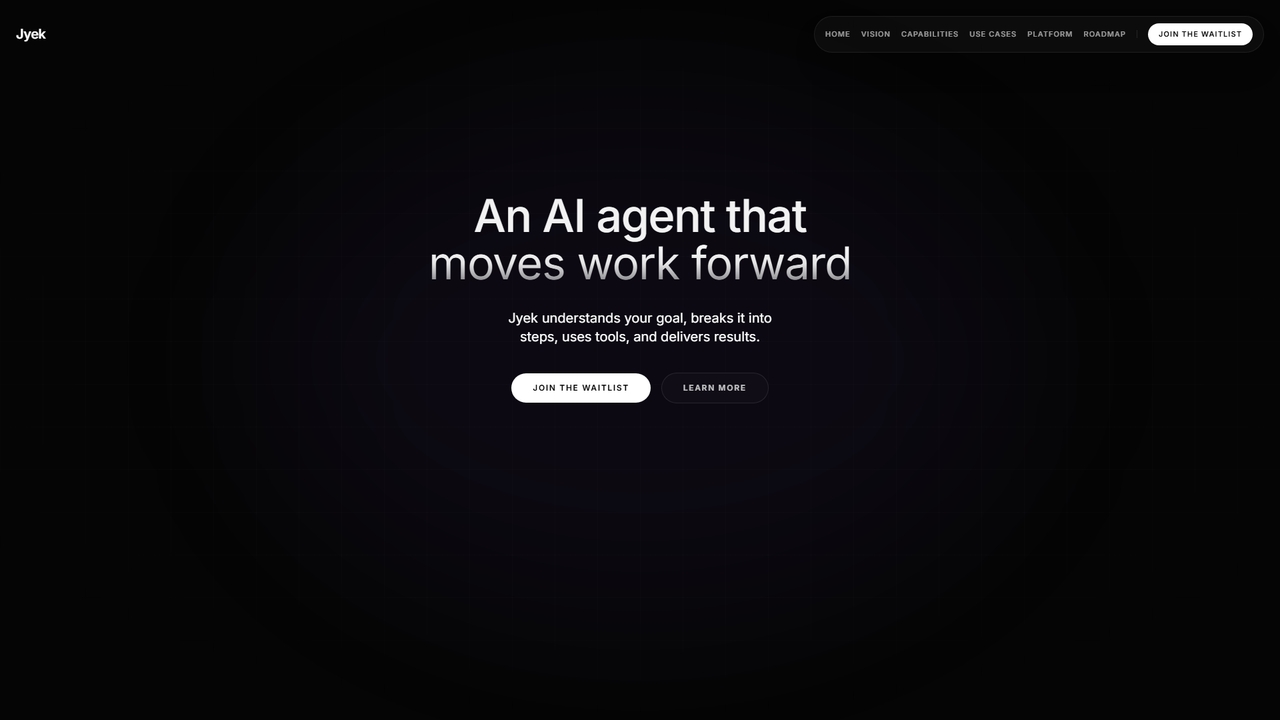
Jyek
Jyek is an AI agent platform that understands objectives, creates execution plans, uses tools, and delivers verifiable results for complex, multi-step tasks.
Automation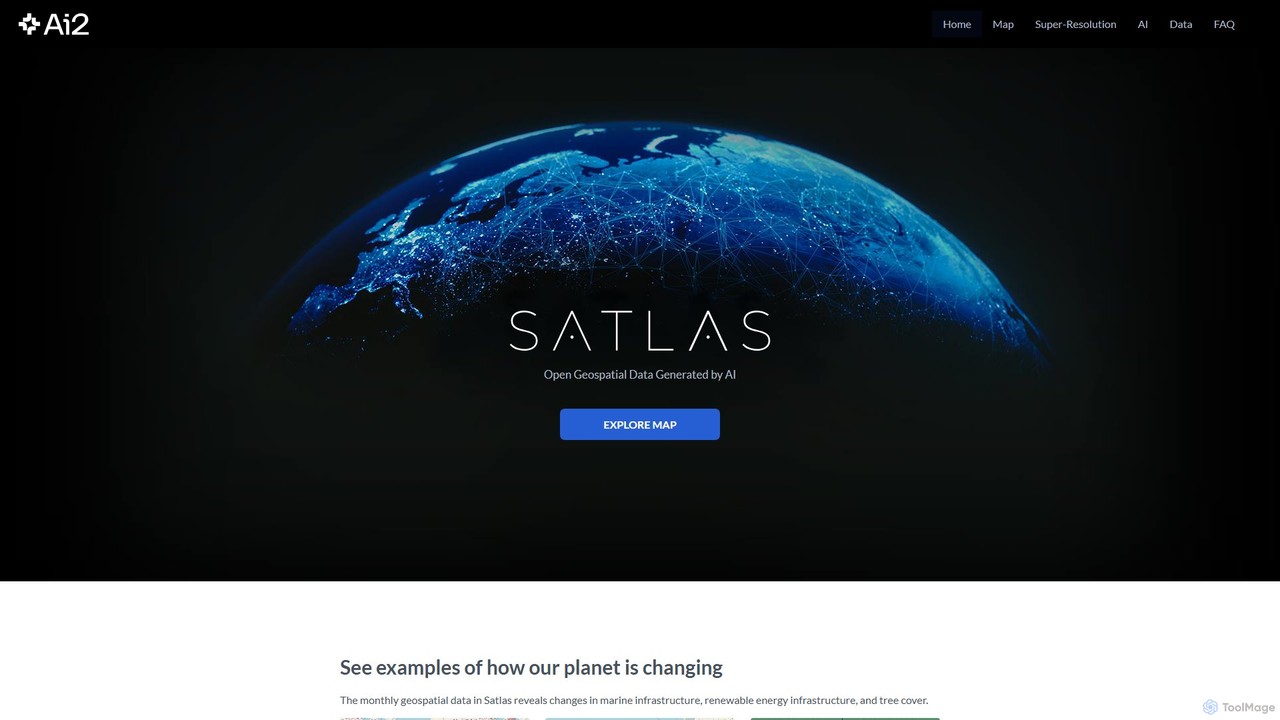
Satlas
Satlas is an AI-powered platform by the Allen Institute for AI that provides open, high-resolution geospatial data. It uses advanced computer vision models to analyze global satellite imagery, tracking changes in tree cover, renewable energy, and marine infrastructure. Its key feature is Super-Resolution, which enhances low-resolution images for detailed analysis.
Geospatial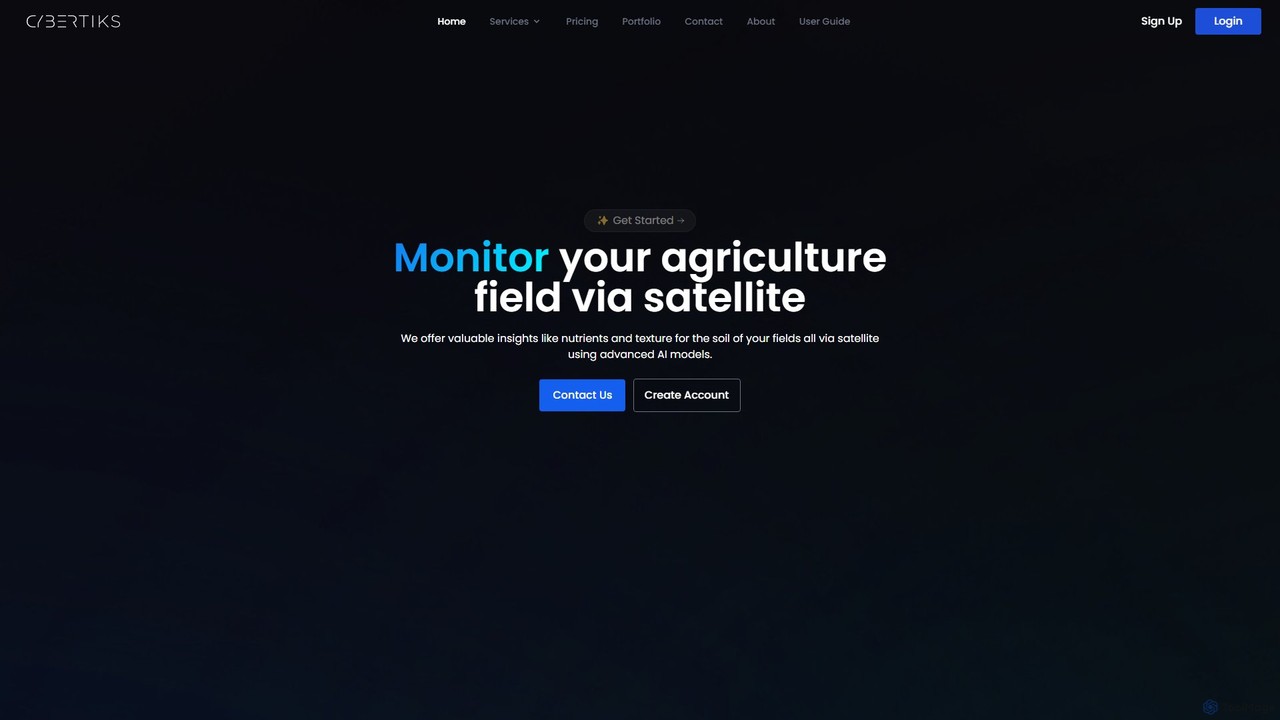
Cybertiks
Cybertiks is an advanced AI platform that leverages satellite imagery and remote sensing for in-depth analysis in agriculture, mining, and environmental management. It provides valuable insights into soil nutrients, mineral deposits, and field health, enabling data-driven decision-making for various industries. By integrating multiple data sources and advanced AI models, Cybertiks delivers tailored, high-accuracy solutions for resource monitoring and management.
Analytics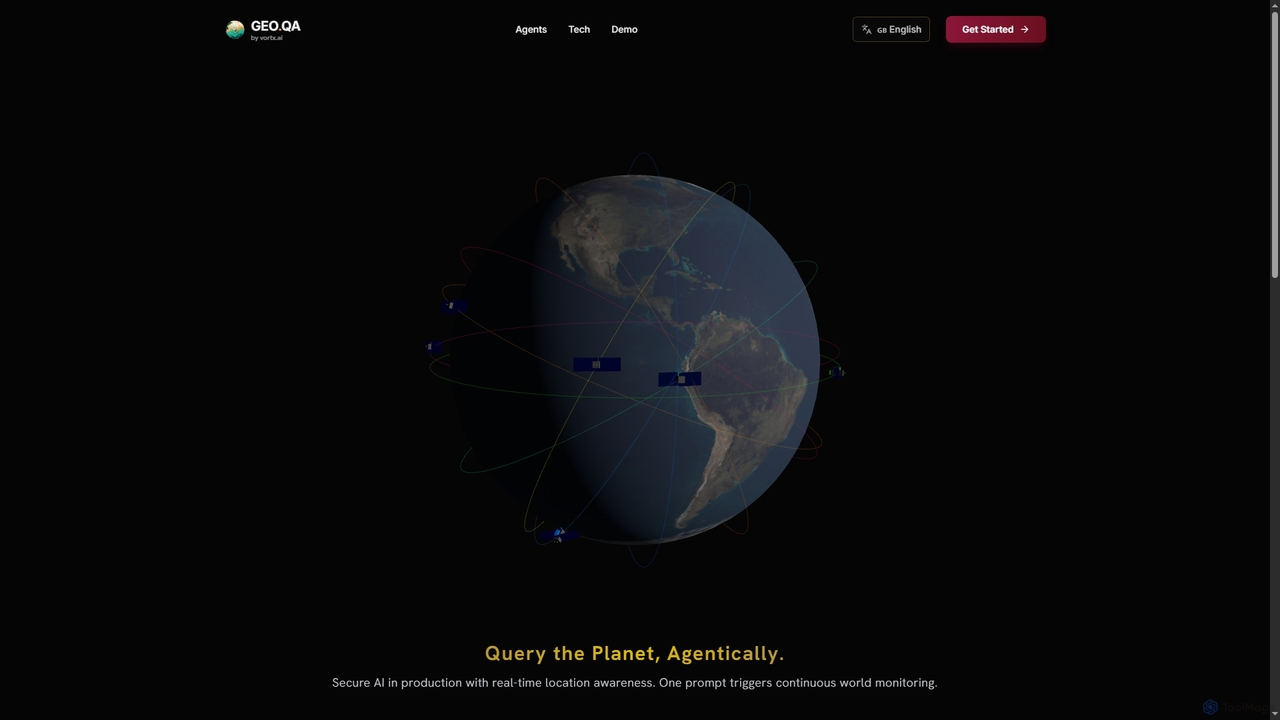
Geo
Geo provides real-time geospatial intelligence to AI agents, enabling continuous global monitoring and location-aware decision-making through natural language prompts. It simplifies complex satellite data for enterprise AI applications.
Agent Tools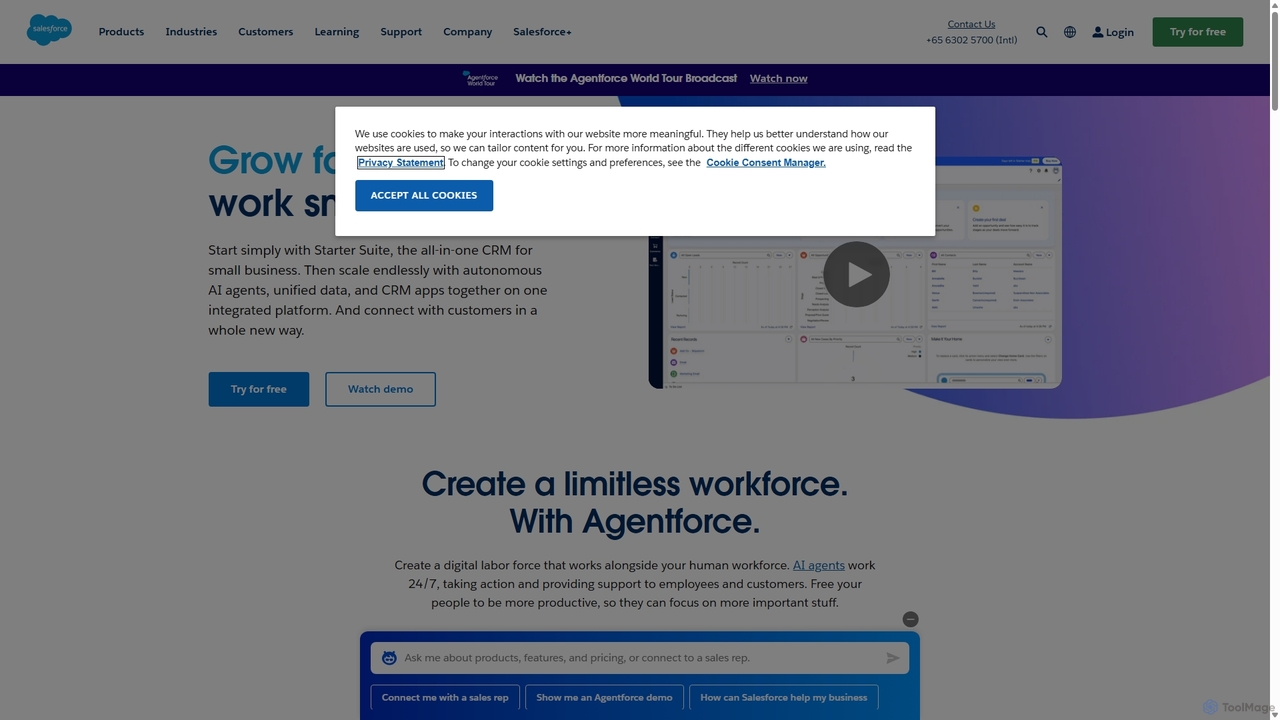
Salesforce
Salesforce is the world's #1 AI-powered Customer Relationship Management (CRM) platform. It helps businesses of all sizes connect with their customers in a whole new way by unifying sales, service, marketing, commerce, and IT on a single, shared platform called Customer 360. With integrated AI like Einstein and Agentforce, it provides intelligent insights and automation to drive efficiency and growth.
Sales Automation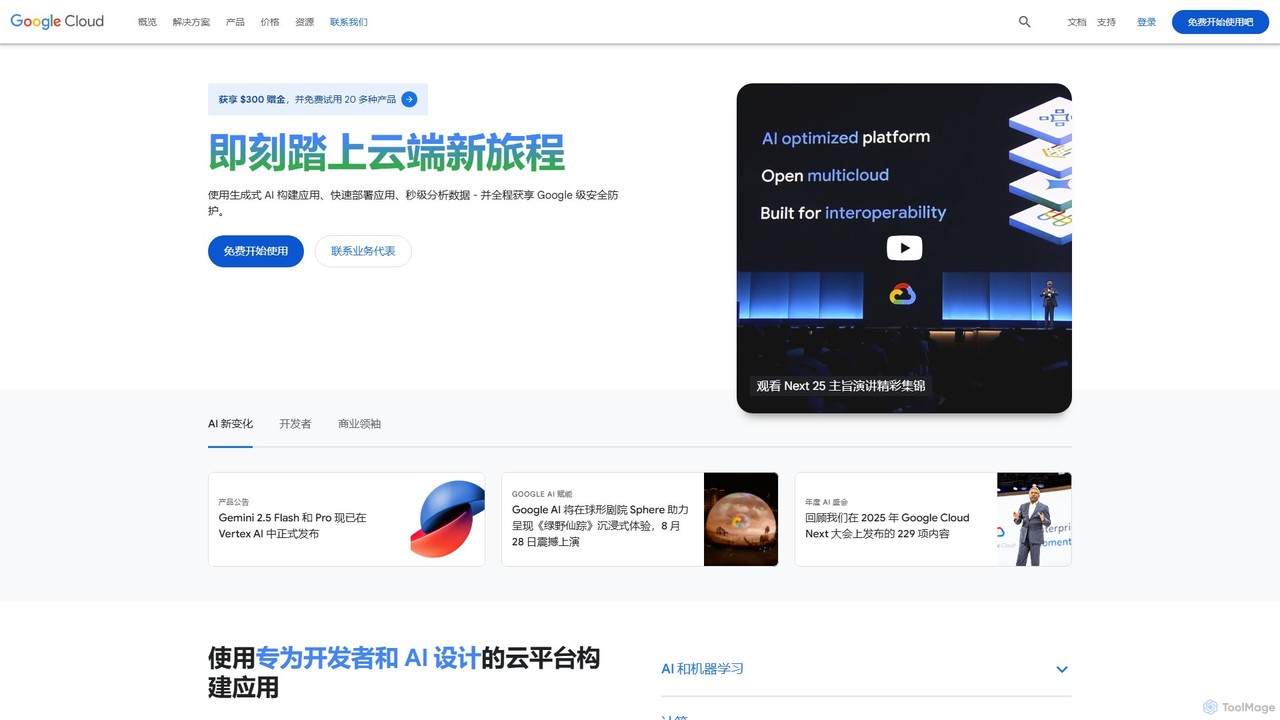
Google Cloud
Google Cloud is a comprehensive suite of cloud computing services that provides infrastructure, platform, and serverless environments. It excels in AI/ML with Vertex AI and Gemini, data analytics with BigQuery, and offers scalable, secure infrastructure for businesses of all sizes, from startups to global enterprises.
Machine Learning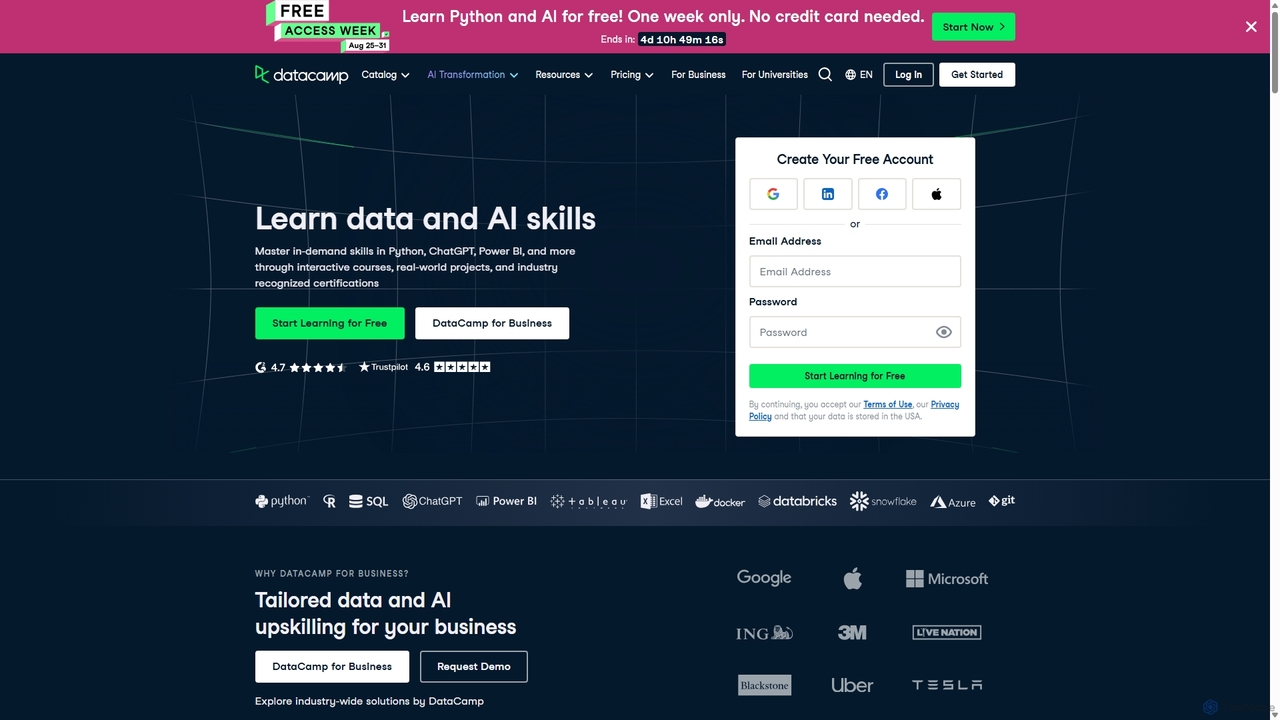
DataCamp
DataCamp is an interactive online learning platform for data science and AI. It offers hands-on courses in Python, R, SQL, Power BI, and more. Through a 'learn-by-doing' approach with in-browser coding, real-world projects, and career tracks, it empowers individuals and businesses to build job-ready data skills, from beginner to expert level.
Data Science
TripleTen
TripleTen offers online, part-time coding bootcamps designed to equip individuals with in-demand tech skills for career transformation. Specializing in fields like Software Engineering, AI & Machine Learning, QA Engineering, BI Analytics, Cyber Security, and UX/UI Design, TripleTen provides structured curricula aimed at preparing students for successful roles in the technology industry.
Tech Training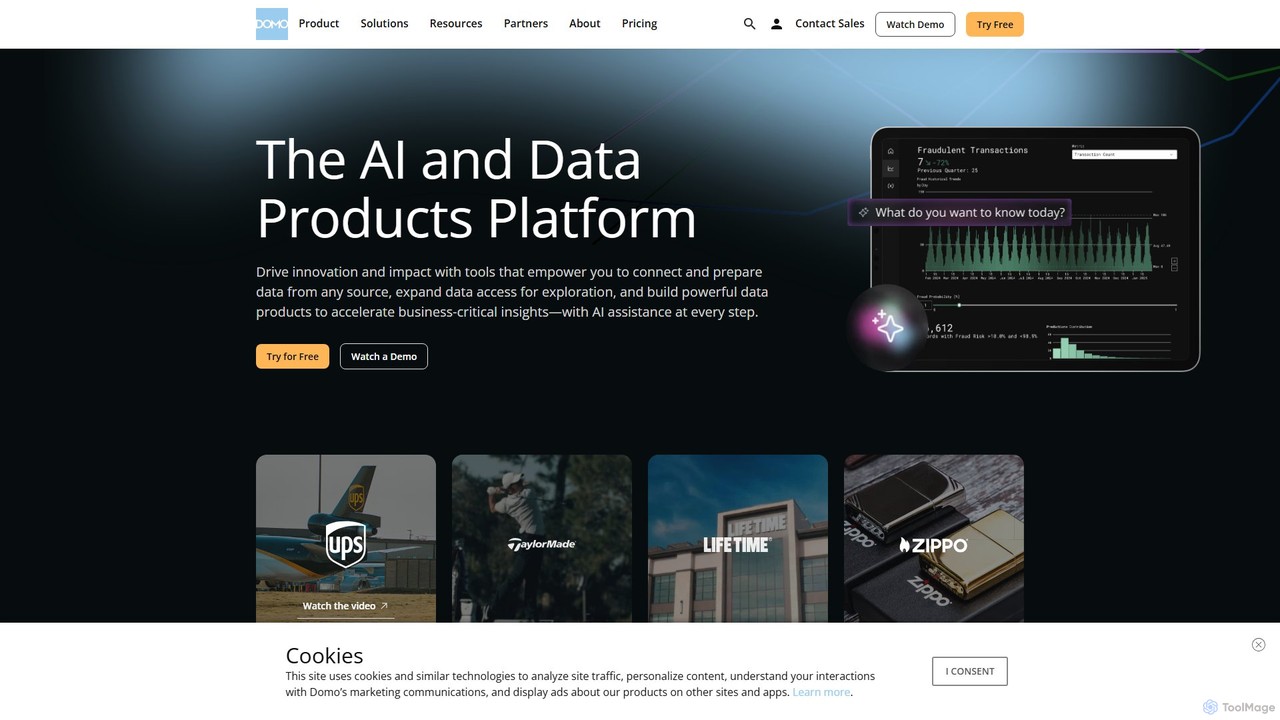
Domo
Domo is an AI-powered cloud platform that integrates all your business data, providing real-time analytics, interactive dashboards, and automated workflows. It empowers users to build data products, create AI agents, and make faster, data-driven decisions across the entire organization.
Business Intelligence
eos Comments (0)
Sign in to comment.
Sign inNo comments yet.