ToolMage
Sign in

Best 85 Science AI tools

Popular Science AI tools include Google DeepMind, astra_ai, MathGPT, Wolfram|Alpha, Brilliant, BioRender, Benchling, eos, MathGPTPro, and Thetawise, helping you work more efficiently.

Lavo
Paid

Lavo

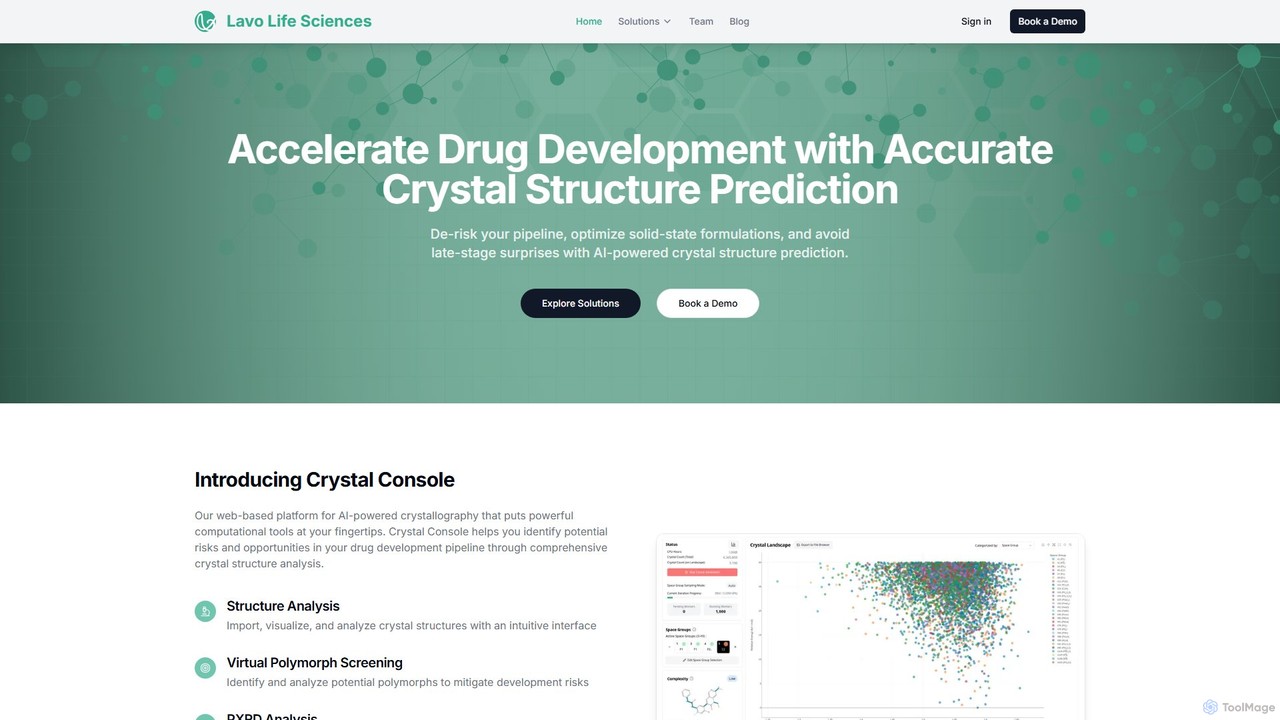
Lavo is an AI-powered platform for the life sciences industry, specializing in accelerating drug development through accurate crystal structure prediction. It helps pharmaceutical companies de-risk their pipelines, optimize solid-state formulations, and avoid late-stage surprises by identifying and analyzing potential polymorphs with unprecedented speed and accuracy.

Scientific Simulation
Visits 5.6KFavorites 137Likes 154
Mileto
Freemium

Mileto

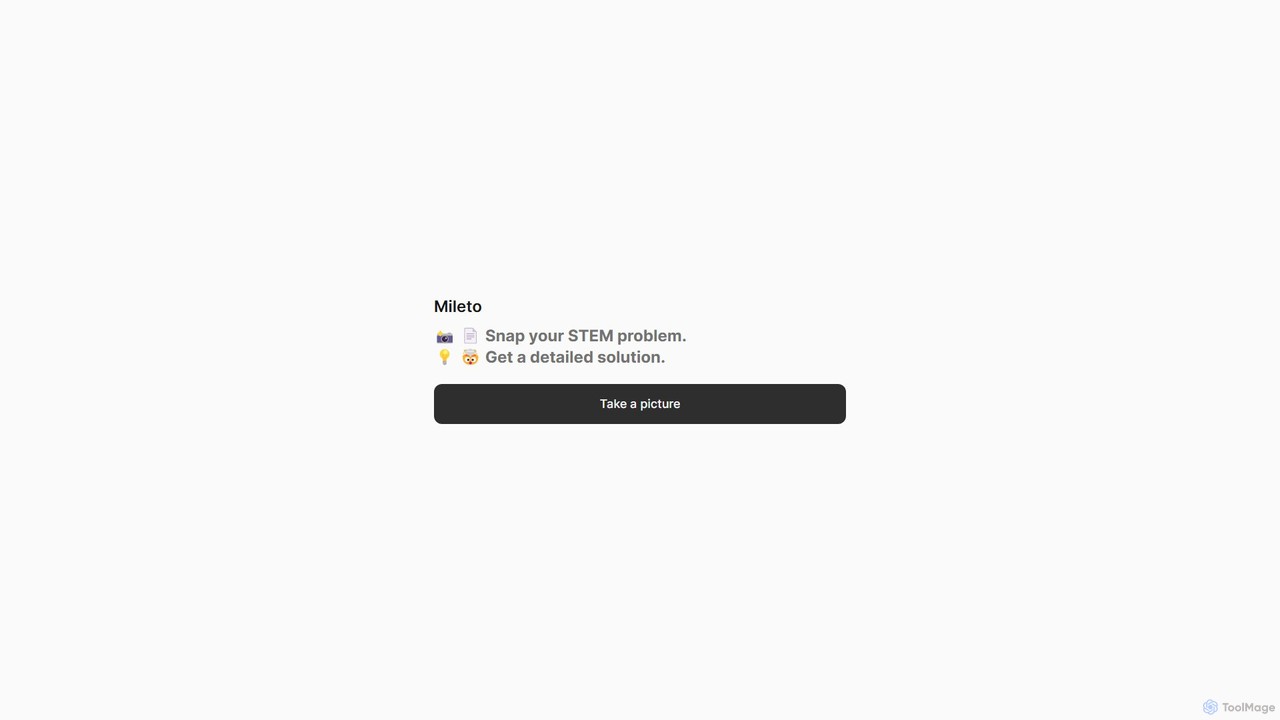
Mileto is an AI-powered educational tool that solves STEM problems from a photo. Simply snap a picture of your math, physics, or chemistry question, and Mileto provides a detailed, step-by-step solution, helping you understand the underlying concepts.

Homework Helper
Visits 5.6KFavorites 111Likes 116
LearnFast
Freemium

LearnFast

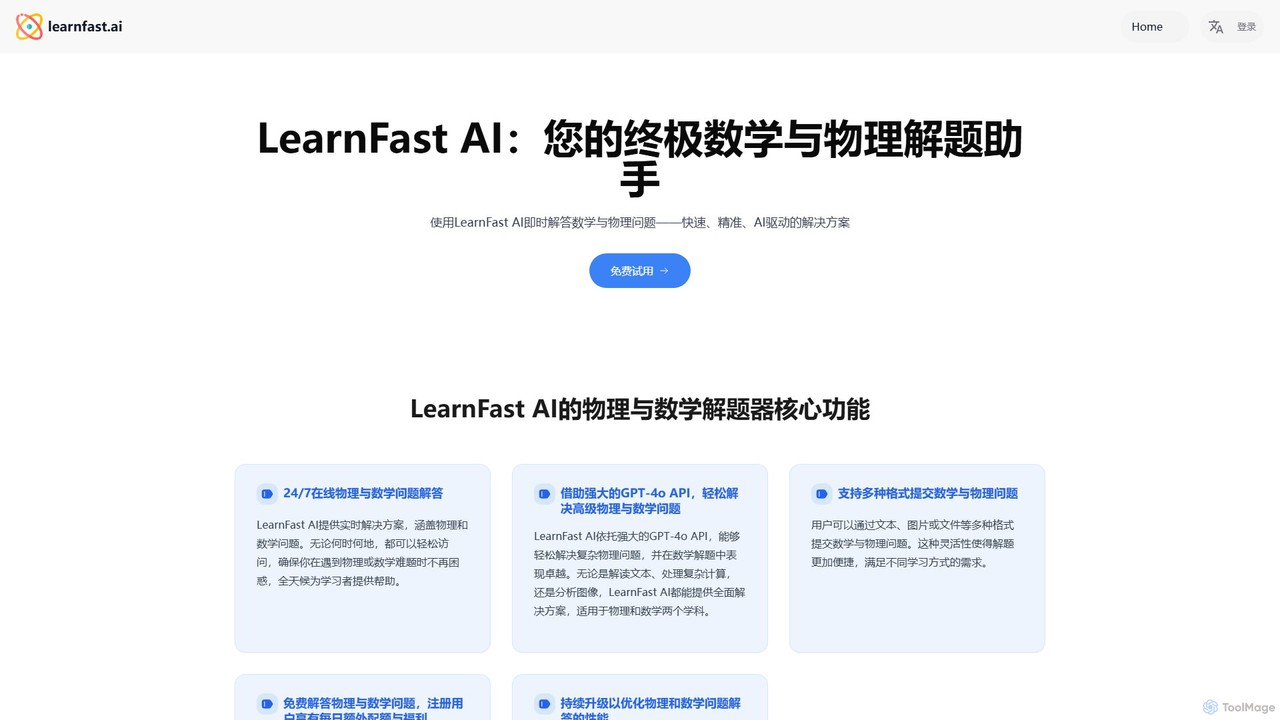
LearnFast is an AI-powered problem solver for mathematics and physics. Powered by GPT-4o, it provides instant, accurate, and step-by-step solutions to a wide range of problems. Users can submit questions via text, images, or files, making it an ideal learning companion for students, educators, and lifelong learners.

Homework Helper
Visits 112.8KFavorites 124Likes 118
Synthical
Freemium

Synthical

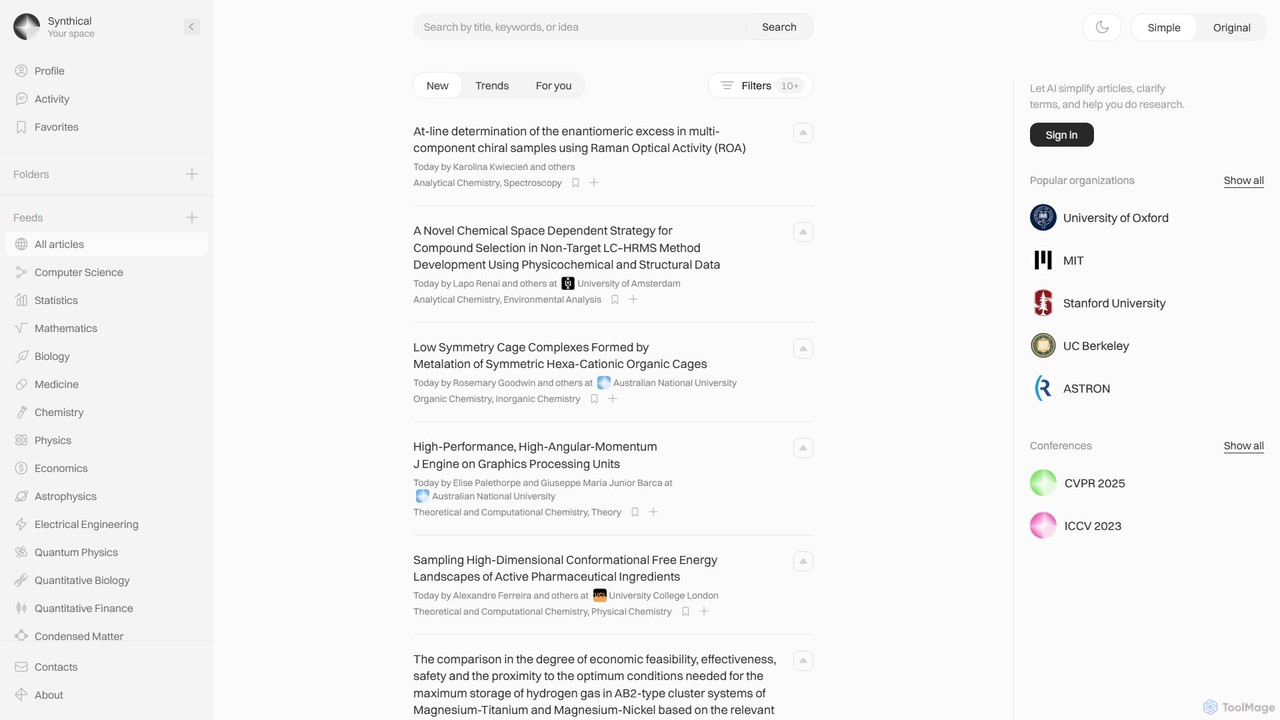
Synthical is an AI-powered research environment designed for academics, students, and scientists. It aggregates scientific papers from diverse fields like Computer Science, Biology, and Physics, using AI to simplify complex articles, define terms, and accelerate the research process. Organize your work with personalized feeds, folders, and favorites.

Research
Visits 9.4KFavorites 100Likes 114
PMcardio
Freemium

PMcardio

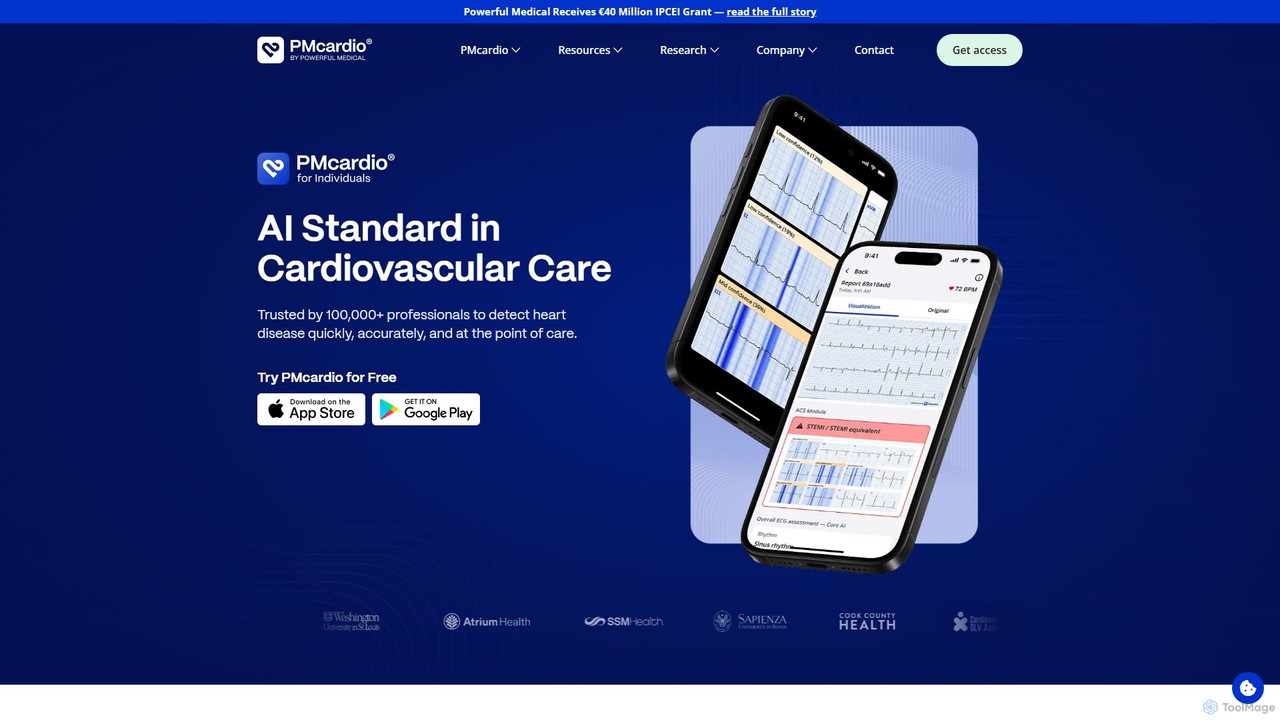
PMcardio is a CE-certified, AI-powered medical device that provides instant, accurate interpretation of any 12-lead ECG. Trusted by over 100,000 clinicians, it helps medical professionals detect over 40 cardiovascular conditions, including life-threatening heart attacks like OMIs, in seconds. By simply taking a photo of an ECG, users get a reliable diagnosis, explainable results, and a powerful second opinion, improving patient outcomes and streamlining clinical workflows.

Medical Diagnostics
Visits 81.1KFavorites 125Likes 114
astra_ai
Freemium

astra_ai

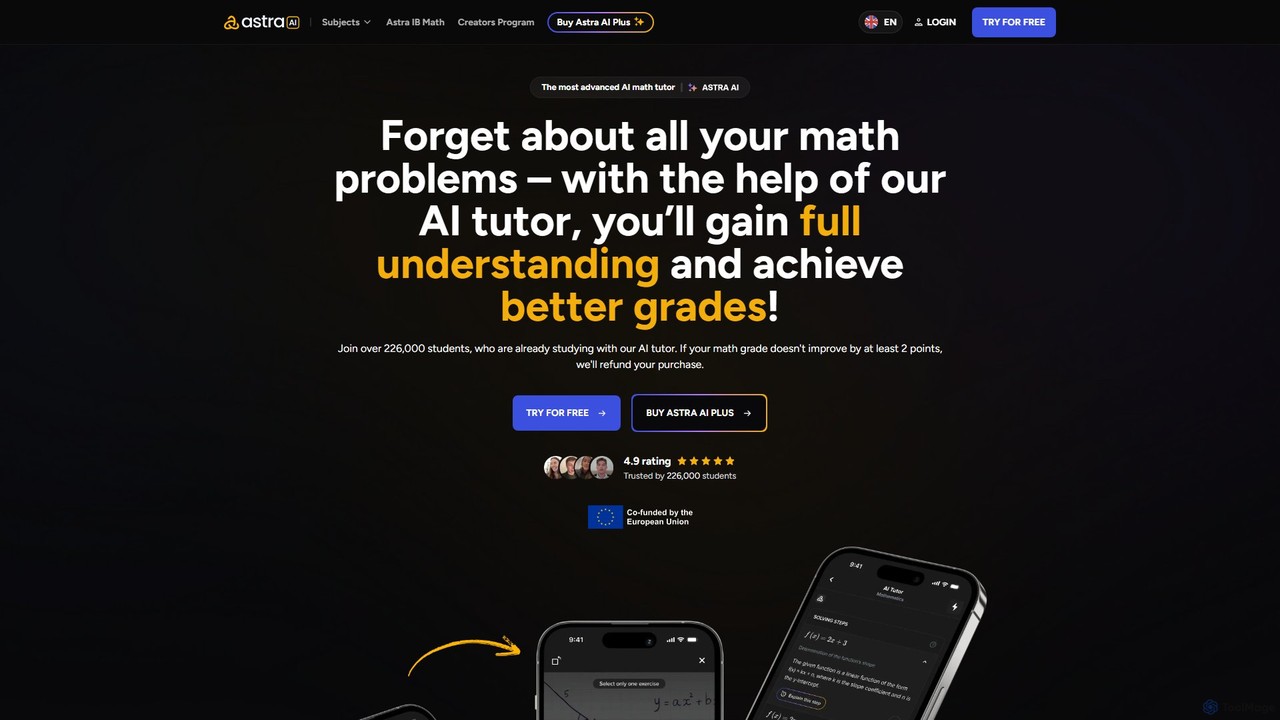
Astra AI is a 24/7 personal AI tutor designed to help students master Math, Chemistry, Physics, and German. By providing step-by-step, interactive explanations, it improves understanding and guarantees better grades. It offers specialized programs like Astra IB Math for targeted exam preparation, making learning accessible, affordable, and effective.

Tutoring
Visits 4.4MFavorites 141Likes 141
mymathsolver
Freemium

mymathsolver

mymathsolver is an advanced AI-powered math and physics solver. Driven by GPT-4o, it provides instant, detailed step-by-step solutions to a wide range of problems, from algebra to calculus. Users can input problems via text, images, or files. The platform features an interactive AI tutor bot, making it an ideal homework helper and learning companion for students and educators seeking to understand complex concepts, not just find answers.

Homework Helper
Visits 7.5KFavorites 115Likes 125
getstellr
Freemium

getstellr

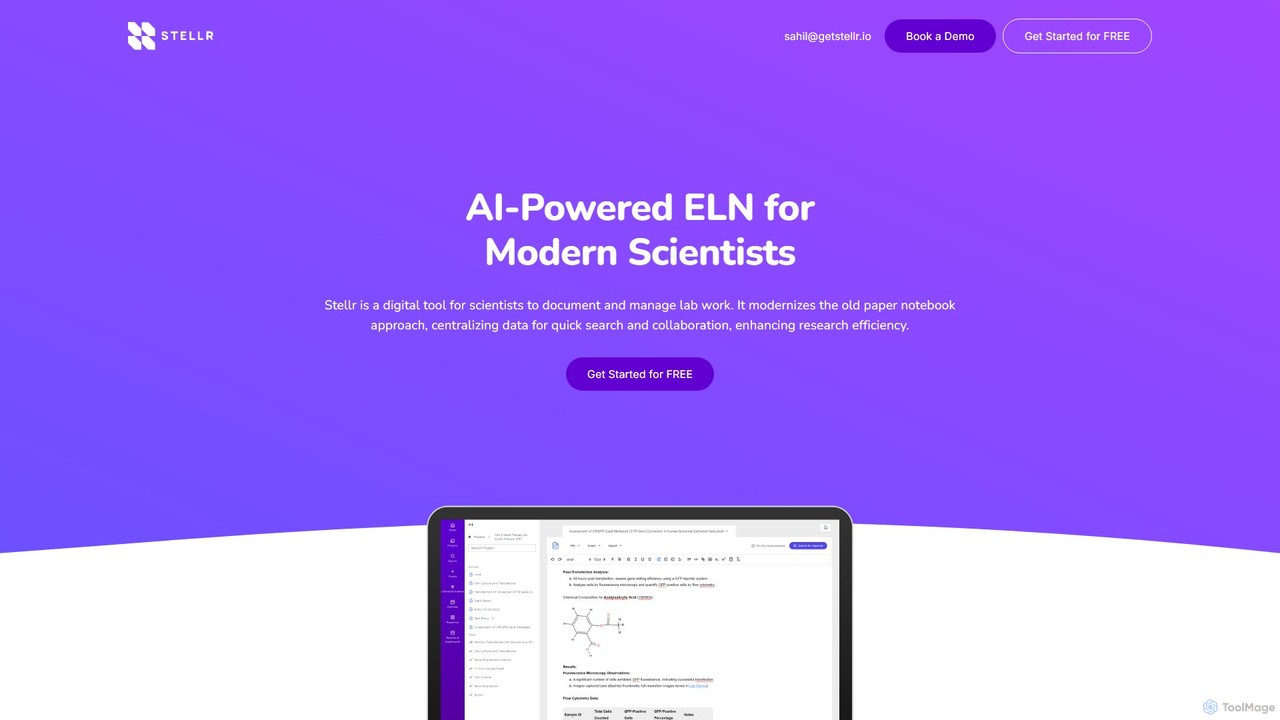
getstellr is an AI-powered Electronic Lab Notebook (ELN) designed for modern scientists in the bio-pharma industry. It replaces traditional paper notebooks, offering a centralized, searchable, and collaborative platform to document experiments, manage data, and accelerate research and development.

Note Taking
Visits 5.6KFavorites 123Likes 137
Navier AI
Paid

Navier AI

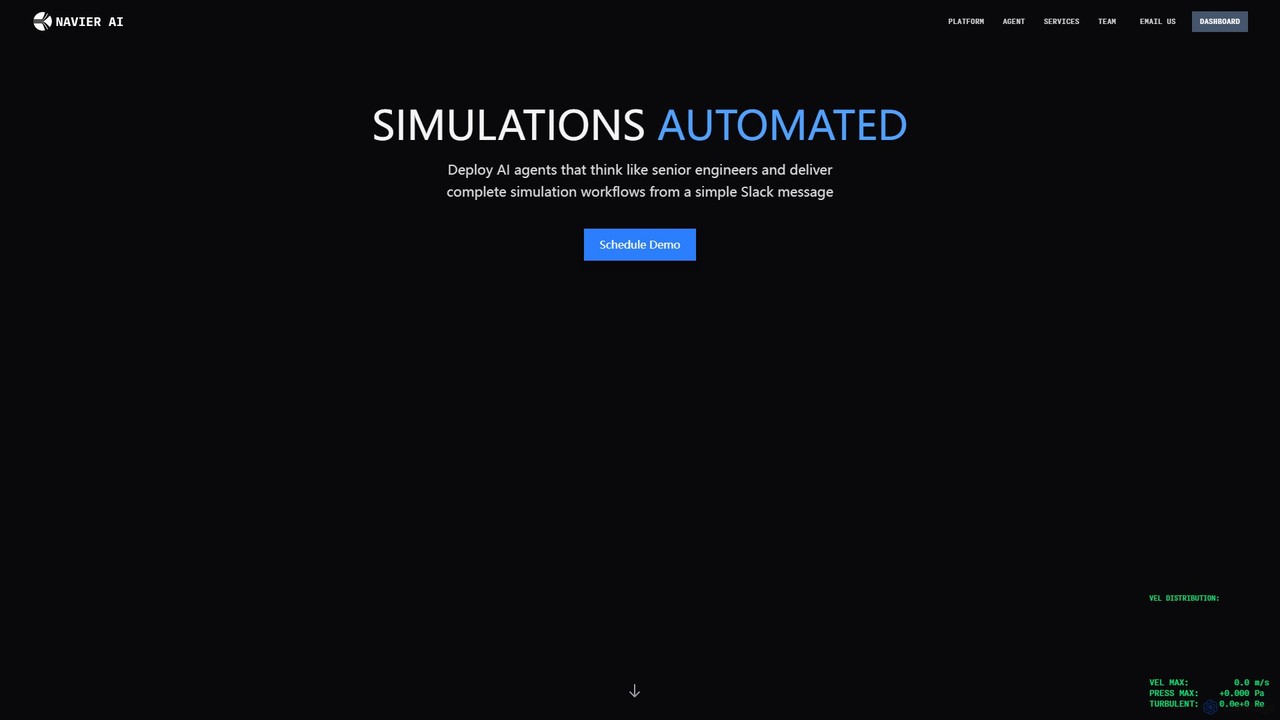
Navier AI deploys an autonomous AI agent that functions like a senior engineer, automating complete Computational Fluid Dynamics (CFD) simulation workflows from a simple Slack message. It integrates simulation, AI, and collaboration to accelerate design, analysis, and iteration cycles, offering a 95% reduction in time.

Api
Visits 9.9KFavorites 133Likes 132
JADBio
Freemium

JADBio

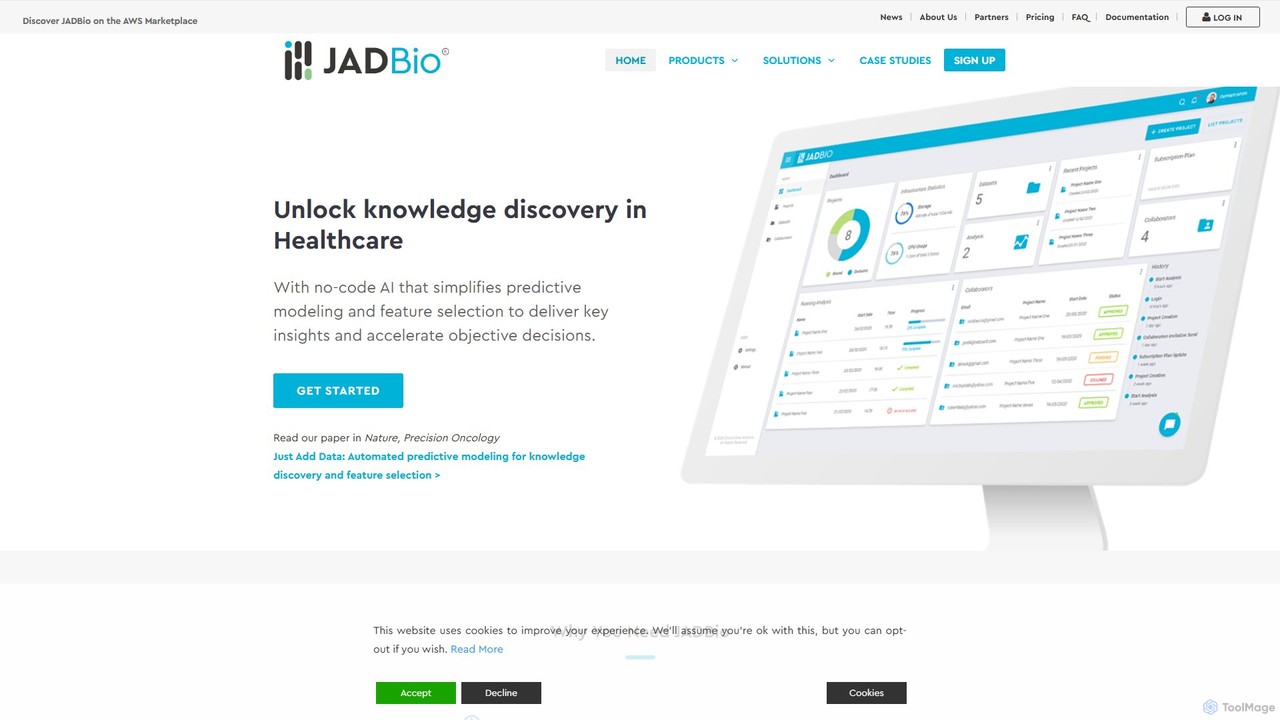
JADBio is a no-code Automated Machine Learning (AutoML) platform designed for life sciences and biotechnology. It specializes in analyzing complex, high-dimensional biological data (omics) to accelerate biomarker discovery, identify predictive biosignatures, and build accurate predictive models for precision medicine and translational research.

Machine Learning
Visits 8.1KFavorites 103Likes 122
Ligo Biosciences

Ligo Biosciences

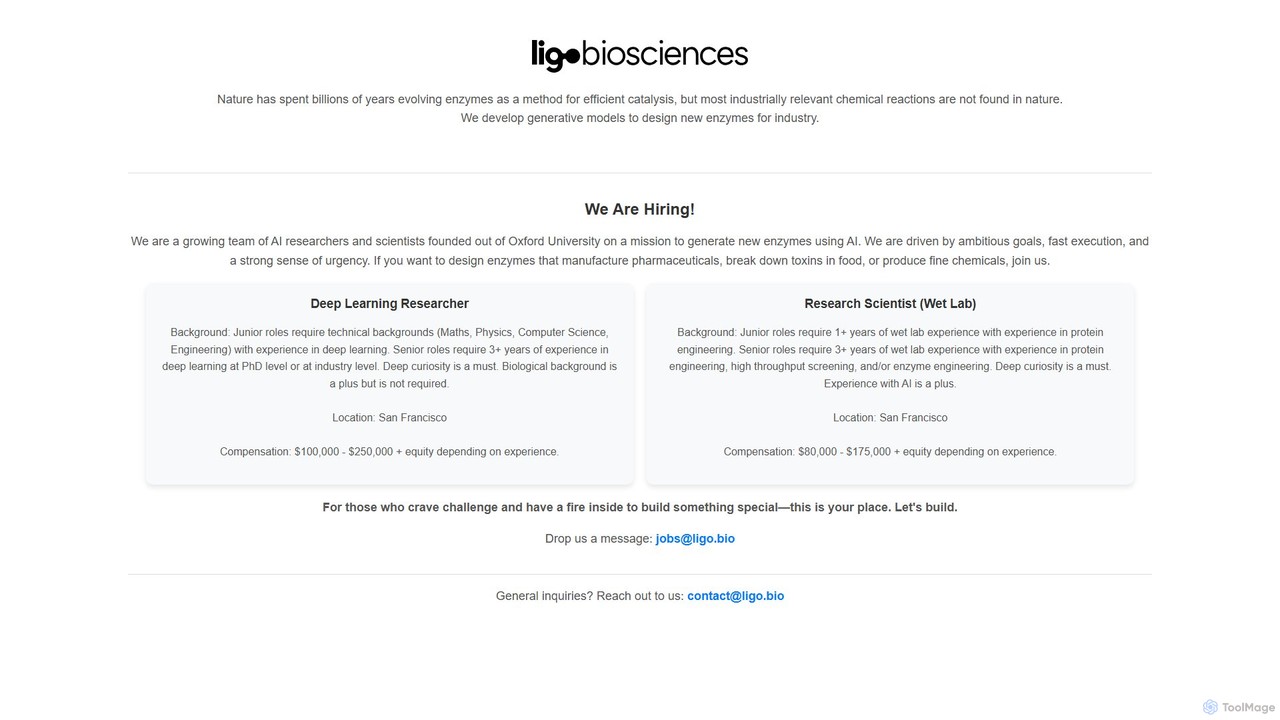
Ligo Biosciences is a research-driven company that leverages generative AI models to design novel enzymes for industrial applications. Originating from Oxford University, they create custom biocatalysts for pharmaceuticals, fine chemical production, and food safety, accelerating innovation beyond the limits of naturally occurring enzymes.

Generative Models
Visits 5.7KFavorites 148Likes 135
Culture Biosciences
Paid

Culture Biosciences

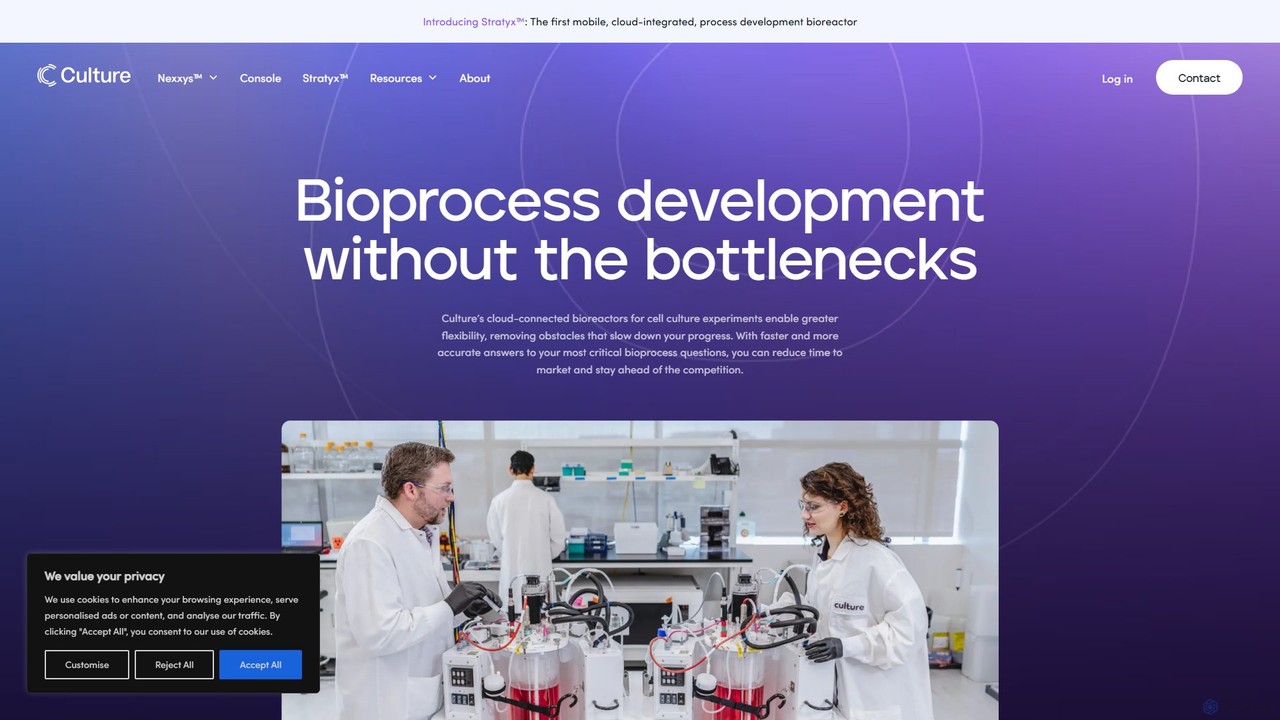
Culture Biosciences offers a cloud-based biomanufacturing platform that leverages AI and automation to accelerate bioprocess development. It provides remote access to a fleet of advanced bioreactors, enabling scientists to design, run, monitor, and analyze experiments from anywhere, significantly reducing R&D timelines and speeding up time-to-market for new bioproducts.

Data Analysis
Visits 15.4KFavorites 119Likes 140
ascenscia
Paid

ascenscia

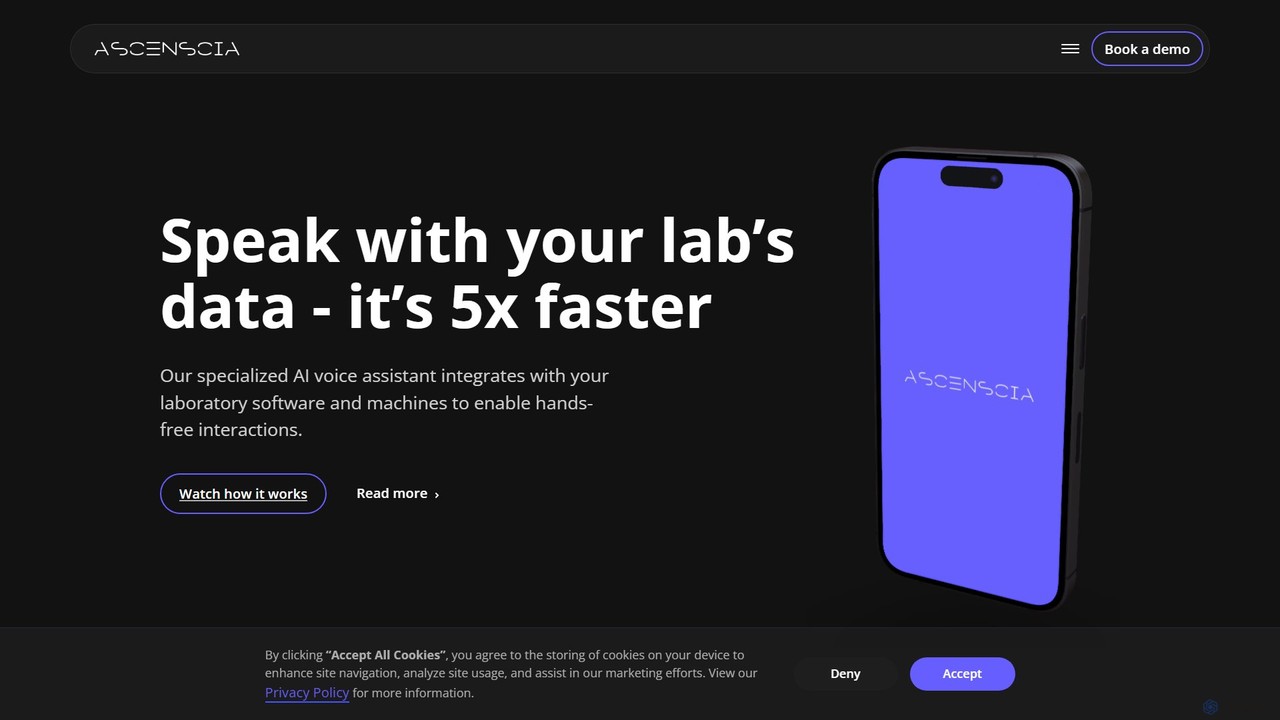
Ascenscia is a specialized AI voice assistant designed for scientific laboratories. It enables hands-free interaction with lab data, automates data capture, and integrates with existing ELN and LIMS systems. This tool helps optimize workflows, reduce errors, and accelerate R&D cycles with 97% accuracy in understanding complex scientific terminology.

Data Entry
Visits 5.6KFavorites 111Likes 123
Ohm
Paid

Ohm

Ohm is a specialized AI agent designed for battery R&D and engineering teams. It provides instant, trusted answers to complex technical questions by synthesizing information from internal data, scientific literature, and patents. Ohm helps accelerate innovation, improve decision-making, and uncover insights missed by traditional tools.

Electrical Engineering
Visits 20.9KFavorites 106Likes 116
Mind-Video
Free

Mind-Video

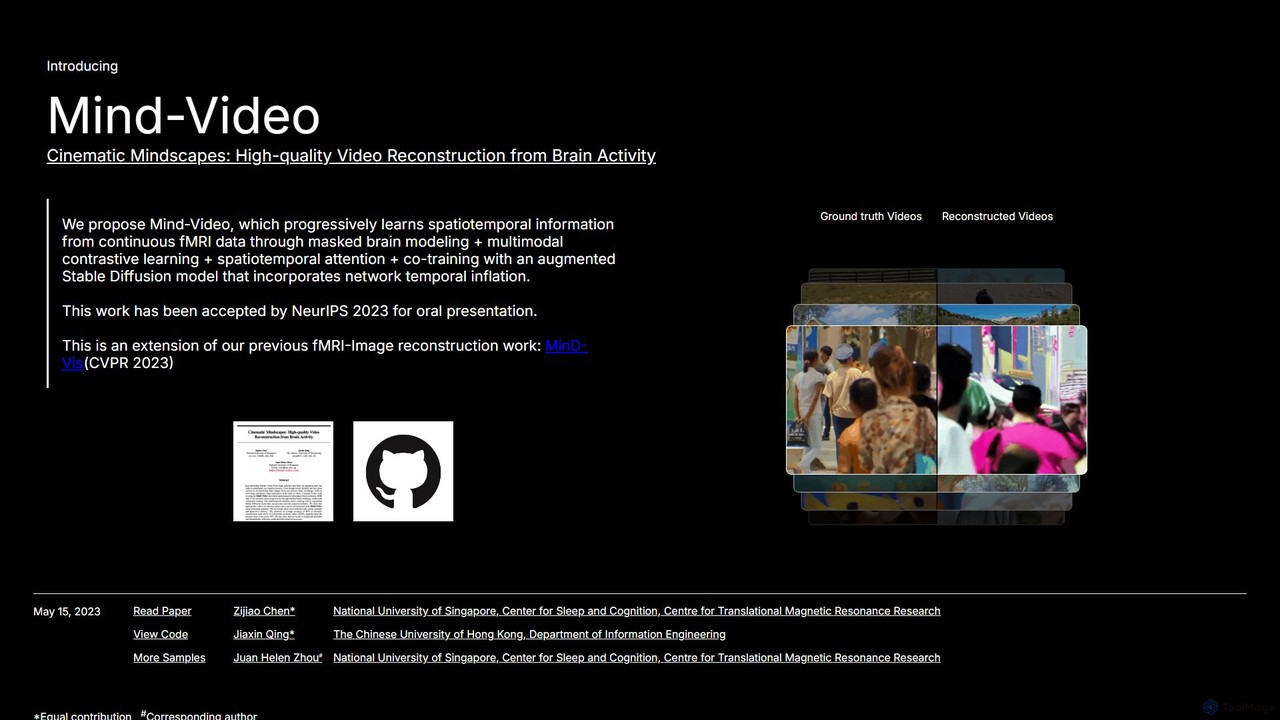
Mind-Video is a pioneering AI research project that reconstructs high-quality, dynamic videos directly from human brain activity recorded via fMRI. By leveraging a sophisticated two-module pipeline including an augmented Stable Diffusion model, it decodes visual experiences with remarkable semantic accuracy. This open-source tool represents a major leap in neuroscience and brain-computer interface technology.

Academic
Visits 9.1KFavorites 138Likes 136
Siml.ai
Freemium

Siml.ai

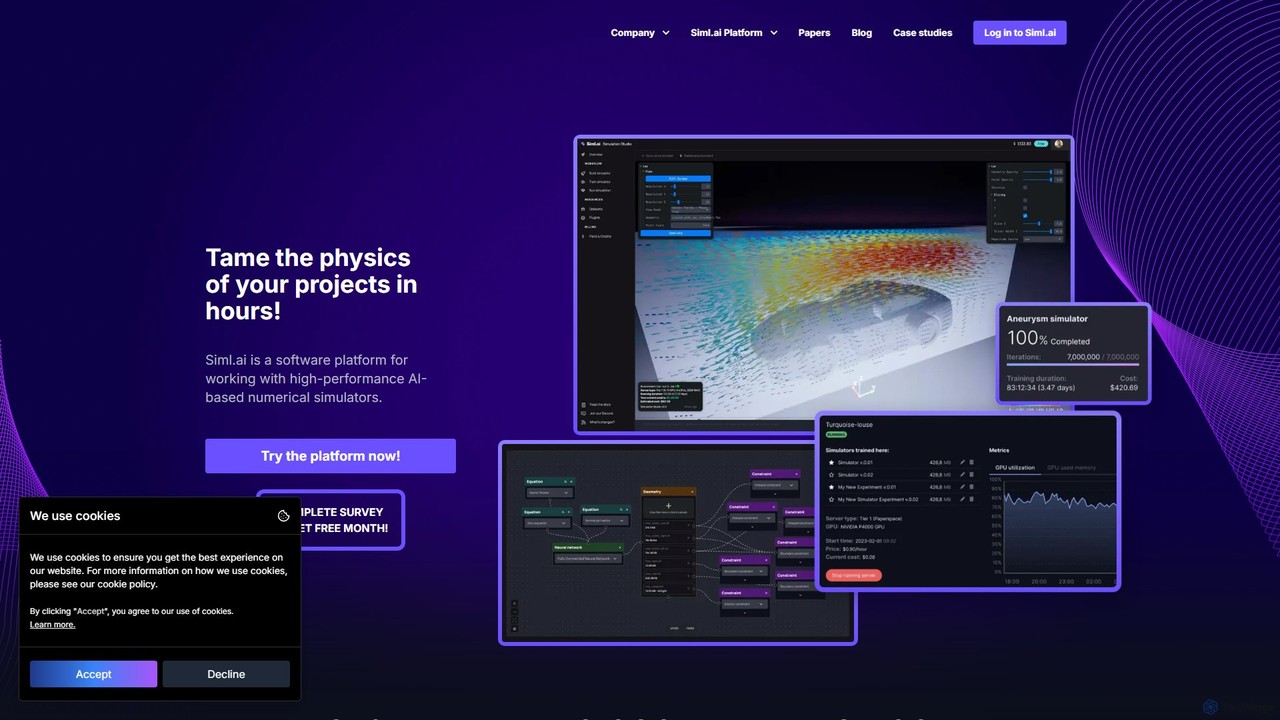
Siml.ai is an AI-powered software platform designed for high-performance physics simulations. It enables engineers and researchers to train AI models that accelerate simulations by up to 100,000x, transforming weeks of computation into hours. The web-based platform allows for the creation of interactive, real-time digital twins with high-fidelity visualization, democratizing access to advanced scientific simulation tools.

Modeling
Visits 7.5KFavorites 136Likes 134
Atmo
Paid

Atmo

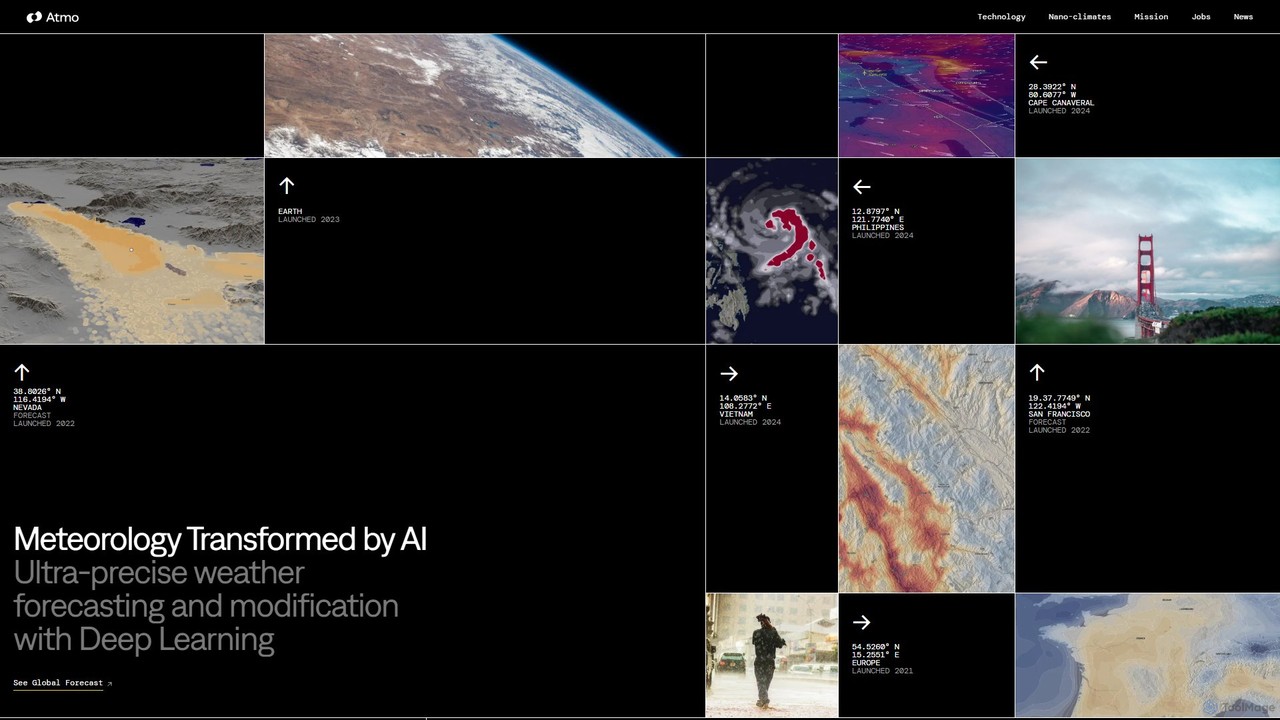
Atmo is an ultra-precise AI weather forecasting platform powered by deep learning. It delivers forecasts up to 40,000 times faster and 50% more accurately than traditional models, with resolutions as fine as 1km. Trusted by governments, militaries, and industries, Atmo provides critical insights for disaster management, mission planning, and climate change adaptation.

Risk Management
Visits 16.9KFavorites 153Likes 158
Tamarind Bio
Freemium

Tamarind Bio

Tamarind Bio is an advanced computational platform that democratizes protein engineering. It provides scientists with a user-friendly interface and a powerful API to access state-of-the-art AI and physics-based tools like AlphaFold and RFdiffusion. The platform streamlines protein design, antibody engineering, and enzyme optimization, handling all high-performance computing and orchestration. This allows researchers to design novel molecules and improve biological variants at a massive scale, accelerating discovery in life sciences without requiring specialized computational expertise.

Api
Visits 68.7KFavorites 124Likes 131
aimath
Freemium

aimath

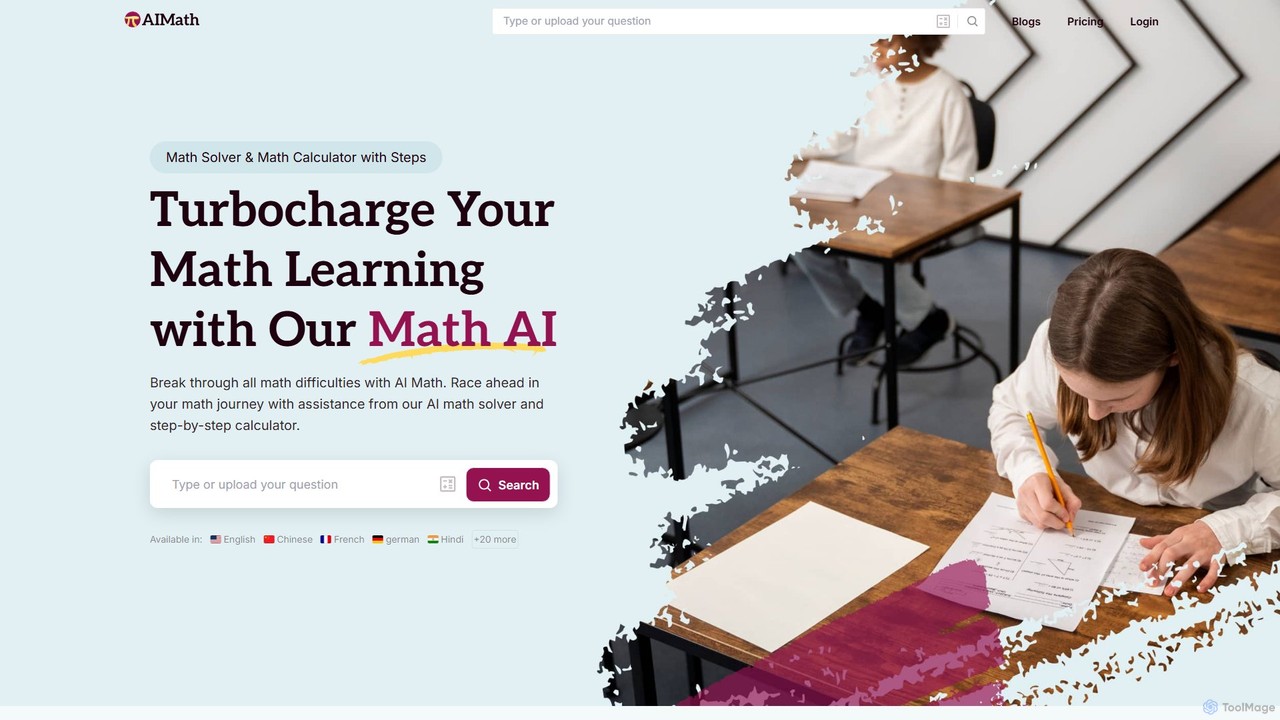
aimath is an AI-powered math solver that provides instant, step-by-step solutions to a wide range of math problems. From basic arithmetic to advanced calculus, it helps users understand concepts through detailed explanations. It features a photo math solver for solving problems from images, making it a versatile tool for students and educators.

Homework Helper
Visits 10.4KFavorites 118Likes 105
Variational AI
Paid

Variational AI

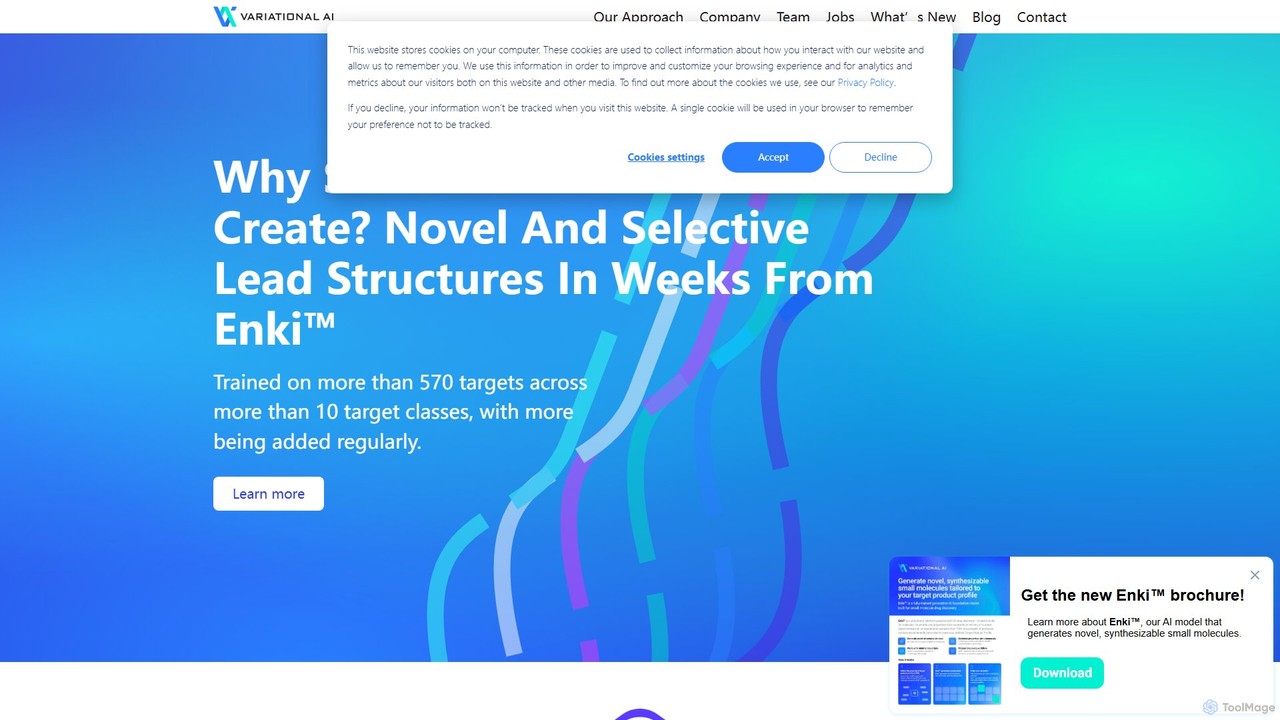
Variational AI leverages a generative AI foundation model, Enki™, to discover novel, drug-like small molecules. It accelerates drug discovery by generating selective lead structures in weeks, enabling biopharmaceutical partners to bypass traditional high-throughput screening and redefine the economics of therapeutic development.

Generative Models
Visits 10.8KFavorites 122Likes 136
Praxy Labs
Paid

Praxy Labs

Praxy Labs offers immersive 3D virtual laboratories and AI-powered simulations for STEM education. It enables students to conduct realistic experiments in physics, chemistry, and biology in a safe, accessible, and interactive online environment, enhancing learning outcomes and engagement.

Virtual Labs
Visits 5.6KFavorites 136Likes 122
Agent Crop
Free

Agent Crop

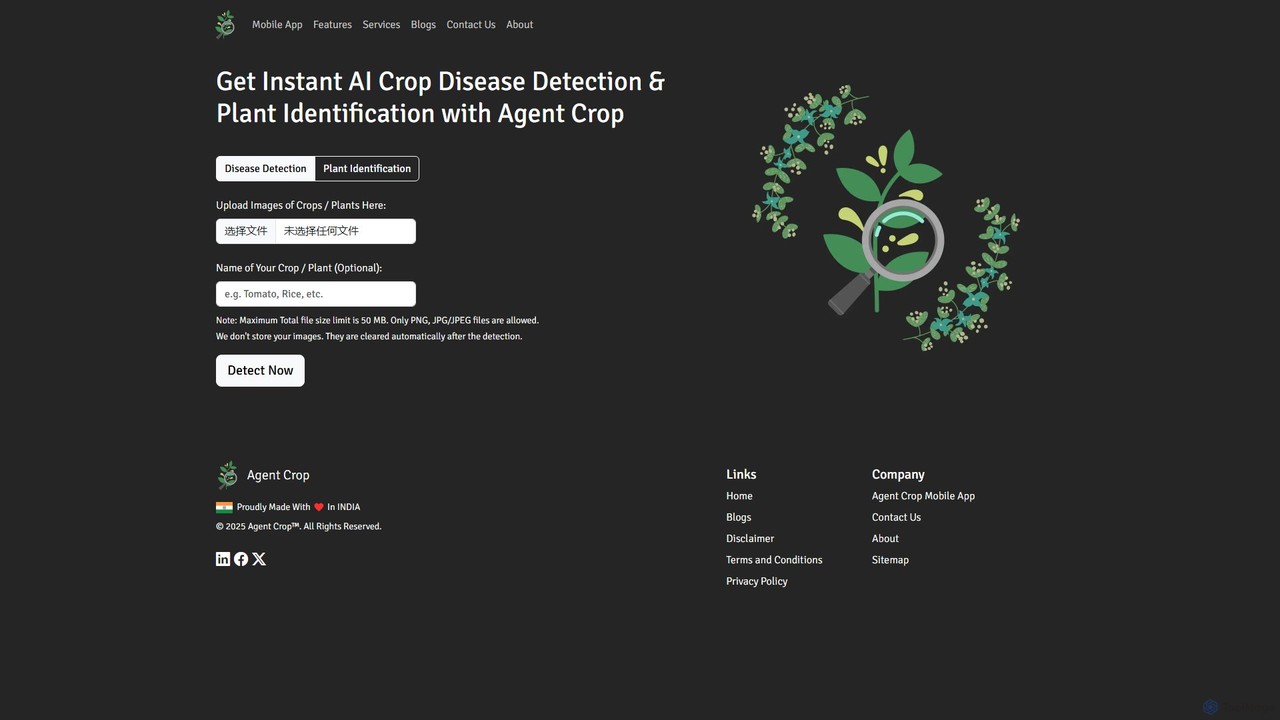
Agent Crop is a free AI-powered tool for instant crop disease detection and plant identification. Simply upload an image of a plant or crop to receive a quick and accurate diagnosis, along with recommended treatments. Designed for farmers, gardeners, and agricultural professionals, it supports multiple languages and helps improve crop health and yield.

Learning
Visits 5.7KFavorites 133Likes 120
LabNote
Freemium

LabNote

LabNote is an AI-powered research platform designed to innovate and streamline the entire research workflow. It combines an electronic lab notebook (ELN), collaborative data management, and specialized tools like an AI research assistant (Labnote Scholar) and automated non-clinical documentation (Labnote Preclindoc), empowering researchers to focus on discovery.

Data Management
Visits 9.1KFavorites 147Likes 131
Benchling
Freemium

Benchling

Benchling is a cloud-based R&D platform for life sciences, using AI to accelerate scientific discovery. It unifies Electronic Lab Notebook (ELN), LIMS, and molecular biology tools to centralize data, streamline workflows, and enable collaboration for biotech and pharmaceutical research.

Analytics
Visits 1.5MFavorites 135Likes 135

About Science

Science AI tools are AI-powered platforms and applications designed to accelerate discovery, enhance analysis, and automate processes across various scientific disciplines. These tools leverage advanced machine learning, deep learning, and computational techniques to process vast datasets, generate hypotheses, and simulate complex phenomena. They empower researchers, academics, and industry professionals to overcome traditional research bottlenecks, leading to faster breakthroughs and more efficient scientific inquiry.

Core Features

  • Advanced Data Analysis: Processes and interprets large, complex scientific datasets, identifying hidden patterns and correlations.
  • Predictive Modeling & Simulation: Creates accurate models to predict outcomes, simulate experiments, and explore theoretical scenarios without physical trials.
  • Automated Hypothesis Generation: Analyzes scientific literature and experimental data to propose novel hypotheses and research directions.
  • Experimental Design Optimization: Recommends optimal parameters and designs for experiments, reducing trial-and-error and resource consumption.
  • Image & Signal Processing: Analyzes scientific images (e.g., microscopy, medical scans, astronomical data) and signals for feature extraction and anomaly detection.

Applicable Scenarios

Science AI tools are indispensable in fields like pharmaceutical research for drug discovery, materials science for novel compound design, and climate modeling for environmental predictions. They assist biologists in genomic data interpretation, chemists in reaction optimization, and physicists in complex simulation analysis, driving innovation across the scientific spectrum.

How to Choose

When selecting Science AI tools, consider their domain specificity (e.g., biology, chemistry), data handling capabilities (volume, type, format), and the interpretability of their models. Evaluate integration with existing lab equipment and software, scalability for future research needs, and the robustness of their validation and reproducibility features to ensure reliable scientific outcomes.

Featured tool rankings

Science use cases

1

Accelerating Drug Discovery & Development

Pharmaceutical researchers utilize Science AI tools to rapidly screen vast libraries of compounds, predict drug-target interactions, and optimize molecular structures. This significantly reduces the time and cost associated with identifying promising drug candidates, moving them faster from concept to clinical trials and ultimately to patients.

2

Designing Novel Materials with Desired Properties

Materials scientists employ AI to predict the properties of hypothetical compounds and design new materials with specific characteristics, such as enhanced strength or conductivity. By simulating molecular interactions and predicting outcomes, AI minimizes the need for extensive physical experimentation, accelerating innovation in fields like aerospace and energy.

3

Enhancing Climate Change Modeling Accuracy

Climatologists leverage Science AI tools to analyze massive environmental datasets, including satellite imagery, sensor readings, and historical weather patterns. AI helps refine complex climate models, improving the accuracy of long-term predictions for temperature changes, sea-level rise, and extreme weather events, which is crucial for policy-making and disaster preparedness.

4

Interpreting Complex Genomic and Proteomic Data

Biologists and geneticists use AI to process and interpret vast amounts of genomic and proteomic data, identifying genetic markers for diseases, understanding gene functions, and discovering new biological pathways. This accelerates personalized medicine, disease diagnosis, and the development of targeted therapies.

5

Optimizing Chemical Reaction Pathways

Chemists apply AI to predict optimal reaction conditions, catalysts, and synthetic routes for complex chemical processes. By analyzing vast databases of chemical reactions and simulating outcomes, AI tools help minimize waste, improve yield, and discover more efficient and sustainable methods for chemical synthesis.

6

Analyzing Astronomical Data for New Discoveries

Astronomers utilize Science AI tools to sift through petabytes of data from telescopes and observatories, identifying subtle patterns, classifying celestial objects, and detecting transient phenomena like supernovae or exoplanets. This automation allows for discoveries that would be impossible with manual analysis, pushing the boundaries of our understanding of the universe.

Science FAQ

What are Science AI tools?

Science AI tools are advanced software and platforms that apply artificial intelligence, particularly machine learning and deep learning, to scientific research and discovery. They are designed to automate data analysis, generate hypotheses, simulate complex systems, and optimize experimental design across various scientific disciplines like biology, chemistry, physics, and materials science. Their core purpose is to accelerate scientific breakthroughs and enhance research efficiency.

How do AI tools accelerate scientific discovery?

AI tools accelerate scientific discovery by automating repetitive tasks, processing and interpreting massive datasets far beyond human capacity, and identifying non-obvious patterns. They can rapidly screen potential drug candidates, predict material properties, and generate novel hypotheses from existing literature, significantly reducing the time and resources traditionally required for research and experimentation.

What are the main benefits of using AI in scientific research?

The main benefits include significantly accelerated research cycles, enhanced accuracy in data analysis and prediction, and the ability to explore complex problems that are intractable with traditional methods. AI helps in discovering new materials, developing personalized medicines, improving climate models, and gaining deeper insights from vast scientific data, ultimately leading to more efficient and impactful scientific advancements.

What challenges are associated with implementing AI in scientific contexts?

Implementing AI in science faces challenges such as the need for high-quality, domain-specific datasets for training, ensuring model interpretability and explainability for scientific validation, and integrating AI tools with existing complex laboratory workflows. Additionally, addressing ethical considerations, data privacy, and the high computational resources required for advanced AI models are ongoing challenges.

How do Science AI tools differ from traditional scientific computing?

While traditional scientific computing relies on explicit programming and predefined algorithms to solve problems, Science AI tools learn from data to identify patterns, make predictions, and adapt to new information without explicit programming for every scenario. AI excels at tasks involving pattern recognition, prediction from incomplete data, and hypothesis generation, offering a more adaptive and discovery-driven approach compared to the rule-based nature of traditional computing.

How to choose the right AI tool for scientific research?

Choosing the right AI tool for scientific research involves several key considerations. First, assess its domain specificity to ensure it aligns with your field (e.g., genomics, materials science). Second, evaluate its data handling capabilities, including the volume, type, and format of data it can process. Third, consider the model's interpretability and explainability, which are crucial for scientific validation. Finally, check its integration with existing laboratory equipment and software, scalability for future needs, and the robustness of its validation and reproducibility features to ensure reliable and trustworthy results.