ToolMage
Sign in

Best 437 Security AI tools

Popular Security AI tools include DuckDuckGo, Brave, Opera, Cloudflare, Securly, Truecaller, Feedly, Kaspersky, AppSanctuary, and Broadcom, helping you work more efficiently.

SocialFinder.ai
Paid

SocialFinder.ai

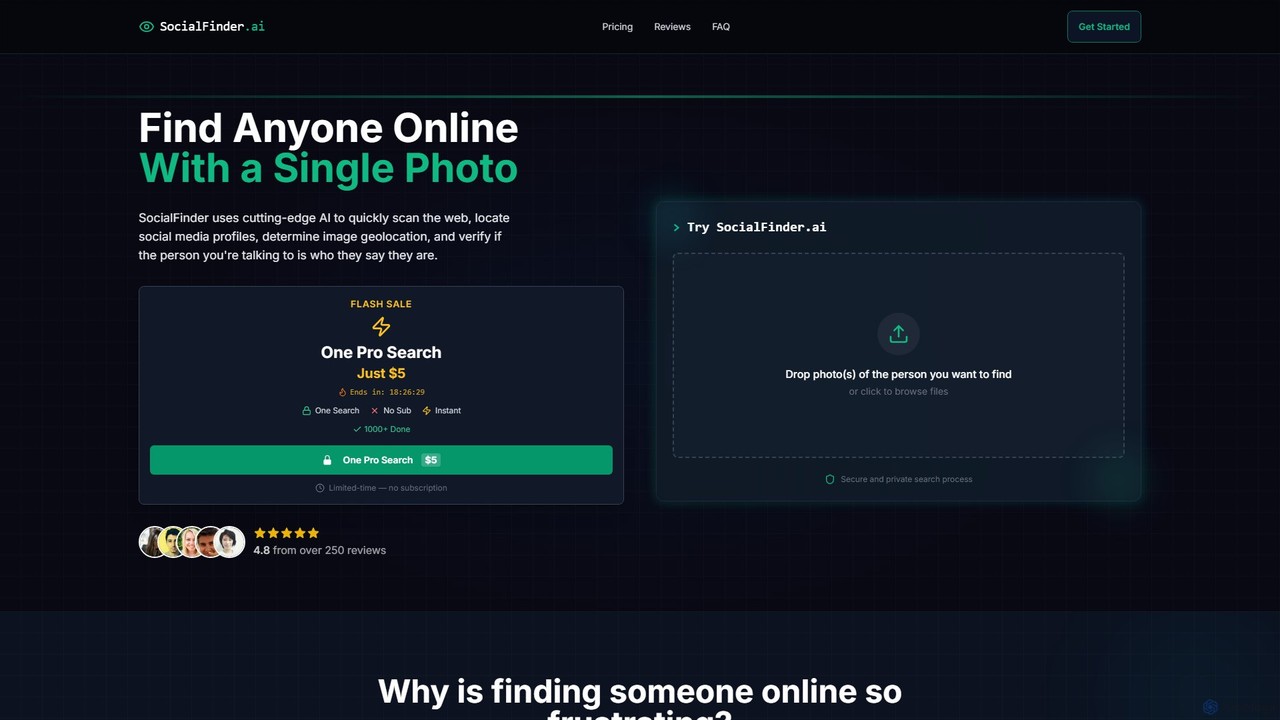
SocialFinder.ai is an AI-powered reverse image search engine that finds anyone online using a single photo. It scans the web for social media profiles, determines image geolocation, and helps verify a person's identity, providing a comprehensive digital footprint in seconds.

Investigation
Visits 74.4KFavorites 136Likes 118
Spamdrain
Freemium

Spamdrain

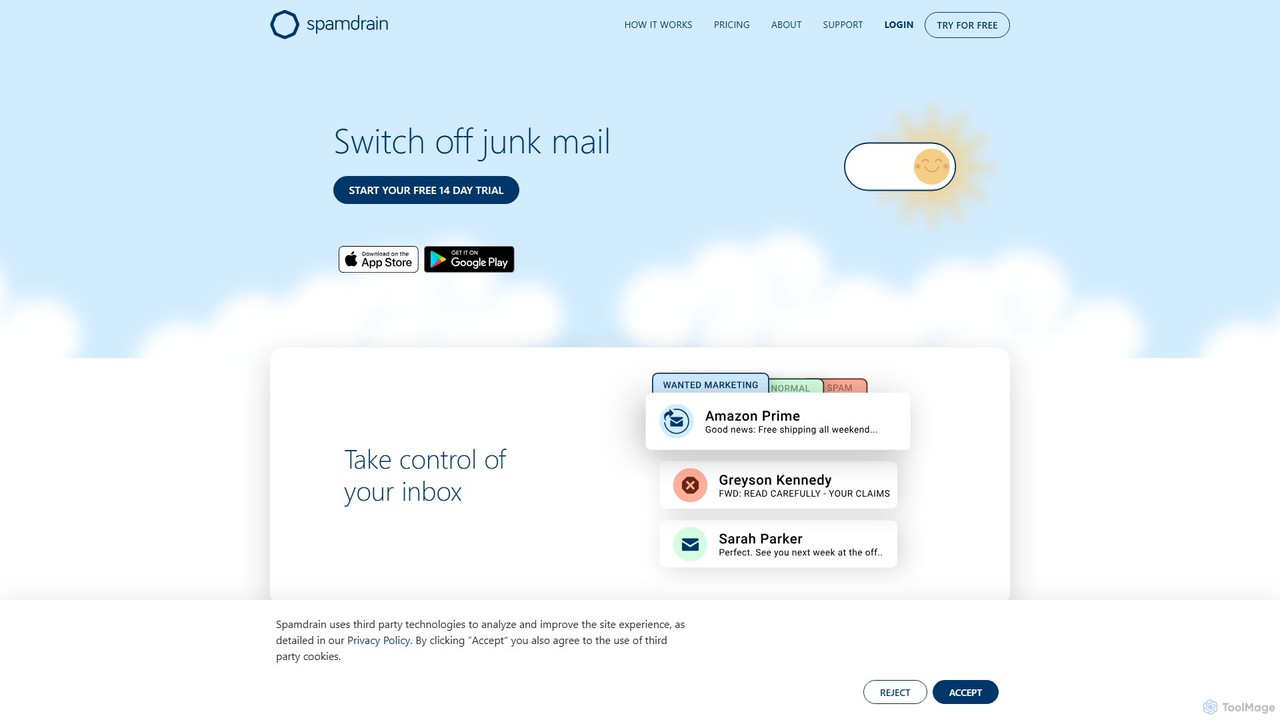
Spamdrain is an AI-powered anti-spam service that cleans your inbox by blocking spam, junk mail, and phishing attempts. With over 16 years of experience, it combines smart technology with user feedback to create a highly effective filter. It works across all email providers and devices, giving you back control over your email and saving you precious time.

Email Management
Visits 155KFavorites 134Likes 127
equixly

equixly

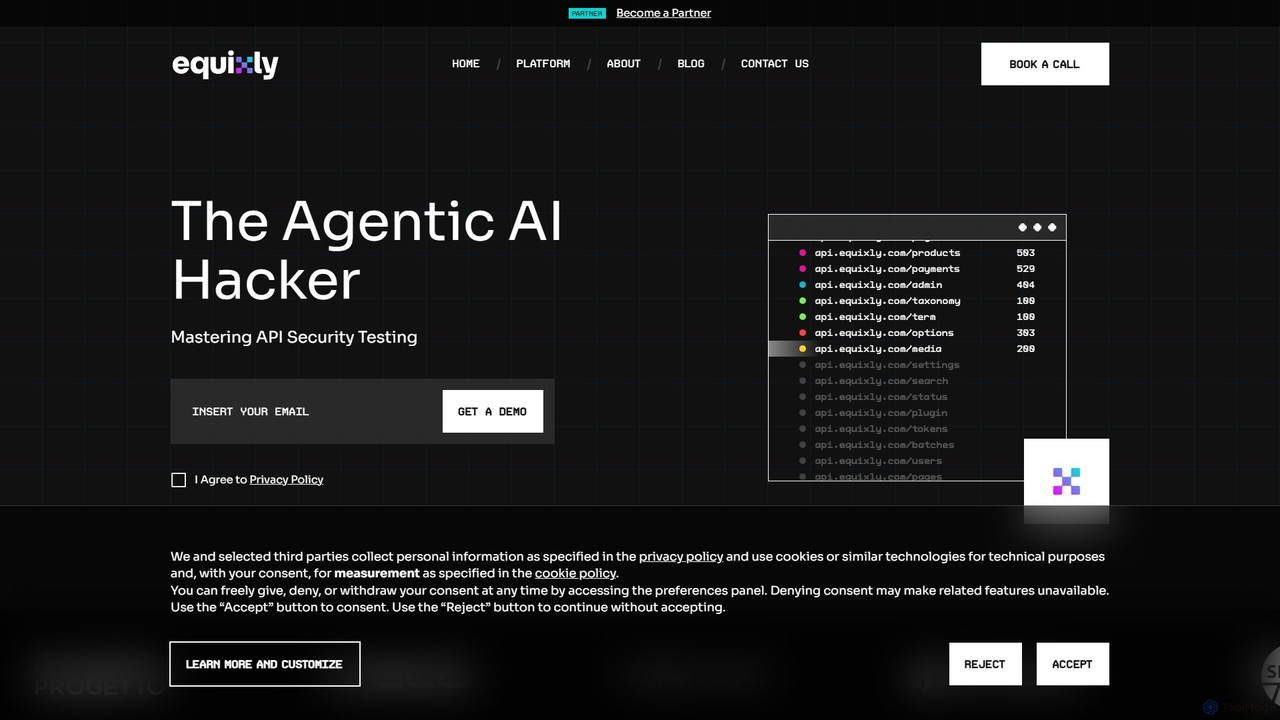
Equixly is an agentic AI hacker platform designed for mastering API security. It automates penetration testing by mapping your entire API attack surface, launching attacks based on OWASP Top 10 risks, and simplifying compliance reporting. It helps developers and security teams to continuously test, identify, and remediate vulnerabilities within the CI/CD pipeline.

Security & Testing
Visits 27.7KFavorites 131Likes 131
Beagle Security
Freemium

Beagle Security

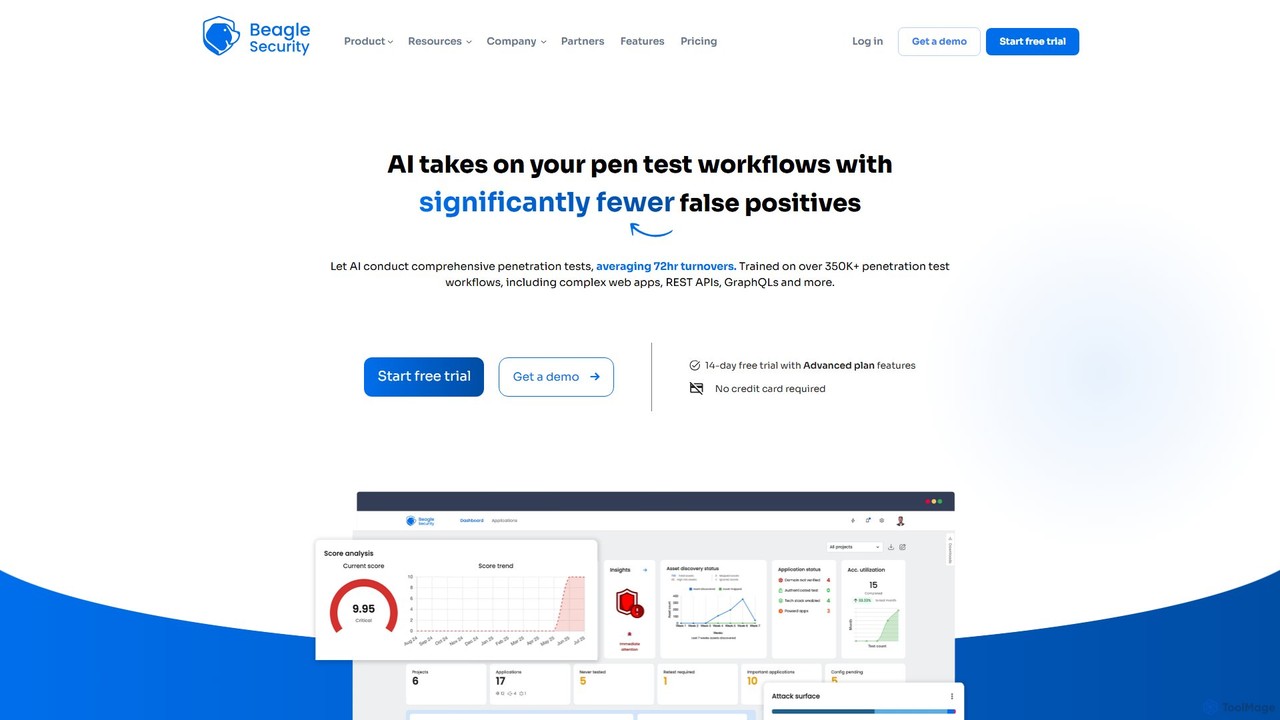
Beagle Security is an AI-powered, automated penetration testing tool for web applications and APIs. It helps businesses proactively identify and remediate security vulnerabilities by integrating seamlessly into the DevSecOps lifecycle. The platform offers comprehensive scanning, detailed reporting, compliance management (HIPAA, PCI DSS), and actionable, LLM-based recommendations to strengthen your application security posture.

Testing
Visits 70.6KFavorites 152Likes 172
OHMNI
Paid

OHMNI

OHMNI is a revolutionary fashion brand offering 'Silver Street Shield' apparel. These garments, made with pure silver, are designed as modern-day armor to protect against digital surveillance, data harvesting, and electromagnetic fields (EMF), providing a physical barrier for privacy and autonomy.

Wearable Tech
Visits 79.1KFavorites 122Likes 119
PhotoLog
Freemium

PhotoLog

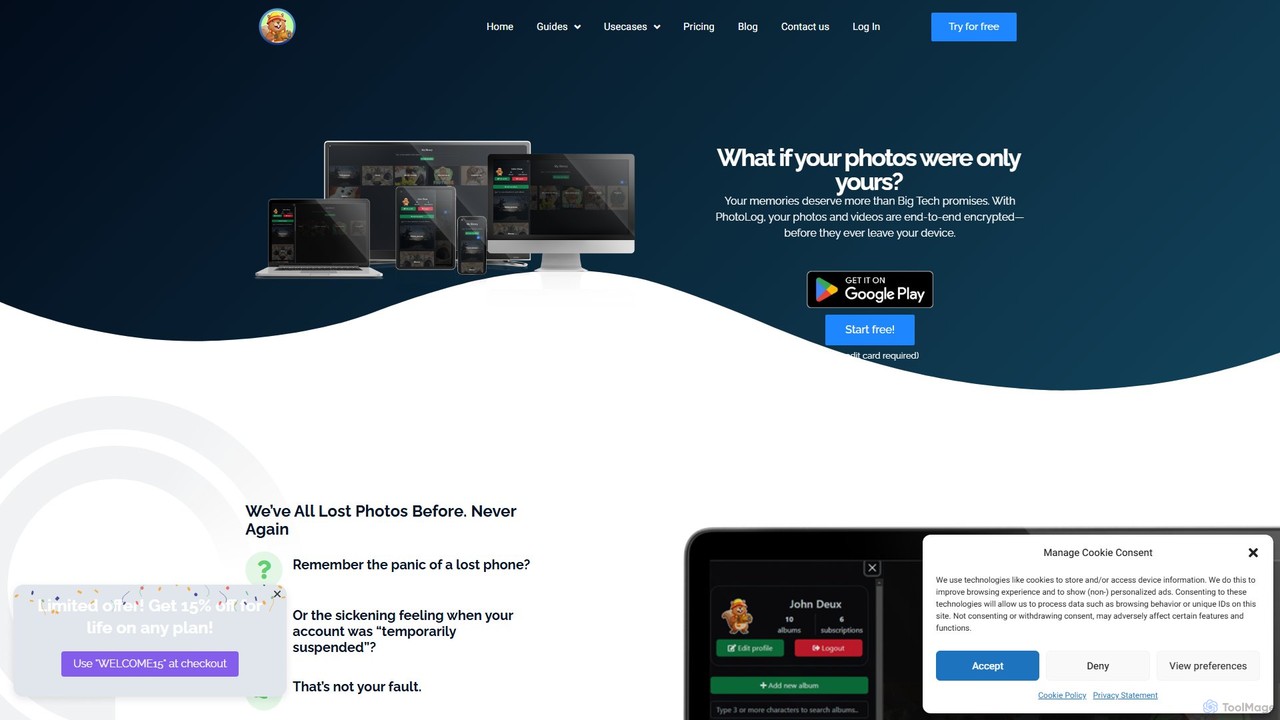
PhotoLog is a secure, private cloud storage solution for your photos and videos, designed for users who value privacy. Unlike mainstream services, PhotoLog guarantees your media is never scanned or used for AI training. It features client-side end-to-end encryption, flexible sharing options, and the ability to bring your own storage, giving you complete control over your digital memories.

Photo Management
Visits 7.6KFavorites 129Likes 130
goteleport
Freemium

goteleport

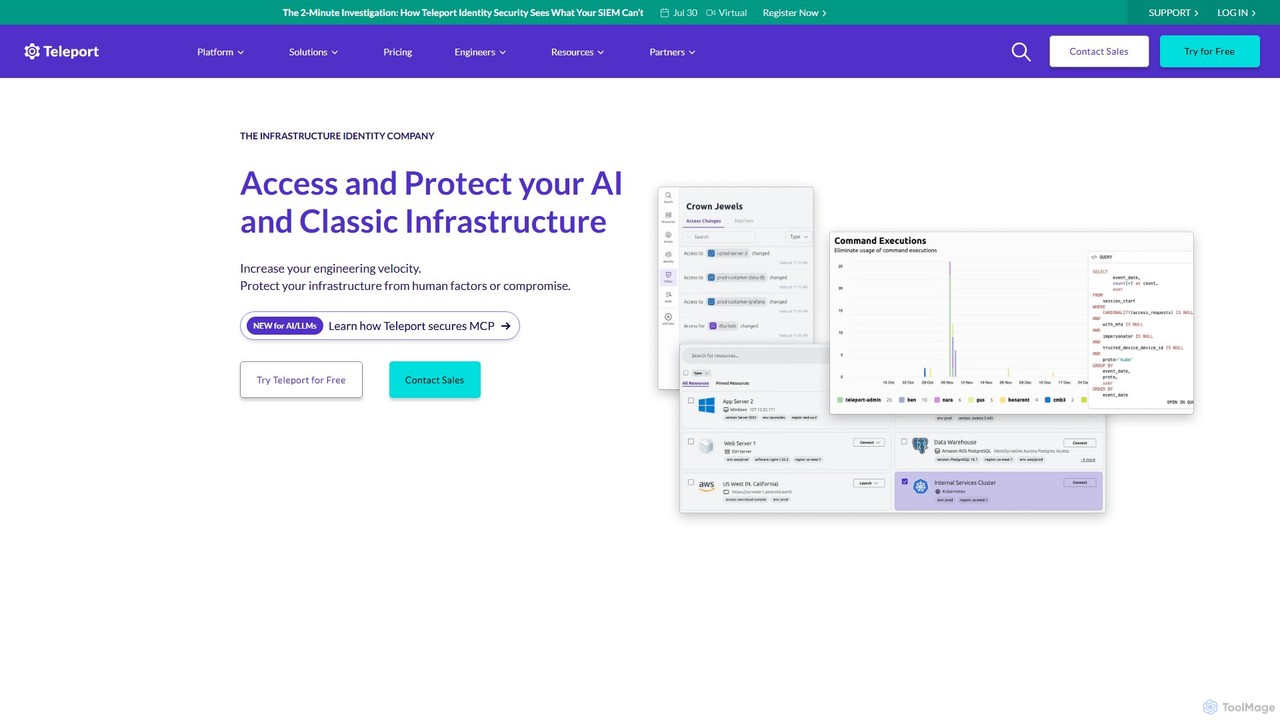
goteleport is an identity-native infrastructure access platform that provides secure, zero-trust access to servers, applications, and data. It unifies identity, access, and policy for humans, machines, and AI agents, eliminating credentials and reducing the attack surface while improving engineering productivity.

Infrastructure
Visits 216.1KFavorites 122Likes 129
Kahana

Kahana

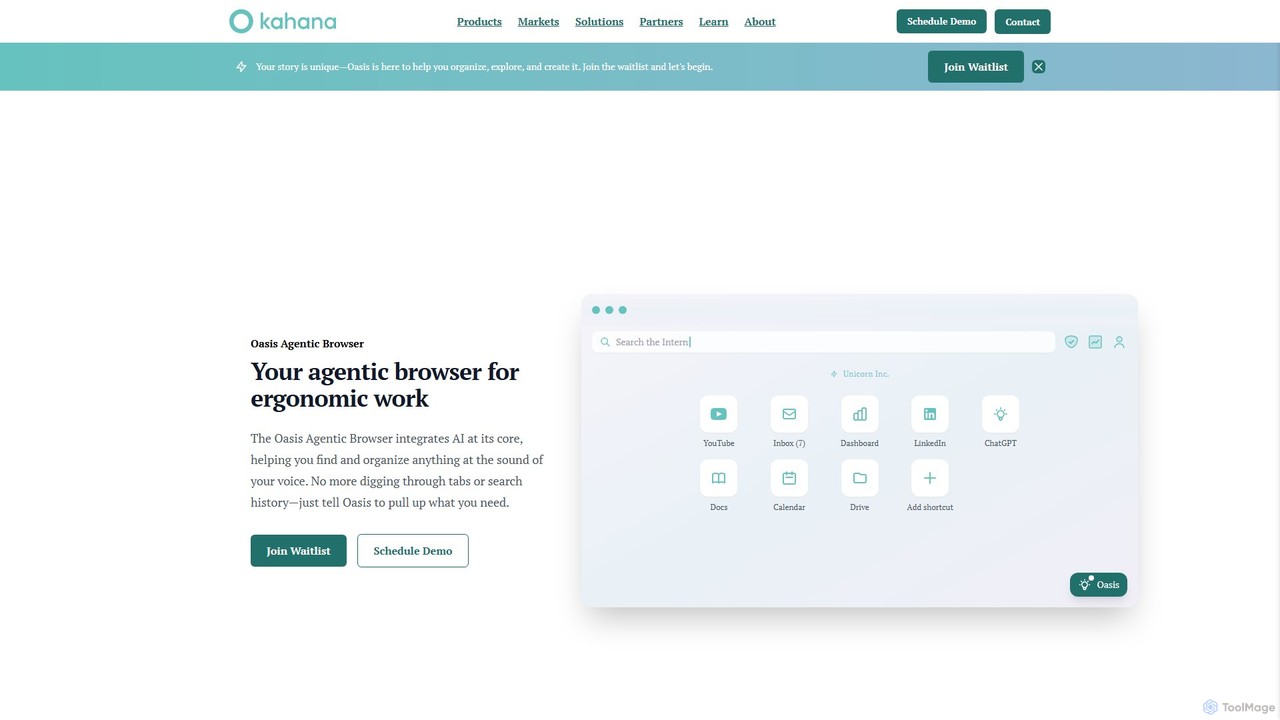
Kahana is an AI-powered agentic browser designed to enhance productivity, organization, and security. It replaces the chaos of modern browsing with an intelligent, voice-controlled workspace. Automate workflows, organize ideas into focused hubs, and collaborate securely, all within a browser that acts as your personal productivity companion.

Browser
Visits 23.7KFavorites 157Likes 159
TrafficShield
Paid

TrafficShield

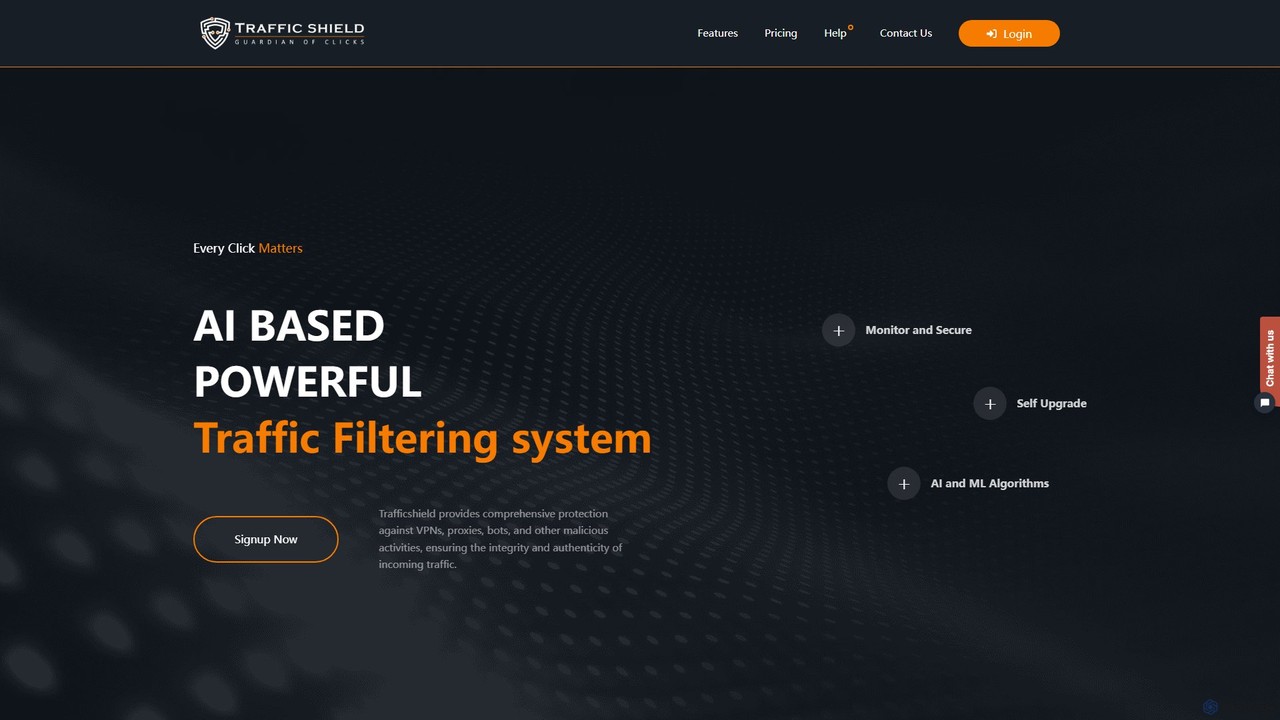
TrafficShield is an AI-powered traffic filtering and click fraud protection platform. It safeguards advertising campaigns by detecting and blocking malicious traffic from bots, VPNs, and proxies in real-time, ensuring genuine user engagement and maximizing ROI for marketers.

Advertising
Visits 12.9KFavorites 125Likes 117
Opera
Freemium

Opera

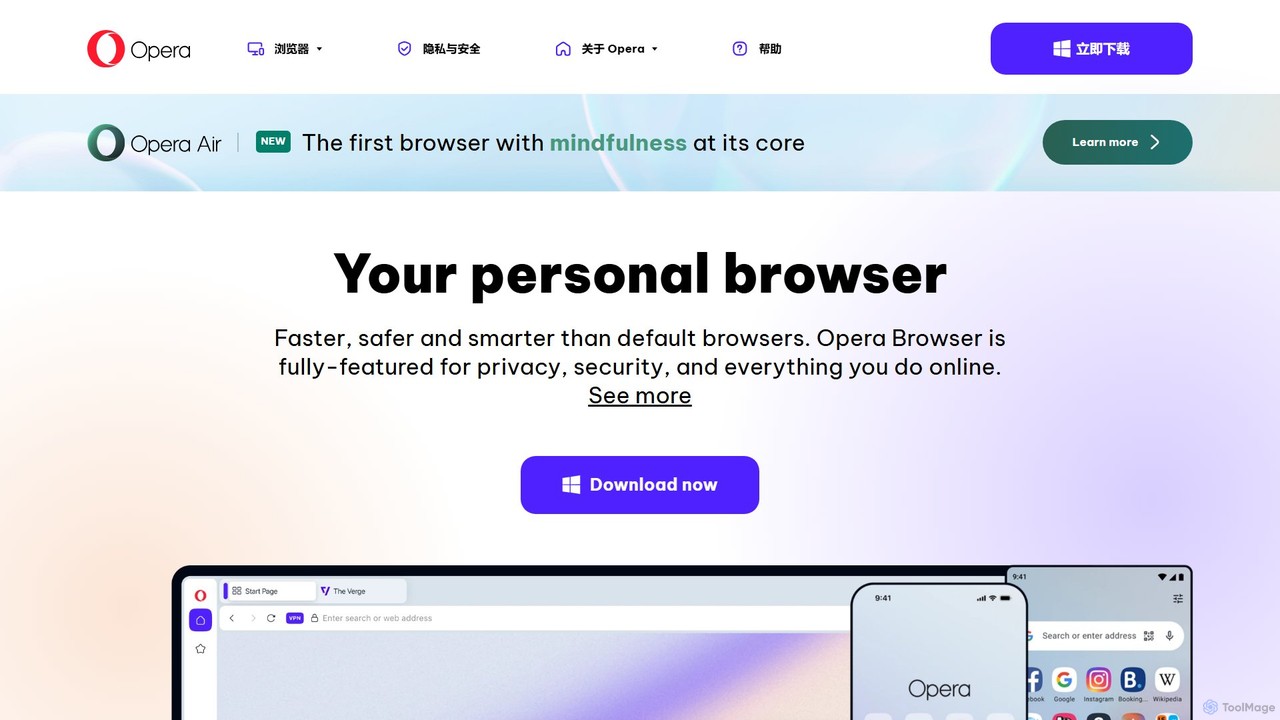
Opera is a smart, secure web browser with a native AI assistant, Aria. It offers innovative features like Tab Islands for organization, a free built-in VPN, and an ad blocker. Designed for speed and privacy, Opera provides a more productive and distraction-free browsing experience.

Browser
Visits 94.2MFavorites 132Likes 125
Ambient.ai
Paid

Ambient.ai

Ambient.ai is an AI-powered physical security platform that uses computer vision to transform existing security cameras into a proactive threat detection system. It automates monitoring 24/7, identifies hundreds of threats in real-time, reduces false alarms by 95%, and accelerates investigations by 20x. By unifying camera and access control data, it provides complete situational awareness and enables security teams to prevent incidents before they escalate, significantly improving operational efficiency and safety.

Risk Management
Visits 75.3KFavorites 116Likes 130
Vanta
Paid

Vanta

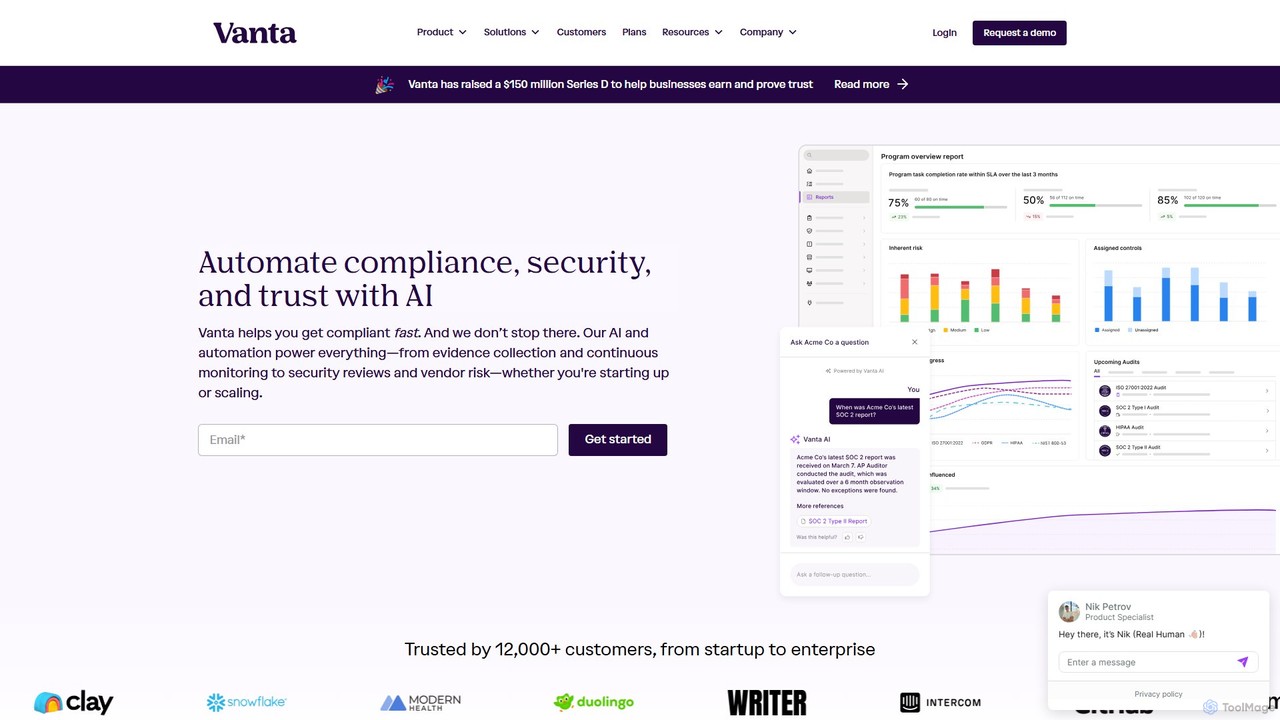
Vanta is an AI-powered trust management platform that automates compliance and simplifies security. It helps businesses of all sizes achieve and maintain standards like SOC 2, ISO 27001, HIPAA, and GDPR, manage risk, and prove their security posture to customers and partners. By automating up to 90% of compliance work, Vanta streamlines audits, accelerates sales cycles, and builds a foundation of trust.

Risk Management
Visits 780.8KFavorites 127Likes 150
PremAI
Freemium

PremAI

PremAI is an enterprise-grade platform for building, fine-tuning, and deploying secure, private AI models. It empowers businesses to transform their raw data into high-performance, specialized models while maintaining absolute data sovereignty and leveraging state-of-the-art encryption for maximum privacy.

Database
Visits 54.9KFavorites 134Likes 133
Stytch
Freemium

Stytch

Stytch is a developer-first identity platform for building secure and scalable authentication and authorization. It offers a comprehensive suite of tools, including passwordless login, SSO, multi-factor authentication, and advanced fraud protection. Designed for both human users and AI agents, Stytch simplifies complex auth flows for B2B SaaS and consumer applications, enabling teams to focus on core product development.

Authentication
Visits 738.3KFavorites 171Likes 150
Brave
Freemium

Brave

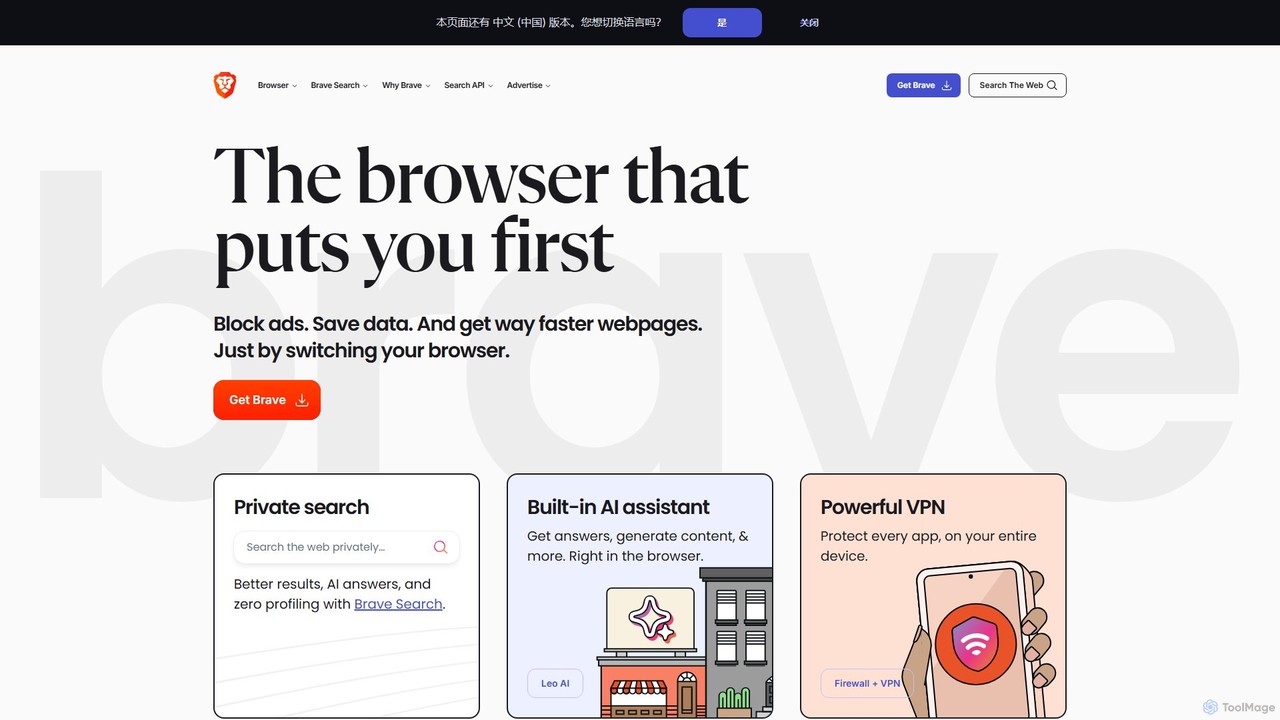
Brave is a privacy-first web browser that automatically blocks ads and trackers. It offers a faster, more secure browsing experience, complete with an independent search engine, a built-in crypto wallet, and an AI assistant named Leo. Users can also opt-in to earn cryptocurrency (BAT) for viewing privacy-respecting ads.

Crypto
Visits 581.2MFavorites 116Likes 118
Sprinto
Paid

Sprinto

Sprinto is a security compliance automation platform designed for cloud-native companies. It streamlines achieving and maintaining certifications like SOC 2, ISO 27001, GDPR, and HIPAA by automating control monitoring, evidence collection, and risk management. This helps businesses accelerate audits, reduce costs, and maintain continuous compliance with expert guidance.

Risk Management
Visits 306.5KFavorites 127Likes 134
HoundDog.ai
Freemium

HoundDog.ai

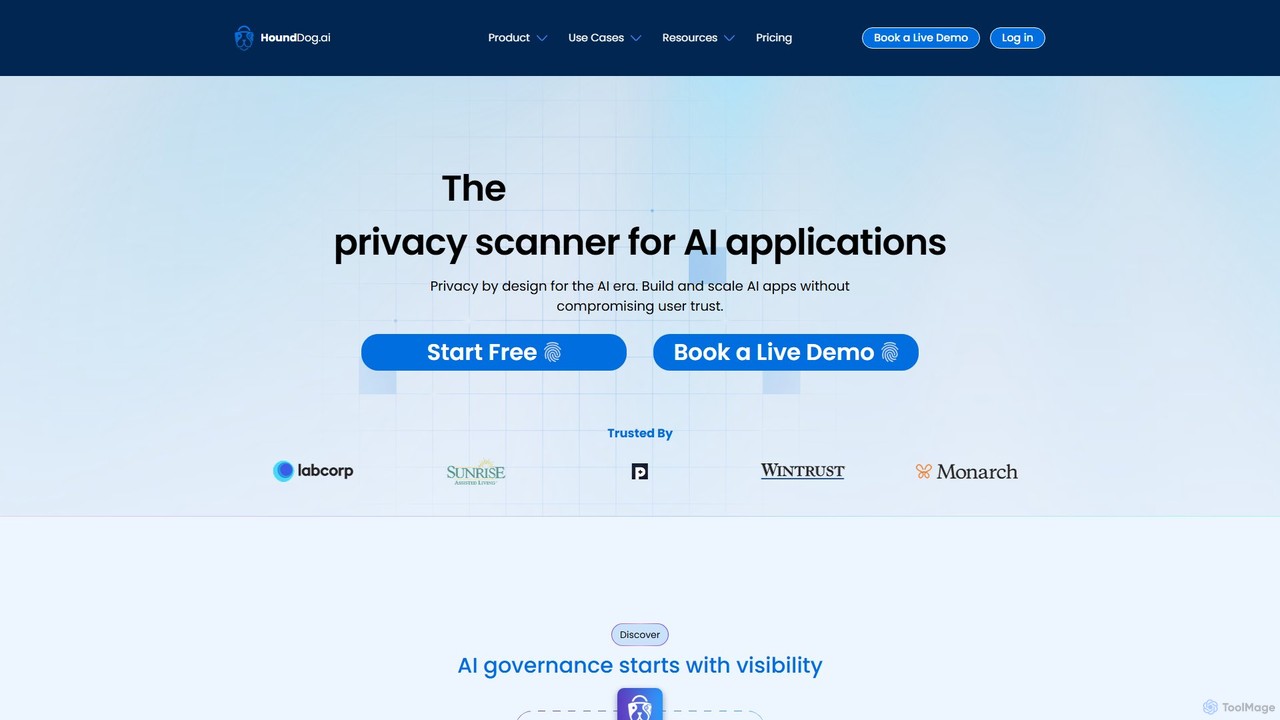
A proactive privacy code scanner for AI applications that automates data mapping and prevents PII leaks early in development. It integrates into the SDLC to enforce privacy by design, discover shadow AI, and ensure compliance with regulations like GDPR and HIPAA.

Code Security
Visits 8.8KFavorites 106Likes 105
Ghostie
Paid

Ghostie

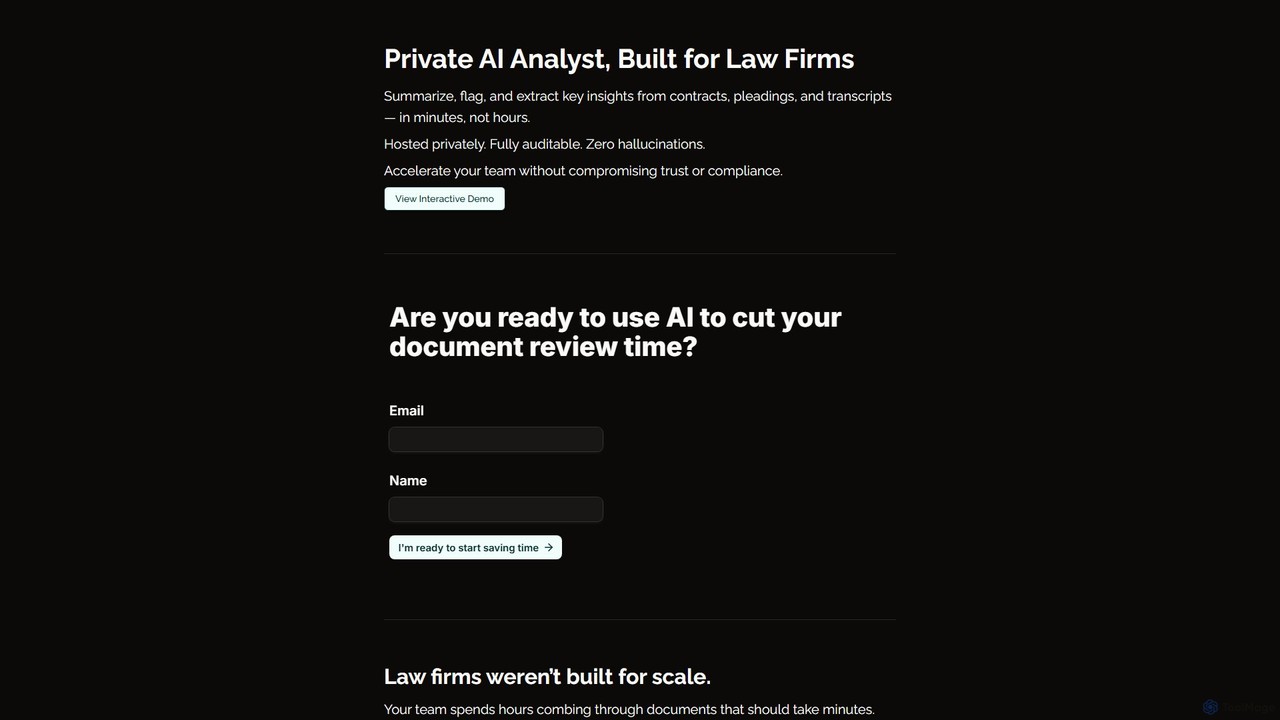
Ghostie is a private, on-premise AI analyst designed for law firms. It securely summarizes legal documents, flags risks in contracts, and extracts key insights from pleadings and transcripts in minutes, ensuring zero data exposure, full auditability, and no hallucinations.

Document Analysis
Visits 5.6KFavorites 129Likes 124
CodeComplete
Freemium

CodeComplete

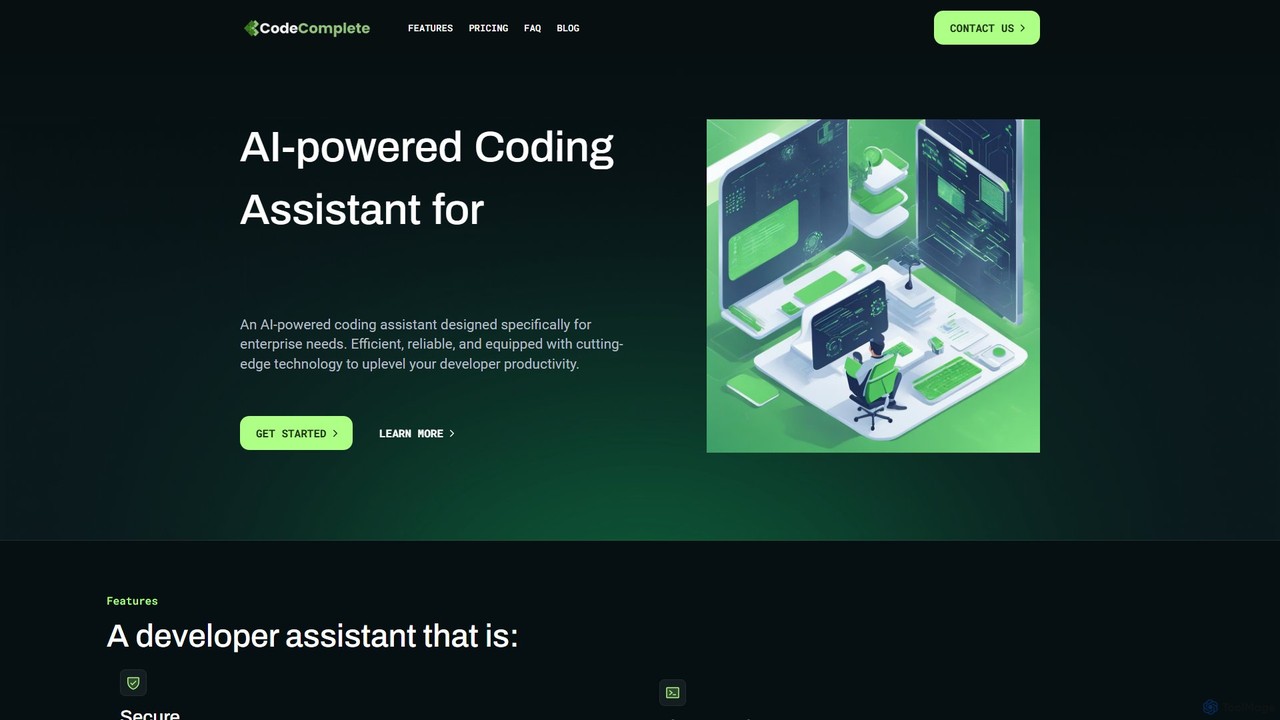
CodeComplete is an enterprise-grade AI coding assistant designed for maximum security, efficiency, and customization. It offers self-hosting options (on-premise or VPC), fine-tuning on your private codebase, and a comprehensive suite of tools including code generation, automated testing, and documentation to enhance developer productivity.

Code Generation
Visits 6.2KFavorites 135Likes 132
Lasso Moderation
Freemium

Lasso Moderation

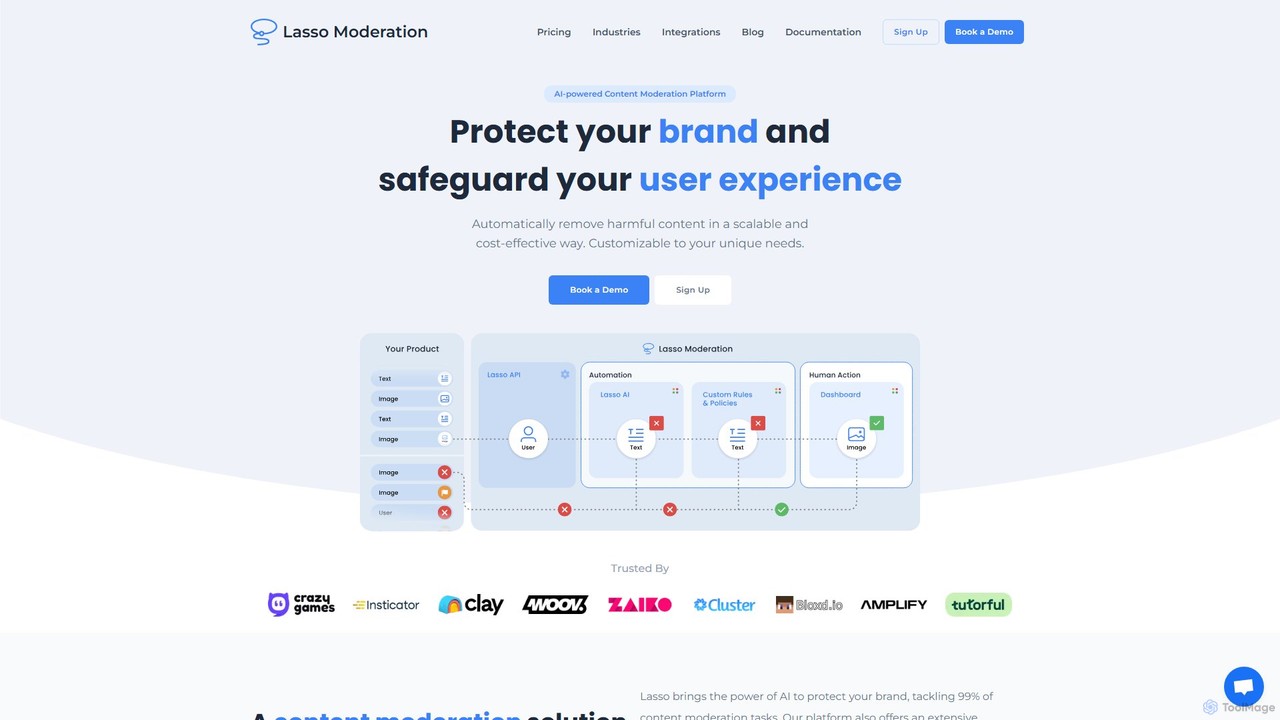
Lasso Moderation is an advanced AI-powered content moderation platform designed to protect brands and online communities. It offers a comprehensive suite of tools for moderating text, images, video, and audio content, detecting everything from spam and toxicity to nudity and AI-generated deepfakes. With a customizable dashboard, custom AI models, and robust compliance features, Lasso helps businesses automate moderation, enhance user safety, and maintain a healthy online environment efficiently.

Content Moderation
Visits 10.1KFavorites 159Likes 143
GPT Guard
Freemium

GPT Guard

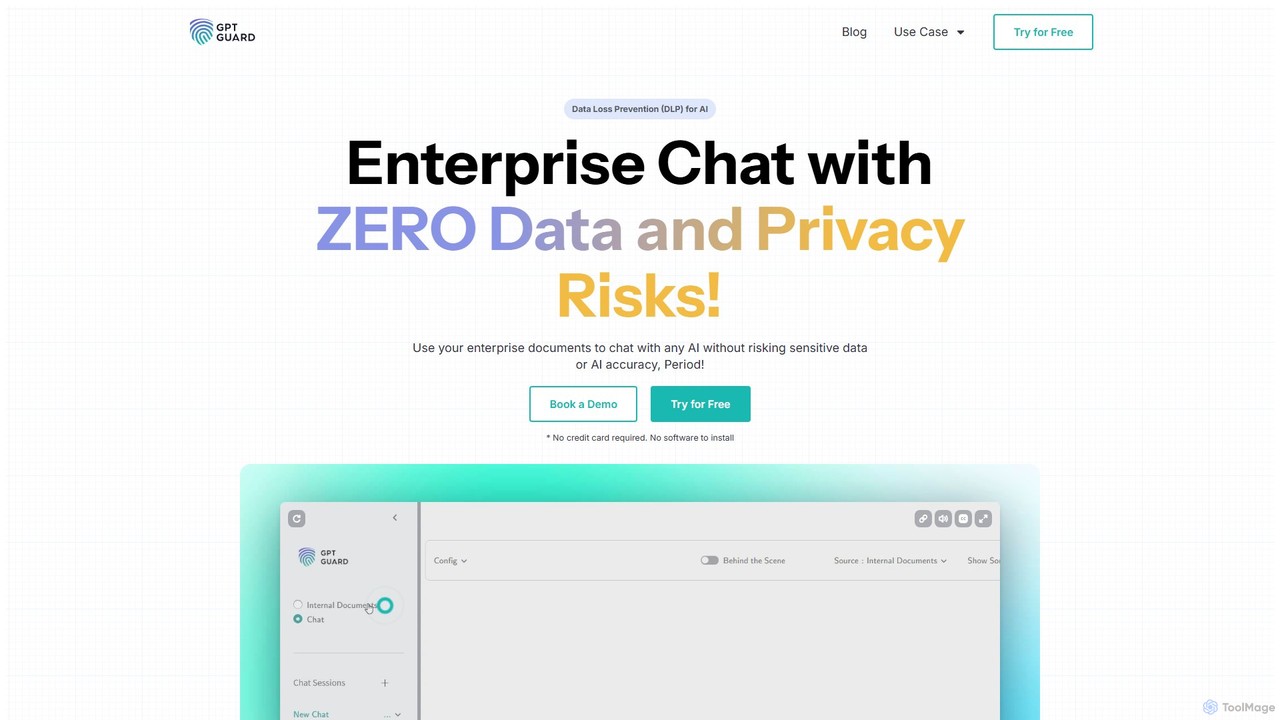
GPT Guard is an enterprise-grade AI chat platform that enables secure use of large language models (LLMs) without data or privacy risks. It uses advanced context-preserving masking to protect sensitive information (PII, PHI) before it reaches the AI, ensuring compliance with HIPAA and GDPR. Users can chat with their own documents and the web, receiving accurate, context-aware responses in a secure environment.

Compliance
Visits 7.2KFavorites 152Likes 152
cyberriskai
Freemium

cyberriskai

CyberRiskAI is an AI-powered platform designed for proactive cybersecurity risk management. It leverages predictive threat intelligence and automated analysis to help businesses identify, quantify, and mitigate cyber threats. The platform provides real-time risk scoring, vulnerability assessments, and actionable remediation guidance, enabling organizations to strengthen their security posture and ensure regulatory compliance.

Compliance
Visits 5.5KFavorites 127Likes 131
Ketch
Freemium

Ketch

A comprehensive data privacy and AI governance platform. Ketch helps businesses automate compliance with regulations like GDPR and CCPA, manage user consent, and responsibly leverage data for growth. It offers tools for DSR automation, data mapping, and risk assessments.

Data Management
Visits 162.6KFavorites 149Likes 134
CARCO

CARCO

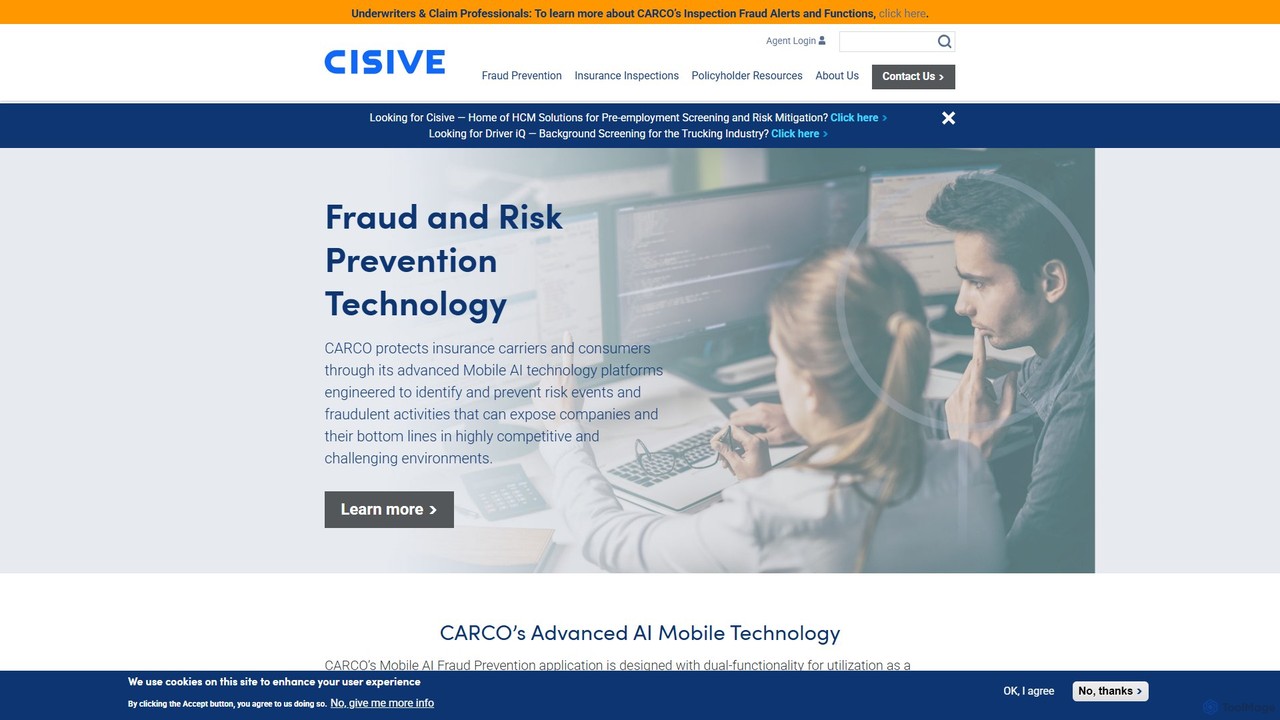
CARCO is an AI-powered fraud and risk prevention platform for the insurance industry. It utilizes advanced mobile AI technology for vehicle inspections, integrating with a vast data repository and fraud analytics engine to detect and deter fraudulent activities, protecting carriers and consumers from financial loss.

Risk Management
Visits 65KFavorites 133Likes 146

About Security

AI Security tools are a class of solutions that leverage artificial intelligence and machine learning to proactively detect, predict, and respond to cybersecurity threats. These tools analyze vast amounts of data from networks, endpoints, and applications to identify anomalous patterns, malicious activities, and potential vulnerabilities that traditional signature-based systems often miss. Their primary value lies in automating threat hunting, accelerating incident response, and adapting to new, evolving attack vectors in real-time. This enables organizations to enhance their defensive posture, protect critical assets, and reduce the risk of data breaches and operational disruptions.

Core Features

  • Threat Detection and Prediction: Uses machine learning models to identify malware, phishing, ransomware, and zero-day exploits by analyzing behavioral patterns.
  • Automated Incident Response: Automatically contains threats by isolating infected devices, blocking malicious IP addresses, or terminating suspicious processes.
  • Behavioral Analytics (UEBA): Monitors user and entity behavior to detect insider threats, compromised accounts, and lateral movement within a network.
  • Vulnerability Management: Employs AI to scan systems, prioritize vulnerabilities based on exploitability and potential impact, and suggest remediation steps.
  • Fraud Prevention: Analyzes transaction data and user interactions in real-time to identify and block fraudulent activities like account takeovers or payment fraud.

Use Cases

AI Security tools are critical for organizations across various sectors, particularly finance, healthcare, e-commerce, and government, where sensitive data protection is paramount. Security Operations Center (SOC) analysts use them to reduce alert fatigue and focus on high-priority threats. IT administrators deploy these tools to secure cloud infrastructure and endpoints, while compliance teams rely on them to enforce security policies and generate audit reports.

How to Choose

When selecting an AI Security tool, consider its threat coverage and whether it addresses your specific risks (e.g., cloud, network, email). Evaluate its integration capabilities with your existing security stack, such as SIEM and SOAR platforms. Assess the level of automation and the tool's false positive rate to ensure it enhances rather than burdens your security team. Finally, consider its scalability to handle your organization's data volume and growth.

Featured tool rankings

Security use cases

1

Automated Phishing Attack Detection

An IT security team in a large corporation uses an AI Security tool to protect against phishing attacks. The AI continuously scans all incoming emails, analyzing not just sender reputation and keywords, but also the linguistic patterns, link destinations, and attachment structures. When an email mimicking a legitimate invoice but containing a malicious link is detected, the system automatically quarantines it and alerts the security team. This process prevents employees from ever interacting with the threat, reducing the risk of credential theft and malware infection across the organization without manual intervention.

2

Real-time Fraud Prevention for E-commerce

An online retail platform integrates an AI-powered fraud detection tool to secure its payment gateway. The system analyzes hundreds of data points for each transaction in real-time, including device fingerprint, IP location, purchase history, and mouse movement patterns. If a transaction exhibits behavior indicative of fraud—such as a user attempting multiple credit cards rapidly or using a proxy server—the AI flags it as high-risk. It can then automatically decline the transaction or route it for manual review, significantly reducing chargeback losses while maintaining a smooth checkout experience for legitimate customers.

3

Identifying Insider Threats with Behavioral Analytics

A financial institution deploys a User and Entity Behavior Analytics (UEBA) tool to monitor internal network activity. The AI establishes a baseline of normal behavior for each employee, learning their typical work hours, data access patterns, and application usage. One day, the system detects an accountant downloading large volumes of sensitive client files late at night, a significant deviation from their established baseline. The AI immediately flags this activity as a potential insider threat and generates a high-priority alert for the security team to investigate, enabling rapid intervention before a data breach occurs.

4

AI-Powered Network Intrusion Detection

A cloud service provider uses an AI-driven Network Detection and Response (NDR) system to protect its infrastructure. Unlike traditional firewalls that rely on predefined rules, the AI model continuously learns the normal flow of traffic within the network. When it detects a sophisticated, low-and-slow attack pattern, such as data being exfiltrated in small, encrypted packets over an extended period, it recognizes this anomaly. The system automatically blocks the communication channel and provides security analysts with a detailed timeline of the attack, helping them understand the threat and strengthen defenses against similar future attempts.

5

Smart Vulnerability Prioritization for DevOps

A software development company integrates an AI-powered security tool into its CI/CD pipeline. As developers commit new code, the tool automatically scans for vulnerabilities. Instead of just generating a long list of potential issues, the AI analyzes the context of each vulnerability. It considers factors like whether the vulnerable code is actually reachable in production, its potential business impact, and if an exploit is publicly available. This allows the DevOps team to focus on fixing the 10 most critical vulnerabilities first, rather than being overwhelmed by hundreds of low-risk findings, accelerating development cycles securely.

6

Securing IoT Device Networks against Botnets

A company managing a large fleet of industrial IoT sensors uses an AI security platform to prevent them from being compromised and used in a botnet. The AI first learns the normal communication patterns of each sensor—what data it sends, to which servers, and at what frequency. When a group of sensors is infected with malware and starts attempting to connect to an unknown command-and-control server, the AI detects this anomalous behavior instantly. It automatically isolates the affected sensors from the network to prevent the attack from spreading and alerts the operations team to remediate the devices.

Security FAQ

What are AI Security tools?

AI Security tools are advanced cybersecurity solutions that use artificial intelligence (AI) and machine learning (ML) to identify, predict, and prevent cyber threats. Unlike traditional security systems that rely on known threat signatures, AI tools analyze vast datasets and network behavior to detect novel attacks, anomalies, and suspicious patterns in real-time. Key functions include automated threat detection, behavioral analysis (UEBA), and intelligent incident response. They are designed to enhance security operations by reducing manual effort and improving the speed and accuracy of threat mitigation.

How to choose the right AI Security tool?

Choosing the right AI Security tool requires evaluating several key factors. First, define your primary security needs: are you focused on endpoint protection, network security, cloud infrastructure, or fraud detection? Next, assess the tool's integration capabilities with your existing security stack (e.g., SIEM, SOAR, firewalls). Consider the level of automation and customization it offers, as well as its reported false positive rate. Finally, evaluate the vendor's reputation, support services, and the tool's scalability to ensure it can grow with your organization's needs.

What is the main advantage of AI Security over traditional security?

The main advantage of AI Security is its proactive and adaptive nature. Traditional security systems are primarily reactive, relying on databases of known malware signatures and predefined rules, making them vulnerable to new, or 'zero-day', attacks. AI Security, in contrast, learns from data to establish a baseline of normal activity and can identify deviations that signal a potential threat, even if it has never been seen before. This allows for the detection of more sophisticated attacks, reduces false positives, and automates responses, enabling security teams to handle threats more efficiently and effectively.

What are the key functions of AI Security platforms?

AI Security platforms typically offer a suite of integrated functions to provide comprehensive protection. Key functions include:

  • Threat Intelligence: Aggregating and analyzing threat data from global sources to predict emerging attacks.
  • Network Detection and Response (NDR): Monitoring network traffic for suspicious patterns and anomalies that indicate a compromise.
  • Endpoint Detection and Response (EDR): Protecting individual devices like laptops and servers by analyzing process behavior to stop malware and ransomware.
  • User and Entity Behavior Analytics (UEBA): Baselining normal user activity to detect insider threats or compromised accounts.
  • Security Orchestration, Automation, and Response (SOAR): Automating routine security tasks and incident response workflows to speed up remediation.

Who should use AI Security tools?

AI Security tools are beneficial for a wide range of organizations, but they are particularly crucial for those handling sensitive data or facing a high volume of threats. This includes:

  • Enterprises: Large companies with complex IT environments use AI to manage security at scale and protect valuable intellectual property.
  • Financial Institutions: Banks and fintech companies rely on AI for real-time fraud detection and to comply with strict regulations.
  • Healthcare Organizations: Hospitals and clinics use AI to protect sensitive patient data (PHI) from ransomware and other attacks.
  • E-commerce Platforms: Online retailers use AI to prevent payment fraud, account takeovers, and protect customer information.
  • Government Agencies: Public sector entities deploy AI to defend critical infrastructure and national security interests.