ToolMage
Sign in

Best 12 Project Management AI tools for Team Collaboration

Popular Project Management AI tools in Team Collaboration include JetBrains, GitKraken, Superlist, Magai, Macro, Narratize, Sune AI, lxi.ai, Otron, and Swe Studio, helping you work more efficiently.

Swe Studio

Swe Studio

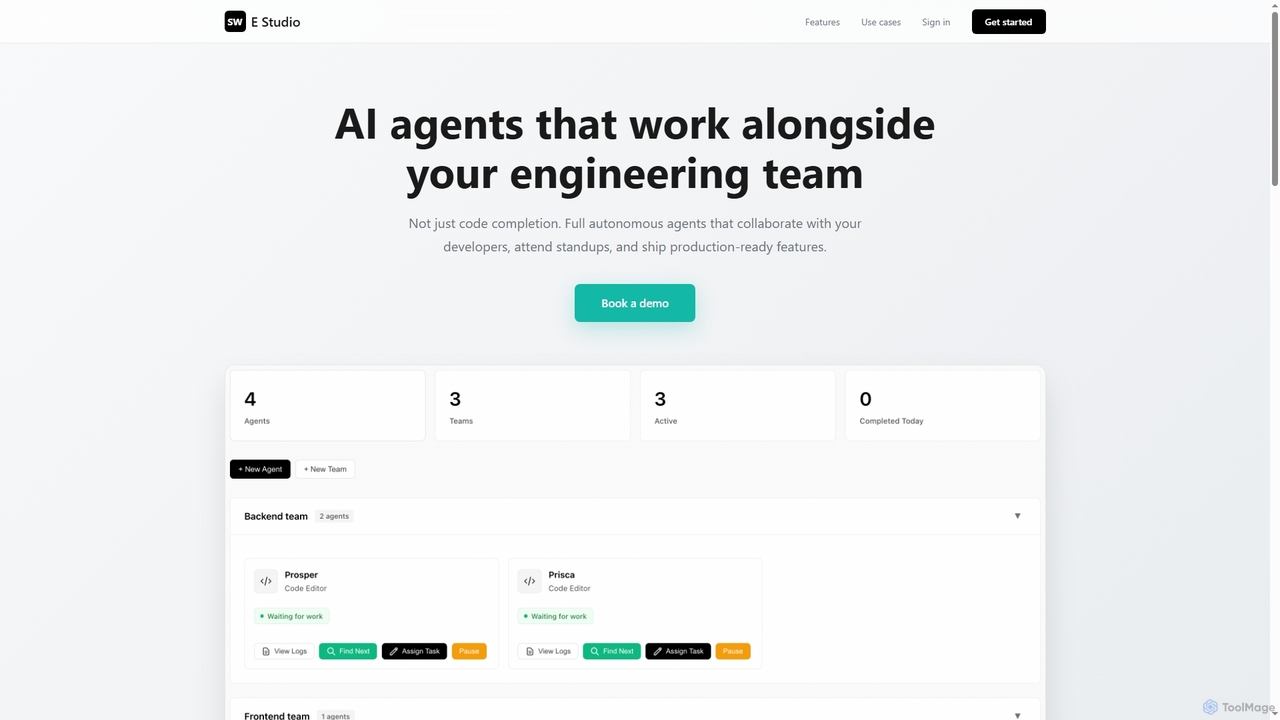
Swe Studio provides autonomous AI agents that function as full members of your engineering team. They independently handle development tasks from Jira tickets to pull requests, collaborating via Slack and GitHub to ship production-ready features.

Code Assistant
Visits 5.4KFavorites 143Likes 153
Otron
Freemium

Otron

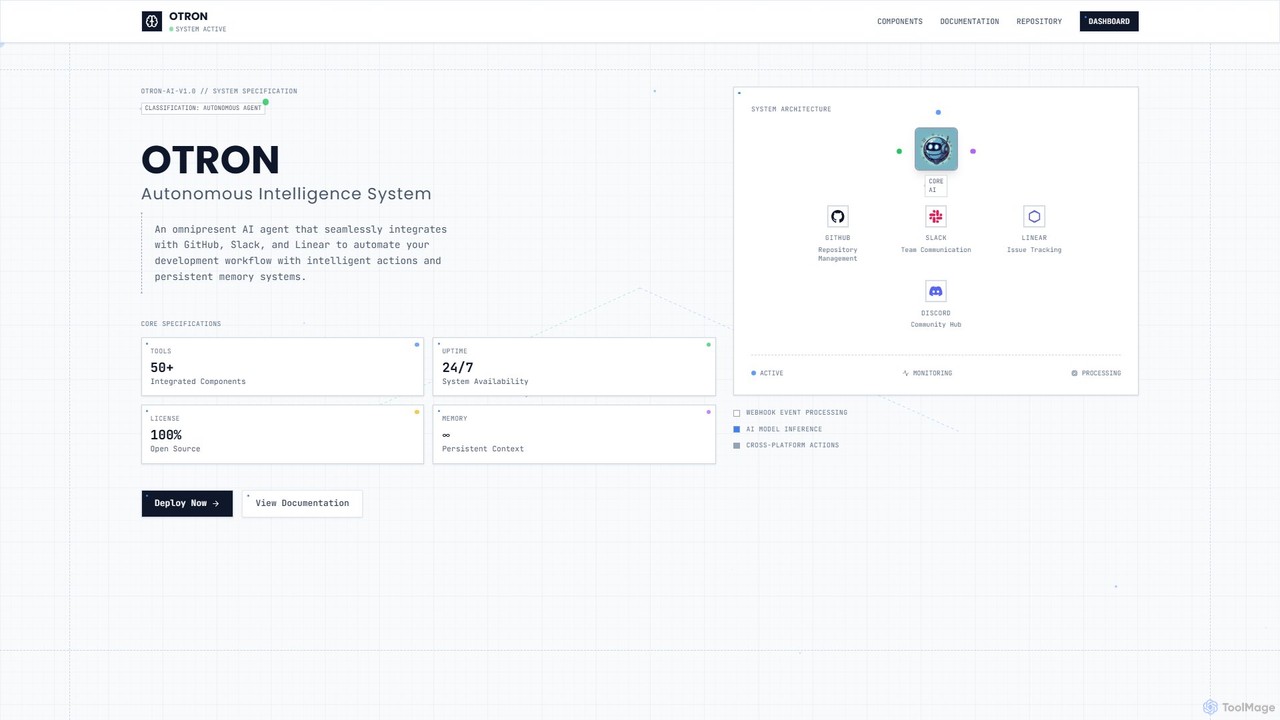
Otron is an open-source, autonomous AI development agent designed to streamline your software development lifecycle. It seamlessly integrates with GitHub, Slack, and Linear to automate workflows, manage code, handle project tasks, and facilitate team communication, all powered by advanced AI models like Claude and GPT-4.

Code Assistant
Visits 5.4KFavorites 131Likes 142
Sune AI
Freemium

Sune AI

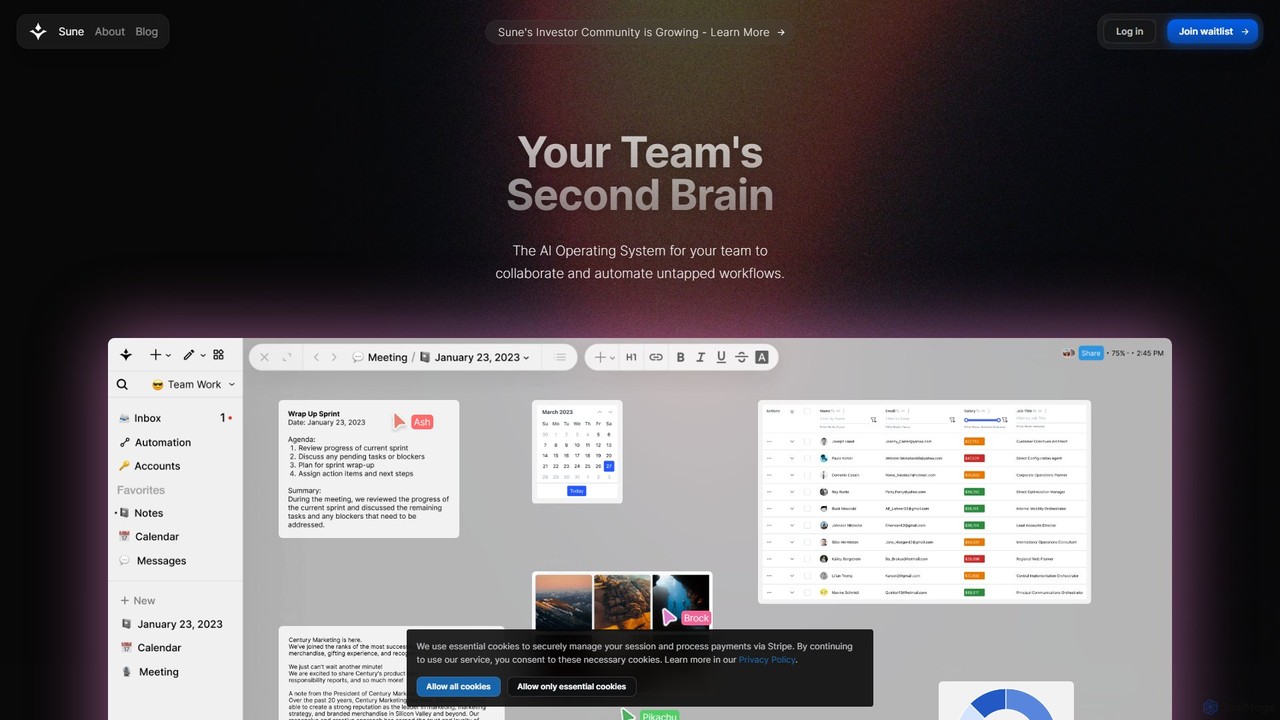
Sune AI is a collaborative AI operating system designed to be your team's second brain. It integrates documents, projects, and data into a single intelligent workspace, enabling powerful, context-aware automations and insights to streamline complex workflows and boost productivity.

Workflow
Visits 7.7KFavorites 147Likes 139
We Report Work
Freemium

We Report Work

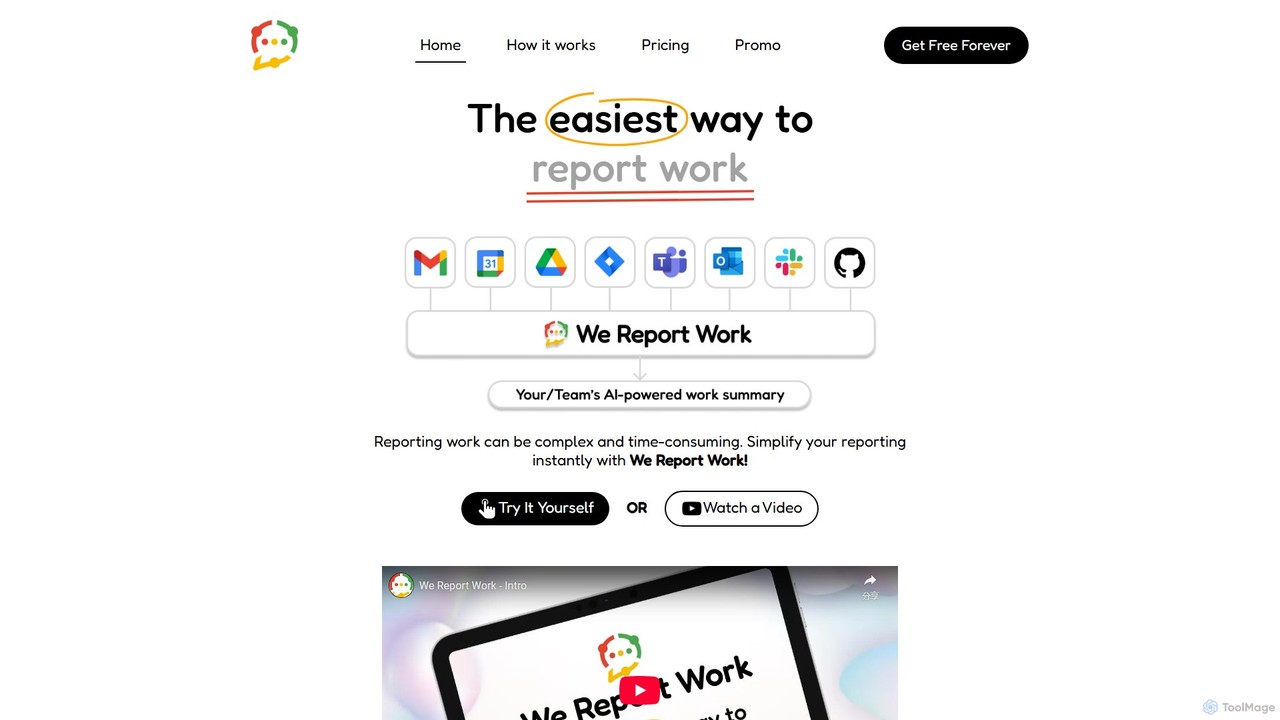
We Report Work is an AI-powered software that automates work reporting. It connects to your work tools like Google Workspace to generate instant, data-driven summaries, enhancing team accountability, improving remote work management, and helping leaders identify top performers effortlessly.

Performance Management
Visits 5.3KFavorites 130Likes 145
Templa8
Freemium

Templa8

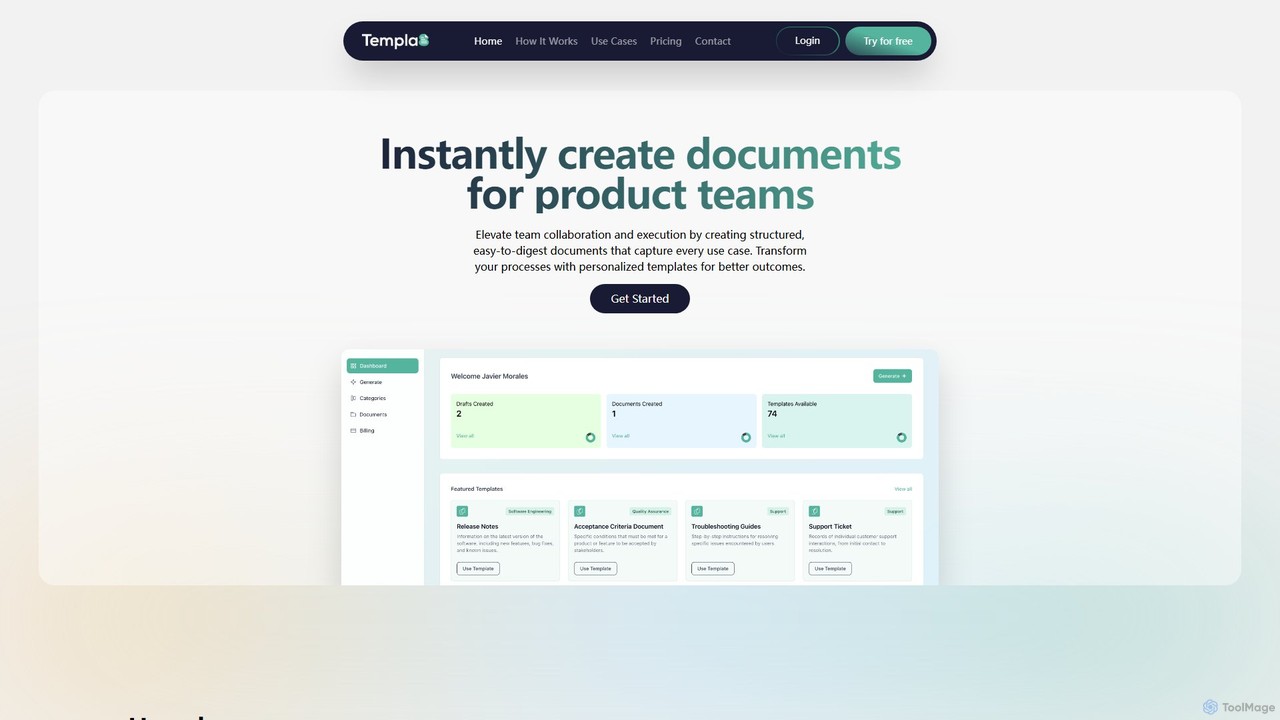
Templa8 is an AI-powered platform designed to streamline document creation and enhance team collaboration. It generates intelligent, structured templates for various professional needs, from technical specs and API docs to project plans and business reports, accelerating workflows and ensuring consistency across all team documentation.

Document Management
Visits 5.2KFavorites 146Likes 133
Magai
Paid

Magai

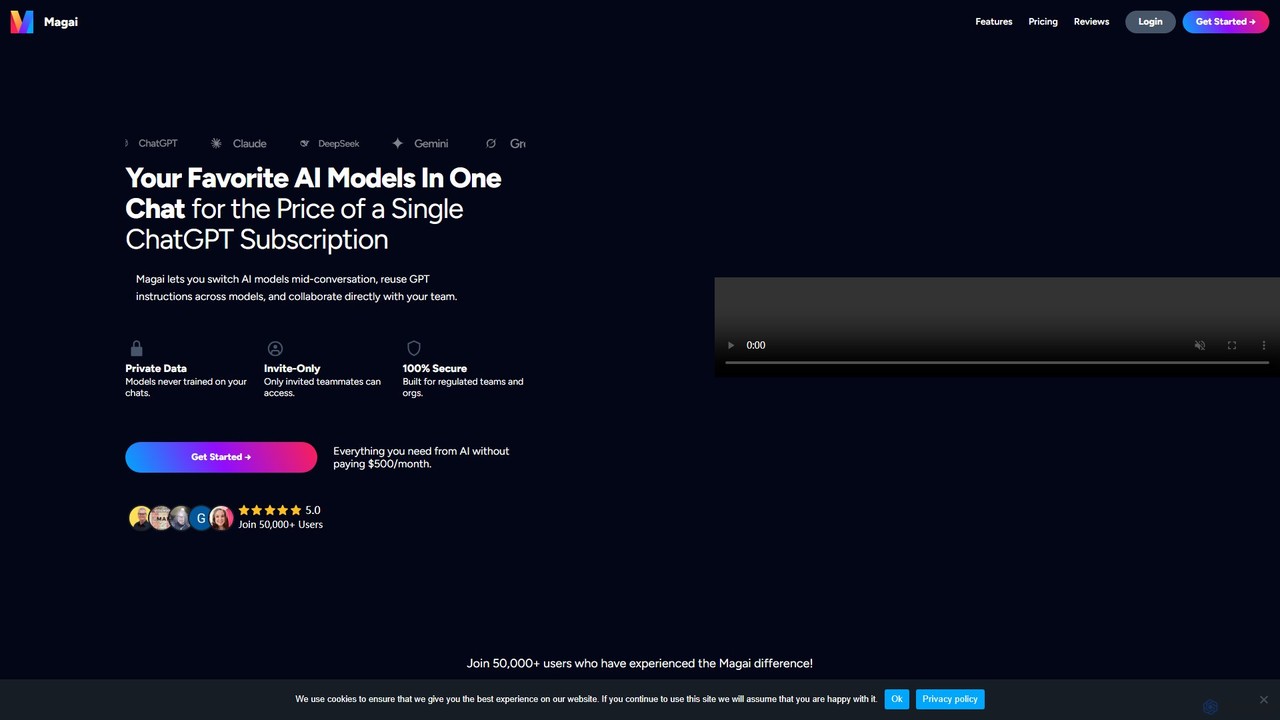
Magai is an all-in-one AI platform that consolidates over 50 top AI models like GPT-4o, Claude, and Gemini into a single, collaborative chat interface. It enables users to switch models mid-conversation, create reusable personas, and work with teammates in real-time. Designed for creators, marketers, and businesses, Magai streamlines content creation, research, and project management, eliminating the need for multiple subscriptions and complex workflows.

All In One
Visits 122.9KFavorites 124Likes 134
Superlist
Freemium

Superlist

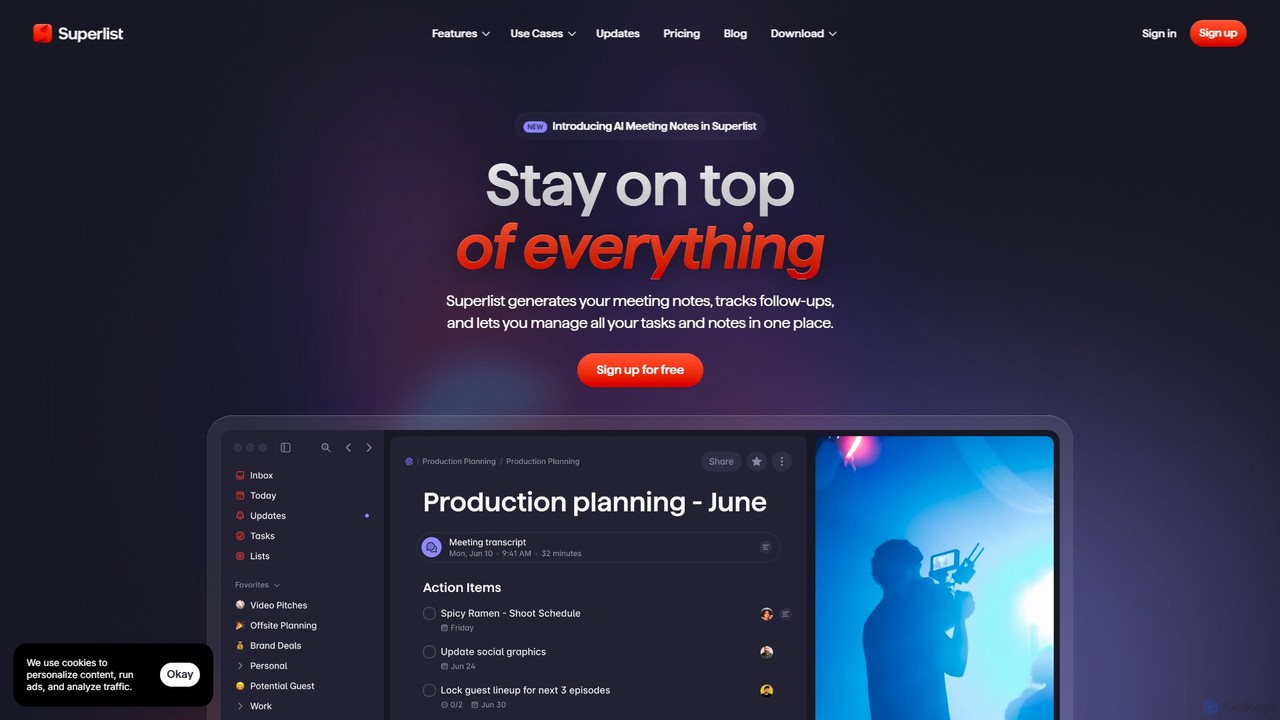
Superlist is an AI-powered productivity tool that unifies tasks, notes, and meeting summaries in a single platform. Designed for both individuals and teams, it uses AI to automatically generate meeting notes, track action items, and convert voice memos into tasks, streamlining workflows and enhancing collaboration.

Meeting Assistant
Visits 141.1KFavorites 113Likes 98
Macro

Macro

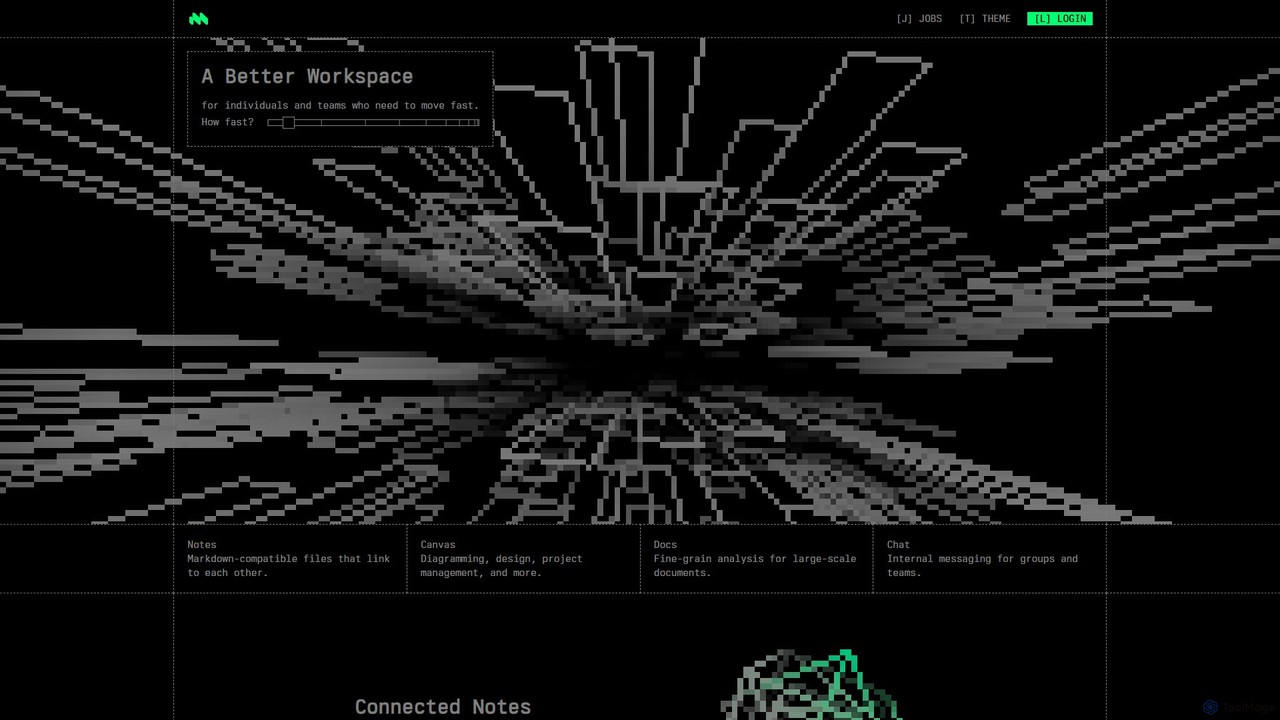
Macro is an AI-powered, unified workspace designed for speed and collaboration. It integrates linkable notes, an infinite canvas for brainstorming, intelligent document analysis, and threaded team chat into a single, secure, and enterprise-ready platform.

Ai Document Analysis
Visits 77.1KFavorites 123Likes 142
Narratize
Freemium

Narratize

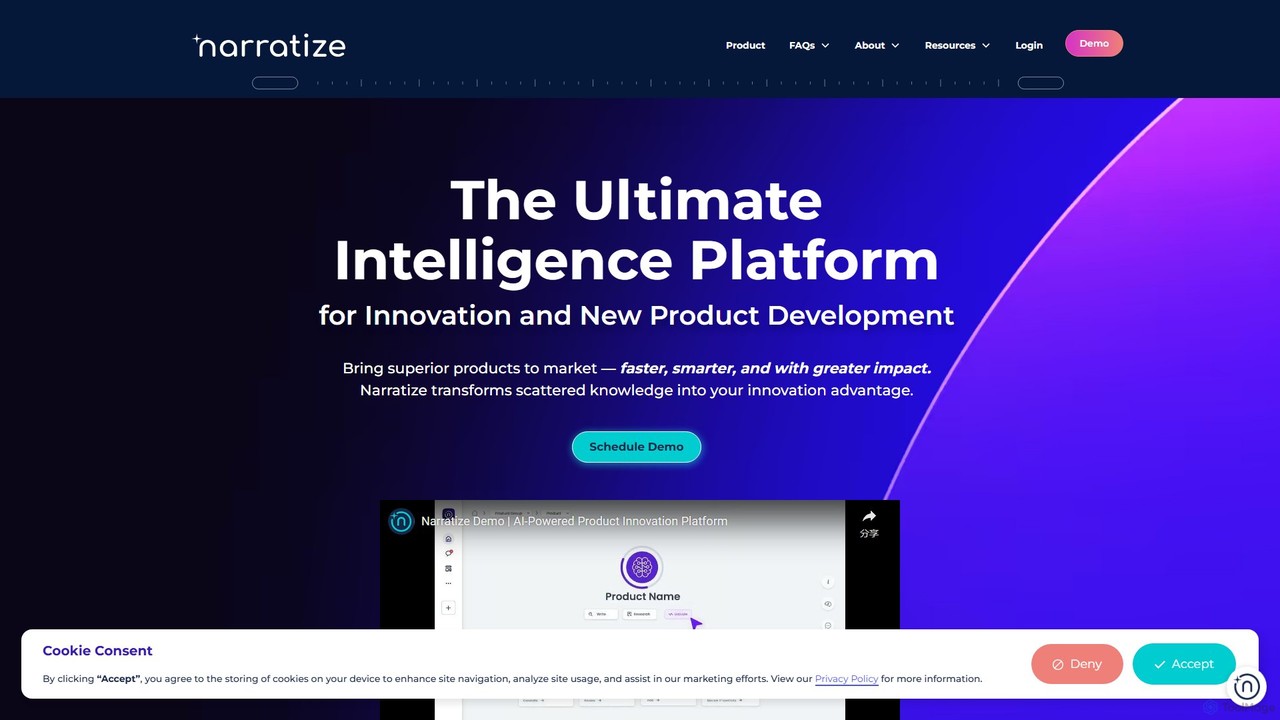
Narratize is an AI-powered intelligence platform designed for product innovation and development. It automates documentation, centralizes knowledge into searchable hubs, and aligns cross-functional teams. By eliminating administrative burdens, Narratize helps R&D, engineering, and product teams bring superior products to market faster and more efficiently.

Knowledge Management
Visits 8.9KFavorites 95Likes 108
JetBrains
Freemium

JetBrains

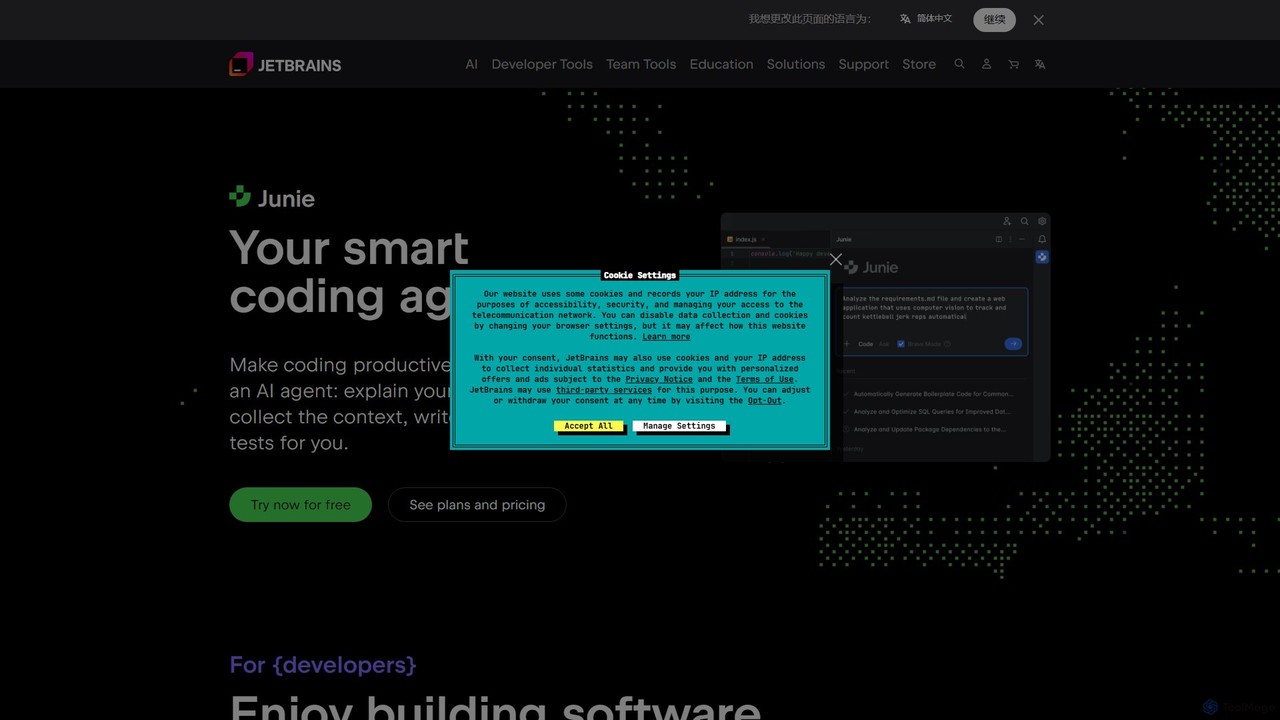
JetBrains provides a comprehensive suite of intelligent tools for software developers and teams, including powerful IDEs and an integrated AI Assistant. It enhances productivity with smart code completion, refactoring, and bug detection, streamlining the entire development lifecycle from coding to deployment. It supports a wide range of languages and offers robust team collaboration platforms.

Integrated Development Environment
Visits 6.6MFavorites 122Likes 127
lxi.ai
Free

lxi.ai

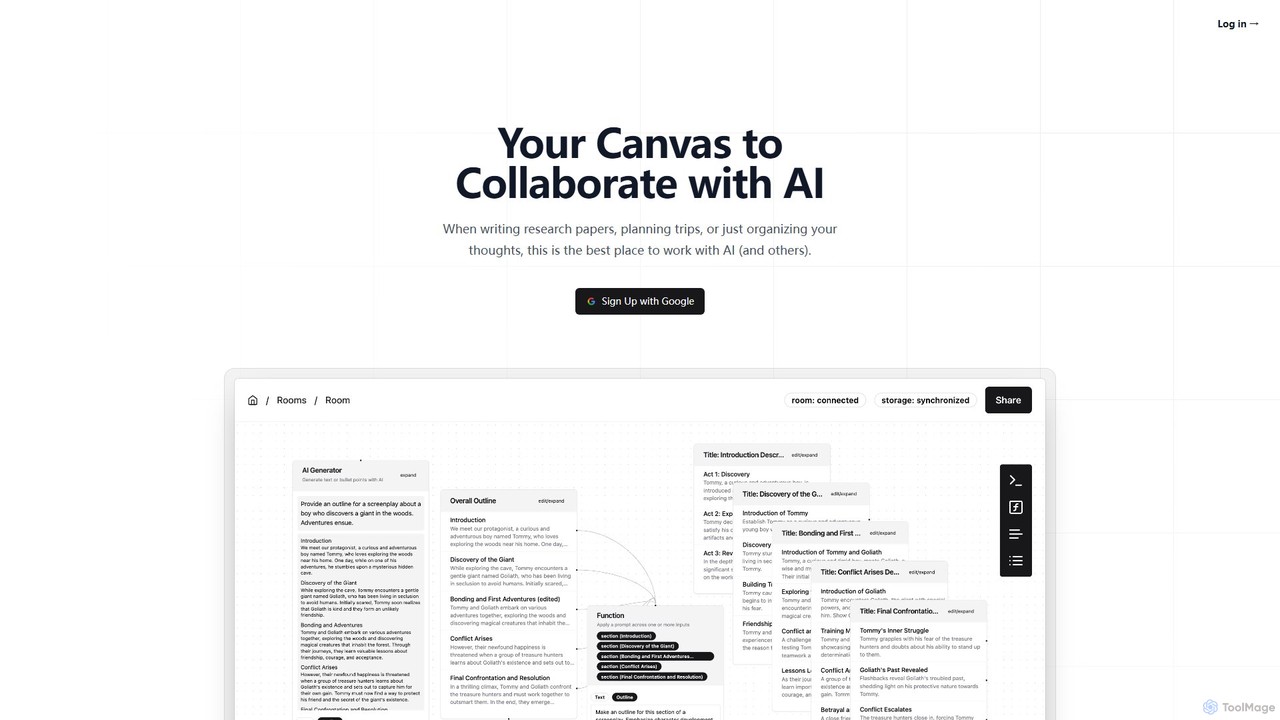
lxi.ai is a collaborative AI canvas designed to enhance complex workflows like research, planning, and brainstorming. Move beyond linear chats with a visual workspace where you can connect ideas, provide context to the AI, and work in real-time with teammates. It's an iterative environment that keeps you in control, allowing you to draft, revise, and organize thoughts seamlessly.

Brainstorming
Visits 5.5KFavorites 162Likes 167
GitKraken
Freemium

GitKraken

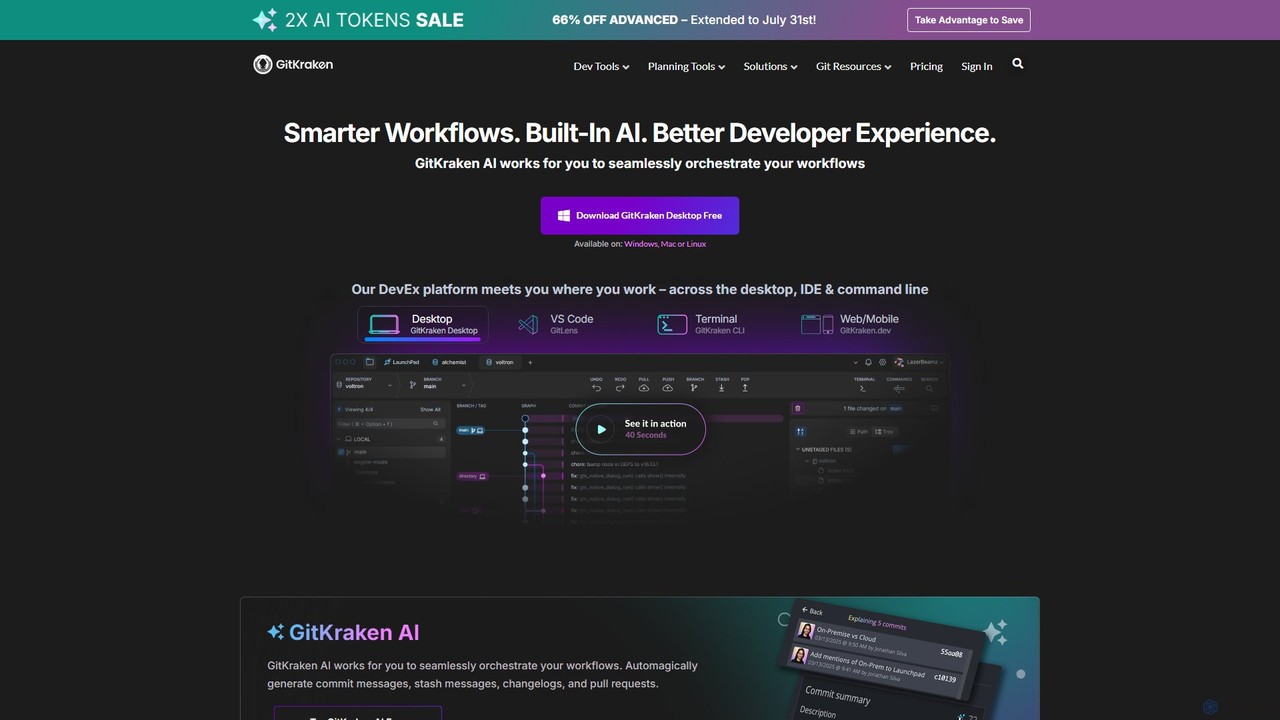
GitKraken is a legendary suite of Git tools designed to enhance the developer experience. Featuring a visual Git GUI, a powerful CLI, and IDE integrations, it leverages built-in AI to automate tasks like generating commit messages and pull requests. It streamlines workflows, improves team collaboration, and provides powerful visualization for complex repositories.

Version Control
Visits 570.1KFavorites 108Likes 112

About Project Management

AI Project Management tools are a class of software that leverages artificial intelligence to automate, predict, and optimize project workflows. These tools go beyond traditional task tracking by using machine learning algorithms to analyze data, forecast timelines, identify potential risks, and suggest optimal resource allocation. Their primary value lies in enhancing decision-making, reducing manual administrative work, and increasing the probability of project success. As a specialized area within Team Collaboration, they provide an intelligent layer that transforms static plans into dynamic, self-optimizing roadmaps.

Core Features

  • Intelligent Task Scheduling: Automatically assigns tasks based on team member availability, skills, and project priorities to optimize workflows.
  • Predictive Analytics: Forecasts project completion dates, budget adherence, and potential bottlenecks by analyzing historical and current data.
  • Automated Risk Assessment: Proactively identifies and flags potential risks in a project's lifecycle, allowing for early mitigation.
  • Resource Optimization: Recommends the most efficient allocation of personnel, budget, and equipment to maximize productivity.
  • Automated Reporting: Generates real-time progress reports, dashboards, and performance summaries without manual intervention.

Use Cases

These tools are particularly effective in complex environments such as software development for managing agile sprints, marketing for coordinating multi-channel campaigns, and construction for overseeing intricate timelines and supply chains. Product managers, team leads, and operations managers use them to gain predictive insights and automate routine management tasks.

How to Choose

When selecting an AI Project Management tool, consider its integration capabilities with your existing stack (e.g., Slack, Jira, GitHub). Evaluate the sophistication of its AI features—whether you need simple automation or advanced predictive analytics. Also, assess its scalability to support your team's size and the complexity of your projects, as well as the user interface's ease of use.

Featured tool rankings

Project Management use cases

1

Automating Software Development Sprints

A tech lead for a software development team uses an AI Project Management tool to streamline their agile workflow. The tool automatically parses user stories from a backlog, breaks them down into sub-tasks, and suggests assigning them to developers based on their current workload and historical performance on similar tasks. It provides real-time sprint burndown charts and predicts the likelihood of meeting the sprint goal, allowing the lead to proactively address potential delays and reallocate resources without daily manual check-ins.

2

Optimizing Marketing Campaign Execution

A marketing manager planning a multi-channel product launch uses an AI tool to create an optimized project plan. By inputting the launch date and key deliverables, the AI analyzes data from past campaigns to suggest realistic timelines for content creation, ad setup, and social media scheduling. It identifies dependencies, such as requiring final ad copy before design can begin, and automatically adjusts the entire schedule if one task is delayed, flagging potential impacts on the launch date for the manager to review.

3

Managing Complex Construction Projects

A construction project manager oversees a large commercial building project. They use an AI-powered platform that integrates with supply chain data and on-site sensors. The AI continuously analyzes progress against the blueprint and schedule, predicting potential delays due to material shortages or subcontractor availability. It can suggest alternative construction sequencing to mitigate these risks and automatically generate daily progress reports for stakeholders, saving the manager hours of manual data compilation and analysis.

4

Streamlining Agency Client Projects

An account manager at a digital marketing agency juggles multiple client projects simultaneously. They use an AI project management system to create project templates for common services like 'SEO Audit' or 'Social Media Campaign'. The AI automatically tracks billable hours against project budgets, sending alerts when a project is approaching its limit. It also auto-generates weekly client-facing reports by summarizing completed tasks and key performance metrics, ensuring transparency and saving significant administrative time.

5

Planning Large-Scale Corporate Events

An event planner is organizing a multi-day international conference. They use an AI project management tool to map out thousands of tasks, from venue booking to speaker coordination. The AI identifies the critical path—the sequence of tasks that determines the project's total duration. It models different scenarios, such as a delay in visa processing for a keynote speaker, and shows the ripple effect on the entire event schedule. This allows the planner to develop contingency plans for high-risk items proactively.

6

Enhancing R&D Project Timelines

A research team leader in a pharmaceutical company manages a complex drug discovery project. The AI project management tool helps visualize intricate dependencies between different research phases, such as preclinical trials and formulation development. By analyzing data from previous R&D projects, the AI forecasts the probability of success for different experimental paths and suggests resource allocation to the most promising ones. This data-driven approach helps in making more informed go/no-go decisions at critical project milestones.

Project Management FAQ

What are AI Project Management tools?

AI Project Management tools are software applications that use artificial intelligence and machine learning to enhance project planning, execution, and monitoring. Unlike traditional tools that rely on manual input, they automate tasks like scheduling, predict project outcomes, identify potential risks, and optimize resource allocation based on data analysis. Their core purpose is to make project management more proactive, accurate, and efficient.

How do AI Project Management tools differ from traditional ones?

The key difference lies in intelligence and automation. Traditional project management tools (like basic Gantt chart software) are passive systems for organizing and tracking manually entered information. AI tools are active systems that add a layer of intelligence. They can:

  • Predict: Forecast delays and budget overruns.
  • Automate: Handle routine tasks like scheduling and reporting.
  • Recommend: Suggest optimal resource assignments or workflow adjustments.
In essence, traditional tools help you document a plan, while AI tools help you create, optimize, and dynamically adapt that plan.

What are the key benefits of using AI in project management?

Using AI in project management offers several significant benefits:

  • Increased Accuracy: AI-powered forecasting for timelines and budgets is often more accurate than human estimation, as it's based on historical data.
  • Proactive Risk Mitigation: AI can identify potential issues before they become major problems, allowing teams to address them early.
  • Enhanced Productivity: By automating administrative tasks like reporting and scheduling, AI frees up project managers to focus on strategic activities.
  • Improved Decision-Making: AI provides data-driven insights and recommendations, helping leaders make more informed choices about resources and priorities.

How to choose the right AI Project Management tool?

Choosing the right tool depends on your specific needs. Consider these factors:

  • Integration Capabilities: Does it connect seamlessly with other tools you use daily, like Slack, GitHub, or Google Workspace?
  • Complexity of AI Features: Do you need basic task automation and smart notifications, or advanced features like predictive risk analysis and resource optimization?
  • Team Size and Scalability: Select a tool that can grow with your team and handle the complexity of your projects, from small teams to large enterprises.
  • User-Friendliness: A powerful tool is ineffective if your team finds it difficult to use. Look for an intuitive interface and good user support.

Who can benefit from AI Project Management tools?

A wide range of professionals can benefit. Project managers and team leads can automate administrative work and gain predictive insights. Product owners can better forecast release dates and manage backlogs. Executives and stakeholders get more accurate, real-time visibility into project health and portfolio performance. Essentially, anyone involved in managing complex projects with multiple moving parts, dependencies, and resources can leverage these tools to improve outcomes.