ToolMage
Sign in
Ansible
Devops · 525.2K monthly visits

Ansible is a powerful open-source IT automation engine that simplifies application deployment, configuration management, and orchestration. Using human-readable YAML, it automates complex IT processes without requiring agents on managed nodes, making it simple, efficient, and secure for DevOps, system administrators, and developers.

VS
e-chos
Devops · 4.1K monthly visits

e-chos is an AI-powered platform featuring Phom, a DevOps assistant for Linux systems. It automates server monitoring, detects issues, applies self-healing fixes, and predicts outages in real-time. Designed for system administrators and DevOps teams, it simplifies infrastructure management, optimizes performance, and brings autonomous intelligence to any machine, anywhere.

Ansible vs e-chos: pricing, features, traffic, and use cases

Compare Ansible and e-chos across positioning, pricing, traffic, and user feedback using structured factual data.

Updated Aug 18, 2026

Product overview

Ansible Product overview

Ansible is a powerful open-source IT automation engine that simplifies application deployment, configuration management, and orchestration. Using human-readable YAML, it automates complex IT processes without requiring agents on managed nodes, making it simple, efficient, and secure for DevOps, system administrators, and developers.
Preview

e-chos Product overview

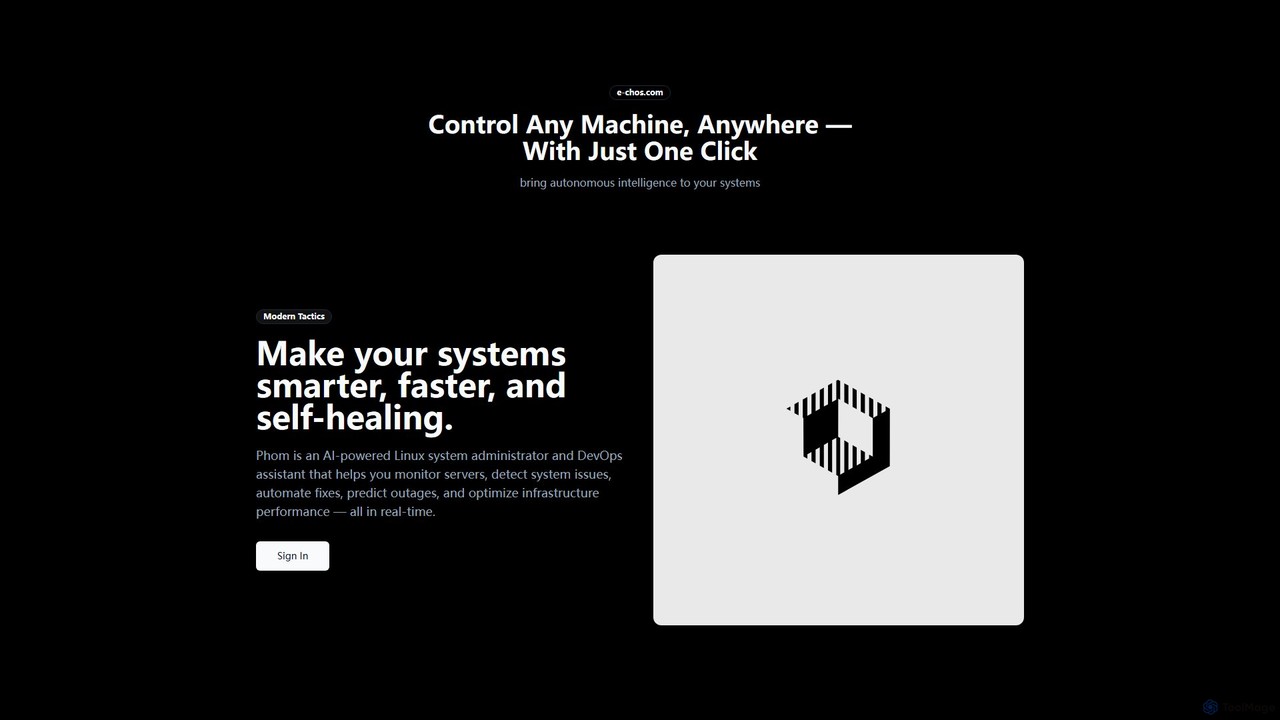
e-chos is an AI-powered platform featuring Phom, a DevOps assistant for Linux systems. It automates server monitoring, detects issues, applies self-healing fixes, and predicts outages in real-time. Designed for system administrators and DevOps teams, it simplifies infrastructure management, optimizes performance, and brings autonomous intelligence to any machine, anywhere.

Preview

Detailed feature comparison

FeatureAnsiblee-chos
Primary categoryDevopsDevops
Added2025-09-212025-08-05
PricingFreemiumFreemium
Official websiteansible.come-chos.com
Product typeWebsiteWebsite
Performance data
User ratingNot verifiedNot verified
Comments00
Monthly visits525.2K4.1K
Monthly growth-4.3%Not verified
Favorites129107
DetailsView detailsView details

Ansible vs e-chos monthly traffic

Compare Ansible and e-chos by monthly reach, traffic trend, visit depth, top regions, and acquisition sources.

How to interpret the traffic data

In the Ansible vs e-chos monthly traffic comparison, Ansible currently shows 525.2K visits and e-chos shows 4.1K; Ansible has about 129.5 times the visible traffic of e-chos, an absolute difference of about 521.2K visits. This reflects visible reach, not feature quality or paid users.

Only Ansible has complete third-party traffic details; e-chos uses visits recorded inside ToolMage. These scopes cannot estimate market share directly, and on-site views should not be treated as the product’s total website traffic.

Ansible monthly traffic:

Latest traffic

Monthly visits
525.2K
Avg. visit duration
2:29
Pages per visit
2.82
Bounce rate
46.73%
Data updated 2026-06-15

Monthly traffic trend

  • 2025/9: 637.1K Monthly visits
  • 2026/1: 587.5K Monthly visits
  • 2026/2: 539.2K Monthly visits
  • 2026/3: 596.2K Monthly visits
  • 2026/4: 549K Monthly visits
  • 2026/5: 525.2K Monthly visits

Top regions

Top 5 countries/regions
Country/regionPercentageTraffic
🇻🇳Vietnam32.05%168.3K
🇺🇸United States24.32%127.7K
🇩🇪Germany18.41%96.7K
🇷🇺Russia18.14%95.3K
🇫🇷France7.08%37.2K

Traffic sources

Source typePercentageTraffic
Direct62.94%330.6K
Referral34.87%183.2K
Email2.19%11.5K

Search keywords

ansibleansible *ansible copyansible documentationansible galaxy

e-chos monthly traffic:

Latest traffic

Monthly visits
4.1K
Traffic-based selection guidance: The current traffic scope is not sufficient for a reliable product ranking. Treat monthly visits as a market-interest signal, then decide using taxonomy, use cases, pricing, and a like-for-like trial rather than reading exposure as product capability.

Usage comparison

Compare the core capabilities of Ansible and e-chos

Ansible Core features

Devops
Infrastructure Management
Automation

e-chos Core features

Devops
Infrastructure Management
System Administration

Use cases

Ansible Use cases

devops
agentless
application deployment
configuration management
infrastructure as code
IT automation
open source
orchestration
Red Hat
YAML

e-chos Use cases

devops
AI assistant
automation
infrastructure management
it operations
linux
outage prediction
self-healing
server monitoring
system administration

Best suited roles

Ansible Best suited roles

Cloud Engineer
DevOps Engineer
IT Automation Specialist
Network Engineer
Security Engineer
Site Reliability Engineer
Software Developer
System Administrator

e-chos Best suited roles

No verified data available

Ansible vs e-chos:In-depth comparison and selection guidance

First decide whether the products solve the same kind of need

This in-depth Ansible vs e-chos comparison uses only the product records, taxonomy, audience, traffic, and community signals available on this page. Ansible is primarily listed under “Devops”, while e-chos is primarily listed under “Devops”, so the first decision is whether your actual task matches their recorded scope.

The structured fields currently show these decision-relevant differences: Monthly visits (Ansible: 525.2K; e-chos: 4.1K); Favorites (Ansible: 129; e-chos: 107); Website (Ansible: ansible.com; e-chos: e-chos.com); Added (Ansible: 2025-09-21; e-chos: 2025-08-05). These facts are more useful for selection than brand visibility alone.

What market visibility and monthly traffic mean

In the Ansible vs e-chos monthly traffic comparison, Ansible currently shows 525.2K visits and e-chos shows 4.1K; Ansible has about 129.5 times the visible traffic of e-chos, an absolute difference of about 521.2K visits. This reflects visible reach, not feature quality or paid users.

Only Ansible has complete third-party traffic details; e-chos uses visits recorded inside ToolMage. These scopes cannot estimate market share directly, and on-site views should not be treated as the product’s total website traffic.

The current traffic scope is not sufficient for a reliable product ranking. Treat monthly visits as a market-interest signal, then decide using taxonomy, use cases, pricing, and a like-for-like trial rather than reading exposure as product capability.

Product positioning, use cases, and roles

Ansible and e-chos currently overlap in shared categories: Devops and Infrastructure Management; shared tags: devops. This can place both on the same shortlist, but it does not prove equal implementation, depth, or cost.

Ansible's unique categories/tags are Automation, agentless, application deployment, configuration management, infrastructure as code, IT automation, open source, and orchestration; e-chos's are System Administration, AI assistant, automation, infrastructure management, it operations, linux, outage prediction, and self-healing. These unique fields are the strongest differentiators: validate the product whose recorded scope matches the task instead of following traffic alone.

What ratings, comments, and favorites can tell you

Ansible has no verified rating, 0 comments, 129 favorites, and 125 likes;e-chos has no verified rating, 0 comments, 107 favorites, and 112 likes。

Neither product has enough rating or comment samples for a credible reputation ranking.

Selection guidance by actual need

When to evaluate Ansible first

Put Ansible on the priority trial list when the task aligns with “Devops” and especially Automation, agentless, application deployment, configuration management, infrastructure as code, and IT automation, or the users include Cloud Engineer, DevOps Engineer, IT Automation Specialist, and Network Engineer. This follows recorded positioning and does not imply unlisted capabilities are absent.

Ansible also currently records: pricing is freemium, product type is website, 525.2K verified monthly visits, no verified user rating. Verify any hard requirement around price, platform, or reach before trial, and do not let sparse review data substitute for testing.

When to evaluate e-chos first

Put e-chos on the priority trial list when the task aligns with “Devops” and especially System Administration, AI assistant, automation, infrastructure management, it operations, and linux. This follows recorded positioning and does not imply unlisted capabilities are absent.

e-chos also currently records: pricing is freemium, product type is website, 4.1K on-site monthly views, no verified user rating. Verify any hard requirement around price, platform, or reach before trial, and do not let sparse review data substitute for testing.

How to validate the recommendation before deciding

The available data describes positioning, public visibility, and community signals, but it cannot prove output quality, speed, integration effort, privacy, or long-term cost in your workflow. Before deciding, run the same representative tasks in Ansible and e-chos, then record completion time, accuracy, manual corrections, and the real paid threshold. A like-for-like trial turns this comparison into a defensible adoption decision.

Comparison FAQ

How should I choose between Ansible and e-chos?
Compare positioning, pricing, taxonomy, and traffic maturity, then verify the latest details on each official website.
Where does this comparison data come from?
The factual baseline is derived from product, taxonomy, traffic, and community data. Reviewed editorial conclusions show their source and verification date.
What do unknown fields mean?
Unknown means there is not enough reliable evidence; the page does not fill gaps with assumptions.

Related AI tools

Praxis
Freemium

Praxis

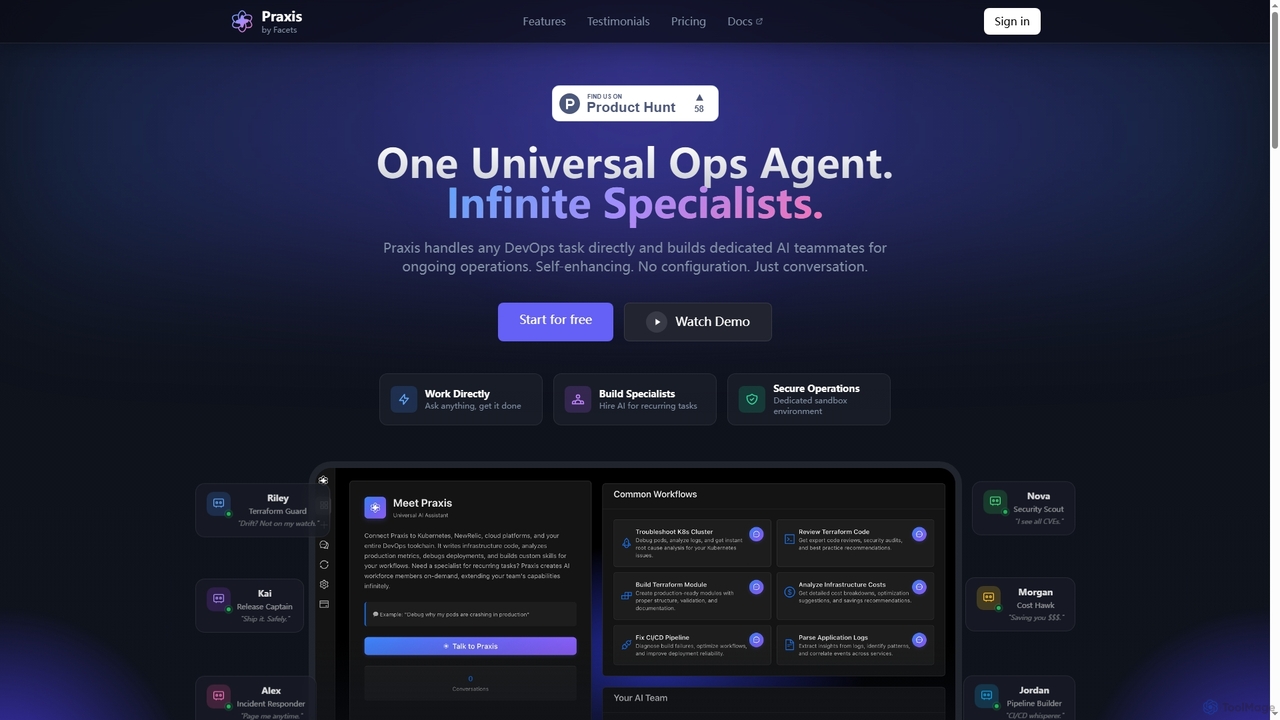
Praxis is a universal AI agent platform for DevOps, enabling teams to build specialized AI teammates through conversation. It automates infrastructure, accelerates troubleshooting, and streamlines complex workflows without manual configuration.

Debugging
Visits 4.1KFavorites 118Likes 114
Ansible Collaborative
Freemium

Ansible Collaborative

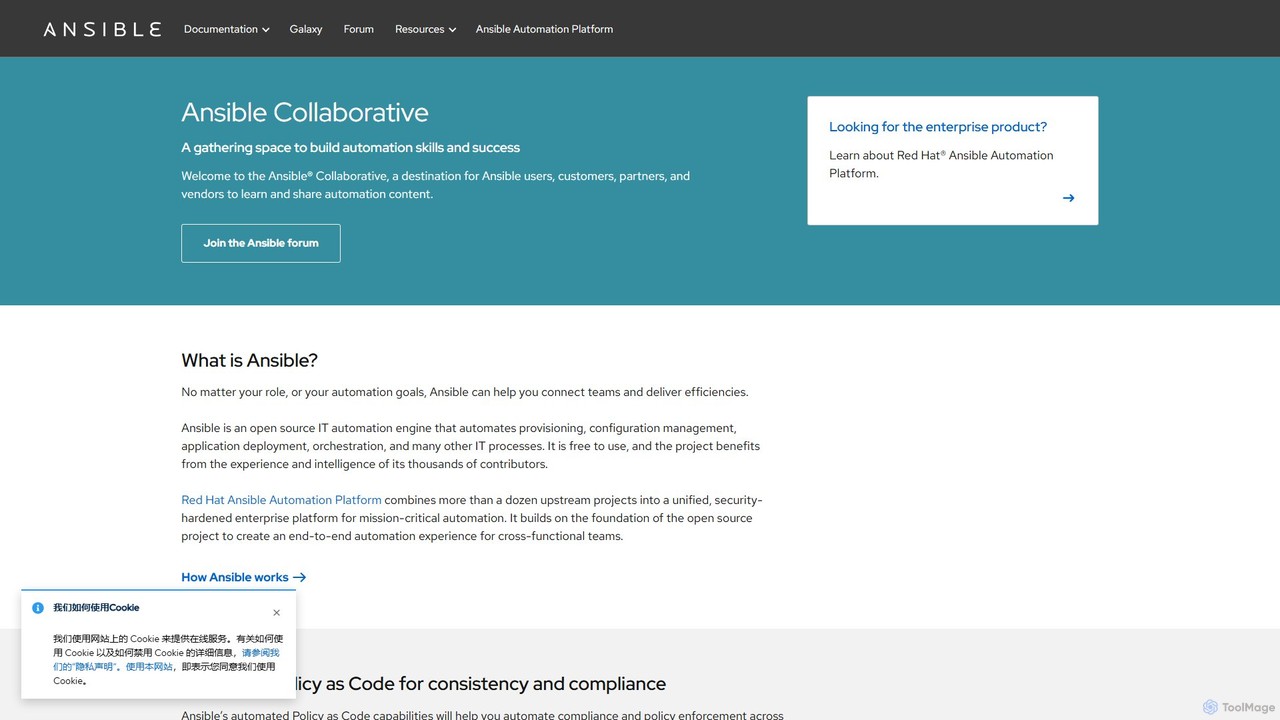
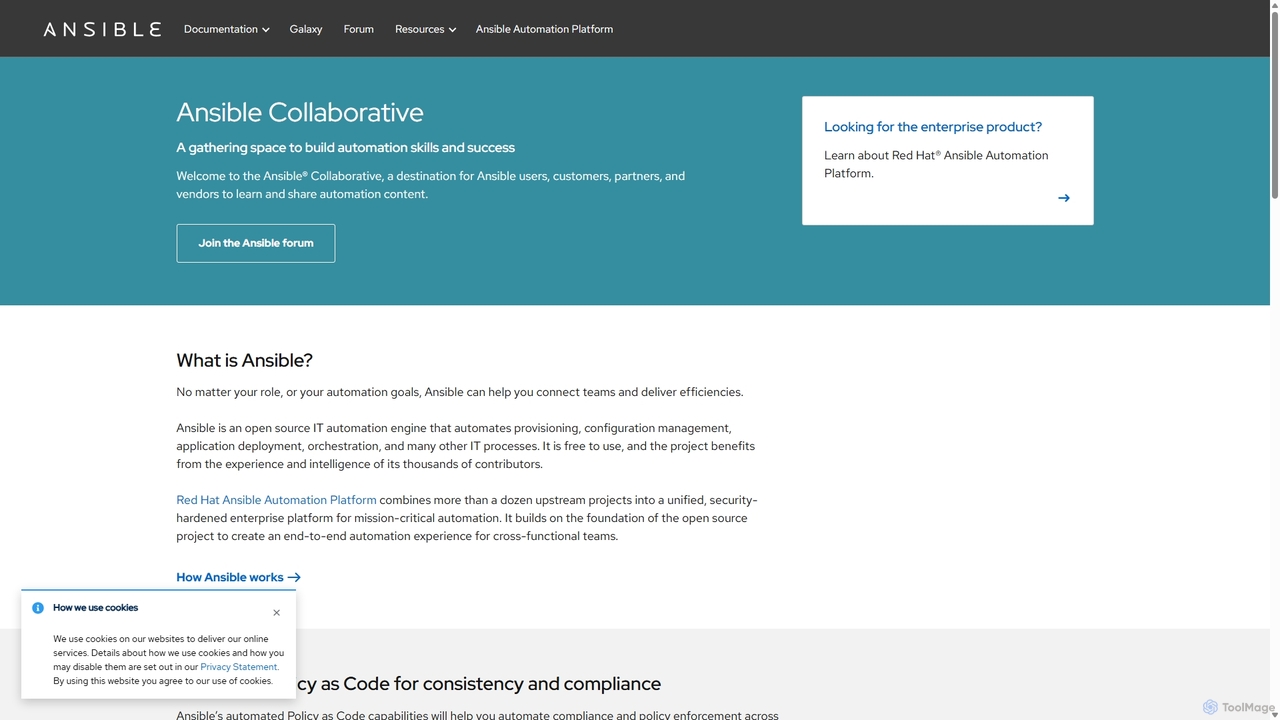
Ansible Collaborative is a central hub for the Ansible open-source community, providing resources for IT automation. It offers documentation, forums, and access to Ansible Galaxy for pre-built content. Users can learn to automate provisioning, configuration management, and application deployment. While the core Ansible project is free, it serves as the foundation for the enterprise-grade Red Hat Ansible Automation Platform, which adds advanced features like generative AI and event-driven automation.

Infrastructure As Code
Visits 3.5MFavorites 112Likes 113
Lumlax
Freemium

Lumlax

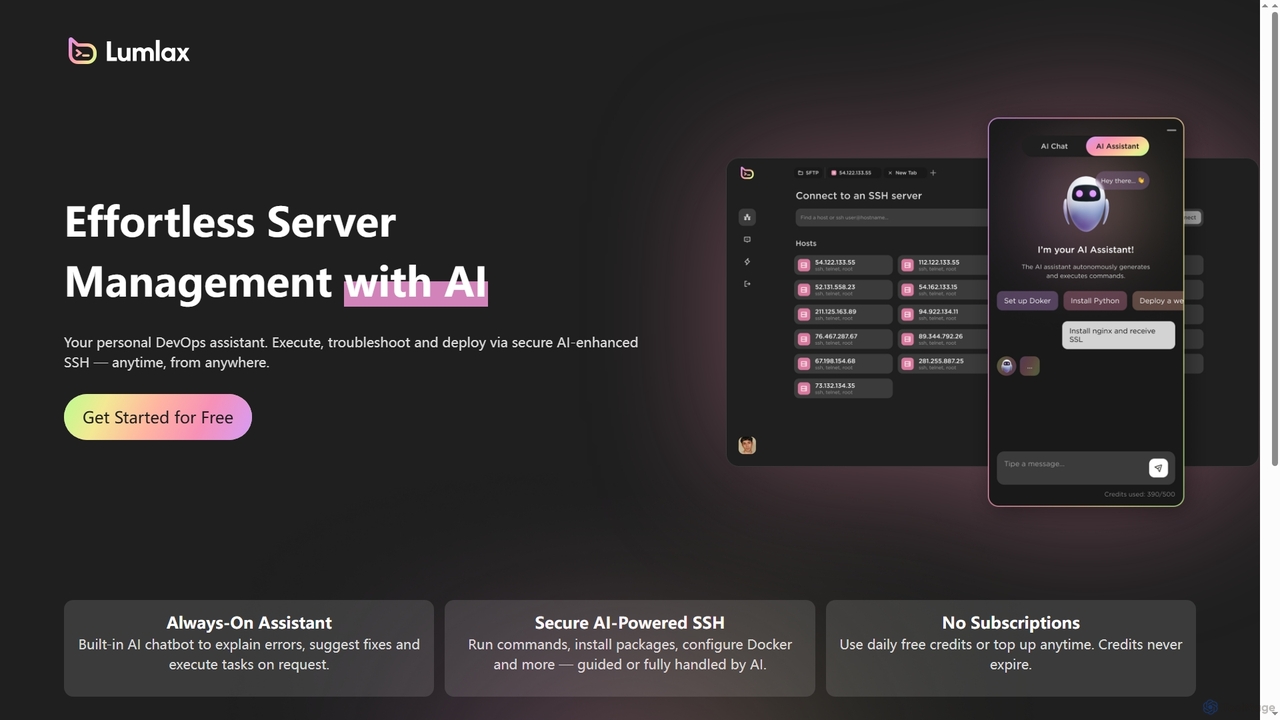
Lumlax is an AI-enhanced SSH application designed for effortless server management. It acts as a personal DevOps assistant, enabling developers to execute commands, troubleshoot issues, and deploy applications securely from anywhere. With its built-in AI chatbot, Lumlax explains errors, suggests fixes, and automates tasks, streamlining operations and boosting productivity.

Devops
Visits 4.1KFavorites 110Likes 110
VPS Commander
Paid

VPS Commander

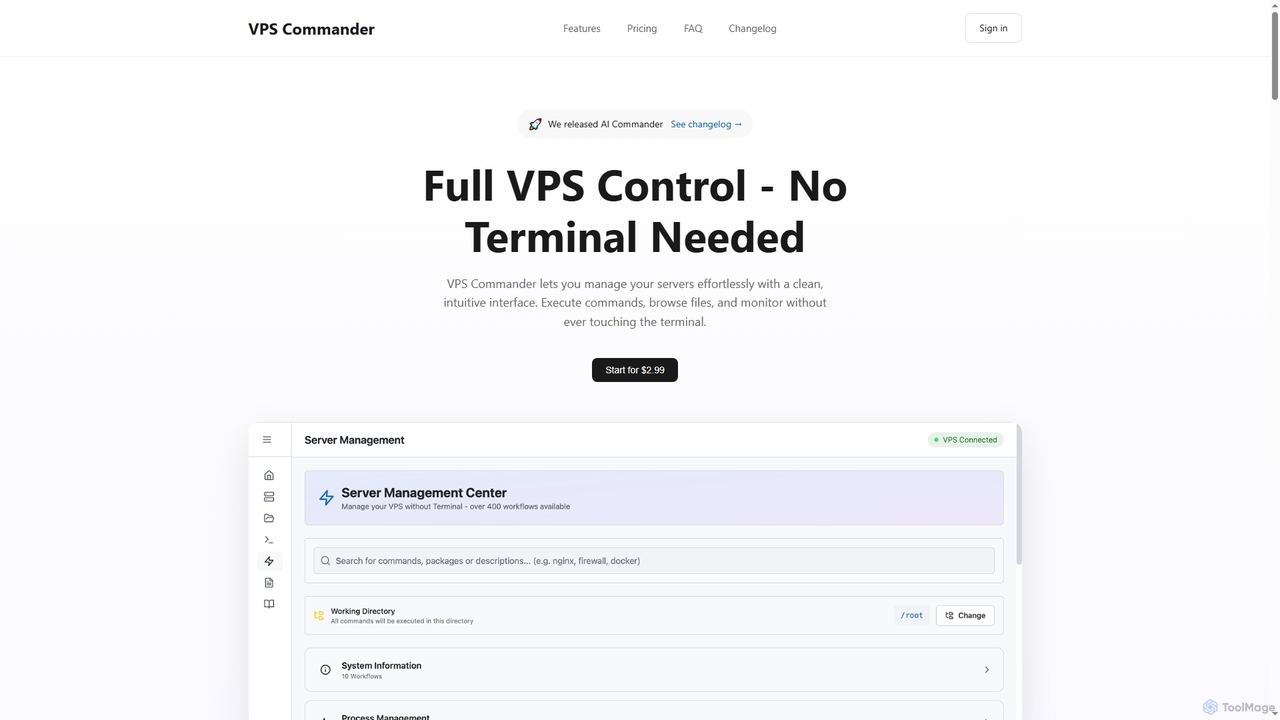
VPS Commander simplifies complex server management, transforming intricate terminal commands into intuitive clicks. It offers a modern interface for managing workflows, files, and processes, empowering anyone to control their Virtual Private Servers without needing command-line expertise.

Cloud Management
Visits 4.1KFavorites 115Likes 102
Cloud1
Freemium

Cloud1

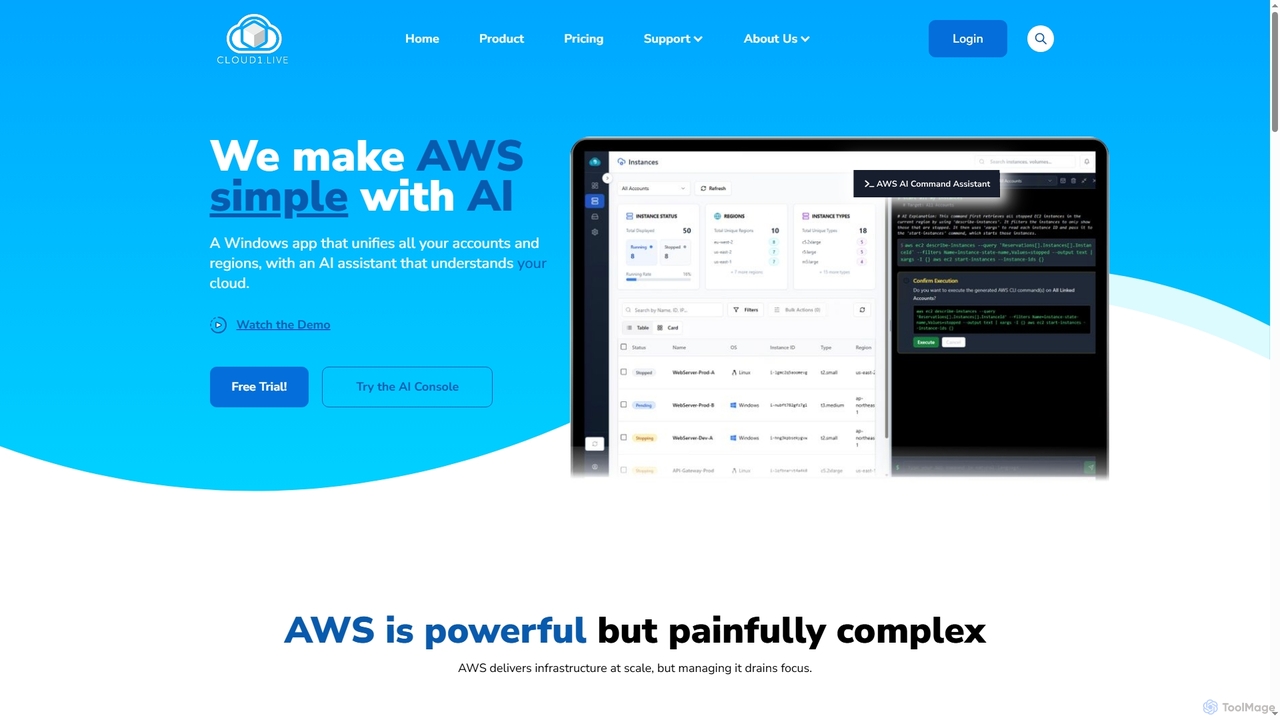
Cloud1 is an AI-powered Windows desktop application designed to simplify AWS EC2 management across multiple accounts and regions. It unifies instances, enables natural language commands via an AI assistant, and offers powerful bulk actions and cost optimization insights.

Aws
Visits 4.1KFavorites 14Likes 17
GenieEngage
Paid

GenieEngage

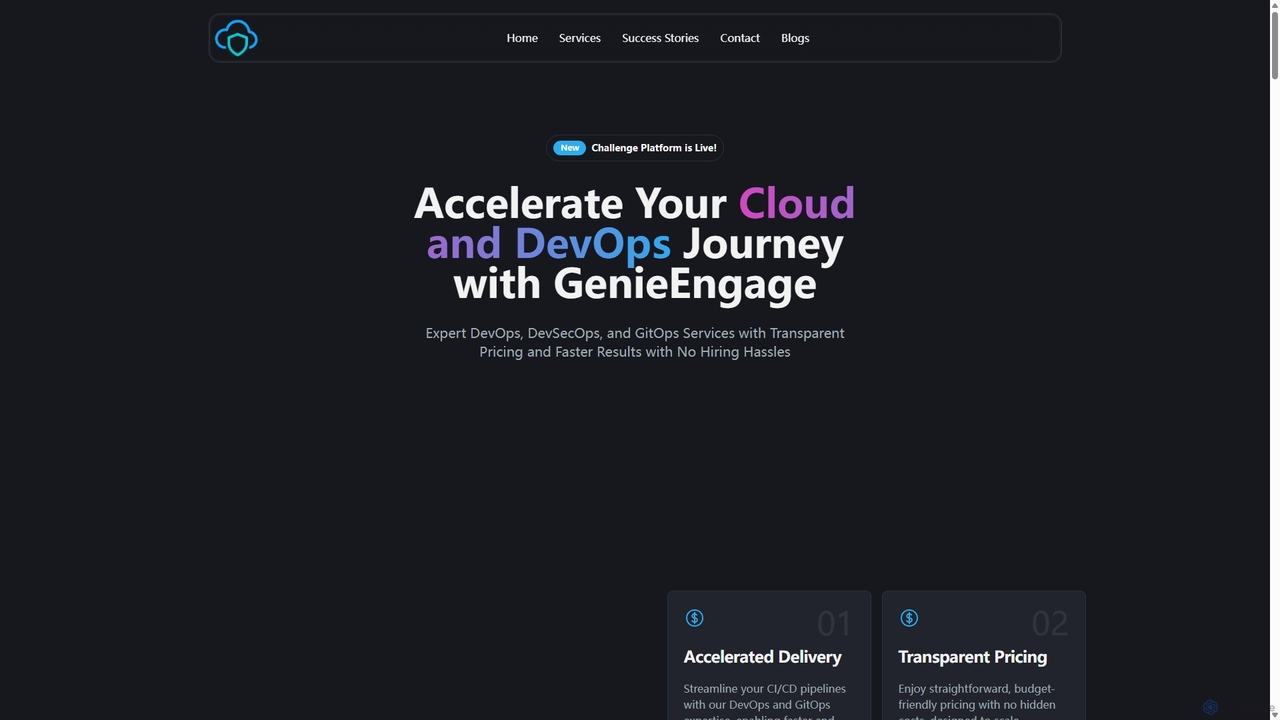
GenieEngage is a DevOps-as-a-Service partner providing expert solutions in DevOps, DevSecOps, and GitOps. It helps businesses accelerate software delivery, enhance security, and scale infrastructure on clouds like AWS, Azure, and GCP, offering a full team of experts as a cost-effective alternative to in-house hiring.

Infrastructure Management
Visits 4.1KFavorites 129Likes 130
CybertraceAI
Freemium

CybertraceAI

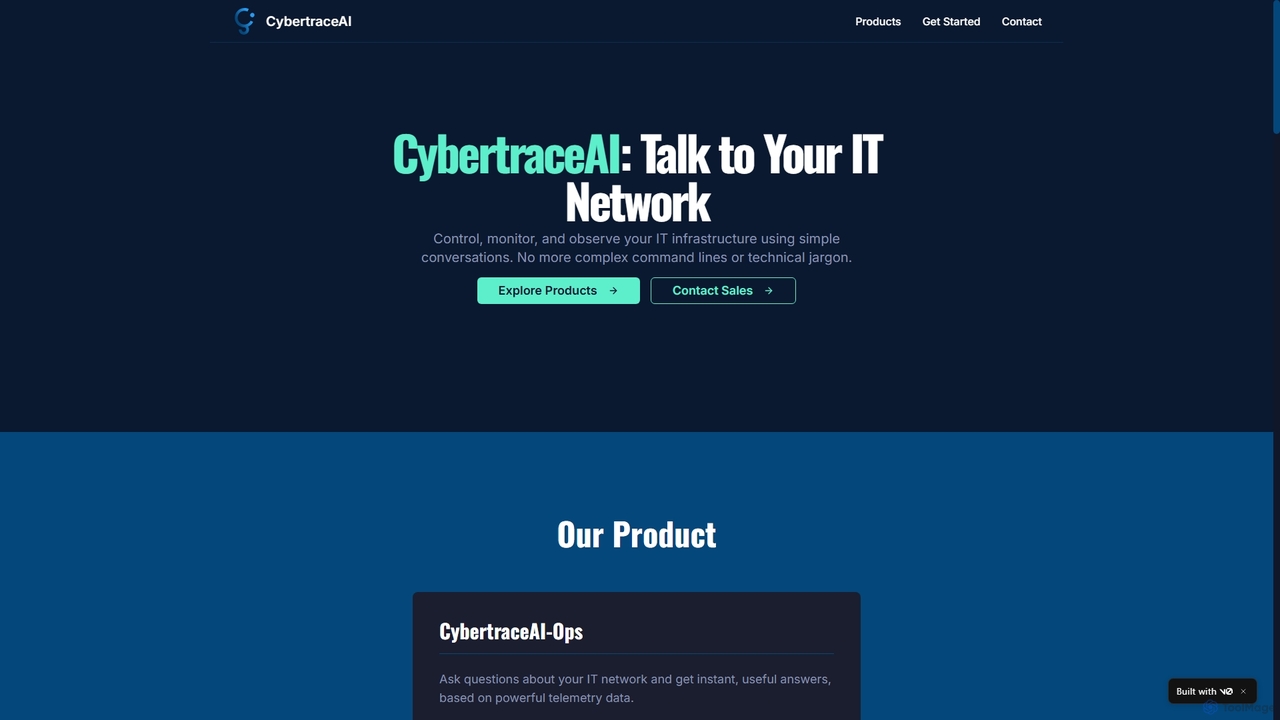
CybertraceAI is a conversational AI platform for IT network management. It enables professionals to monitor, control, and analyze their infrastructure using simple natural language queries. Replace complex command lines with intuitive conversations to get instant, verifiable answers based on real-time telemetry data, simplifying network operations and troubleshooting.

Devops
Visits 4.1KFavorites 101Likes 101
Lumo
Free

Lumo

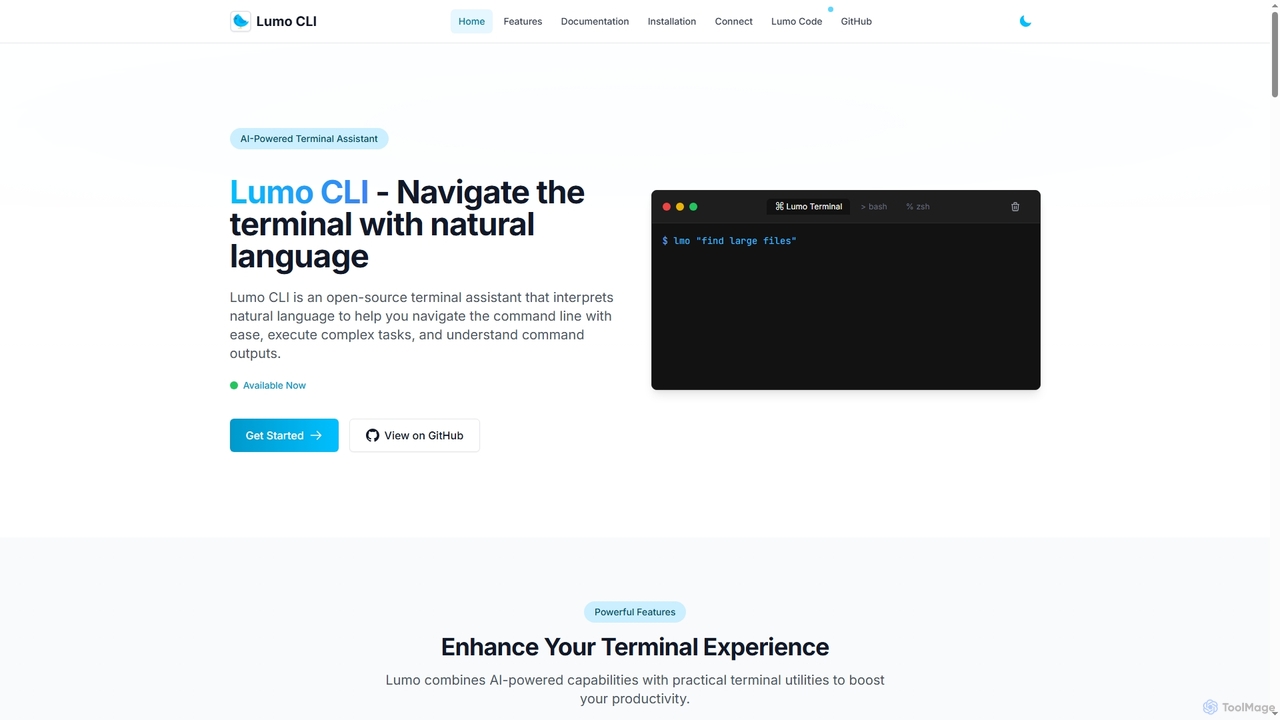
Lumo is an open-source, AI-powered terminal assistant that allows users to interact with the command line using natural language. It translates plain English into executable commands, automates complex tasks, monitors system health, and supports multiple AI models including Gemini, OpenAI, and Ollama for local inference.

Code Assistant
Visits 4.9KFavorites 77Likes 81
Rebolt
Freemium

Rebolt

Rebolt is an AI-powered platform designed to automate the entire software development lifecycle. It helps developer and DevOps teams build, test, and deploy applications faster and more reliably by leveraging AI for CI/CD pipeline optimization, code generation, and intelligent monitoring.

Code Assistant
Visits 4.2KFavorites 126Likes 115
Metoro
Freemium

Metoro

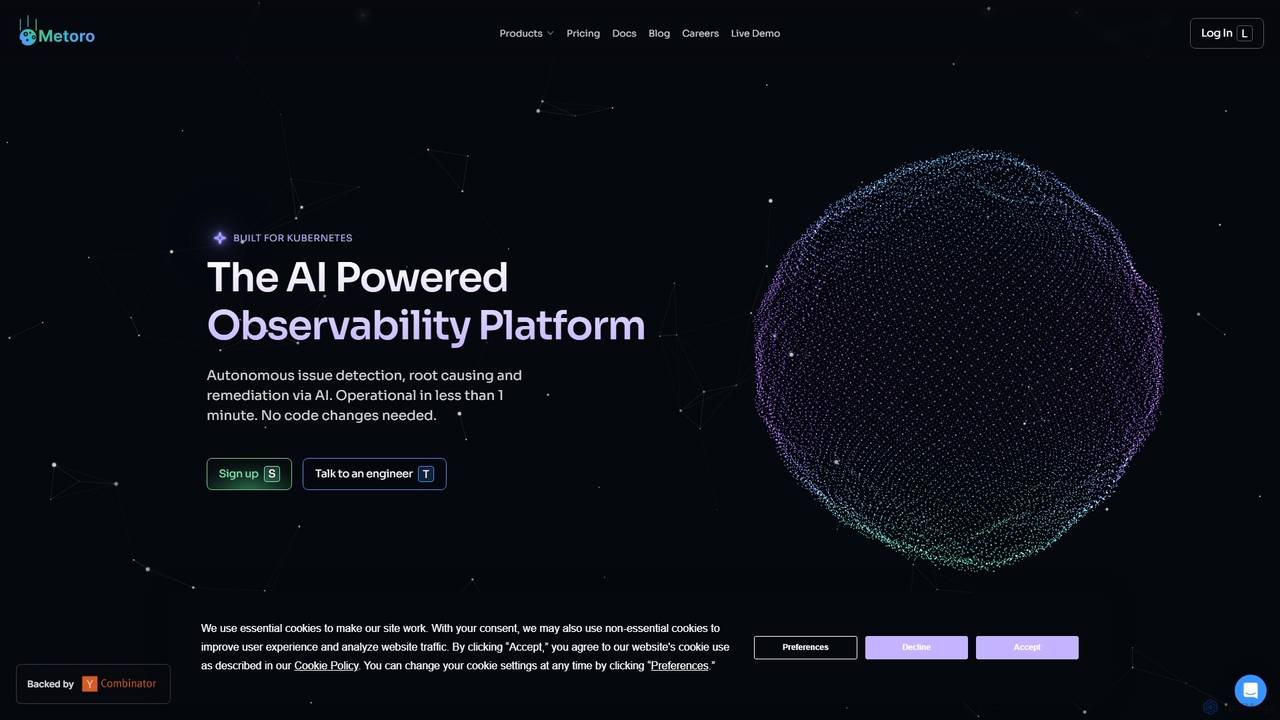
Metoro is an AI-powered observability platform designed for Kubernetes. It uses eBPF technology for zero-instrumentation monitoring, enabling autonomous issue detection, root cause analysis, and automated code fixes via pull requests. Operational in under a minute, it offers a comprehensive and cost-effective alternative to traditional monitoring tools.

Observability
Visits 12.9KFavorites 90Likes 107
Waveterm
Free

Waveterm

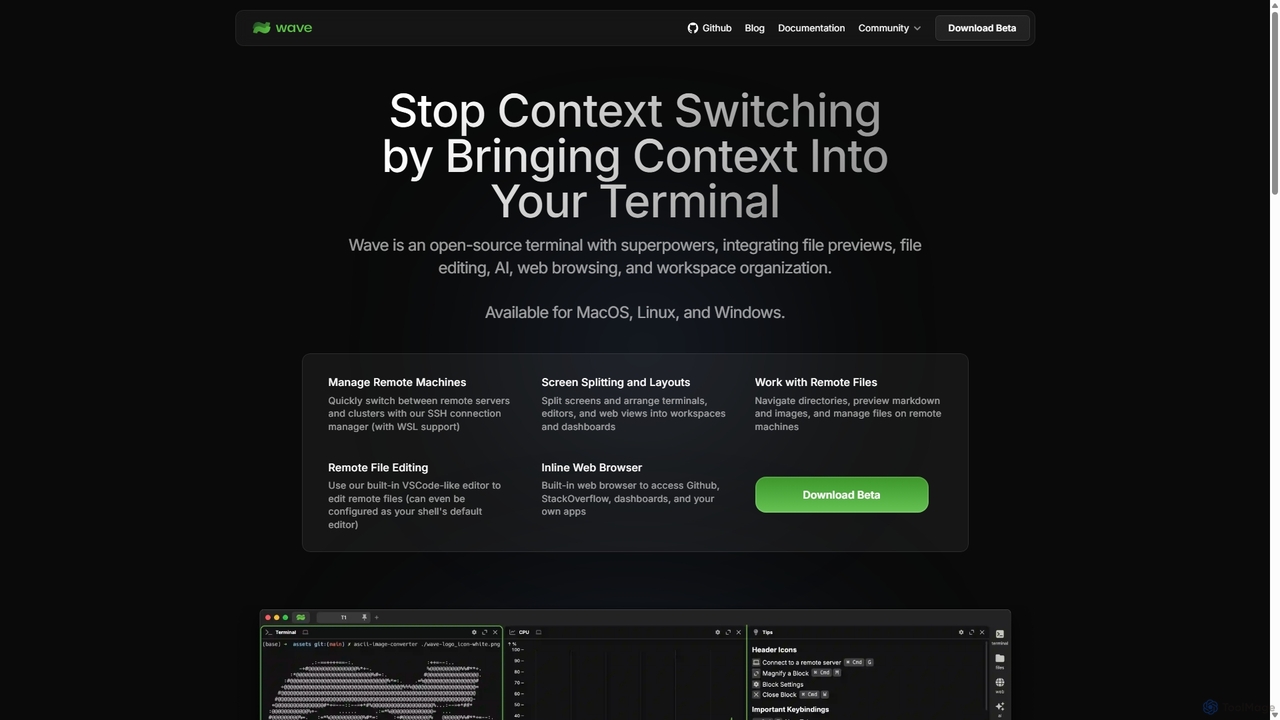
Waveterm is an open-source, modern terminal designed for developers and DevOps engineers. It enhances the command-line experience by integrating AI-powered assistance, a VSCode-like editor, inline file previews, a web browser, and customizable dashboards. This all-in-one workspace reduces context switching and boosts productivity across macOS, Windows, and Linux.

Code Assistant
Visits 133.9KFavorites 164Likes 164
Shuttle
Freemium

Shuttle

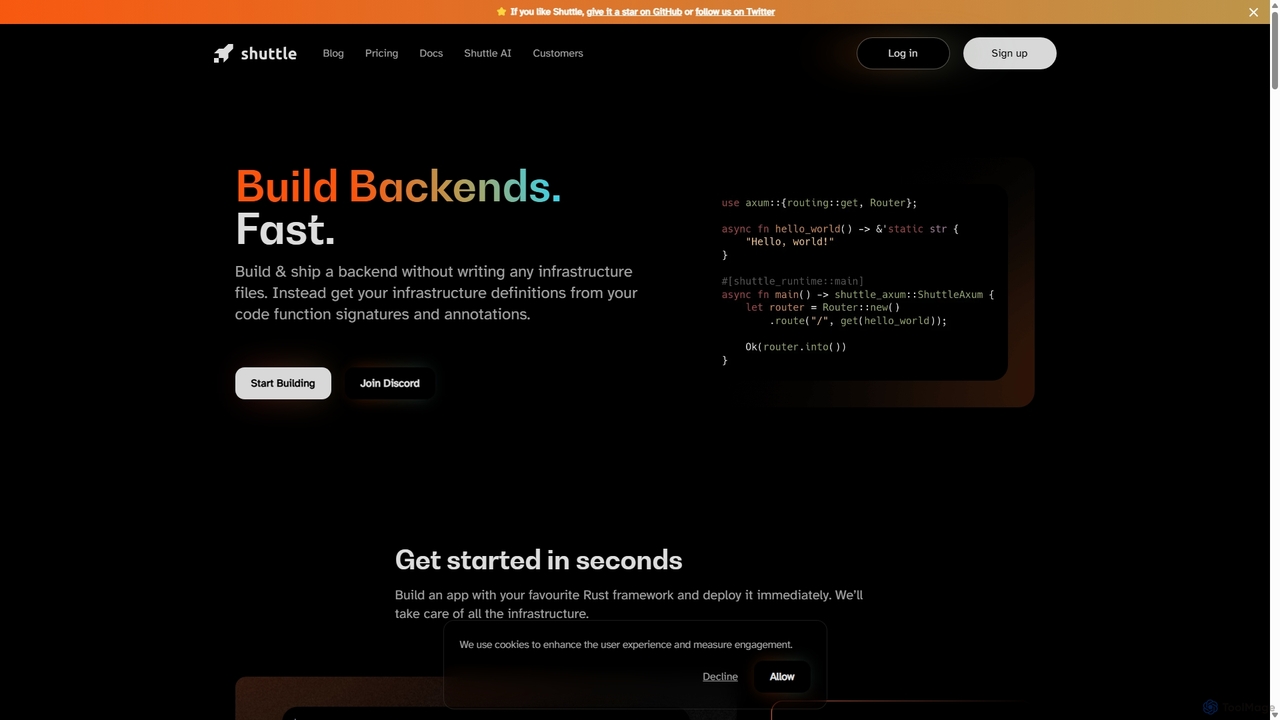
Shuttle is an open-source cloud platform designed to accelerate backend development in Rust. It eliminates infrastructure management by allowing developers to provision resources like databases and secrets directly within their code using simple annotations. Focus on building your application, and let Shuttle handle the deployment and scaling.

Backend Development
Visits 39.1KFavorites 155Likes 155
Savvy
Freemium

Savvy

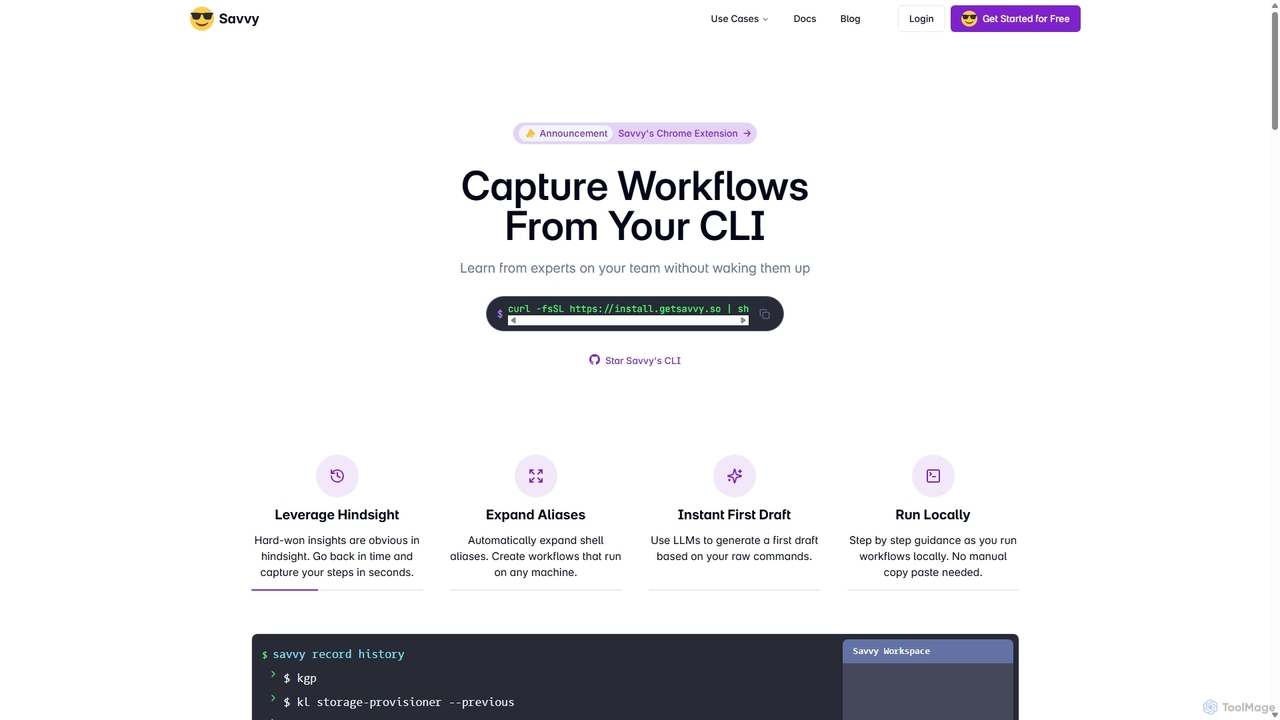
Savvy is an AI-powered tool for developers that captures Command Line Interface (CLI) actions to create shareable, step-by-step workflows. It helps teams document tribal knowledge, accelerate new hire onboarding, and resolve incidents faster by turning complex command sequences into easy-to-follow guides. With features like sensitive data redaction and AI-generated documentation, Savvy enhances productivity and collaboration for technical teams.

Command Line
Visits 7.2KFavorites 120Likes 125
0ptikube

0ptikube

0ptikube is an AI-powered visualization and optimization tool for Kubernetes. It provides real-time monitoring and an intuitive dashboard to help DevOps engineers and SREs easily understand, manage, and optimize their cluster infrastructure, identify resource bottlenecks, and improve performance.

Cloud Computing
Visits 4KFavorites 109Likes 103
Warestack

Warestack

Warestack provides agentic guardrails for software development teams, enabling safe and compliant releases. It uses context-aware, natural language rules to monitor DevOps workflows, flag risky operations, and automate protection, integrating with tools like Slack and Linear to prevent production incidents.

Code Quality
Visits 4.6KFavorites 139Likes 141