Home Assistant is a powerful, open-source home automation platform that prioritizes local control and user privacy. It integrates with thousands of smart devices and services, allowing you to create powerful automations, custom dashboards, and even use a private, local voice assistant. Powered by a global community, it puts you in complete control of your smart home data.

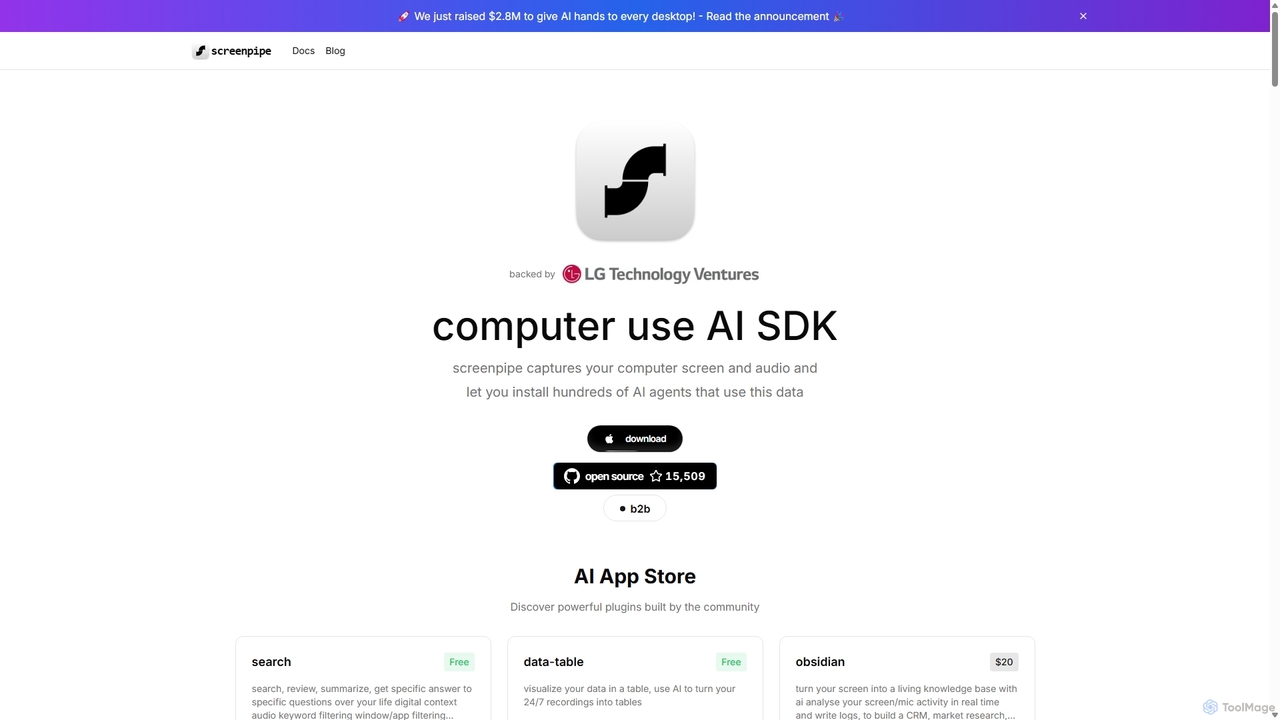
Screenpipe is an open-source AI SDK that captures your computer's screen and audio 24/7, creating a local, private digital memory. It powers a rich ecosystem of AI agents that can search, summarize, and automate tasks based on your complete digital context, turning your computer usage into a powerful, personalized AI.
Product overview
Home Assistant Product overview
Home Assistant is a powerful, open-source home automation platform that prioritizes local control and user privacy. It integrates with thousands of smart devices and services, allowing you to create powerful automations, custom dashboards, and even use a private, local voice assistant. Powered by a global community, it puts you in complete control of your smart home data.
Screenpipe Product overview
Screenpipe is an open-source AI SDK that captures your computer's screen and audio 24/7, creating a local, private digital memory. It powers a rich ecosystem of AI agents that can search, summarize, and automate tasks based on your complete digital context, turning your computer usage into a powerful, personalized AI.
Detailed feature comparison
| Feature | Home Assistant | Screenpipe |
|---|---|---|
| Primary category | Open Source | Personal Data |
| Added | 2025-08-07 | 2025-09-11 |
| Pricing | Freemium | Freemium |
| Official website | www.home-assistant.io | screenpi.pe |
| Product type | Website | App |
| Performance data | ||
| User rating | Not verified | Not verified |
| Comments | 0 | 0 |
| Monthly visits | 5.7M | 49.4K |
| Monthly growth | 0.3% | -12.6% |
| Favorites | 86 | 82 |
| Details | View details | View details |
Home Assistant vs Screenpipe monthly traffic
Compare Home Assistant and Screenpipe by monthly reach, traffic trend, visit depth, top regions, and acquisition sources.
How to interpret the traffic data
In the Home Assistant vs Screenpipe monthly traffic comparison, Home Assistant currently shows 5.7M visits and Screenpipe shows 49.4K; Home Assistant has about 116.4 times the visible traffic of Screenpipe, an absolute difference of about 5.7M visits. This reflects visible reach, not feature quality or paid users.
Both tools provide verified traffic details, so monthly trends, visit depth, regions, and acquisition sources can be compared on the same basis.
Home Assistant monthly traffic:
Latest traffic
Monthly traffic trend
- 2025/9: 5.9M Monthly visits
- 2026/1: 8M Monthly visits
- 2026/2: 6.5M Monthly visits
- 2026/3: 6.3M Monthly visits
- 2026/4: 5.7M Monthly visits
- 2026/5: 5.7M Monthly visits
Top regions
Top 5 countries/regions
| Country/region | Percentage | Traffic |
|---|---|---|
| ๐บ๐ธUnited States | 38.45% | 2.2M |
| ๐ฉ๐ชGermany | 36.9% | 2.1M |
| ๐ณ๐ฑNetherlands | 8.93% | 513.1K |
| ๐ฌ๐งUnited Kingdom | 8.54% | 490.7K |
| ๐ซ๐ทFrance | 7.18% | 412.6K |
Traffic sources
| Source type | Percentage | Traffic |
|---|---|---|
| Direct | 74.78% | 4.3M |
| Referral | 24.28% | 1.4M |
| 0.94% | 54K |
Search keywords
Screenpipe monthly traffic:
Latest traffic
Monthly traffic trend
- 2025/9: 14.3K Monthly visits
- 2026/1: 22.1K Monthly visits
- 2026/2: 26.8K Monthly visits
- 2026/3: 42.6K Monthly visits
- 2026/4: 56.4K Monthly visits
- 2026/5: 49.4K Monthly visits
Top regions
Top 5 countries/regions
| Country/region | Percentage | Traffic |
|---|---|---|
| ๐บ๐ธUnited States | 54.22% | 26.8K |
| ๐ฎ๐ณIndia | 17.53% | 8.7K |
| ๐ท๐บRussia | 10.04% | 5K |
| ๐ฉ๐ชGermany | 9.54% | 4.7K |
| ๐น๐ผTaiwan | 8.67% | 4.3K |
Traffic sources
| Source type | Percentage | Traffic |
|---|---|---|
| Direct | 81.67% | 40.3K |
| Referral | 12.34% | 6.1K |
| 5.99% | 3K |
Search keywords
Usage comparison
Compare the core capabilities of Home Assistant and Screenpipe
Home Assistant Core features
Screenpipe Core features
Use cases
Home Assistant Use cases
Screenpipe Use cases
Best suited roles
Home Assistant Best suited roles
Screenpipe Best suited roles
Home Assistant vs Screenpipe๏ผIn-depth comparison and selection guidance
First decide whether the products solve the same kind of need
This in-depth Home Assistant vs Screenpipe comparison uses only the product records, taxonomy, audience, traffic, and community signals available on this page. Home Assistant is primarily listed under โOpen Sourceโ, while Screenpipe is primarily listed under โPersonal Dataโ, so the first decision is whether your actual task matches their recorded scope.
The structured fields currently show these decision-relevant differences: Primary category (Home Assistant: Open Source; Screenpipe: Personal Data); Product type (Home Assistant: Website; Screenpipe: App); Monthly visits (Home Assistant: 5.7M; Screenpipe: 49.4K); Monthly growth (Home Assistant: 0.3%; Screenpipe: -12.6%); Favorites (Home Assistant: 86; Screenpipe: 82). These facts are more useful for selection than brand visibility alone.
What market visibility and monthly traffic mean
In the Home Assistant vs Screenpipe monthly traffic comparison, Home Assistant currently shows 5.7M visits and Screenpipe shows 49.4K; Home Assistant has about 116.4 times the visible traffic of Screenpipe, an absolute difference of about 5.7M visits. This reflects visible reach, not feature quality or paid users.
Both tools provide verified traffic details, so monthly trends, visit depth, regions, and acquisition sources can be compared on the same basis.
If public market visibility is an important first-pass criterion, investigate Home Assistant first. The final choice should still follow taxonomy, use case, and a real trial because higher traffic does not prove broader capabilities or better workflow fit.
Product positioning, use cases, and roles
Home Assistant and Screenpipe currently overlap in shared categories: Automation; shared tags: automation, open source, and privacy. This can place both on the same shortlist, but it does not prove equal implementation, depth, or cost.
Home Assistant's unique categories/tags are Open Source, Smart Home, custom dashboard, energy management, home automation, IoT, local control, and Raspberry Pi; Screenpipe's are Personal Data, Sdk, Desktop Enhancement, ai agents, AI SDK, audio transcription, context layer, and desktop AI. These unique fields are the strongest differentiators: validate the product whose recorded scope matches the task instead of following traffic alone.
What ratings, comments, and favorites can tell you
Home Assistant has no verified rating, 0 comments, 86 favorites, and 82 likes๏ผScreenpipe has no verified rating, 0 comments, 82 favorites, and 100 likesใ
Neither product has enough rating or comment samples for a credible reputation ranking.
Selection guidance by actual need
When to evaluate Home Assistant first
Put Home Assistant on the priority trial list when the task aligns with โOpen Sourceโ and especially Open Source, Smart Home, custom dashboard, energy management, home automation, and IoT. This follows recorded positioning and does not imply unlisted capabilities are absent.
Home Assistant also currently records: pricing is freemium, product type is website, 5.7M verified monthly visits, no verified user rating. Verify any hard requirement around price, platform, or reach before trial, and do not let sparse review data substitute for testing.
When to evaluate Screenpipe first
Put Screenpipe on the priority trial list when the task aligns with โPersonal Dataโ and especially Personal Data, Sdk, Desktop Enhancement, ai agents, AI SDK, and audio transcription, or the users include AI Researcher, Content Creator, Data Analyst, and Founder. This follows recorded positioning and does not imply unlisted capabilities are absent.
Screenpipe also currently records: pricing is freemium, product type is app, 49.4K verified monthly visits, no verified user rating. Verify any hard requirement around price, platform, or reach before trial, and do not let sparse review data substitute for testing.
How to validate the recommendation before deciding
The available data describes positioning, public visibility, and community signals, but it cannot prove output quality, speed, integration effort, privacy, or long-term cost in your workflow. Before deciding, run the same representative tasks in Home Assistant and Screenpipe, then record completion time, accuracy, manual corrections, and the real paid threshold. A like-for-like trial turns this comparison into a defensible adoption decision.
Comparison FAQ
How should I choose between Home Assistant and Screenpipe?
Where does this comparison data come from?
What do unknown fields mean?
Related AI tools

ReMind
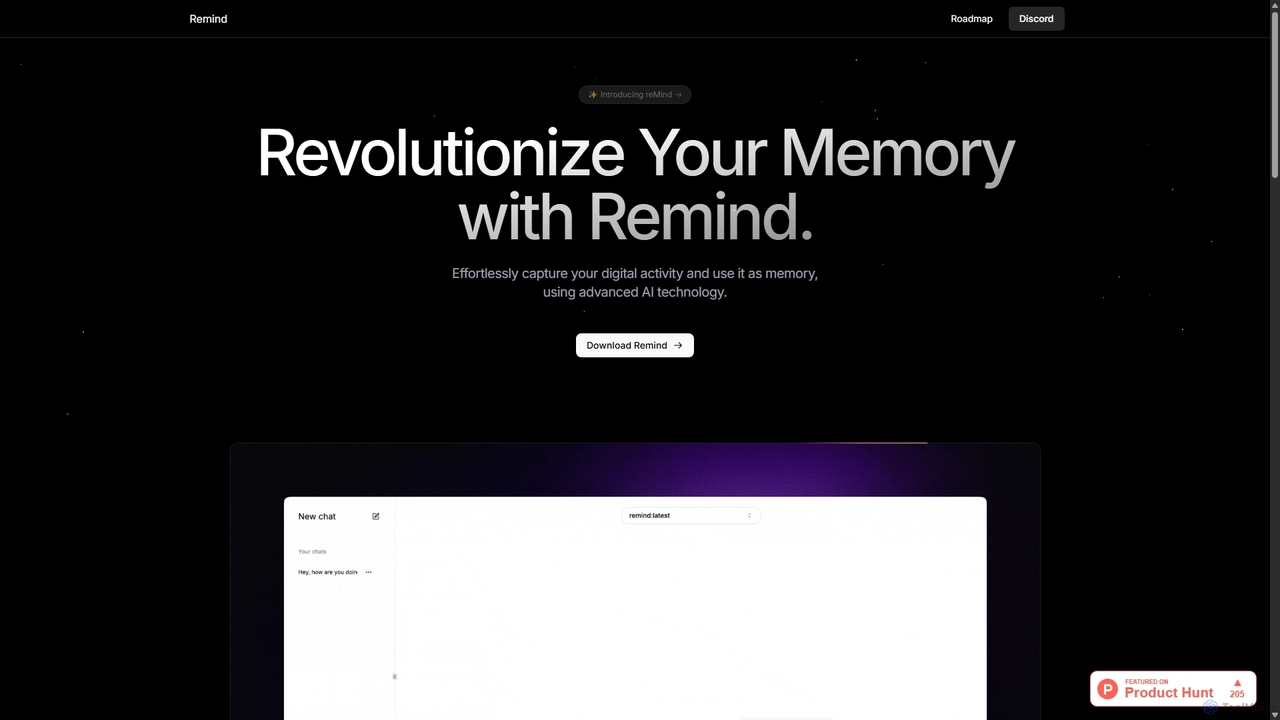
reMind is an open-source, privacy-first AI tool that acts as your personal memory. It captures your digital activity locally, allowing you to search and recall anything you've seen or done on your computer using natural language. It runs entirely on your machine for maximum security.
Utilities
OpenVoiceOS
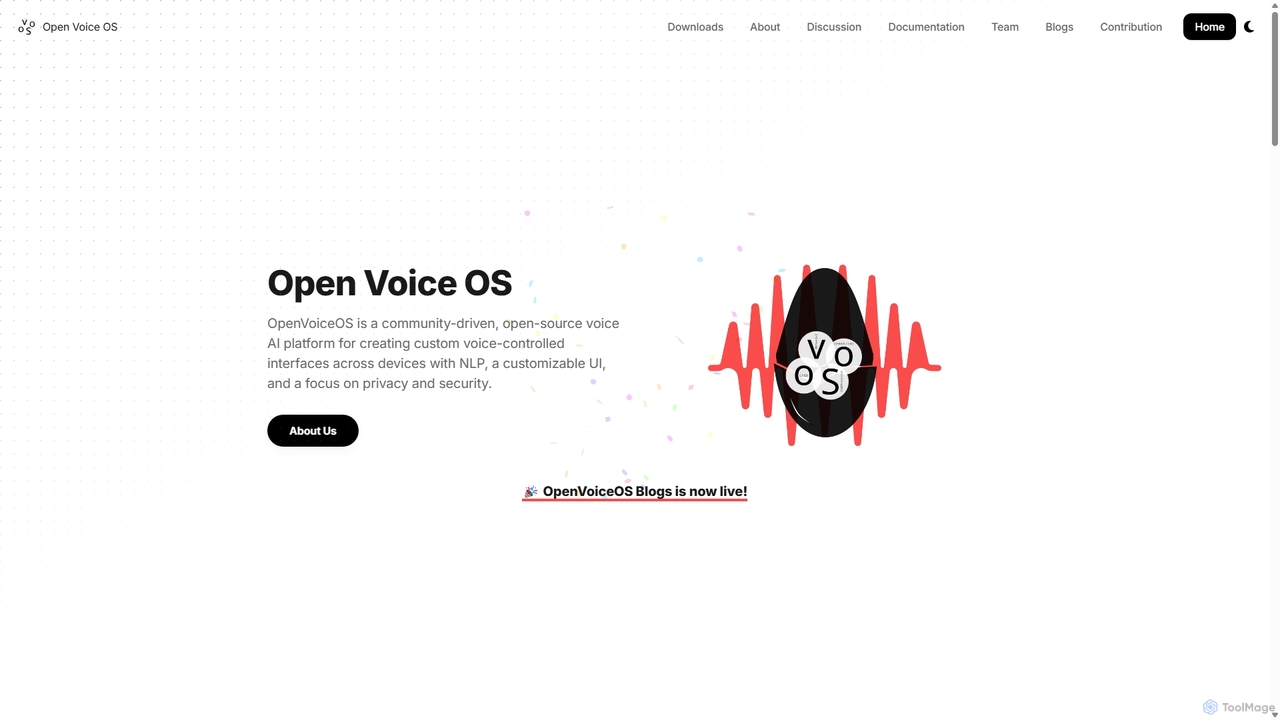
OpenVoiceOS is a community-driven, open-source voice AI platform for creating custom, private, and secure voice-controlled interfaces. It runs on various hardware like Raspberry Pi and Linux desktops, offering a flexible, plugin-based architecture for developers and DIY enthusiasts.
Voice & Speech
Amurex
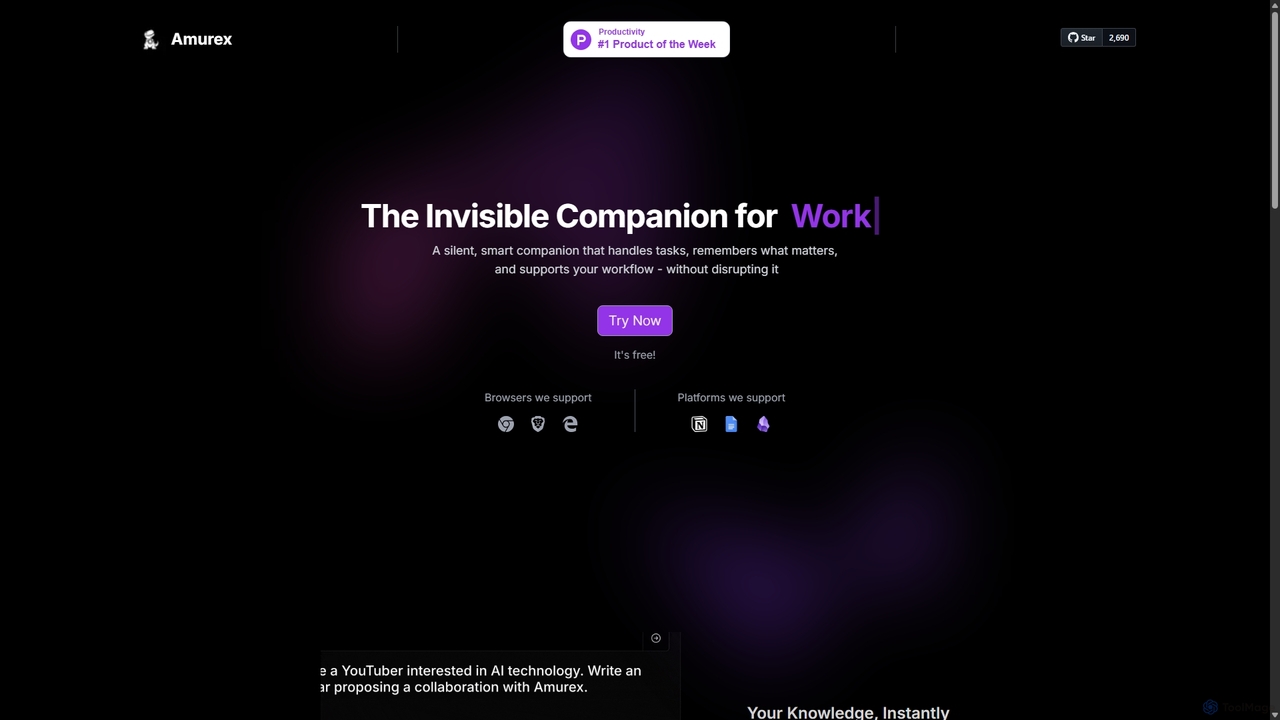
Amurex is an open-source AI invisible companion that works silently in the background to streamline your workflow. It integrates with your existing apps like Notion, Google Drive, and Obsidian to create a searchable knowledge base, automates meeting transcriptions and summaries, and intelligently categorizes your inbox.
Automation
RLAMA
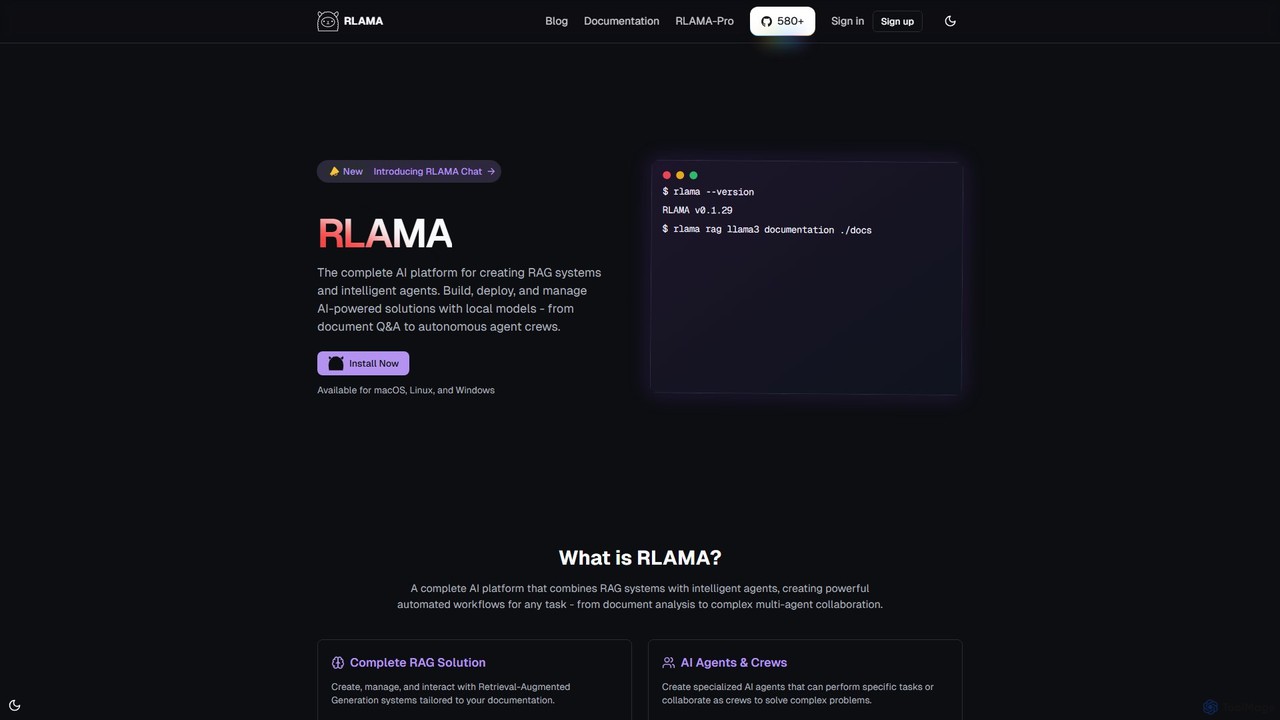
RLAMA is a comprehensive, local-first AI platform for creating Retrieval-Augmented Generation (RAG) systems and intelligent AI agents. It enables users to build, deploy, and manage powerful AI solutions on their own machines, ensuring 100% data privacy. With a robust CLI, a visual builder, and multi-agent orchestration, it's designed for tasks ranging from private document Q&A to complex automated workflows.
Custom Chatbots
Yack
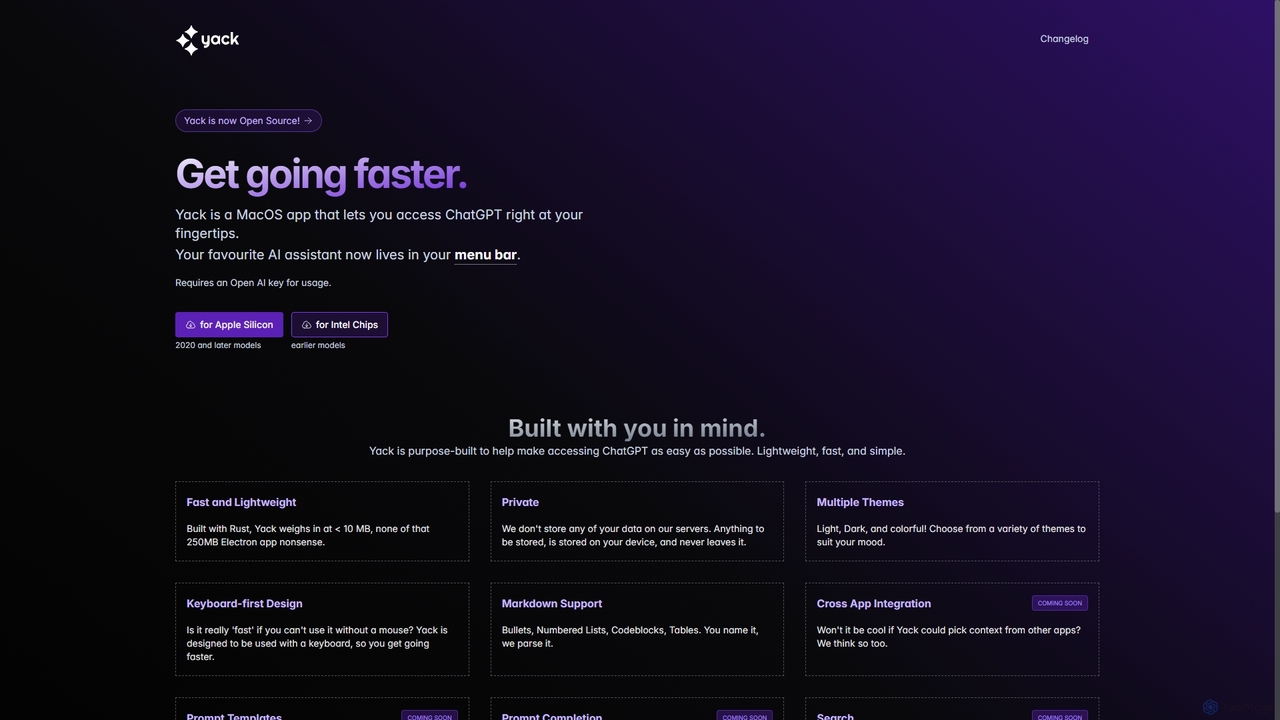
Yack is a lightweight, fast, and private open-source native macOS application that provides instant access to ChatGPT directly from your menu bar. Built with Rust, it's designed for efficiency with a keyboard-first approach, ensuring you can interact with AI without disrupting your workflow.
Api Client
CrewAI
CrewAI is an advanced open-source framework for orchestrating role-playing, autonomous AI agents. By fostering collaborative intelligence, it enables agents with distinct roles and tools to work together seamlessly to solve complex tasks. This multi-agent system simplifies the development of sophisticated applications, from automated content creation to complex data analysis, by managing agent interactions, task delegation, and workflow processes.
Agent
AgentSystems
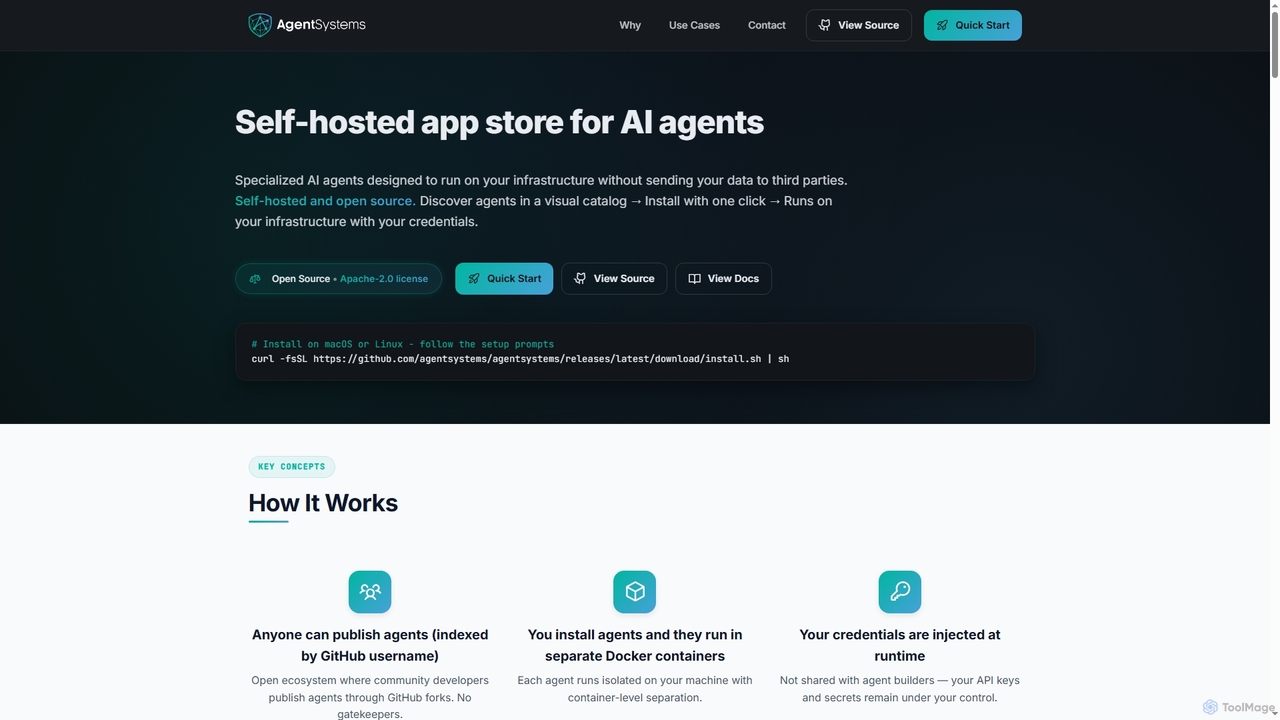
An open-source, self-hosted platform for discovering, deploying, and managing specialized AI agents on your own infrastructure, ensuring complete data privacy and control.
Self Hosted
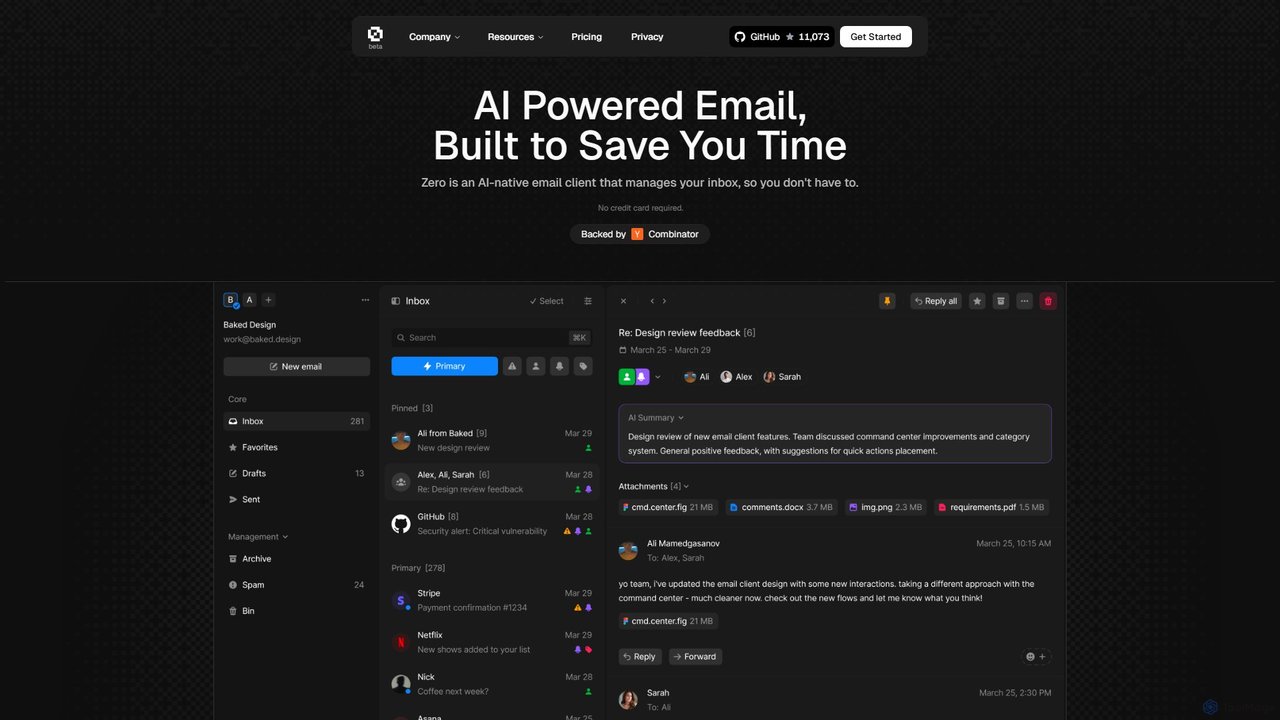
Zero
Zero is an AI-native email client designed to save you time. It automatically manages your inbox by summarizing threads, drafting replies, and extracting action items, allowing you to process emails at lightning speed with a keyboard-first interface.
Personal Assistant
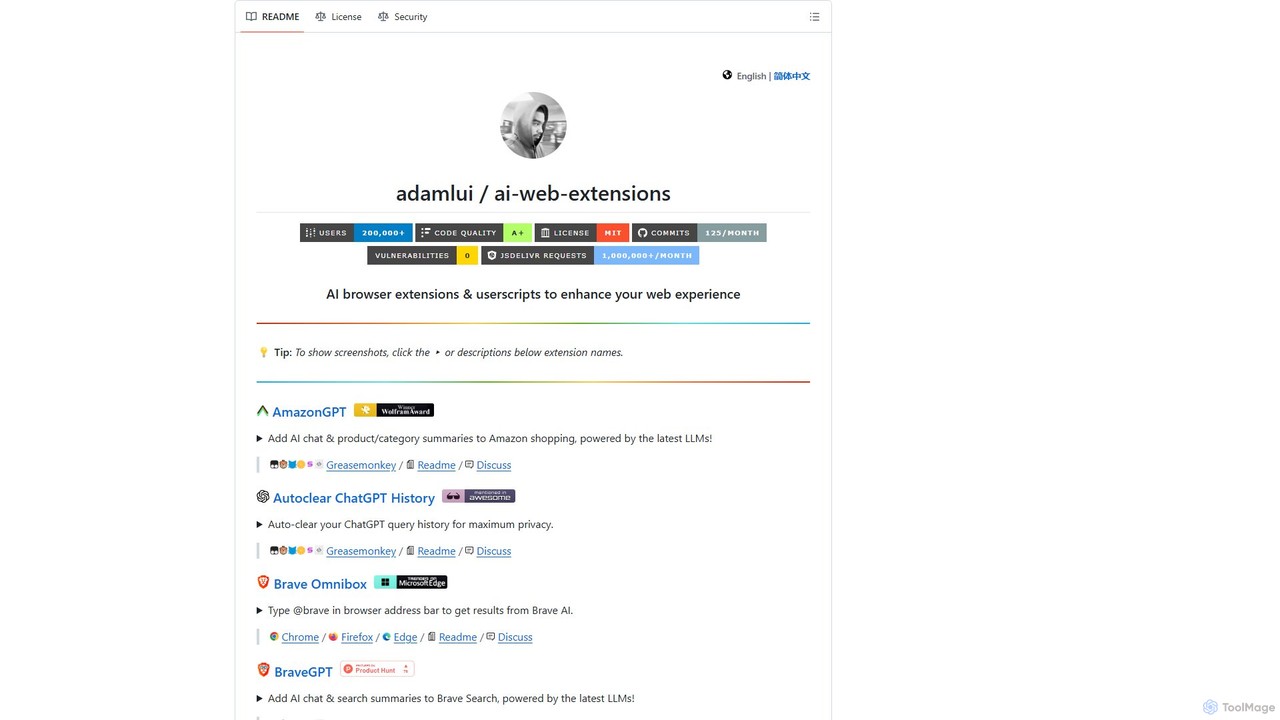
ChatGPT EVO
ChatGPT EVO is a powerful suite of open-source browser extensions and userscripts designed to augment your web experience. It seamlessly integrates AI functionalities from models like ChatGPT into your daily browsing, including search engines, e-commerce sites, and the browser's address bar, boosting productivity and providing instant information.
Code Assistant
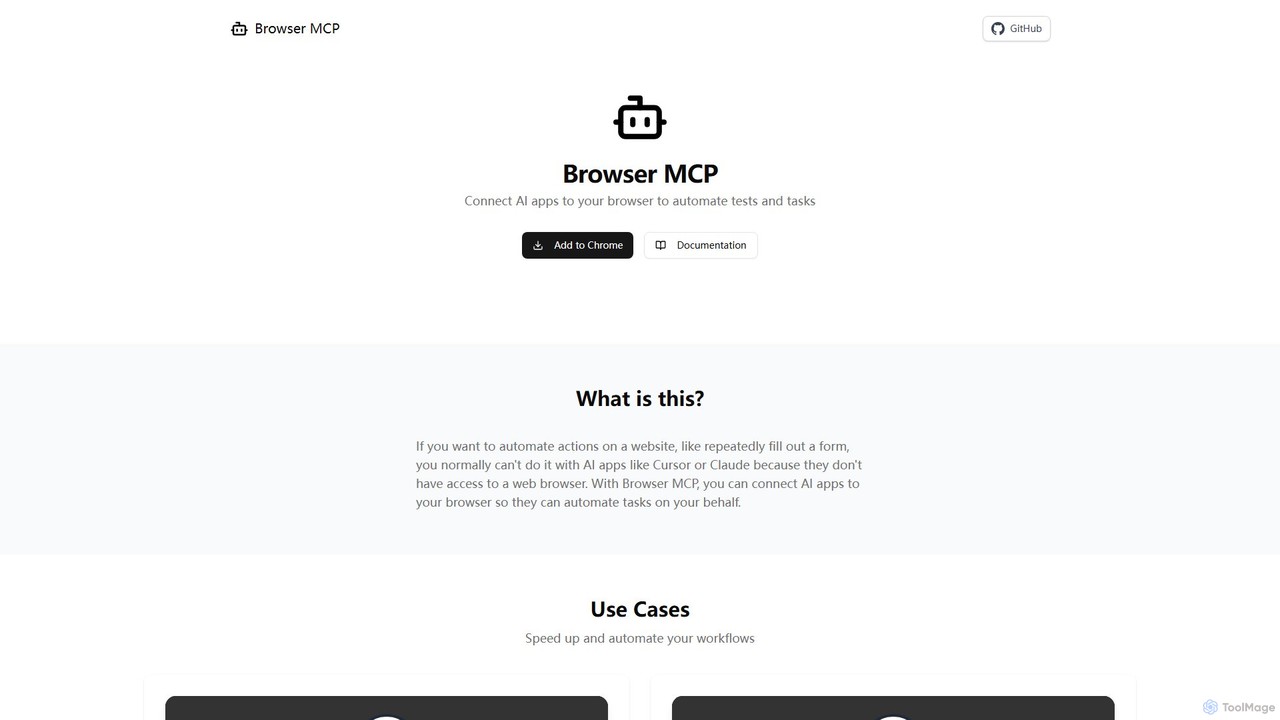
Browser MCP
Browser MCP connects AI applications like Claude or Cursor directly to your web browser. This enables you to automate repetitive tasks, conduct end-to-end software testing, and scrape web data using AI commands. It operates locally for maximum speed and privacy, leveraging your existing browser sessions to bypass logins and avoid bot detection.
Web Scraping
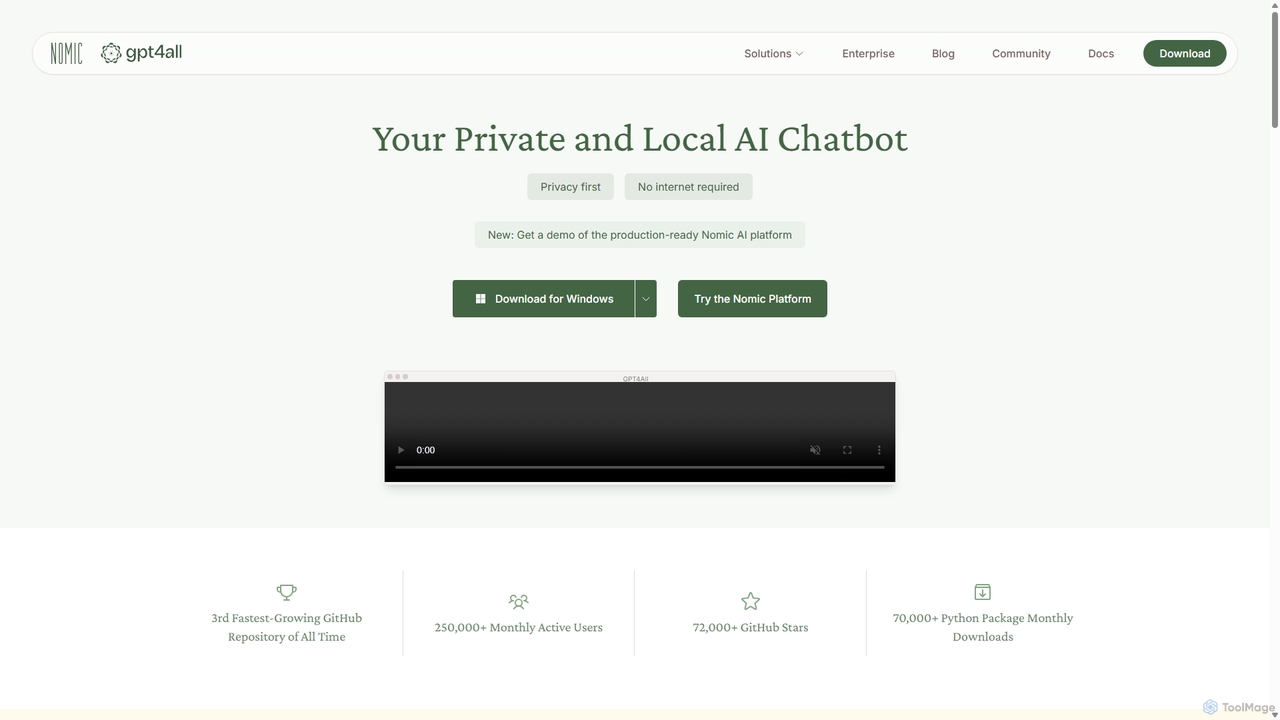
GPT4All
GPT4All is a free, open-source, and privacy-focused AI chatbot that runs powerful language models locally on your desktop. It works offline, ensuring your data never leaves your device, and allows you to chat with your own documents securely.
Machine Learning
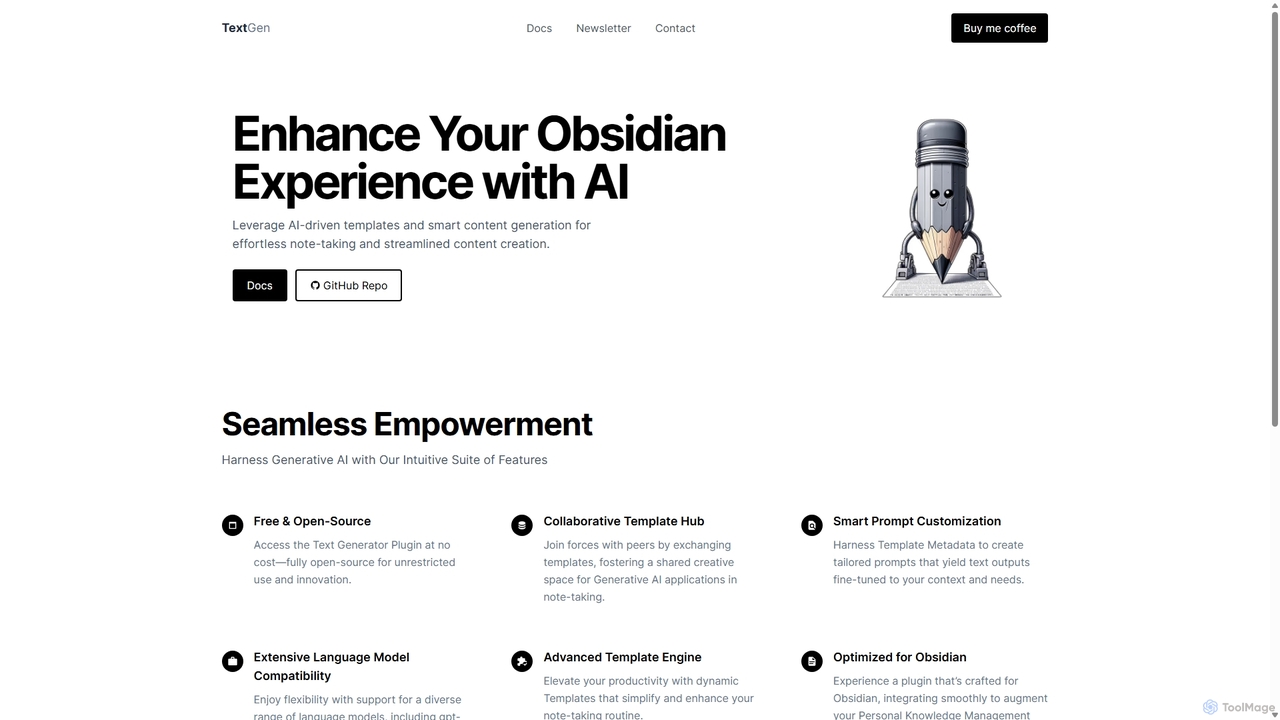
TextGen
TextGen is a free, open-source AI plugin for Obsidian that supercharges your note-taking and content creation. It integrates seamlessly with various large language models like GPT-4, Claude, and Llama, allowing you to generate, summarize, and transform text using customizable templates directly within your knowledge base.
Code Assistant
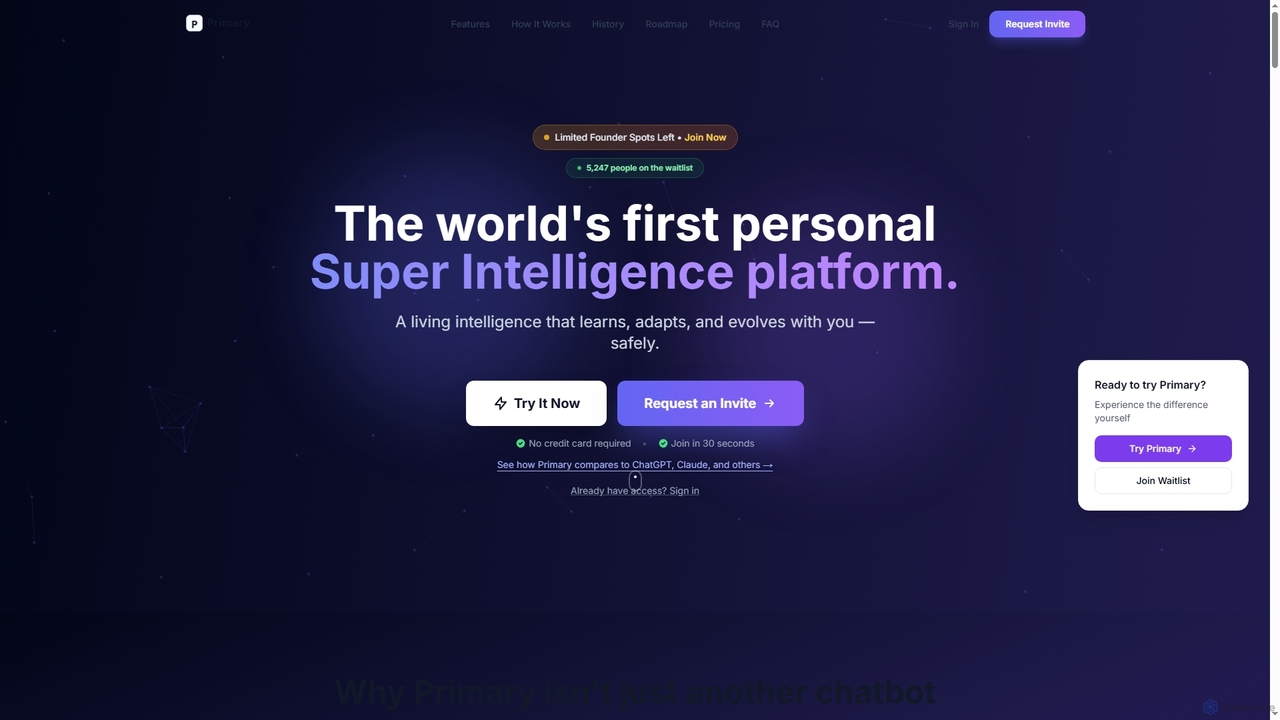
Primary
Primary is the world's first personal Super Intelligence platform, designed to learn, adapt, and evolve with you while prioritizing privacy. It automates repetitive tasks, manages complex workflows, and provides deep personalization to save users over 10 hours per week, acting as a symbiotic AI companion.
Workflow Automation
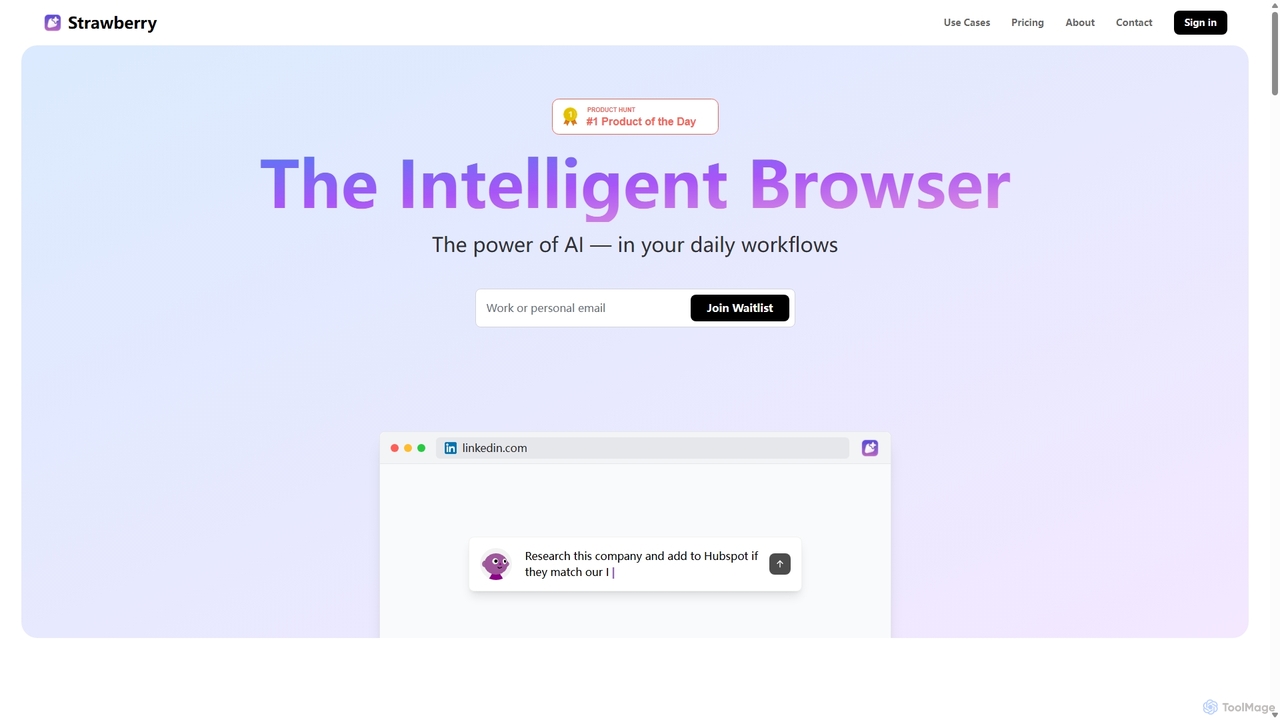
Strawberry Browser
Strawberry Browser is an intelligent, AI-powered browser designed to automate your daily workflows. It allows you to build a team of customizable AI assistants that handle repetitive tasks like research, data extraction, and lead generation directly within your browser. Eliminate grunt work, stay focused, and enhance your productivity.
Ai Assistant
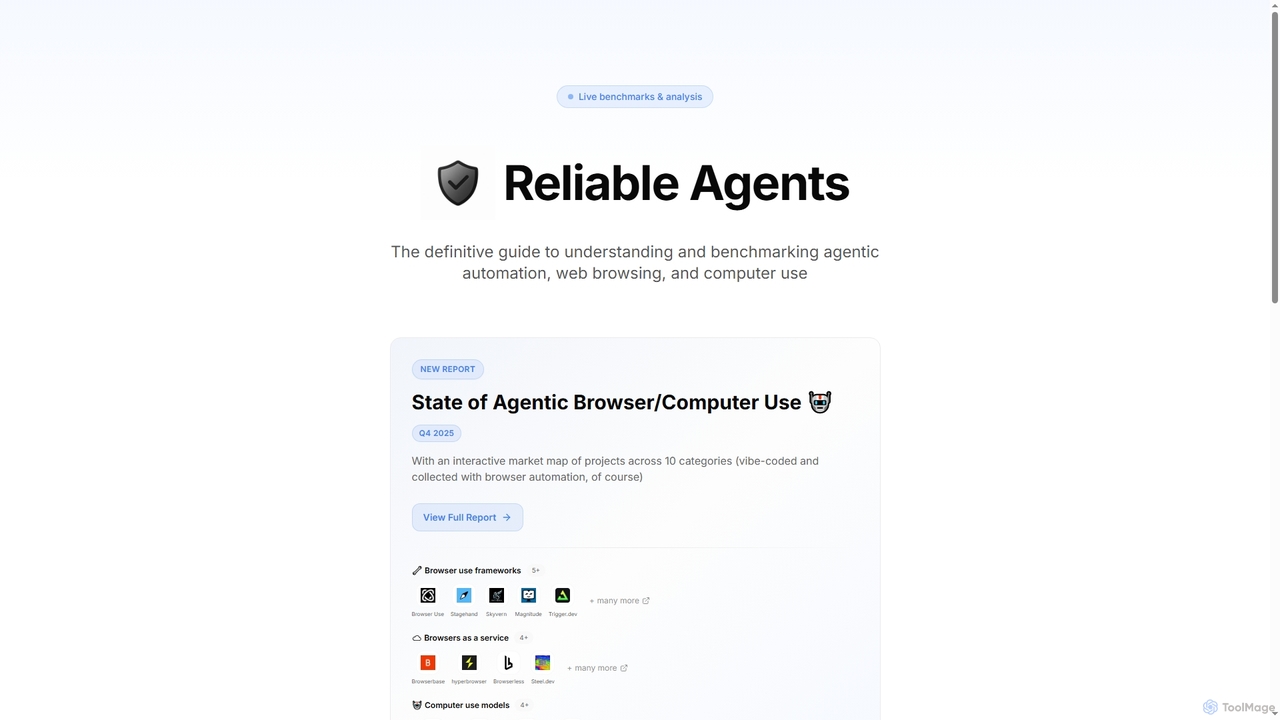
Reliable Agents
A definitive guide and benchmarking platform for agentic automation. It provides developers with interactive market maps, performance analysis, and reports on tools for web browsing and computer control, helping them build reliable AI agents.
Market Research