Frame by Brilliant Labs are open-source AI smart glasses designed for developers, hackers, and creators. Featuring a micro OLED display, camera, and microphone, they allow users to build and experience custom AI and AR applications. These lightweight glasses integrate with cloud AI services, enabling real-time visual search, translation, and more, all powered by a vibrant, community-driven ecosystem.
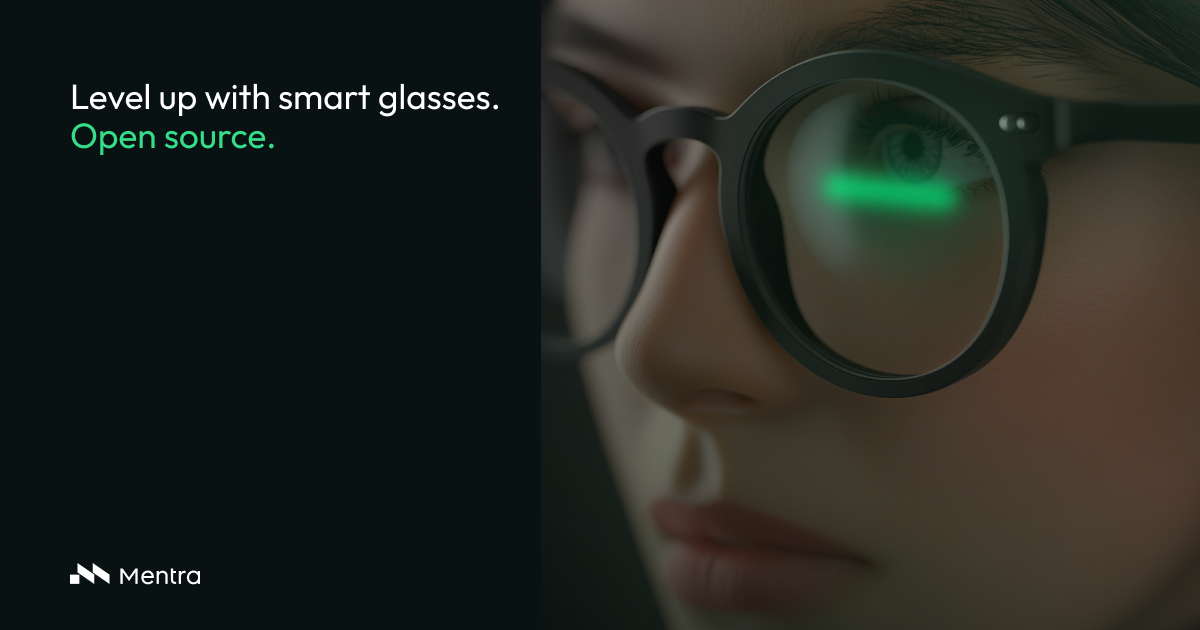
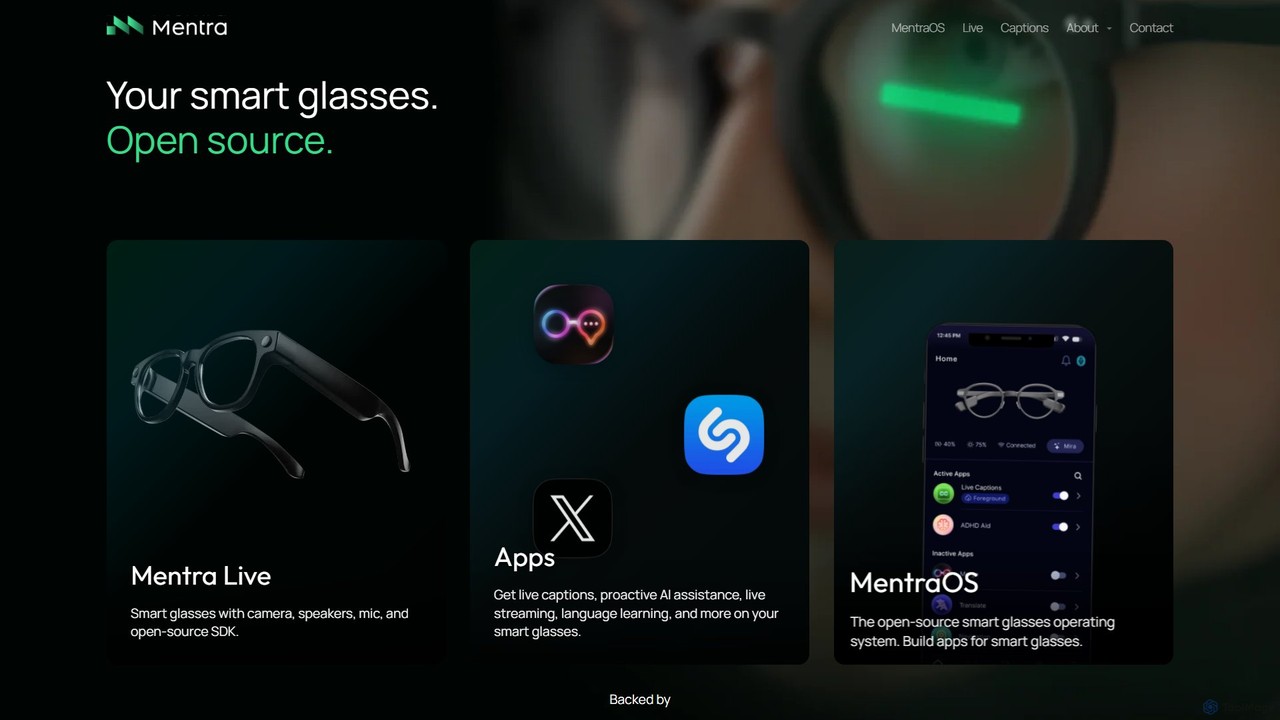
Mentra is a pioneering platform building the future of personal computing with open-source AI smart glasses. It features Mentra Live hardware and the MentraOS operating system, designed for proactive AI assistance, unrestricted live streaming, real-time translation, and a robust developer ecosystem. It aims to be the 'Android for smart glasses'.
Product overview
Frame Product overview
Frame by Brilliant Labs are open-source AI smart glasses designed for developers, hackers, and creators. Featuring a micro OLED display, camera, and microphone, they allow users to build and experience custom AI and AR applications. These lightweight glasses integrate with cloud AI services, enabling real-time visual search, translation, and more, all powered by a vibrant, community-driven ecosystem.
Mentra Product overview
Mentra is a pioneering platform building the future of personal computing with open-source AI smart glasses. It features Mentra Live hardware and the MentraOS operating system, designed for proactive AI assistance, unrestricted live streaming, real-time translation, and a robust developer ecosystem. It aims to be the 'Android for smart glasses'.
Detailed feature comparison
| Feature | Frame | Mentra |
|---|---|---|
| Primary category | Personal Assistant | Personal Assistant |
| Added | 2025-08-13 | 2025-08-03 |
| Pricing | Freemium | Paid |
| Official website | brilliant.xyz | mentra.glass |
| Product type | App | Website |
| Performance data | ||
| User rating | Not verified | Not verified |
| Comments | 0 | 0 |
| Monthly visits | 258.1K | 6.7K |
| Monthly growth | 76% | -22.4% |
| Favorites | 101 | 141 |
| Details | View details | View details |
Frame vs Mentra monthly traffic
Compare Frame and Mentra by monthly reach, traffic trend, visit depth, top regions, and acquisition sources.
How to interpret the traffic data
In the Frame vs Mentra monthly traffic comparison, Frame currently shows 258.1K visits and Mentra shows 6.7K; Frame has about 38.8 times the visible traffic of Mentra, an absolute difference of about 251.5K visits. This reflects visible reach, not feature quality or paid users.
Both tools provide verified traffic details, so monthly trends, visit depth, regions, and acquisition sources can be compared on the same basis.
Frame monthly traffic:
Latest traffic
Monthly traffic trend
- 2025/9: 104.7K Monthly visits
- 2026/1: 118.7K Monthly visits
- 2026/2: 104.8K Monthly visits
- 2026/3: 81K Monthly visits
- 2026/4: 146.7K Monthly visits
- 2026/5: 258.1K Monthly visits
Top regions
Top 5 countries/regions
| Country/region | Percentage | Traffic |
|---|---|---|
| 🇺🇸United States | 36.11% | 93.2K |
| 🇧🇷Brazil | 33.24% | 85.8K |
| 🇮🇳India | 13.75% | 35.5K |
| 🇨🇦Canada | 8.84% | 22.8K |
| 🇰🇷Korea, Republic of | 8.06% | 20.8K |
Traffic sources
| Source type | Percentage | Traffic |
|---|---|---|
| Direct | 92.26% | 238.2K |
| 6.12% | 15.8K | |
| Referral | 1.62% | 4.2K |
Search keywords
Mentra monthly traffic:
Latest traffic
Monthly traffic trend
- 2025/9: 43.2K Monthly visits
- 2026/1: 5.4K Monthly visits
- 2026/2: 5.2K Monthly visits
- 2026/3: 4.9K Monthly visits
- 2026/4: 8.6K Monthly visits
- 2026/5: 6.7K Monthly visits
Top regions
Top 5 countries/regions
| Country/region | Percentage | Traffic |
|---|---|---|
| 🇺🇸United States | 83.65% | 5.6K |
| 🇮🇳India | 11.12% | 740 |
| 🇯🇵Japan | 5.23% | 348 |
Traffic sources
| Source type | Percentage | Traffic |
|---|---|---|
| Direct | 93.92% | 6.3K |
| Referral | 6.08% | 405 |
Search keywords
Usage comparison
Compare the core capabilities of Frame and Mentra
Frame Core features
Mentra Core features
Use cases
Frame Use cases
Mentra Use cases
Frame vs Mentra:In-depth comparison and selection guidance
First decide whether the products solve the same kind of need
This in-depth Frame vs Mentra comparison uses only the product records, taxonomy, audience, traffic, and community signals available on this page. Frame is primarily listed under “Personal Assistant”, while Mentra is primarily listed under “Personal Assistant”, so the first decision is whether your actual task matches their recorded scope.
The structured fields currently show these decision-relevant differences: Primary category (Frame: Personal Assistant; Mentra: Personal Assistant); Product type (Frame: App; Mentra: Website); Pricing (Frame: Freemium; Mentra: Paid); Monthly visits (Frame: 258.1K; Mentra: 6.7K); Monthly growth (Frame: 76%; Mentra: -22.4%). These facts are more useful for selection than brand visibility alone.
What market visibility and monthly traffic mean
In the Frame vs Mentra monthly traffic comparison, Frame currently shows 258.1K visits and Mentra shows 6.7K; Frame has about 38.8 times the visible traffic of Mentra, an absolute difference of about 251.5K visits. This reflects visible reach, not feature quality or paid users.
Both tools provide verified traffic details, so monthly trends, visit depth, regions, and acquisition sources can be compared on the same basis.
If public market visibility is an important first-pass criterion, investigate Frame first. The final choice should still follow taxonomy, use case, and a real trial because higher traffic does not prove broader capabilities or better workflow fit.
Product positioning, use cases, and roles
Frame and Mentra currently overlap in shared tags: AI assistant, augmented reality, open source, real-time translation, and smart glasses. This can place both on the same shortlist, but it does not prove equal implementation, depth, or cost.
Frame's unique categories/tags are Personal Assistant, Ar & Vr, Wearable, computer vision, developer tool, and wearable tech; Mentra's are Personal Assistant, Sdk, Wearables, Translation, developer platform, hardware, live streaming, and MentraOS. These unique fields are the strongest differentiators: validate the product whose recorded scope matches the task instead of following traffic alone.
What ratings, comments, and favorites can tell you
Frame has no verified rating, 0 comments, 101 favorites, and 109 likes;Mentra has no verified rating, 0 comments, 141 favorites, and 142 likes。
Neither product has enough rating or comment samples for a credible reputation ranking.
Selection guidance by actual need
When to evaluate Frame first
Put Frame on the priority trial list when the task aligns with “Personal Assistant” and especially Personal Assistant, Ar & Vr, Wearable, computer vision, developer tool, and wearable tech. This follows recorded positioning and does not imply unlisted capabilities are absent.
Frame also currently records: pricing is freemium, product type is app, 258.1K verified monthly visits, no verified user rating. Verify any hard requirement around price, platform, or reach before trial, and do not let sparse review data substitute for testing.
When to evaluate Mentra first
Put Mentra on the priority trial list when the task aligns with “Personal Assistant” and especially Personal Assistant, Sdk, Wearables, Translation, developer platform, and hardware. This follows recorded positioning and does not imply unlisted capabilities are absent.
Mentra also currently records: pricing is paid, product type is website, 6.7K verified monthly visits, no verified user rating. Verify any hard requirement around price, platform, or reach before trial, and do not let sparse review data substitute for testing.
How to validate the recommendation before deciding
The available data describes positioning, public visibility, and community signals, but it cannot prove output quality, speed, integration effort, privacy, or long-term cost in your workflow. Before deciding, run the same representative tasks in Frame and Mentra, then record completion time, accuracy, manual corrections, and the real paid threshold. A like-for-like trial turns this comparison into a defensible adoption decision.
Comparison FAQ
How should I choose between Frame and Mentra?
Where does this comparison data come from?
What do unknown fields mean?
Related AI tools

Even Realities
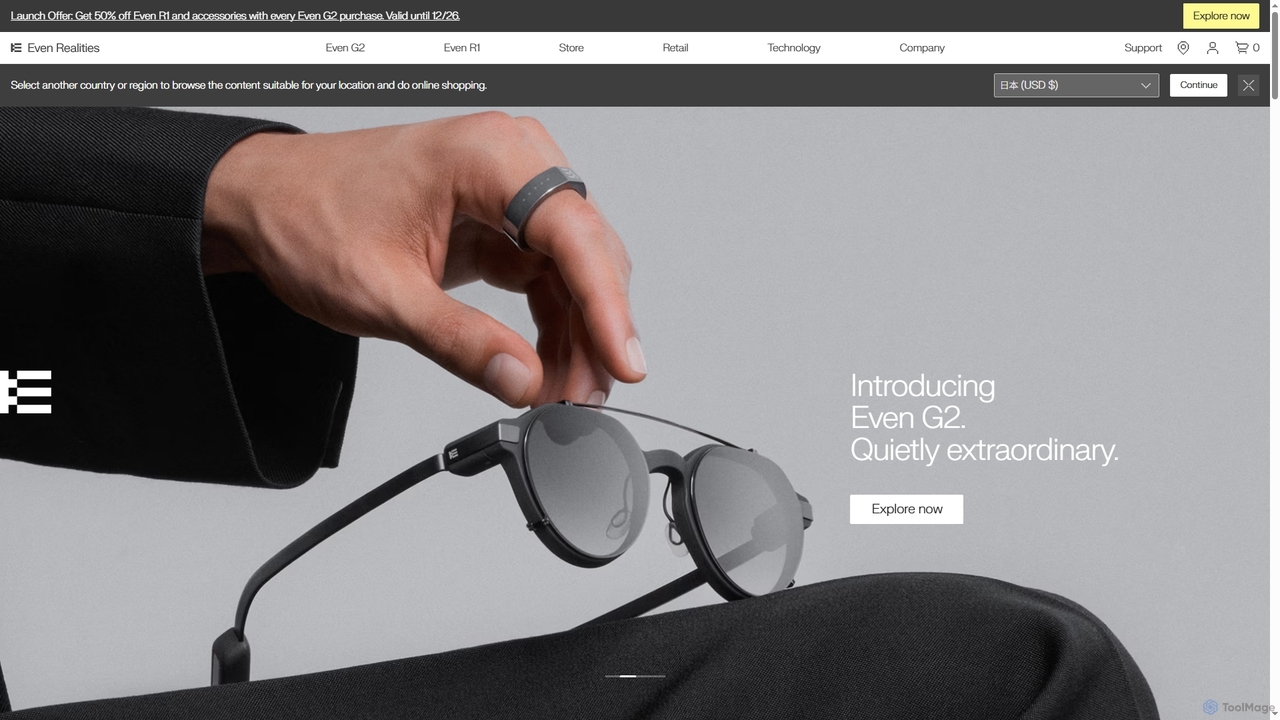
Even Realities offers AI-powered smart glasses (Even G2) and a companion smart ring (Even R1) designed to enhance daily productivity, communication, and well-being. Experience discreet, hands-free interaction, real-time information display, and comprehensive health tracking, all integrated into stylish wearable technology.
Live Captioning
Spectacles
Spectacles are standalone Augmented Reality (AR) glasses by Snap, powered by the Snap OS. They integrate multi-modal AI and are designed for developers and creators to build immersive, shared AR experiences. Featuring see-through lenses and advanced sensors, Spectacles seamlessly blend digital content with the real world, extending the Snapchat ecosystem into three dimensions.
Generative Ai
Project Aria
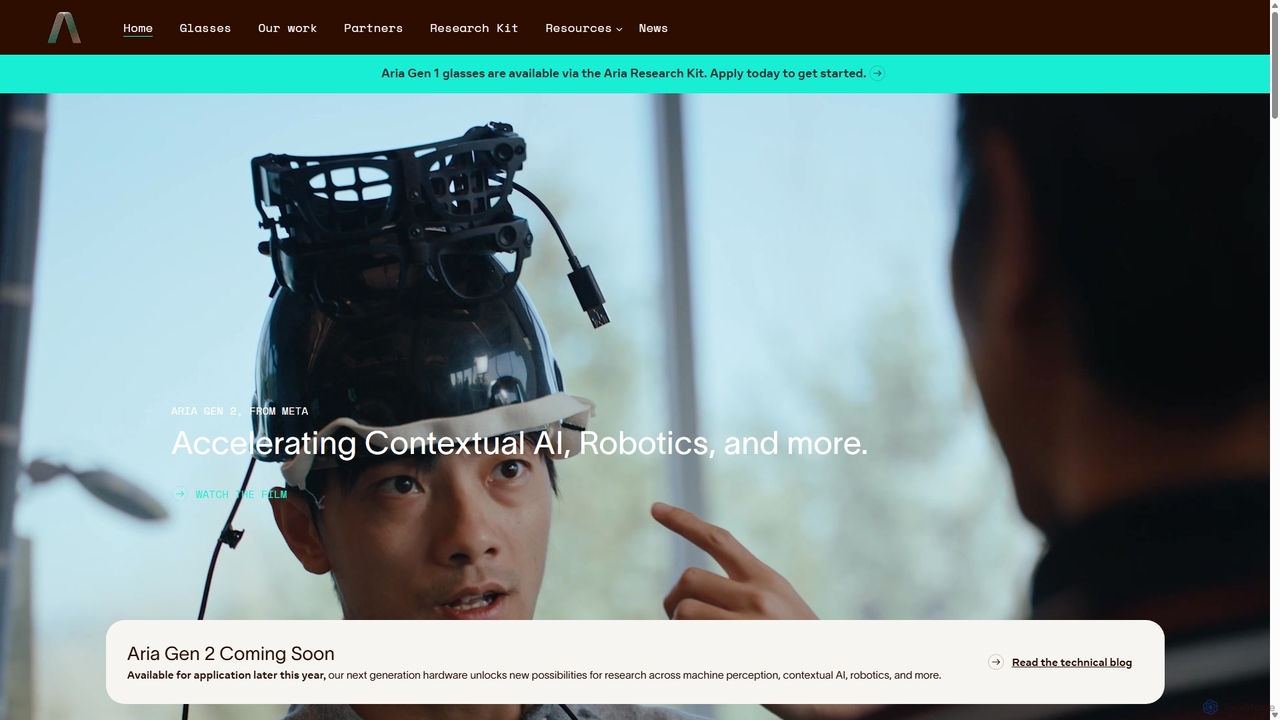
Project Aria is a research initiative by Meta designed to accelerate the development of contextual AI, augmented reality (AR), and robotics. It utilizes advanced research glasses, like the Aria Gen 2, to capture first-person perspective data, providing researchers with a comprehensive platform including hardware, open-source datasets, and development tools to build the future of machine perception.
Datasets
amuring
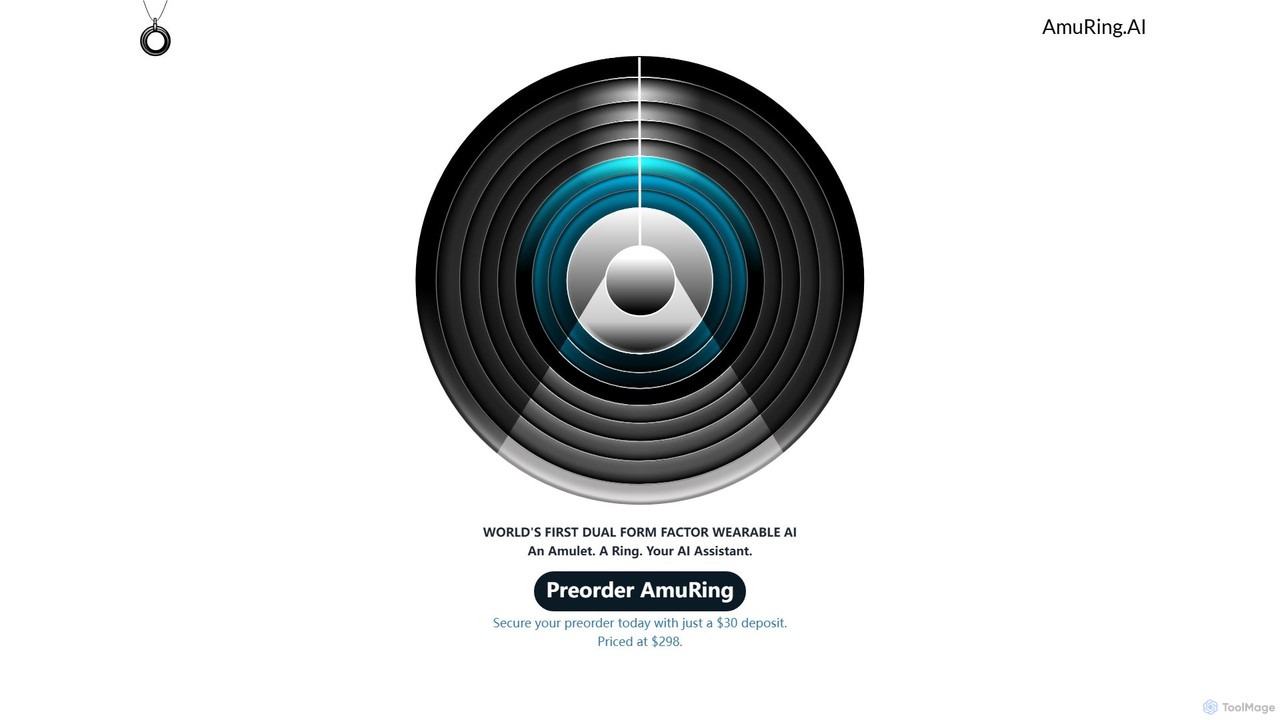
amuring is a revolutionary wearable AI companion featuring a unique dual form factor, multilingual support, and a Community-driven, Open-Source Software (COSS) platform. It can be worn as a stylish ring or a discreet pendant, offering seamless access to a personal AI assistant for real-time translation, voice commands, health tracking, and more, without needing to look at a screen.
Real Time Translation
Omi AI
Omi AI is a revolutionary AI hardware platform designed to turn thought into action. Centered around a wearable device, it functions as an all-encompassing personal assistant. With customizable omiGPT Personas and a vast ecosystem of apps for productivity, health, and companionship, Omi AI seamlessly integrates artificial intelligence into your daily life, offering a hands-free, context-aware experience.
Wearables
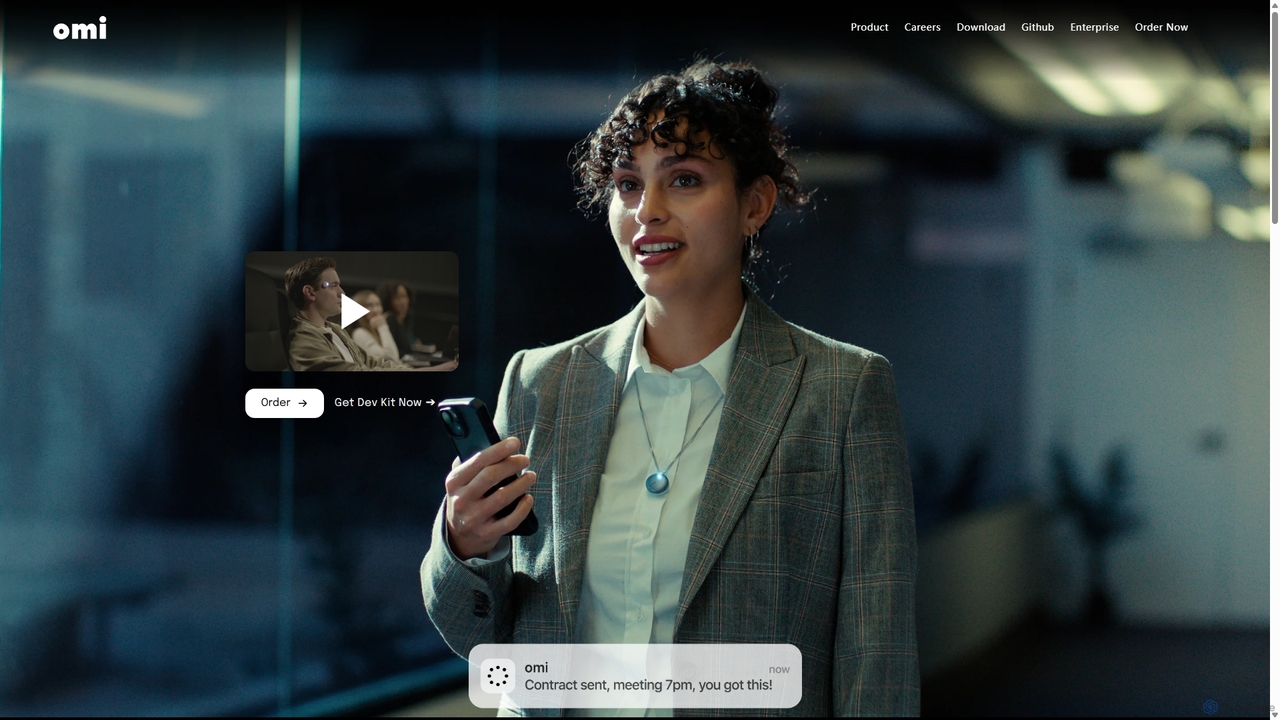
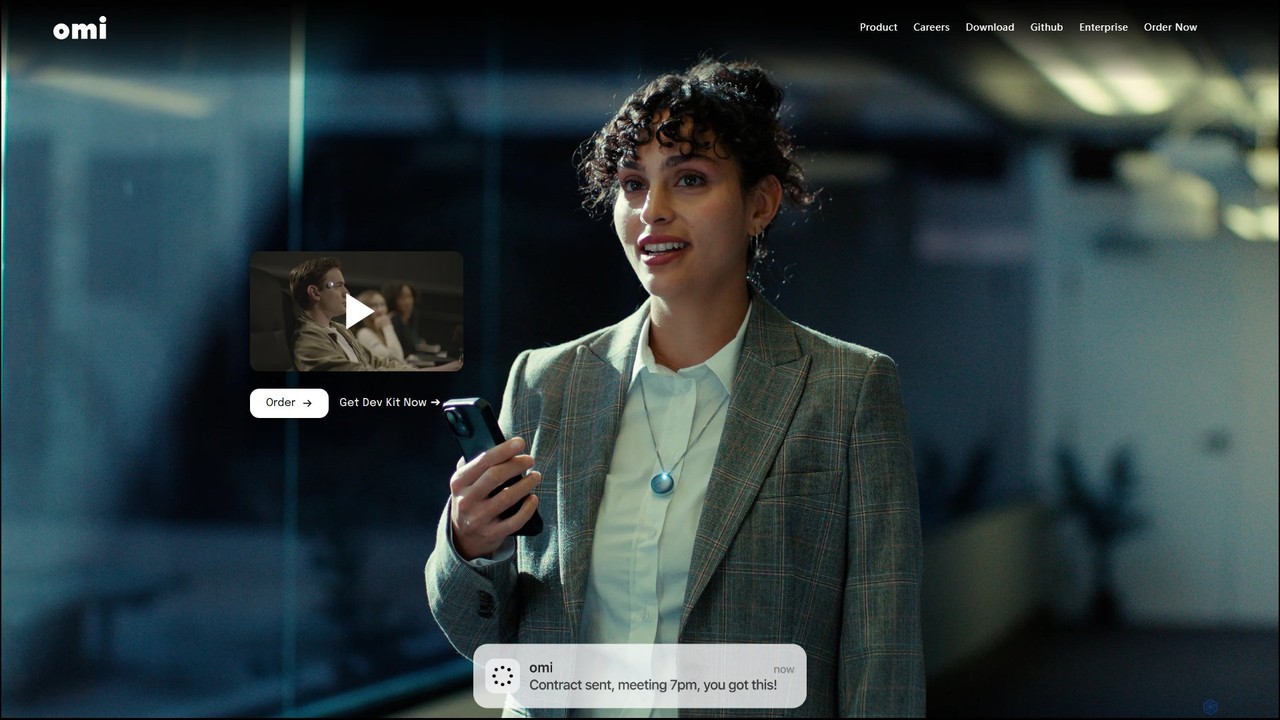
Omi
Omi is an open-source, wearable AI hardware device designed to capture your thoughts and conversations 24/7. It transforms spoken words into actionable insights, notes, and tasks through a rich ecosystem of apps. Available as a necklace or glasses, Omi serves individuals, developers, and enterprises with its customizable, white-label solutions.
Open Source
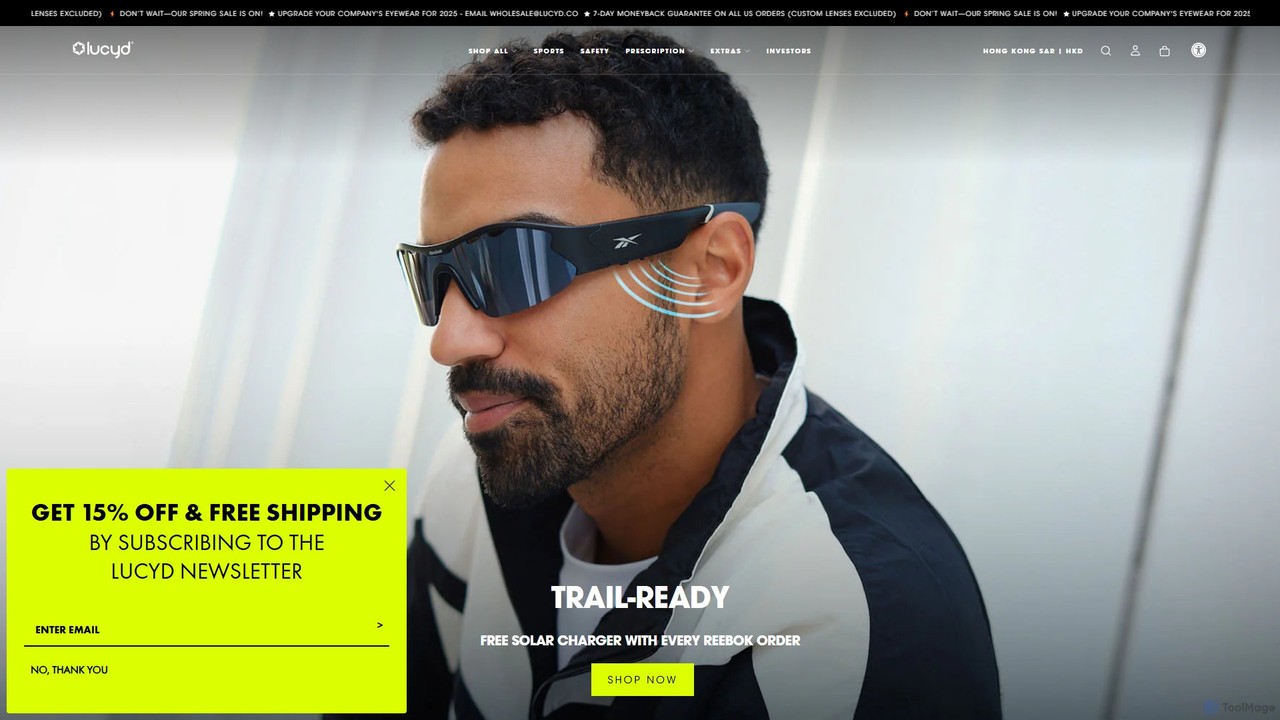
Lucyd
Lucyd offers a line of smart eyewear that integrates ChatGPT, allowing users to access the power of AI hands-free. These bluetooth glasses feature open-ear audio, a built-in microphone, and touch controls, seamlessly blending fashion with function. Available with prescription, sunglass, or other custom lenses, Lucyd provides a discreet and convenient way to make calls, listen to music, and interact with a voice assistant on the go.
Visual Aids
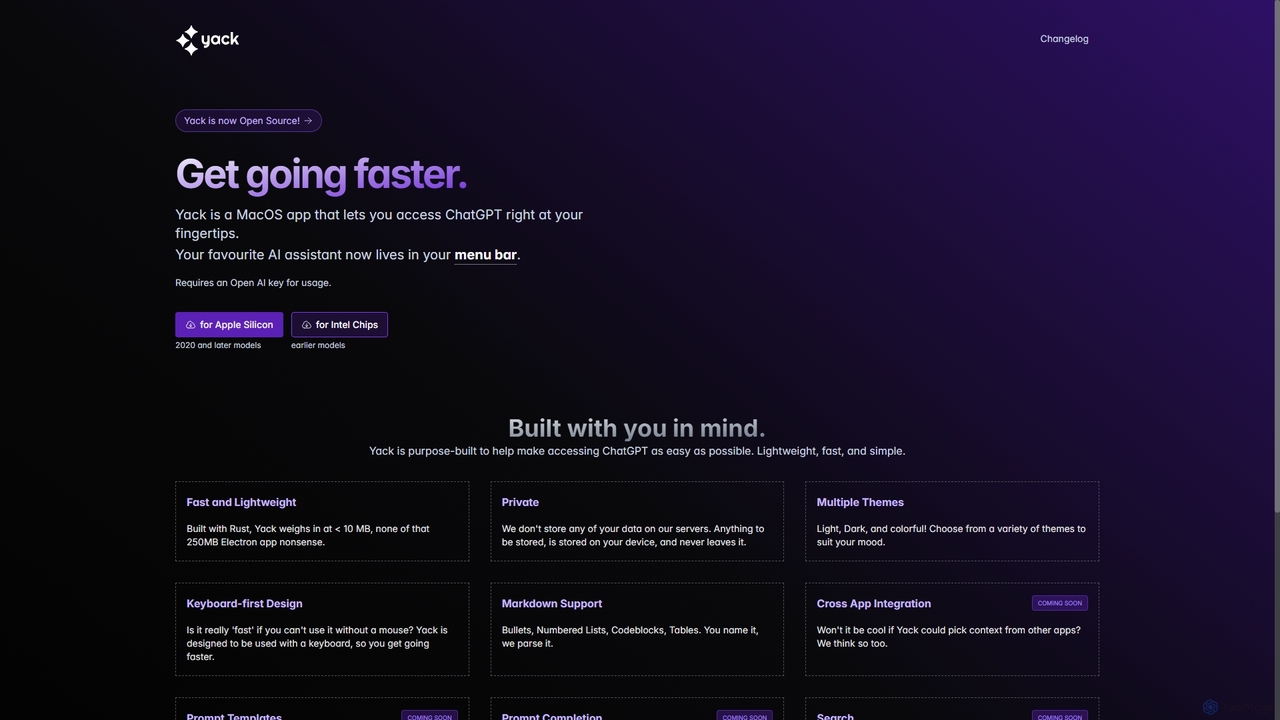
Yack
Yack is a lightweight, fast, and private open-source native macOS application that provides instant access to ChatGPT directly from your menu bar. Built with Rust, it's designed for efficiency with a keyboard-first approach, ensuring you can interact with AI without disrupting your workflow.
Api Client
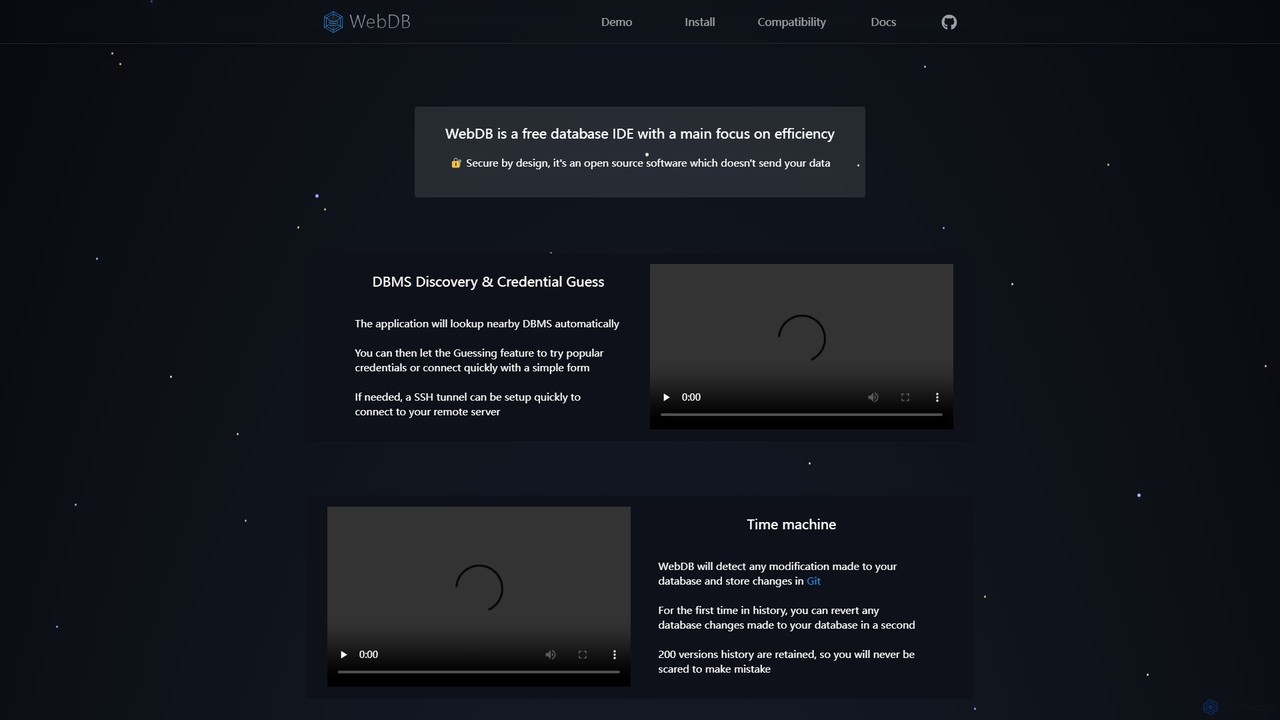
WebDB
A free, open-source, and efficient database IDE designed for developers. It features an AI assistant (integrating ChatGPT, Gemini, etc.), a unique Git-based "Time Machine" for reverting database changes, powerful query editing, NoSQL structure inference, and robust security. It supports a wide range of databases like MySQL, PostgreSQL, and MongoDB, all within a privacy-focused framework.
Data Management
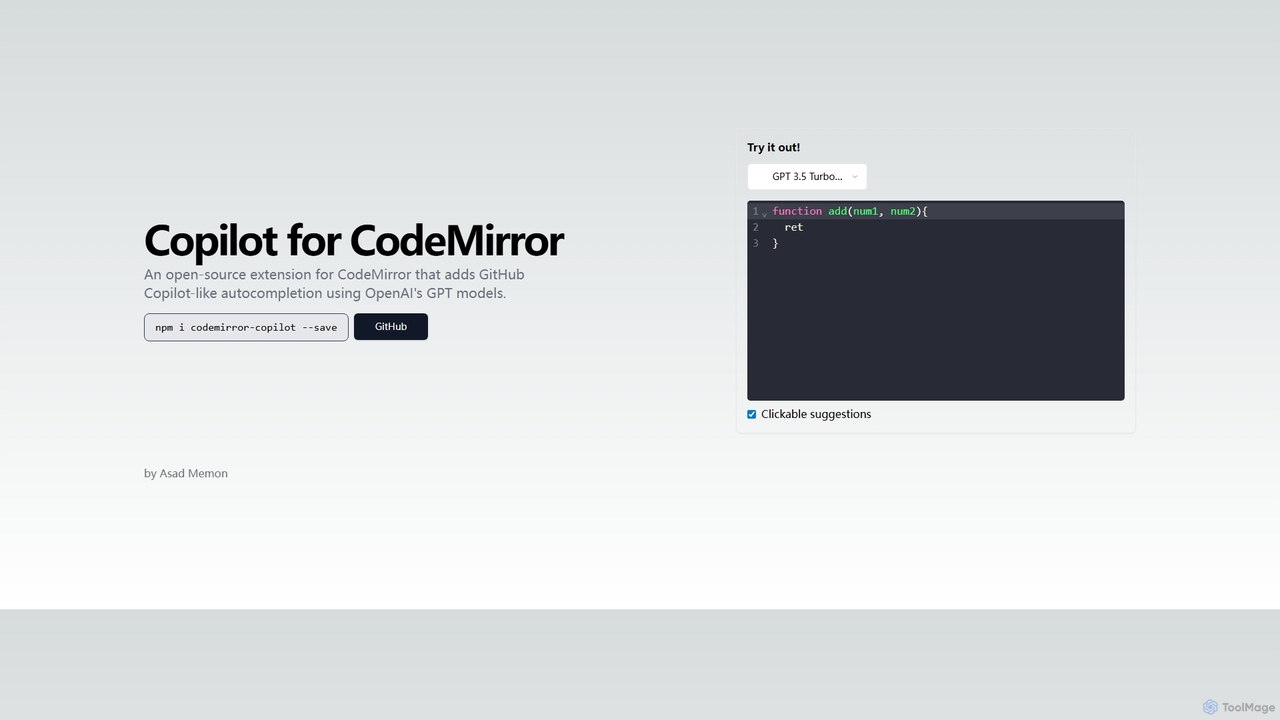
Copilot for CodeMirror
An open-source extension that integrates GitHub Copilot-like AI-powered autocompletion into the CodeMirror editor. Powered by OpenAI's GPT models, it provides intelligent, context-aware code suggestions to accelerate web development and enhance productivity within any application using CodeMirror.
Code Assistant
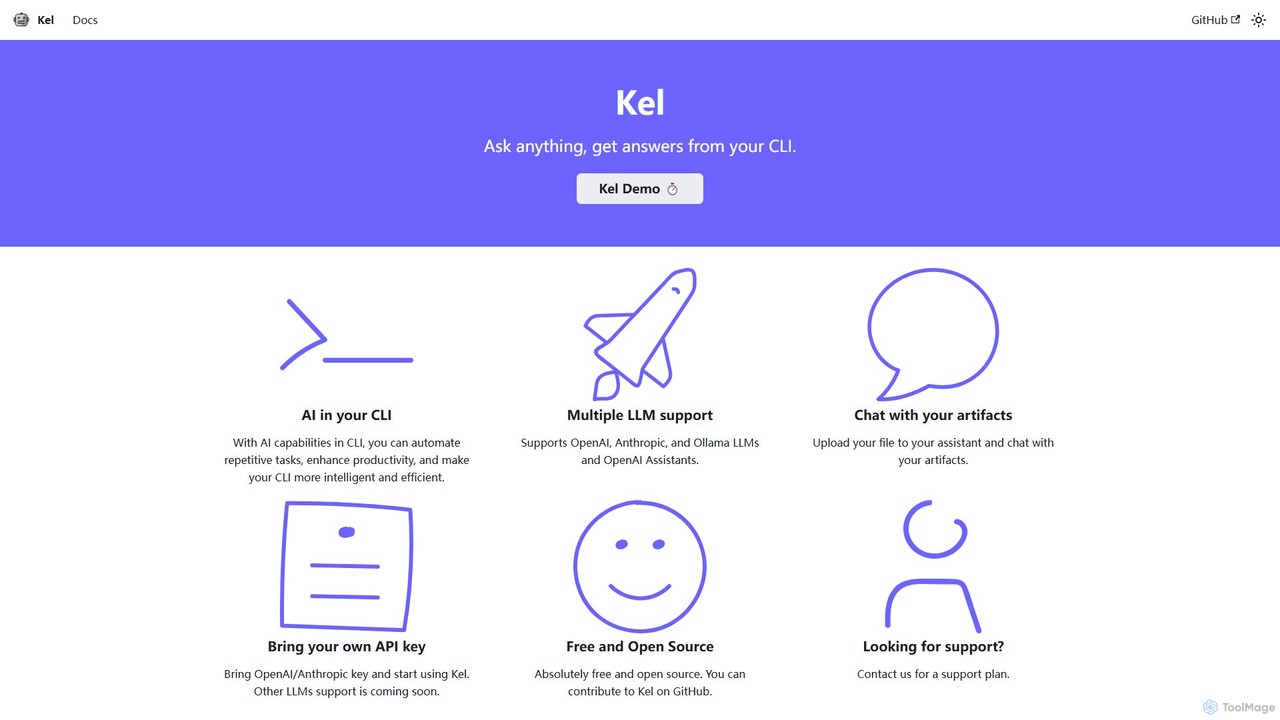
Kel
Kel is a free, open-source AI assistant for your command-line interface (CLI). It integrates with multiple LLMs like OpenAI, Anthropic, and Ollama to help developers and sysadmins automate tasks, generate commands, and even chat with documents directly from the terminal.
Code Assistant
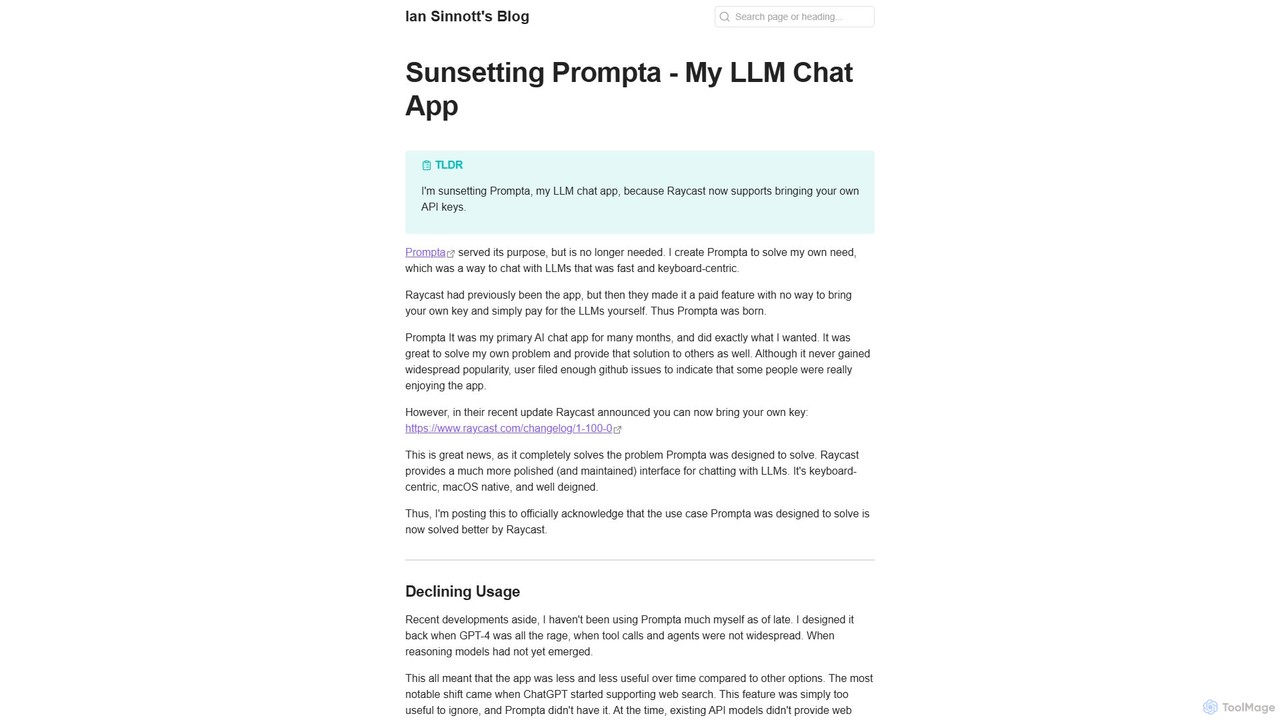
Prompta
Prompta is a fast, keyboard-centric, and open-source LLM chat application for macOS. It allows users to bring their own API keys (BYOK) for direct and cost-effective interaction with large language models. Although no longer in active development, it remains a functional tool for users seeking a simple, efficient AI chat experience.
Mac
getinboxzero
getinboxzero is an AI-powered email assistant designed to help you achieve Inbox Zero. It intelligently automates responses, organizes your inbox, blocks cold emails, and bulk unsubscribes from newsletters. By handling repetitive email tasks, it cuts your email time in half and boosts productivity for individuals and support teams.
Personal Assistant
Zero
Zero is an AI-native email client designed to save you time. It automatically manages your inbox by summarizing threads, drafting replies, and extracting action items, allowing you to process emails at lightning speed with a keyboard-first interface.
Personal Assistant
Hugging Face
Hugging Face is the leading open-source platform and community for machine learning. It provides tools for developers and researchers to build, train, and deploy state-of-the-art models, offering a vast hub of pre-trained models, datasets, and demo applications.
Dataset