Freemium
Popular Api AI tools in Developer Tools include vocode, Telegram Messenger, OctoAI, ElevenLabs, Grok, Baidu Translate, Turnitin, Venice, DeepAI, and Poe, helping you work more efficiently.
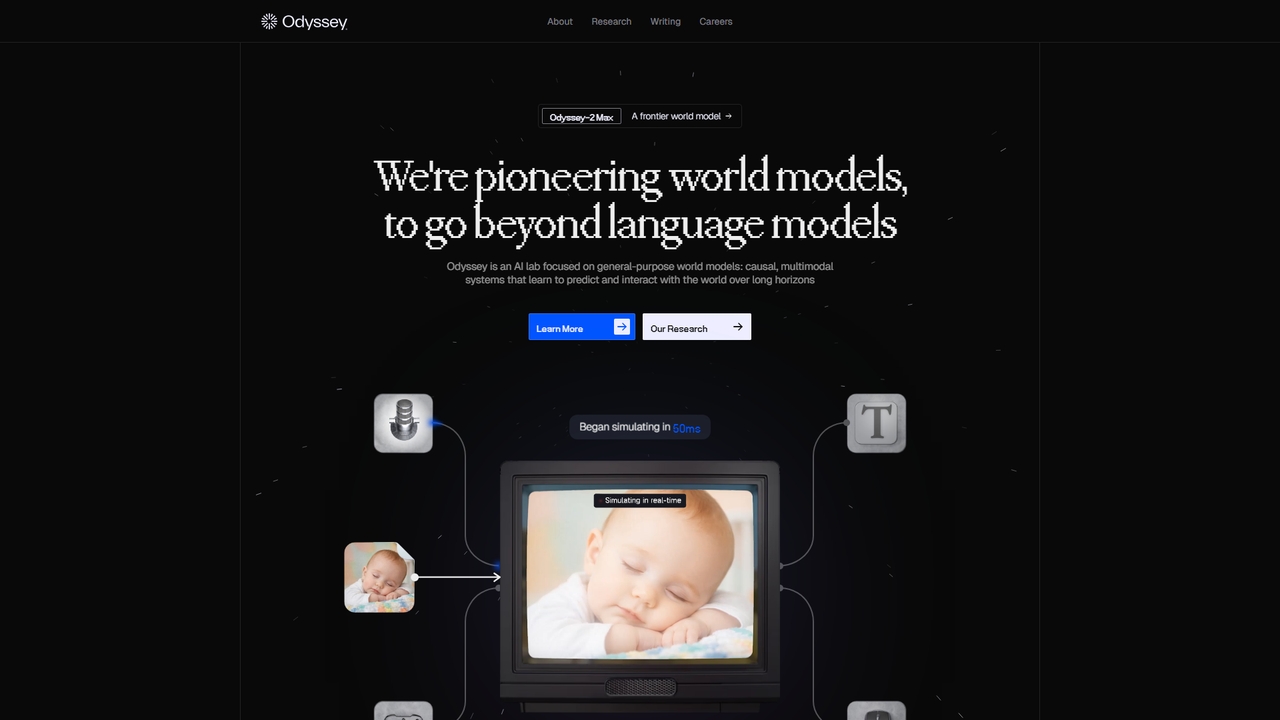
Odyssey is an AI lab pioneering general-purpose world models that learn to predict and interact with the world over long horizons, enabling real-time interactive video simulation through its Odyssey-2 platform and API.
Foundation Models
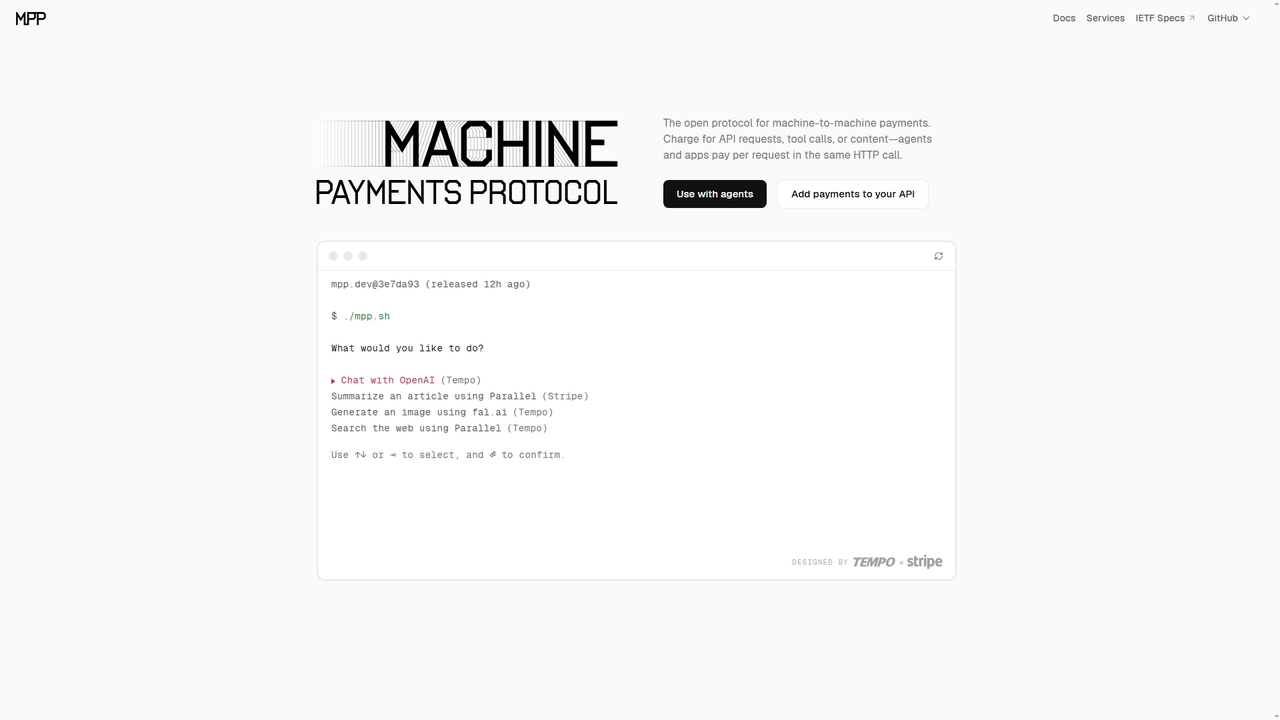
MPP (Machine Payments Protocol) is an open standard for machine-to-machine payments, enabling agents, apps, and humans to pay for API requests, tool calls, or content within the same HTTP call. It eliminates the need for complex payment integrations and manual API key management.
Autonomous Agents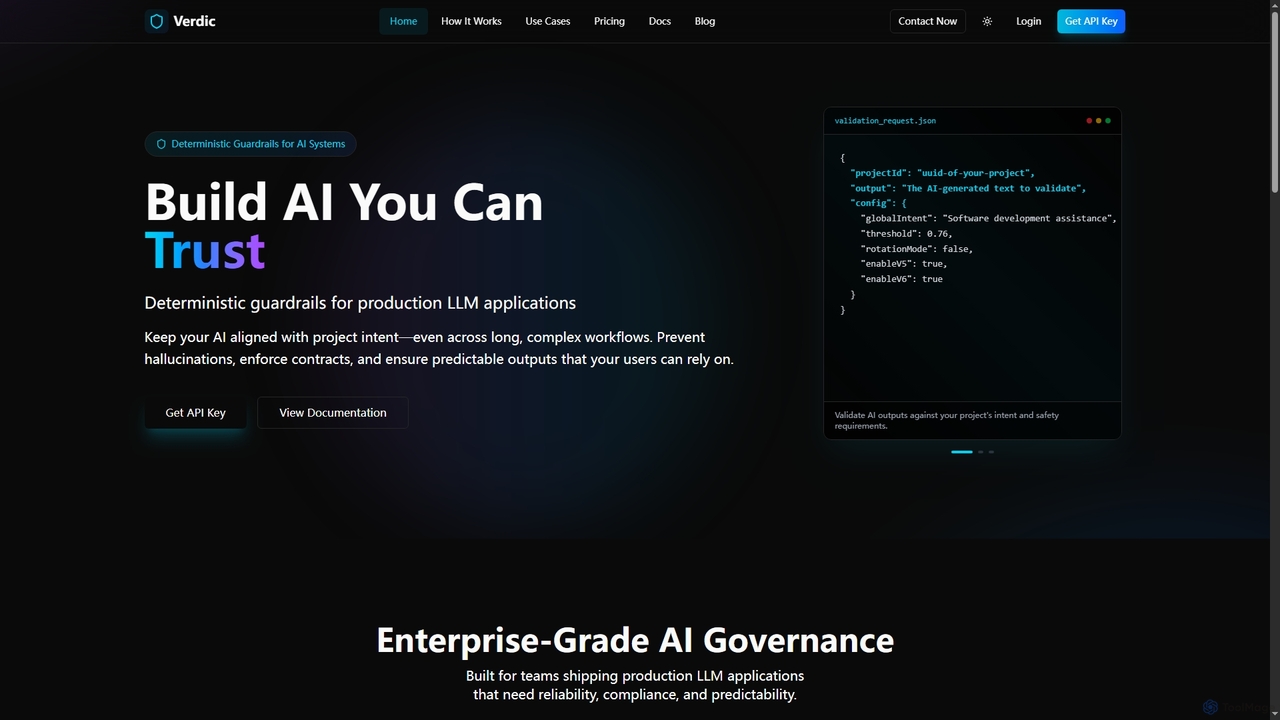
Verdic provides trust infrastructure and deterministic guardrails for production LLM applications, ensuring AI outputs are predictable, safe, and compliant. It prevents hallucinations, enforces contracts, and validates AI-generated content against defined project intent and safety requirements, crucial for reliable deployment in sensitive industries.
Llm Guardrails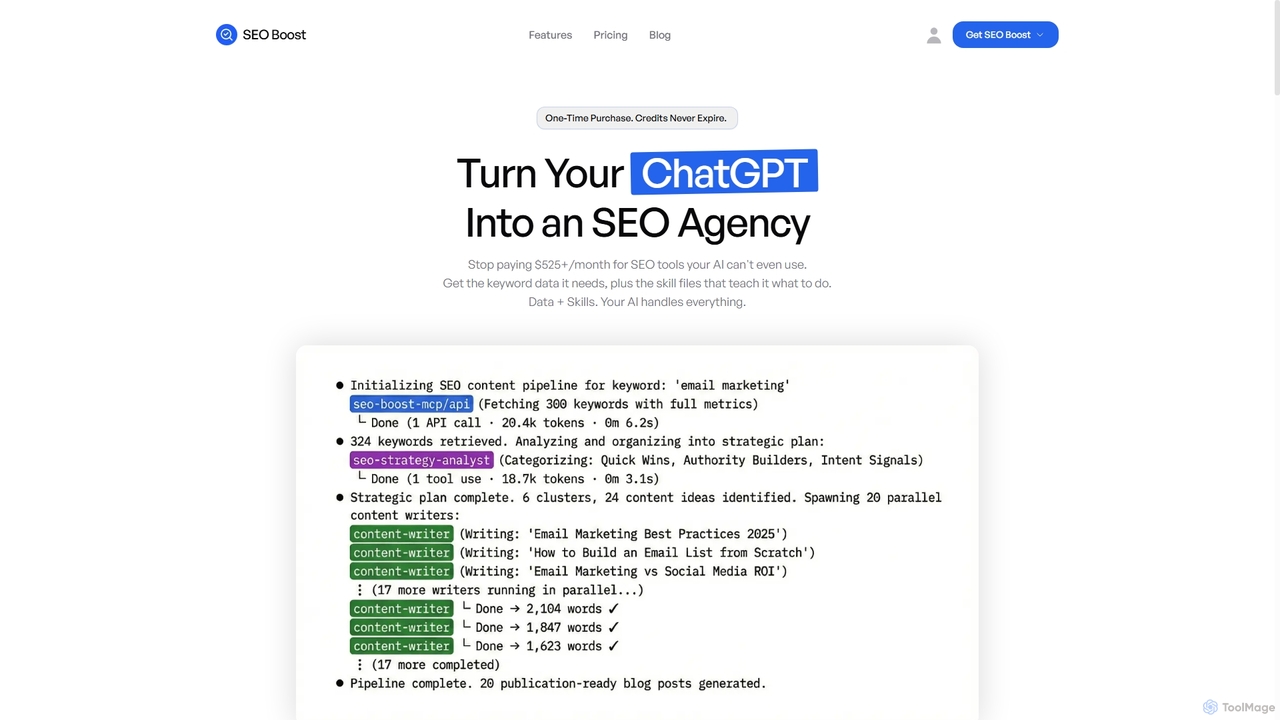
Seoboo is an AI-optimized keyword research API designed to transform large language models like ChatGPT, Claude, and Gemini into powerful SEO agencies. It provides comprehensive keyword data and skill files, enabling AI to perform advanced SEO tasks efficiently and cost-effectively, replacing multiple traditional SEO subscriptions.
Content Optimization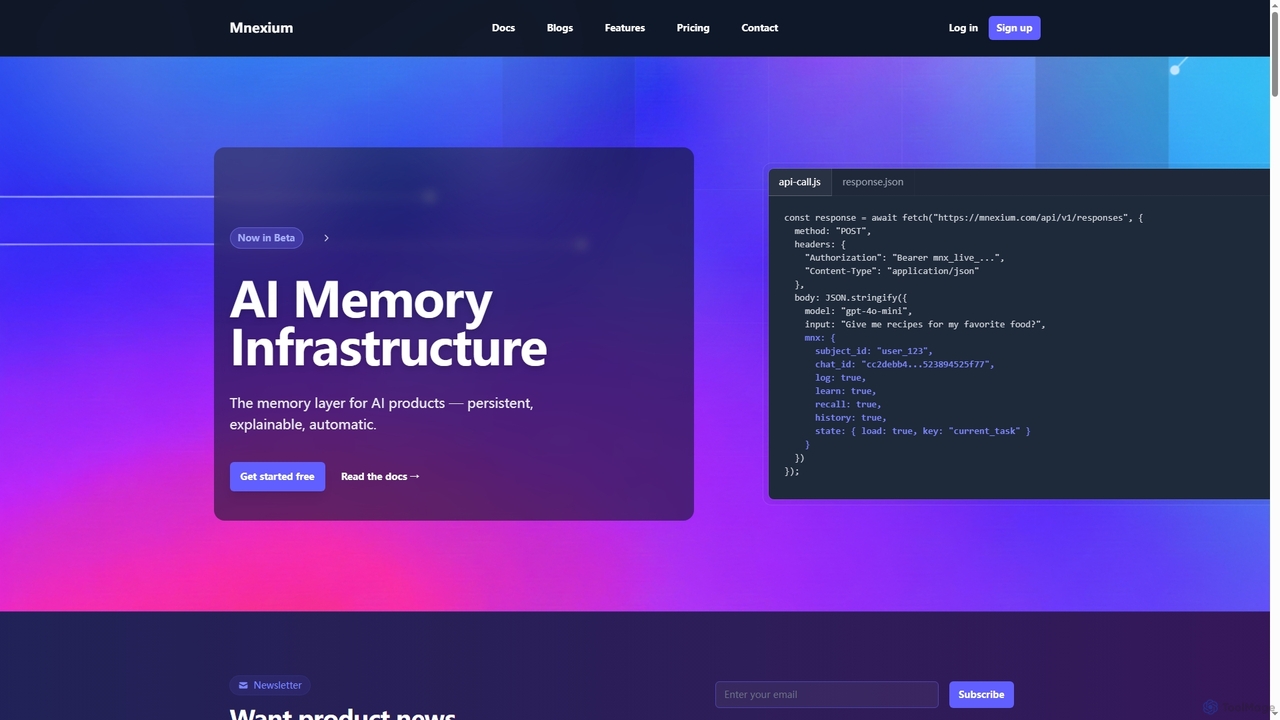
Mnexium is an AI memory infrastructure designed to provide persistent, explainable, and automatic long-term memory for AI agents and products. It enables AI applications to remember user preferences, maintain conversation context, track multi-step tasks, and learn over time, preventing context loss and repetitive interactions across sessions.
Llm Development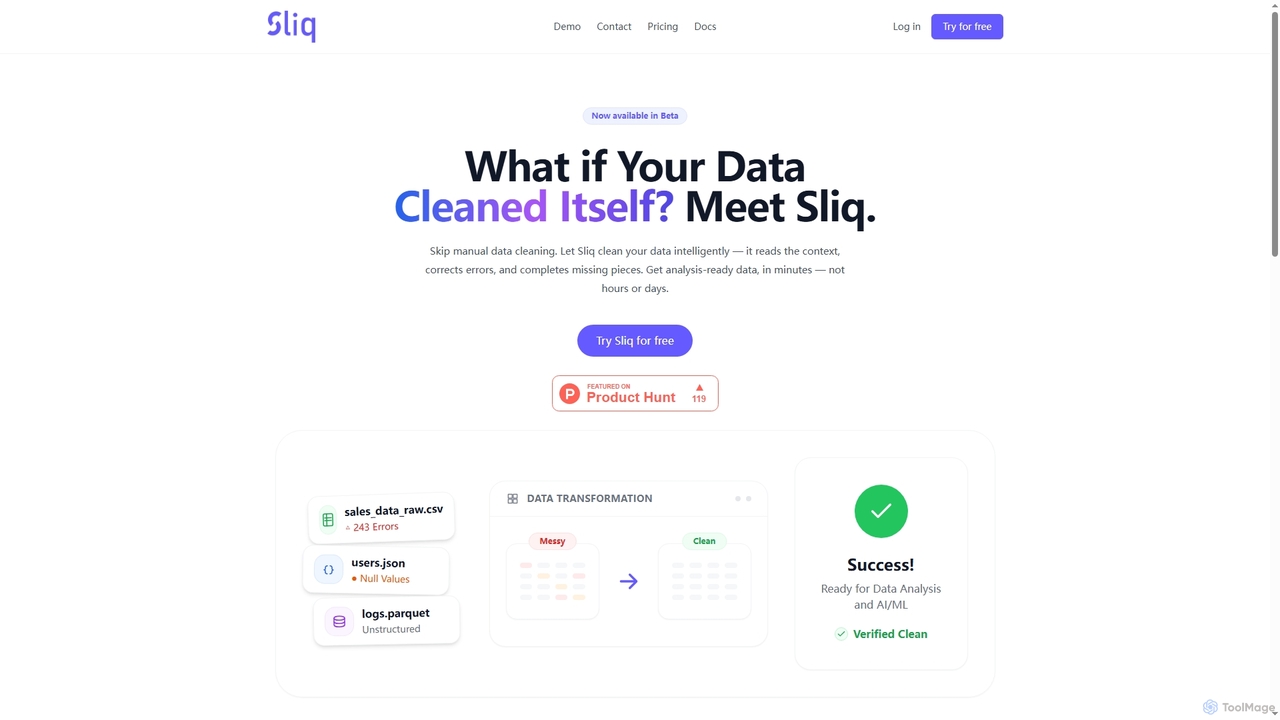
Sliq is an AI-powered data cleaning platform designed to automate the traditionally manual and time-consuming process of data preparation. It intelligently corrects errors, fills in missing information, and transforms messy datasets into analysis-ready formats within minutes, supporting various data types like CSV, JSON, and Parquet.
Machine Learning Operations
MusicMCP is the world's first AI Music Model Context Protocol (MCP) server, enabling AI agents and applications to generate full-length, high-quality music tracks from natural language prompts. It supports various styles, custom lyrics, and instrumental generation, providing commercial rights for all generated content.
Generative Ai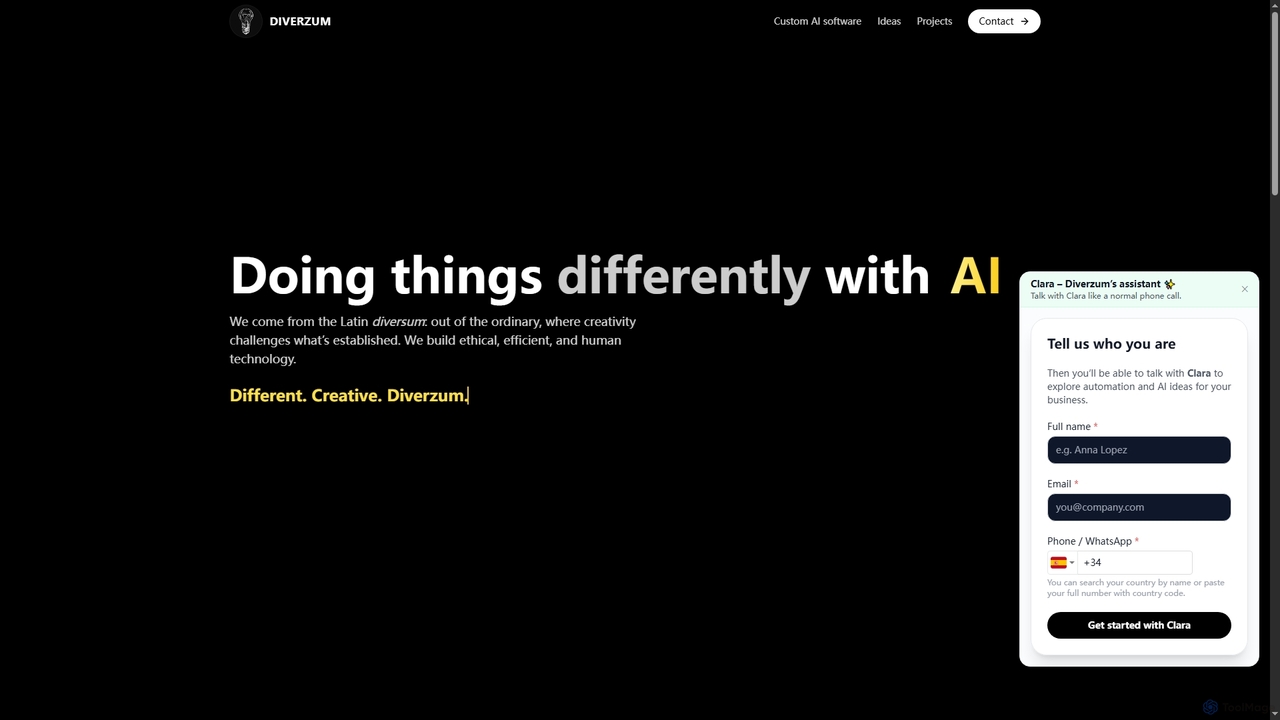
Diverzum designs and builds custom AI-powered software for businesses, specializing in workflow automation, advanced chatbots for channels like WhatsApp and voice, and deep integration with existing systems. They deliver tailor-made solutions from MVPs to enterprise-grade systems.
Custom Solutions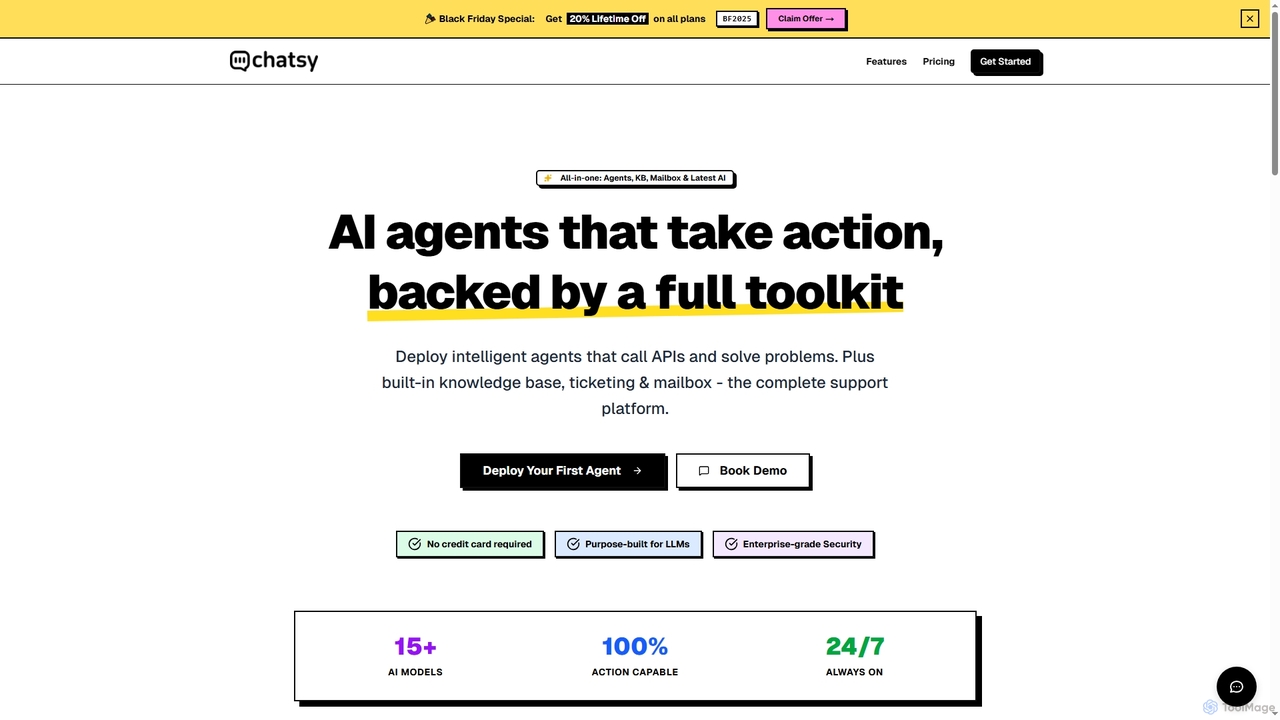
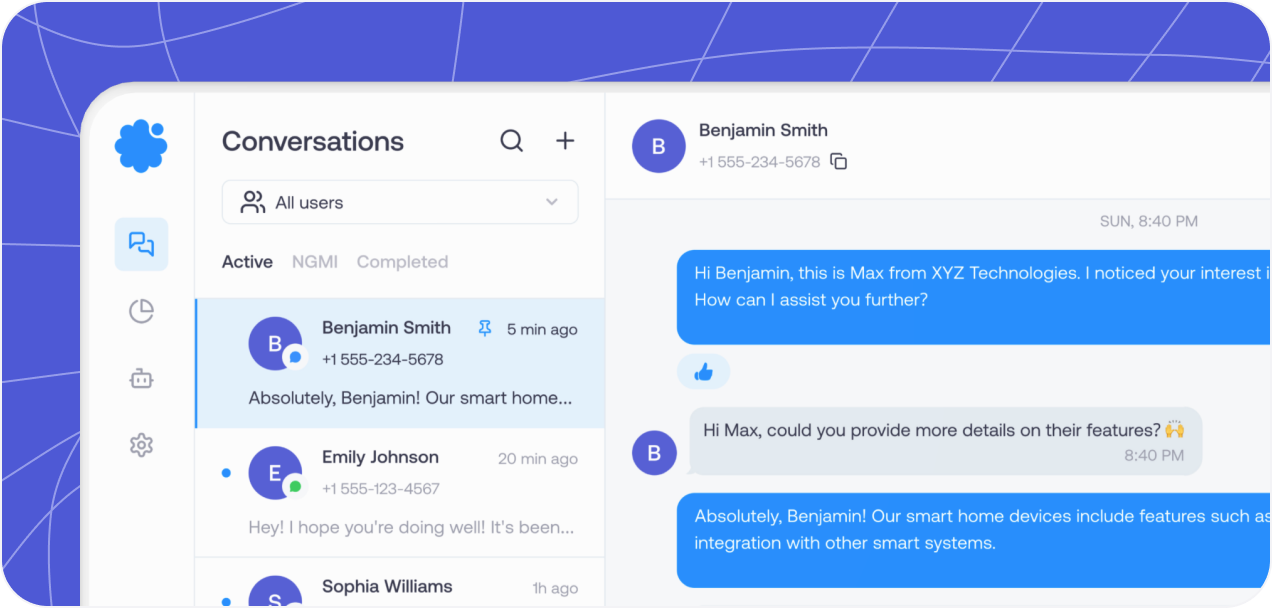
Chatsy is an all-in-one AI chatbot SaaS platform designed to deploy intelligent, action-capable AI agents for customer support. It integrates advanced AI models with a built-in knowledge base, team inbox, and ticketing system, enabling autonomous problem-solving and seamless human handoff.
Saas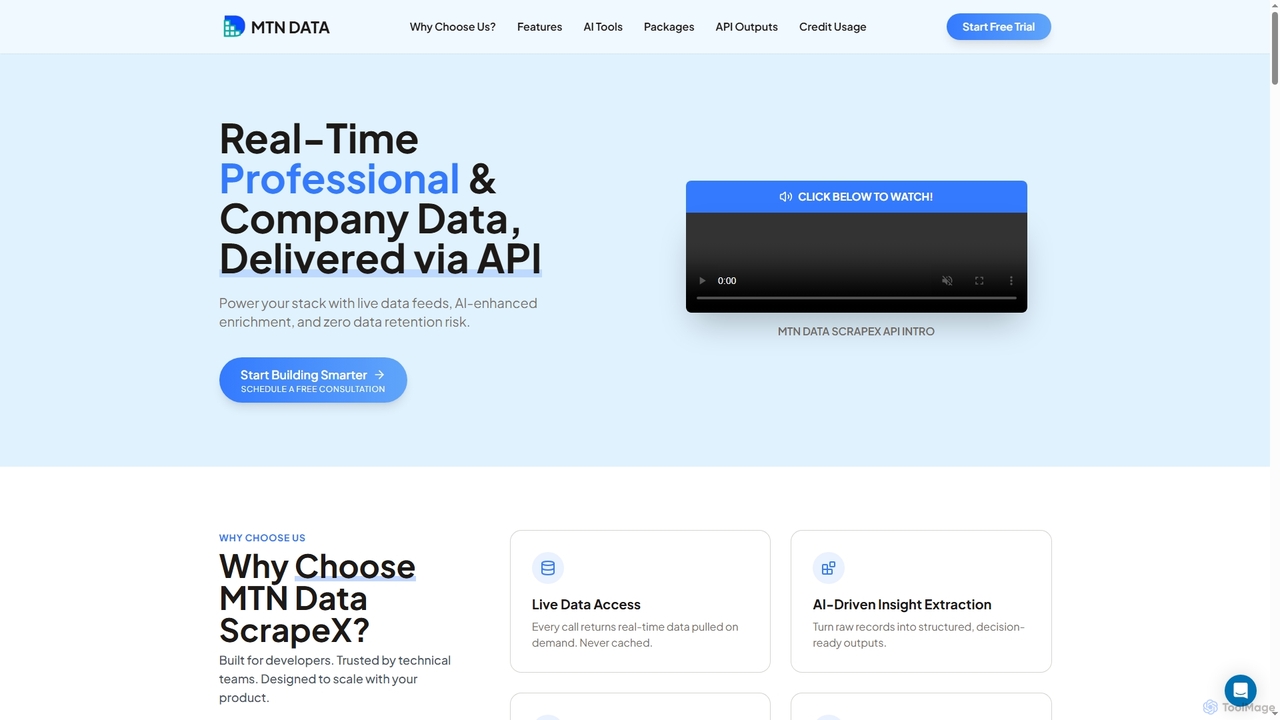
Mtn Data provides developers with real-time professional and company data through its ScrapeX API. It features AI-enhanced enrichment, zero data retention for privacy, and a scalable infrastructure. Ideal for powering applications with live data feeds for sales, recruitment, and market analysis.
Data Extraction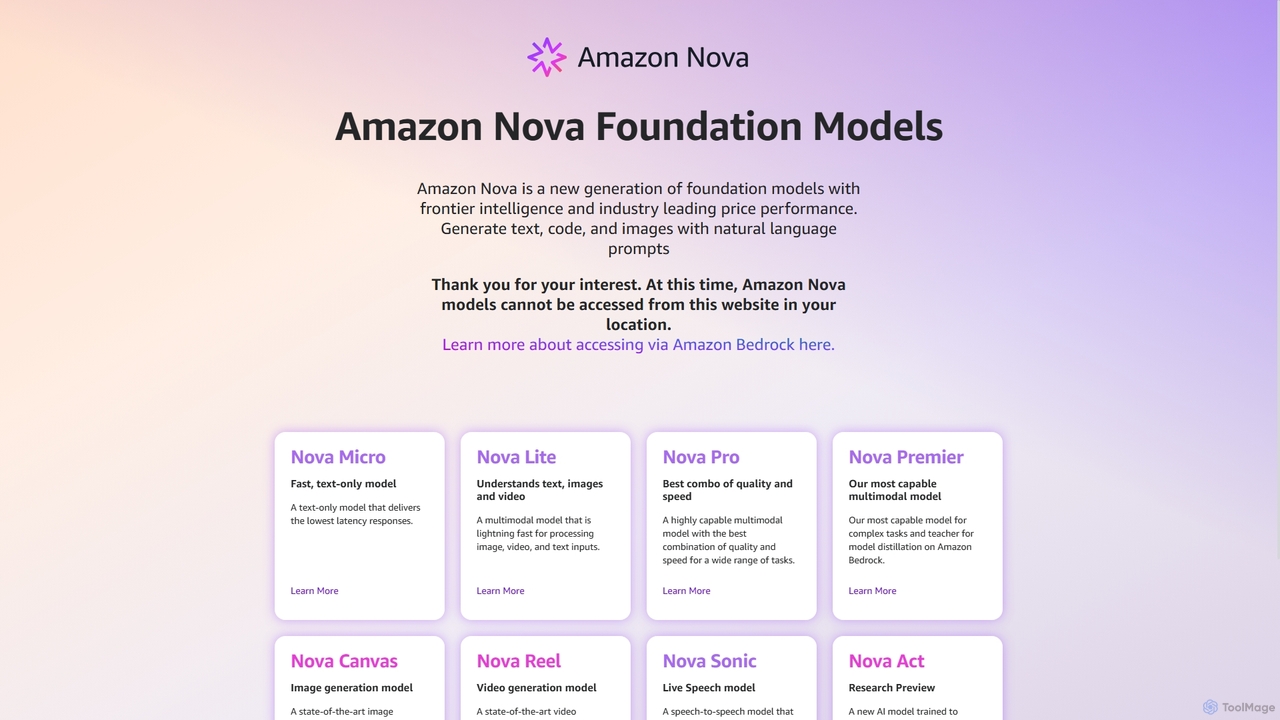
Amazon Nova is a suite of next-generation foundation models developed by Amazon. It offers a range of specialized models for generating text, code, images, video, and human-like speech, designed for high performance and cost-efficiency. These models are accessible to developers through Amazon Bedrock.
Foundation Model
Snakk is an AI-driven platform for companies and developers to build, test, and deploy advanced AI voice agents. It automates customer communication, including support, sales calls, and appointment scheduling, operating 24/7 with seamless system integration.
Voicebot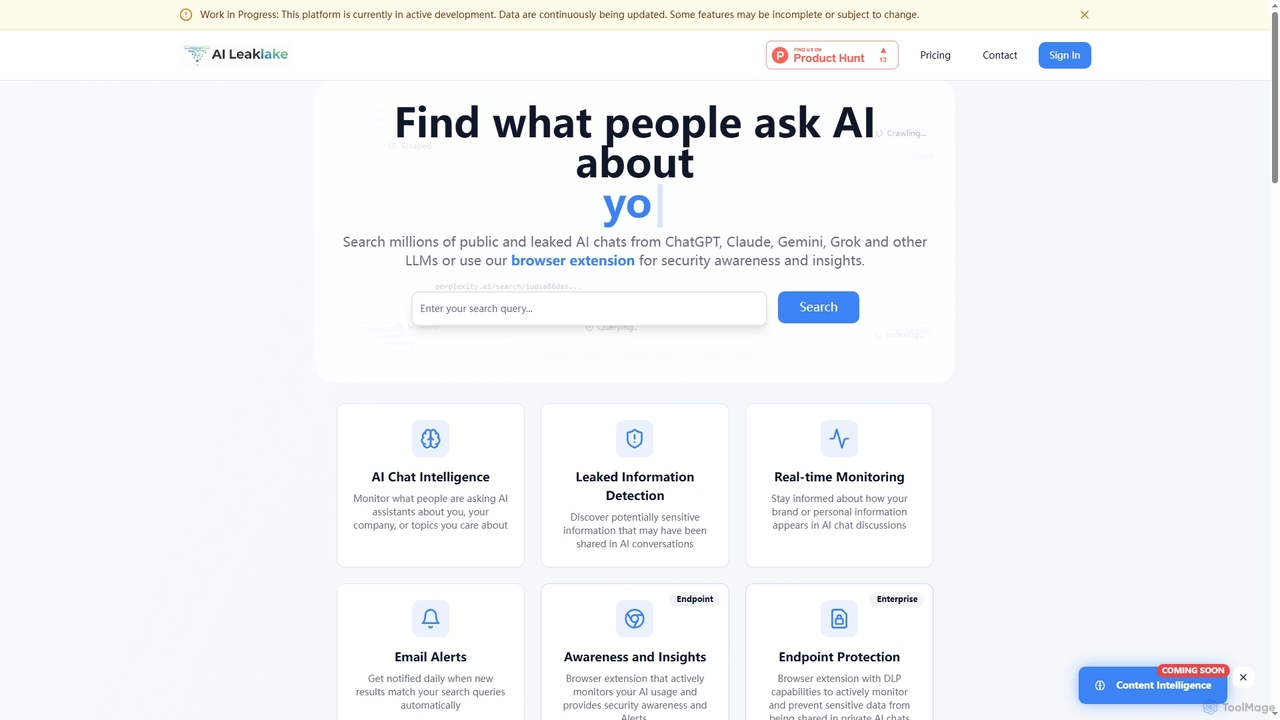
LeakLake is a specialized search engine for public and leaked AI conversations from platforms like ChatGPT, Claude, and Gemini. It helps users monitor brand reputation, detect sensitive data exposure, and gain insights into public AI usage through a web platform, browser extension, and API.
Api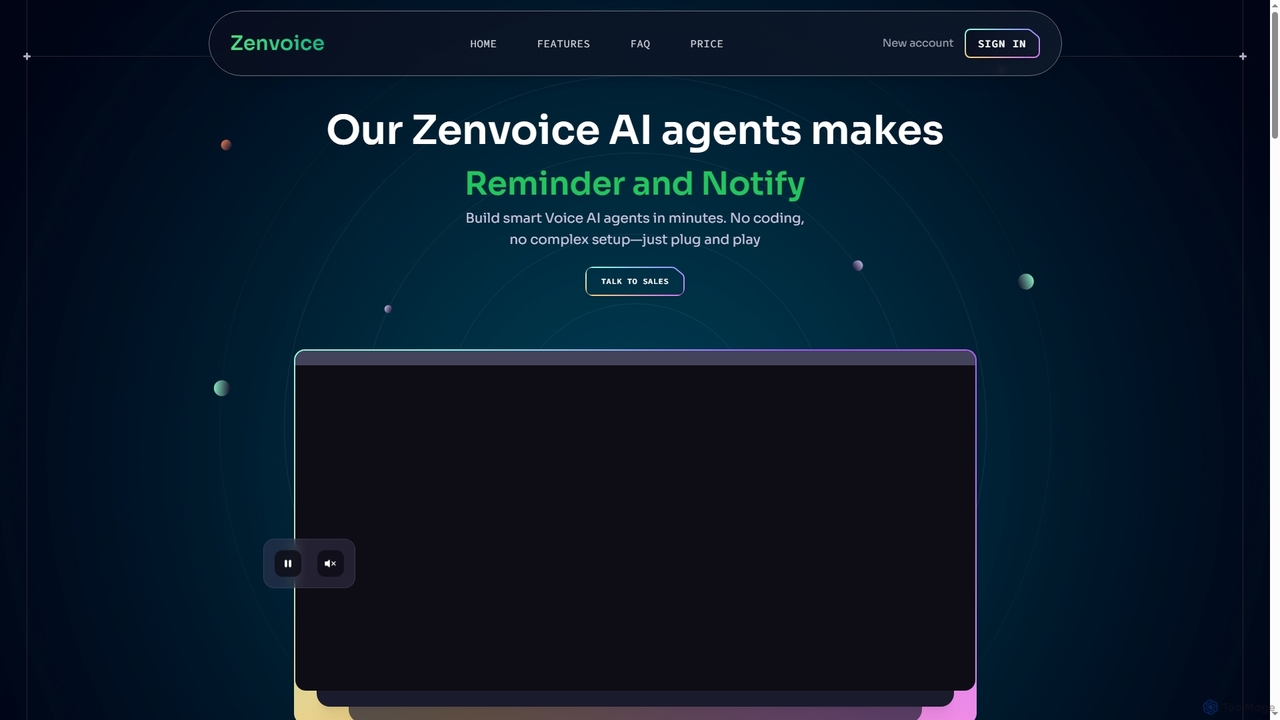
Zenvoice is an AI-powered voice API platform that enables businesses to build and integrate smart, human-like voice agents for automated reminders, notifications, and real-time conversations. It streamlines customer interactions without coding.
Voice Assistant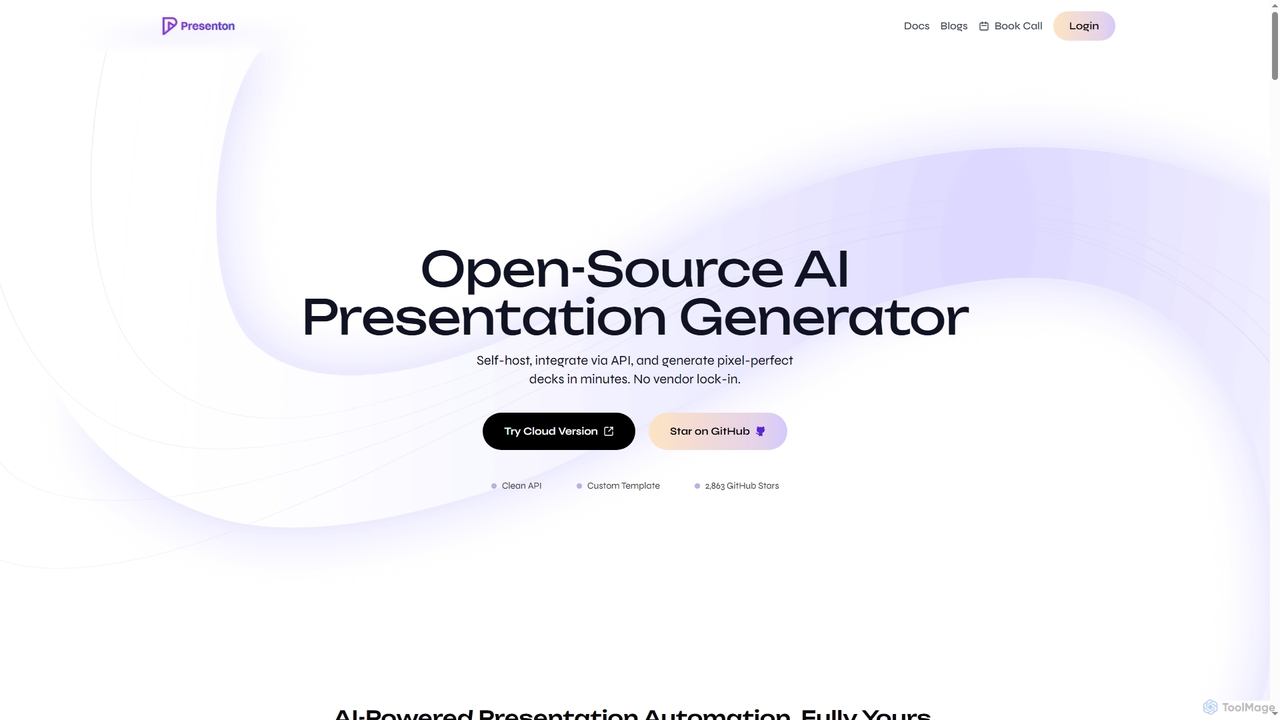
Presenton is an open-source AI presentation generator designed for developers and teams. It allows for self-hosting, API integration, and creating pixel-perfect, on-brand presentations from custom templates, ensuring complete control, privacy, and no vendor lock-in.
Automation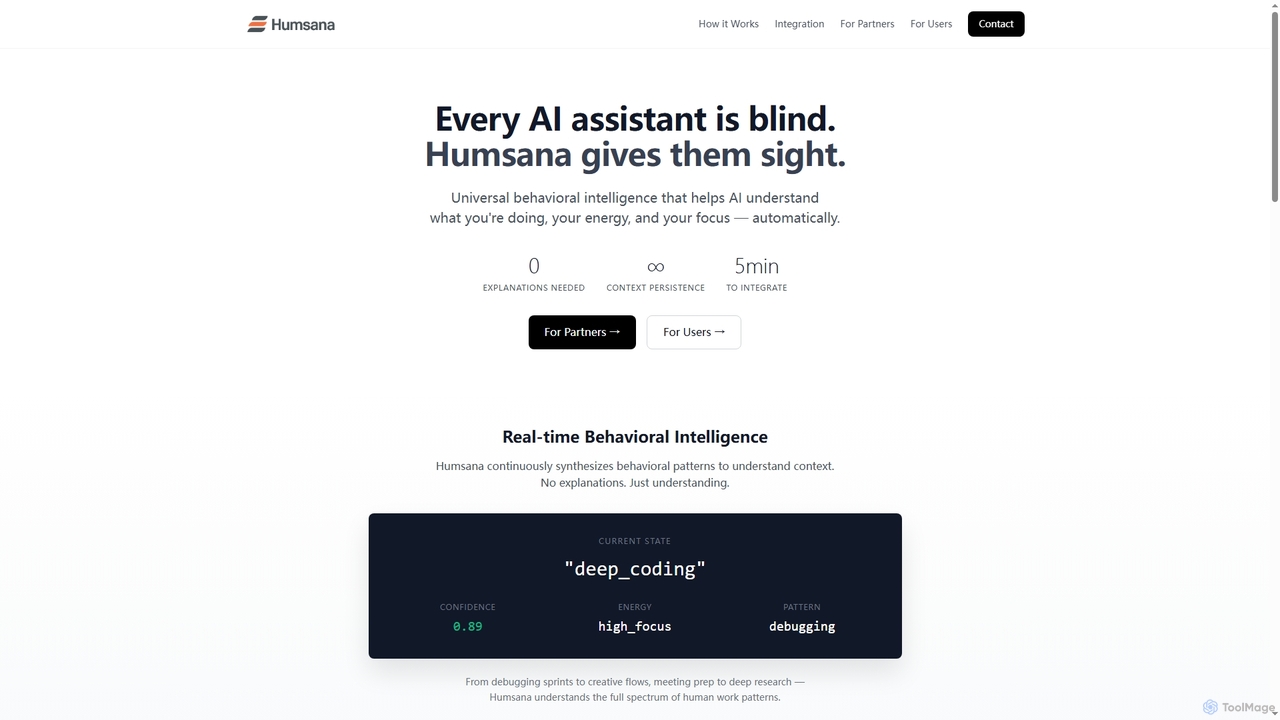
Humsana provides universal behavioral intelligence, giving AI assistants real-time context about user actions, energy, and focus. It enables AI to understand what users are doing without explicit explanations, leading to more adaptive and relevant responses. Integrate quickly to enhance any AI assistant's awareness.
Contextual Ai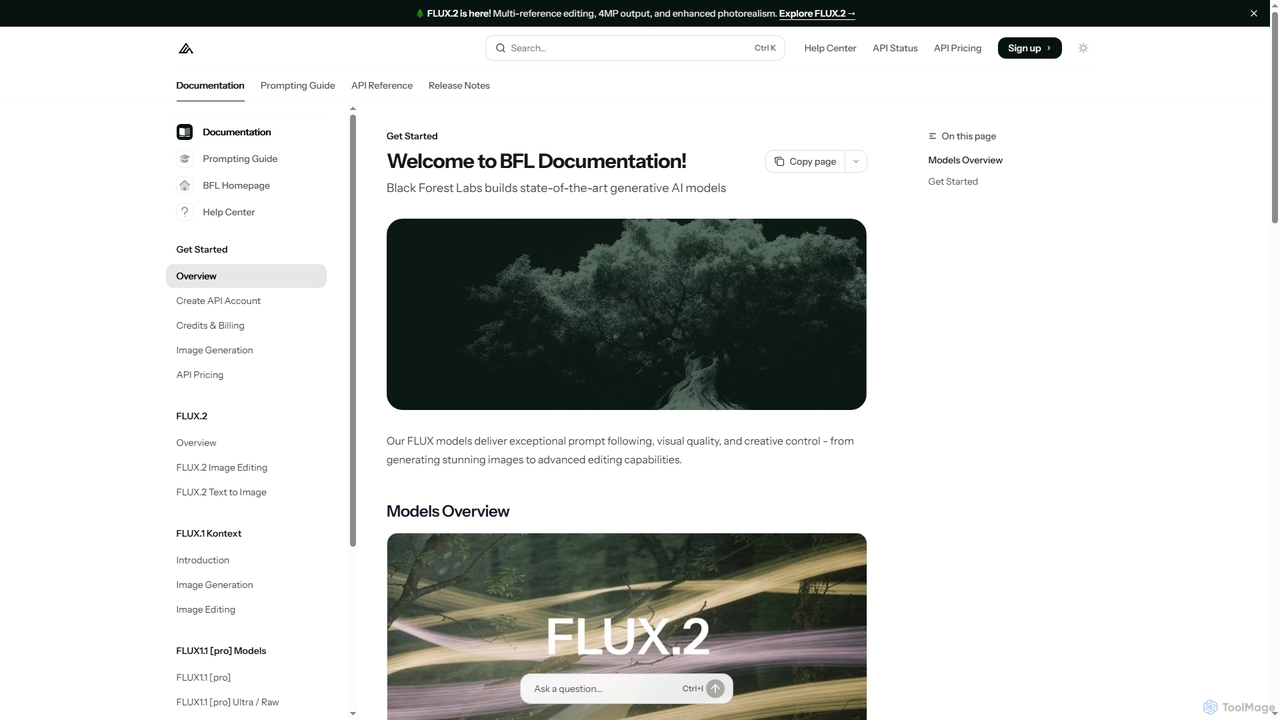
FLUX by Black Forest Labs offers advanced AI models for photorealistic image generation and multi-reference editing. It provides precise control over visual elements, supports high-resolution output, and integrates via API for production workflows.
Image Editing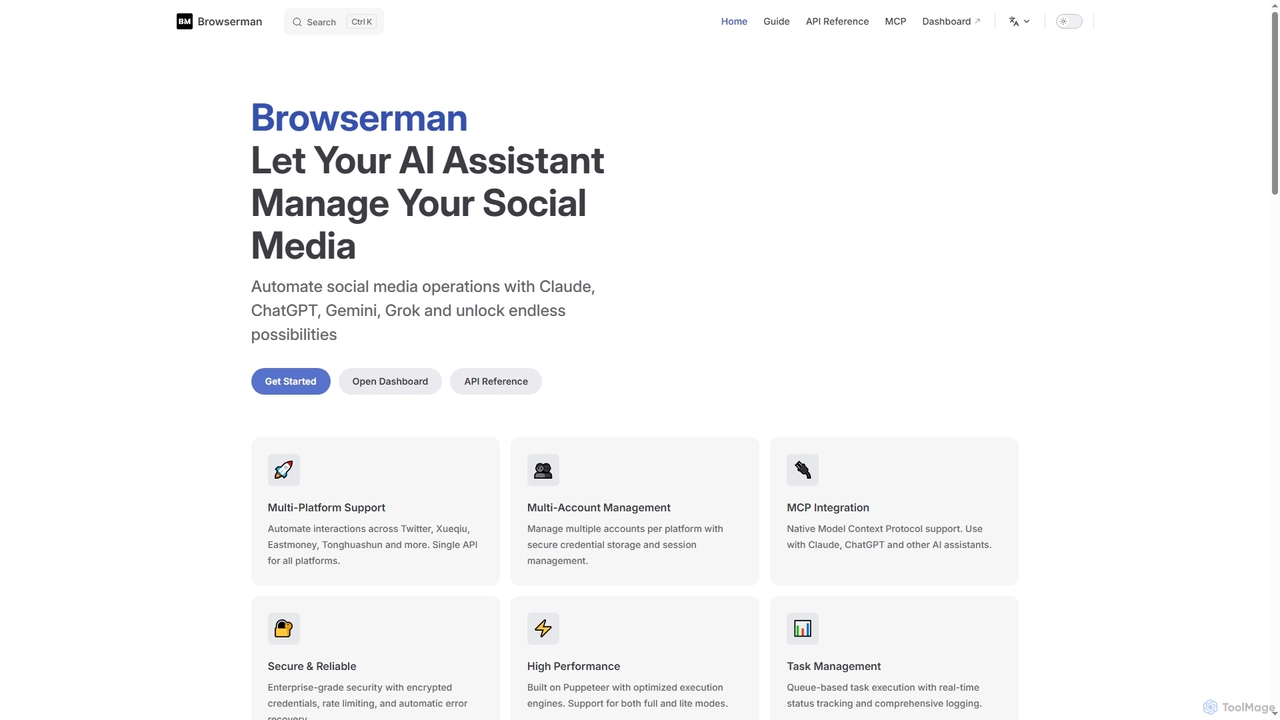
Browserman is an advanced browser automation platform designed to empower AI assistants like Claude, ChatGPT, Gemini, and Grok to manage social media operations. It offers multi-platform and multi-account support, a robust REST API, and native Model Context Protocol (MCP) integration for seamless, scalable, and secure automation workflows.
Integration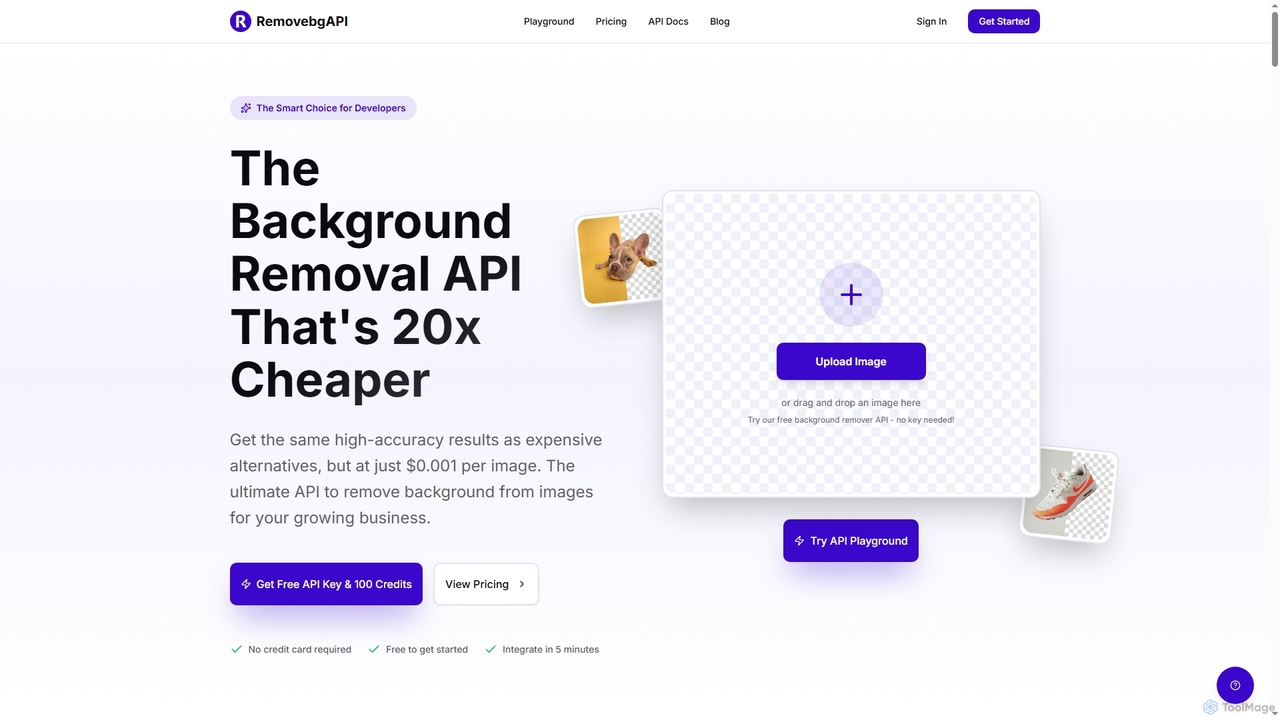
RemovebgAPI is a developer-friendly background removal API offering high-accuracy results at a significantly lower cost. It enables businesses to automate image background removal with AI-powered precision, lightning-fast processing, and seamless integration for various applications like e-commerce, real estate, and content creation.
Api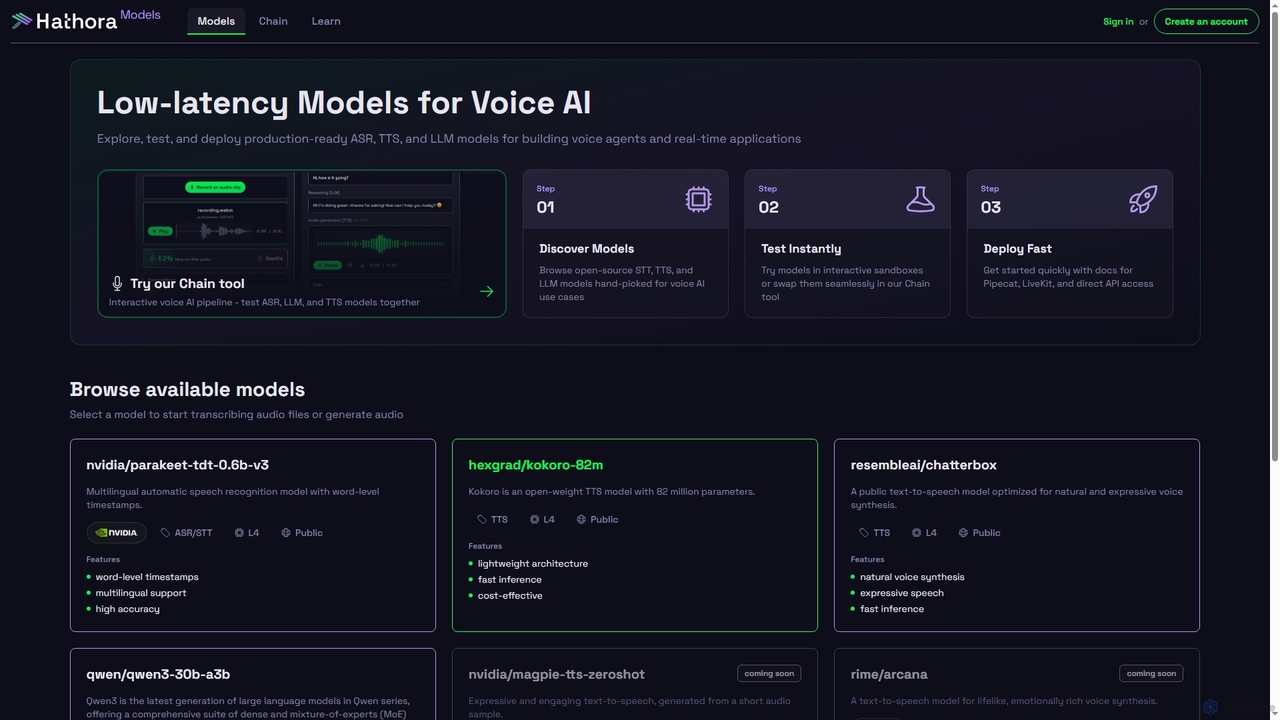
Models by Hathora offers a curated catalog of low-latency ASR, TTS, and LLM models optimized for voice AI and real-time applications. Developers can explore, test, and deploy production-ready models quickly, featuring interactive sandboxes and direct API access for seamless integration into voice agents and other applications.
Api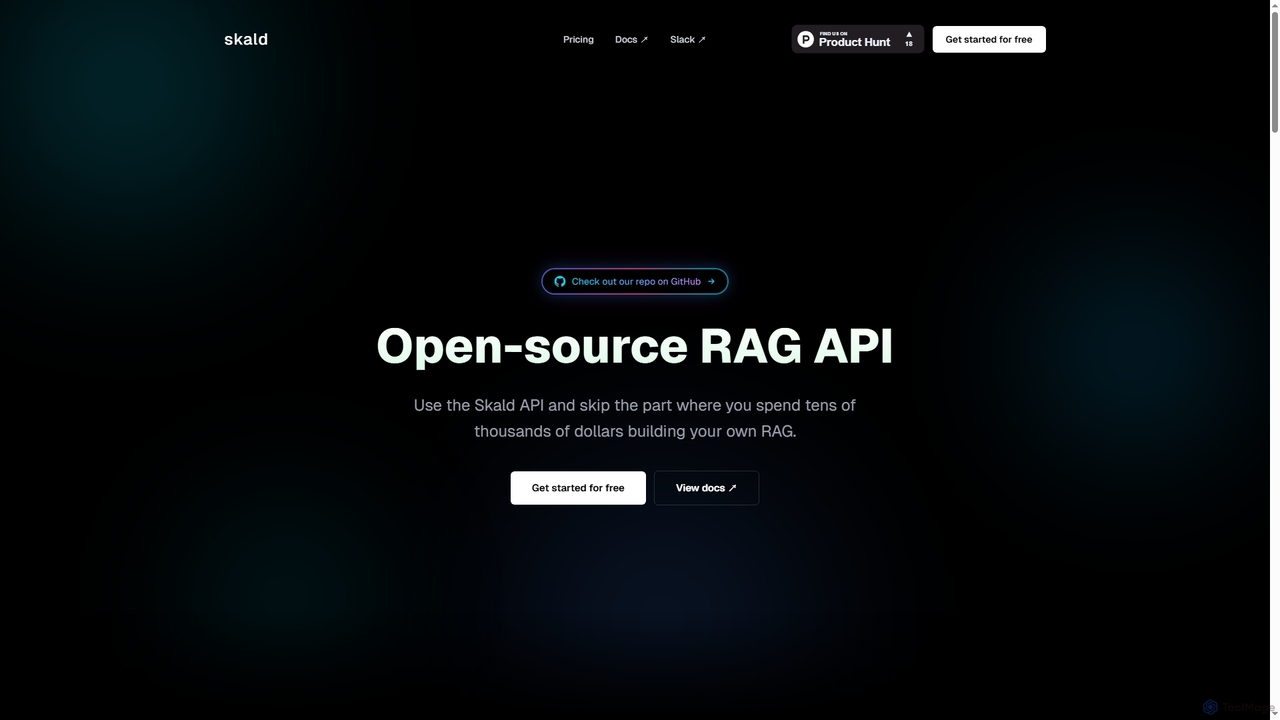
Skald is an open-source RAG API designed for developers to quickly build AI agents without the complexity of managing RAG infrastructure. It simplifies knowledge storage, context management, and semantic search, offering a powerful solution for integrating long-term memory into AI applications.
Rag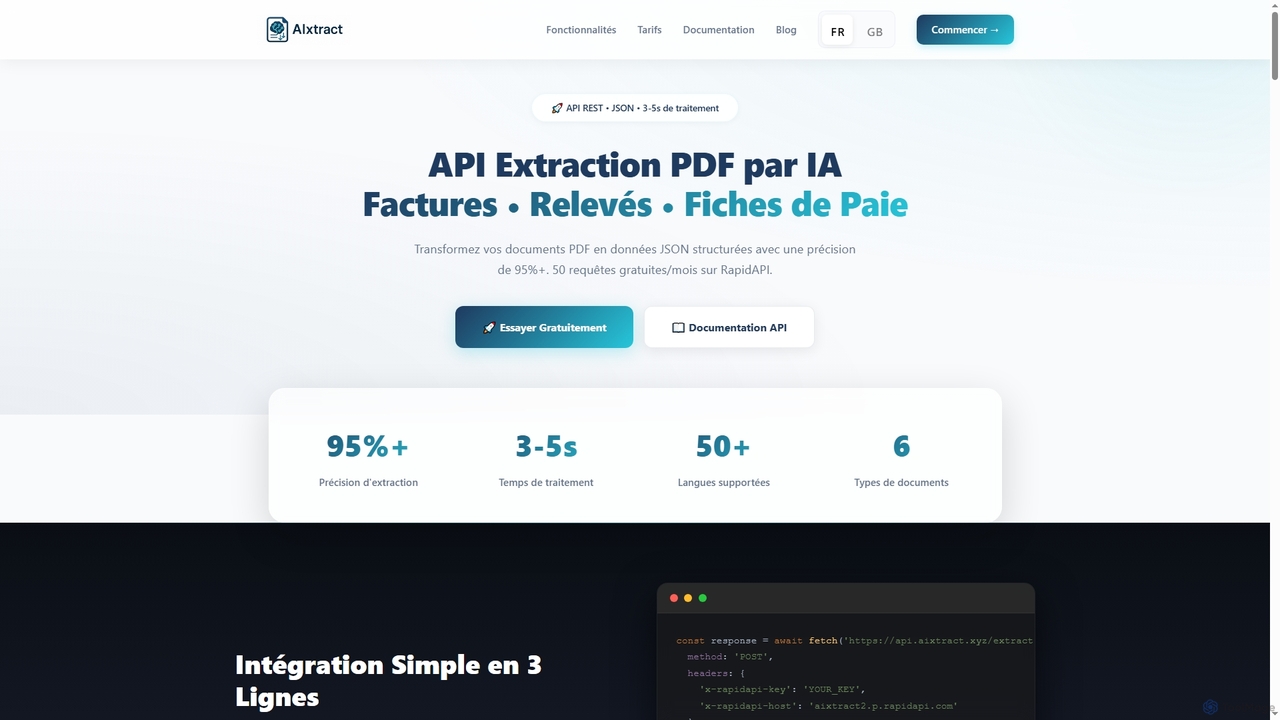
AIxtract is an AI-powered PDF data extraction API that converts unstructured PDF documents like invoices, bank statements, and payslips into structured JSON data with over 95% accuracy. It supports more than 50 languages and processes documents in 3-5 seconds, offering a simple REST API for quick integration.
3DAI APIs are application programming interfaces that provide developers with access to pre-trained artificial intelligence models. These tools function as a bridge, allowing applications to leverage complex AI capabilities like natural language processing or computer vision without requiring developers to build and train models from scratch. By integrating an AI API, developers can rapidly implement advanced features, significantly reducing development time and infrastructure costs. This approach enables the creation of smarter, more responsive applications with a fraction of the typical machine learning effort.
AI APIs are widely used by software developers, startups, and enterprises to enhance their products. For instance, a mobile app developer can integrate a computer vision API to enable real-time object detection, while an e-commerce platform can use an NLP API to power a customer service chatbot that understands user intent. They are also crucial for data scientists automating sentiment analysis of customer feedback.
When selecting an AI API, evaluate the model's accuracy and performance on tasks relevant to your project. Assess the quality and completeness of the documentation and the availability of SDKs for your preferred programming language. It's also important to carefully review the pricing structure, usage limits, and data privacy policies to ensure they align with your application's requirements and compliance standards.
A developer at an e-commerce company is tasked with reducing customer support response times. Instead of building a complex system from the ground up, they use a Natural Language Processing (NLP) API. By integrating this API into their website's chat widget, they create a chatbot that can understand and answer common customer questions about order status, shipping policies, and product details in real-time. This frees up human agents to handle more complex issues and improves overall customer satisfaction.
A community manager for a social media platform needs to ensure a safe user environment by filtering out inappropriate content. They integrate a content moderation API that uses computer vision and text analysis models. This system automatically scans user-generated posts, images, and comments to detect and flag or remove content that violates community guidelines, such as hate speech or graphic imagery. This automation drastically reduces the manual workload for human moderators and allows for faster enforcement of platform policies.
A mobile app developer wants to add a hands-free control feature to their productivity application. They utilize a Speech-to-Text API to convert spoken user commands into text that the app can process. This allows users to perform actions like "create a new note" or "set a reminder for tomorrow at 9 AM" simply by speaking. The integration provides a more accessible and convenient user experience without the developer needing expertise in audio processing or speech recognition technology.
A product manager needs to understand customer sentiment from thousands of online reviews and survey responses. They use a text analytics API to process this unstructured data. The API automatically classifies each piece of feedback as positive, negative, or neutral and can even identify key topics or themes. This provides actionable insights into customer opinions, helping the team prioritize product improvements and identify areas of concern much faster than manual analysis would allow.
A developer building a digital asset management (DAM) system for a marketing team needs to make thousands of images easily searchable. They integrate a computer vision API to process every uploaded image. The API automatically generates descriptive tags (e.g., "laptop," "office," "meeting") based on the image content. This automated tagging allows users to find relevant images quickly using keyword searches, saving significant time compared to manual tagging.
A developer for an online news portal aims to increase user engagement and time spent on the site. They implement a recommendation API that analyzes a user's reading history and behavior. Based on this data, the API suggests other articles and topics that are likely to be of interest to that specific user. This creates a personalized content feed, improving the user experience and encouraging readers to explore more content on the platform.
An AI API (Application Programming Interface) is a service that allows developers to easily integrate pre-built artificial intelligence and machine learning models into their own applications. Instead of building a model from scratch, a developer can simply send data to the API and receive the model's output, such as a text translation or an image analysis. This approach significantly accelerates development and lowers the barrier to using advanced AI capabilities.
To choose the right AI API, consider these key factors:
The main difference lies in control versus convenience. Using an AI API is fast, cost-effective, and requires no machine learning expertise, making it ideal for standard tasks like general text analysis or object recognition. Building a custom model provides maximum control and can be tailored to highly specific or proprietary data, but it requires significant time, data, expertise, and computational resources to develop, train, and maintain.
AI APIs are available for a wide range of tasks. Some of the most common types include:
AI APIs are best suited for developers, startups, and established businesses that want to add sophisticated AI functionality to their applications without investing in a dedicated machine learning team. They are ideal for teams that need to move quickly, prototype new features, or integrate proven AI capabilities for common problems, such as powering a chatbot, moderating content, or analyzing customer feedback.