ToolMage
Sign in

Best 72 Documentation AI tools for Developer Tools

Popular Documentation AI tools in Developer Tools include Mintlify, Answer Overflow, AppFlowy, kapa.ai, DocuWriter.ai, AskCodi, Theneo, Inkeep, Auctor, and Archbee, helping you work more efficiently.

DocWhizz
Paid

DocWhizz

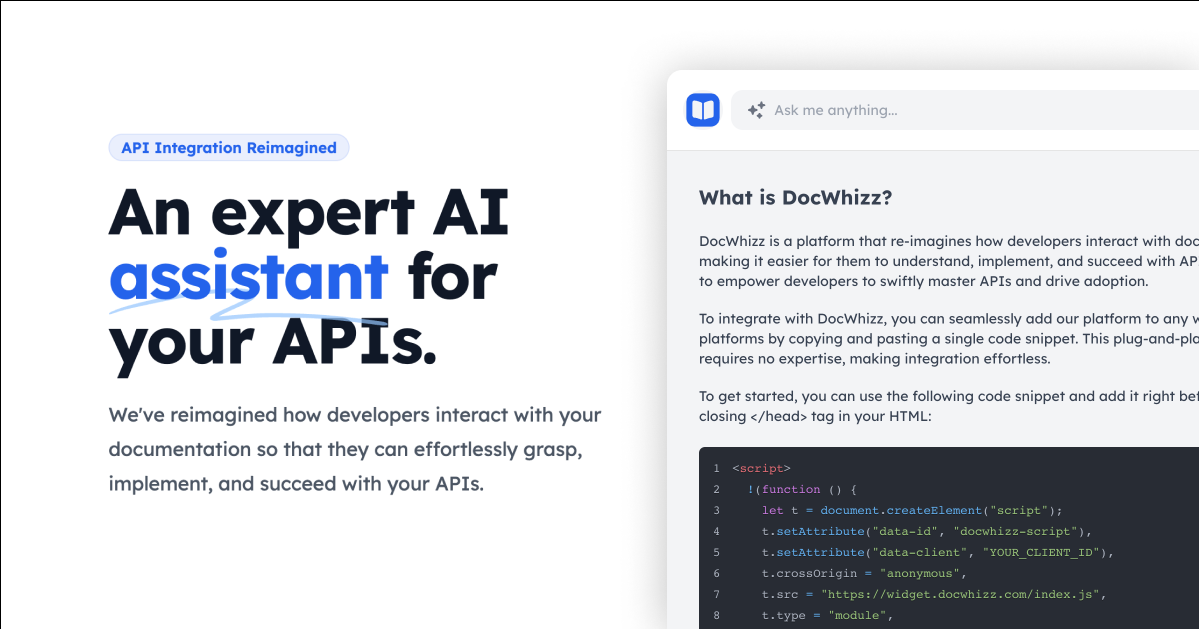
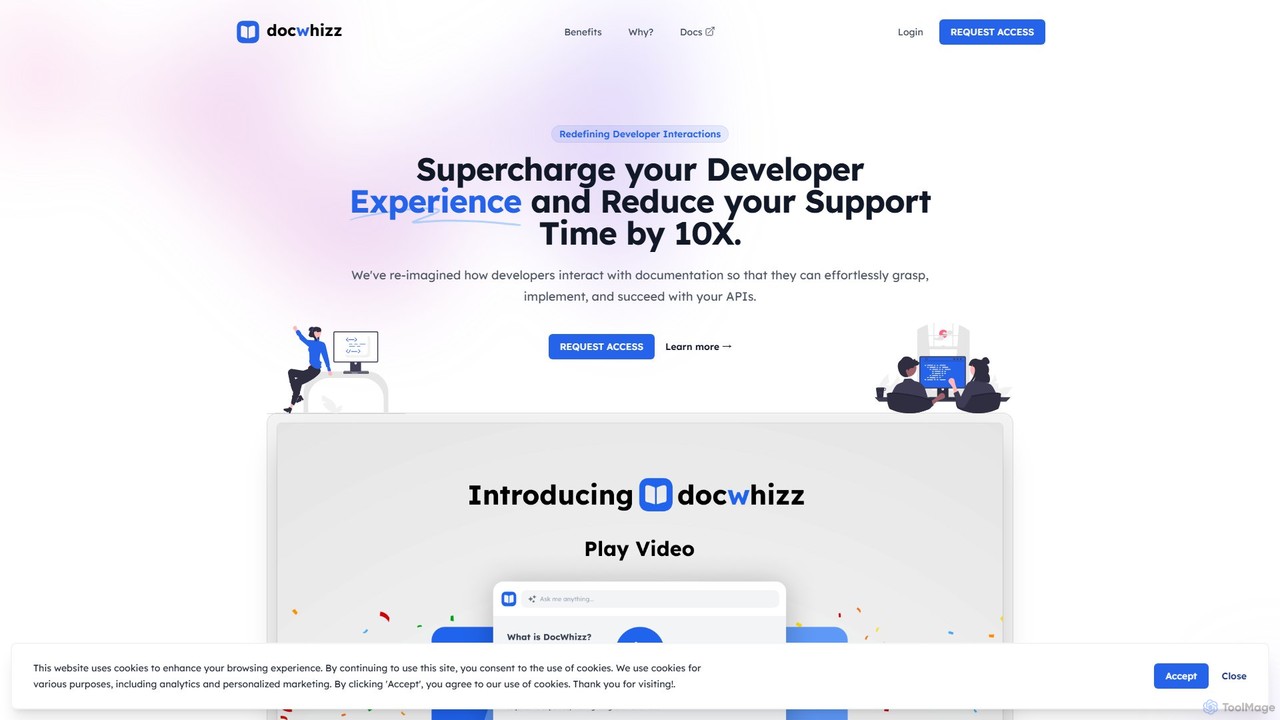
DocWhizz is a specialized AI assistant designed for developer documentation. It enhances the developer experience (DX) by providing instant answers, personalized code examples, and improved discoverability for APIs, ultimately reducing support time by up to 10x and accelerating product adoption.

Chatbot
Visits 5.2KFavorites 155Likes 156
MakeTheDocs
Freemium

MakeTheDocs

MakeTheDocs is an AI-powered tool that transforms videos into comprehensive documentation pages in seconds. Simply upload a video, and the AI will generate clear, well-structured text, saving you countless hours of manual writing. It's designed for developers, educators, HR departments, and content creators who need to produce high-quality tutorials, guides, and training materials efficiently.

Documentation
Visits 5.1KFavorites 106Likes 110
Dosu
Freemium

Dosu

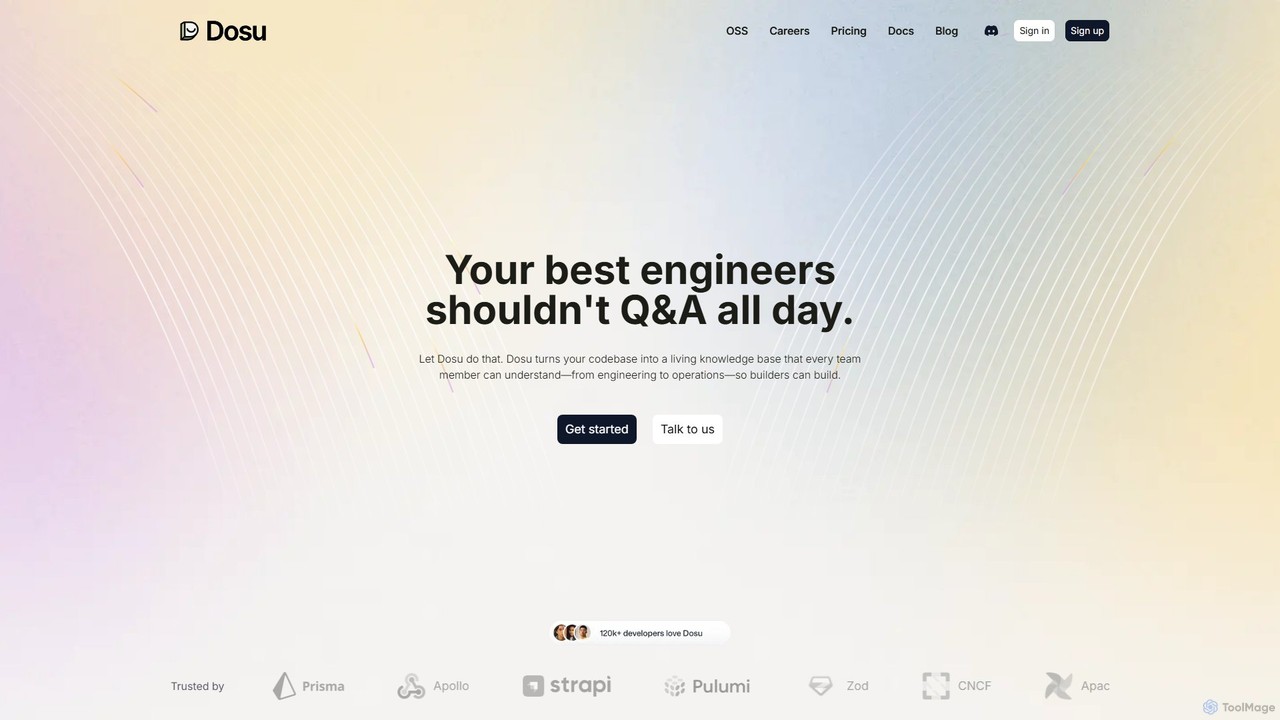
Dosu is an AI teammate for developers that transforms your codebase into a living knowledge base. It automates documentation, answers technical questions, and streamlines issue management, freeing up engineers to focus on building software rather than handling repetitive Q&A.

Code Assistant
Visits 27.7KFavorites 138Likes 146
Userdoc
Freemium

Userdoc

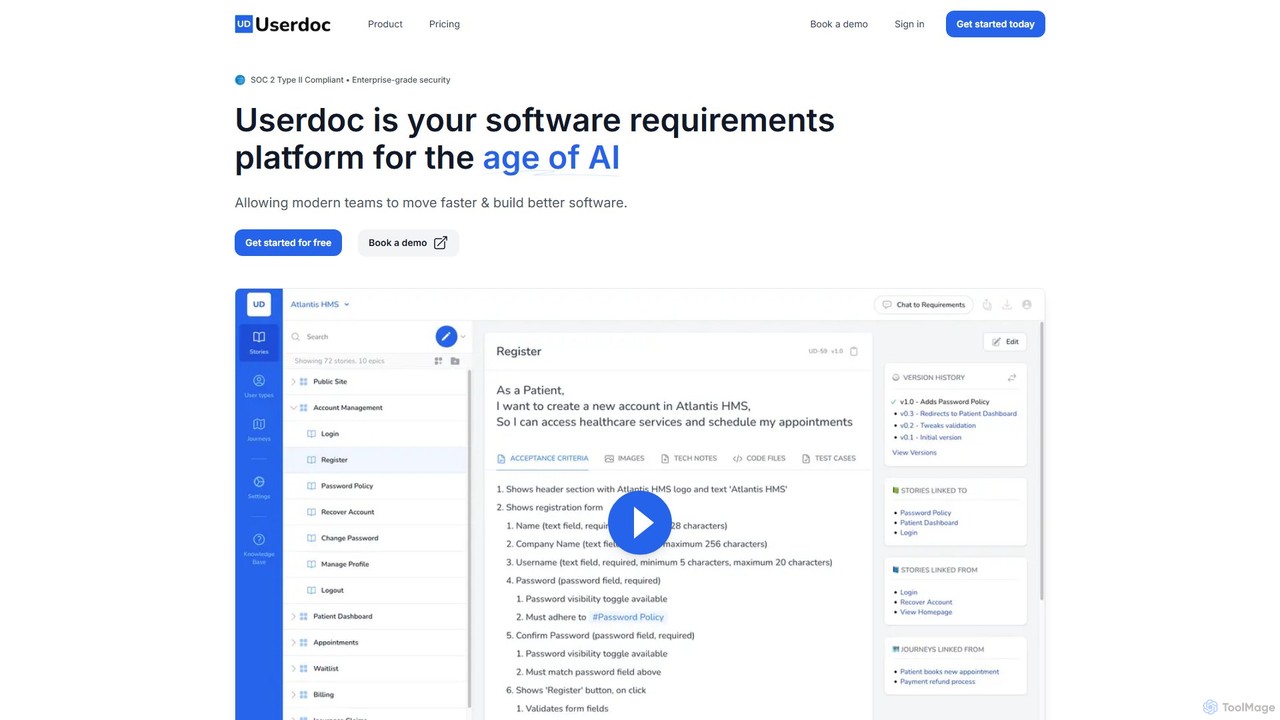
Userdoc is an AI-powered software requirements platform that helps modern teams build better software faster. It automates the creation of user stories, acceptance criteria, test cases, and technical specifications, and can even reverse-engineer existing code into clear documentation. It's designed to improve collaboration, reduce rework, and serve as a single source of truth for development projects.

Code Assistant
Visits 7.2KFavorites 127Likes 122
AskCodi
Freemium

AskCodi

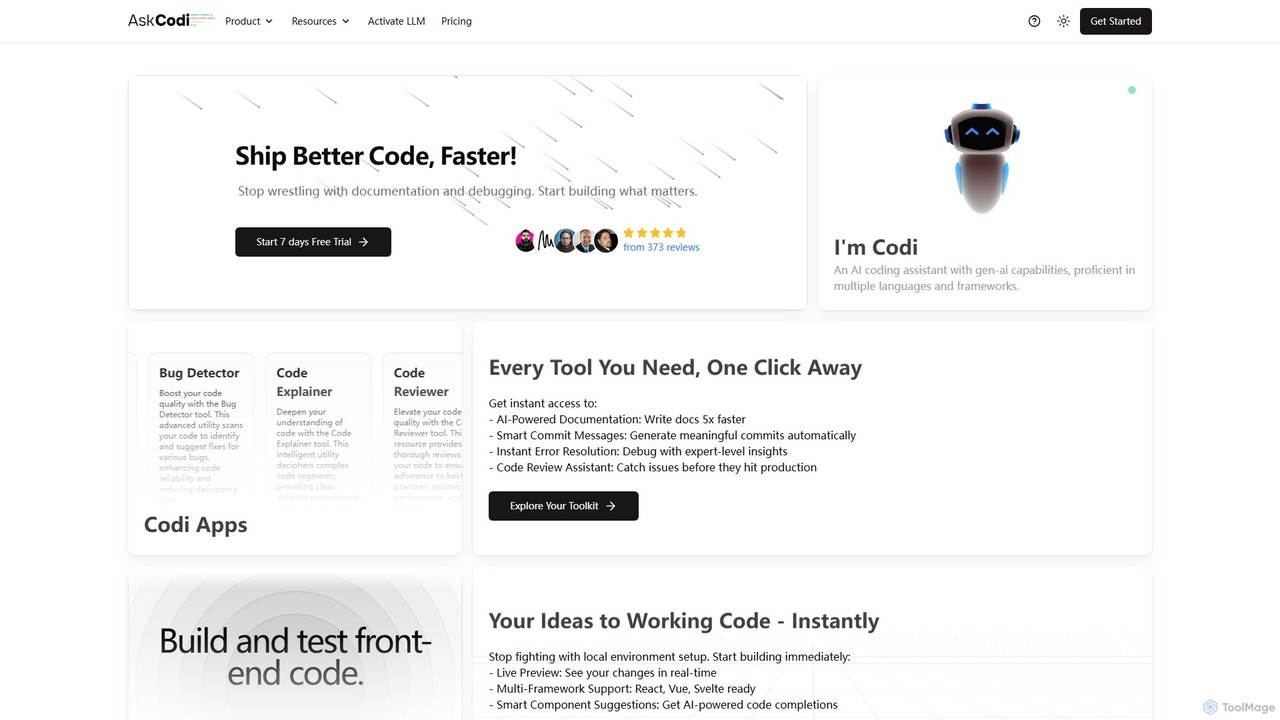
AskCodi is a comprehensive AI-powered code assistant designed to streamline the entire software development lifecycle. It offers a suite of over 20 tools for code generation, refactoring, debugging, testing, and documentation. With integrations for popular IDEs like VSCode and JetBrains, AskCodi helps developers of all skill levels to write better code, faster, and focus on building what matters.

Code Assistant
Visits 59.8KFavorites 153Likes 161
breefdocs
Paid

breefdocs

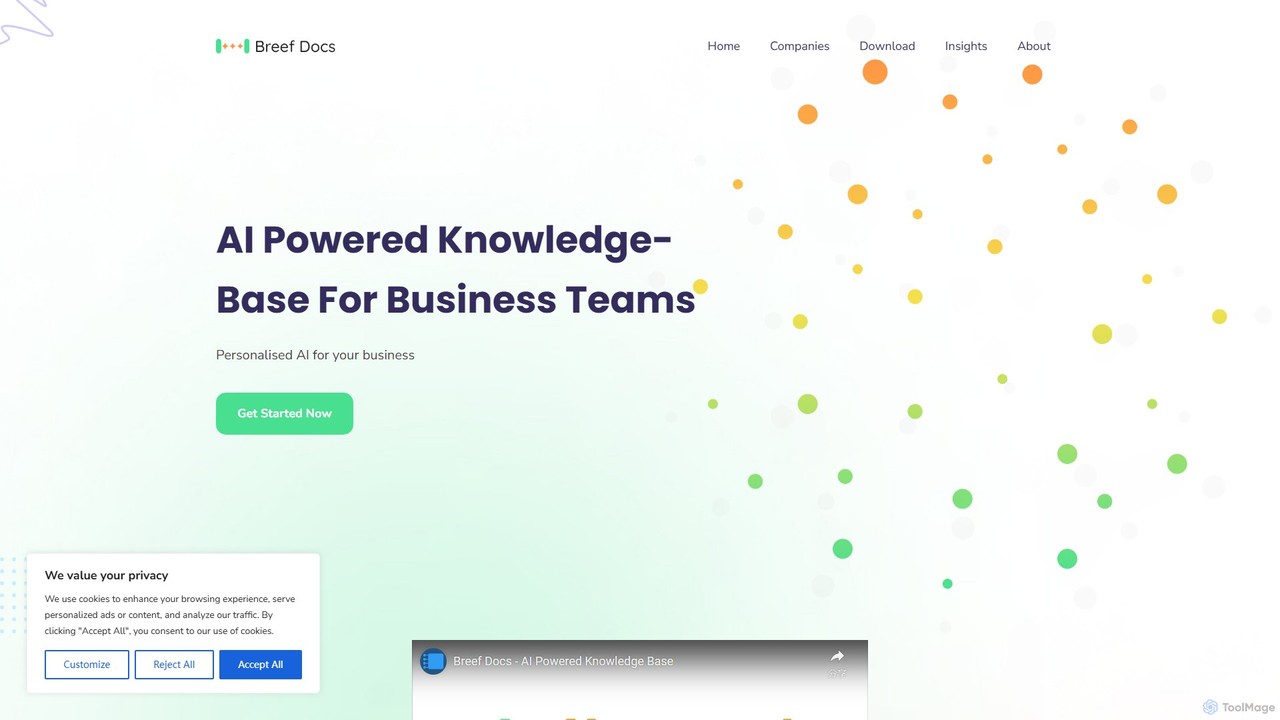
Breefdocs is an AI-powered knowledge base platform designed for teams and companies. It centralizes all your internal documentation, enabling team members to get instant, accurate answers to their questions through natural language search. This boosts productivity by eliminating information silos and reducing repetitive inquiries.

Collaboration
Visits 5.4KFavorites 146Likes 128
Figflow
Freemium

Figflow

Figflow is an AI-powered tool that automates the conversion of Figma designs into developer-ready user stories. With a single click, it generates clear, structured documentation, including acceptance criteria, test scenarios, and story point estimations, streamlining the design-to-development handoff and saving teams hours of manual work.

Design Handoff
Visits 6.5KFavorites 119Likes 109
cruderra
Freemium

cruderra

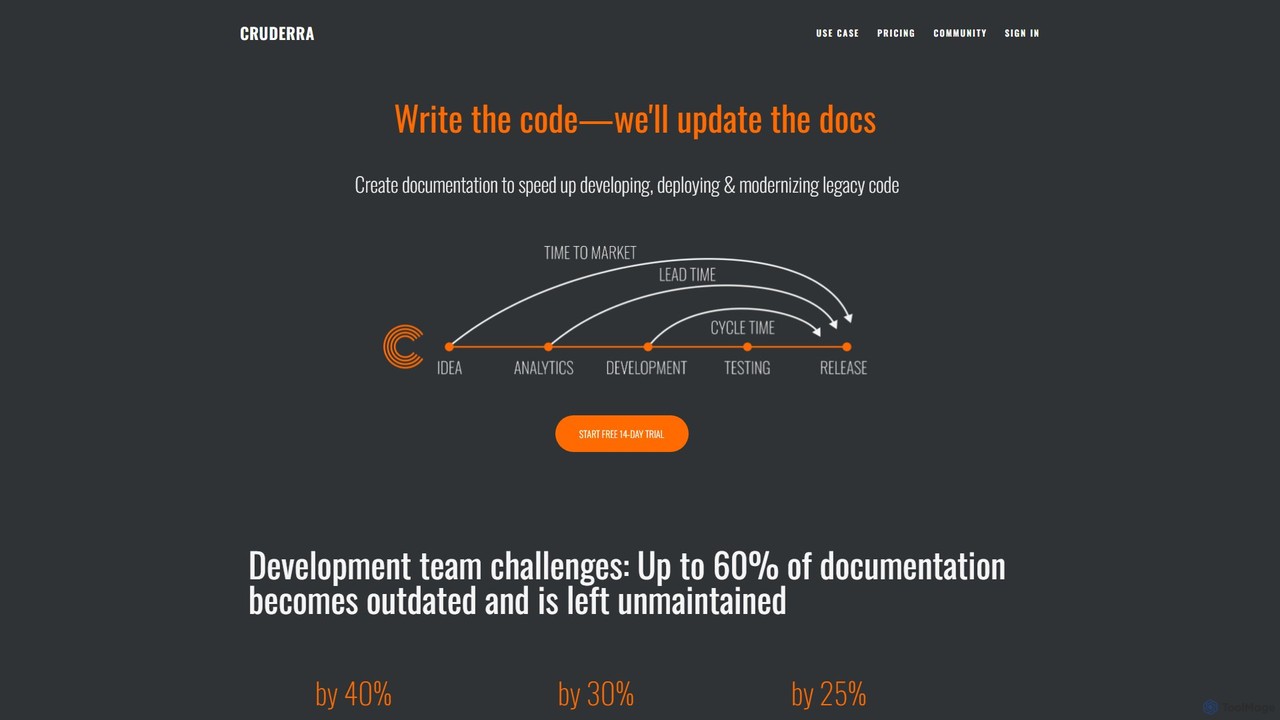
Cruderra is an AI-powered platform that automatically generates and maintains technical documentation for development teams. By scanning codebases in languages like Java, Python, and Go, it creates up-to-date architecture diagrams, OpenAPI specs, and UML diagrams, helping to reduce onboarding time, accelerate development, and align technical and business teams.

Code Analysis
Visits 5.1KFavorites 151Likes 126
swiftproduct
Freemium

swiftproduct

swiftproduct is an AI-powered platform designed to accelerate product development by automatically generating comprehensive documentation. It transforms designs, mockups, or simple text descriptions into structured documents like user stories and acceptance criteria, aiming to speed up the process by up to 10x for product managers, developers, and startups.

Prototyping
Visits 5.2KFavorites 142Likes 141
TailoredRead
Paid

TailoredRead

TailoredRead is an AI-powered service that creates personalized nonfiction e-books. It crafts content tailored to your specific goals, interests, and existing knowledge level across a vast range of subjects like programming, history, and business. Simply define your learning objectives, and the AI generates a unique, focused book in minutes, helping you learn faster and more efficiently by consolidating all necessary information into a single, customized resource.

Knowledge Management
Visits 23.1KFavorites 135Likes 139
FirstMate
Freemium

FirstMate

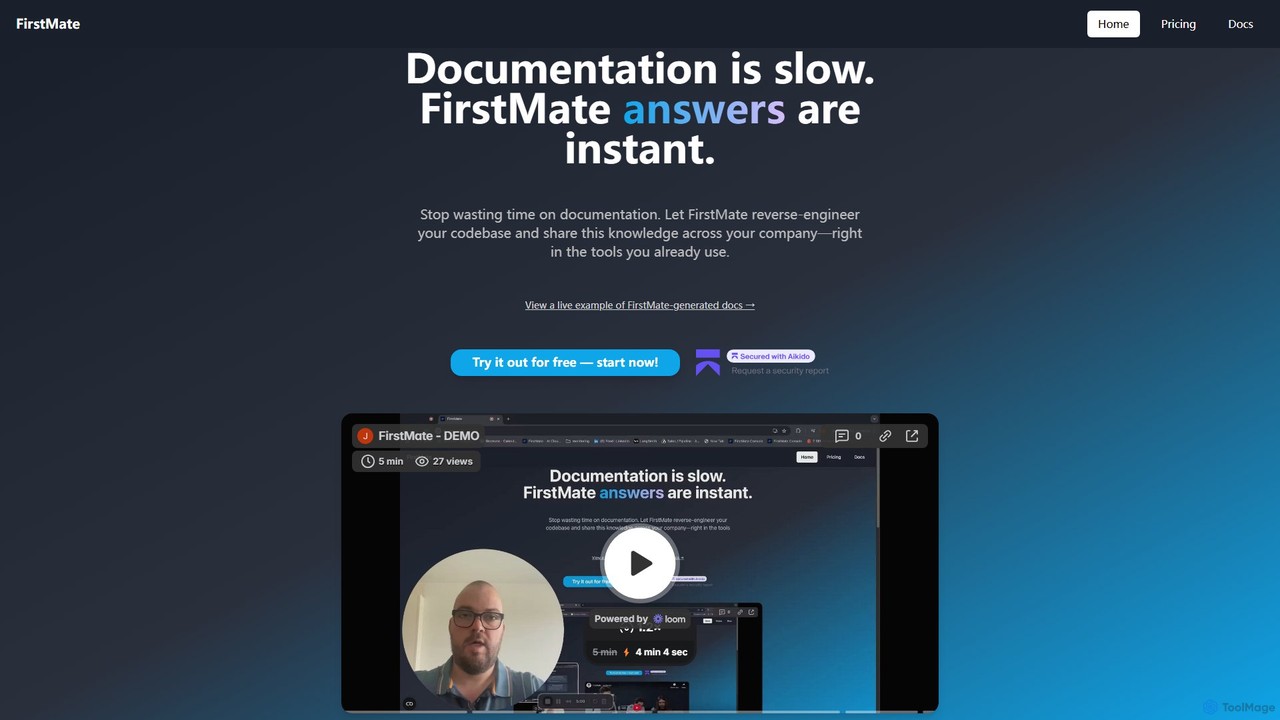
FirstMate is an AI-powered platform that reverse-engineers your codebase to create an instant, searchable knowledge base. It automates documentation, answers technical questions, and provides context within your existing workflows, eliminating manual documentation and accelerating development.

Code Assistant
Visits 5.9KFavorites 140Likes 148
mdedit
Freemium

mdedit

mdedit is an AI-powered, Markdown-first writing platform designed for technical writers, developers, and bloggers. It streamlines the writing workflow with an intelligent AI assistant for drafting, code generation, and text rewriting. The platform features a powerful editor supporting Jupyter Notebooks and Mermaid diagrams, robust article management, multi-platform publishing, and collaboration tools. With features like BYOK (Bring Your Own Keys) and extensive customization, mdedit enhances productivity and content quality for technical documentation and articles.

Documentation
Visits 17.2KFavorites 112Likes 103
Docmonster
Freemium

Docmonster

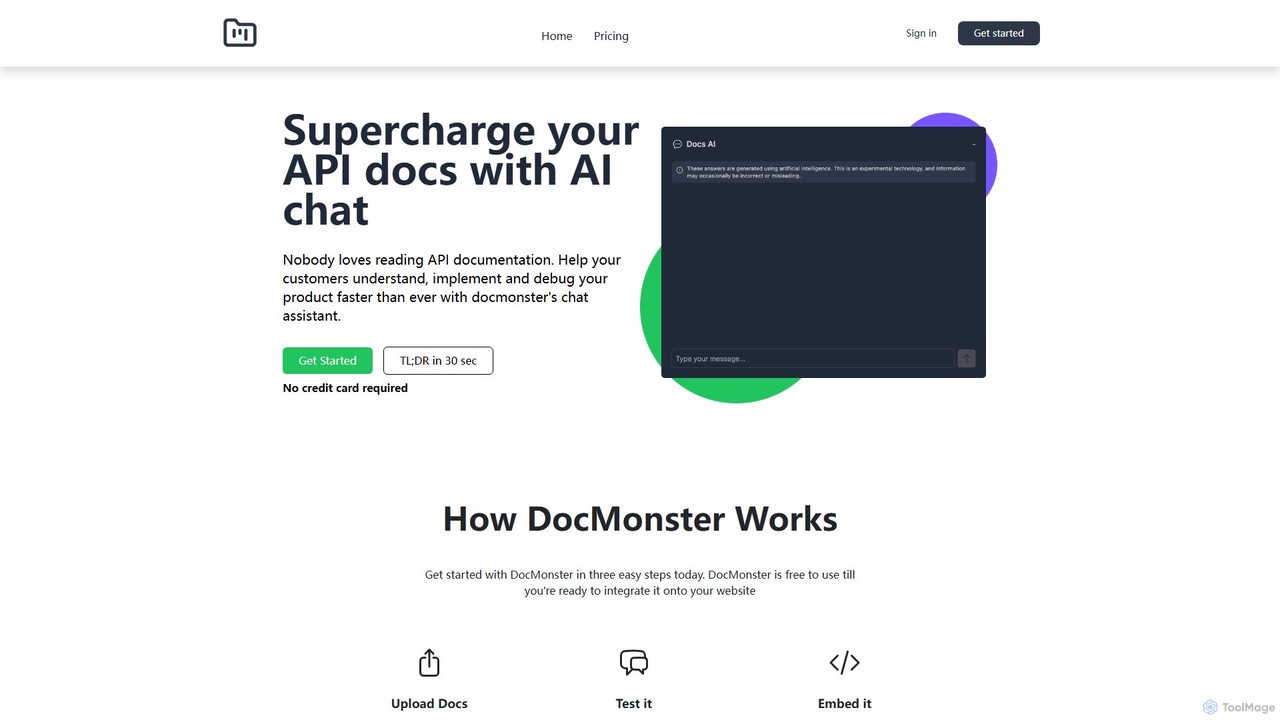
Docmonster enhances API documentation by adding an intelligent AI chat assistant. It allows developers to quickly understand, implement, and debug APIs by asking natural language questions. The tool generates custom code examples, provides instant answers from your documentation, and offers analytics on user queries to help you improve your docs. Simply upload your documents, test the chatbot, and embed it on your website with a few lines of code to significantly reduce integration time and improve the developer experience.

Chatbots
Visits 5KFavorites 141Likes 129
Code2Docs

Code2Docs

Code2Docs is an AI-powered tool that automates the creation of comprehensive code documentation. By integrating directly with GitHub or accepting code uploads, it transforms complex codebases into clear, customizable guides, API references, and testing instructions, saving developers time and reducing technical debt.

Code Assistant
Visits 5.2KFavorites 115Likes 136
Archbee
Freemium

Archbee

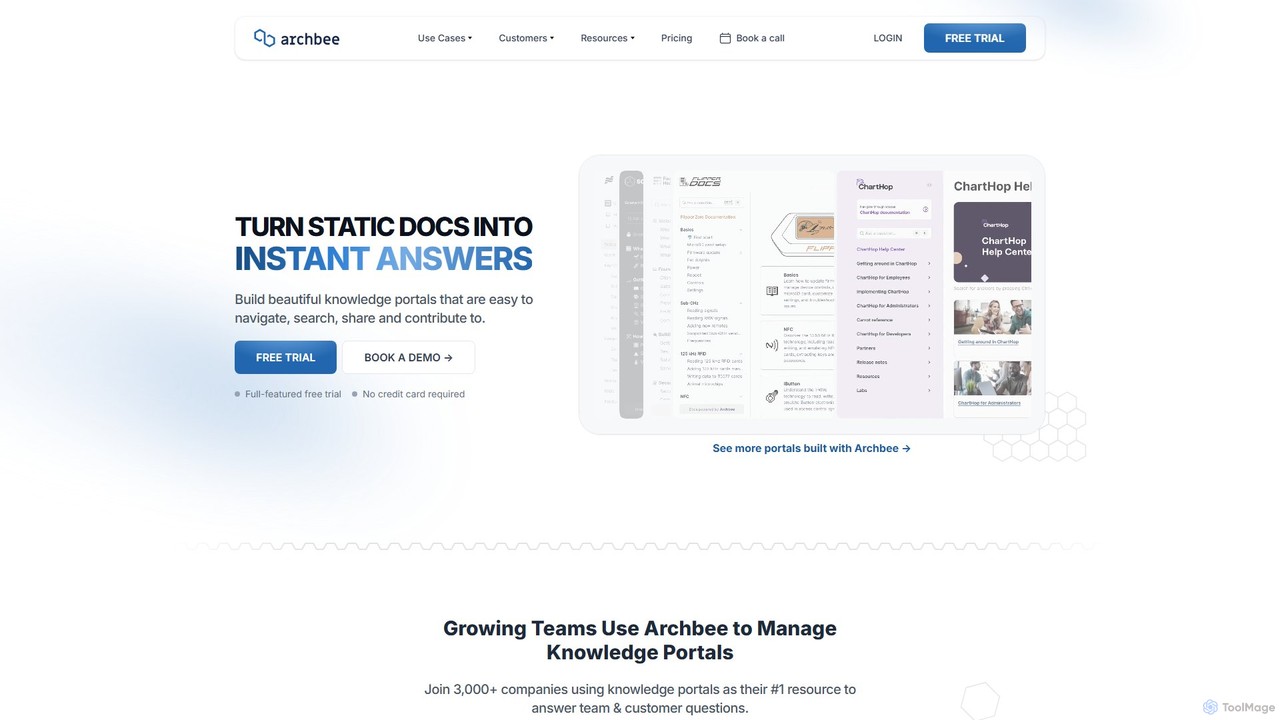
Archbee is an AI-powered knowledge portal platform designed for teams and customers. It transforms static documentation into interactive, searchable knowledge bases, enabling instant answers to questions. It's ideal for creating product docs, API documentation, internal wikis, and customer help centers with powerful collaboration and content management features.

Help Center
Visits 40.4KFavorites 139Likes 135
Mendable
Freemium

Mendable

Mendable is an AI platform that enables businesses to build and deploy custom AI chatbots trained on their technical resources. It provides instant, accurate answers for customer support, sales enablement, and internal knowledge management, reducing support tickets and improving user experience.

Chatbots
Visits 9.6KFavorites 138Likes 131
Prompteam
Freemium

Prompteam

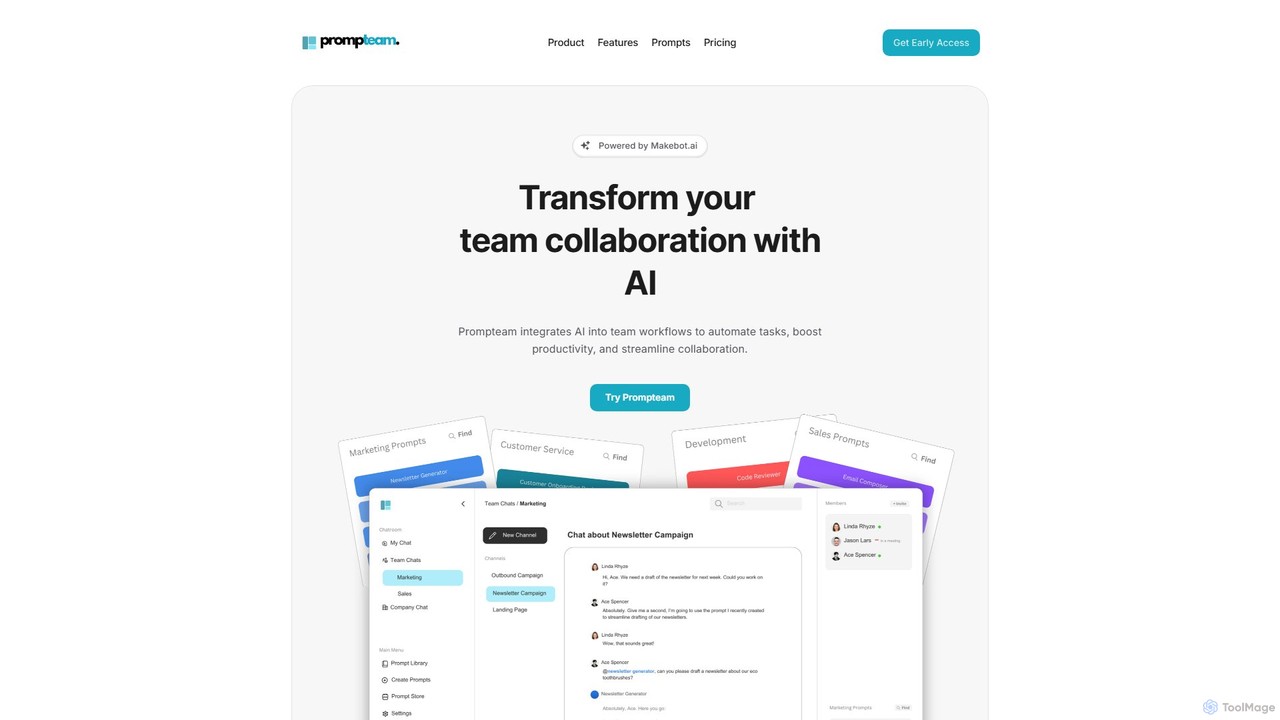
Prompteam is a collaborative AI platform that integrates generative AI into team workflows. It helps automate tasks, boost productivity, and streamline communication by allowing teams to create, manage, and reuse effective prompts in a centralized workspace. It acts as an AI-powered coworker for various business functions, from marketing to development.

Documentation
Visits 5.1KFavorites 117Likes 96
AutoCodeDocs.ai
Free

AutoCodeDocs.ai

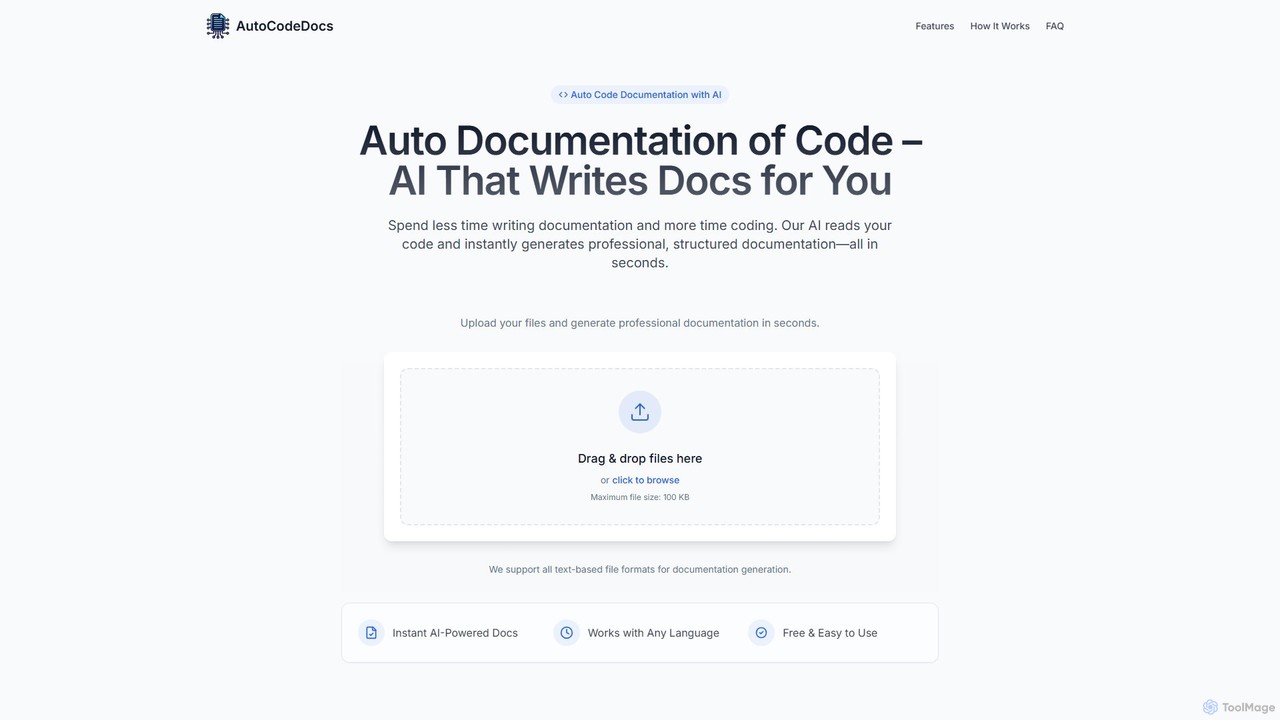
AutoCodeDocs.ai is an AI-powered tool that automatically generates professional, structured documentation for your code. It supports over 20 programming languages, creating README files, API references, and inline comments in seconds. Simply upload your code files, and the AI will analyze them to produce clear, accurate, and ready-to-use documentation in Markdown format, helping developers save time and improve collaboration.

Code
Visits 6.9KFavorites 147Likes 144
Dewstack
Freemium

Dewstack

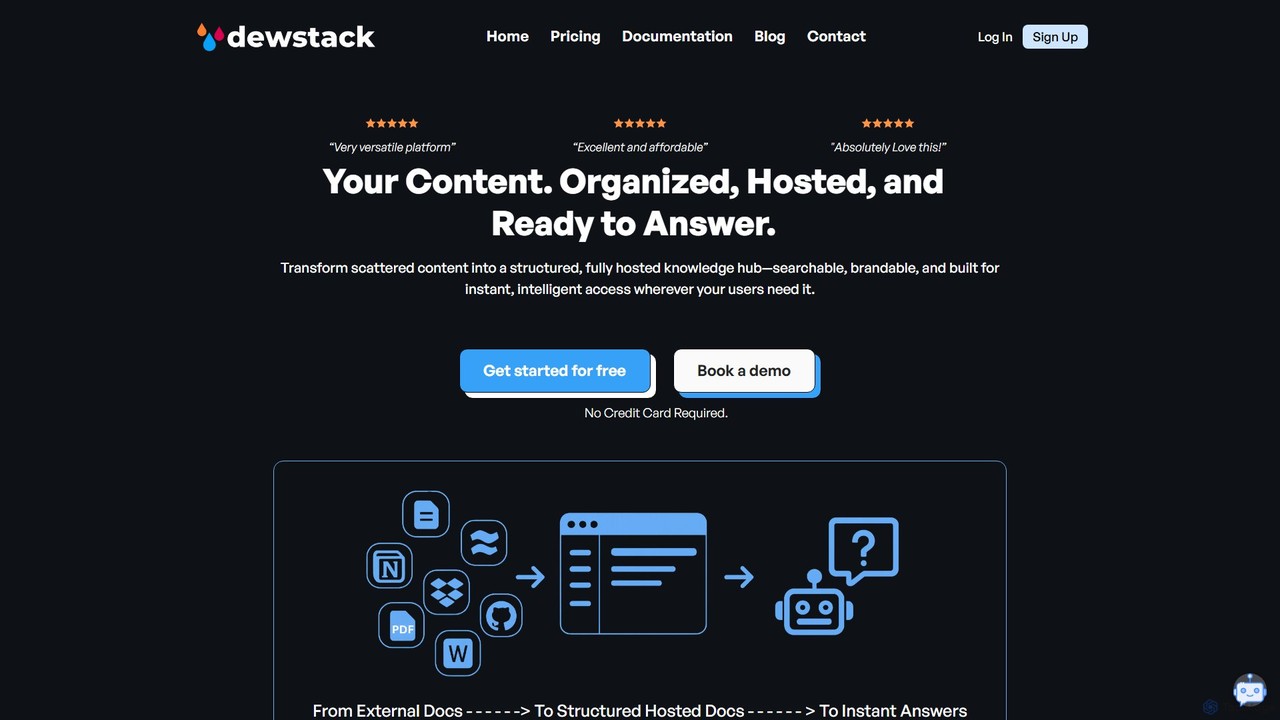
Dewstack is an AI-powered platform for creating, managing, and enhancing user documentation, knowledge bases, and FAQs. It features SmartDocs, an AI assistant that provides a Q&A chatbot, and Page Assist for content optimization, translation, and summarization. Ideal for businesses, startups, and freelancers, it streamlines documentation creation, offers custom domain hosting, and improves user support with instant, AI-driven answers.

Knowledge Base
Visits 6.2KFavorites 148Likes 137
aispaceship
Free

aispaceship

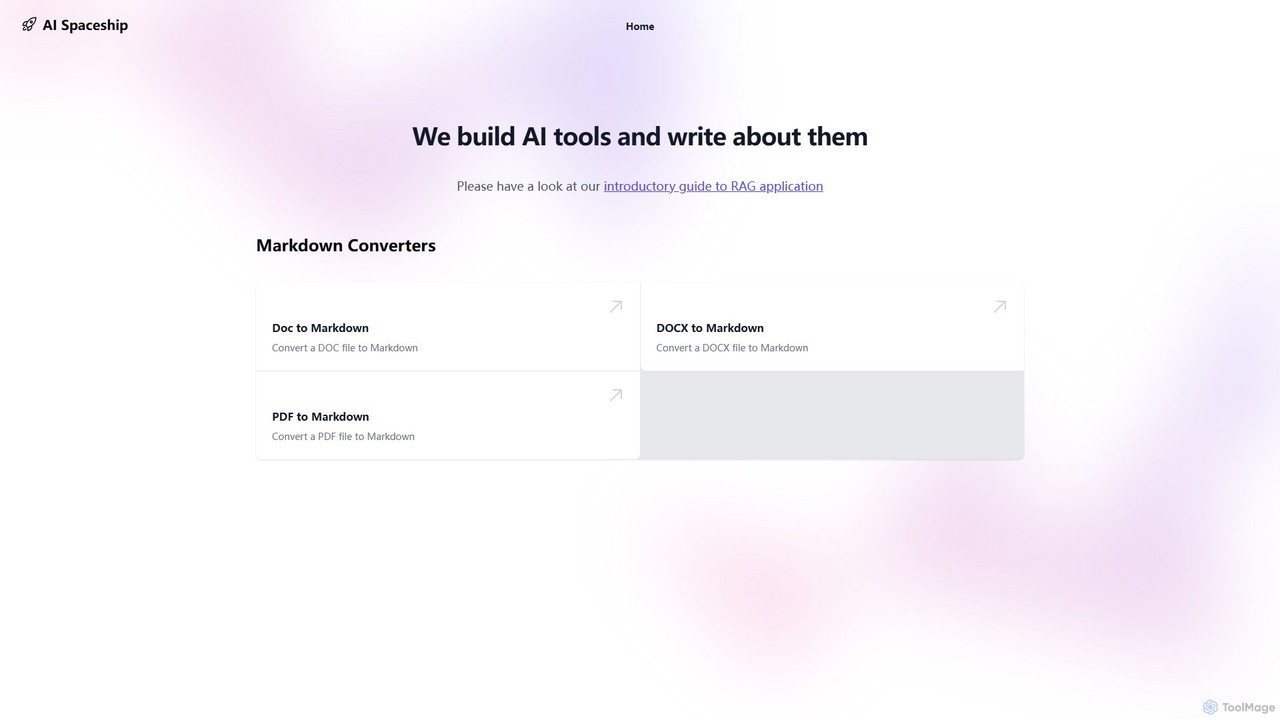
aispaceship offers a suite of free, web-based AI tools, specializing in document conversion. Effortlessly convert DOC, DOCX, and PDF files to clean Markdown with a simple drag-and-drop interface. The platform also provides educational content on AI topics, such as RAG applications, making it a valuable resource for developers, writers, and tech enthusiasts.

Documentation
Visits 5.6KFavorites 96Likes 95
Elessar
Freemium

Elessar

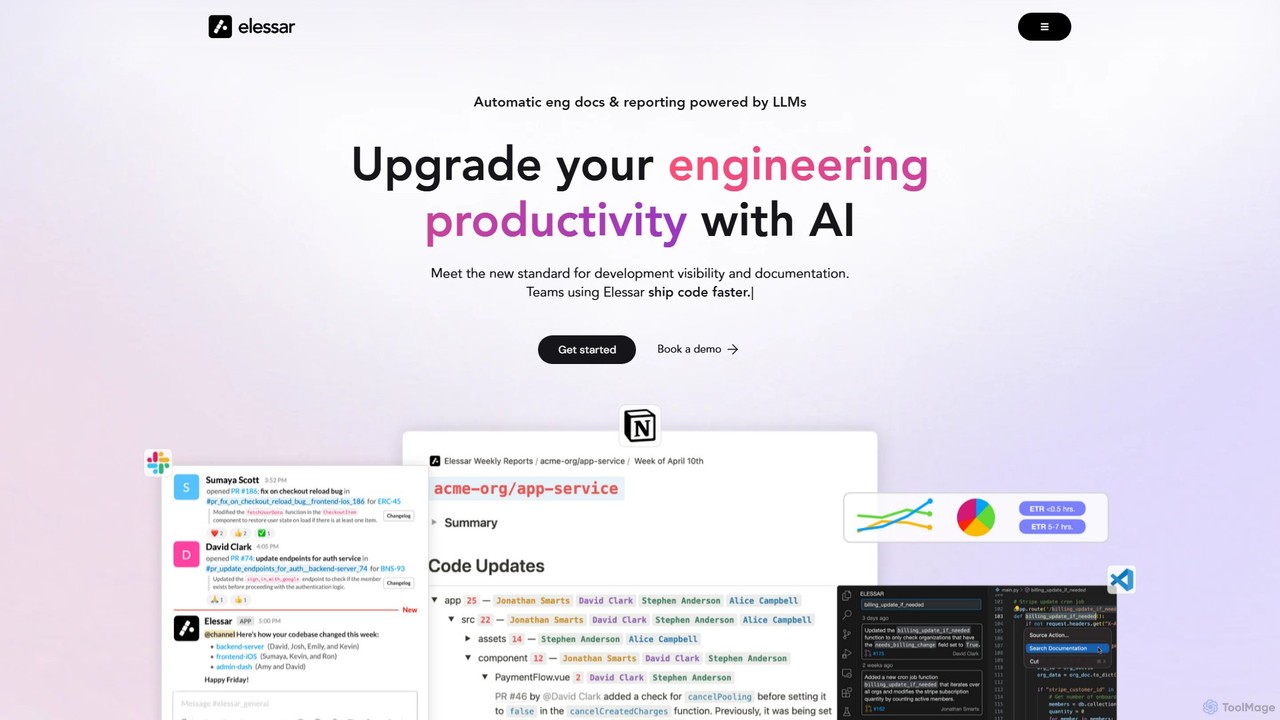
Elessar is an AI-powered engineering assistant that enhances development visibility and productivity. It seamlessly integrates with your existing tools like GitHub, Slack, and Notion to automate changelogs, generate documentation, and streamline communication. By connecting codebases, comms, and docs, Elessar saves engineers time and provides managers with clear insights into team progress.

Code Assistant
Visits 5.2KFavorites 127Likes 144
Auctor
Paid

Auctor

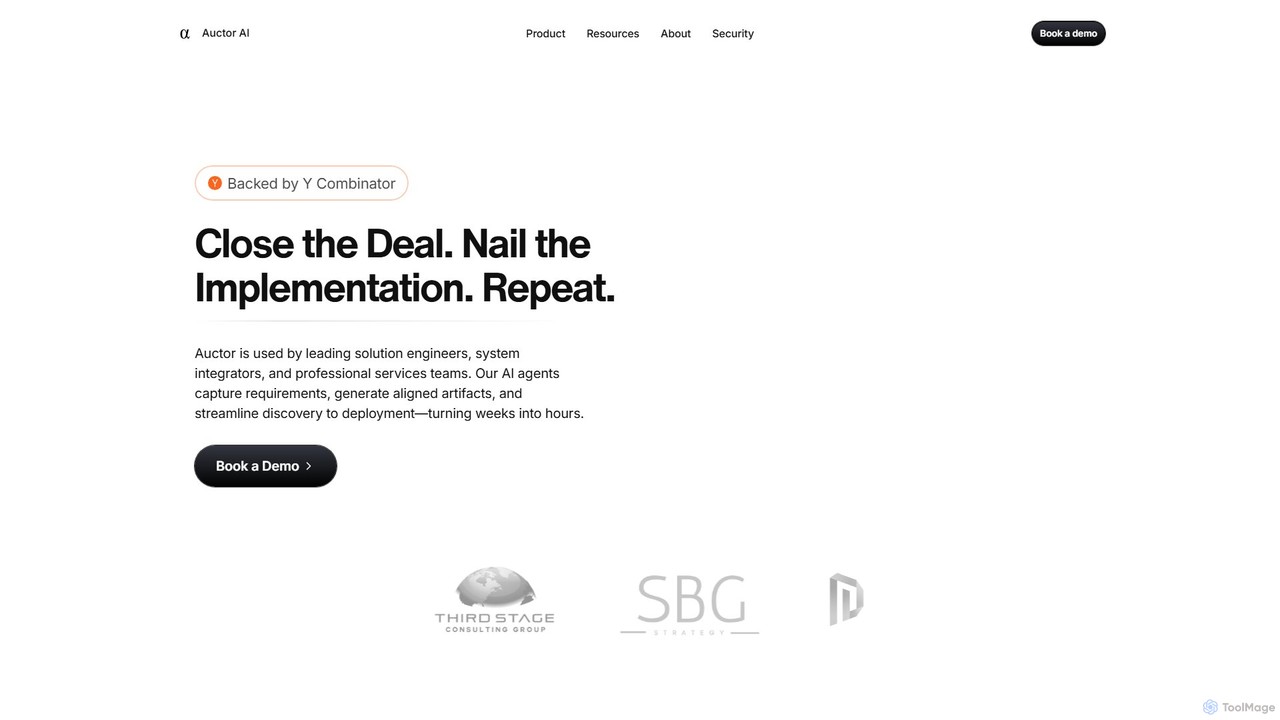
Auctor is an AI-powered platform designed for solution engineers, system integrators, and professional services teams. It uses AI agents to streamline software implementation by capturing requirements, auto-generating aligned artifacts like SOWs and user stories, and keeping teams in sync from discovery to deployment, reducing project timelines from weeks to hours.

Requirement Gathering
Visits 44.6KFavorites 119Likes 110
sveltron
Free

sveltron

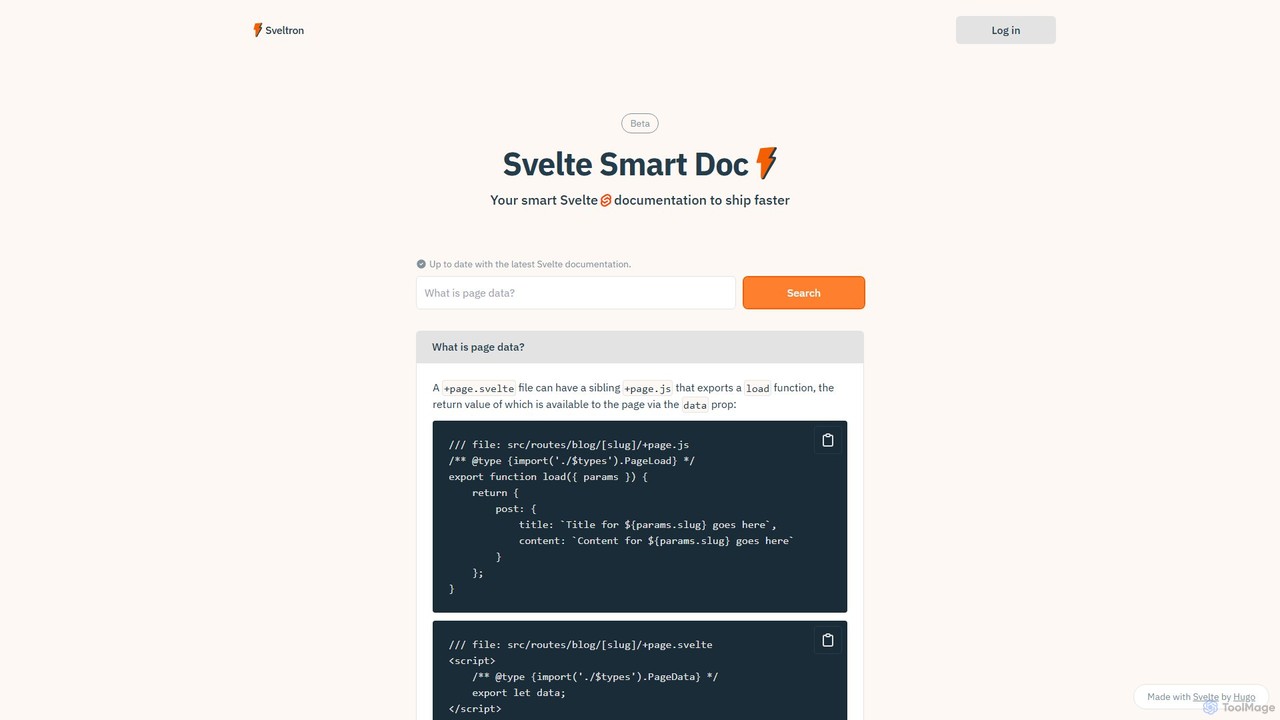
Sveltron is an AI-powered smart documentation tool for Svelte and SvelteKit developers. It provides instant, accurate answers and code snippets from the latest official documentation through a natural language search interface, helping developers to ship projects faster.

Documentation
Visits 5.4KFavorites 111Likes 120
AI Product UX Patterns Collection
Free

AI Product UX Patterns Collection

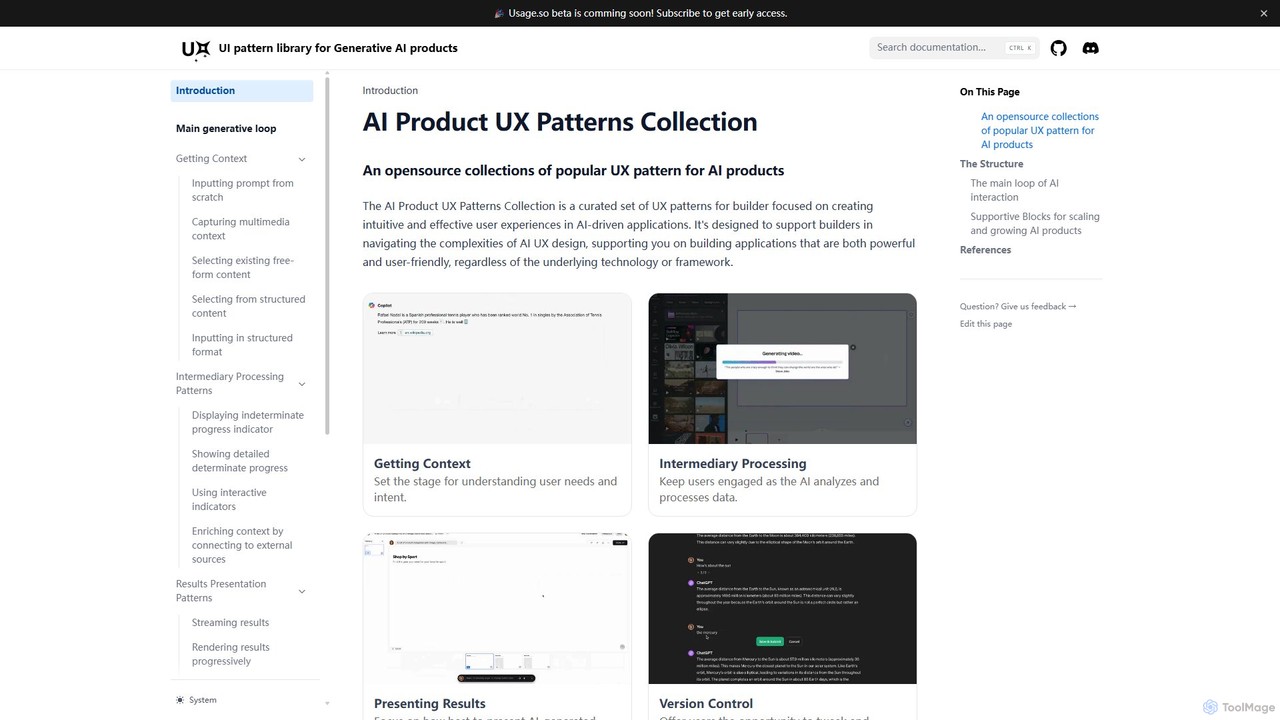
An open-source collection of popular UX patterns for AI products, designed to help builders create intuitive and effective user experiences. It provides a structured framework covering the entire AI interaction loop, from context gathering to results presentation.

Ux
Visits 5.2KFavorites 127Likes 106

About Documentation

Documentation AI tools are a specialized category within developer tools that leverage artificial intelligence to automate and enhance the creation, management, and maintenance of technical documentation. These tools utilize advanced natural language processing (NLP) and machine learning algorithms to analyze source code, design specifications, and existing content, enabling the generation of accurate, consistent, and up-to-date documentation. Their primary value lies in significantly reducing the manual effort and time involved in documentation processes, improving content quality and clarity, and ensuring that critical information is readily available across various formats, including API references, user guides, and internal knowledge bases.

Core Features

  • Automated Content Generation: Automatically drafts initial versions of documentation, such as API specifications, user guides, or code comments, directly from source code, design files, or structured data inputs.
  • Intelligent Content Review & Improvement: Analyzes existing or newly generated documentation for clarity, consistency, grammatical errors, and adherence to predefined style guides, offering smart suggestions for enhancement.
  • Multi-language Localization: Provides robust AI-powered translation and localization capabilities, enabling the efficient creation and maintenance of documentation in multiple languages for global audiences.
  • API Documentation Automation: Extracts detailed information about endpoints, parameters, request/response examples, and authentication methods directly from codebases to generate comprehensive and interactive API references.
  • Knowledge Base & Wiki Management: Facilitates the creation, organization, and maintenance of dynamic knowledge bases, FAQs, and internal wikis, often including smart search and content linking features.

Applicable Scenarios

Software development teams heavily rely on these tools to automatically generate and keep API documentation synchronized with ongoing code changes, ensuring developers always have access to the latest interface details. Technical writers leverage AI to accelerate the drafting and refinement of complex user manuals, tutorials, and how-to guides, freeing up time for higher-level content strategy. Product managers and support teams utilize Documentation AI tools to efficiently build and maintain comprehensive knowledge bases and FAQs for customer self-service and internal training, ensuring consistent and accurate information dissemination.

How to Choose

When selecting a Documentation AI tool, consider its integration capabilities with your existing development ecosystem, including popular IDEs, version control systems like Git, and content management platforms. Evaluate the breadth and depth of its AI features, such as the accuracy of content generation, the intelligence of its review suggestions, and the quality of its multi-language translation. Assess its scalability to handle your project's size and the specific types of documentation it supports, from granular code comments to extensive user guides. Finally, compare pricing models, the level of customization offered for style guides, and the community or vendor support available to ensure it aligns with your team's specific needs and long-term strategy.

Featured tool rankings

Documentation use cases

1

Automated API Reference Generation

For software development teams, AI documentation tools can automatically parse source code (e.g., Python, Java, Node.js) to generate up-to-date API reference documentation. Developers input their codebase, and the AI extracts endpoints, parameters, data models, and examples, creating comprehensive and interactive API docs in formats like OpenAPI/Swagger. This significantly reduces the manual effort of maintaining API documentation, ensuring it always reflects the latest code changes and improving developer onboarding.

2

Streamlining User Manual & Guide Creation

Technical writers and content creators can leverage AI documentation tools to accelerate the drafting process for user manuals, installation guides, and tutorials. By feeding the AI product specifications, existing feature descriptions, or even screen recordings, the tool can generate initial content drafts, suggest improvements for clarity and consistency, and structure complex information. This allows writers to focus on refining content and adding value, rather than starting from scratch, saving considerable time.

3

Maintaining Consistent Internal Knowledge Bases

Internal teams, such as IT support or HR, use AI documentation tools to build and maintain dynamic knowledge bases and internal wikis. The AI can ingest various internal documents, meeting notes, and chat logs to identify key information, automatically generate FAQs, and organize content into logical categories. This ensures that internal information is always current, easily searchable, and consistent across the organization, improving employee self-service and reducing redundant inquiries.

4

Localizing Technical Documentation for Global Markets

Companies expanding into international markets face the challenge of translating extensive technical documentation accurately and efficiently. AI documentation tools offer advanced machine translation capabilities specifically trained on technical jargon, ensuring high-quality localization. They can translate user manuals, legal disclaimers, and product specifications into multiple languages simultaneously, maintaining consistency and reducing the cost and time associated with manual translation services.

5

Enhancing Code Commenting and Readability

Developers can integrate AI documentation tools directly into their IDEs or CI/CD pipelines to improve code commenting. The AI analyzes code snippets and functions, then suggests or automatically generates clear, concise, and contextually relevant comments. This practice enhances code readability, makes it easier for new team members to understand existing codebases, and significantly improves long-term code maintainability and collaboration within development teams.

6

Generating FAQs and Troubleshooting Guides

Customer support and product teams utilize AI documentation tools to automatically generate comprehensive FAQs and troubleshooting guides. By analyzing customer support tickets, forum discussions, and product usage data, the AI identifies common problems and questions. It then drafts detailed answers and step-by-step solutions, which can be directly published to help centers, reducing support load and empowering users to find solutions independently.

Documentation FAQ

What are AI Documentation tools?

AI Documentation tools are software applications that leverage artificial intelligence, primarily natural language processing and machine learning, to automate and assist in the creation, management, and maintenance of technical documentation. As a sub-category of developer tools, they aim to streamline the documentation workflow by generating content from code, reviewing for quality, and ensuring consistency across various document types like API references, user guides, and internal knowledge bases.

How do AI documentation tools differ from traditional documentation tools?

Traditional documentation tools typically provide templates and formatting features, requiring manual content input and updates. In contrast, AI documentation tools offer proactive intelligence: they can automatically generate content from source code or specifications, suggest improvements for clarity and consistency, and even translate content. This automation significantly reduces manual effort, improves accuracy, and ensures documentation remains current with product changes, which is a major differentiator.

What are the main benefits of using AI for documentation?

The primary benefits include significant time and cost savings due to automation of content generation and updates. AI tools enhance documentation quality by ensuring consistency, correcting grammar, and improving clarity across all materials. They also facilitate multi-language localization, making products accessible to global audiences more efficiently. Furthermore, by keeping documentation synchronized with development, they improve developer experience and reduce onboarding time for new team members.

Who benefits most from AI Documentation tools?

Software development teams benefit immensely by automating API documentation and code commenting, ensuring accuracy and reducing developer burden. Technical writers find value in accelerated drafting and intelligent content review, allowing them to focus on strategic content. Product managers and customer support teams use these tools to maintain up-to-date knowledge bases and FAQs, improving customer self-service and internal information sharing. Essentially, any role involved in creating or maintaining technical content can benefit.

What challenges might arise when implementing AI documentation tools?

Implementing AI documentation tools can present challenges such as the initial setup and integration with existing systems, which might require technical expertise. Ensuring the quality and accuracy of AI-generated content often requires human oversight and refinement, especially for nuanced technical details. Data privacy and security concerns must also be addressed, particularly when feeding proprietary code or sensitive information to cloud-based AI services. Finally, adapting existing workflows and training teams to effectively utilize these new tools can be a hurdle.