Best of the Year 19 results Logistics AI Tools

Popular AI tools in the Logistics field include ropuz、HappyRobot、hibambi、BlueCargo、TrueNorth、Berkshire Grey、Routerra、Locaxion、Tracking、splash9, etc., helping you quickly improve efficiency.

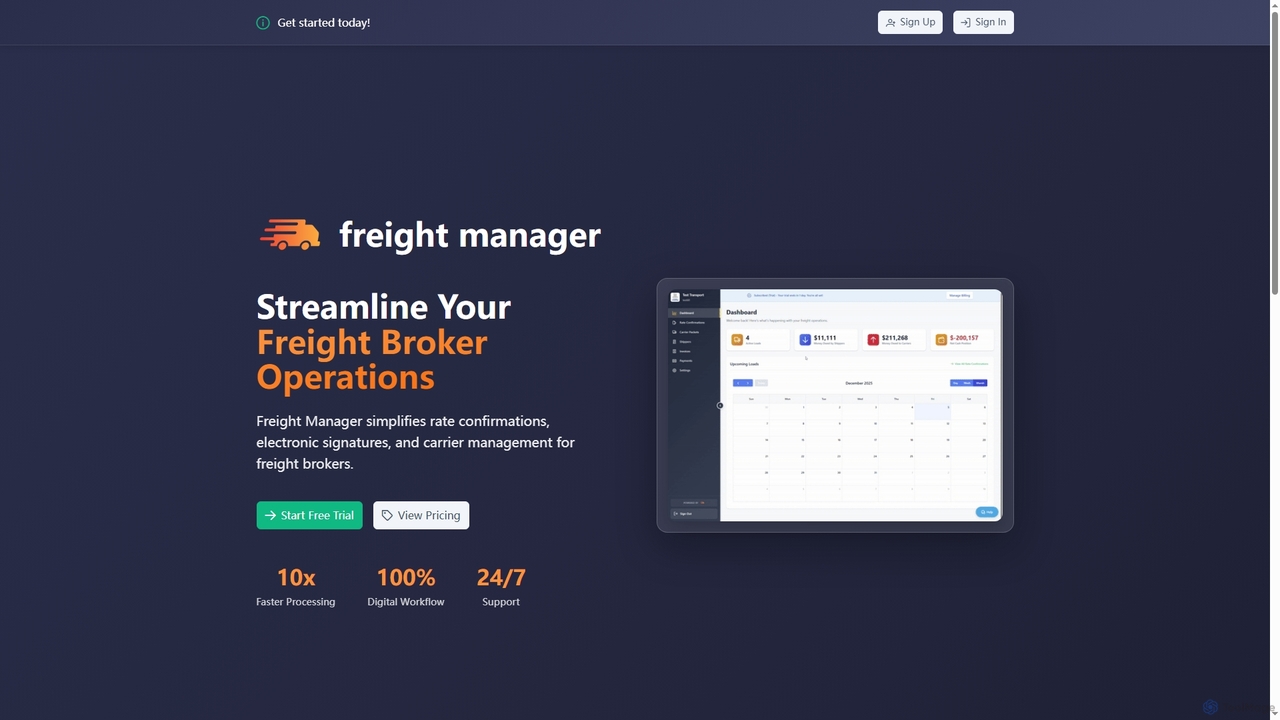
Freight Manager

Freight Manager

Freight Manager streamlines freight broker operations by digitizing rate confirmations, electronic signatures, and carrier management. It enhances efficiency …

2.4K
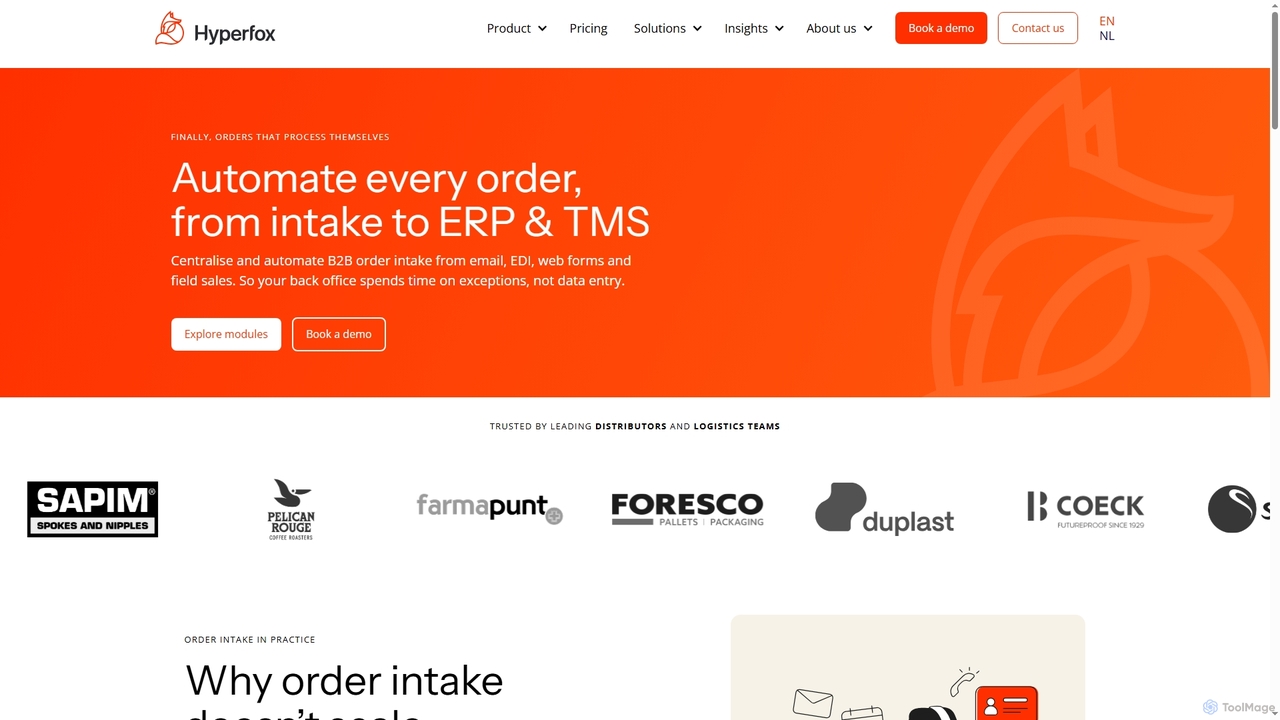
Hyperfox

Hyperfox

Hyperfox is an AI-driven B2B order automation software designed for distribution and logistics companies. It streamlines the entire …

4.2K
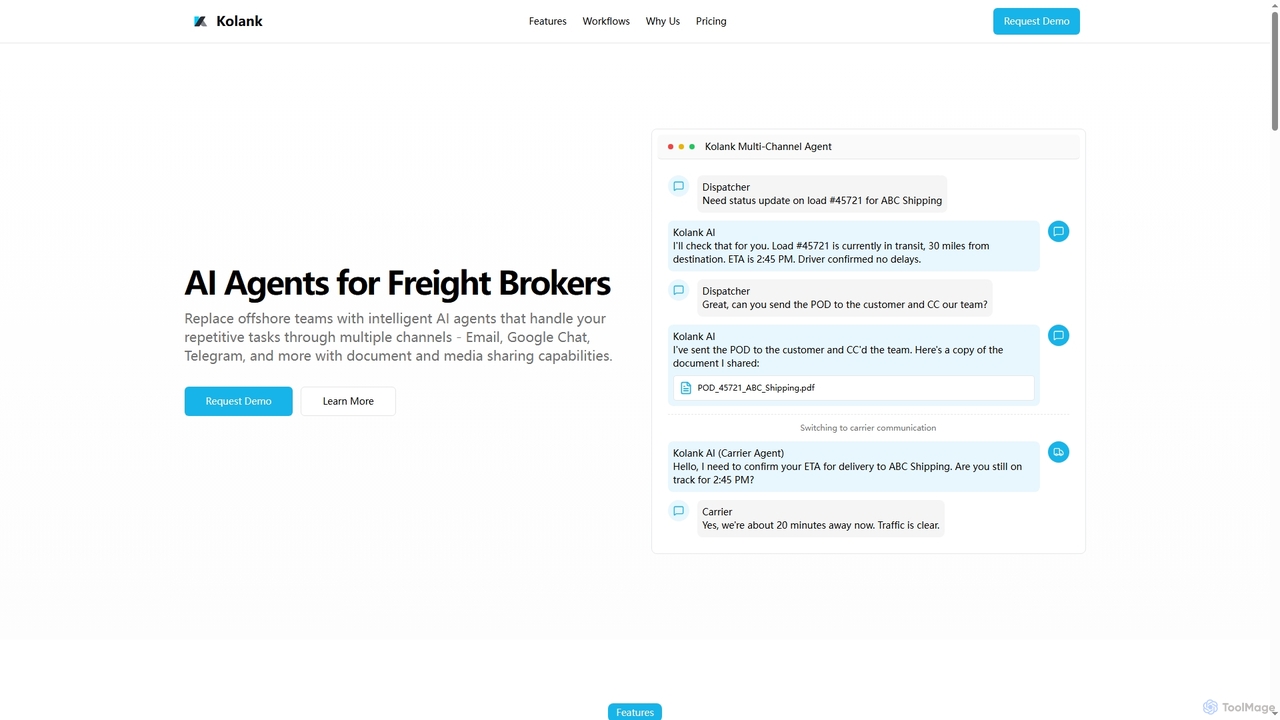
Kolank

Kolank

Kolank provides AI agents specifically designed for freight brokers to automate repetitive tasks across multiple communication channels, including …

3.1K
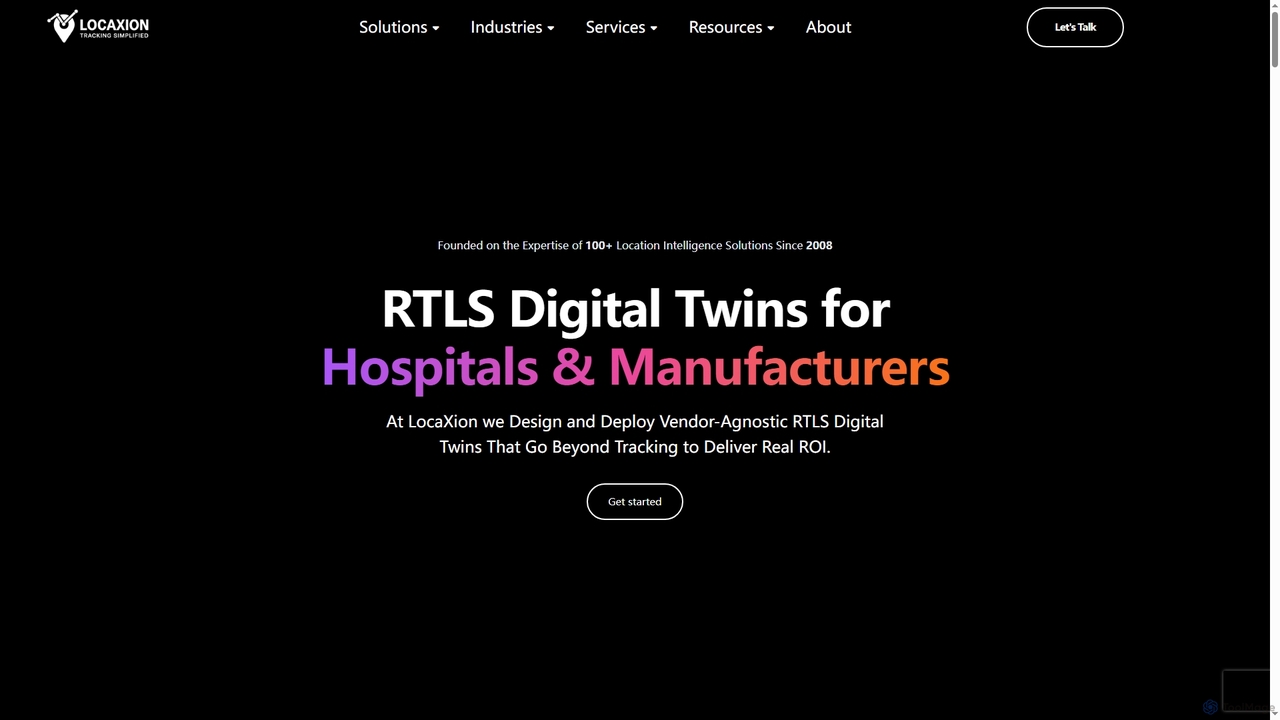
Locaxion

Locaxion

Locaxion is a vendor-agnostic provider of Real-Time Location Systems (RTLS) and Digital Twin solutions. With over 15 years …

8.2K
Velona

Velona

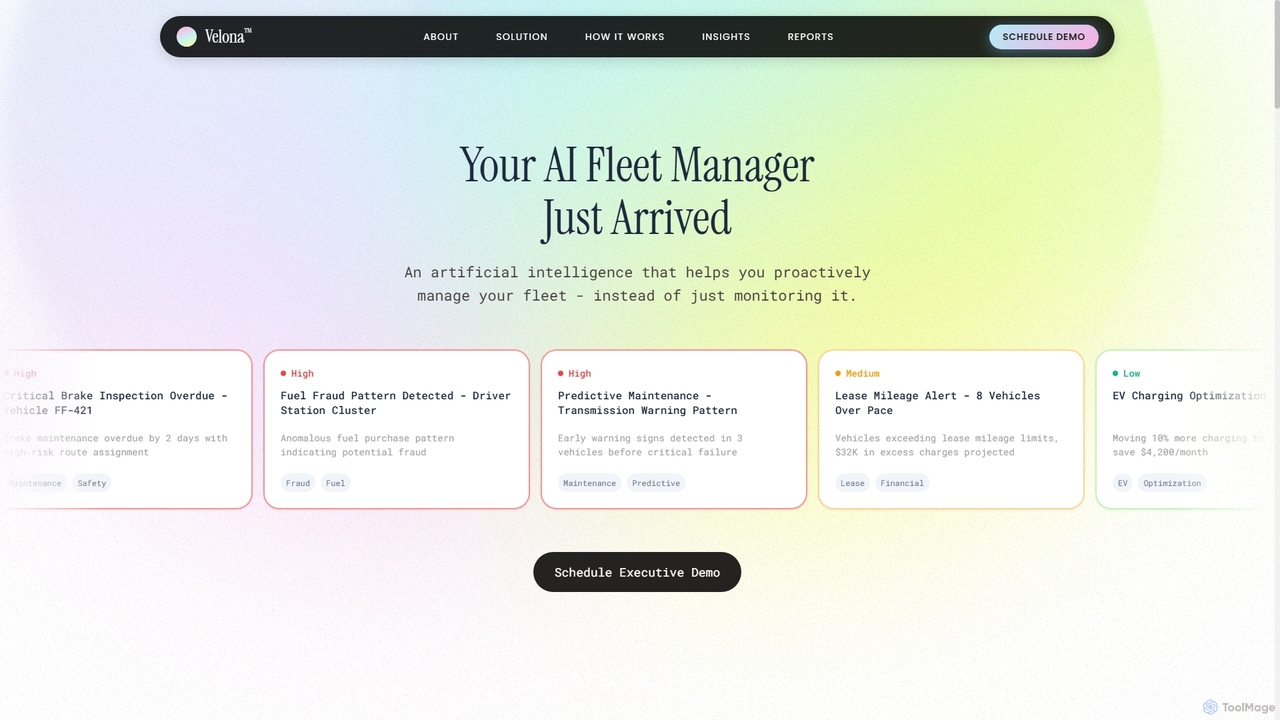
Velona is an AI-powered fleet management platform that transforms traditional monitoring into proactive, intelligent operations. It leverages specialized …

3.0K
TrueNorth

TrueNorth

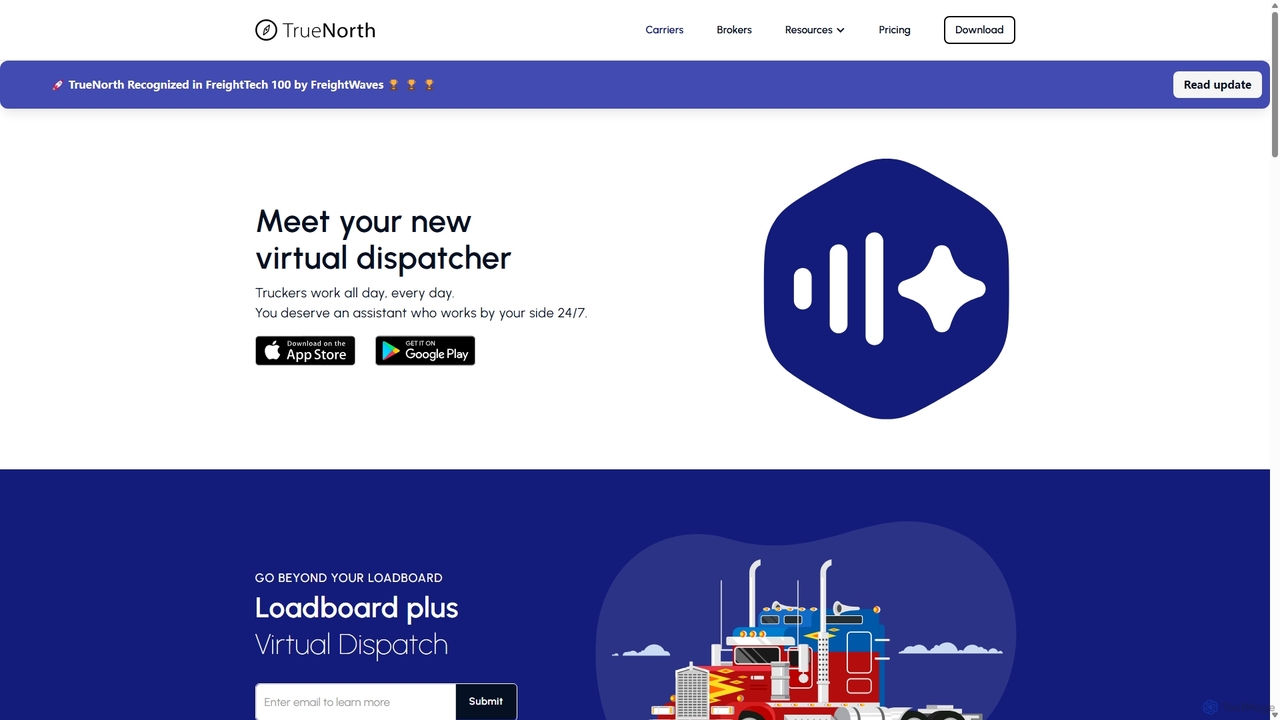
TrueNorth is an AI-powered operating system for the trucking industry, featuring an intelligent loadboard and virtual dispatch service. …

11.9K
HappyRobot

HappyRobot

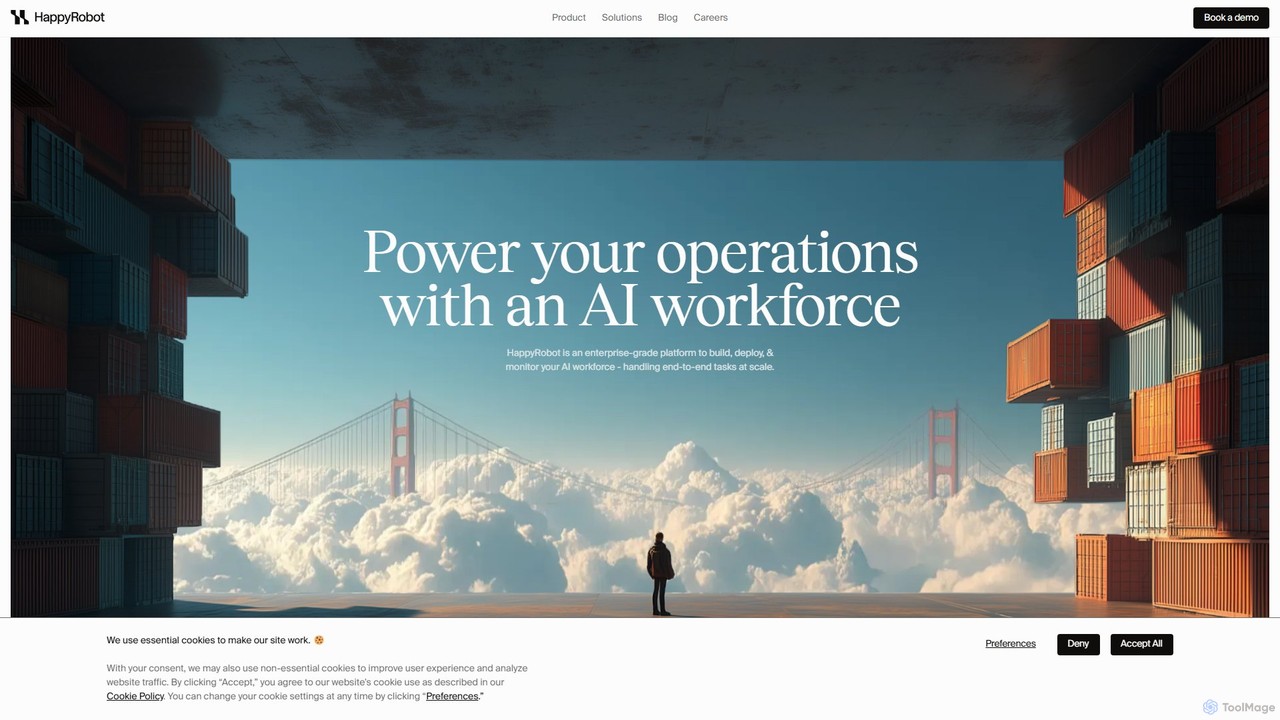
HappyRobot is an advanced AI platform for building and deploying custom "AI workers" to automate complex business processes. …

93.1K
Berkshire Grey

Berkshire Grey

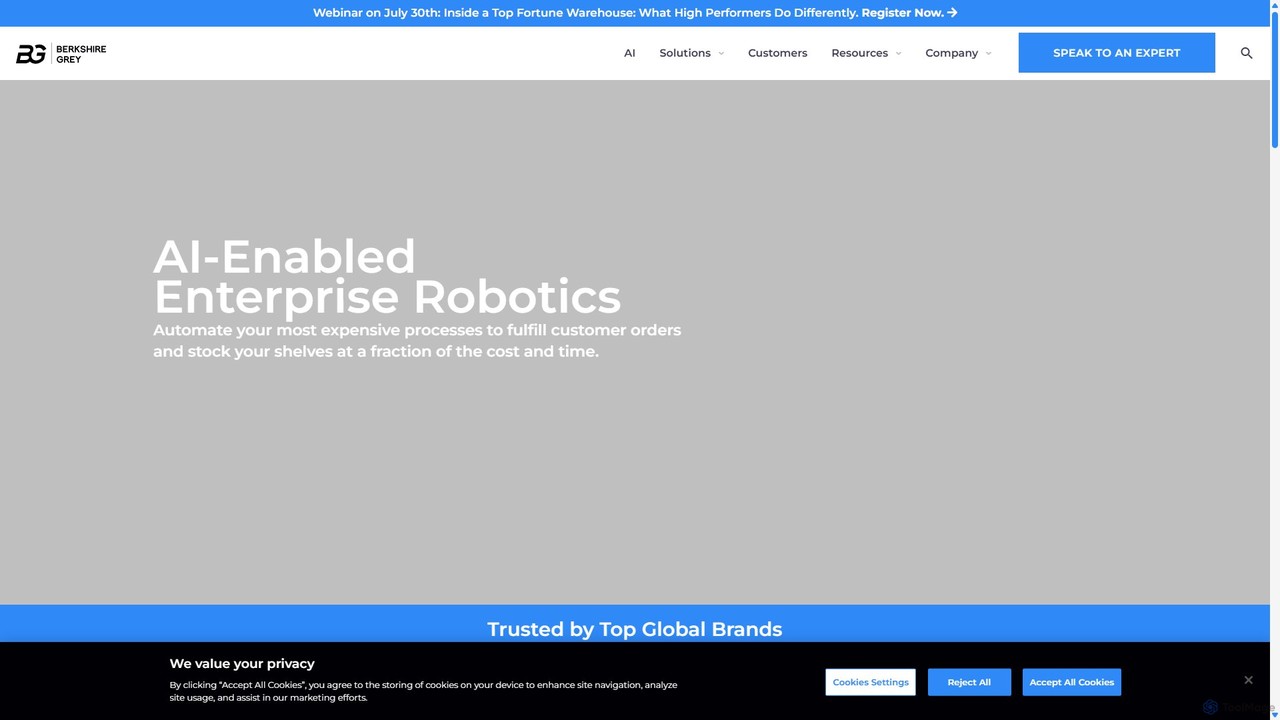
Berkshire Grey delivers AI-powered robotic solutions to automate supply chain operations for retail, e-commerce, and logistics. Their systems …

11.8K
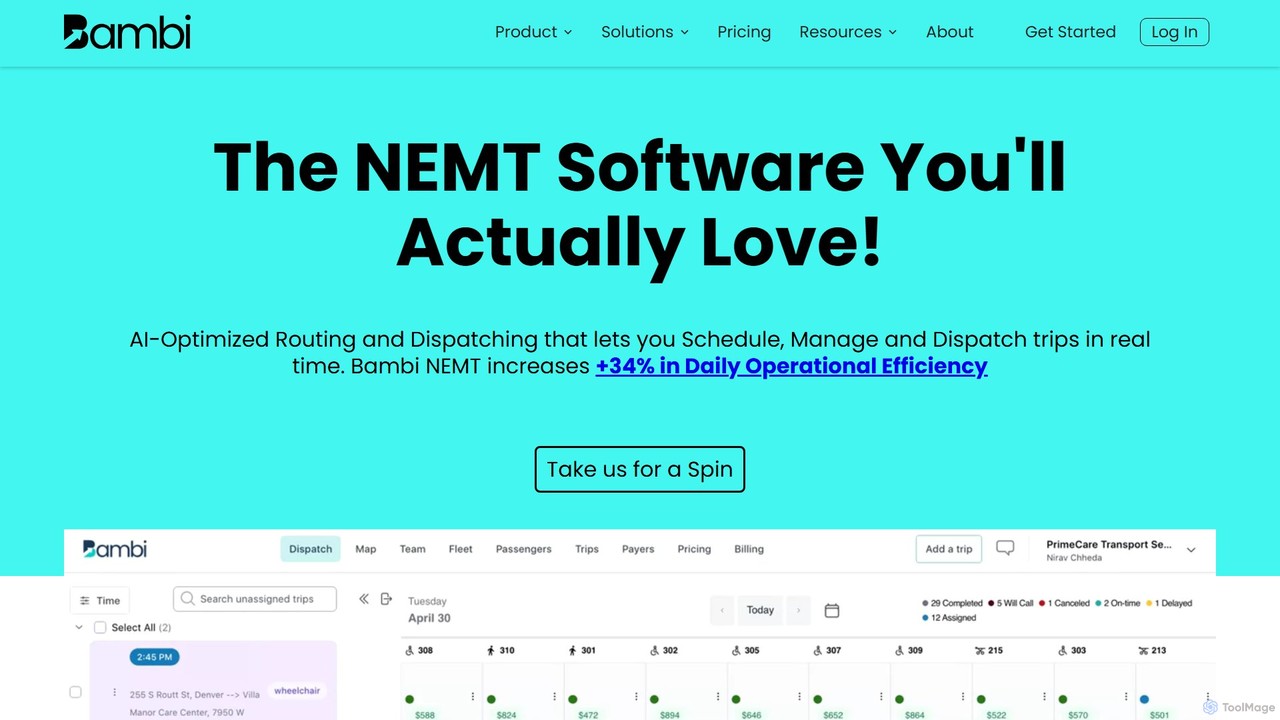
hibambi

hibambi

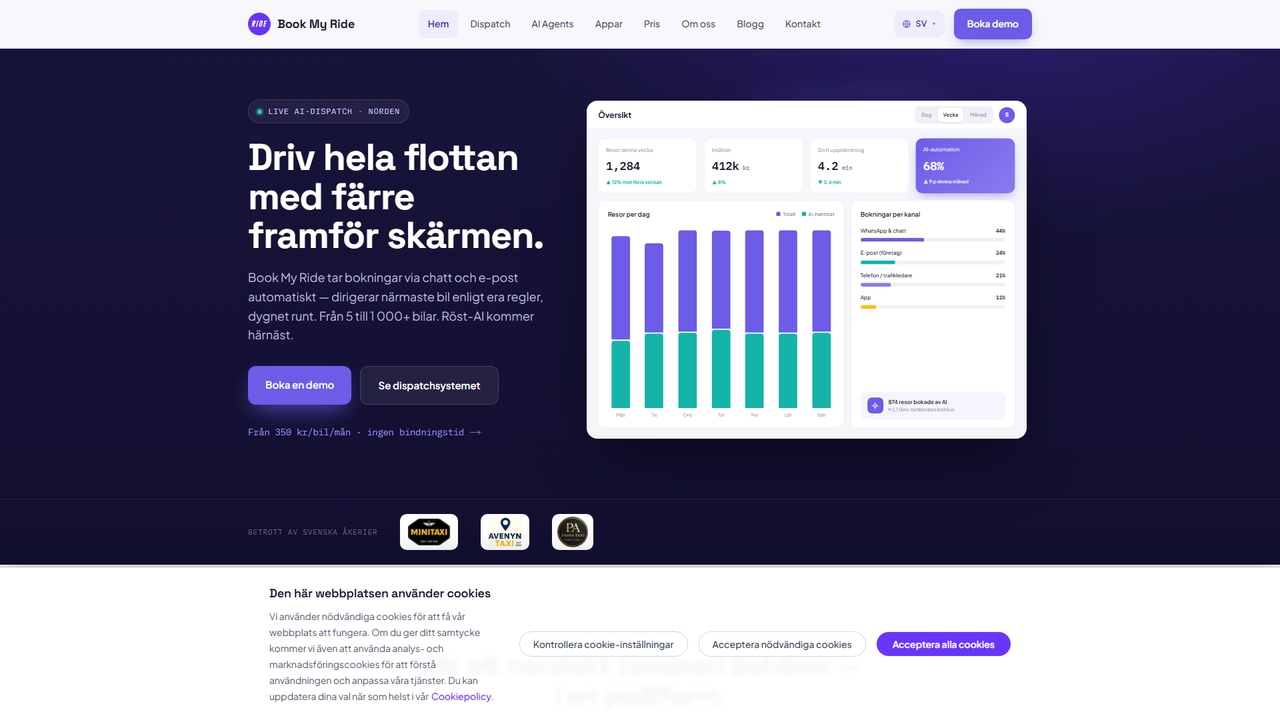
hibambi is an AI-powered software designed for the Non-Emergency Medical Transportation (NEMT) industry. It simplifies and automates scheduling, …

58.4K
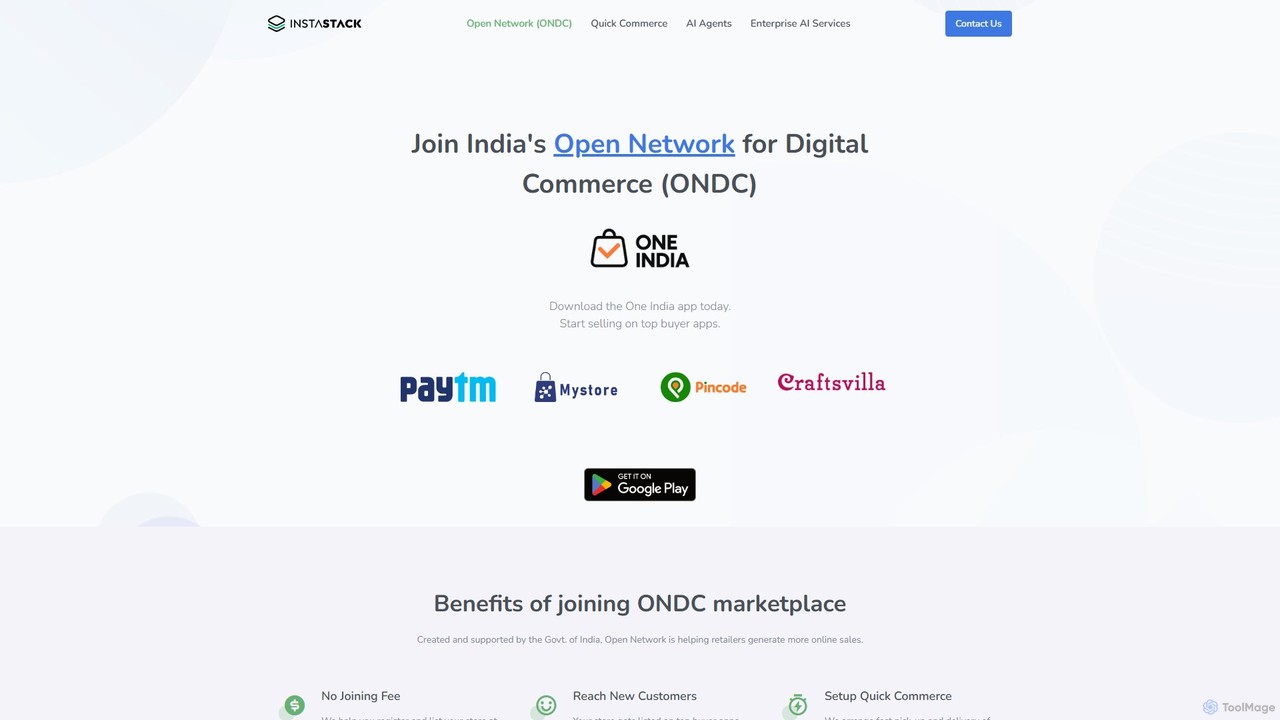
instastack

instastack

instastack is an AI-powered platform for e-commerce and enterprise solutions, specializing in AI shopping assistants for WhatsApp, quick …

3.4K
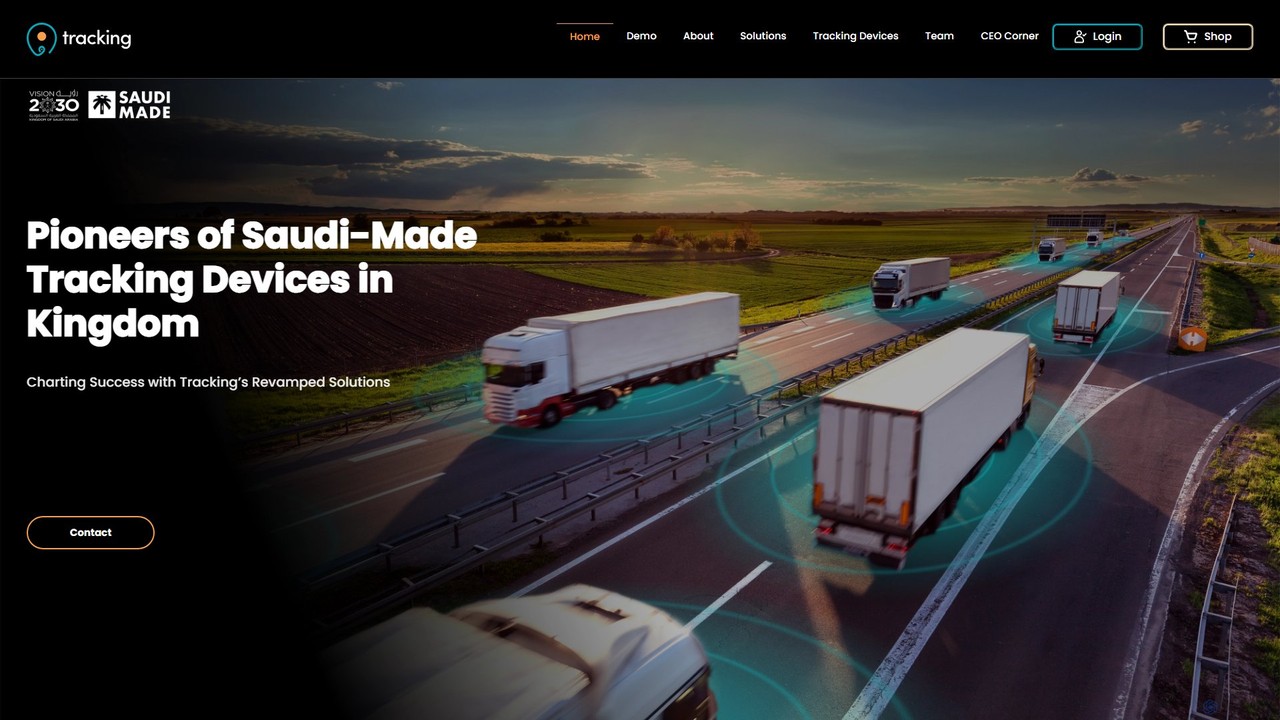
Tracking

Tracking

Tracking is a specialized B2B technology provider based in Saudi Arabia, offering comprehensive GPS tracking and fleet management …

5.6K
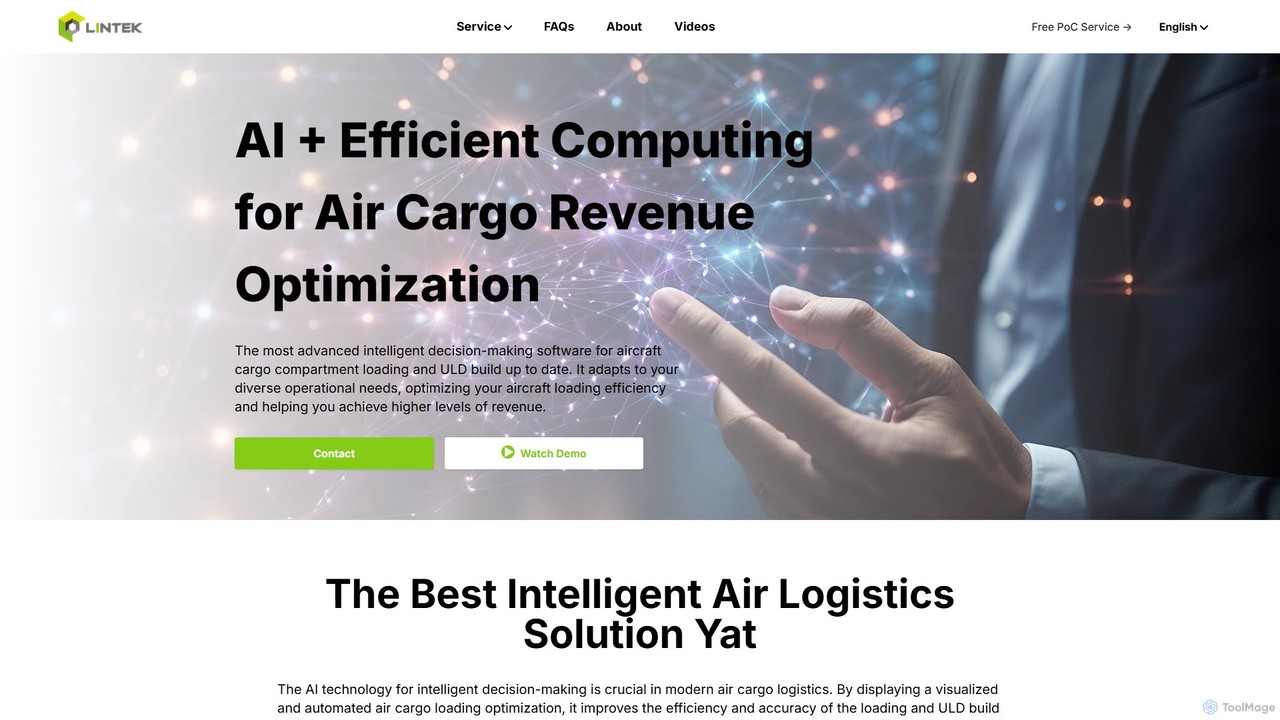
olintek

olintek

olintek is an AI-powered software platform specializing in air cargo logistics. It provides intelligent decision-making tools for aircraft …

4.2K
Routerra

Routerra

Routerra is an AI-powered route planner designed for delivery drivers, gig economy workers, and logistics businesses. It optimizes …

10.5K
naav

naav

naav is an AI-powered route planning and logistics optimization platform for businesses. It intelligently calculates the most efficient …

2.5K
BlueCargo

BlueCargo

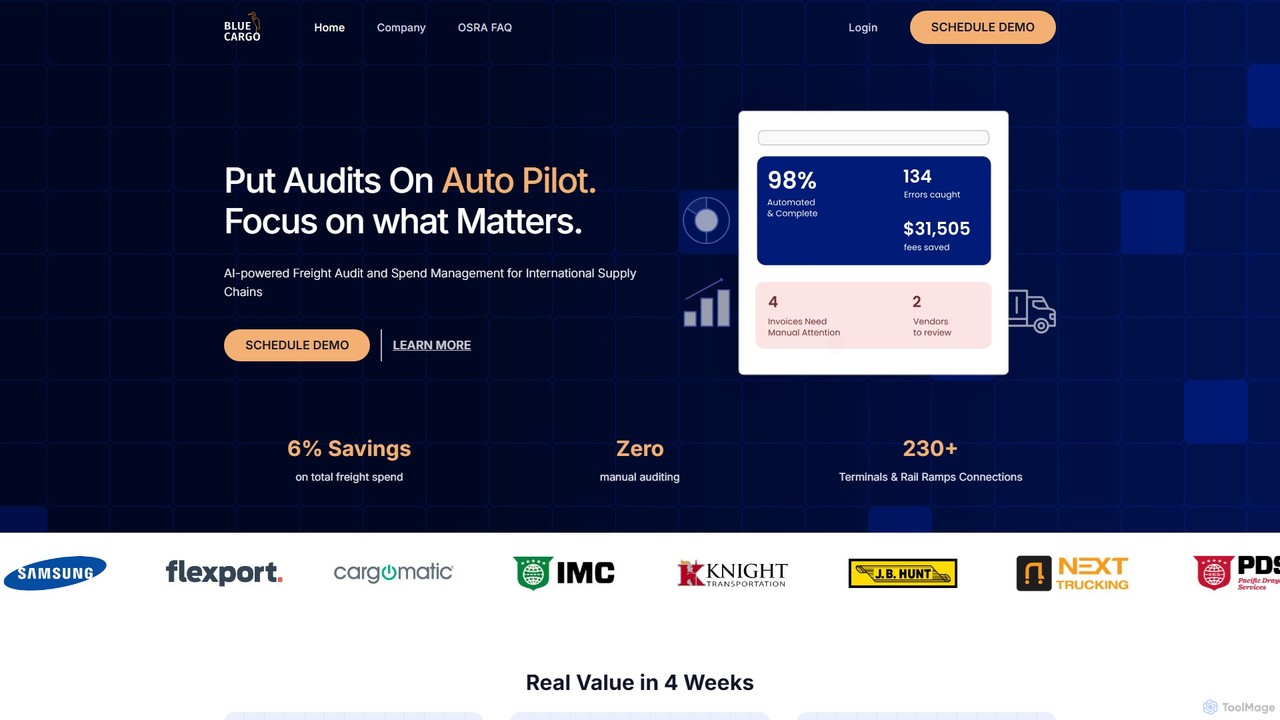
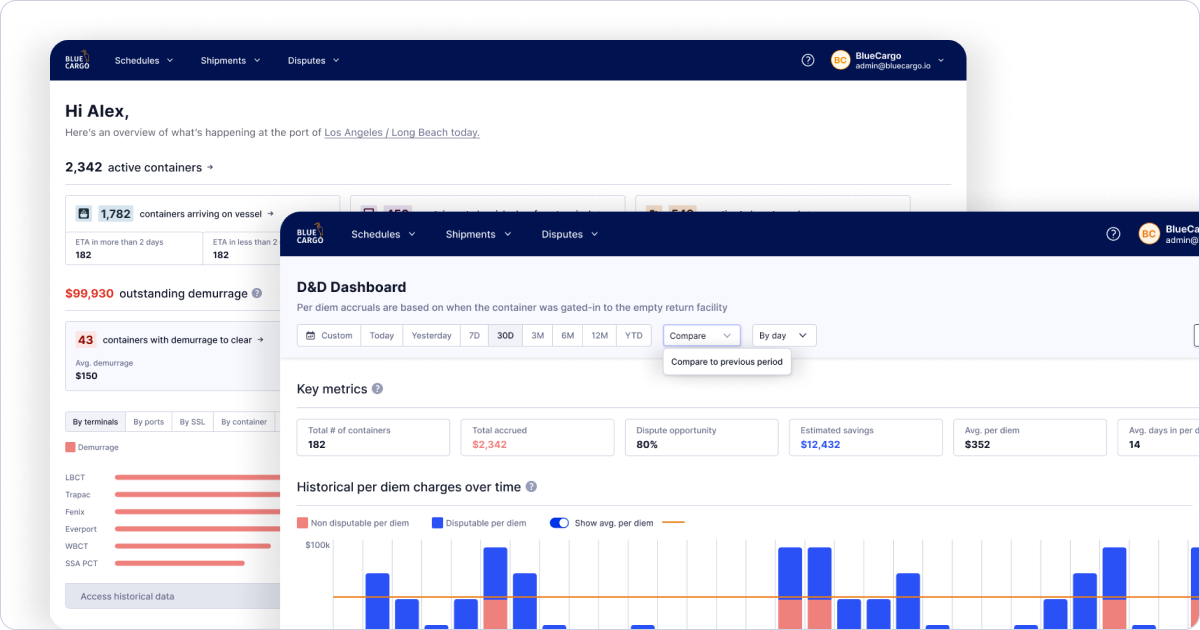
BlueCargo is an AI-powered SaaS platform for the logistics industry, designed to help carriers, shippers, and freight forwarders …

13.9K
ropuz

ropuz

ropuz is an AI-powered decision intelligence platform that helps businesses solve complex operational puzzles. It uses advanced algorithms …

2.1M
splash9

splash9

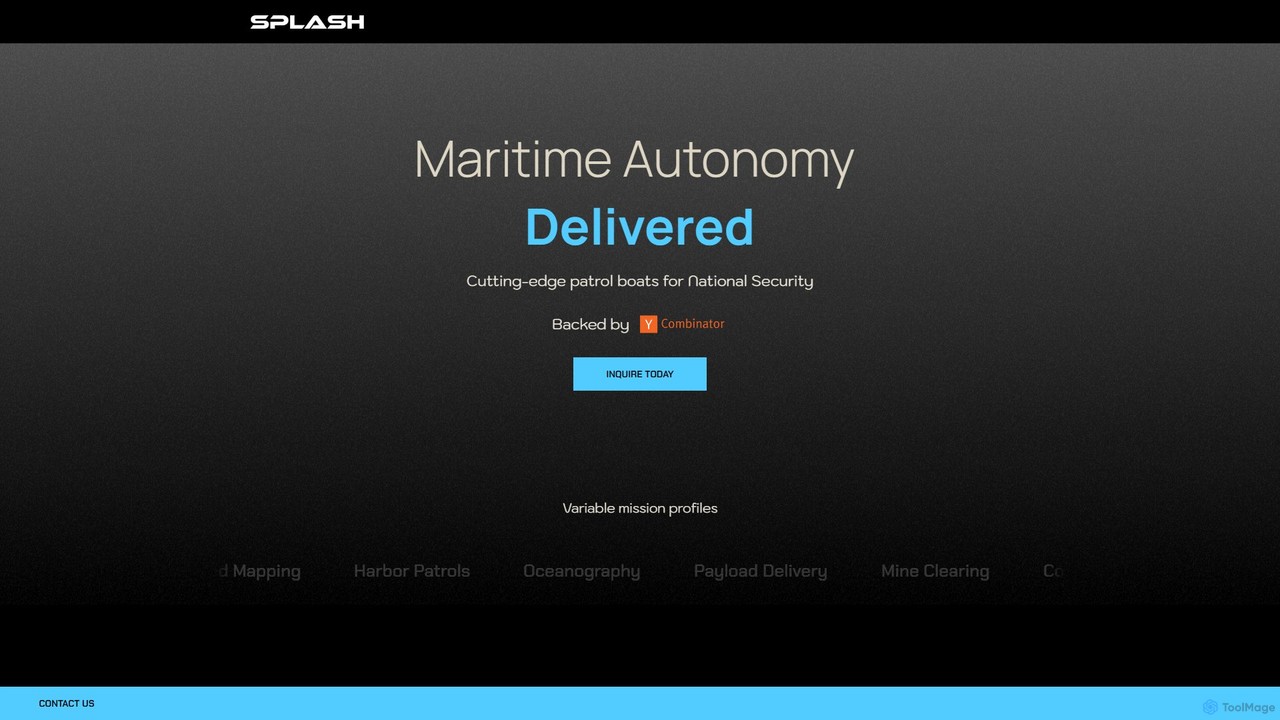
splash9 by Splash Industries provides cutting-edge autonomous surface vessels (ASVs) for national security, commercial, and research missions. These …

5.4K
Scrollengine

Scrollengine

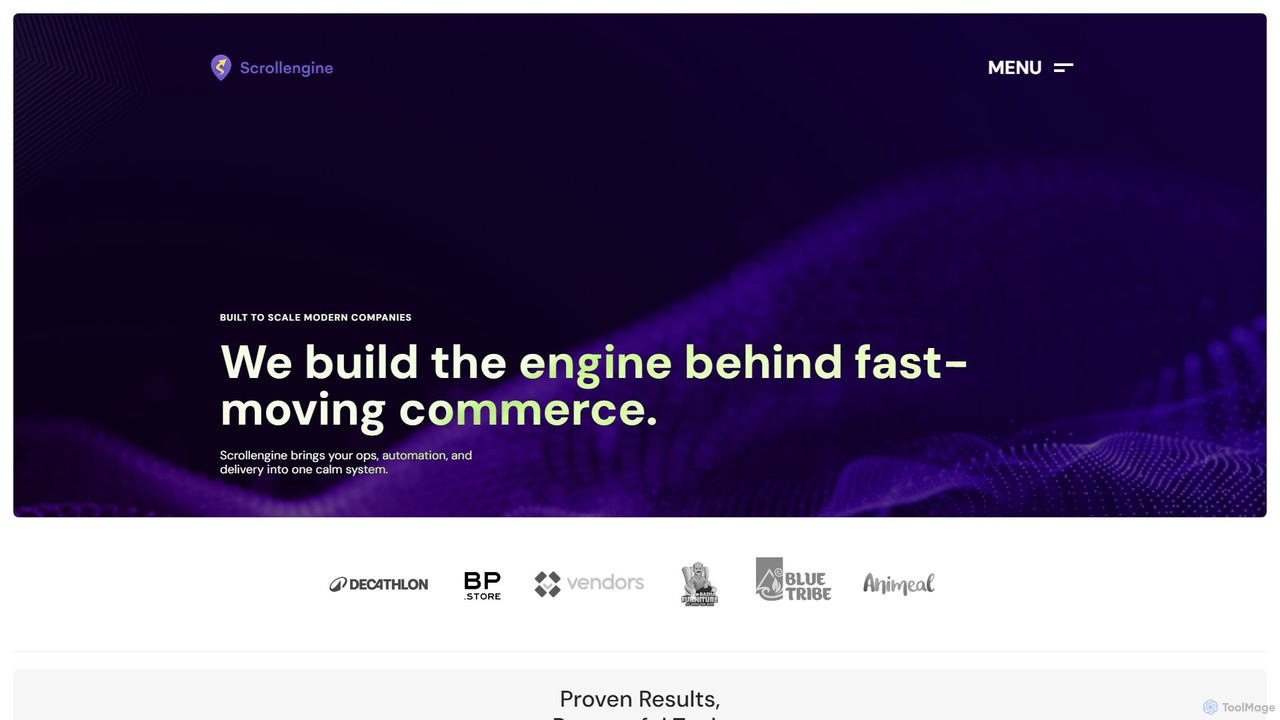
Scrollengine is an AI-powered logistics and operations platform designed for modern e-commerce businesses. It unifies local delivery, route …

2.8K
dairytech.ai

dairytech.ai

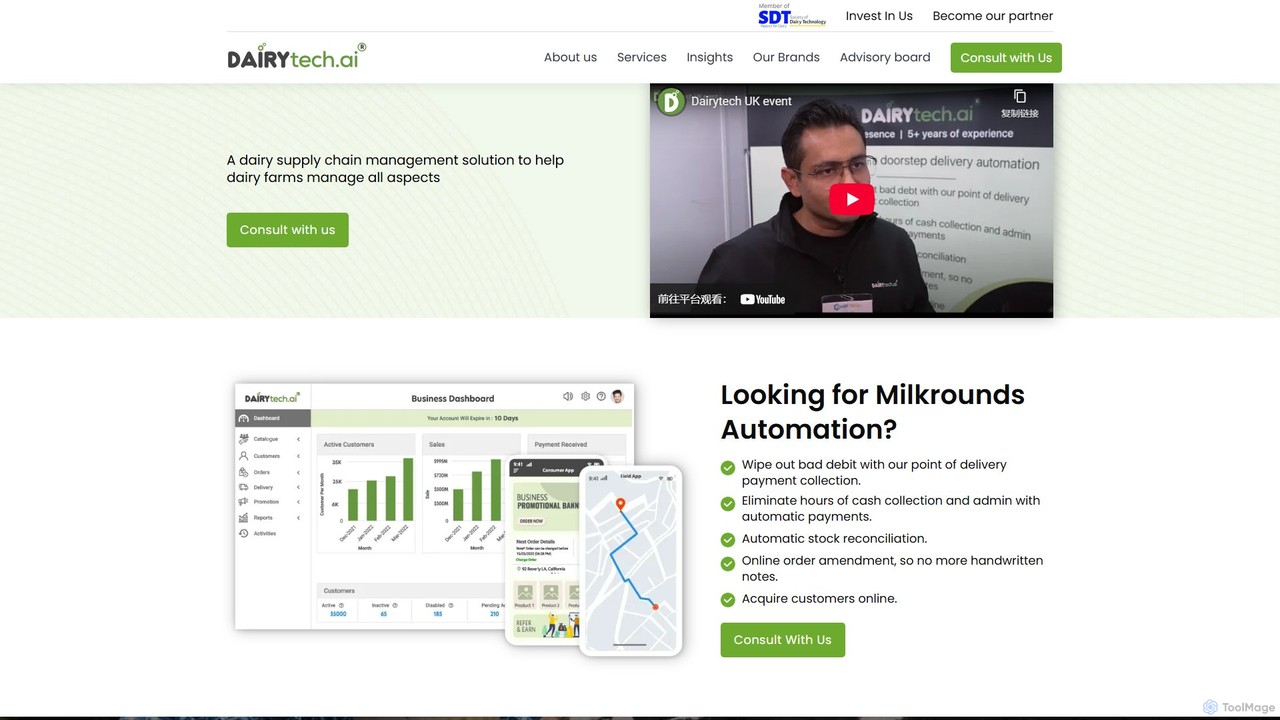
Dairytech.ai is an AI-powered, end-to-end supply chain management platform for the dairy industry. It provides smart solutions for …

2.4K

About Logistics

AI Logistics tools are a class of software that leverages artificial intelligence, machine learning, and optimization algorithms to manage and automate supply chain operations. These tools analyze vast datasets, including historical shipping data, real-time traffic, and weather patterns, to improve decision-making. Their primary value lies in enhancing efficiency, reducing operational costs, and increasing the reliability of freight management, warehouse automation, and last-mile delivery. By providing predictive insights and automating complex tasks, they enable more resilient and responsive supply chains.

Core Features

  • Predictive Demand Forecasting: Analyzes historical data and market trends to accurately predict future product demand.
  • Dynamic Route Optimization: Calculates the most efficient delivery routes in real-time by considering traffic, weather, and vehicle capacity.
  • Automated Warehouse Management: Controls robotic systems for sorting, picking, packing, and inventory tracking.
  • Supply Chain Visibility: Offers real-time tracking and status updates for shipments across the entire network.
  • Intelligent Freight Matching: Automatically pairs shipping loads with the most suitable carriers based on cost, route, and performance.

Use Cases

AI Logistics tools are widely used by e-commerce companies to manage high-volume order fulfillment, third-party logistics (3PL) providers to optimize their fleet and warehouse operations, and manufacturing firms to streamline their inbound and outbound supply chains. Large retailers also use them to improve inventory management and ensure timely product delivery to stores and customers.

How to Choose

When selecting an AI Logistics tool, consider its integration capabilities with your existing Enterprise Resource Planning (ERP) or Warehouse Management System (WMS). Evaluate its scalability to support your business growth and the specific modules it offers (e.g., last-mile delivery vs. international freight). Also, assess the platform's data analytics depth and security protocols to ensure it meets your operational and compliance needs.

LogisticsUse Cases

1

Dynamic Route Optimization for a Delivery Fleet

A local courier company's operations manager uses an AI logistics tool to manage a fleet of 50 delivery vehicles. The system continuously ingests real-time data, including traffic congestion from GPS, weather alerts, and new pickup requests. Instead of relying on static, pre-planned routes, the AI algorithm recalculates the most efficient path for each driver every few minutes. This dynamic adjustment allows drivers to avoid unexpected delays and enables the system to intelligently assign new pickups to the nearest available driver. As a result, the company achieves a 15% reduction in fuel consumption and improves its on-time delivery rate by 25%.

2

Automated Warehouse Inventory Management

An e-commerce fulfillment center manager implements an AI-powered warehouse management system. The system uses computer vision on overhead cameras and autonomous mobile robots (AMRs) to continuously track inventory levels and locations in real-time. When a new order arrives, the AI dispatches the nearest AMR to retrieve the items. It also analyzes sales velocity and historical data to predict when stock levels for popular items are running low, automatically generating replenishment orders. This automation reduces manual counting errors to near zero, decreases order picking time by 40%, and prevents stockouts of high-demand products.

3

Predictive Maintenance for a Trucking Fleet

A large logistics company with a fleet of over 500 trucks uses an AI platform to minimize vehicle downtime. The platform connects to sensors on each truck's engine, brakes, and tires, collecting thousands of data points per minute. AI models, trained on historical maintenance records and failure patterns, analyze this data to predict potential component failures before they happen. For example, the system might flag a truck for brake inspection based on subtle changes in sensor readings, weeks before a driver would notice an issue. This proactive approach reduces unexpected roadside breakdowns by 70% and extends the overall lifespan of fleet assets.

4

AI-Powered Freight Matching and Pricing

A freight brokerage firm uses an AI platform to connect shippers with carriers more efficiently. Shippers post their loads, and the AI instantly analyzes dozens of factors, including destination, cargo type, required equipment, and carrier availability. It then provides an instant, market-rate price quote and matches the load with the most suitable carriers in its network based on their historical performance, safety ratings, and current location. This automates a process that previously took hours of phone calls and negotiations, allowing the brokerage to handle 50% more volume with the same number of staff and ensuring fair, transparent pricing for both parties.

5

Optimizing Last-Mile Delivery Operations

A food delivery service uses an AI logistics platform to manage thousands of daily orders across a city. When a customer places an order, the AI doesn't just assign it to the nearest driver. It considers driver location, current order load, restaurant preparation time, and traffic conditions to batch orders intelligently. For example, it might hold an order for two minutes to pair it with another from a nearby restaurant going to a similar direction. This optimization increases the number of deliveries per driver per hour by 30%, leading to higher driver earnings and faster, hotter food for customers.

6

Retail Demand Forecasting and Inventory Planning

A national retail chain's supply chain planner uses an AI tool to manage inventory across 200 stores. The AI analyzes historical sales data, promotional calendars, local weather forecasts, and even social media trends to generate highly accurate demand forecasts for each product at each store. For an upcoming holiday weekend, the system predicts a surge in demand for barbecue supplies in sunny regions, while forecasting higher demand for indoor games in areas with predicted rain. Based on this, it automatically suggests optimized stock transfer orders between distribution centers and stores, minimizing both overstocking and stockouts and increasing overall sales by 5%.

LogisticsFrequently Asked Questions