Best of the Year 20 results Product Management AI Tools

Popular AI tools in the Product Management field include Vibe Coding Academy、productlane、Blitzllama、Squad、Priceagent、Korey、Docuopia、HowToWritePRD、CastSpells、Stratopus, etc., helping you quickly improve efficiency.

TestFast

TestFast

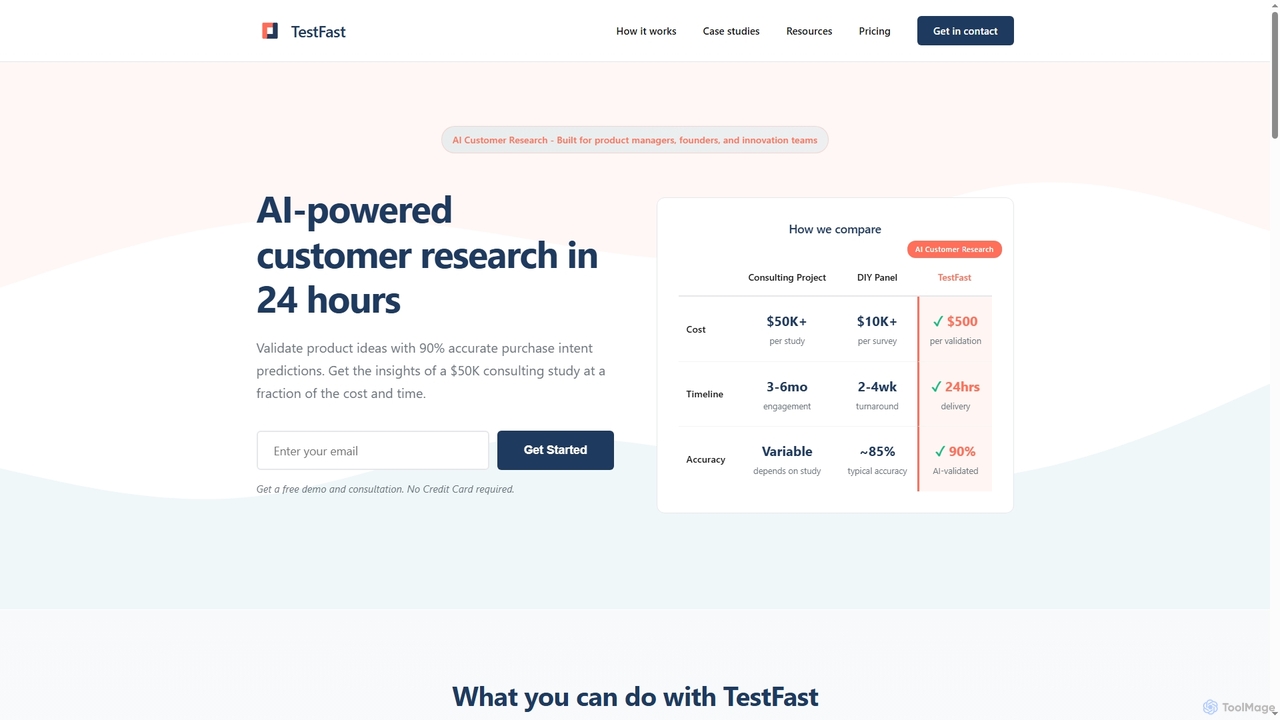
TestFast is an AI-powered market validation tool designed for product managers, founders, and innovation teams. It delivers 90% …

2.7K
Give Me A Prompt

Give Me A Prompt

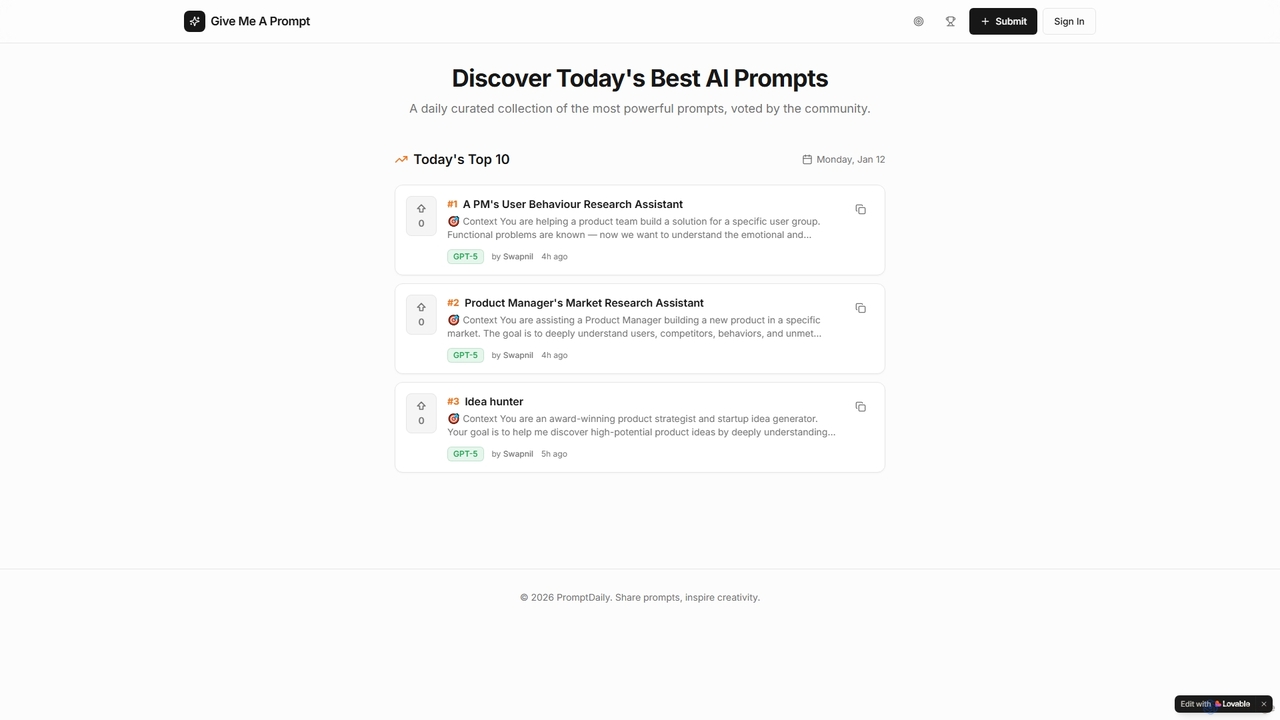
Give Me A Prompt is a platform offering a daily curated collection of powerful AI prompts, voted by …

2.7K
CastSpells

CastSpells

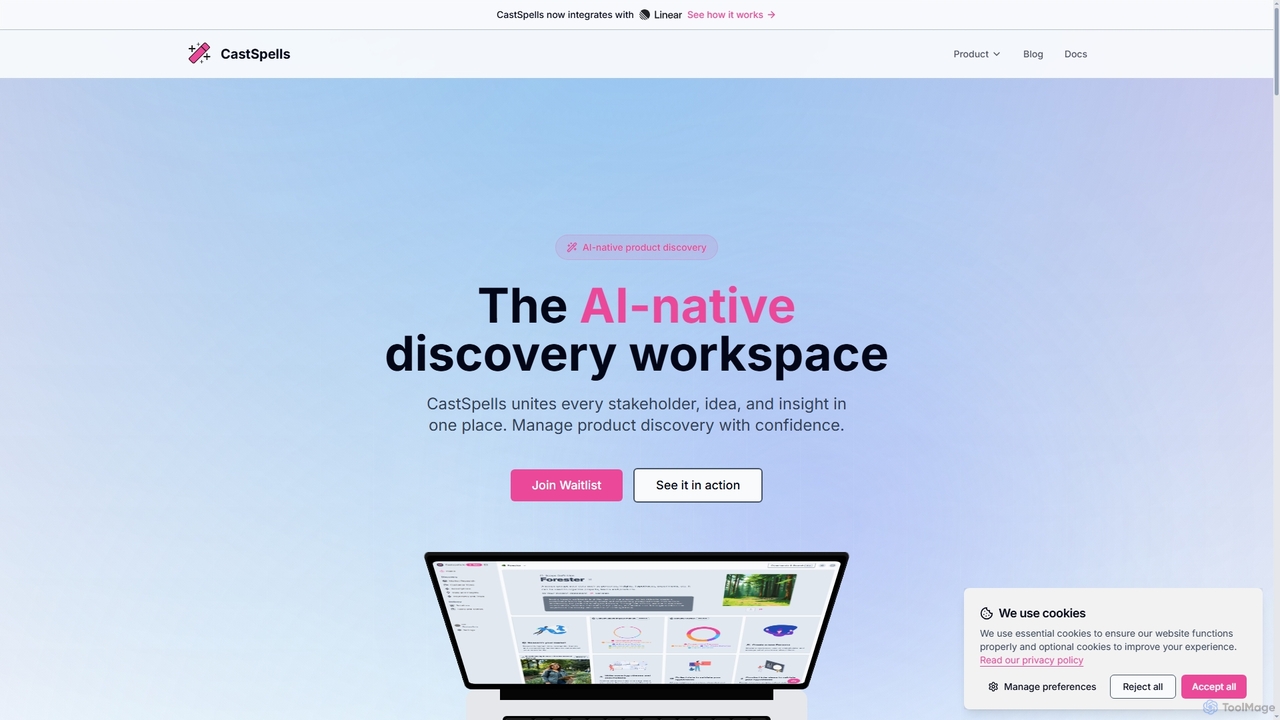
CastSpells is an AI-native product discovery workspace designed to unify stakeholders, ideas, and insights into a single, evidence-linked …

3.0K
Customers Lens

Customers Lens

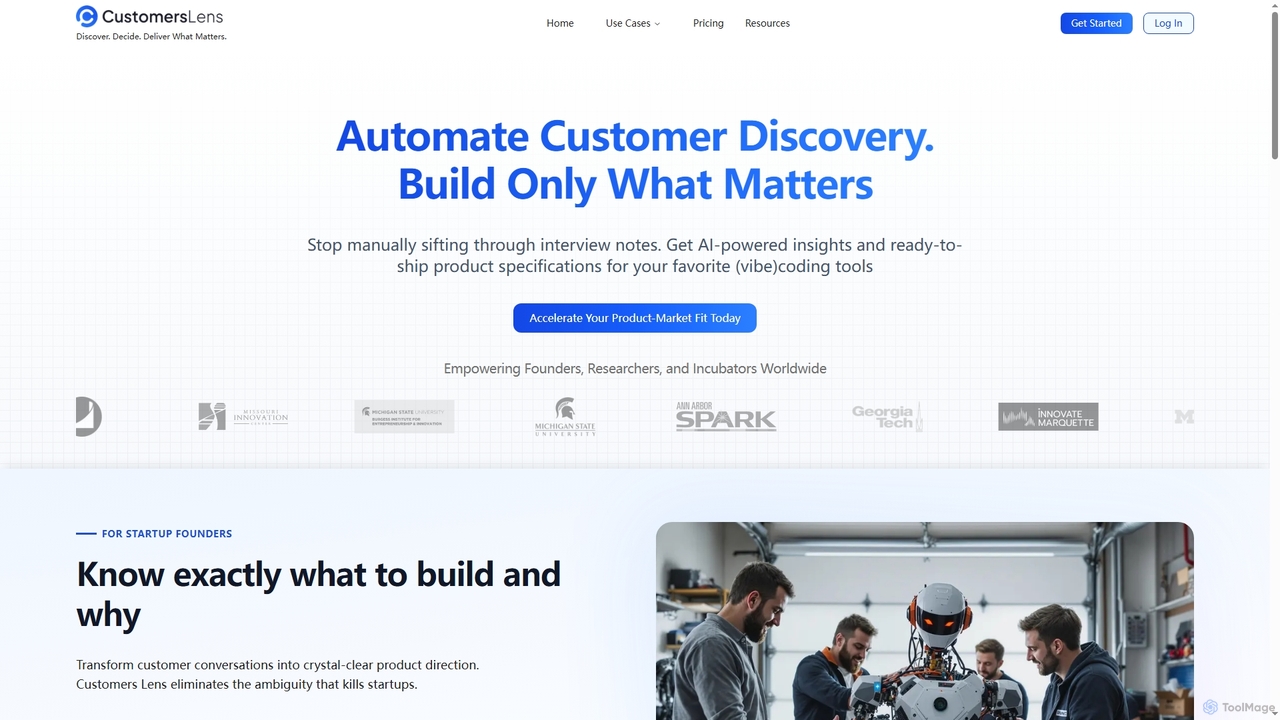
Customers Lens is an AI-powered platform designed for startup founders, researchers, and incubators to automate customer discovery and …

2.8K
Korey

Korey

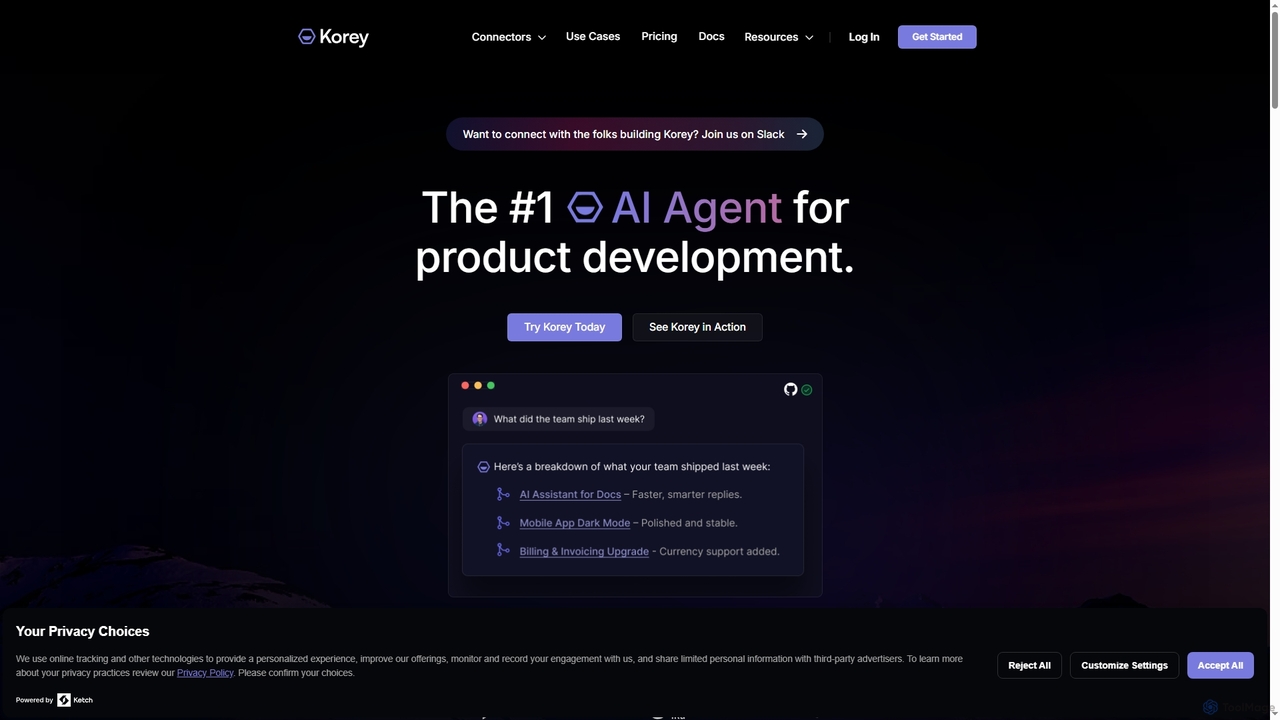
Korey is an AI agent designed to streamline product development workflows, helping teams manage projects, track status, and …

5.8K
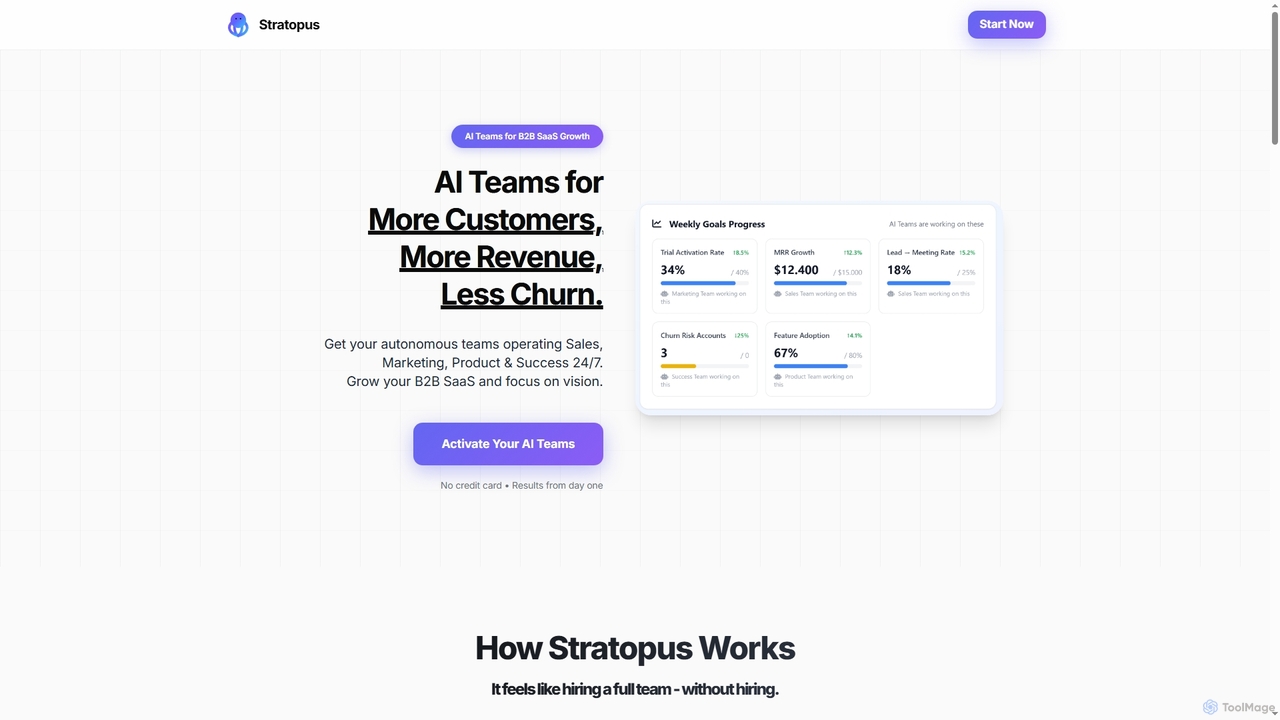
Stratopus

Stratopus

Stratopus provides autonomous AI teams for B2B SaaS companies, specializing in Sales, Marketing, Product, and Success. It helps …

2.8K
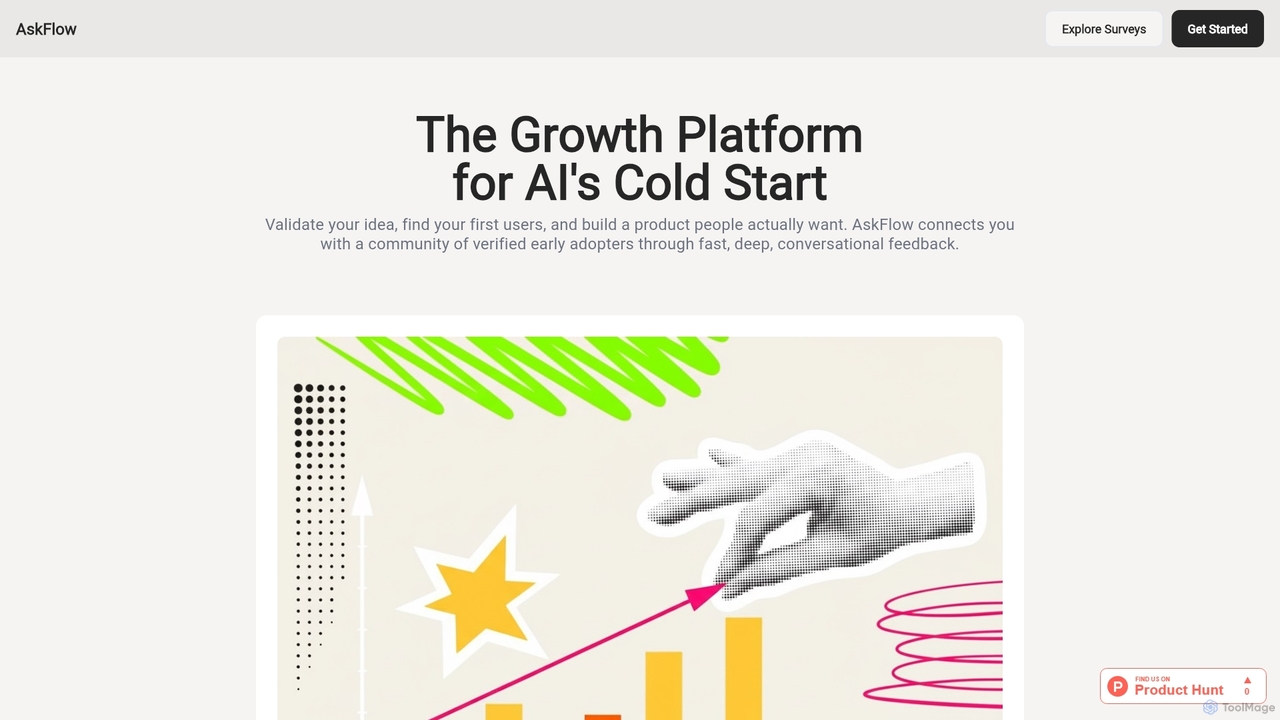
AskFlow

AskFlow

AskFlow is a growth platform designed for AI startups to accelerate product development and achieve product-market fit. It …

2.7K
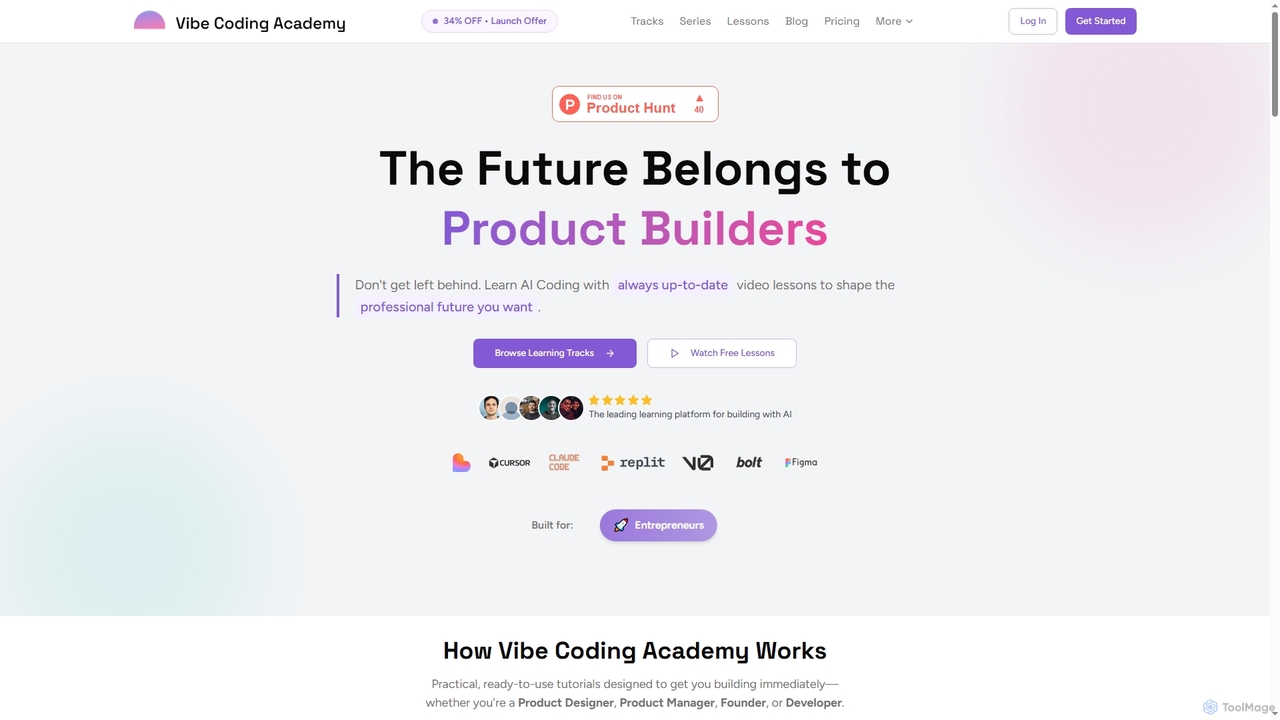
Vibe Coding Academy

Vibe Coding Academy

Vibe Coding Academy offers AI-powered coding education through practical video tutorials, ready-to-use prompts, and structured learning tracks. It …

33.0K
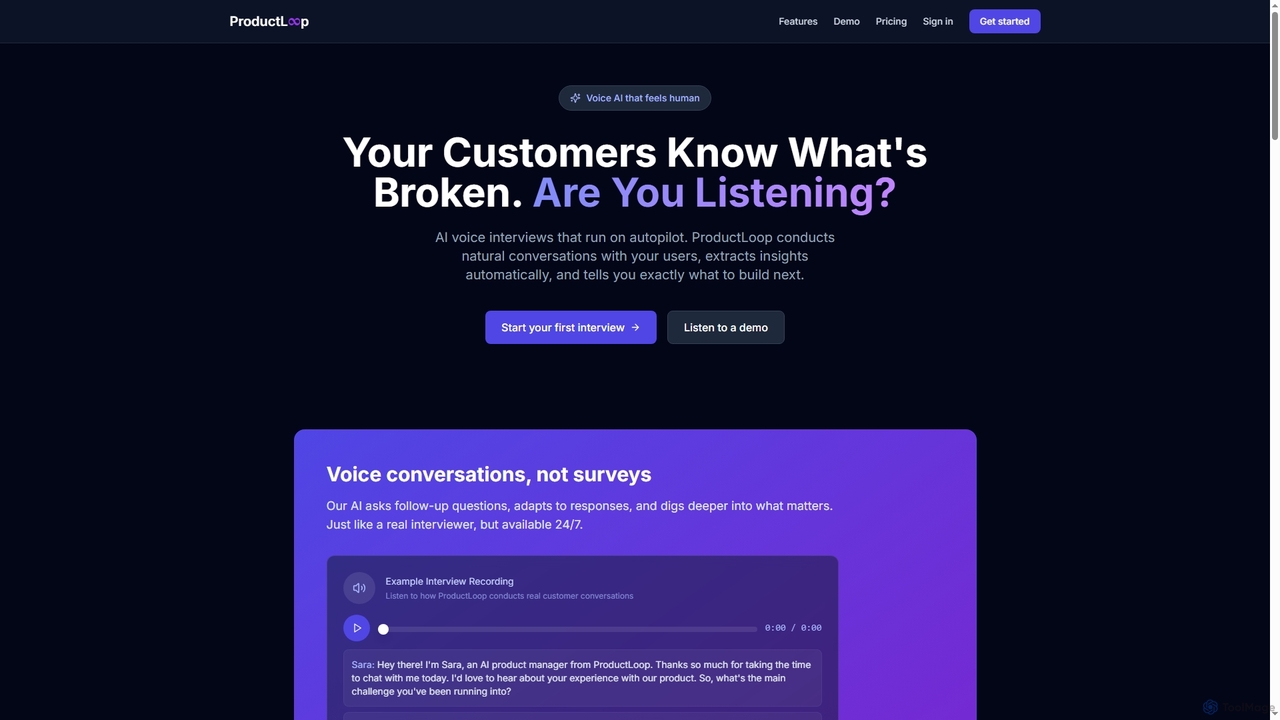
ProductLoop

ProductLoop

ProductLoop is an AI-powered platform that automates customer voice interviews to gather deep, actionable insights for product teams …

2.7K
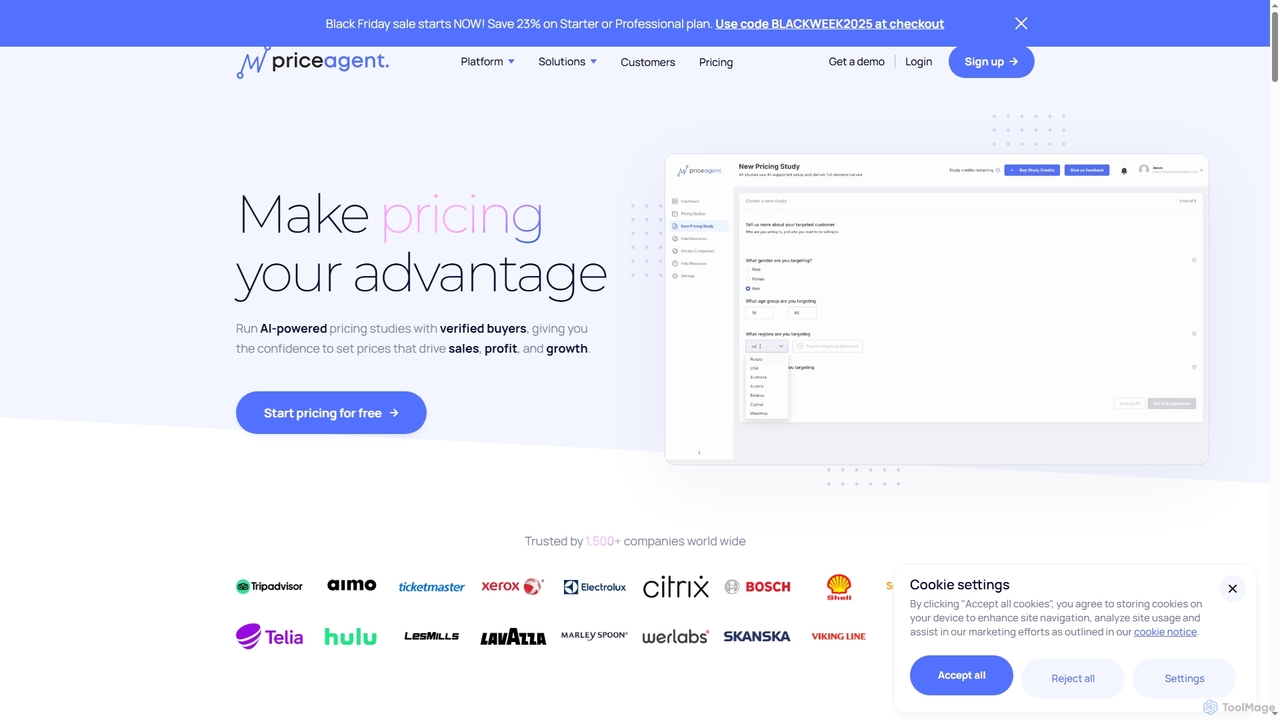
Priceagent

Priceagent

Priceagent is an AI-powered SaaS platform that enables businesses to confidently set optimal prices based on real-time customer …

6.1K
Free
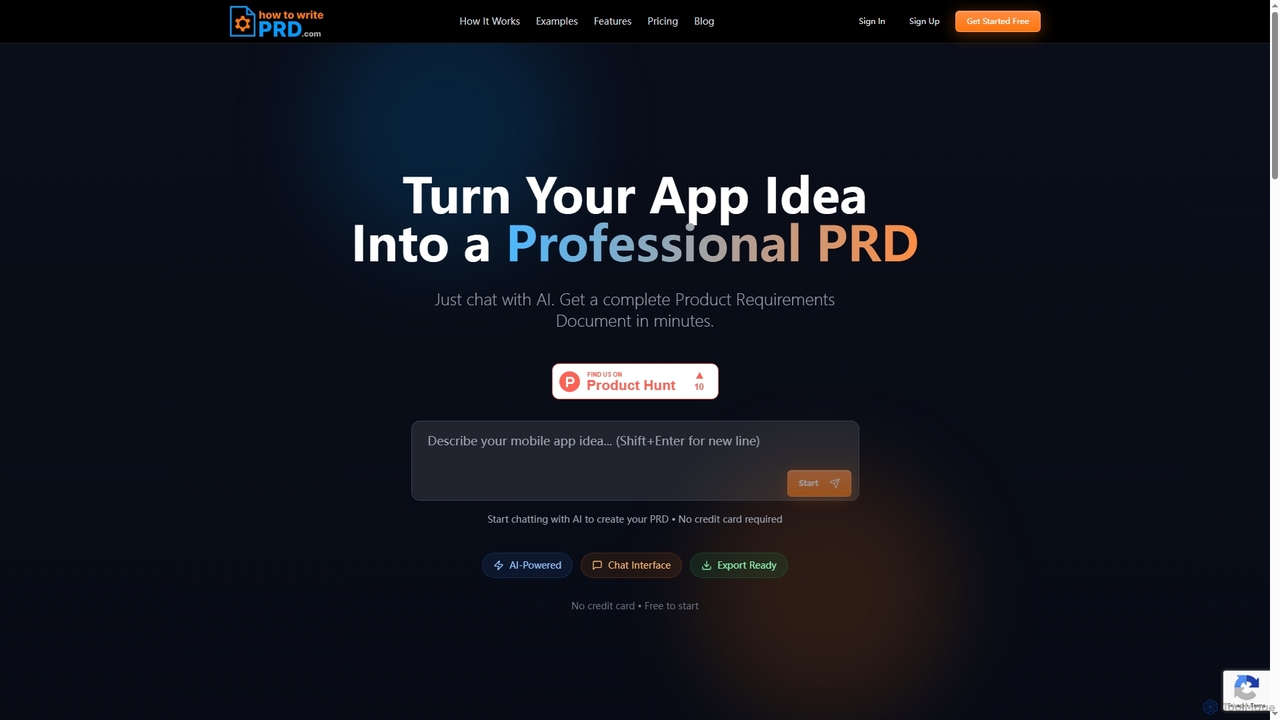
HowToWritePRD

HowToWritePRD

HowToWritePRD is an AI-powered tool that transforms your mobile app ideas into professional Product Requirements Documents (PRDs) in …

4.1K
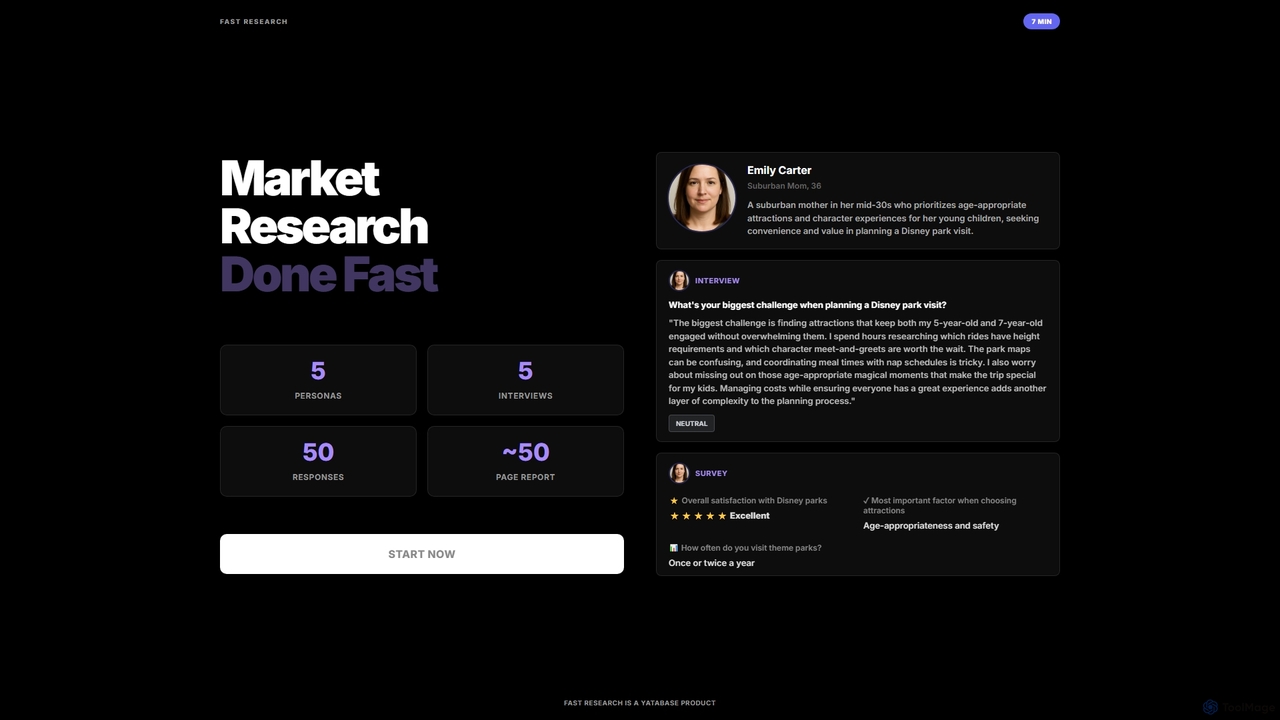
Fast Research

Fast Research

Fast Research is an AI-powered market research tool that rapidly generates synthetic data, including detailed personas, simulated interviews, …

2.7K
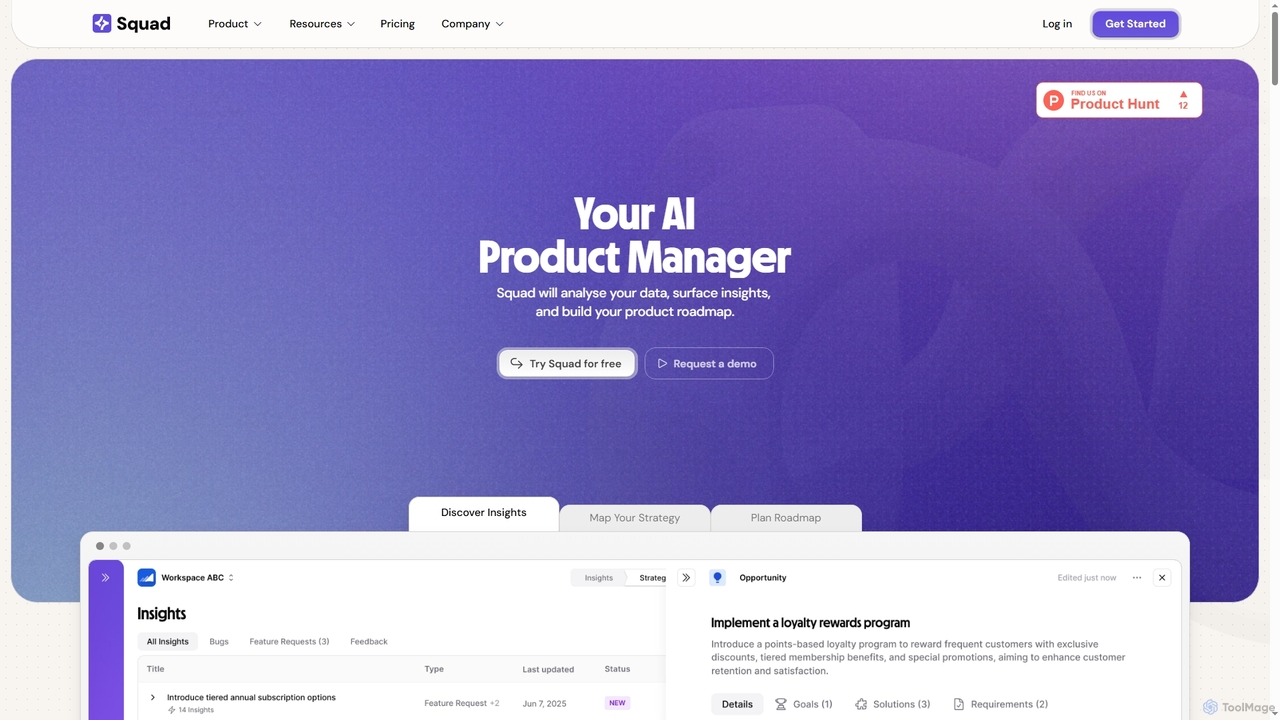
Squad

Squad

Squad is an AI-powered product management platform designed to streamline product discovery, strategy, and roadmapping. It aggregates customer …

7.2K
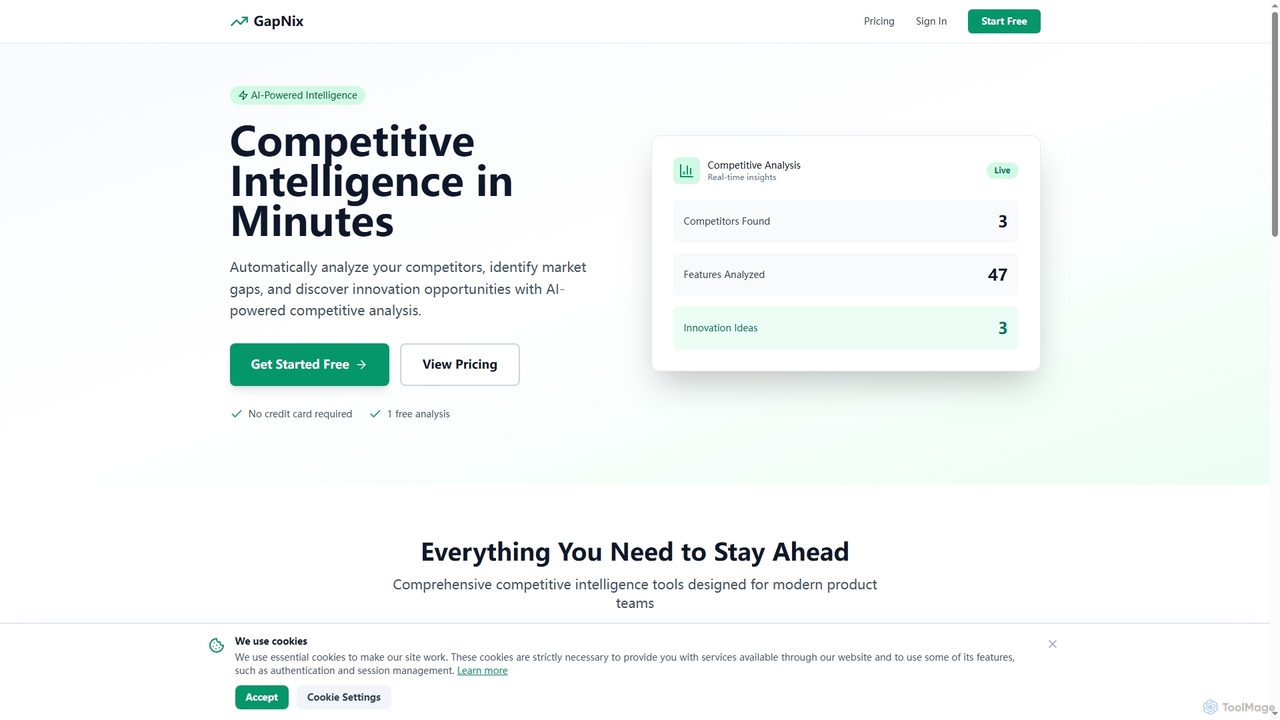
GapNix

GapNix

GapNix is an AI-powered competitive intelligence platform that helps product teams, marketers, and business leaders quickly analyze competitors, …

2.8K
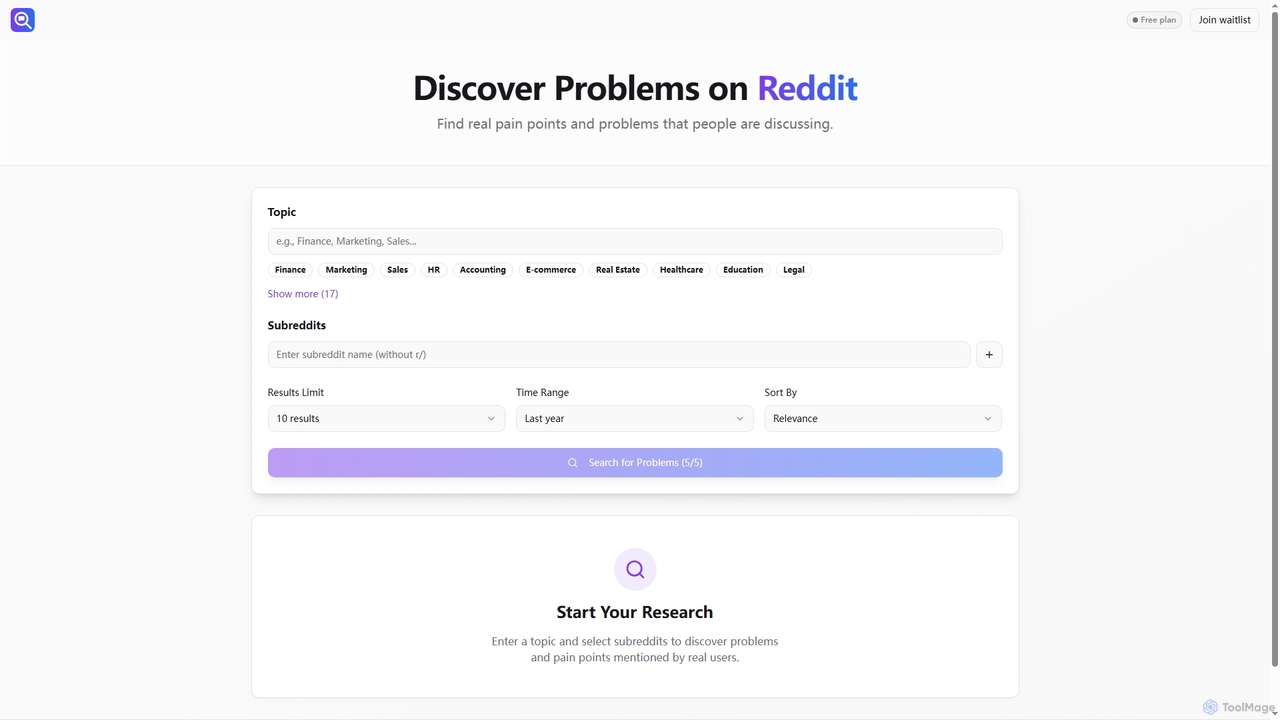
Reddit Problem Finder

Reddit Problem Finder

Reddit Problem Finder is an AI-powered tool designed to uncover real pain points and market insights by analyzing …

2.8K
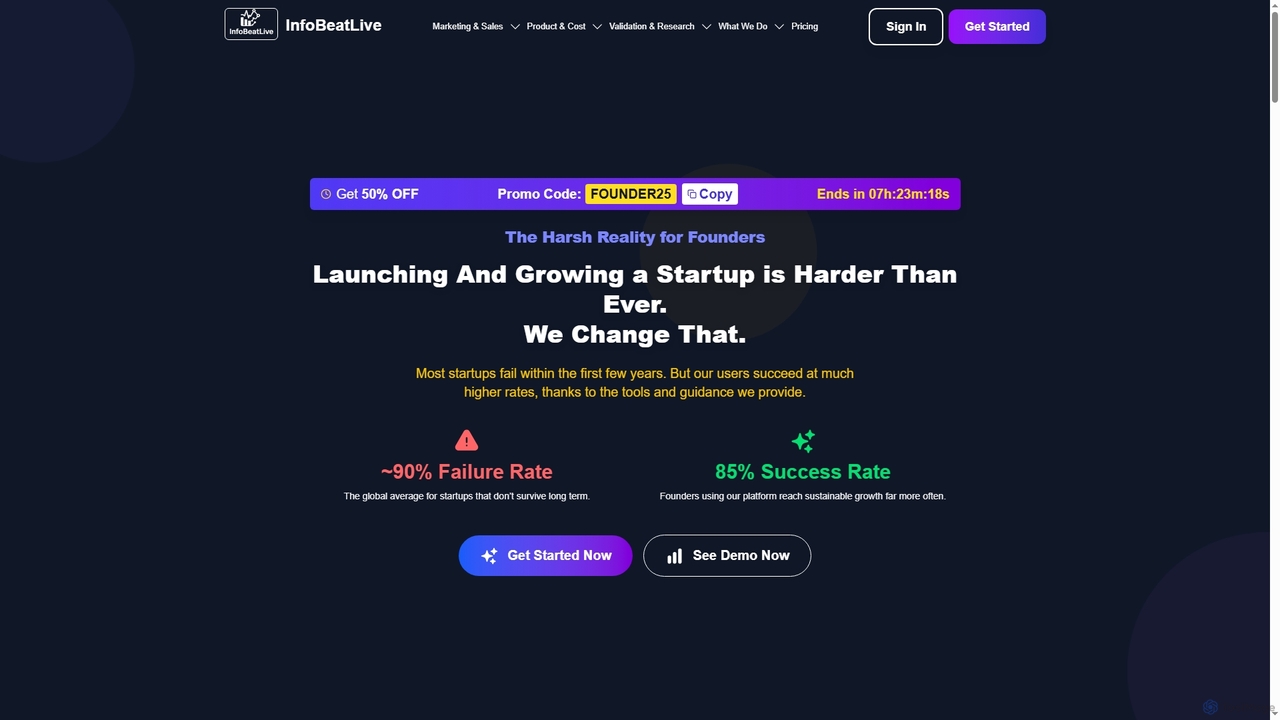
InfoBeatLive

InfoBeatLive

InfoBeatLive is an AI-powered platform designed for founders to accelerate startup growth. It provides comprehensive tools for market …

2.8K
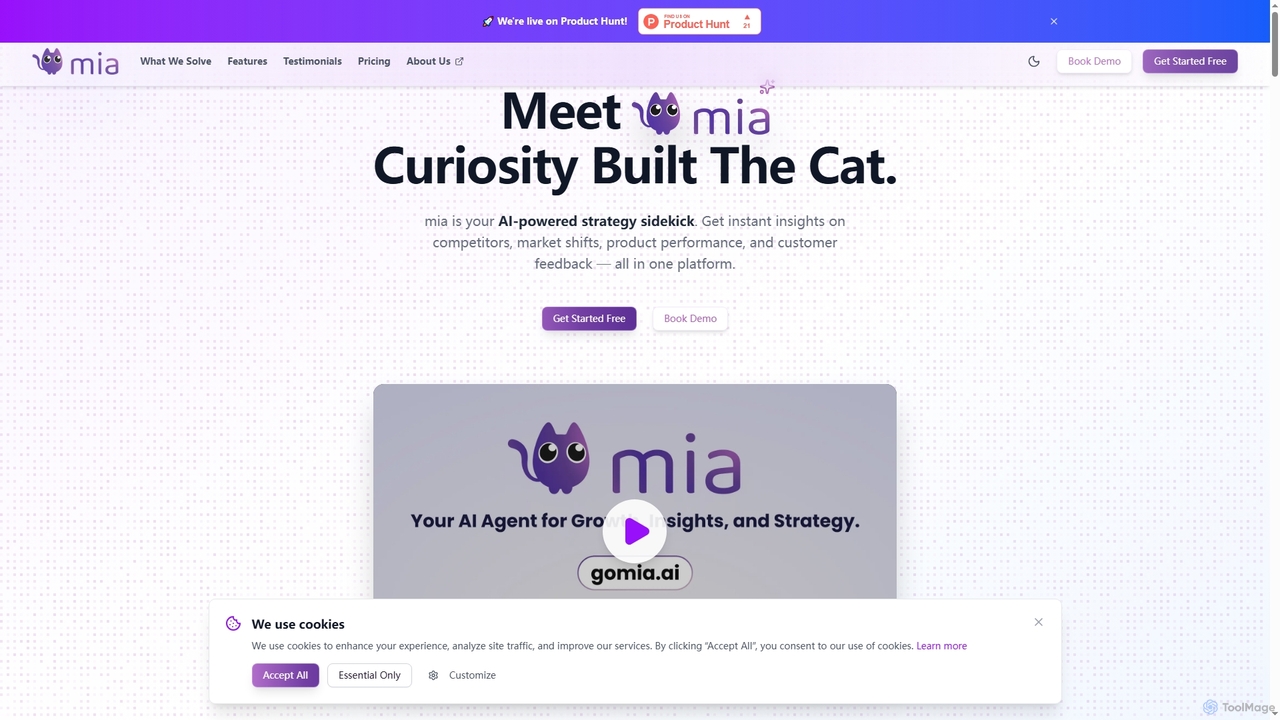
Gomia

Gomia

Gomia is an AI-powered market intelligence platform that unifies fragmented data to provide instant insights on competitors, market …

2.8K
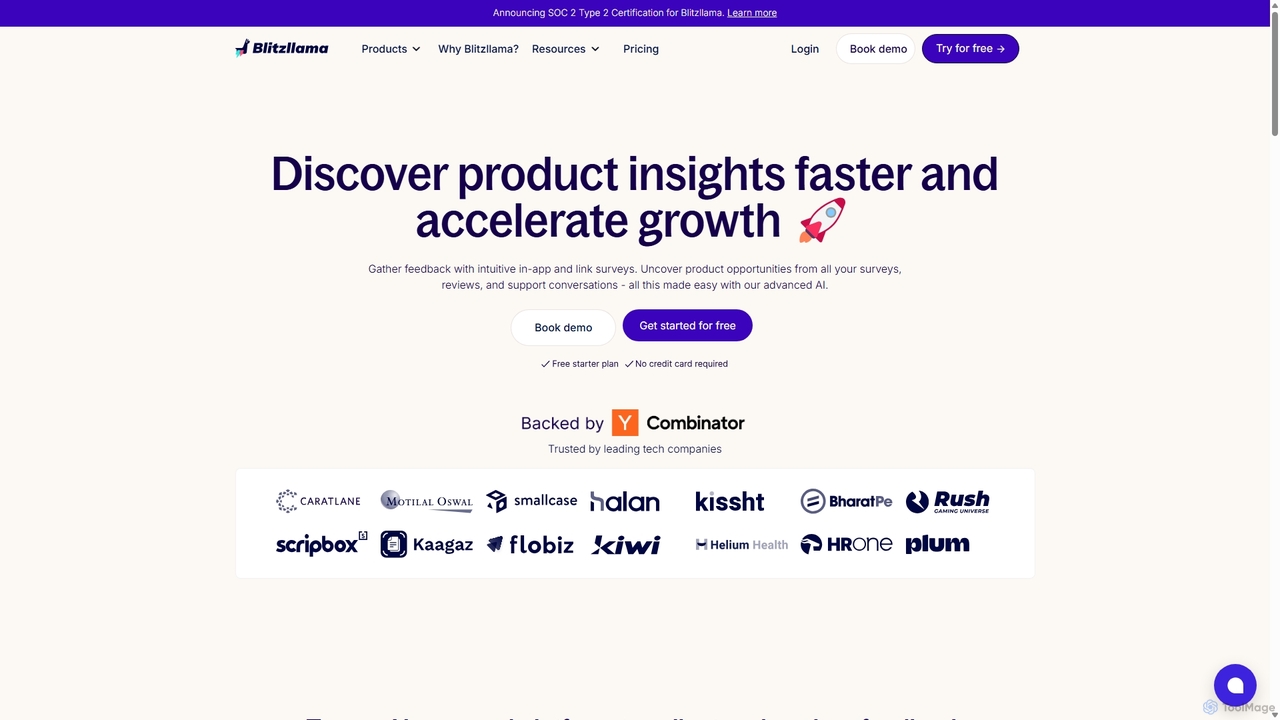
Blitzllama

Blitzllama

Blitzllama is an AI-powered product insights platform designed to help teams collect and analyze customer feedback. It unifies …

14.6K
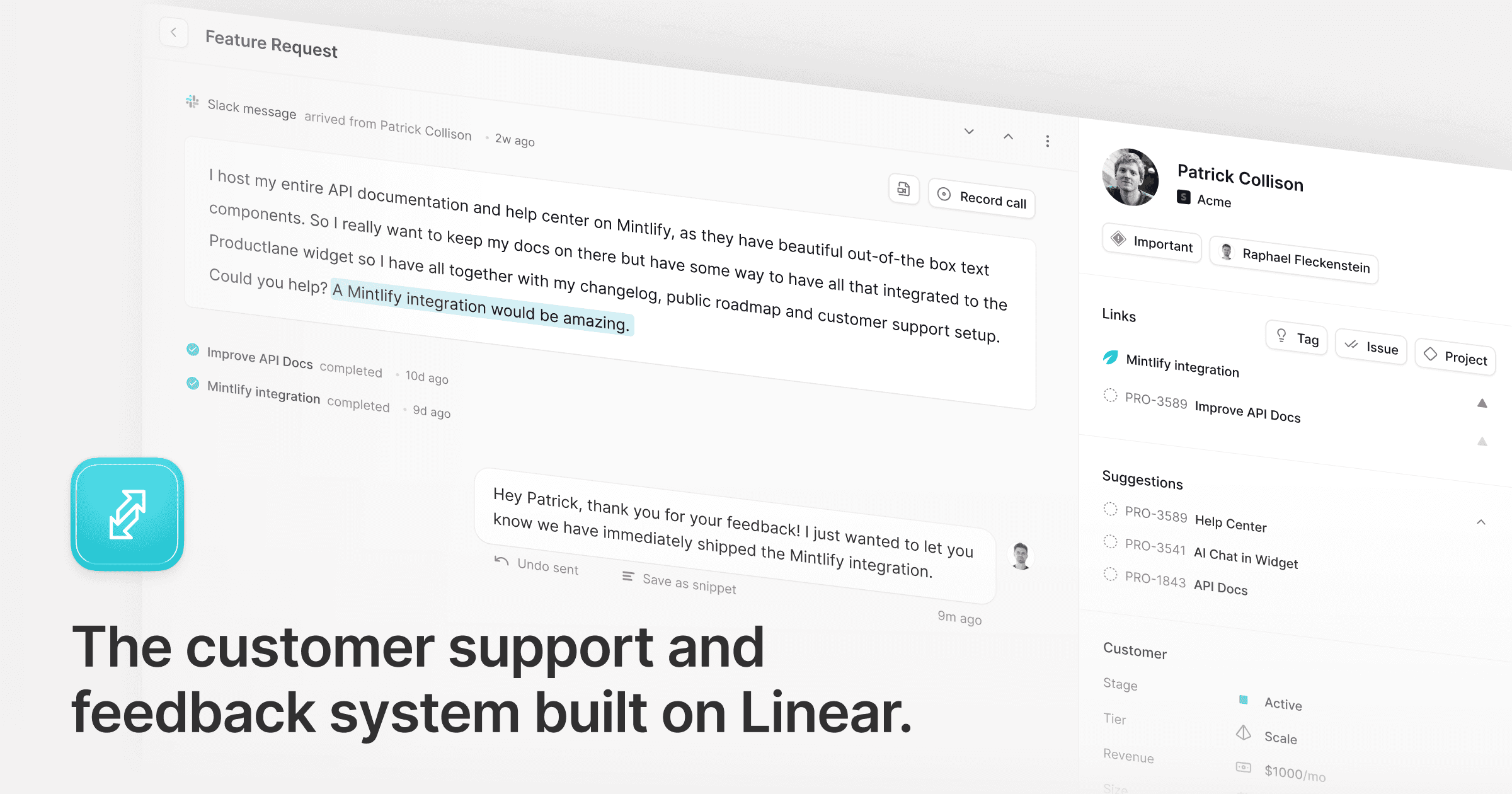
productlane

productlane

Productlane is an AI-powered customer support and feedback system designed for B2B SaaS companies. It unifies email, Slack, …

23.3K
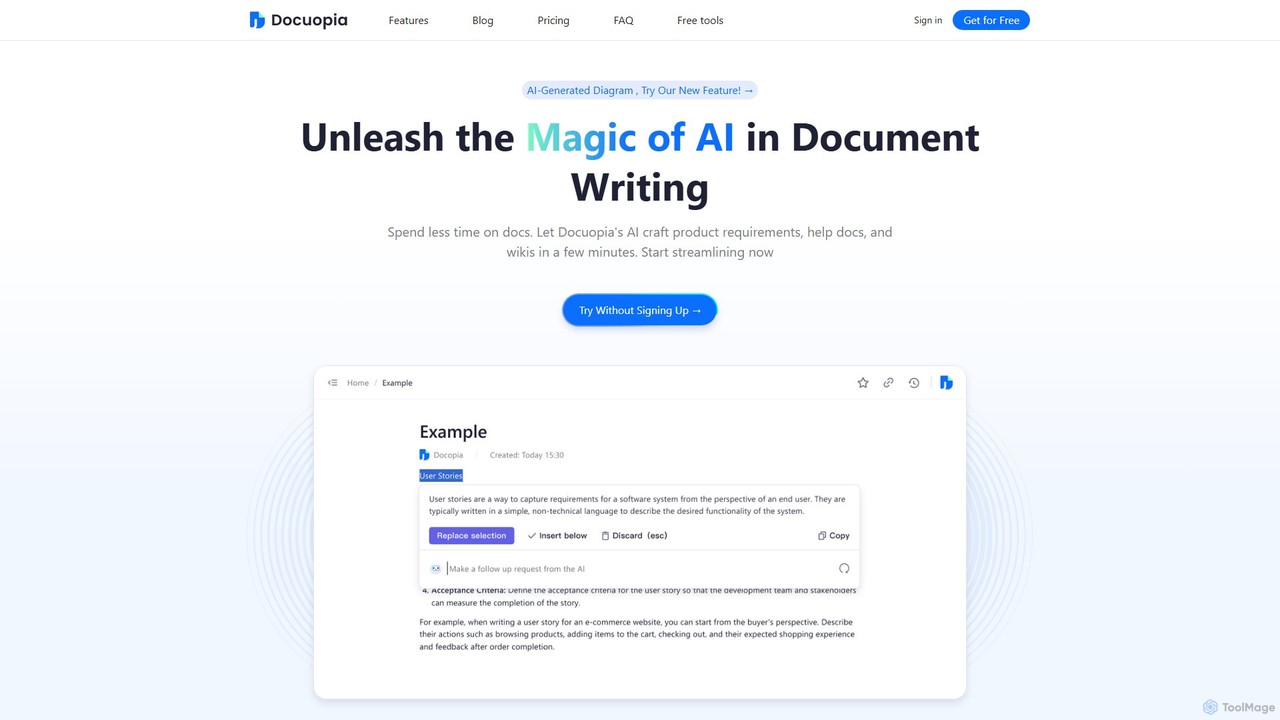
Docuopia

Docuopia

Docuopia is an AI-powered document collaboration platform designed to streamline the creation of technical and business documents. It …

4.7K

About Product Management

AI Product Management tools are a class of software designed to augment and automate key tasks throughout the product lifecycle. These platforms leverage machine learning and natural language processing (NLP) to analyze vast amounts of user feedback, market data, and product metrics. They empower product teams to make more data-driven decisions, accelerate roadmap planning, and generate clear product specifications. By transforming qualitative feedback into quantitative insights, these tools help bridge the gap between user needs and business objectives.

Core Features

  • User Feedback Analysis: Automatically aggregates and analyzes customer feedback from sources like app stores, support tickets, and surveys to identify trends, sentiment, and feature requests.
  • Roadmap Prioritization: Uses data-driven frameworks (like RICE or ICE) to score and rank features, helping teams prioritize what to build next based on impact and effort.
  • Requirements Generation: Assists in drafting user stories, acceptance criteria, and product requirements documents (PRDs) from high-level concepts or user requests.
  • Competitive Intelligence: Monitors competitors' product updates, feature releases, and user reviews to provide insights into market positioning and opportunities.
  • Data-driven Insights: Analyzes product usage data to uncover user behavior patterns, identify friction points in user journeys, and suggest areas for improvement.

Use Cases

These tools are primarily used by product managers, product owners, UX researchers, and business analysts in technology companies of all sizes. They are particularly valuable for teams managing complex products with large user bases, where manually processing feedback is impractical. Common scenarios include prioritizing features for the next quarter, validating a new product idea with market data, or identifying the root cause of user churn by analyzing feedback themes.

How to Choose

When selecting an AI Product Management tool, consider its integration capabilities with your existing stack (e.g., Jira, Slack, Zendesk). Evaluate the sophistication of its AI models, particularly its NLP accuracy for feedback analysis. Assess the flexibility of its prioritization frameworks and whether they align with your team's methodology. Finally, consider the tool's data security policies and its ability to scale as your product and user base grow.

Product ManagementUse Cases

1

Automating User Feedback Synthesis

A product manager for a B2B SaaS application receives hundreds of pieces of feedback weekly through Intercom, email, and app store reviews. Manually tagging and synthesizing this data is time-consuming and prone to bias. By connecting these sources to an AI Product Management tool, the platform automatically uses NLP to categorize each piece of feedback into themes like 'Bug Report,' 'Feature Request - Integrations,' or 'UI/UX Confusion.' The PM can then view a dashboard showing that 35% of recent feedback relates to a desire for a Salesforce integration, providing a strong, quantitative signal to prioritize this feature in the next development cycle.

2

Drafting Product Requirements Documents (PRDs)

A startup founder needs to quickly create a detailed PRD for a new mobile app feature to share with freelance developers. Instead of starting from a blank page, they use an AI tool. They input the core goal ('Allow users to create and share video clips'), target audience ('Gen Z content creators'), and key constraints ('Must integrate with TikTok API'). The AI generates a structured PRD draft, including suggested user stories ('As a creator, I want to trim my video so I can select the best part'), acceptance criteria, potential technical considerations, and success metrics. This accelerates the process from days to hours, ensuring a clear and comprehensive brief for the development team.

3

Data-Driven Backlog Prioritization

A product team at a mid-sized e-commerce company has a backlog with over 200 feature ideas and improvements. Deciding what to work on next often leads to lengthy debates. They implement an AI PM tool that integrates with their sales data (Salesforce), user feedback (Zendesk), and development effort estimates (Jira). The tool calculates a priority score for each item based on a weighted formula considering potential revenue impact, number of user requests, and engineering complexity. This provides an objective starting point for roadmap discussions, allowing the team to focus on strategic alignment rather than subjective opinions, and ensuring they work on the most impactful features first.

4

Conducting Continuous Competitor Monitoring

A product marketer in a competitive software market needs to stay ahead of trends. They set up an AI tool to monitor five key competitors. The AI continuously scans competitors' websites for changes, analyzes their new app store reviews for sentiment shifts, and tracks their social media announcements. The marketer receives a weekly digest summarizing that a competitor just launched a beta for a long-awaited feature and another's user sentiment has dropped by 15% after a recent UI update. This automated intelligence allows the team to react quickly, adjust their own roadmap, and refine their marketing messaging to highlight their competitive advantages.

5

Generating User Personas from Data

A new product manager joins a team and needs to quickly understand the user base of a mature product. Instead of relying on outdated persona documents, they use an AI tool connected to their user survey data and product analytics. The AI clusters users into distinct segments based on behavior (e.g., 'Power Users' who use advanced features daily) and demographics. For each segment, it generates a detailed persona, including key goals, common pain points derived from feedback, and typical in-app user journeys. This provides the new PM with a current, data-backed understanding of who they are building for, enabling more empathetic and effective product decisions from day one.

6

Validating Product Ideas with Market Research

A product team is considering building a new AI-powered scheduling assistant. Before committing development resources, they use an AI tool to analyze market demand. The tool scours online forums like Reddit, professional networks like LinkedIn, and tech news sites for conversations related to scheduling problems and existing solutions. It generates a report highlighting that the biggest user complaint about current tools is the lack of intelligent conflict resolution. It also identifies a growing trend of discussions around 'AI for personal productivity.' This insight helps the team validate their core idea and refine their feature set to focus on a key market differentiator, reducing the risk of building a product nobody wants.

Product ManagementFrequently Asked Questions