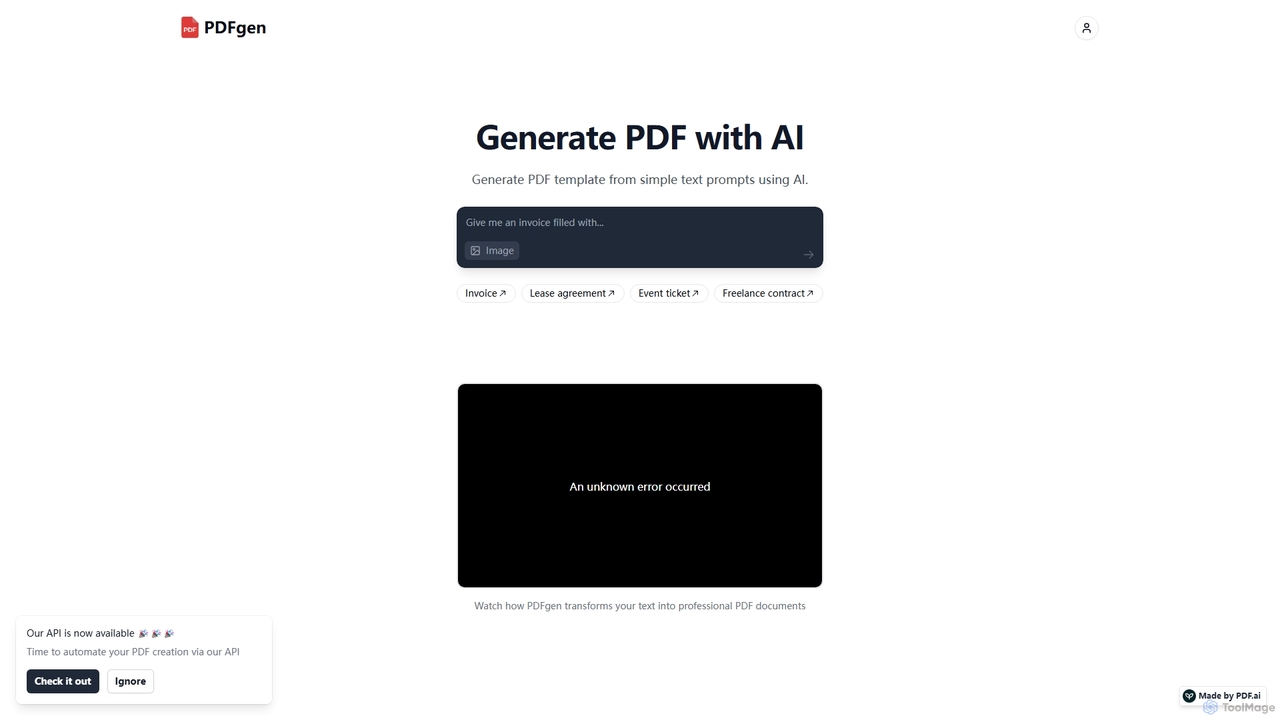
Document Generation tools are AI-powered solutions that automate the creation of various textual documents, from reports and proposals to contracts and personalized communications. These tools leverage advanced natural language processing (NLP) and generative AI models to transform structured data, pre-defined templates, or natural language prompts into coherent, contextually relevant, and often personalized content. By streamlining the entire document production workflow, they significantly enhance productivity, reduce manual effort, and minimize errors, ensuring consistency and compliance across high-volume document needs within the broader productivity landscape.
Core Features
- Template-Based Generation: Automatically populates pre-designed document templates with dynamic data fetched from databases, spreadsheets, or APIs, ensuring brand consistency, accuracy, and adherence to specific formats.
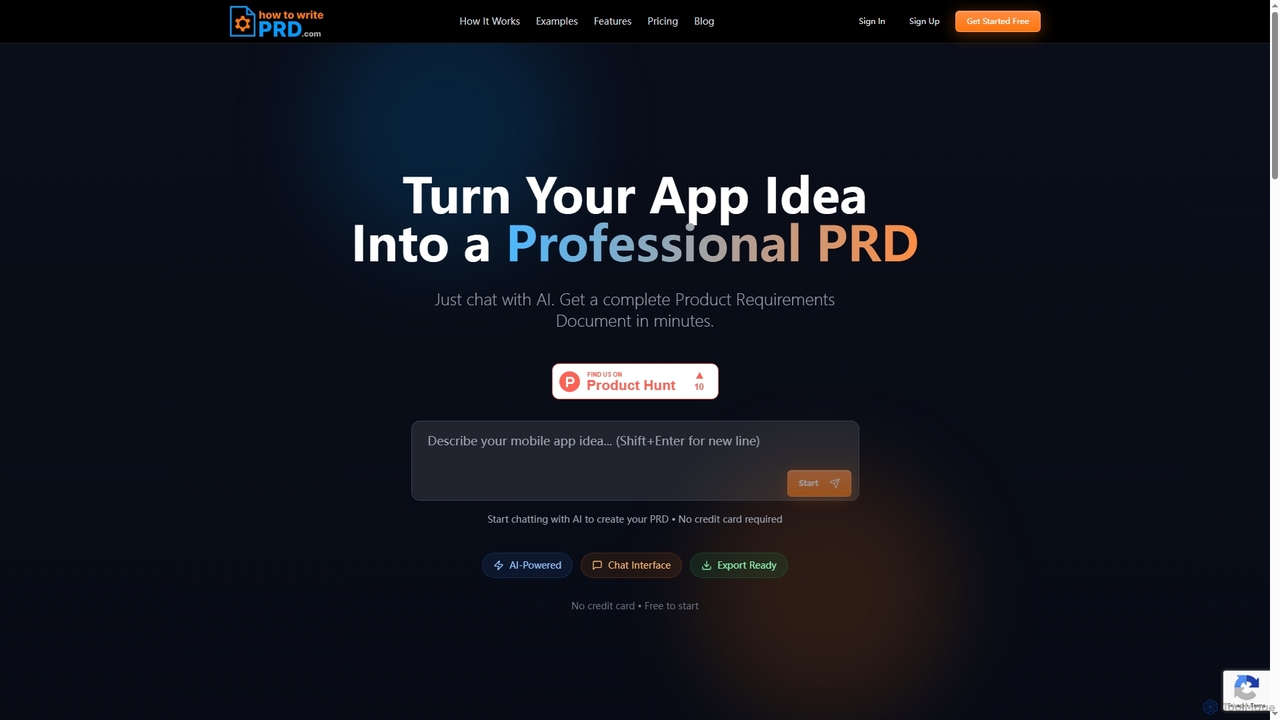
- Natural Language to Document: Converts plain language instructions, outlines, or brief prompts into fully structured and formatted documents, such as articles, reports, marketing copy, or technical specifications, reducing drafting time.
- Data-Driven Content Creation: Generates comprehensive reports, summaries, or analyses directly from large datasets, extracting key insights and presenting them in a readable, actionable format for business intelligence.
- Personalization at Scale: Produces individualized documents, like tailored marketing emails, customer service responses, legal notices, or financial statements, for large audiences based on specific user data and preferences.
- Automated Compliance & Review: Integrates compliance checks and facilitates automated review processes, ensuring generated documents adhere to legal, brand, and industry standards, minimizing risk and manual oversight.
Applicable Scenarios
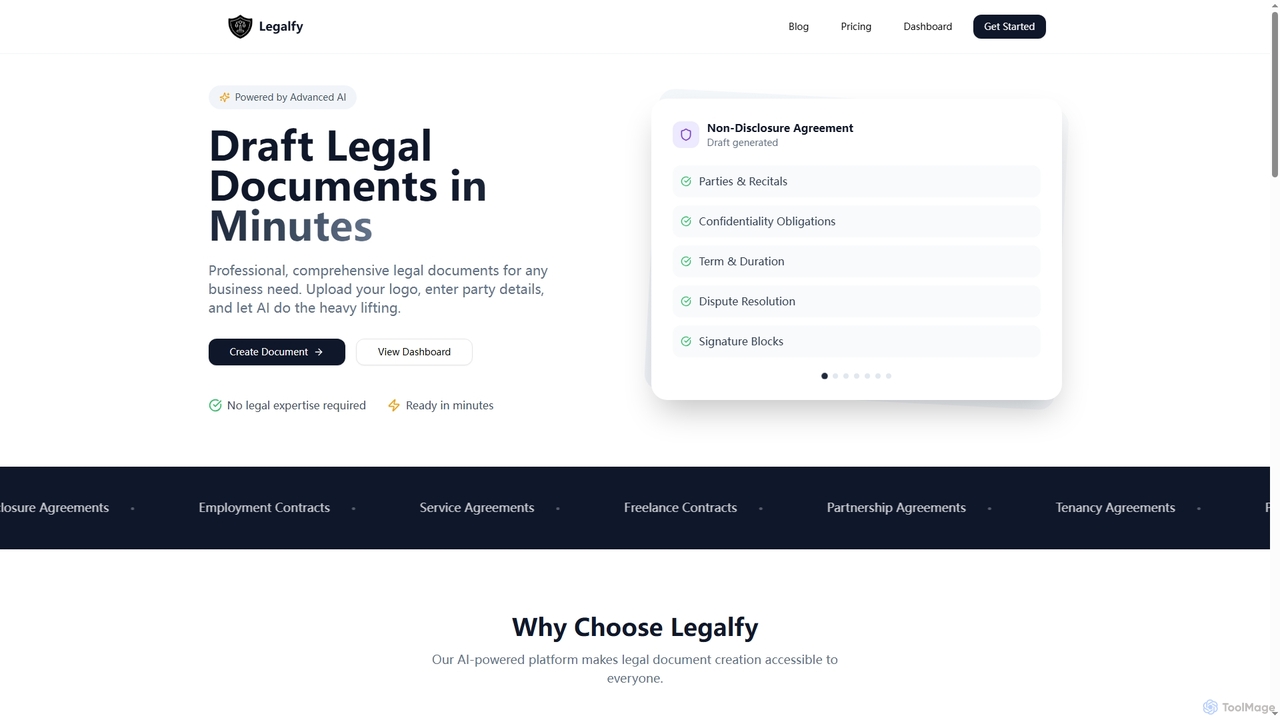
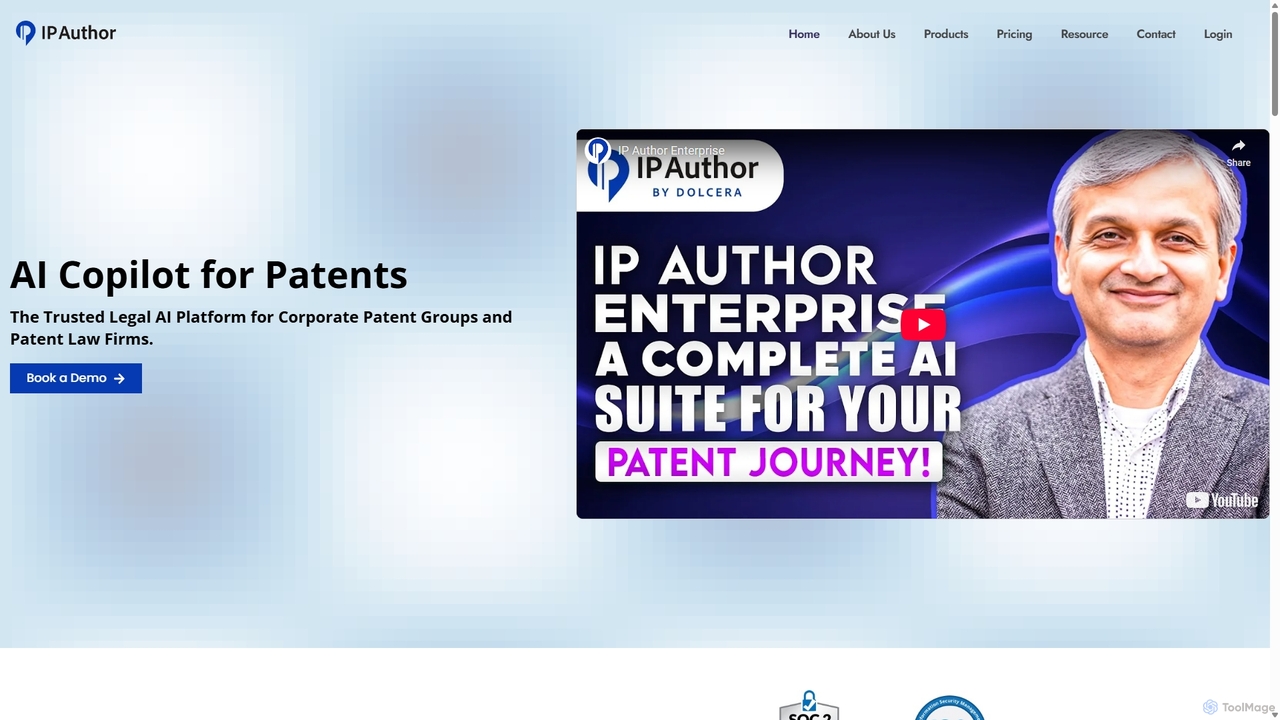
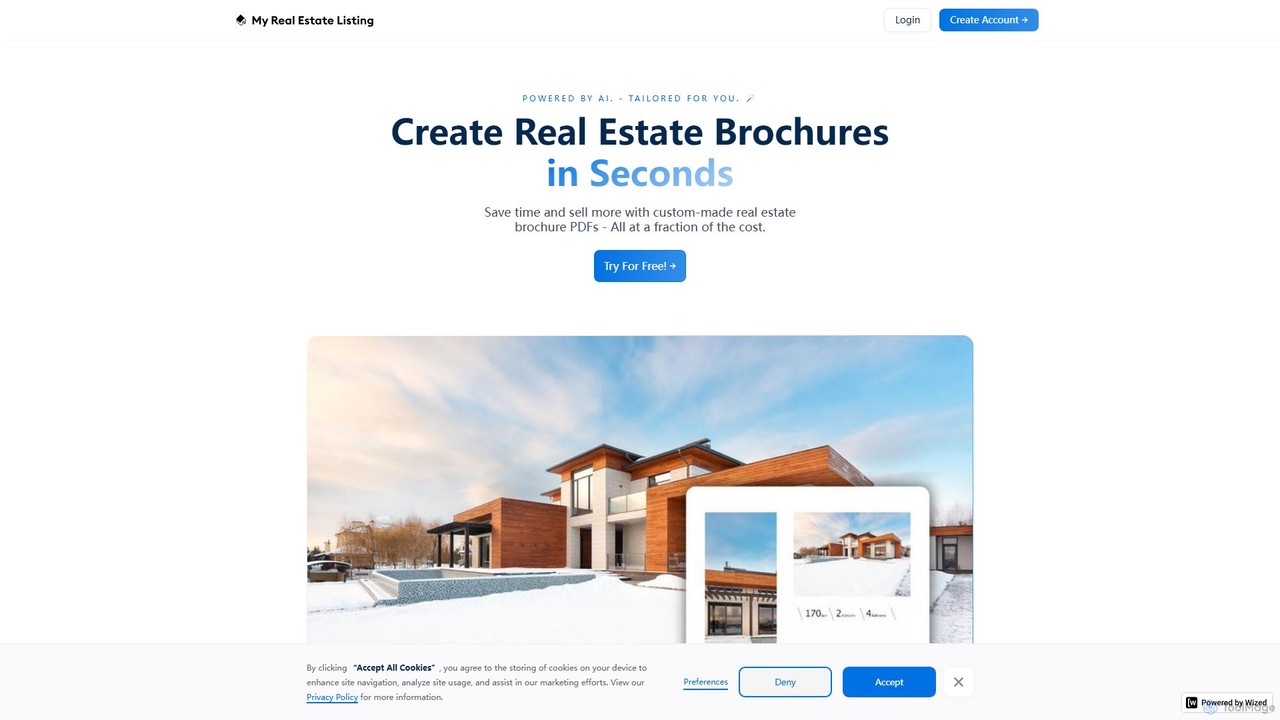
Businesses across various sectors utilize these tools to accelerate their operations and improve efficiency. Sales teams can rapidly produce customized proposals, quotes, and contracts, significantly shortening sales cycles. Legal departments automate the drafting of standard agreements, non-disclosure agreements (NDAs), and legal notices, ensuring accuracy and compliance. Marketing professionals leverage them for generating personalized campaign content, product descriptions, and social media posts at scale. HR departments streamline the creation of offer letters, employee handbooks, policy documents, and performance reviews. Financial institutions use them for generating client reports, statements, and regulatory filings, ensuring data accuracy and timely delivery. This automation frees up valuable time for strategic tasks and client engagement.
How to Choose
When selecting a Document Generation tool, evaluate its integration capabilities with your existing CRM, ERP, and data management systems to ensure seamless data flow and avoid manual data entry. Consider the breadth of document types it supports, from simple letters to complex financial reports or technical manuals, and the level of customization offered for templates, branding, and output formats (e.g., PDF, Word, HTML). Assess the AI's natural language understanding for prompt-based generation and its ability to maintain your specific brand voice and tone consistently. Furthermore, prioritize robust security features for sensitive data handling, ensure compliance with relevant data privacy regulations, and confirm the solution offers scalability to meet future document volume demands as your organization grows.