ToolMage
Sign in

Best 50 Mind Mapping AI tools for Productivity

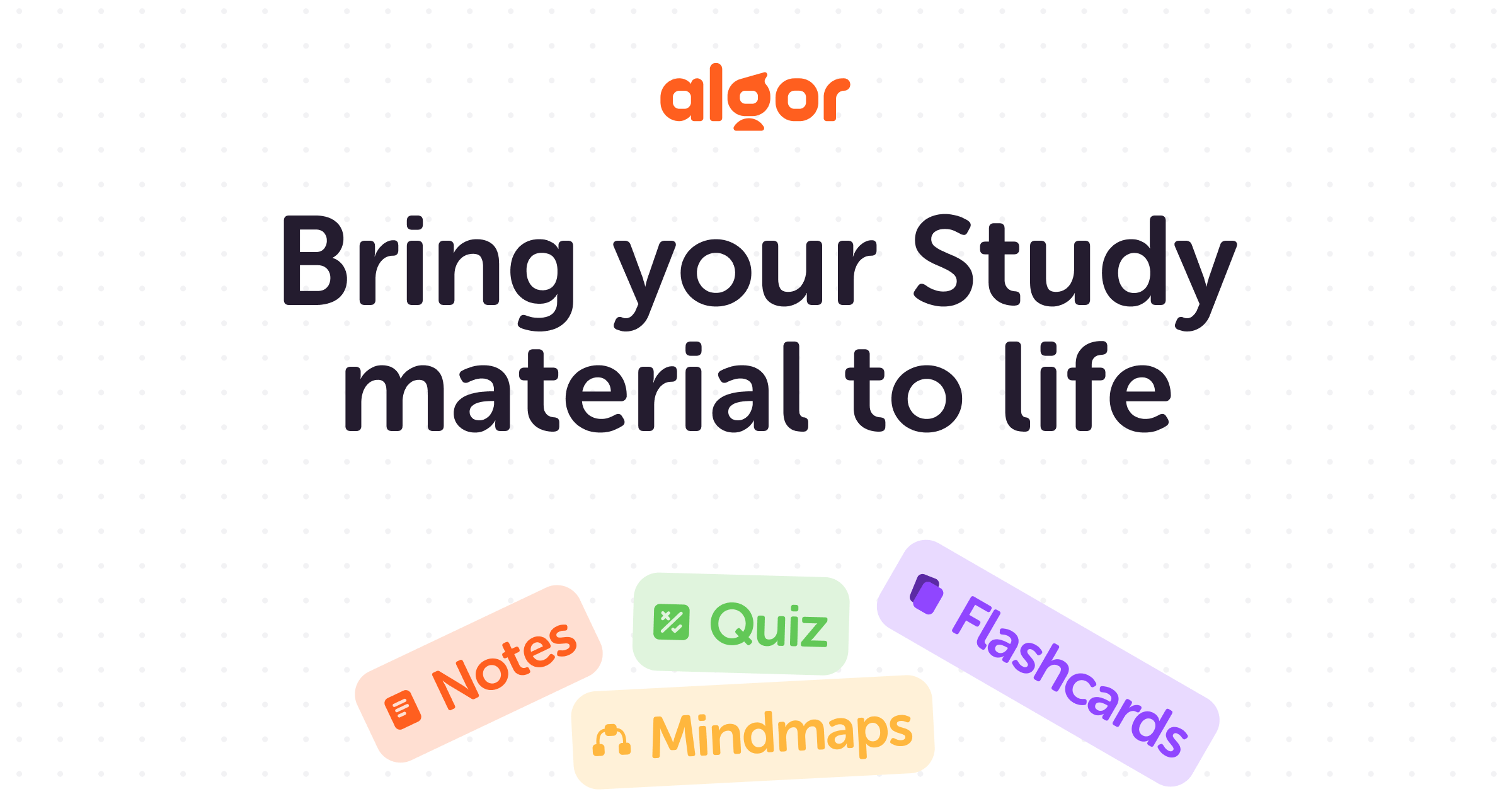
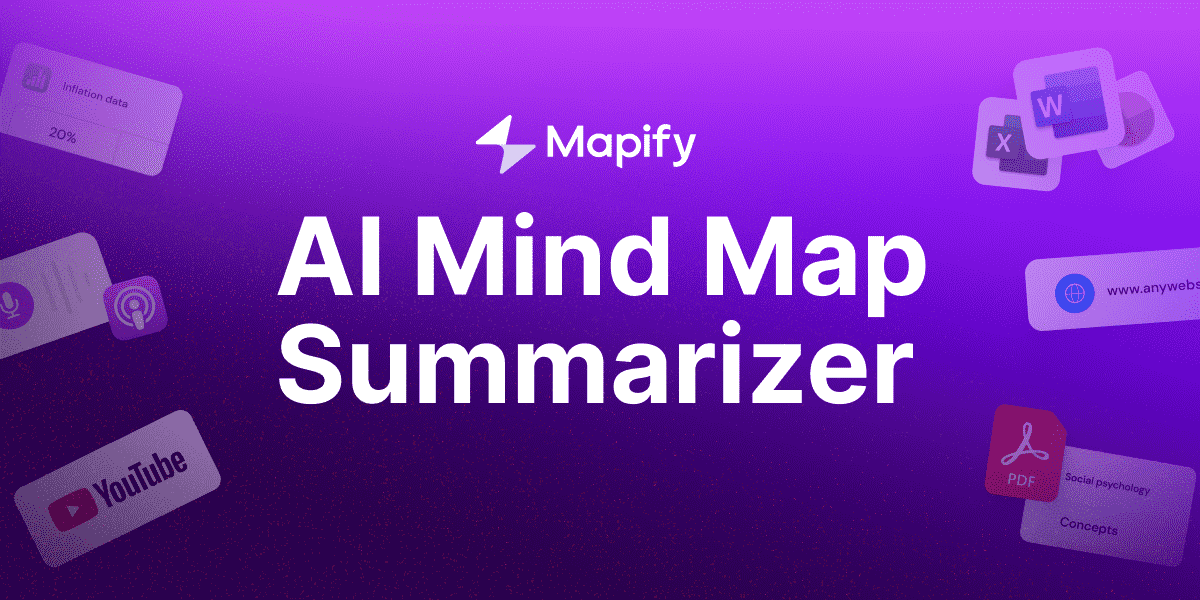
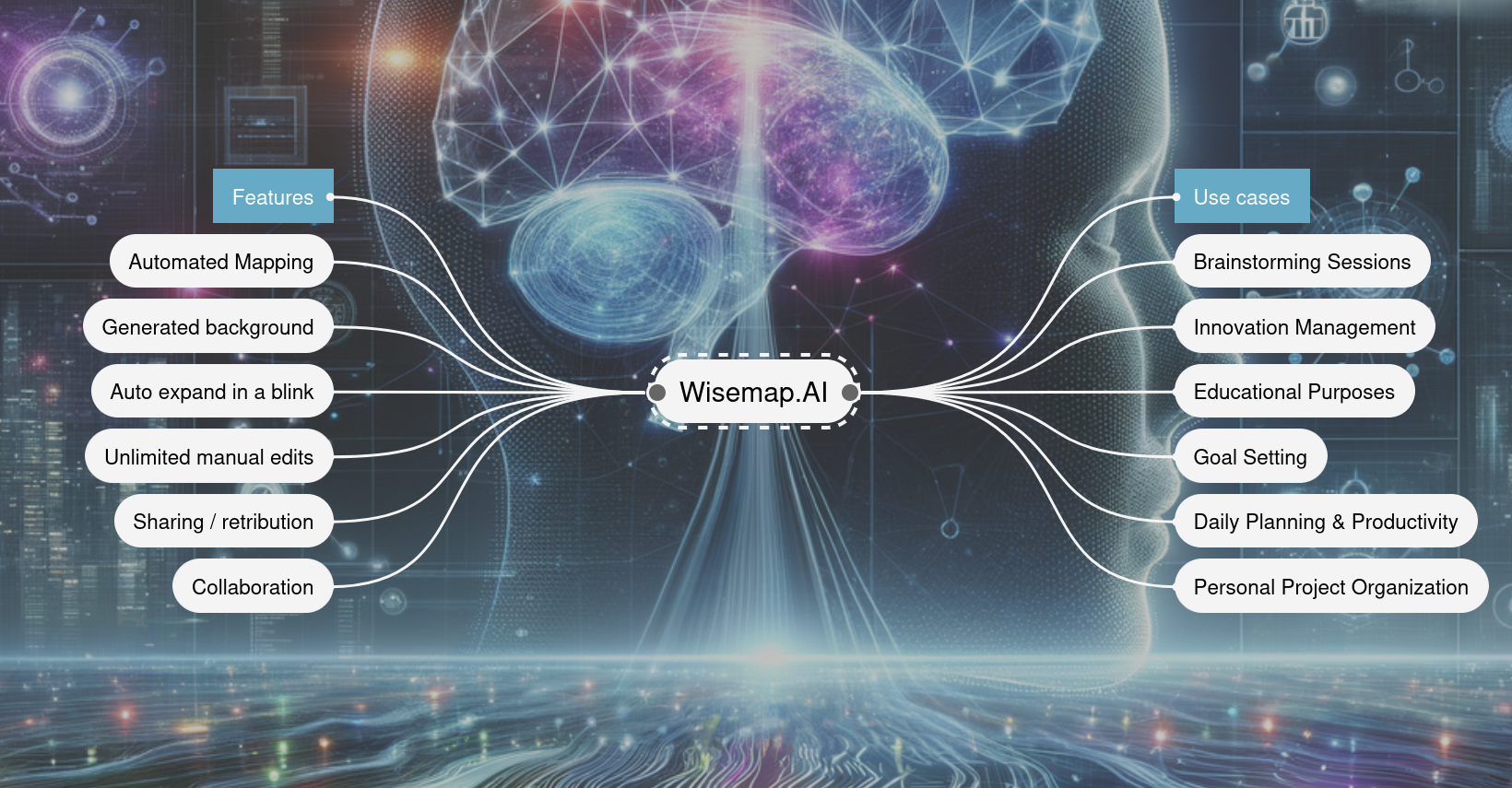
Popular Mind Mapping AI tools in Productivity include Algor Education, Whimsical, Mapify, Boardmix, Linnk.ai, MindMap AI, boardmix, noteey, MyMap, and TheBrain, helping you work more efficiently.

BloxGPT
Freemium

BloxGPT

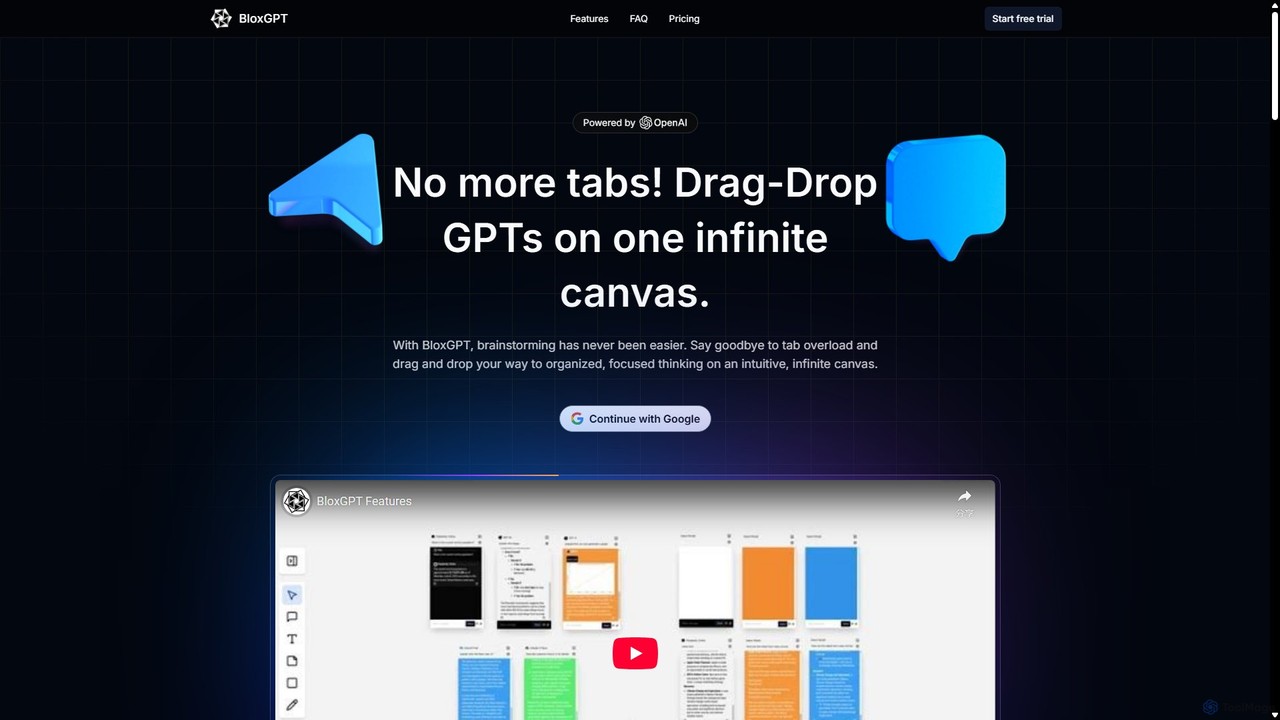
BloxGPT is an AI-powered collaborative workspace that replaces tab clutter with a single, infinite canvas. Users can drag and drop GPT instances, brainstorm ideas, create diagrams, and collaborate with teams in real-time. It's designed for visual thinking, project planning, and enhanced productivity.

Wireframing
Visits 7.4KFavorites 131Likes 135

Fabrie
Freemium

Fabrie

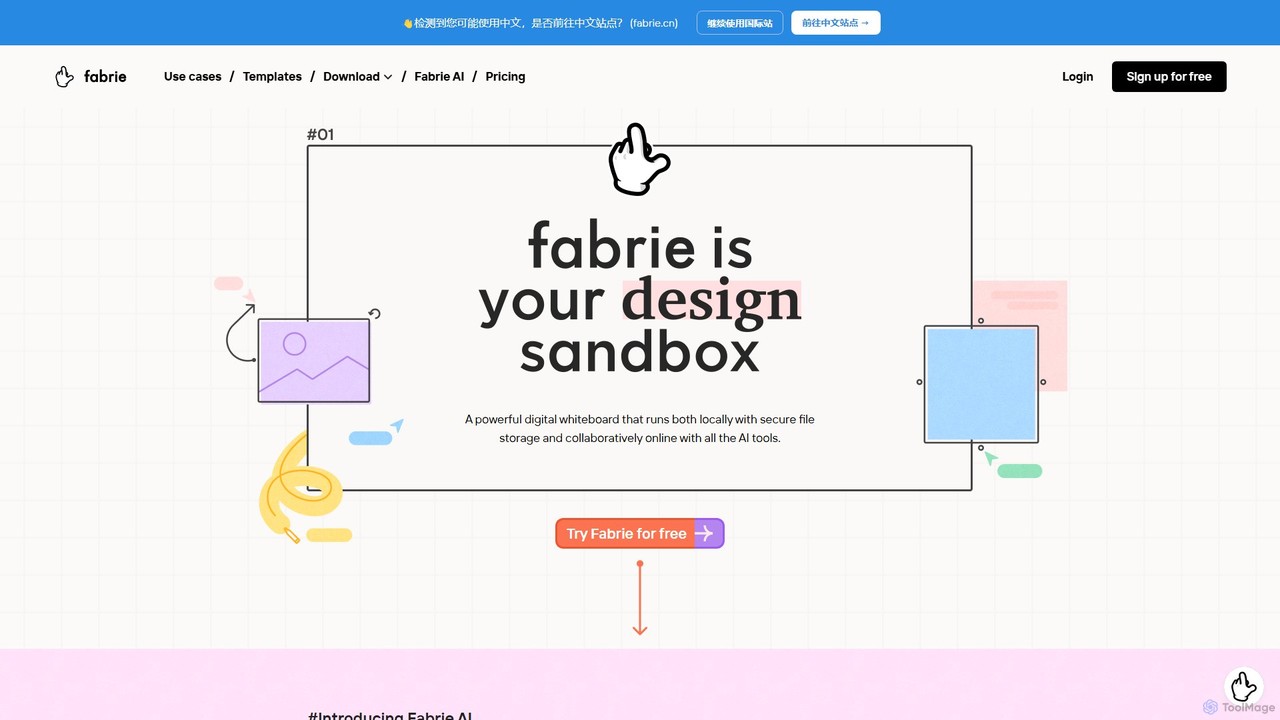
Fabrie is an AI-powered collaborative online whiteboard for creative teams. It integrates a flexible canvas, powerful databases, and generative AI tools to streamline the entire design workflow, from brainstorming and research to prototyping and presentation, creating a unified workspace for designers.

Generative Art
Visits 6.7KFavorites 144Likes 147

About Mind Mapping

Mind Mapping tools are AI-powered applications designed to visually organize thoughts, ideas, and information in a hierarchical and interconnected structure. These tools leverage artificial intelligence to streamline the brainstorming process, generate new concepts, and automatically structure complex data into intuitive visual maps. By transforming abstract ideas into clear, actionable diagrams, AI mind mapping significantly enhances clarity, creativity, and overall productivity for individuals and teams. They serve as a dynamic canvas for exploring connections and developing comprehensive plans.

Core Features

  • AI Idea Generation: Automatically suggests related concepts, keywords, and branches based on initial input, expanding brainstorming sessions.
  • Smart Structuring & Layout: AI assists in organizing nodes, optimizing map layouts, and maintaining visual clarity as the map grows.
  • Content Summarization: Summarizes lengthy text or documents and extracts key points to be added as map nodes.
  • Multimodal Input Integration: Converts voice notes, handwritten text, or web articles into mind map elements.
  • Collaboration & Sharing: Facilitates real-time teamwork on mind maps, with version control and sharing options.

Use Cases

Professionals across various fields utilize AI mind mapping for enhanced clarity and efficiency. Project managers can outline project plans and dependencies, while content creators brainstorm article topics and structure narratives. Students benefit from organizing study notes and preparing presentations, transforming complex subjects into digestible visual summaries.

How to Choose

When selecting an AI mind mapping tool, consider its AI capabilities for idea generation and summarization, ensuring it aligns with your brainstorming needs. Evaluate the ease of use, collaboration features for team projects, and integration with other productivity tools. Additionally, assess the visual customization options and pricing model to find a solution that fits both your workflow and budget.

Featured tool rankings

Mind Mapping use cases

1

Enhanced Brainstorming Sessions

Marketing teams can use AI mind mapping to kickstart brainstorming for new campaigns. By inputting a core theme, the AI generates related concepts, keywords, and potential angles, helping the team quickly expand on initial ideas and uncover new creative directions, significantly reducing the time spent on idea generation.

2

Project Planning and Task Breakdown

Project managers can leverage AI mind mapping to visually break down complex projects into manageable tasks and sub-tasks. The AI can suggest logical dependencies and allocate resources based on project scope, providing a clear, interactive overview of the entire project lifecycle and improving planning efficiency.

3

Content Creation and Outline Generation

Content creators, such as bloggers or scriptwriters, can input a central topic and have the AI generate a comprehensive outline for articles, videos, or presentations. The tool helps structure arguments, identify key points, and ensure logical flow, accelerating the content development process from concept to draft.

4

Meeting Notes and Action Item Organization

During meetings, participants can use AI mind mapping to capture discussions in real-time. The AI can automatically group related points, identify action items, and assign them to team members, transforming raw meeting notes into an organized, actionable summary that ensures follow-up and accountability.

5

Learning and Study Note Organization

Students and lifelong learners can utilize AI mind mapping to organize complex study materials. By inputting lecture notes or textbook chapters, the AI can extract key concepts, create hierarchical structures, and generate connections between topics, making revision more effective and improving information retention.

6

Strategic Planning and Decision Making

Business leaders can employ AI mind mapping for strategic planning. By mapping out market trends, competitor analysis, and internal strengths/weaknesses, the AI can help visualize potential scenarios, identify opportunities, and structure decision-making processes, leading to more informed and coherent strategies.

Mind Mapping FAQ

What are AI Mind Mapping tools?

AI Mind Mapping tools are software applications that combine traditional mind mapping techniques with artificial intelligence capabilities. They help users visually organize ideas, information, and concepts by automating tasks like idea generation, content summarization, and intelligent structuring, making the process faster and more intuitive than manual methods.

How do AI features enhance traditional mind mapping?

AI features significantly enhance traditional mind mapping by automating repetitive tasks and augmenting creativity. AI can suggest new branches and keywords, summarize lengthy texts into concise nodes, optimize map layouts for clarity, and even convert various input formats (like voice or text) into map elements, allowing users to focus more on creative thinking and less on manual organization.

What is the difference between AI Mind Mapping and general Productivity tools?

While AI Mind Mapping tools fall under the broader category of Productivity, their core focus is specifically on visual information organization, brainstorming, and idea development. General Productivity tools encompass a wider range of functions like task management, project tracking, and communication. AI Mind Mapping offers specialized visual thinking capabilities that complement, rather than replace, other productivity applications.

Who can benefit most from using AI Mind Mapping tools?

A wide range of users can benefit, including students for study organization, content creators for brainstorming and outlining, project managers for planning and task breakdown, and business professionals for strategic thinking and decision-making. Anyone who needs to organize complex information, generate ideas, or improve clarity in their thought process will find these tools valuable.

What should I look for when choosing an AI Mind Mapping tool?

When choosing an AI Mind Mapping tool, prioritize features like robust AI-driven idea generation and summarization, intuitive user interface, and seamless collaboration capabilities. Also, consider integration with other tools you use, the level of customization for visual elements, and the pricing structure. Ensure it supports the platforms you work on (web, desktop, mobile) and offers good export options.