ToolMage
Sign in
Eventual
Machine Learning · 6.6K monthly visits

Eventual is building the future of data infrastructure with Daft, a high-performance, open-source query engine for multimodal data. It enables engineers to process petabyte-scale images, video, audio, and text with the simplicity of SQL, drastically accelerating AI and ML workflows without the need for deep distributed systems expertise.


VS
Tensorlake
Data Management · 31.5K monthly visits

Tensorlake is an AI Data Cloud platform that transforms unstructured data from any source into structured, LLM-ready formats. It provides a Document Ingestion API and Serverless Workflows to build scalable, high-accuracy data pipelines for RAG systems and business process automation.

Eventual vs Tensorlake: pricing, features, traffic, and use cases

Compare Eventual and Tensorlake across positioning, pricing, traffic, and user feedback using structured factual data.

Updated Aug 20, 2026

Product overview

Eventual Product overview

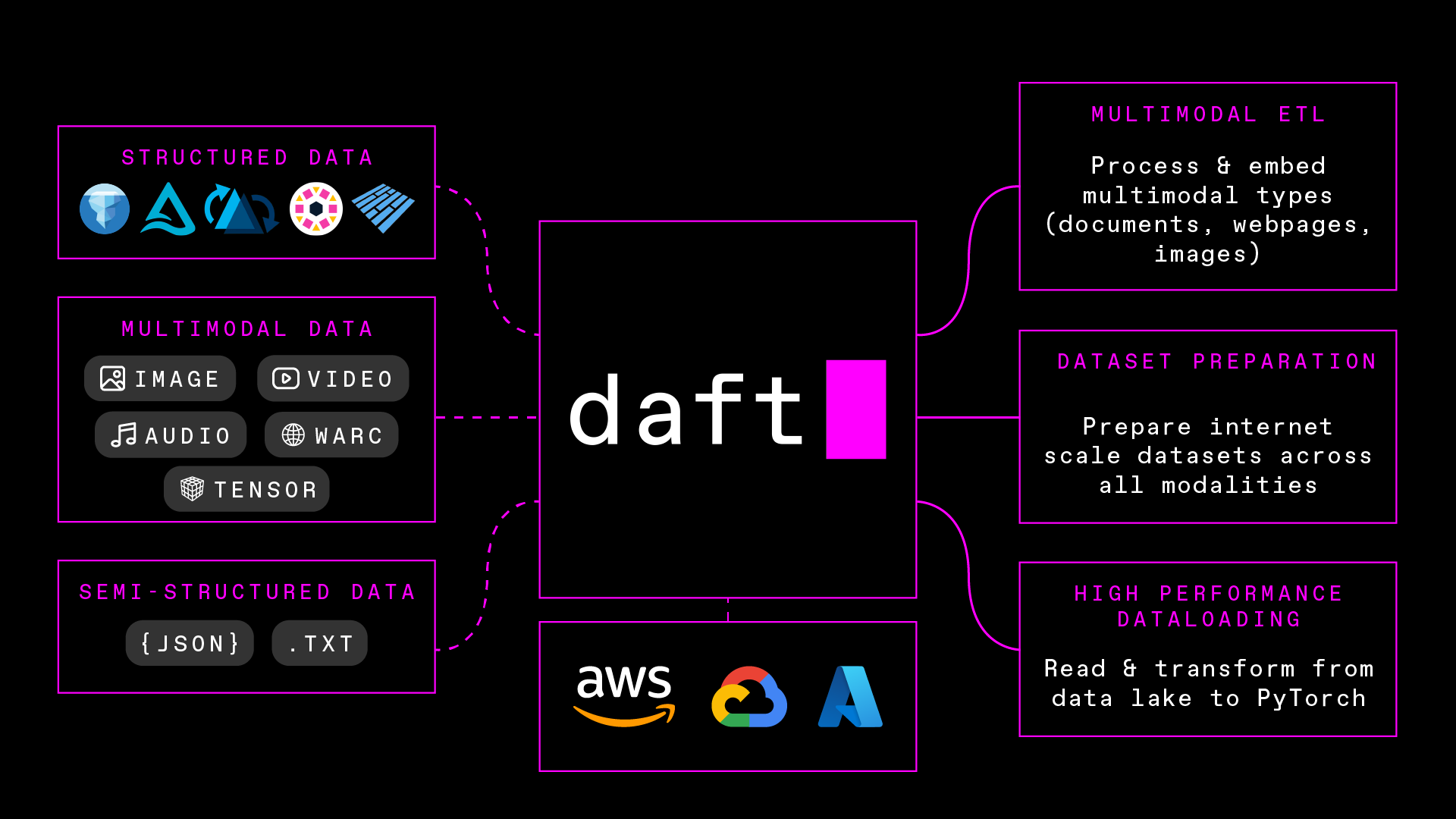
Eventual is building the future of data infrastructure with Daft, a high-performance, open-source query engine for multimodal data. It enables engineers to process petabyte-scale images, video, audio, and text with the simplicity of SQL, drastically accelerating AI and ML workflows without the need for deep distributed systems expertise.
Preview

Tensorlake Product overview

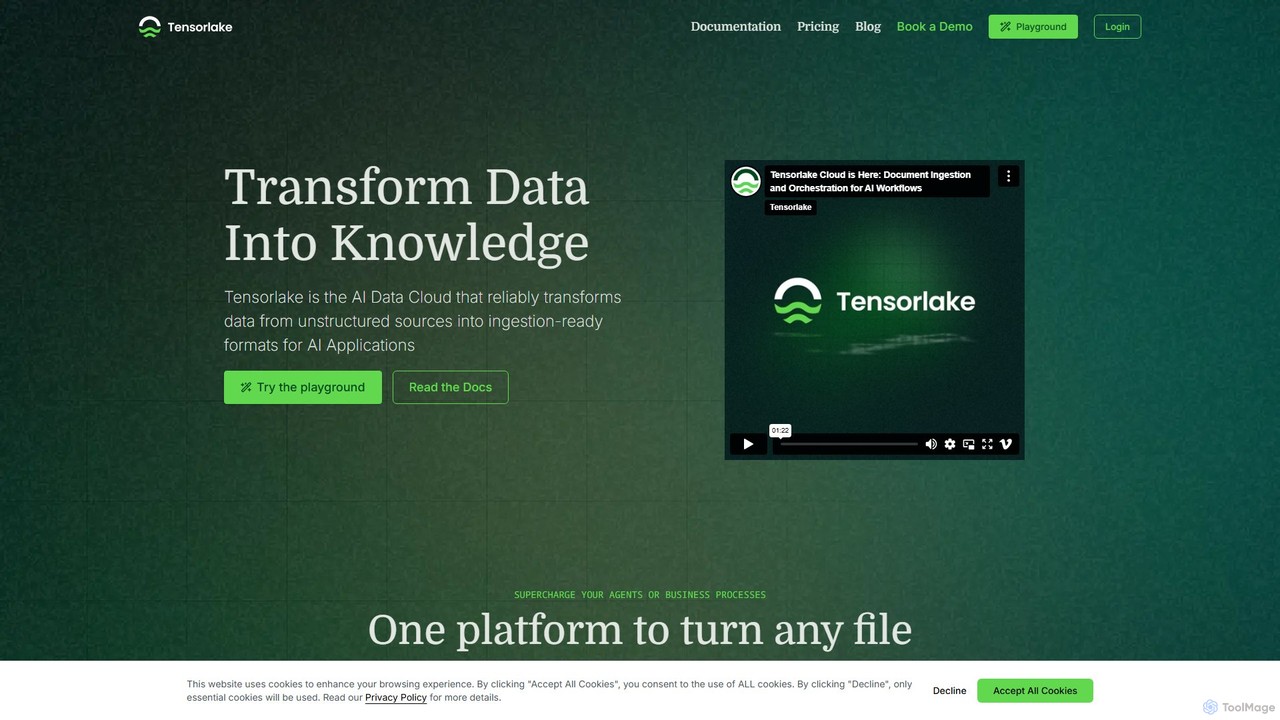
Tensorlake is an AI Data Cloud platform that transforms unstructured data from any source into structured, LLM-ready formats. It provides a Document Ingestion API and Serverless Workflows to build scalable, high-accuracy data pipelines for RAG systems and business process automation.

Preview

Detailed feature comparison

FeatureEventualTensorlake
Primary categoryMachine LearningData Management
Added2025-08-092025-08-05
PricingFreemiumPaid
Official websitewww.eventual.aiwww.tensorlake.ai
Product typeWebsiteWebsite
Performance data
User ratingNot verifiedNot verified
Comments00
Monthly visits6.6K31.5K
Monthly growth13.4%-32.2%
Favorites122102
DetailsView detailsView details

Eventual vs Tensorlake monthly traffic

Compare Eventual and Tensorlake by monthly reach, traffic trend, visit depth, top regions, and acquisition sources.

How to interpret the traffic data

In the Eventual vs Tensorlake monthly traffic comparison, Eventual currently shows 6.6K visits and Tensorlake shows 31.5K; Tensorlake has about 4.8 times the visible traffic of Eventual, an absolute difference of about 24.9K visits. This reflects visible reach, not feature quality or paid users.

Both tools provide verified traffic details, so monthly trends, visit depth, regions, and acquisition sources can be compared on the same basis.

Eventual monthly traffic:

Latest traffic

Monthly visits
6.6K
Avg. visit duration
0:02
Pages per visit
1.33
Bounce rate
55.19%
Data updated 2026-06-11

Monthly traffic trend

  • 2025/9: 14.4K Monthly visits
  • 2026/1: 7.4K Monthly visits
  • 2026/2: 6.1K Monthly visits
  • 2026/3: 6.6K Monthly visits
  • 2026/4: 5.8K Monthly visits
  • 2026/5: 6.6K Monthly visits

Top regions

Top 5 countries/regions
Country/regionPercentageTraffic
🇺🇸United States85.15%5.6K
🇮🇳India14.85%979

Traffic sources

Source typePercentageTraffic
Direct94.16%6.2K
Referral5.84%385

Search keywords

eventualeventual aieventual careerseventual copmutingeventual startup

Tensorlake monthly traffic:

Latest traffic

Monthly visits
31.5K
Avg. visit duration
0:49
Pages per visit
1.9
Bounce rate
41.65%
Data updated 2026-06-15

Monthly traffic trend

  • 2025/9: 6.9K Monthly visits
  • 2026/1: 50K Monthly visits
  • 2026/2: 61.4K Monthly visits
  • 2026/3: 46.7K Monthly visits
  • 2026/4: 46.4K Monthly visits
  • 2026/5: 31.5K Monthly visits

Top regions

Top 5 countries/regions
Country/regionPercentageTraffic
🇺🇸United States55.24%17.4K
🇳🇬Nigeria15.5%4.9K
🇻🇳Vietnam11.42%3.6K
🇮🇩Indonesia9.3%2.9K
🇮🇳India8.54%2.7K

Traffic sources

Source typePercentageTraffic
Direct85.33%26.9K
Referral8.35%2.6K
Email6.32%2K

Search keywords

opencode omo claude ekvivalentopencode with everything claude code, direct usetensorlaektensorlaketensorlake documentation
Traffic-based selection guidance: If public market visibility is an important first-pass criterion, investigate Tensorlake first. The final choice should still follow taxonomy, use case, and a real trial because higher traffic does not prove broader capabilities or better workflow fit.

Usage comparison

Compare the core capabilities of Eventual and Tensorlake

Eventual Core features

Data Processing
Machine Learning
Cloud Computing

Tensorlake Core features

Data Processing
Data Management
Document Analysis

Use cases

Eventual Use cases

data processing
developer tools
python
big data
data engineering
ETL
machine learning
multimodal data
open source
rust
spark alternative

Tensorlake Use cases

data processing
developer tools
python
AI data cloud
API
data extraction
document parsing
llm
RAG
serverless
structured data

Eventual vs Tensorlake:In-depth comparison and selection guidance

First decide whether the products solve the same kind of need

This in-depth Eventual vs Tensorlake comparison uses only the product records, taxonomy, audience, traffic, and community signals available on this page. Eventual is primarily listed under “Machine Learning”, while Tensorlake is primarily listed under “Data Management”, so the first decision is whether your actual task matches their recorded scope.

The structured fields currently show these decision-relevant differences: Primary category (Eventual: Machine Learning; Tensorlake: Data Management); Pricing (Eventual: Freemium; Tensorlake: Paid); Monthly visits (Eventual: 6.6K; Tensorlake: 31.5K); Monthly growth (Eventual: 13.4%; Tensorlake: -32.2%); Favorites (Eventual: 122; Tensorlake: 102). These facts are more useful for selection than brand visibility alone.

What market visibility and monthly traffic mean

In the Eventual vs Tensorlake monthly traffic comparison, Eventual currently shows 6.6K visits and Tensorlake shows 31.5K; Tensorlake has about 4.8 times the visible traffic of Eventual, an absolute difference of about 24.9K visits. This reflects visible reach, not feature quality or paid users.

Both tools provide verified traffic details, so monthly trends, visit depth, regions, and acquisition sources can be compared on the same basis.

If public market visibility is an important first-pass criterion, investigate Tensorlake first. The final choice should still follow taxonomy, use case, and a real trial because higher traffic does not prove broader capabilities or better workflow fit.

Product positioning, use cases, and roles

Eventual and Tensorlake currently overlap in shared categories: Data Processing; shared tags: data processing, developer tools, and python. This can place both on the same shortlist, but it does not prove equal implementation, depth, or cost.

Eventual's unique categories/tags are Machine Learning, Cloud Computing, big data, data engineering, ETL, machine learning, multimodal data, and open source; Tensorlake's are Data Management, Document Analysis, AI data cloud, API, data extraction, document parsing, llm, and RAG. These unique fields are the strongest differentiators: validate the product whose recorded scope matches the task instead of following traffic alone.

What ratings, comments, and favorites can tell you

Eventual has no verified rating, 0 comments, 122 favorites, and 133 likes;Tensorlake has no verified rating, 0 comments, 102 favorites, and 119 likes。

Neither product has enough rating or comment samples for a credible reputation ranking.

Selection guidance by actual need

When to evaluate Eventual first

Put Eventual on the priority trial list when the task aligns with “Machine Learning” and especially Machine Learning, Cloud Computing, big data, data engineering, ETL, and machine learning. This follows recorded positioning and does not imply unlisted capabilities are absent.

Eventual also currently records: pricing is freemium, product type is website, 6.6K verified monthly visits, no verified user rating. Verify any hard requirement around price, platform, or reach before trial, and do not let sparse review data substitute for testing.

When to evaluate Tensorlake first

Put Tensorlake on the priority trial list when the task aligns with “Data Management” and especially Data Management, Document Analysis, AI data cloud, API, data extraction, and document parsing. This follows recorded positioning and does not imply unlisted capabilities are absent.

Tensorlake also currently records: pricing is paid, product type is website, 31.5K verified monthly visits, no verified user rating. Verify any hard requirement around price, platform, or reach before trial, and do not let sparse review data substitute for testing.

How to validate the recommendation before deciding

The available data describes positioning, public visibility, and community signals, but it cannot prove output quality, speed, integration effort, privacy, or long-term cost in your workflow. Before deciding, run the same representative tasks in Eventual and Tensorlake, then record completion time, accuracy, manual corrections, and the real paid threshold. A like-for-like trial turns this comparison into a defensible adoption decision.

Comparison FAQ

How should I choose between Eventual and Tensorlake?
Compare positioning, pricing, taxonomy, and traffic maturity, then verify the latest details on each official website.
Where does this comparison data come from?
The factual baseline is derived from product, taxonomy, traffic, and community data. Reviewed editorial conclusions show their source and verification date.
What do unknown fields mean?
Unknown means there is not enough reliable evidence; the page does not fill gaps with assumptions.

Related AI tools

boundaryml
Freemium

boundaryml

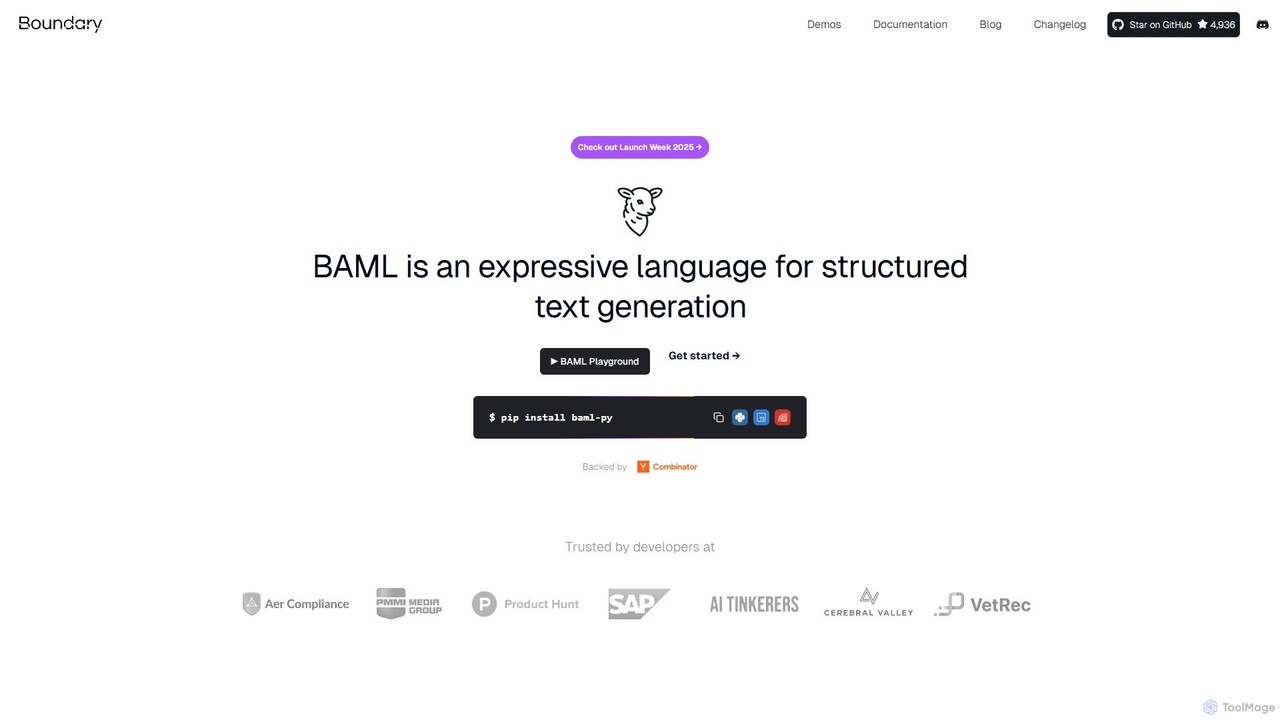
boundaryml (BAML) is a specialized programming language and toolkit for developers to reliably extract structured data from Large Language Models (LLMs). It transforms complex prompt engineering into a streamlined, code-like process, ensuring type-safe, error-corrected outputs across various LLMs and programming languages like Python and TypeScript. It's designed to enhance reliability, reduce costs, and accelerate development cycles for AI applications.

Api
Visits 31.5KFavorites 84Likes 76
LakeSail
Freemium

LakeSail

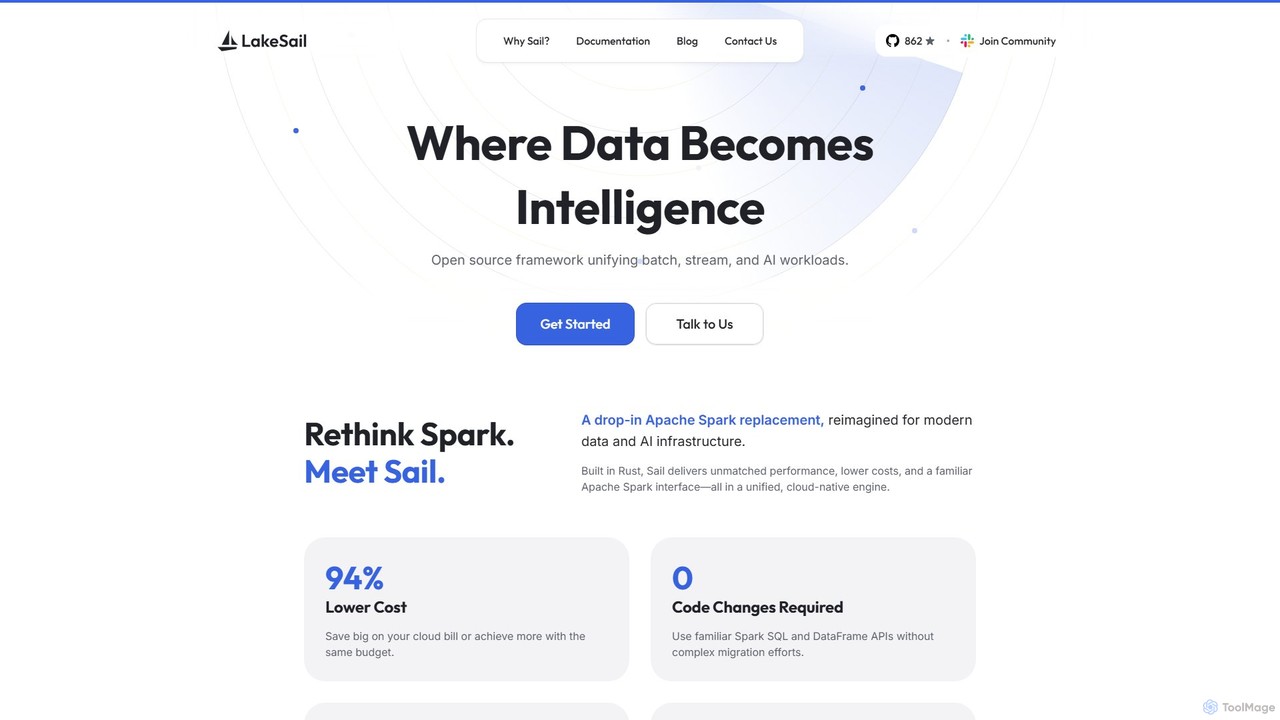
LakeSail offers a high-performance, open-source framework called Sail, designed as a drop-in replacement for Apache Spark. Built in Rust, it unifies batch, stream, and AI workloads, delivering up to 8x faster execution and 94% lower cloud costs without requiring any code changes. It eliminates JVM overhead for superior efficiency and scalability in modern data and AI infrastructures.

Big Data
Visits 10KFavorites 115Likes 129
Modal
Freemium

Modal

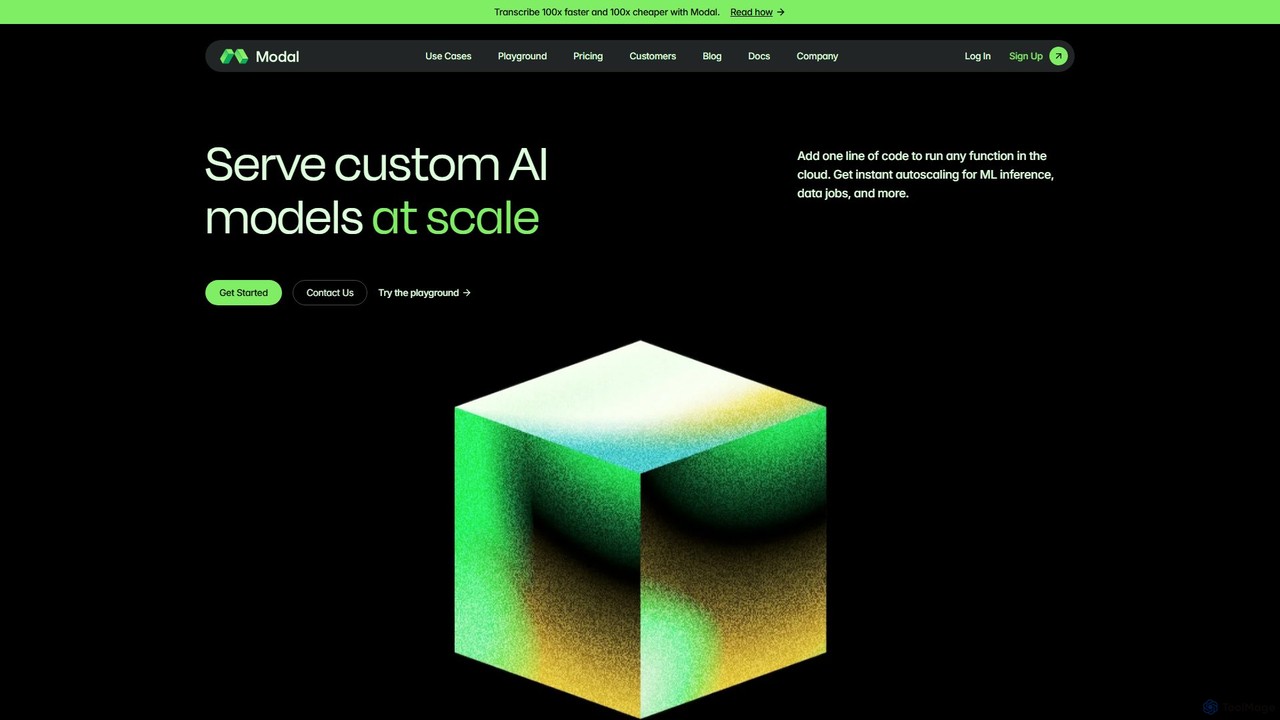
Modal is a high-performance, serverless infrastructure platform for AI and ML developers. It allows you to run Python functions in the cloud with a single line of code, providing instant access to GPUs, automatic scaling from zero to thousands of containers, and pay-per-second pricing. Eliminate infrastructure overhead and focus on building and deploying compute-intensive applications like generative AI, batch processing, and data analysis.

Model Deployment
Visits 992.7KFavorites 138Likes 127
ScrapeGraphAI
Freemium

ScrapeGraphAI

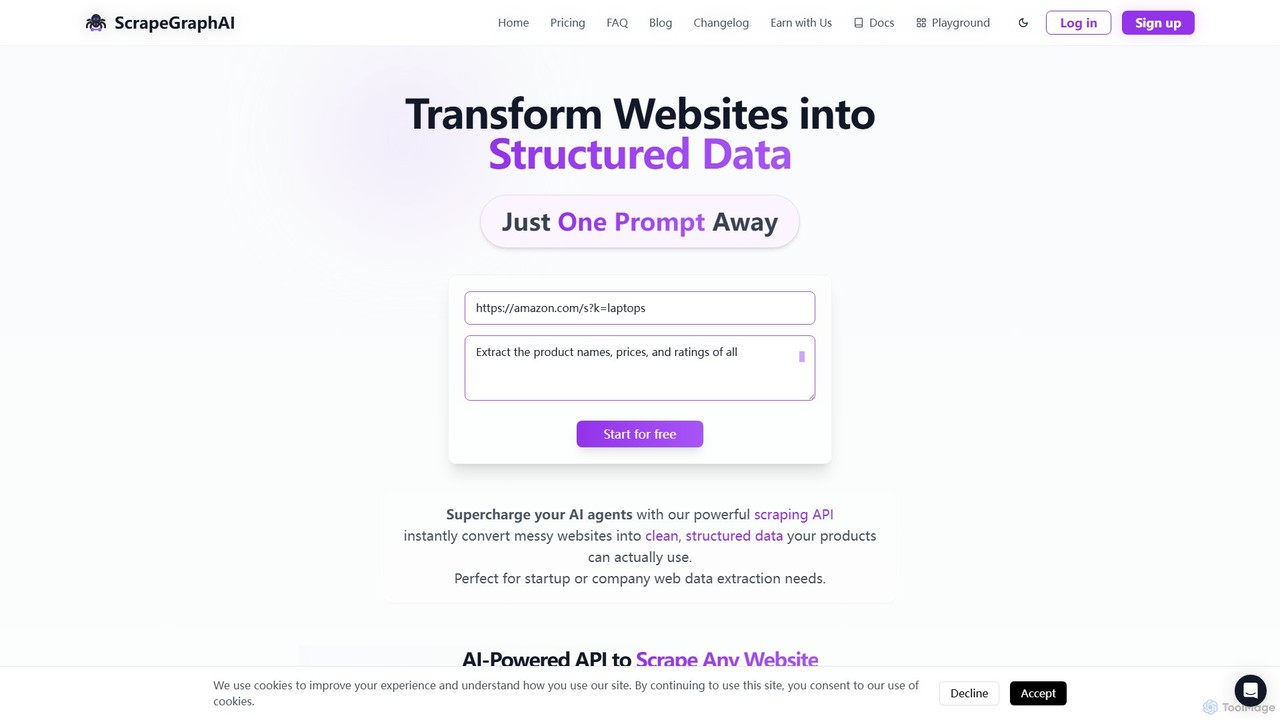
ScrapeGraphAI is an AI-powered web scraping API that transforms unstructured websites into clean, structured JSON data using simple natural language prompts. Designed for developers, AI agents, and automated workflows, it simplifies data extraction without complex code.

Analytics
Visits 160.2KFavorites 120Likes 118
vocode
Freemium

vocode

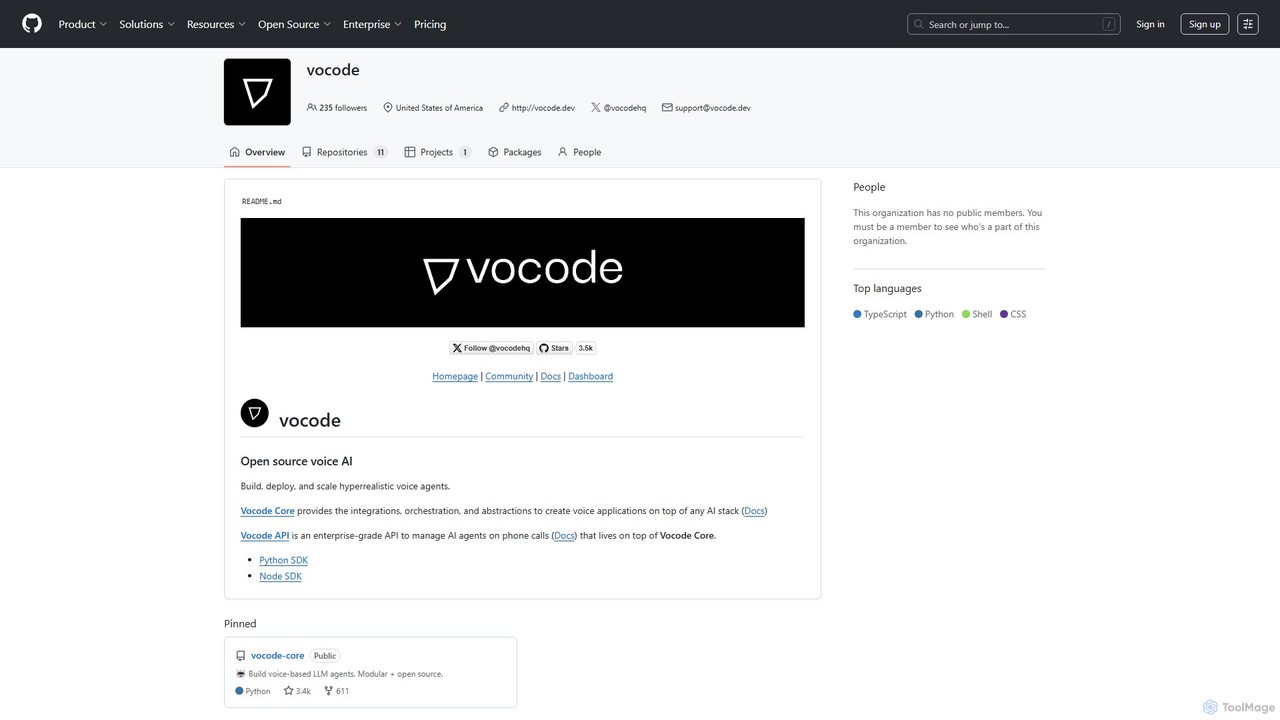
Vocode is an open-source platform for building, deploying, and scaling hyperrealistic voice AI agents. It provides developers with a core framework and an enterprise-grade API to create sophisticated voice-based LLM applications for tasks like automated customer service, sales calls, and interactive voice response (IVR) systems.

Voicebot
Visits 636.1MFavorites 127Likes 143
Apify
Freemium

Apify

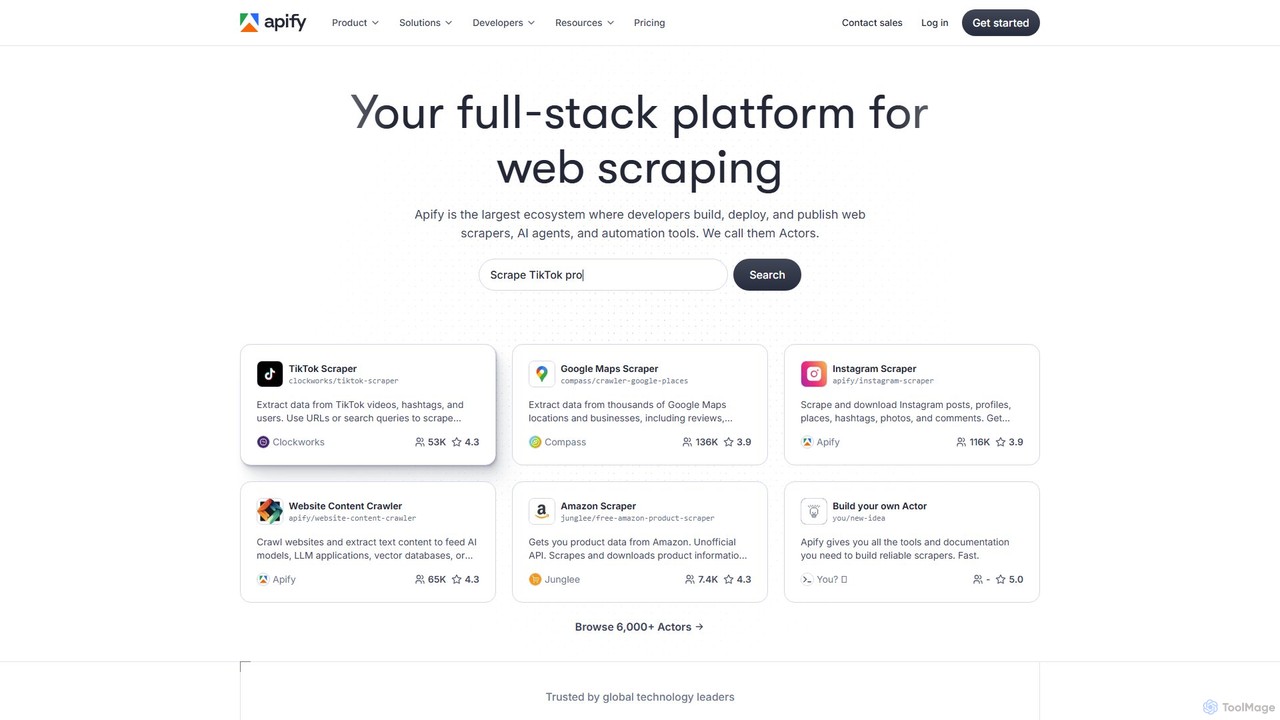
Apify is a full-stack web scraping and automation platform that enables developers to build, deploy, and publish data extraction tools, known as 'Actors'. It offers a vast marketplace of pre-built scrapers for popular websites like Google Maps, Instagram, and TikTok, alongside a robust cloud infrastructure for creating custom solutions. With support for Python and JavaScript, open-source libraries, and seamless integrations, Apify simplifies collecting web data at any scale.

Data Collection
Visits 4.4MFavorites 111Likes 111
Firecrawl
Freemium

Firecrawl

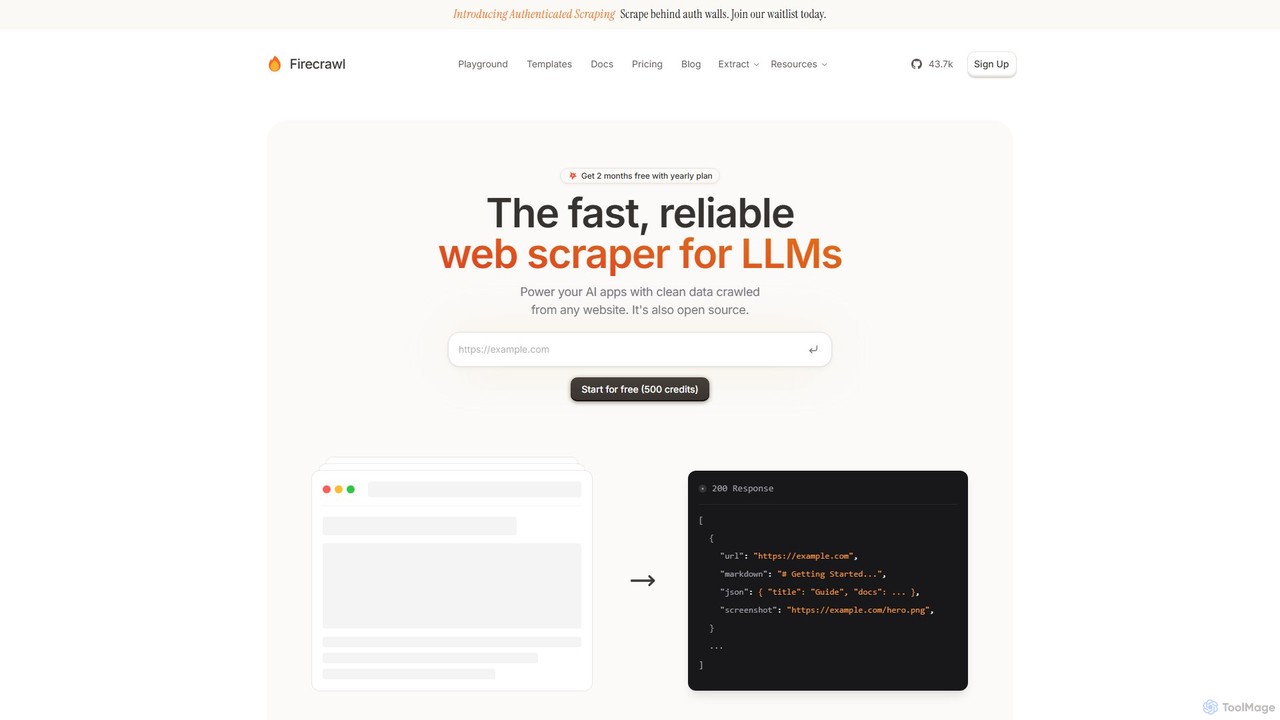
Firecrawl is an open-source, developer-first API that turns any website into clean, LLM-ready data. It handles all the complexities of web scraping, including JavaScript rendering, proxy rotation, and rate limits, allowing you to power AI applications, agents, and RAG systems with reliable web content. It offers scraping, crawling, and search functionalities through a simple API.

Data Collection
Visits 1.5MFavorites 117Likes 124
phidata
Free

phidata

phidata is an open-source Python framework for building autonomous AI Assistants. It simplifies the integration of LLMs with memory, knowledge bases, and external tools, enabling developers to create powerful, stateful AI applications with ease.

Frameworks
Visits 176.7KFavorites 84Likes 88
Ragas
Freemium

Ragas

Ragas is an open-source Python framework for evaluating and testing Retrieval-Augmented Generation (RAG) pipelines. It provides a suite of metrics to measure the performance of your LLM applications, from context retrieval to answer generation. Trusted by industry leaders like LangChain and LlamaIndex, Ragas helps developers build more robust, reliable, and accurate AI systems by identifying and mitigating issues like hallucinations and irrelevant responses.

Mlops
Visits 132.7KFavorites 105Likes 113
Beam
Freemium

Beam

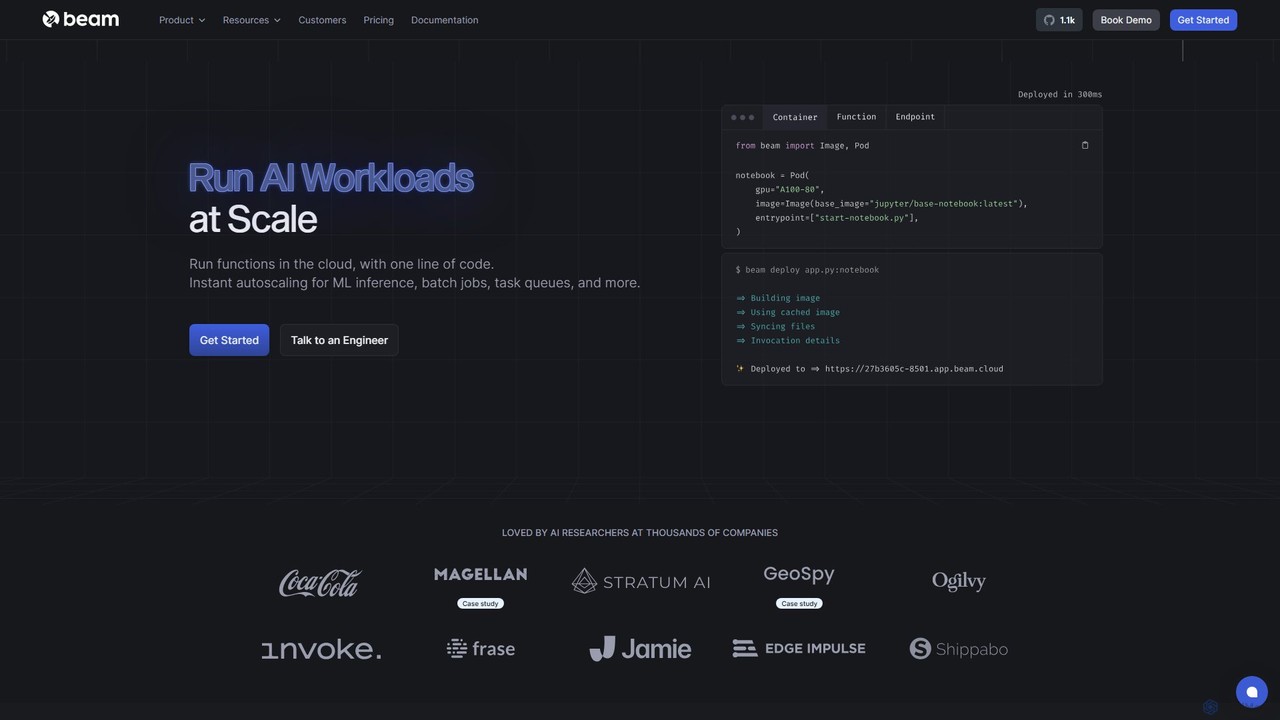
Beam is a serverless cloud platform designed for developers to run, scale, and deploy AI/ML models and applications on GPUs with ease. It offers instant autoscaling, pay-per-second billing, and a streamlined workflow, allowing you to go from code to a scalable API in minutes without managing complex infrastructure.

Machine Learning
Visits 56.9KFavorites 109Likes 102
Metorial
Freemium

Metorial

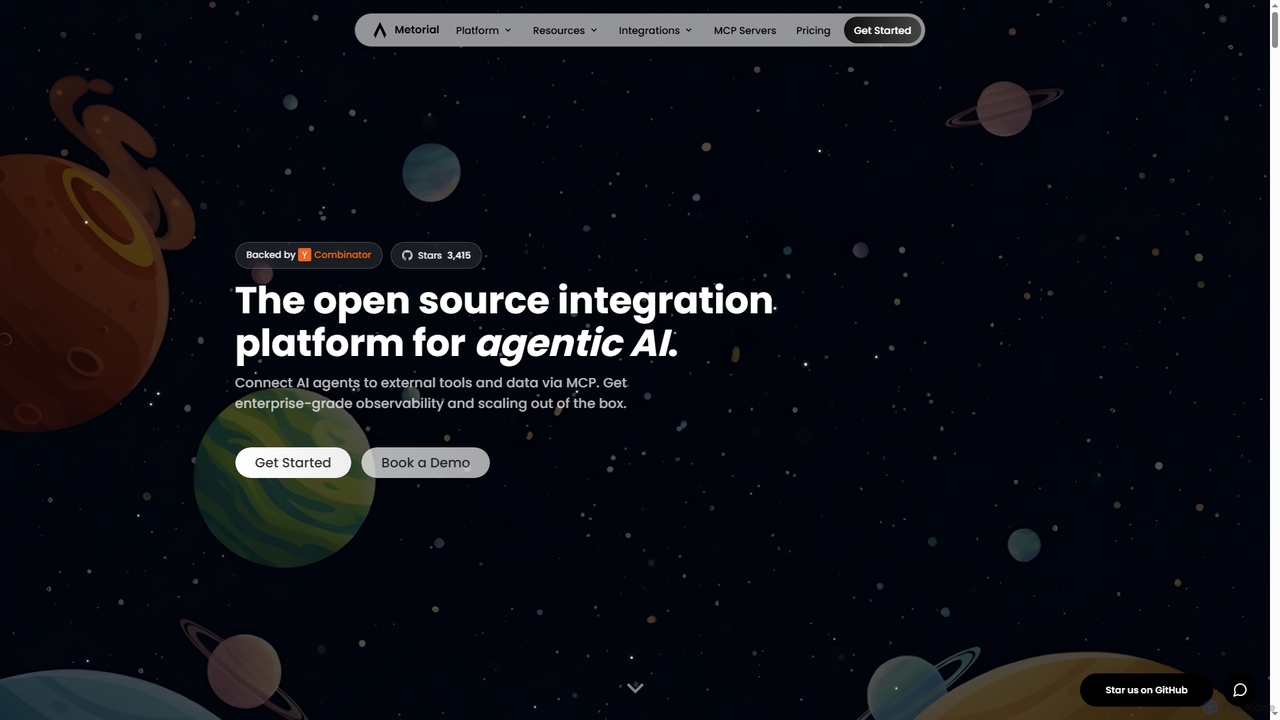
Metorial is an integration platform for AI agents, enabling developers to quickly build, deploy, and monitor powerful agentic AI applications. It provides seamless connections to hundreds of tools, data sources, and APIs via its serverless Model Context Protocol (MCP) platform, offering robust SDKs, observability, and enterprise-grade security for scalable AI solutions.

Agentic Ai
Visits 12KFavorites 120Likes 122
askmarvin
Free

askmarvin

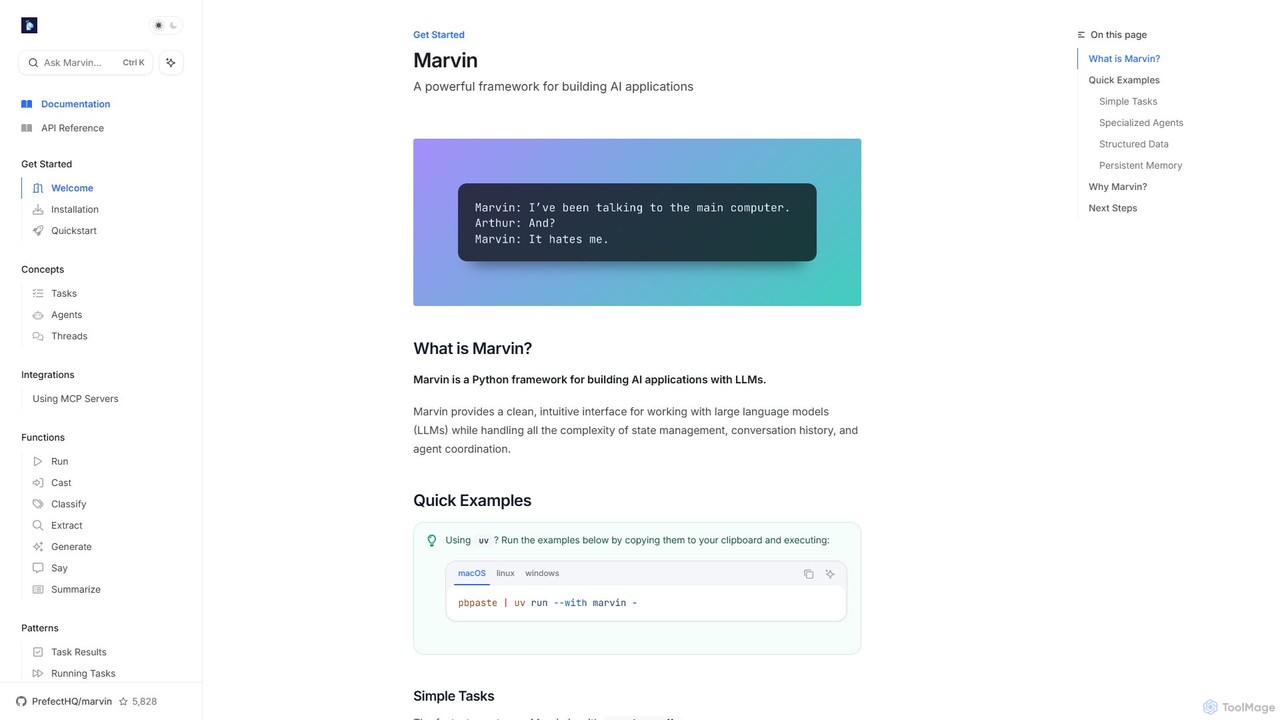
askmarvin is a powerful open-source Python framework for building AI applications. It simplifies interaction with LLMs, enabling developers to create specialized agents, manage conversation history, enforce structured data outputs, and integrate external tools with minimal code. Ideal for rapidly prototyping and scaling complex AI-powered workflows.

Code Assistant
Visits 10.4KFavorites 126Likes 128
infiniflow
Free

infiniflow

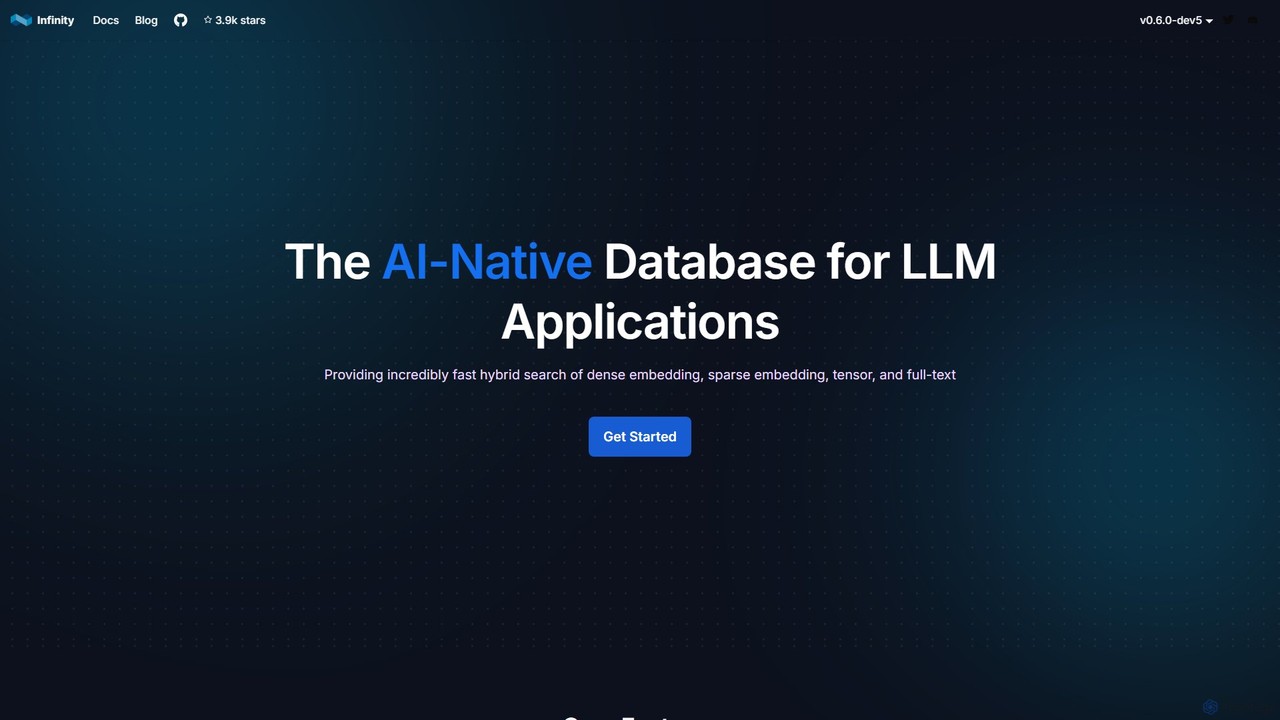
infiniflow is a high-performance, open-source, AI-native database specifically designed for LLM applications. It offers incredibly fast vector search, powerful hybrid search capabilities (vector, full-text, tensor), and simplified deployment. With an intuitive Python API, it's built to power demanding AI tasks like Retrieval-Augmented Generation (RAG) and semantic search with millisecond latency.

Vector Search
Visits 7KFavorites 138Likes 139
Ducky
Freemium

Ducky

Ducky is a fully managed AI search infrastructure designed for developers. It simplifies the implementation of Retrieval-Augmented Generation (RAG) by handling complex tasks like data chunking, embedding, and reranking. With a simple Python SDK, Ducky enables developers to quickly build fast, accurate, and scalable semantic search capabilities into their applications, providing context-aware and hallucination-free responses from LLMs.

Retrieval Augmented Generation
Visits 6.5KFavorites 84Likes 87
xTuring
Free

xTuring

xTuring is an open-source Python library designed to simplify the process of building, fine-tuning, and controlling Large Language Models (LLMs). It provides a user-friendly interface for developers and researchers to personalize AI models for specific data and applications with high efficiency and customizability.

Model Training
Visits 4.2KFavorites 147Likes 146