ToolMage
Sign in
Gradio
Data Visualization · 219.5K monthly visits

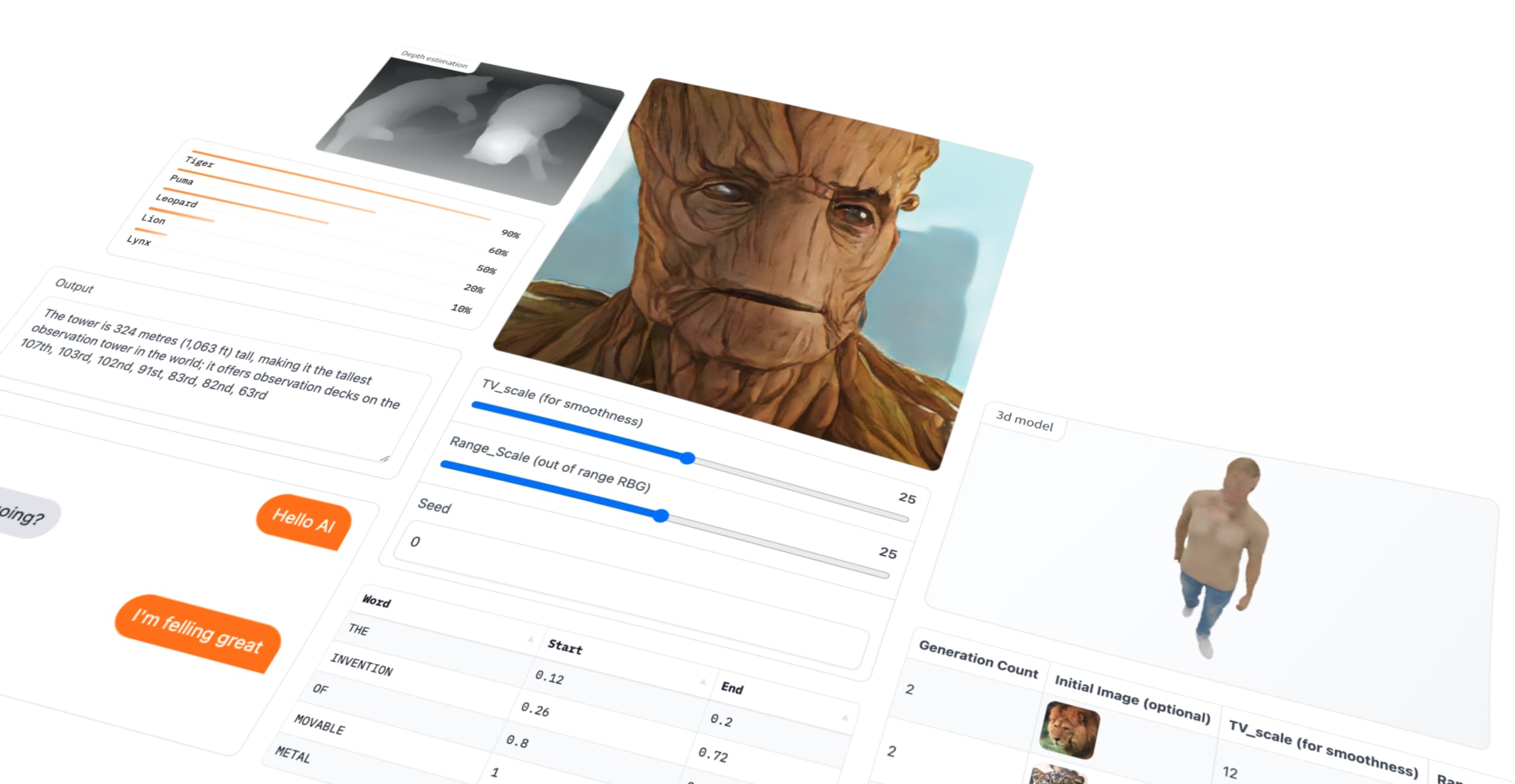
Gradio is an open-source Python library that allows you to quickly build and share user-friendly web interfaces for your machine learning models, APIs, or any Python function. No web development experience is required.
VS
TensorFlow
Frameworks · 688.6K monthly visits

TensorFlow is an end-to-end open-source platform for machine learning developed by Google. It provides a comprehensive, flexible ecosystem of tools, libraries, and community resources that lets researchers and developers build and deploy ML-powered applications. From beginners to experts, TensorFlow offers intuitive high-level APIs for easy model building and powerful low-level APIs for advanced research, enabling deployment across servers, edge devices, and browsers.

Gradio vs TensorFlow: pricing, features, traffic, and use cases

Compare Gradio and TensorFlow across positioning, pricing, traffic, and user feedback using structured factual data.

Updated Aug 10, 2026

Product overview

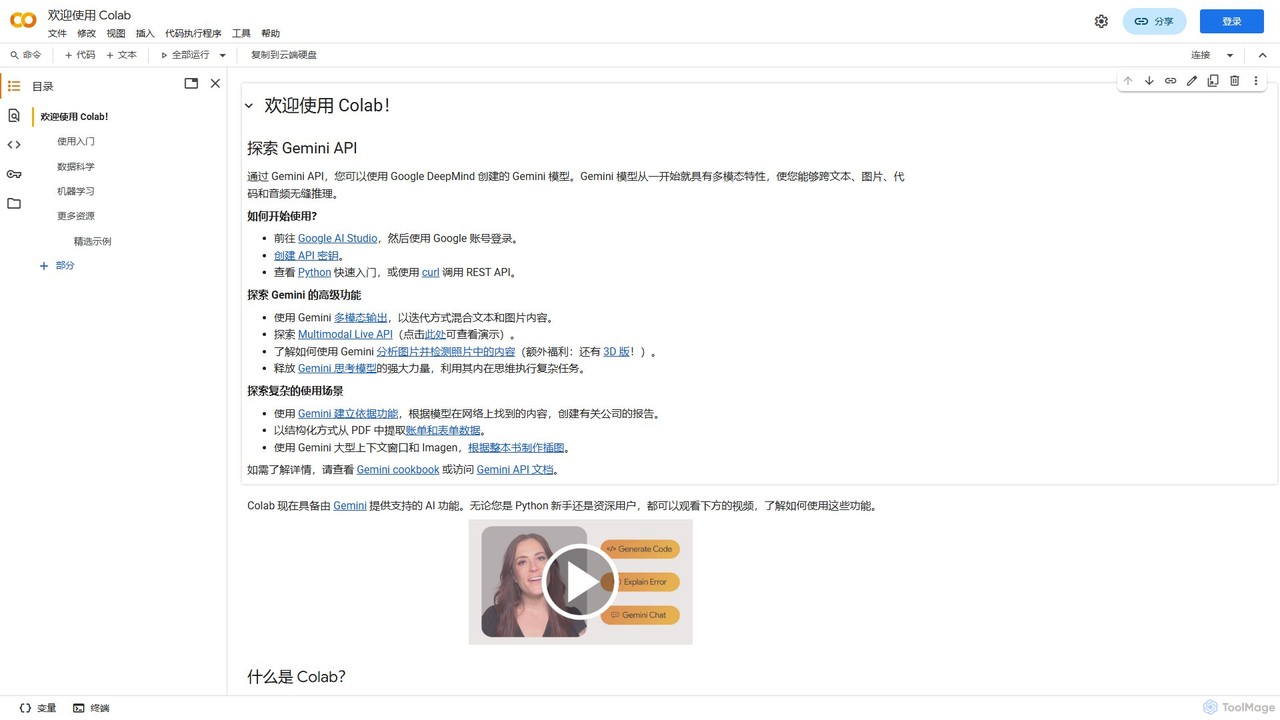
Gradio Product overview

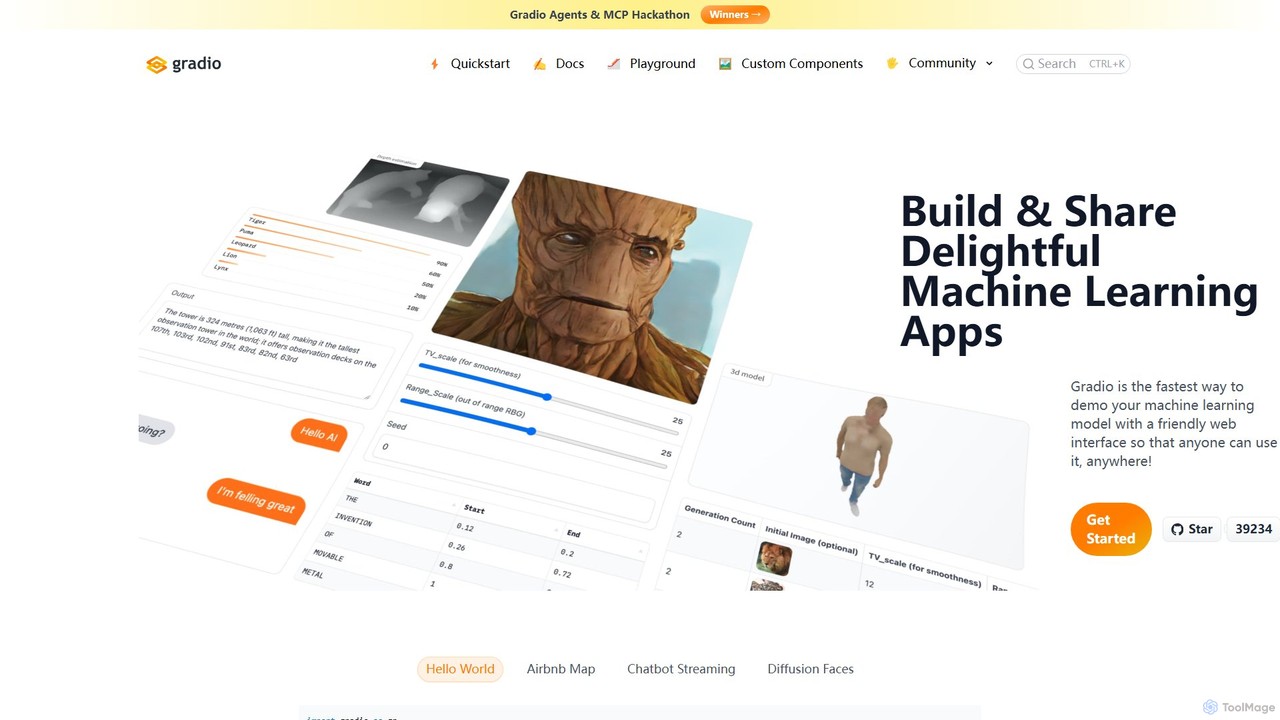
Gradio is an open-source Python library that allows you to quickly build and share user-friendly web interfaces for your machine learning models, APIs, or any Python function. No web development experience is required.
Preview

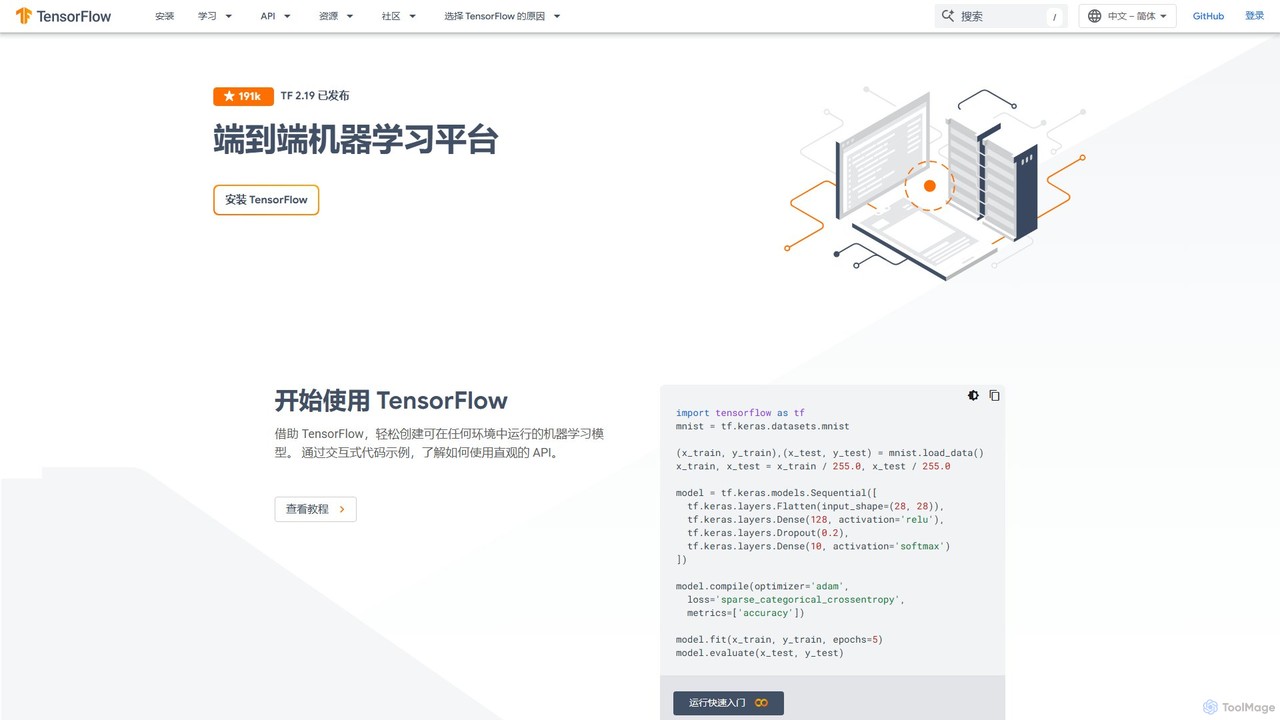
TensorFlow Product overview

TensorFlow is an end-to-end open-source platform for machine learning developed by Google. It provides a comprehensive, flexible ecosystem of tools, libraries, and community resources that lets researchers and developers build and deploy ML-powered applications. From beginners to experts, TensorFlow offers intuitive high-level APIs for easy model building and powerful low-level APIs for advanced research, enabling deployment across servers, edge devices, and browsers.

Preview

Detailed feature comparison

FeatureGradioTensorFlow
Primary categoryData VisualizationFrameworks
Added2025-08-172025-08-11
PricingFreeFree
Official websitewww.gradio.appwww.tensorflow.org
Product typeWebsiteWebsite
Performance data
User ratingNot verifiedNot verified
Comments00
Monthly visits219.5K688.6K
Monthly growth-7.3%-6.3%
Favorites12074
DetailsView detailsView details

Gradio vs TensorFlow monthly traffic

Compare Gradio and TensorFlow by monthly reach, traffic trend, visit depth, top regions, and acquisition sources.

How to interpret the traffic data

In the Gradio vs TensorFlow monthly traffic comparison, Gradio currently shows 219.5K visits and TensorFlow shows 688.6K; TensorFlow has about 3.1 times the visible traffic of Gradio, an absolute difference of about 469.1K visits. This reflects visible reach, not feature quality or paid users.

Both tools provide verified traffic details, so monthly trends, visit depth, regions, and acquisition sources can be compared on the same basis.

Gradio monthly traffic:

Latest traffic

Monthly visits
219.5K
Avg. visit duration
1:01
Pages per visit
1.9
Bounce rate
49.23%
Data updated 2026-06-15

Monthly traffic trend

  • 2025/9: 292.9K Monthly visits
  • 2026/1: 283.3K Monthly visits
  • 2026/2: 245.2K Monthly visits
  • 2026/3: 250.4K Monthly visits
  • 2026/4: 236.6K Monthly visits
  • 2026/5: 219.5K Monthly visits

Top regions

Top 5 countries/regions
Country/regionPercentageTraffic
🇺🇸United States36.88%80.9K
🇨🇳China29.39%64.5K
🇮🇳India12.7%27.9K
🇪🇸Spain10.7%23.5K
🇻🇳Vietnam10.33%22.7K

Traffic sources

Source typePercentageTraffic
Direct76.77%168.5K
Referral22.08%48.5K
Email1.15%2.5K

Search keywords

gradiogradio pythongradio statusgradio themesgradio ui

TensorFlow monthly traffic:

Latest traffic

Monthly visits
688.6K
Avg. visit duration
1:55
Pages per visit
7.28
Bounce rate
50.17%
Data updated 2026-06-15

Monthly traffic trend

  • 2025/9: 894.8K Monthly visits
  • 2026/1: 811K Monthly visits
  • 2026/2: 769.2K Monthly visits
  • 2026/3: 803.4K Monthly visits
  • 2026/4: 735.1K Monthly visits
  • 2026/5: 688.6K Monthly visits

Top regions

Top 5 countries/regions
Country/regionPercentageTraffic
🇺🇸United States40.89%281.6K
🇮🇳India36.17%249.1K
🇩🇪Germany9.26%63.8K
🇳🇬Nigeria6.94%47.8K
🇨🇳China6.74%46.4K

Traffic sources

Source typePercentageTraffic
Direct63.62%438.1K
Referral33.53%230.9K
Email2.85%19.6K

Search keywords

tensorboardtensor flowtensorflowtensorflow playgroundword2vec
Traffic-based selection guidance: If public market visibility is an important first-pass criterion, investigate TensorFlow first. The final choice should still follow taxonomy, use case, and a real trial because higher traffic does not prove broader capabilities or better workflow fit.

Usage comparison

Compare the core capabilities of Gradio and TensorFlow

Gradio Core features

Machine Learning
Data Visualization
Web App
Prototyping

TensorFlow Core features

Machine Learning
Frameworks
Developer Tools

Use cases

Gradio Use cases

data science
machine learning
open source
python
chatbot
demo
development
Hugging Face
prototyping
UI builder
web app

TensorFlow Use cases

data science
machine learning
open source
python
computer vision
deep learning
deployment
google
model training
neural networks
NLP

Gradio vs TensorFlow:In-depth comparison and selection guidance

First decide whether the products solve the same kind of need

This in-depth Gradio vs TensorFlow comparison uses only the product records, taxonomy, audience, traffic, and community signals available on this page. Gradio is primarily listed under “Data Visualization”, while TensorFlow is primarily listed under “Frameworks”, so the first decision is whether your actual task matches their recorded scope.

The structured fields currently show these decision-relevant differences: Primary category (Gradio: Data Visualization; TensorFlow: Frameworks); Monthly visits (Gradio: 219.5K; TensorFlow: 688.6K); Monthly growth (Gradio: -7.3%; TensorFlow: -6.3%); Favorites (Gradio: 120; TensorFlow: 74); Website (Gradio: www.gradio.app; TensorFlow: www.tensorflow.org). These facts are more useful for selection than brand visibility alone.

What market visibility and monthly traffic mean

In the Gradio vs TensorFlow monthly traffic comparison, Gradio currently shows 219.5K visits and TensorFlow shows 688.6K; TensorFlow has about 3.1 times the visible traffic of Gradio, an absolute difference of about 469.1K visits. This reflects visible reach, not feature quality or paid users.

Both tools provide verified traffic details, so monthly trends, visit depth, regions, and acquisition sources can be compared on the same basis.

If public market visibility is an important first-pass criterion, investigate TensorFlow first. The final choice should still follow taxonomy, use case, and a real trial because higher traffic does not prove broader capabilities or better workflow fit.

Product positioning, use cases, and roles

Gradio and TensorFlow currently overlap in shared categories: Machine Learning; shared tags: data science, machine learning, open source, and python. This can place both on the same shortlist, but it does not prove equal implementation, depth, or cost.

Gradio's unique categories/tags are Data Visualization, Web App, Prototyping, chatbot, demo, development, Hugging Face, and prototyping; TensorFlow's are Frameworks, Developer Tools, computer vision, deep learning, deployment, google, model training, and neural networks. These unique fields are the strongest differentiators: validate the product whose recorded scope matches the task instead of following traffic alone.

What ratings, comments, and favorites can tell you

Gradio has no verified rating, 0 comments, 120 favorites, and 122 likes;TensorFlow has no verified rating, 0 comments, 74 favorites, and 69 likes。

Neither product has enough rating or comment samples for a credible reputation ranking.

Selection guidance by actual need

When to evaluate Gradio first

Put Gradio on the priority trial list when the task aligns with “Data Visualization” and especially Data Visualization, Web App, Prototyping, chatbot, demo, and development. This follows recorded positioning and does not imply unlisted capabilities are absent.

Gradio also currently records: pricing is free, product type is website, 219.5K verified monthly visits, no verified user rating. Verify any hard requirement around price, platform, or reach before trial, and do not let sparse review data substitute for testing.

When to evaluate TensorFlow first

Put TensorFlow on the priority trial list when the task aligns with “Frameworks” and especially Frameworks, Developer Tools, computer vision, deep learning, deployment, and google. This follows recorded positioning and does not imply unlisted capabilities are absent.

TensorFlow also currently records: pricing is free, product type is website, 688.6K verified monthly visits, no verified user rating. Verify any hard requirement around price, platform, or reach before trial, and do not let sparse review data substitute for testing.

How to validate the recommendation before deciding

The available data describes positioning, public visibility, and community signals, but it cannot prove output quality, speed, integration effort, privacy, or long-term cost in your workflow. Before deciding, run the same representative tasks in Gradio and TensorFlow, then record completion time, accuracy, manual corrections, and the real paid threshold. A like-for-like trial turns this comparison into a defensible adoption decision.

Comparison FAQ

How should I choose between Gradio and TensorFlow?
Compare positioning, pricing, taxonomy, and traffic maturity, then verify the latest details on each official website.
Where does this comparison data come from?
The factual baseline is derived from product, taxonomy, traffic, and community data. Reviewed editorial conclusions show their source and verification date.
What do unknown fields mean?
Unknown means there is not enough reliable evidence; the page does not fill gaps with assumptions.

Related AI tools

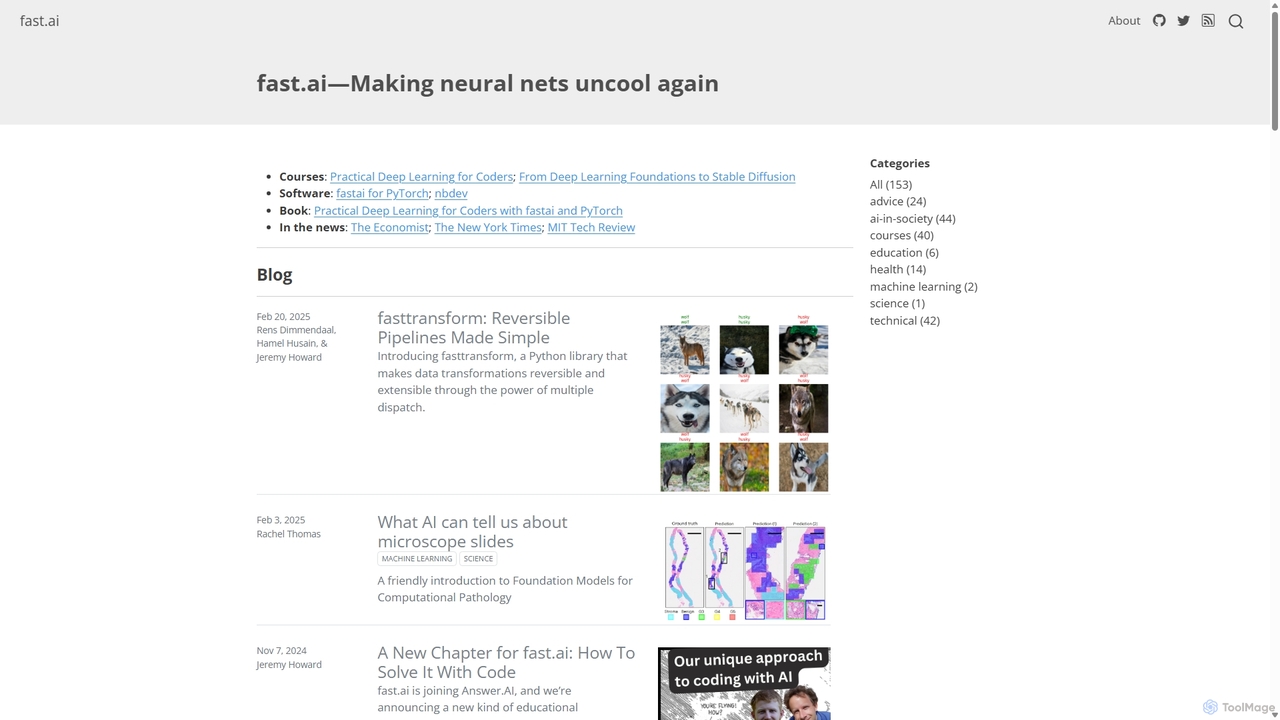
Fast.ai
Free

Fast.ai

Fast.ai is a research institute dedicated to making deep learning accessible to everyone. It offers free courses, an open-source software library (fastai), cutting-edge research, and a vibrant community, empowering coders of all backgrounds to become deep learning practitioners.

Machine Learning
Visits 418.5KFavorites 148Likes 130
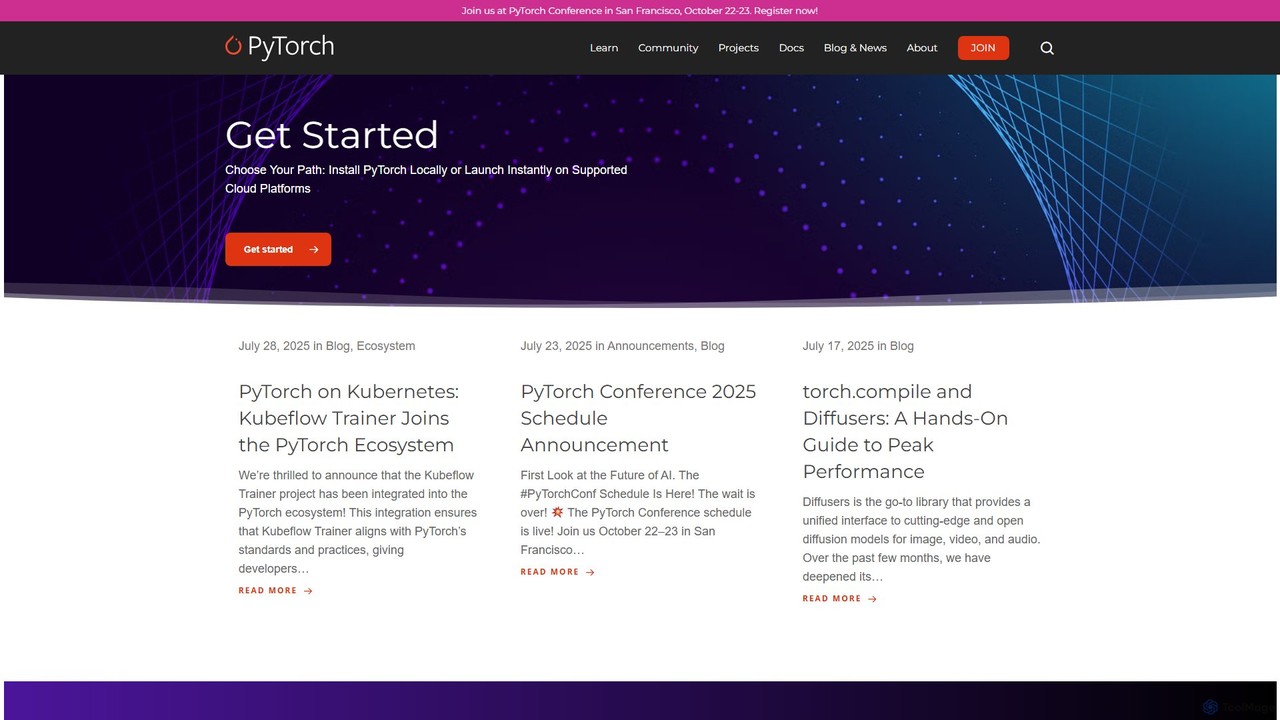
PyTorch
Free

PyTorch

PyTorch is an open-source machine learning framework based on the Torch library, used for applications such as computer vision and natural language processing. It offers a flexible, Python-first environment that accelerates the path from research prototyping to production deployment.

Deep Learning
Visits 1.5MFavorites 157Likes 167
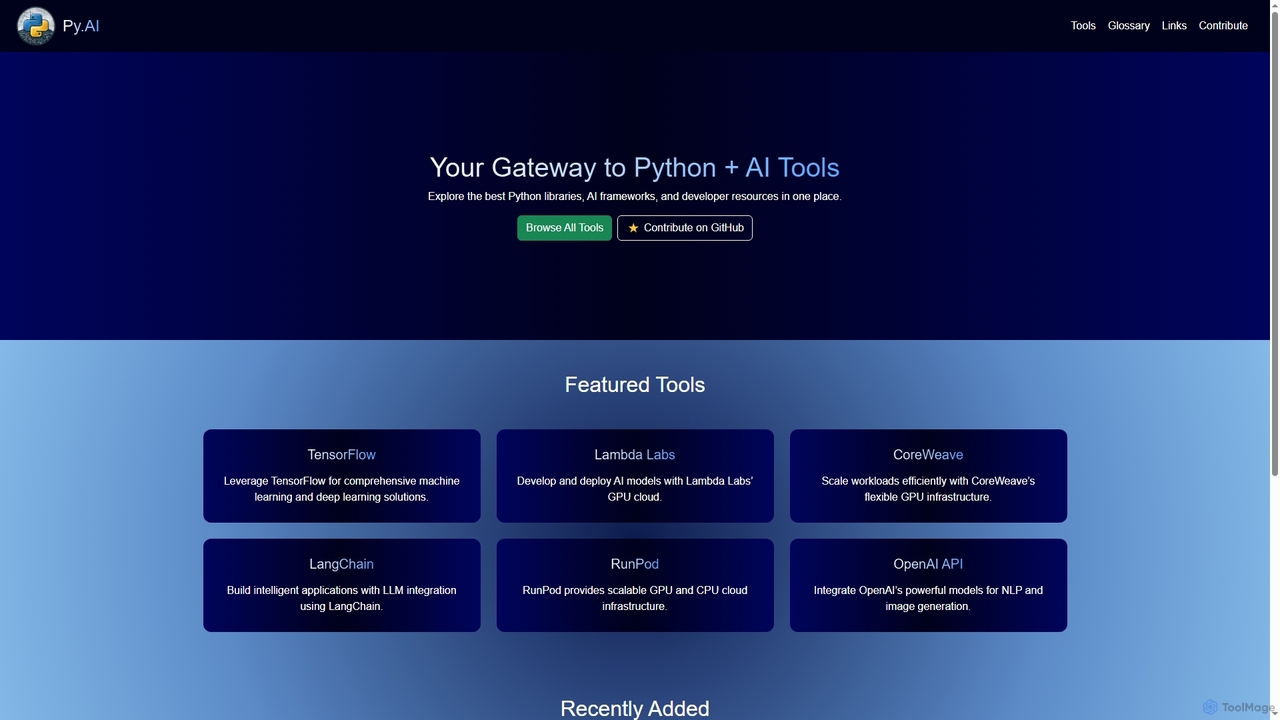
Py
Free

Py

Py is a curated online directory serving as a comprehensive gateway to the best Python libraries, AI frameworks, and developer resources. It helps users explore, discover, and find tools to enhance their machine learning and AI projects.

Tool Discovery
Visits 4KFavorites 105Likes 112
PyBrain
Free

PyBrain

PyBrain is a modular and flexible open-source Machine Learning Library for Python. It provides powerful, easy-to-use algorithms for machine learning tasks, with a particular focus on neural networks, reinforcement learning, and unsupervised learning. It is designed to be accessible for beginners while remaining powerful enough for research purposes.

Libraries & Frameworks
Visits 3.5KFavorites 111Likes 109
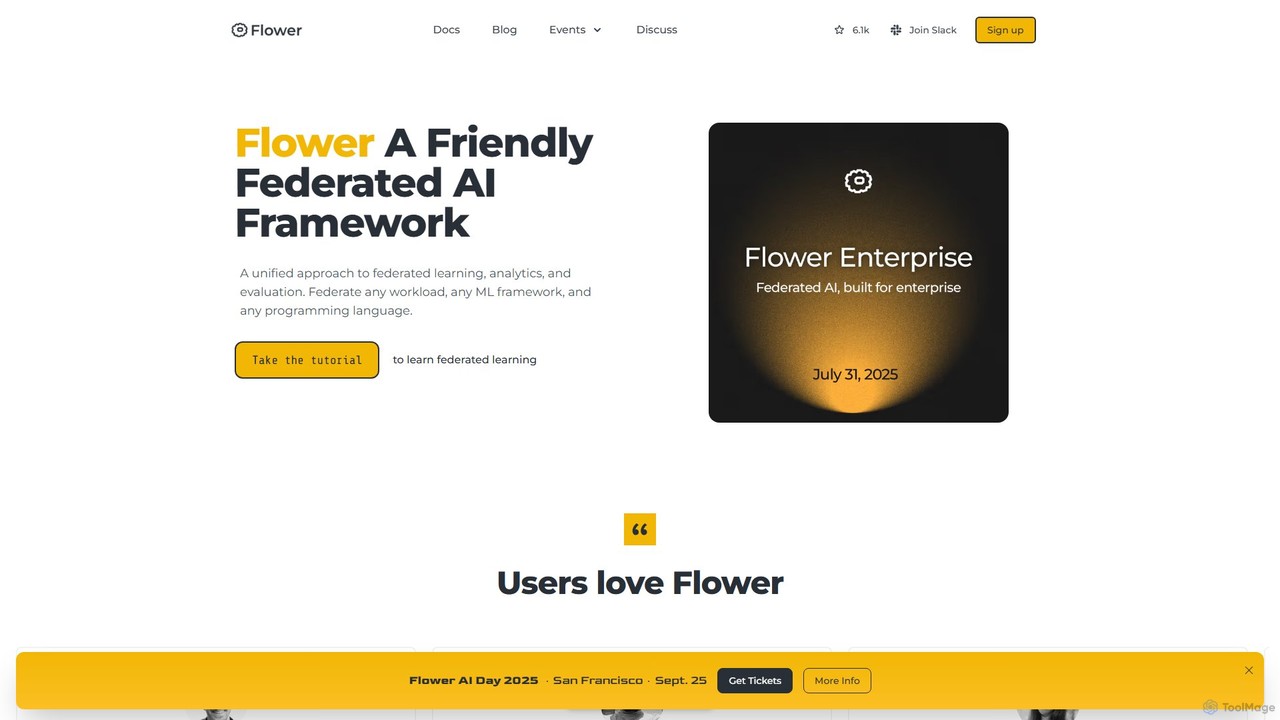
Flower
Free

Flower

Flower is a friendly, open-source framework for federated learning, analytics, and evaluation. It enables training AI models on decentralized data across various devices and platforms without compromising privacy, supporting numerous ML frameworks like PyTorch, TensorFlow, and Hugging Face.

Frameworks
Visits 82.4KFavorites 114Likes 97
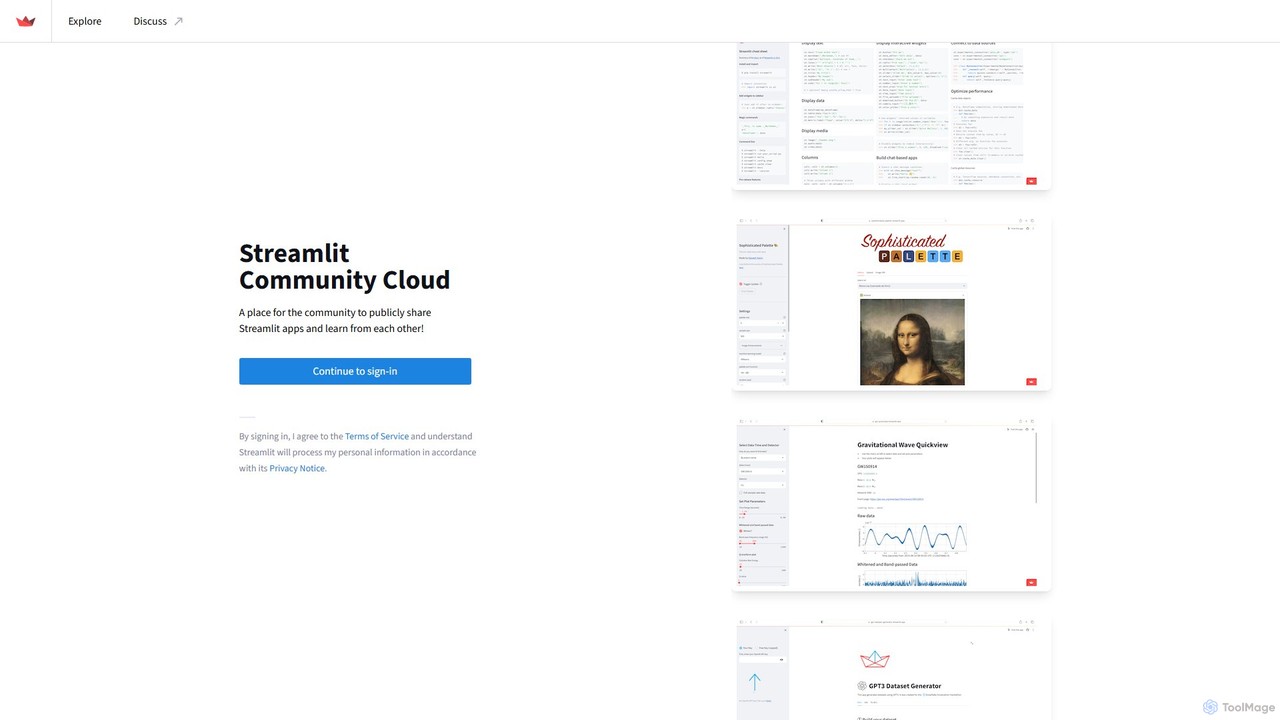
Streamlit
Freemium

Streamlit

Streamlit is an open-source Python framework that enables developers and data scientists to build and share beautiful, custom web apps for machine learning and data science in minutes. The Streamlit Community Cloud provides a free platform to deploy, manage, and share these public applications with the world, fostering a collaborative environment for innovation.

Data Visualization
Visits 922.1KFavorites 126Likes 125
MindSpore
Free

MindSpore

MindSpore is an open-source, all-scenario AI computing framework designed for developers and data scientists. It provides a developer-friendly experience with flexible deployment across cloud, edge, and device environments. It excels in distributed training for large models and offers specialized toolkits for scientific computing (AI4S), ensuring high performance and efficiency, especially on Ascend hardware.

Scientific Computing
Visits 65.2KFavorites 102Likes 103
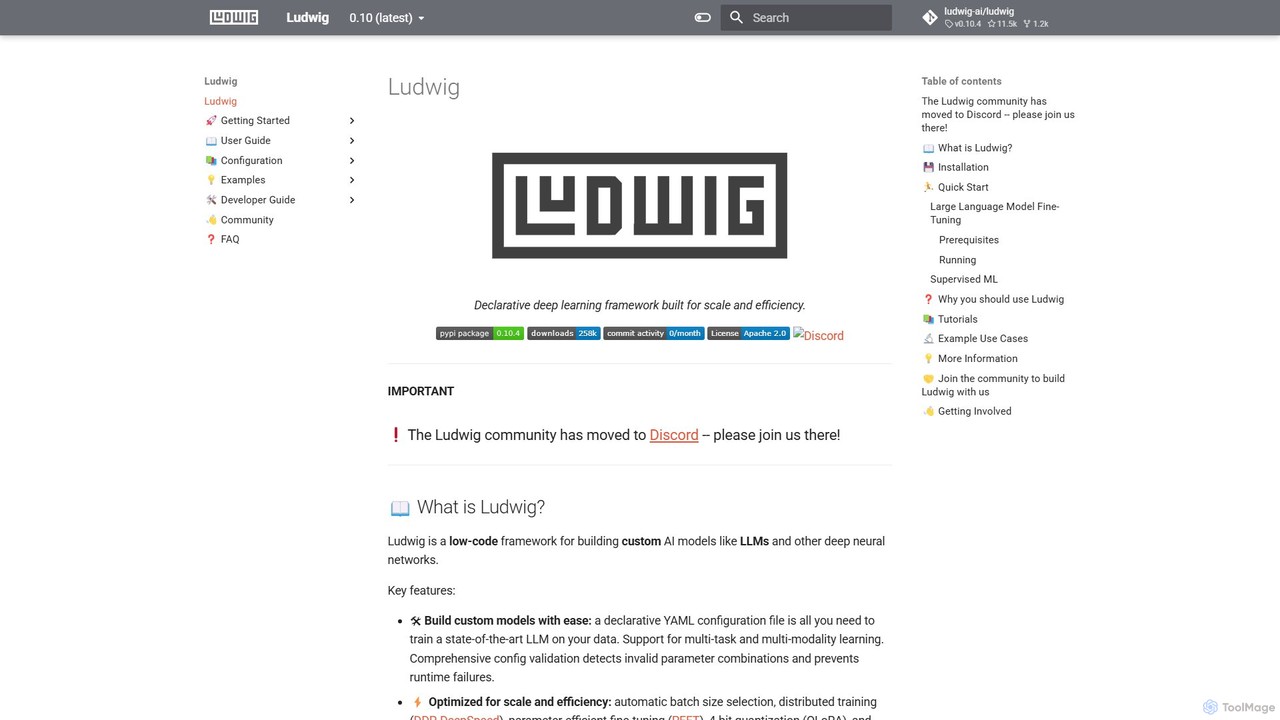
Ludwig
Free

Ludwig

Ludwig is a low-code, open-source deep learning framework that simplifies building and training custom AI models. Using declarative YAML configurations, users can easily create complex models, including LLMs, for multi-modal and multi-task learning without extensive boilerplate code. It's designed for scalability, production-readiness, and integrates with popular tools like HuggingFace and MLFlow.

Model Training
Visits 10.6KFavorites 83Likes 87
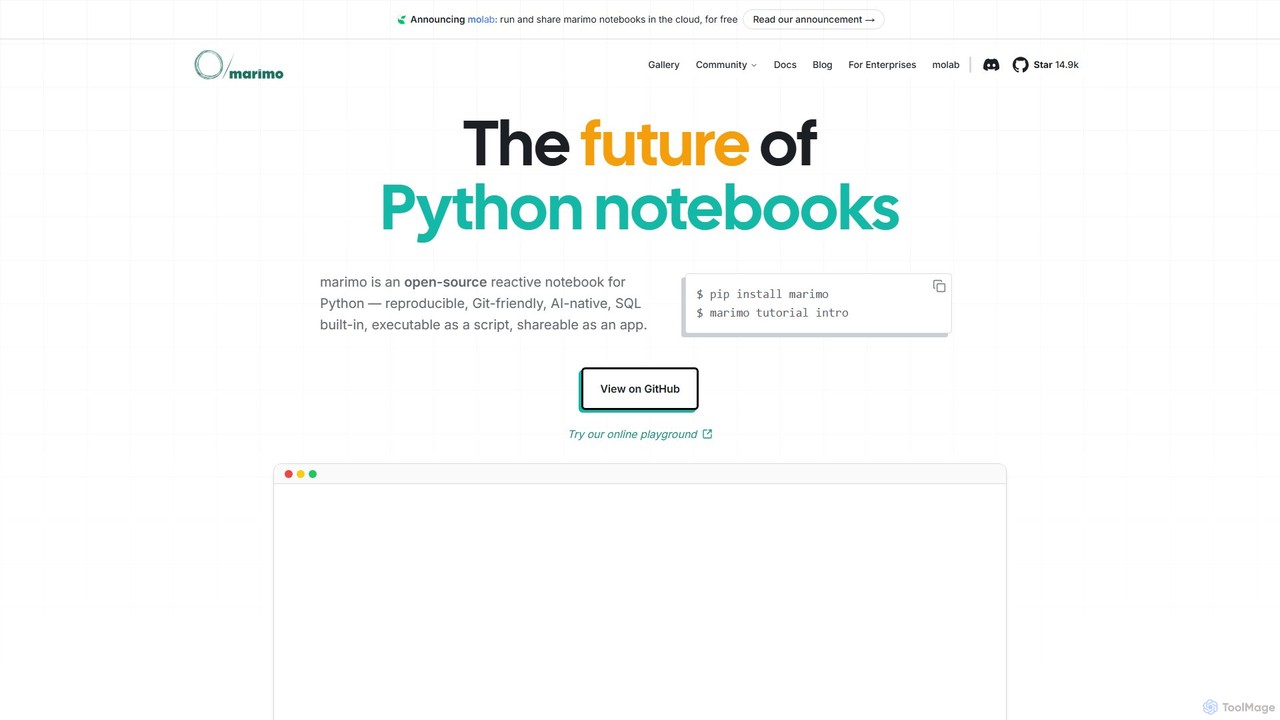
marimo
Freemium

marimo

marimo is an open-source reactive Python notebook for modern data science and AI. It offers a reproducible, Git-friendly, and interactive environment where notebooks are pure Python scripts. Features include built-in AI assistance, SQL cells, and the ability to share notebooks as web apps, streamlining the workflow from experiment to production.

Data Visualization
Visits 160.1KFavorites 98Likes 101
MOSTLY AI
Freemium

MOSTLY AI

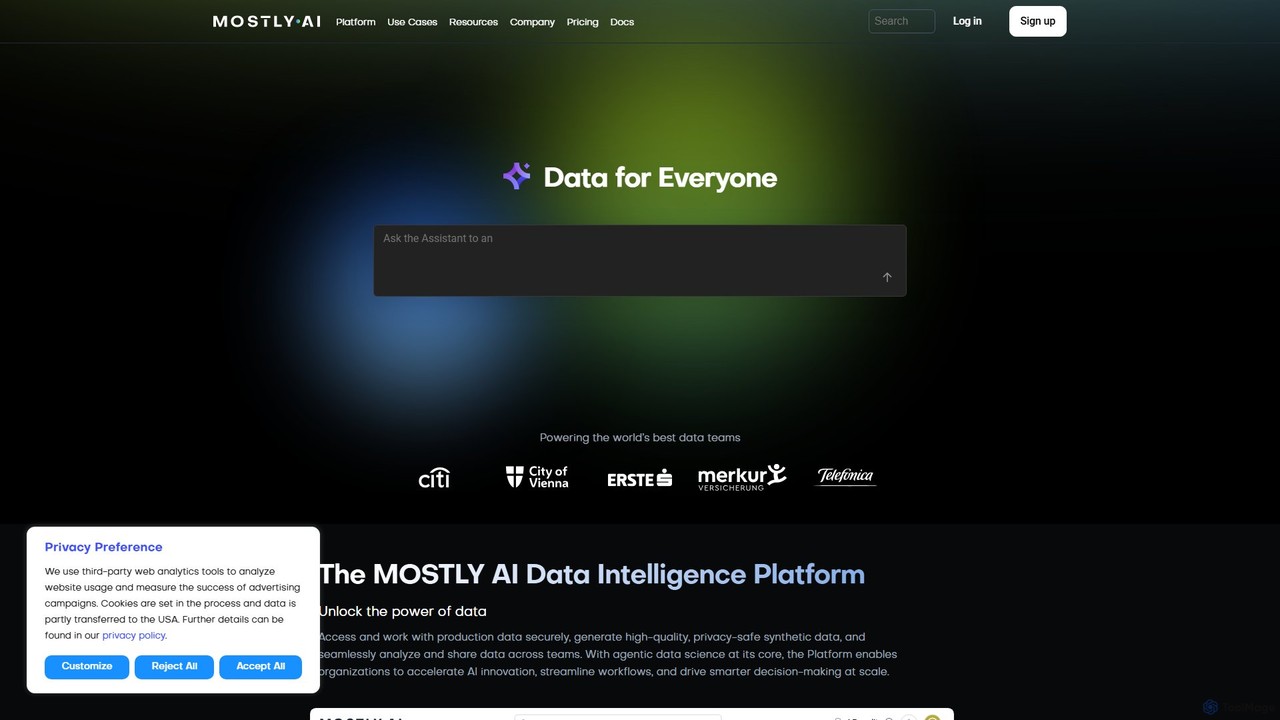
MOSTLY AI is a Data Intelligence Platform that specializes in generating high-quality, privacy-safe synthetic data. It enables organizations to securely access, analyze, and share data, accelerating AI innovation and streamlining workflows while ensuring full compliance with privacy regulations.

Machine Learning
Visits 70.8KFavorites 135Likes 132
Cleora
Free

Cleora

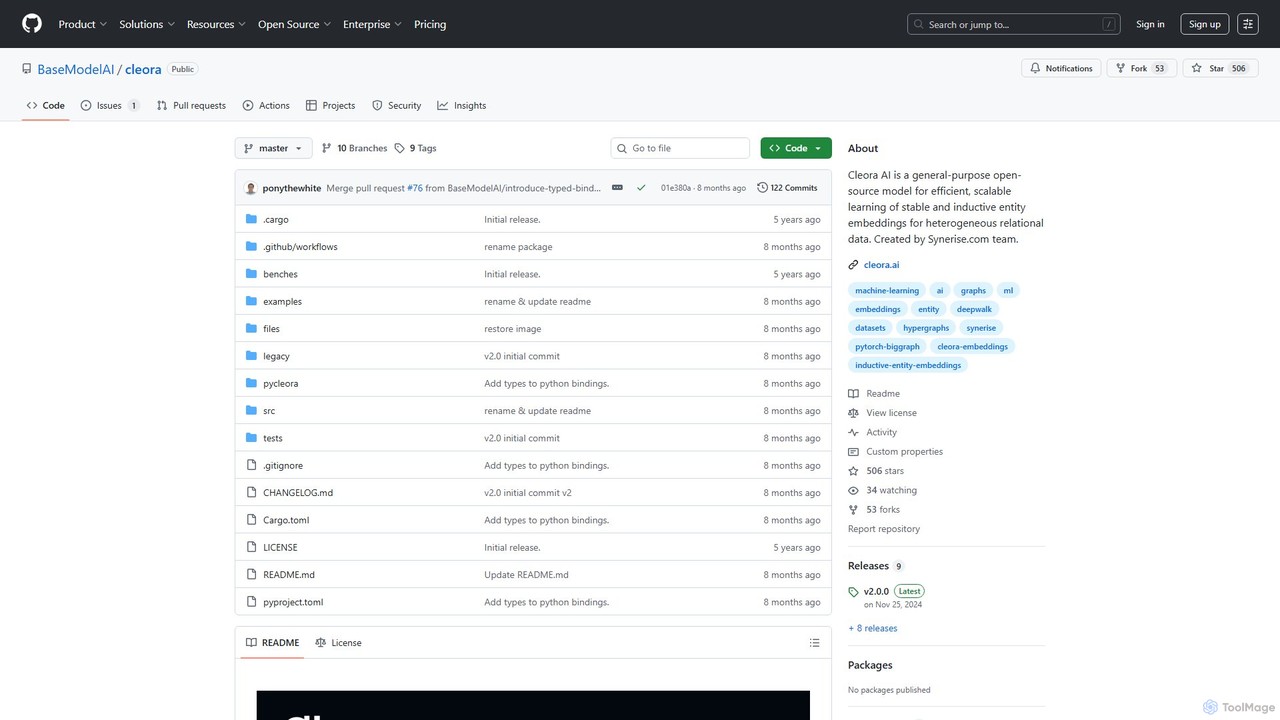
Cleora is an open-source, high-performance model for creating stable and inductive entity embeddings from large-scale, heterogeneous relational data and hypergraphs. Written in Rust with a Python API, it offers unparalleled speed and scalability for tasks like recommendation systems and graph analytics.

Embedding Models
Visits 55.7KFavorites 84Likes 93
Metaflow
Free

Metaflow

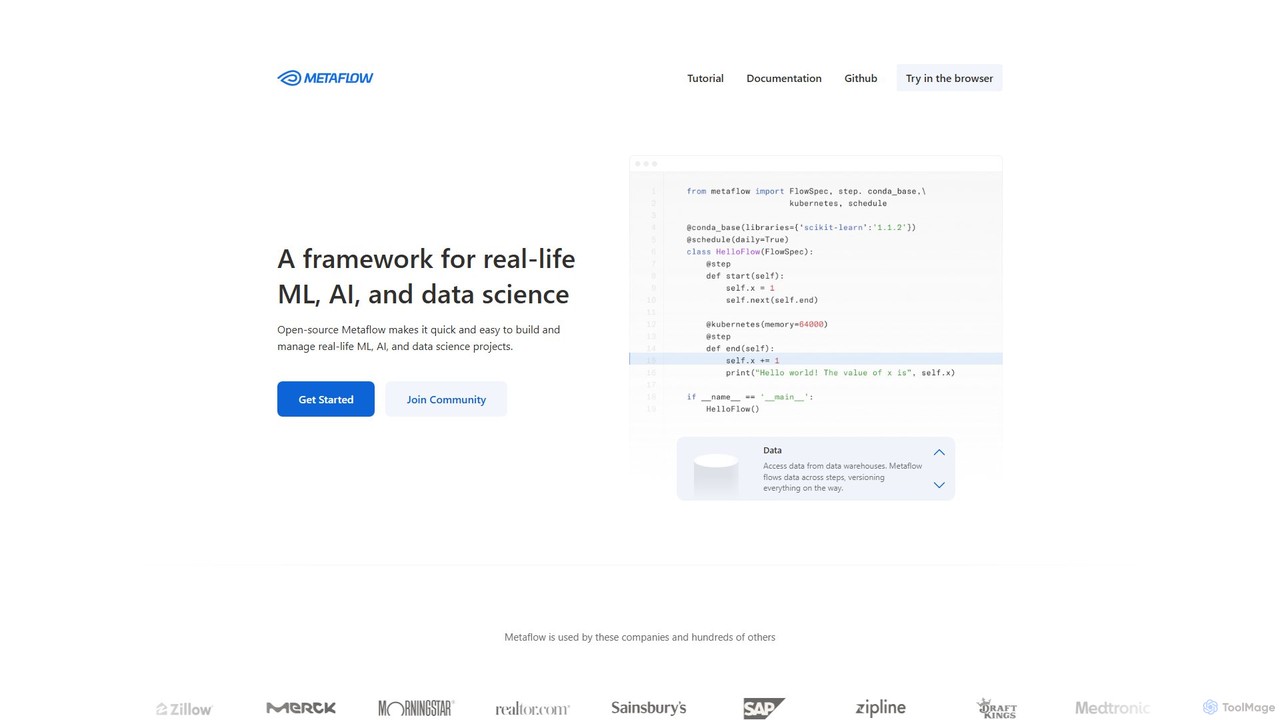
A human-centric Python framework, originally from Netflix, for building and managing real-life data science, ML, and AI projects. It simplifies workflow orchestration, data management, and model deployment, enabling rapid prototyping and scalable production pipelines.

Mlops
Visits 23.9KFavorites 83Likes 87
Captum
Free

Captum

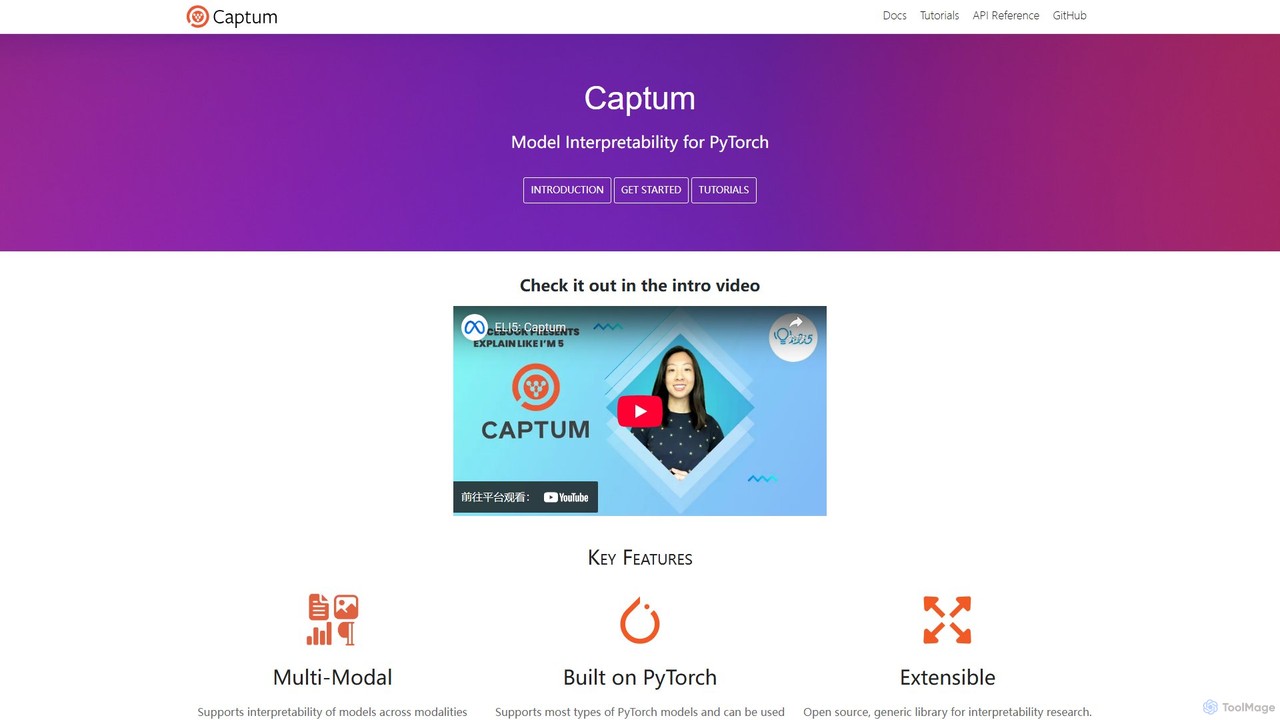
Captum is an open-source model interpretability and explainability library for PyTorch. It provides state-of-the-art algorithms to help developers and researchers understand which features influence a model's predictions. Supporting multi-modal data like text, vision, and more, Captum makes it easy to debug models, improve transparency, and benchmark new interpretability techniques within the PyTorch ecosystem.

Model Explainability
Visits 18.5KFavorites 69Likes 65
MindMeld
Free

MindMeld

A powerful, open-source conversational AI platform from Cisco, designed for developers. It provides a comprehensive Python-based framework for building deep-domain voice interfaces and chatbots with advanced Natural Language Processing (NLP) capabilities, offering full control and on-premise deployment.

Chatbot Builder
Visits 4.6KFavorites 112Likes 109
Metrics Help
Free

Metrics Help

Metrics Help is an open-source web tool for machine learning practitioners. It functions as a comprehensive guide and an interactive analyzer for ML training metrics. Users can paste training logs to get instant explanations for key metrics like accuracy, loss, and perplexity, aiding in model performance analysis and debugging.

Model Training
Visits 3.6KFavorites 99Likes 106