SuperWarm.AI
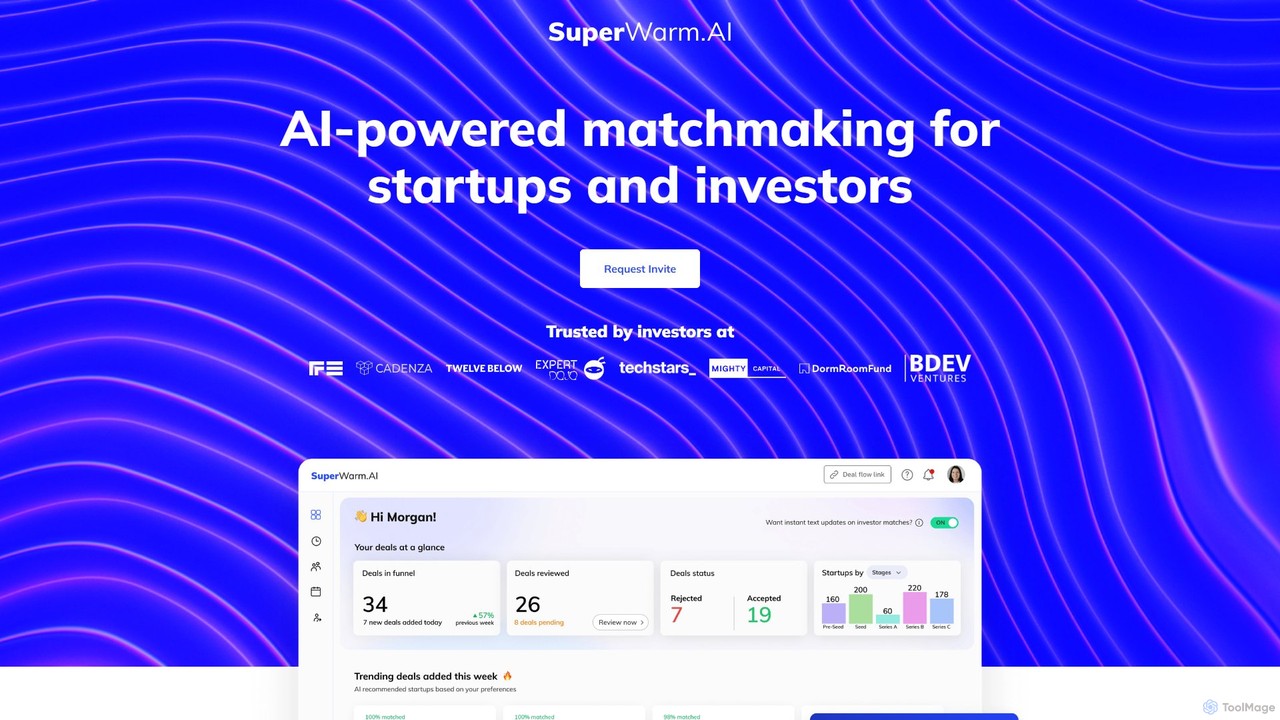
SuperWarm.AI is an AI-powered platform designed for entrepreneurs and investors, offering expert insights, in-depth interviews, and community connections to accelerate business growth and innovation.
StartupPopular Business AI tools include DefinedCrowd, Shopify, Google Workspace, Dropbox, Slack, DeepL, Salesforce, Zoom, Box, and Trello, helping you work more efficiently.

SuperWarm.AI is an AI-powered platform designed for entrepreneurs and investors, offering expert insights, in-depth interviews, and community connections to accelerate business growth and innovation.
Startup
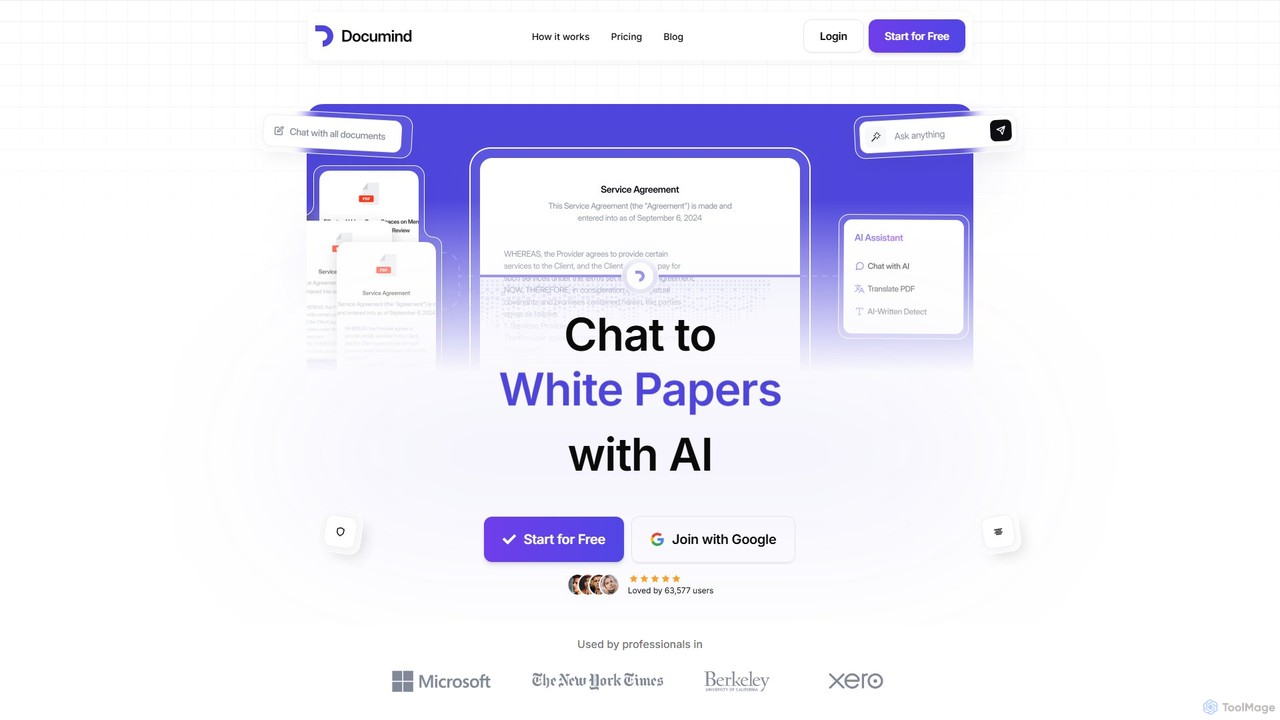
Documind is an AI-powered tool that allows you to chat with your PDF documents. Instantly get answers, summaries, and insights from textbooks, research papers, legal contracts, and more. It supports bulk uploads, multi-document conversations, and lets you create custom AI chatbots from your files to share or embed on your website, streamlining your workflow and boosting productivity.
Customer Support
OctopusAI is an intelligent workflow automation and data integration platform. It connects all your business applications, automates complex processes with a no-code visual builder, and consolidates data into a unified dashboard. Ideal for marketing, sales, and operations teams to boost efficiency and make smarter, data-driven decisions.
Data Integration
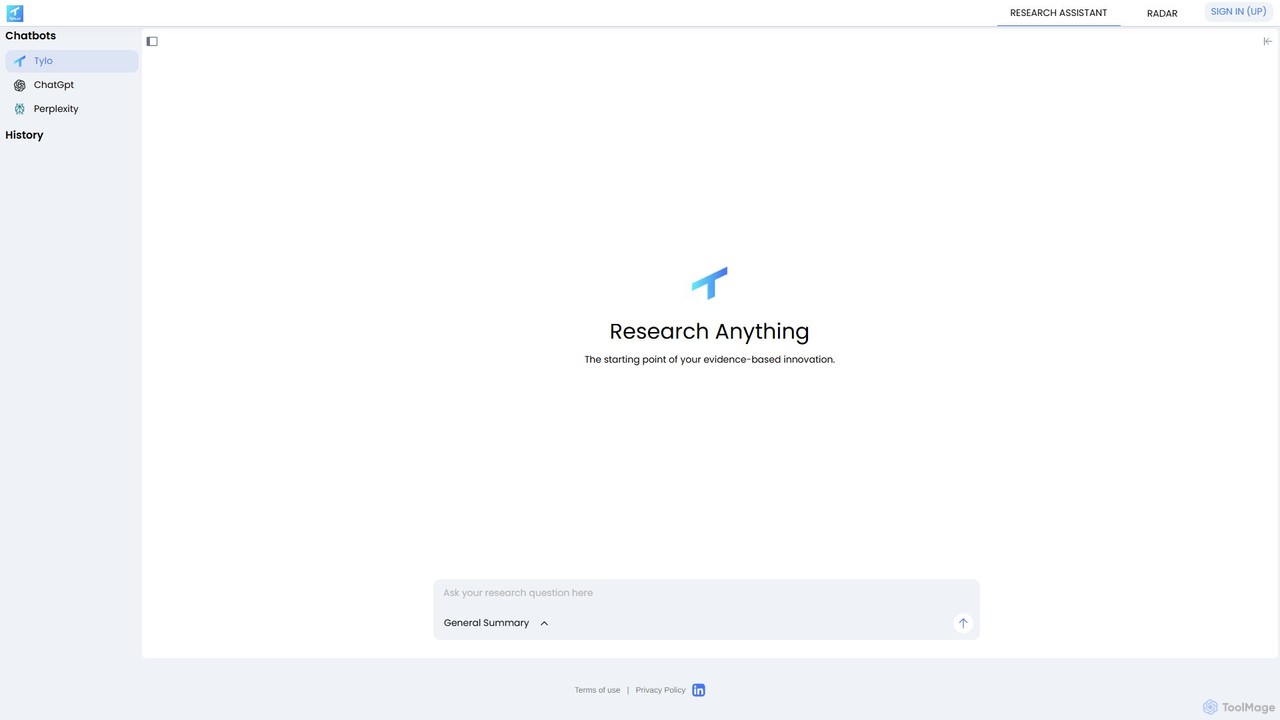
Tylo is an AI-powered research assistant designed for evidence-based innovation. It uses a conversational interface to help users conduct in-depth research, synthesize information from multiple sources, and monitor market trends. Ideal for researchers, product managers, and strategists.
Intelligence
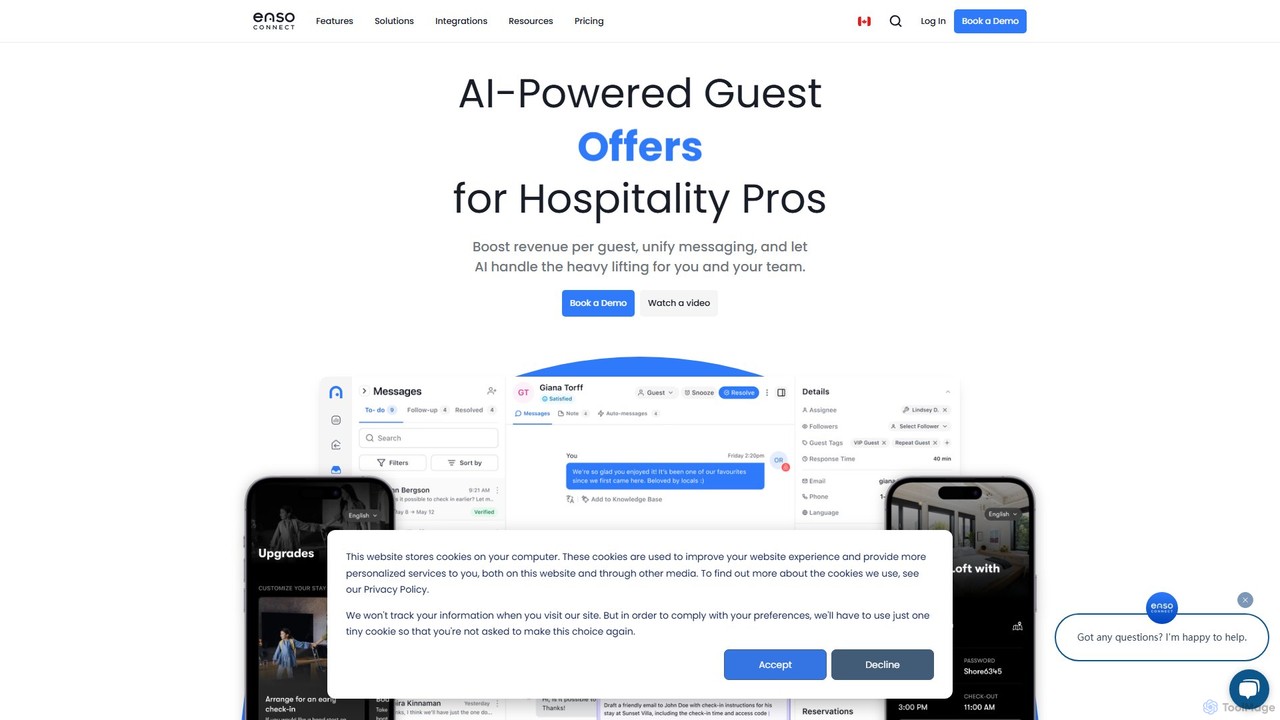
Enso Connect is an AI-powered guest experience platform for short-term rentals. It helps hospitality professionals boost revenue, automate communication, and streamline operations through features like a unified inbox, digital guidebooks, automated check-ins, and personalized upsells, creating seamless 5-star guest journeys.
Operations
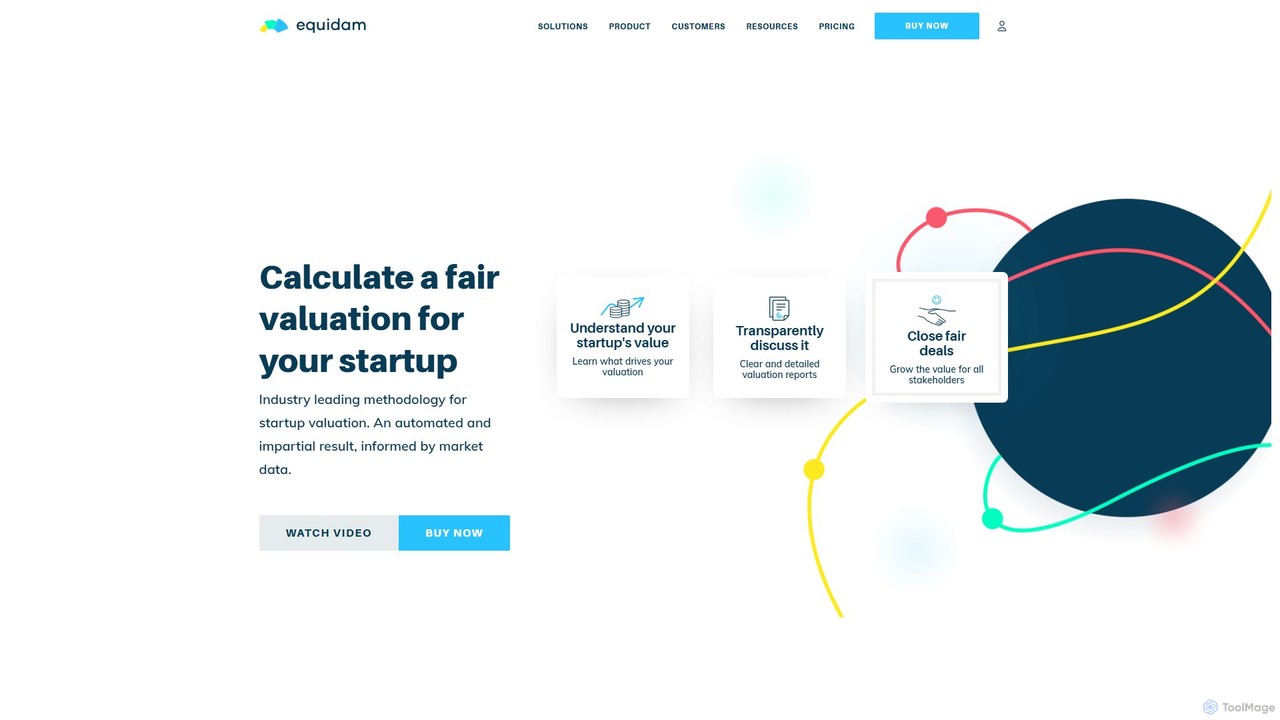
Equidam is an AI-powered platform that provides automated, data-driven valuations for startups and private companies. It combines five industry-leading valuation methods with real-time market data to generate comprehensive, transparent reports. This tool empowers founders for fundraising, ESOP management, and strategic negotiations by delivering fair and defensible valuations in under an hour.
Financial Analysis
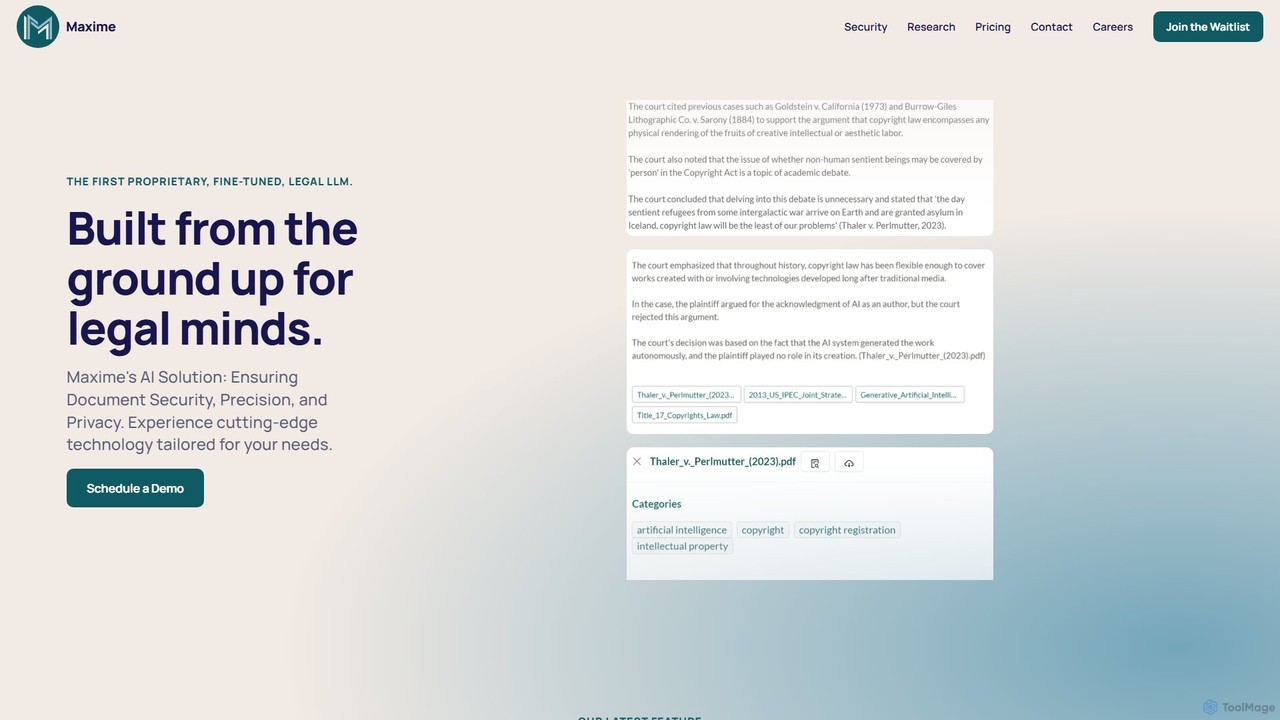
Maxime Tools is a secure, proprietary AI copilot designed specifically for legal professionals. It leverages a fine-tuned legal LLM to analyze documents, extract deal terms, and draft content without hallucinations. With a strong focus on security, privacy, and accuracy, it offers features like AI-powered search, multilingual support, and enterprise-grade compliance, streamlining legal workflows while protecting sensitive data.
Compliance
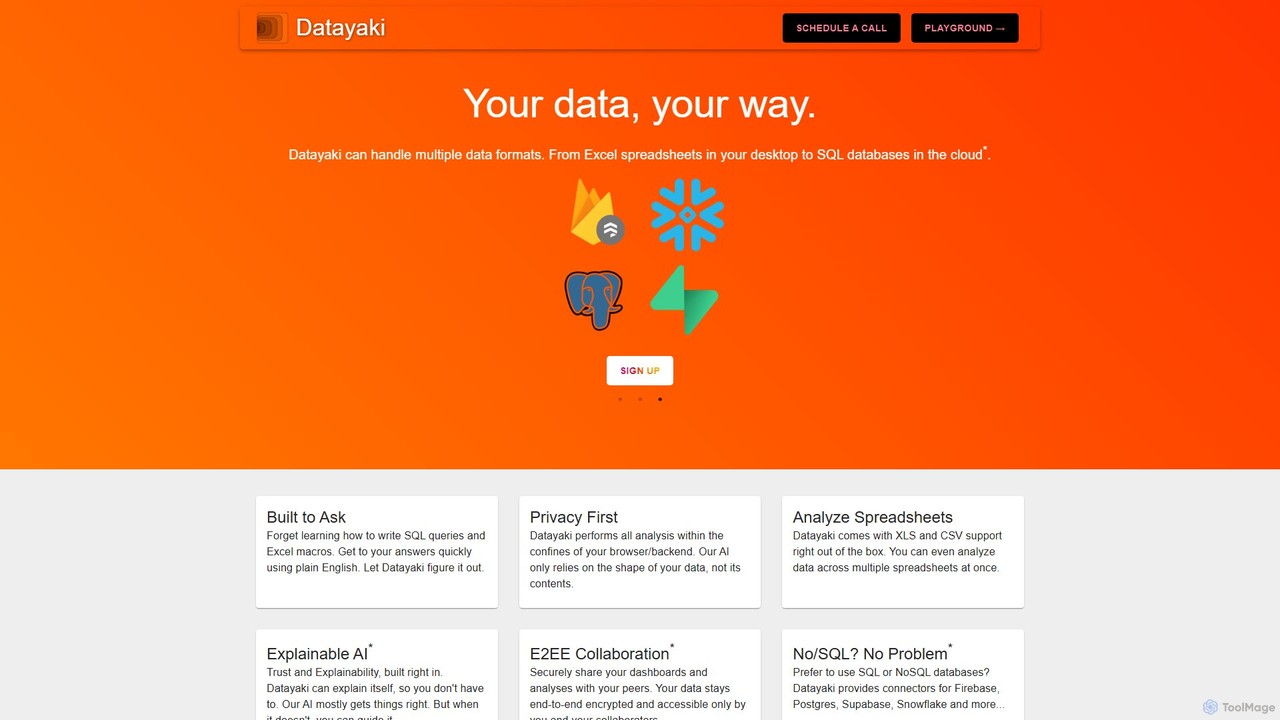
Datayaki is an AI-powered data analyst that lets you find insights from your data by asking questions in plain English. It supports formats like Excel and CSV, eliminating the need for SQL or complex formulas. With a strong focus on privacy, all analysis is performed locally in your browser, ensuring your data remains secure and confidential. It's designed for professionals and teams who need fast, accessible, and secure data analysis.
Data Visualization
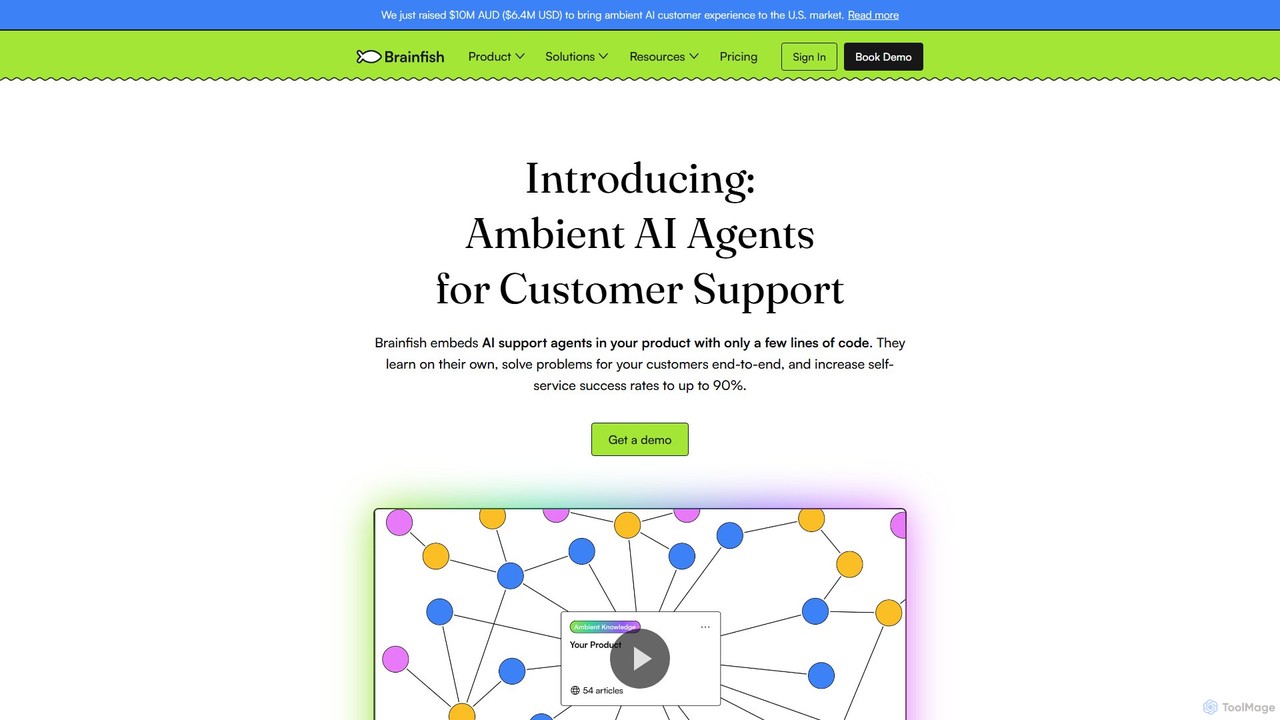
Brainfish is an ambient AI agent for customer support that embeds directly into your product. It autonomously learns from user behavior, automatically generates and updates help documentation, and proactively solves customer issues to increase self-service success rates up to 90%.
Customer Experience
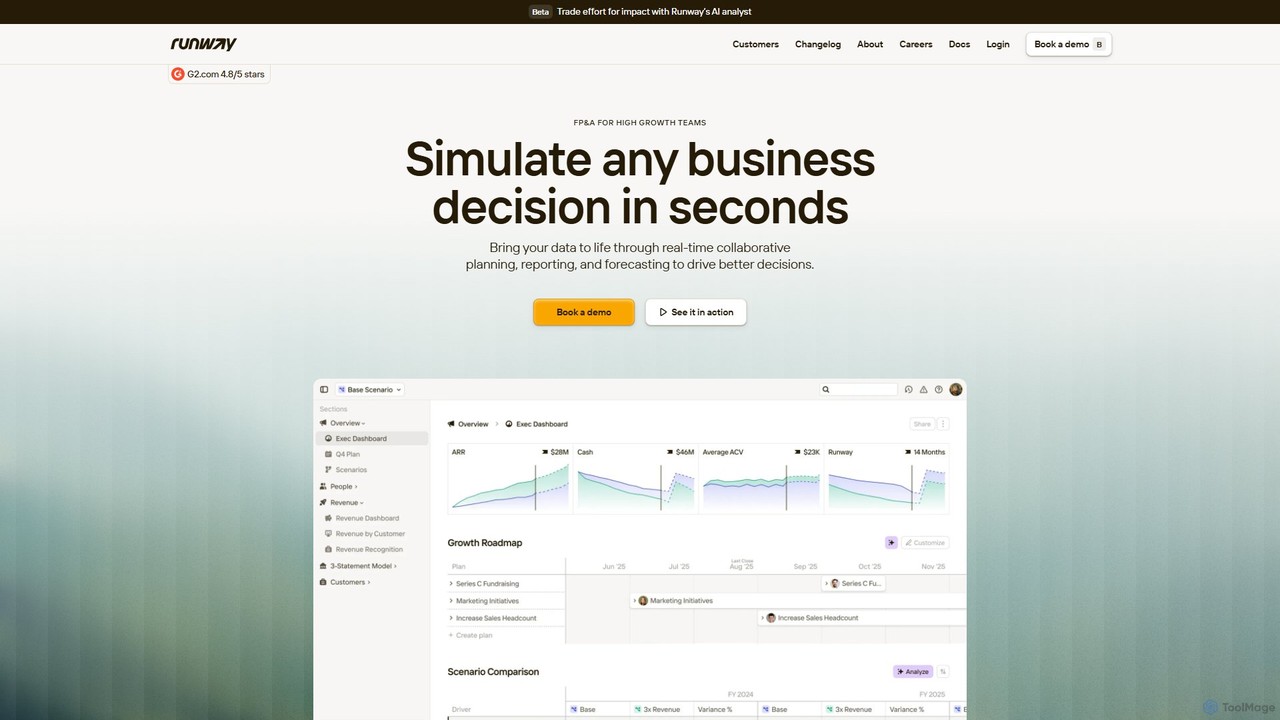
Runway is an AI-powered financial planning and analysis (FP&A) platform designed for high-growth companies. It replaces complex spreadsheets with a real-time, collaborative environment for planning, reporting, and forecasting. By integrating with over 750 data sources, Runway provides a unified, live model of your business, enabling teams to simulate decisions, analyze variances, and drive data-informed strategies with speed and clarity.
Business Intelligence
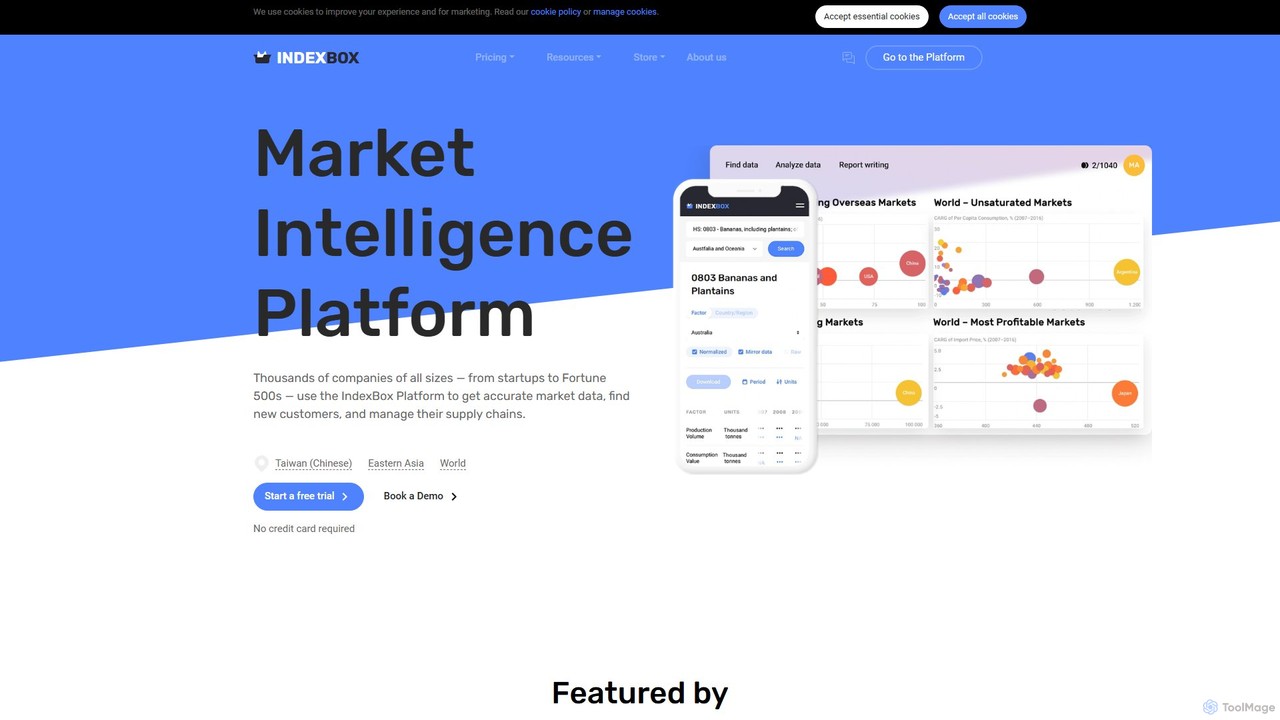
IndexBox is an AI-powered market intelligence platform providing businesses with comprehensive data, analytics, and forecasting tools. It offers access to over 6 billion datasets across 200 countries and 10,000+ products. Users can find new customers, manage supply chains, and make data-driven decisions using its in-depth market reports, predictive modeling, and customizable research services. It's designed for market analysts, startups, and large enterprises seeking a competitive edge in the global marketplace.
Market Intelligence
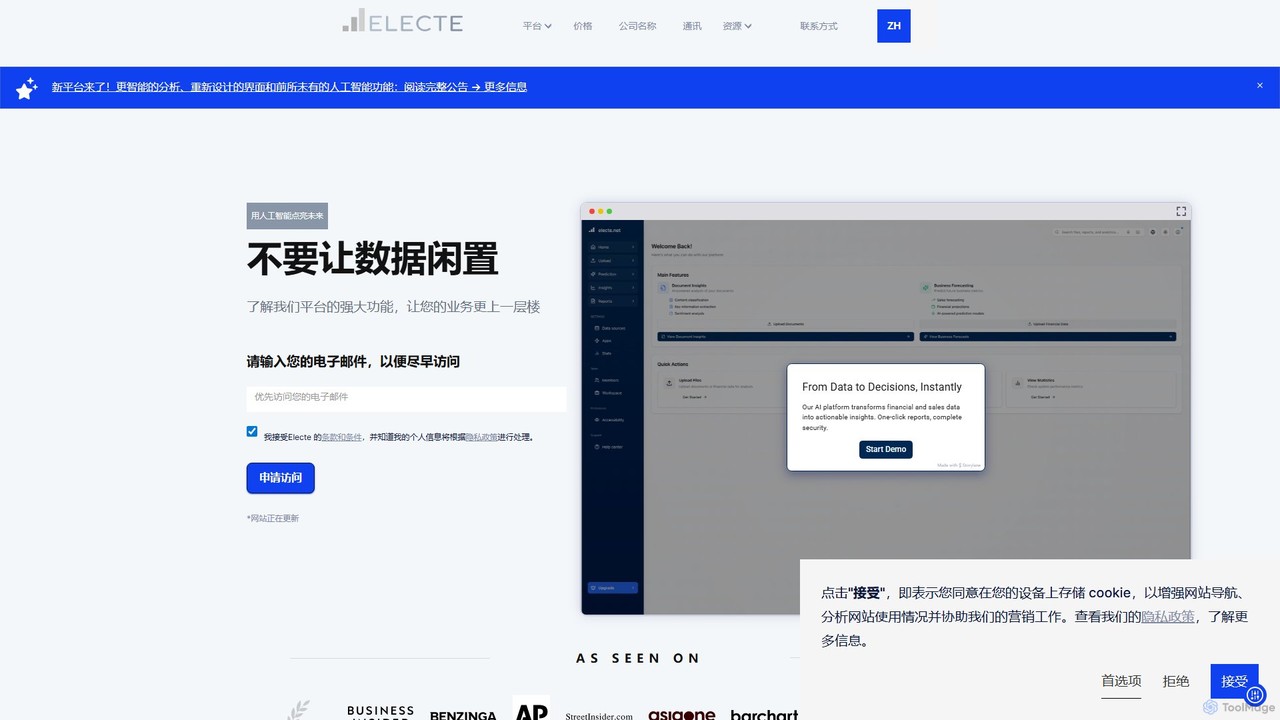
Electe is an AI-powered business intelligence platform designed to transform raw data into actionable insights. It automates data connection, analysis, and reporting, enabling teams of all technical levels to make smarter decisions. With features like sales forecasting, AI-driven document analysis, and customizable reports, Electe helps businesses enhance efficiency, drive innovation, and gain a competitive edge.
Business Intelligence
An AI-powered platform designed for investors and M&A teams to automate and accelerate the due diligence process. It analyzes vast amounts of public and proprietary data to deliver deep, actionable insights on companies, markets, and competitors, transforming weeks of research into hours.
Due Diligence
Monitaur is an AI governance and risk management platform that helps businesses operationalize responsible AI. It unifies data, governance, risk, and compliance teams to mitigate AI risks, ensure model fairness and performance, and turn ethical principles into provable actions.
Risk Management
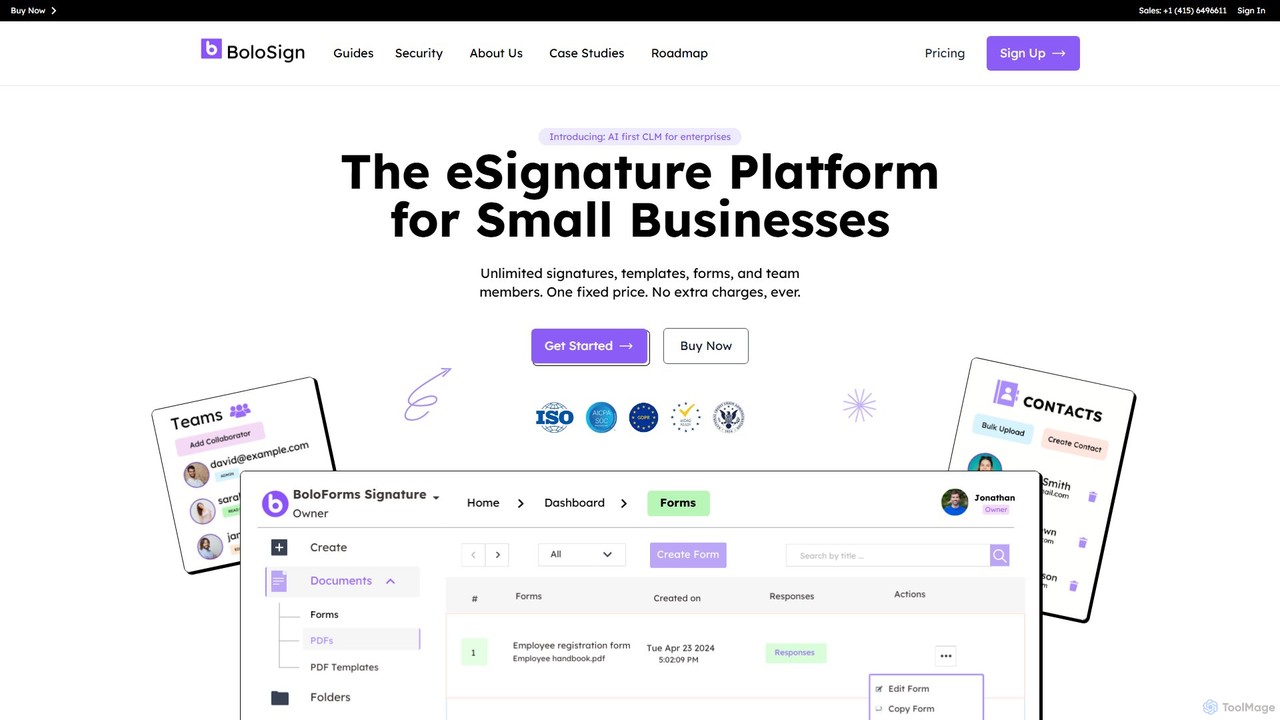
BoloForms offers BoloSign, an affordable and user-friendly e-signature platform designed for small businesses. It provides unlimited signatures, templates, and team members for one fixed price. The platform streamlines document workflows, ensures legal compliance with global standards like ESIGN and eIDAS, and features AI-powered Contract Lifecycle Management (CLM) to enhance productivity and collaboration.
Legal
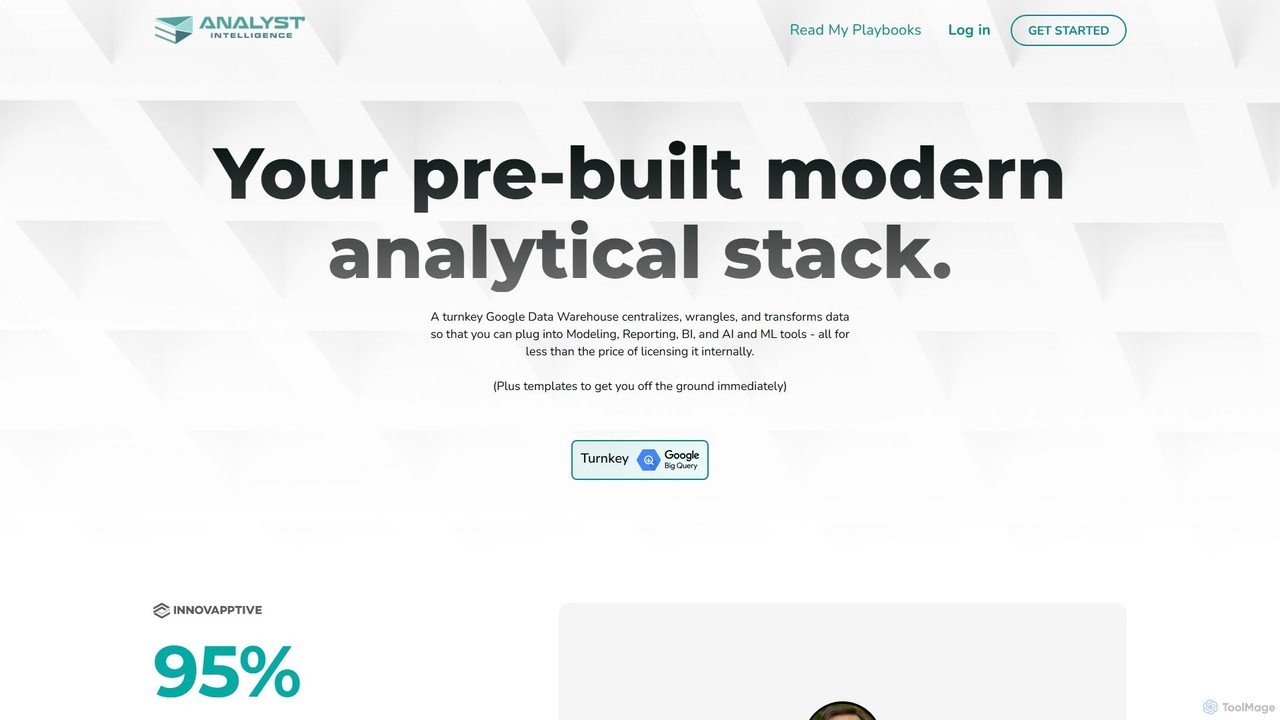
Analyst Intelligence is an AI-powered data analytics platform built on Google Cloud, designed for FP&A, Rev Ops, and BI teams. It simplifies data consolidation, cleaning, and analysis through a no-code interface and AI-assisted SQL. The platform centralizes data in a secure Google BigQuery warehouse, enabling advanced forecasting, automated reporting, and seamless integration with tools like Google Sheets, without requiring engineering resources.
Business Intelligence
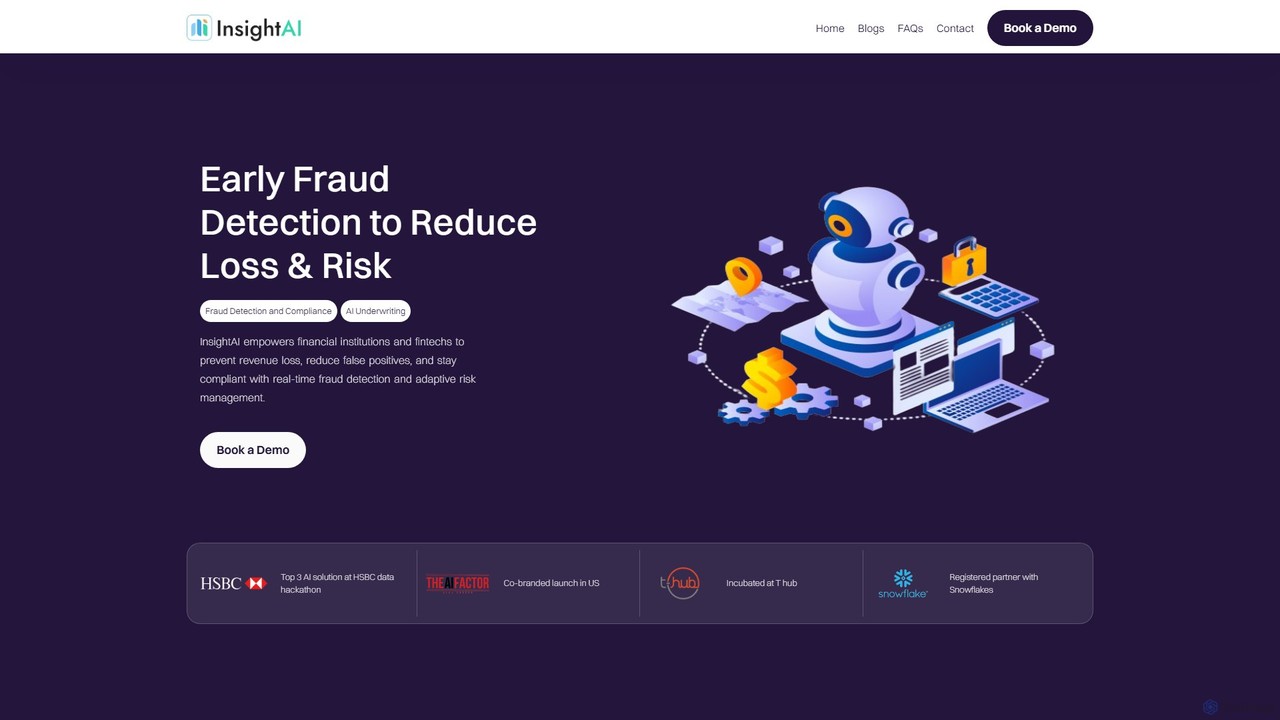
InsightAI is an AI-powered platform for financial institutions and fintechs, offering real-time fraud detection, adaptive risk management, and AI-driven underwriting. It automates data analysis, ensures compliance, and enhances operational efficiency, helping businesses reduce revenue loss and operational costs while improving accuracy and productivity.
Compliance
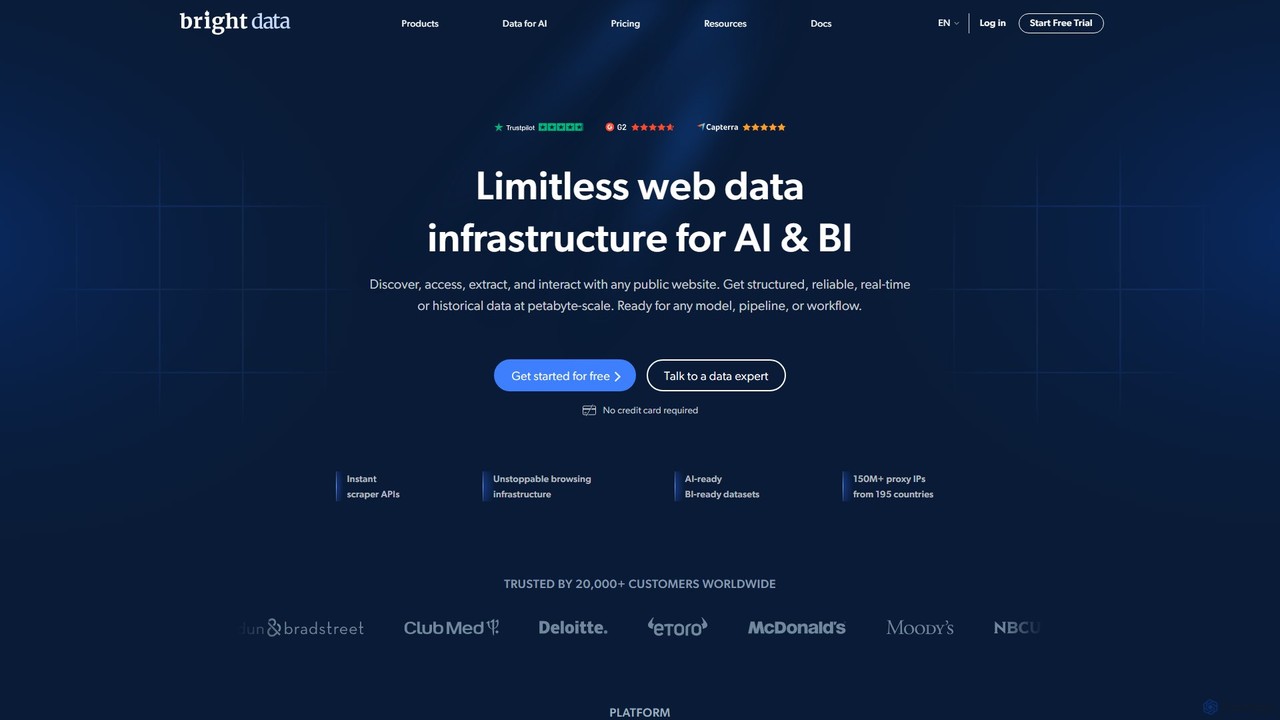
Bright Data is the world's leading web data platform, offering a comprehensive suite of tools including proxy networks, AI-powered web scrapers, and ready-to-use datasets. It enables businesses to collect vast amounts of public web data for AI training, market research, and competitive intelligence.
Business Intelligence
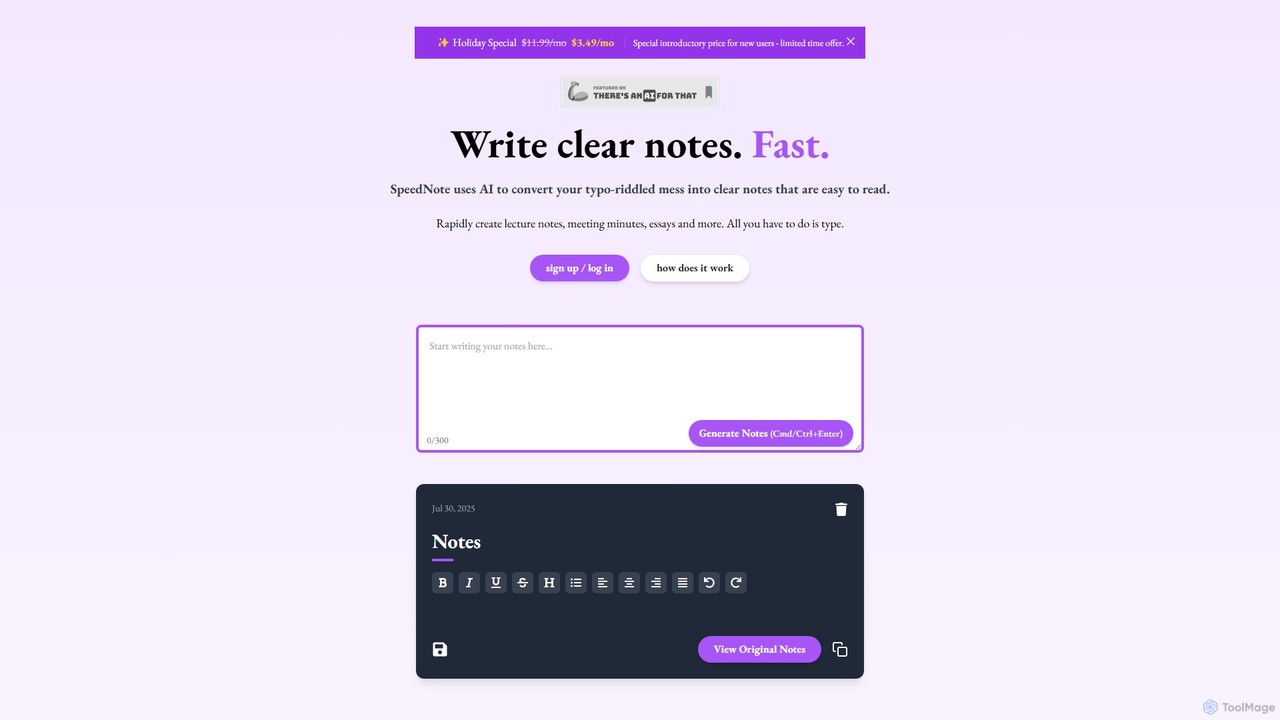
An AI-powered tool that automatically transforms your raw, messy notes into structured, summarized, and insightful documents. Ideal for students and professionals, it saves time by formatting text, highlighting key points, and adding valuable comments, boosting productivity and comprehension.
Meeting Management
Picterra is a GeoAI platform that enables users to analyze satellite and drone imagery to extract insights. It provides a no-code environment for building and deploying object detection models, empowering industries like agriculture, ESG, and infrastructure with scalable environmental intelligence.
Environmental Social Governance
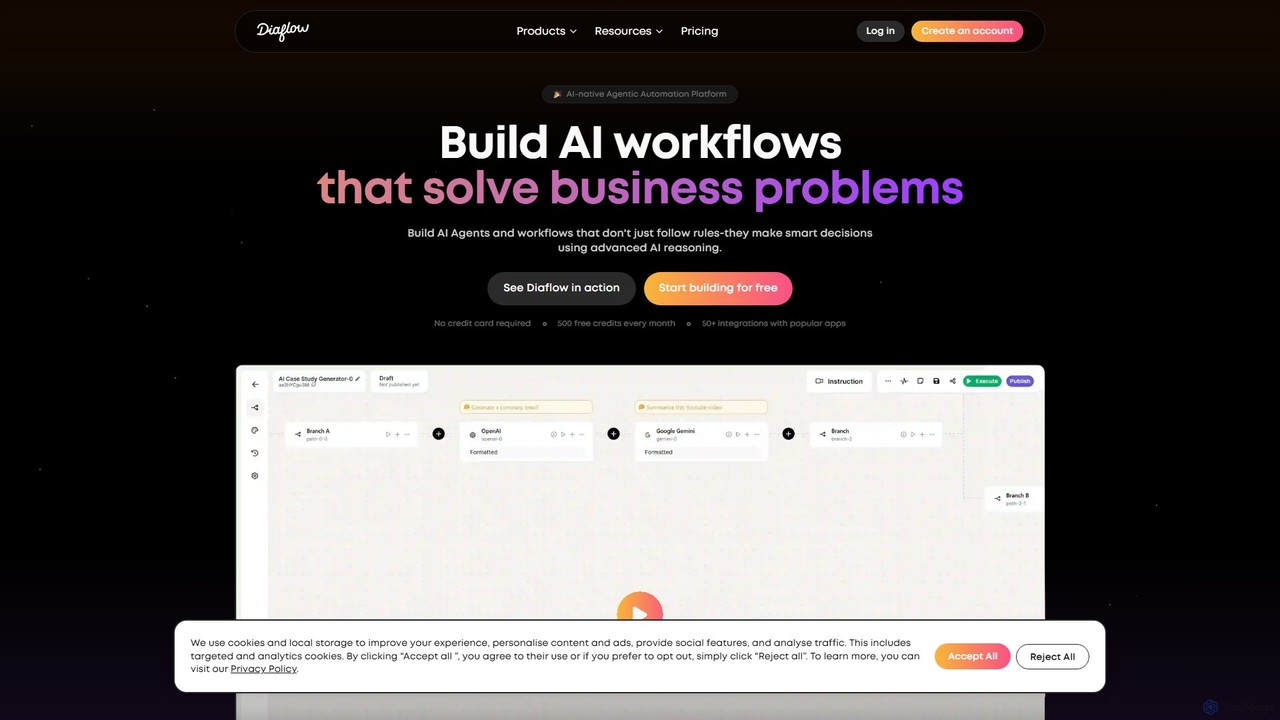
Diaflow is an AI-native, no-code platform for building intelligent workflows and agentic automations. It empowers users to solve complex business problems by creating smart, decision-making agents and internal tools without writing any code. It features a drag-and-drop builder, extensive integrations, and a built-in productivity suite.
Data Management
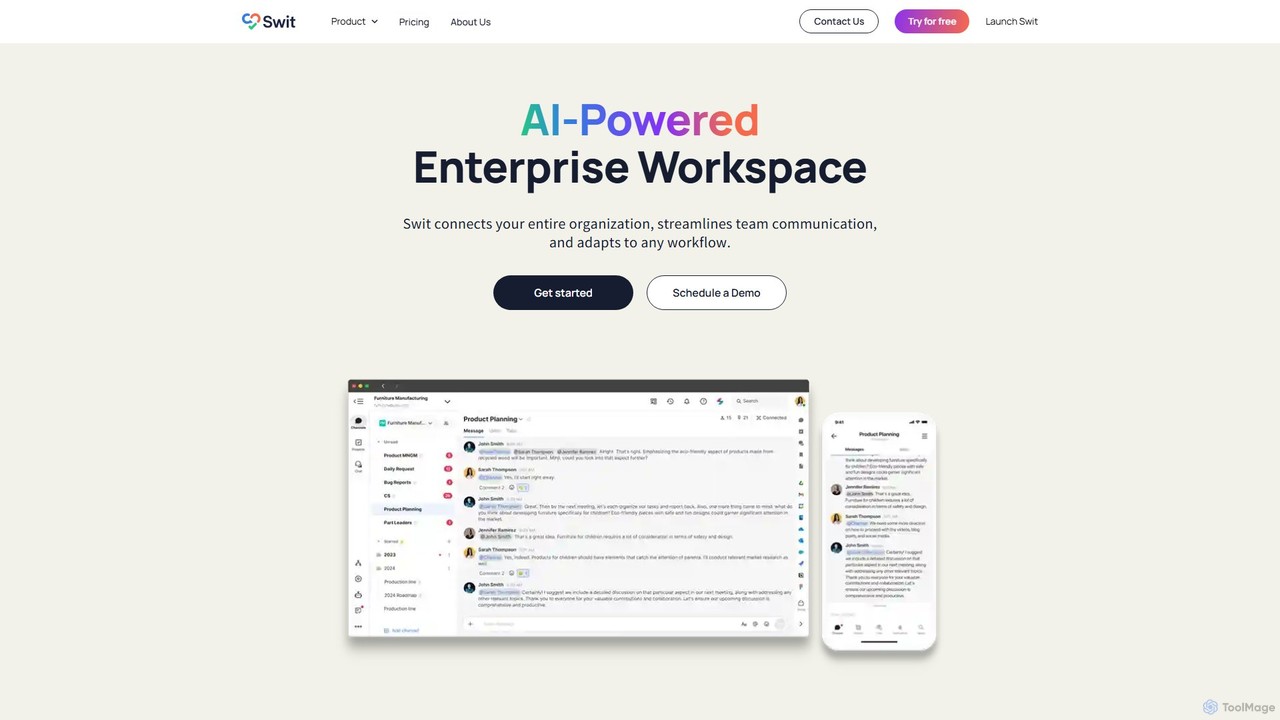
Swit is an AI-powered enterprise workspace that unifies team communication and task management into a single, integrated platform. It eliminates the need to switch between apps like Slack and Asana by combining chat, projects, automation, and powerful integrations. Designed for organizations of all sizes, Swit streamlines workflows, enhances cross-functional collaboration, and provides a central hub for all work-related activities, boosting productivity and transparency.
Team Management
Zigi.ai is an intelligent AI assistant designed to automate workflows, manage tasks, and enhance team collaboration. By integrating with your existing tools, Zigi proactively streamlines processes, summarizes meetings, and provides data-driven insights to boost productivity for individuals and businesses.
Intelligent Assistants
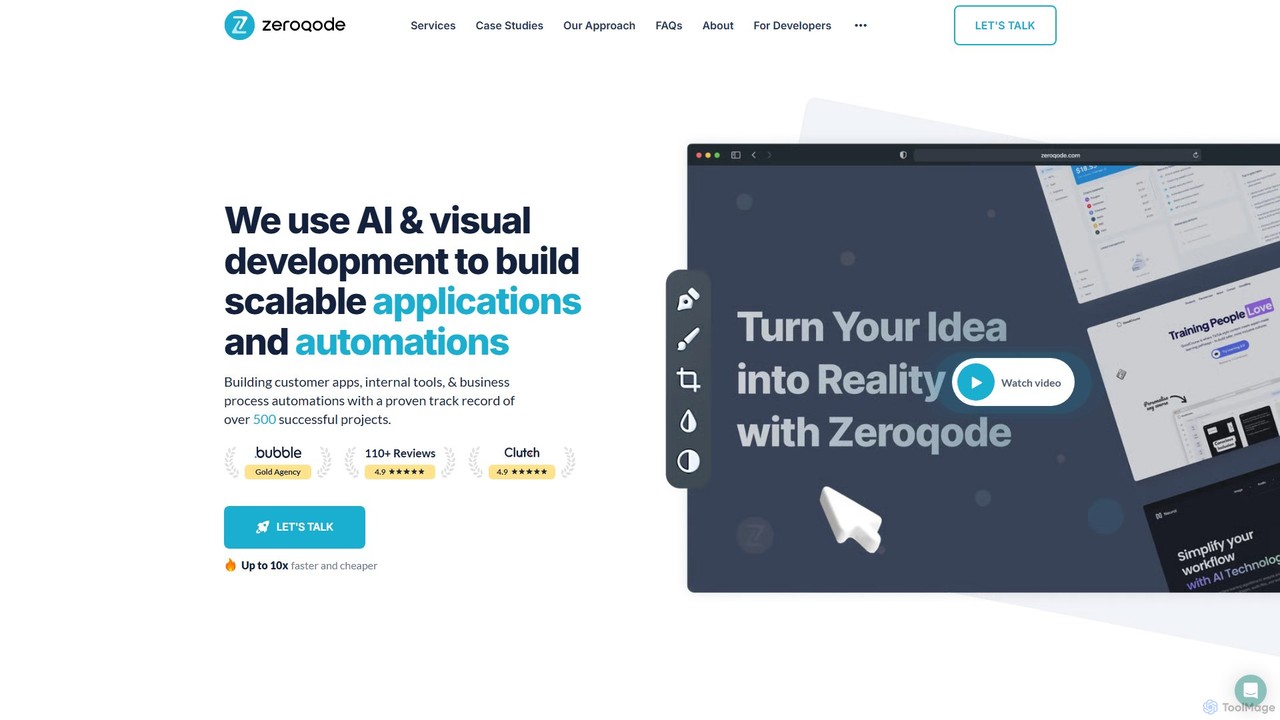
Zeroqode is a leading no-code and AI development agency that builds scalable web and mobile applications, SaaS products, and business automations. As a Bubble.io Gold Tier Agency, they offer a faster, more cost-effective alternative to traditional coding, delivering custom solutions up to 10x quicker. They provide end-to-end services, from MVP development to complex enterprise-grade systems, supported by the largest library of Bubble plugins.
AgencyBusiness AI tools are a class of software that leverages artificial intelligence to automate processes, analyze data, and enhance decision-making across various business functions. They utilize technologies like machine learning, natural language processing (NLP), and predictive analytics to handle tasks from customer support to financial forecasting. These tools help organizations improve efficiency, gain deeper market insights, personalize customer experiences, and optimize operational workflows. By integrating AI, businesses can shift from reactive problem-solving to proactive strategy development, creating a significant competitive advantage.
Business AI tools are applicable across nearly all sectors, including e-commerce, finance, healthcare, and manufacturing. They are used by marketing managers to optimize campaigns, financial analysts to assess risk, HR specialists to accelerate hiring, and operations directors to refine supply chains. For example, a retail company might use AI to predict inventory needs, while a financial firm uses it to detect fraudulent transactions in real-time.
When selecting a business AI tool, first assess its functional specificity—does it solve a niche problem or offer a broad platform? Evaluate its integration capabilities with your existing systems like CRM or ERP. Consider the tool's scalability and pricing model to ensure it aligns with your growth plans and budget. Finally, examine the user interface's ease of use and the quality of customer support provided, as these factors heavily influence adoption and long-term value.
A customer service manager for an e-commerce brand implements an AI chatbot on their website and social media channels. The chatbot is trained on the company's product information, FAQs, and return policies. It instantly handles over 70% of incoming customer queries, such as order status checks, product questions, and shipping information, around the clock. This frees up human agents to focus on complex, high-value interactions like handling disputes or providing detailed product recommendations. The result is a 40% reduction in response time and a significant increase in customer satisfaction scores.
A sales director at a B2B software company uses an AI-powered forecasting tool to improve accuracy. The tool analyzes historical sales data, CRM activity, market trends, and even macroeconomic indicators. It generates dynamic, data-driven sales forecasts that are significantly more reliable than manual spreadsheets. The sales team uses these insights to prioritize high-potential leads, allocate resources more effectively, and set realistic sales targets. This leads to a 15% increase in forecast accuracy, better inventory management, and more strategic planning for upcoming quarters.
An HR department at a fast-growing tech company is overwhelmed with thousands of applications for each open position. They adopt an AI tool that automatically screens and ranks resumes based on predefined criteria like skills, experience, and qualifications. The system can process hundreds of resumes in minutes, identifying the top 10% of candidates who are the best fit. This reduces the time-to-hire by 50% and allows recruiters to spend more time interviewing qualified candidates rather than manually sifting through applications. It also helps reduce unconscious bias in the initial screening phase.
A marketing team for a consumer goods company uses an AI platform to analyze customer data from various sources, including social media, purchase history, and website behavior. The AI identifies distinct customer segments and predicts which marketing messages and channels will be most effective for each group. The team uses these insights to launch highly targeted advertising campaigns, resulting in a 30% increase in click-through rates and a 20% higher conversion rate compared to previous, broader campaigns. The tool also provides real-time performance feedback, allowing for on-the-fly campaign adjustments.
The finance team in a mid-sized corporation uses an AI-powered accounting tool to automate its month-end closing process. The tool automatically ingests data from bank statements, invoices, and expense reports, matching transactions and identifying discrepancies in real-time. It flags potential errors for human review, drastically reducing manual data entry and reconciliation time. The system then generates comprehensive financial reports, including profit and loss statements and balance sheets, in a fraction of the time it previously took. This allows the finance team to focus on strategic analysis rather than tedious data processing.
An operations manager for a large retail chain uses an AI platform to optimize inventory and logistics. The tool analyzes historical sales data, seasonality, promotional events, and external factors like weather patterns to generate highly accurate demand forecasts for thousands of products across hundreds of stores. Based on these forecasts, the system recommends optimal inventory levels and automates purchase orders to prevent stockouts and reduce overstocking. This leads to a 25% reduction in carrying costs and a significant improvement in product availability, directly boosting sales and customer satisfaction.
AI Business tools are software applications that use artificial intelligence technologies like machine learning and natural language processing to automate tasks, analyze data, and support decision-making. They are designed to improve efficiency and provide insights across various business functions, including marketing, sales, finance, and human resources. Unlike general AI models, these tools are often purpose-built for specific business processes, such as managing customer relationships (CRM), automating accounting, or optimizing supply chains.
To choose the right AI tool, follow these steps:
The main difference lies in their application and design. General AI tools, like large language models, are versatile and can perform a wide range of tasks but often require significant customization and prompt engineering to be effective for business use. Business AI tools, on the other hand, are purpose-built to solve specific commercial problems. They come with pre-built workflows, integrations for common business software (like Salesforce or QuickBooks), and user interfaces designed for non-technical users in roles like marketing, finance, or HR.
AI can significantly enhance nearly every business function. Key areas include:
It is becoming increasingly easier. Many modern AI business tools are delivered as Software-as-a-Service (SaaS), which means they are cloud-based, require no complex installation, and are managed by the provider. They often feature user-friendly interfaces that don't require coding or data science expertise. Furthermore, many providers offer scalable pricing models, such as monthly subscriptions based on usage or number of users, making powerful AI capabilities accessible and affordable even for small businesses and startups.